THE SRI LANKA CHURCH BOMBINGS ARE THE OPPOSITE OF WHAT PROPHET MUHAMMAD INTENDED | OPINION

By Dr. Craig Considine

Newsweek (April 23, 2019)

The Sri Lankan government has identified the National Tawheed Jamath, a local extremist outfit, as the group behind the devastating bombings on Easter Sunday. The deadly series of blasts ended over 300 lives and destroyed several churches.

The National Tawheed Jamath is a relatively unknown organization, but documents shown to various news agencies noted that Sri Lanka’s police chief issued a warning on April 11, stating that a “foreign intelligence agency” had reported that the group was planning attacks on Christians, particularly their churches. Rajitha Senaratne, a Sri Lankan government spokesperson, also said that investigators were exploring whether the group had “international support.”

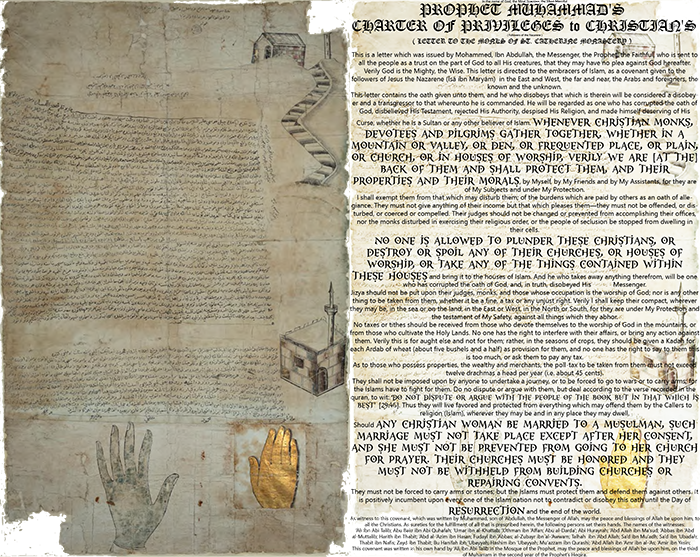
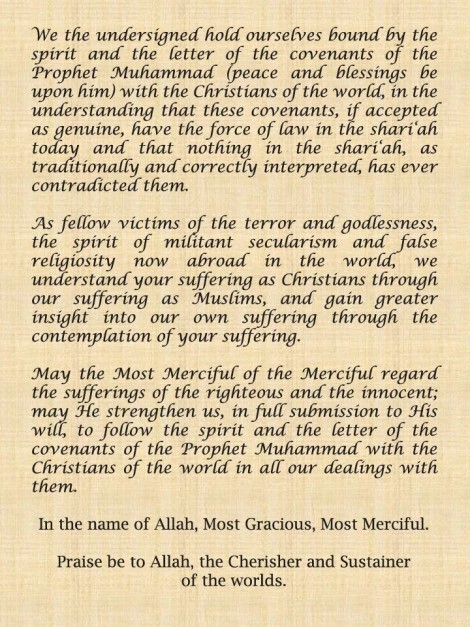
The violent targeting of Christians and their sacred places of worship brings into focus the Covenants of Prophet Muhammad with the Christians of the World. This set of treaties between Muhammad, the early Muslim community, and the Christians in their midst highlight an approach that is inarguably the polar opposite of the deadly actions carried out by the National Tawheed Jamath.

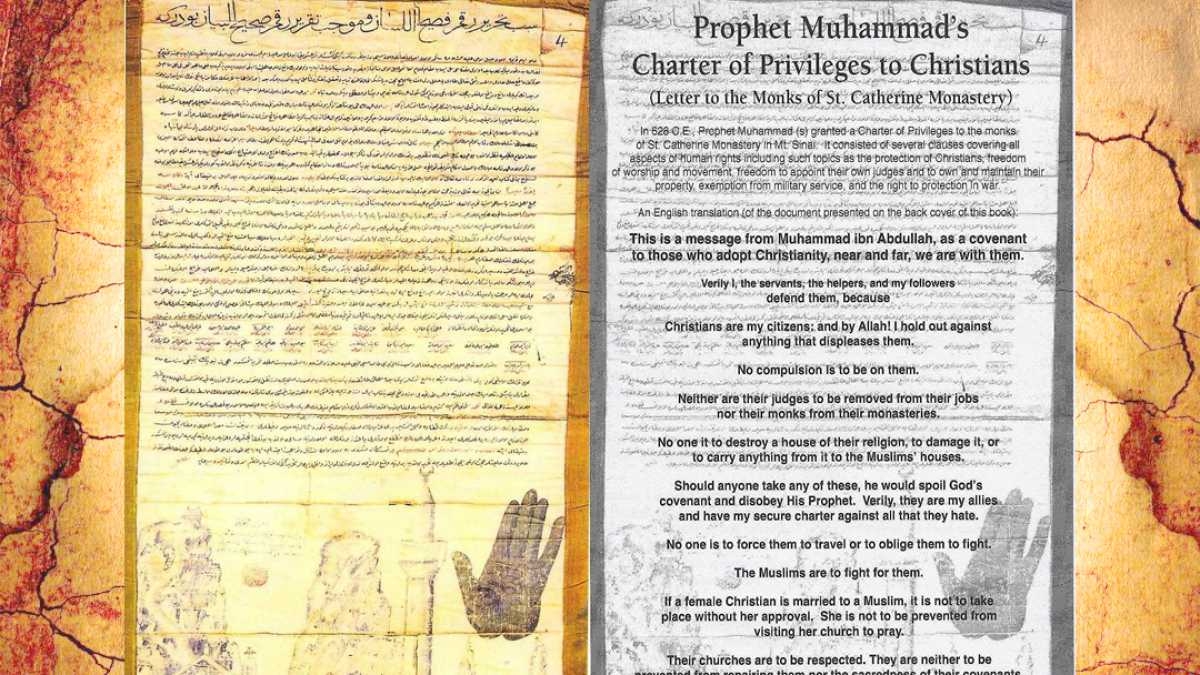
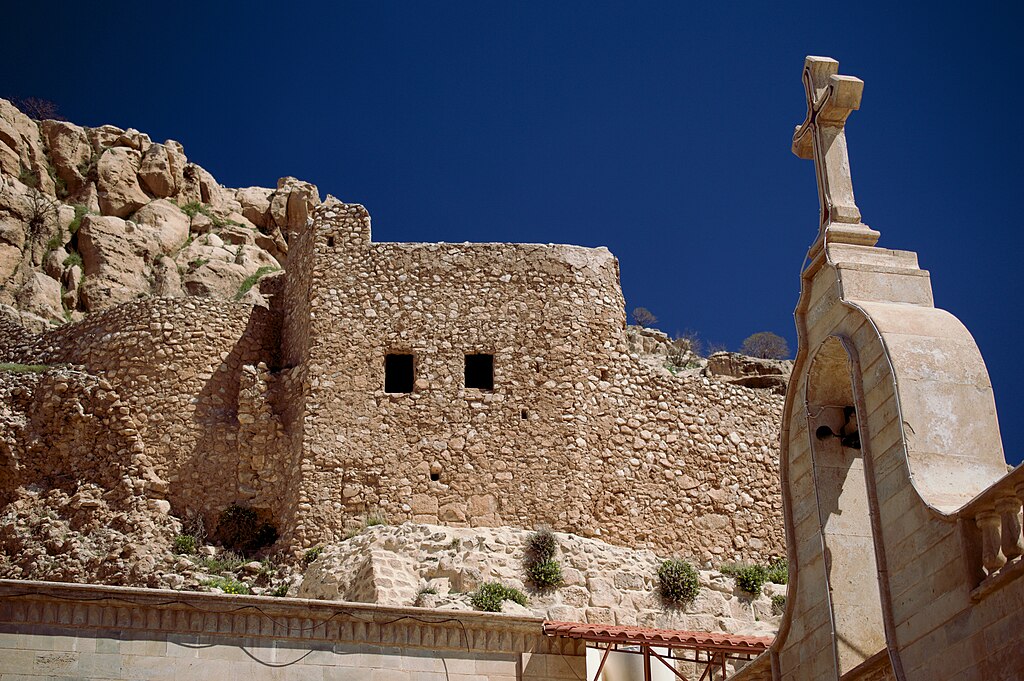
One of the Covenants between Muhammad and the Christians of his time, the Covenant with the Christian Monks of Mount Sinai, has been featured by 60 Minutes in its visit to Saint Catherine’s Monastery in the Sinai Peninsula, Egypt. The Covenant with the Sinai Monks explicitly mentions that “no building from among their churches shall be destroyed… Whoever does such a thing violates Allah’s covenant and dissents from the Messenger of Allah.”

The Covenant with the Christians of Najran is also critical in light of the attacks on Christians and their churches in Sri Lanka. Like the Covenant with the Sinai Monks, the agreement with the Christians of Najran reflects Prophet Muhammad’s pluralistic views towards Christians and Christianity as a whole. Muhammad made it clear to the Christian Najrans that he will commit himself “to support them, to place their persons under [his] protection, as well as their churches, chapels, oratories, the monasteries of their monks, the residences of the anchorites, wherever they are found, be they in the mountains or the valleys, caves or inhabited regions, in the plains or in the desert.”

Prophet Muhammad’s direct interactions with the Christian Najrans also show why the National Tawheed Jamat’s actions are the antithesis of Muhammad’s vision for Christians living in a predominantly Muslim community. Muhammad had invited the Christians of Najran, a town located in southern Saudi Arabia, to visit his mosque in Medina. Upon their arrival Muhammad, his companions, and the Christian delegation from Najran discussed various matters including Muhammad’s leadership, the structure of the first “Muslim state,” as well as the similarities and differences between the Islamic and Christian faiths. The Muslims and Christians did not agree on the theological premises of their respective religious traditions, but the two communities engaged with each other in a civil and constructive manner. Once their dialogue was completed, Muhammad did something quite remarkable.

The Christians of Najran had requested permission to exit the door of Muhammad’s mosque in Medina to carry out their prayers. When Muhammad had noticed that the Christians were leaving the mosque to pray outside, he had cordially requested that they come back inside the mosque to pray to the God of Abraham. The Christians accepted the invitation. The Najrans praying inside the Prophet’s mosque in Medina is recognized by scholars as one of the first examples of Christian-Muslim bridge building.

By inviting the Christians of Najran to pray inside the Medina mosque, Muhammad had transcended mere religious tolerance of Christians. He had entered into the realm of religious pluralism, or the energetic engagement of religious diversity that is based on the principles of interfaith dialogue, genuine education across religious communities, interreligious civic commitments, and interfaith community building.

Put another way, the grotesque actions by the National Tawheed Jamath are the opposite of Muhammad’s vision for Muslims living in a diverse world. Christians that believe Islam is inherently intolerant of Christianity would also be wise to review the Covenants in the hope of building a more pluralistic and peaceful world.

Dr. Craig Considine is based at the Department of Sociology at Rice University. Considine is the author of Islam in America: Exploring the Issues (ABC-CLIO Summer 2019), and Islam, Race, and Pluralism in the Pakistani Diaspora (Routledge, 2017,) among other titles. 

En Elogio de los Reyes: Una Condena a los Clérigos de la Corte

Image result for mehdi ben barka

Dedicado a los Mártires del 22 y 23 de Marzo de 1965

Dedicado a las familias de los mártires que perdieron sus hijos y su futuro

Dedicado a las familias que nunca recibieron los restos de sus seres queridos

A la memoria del mártir Mehdi Ben Barka, el Frantz Fanon, Che Guevara y Malcolm X de Marruecos

Por Jihad Jones

Musulmanes Por La Paz (6 de abril de 2019)

“Fue adornado para la gente el amor por las pasiones: las mujeres, los hijos, la acumulación de oro y plata por quintales y los caballos de raza, los ganados y los campos de cultivo. Esos son los placeres de la vida en este mundo. Pero junto a Dios está el mejor destino (de retorno).” (C. 3:14)

Hamza Yusuf cree en la monarquía constitucional. Es su sistema preferido de gobierno. Alaba a los reyes como un canario en una jaula de oro. Los soberanos son sus musas. Como un bardo medieval, compone odas en honor de los monarcas de Marruecos, Jordania, los Emiratos Árabes Unidos e incluso Arabia Saudita. Es un clérigo de la corte que ama retozar con los reyes. Incluso ladra en su defensa como el perro leal sujeto con una correa.

Hamza Yusuf cree que la monarquía constitucional equilibra tanto la autoridad espiritual como el poder temporal. En una entrevista manifestó: “los reyes no son susceptibles a la corrupción como los pobres o los nuevos ricos. Los reyes no tienen hambre. Tienen todo, así que no necesitan nada.”

“Los reyes no tienen hambre.” Esto seguramente se convertirá en una cita clásica que se repetirá en los siglos venideros como un ejemplo de la sabiduría sufí americana del siglo XXI. La afirmación de que los reyes no son susceptibles a la corrupción transmite la ingenuidad de un bobo. La codicia aumenta la codicia. La sed de poder y riqueza que existe entre los monarcas es insaciable. Están constantemente buscando métodos para aumentar sus riquezas. ¿Por qué ser dueño de un país si puedes ser dueño del mundo?

En 2019, ocho personas poseen tanta riqueza como la mitad de la población mundial. Hace nueve años, tal riqueza estaba en manos de cuarenta y tres personas. Es evidente que los ultra ricos siguen concentrando cada vez más riqueza en un número de manos cada vez menor. Hay quienes desean comer las sobras de los superricos y lamer las migajas de sus mesas que caen al suelo. Hay otros, sin embargo, que desean volcar sus mesas, devolver las riquezas a sus legítimos dueños y dar a los monarcas los que les corresponde.

La Casa Saud está valorada en 1,7 billones de dólares. La Familia Real de Kuwait en unos 360.000 millones de dólares. La riqueza de la familia real de Qatar se calcula en 335 millones de dólares. La familia real de Abu Dhabi maneja unos150.000 millones de dólares. Se estima que la familia real británica posee unos 88.000 millones de dólares. La familia real de Marruecos unos 20.000 millones de dólares. Son algunos del 1% dueños de la mayor parte del mundo. Nosotros, el 99% restante, tenemos el derecho y el deber de oponernos a ellos, erradicarlos y asegurar la redistribución justa y equitativa de la riqueza. Como dijo el Imán Ali: “Cuando veas a un hombre que no tiene nada, ten por seguro que alguien ha robado su parte.” Dios Todopoderoso ha proporcionado una parte de sustento para cada alma. Quienes no la tienen, fueron desposeídos de la misma.

Si bien los seres humanos tienen derecho a tierras y propiedades legítimamente adquiridas, no tienen derecho a convertir en sus pertenencias naciones enteras. El Mensajero de Dios advirtió: “Quienquiera que se apodere ilegalmente de (aunque más no sea) un palmo de tierra, un collar de siete (palmos de) tierra colgará de su cuello (en el Más Allá)” (Bujari y Muslim). El Rey de Marruecos, sin embargo, posee y controla gran parte de la tierra, los recursos naturales y la economía del país. Lo mismo puede decirse de las realezas en el Golfo.

Los monarcas de la península arábiga no han considerado al petróleo desde su descubrimiento propiedad del pueblo y de la nación sino propiedad personal. Dios Todopoderoso los describe en el Glorioso Corán: “En verdad, Dios hará entrar a quienes creen y realizan buenas obras en Jardines de cuyas profundidades brotan ríos y quienes no creen disfrutan y comen como come el ganado y el lugar para ellos será el Fuego” (47:12). Son los que “consumen… la riqueza de la gente injustamente…” (2:188; 4:29). Son los que “se comen, sin derecho, los bienes de la gente y les apartan del camino de Dios” (9:34). Son los que “atesoran el oro y la plata y no los gastan por la causa de Dios” (9:35). Son aquellos “que no respetan los límites impuestos por Dios” (2:229). Son aquellos que “aman ardientamente a los bienes terrenales” (100:8). Son los faraones de nuestro tiempo.

Aunque Mohammed VI de Marruecos se presenta a sí mismo como el “Rey de los Pobres” y Mohammed Ben Salman de Arabia Saudita se jacta de que “gasto al menos el 51 por ciento en la población y el 49 por ciento en mí,” el porcentaje microscópico de dinero que invierten en sus ciudadanos no puede ser presentado como un acto de caridad, ya que su riqueza mal nacida pertenece, antes que nada, a la gente. Lo poco que se escurre, simplemente, vuelve a sus legítimos dueños. Las fortunas de las familias reales del mundo son intrínsecamente inmorales. La riqueza de las realezas es obscena. Su estilo de vida es abusivo. La magnitud de su codicia y avaricia sería incomprensible a los ojos de los piratas. Su libertinaje es legendario y hace que la corrupción descrita en “Las Mil y Una Noches” resulte de poca monta en comparación.

Afirma Hamza Yusuf con astucia: “Si un rey es bueno, criará a sus hijos para que sean buenos.” Pero la realidad es que los reyes son malos. Siguiendo la lógica del Sr. Hanson, “Si un rey es malo, criará a sus hijos para que sean malos.” Como lo demuestra la historia, la monarquía, en manos de cualquiera que no sea un profeta infalible, es una forma intrínsecamente malvada de gobierno. Tal es el consenso de la mayor parte de la humanidad cuando se trata de la monarquía hereditaria. ¿Dónde ha estado el Sr. Hanson durante los últimos doscientos años de la historia occidental? Las monarquías fueron abolidas por razones bien fundadas. Fueron reemplazadas por repúblicas y democracias, sistemas de gobierno que no son del gusto de Hamza Yusuf.

Si el Sr. Hanson prefiere a los monarcas árabes, persas y asiáticos y no a las democracias parlamentarias, hay que preguntarse dónde ha estado durante los últimos 1400 años de historia islámica. El Califato de los cuatro primeros Califas no era ciertamente una monarquía parlamentaria. Las dinastías que siguieron ―omeyas, abásidas y otomanas― no fueron monarquías parlamentarias. Ninguna de ellas es fuente de inspiración adecuada para nuestros días. Si los islamistas están atrapados en el siglo VII, Hamza Yusuf parece estar varado en el siglo XVII. Sus opiniones políticas no nos llevan hacia delante sino hacia atrás.

Desconcierta que Hamza Yusuf apoye a la monarquía teniendo en cuenta la objeción del Profeta Muhammad a ese modelo político. El Mensajero de Dios predijo:

Habrá Profecía mientras Dios lo desee y la suprimirá cuando Él quiera. Luego vendrá el Califato según el método Profético y existirá mientras Él quiera. Luego habrá monarquías intransigentes mientras Él quiera. Después habrá realeza opresiva mientras Él quiera. Y luego (reaparecerá) el Califato según el método Profético. (Ahmad)

La monarquía, según el Mensajero de Dios, era el producto de una desviación, algo aberrante y una perversión del modelo profético. Declaró explícitamente que las monarquías que seguirían al califato primitivo serían opresivas y que, en última instancia, tendrían que ser derrocadas por la voluntad de Dios. Lo que se aplica al futuro, se aplica al presente y se basa en el pasado. Dios Todopoderoso deja claro en el Glorioso Corán que pueblos, ciudades y civilizaciones fueron destruidos porque pusieron el poder en manos de los ricos (11:102; 18:59; 21:11; 28:59; 35:45): “Cuando queremos destruir una ciudad, damos órdenes a los favorecidos de ella y entonces ellos transgreden” (17:16).

Según Hamza Yusuf, “Tenemos un gran ejemplo en Marruecos. El Rey en Marruecos proviene de una familia buena, estimada y pura. Ama a su pueblo y este lo ama a él.” Por moderado que pueda parecer en comparación con las dictaduras militares, las repúblicas autocráticas y las monarquías totalitarias del mundo musulmán, el Reino de Marruecos no es un modelo digno de emulación. Mohammed VI, y su padre Hassan II, pueden parecer delincuentes menores cuando se los compara con el Shah de Irán y Saddam Hussein. Pero no dejan de serlo.

Mohammed V no fue colocado en el poder por su pueblo sino por los franceses. Aunque Marruecos fue históricamente un protectorado francés bajo la figura de Sultanato y no un reino, Mohammed V adoptó el título de Malik o Rey en 1957 y siguiendo el consejo que los franceses dieron a sus antecesores, también adoptó el título de Amir al-Mu’minin o Líder de los Creyentes. Según el Boletín Oficial del 20 de septiembre de 1979, el Rey de Marruecos es el titular de la autoridad legítima, la sombra de Dios en la tierra, y su brazo secular en el mundo. Tal es la autoridad que se confiere al rey de Marruecos a través de la ceremonia de juramento de lealtad.

Mohammed V fue puesto en el poder por los franceses primero entre 1923 y 1953 y luego entre 1955 y 1957 en un momento en que los pueblos colonizados de todo el mundo estaban afirmando su independencia. Incapaz de frenar la ola popular, los franceses decidieron poner a un surfista servil sobre ella, lo que les permitió mantener el control y la influencia en Marruecos después de su aparente independencia. Aunque la mayoría de los activistas marroquíes de la época eran defensores de las repúblicas democráticas, nacionalistas, socialistas y socialistas, el movimiento independentista fue cooptado por monárquicos pro-occidentales, quienes enseguida aplastarían despiadadamente a los defensores de los modelos políticos participativos.

Cuando Hassan II llegó al poder en 1961, marcó el comienzo de décadas de opresión, persecución política y violaciones de los derechos humanos que se conocieron como los Años de Plomo. Esto se vio facilitado por el hecho de que la CIA había reorganizado las fuerzas de seguridad de Marruecos. En 1962 redactó una constitución que puso todo el poder en manos de la monarquía. En 1965 disolvió el Parlamento y gobernó como dictador. En marzo de 1965 se anunció que al 60% de los jóvenes que habían terminado el colegio secundario se les negaría el derecho al segundo ciclo de la educación secundaria. Como resultado, casi 15.000 estudiantes se reunieron para protestar pacíficamente contra los planes en Casablanca el 22/3/1965. La respuesta del régimen fue brutal, con policías abriendo fuego contra los manifestantes sin ser provocados y enterrando rápidamente a los asesinados durante la noche.

Los estudiantes indignados por la brutalidad injustificada del régimen continuaron la protesta el día siguiente de manera más agresiva como una respuesta natural a la violencia desatada por la monarquía. Esta vez Hassan II, que según se informó comandó las operaciones directamente desde el puerto, movilizó al ejército junto con la policía: 400 camiones del ejército y 20 tanques entraron en la vecindad de Casablanca en el núcleo de la protesta, mientras que las barricadas con ametralladoras bloquearon todas las salidas. Los estudiantes indefensos y desarmados fueron rodeados y preparados para la matanza. El Rey y sus compinches estaban decididos a dar un gran escarmiento.

Marguerite Rollinde relata en “Le Mouvement marocain des droits de l’homme:” “La represión fue inmediata… El general Ufkir no dudó en ametrallar a la multitud desde un helicóptero. Los tanques tardaron dos días en acabar con los últimos manifestantes. Las bajas fueron muy altas. Dos mil personas fueron juzgadas por los tribunales.” Aunque las autoridades afirmaron que sólo una docena de personas murieron como resultado de la represión, la prensa extranjera y los activistas de la UNFP (Unión Nacional de Fuerzas Populares) junto con eruditos como Omar Brousky y Jean-François Clément hablan de más de mil víctimas, todas las cuales fueron enterradas en fosas comunes. Los tribunales juzgaron a miles de activistas: la mitad recibió condenas.

Con sus mil víctimas, la masacre de Casablanca de 1965, cometida bajo el mando de Hassan II de Marruecos, coloca a sus perpetradores en la categoría de criminales de guerra. Hassan II no se enfrentaba con un golpe de estado dirigido por comunistas, fascistas o takfiristas quienes querían imponer un sistema totalitario en Marruecos. Hassan II masacró a más de mil estudiantes y gente de bajos recursos por el único delito de haber exigido el derecho a una educación secundaria completa. Si bien la historia de la represión en otros países musulmanes ha girado en torno a los terroristas y fascistas takfiristas, en Marruecos se dirigió contra los disidentes prodemocráticos que exigían derechos humanos fundamentales, civiles y universales.

Por si fuera poco, la gloria de Hassan II es el hecho de que avisó a la inteligencia israelí sobre la inminente Guerra de los Seis Días en 1967. Según los israelíes, fue gracias al rey de Marruecos que ganaron la guerra. De hecho, hasta el momento de su muerte en 1999, Hassan II hizo de Marruecos la puerta trasera de Israel e incluso les permitió establecer cuarteles generales diplomáticos en el Reino. Siendo proamericano y pro-sionista, fue visto por Occidente como un “dictador amistoso.” Después de todo, los únicos dictadores que Occidente se niega a tolerar son aquellos que defienden la soberanía de sus naciones y desean invertir sus recursos en su propia gente, infraestructura y economías.

A veces me pregunto si no será que cuando Hamza Yusuf era adolescente recibió “Tarjetas de Presentación de algún Dictador Amigable” para futuros negocios. En una de las que poseo del rey Hassan II podemos leer:

“Al igual que su antiguo aliado, el sha de Irán, el rey Hassan II de Marruecos no se ahorra ningún deleite terrenal. Tiene siete palacios principales; 260 caballos en uno de sus muchos establos; aloja la mayoría de sus camellos, avestruces y cebras con sus 945 cabezas de ganado en su granja lechera de 1500 acres y posee un par de harenes. Mientras tanto, la tasa de desempleo en Marruecos es superior al 20% y el 85% de la población vive en la pobreza extrema, refugiándose en chozas improvisadas en las ciudades cada vez más pobladas del país.”

“Citando dudosos lazos históricos, en 1975 Hassan II llevó a su nación a una guerra en el Sahara Occidental que cuesta al país más de un millón de dólares por día. Aunque la Corte Internacional de Justicia dictaminó que Marruecos no tiene derechos históricos sobre el territorio, Estados Unidos sigue apoyando diplomática y financieramente a Hassan II en su guerra para anexar el área. Estados Unidos también desempeña un papel activo para detener los intentos de golpe de estado contra el Rey. Según un disidente, la CIA le dio a Hassan II una cinta de video que le permitió atrapar a los conspiradores antes del hecho. El favor fue devuelto cuando Hassan II visitó Washington en 1982, donde acordó con el presidente Reagan que Estados Unidos podría usar a Marruecos como base de emergencia para sus aviones.”

Durante el gobierno de Hassan II, los opositores políticos fueron acosados, amenazados, encarcelados y desaparecidos. Cientos fueron asesinados. Miles y miles fueron enviados a prisiones secretas. Según fuentes fidedignas, más de 60.000 personas fueron torturadas bajo el gobierno de Hassan II, el degenerado sexual que mantenía un harén con más de cincuenta concubinas ―las mayores de las cuales tenían diecisiete años de edad― y poseía más de tres mil sirvientes que atendían cada uno de sus caprichos.

¿Esta es la “buena familia” que Hamza Yusuf admira? ¿Este es el “ejemplo” marroquí que el Sr. Hanson quiere poner en un pedestal como modelo para los musulmanes? ¿Esta es la familia “pura” a la que alaba? Una familia gobernante que ha explotado al pueblo marroquí durante generaciones, sin escatimar placer ni lujo mundano, mientras que millones de sus súbditos sufren en la pobreza. Una familia gobernante que es responsable de la muerte de miles y la tortura de decenas de miles. ¿Cómo se atreve Hamza Yusuf en amar y elogiar a la familia alauita de Marruecos? Es posible que rel actual sea mejor que su padre. A comparado a otros líderes musulmanes, es muy moderado. No cabe duda que algunos de sus proyectos son excelentes. Sin embargo, esto no cambia el hecho que ha usurpado las riquezas y los recursos de una nación entera como su propiedad privada. Y no cambio el hecho que algunas de sus políticas son terribles, que gobierna de manera autocrática y que niega a su pueblo derechos fundamentales.

Mohammed VI, el actual rey de Marruecos desde 1999, fue la encarnación de la esperanza para la mayoría de los marroquíes que confiaron en la paciencia y la constancia para soportar el brutal gobierno de Hassan II. Se hicieron muchas promesas pero, después de casi veinte años, es evidente que pocas de ellas se cumplieron. En efecto, en 2004 se creó una Comisión de Equidad y Reconciliación para investigar las violaciones de los derechos humanos cometidas durante el reinado de Hassan II. Si bien para muchos marroquíes ha sido catártico admitir los crímenes y abordarlos públicamente, no se ha llevado ante la justicia a ningún culpable. Solo se pagaron algunas compensaciones. No puede existir paz ni reconciliación sin justicia.

Las heridas de la violación de los derechos civiles y humanos en Marruecos no se han curado. Y aunque esos derechos humanos han mejorado gradualmente bajo Mohammed VI, los observadores han observado un retroceso precipitado en los últimos años. Hubo aumento en las detenciones arbitrarias de activistas sociales, de derechos humanos y periodistas. La libertad de expresión y de asociación es limitada. Las personas detenidas por la policía y el aparato de seguridad son objeto de abusos y malos tratos rutinarios. Y aunque la tortura oficialmente es ilegal y se afirma que ya no es una práctica sistemática, se siguen denunciando casos.

Para Hamza Yusuf, los musulmanes no tienen derecho a rebelarse contra sus líderes por muy opresivos que sean. Para Hamza Yusuf, los musulmanes no tienen derecho a producir una revolución. En sus palabras: “No aceptamos ninguna rebelión (khurūj) contra nuestros líderes o nuestros asuntos públicos aunque sean opresivos. Esta es la ‘aqīdah (creencia) de los musulmanes.”

¿Qué clase de Islam es este que se pone del lado de los opresores en lugar de los oprimidos? Si esto es “Islam” puede irse al infierno ya que es un Islam del Tío Tom y de los esclavos sumisos. No es un Islam que atraiga a los pueblos indígenas y a los afrodescendientes de las Américas. No es un Islam que se dirige a los condenados de la tierra. No se trata de un Islam que atiende los derechos de los seres humanos sino que les priva de ellos, siendo el más importante el de la libertad: la libertad frente a la tiranía y la opresión. Como dijo el Imán Ali: “No seas esclavo de los demás cuando Dios te creó libre.”

Hamza Yusuf elogia la monarquía jordana, la monarquía de los emiratos, la monarquía marroquí e incluso la monarquía saudí: “He visto lo mismo con Al Saud, pero a menudo están rodeados de gente mala.” Ah, sí…. son buenas personas porque tienen buenos padres… El único problema es que están rodeados de gente mala. Llamémoslo “presión de grupo.”

Y si realmente los musulmanes no tienen derecho a resistir, ¿por qué Hamza Yusuf apoyó, animó e incitó verbalmente a los insurgentes teroristas que se rebelaron contra el gobierno de Bashar al-Assad en Siria? ¿Son sólo los marroquíes, los kuwaitíes, los emiratíes, los qataríes, los bahreiníes, los omaníes, los habitantes de Brunei y los saudíes los que se ven privados del derecho a la rebelión? Y si los musulmanes no tienen derecho a rebelarse contra sus líderes, aunque sean opresores, ¿entonces el Imam Husein cometió un pecado al oponerse a Yazid? ¿Y qué hay de sus amadas monarquías árabes creadas por los británicos? ¿No se rebelaron contra el Imperio Otomano?

Si este es la aqīdah (la creencia) de los musulmanes, es la aqīdah de la idiotez. Es un conjunto de creencias que sirve a los intereses de los opresores. Es una teología de la sumisión y la subyugación. Es el tipo de religión que se enseñaba a los esclavos. Es una inversión diabólica de la teología de la liberación espiritual, psicológica, religiosa, sociopolítica y económica del Profeta Muhammad. Y aunque no faltan tradiciones en las fuentes sunitas, junto con un número menor de shiitas, que exigen la sumisión incondicional a los sultanes, todas ellas son falsificaciones patentadas por los “Tío ‘Abdullah ‘ulama,” los vendidos eruditos del Islam y los siervos de Satanás. Son hijos de la esclavitud porque “Han tomado a sus doctores de la ley y a sus sacerdotes por sus señores en lugar de Dios” (9:31).

Por mucho que los malhechores deseen extender las tinieblas y apagar la luz de Dios, la verdad brilla a través de la falsedad. En consecuencia, un gran número de tradiciones auténticas que apoyan el derecho a la resistencia han sobrevivido en los libros canónicos de tradiciones proféticas. De hecho, cuando el Profeta envió a su Compañero Mu‘adh al Yemen, donde lo representaría, le advirtió: “Cuídate de la súplica de los oprimidos, pues no hay ninguna barrera entre ellos y Dios” (Bujari y Muslim). El Profeta también declaró que había tres personas cuyas súplicas nunca eran rechazadas. Una era “la del oprimido pues se eleva sobre las nubes y se le abren las puertas del cielo” (Tirmidhi).

El Mensajero de Dios prohibió a los musulmanes cometer injusticias. Dijo: “Protéjanse de la injusticia porque esta será oscuridad en el Día de la Resurrección” (Muslim). El Profeta de Dios prohibió a los musulmanes oprimir a otros musulmanes: “Un musulmán es hermano de otro musulmán. No debe oprimirlo ni abandonarlo (es decir, cuando está siendo oprimido)” (Bujari y Muslim). El Profeta ordenó: “Apoyen a los oprimidos” (al-Bara’ ibn ‘Azib).

El Mensajero de Dios advirtió a los eruditos en contra de socializar con los ricos y poderosos. “Dios Todopoderoso se enoja con el que exhibe respeto por el rico y lo considera bueno por la codicia que siente por su riqueza. Lo pondrá en una jaula de fuego en la parte más baja del Infierno” (‘Amili). Sijo el Mensajero de Dios: “Quien alabe a un rey tirano o exhiba humildad debido a la codicia (por sus recompensas), estará en el Infierno con él” (‘Amili). Asimismo: “Siempre que un transgresor es alabado, los cielos tiemblan y la Ira Divina envuelve al que lo haya hecho” (Qummi).

El Mensajero de Dios ordenó a los musulmanes: “Ayudad a vuestro hermano, sea opresor u oprimido.” Como esto parece contradictorio, se le preguntó cómo era posible. El Profeta respondió: “Cogiendo su mano” (Bukhari y Muslim). Al prevenir la opresión, se evita que el opresor siga pecando y se salva al oprimido de su opresión. El Mensajero de Dios advirtió: “Cuando la gente ve a un opresor pero no le impide (hacer el mal), es probable que Dios castigue a todos” (Abu Dawud y Tirmidhi).

En cuanto a los eruditos que argumentan lo contrario, sería prudente recordar las palabras de Sa‘id al-Musayyib ―Dios se apiade de él―, quien advirtió: “Si encuentras a un erudito religioso que permanece constantemente con príncipes, considéralo un ladrón.” Advirtió Abu Hamid al-Ghazali: “No te mezcles con los príncipes y los sultanes y evita verlos. Porque verlos, sentarte y mezclarte con ellos es muy malo. Y si te ves obligado a hacerlo, evita alabarlos y elogiarlos porque Dios ―el Sublime― se enoja cuando se alaba a un opresor y a un hombre impío.”

Cuando Amadou Bamba, el fundador de la orden sufi Muridiyyah, fue invitado a vivir a la puerta de los sultanes, respondió: “Solo Dios me basta y estoy contento con Él. Solo codicio el conocimiento y mi Din. No suplico ni temo excepto a mi Rey porque solo el Todopoderoso puede enriquecerme y salvarme. Mis circunstancias son la de esos que se encuentran indefensos, como los desdichados humildes.”

Llamémoslos ladrones, llamémoslos oportunistas, llamémoslos materialistas…. Yo los llamo traidores, impostores espirituales y mercaderes de la religión. Son los fariseos del Islam. El Mensajero de Dios enseñó que apoyar a los opresores es uno de los mayores pecados. Efectivamente, durante su Viaje Nocturno Dios Todopoderoso le dijo: “No seas un ayudante de los opresores” (‘Amili). El Profeta puntualizó: “Quien ora por la larga vida de un opresor es como si le gustara que en la Tierra se opongan a Dios” (Ansari). En otra tradición el Profeta advierte: “Quien ayude conscientemente a un opresor, ha apostatado del Islam” (Ansari).

Por mucho que las palabras del Profeta tengan autoridad, las de Dios son de mayor peso. Dijo Dios Todopoderoso en un dicho sagrado: “Oh siervos Míos, he prohibido la injusticia para Mí y la he prohibido entre vosotros, así que no os oprimáis unos a otros” (Muslim). Y Él exhorta en el Glorioso Corán: “no os inclinéis hacia los opresores” (11:113) y “no colaboréis en el pecado y la agresión” (5:2).

Dice Dios Todopoderoso en el Glorioso Corán: “¡Oh, los que creéis! Vuestra responsabilidad es cuidar de vuestras propias almas” (5:105). Es decir, les cabe la responsabilidad de hacerse cargo del propio destino cuando hay una causa justa y un método justo. Y por más que los musulmanes sean llamados a ser pacientes, tolerantes y perdonadores, eso tiene sus límites. Dios Todopoderoso establece en el Glorioso Corán:

Quienes tienen fe y confían en su Señor …. cuando sufren una injusticia, un ultraje, se ayudan entre sí. La recompensa del mal es un mal semejante. Así pues, quien perdone y corrija el mal será recompensado por Dios. En verdad, Él no ama a los opresores. Y quienes se defiendan tras haber sido oprimidos no serán censurados.  En verdad, la censura es para quienes oprimen a las gentes y van agrediendo en la Tierra sin derecho. Ellos tendrán un castigo doloroso. Y ser pacientes y perdonar es señal de quienes poseen una gran firmeza [es decir, son parte de los que buscan el premio de Dios]. (Corán, 42:36-43)

Si los oprimidos se levantan contra los opresores, no se los puede condenar. El Corán es claro a este respecto: “En verdad, la censura es para quienes oprimen a las gentes y van agrediendo en la Tierra sin derecho. Ellos tendrán un castigo doloroso” (Corán 42:41-42). Dios Todopoderoso promete: “En verdad, Nosotros hemos preparado para los opresores un Fuego cuyas paredes les cercarán. Y si imploran ayuda se les auxiliará con un agua como cobre fundido que les abrasará el rostro. ¡Qué mala bebida y qué mal lugar de reposo!” (18:29).

El castigo de los que ayudan a los opresores es una promesa que se cumplirá. Comunicó el Profeta: “Si una persona da al rey tirano un bastón para que golpee al oprimido, Dios cambiará el bastón por una serpiente de setenta mil metros de largo, y lo pondrá en el fuego del infierno (para atormentarlo)” (‘Amili). El Mensajero de Dios alertó:

“A quienes toman los asuntos de los opresores en sus manos y los ayudan en la opresión, el angel de la muerte les transmitirá al momento de fallecer la maldición Divina y las noticias del fuego del Infierno. Y el infierno es un mal lugar. El que guía al opresor será considerado igual que Hamān (el ministro de Faraón). Y el castigo de los que ayudan a los injustos y a los opresores será más grave que otros castigos de los moradores del Infierno” (‘Amili).

¡Aléjense de los Reyes! ¡Aléjense de los sultanes! Sean pastores para las ovejas, no amigos de los lobos! Dios está en todas partes. Nunca estamos solos. ¡Arrepiéntanse y actúen correctamente! ¡Arrepiéntanse y actúen correctamente!

Los Pactos del Profeta Muhammad Llaman al Respeto y la Coexistencia Pacífica con los Cristianos

Los Pactos del Profeta Muhammad Llaman al Respeto y la Coexistencia Pacífica con los Cristianos

Por: Dr. Halim Rane, Profesor Asociado de Estudios Islámicos en la Universidad Griffith de Australia

Musulmanes Por La Paz (6 de abril de 2019)

Los Pactos del Profeta Muhammad fueron escritos después de su migración en 622 a Yathrib (Medina) desde La Meca, donde él y sus compañeros sufrieron una intensa persecución que iba desde el ridículo público hasta el asalto físico y la tortura, así como el ostracismo del clan de Muhammad. Algunos de los que se convirtieron en musulmanes en La Meca se vieron obligados a buscar refugio a través del Mar Rojo bajo la protección del reino cristiano de Axum en Abisinia (Etiopía). No deberían subestimarse las estrechas relaciones y conexiones del Profeta Muhammad con los cristianos, incluidos el rey cristiano de Askum Negus Al-Najashi, Bahira el monje que conoció en un viaje a Siria cuando era joven y el primo de su esposa Khadija, Waraqa ibn Nawfal, a quien consultó al recibir la primera revelación del Corán en el año 610.

Después de emigrar de La Meca a Medina, Muhammad recibió una revelación que permitía a los musulmanes, por primera vez, defenderse contra la continua agresión de los politeístas de La Meca:

Se ha dado permiso a quienes son atacados, por haber sido oprimidos. Y, en verdad, Dios tiene poder para auxiliarles. Aquellos que han sido expulsados de sus hogares sin derecho, solo por haber dicho «Dios es nuestro Señor.» Y si Dios no hubiera defendido a unas personas por medio de otras, habrían sido destruidos monasterios, iglesias, sinagogas y mezquitas, en las que se menciona mucho el nombre de Dios. Ciertamente, Dios auxilia a quienes Le auxilian. En verdad, Dios es fuerte, poderoso. (Corán, 22:39-40)

El segundo de estos dos versículos es muy significativo, ya que hace un llamamiento a los musulmanes para que defiendan también los lugares de culto cristianos y judíos. Esto indica que el Islam no pretendía ser exclusivista sino defender el derecho de las diversas comunidades religiosas a coexistir pacíficamente. Los Pactos del Profeta Muhammad proporcionan una expresión aún más detallada de la invocación del Corán a proteger monasterios, iglesias, sinagogas y mezquitas (Corán 22:40).

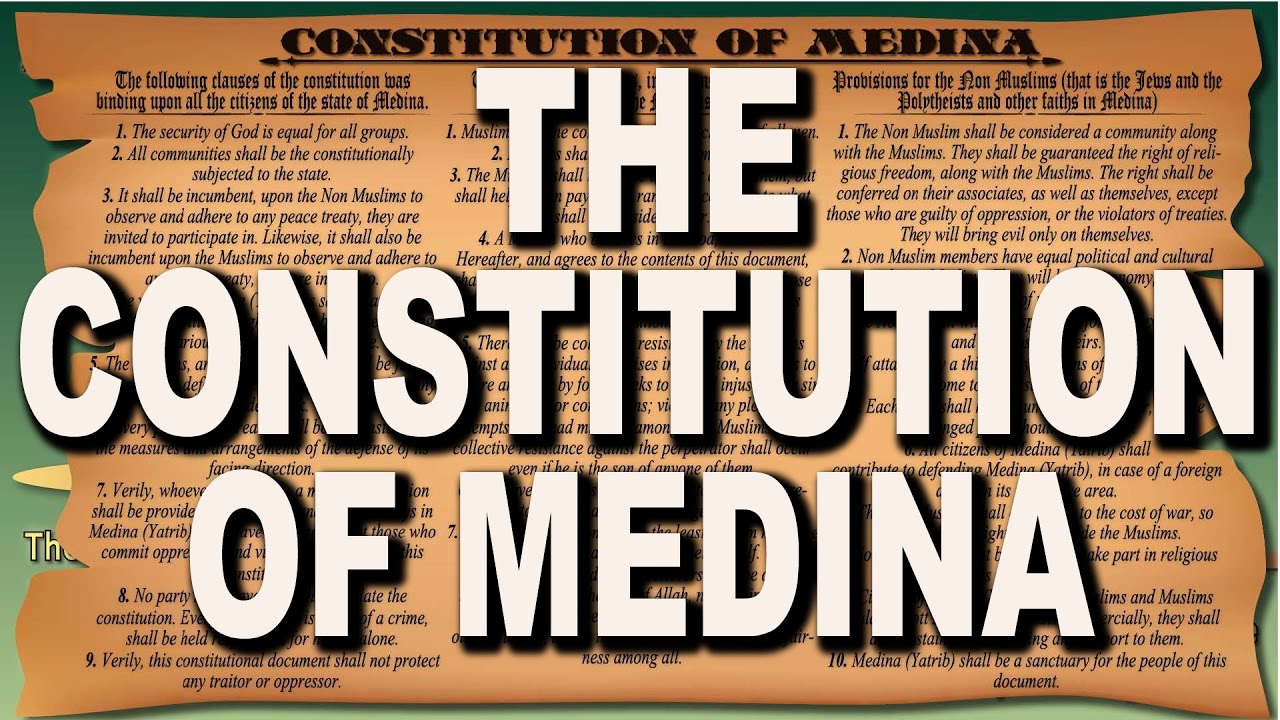
Cuando el profeta Muhammad se instaló en Medina, formalizó sus ya fuertes, pacíficas y respetuosas relaciones con sus compañeros monoteístas. Escribió la llamada Carta de Medina en la que se esbozaban los derechos y responsabilidades de las diversas tribus árabes y judías de la ciudad a la vez que se afirmaba que todas pertenecían a una sola comunidad (ummah). Los Pactos del Profeta Muhammad son una extensión de su promesa, en nombre de Dios, de proteger los derechos de los que estaban fuera de Medina ―las comunidades cristianas, judías y otras monoteístas― y defender su derecho a vivir en paz y seguridad. El-Wakil ofrece el siguiente resumen del contenido de los Pactos en general:

1. Los musulmanes protegerán las iglesias y los monasterios de los cristianos. No derribarán ninguna propiedad de la iglesia para construir mezquitas o para construir casas para los musulmanes;

2. Todas las propiedades eclesiásticas de los cristianos estarán exentas de cualquier tipo de impuesto;

3. Ninguna autoridad eclesiástica se verá obligada por los musulmanes a abandonar su puesto;

4. Ningún cristiano será forzado por los musulmanes a convertirse al Islam;

5. Si una mujer cristiana se casara con un musulmán, tendrá plena libertad para seguir su propia religión.

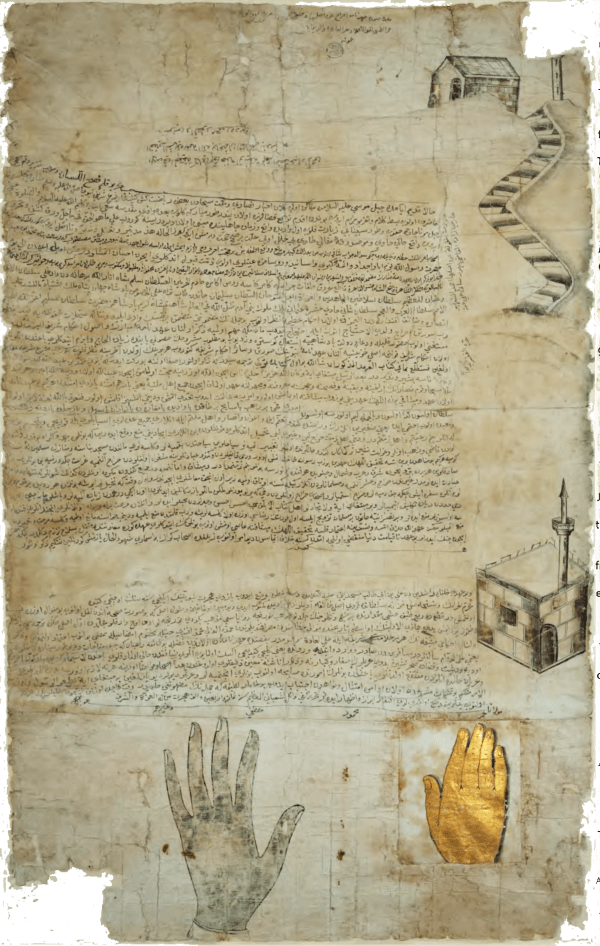
La redacción de los distintos pactos es muy similar a pesar de la diversidad de lugares geográficos y comunidades que los poseen, lo que sugiere un origen único más que una multiplicidad de falsificaciones. Entre ellos se incluyen el Pacto con los Monjes del Monasterio de Santa Catalina en el Monte Sinaí y el Pacto con los Cristianos de Najran. El original del primero fue dictado por el Profeta Muhammad a su más confiable compañero, primo y yerno, Ali bin Abi Talib (m. 661), en el segundo año después de la migración (alrededor de 624). El documento también incluye una lista de 22 testigos entre sus compañeros más destacados. Los registros históricos sugieren que el original fue llevado de Egipto a Estambul por el sultán otomano Salim I en 1517. El análisis hasta la fecha se ha basado en copias o recensiones de los Pactos, mientras que la búsqueda de los originales sobrevivientes continúa.

Aunque los estudios anteriores descartaron estos documentos como apócrifos o falsificaciones piadosas, el reciente análisis de múltiples pactos en diversas comunidades no musulmanas con un enfoque específico en la datación, las estipulaciones, la redacción y las listas de testigos ha llevado a El-Wakil a concluir lo contrario:

… los pactos del Profeta con (1) los cristianos de Najran, (2) los monjes del monte Sinaí, (3) los cristianos armenios, (4) el escrito el lunes 29 Rabi al-Thani del año 4 de la Hégira, (5) la reproducción de 1538 con los cristianos del mundo, (6) con los judíos de Khaybar y Maqna y (7) con los samaritanos, son todos esencialmente auténticos. Lo mismo se aplica a los pactos de Umar con (8) los cristianos de Jerusalén y (9) los cristianos de Mesopotamia, así como (10) el pacto de Ali con los cristianos armenios. Esto nos da un total de siete pactos auténticos que se remontan al Profeta, dos que se remontan a Umar y uno que se remonta a Ali.

El Corán y los Pactos establecen claramente que el Islam original del Profeta Muhammad aceptó el pluralismo religioso y la diversidad cultural, estableciendo la coexistencia pacífica como base normativa de las relaciones entre las comunidades. Considine sostiene que los Pactos proporcionan una sólida narrativa del pluralismo religioso en el Islam, que él asocia con una interacción social genuina, buscando el entendimiento entre diversos grupos, el compromiso con diversos valores e instituciones religiosas y el diálogo interreligioso. Esta caracterización del Islam primitivo como abrazador del pluralismo religioso es corroborada por los escritos de los primeros cristianos que vivieron bajo la égida musulmana, luego de las conquistas del Cercano Oriente tras la muerte del profeta Mahoma (m. 632). Estos textos siriacos, como las cartas del Catholicos sirio oriental Ishoyahb III (m. 659) a otro obispo, habla de los conquistadores árabes:

No solo, como saben, no se oponen al cristianismo. Más bien, alaban nuestra fe, honran a los sacerdotes y santos de nuestro Señor y ayudan a las iglesias y monasterios.

Tales declaraciones son coherentes con las disposiciones de los Pactos y reflejan otros escritos siriacos primitivos sobre el buen trato que recibían los cristianos bajo el dominio musulmán. Así se ve en el escrito The Book of Main Points de John bar Penkaye. Aunque encontramos que en unas pocas décadas parece haber una erosión de la adhesión a los Pactos en muchas tierras bajo la égida musulmana, algunos eruditos musulmanes conservaron el conocimiento de los mismos. Por ejemplo, un conocido jurista maliki, Shahab Ad-Deen Al-Qarafi (m. 1285), declaró en su libro Al-Furuq:

El pacto de protección nos impone ciertas obligaciones hacia ahl adh-dhimmah. Son nuestros vecinos bajo nuestra protección y amparados por lo que garantiza Dios, Su Mensajero (paz y bendiciones sean con él) y la religión del Islam. Quienquiera que viole estas obligaciones respecto a cualquiera de ellos, perjudicando su reputación o haciéndole algún daño, violará el Pacto de Dios y de Su Mensajero, en tanto que su conducta irá en contra de las enseñanzas del Islam.

A lo largo de los siglos, los escritos de los no musulmanes en tierras musulmanas muestran que fueron sometidos de manera cada vez mayor a la discriminación y violación de sus derechos en nombre del Islam. Se lo hizo a través de normas que pasaron a formar parte del llamado sistema dhimmi de minorías “protegidas”. El consenso académico parece ser que este maltrato se basó en un documento conocido como el Pacto de Umar (al-Shurut al-Umariyya), que se cree tuvo su origen a finales del siglo VIII o principios del IX, sustituyendo a todos los acuerdos anteriores entre musulmanes y no musulmanes. Hay dos versiones principales del Pacto de Umar y dos fechas relativas a su promoción. La primera está registrada en libros de historiadores como Ya’qubi (m. 898) y al-Tabari (m. 923). Se refiere al Pacto de Umar bin al-Khattab (m. 644) con los Cristianos de Jerusalén, que garantizaba la protección y permitía la libertad de religión ―similar a los Pactos del Profeta Muhammad― sin mencionar ninguna condición desdeñosa, restricciones o impuestos económicos. Sin embargo, las fuentes de la jurisprudencia islámica medieval se refieren a una versión diferente, al-Shurut al-Umarīyah. Según Ezziti, esta versión apareció por primera vez en el libro Ahkam Ahl al-Milal de al-Jallal Abi Bakr Ahmed al-Baghdadi al-Hanbali (m. 935) y luego en otro de Abi al-Shaykh (m. 941) titulado Shurut Umar o Shurut al-Dhimmi.

Aunque la atribución del documento al califa Umar (m. 644) es rechazada por los historiadores, sus disposiciones se convirtieron en una norma mediante la cual los derechos de los no musulmanes se articulaban en los libros de jurisprudencia islámica. Por ejemplo, el erudito del siglo XIV de la jurisprudencia Shafi’i, Ahmad ibn Naqib Al-Misri (m. 1367), afirma en su conocido manual de la ley islámica en la sección sobre “Súbditos no musulmanes del Estado islámico” que ellos deben distinguirse de los musulmanes vestidos con un cinturón de tela ancho (zunnar), que no se los debe saludar con as-salamu alaykum (la paz sea contigo), que deben mantenerse a un lado de la calle, que no pueden hacer construcciones más grandes o más altas que las de los musulmanes, que tienen prohibido tocar las campanas de las iglesias, exhibir cruces, recitar la Torá o el Evangelio en voz alta, que tienen prohibido construir nuevas iglesias así como exponer públicamente sus funerales y días festivos. Estas disposiciones discriminatorias y ofensivas no se derivan del Corán y contradicen los Pactos del Profeta Muhammad, los cuales defienden la libertad religiosa sin injerencias, restricciones o discriminaciones externas. Tales órdenes adquieren autoridad y legitimidad a partir del Pacto de Umar. Los musulmanes, pasados y presentes, consideraron esos textos atribuidos a los califas y juristas aceptables, colocándolos, de hecho, por encima de los del Corán y los Pactos del Profeta Muhammad. Y dijeron que eso era Islam. La adhesión a esos textos  fomentó la intolerancia de los no musulmanes y el rechazo de la coexistencia pacífica. Por lo tanto, la instrucción religiosa convincente tendrá que proporcionar un enfoque crítico-analítico basado en la evidencia para la lectura de las diversas fuentes asociadas con el Islam.

Las afirmaciones de los yihadistas o salafistas de que el Islam permite que se imponga una guerra ofensiva para subyugar a los no musulmanes, no están respaldadas por el Corán o los Pactos del Profeta ni por el consenso de los eruditos islámicos clásicos. La minoría que entiende la yihad como una guerra ofensiva contra los no musulmanes, se basa en un método de interpretación desacreditado que es rechazado por la mayoría…. Los Pactos del Profeta Muhammad junto con una lectura contextual del Corán, proporcionan una perspectiva de las enseñanzas originales del Islam sobre las relaciones interreligiosas/intercomunitarias. Y aboga por una coexistencia considerada, respetuosa y pacífica…..

Este artículo proporciona citas seleccionadas del siguiente estudio académico: Rane, H. “‘Cogent Religious Instruction:’ A Response to the Phenomenon of Radical Islamist Terrorism in Australia. Religiones 2019, 10, 246”. El estudio completo en formato pdf con las referencias completas se puede encontrar en:https://www.mdpi.com/2077-1444/10/4/246

Islamic Treasures — The Treaties of the Prophet Muhammad with the Christians of His Time

The Monastery of St. Catherine at the base of Mount Sinai

According to Jewish and Christian tradition, a thousand years after Abraham, the Jewish people were slaves, locked in perpetual servitude in Egypt until Moses led them to freedom. On their epic trek to Palestine, Moses broke the journey in the area around Mount Sinai. It was on its craggy summit that God transmitted a set of covenants, or laws etched into clay tablets. These 10 Commandments became the foundation for an existence both moral and obedient.

Over 1000 years later, in 4–6AH or 625 CE, the Prophet Muhammad wrote and granted another, distinctive covenant to the monks of the Monastery of St. Catherine, a then 60-year-old Christian abbey at the base of Mount Sinai. The treaty didn’t command recipients to honor their mother and father nor to desist in the creation of idols. Instead, the covenant from the Prophet Muhammad achieved something unheard of in the annals of history — it delivered a promise to protect the Christian monks and residents of the region from any incursions, attacks, or efforts to take over the Christian pilgrimage site. The document swore to protect the monks singularly and as a group wherever they were. Further, the contract vowed to allow all inhabitants to retain the religion of their choice. The handwritten words on parchment, signed with the Prophet’s hand-print, bound the Islamic nation to honor these promises “for all time, even unto the Day of Judgment and the end of the world.”

Dr. John A. Morrow appearing in Seattle, WA — Dec. 2017

Dr. John A. Morrow, academic, researcher, scholar, teacher, activist, and a member of the Canadian Metis community converted to Islam at the age of 16, while a high school student in his native Canada. Still a teen, Morrow continued to research Islam through dozens of texts, and he came across an 18th-century text written by Richard Pococke. The book, written while Pococke traveled in Egypt, described and translated parts of the treaty Muhammad had initiated with the Monks of Mount Sinai at a time the Prophet’s leadership was gaining followers.

In one section of the document, the text reads, “That whenever any of the monks in his travels shall happen to settle upon any mountain, hill, village, or other habitable place, on the sea, or in deserts, or in any convent, church, or house of prayer, I shall be in the midst of them, as the preserver and protector of them, their goods and effects, with my soul, aid, and protection…” These sentiments and others like them anchored Morrow’s attachment to the demonstrated compassion and teachings of Islam.

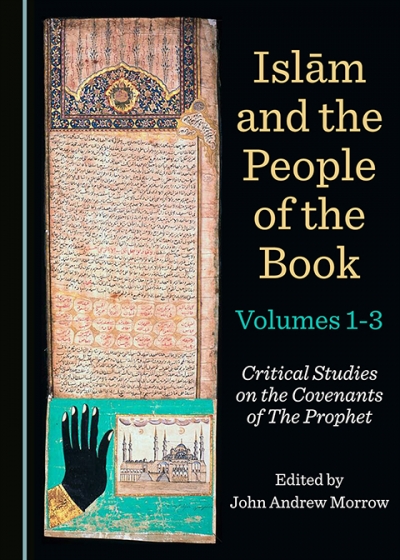
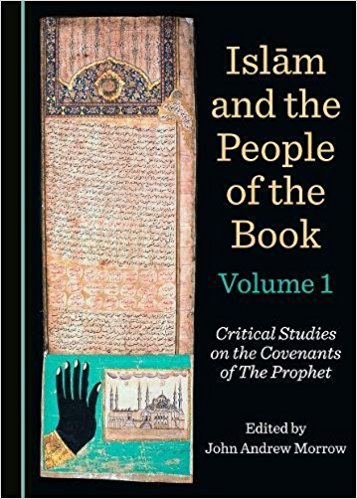
Thirty years, several academic degrees, and dozens of publications later, Dr. Morrow’s most recent work, The Covenants of the Prophet Muhammad with the Christians of His Timeis shaking up both the Islamic and Christian worlds. Whether intentionally or circumstantially, the treaty with the monks of Mt. Sinai and a dozen similar documents, had receded from religious consciousness over the centuries and were squirreled away amid thousands of other parchments in libraries scattered around Europe and the Middle East. With their virtual burial, a message of peace, inclusiveness, and tolerance was lost.

“No fear shall be upon them, nor shall they grieve.” This line from the Holy Qur’an (2:62) refers to all of the monotheists of the Prophet’s time, Jews, Christians, and Sabeans, and promises that these groups, being righteous in action, and aligned with Muslims in their belief in one God, would be protected. The above divine revelation, an edict transmitted to the Prophet Muhammad from God, guaranteed a future of unity and safety. Nevertheless, as an essential feature of his nation-building efforts, the Prophet Muhammad went even further, creating documents meant to serve vast populations living under Islamic rule as long as “the sea wets the shells on the shore.”

Due to those covenants, newly explored by Dr. Morrow, Muslims now have an additional rigorously authenticated religious resource — the detailed Ashtiname — peace letters or covenants spoken by the Prophet and written down verbatim. Through dictation and diplomacy, Muhammad formulated treaties with scores of religious communities on the Arabian Peninsula and beyond. A short list of these covenants includes:

  1. The Covenant of the Prophet Muhammad with the Monks of Mt. Sinai
  2. The Covenant of the Prophet Muhammad with the People of the Book
  3. The Covenant of the Prophet Muhammad with the Christians of Najran
  4. The Covenant of the Prophet Muhammad with the Christians of the World
  5. The Covenant of the Prophet Muhammad with the Assyrian Christians
The Covenant of the Prophet Muhammad with the monks of Mt. Sinai.

Over just a few years after the Prophet began preaching the will of Allah, the Islamic Ummah, or nation, expanded, until it gradually encompassed territory that included peoples from a multitude of sects. As Dr. Morrow suggests in his book, “ A visionary long-term planner, the Prophet understood that the spread of Islam could take centuries. What he sought to create were the conditions under which the seeds of Islam could be planted and watered, thus enabling Muslim seeds to sprout, grow, and spread. If a population preferred to remain heathen, Christian or Jewish, they were entitled to do so as long as they entered into a covenant with the Islamic State as protected people.”

Thus, rather than initiate any conflict with those populations, Muhammad resolved to ensure that they came to feel connected and protected by detailing the mutuality of the support each provided, first from the Prophet, the Islamic Nation, and his designated successors or caliphs, and then from the group specified in the treaty.

Beyond protection, these covenants outlined forbidden actions, that is acts which the Muslims in these areas were proscribed from instituting. The rights and privileges granted the Christians of Najran (a township in what is now southern Saudi Arabia where Christianity took root in the 4th century) are mirrored in most of the other treaties as well:

To the Christians of Najran and its neighboring territories, God’s protection and the pledge of His Prophet extend to their lives, their religion, and their property.

  • It applies to those who are present as well as those who are absent.
  • There shall be no interference with the practice of their faith or their religious observances.
  • There will be no change to their rights and privileges.
  • No bishop shall be removed from his bishopric; no monk from his monastery, and no priest from his parish.
  • They shall all continue to enjoy everything they previously enjoyed great or small.
  • No image or cross shall be destroyed.
  • They will not oppress or be oppressed.”

In a place and time where religion and pagan beliefs were a major driver of conflict and almost perpetual warfare, the covenants of the Prophet Muhammad provided an umbrella of safety and freedom for hundreds of communities. In covenants written for general societies, unlike the abbey on Mount Sinai which was an exclusively male population, Muhammad added previously unheard of rights for women:

Christians must not be subjected to suffer, by abuse, on the subject of marriages which they do not desire. Muslims should not take Christian girls in marriage against the will of their parents nor should they oppress their families in the event that they refused their offers of engagement and marriage. Such marriages should not take place without their desire and agreement and without their approval and consent.

If a Muslim takes a Christian woman as a wife, he must respect her Christian beliefs. He will give her freedom to listen to her [clerical] superiors as she desires and to follow the path of her own religion.”

By bringing the Covenants of the Prophet Muhammad to light in an age that sorely needs models of tolerance, compassion, and community, Dr. Morrow hopes to reach and influence Muslims who may not be aware of the more global and far-reaching intentions of the Prophet, and to hearten Christians who may have relied too heavily on the one-faceted view of Islam promulgated by some of the media. Invited to speak regularly at conferences, churches, mosques, and institutions from Dubai to California, Dr. Morrow seeks to restore the trajectory of benevolent statecraft instituted by the Prophet Muhammad over 1400 years ago.

Barbara Castleton, M.A.

Writer, ESL instructor, editor, traveler, seasonal ex-pat— my life is both an intentional and serendipitous circumstance. Motto — “Buy the ticket, and go!”

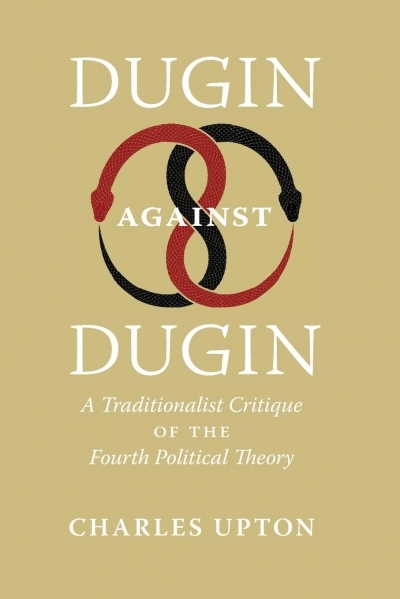
Dugin against Islam – Part III

By Charles Upton [Sidi Akram]

Crescent International (April 1, 2019)

Eurasianism, religion of Russian exceptionalism

This article is based on excerpts from Dugin against Dugin: A Traditionalist Critique of the Fourth Political Theory by Charles Upton (published December 2018).

Alexandre Dugin’s wooing of the Sufis is another of the tactics he practices in common with the Western and globalist elites. In an article titled “State-sponsored Sufism” by Ali Eteraz, which appeared in June 2009 on the website of the Council for Foreign Relations, the author, though he appears to disagree with the policy of the Western powers to groom Sufism as the spearhead of anti-Islamicist “moderate” Islam, nonetheless treats this policy as common knowledge. Eteraz observed, “According to commentators from the BBC to the Economist to the Boston Globe, Sufism, being defined as Islam’s moderate or mystical side, is apparently just the thing we need to deal with violent Muslim extremists. Sufis are the best allies to the West, these authors say; support them, and countries as diverse as Pakistan and Somalia could turn around.”

In the process of attempting to bring both Sufism and Shi‘i Iran into his Neo-Eurasian fold, Dugin unexpectedly commits an outrageous act of cultural misappropriation. In the section on The Rise of the Fourth Political Theory entitled “The Purple Archangel of Russia,” he shamelessly attempts to take possession of the spiritual being who appears in Shi‘i theosophist Suhrawardi’s The Recitation of the Purple Archangel. The Purple (or Crimson) Archangel — al-‘Aql al-Surkh — is an imaginal manifestation of the Active Intellect (‘Aql) who appears in order to conduct Suhrawardi to the summit of Mt. Qaf and the attainment of Haqiqah, the fullness of spiritual Truth. In other words, the Purple Archangel is, precisely, an Iranian Ishraqi (“Illuminist”) version of the Logos — the Logos that Dugin, in “The Metaphysics of Chaos” from The Fourth Political Theory, has already declared to be philosophically null and void. In his own imagination, however, the Purple Archangel is the true dawn of Great and Sacred Asia, which is the secret angel, the secret substance of Russia, her historical, spiritual mission spread over everything — politics, culture, sociology, our history.

Here Dugin, like the magician he is, attempts to take illegal possession of the archetypal essence of Iran — Suhrawardi being the sage who, more than anyone else, made a synthesis between the spiritual universes of Islamic and pre-Islamic, Zoroastrian Persia — doing so as an act of subtle-plane conquest in ‘Alam al-Mithal, the realm of Objective Imagination. This is an act of theft so brazen, so lacking in any normal sense of holy fear, that I don’t know what to compare it with. And in addition to being sacrilegious, it is patently absurd. I might just as well claim that Fyodor Dostoyevsky was a great American novelist, or that the real Kremlin is in Pennsylvania somewhere and the one shown in Moscow only a later copy; I have more right to do this, in fact — even though I have no right to do this at all — than Dugin has to loot the Purple Archangel of Suhrawardi.

Furthermore, above and beyond his willingness to make alliances of convenience with the takfiri apostates, Dugin cannot be a true friend to Islam because he speaks in the name of a different religion, not one of the accepted revelations sent by Allah (swt) but a pseudo-religion created by himself — though he has appropriated elements of it from many different sources, including the Nazi jurist Carl Schmitt and the Nazi philosopher Martin Heidegger. In addition, certain Western commentators have accused Dugin of having affinities with the notorious occultist, reputed Satanist, and British Intelligence agent Aleister Crowley. And the fact is that Dugin has written appreciatively of Crowley in a number of places. For example, in an essay on the late Russian musical genius Sergey Kuryokhin, he says, “The new aeon will be cruel and paradoxical. The age of a crowned child, an acquisition of runes, and a cosmic rampage of the Superhuman. ‘Slaves shall serve and suffer.’ The renewal of archaic sacredness, the newest and, at the same time, the oldest synthetic super-art is an important moment of the eschatological drama, of ‘the tempest of equinoxes.’ In his Book of the Law, [Aleister] Crowley argued that only those who know the value of number 418 can proceed into the new aeon…” Most people would think that anyone who puts in a good word for an occultist who called himself “the Beast” could not at the same time be a faithful Eastern Orthodox Christian — and, of course, they would be right.

In The Fourth Political Theory, Dugin asks, “Why do we talk about roots but not the head? This is a very serious and deep moment, because we should realise the reduction that is being made. If we realise the horizontal reduction first, and we get an unsatisfactory result, we will conclude that we should instead realise the vertical reduction, to move towards ontic roots but not ontological heights. Therefore, we should postpone such notions as the dimension of spirit and the divine, and move towards chaos and other vertical and depth-oriented concepts.”

So, we are expected to postpone God until we have found our “ontic motherland,” until we discover who we really are in ethnic and cultural and sociopolitical terms, until (that is) we discover our real identity to be — as Dugin makes clear in a number of places — the Fourth Political Theory! God, however, cannot be treated as an afterthought. You cannot say, “God, too, is good, and has His part to play. First, we must deal with more pressing matters, but when the time comes, after these matters are finished with, certainly we will get back to Him.” God cannot be part of our program, our agenda, our worldview. God does not play a part because God is the All — He is al-Wasi‘, the Boundless, the All-Embracing, the Infinite. Only those who put God first in all things, who cannot love the earth, or their lovers, or their fellow human beings, or their narod (nation; ethnic group) unless these good things are loved in the Spirit of God, can be said to really believe in Him. Therefore, when Dugin declares that narod, not God, is his absolute, as he does in more than one place, he formally and explicitly renounces Allah (swt).
In The Rise of the Fourth Political Theory he openly declares his Neo-Eurasianism to be a religion, with himself as its prophet. He says, “The Eurasian doctrine is in the first place a spiritual doctrine. In a sense it is a prophetic school. It is a point of confluence of great streams of thought, a perfectly self-sufficient doctrine that gives people everything: a meaning of life, energy for creation, and the correct orientation to love. Eurasianism is thought with the help of the heart; it is the depths of heart-based thinking. Eurasianism is an invitation to the prophetic experience. Let us remember who the biblical prophets were. They strengthened the identity of their narod, saying, ‘Awaken, Israel, awaken narod. You’ve fallen completely; you’ve completely degenerated; this is not permitted. How long can you give yourself up to your own occupations? Return to your own being.’ Do we not, Eurasianists, say the same thing? We call out, ‘O narod; O Russia; O Eurasian peoples, what are you doing? You’ve turned into such pigs! That is enough. It is time to put an end to the fall. Russia, arise!’ We are doing what the prophets did. We are returning the narod to our own identity.”

He goes on, “What else do prophets do? They restore the connection between reason and consequences. ‘Come to your senses, Edom; come to your senses, Sire; you fell away from the worship of the true God, and therefore God punished you, destroyed your walls, your city. Where is the kingdom of Babylon that stood strong? The kingdom of Babylon is no more. Why? Because they rejected the one God.’ In our time, this function corresponds to political analysis, the depths of political science [politologia].”

Dugin is having fun here at the reader’s expense. He warns us “prophetically” that the kingdom of Babylon is no more because it rejected God, and then gives us, as an example of the prophetic character of Eurasianism, a “political science” specifically conceived, in largely Heideggerian terms, without God, or which makes only a few passing references to Him, while granting a much greater role and significance — surprisingly enough — to angels, particularly angels as “political actors.” But his references to Edom are even more enlightening. The kingdom of Edom, descended from Esau as Israel was from Jacob, was the hereditary enemy of the Jews in the Old Testament. Obadiah 1:1-2 says, “Thus says the Lord God concerning Edom: We have heard a report from the Lord, and a messenger has been sent among the nations, ‘Rise up! Let us rise against her for battle! Behold I will make you small among the nations; you shall be utterly despised.’”

In other words, the Bible does not call for Edom to awake, as Dugin suggests, but for Israel to awake and destroy Edom; here Dugin’s obsession with secretly inverting the meanings of spiritual principles — though obviously not as secretly as he had hoped — is clearly in evidence. Edom is also denounced by the prophets Ezekiel (25:12–14) and Joel (3:19–21). And who might the figure be that Dugin identifies with Edom and addresses as “Sire”? Edom is a kingdom, not a king. In Judaism, Edom is another name for Esau, the earthly, material man, brother and opponent of Jacob who was to become Israel, the spiritual man; this seems in line with Dugin’s rejection of Logos in favor of Chaos in his essay “The Metaphysics of Chaos” from The Fourth Political Theory. But who is the King, who is the Sire, of Edom? Who would Edom be if it were a king?

The Duty to Protect Sacred Sites – Part IV

By Dr. John Andrew Morrow

Crescent International (April 1, 2019)

Sacredness of all heritage sites is protected

If anyone questions the Islamic obligation to preserve religious heritage sites, the clearest and most definitive answer comes from the Covenant of the Prophet Muhammad with the Armenian Christians of Jerusalem, which reads,

From Muhammad ibn ‘Abdillah, the Prophet and Messenger of Allah, to Abraham, the Patriarch of Jerusalem, and to the Armenian Bishops of Damascus, and those who are found in other Muslim territory, and to those who depend upon them, namely, the Ethiopians, the Copts, and the Syrians, who inhabit Jerusalem: I have granted them their convents, churches, schools, residences, and fields.

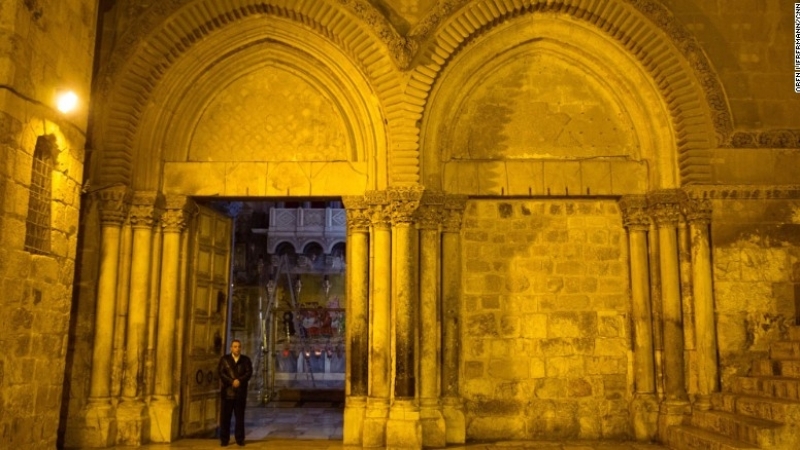
I, the Messenger of Allah, with Allah as my Witness, and with the conscious witness of all people, men and women, who are found here, have promised and granted [them] the churches located in Jerusalem, the Church of the Holy Resurrection, and the Cathedral of St. James in the southern part of the Holy City, which is located next to the Monastery of Zion.

I have also given them the Mount of Olives Monastery, the Chapel of the Prison of Christ, the Church of Bethlehem, and the chapels of St. John of Samaria [Nablus], the oratories located behind the sanctuary of the Holy Resurrection, and the totality of the upper and inner levels of the Golgotha and the Tomb of Christ where the eternal light shines, all the places of religious pilgrimage, as well as the mountains, the valleys, the residences, and their acquisitions; I have granted them with the witness of Allah, the Messenger of Allah, and all believing Muslims (Morrow, vol. 1, pp. 452–53).

If I repeat the protections provided by the Prophet (pbuh) over and over again, I do so for the same purpose that he did: for emphasis, and to demonstrate that the protections in question were not limited to a single community, were not limited to a certain geography, and were not limited to a certain period of time. They are universal laws, principles, and rights. They apply, not only to Christians, but to Samaritans, Jews, and Zoroastrians as well.

In the Covenant of the Prophet Muhammad with the Samaritans, the original of which was preserved by the followers of Moses until the 20th century, the Messenger of Allah (pbuh), states concisely and definitely that, “I, Muhammad ibn ‘Abdillah ibn ‘Abd al-Muttalib, have commanded that a covenant of protection and security be written for the Samaritan community for their persons, their children, their property, their wealth, their places of worship, their financial endowments, and to be binding in all the provinces and places in which they reside. We also pledge to behave with them and the people of Palestine in the best possible manner” (Morrow, vol. 2, p. 527).

And what about the Jews? It is exactly the same. As the Messenger of Allah (pbuh), says in the Covenant of the Prophet Muhammad with the Children of Israel, known also as the Treaty of Maqna, “Yours is the safeguard of Allah and that of His Messenger with regard to your persons, belief, and property…” (Morrow, vol. 2, p. 288).

But what about the Zoroastrians? Some Persians might ask. In the Covenant of the Prophet Muhammad with the House of Salman, which is found in Abu al-Shaykh’s Tabaqat al-Muhaddithin and Abu Nu‘aym’s Akhbar Isfahan, the Messenger of Allah (pbuh) states that “This is a writing for the people of the House of Salman. They have God’s protection and my protection of their blood and property” (Morrow, vol. 2, p. 405). Property is property. It includes all kinds of property. It includes personal property. It includes historical sites. It includes Persepolis and other such places. Such world heritage sites must be protected.

And consider what the Messenger of Allah (pbuh) has to say in the Covenant of the Prophet Muhammad with the Parsis, “Their hands shall be free in building fire temples, administering them, and spending their wealth… They shall be granted exclusive privileges from among the various sects protected” (Morrow, vol. 1, p. 527).

The question begs to be answered. If the Messenger of Allah (pbuh) was so adamant about protecting the places of worship of Christians, Samaritans, Jews, and Zoroastrians, why on earth would he command Muslims to destroy Islamic heritage, masjids, graveyards, tombs, mausoleums, and shrines? Why would he want Muslims to destroy their own religious, historical, cultural, and archeological sites? He would not. It makes no sense. If the lives and property of non-Muslims are so sacred, so are the lives and property of Muslims.

As we have seen, the Qur’an, the Sunnah, the Sirah, and the letters, treaties, and covenants of the Prophet Muhammad (pbuh) are testimonies to the tolerance of Islam and its commitment to protect the lives and property of both Muslims and non-Muslims. Time and again, we see that the protection of people and their property is inseparable. They always go hand in hand.

Is this the life, liberty, and property presented by John Locke, the Founding Fathers, the Declaration of Independence, the Bill of Rights, and the Universal Declaration of Human Rights? No. No. No. That’s the life, liberty, and property presented by the Prophet Muhammad (pbuh). In other words, all of that is from Allah (swt). Respecting, maintaining, preserving, and protecting sacred and world heritage sites is a sacred duty. May the peace and blessings of Almighty Allah be upon the Prophet Muhammad and his family.

The Madinah Charter: A Model for Muslims and a Hope for Humanity

By Dr. John Andrew Morrow

Muslims4Peace (March 17, 2019)

The following is the key-note lecture that was delivered by Dr. John Andrew Morrow at the ISNA Interfaith Banquet that was held in Chicago on Sunday, September 4th, 2016
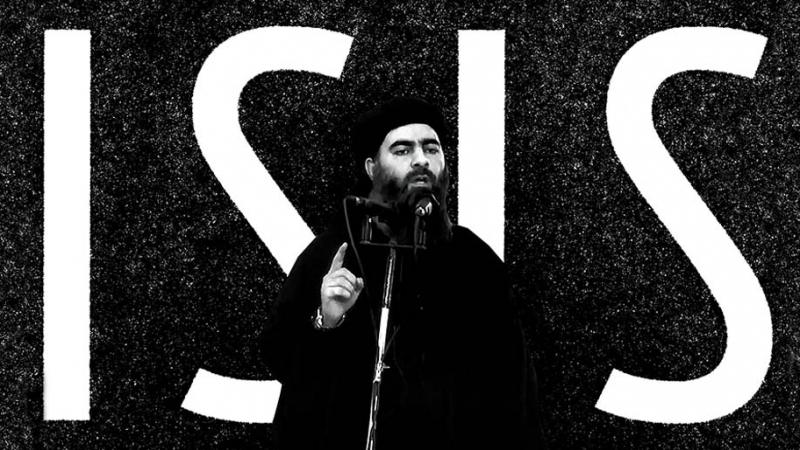
Ladies and gentlemen. Brothers and sisters. I come here before you to express my opposition to the Islamic State. I do not back the Islamic State. I do not stand for the Islamic State. I do not defend the Islamic State. And I would not kill and die for the Islamic State. I am sure you are all pleasantly relieved that I come in peace. Now that you are at ease, please allow me to clarify the difference between an Islamic State and an Islamic Ummah.

The Islamic State is a misnomer. The Prophet Muhammad, peace and blessings be upon him, never, ever, described his system as a dawlah, a khilafah, a sultanah, a jumhuriyyah or a dimukratiyyah; he never described his system as a State, a Caliphate, a Sultanate, a Republic or a Democracy. On the contrary, he described it as an Ummah, a Motherland, a Homeland, a Federation or a Confederation.

In other words, the Prophet Muhammad, peace and blessings be upon him, wanted to create a Union of Free People under the precepts that he conveyed in the Covenants that he made with Jews, Christians, and Zoroastrians; namely, under the precepts of the Qur’an: freedom of movement, freedom of work, freedom of study, freedom of religion, and freedom of choice. These are the very freedoms that the Prophet granted in his Covenants.

Self-professed Islamists and self-professed Jihadists have been supposedly fighting to create a so-called Islamic State for over a century. Some claim that “the Qur’an is our Constitution” which essentially means that they have no concrete plan. Not only are they devoid of any concrete plan, they act and operate in ways that contradict the Qur’an. More than mere ignorance, such behavior is indicative of hypocrisy and dishonesty.
Imagine the paradox: a person fighting for Socialism who is not familiar with the Communist Manifesto; a person fighting for human rights who is not familiar with the Universal Declaration of Human Rights; a person who is fighting for democracy who is not familiar with the American Constitution. And yet we have people fighting for an “Islamic State” who ignore the fact that the Prophet created an Ummah, and not a State; and that he produced a constitution for that Ummah.

Al-Dustur al-Madinah. Al-Sahifah al-Madinah. The Ummah Document. The Constitution of Madinah. The Covenant of Madinah. If I mention the Qur’an, every Muslim has heard of the Qur’an. In fact, most non-Muslims have heard of the Qur’an. However, if I mention the Covenant of Madinah, most Muslims have never heard of it; and virtually no non-Muslims have ever heard of it. And yet this document comes second only to the Qur’an.
Fortunately, as a result of the publication of The Covenants of the Prophet Muhammad with the Christians of the World in 2013, the proclamation of the Marrakesh Declaration in 2016, and its endorsement by the Organization for Islamic Cooperation, Muslims are becoming increasingly aware of the Covenant, Constitution or Charter of Madinah. So, what’s the story behind the Covenant of Madinah? Let me take you back 1400 years.
The Prophet Muhammad, peace and blessings be upon him, receives revelation. He is persecuted for a decade. He flees with his followers from Makkah to Madinah. At that time, there were approximately twenty or thirty thousand people living in and around Madinah: half of them were Jewish and half of them were polytheists. The Muslims, however, only numbered in the hundreds. However, they all accepted the Prophet as their leader.

Did the Prophet kill all the non-Muslims? No, not at all. On the contrary, he said: “Fraternize in the name of God: you are all brothers.” He brought together Arabs, Jews, Christians, and pagans. In fact, the first thing that he did after arriving in Madinah was to protect the rights of all the citizens of his newly-formed Ummah. He prepared a Constitution for his Commonwealth in consultation with all of his constituents; the first political charter in history.

So, what is so special about al-Sahifah al-Madinah? What is the gist of the Covenant of Madinah? Let’s look at a few key concepts:

This is a document from Muhammad, the Prophet [governing the relations] between the believers and Muslims… and those who followed them and joined them and labored with them. They are one community [ummatun wahidah] to the exclusion of others.

According to the Constitution of Madinah, identity is not based on race, religion, kinship, class, gender, or tribal affiliation: it is based on membership in the Ummah. It is what we call today citizenship. I quote: “To the Jew who follows us belong help and equality. He shall not be wronged nor shall his enemies be aided.” As the Covenant of Madinah clearly stipulates: “Allah’s protection is one.”

For those who claim that there is only place for Muslims in an Islamic State, I point to the political charter prepared by the Prophet Muhammad, peace and blessings be upon him: “The Jews… are one community with the believers… The Jews have their religion and the Muslims have theirs.” The Ummah of Muhammad was a brotherhood of believers based on consultation:

The Jews must bear their expenses and the Muslims their expenses. Each must help the other against anyone who attacks the people of this document. They must seek mutual advice and consultation, and loyalty is a protection against treachery.

From day one, the Prophet’s system was an Ummah: it was pluralistic, multiethnic, multiracial, multilingual, and multireligious. Islam was preeminent, extending wings of mercy upon all those it embraced, be they Jews, Christians, polytheists, Zoroastrians, agnostics, or even atheists. They were all included in one Ummah.

The Prophet Muhammad, peace and blessings be upon him, granted Covenants of Protection throughout his prophetic mission, from the early years of his calling to the last years of his life. The Messenger of Allah, peace and blessings be upon him, granted Covenants of Protection to the Christians of Abyssinia, Arabia, Mount Sinai, Egypt, Jerusalem, Mount Carmel, Syria, Assyria, Armenia, and Persia. He granted them freedom of conscience, freedom of belief, and freedom of religious practice. He protected their religious establishments and prohibited forced conversions. As the Messenger of Allah repeated over and over again:

It is not permitted to remove a bishop from his bishopric or a Christian from his Christianity, a monk from his monastic life or a pilgrim from his pilgrimage or a hermit monk from his tower. Nor is it permitted to destroy any part of their churches, to take parts of their buildings to construct mosques or the homes of Muslims.

The Messenger of Allah, peace and blessings be upon him, described Christians as his flock and viewed himself as their shepherd. As he stated himself, “They are a part of my Ummah and an honor to me.” And while the Prophet came into conflict with a few Jewish tribes in Madinah, he reconciled with the Jews of Arabia, Yemen, and Palestine during his final years. As we read in the Covenant of the Prophet Muhammad with the Samaritans:

I, Muhammad b. ‘Abdullah b. ‘Abd al-Muttalib, have commanded that a covenant of protection and security be written for the Samaritan community for their persons, their children, their property, their wealth, their places of worship, their financial endowments, and to be binding in all the provinces and places in which they reside. We also pledge to behave with them and the people of Palestine in the best possible manner.

As we read in the Covenant of the Prophet Muhammad with the Jews of Khaybar and Maqna:

Yours is the safeguard of Allah and that of his Messenger with regard to your persons, belief, and property… You shall not have the annoyance of land-tax, nor shall a forelock of yours be cut off… No army shall tread on your soil, nor shall you be assembled [for military service], nor shall tithes be imposed on you, neither shall you be injured in any way…

The mercy of the Messenger of Allah, peace and blessings be upon him, was not limited to Muslims and the People of the Book. It extended to other faith communities as well. Take, for example, the Covenant of the Prophet Muhammad with the Zoroastrians which was granted to the brother of Salman al-Farsi, may Allah be pleased with him. It reads:

He has the protection of Allah and so do his sons over their lives and their wealth … without ever having to suffer injustice or be subject to harm…

I have removed from you that a forelock of yours shall be cut off, to wear clothing that differentiates you from the rest of the people, and the jizyah, and this until [the day] of the gathering and dispersal.

Their hands are free to do as they please concerning their fire temples and its wealth. No one should prevent them from… carrying out their funeral processions, and to abide by what they normally abide by concerning their religion and sect.

The Zoroastrians priests should be granted exclusive privileges from among the various sects of those people who are protected [by the Muslims].

As can be appreciated from these prophetic traditions, the Messenger of Allah did not simply ask Muslims to tolerate the People of the Book: he commanded his followers to engage with them, dialogue with them, and love them as fellow human beings. He called upon Muslims to protect them and defend them. It is what we call pluralism, the energetic engagement with diversity; the practical and concrete application of human rights.

So, yes, I support the Ummah; I back the Ummah; I stand with the Ummah; I defend the Ummah; and I would kill and die for the Ummah: the true Islamic State; not that un-Islamic State; not that pseudo-Islamic State; and not that anti-Islamic State. I believe in the Ummah of Muhammad, the Confederation of Believers that is based on the Covenant of Madinah and the Covenants of the Prophet; an Ummah based on justice, tolerance, and diversity. Amen.

Responsibility of Pluralism in Islam

Dr. John Andrew Morrow

Muslims4Peace (March 17, 2019)

Introduction

Muhammad ibn ‘Abd Allah was a Prophet. He was a Messenger of God. He was the Seal of the Prophets. This is something agreed upon by all Muslims: La ilaha illa Allah / Muhammadan Rasul Allah: there is no god but Allah and Muhammad is the Messenger of Allah.

Prophethood

Muhammad ibn ‘Abd Allah was a nabi or a prophet, namely, a person sent to preach the Word of God; a person who was following in the footsteps of his prophetic predecessors. He did not preach a new religion; he preached the primordial religion, Islam, submission and surrender to the One and Only God, the Creator and Sustainer of the Universe. Muhammad ibn ‘Abd Allah was also a rasul or a messenger, namely, a person who was sent with a scripture, a book from God, a revelation, and a code of law. He came forth, not only with ‘aqidah or beliefs but with shari‘ah or law, a comprehensive social, political, and economic system. Islam is a complete way of life. Unlike the prophets and messengers who preceded him and unlike the founders of other faith traditions, which focus on governing themselves, Muhammad, the Messenger of Allah, also focused on how Muslims should interact with others. If one reads the Old Testament, and one study the Halakha, one sees that that Jewish Law was concerning primarily with regulating the lives of Jewish people.

If one reads the New Testament, and studies Canon Law, one sees that Christian law was concerned primarily with regulating the lives of Christian people. There is little in the Judeo-Christian tradition regarding the rights of non-Jews and non-Christians. There is little with regards to the manner we should treat different faith communities.

For many religions, both Eastern and Western, it was pretty much: “Follow my way or I will send you on the highway to Hell.” Although the belief system and code of conduct of believers was clearly delineated, the rights of unbelievers were often reduced to the right to die. In many cases, it boiled down to “Convert the unbelievers or kill them all.”

Pluralism

Islam, however, came to the scene with an entirely novel and unique approach: pluralism. Unlike many other religions that insisted that salvation was for them and them alone, Islam insisted that salvation was within the reach of all righteous monotheists. So long as one believed in God, and one did good deeds and avoided evil deeds, one had hope in the mercy of Almighty God. As Almighty Allah, says in the Holy Qur’an:

Surely those who believe, and those who are Jews, and the Christians, and the Sabians, whoever believes in Allah and the Last day and does good, they shall have their reward from their Lord, and there is no fear for them, nor shall they grieve. (2:63)

As Mustafa Akyol, the author of The Islamic Jesus, has observed:

The fact that the Qur’an promised salvation to [the Sabians], along with Jews and Christians, reflects a theological liberality in early Islam that most contemporary Muslims would have a hard time to even consider. (68)

I have studied Islam for over three decades. I too was taught that only Muslims were believers and that only Muslims went to Heaven. I was taught that Christians were mushrikin or polytheists. I was taught that the People of the Book were kuffar or infidels who were destined to eternal damnation in Hell. I studied all the so-called Muslim authorities who misrepresented and misinterpreted the Qur’an to suit their intolerant purposes. I read all the so-called “authentic” traditions that extremists use to justify denying non-Muslims basic civil and human rights. I read all the so-called authoritative commentaries of the Qur’an that present an intolerant image of Islam. I can assert, openly, and unabashedly, that the extremist, fundamentalist, exclusivist, absolutist, fascist and supremacist interpretation of Islam is false. It represents a re-invention of Islam. It is not the Islam of the Rightly-Guided Caliphs. It is not the Islam of the Prophet Muhammad. And it most certainly is not the Islam of the Qur’an and the Islam of Almighty Allah.

Political Responsibility

When the Messenger of Allah established himself in Madinah, he consulted with Jews, Muslims, and polytheists, and created a constitution, the first of its kind in the political history of humanity. Known as the Covenant of Madinah, it placed all citizens on equal footing with equal rights and obligations. The citizens of the city-state of Madinah consisted of Jews and Arab non-Muslims. They numbered in the tens of thousands. Muslims, however were a minority during the early days of Muhammad’s rule: they numbered in the hundreds. Nonetheless, the Prophet proclaimed that they were a ummah wahidah, a single community, a constitutional confederation.

The term mu’minin or believers is used almost a thousand times in the Qur’an. As Mustafa Akyol recognizes, the term “was a broad umbrella that could incorporate all monotheists” (68). In the Constitution of Madinah and in the Covenants of the Prophet, the Messenger of Allah described the People of the Book as mu’minin or believers. And this makes perfect logical sense: anyone who believes in God is a believer. When the Messenger of Allah referred to his followers, those who embraced Islam, he used the term muslimin or Muslims. The Prophet spearheaded a movement of believers and created a Confederation of Believers. The rightly-guided Caliphs used the title Amir al-Mu’minin, Leader of the Believers, not Amir al-Muslimin, Leader of the Muslims. They were the leaders of all the citizens of the Ummah.

As Mustafa Akyol explains, “The existence of different religious traditions on earth is not an aberration but, quite the contrary the very will of God” (102). As we read in the Holy Qur’an,

And we have sent down the Book to you [Muhammad] with truth, confirming and conserving the previous Books. So judge between them by what God has sent down and do not follow their whims and desires deviating from the Truth that has come to you.

We have appointed a law and a practice for every one of you. Had God willed, He would have made you a single community, but He wanted to test you regarding what has come to you. So compete with each other in doing good. And every one of you will return to God and He will inform you regarding the things about which you differed. (5:48)

This is pluralism plain and simple, a condition or system in which various groups, principles, sources of authority or religious traditions co-exist in respect and tolerance. It is pluralism as defined by Diana L. Eck: energetic engagement with diversity; active seeking of understanding across lines of difference; encounter of commitments; and the language of dialogue.

One day, when the Prophet Muhammad was in Madinah, a delegation of Christians visited him from Najran. They debated and discussed religious matters. They agreed on some issues. They disagreed on other issues. When it came time for the Christians to perform their prayers, they excused themselves to leave the mosque. The Prophet Muhammad insisted that they pray in his mosque as it was a place of prayer and a house of God. And so the Christians prayed and celebrated mass in the mosque of the Prophet. This event is meticulously documented in Muslim sources. Not only is it authentic, it is exemplary. It is the very embodiment of Islamic ethics. Compare that to the actions of ISIS.

There are two visions of Islam that confront us today: an Islam of peace, mercy, tolerance, love, equality, and justice; and an Islam of war, cruelty, intolerance, hatred, inequality, and injustice; an Islam of terrorism, bloodshed, violence, misogyny, and bigotry. Forgive me if I have enough sense of decency and humanity to side with the former, True Islam, and repudiate all those who side with the latter which is nothing less than Anti-Islam. Muslims, true Muslims, must agree to disagree, not only with non-Muslims, but with each other. Had Allah willed, He would have made us all the same. He did not decree uniformity by means of barbarity, like ISIS wants to impose, but diversity and plurality under the wings of mercy. As Almighty Allah says in the Holy Qur’an:

O humankind, indeed We have created you from male and female and made you peoples and tribes that you may know one another. Indeed, the most noble of you in the sight of Allah is the most righteous of you. Indeed, Allah is Knowing and Acquainted. (49:13)

The Qur’an abolishes sexism. The Qur’an abolishes racism. The Qur’an abolishes absolutism. It calls upon different religious traditions to “compete with each other in righteousness” (5:48). It calls upon different religious traditions to defer their differences to the ultimate judgment of God. It is what is known as irja or “postponement;” namely, deferring religious differences to the afterlife.

The Prophet, peace and blessings be upon him, never converted people by force. As Almighty Allah says in the Holy Qur’an, “There is no compulsion in religion” (2:256). Consequently, the Messenger of Allah invited people to Islam. If they accepted Islam, alhamdulillah, praise be to Allah. If they preferred to keep their religion, masha’ Allah, it was the will of Allah. Perhaps they would come into Islam in the future, insha’ Allah, if it is the will of Allah. The Prophet was perfectly clear on the subject. As he wrote in the Treaty with the Kings of Himyar, cited in the Sirah of Ibn Ishaq:

If a Jew or a Christian becomes a Muslim, he is a believer with his rights and obligations. He who holds fast to his religion, Jew or Christian, is not to be turned from it. (643)

As Abu al-Fath al-Samiri, wrote in the Continuation of his chronicle,

The Prophet of Islam did not cause anyone distress throughout his life. He would present his belief before the people, accepting anyone who came to him, [yet] not compelling one who did not.

According to this 14th century Samaritan scholar, “Muhammad never mistreated any of the followers of the Law.” He also related a tradition transmitted by Samaritan elders that stated that: “Muhammad was a good and mighty person because he made a treaty of friendship with the Hebrew People.”

If the People of the Book did not wish to embrace Islam, Almighty Allah called upon them to follow their scripture firmly. As we read in the Holy Qur’an: “So let the followers of the Gospel judge according to what God has sent down in it” (5:47). This is exactly what the Messenger of Allah did. He judged Jews on basis of the Torah; Christians on the basis of the Gospel; and Muslims on the basis of the Qur’an. And that is precisely what the Rightly-Guided Caliphs did. As Imam ‘Ali, may Allah be pleased with him, said when he assumed the Caliphate:

Question me before you lose me. Question me, for I have the knowledge of those who came earlier and those who will come later. If the cushion (on which a judge sits) was folded for me (to sit on), I could give judgements to the people of the Torah by their Torah, to the people of the Gospels by their Gospels, to the people of Psalms by their Psalms and to the people of the Furqan (i.e. Qur’an) by their Furqan, so that each one of these books will be fulfilled and will declare, “O Lord, indeed ‘Ali has given judgement according to Your decree.

Conclusions

This is Islam, true Islam, the Islam of Allah, the Islam of the Prophet, and the Islam of all true Muslims. It is a religion that soothes the soul. It is a religion that satisfies the intellect with certainty. It is a religion based on ethics and morality. It is a religion of piety and righteousness. It is a religion that provides people with rights as opposed to depriving people of rights. It is a religion of personal growth and development; a religion of social justice.

Treaties of Prophet Muhammad with Christians

By Barbara Castleton

Islamicity (February 7, 2019)

According to Jewish and Christian tradition, a thousand years after Abraham, the Jewish people were slaves, locked in perpetual servitude in Egypt before being led to freedom by Moses. On their epic trek to Palestine, Moses broke the journey in the area around Mount Sinai. It was at its peak that Moses received from God a set of covenants, or laws, etched into clay tablets. These 10 Commandments became the foundation for a moral existence.

Over 1000 years later, in 2 AH or 624 CE, the Prophet Muhammad wrote and granted a different covenant to the monks at the Monastery of St. Catherine, a 60-year-old Christian abbey at the base of Mount Sinai. Though not commanding the recipients to honor their mother and father or desist in the creation of idols, the covenant from the Prophet Muhammad did something unheard of in the annals of history — it promised to protect the Christian monks and residents of the region from any incursions, attacks, or efforts to take over the Christian pilgrimage site. It swore to protect the monks singularly and as a group wherever they were. Further, the contract vowed to allow all inhabitants to keep the religion of their choice. The handwritten words on parchment, signed with the Prophet’s hand-print bound the Islamic nation to honor these promises “for all time, even unto the Day of Judgment and the end of the world.”

Dr. John A. Morrow appearing in Seattle, WA — Dec. 2017

Dr. John A. Morrow, academic, researcher, scholar, teacher, a member of the Canadian Métis community, and an activist, converted to Islam at the age of 16, while a high school student in his native Canada. Still a teen, Morrow continued to research Islam through dozens of texts, and he came across an 18th-century text written by Richard Pococke which described and translated parts of the treaty the Prophet Muhammad had initiated with the Monks of Mount Sinai.
In one section of the document, the text reads, “That whenever any of the monks in his travels shall happen to settle upon any mountain, hill, village, or other habitable place, on the sea, or in deserts, or in any convent, church, or house of prayer, I shall be in the midst of them, as the preserver and protector of them, their goods and effects, with my soul, aid, and protection…” These sentiments and others like them anchored Morrow’s attachment to the demonstrated compassion and teachings of Islam.

Thirty years, several academic degrees, and dozens of publications later, Dr. Morrow’s most recent work, The Covenants of the Prophet Muhammad with the Christians of His Time, is shaking up both the Islamic and Christian worlds. Whether intentionally or circumstantially, the treaty with the monks of Mt. Sinai and over a dozen other, similar documents, had receded from religious consciousness over the centuries and were squirreled away amid thousands of other papers in libraries scattered around Europe and the Middle East. With their virtual burial, a message of peace, inclusiveness, and tolerance was lost.

“No fear shall be upon them, nor shall they grieve.” This verse from the Holy Qur’an (2:62) refers to all the monotheists of the Prophet’s time, Jews, Christians, and Sabeans, and promises that these groups, being righteous in action, and aligned with Muslims in their belief in one God, would be protected. The above divine revelation, an edict transmitted to the Prophet Muhammad from God, guaranteed a future of unity and safety. Nevertheless, as an essential feature of his nation-building efforts, the Prophet Muhammad went even further, creating documents meant to serve vast populations living under Islamic rule as long as “the sea wets the shells on the shore.”

Due to those covenants, newly explored by Dr. Morrow, Muslims now have an additional rigorously authenticated religious resource — the detailed Ashtiname — peace letters or covenants spoken by the Prophet and written down verbatim. Through dictation and diplomacy, the Muhammad formulated treaties with most of the religious communities on the Arabian Peninsula and beyond. Some of the major covenants include:

The Covenant of the Prophet Muhammad with the Monks of Mount Sinai
The Covenant of the Prophet Muhammad with the Christians of Najran
The Covenant of the Prophet Muhammad with the Christians of the World I
The Covenant of the Prophet Muhammad with the Christians of the World II
The Covenant of the Prophet Muhammad with the Assyrian Christians
The Covenant of the Prophet Muhammad with the Christians of Persia
The Covenant of the Prophet Muhammad with the Armenian Christians
The Covenant of the Prophet Muhammad with the Jews of Maqna
The Covenant of the Prophet Muhammad with the Yemenite Jews
The Covenant of the Prophet Muhammad with the Zoroastrians
The Covenant of the Prophet Muhammad with the Coptic Christians of Egypt
The Covenant of the Prophet Muhammad with the Syriac Orthodox Christians
The Covenant of the Prophet Muhammad with the Samaritans
The Covenant of the Prophet Muhammad with the Zoroastrians

Over just a few years, the Islamic Ummah, or nation, expanded widely, until it gradually encompassed territory that included peoples of various sects. As Dr. Morrow suggests in his book, “A visionary long-term planner, the Prophet understood that the spread of Islam could take centuries. What he sought to create were the conditions under which the seeds of Islam could be planted and watered, thus enabling Muslim seeds to sprout, grow, and spread. If a population preferred to remain heathen, Christian or Jewish, they were entitled to do so as long as they entered into a covenant with the Islamic State as protected people.” Thus, rather than initiate any conflict with those populations, groups who had largely lived in harmony for generations, Muhammad resolved to ensure that they continued to feel connected and protected by detailing the mutuality of the support each provided, first from the Prophet, the Islamic Nation, and his designated successors or caliphs, and then from the group specified in the treaty.

Beyond protection, these covenants outlined forbidden actions, that is acts which the Muslims in these areas were prohibited from initiating. The rights and privileges granted to the Christians of Najran, a place in what is now southern Saudi Arabia where Christianity took root in the 4th century, are mirrored in most of the other treaties as well:

“To the Christians of Najran and its neighboring territories, God’s protection and the pledge of His Prophet extend to their lives, their religion, and their property. It applies to those who are present as well as those who are absent. There shall be no interference with the practice of their faith or their religious observances. There will be no change to their rights and privileges. No bishop shall be removed from his bishopric; no monk from his monastery, and no priest from his parish. They shall all continue to enjoy everything they previously enjoyed great or small. No image or cross shall be destroyed. They will not oppress or be oppressed.”

In a place and time where religion and pagan beliefs were a major driver of conflict and almost perpetual warfare, the covenants of the Prophet Muhammad provided an umbrella of safety and freedom for hundreds of communities. In covenants written for general societies, unlike the abbey on Mount Sinai which was an exclusively male population, Muhammad added previously unheard-of rights for women:

“Christians must not be subjected to suffer, by abuse, on the subject of marriages which they do not desire. Muslims should not take Christian girls in marriage against the will of their parents nor should they oppress their families in the event that they refused their offers of engagement and marriage. Such marriages should not take place without their desire and agreement and without their approval and consent. If a Muslim takes a Christian woman as a wife, he must respect her Christian beliefs. He will give her freedom to listen to her [clerical] superiors as she desires and to follow the path of her own religion.”

By bringing the Covenants of the Prophet Muhammad to light in an age that sorely needs models of tolerance, compassion, and community, Dr. Morrow hopes to reach and influence Muslims who may not be aware of the more global and far-reaching intentions of the Prophet and Christians who may have relied too heavily on the one-faceted view of Islam promulgated by the media. Invited to speak at conferences, churches, mosques, and institutions from Dubai to California, Dr. Morrow seeks to restore the trajectory of benevolent statecraft instituted by the Prophet Muhammed over 1400 years ago.

Barbara Castleton, MA, is a professor of English at South Seattle College. She is the co-author of Arabic, Islam, and the Allah Lexicon: How Language Shapes Our Conception of God and has published several articles on Arabic socio-linguistics in peer-reviewed journals.

Tratado del Profeta Muhammad con los monjes del Monte Sinaí

Mezquita de Sevilla (19 marzo, 2019)

Existe un tratado que mandó redactar el Profeta Muhammad, la paz sea con él, a Imam Ali, que Allah esté complacido con él, con los monjes del Monte Sinaí que es un ejemplo de la forma en la que los musulmanes han de relacionarse con aquellos que siguen otras creencias y formas de adoración.

Sobre la autenticidad de este tratado, el Dr. John Andrew Morrow escribe:

En términos de cadenas de transmisión, el ‘ahd, el ‘ahdnam o el ashtiname otorgado a los monjes del Monte Sinaí parece ser el más fuerte de todos los Pactos del Profeta. Ha sido transmitido por musulmanes y no musulmanes durante casi un milenio y medio. Desde un punto de vista académico, alcanza el grado más alto de certeza que podemos esperar de un documento que data del siglo VII. Se necesitaría una peligrosa combinación de ignorancia y arrogancia para que cualquier académico o erudito rechace este documento como una falsificación cuando se enfrenta a su ilustre linaje de transmisión. No solo es sólida su cadena de narración, sino también su contenido, que está en completo acuerdo con el Corán y la confiable Sunnah. Si bien algunos pueden argumentar que el Pacto para el Monasterio de Santa Catalina fue un acto excepcional limitado a un lugar y personas en particular y se aplicó solo por un tiempo específico, el Profeta mismo estipuló que sus disposiciones se aplicaban a todos los cristianos pacíficos, que eran amigos y aliados de Los musulmanes, por todos los tiempos por venir.

Respecto a su reconocimiento y aplicación por parte de los Califas rectamente guiados, y prácticamente todos los líderes musulmanes después de esto, dice:

Según el registro histórico, las libertades otorgadas por el Profeta a los monjes del Monte Sinaí, junto con otras comunidades, fueron honradas por Abu Bakr, ‘Umar, ‘Uthman y ‘Ali, así como los Omeyas y los’ Abassids.

Y prácticamente todos los líderes de los musulmanes -y muchos de los no musulmanes- hasta ahora. (Para una exposición completa y con citas de esto podéis consultar el artículo completo aquí (en inglés))

El tratado, cuya fuente es fidedigna y ha sido transmitido por fuentes musulmanas y no musulmanas, dice lo siguiente (de una traducción al inglés por Anton F. Haddad):

Esta es una carta escrita por Mohammed, Ibn Abdullah, el Mensajero, el Profeta y el Creyente, que ha sido enviado a todos los pueblos como una fideicomiso de parte de Dios a todas Sus criaturas, para que no puedan declararse en contra de Dios en lo sucesivo. Verdaderamente Dios es Omnipotente, el Sabio. Esta carta está dirigida a quienes abrazan el Islam, como un convenio con a los seguidores de Jesús el Nazareno, en el Este y el Oeste, los lejanos y los cercano, los árabes y los extranjeros, los conocidos y los desconocidos.

Esta carta contiene el juramento que se les ha dado, y el que desobedezca lo que está en ella será considerado incrédulo y transgresor de lo que se le ha mandado. Será considerado como uno de los que ha corrompido el juramento de Dios, no ha creído Su Testamento, ha rechazado Su Autoridad, ha despreciado a Su religión y se ha hecho merecedor de Su maldición, ya sea un sultán o cualquier otro creyente del Islam. Cada vez que los monjes, devotos y peregrinos cristianos se reúnen, ya sea en una montaña o valle, o plano, o lugar frecuentado, o llano, o iglesia, o en casas de culto, ciertamente estaremos [detrás de ellos] y los protegeremos, así como  sus propiedades y su moral, yo mí mismo, mis compañeros y mis asistentes, puesto que parte son de mis subditos y están bajo mi protección.

Los eximiré de lo que pueda perturbarlos; de las cargas que son pagadas por otros como un juramento de lealtad. No deben dar nada de su ingreso sino lo que les agrada, no deben ser ofendidos, molestados, forzados ni obligado. Sus jueces no deben ser cambiados o impedidos de cumplir con sus funciones, ni los monjes perturbados en el ejercicio de su orden religiosa, ni a las personas de reclusión a impedido de vivir en sus celdas.

A nadie se le permite saquear a estos cristianos, o destruir o estropear cualquiera de sus iglesias o casas de culto, o tomar cualquiera de las cosas contenidas en estas casas y llevarlas a las casas del Islam. Y aquel que haga algo de esto, será uno que ha corrompido el juramento de Dios y, en verdad, ha desobedecido a su Mensajero.

La Yizya no debe imponerse sobre sus jueces, monjes y aquellos cuya ocupación es la adoración de Dios; tampoco se les puede quitar ninguna otra cosa, ya sea una multa, un impuesto o cualquier derecho injusto. En verdad, mantendré el pacto, dondequiera que estén, en el mar o en la tierra, en el Este o en el Oeste, en el Norte o en el Sur, porque están bajo Mi Protección y el testamento de Mi Seguridad, contra todas las cosas que aborrecen.

No deben recibirse impuestos ni diezmos de aquellos que se dedican a la adoración de Dios en las montañas, o de aquellos que cultivan las Tierras Santas. Nadie tiene el derecho de interferir con sus asuntos, o iniciar acciones en su contra. En verdad esto es para algo más y no para ellos; más bien, en las temporadas de cultivos, se les debe dar un Kadah por cada Ardab de trigo (unos cinco puñados y medio) como provisión para ellos, y nadie tiene derecho a decirles “esto es demasiado”, o pedirles que paguen cualquier impuesto.

En cuanto a los que poseen propiedades, los ricos y los comerciantes, el impuesto que se les debe quitar no debe exceder los doce dracmas por persona por año.

Nadie les impondrá a emprender un viaje, o ser forzados a ir a la guerra o a llevar armas; porque los musulmanes tienen que luchar por ellos. No discutáis o disputéis con ellos, sino tratarlos de acuerdo con el versículo registrado en el Corán, a saber: ” Y no discutas con la gente del Libro sino de la mejor manera” [29:46]. Por lo tanto, vivirán favorecidos y protegidos de todo lo que los ofenden, dondequiera que estén y en cualquier lugar donde puedan habitar.

En caso de que una mujer cristiana esté casada con un musulmán, dicho matrimonio no debe celebrarse excepto después de su consentimiento, y no debe impedirse que vaya a su iglesia a orar. Sus iglesias deben ser honradas y no se les debe impedir construir iglesias o reparar conventos.

No deben ser obligados a portar armas o piedras; pero los musulmanes deben protegerlos y defenderlos contra otros. Incumbe a cada uno de los seguidores del Islam no contradecir o desobedecer este juramento hasta el Día de la Resurrección y el fin del mundo.

Sobre este tratado, Ibn Kazir, conocido erudito, exégeta del Corán e historiador, hace un resumen en sus libro Qisas al-Anbiya (Historias de los Profetas):

Fue en esta época [después del Tratado de Hudaybiyyah] que el Profeta concedió a los monjes del Monasterio de Santa Catalina, cerca del Monte Sinaí, su carta de derechos mediante la cual aseguraron a los cristianos privilegios e inmunidades nobles y generosas. Se comprometió y ordenó a sus seguidores a proteger a los cristianos, defender sus iglesias y las residencias de sus sacerdotes y protegerlos de todos los ataques. No debían ser gravados injustamente; ningún obispo debía ser expulsado de su diócesis; ni a ningún cristiano se le debía obligar a rechazar su religión; ningún monje debía ser expulsado de su monasterio; ningún peregrino debía ser impedido de su peregrinación; ni las iglesias cristianas serían derribadas por construir mezquitas o casas para los musulmanes. Las mujeres cristianas casadas con musulmanes debían disfrutar de su propia religión y no ser sometidas a compulsión o molestia de ningún tipo. Si los cristianos necesitaran asistencia para reparar sus iglesias o monasterios, o cualquier otro asunto relacionado con su religión, los musulmanes debían ayudarlos. Esto no debía considerarse como un apoyo a su religión, sino simplemente como una asistencia en circunstancias especiales. En caso de que los musulmanes mantuviesen hostilidades con cristianos de fuera (del territorio gobernado por los musulmanes), ningún cristiano residente entre los musulmanes debía de ser tratado con desprecio a causa de su credo. El Profeta declaró que cualquier musulmán que violase cualquier cláusula de la Tratado debía ser considerado como un transgresor de los mandamientos de Allah, un violador de Su testamento y negligente de Su creencia.

Shaykh Saad al-Azhari endorses the Covenants

THE COVENANT OF THE PROPHET MUHAMMAD WITH THE JEWS OF KHAYBAR AND MAQNA

Image result for judaism islam

By Dr. John Andrew Morrow

The Muslim Post (March 15, 2019)

“The Jews of the Islamic world were not restricted in this way. Like Christians, they were accorded the status of dhimmi (protected minority), which gave them civil and military protection, as long as they respected the law and supremacy of the Islamic state. The Jews of Islam were not persecuted… they were given full religious liberty, were able to run their affairs according to their laws, and were more able than the Jews of Europe to participate in mainstream culture and commerce.” Karen Armstrong, Islam: A Short History

“Discussing the conditions under which Jews and Christians could remain on Muslim soil and be considered part of the community, Muhammad added: “He who wrongs a Jew or a Christian will have me as his accuser.” Again and again, he recommended this tolerance toward the faith which so resembled his own. In all his treaties with Christians he invariably guaranteed their liberty of worship.” R.V.C. Bodley, The Messenger

The Text of the Covenant

[Translated by Hartwig Hirschfeld in 1903 and edited by John Andrew Morrow in 2015]

In the Name of [Allah], the Most Compassionate, the Most Merciful.

This is a letter from Muhammad, the Messenger of Allah, to Haninah and the people of Khaybar and Maqna and their progeny as long as the heavens are above the earth, peace. I praise unto you Allah, save whom there is no god but He.

Now [I say that] he has revealed unto me that you are about to return to your cities and to the inhabitants of your dwelling-place. Return in safety, in the protection of Allah and that of his Messenger.

Yours is the safeguard of Allah and that of his Messenger with regard to your persons, belief, and property, slaves, and whatever is in your possession. You shall not have the annoyance of land-tax, nor shall a forelock of yours be cut off.

No army shall tread on your soil, nor shall you be assembled [for military service], nor shall tithes be imposed on you, neither shall you be injured in any way. No one shall leave his mark on you, you shall not be prevented from wearing slashed or colored garments, nor from riding on horseback, nor from carrying any kind of arms.

If anyone attacks you, fight him, and if he is killed in the war against you, none of you shall be executed for his sake nor is ransom to be paid for him. If one of you kill a Muslim intentionally, he shall be dealt with according to Muslim law. No disgraceful charges shall be brought against you, and you shall not be as other [non-Muslim] poll-tax payers.

If you ask assistance, it shall be granted to you, and if you want help you shall have it. You shall not be punished for white, nor yellow, nor brown (garments), nor for a coat of mail, nor […] Not a shoe-lace of yours shall be cut. You shall not be hindered entering the mosques, nor precluded from governing Muslims.

You shall have no other ruler except out of your own midst, or from the Family of the Messenger of Allah. Room shall be made for your funerals, except when they trespass on a sacred spot (mosque). You shall be held in honor on account of your own high station and the station of Ṣafiyyah, the daughter of your uncle [who became a wife of the Prophet].

It shall be incumbent upon the people of the house of the Messenger of Allah and upon the Muslims to uphold your honor, and not to touch you. If any of you goes on a journey, he shall be under the safeguard of Allah and his Messenger. “There is no compulsion in matters of religion” [Qur’an 2:256].

If any of you follows the religion of the Messenger of Allah and his command, he shall have one fourth of what the Messenger of Allah has ordered to be given to the People of his House, to be given when the Quraysh receive their portions, viz. fifty dinars. This is a present from me for you.

The Family of the House of the Messenger of Allah and all the Muslims are charged to fulfill all that is in this letter. Whoever deserves well of Haninah and the people of Khaybar and Maqna, all the better for him; but he who does them evil, all the worse for him.

Whoever reads this my letter, or to whomever it is read, and he alters or changes anything of what is in it, upon him shall be the curse of Allah and the curse of the cursing of all humankind. He is beyond my protection and intercession on the day of Resurrection, and I am his foe. And who is my foe is the foe of Allah, and he who is the foe of Allah goes to hell […] and bad is the abode there.

The Witness is Allah, like whom there is no God, and Allah is sufficient as a witness, and his angels, and those Muslims who are present.

‘Ali, the son of Abu Talib, wrote it with his writing, while the Messenger of Allah dictated it to him, letter-for-letter, on Friday, the 3rd of Ramadan, in the year five of the hijrah.

Witnesses: [‘Ammar] b. Yasir; Salman the Persian, the friend of the Messenger of Allah; Abu Darr al-Ghiffari.

Face aux attentats terroristes, où sont les «musulmans modérés»?

Par John Andrew Morrow

Shafaqna

SHAFAQNA – Après chaque nouvelle attaque terroriste en Occident, faussement commise au nom de l’Islam par des hérétiques ou des mercenaires, des politiciens tentent de profiter de la tragédie en faisant de tous les musulmans des boucs émissaires et en diabolisant toute une religion mondiale, alors même que plus de 90% des victimes de Daech sont des musulmans, qu’ils sont en première ligne pour les combattre et que les crimes commis par l’Occident ou Israël, principaux soutiens du takfirisme et du wahhabisme, ne sont (légitimement) pas imputés au christianisme ou au judaïsme. Le Dr John Andrew Morrow présente des faits avérés sur l’Islam et les musulmans. 

Sources: https://covenantsoftheprophet.wordpress.com/2017/05/19/if-muslims-are-so-moderate-why-dont-they-speak-out-against-terrorism

https://www.youtube.com/watch?v=bgyrOycqWRQ

Traduction : fr.shafaqna.com

Selon le Pew Research Center, 93% du monde islamique est composé de sunnites, chiites et soufis. Ce sont les musulmans orthodoxes. 7% du monde islamique sont composés de Salafistes, Wahhabis et Takfiris. Ce ne sont pas des musulmans orthodoxes. Ce sont des hérétiques. Ce sont les personnes désignées en Occident comme des islamistes, des jihadistes et des islamo-fascistes. En termes statistiques, il n’y a absolument aucun doute que l’écrasante majorité des musulmans sont tout aussi respectueux des lois que les membres de toute autre foi monothéiste. Quiconque prétend autre chose est malhonnête et trompeur…

[Ceux qui stigmatisent les musulmans] invoquent le fait que de nombreux musulmans du Moyen-Orient et de l’Asie du Sud soutiennent la peine de mort pour l’apostasie. Cependant, il ignore commodément l’image plus large. 71% de musulmans tunisiens, 73% de musulmans thaïlandais, 78% de musulmans tadjiks, 83% de musulmans turcs, 82% de musulmans indonésiens, 85% de musulmans de Bosnie et de Russie, 89% de musulmans du Kosovo, 92% de musulmans albanais et 96% des musulmans kazakhs s’opposent à la peine de mort pour les personnes qui quittent l’Islam…

Plus de 60% des musulmans soutiennent la démocratie. Si cela semble faible pour certains, c’est parce que les musulmans ont été victimes de fausses démocraties depuis la fin de l’époque coloniale. Si 40% s’opposent à la démocratie, c’est la « démocratie » des dictateurs et des monarques militaires à laquelle ils s’opposent, ainsi que la « démocratie » de l’invasion et de l’occupation occidentales. Interrogés sur la liberté religieuse, 92,6% des musulmans ont affirmé que c’était une bonne chose. Comme le confirme le Pew Research Center, la majorité des musulmans s’opposent à l’extrémisme, au terrorisme et aux attentats suicide…

Dénoncer les islamistes radicaux et les djihadistes n’est pas un acte islamophobe. Je le fais tout le temps et je suis un musulman pratiquant. Mettre tous les musulmans dans le même sac, les peindre grossièrement, falsifier les faits et essayer de convaincre les gens que même les femmes musulmanes éduquées, non voilées et sans accent sont des extrémistes, c’est l’exemple même de l’islamophobie. Il est également islamophobe de prétendre que les musulmans ne se mobilisent pas pour dénoncer la terreur islamiste parce qu’ils ont secrètement une sympathie pour les terroristes. Faux ! Ils le dénoncent tout le temps, par millions. Les voix musulmanes, cependant, sont systématiquement censurées par les médias dominants.

Combien de personnes ont entendu parler du Code d’honneur musulman de l’ISNA (Société Islamique d’Amérique du Nord)? Il dénonce l’extrémisme et la violence.

Combien de personnes ont entendu parler de la Fatwa contre le terrorisme et les attentats-suicides? Publiée par le Dr Muhammad Tahir al-Qadri en 2010, elle affirme que « le terrorisme est le terrorisme, la violence est la violence, ils n’ont pas leur place dans l’enseignement islamique et aucune justification ne peut être fournie pour eux. » En 2014, il a affirmé que « L’idéologie de Daech revient à de la mécréace pour l’Islam. C’est un anti-Islam, opposé aux enseignements du Prophète de l’islam. »

Combien de personnes ont entendu parler de l’Initiative des Pactes? Inspirée par Les Pactes du Prophète Muhammad avec les Chrétiens du monde, ce mouvement international de musulmans est impliqué dans la protection des juifs, des chrétiens et des musulmans persécutés et a été à l’avant-garde de la guerre idéologique contre Daech.

Combien de personnes ont entendu parler de la Fatwa de Bin Bayyah? En septembre 2014, Cheikh Abdallah Bin Bayyah, l’un des savants les plus influents de l’Islam sunnite, a promulgué une longue fatwa condamnant Daech.

Combien de personnes ont entendu parler de la Lettre à Baghdadi? Sortie en septembre 2014, c’est une réfutation méticuleuse de Daech. Elle a été signée par plus d’une centaine d’éminents spécialistes de l’Islam et dirigée personnellement vers le chef du faux Etat islamique.

Combien de personnes ont entendu parler du Message d’Amman? Publié en novembre 2004 et signé par 200 chercheurs islamiques de plus de 50 pays, il appelle à la tolérance dans le monde musulman.

Combien de personnes ont entendu parler de la Déclaration de l’Organisation de coopération islamique? Publiée en 2014, elle déclare que Daech n’a « rien à voir avec l’Islam » et a commis des crimes « qui ne peuvent être tolérés ».

Combien de personnes ont entendu parler de la Fatwa d’al-Azhar? Émise en 2014, elle affirme que Daech est « un danger pour l’Islam ».

Combien de personnes ont entendu parler de la Déclaration de la Ligue arabe? Publiée en 2014, elle dénonce les « crimes contre l’humanité » commis par Daech.

Combien de personnes ont entendu parler de la Fatwa qui a été émise par le premier clerc turc, le Mufti Mehmet Gormez ? Émise en 2014, elle affirme que Daech « fait des dégâts considérables» contre l’Islam et les musulmans.

Combien de personnes ont entendu parler des condamnations contre Daech émises par le CAIR (Conseil pour les relations islamo-américaines) ? Depuis 2014, ils ont condamné à maintes reprises Daech comme « non-islamique et moralement répugnant ».

Combien de personnes ont entendu parler de la Déclaration faite par le Conseil musulman de la Grande-Bretagne? Émise en 2014, elle affirme que « la violence n’a pas sa place dans la religion. »

Combien de personnes ont entendu parler de la Fatwa publiée par le Conseil de jurisprudence de la Société islamique d’Amérique du Nord ? Publiée en 2014 et signée par 126 éminents musulmans, elle affirme que les actions de Daech ne sont en aucun cas représentatives des enseignements de l’Islam.

Combien de personnes ont entendu parler la Fatwa commune sunnite-chiite édictée par 100 Imams britanniques ? Emise en 2014, elle décrit Daech comme un groupe « illégitime » et « cruel ».

Combien de personnes ont entendu parler de la Déclaration publiée par le Conseil des affaires publiques musulmanes ? Publié en 2014, elle condamne Daech et appelle les musulmans à « s’opposer à l’extrémisme ».

Combien de personnes ont entendu parler de Nahdlatul Ulama? C’est la plus grande organisation islamique au monde, représentant 50 millions de musulmans indonésiens. En 2014, la NU a lancé une campagne mondiale contre l’extrémisme et le wahhabisme.

Combien de personnes ont entendu parler des pensées de Cheikh Muhammad al-Yaqubi sur Daech? Dans une interview menée en 2014, il a affirmé que « Daech n’a aucune nationalité. Sa nationalité est la terreur, la sauvagerie et la haine. » En outre, il a affirmé que « Baghdadi va tout droit en enfer. »

En 2015, Cheikh al-Yaqubi a publié une conférence intitulée Rejeter Daech : une réfutation de ses fondations religieuses et idéologiques. Dans sa brochure, il déclare que Daech constitue la menace la plus grave que l’Islam ait jamais rencontrée [ce qui est également la position de Sayed Hassan Nasrallah, Sayed Ali Khamenei, Sayed Sistani, etc., qui sont en première ligne du combat contre Daech].

Combien de personnes ont entendu parler du djihad qui a été déclaré par le Groupe de Jeunes Musulmans au Royaume-Uni en 2015 ? Ils ont déclaré que des groupes comme Daech n’ont « aucun lien avec l’islam ou la communauté musulmane ».

Combien de personnes ont entendu parler de la Fatwa de masse contre Daech ? Publiée en décembre 2015, elle a été signée par plus de 100 000 clercs musulmans en Inde, au Bangladesh et au-delà, et approuvés par des millions de musulmans.

Combien de personnes ont entendu parler de la Déclaration de Marrakech? Publiée en 2016 et signée par des centaines de grands dirigeants musulmans, elle exprime leur engagement collectif à l’égard des droits humains, civils, religieux et aux droits des communautés minoritaires dans les pays musulmans.

Last but not least, combien de personnes ont entendu parler de la Déclaration de Grozny qui a excommunié les Salafistes-Takfiris ? Une Fatwa commune émise en Tchétchénie en 2016 par, entre autres, le Grand Cheikh d’Al-Azhar, la plus haute autorité de l’Islam sunnite, a déclaré explicitement que « les Salafistes-Takfirists, Daech (le soi-disant « Etat islamique ») et les groupes extrémistes similaires « n’étaient pas ‘musulmans’ ». [Et la liste est encore longue, et s’étend à toutes les communautés musulmanes d’Orient et d’Occident].

Il est crucial de faire la distinction entre les masses d’êtres humains musulmans et la minuscule minorité de terroristes sub-humains. Les valeurs traditionnelles de l’Islam sont parfaitement compatibles avec les valeurs traditionnelles du monde occidental : valeurs judéo-chrétiennes et valeurs humanitaires. Le Prophète Muhammad a produit la première Constitution dans l’histoire politique de l’humanité. Les Pactes du Prophète ont été les premiers à consacrer les notions modernes de droits civiques et humains. Les principes du Prophète ont influencé la Renaissance européenne, le Code napoléonien, la Constitution américaine et la Déclaration universelle des droits de l’homme.

L’Islam orthodoxe, traditionnel, dominant, civilisationnel et classique n’a pas besoin d’être réformé. Il doit être guéri d’une maladie, d’une innovation toxique, appelée salafisme takfiri, une tumeur cancéreuse attachée au corps de l’Islam. Elle n’appartient pas au corps. Elle veut affaiblir, détruire et tuer le corps. Il faut l’amputer. Plus tôt la tumeur cancéreuse sera enlevée chirurgicalement, mieux ce sera pour les musulmans et les non-musulmans.

Dr John Andrew Morrow, fier musulman, pour l’Initiative des Pactes, mouvement international de protection des victimes de Daech.

The Duty to Protect Sacred Sites — Part III

The Prophet’s Covenants establish the Sunnah of historical preservation

By John Andrew Morrow

In light of the war crimes and cultural genocide committed by takfiri terrorists in Libya, Syria, Iraq, and elsewhere, in which masjids, graves, shrines, mausoleums, and churches have been destroyed, what do the letters, treaties, and covenants of the Prophet Muhammad (pbuh), have to say about the preservation of heritage sites — religious, cultural, and historical? This is something truly significant.

In the Covenant of the Prophet Muhammad with the Monks of Mt. Sinai, the famous Ashtiname of Muhammad, ‘ahd nabawi or ‘ahd al-nabi, the Messenger of Allah (pbuh), promises the Christians from the Monastery of St. Catherine in the Sinai Peninsula, that “no building from among their churches shall be destroyed” and warns that “whoever does such a thing violates God’s covenant and dissents from the Messenger of God” (Morrow, vol. 3:2). Not only are Muslims prohibited from demolishing churches, they are exhorted to maintain them, “These people shall be assisted in the maintenance of their religious buildings and their dwellings; thus, they will be aided in their faith and kept true to their allegiance” (Morrow, vol. 3:3).

In the Covenant of the Prophet Muhammad with the Christians of Persia, which was provided to the Armenian Christians of Persia, and was preserved in the Cathedral of New Julfa, in Isfahan, Iran, the Messenger of Allah (pbuh), states that “All pious believers shall deem it their bounden duty to defend believers and to aid them wherever they may be, whether far or near, and throughout Christendom” (Morrow, vol. 3:5).

But what exactly does it mean to protect Christian believers? The Prophet (pbuh), provides the definition. It consists in protecting “the places where they conduct worship, and those where their monks and priests dwell” (Morrow, vol. 3:5–6). He decreed that “their building enterprises shall not be interfered with… neither shall their churches be dismantled or destroyed, or their homes and mansions confiscated by Muslims, for mosques or residences, without their consent” (Morrow, vol. 3:6). What is more, he encouraged Muslims to help Christians repair their churches, chapels, and monasteries.

But for what reason, you may ask. As the Prophet (pbuh) most logically explains, for “the interest of the benevolent Muslim public and of their faith… as an expression of friendship and goodwill” (Morrow, vol. 3:7–8). The relationship is reciprocal. It can help seal a fraternal understanding. That is how you build bonds of brotherhood and sisterhood. That is how you promote social cohesion, tolerance, and coexistence. That is how you unite a diverse community. That is how you honor the signs of God.

Is there any territorial limitation to such obligations of protection of both persons and property? Absolutely not. As the Messenger of Allah (pbuh) explains, it applies

…everywhere, in mountains, on the plains, in towns and in waste places, in deserts, and wherever they may be, that people shall be protected, both in their faith and in their property, both in the West and in the East, both on sea and land (3:5–6).

The Messenger of Allah (pbuh) was not establishing municipal law, state law, or federal rights: he was establishing universal human rights. In fact, he was the very first to do so in the history of humanity. The rights he gave, he gave to all the world. He also warned that “Whosoever shall not do as is here prescribed, but shall do contrary to my behests; the same shall be held a despiser of this Compact, and a gainsayer of the word of God and of his Prophet” (Morrow, vol. 3:6).

In the Covenant of the Prophet Muhammad with the Christians of Najran, which was found by Habib the Monk in the Bayt al-Hikmah of Baghdad in the 9th century CE, the Messenger of Allah (pbuh) states,

I commit myself to support them, to place their persons under my protection, as well as their churches, chapels, oratories, the monasteries of their monks, the residences of their anchorites, wherever they are found, be they in the mountains or the valleys, caves or inhabited regions, in the plains or in the desert” (Morrow, vol. 3:15).

He also stresses, “it is not permitted to destroy any part of their churches, to take parts of their buildings to construct mosques or the homes of Muslims” and warns, “whoever does such a thing will have violated the pact of God, disobeyed his Messenger, and become estranged from the Divine Alliance” (Morrow, vol. 3:16).

In the Covenant of the Prophet Muhammad with the Christians of the World, which was rediscovered in a monastery in the Levant in the 17th century by Father Pacifique de Provins, and published in Paris by Gabriel Sionita, the Messenger of Allah (pbuh) declares,

I grant security to their churches, their places of pilgrimage wherever they are and wherever they may be found, be they in the mountains or the valleys, in the caves or inhabited regions, in the plains or the desert, or in buildings; and that I protect their religion and their property wherever they are and wherever they may be found in land or at sea, in the East or West, in the same way that I protect myself, my successors, and the People of My Community among the Believers and the Muslims (Morrow, vol. 3:21).

The Messenger of Allah (pbuh) asserts that “it is not permitted to destroy any part of their churches, to take parts of their buildings to construct mosques or the homes of Muslims” (Morrow, vol. 3:21). He states that “if the Christians seek the help and assistance of the Muslims in order to repair their churches and their convents… they must help and support them” (Morrow, vol. 3:23). However, he stresses, “they must not do so with the aim of receiving any reward” but rather “they should aim to restore that religion, out of faithfulness to the pact of the Messenger of God, by pure donation, and as a meritorious act before God and His Messenger” (Morrow, vol. 3:23). Once again, he warns, “whoever does such a thing will have violated the Pact of God, disobeyed his Messenger, and betrayed the Divine Alliance” (Morrow vol. 3:21).

In the Covenant of the Prophet Muhammad with the Christians of the World, which was copied in Egypt in 1538 from an ancient manuscript, the Messenger of Allah (pbuh) states,

I grant security to them, their churches, their businesses, their houses of worship, the places of their monks, the places of their pilgrims, wherever they may be found, be they in the mountains or the valleys, caves or inhabited regions, the plains or the desert (Morrow, vol. 3: 26).

He also states that Muslims must help and support Christians if they seek their assistance to repair their churches and convents (Morrow, vol. 3:28). He stresses that they should only do so to restore that religion, out of faithfulness to the Covenant of the Prophet, as a pure good deed, and as a blessed act before God and His Messenger (Morrow, vol. 3:28).

In the Covenant of the Prophet Muhammad with the Assyrian Christians, which was housed in the Cathedral of Jilu until the 19th century, the Messenger of Allah (pbuh) proclaims, “Leave their places of worship in peace” (Morrow, vol. 3:31); “Leave all their possessions alone, be it house or other property, do not destroy anything of their belongings” (Morrow, vol. 3:31). In the words of the Prophet, “their church buildings shall be left as they are, they shall not be altered” (Morrow, vol. 3:31); “None of their churches shall be torn down, or altered into a mosque, except by the consent and free will of the Christians” (Morrow, vol. 3:31). And, once again, he warns, “If anyone disobeys this command, the anger of God and His Prophet shall be upon him” (Morrow, vol. 3:31).

In the Covenant of the Prophet Muhammad with the Coptic Christians, the Messenger of Allah (pbuh) professes,

I will defend their dwellings and their houses of prayer and their churches, their monasteries and their gathering places, the gathering places of their monks and priests and hermits, the places of their hermits, and their monks’ cells and grottos (Morrow, vol. 2:236).

He iterates, “nothing shall be removed from their places of prayer or from their churches which they have” (Morrow, vol. 2:237). He also assures, “every building of their places of prayer and churches that was destroyed shall be rebuilt as it was at first” (Morrow, vol. 2:237). In other words, not only are Muslims required to respect, protect, and preserve religious institutions of other faiths, they are obliged to rebuild any of them that were destroyed.

In the Covenant of the Prophet Muhammad with the Syriac Orthodox Christians, the Messenger of Allah (pbuh) offers the same promise of protection,

I grant security and safety to their churches, their homes, their places of worship, their monasteries, their sites of pilgrimage, wherever they are and wherever they may be, be they in mountains or valleys, in caves or inhabited regions, in plains or in the desert and buildings (Morrow, vol. 2:342).

We see the very same thing in the Covenant of the Prophet Muhammad with the Armenian Christians, in which he says,

I safeguard them and remove all harm from them and from their churches, cloisters, convents, and places of worship, wherever they may be found, by they in mountains, valleys, caves, inhabited regions or in the plains (Morrow, vol. 2:477),

and in which he asserts, “It is not permitted to destroy or take parts of their ancient churches to construct mosques or homes for the Muslims” (Morrow, vol. 2:477).

This version is particularly interesting since it speaks not only of existing structures, but to ancient churches. Protection, therefore, is not limited to modern, contemporary, buildings, but also applies to those of historical importance.

The Social and Political Reform of the Prophet

See the source image

By Dr. John Andrew Morrow

AMUST (February 25, 2019)

Muhammad, the son of Abdullah, was born in 570 CE in the Arabian Peninsula. He lost his father four months before his birth. His mother passed away when he was six. Two years later he lost the paternal grandfather who cared for him. After that, he was raised by his paternal uncle. The society in which Muhammad grew up was devoid of political organization. People were divided into warring tribes. Tribalism, racism, and prejudice were rampant. The rich exploited the poor. The powerful enslaved the weak. Women were viewed as sexual objects and treated as chattel. They could be brutalized without mercy. With the exception of small numbers of Jews and Christians, along with the monotheistic Hanifs and a segment of Zoroastrians, the overwhelming majority of the population was pagan, animistic, idolatrous, and polytheistic. Unlike the Hindus, however, the Arab idolaters did not believe in life after death or reincarnation. Their real religion, however, was materialism and hedonism. If Arabia lived in darkness, the situation outside of the Peninsula was hardly brighter. During Muhammad’s time, there were two superpowers, Byzantium and Persia. Besides waging war with one another directly, they also opposed one another by means of proxies. Growing up, the young orphan was drawn to nature where he contemplated the wonders of creation. After marrying his first wife, Khadijah, he started to spend long period of time in the seclusion of a cave on the outskirts of Mecca where he sought spiritual solace and a solution to the problems afflicting his society. After years of seeking, Muhammad received revelation and an answer to all his questions.

The Prophet Muhammad preached that God was One. This belief in unity was the be all and end all of Islam and would pervade all of its aspects. Since God was One it signified that Humanity was one. While in Mecca, the Prophet’s priority was preaching Divine Unity and Human Unity. He called for an end to racism, tribalism, classism, and sexism. He insisted that all human beings were created equal and that superiority could only be attained by striving for piety. He condemned the evils of slavery and advocated on behalf of slaves of every race, religion, and ethnicity. He sided with the meek, oppressed, and downtrodden. He taught that greatness was not in having but in giving and, in turn, gave all of his wealth away to help the poor. The Prophet Muhammad called for the emancipation of women and demanded that they be treated with love, honor, respect, and dignity. He denounced the sacrifice of children to pagan gods and the burying alive of baby girls. Although the Prophet gained a solid following among the wretched of the earth, he was opposed by the elites of the age who viewed his unitarian and egalitarian vision as a threat to their selfish interests. The tribal leaders tried to buy him. When that failed, they tried to get him to compromise on matters of principle. When that failed, they tried to pressure him economically. When that failed, they resorted to intimidation, violence, and isolation. Having exhausted all avenues, the leaders of Mecca attempted to have him assassinated.

The Prophet Muhammad, however, was a brilliant strategist who made alliances with members of other faith communities who sympathized with his ideals. He reached out to Jews, Samaritans, Christians, and Zoroastrians. He even extended an olive branch to pagan Arabs. His diplomatic efforts were a phenomenal success and he signed dozens of treaties. The Messenger of Allah sent some of his followers as refugees to the Christian Kingdom of Abyssinia. He made allies with Yemenite Jews and the Christian monks from the Sinai. He had even secretly accepted an invitation to relocate to Yathrib, a city to the north of Mecca, where he was unanimously acclaimed as its leader. The city in question was divided equally between Jews and Arab pagans. Muslims merely numbered in the hundreds. While most of the people did not profess Islam as a religion, they believed in the social and economic principles preached by the Prophet. The city itself came to be known as Medina al-Nabi or The City of the Prophet. Eventually, as they experienced the benefits of Islam, most of the city’s population was converted to the cause.

Shortly after arriving in Medina, the Prophet Muhammad gathered the tribal elders and, in consultation with the broader community, produced the first written constitution in the history of humanity. Known as the Constitution of Medina, it established the creation of an Ummah or Motherland, a modern-style state, and essentially introduced the concept of citizenship. Race, religion, tribal affiliation, kinship, and class were no longer determining factors in matter of identity. Citizens were now bound to the Ummah or State. It was a tolerant, diverse, and pluralistic society organized into semi-autonomous religious communities which governed themselves according to their own faith traditions. Muslims were judged according to Islam. Christians were judged according to Christianity. And Jews were judged according to Judaism. And while the Prophet could only preach during the persecution in Mecca, speaking truth to power, cultivating solidarity, and engaging in charitable endeavors, in Medina, with the power of the people and the State behind him, he was able to turn theory into practice and ethical principles into laws. The Constitution of Medina and the Covenants of the Prophet, which are precursors to the Universal Declaration of Human Rights and the Bill of Rights, are testimonies to the power the propelled Islam. By the time the Prophet Muhammad passed away, in 632 CE, Islam had spread throughout all Arabia and was about to spread like lighting throughout the Middle East, Persia, North Africa, and beyond.

El Profeta Muhammad y los Hijos de Israel

Por John Andrew Morrow

Revista Cultural Biblioteca Islámica (8 de enero de 2019)

La relación entre el Profeta Muhammad y el pueblo judío es compleja y matizada. Muhammad, descendiente de Ismael a través de su línea paterna, también era descendiente de Isaac a través de su línea materna. Aunque la mayoría de las fuentes sunnitas afirman que los padres del Profeta eran paganos, las fuentes shiitas enfatizan que eran monoteístas, señalando que pertenecían a los hanifes, es decir, a la pequeña secta de árabes correctamente guiados que habían preservado la religión de Ismael. Algunas fuentes cristianas tempranas, sin embargo, indican que el padre del Profeta, ‘Abdullah era cristiano y su madre Aminah judía. Por muy polémicas que puedan ser estas afirmaciones, y por muy sensibles que sean los musulmanes sobre el tema, no hay duda de que la abuela paterna del Profeta, Salma bint Amr, era judía. Por consiguiente, Muhammad, aunque predominantemente de ascendencia árabe. De ese modo y por ambas ramas de su familia su ascendencia se remonta a Abraham, la primera figura monoteísta importante de la historia.

El Profeta Muhammad que nació y fue criado en el santuario politeísta de La Meca, solo ocasionalmente entró en contacto con los hanifes, judíos, cristianos y zoroástricos, quienes viajaban allí con fines comerciales. Cuando proclamó la profecía alrededor de sus cuarenta años, no tuvo una audiencia muy receptiva. De todos modos, s mensaje monoteístas se presentó como un reavivamiento de las enseñanzas de Abraham, comparándose en ello con Moisés. Asimismo, fue considerado con deferencia por el Negus de Abisinia. Algunos eruditos creen que este era judeocristiano, por lo que ofreció refugio a los seguidores perseguidos del Profeta Muhammad.

Fue el próspero pueblo de Yathrib al norte de La Meca donde árabes y judíos se contaban en igual número ―escenario de importantes luchas internas―, el que ofreció al Profeta un hogar permanente. Y lo invitaron a mediar para reunificar la comunidad puesto que no era pagano ni judío (que eran los sectores que chocaban) y se lo consideraba totalmente objetivo. Los árabes de Medina fueron los primeros en convertirse al nuevo credo del Profeta. Crecieron escuchando a los judíos de su comunidad hablar del inminente surgimiento de un nuevo profeta y querían ser los primeros en seguirlo. Un pequeño, pero importante segmento de judíos también abrazó el Islam, incluidos varios rabinos prominentes.  

Como líder eficaz y visionario, la primera propuesta del Profeta Muhammad fue crear una constitución escrita sin precedentes para esa nueva ciudad-estado, que pronto sería conocida como Medina al-Nabi, es decir, la Ciudad del Profeta. Sentencia que judíos y musulmanes eran creyentes. Estipula que todos los ciudadanos son iguales. Según las primeras fuentes musulmanas, todas las tribus judías de Medina y de la región circundante estuvieron de acuerdo. Sin embargo, posteriormente algunas tribus judías cambiaron de opinión y conspiraron para derrocar al Profeta con la ayuda de los paganos de La Meca.

Los relatos de los eventos son confusos e incoherentes. Algunas fuentes sugieren que algunas tribus fueron exiliadas. Otros alegan que los combatientes varones de una tribu fueron condenados a muerte por traición según el juicio de otros judíos. Este episodio es discutido por historiadores musulmanes y no musulmanes y no puede ser tratado como un hecho histórico. Lo que sabemos con certeza es que el Profeta Muhammad entró en conflicto con segmentos de la comunidad judía. Los judíos leales a él continuaron viviendo en Medina y permanecieron a su lado el resto de sus vidas.  

Aunque la cuestión es complicada, la supuesta masacre de los judíos ha teñido la percepción de los judíos para algunos musulmanes y la percepción de los musulmanes para algunos no musulmanes, en particular judíos y cristianos, que la utilizan para condenar al Islam en su conjunto. Esto se asemeja a la actitud de algunos cristianos que acusan a los judíos de matar a Jesús y los odian a todos como un todo. Es similar a la actitud de algunos musulmanes debido a lo que sucede en diversas partes del mundo y entonces condenan a todos los judíos por acciones inaceptables llevadas a cabo por cierta cantidad de judíos. De ese modo, propician sentimientos antijudíos.

Las relaciones entre musulmanes y judíos no se limitan a un único conflicto que supuestamente tuvo lugar en el siglo VII. No obstante, el hecho es que más allá de las situaciones puntuales conflictivas, musulmanes y judíos han coexistido pacíficamente durante la mayor parte de los últimos 1.400 años. Los judíos huyeron de la persecución cristiana en Europa para encontrar seguridad en el mundo musulmán. Los judíos sefarditas expulsados de España en 1492 fueron abrazados fraternalmente por los otomanos. Moriscos y marranos, musulmanes crípticos y judíos crípticos, también sufrieron juntos en la España católica y a menudo se casaron entre sí. Sin duda, debe haber alguna base histórica para la solidaridad judeo-musulmana.

Un número cada vez mayor de personas de todas las religiones se ha enterado de los tratados y pactos que el Profeta Mahoma concluyó con comunidades que pertenecen a la fe Cristiana. Pero no son tantos los que conocen los tratados y pactos celebrados con miembros de las religiones zoroastriana, samaritana y judía. Lejos de ser falsificaciones tardías, los documentos en cuestión han sido transmitidos durante catorce siglos. Sobreviven en forma manuscrita. Se registran en las fuentes pertenecientes a todas estas comunidades religiosas. Uno de los documentos más importantes sobre las relaciones entre musulmanes y judíos es el “Tratado de Maqna,” que protege a los habitantes judíos del noroeste de Arabia, incluidas las tribus de Hanina, Maqna y Khaybar. Concluido hacia el final de la misión profética de Muhammad, demuestra que el conflicto que supuestamente tuvo lugar en Medina con los Banu Nadir, Banu Qaynuqa y Banu Nadir, no representa la última palabra en el tema de las relaciones interreligiosas entre judíos y musulmanes.  

En el “Tratado de Maqna,” que se encuentra en las fuentes clásicas musulmanas y judías, el Muhammad concede “la protección de Dios” a sus aliados de los Hijos de Israel: “Vuestra es la salvaguarda de Dios y de su Mensajero con respecto a sus personas, creencias, propiedades, esclavos y todo lo que tengan en su poder.” Dirigiéndose a los judíos, el Profeta les asegura: “No tendréis la molestia de los impuestos sobre la tierra, ni se os cortará el mechón” … “Ningún ejército pisará vuestra tierra, ni seréis convocados [para el servicio militar], ni se os impondrán los diezmos, ni seréis perjudicados de ninguna manera”…“Nadie les afectará y no se les impedirá llevar ropa con determinados cortes o de color, montar a caballo, llevar algún tipo de armas.” Muhammad decretó que los judíos tenían derecho a la autodefensa: “Si alguien los ataca, combatidlo. Y si muere en esa lucha, ninguno de vosotros será condenado ni obligado a pagar nada.” Para el caso de que un judío matase a un musulmán intencionalmente, el acusado sería juzgado de acuerdo con la ley musulmana.  

El Profeta también liberó a los judíos de los impuestos opresivos: “No se les pedirá emolumentos deplorables y no tendrán que pagar impuestos como otros [no musulmanes].” Puesto que se trataba de ciudadanos en pie de igualdad, el Estado musulmán era responsable de atender sus necesidades: “Si piden algún tipo de asistencia, se les concederá. Y si quieren ayuda la tendrán.” Dijo el Mensajero de Dios: “No se les sacará ni un cordón del zapato.” En otras palabras, la justicia debía dispensarse por igual a todos. A los ciudadanos judíos del Estado musulmán se les permitía entrar a la mezquita. Además, el Profeta declaró específicamente que no se les “impediría tener gobernantes musulmanes.” Les aseguró que como comunidad autónoma dentro del Estado musulmán “No tendrían otro gobernante que no sea de entre vosotros o de la familia del Mensajero de Dios.” Los ritos funerarios de los judíos debían ser respetados. Además, todos los musulmanes debían honrar a los judíos por su alta posición y la posición de Safiyyah, la esposa judía del Profeta. Como dice el “Tratado de Maqna:”   

A la gente de la casa del Mensajero de Dios y a los musulmanes les corresponderá defender su honor y no afectarlos. Si alguno de vosotros se va de viaje, estará bajo la protección de Dios y de su Mensajero. “No hay compulsión en asuntos de religión” [Corán 2:256].

El Profeta también prometió proporcionarles una cuarta parte del khums (impuesto musulmán) siempre y cuando se mantuvieran fieles y respetuosos de la ley. Los puso bajo su protección, la de su familia y la de los musulmanes. “El que trate de la mejor manera a (las tribus de) Haninah y al pueblo de Khaybar y Maqna,” dijo el Profeta, “tanto mejor para él; pero quien los perjudique, tanto peor para él.” Luego el Mensajero de Dios advirtió en contra de manipular su mensaje:

Quienquiera que lea esta mi carta, o a quienquiera que se la lea, y altere o cambie algo de lo que hay en ella, sobre esa persona recaerá la maldición de Dios y la maldición de la maldición de […] toda la humanidad. Esa persona estará privada de mi protección e intercesión en el día de la Resurrección, y yo soy su enemigo. Y quien es mi enemigo es el enemigo de Dios, y quien es el enemigo de Dios se va al infierno […] y esa morada es mala. 

El “Tratado de Maqna” fue atestiguado por Dios, por los ángeles y por los musulmanes presentes. Fue escrito por Ali ibn Abi Talib y atestiguado por Ammar ibn Yasir, Salman al-Farsi y Abu Dharr. Desgraciadamente, se ha comprobado que la versión del “Tratado de Maqna” encontrada en fuentes musulmanas como Ibn Sa’d y Baladhuri, que supuestamente era una copia fiel del original en manos de judíos egipcios en el siglo VIII, ha sido alterada. Una comparación del documento original encontrado en el Geniza de El Cairo, llevado a cabo por Ahmed El-Wakil, muestra que este es el caso. Esto confirma que el hadiz sunnita y las fuentes históricas no son necesariamente reflejos precisos del material de los primeros musulmanes.

Recopilados uno, dos y tres siglos después del fallecimiento del Profeta Muhammad, son relatos censurados de las fuentes primarias, alterados para hacerlos acordes con las interpretaciones y conveniencias de los gobernantes de entonces. Como exhibe una comparación de las copias sobrevivientes de los Pactos del Profeta con los judíos, samaritanos, zoroastrianos y cristianos, las versiones incluidas en los libros canónicos de tradición musulmana fueron editadas (modificadas) para hacerlas menos tolerantes que las originales. Esto demuestra que a posteriori del fallecimiento del Profeta tuvo lugar un proceso de adulteración y que los conflictos que tuvieron lugar siglos después del surgimiento del Islam fueron proyectados desde aquella época. Se intentó hacer aparecer al Profeta separado de todo tipo de confraternización con el judaísmo y el cristianismo y presentarlo como un pagano analfabeto. Se quiso destruir su calidad de monoteísta muy culto y poseedor de una comprensión profunda de las religiones abrahámicas.  

El “Tratado de Maqna” de la Genizah de El Cairo es sólo una de la media docena de copias de pactos que se dice fueron concluidos entre el Profeta Muhammad y los Hijos de Israel, muchos de los cuales fueron transmitidos por judíos yemenitas. Pero el consenso general de los eruditos judíos, en su mayoría modernos y laicos, es que estos se tratan de falsificaciones. Opinan que las hicieron los Hijos de Israel con el objeto de ganar el apoyo de los gobernantes musulmanes y asegurarse derechos. Sin embargo, varios estudiosos, como Hartwig Hirschfeld, Ahmed El-Wakil y yo mismo, hemos defendido la autenticidad general de los documentos en cuestión. Independientemente de que haya versiones editadas, censuradas y abreviadas de los documentos originales.

El “Tratado de Maqna” de la Genizah de El Cairo es sólo una de la media docena de copias de pactos que se dice fueron concluidos entre el Profeta Muhammad y los Hijos de Israel, muchos de los cuales fueron transmitidos por judíos yemenitas. Pero el consenso general de los eruditos judíos, en su mayoría modernos y laicos, es que estos se tratan de falsificaciones. Opinan que las hicieron los Hijos de Israel con el objeto de ganar el apoyo de los gobernantes musulmanes y asegurarse derechos. Sin embargo, varios estudiosos, como Hartwig Hirschfeld, Ahmed El-Wakil y yo mismo, hemos defendido la autenticidad general de los documentos en cuestión. Independientemente de que haya versiones editadas, censuradas y abreviadas de los documentos originales.

Lecturas adicionales

Morrow, John Andrew. “Los pactos del profeta Mahoma con los judíos. El Islam y el Pueblo del Libro: Estudios Críticos sobre los Pactos del Profeta. Newcastle upon Tyne: Cambridge Scholars Publishing, 2017. 280-318.

Wakil, Ahmed El-. “El Tratado del Profeta con los cristianos de Najran: Un estudio analítico para determinar la autenticidad de los pactos.” Journal of Islamic Studies (2016): 1-83.  

Fotografías tomadas de: https://www.pri.org/stories/2015-08-24/right-wing-american-bloggers-have-problem-facts-about-irans-jews

*Hispanista e islamólogo canadiense, catedrático y autor de varios libros sobre el Islam, colaborador frecuente de la Revista Biblioteca Islámica.

Covenants of the Prophet Presented to Ayatullah Sayyid Sa‘id al-Hakim


SHAFAQNA (February 15, 2019)

By Taraneh Tabatabai

Dr. John Andrew Morrow, the Canadian/American Muslim scholar and leader, who is also known as al-Ustadh al-Duktur Ilyas Islam, met with Ayatullah Muhammad Sa‘id al-Hakim, one of the four Ayatullahs in Iraq, in the holy city of Najaf al-Ashraf, on Monday, November 26, 2018.

Sayyid Salih al-Hakim, the nephew of the Religious Authority, made the initial introductions, after which, the Grand Ayatullah led a small group of intimate associates and advanced scholars and students in congregational prayer.

“Never, in my wildest dreams, could I have imagined that I would pray the noon and afternoon prayers behind Grand Ayatullah Sayyid Sa‘id al-Hakim,” expressed Dr. Morrow in religious awe. “Those prayers were, by far, the most filled with blessings that I have ever experienced. One prayer behind the Grand Ayatullah is like one million behind an ordinary righteous leader.”

After the prayers were completed, the Ayatullah invited Dr. Morrow to sit next to him. Dr. Morrow gently shook his hand, and sat closely, yet humbly, by his side. The conversation that took place was unusually long as meetings with Ayatullahs are typically brief, sometimes limited to a simple salutation and blessing, or, at most, the answering of a single question or the granting of a word of advice.

Ayatullah al-Hakim was eager to learn about Dr. Morrow’s journey to Islam. He learned that he was of French Canadian and Native American ancestry and that he had embraced Islam over thirty years ago, at the age of sixteen, after reading, among other works, an English translation of the Qur’an. As the Ayatullah observed,

“We have people in this country who were born into Muslim families and raised as Muslims. However, there is nothing Muslim about them. You, however, came into Islam without ever meeting a Muslim. You learned Islam by the book. Allah opened your heart to Islam.”

Dr. Morrow explained to the Ayatullah that he embraced Islam prior to the arrival of large numbers of Muslims to Canada and that the first so-called Muslims he came across were actually Salafi-Wahhabi-Takfiris. Thanks to the grace of God, however, he came across the followers of Ahl al-Bayt within two years of taking his testimony of faith.
Ayatullah al-Hakim was pleased to learn that Dr. Morrow formed part of his scholarly network. As. Dr. Morrow explained, “I was a student of Sayyid Muhammad Zaki al-Baqri and Sayyid Muhammad Zaki al-Baqri was a student of Sayyid Salih al-Hakim.” As Morrow elaborated, “I learned Islam from Sayyid Muhammad Zaki al-Baqri, Sayyid Muhammad Rizvi, Dr. Liyakat ‘Ali Takim, along with many others shaykhs, doctors, professors, and even Orientalists.”

“I understand Islam,” explained Grand Ayatullah al-Hakim, “however, I do not understand Western thought and society.” “You, however, understand both Islam along with Western thought and society. Hence, you are best equipped to spread and defend Islam in the West.”

“I wish to offer you a gift,” said Dr. Morrow, handing Ayatullah al-Hakim a copy of The Covenants of the Prophet Muhammad with the Christians of the World. He contextualized the famous work as follows:

“There was a great Sunni scholar by the name of Dr. Muhammad Hamidullah. He gathered all of the letters, treaties, and covenants of the Prophet Muhammad, peace and blessings be upon him and his family, in a work titled al-Watha’iq. There was another great Shiite scholar by the name of Ayatullah Ahmadi Miyanji, who expanded the collection to include letters, treaties, and covenants found in Shi‘ite sources along with his commentary. The work, as you know, is Makatib al-Rasul.”

The title of the book was repeated by several senior scholars in choir, as they shook their heads in acknowledgement, and smiled. “This book, The Covenants of the Prophet Muhammad with the Christians of the World, continues the research of Ayatullah Ahmadi Miyanji. It is a weapon against the Takfiris.” The Grand Ayatullah proceeded to give Dr. Morrow a long list of advice and prayers for success.

When Sayyid Salih al-Hakim asked Dr. Morrow about his impression of Ayatullah al-Hakim, Dr. Morrow described him as awali salih, a righteous friend of God, who was kind, humble, gentle, intelligent, wise, open-minded, learned, and pious. “The Ayatullah radiated light,” mentioned Morrow. “I could literally see rays coming from his eyes. The man was surrounded by an aura of sanctity. He emanated holiness.”

Nearly a week later, the day of his departure, and his return to the West, Dr. Morrow was advised that the Ayatullah sent him his best salutations. “Although I leave the Ayatullah behind, I will carry him in my heart,” said Dr. Morrow as he headed back home.

Protección a la Iglesia en el Islam: Demasiado poco, demasiado tarde

Por John Andrew Morrow (Ilyas Islam)

Revista Biblioteca Islámica (14 de enero de 2019)

El Ministerio de Awqaf del Consejo Supremo de Asuntos Islámicos de la República Árabe de Egipto publicó en 2016 una obra titulada “Protección de la Iglesia en el Islam” en varios idiomas. La obra incluye un prólogo del Ministro de Awqaf Profesor Muhammad Mukhtar Gomaa, una introducción del Profesor Shawqi Allam y artículos de los profesores Muhammad Salem Abu ‘Asi, ‘Abdullah al-Najjar, Muhammad alGebali, Muhammad Nabeel Ghanayem, ‘Abd al-Haleem y del Dr. Magdi ‘Ashur. Está dedicada al “Sr. ‘Abd El-Fattah El Sisi, Presidente de la República Árabe de Egipto,” uno de los mayores violadores de los derechos humanos en el planeta. Si usted lee solamente un artículo es como si los hubiera leído a todos, ya que esencialmente, repiten la misma cosa, citan los mismos versículos del Corán, citan el mismo hadiz profético y usan los mismos argumentos.

Proteger a la Iglesia en el Islam es una obligación. Es decir, ni siquiera habría que hablar de ello sino solamente actuar, defenderla, impedir que sufra ningún tipo de agresión, cuidar de sus miembros, respaldarlos permanentemente, etc. Es lo que ordena el Corán, es lo que ordena el Profeta Muhammad (PBD). Ufanarse o destacar como algo especial la ayuda a la Iglesia en el Islam es la misma tontería que decir que hay nubes blancas y el cielo por lo general se ve azul. Dios, el más Misericordioso de los misericordiosos, ordenó a los musulmanes la ayuda y protección de todos los creyentes. Entonces, remarcar o hacer notar como algo importante lo que es una obligación para el musulmán consciente, carece de todo sentido al menos que se esté buscando otro tipo de réditos. Pero a la tontería hay que agregarle indignación: lo que se hizo respecto a esa orden clara, directa y taxativa del Profeta Muhammad (BPD) es demasiado poco y demasiado tarde.

Esto de la “protección a la Iglesia,” ¿por qué sólo aparece hacia el final de la crisis del ISIS? Los musulmanes han estado sufriendo el salvajismo del yihadismo salafita durante siglos. Los eruditos que contribuyeron al trabajo no estaban hace doscientos años. Sin embargo, operaron como líderes musulmanes durante décadas. Han vivido lo suficiente como para ser testigos de los horrores infligidos por el yihadismo salafita a musulmanes y no musulmanes durante mucho tiempo en lugares como Argelia, Afganistán, Pakistán, Irak, Túnez, Libia, Nigeria, Filipinas, Siria, Egipto, Somalia, Níger, Mali, Kenia, Yemen, Camerún, India, Filipinas, Burkina Faso, Bangladesh, Chad, Turquía, Mozambique, Irán, etc. ¿Por qué no se movilizaron en cada uno de esos casos? ¿Será porque los eruditos egipcios fueron engendrados por la Hermandad Musulmana? ¿O se debe a que son clérigos judiciales y eruditos de palacio que nunca actuarían por iniciativa propia y simplemente responderían a una petición del Presidente Sisi de luchar contra el terrorismo interno?

La respuesta a estas importantes preguntas procede de uno de los autores, el profesor Muhammad Salem Abu Asi, decano de la Facultad de Estudios Islámicos y Árabes para Niñas de la Universidad Al-Azhar de Sadat City. Ofrece las siguientes disculpas por los terroristas takfiritas-wahhabitas que han violado, torturado, mutilado, destrozado y asesinado a miles de cristianos cada año durante las últimas décadas:

La agresión contra los lugares de adoración de los no musulmanes por parte de algunos que no entienden nada de jurisprudencia islámica, según nuestro parecer, se debe a los siguientes motivos:

1. La inmadurez de la jurisprudencia islámica o bien la ausencia de jurisprudencia misma en cuanto a veredictos sobre las Gentes del Libro (es decir, judíos y cristianos). Ejemplo de ello son los grupos extremistas.

2. La inexistencia de un método definido y acorde para la investigación acerca de los veredictos de la Gente del Libro que aclare la diferencia entre la misión del muftí y la de quien traslada estos veredictos desde las fuentes, el desconocimiento de la diferencia entre los veredictos legales recopilados, entre los veredictos de tradición oral y los sujetos al sistema de la política legal. A esto hay que añadir a los que hablan de las sentencias relacionadas con las Gentes del Libro sin haber estudiado las ciencias de la legislación islámica.

3. El desinterés por situaciones, tiempos, personas, circunstancias, y necesidades humanas, dado que los juicios legales se basan en gran medida en todas estas motivaciones, reales o no.

El hombre suena como un abogado, el abogado del diablo, tratando de minimizar la desviación demoníaca de los salafitas-wahhabitas-takfiristas: son simplemente “gente ignorante” que “no tiene buen entendimiento.” O carecerían de legislación, pues habría “inmadurez de la jurisprudencia islámica o bien ausencia de jurisprudencia.” Tampoco logran contextualizar sus sentencias judiciales. ¡Encantador! Con amigos como este, es decir, clérigos de la corte y apologistas de los terroristas, los musulmanes no necesitamos enemigos. ¡Ya los tenemos como jefes oficiales de nuestra religión! Pero, además, para agregar desvergüenza al descaro, se hace uso de un lenguaje supuestamente jurídico-religioso que no es más que una terrible forma de tomar por imbéciles a los demás. Hablan en “difícil,” para que el poco instruido diga: “Ahhh…. Yo no entiendo nada todo esto pero por los términos que usa se ve que sabe mucho.” Y así se acepta sin el menor reparo verdaderos desatinos, barbaridades y justificaciones injustificables.

Nosotros, desde la Iniciativa de los Pactos, hemos hecho todo lo posible ―usando todos los recursos disponibles y sin escatimar gastos― por exponer a los llamados “terroristas islámicos” por lo que realmente son: infieles, herejes, criminales y psicópatas, además de enemigos declarados de Dios, de la Religión y de la Humanidad. En esto no cabe ninguna excusa. No los consideramos “jóvenes estúpidos” como lo hace Hamza Yusuf, asemejándolos a delincuentes juveniles que robaron caramelos, rompieron ventanas y pintaron paredes de ladrillo. Los hacemos responsables de crímenes de lesa humanidad que no tienen perdón de Dios. Y cargamos la misma responsabilidad sobre aquellos que debiendo cumplir con su deber no lo han hecho, permitiendo así que el salafismo-wahhabismo-takfirismo se extendiera sin una respuesta y refutación adecuada

Nosotros, desde la Iniciativa de los Pactos, financiada con fe y armada con buenas intenciones, hemos emprendido una campaña de relaciones públicas a nivel general para proteger la imagen del Profeta, del Islam y de los musulmanes ante los ojos de los no musulmanes. Con argumentos y pruebas, convencimos a decenas de no musulmanes de que el verdadero Islam protege al Pueblo del Libro y que los terroristas takfiristas estaban fuera del redil del Islam. Nos enfrentamos, desde el primer día, con los llamados eruditos musulmanes “tradicionales” que insistían en que los terroristas takfiristas eran simplemente musulmanes ignorantes o equivocados: aunque eran pecadores, todavía eran musulmanes.

Cualquiera que acepte este argumento podría también creerle a la Serpiente en el Jardín. Un violador puede decir que es casto aunque sus acciones muestren lo contrario. Dijo el Imam Alí al Rida: “La fe es la creencia en el corazón, lo que se dice con la lengua, las cosas que hacemos” (Majlisi). El propio Mensajero de Dios dejó en claro que cualquier musulmán que persiguiera y oprimiera a los cristianos era enemigo de Dios, del Profeta y del Islam. Esta es la postura de la Iniciativa de los Pactos. Y esta no es la postura del Consejo Supremo de Asuntos Islámicos de la República Árabe de Egipto, el cual desconoce u oculta la existencia los Pactos del Profeta Muhammad con los Cristianos del Mundo.

Es muy posible que el redescubrimiento de los Pactos del Profeta haya hecho ver a estas autoridades religiosas egipcias que ahora es mejor que giren en la dirección en que sopla un nuevo viento. Si mencionaban los Pactos Muhammadianos, habrían admitido su desconocimiento u ocultamiento. En ese caso, demostrarían que estaban en una posición, como mínimo, poco clara… Actuando como actuaron ahora, emitiendo el documento al que nos referimos, tienen una pequeña oportunidad de parecer que siempre sostuvieron esta posición. Está claro que las almas de los mentirosos y cobardes se estremecen cuando deben decir la verdad y hacer lo correcto. Será malo para ellos, pero es bueno para la situación. El estado de sus almas es un asunto entre ellos y Dios. Pero si la situación mejora, independientemente que la Iniciativa de los Pactos y/o los Pactos del Profeta haya tenido algo que ver, entonces ¡alabado sea Dios! Puede ser que los corazones de los hipócritas entre los quraishitas nunca fueron ganados para la Verdad después de la conquista de Meca. Pero sí refrenó sus manos: alabado sea Dios, Señor de los Mundos, Dueño del Día del Juicio.

*Hispanista, islamólogo y catedrático universitario, colaborador frecuente de la Revista Biblioteca Islámica.
Fotografía (fuente): https://www.ktoo.org/2015/12/21/christians-muslims-worship-god/church-and-mosque/

Saudijsko-vehabijska kampanja uništavanja svetih mjesta

John Andrew Morrow

ePogledi (January 11, 2019)

Kroz historiju, većina muslimana poštovala je sveta mjesta i spomenike svjetske kulture. Da nije tako, ove lokacije ne bi preživjele toliki niz godina. Tokom svakog perioda postojali su pojedini učenjaci koji su tvrdili da ostaci predislamske prošlosti ne bi trebali biti sačuvani; međutim, oni uglavnom nisu bili podržani u tim namjerama. Iako ih oni možda nisu održavali i pustili su da vrijeme uzme svoj danak, oni nisu htjeli uništiti svaki njihov trag.

Sa ‘brakom’ između vehabizma i Benu-Saud klana u Arabiji u 18. stoljeću, muslimanski svijet je bio suočen sa ideologijom koju je sponzorisala država i koja je uništavanje predislamskih spomenika i takozvanih ‘novotarija’ smatrala svetom dužnošću. Inspirisani „inovativnim“ idejama Ibn Taymiyaha i Muhameda ibn ‘Abd al-Wahhaba, koji su u suprotnosti sa prethodnim konsenzusom sunitskih, šiitskih i sufijskih učenjaka, koji su poštovali sveta mjesta, takozvane Selefje su očistile historiju svojih zajednica i svoju religiju i kulturu, od svakog opipljivog simbola preislamskog i navodnog savremenog paganizma. Posljedice su bile katastrofalne, kako u Arabiji, tako i izvana, u mnogim dijelovima muslimanskog svijeta, gdje su takozvani državni akteri, poput Saudijske Arabije, zajedno sa salafističko-džihadskim akterima, kao što su talibani, ISIL i drugi takfiri teroristi objavili rat protiv svetih i svjetskih spomenika koji pripadaju islamu.

Samo u Saudijskoj Arabiji, selefijske vehabije su uništile mesdžid Hamze ibn Abd al-Muttaliba; džamiju Fatime al-Zahre; Masjid Manaratayn; džamiju i grobnicu imama al-Uraydi ibn Ja’fara al-Sadika; četiri mesdžida na mjestu bitke kod Hendeka, u Medini; džamiju Abu Rashida; Salman al-Farisijev Masjid; i Masjid Raj’at al-Shams u Medini.

Salafi-vehabije su poravnali brojna groblja i grobnice svetih osoba: Jannah al-Baqi ‘, u kojoj se nalaze grobovi porodice i saputnika Poslanika Muhameda (s.a.w.s.), uključujući i imama Hasana, imama’ Ali Zayna al-‘Abidina, Imam Muhammad al-Baqir, i Imam Ja’far al-Sadiq (a), a možda i Fatime al-Zahre (a). Halimah, majke po mlijeku Poslaniku Muhammedu a.s., sahranjena je u al-Bakiju, kao i majka Imama Alija, Fatima Bint Asad. Isto se može reći i za Poslanikove pratioce, kao što su “Osman ibn Mazun,” Osman ibn “Afan, al-Abbas ibn Abd al-Mutalib, i Akil ibn Abi Talib (ra). Na groblju u Baqiju je također smješten grob velikih sunitskih muslimanskih učenjaka, kao što je Imam Malik.

Salafi-vehabije su također uništile Jannah al-Mu’allah, drevno groblje u Mekki; grob Hamidah al-Barbariyah, supruge Imama Ja’fara al-Sadika i majke imama Musa al-Kazima; grob Amine Bint Wahb, majke Allahovog Poslanika (Ahmad), i grob Abdullaha, oca Allahovog Poslanika; grobove Banu Hašima u Mekki; grobnice Hamze i drugih ashaba (ra); kao i grobnicu Eve, supruge Adama, u Jeddi.

Salafi-vehabije su uništile brojne historijske i vjerske objekte, uključujući i kuću u kojoj se vjeruje da je Poslanik (s.a.w.s.) rođen; kuću Khadijaha (ra), njegove prve žene, koja je pretvorena u javne toalete; Kuću Abu Bakra koja je sada zakopana pod hotelom Hilton; kuću Poslanika u Medini; Dar al-Arqam, kuću u kojoj je Poslanik boravio tokom misije u Mekki; mjesto gdje je zakopan Poslanikov zub; mjesto gdje je rođen Ibrahim, sin Poslanika; kolona koja je označavala mjesto na kojem je Allahov Poslanik (sallahu alejhi ve sellem) počeo svoje čudesno putovanje u Jeruzalem i uspon na nebo; kuću Alija, gdje su rođeni al-Hasan i al-Husayn (a); i kuću imama Ja’fara al-Sadika. Čak su i mjesta glavnih bitaka u islamskoj povijesti, Badr i Uhud, pretvorili u parkirališta.

I spomenuta lista je ustvari tek početak. Ona ne pokriva uništavanje lokacija kulturne baštine od strane talibana, ISIL-a i drugih neprijatelja čovječanstva. Čak i površan prikaz lokacija koje su vandalizirane i uništene uzelo bi pretjeranu količinu vremena i prostora. Od 2015. godine, ostalo je manje od 20 struktura u Mekki koje datiraju još od vremena Poslanika (s.a.w.s.) prije nekih 1.400 godina. Imajući u vidu dosadašnje rezultate Salafi-Wahhabi Saudijaca, zabrinuti muslimani i nemuslimani bili bi naivni da vjeruju da su sigurni.

2014. godine, vlasti zadužene za al-Masjid al-Nabavi u Medini razgovarale su o planovima da premjeste grob Allahovog Poslanika na neotkrivenu lokaciju na groblju al-Baqi, što bi dovelo do njegovog uništenja. Da su Salafi vehabije mogli izvršiti svoje nakane, ne bi se ustručavali da sruše Poslanikov grob i Svetu Ka’bu do temelja. O tome nema sumnje. Oni nisu pokazali ništa osim zle volje, neprijateljstva i prezira prema znacima Allaha (swt) u suprotnosti sa zapovijedima Kur’ana: “… i ko god poštuje simbole koje je postavio Allah, vidjet će [da simboli izvode svoju vrijednost] iz božanski usađene svijesti [predanih muslimana]. ”

Selefi-Vahhabi nefret tüm gücünü İslam mirasının içini boşaltmaya harcıyor

John Andrew Morrow

 Medya Safak (January 8, 2019)

Taliban, IŞİD ve diğer insanlık düşmanları tarafından tahrip edilen kültürel miras mahallerini içeren bir liste değil bu. Harap olmuş yerlerin sathi bir hesabını çıkarmak bile haddinden fazla zaman alacaktır. 2015 itibariyle 1400 yıl kadar öncesine tekabül eden Peygamberin (s.a.a.) Mekke’sinin tarihine ait 20’den daha az yapı kalmıştır. Selefi-Vahhabi Suudilerin bu sicillerini göz önüne aldığımızda, Müslümanlar ve gayrimüslimlerin güvende olduklarını düşünmeleri safdillik olacaktır.

İslam tarihi boyunca Müslümanların büyük çoğunluğu, kutsal ve dünya mirası olan mekânlara saygı göstermişlerdir. Eğer böyle olmasaydı bu tür yerler ikinci milenyuma kadar ayakta kalamazdı. Her dönemde İslam öncesi eserlerin korunmaması gerektiğini öneren kafası karışık âlimler olmuştur ama buna rağmen genelde bu eserlerin yıkılmasının zaruri olduğu yönünde hüküm vermemişlerdir. Her ne kadar onları restore etmemiş ve zamanın haklarından gelmesine izin vermişlerse de her parçasını tahrip etme arzusu içerisinde olmamışlardır.

Müslümanlar, 18. yüzyıl Arabistanı’nda Vahhabizmle Ben-i Suud klanının evliliği sonucu devlet destekli, İslam öncesinden kalan eserlerin yok edilmesini kutsal bir görev sayan sözde bir İslami diriliş ideolojisiyle yüz yüze geldiler. İbn Teymiyye ve Muhammed b. Abdulvahhab’ın Sünni, Şii ve Sufilerin kutsal mekânlara saygı duymadaki uzlaşılarına muhalif “yenilikçi” fikirlerinden ilhamla sözüm ona Selefiler, güya toplumlarını ve kültürlerini her türlü şüpheli bileşenden veya bidatten, İslam öncesine ve çağdaş paganizme ait gördükleri her türlü maddi sembolden arındırma işine giriştiler. Sonuç felaket oldu. Dâhilde Arabistan’da, hariçte de Müslüman dünyasının büyük kısmında Suudi Arabistan gibi sözde devlet aktörleri; Taliban, IŞİD ve diğer tekfirci teröristler türünden habis eylemciler marifetiyle İslam’a ve diğer medeniyetlere ait kutsal ya da dünya mirası olan mekânlara karşı savaş açtılar.

Selefi-Vahhabiler sadece Suudi Arabistan’da Hamza b. Abdulmuttalib, Fatımatüz-üz-Zehra, Manarateyn mescitlerini, İmam Cafer Sadık türbesi ve mescidini, Medine’de Hendek Savaşının yapıldığı civardaki dört adet mescidi, Abu Raşid, Selman-ı Farisi ve Medine’deki Ricat el Şems mescitlerini tahrip ettiler.

Selefi-Vahhabiler, onlarca kutsal şahsiyetin mezarlık ve türbelerini dümdüz ettiler: Hz. Muhammed Mustafa’nın (s.a.a.) Ehl-i Beyt’i ve sahabesinden İmam Hasan, İmam Zeyn el-Âbidin, İmam Muhammed el-Bakır ve İmam Cafer es-Sadık’ın (hepsine selam olsun) türbelerini, Nur’un Sultanı Fatıma ez-Zehra’nın (aleyhâsselam) muhtemel kabrini ve sütannesi Halime’nin ve ayrıca İmam Ali’nin (a.s.) validesi Fatıma bintül Esed’in medfun olduğu Cennet-ul Baki kabristanını… Aynı şekilde peygamber sahabesinden Osman b. Mazun, Osman b. Affan, Abbas b. Abdulmuttalib ve Akil b. Ebu Talib’in (r.a.) mezarları… Cennet el-Baki kabristanı ayrıca büyük Sünni âlimi İmam Malik’in mezarına da ev sahipliği yapıyordu.

Selefi-Vahhabiler ayrıca içinde İmam Cafer el-Sadık’ın eşi ve İmam Musa el-Kazım’ın annesi Hamide el-Berberiye, Allah’ın Elçisi’nin (s.a.a.) annesi Âmine bintu Vehb ve babası Abdullah’ın mezarlarının bulunduğu Mekke’nin kadim kabristanı Cennet el-Mualla’yı, Ben-i Haşim’den Hz. Hamza ve diğer sahabilerin (r.a.) Mekke’deki kabirlerini ve Âdem’in (a.s) eşi Havva’nın Cidde’deki türbelerini de yıktılar.

Selefi-Vahhabiler, Hz. Peygamberin (s.a.a.) doğduğuna inanılan ev, Hz. Hatice’nin (r.a.) evi, Hilton otelinin altında kalan Ebu Bekir’in evi, Hz. Peygamber’in Medine’deki evi,  Peygamberin Medine’de va’z ettiği Dâr’ul Erkâm’ı, Peygamberin dişinin gömülü olduğu yeri, oğlu İbrahim’in doğduğu yeri, Allah’ın Elçisi’nin Kudüs’e ve oradan da cennete yükseldiği mucizevî yolculuğun başlangıç noktasının işaretli olduğu sütunu,  İmam Hasan ve Hüseyin’in (a.s.) doğduğu İmam Ali’nin (a.s.) ve İmam Cafer el-Sadık’ın evleri gibi çok sayıda tarihi ve dini mekânı yıktılar. Hatta Bedir ve Uhud gibi İslam tarihinin önemli savaşlarının yapıldığı alanları da otoparka çevirdiler.

Ve yukarıda zikredilen liste darbenin dış çeperini kapsıyor. Taliban, IŞİD ve diğer insanlık düşmanları tarafından tahrip edilen kültürel miras mahallerini içeren bir liste değil bu. Harap olmuş yerlerin sathi bir hesabını çıkarmak bile haddinden fazla zaman alacaktır. 2015 itibariyle 1400 yıl kadar öncesine tekabül eden Peygamberin (s.a.a.) Mekke’sinin tarihine ait 20’den daha az yapı kalmıştır. Selefi-Vahhabi Suudilerin bu sicillerini göz önüne aldığımızda, Müslümanlar ve gayrimüslimlerin güvende olduklarını düşünmeleri safdillik olacaktır.

2014’te Medine’deki Mescid-i Nebevi’den sorumlu yetkililer,  Allah’ın Elçi’sinin (s.a.a.) kabrini el-Baki Kabristanı’nda gizli bir yere taşınmasını tartışıyorlardı ki bu taşıma işlemi kesinlikle yıkımla sonuçlanacaktır. Selefi-Vahhabiler böyle giderse, Hz. Peygamber’in mezarını ve kutsal Kâbe’yi yerle yeksan etmekte tereddüt etmeyeceklerdir. Buna şüphe yok. Bugüne kadar kötü niyet, husumet ve küçümsemek suretiyle Yüce Allah’ın Kur’ani emirdeki ayetlerine kafa tutmaktan başka bir tavır sergilemediler “…kim Allah’ın şiarlarına saygı gösterirse bu, kalplerdeki takvadandır.”  (Hac/32).

John Andrew Morrow/Crescent.icit.digital.org

Truth has Come and Falsehood has Vanished Away: A Response to Jayson Casper’s “Covenantal Theology”

Truth has Come and Falsehood has Vanished Away: A Response to Jayson Casper’s “Covenantal Theology”

By Dr. John Andrew Morrow

The Muslim Post (January 2, 2019)

On December 21, 2018, Jayson Casper, a Cairo-based writer who covers the minority Copts, published an article titled “Covenantal Theology” in Christianity Today which poses a very important question: “Can Muhammad’s Ancient Promise Inspire Muslim-Christian Peace Today?”

The author commences by commenting upon the biblical progression of covenants, the Covenant of Abraham, the Covenant of Moses, the Covenant of David, and the Covenant of Jesus, and wonders whether Christians should embrace the Covenant of Muhammad.

Casper notes that the Covenant of the Prophet Muhammad with the Monks of Mount Sinai, known also as the Ashtiname, played a central role in the release of Asia Bibi, who spent eight years on death row in Pakistan on trumped up charges of blasphemy.

The journalist points out that judge Asif Khosa referenced The Covenants of the Prophet Muhammad with the Christians of the World, published by yours truly, in his verdict.

Rather than provide a one-sided perspective on the subject, Jayson Casper consulted with a cohort of scholars, some more reputable than others. He called upon Mustafa Akyol, an author I respect for his work on The Islamic Jesus: How the King of the Jews Became a Prophet of the Muslims. “To me, these covenants look convincing, at least in their general spirit,” said Akyol, “because they resonate with ecumenical themes already in the Qur’an.” He pointed out, however, that some experts dispute their authenticity and that most Muslims are unaware of them.

For Casper, these are “two serious challenges for the treaties” when, in reality, there are completely inconsequential. The fact that a few scholars have expressed skepticism carries little weight when compared to over one thousand years of scholarly consensus and historical implementation. Most American Christians have never heard of the Great Commission; however, this does not change the fact that this call to evangelize is found in the Gospel of Matthew (28:18-20). Nearly half of Americans believe that the Golden Rule is one of the Ten Commandments when it is not.

Only sixty percent of Americans know the commandment “thou shalt not kill.” Only forty-five percent could recall the commandment “honor thy father and thy mother.” Only thirty-four percent knew “remember the Sabbath.” And only twenty-five percent recalled “do not make false idols.” To say that the Covenants of the Prophet can have little impact in Islam because most Muslims do not know about them is the same as saying the Ten Commandments can have little impact in Christianity because most Christians cannot name them all.

Casper consulted with Professor Mustafa Abu Sway of al-Aqsa Mosque and al-Quds University in Jerusalem who acknowledged that the Prophet Muhammad made treaties with many communities, including the Christians of Najran. He noted, however, that one of the principles of textual criticism is that shorter documents are likely more authentic.

The Covenants of the Prophet have come down to us in short, medium, and long versions. It could be argued that shorter versions were expanded upon. It could, however, also be argued that the lengthy originals were shortened for the sake of concision or the sake of censorship by more oppressive rulers. The principle in question is problematic in an Islamic context since its earliest text, the Qur’an, is by far the longest. According to my assessment, the evidence suggests that the lengthy documents are the most authentic, namely, the Qur’an and the Covenants of the Prophet.

The journalist points out that Theophilos III officially endorsed the Covenants of the Prophet Muhammad with the Christians of the World and wonders if other Christians should consider doing so as well? Well, why not? There is nothing to lose and everything to gain. For Wilson Chowdhry, from the British Pakistani Christian Association, however, it may not make much difference in the matter of human rights. Such apathy is appalling. The Covenants of the Prophet saved a human life, that of Asia Bibi. They could potentially save more lives particularly since they now form part of a legal precedent. If the Covenants of the Prophet became incorporated into the legal system, in Pakistan and elsewhere, the short, medium, and long-term impact would be significant. What is more, if the Covenants of the Prophet became part of the educational curriculum in the Muslim world, the sentiments of billions of Muslims could undergo a paradigm shift.

Demonstrating questionable judgment, in my opinion, Jayson Casper contacted Dr. Mark Durie, and Anglican pastor from Australia, who described The Covenants of the Prophet Muhammad with the Christians of the World as “pious propaganda.” This is faintly comical coming from someone whose academic career centers on the production of “impious propaganda.” He claims that the history of Islam is one of religious discrimination. He also rejects the notion that Judaism, Christianity, and Islam are sister religions and claims that Muslims and Christians do not worship the same God. In so doing, he ignores the vast religious heritage shared by Judaism, Christianity, and Islam, and the fact that Arab Jews and Christians pray to God under the name Allah.

For Durie, Allah is not the God of the Bible. For him, Islam boils down to the barbaric Shariah Law in its extreme Salafi-Wahhabi-Takfiri forms, genital mutilation, lawful deception (taqiyyah), violent response to opposition, anti-Semitism, and suppression of religious freedom. He accuses the Prophet Muhammad of murdering many people while claiming that Jesus never killed anyone. Tell that to the billions of Amerindians, Africans, and Asians who were butchered in the name of Christ. Durie claims that terrorists are not defaming Islam but attempting to observe it. Durie neither writes nor speaks like a scholar or an academic but rather like a propagandist and hate-monger who seeks to demonize a major world religion and its adherents.

For Durie, the Covenants of the Prophet were forged by Christians who were seeking to improve their conditions under Muslim rule. He provides no proof whatsoever to support his claims. He finds it odd that a community of monks would receive a covenant that promises religious freedom to Christian women who marry Muslim men. He fails to realize that that the entire region was Christian at the time; not only St. Catherine’s Monastery. The Jabaliyyah Arab tribes were all Christians. The Ummah of Muhammad consisted of religious communities. Therefore, it was natural for him to communicate with the Christian leaders of similar communities when offering covenants of alliance.

Showcasing his arrogance and ignorance, Durie stated that he was not aware of any serious scholar who accepted the Covenants of the Prophet as genuine. Since they number in the hundreds, I cannot possibly list all of the authorities who stand behind the Covenants of the Prophet. If I exclude religious figures, and focus only on contemporary academics, the list includes: Dr. Omid Safi, Dr. Craig Considine, Dr. ‘Abbas Mirakhor, Dr. Jeremy Henzell-Thomas, Dr. Kevin Barrett, Professor Faisal Kutty, Ahmed El-Wakil, Dr. Bridget Blomfield, Dr. Hisham Ramadan, Dr. Muhammad-Reza Fakhr-Rohani, Dr. Aida Gasimova, Dr. Munawar Anees, Dr. Anna Maria Martelli, Arnold Yasin Mol, Dr. Joseph Hobbs, Dr. Gregory Stanton, Professor Amjad Khan, Dr. Dustin Byrd, Dr. Mohammed Elsanousi, Dr. Akbar Ahmed, Dr. Yousef Casewit, Zachary Markwith, Dr. Alan Godlas, Dr. Reza Shah-Kazemi, Dr. Cyrus Ali Zargar, Dr. Muqtedar Khan, Professor Emeritus Abdallah Schleifer, Dr. Azlan Shamsuddin, Dr. Mohamad Gemeaha, Dr. Sayyid Syeed, Safi Kaskas, Dr. Mohamed Hosny, Dr. S.M. Ghazanfar, Dr. Halim Rane, and scores of others. So, go ahead Dr. Mark Durie. Why don’t you send a letter to all of these supporters of the Covenants of the Prophet and tell them that they are not “serious scholars?” They might conclude that you are a clown.

According to Casper, I have poured my life into the Covenants of the Prophet and I ache for oppressed Christians which is within the realm of reality. However, he then makes a highly questionable claim. He alleges that I praise “the ideals of Islamic governance and the example of Hezbollah and the Ayatollah Khomeini.” This is a misrepresentation of my views. Regardless of the subject of my research, I praise the positive and I criticize the negative. I have pointed out in the past that the Iran provides religious liberty to Jews and Christians and ensures that they are represented in government. I have pointed out that the Hezbollah works closely with its Christian constituents and that the militia played an active part protecting the Christians of Syria from the terror of ISIS. But this does not mean that I am a follower of the Iranian regime or the Hezbollah, any more than I am a follower of the American government and the US Military. I am a scholar, an analyst, and a critic.

Casper then turns back to Chowdhry, the Pakistani Christian, who argues that Christians should not support me in spreading tolerant interpretations of Islam, a self-defeating attitude if there ever was one. For Chowdhry, Christians should focus on loving God, their neighbors, and their enemies. The problem, my dear Chowdry, is that your love will never conquer the hearts of the Takfiri-Wahhabi terrorists who wish to wipe your community off the map. Your minority Christianity will not soften their hearts. The only weapon against the Anti-Islam and Fake Islam of the Takfiris is Covenantal Islam. For Akyol, “The antidote to… bigotry… must come from Islam itself… The Supreme Court of Pakistan just showed us an example.” And that example, fellow Christians and Muslims, comes from the Covenants of the Prophet Muhammad.

In closing, while I disagree with some of the scholars that Casper consulted, I believe that his article could be the beginning of a real breakthrough to greater Christian appreciation of the Covenants of the Prophet.

The Duty of Protecting Sacred Sites: Salafi-Wahhabi Rampage has all but Eviscerated Islamic Heritage

By Dr. John Andrew Morrow

Crescent International (Rabi’ al-Thani 24, 1440 / January 2019)

Throughout the course of Muslim history, the majority of Muslims have respected sacred and world heritage sites. If that were not the case, these sites would not have survived into the second millennium. During every period there were some ambivalent scholars, some who suggested that remnants of the pre-Islamic past should not be preserved; however, they were generally not governed by a sense of urgency to tear them down. While they may not have maintained them, and let time take its toll upon them, they did not desire to destroy every trace of them.
With the marriage of Wahhabism and the Bani-Saud clan in 18th-century Arabia, the Muslim world was faced with a state-sponsored ideology that viewed the destruction of pre-Islamic relics, and so-called Islamic innovations, as a sacred duty. Inspired by the “innovative” ideas of Ibn Taymiyah and Muhammad ibn ‘Abd al-Wahhab, which contradicted the prior consensus of Sunni, Shi‘i, and Sufi scholars, who respected and revered sacred sites, so-called Salafis set out to supposedly purify the histories of their communities from every alleged accretion or innovation and to purge their religion, societies, and cultures, from every tangible symbol of pre-Islamic and purported contemporary paganism. The consequences have been catastrophic, both internally, in Arabia, and externally, in many parts of the Muslim world, where so-called state-actors, like Saudi Arabia, along with salafist-jihadist rogue actors, like the Taliban, ISIS, and others takfiri terrorists, have declared war against sacred and world heritage sites belonging to Islam along with other traditions.

In Saudi Arabia alone, the Salafi-Wahhabis have destroyed the masjid of Hamzah ibn ‘Abd al-Muttalib; the masjid of Fatimah al-Zahra’; Masjid Manaratayn; the masjid and tomb of Imam al-Uraydi ibn Ja‘far al-Sadiq; the four masjids at the site of the Battle of the Trench in Madinah; the masjid of Abu Rashid; the Salman al-Farsi Masjid; and Masjid Raj’at al-Shams in Madinah.

The Salafi-Wahhabis have leveled scores of cemeteries and tombs of sacred figures: Jannah al-Baqi‘, which contains the graves of the family and companions of the Prophet Muhammad (pbuh), including Imam Hasan, Imam ‘Ali Zayn al-‘Abidin, Imam Muhammad al-Baqir, and Imam Ja‘far al-Sadiq (a) and perhaps the Lady of Light, Fatimah al-Zahra’ (a). Halimah, the wet-nurse of the Prophet was buried in al-Baqi‘, so was the mother of Imam ‘Ali (a), Fatimah bint Asad. The same can be said of the prophetic companions, such as ‘Uthman ibn Maz‘un, ‘Uthman ibn ‘Affan, al-‘Abbas ibn ‘Abd al-Muttalib, and ‘Aqil ibn Abi Talib (ra). The Cemetery of Baqi‘ also housed the grave of great Sunni Muslim scholars, such as Imam Malik.
The Salafi-Wahhabis also destroyed Jannah al-Mu‘allah, the ancient cemetery in Makkah; the grave of Hamidah al-Barbariyah, the wife of Imam Ja‘far al-Sadiq and the mother of Imam Musa al-Kazim; the grave of Aminah bint Wahb, the mother of the Messenger of Allah (pbuh), and the grave of ‘Abdullah, the father of the Messenger of Allah; the graves of Banu Hashim in Makkah; the tombs of Hamzah and other companions (ra); as well as the tomb of Eve, the wife of Adam (a), in Jeddah.

The Salafi-Wahhabis have destroyed scores of historical and religious sites, including the house where the Prophet (pbuh) is believed to have been born; the house of Khadijah (ra), his first wife, which was turned into public toilets; Abu Bakr’s house which is now buried under the Hilton hotel; the Prophet’s house in Madinah; Dar al-Arqam, the house where the Prophet preached in Makkah; the burial site of the Prophet’s tooth; the site where Ibrahim, the son of the Prophet, was born; the column that marked the spot where the Messenger of Allah (pbuh) commenced his miraculous voyage to Jerusalem and ascent into heaven; the house of ‘Ali, where al-Hasan and al-Husayn (a) were born; and the house of Imam Ja‘far al-Sadiq. They have even turned the sites of the main battles in Islamic history, Badr and Uhud, into parking lots.

And the aforementioned list barely covers the epidermis of the impact. It does not even address the destruction of cultural heritage sites by the Taliban, ISIS, and other enemies of humanity. Even a cursory account of the sites that have been vandalized and destroyed would take an inordinate amount of time. As of 2015, there remained less than 20 structures in Makkah dating back to the time of the Prophet (pbuh) some 1,400 years ago. Considering the track record of the Salafi-Wahhabi Saudis, concerned Muslims and non-Muslims would be naive to believe that they are safe.
In 2014, the authorities in charge of al-Masjid al-Nabawi in Madinah were discussing plans to move the grave of the Messenger of Allah (pbuh) to an undisclosed location in al-Baqi‘ Cemetery, a move that would result in its destruction. Were the Salafi-Wahhabis to have their way, they would not hesitate to raze the Prophet’s grave and the Holy Ka‘bah to the ground. Of this, there is no doubt. They have shown nothing but ill-will, hostility, and contempt for the signs of Allah (swt) in defiance of the Qur’anic command, “…and anyone who honors the symbols set up by Allah [shall know that] verily, these [symbols derive their value] from the God-consciousness in the [committed Muslims’] hearts.” (22:32).

The Prophet’s Covenants: A Basis for the Fraternity of all People of Scripture

By Charles Upton [Sidi Akram]

Crescent International (Rabi’ al-Thani 24, 1440 / January 2019)

Islam and the People of the Book: Critical Studies on the Covenants of the Prophet by John Andrew Morrow (editor); Pub: Cambridge Scholars Publishing, 2017, 3 volumes. Price: $245.22 Hbk.

To traditional Muslims the noble Qur’an — the very word of Allah (swt) transmitted directly to Muhammad (pbuh) — as well as well-attested accounts of the actions and words of the Prophet whose original witnesses could, with some degree of confidence, actually be identified, so outclassed all other writings as to cast a shadow over even the letters and covenants of the Prophet himself, which were undoubtedly seen as relatively “occasional” or bureaucratic documents of tertiary importance when compared with the Qur’an and the Hadith. And indeed, they are necessarily of lesser importance and authority to the Qur’an.

When compared with the Hadith, however, their secondary nature is debatable according to several criteria. The Hadith clearly hold preeminence in the total context of Islam, since the example of the Prophet, his words and deeds in various situations, is of secondary importance only to the majestic Qur’an itself; when his wife ‘A’ishah was asked about the Prophet’s character, she replied, “he was exactly like the Qur’an.” And since the Prophet Muhammad (pbuh) was more perfectly conformed to the noble Qur’an than any other human being ever has been, his spiritual, interpersonal, and political example must remain paradigmatic for all true Muslims. And so, from one point of view, the Hadith necessarily have preeminence over the letters and covenants, since they pertain to the essence of the din and provide much of the example of how Muslims are to live their lives in submission to Allah (swt), while the letters and covenants of the Prophet are the product of negotiations with non-Muslim groups, are limited to the political sphere, and properly apply (some would say) only to specific sets of conditions that are no longer in force.

But the fact is that most of the hadith collections that have come down to us were compiled around 300 years after the Prophet’s death, while his covenants and letters can in many cases be traced, based on both textual and historical evidence, back to the Prophet (pbuh) himself. Sometimes we can even determine the identity of the scribe to whom he dictated a particular document. Consequently, from the standpoint of western textual scholarship, the covenants of the Prophet are of much greater verifiable authenticity than the Hadith, seeing that the West considers tradition to be “mere hearsay,” while actual texts are the “horse’s mouth” of contemporary scholarship. But the question remains: how relevant are the covenants of the Prophet to present conditions?

Certainly, a number of these documents formed the basis of official state policy toward dhimmi communities — religious minorities — under the Ottoman Sultanate. But now that the Ottomans are no more, and in the absence of any universally-recognized Muslim political entity of comparable scope presently exercising rule in the modern world, what is to prevent us from considering the covenants mere historical curiosities, the fossil documents of a defunct bureaucracy?
We are not justified in considering the covenants of the Prophet to be historically moribund, superseded by more timely concerns, for two reasons: first, Muhammad (pbuh) tells us that these documents were composed via inspiration from Allah (swt), which places them in a category of importance comparable to the hadith qudsi. Secondly, in his Covenant with the monks of Mt. Sinai and elsewhere, he makes it explicit that these documents are applicable to all Muslims, and are to remain in force not simply until the fall of the Ottoman Sultanate, but until “the coming of the Hour” — the end of the world. Thus, the covenants of the Prophet with the Christians of the world, and with other religious communities, represent the clear wish and command of the Prophet of Islam; it is therefore incumbent upon all Muslims to obey them.

But in order for Muslims to obey the provisions of these covenants under conditions radically different from those under which they were originally composed, they must be placed in a more universal context than they occupied when they functioned specifically as treaties between the growing Muslim Ummah and various non-Muslim communities. In other words, it is the position of the contributors to Islam and the People of the Book: Critical Studies on the Covenants of the Prophet that the way Muslims are to treat non-Muslim people of scripture — with respect, friendship, material help and military defense — apply as undeniably to Muslims as individuals, or to Muslims living in non-Muslim societies, as they did to the Islamic Ummah as a whole in its first years. The bottom line of this legal principle is that no Muslim is to attack, rob, kill or defame another person simply because he or she is not a Muslim. By the same token, mere membership in a community of faith recognized as a People of the Book in no way exonerates an individual, or his or her religious community, in cases where that individual or that community attacks Islam or conspires with the declared enemies of Islam. Consequently, the covenants of the Prophet (pbuh) are every bit as applicable to the conditions of the pluralistic societies in which Muslim communities increasingly find themselves in the contemporary world as they were to the norms of dhimmitude vis-à-vis religious minorities in the growing Muslim domain.

Some, of course, would argue that this could never be the case. Dhimmi majorities and minorities were required to pay the jizyah to the Muslim authorities, so how could any provisions of the covenants be taken to apply to conditions where Muslims and other religious communities live side-by-side in pluralistic societies ruled by secular governments? Perhaps (taking a cynical view of the matter) a case could be made that Muslims would only be required, under the provisions of the covenants as applied to the contemporary world, to treat non-Muslims as respected equals if these non-Muslims were required to pay the equivalent of the jizyah as “protection” to the Muslims for this consideration.

We would answer that the jizyah was levied in lieu of military service, and since non-Muslims are not required to engage in combat solely to protect Muslims in today’s secular states, the jizyah or any possible equivalent are no longer applicable. Non-Muslims who paid the jizyah rather than serve in the military were thereby square with the Muslim Ummah on that score (illegal abuses and isolated instances of unwarranted oppression by Muslims notwithstanding). This means that the duties of aid and friendship toward non-Muslims that Muhammad (pbuh) directed Muslims to engage in were not seen as services rendered for pay, but rather acts of Islamic devotion for the purpose of establishing trust and solidarity between Muslims and non-Muslim members of the Prophet’s growing Ummah — a word that was used by him to designate all the members of his social order, not just the Muslims.
In view of these facts, it is clear that it was the Prophet’s intention to establish not an exclusively Muslim nation but a Confederation of the devoted subjects of God, including all the Peoples of the Book, sworn to aid and defend one another, a brotherhood of all who believe in the prophets, the angels, the Day of Judgement, and the Unity of God. Such a confederacy, in essential spirit if not in terms of social form, is not only still possible today, but is increasingly called-for in the face of growing inter-religious violence, a great deal of which is being fomented by outside, non-religious forces so as to destroy all true religion, and sweep the remnants of God’s revelations from the face of the earth. The covenants of the Prophet Muhammad (pbuh) call all believers of good will and social consciousness to stand shoulder to shoulder against the forces of globalization, militant secularism, and religious fanaticism that menace them all. Shema, Ysrael: Adonoi Elohenu, Adonoi Echad. Credo in Unum Deum. La ilaha illa Allah.

Open Letter to Aleksandr Dugin: An Invitation to Intellectual Combat

By Charles Upton [Sidi Akram]

Crescent International (Rabi’ al-Thani 24, 1440 / January 2019)

Bismillah al-Rahman al-Rahim

Dear Professor Aleksandr Dugin:

I am writing to alert you to the publication of my book, Dugin against Dugin: A Traditionalist Critique of the Fourth Political Theory (Reviviscimus, 2018, 539 pp). In it I am pointedly critical of many of your published statements, though appreciative of some others. My criticism, however, far outweighs my appreciation, and it can sometimes get pretty hot.

You have reached out to western intellectuals such as myself — especially those who love Tradition and understand the abysmal corruption of the modern world — apparently promising to give us at least a virtual homeland in your Neo-Eurasian movement; you have also been generous enough to publish my writing on two of your websites. My response now, however — after digesting three of your books (Eurasian Mission, The Fourth Political Theory, and The Rise of the Fourth Political Theory) — is that even though I have opposed nearly every act of US foreign policy for the past 50 years, I would never consider making common cause against my own country with any international movement or foreign power; since I consider many of the leaders of my nation to be guilty of treason, I would be throwing away my right to denounce them if I committed the same crime.

I share your loathing for Postmodern Liberalism and its outrageous attempt to deconstruct the human form, seeing it as an ideology which is as far from Classical Liberalism as Cultural Marxism is from the theories of Karl Marx (though both Classical Liberalism and Classical Marxism, had plenty of problems of their own). And I gravely salute your accurate, courageous, and prophetic picture of the self-inflicted doom now faced by the entire human race, as well as your crucial attempt — no matter how wrongheaded it may be in actual practice — to ground political ideology in Traditional metaphysics and eschatology.

Beyond this, I entirely agree with you that the West, led by the United States, has been undermining Russian stability ever since the fall of the Soviet Union, offering provocation after provocation, and then portraying any legitimate act of Russian self-defense as a sign of expansionist aggression. On the other hand, I am not blind to the real expansionist aggression you have repeatedly advocated, nor to the elements of Postmodern Liberalism that you have incorporated into your own “Fourth Political Theory.”

You define Liberalism as the “absolute evil,” and claim that it would take nothing less than a third world war to destroy it. But before you subject all humanity to “revolutionary suicide” — a phrase made popular by one of our home-grown American madmen, Jim Jones — I would advise that you begin purging your own ideology and movement of the last traces of the absolute evil you denounce. If you succeed in this you may begin to realize that Liberalism is now deeply engaged and far advanced in the process of destroying itself. In light of this, I suggest that you leave revolutionary suicide to the Liberals, and renounce your desire to immolate yourself, and all the rest of us, on Liberalism’s pyre. A third world war would be the end of humanity, and likely the end of all life on earth. If you are deluded enough to believe that any good, for anyone or anything, could result from this cosmic crime, then I can only conclude that you have taken leave of your senses. Furthermore, as my wife Jenny comments, those most likely to survive this kind of war — if any survival is possible — would be the Luciferian global elites; the common man, who might still have a shred of human decency and Traditional sensibility, would likely be wiped out.

You claim, as one of the pillars of your Fourth Political Theory, the Traditionalism of the great French metaphysician René Guénon — a perspective that I myself firmly adhere to — which you define as “Conservatism in its purest form.” Unfortunately, your understanding of Tradition as Guénon defined it — namely, as the science of universal metaphysics which is epitomized in our own age by the great God-given religions and wisdom traditions — is woefully deficient; you give every appearance of attempting to expound upon a subject that you have never seriously studied, apparently relying upon the ignorance of your listeners, or else their vague notion that esoteric doctrines, since they are inherently mysterious, can mean anything their exponent wants them to mean at any given time. There are certainly many areas of academic learning, such as contemporary sociology and modern German philosophy, where your expertise surpasses mind, but when it comes to Traditional metaphysics I have no hesitation in pointing out exactly where, either knowingly or unknowingly, you have departed from its central principles.

Metaphysics is not just anything, it is one particular thing; the same is true of Orthodox Christianity, of traditional civilizational Islam, and of any of the other revealed religions or spiritual traditions, including the Primordial Tradition itself — from which, according to René Guénon, all later sacred traditions have branched. Due to your lack of solid intellectual grounding in these matters, your metaphysics is vague, contradictory and filled with glaring errors, your picture of Christianity clearly heretical, and your presentation of Guénon’s doctrines totally inverted. Furthermore, your notion of Islam, my own chosen religion, is seriously twisted. To take only one example, you present the takfiri Jihadists, who have killed even more Muslims than Christians, burning our mosques with copies of the Holy Qur’an still in them, as legitimate representatives of the religion of the Prophet Muhammad (pbuh)! And you continue to assert this even after these mad dogs, headed by international mercenaries, who have been willing to take funds, arms, and strategic support from the United States of America — the hated “Atlanteans” — have been formally excommunicated by the Grozny Declaration, promulgated in the city of Grozny, Chechnya, in August of 2016 by a number of Grand Muftis, as well as the Grand Shaykh of al-Azhar, the highest authority in traditional Sunni Islam — a declaration that was seconded by the Russian Council of Muftis itself.

To what degree these errors are based on simple ignorance, and how far they may be explained by deliberate and self-interested deception, cannot yet be determined. Nonetheless, in publishing them, you give every appearance of having taken certain sacred, God-given doctrines into your own hands, deliberately distorting them to serve various political agendas — and this is a degree of sacrilege that must not go unanswered. If Guénon exposed the spiritual deceptions of the Theosophists and the Spiritualists, I consider it my duty, if I am serious about following him, to subject you to the same treatment. Therefore I invite you, by this communiqué, to an intellectual contest on these matters. Both because you have touched upon many of the crucial issues of our time, and because the work of untangling your ingeniously-constructed contradictions presents a fascinating challenge in itself, I consider you a worthy opponent. I have issued this invitation to intellectual combat in line with the principle announced by the English poet William Blake, in his epic poem Jerusalem, namely that the suppression of the “mental war” by various “hirelings in the camp, the court and the university” must ultimately lead to the outbreak of bloody “corporeal war” — a war which, in our time, would inevitably spell the final end of Man. So read my book, and then answer it. If you cannot or will not do this, if you elect not to accept this challenge, then I will inform my readers that you have forfeited the match by default.

I await your reply.

Sincerely,
Charles Upton

Open Letter to Jayson Casper

Jayson

December 26, 2018

Dear Jayson Casper,

Greetings. I am associated with the Covenants Initiative, whose director, Dr. John Andrew Morrow, was mentioned in the decision of the Supreme Court of Pakistan to acquit Asia Bibi on charges of blasphemy. Below are emails I just sent to two commentators mentioned in your article “Covenantal Theology: Can Muhammad’s Ancient Promise Inspire Muslim-Christian Peace Today?” in Christianity Today, Rev. Mark Durie and Mustafa Aykol. In addition to the arguments presented in these communications, I would like to take slight issue with your use of the term “covenantal theology” to apply to the Covenants of the prophet Muhammad. The covenants of Abraham, Moses and Jesus were “binding agreements” made between representatives of a particular faith community—either already in existence or yet to be formed—and God himself, whereas Muhammad’s covenants, to be strictly accurate, were treaties between two different faith communities. They were nonetheless related “covenantal theology” by the fact that the Prophet Muhammad, peace and blessings be upon him, declared that they were inspired (though not actually dictated, as was the Qur‘an) directly by Allah.

Here are our responses to Mustafa Akyol and Rev. Mark Durie:

Dear Rev. Durie:

I am a colleague of Dr. John Andrew Morrow, author of The Covenants of the Prophet Muhammad with the Christians of the World; I helped edit the book and wrote a foreword to it. Having just read “Covenantal Theology: Can Muhammad’s Ancient Promise Inspire Muslim-Christian Peace Today?”, I would like to respond to three of your assertions:

1) “I don’t know of any serious scholar who believes [these texts] are genuine.”

RESPONSE: We can send you a list of such scholars if you wish.

2) “Why would a community of monks receive a promise of religious freedom for Christian women who marry Muslims?”

RESPONSE: Many monasteries on the outskirts of the Byzantine Empire, near to Arab lands, represented the sole leadership of various Christian communities; this is why stipulations of the Covenants that applied to lay Christians were addressed to monks, and why they took it upon themselves to agree to them in the name of their wider flock.

3) “Muhammad had no contact with the tribes of Sinai when the covenant with St. Catherine’s monastery was supposedly composed.”

RESPONSE: According to both the records of St. Catherine’s and the oral tradition of the Sinai Bedouins, before Muhammad’s prophethood descended upon him with the Holy Qur’an, he was a caravan leader who supplied (among many other stops on his route) the Monastery of St. Catherine’s.

If you would like a concise compendium of the provenance of the Prophetic Covenants, including specific arguments against the notion that they were forgeries by Christians (except for a couple of doubtful texts), email me and I’ll send you the file.

Sincerely,
Charles Upton
for Dr. John Andrew Morrow
and the Covenants Initiative

Dear Cato Institute:

Greetings. This is a message for Mustafa Akyol, in response to his comments in the article “Covenantal Theology: Can Muhammad’s Ancient Promise Inspire Muslim-Christian Peace Today?” that just appeared in Christianity Today:

“In response to your objection to the legitimacy of these documents based on the fact that most Muslims have never heard of them, our response is: Before the fall of the Ottoman Empire many Muslims knew about them, including virtually the entire ‘ulama, as well as many western scholars, since they formed the basis of official Ottoman policy toward religious minorities, and were renewed periodically by the Ottoman sultans. If they have been largely forgotten until recently, this may be due to the fact that, after the dissolution of the Empire, they were viewed as no more than the irrelevant and dated documents of a defunct bureaucracy. In response to your other objection, that their authenticity has been disputed by some scholars, we offer the attached file, “The Provenance of the Prophet’s Covenants,” which is Chapter 11 of Dr. John Andrew Morrow’s work titled Islam and the People of the Book: Critical Studies on the Covenants of the Prophet. This document contains the essence of our arguments for the likely authenticity of (most) of the Prophetic Covenants; it answers in specific detail all the scholarly objections that we were aware of when the book was published (2013).”

I have also attached “The Provenance of the Prophet’s Covenants” for your perusal.

Sincerely,
Charles Upton
for Dr. John Andrew Morrow
and the Covenants Initiative

Open Letter to Robert Spencer

Robert Spencer.jpg

December 26, 2018

Dear Robert Spencer:

I am the partner of Dr. John Andrew Morrow in the Covenants Initiative, our campaign to bring back from historical obscurity the Covenants of the Prophet Muhammad. In response to your article on Jihad Watch, “Christianity Today touts ancient forged document as basis for ‘Muslim-Christian peace today’,” about the acquittal of the Christian women Asia Bibi by the Pakistani Supreme Court on charges of blasphemy, and the role of the Covenants in this, I need to ask: Are you a competent scholar of these documents? Do you reject them based on a thorough study of the arguments for and against their legitimacy? Are you aware of our detailed and exhaustive arguments for the likely validity of (most) of the Prophetic Covenants that appear in Dr. Morrow’s book The Covenants of the Prophet Muhammad with the Christians of the World (Angelico, 2013), as well as in the three-volume anthology Islam and the People of the Book (Cambridge Scholars, 2017)? In these books we have specifically confronted and refuted most of the arguments brought by various scholars against the Covenants’ validity; if you have good reason to believe the Covenants are forged, it should be easy for you to refute our arguments, one by one. As for your other objections, there have certainly been Muslim leaders who have ignored the commands and example of the Prophet Muhammad by oppressing other religions, just as there have been Christians—the judges, torturers and executioners of the Inquisition, for example—whom “Judge not lest ye be judged” and “Whatever ye do unto the least of these, my brethren, ye do unto me” have not restrained from evil. Taking many centuries of history into account, no community of believers is free of major collective sin. Jesus Christ told his disciples “A new commandment I give to you, that you love one another” (John 13:34)—and Allah, in the Qur‘an, said of Muhammad, “And We have not sent you, except as a mercy to [all] the worlds” (Q:21:106-107). These passages demonstrate that anyone who hates unjustly in the name of a particular God-given religion has misrepresented and slandered that religion—just as the Inquisition slandered the religion of Christ—just as ISIS and their like have slandered the religion of Muhammad, peace and blessings be upon him.

But what is most disturbing about your response to the article in Christianity Today on the acquittal of Asia Bibi, is—that you don’t seem happy about it. Is it because she is Catholic rather than Orthodox that you show no sympathy for her? The defense of the life this woman, by pious Muslims, in obedience to the command of our Prophet—some of whom lost their lives in the process—was a stern and holy act of love, totally in line with both her tradition and ours. In the words of the Noble Qur‘an, “Whoever saves the life of one human being, it is as if he had saved the lives of all humankind” (Q. 5:32). It appears, however, that when you encounter such an act of true love, the first thing it does is bring out all the hate in you. Is your hatred for Islam stronger than your love for your fellow Christians? When Muslims defend a Christian woman, do you react with anger because this violates your image of Islam? If so, it is only one short step to secretly rejoicing when ISIS massacres Christians because their crimes confirm that image! We are not in a popularity contest, Mr. Spencer. The struggle is not to make Muslims or Christians look good, but to make sure that they are good. That’s why we have been in the thick of the ideological fight against ISIS since 2013, and why we submitted a paper to the Trump administration entitled “War on Five Fronts: A Comprehensive Plan to Defeat ISIS.” When you call into question the motives of Muslims who risk their lives to defend Christians, and claim this defense is based on a false notion of Islam, it’s as if part of you actually wants all Muslims to be terrorists—and anyone who wants all Muslims to be terrorists is not working against terrorism in the name of Islam, but rather for it. If you impugn the actions of Muslims who defend Christians, are you truly a friend to your fellow believers? Or are you really their enemy?

Here is a link to 43 contemporary stories of Muslims defending Christians from attack by ISIS and other groups; feel free to look them over, then let me know what you think:

https://covenantsoftheprophet.org/2018/10/15/muslims-defending-christians-around-the-world/

Sincerely,
Charles Upton
for Dr. John Andrew Morrow
and the Covenants Initiative

Towards building a pluralistic society in Iraq

Towards building a pluralistic society in Iraq

Caption: Dr John Andrew Morrow from the Covenants Initiative and ‘Allamah Sayyid Salih al-Hakeem from the Kalima Center for Dialogue and Cooperation.

By Dr John Andrew Morrow

AMUST (28 Dec, 2018)

I spent the last week of November in Iraq traveling between Najaf, Karbala, and Baghdad and presented my paper titled “The Sacred Duty of Protecting Sacred Sites” at a conference in Karbala on Iraq’s heritage and antiquities that featured scholars from 22 different countries.

I demonstrated that the Qur’an, the Sunnah, the Sirah, and the letters, treaties, and covenants of the Prophet Muhammad (s) are testimonies to the tolerance of Islam and its commitment to protect the lives and property of both Muslims and non-Muslims.

I proved that, in Islam, the protection of people and their property is inseparable and that they always go hand in hand.

I also established that the rights to life, liberty, and property, predate John Locke, the Founding Fathers, the Declaration of Independence, the Bill of Rights, and the Universal Declaration of Human Rights, as they were proclaimed by the Prophet Muhammad (s) in the seventh century, in accord with divine decree.

Based on the foundational, primary sources of the Muslim faith, I concluded that respecting, maintaining, preserving, and protecting sacred and world heritage sites was a sacred duty.
In Najaf, I was granted an audience with the Grand Ayatullah Sayyid Saeed al-Hakeem, one of the four Sources of Emulation in Iraq, and the second most senior Shiite scholar after Grand Ayatullah ‘Ali al-Sistani.

I presented him a copy of “Uhud al-Nabi li-Masihiyyi al-‘alam,” the Arabic translation of “The Covenants of the Prophet Muhammad (s) with the Christians of the World,” describing it as a weapon against the Takfiris.

The Grand Ayatullah and his senior staff were pleased to learn that my scholarship followed in the path of Dr Muhammad Hamidullah, the editor of “al-Watha’iq” or “The Treaties” and Ayatullah Ahmadi Minyanji, the editor of “Makatib al-Rasul” or “The Writings of the Messenger.”

‘Allamah Sayyid Salih al-Hakim, the nephew of the Grand Ayatullah, assured me that he would provide copies of “Uhud al-Nabi” or “The Covenants of the Prophet” to the three other Sources of Emulation, Grand Ayatullah ‘Ali al-Sistani, Grand Ayatullah Bashir al-Najafi, and Grand Ayatullah Ishaq al-Fayyaz, along with all the other senior scholars in the Seminary.

In Baghdad, I attended a marvellous inter-religious conference on the status of women in Iraq which brought together leaders from every faith community in the country, including Sabians, Mandeans, Zoroastrians, Yezidis, Christians, Sunnis, and Shiites.

It was remarkable: none of this lovey-dovey, wishy-washy, watered-down, New Age nonsense that we witness in the Western world were world religions are relativized to the point that they become meaningless.

The leaders who gathered in Baghdad were staunch believers, some with harsh words of criticism for one another, but who were determined and committed to build community ties for the betterment of the country and who were adamant about the need to co-exist as fellow citizens.

This was real interfaith work that mattered. What was taking place at that conference was worth more than one hundred Parliaments of the World’s Religions. It was meaningful. It was actionable. It was life and death.

Iraq is not a place where people who disagree with you write a bad review or unfriend you on Facebook. This is a place where your critics or opponents will kill you point blank; hence, the car inspections, the pat-downs, the bomb-sniffing dogs, and the soldiers armed with machine guns. Interfaith work entails no risk in the Western world.

In Iraq, it means placing your life on the line.

The interest in the Covenants of the Prophet was palpable. The thirst and hunger were real. The need was of the hour. This was one of the most religiously, ethnically, and linguistically diverse nations in the world: destroyed by the West by design, by the very proponents of pluralism.
Without meaningful action, we would be looking at the end of diversity in Iraq and the creation of homogenous statelets for Arab Shiites, Arab Sunnis, and Sufi Kurds, while the Yezidis, Sabians, Mandeans, and Zoroastrians are condemned to extinction.

I came to Iraq bearing the Covenants of the Prophet but I found that they were already there in the hearts of the Iraqi people who are committed to pluralism and co-existence in the most difficult and dangerous of circumstances.

Interfaith Conference on the Status of Women in Iraq


Covenantal Theology: Can Muhammad’s Ancient Promise Inspire Muslim-Christian Peace Today? To acquit Asia Bibi of blasphemy, Pakistan’s Supreme Court relied on supposed seventh-century treaty by Islam’s prophet.

Covenantal Theology: Can Muhammad’s Ancient Promise Inspire Muslim-Christian Peace Today?

Covenantal Theology: Can Muhammad’s Ancient Promise Inspire Muslim-Christian Peace Today?

To acquit Asia Bibi of blasphemy, Pakistan’s Supreme Court relied on supposed seventh-century treaty by Islam’s prophet.

Jayson Casper December 21, 2018

Image: Aliraza Khatri Photography / Getty Images

Current Issue
December 2018
Subscribe

Christians esteem the biblical progression of covenants—Abrahamic, Mosaic, Davidic—finalized by Jesus as he ushered in the New.

But for the sake of religious freedom in the Muslim world, should they embrace a further covenant: Muhammadian?

Modern scholarship suggests the Muslim Prophet’s Christian covenants could offer contemporary guidance; they already influenced a favorable verdict in the case of Christian Asia Bibi in Pakistan.

After eight long years on death row, Bibi was acquitted of blasphemy by the Muslim nation’s Supreme Court in late October. The Christian mother of five had been sentenced for uttering contempt for Muhammad, the prophet of Islam, while attempting to drink water from a well.

The three-judge panel ruled that contradictions in accuser testimony and Bibi’s forced confession by a local cleric rendered the charges invalid.But in the official court document, one justice went as far as to partially base his judgement on how Bibi’s accusers violated an ancient covenant of Muhammad to the Christian monks of Mount Sinai—“eternal and universal … not limited to [them] alone.”

“Blasphemy is a serious offense,” wrote judge Asif Khosa, “but the insult of the appellant’s religion … was also not short of being blasphemous.”

He referenced a 2013 book by John Morrow, a Canadian convert to Islam. The Covenants of the Prophet Muhammad with the Christians of the World is an academic study of six treaties commanding the kind treatment of Christians, reportedly dated to the seventh century.

Each similar in scope, they command Muslims not to attack peaceful Christian communities, to aid in the construction and repair of churches, and even to allow self-regulation of tax payments.

It is “nothing short of providential,” Morrow wrote, that they have been “rediscovered” at a time of widespread Islamist violence against the Christians of the Middle East.

“For Muslims, it means a wake-up call, an awareness that they have deviated from the Islamic tradition,” Morrow told Patheos, the religion and spirituality website.

“[It] requires that Muslims not only tolerate Christians, but love them as their brothers and sisters.”

This resonates with Mustafa Akyol, Turkish author of Islam Without Extremes: A Muslim Case for Liberty.

“The Supreme Court of Pakistan must be congratulated,” he said. “Both for saving Asia Bibi from execution, as well as taking great pains to explain why this was the right Islamic thing to do.”

But the senior fellow at the Cato Institute also gave two serious challenges for the treaties in Covenants. Some experts dispute their authenticity; and most Muslims are unaware of them.

“Yet to me, these covenants look convincing, at least in their general spirit,” said Akyol, “because they resonate with ecumenical themes already in the Qur’an.”

Islam’s holy book calls Christians the closest of all people to Muslims, with a direct call for the protection of synagogues, churches, and monasteries.

Professor Mustafa Abu Sway of Al-Aqsa Mosque and Al-Quds University in Jerusalem said Muhammad made agreements with many Christian communities. He celebrates especially how the prophet received delegates from Najran (near the border with Yemen), hosting them in his mosque.

Covenants claims to rediscover the full text. Evaluation of any ancient manuscript involves the textual criticism principle that the shorter are likely the most authentic, said Abu Sway; however, he found Morrow’s findings to be genuine in spirit to others from Muslim history. The Pact of Omar is a well-known example, signed with the patriarch of Jerusalem in 638.

It is cited today as a mark of coexistence by the current Greek Orthodox patriarch of Jerusalem, who also offered appreciation to Morrow.

“As our Middle East region passes through its contemporary plight, we commend your efforts to foster peace and reconciliation,” wrote Theophilos III in his official book endorsement. “We offer you wishes for success in sharing your positive message.”
Should other Christians do the same?

If Akyol raised two issues, Wilson Chowdhry of the British-Pakistani Christian Association raises a third: It may not make much difference.

Ever since the Bibi verdict, Pakistan has been awash in protests by extremist Muslims demanding her death—and that of the judges who acquitted her. Many local Christians—who make up less than two percent of a population of more than 200 million—refuse to speak to the media for fear of retribution, reported CNN.
Bibi remains in protective custody as asylum requests are considered.

“With the current situation in Pakistan,” said Chowdhry, “they may say they follow these agreements, but it will have little bearing on the human rights of Christians.”

For example, he cites how the Movement for Solidarity and Peace has calculated that up to 700 Christian girls have been kidnapped and forced into Islamic marriage every year.

In the ruling acquitting Bibi, chief justice Mian Nisar wrote that 62 people have been murdered following blasphemy accusations, before their cases could even come to court.
But from Jordan, even a famed fundamentalist has questioned the Pakistan case.

Bibi’s argument with her accusers started when they refused to drink water from a Christian hand. This is against the practice of Muhammad who freely ate with Jews, said Abu Muhammad al-Maqdisi in Amman, who according to a report by West Point’s Combating Terrorism Center is the leading Salafi-Jihadi theoretician in the world.

Christians are free to state their differences in doctrine, said Maqdisi, who has interceded privately for several taken captive by Syrian rebel groups out of what he calls his love for Muhammad.

“But if there is a lack of respect, then the case is different,” he said. “Not every sentence is execution. Some only entail punishment.”

And despite acquitting Bibi, the Supreme Court verdict also upheld the duty of the state to prevent blasphemy and confirmed that capital punishment is consistent with Islam.

For Chowdhry, who linked positively to the covenant with Sinai monks while offering greetings on Muhammad’s birthday, this demonstrates the problem.

“Paul appealed to Caesar, so there is a benefit in knowing what your rights are wherever you may live,” he said.

“But in an effort to secure an ostensibly safer environment, the religious freedoms of Christians are still clearly being governed by Islamic traditions.”

And for some Western experts, Covenants is shoddy scholarship of traditions invented to begin with.

The book is “pious propaganda,” said Mark Durie, an Anglican pastor from Australia with a doctorate in Qur’anic theology. “I don’t know of any serious scholar who believes [these texts] are genuine.”

He believes they were produced by Christian communities angling for better treatment by Muslims.

For example, Muhammad had no contact with the tribes of Sinai when the covenant with St. Catherine’s monastery was supposedly composed. The stipulations better reflect concerns from later Egyptian history when Christians were persecuted and prevented from repairing churches.

Another curious note from the alleged recovered covenants: Why would a community of monks receive a promise of religious freedom for Christian women who marry Muslims?

“It is the survival strategy of a victim to praise the abuser and become an apologist for his better side,” said Durie. “There is no true freedom in making up stories about Muhammad; only proof of bondage.”

Authentic or not, Mitri Raheb, former president of the Synod of the Evangelical Lutheran Church in Jordan and the Holy Land, said the covenants reflect how certain Muslims in certain contexts did treat Christians positively.

“But many Christians and Muslims today, including myself, strive for a society based on equal citizenship—and nothing less than that,” he said, critical also of recent legal developments in Israel.

But this form of citizenship might not be the objective of Morrow, who has poured his life into Covenants and its 400-plus pages, researching and documenting ancient texts to strengthen Muslim-Christian relations.

He longs for an alliance against secularism, and aches for oppressed Christians. But at the same time, Morrow praises the ideals of Islamic governance and the example of Hezbollah and the Ayatollah Khomeini.

Should the church nevertheless come alongside him, and help spread awareness of Islamic interpretations that encourage tolerance, educating Christian and Muslim alike?
Chowdhry has other priorities.

“As Christians, we do not need to encourage this worldview,” he said, focusing instead on love toward God, neighbor, and enemy.

“The persecuted church needs help from their brothers and sisters in Christ more than they need to normalize the traditions of another faith.”

But what if these traditions can free a wrongfully convicted believer, and quiet the crowds calling for her blood?

Akyol said the solution is internal.

“The antidote to such bigotry, among whose victims Asia Bibi is only one, must come from Islam itself,” he said.

“The Supreme Court of Pakistan just showed us an example.”

Additional reporting by Philip Madanat, an evangelical researcher in Jordan.

Prophet Muhammad (pbuh&hp) and Religious Liberty: Building a Truly Free, Equitable, and Just Society

I.M.A.M. (December 20, 2018)

In democratic societies like the United States and Canada, where religious freedom is one of many protected liberties and people from all levels of society are constitutionally free to express their beliefs, it is essential to consider the viewpoint of each faith tradition towards the adherents of other religions. Indeed, history is pockmarked with religious intolerance and societal structures that prevented individuals from having the choice to practice their faith. Even within a free society like the one we live in today, secularism and individual freedom do not necessarily guarantee a harmonious milieu. Currently, one can see that advocacy for religious freedom includes not just those who practice a minority faith, but also those who do not ascribe to a religion and even the followers of the majority religion who claim that they are being judged because of their devotion to their faith. As a result, religious liberty must represent a philosophy that starts with freedom and tolerance, and then builds the foundations of a compassionate society through dialogue and outreach.

As such, to understand the Islamic perspective on this matter, past injustices, narrow mindedness, and oppression by various despotic regimes notwithstanding, a person only needs to examine the implementation of religious liberty in the city of Medina during the life of Prophet Muhammad (pbuh&hp).

The Muslim society in which Prophet Muhammad (pbuh&hp) established the fundamental code of Islam was similarly diverse; not only was it comprised of people of various religions, but numerous tribes and social groups as well. In fact, it is that narrated “when Muhammad arrived in Medina, its inhabitants were a mixed lot. They consisted of the Muslims united by the mission of the Messenger of God, the polytheists who worshiped idols, and the Jews who were the armored people of the forts and the allies of the tribes of Aws and Khazraj.”1 Reflecting on the diversity of Medina and the different religious backgrounds of its residents, one can ask how Prophet Muhammad (pbuh&hp) fostered cooperation and cohesion. Did Prophet Muhammad (pbuh&hp) give any religious rights to Christians, Jews, and the followers of other religions? Were they free to practice their religion? In other words, does Islam impose belief upon humanity or is religious conviction a personal choice left to each human being? Furthermore, religious freedom, along with every other freedom (e.g., living in safety, owning property), must pertain to each human being and their value. To reflect on these questions, here we examine some examples of how the Prophet (pbuh&hp) treated followers of other religions.

There are many well-documented instances of Prophet Muhammad’s dealing with people of other religions. The Hilf al-fuḍul agreement, 2 his dealing with the king of Abyssinia (Ethiopia), the case of the Christians of Najran,3 the Constitution of Medina, and the numerous covenants with Christians of Arabia are among the many examples which historians have highlighted. These examples portray how the Prophet (pbuh&hp) treated non-Muslims in both Mecca and Medina, during times of war and peace and when struggling for freedom or while in power. In what follows we touch upon three of these instances: the Hilf al-fuḍul agreement, the Constitution of Medina, and one of the many covenants with the Christians of Arabia.

The Hilf al-fuḍul agreement

According to al-Baghdadi’s account of the Hilf al-fudul agreement, before the Prophet (pbuh&hp) received his mission, he signed, along with some other youth, an “Accord of Chivalry” (futuwwat) to respect the rights of other people who came to Mecca for trade. They agreed that “we will support the victim whether respectable or inferior in status, belongs to us or others.”4 Ibn Hisham and Ibn Athir have commented in the following manner on this agreement: “They pledged to stand with any victim at Mecca or from outside and against all those victimizing [others] unless they were convicted to make amend.”

The importance of this document becomes clear when considered in the context of the social norms in seventh century Hijaz, where rights and liberties were determined by blood ties and tribalism with very little provision made for or accommodation afforded to the outsider.

The Constitution of Medina

After the Hilf al-fudul agreement, the Constitution of Medina is the oldest piece of evidence that presents the Prophet’s legacy regarding people of other faiths. The documents were drafted after the Prophet’s migration to Yathrib (Medina al-Nabi) in 622 and is considered authentic by both Muslim scholars and historians of Western academia.5 The following are two short articles taken from the 30 articles that this document contains, showing examples of its progressive and inclusive approach to governance:

The Jews who follow us as clients are entitled to support and are granted equal rights; they shall not suffer any injustice, and no one will be aided against them.

The Jews of the clan of Awf are a community (umma) with the faithful covenanters, the Jews having their religion ([deen]) and the Muslims their religion, their clients, and their persons, except for any wrongdoer or traitor who brings perdition upon himself and his household. It is likewise the same as the Jews of the clan of Awf with the Jews of the clans of Najjar, Harith, Saida, Jusham, and the Aws.

Prophet’s covenants with Christians of Arabia

In addition to the Constitution of Medina, Prophet Muhammad (pbuh&hp) explained the rights of Christians under Islamic rule in several covenants. Dr. John Morrow has translated some of these covenants.6 In a covenant with the Christians of Mount Sinai, Prophet Muhammad (pbuh&hp) begins by saying, “This covenant [kitab] was written by Muhammad, the son of Abdullah.” It continues with many detailed articles that are beyond the scope of this discussion, yet three of the most significant include:

If a monk or pilgrim seeks protection, in mountain or valley, in a cave or in tilled fields, in the plain, in the desert, or in a church, I am behind them, defending them from every enemy; I, my helpers [awani], all the members of my religion [ahl millati], and all my followers [atbai].

A bishop shall not be removed from his bishopric, nor a monk from his monastery, nor a hermit from his tower [sawma], nor shall a pilgrim be hindered from his pilgrimage.

Moreover, no building from among their churches [bayt min buyut kanaisihim] shall be destroyed, nor shall the money [mal] from their churches be used for the building of mosques or houses for the Muslims. Whoever does such a thing violates God’s covenant [ahd Allah] and dissents from the Messenger of God.

None of them shall be compelled to bear arms, but the Muslims shall defend them, and they shall never break this promise of protection until the hour comes and the world ends.

It is interesting that the mentioned documents show a consistency in the Prophet’s attitude toward religious liberty throughout his life. He presented the same level of tolerance in all circumstances, before and after his prophethood and while Muslims were a minority or a majority. He signed the Hilf al-fudul agreement before starting his mission as a prophet, showed the same level of tolerance in dealing with the king of Abyssinia (Ethiopia) while Muslims were a minority, and continued the same attitude when he signed the covenant with the Christians and Jews when Muslims were the majority in Arabia.

Other covenants that the Prophet (pbuh&hp) signed with the Christians and Jews of his time contain similar protections but unfortunately have rarely been studied and written about. The underrepresentation of these precious letters and treaties, both in the Muslim world and in the West, has probably been one of the causes of the misrepresentation of the Prophet’s character and Islam in general. Our efforts, as his followers in advocating for and representing these documents to the public, are necessary both to restore the true character of our beloved Prophet (pbuh&hp) as the “Prophet of Mercy” and to build a truly free, equitable, and just society—a society that he invited people to and fought for.

1. Saeid Amir Arjomand, “The Constitution of Medina: A Sociolegal Interpretation of Muhammad’s Acts of Foundation of the ‘Umma,’” Cambridge University Press, International Journal of Middle East Studies, vol. 41, no. 4 (November 2009), 555- 575.
2. Muhammad b. Habib al-Baghdadi, Kitab al-munammaq fi akhbar Quraysh , ed. Khurshid Ahmad Faruq, Beirut: Alam al-Kutub, 1985.
3. Ref. Dr. Muhammad Yasin Mazhar Siddiqi, “The Prophet Muhammad: A Role Model for Muslim Minorities.”
4. Muhammad b. Habib al-Baghdadi, Kitab al-munammaq fi akhbar Quraysh, ed. Khurshid Ahmad Faruq, Beirut: Alam al-Kutub, 1985.
5. Saeid Amir Arjomand, “The Constitution of Medina: A Sociolegal Interpretation of Muhammad’s Acts of Foundation of the ‘Umma.’” Cambridge University Press, International Journal of Middle East Studies, vol. 41, no. 4 (November 2009), 555- 575.
6. Morrow, J.A., The Covenants of the Prophet Muhammad with the Christians of the World, Sophia Perennis, 2013.

La Corte Suprema de Pakistán invoca al Pacto del Profeta: El caso de Asia Bibi

Por Dr. John Andrew Morrow
REVISTA DIGITAL BIBLIOTECA ISLAMICA
(17 de noviembre de 2018)
Asia Noreen Bibi es una mujer cristiana pakistaní analfabeta y madre de cinco hijos que ha estado en el centro de la controversia durante casi una década. Mientras recogían bayas, un grupo de mujeres musulmanas se negó a compartir el agua con ella alegando que era religiosamente impura. Si bien en el pasado algunos juristas chiítas duodecimanos sostuvieron que todos los no musulmanes eran “najis” o religiosamente impuros, quizás como consecuencia de antiguas creencias del zoroastrismo, las autoridades religiosas contemporáneas aducen normalmente que el Pueblo del Libro ―judíos y cristianos― son “tahir” o religiosamente puros. Algunos incluso afirman que todos los seres humanos son intrínsecamente puros. Sin embargo, en el Islam sunnita, que es la manifestación mayoritaria del Islam en Pakistán, la noción de que los no musulmanes son inmundos simplemente no existe. Y si aparece resulta, simplemente, un residuo del hinduismo que ve a los no hindúes como impuros. Se trata de una continuación del sistema de castas politeístas y del concepto de intocabilidad.
Después de que las mujeres musulmanas hicieran declaraciones despectivas sobre el cristianismo y exigieran que Asia Bibi se convirtiera al Islam, la mujer católica defendió sus derechos y dignidad como ser humano, afirmando: “Creo en mi religión y en Jesucristo, que murió en la cruz por los pecados de la humanidad. ¿Qué hizo tu profeta Mahoma para salvar a la humanidad? ¿Y por qué debería ser yo quien se convierta en vez de ti?” Como se puede apreciar, no hay ningún pecado en lo que dijo. Según la ley islámica, tal como la interpretan los otomanos y otras autoridades dominantes y moderadas, los no musulmanes tienen derecho a expresar sus creencias religiosas con plena libertad. Tales declaraciones de fe, aunque contradigan las enseñanzas del Islam, no incurren en la categoría de calumnia, difamación, herejía o blasfemia. Según la shariah tradicional, que tanto los islamófobos como los takfiristas tergiversan rutinariamente, esas manifestaciones entran en el ámbito de la libertad de expresión religiosa.
Poco después de la discusión generada, una turba se reunió alrededor de la casa de Asia Bibi, golpeando a ella y a los miembros de su familia. Las mujeres involucradas informaron a un oficial de policía local que la mujer católica había afirmado que el Corán era falso, que el Profeta Muhammad se casó con Khadijah solo por su dinero y que estaba lleno de gusanos antes de morir. Asia Bibi negó a voz en cuello la veracidad de esas afirmaciones. Puesto que ella rechazó las acusaciones, un imám local llamado Qari Muhammad Salim alegó, cinco días después del hecho, sin pruebas ni acceso al acusado, que Asia Bibi le confesó su crimen de blasfemia y le ofreció sus disculpas.
Acusada de blasfemia en 2009 ―en virtud del artículo 295 C del Código Penal de Pakistán― y encarcelada sin cargos formales, fue finalmente juzgada y condenada a morir ahorcada en 2010. Su caso se transformó desde entonces en un tema central por los extremistas musulmanes, quienes exigen airadamente el cumplimiento de la pena en una manifestación perversa de su supuesta lealtad al Islam. Los extremistas cristianos islamófobos la ven como una víctima de la ley islámica. Y los liberales seculares como una víctima de abusos fundamentales de los derechos humanos. Para colmo, y para añadir un insulto a las injurias, las condiciones en las que se mantuvo retenida a Asia Bibi eran deplorables según cualquier norma civilizada.
Desde el punto de vista de la jurisprudencia islámica, el caso en cuestión nunca debería haber llegado a los tribunales. Se basa enteramente en rumores: fulana dijo que ella dijo; fulano dijo que ella dijo. No puede compararse con el caso de Salman Rushdie u otros que dedicaron tiempo y esfuerzo a producir obras de literatura, erudición o arte, con la intención deliberada de calumniar al Profeta Muhammad y ofender el sentimiento musulmán. En el caso en cuestión, las mujeres acusadoras habrían deliberado y tramado detalladamente las acusaciones que presentarían. A pesar de ser premeditada, la descripción exagerada que dieron las mujeres musulmanas de los acontecimientos estuvo llena de contradicciones e inconsistencias. Aparentemente la presentación de cargos falsos se motivaría en la intolerancia religiosa, cuestiones de clase, estatus económico, disputas familiares y venganzas personales. En tanto que los acusadores masculinos, que ni siquiera fueron testigos de los hechos, se dejarían llevar por sentimientos misóginos. Todo el episodio recuerda al Capítulo Yusuf o José del Corán, que exclama: “¡Es una astucia propia de vosotras! ¡Es enorme vuestra astucia!” (12:28).
En los casos de rumores, el enfoque del Corán es claro, es decir, es el de mubahalah, la invocación mutua de las maldiciones (3:61). Ambas partes deben jurar que dicen la verdad e invocar la maldición de Dios sobre sí mismas si están mintiendo. El juez entonces se lava las manos del caso y pone el juicio en las manos de Dios. El mentiroso será condenado en el Más Allá. Incluso si suponemos que Asia Bibi habló mal del Profeta, algo que la mayoría de los cristianos que viven en naciones de mayoría musulmana ven como suicida ya que es tan ofensivo para los sentimientos religiosos, todo lo que correspondía era una disculpa. A pesar de las falsas tradiciones que afirman lo contrario, el Profeta Muhammad siempre puso la otra mejilla cuando se trataba de insultos dirigidos a su persona. De hecho, cuando se le pidió que maldijera a los politeístas que le hicieron la guerra, se negó rotundamente, diciendo, según Muslim: “No he sido enviado para maldecir a la gente, sino como una misericordia para toda la humanidad,” haciéndose eco de las palabras de Dios Todopoderoso en el Corán Glorioso: “Nosotros no te hemos enviado sino como misericordia para todo el mundo” (21:107). Mientras que los musulmanes defienden la justicia, también deben moderar su justicia con la misericordia. Necesitamos perdonar para ser perdonados.
Sin embargo, una parte de la población pakistaní mostró poca simpatía hacia una mujer pobre, analfabeta y campesina de la provincia de Punjab. En una encuesta, más de diez millones de pakistaníes declararon que estaban personalmente dispuestos a condenarla a muerte. ¡Qué vergüenza para el Islam y qué mancha para el Profeta de la Paz! Maulana Yousaf Qureshi, un clérigo musulmán, que ciertamente no sigue al Profeta de la Misericordia, ofreció una recompensa de medio millón de rupias a cualquiera que la asesinara, mostrando un total desprecio por la ley y el orden. Los políticos influidos por la moral y la gente de conciencia que acudieron en defensa de Asia Bibi y se opusieron a su ejecución, fueron condenados a morir. Salmaan Tasser ―gobernador del Punjab― y el Ministro de Asuntos de las Minorías ―Shahbaz Bhatti― fueron asesinados por los renegados religiosos, azotes del país. Incluso el abogado de Asia Bibi, Sail-ul-Mulook, se vio obligado a huir del país como resultado de amenazas cuando, en la ley islámica, se supone que los abogados están protegidos de tales represalias. De hecho, los Pactos del Profeta establecen claramente que a los no musulmanes se les debe proporcionar una representación legal adecuada.
Como dice el Mensajero de Dios en “El Pacto del Profeta Muhammad con los cristianos de Najran,” contenido en la “Crónica de Seert,” así como en “Los Pactos del Profeta Muhammad con los cristianos del mundo,” otorgados a los cristianos de Egipto y del Levante: “Si un cristiano comete un crimen o un delito, los musulmanes deben proporcionarle ayuda, defensa y protección. Deben perdonar su delito y animar a su víctima a reconciliarse con él, urgiéndole a que lo perdone o a que reciba una compensación a cambio.” Lo mismo se estipula en “El Pacto del Profeta Muhammad con los cristianos de Persia:” “Si se descubre que algún cristiano ha delinquido inadvertidamente, los musulmanes considerarán su deber asistirlo, acompañándolo a los tribunales, para que no se le exija más de lo que Dios prescribe, y se restablezca la paz entre las partes en disputa según las Escrituras”.
Diversos medios de comunicación al servicio de las corporaciones aprovecharon la repugnante situación para presentar a los pakistaníes como salvajes. Pero esa es una acusación repudiable ya que la gran mayoría de la población odia profundamente a los takfiritas, wahhabitas, deobandis y barelvis. Son alimañas introducidas en el país por los británicos, Arabia Saudita y los Estados Unidos. Los pakistaníes son sunnitas y chiítas, los hijos de Allamah Muhammad Iqbal, entre los que se encuentran científicos, eruditos y santos. Las rabiosas ratas religiosas no representan a Pakistán ni al Islam.
El veredicto de 56 páginas de octubre de 2018 de la Corte Suprema de Pakistán, escrito por CJP Nisar, con un juicio concurrente escrito por Asif Saeed Khan Khosa, fue un alivio para muchos mientras exasperaba a las bandas de bárbaros que están empeñados en destruir la imagen del Islam en el mundo. El desconsuelo se produjo cuando el gobierno pakistaní decretó la prohibición de que Asia Bibi saliera del país hasta que se revisara el veredicto. Lo que parecía una debilidad por parte de Imran Khan parece haber sido una estratagema política destinada a apaciguar momentáneamente a los caníbales religiosos para dar a Asia Bibi el tiempo y la oportunidad de huir del país. La verdadera cobardía no vino de Pakistán, sino del Reino Unido, que se negó a considerar su solicitud de asilo alegando que podría causar disturbios religiosos en la nación, lo que demuestra que hay bastantes locos misóginos en las Islas Británicas.
Para los islamófobos del Centro Estadounidense para el Derecho y la Justicia y otras organizaciones cristiano-sionistas, Asia Bibi fue víctima de la ley islámica y ejemplo de los cristianos perseguidos en el mundo musulmán. Tales chiflados ignoran convenientemente que las leyes de blasfemia en Pakistán fueron introducidas, no por los pakistaníes, sino por los británicos, y no por los musulmanes, sino por los llamados cristianos. Los británicos, que creían en la ley y el orden, se vieron obligados a aprobar leyes de blasfemia para limitar las acciones de los provocadores misioneros cristianos que deliberadamente insultarían al profeta Muhammad con el fin de causar disturbios, desestabilizando así el país. Dichas leyes de blasfemia, heredadas por los pakistaníes de los británicos estaban destinadas a prevenir la violencia. Con las mismas se pretendía prevenir que personas como Salman Rushdie y otros publicasen cosas que denigrasen al Profeta Muhammad. No obstante, resultaron contraproducentes. Se suponía que iban a prevenir disturbios religiosos pero en realidad los motivaron. Se utilizan para perseguir a las minorías religiosas, como cristianos, chiítas y ahmadíes y para alimentar el fuego de quienes se sienten libres de acosar, amenazar, intimidar y atacar a cualquier persona, acusándoles falsamente de blasfemia.
La llamada cura al conflicto religioso ha demostrado ser cancerígena. Después de todo, ¿cómo pueden considerarse saludables las leyes contra la blasfemia cuando están en clara contradicción con la ley islámica? Como el mismo Abu Hanifah ha dictaminado, “Si un dhimmi (no musulmán protegido bajo el estado) insulta al Santo Profeta, no será asesinado como castigo. Un no musulmán no es asesinado por su kufr (infidelidad) o por su shirk (politeísmo). Kufr y Shirk son pecados mayores que insultar al Profeta.” Aunque algunos juristas creen que la gente puede ser condenada a muerte por blasfemia, rara vez extienden tal castigo a las mujeres. Y quienes lo hacen, dan a las culpables la oportunidad de arrepentirse pidiendo perdón. Al aplicar el Islam, el Profeta Muhammad nos ha enseñado a inclinarnos hacia la compasión y a adoptar el enfoque más moderado: “Haz las cosas más fáciles, no hagas las cosas más difíciles, difunde las buenas nuevas, y no odies” (Bukhari).
Como lo demuestra la evidencia presentada por la Jueza Khosa, si alguien debe ser castigado en el caso de Asia Bibi son sus acusadores, quienes “no tuuvieron ningún respeto por la verdad,” quienes inventaron la afirmación de que ella blasfemó a Muhammad en público y quienes violaron el Pacto del Profeta, el cual se mantiene plenamente vigente. Aunque Asia Bibi insistió en su inocencia, lo cual es suficiente según la ley islámica para liberarla, en los corazones de los lunáticos religiosos no existe piedad. Aunque el Papa Benedicto y el Papa Francisco pidieron clemencia, no hubo misericordia en los corazones de los neandertales religiosos. Aunque 600.000 personas de más de cien países pidieron la liberación de Asia Bibi, no hubo misericordia en los corazones de los primates bípedos. Gritan: “cuélguenla, cuélguenla.” Exigen: “Decapítenla, decapítenla.” Son personas cuyos corazones están llenos de odio y venganza. El Mensajero de Dios advirtió: “Quien no tenga misericordia de la gente no recibirá misericordia de Dios” (Muslim y Haythami).
Por mucho que los cristiano-sionistas aleguen que Asia Bibi fue una víctima del Islam, fue el Islam quien la salvó, ya que el fallo de la Corte Suprema de Pakistán se basó en gran medida tanto en el Corán como en los Hadices. De hecho, prestó mucha atención al Ashtiname, es decir, al “Pacto del Profeta Mahoma con los Monjes del Monte Sinaí” y citó “Los Pactos del Profeta Mahoma con los Cristianos del Mundo,” los cuales rescaté casi del olvido. Esos Pactos sirvieron de evidencia que Asia Bibi estaba protegida por los privilegios del Mensajero de Dios. Como escribió Arnold Yasin Moll, del Instituto Fahm de los Países Bajos, en relación con el caso Asia Bibi: “la erudición salva vidas.” Para el Dr. Craig Considine de la Universidad de Rice, “esto es notable.” En cuanto a mí, no me atribuyo ningún mérito. Fue el Mensajero de Dios ―paz y bendiciones sobre él― quien salvó a Asia Bibi de una muerte segura. Los que protestan contra la decisión del Tribunal Supremo de Pakistán lo hacen contra el propio Profeta Muhammad. Que Dios se apiade de sus almas. O, si los juzgamos de acuerdo a como ellos juzgan a otros, que Dios los condene a todos al infierno.
Imagen: VICE News
* John Andrew Morrow es hispanista e islamólogo, colaborador frecuente de la Revista Biblioteca Islámica.

Los Pactos del Profeta Presentados al Gran Ayatolá Sayyid Sa’id al-Hakim

Por Taraneh Tabatabai

Revista Digital Biblioteca Islamica (9 de diciembre de 2018)

El Dr. John Andrew Morrow, erudito y líder musulmán canadiense/estadounidense también conocido como al-Ustadh al-Duktur Ilyas Islam, se reunió el 26 de noviembre de 2018 con el Gran Ayatolá Muhammad Sa’id al-Hakim ―uno de los cuatro Grandes Ayatolás de Irak― en la ciudad santa de Najaf al-Ashraf.

Sayyid Salih al-Hakim, sobrino de la Autoridad Religiosa, hizo las presentaciones iniciales. Después el Gran Ayatolá realizó con un pequeño grupo de colaboradores íntimos, académicos y estudiantes avanzados una oración comunitaria.

El Dr. Morrow expresó con gran admiración: “Nunca, en mis sueños más descabellados, podría haber imaginado que rezaría las oraciones del mediodía y de la tarde detrás del Gran Ayatolá Sayyid Sa’id al-Hakim. Esas oraciones fueron, con mucho, las más llenas de bendiciones que ójamás he experimentado. Una oración detrás del Gran Ayatolá es como un millón detrás de un líder justo común.”

Después de completarse los rezos, el Gran Ayatolá invitó al Dr. Morrow a sentarse a su lado. Lo hizo de manera humilde y le estrechó la mano al Sa’id de un modo muy cordial. La conversación que tuvo lugar fue inusualmente larga, ya que las reuniones con los Grandes Ayatolás son por lo general breves. A veces se limitan a un simple saludo y bendición, o, a lo sumo, a la respuesta de una sola pregunta o a darse algún consejo.

El Gran Ayatolá al-Hakim estaba ansioso por conocer cómo llegó al Islam el Dr. Morrow. Se enteró de que era de ascendencia franco-canadiense y de los pueblos originarios de la región y que había abrazado el Islam hacía más de treinta años ―a la edad de dieciséis años― después de leer, entre otras obras, una traducción al inglés del Corán. Manifestó el Gran Ayatolá:

“Tenemos personas en este país que nacieron en familias musulmanas y se criaron como musulmanes. Sin embargo, no hay nada de musulmán en ellos. Tú, sin embargo, viniste al Islam sin haber conocido nunca a un musulmán. Aprendiste el Islam por el libro. Dios abrió tu corazón al Islam.”

El Dr. Morrow explicó al Gran Ayatolá que abrazó el Islam antes de la llegada de un gran número de musulmanes a Canadá y que los primeros supuestos musulmanes con los que se encontró eran en realidad salafitas-wahhabitas-takfiristas. Sin embargo, debido a la gracia de Dios, se encontró con los seguidores de Ahl al-Bayt a los dos años de haber dado su testimonio de fe.

El Gran Ayatolá al-Hakim se alegró de saber que el Dr. Morrow formaba parte de su comunidad académica. El Dr. Morrow explicó: “Fui alumno de Sayyid Muhammad Zaki al-Baqri y este fue alumno de Sayyid Salih al-Hakim. Aprendí el Islam de Sayyid Muhammad Zaki al-Baqri, Sayyid Muhammad Rizvi, el Dr. Liyakat ‘Ali Takim, junto con muchos otros shaykhs, doctores, profesores e incluso orientalistas.”

El Gran Ayatolá al-Hakim manifestó: “Entiendo el Islam. Sin embargo, no entiendo el pensamiento y la sociedad occidental. Pero usted entiende tanto el Islam como el pensamiento y la sociedad occidentales. Por lo tanto, usted está mejor equipado para difundir y defender el Islam en Occidente.”

Dijo El Dr. Morrow, en tanto entregaba una copia de Los Pactos del Profeta Muhammad con los Cristianos del Mundo al Gran Ayatolá al-Hakim: “Deseo ofrecerle un regalo.” Y para poner un marco de referencia expresó:

“Un gran erudito sunita llamado Dr. Muhammad Hamidullah, reunió todas las cartas, tratados y pactos del Profeta Muhammad ―que la paz y las bendiciones sean con él y su familia― en una obra titulada al-Watha’iq. Otro gran erudito shiíta llamado Ayatolá Ahmadi Miyanji, amplió la colección para incluir cartas, tratados y pactos encontrados en fuentes shiítas junto con su comentario. El trabajo, como saben, es Makatib al-Rasul.

El título del libro fue repetido al unísono por varios eruditos de alto nivel mientras agitaban la cabeza en señal de reconocimiento y sonreían. Añadió el Dr. Morrow “Este libro, The Covenants of the Prophet Muhammad with the Christians of the World,” continúa la investigación del Ayatolá Ahmadi Miyanji. Es un arma contra los takfiristas.” El Gran Ayatolá procedió a darle al Dr. Morrow una larga lista de consejos y oraciones para el éxito.

Cuando Sayyid Salih al-Hakim le preguntó al Dr. Morrow sobre su impresión del Gran Ayatolá al-Hakim, el Dr. Morrow lo describió como un wali salih, un amigo justo de Dios, amable, humilde, gentil, inteligente, sabio, de mente abierta, culto y piadoso. Y agregó: “El Ayatolá irradiaba luz. Podía ver literalmente los rayos que salían de sus ojos. Estaba rodeado de un aura de santidad. Emanaba santidad.”

Casi una semana después, el día de su partida y de su regreso a Occidente, se informó al Dr. Morrow que el Gran Ayatolá le había enviado sus mejores saludos. Al regresar a casa dijo el Dr. Morrow: “Aunque deje atrás al Ayatolá, lo llevaré en mi corazón.”

Aasia… and the Prophet’s Covenant: Pakistani High Court disarms all Islamophobic Naysayers

By Dr. John Andrew Morrow

Crescent International (Rabi’ al-Awwal 23, 1440 / December 2018)

Aasia Noreen Bibi is an illiterate Pakistani Christian woman and mother of five children who has been at the center of controversy for nearly a decade. While out picking berries, a group of Muslim women refused to share water with her on the grounds that she was ritually and religiously impure. While some Twelver Shi‘i jurists in the past held the view that all non-Muslims were najis or religiously unclean, a possible residue from Zoroastrianism, contemporary religious authorities generally hold that the People of the Book, Jews and Christians, are tahir or religiously pure. Some even assert that all human beings are inherently pure.

In Sunni Islam, which is the majority manifestation of Islam in Pakistan, the notion that non-Muslims are unclean simply does not exist. It appears very much to be a residue of Hinduism that views non-Hindus as unclean. It is a continuation of the polytheistic caste system and the concept of untouchability.

After the Muslim women made derogatory statements about Christianity, and demanded that Aasia Bibi convert to Islam, the Catholic woman defended her rights and dignity as a human being, stating, “I believe in my religion and in Jesus Christ, who died on the cross for the sins of mankind. What did your prophet ever do to save mankind? And why should it be me that converts instead of you?”

This much she admits, and there is no sin in what she said. According to Islamic law, as interpreted by the Ottomans and other mainstream and moderate authorities, non-Muslims are entitled to express their religious beliefs with full freedom. Such statements of faith, even if they contradict the teachings of Islam, do not meet the standard of slander, libel, defamation, heresy, or blasphemy. According to the traditional Shari‘ah, which is routinely misrepresented by both Islamophobes and takfiris, they fall within the realm of freedom of religious expression.

Shortly after the argument that ensued, a mob gathered at Aasia Bibi’s home, beating her and members of her family. The women involved told a local police officer that the Catholic woman had asserted that the Qur’an was fake, that the Prophet Muhammad (pbuh) only married Khadijah for her money, and that he was filled with worms before he died. Aasia Bibi vociferously denied the veracity of these claims. Since she refused to confess, a local so-called imam, Qari Muhammad Salim, alleged, five days after the fact, without evidence or access to the accused, that Aasia Bibi confessed to him about her crime of blasphemy and offered her apology.

Accused of blasphemy in 2009, under Section 295C of the Pakistan Penal Code, and incarcerated without formal charges, she was eventually judged and sentenced to death by hanging in 2010. Since then, she has been transformed into a central issue by Muslim extremists, who angrily demand that she be hanged, in a perverse manifestation of their supposed loyalty to Islam, by Islamophobic Christian extremists, who view her as a victim of Shari‘ah law, and by secular liberals, who see her as a victim of fundamental human rights abuse. Adding insult to injury, the conditions in which Aasia Bibi was kept were deplorable according to any civilized standards.

From the point of view of Islamic jurisprudence, the case in question should never even have gone to court. It relies entirely on hearsay from people with little credibility: she said that she said and he said that she said. It cannot be compared to the case of Salman Rushdie, or others for example, who devoted time and effort to produce works of literature, scholarship or art, with the deliberate intent of slandering the Prophet Muhammad (pbuh) and offending Muslim sentiment. In the case in question, the women accusers reportedly deliberated prior to filing a complaint, plotting in detail the allegations that they would advance. Despite premeditation, their exaggerated and inflated account of the events was filled with contradictions and inconsistencies. In laying arguably false charges, the female accusers appear to have been motivated by matters of religious intolerance, social and economic class, an ongoing family feud, a desire to “settle old scores,” while the male accusers, who never even witnessed the events, were also driven by misogynistic sentiments. The entire episode recalls Surah Yusuf from the Qur’an, which exclaims, “Behold! It is a snare of you women! Truly, mighty is your snare!” (12:28).

In cases of hearsay, the approach of the Qur’an is clear, namely, it is that of mubahalah, the mutual invocation of curses (3:61). Both parties are to swear that they speak the truth and invoke the curse of God upon themselves if they are lying. The judge then washes his hands of the case and places judgement in the hands of God. The liar will be condemned in the Hereafter. Even if we assume that Aasia Bibi spoke ill of the Prophet (pbuh), something that most Christians living in Muslim majority countries view as suicidal since it is so offensive to religious sentiments, all that was in order was an apology. Despite false traditions that claim to the contrary, the Prophet Muhammad (pbuh) always turned the other cheek when it came to insults directed at his person. In fact, when asked to curse the mushriks who waged war against him, he adamantly refused, saying, “I have not been sent to curse people but as a mercy to all humankind” (Sahih Muslim), echoing the words of Almighty Allah in the glorious Qur’an, “And We have not sent you except as a mercy to humankind” (21:107). While Muslims stand for justice, they should also temper their justice with mercy. We need to forgive in order to be forgiven.

A portion of the Pakistani populace, however, showed little sympathy towards a poor, uneducated, peasant woman from a remote village in Punjab province. In a survey, over 10 million Pakistanis stated that they were personally willing to put her to death. What an embarrassment to Islam and a stain upon the Prophet of Peace (pbuh).

Maulana Yousaf Qureshi, a so-called Muslim cleric, who certainly does not follow the Prophet of Mercy (pbuh), offered a half-a-million-rupee bounty to anyone who would kill her, showing complete and total disregard for law and order. Morally upright politicians, and people of conscience, who came to Aasia Bibi’s defense, and opposed her death sentence, were themselves targeted for death.

Aasia Bibi in an undated photograph distributed by her family. Before this incident took place, she apparently spent some time in one of the service corps of the Pakistani military, as her uniform indicates. Inflamed by demagoguery inside and outside the country, the case was finally settled by judges of conscience who delivered a just verdict while facing down death threats.

Salman Taseer, the governor of Punjab, and Minority Affairs Minister Shahbaz Bhatti, were both murdered by religious renegades who are the scourge of the country. Even Aasia Bibi’s lawyer, Saiful-Mulook, was forced to flee the country as a result of threats when, in Islamic law, attorneys are supposed to be protected from such reprisals. In fact, the Covenants of the Prophet state clearly that non-Muslims must be provided with proper legal representation.

As the Messenger of Allah (pbuh) states in the Covenant of the Prophet Muhammad with the Christians of Najran, as contained in the Chronicle of Sirah, as well as the Covenants of the Prophet Muhammad with the Christians of the World, granted to the Christians of Egypt and the Levant,

If a Christian were to commit a crime or an offense, Muslims must provide him with help, defense, and protection. They should pardon his offense and encourage his victim to reconcile with him, urging him to pardon him or to receive compensation in return.
He stipulated the same in the Covenant of the Prophet Muhammad with the Christians of Persia, namely,

If any Christian shall be found inadvertently offending, Muslims shall deem it their duty to assist him, accompanying him to the law-courts, so that not more may be exacted of him than is prescribed by God, and peace may be restored between the parties to the dispute according to the Scripture.

Much of the corporate mass media has taken advantage of the sickening situation to paint a portrait of Pakistanis as savages, a scandalous accusation since the vast majority of the population hates takfiris, Wahhabis, Deobandis, and Barelvis with a passion. They are vermin that were introduced into the country by the British, Saudi Arabia, and the United States. The people of Pakistan are Sunnis and Shi‘is, the sons of ‘Allamah Muhammad Iqbal, among whom are scientists, scholars, and saints.

The 56-page October 2018 verdict of the Supreme Court of Pakistan, authored by the Chief Justice of Pakistan, Saqib Nisar, with a concurrent judgement authored by Asif Saeed Khan Khosa, came as a relief to many while infuriating the bands of barbarians who are hell-bent on destroying the image of Islam in the world. Consternation was caused when the Pakistani government decreed that Aasia Bibi was banned from leaving the country until the verdict was reviewed. What appeared as weakness on the part of Prime Minister Imran Khan’s government seems to have been a political ruse aimed at momentarily neutralizing the religious cannibals in order to arrange for Aasia Bibi’s departure from the country. The true cowardice did not come from Pakistan, but from the United Kingdom, which refused to consider her asylum application on grounds that it could cause religious unrest in the country, showing that there are just as many misogynistic madmen in the British Isles (Canada and Italy have offered to take her in).
For Islamophobes from the American Center for Law and Justice and other Christian-Zionist organizations, Aasia Bibi was the victim of Islamic law. She was the poster child for persecuted Christians in the Muslim world. They conveniently ignore that blasphemy laws in Pakistan were introduced, not by Pakistanis, but by the British, and not by Muslims, but by so-called Christians.

The British, who believed in law and order, were compelled to pass blasphemy laws to curtail the actions of Christian missionary provocateurs who would deliberately insult the Prophet Muhammad (pbuh) in order to cause riots, thereby, destabilizing the country. These blasphemy laws, which were inherited by Pakistanis from the British, and meant to prevent violence by tying the hands of people like Salman Rushdie and those who want to publish insulting cartoons of the Prophet Muhammad (pbuh), have backfired. They were supposed to prevent religious riots. In reality, they are causing them. They are used to persecute religious minorities, such as Christians, Shi‘is, and others, and fuel the fires of vigilantes who feel free to harass, threaten, intimidate, and attack anyone they oppose on concocted claims of blasphemy.

In commenting on the verdict, Pakistani Chief Justice Mian Saqib Nisar delivered a speech on 11-1-2018 in which he showed immense love and respect toward the Prophet (pbuh), saying that he is ready to sacrifice his life for him, “…but no one can be punished without proof” and that love for the Prophet “does not mean punishing a person on the basis of doubt.” He further added that the judgement was started in the name of Allah (swt) and the Qur’an was referred to throughout the proceedings.

The so-called cure to religious conflict has been shown to be carcinogenic. After all, how can blasphemy laws be considered healthy when they are in clear contradiction of Islamic law? As Abu Hanifah himself has ruled,

If a dhimmi [protected non-Muslim under the state] insults the holy Prophet, he will not be killed as punishment. A non-Muslim is not killed for his kufr [denial of Allah’s authority/divinity] or shirk [the transferance of authority and dominion to a temporal rival of Allah]. Kufr and shirk are bigger sins than insulting the Prophet.

Although some jurists believe that people can be put to death for blasphemy, they rarely extend such punishment to women, and those who do so, give the guilty parties the opportunity to repent in return for pardon. In applying Islam, the Prophet Muhammad (pbuh) has taught us to lean toward compassion and adopt the most moderate approach, “Make things easier, do not make things more difficult, spread the glad tidings, and do not hate” (Sahih Bukhari).

As the evidence presented by Justice Khosa makes clear, if anyone should be punished in the case of Aasia Bibi it is her accusers who violated the Covenant of the Prophet, which remains valid today — those who “had no regard for truth,” and who concocted the claim that she blasphemed Muhammad (pbuh) in public. Although Aasia Bibi insisted that she was innocent, which was enough, according to Islamic law, to free her, no mercy was to be found in the hearts of the religious lunatics. Although Pope Benedict and Pope Francis called for clemency, no mercy was to be found in the hearts of religious Neanderthals. Although 600,000 people from over 100 countries asked that Aasia Bibi be freed, no mercy was to be found in the hearts of the Barmanous. They have shown themselves less human than the bipedal humanoid primates that allegedly inhabit the mountainous region of western Pakistan.

“Hang her, hang her,” they cry. “Behead her, behead her,” they demand. These are people whose hearts are filled with hatred and vengeance. As the Messenger of Allah (pbuh) warned, “Whoever is not merciful to people will not receive the mercy from Allah” (Muslim and Haythami).

As much as the Islamophobes allege that Aasia Bibi was a victim of Islam, it was Islam that saved her as the ruling from the Supreme Court of Pakistan drew heavily from both the Qur’an and the Hadith. In fact, it devoted great detail to the Ashtiname, namely, the Covenant of the Prophet Muhammad with the Monks of Mount Sinai, and cited The Covenants of the Prophet Muhammad with the Christians of the World, which I authored, as evidence that Aasia Bibi was covered by the protections and privileges of the Messenger of Allah (pbuh). As Arnold Yasin Moll, from the Fahm Institute in the Netherlands, wrote regarding the Aasia Bibi Case, “scholarship saves lives.”

For Dr. Craig Considine from Rice University, “this is remarkable.” As for myself, I take no credit. It was the Messenger of Allah (pbuh) who saved Aasia Bibi from certain death. Those who are protesting the decision of the Supreme Court of Pakistan are protesting the Prophet Muhammad (pbuh) himself. May God have mercy on their souls. Or, if we judge them according to how they judge others, may God damn them all to hell.

Parliament of World’s Religions Call for Understanding

Parliament of World’s Religions calls for understanding

By Dr. John Andrew Morrow

AMUST (November 22, 2018)

The seventh Parliament of the World’s Religions, the oldest, largest, most diverse and inclusive global interfaith event, was held in Toronto, Ontario, Canada, between 1 November and 7 November, 2018.

The conference, which was themed, “The Promise of Inclusion, the Power of Love: Pursuing Global Understanding, Reconciliation, and Change,” was attended by over 10,000 people of faith and conscience from 80 different nations, and featured over 500 programs and events.

One particular panel, titled “An Offering of the Covenants of the Prophet Muhammad in the 21st Century,” featured Charles Upton, the Muslim American scholar, activist, and intellectual, who issued the following appeal to Christians and Muslims:

Islamophobia is on the rise. The Council for American-Islamic relations recorded a 17 percent increase in incidents of anti-Muslim bias in the US in 2017 over 2016, much of it undoubtedly due to the climate of fear created by the Trump administration.
This was accompanied by a 15 percent increase in hate crimes targeting U.S. Muslims, including children, youth, and families, over the same period. As for 2018, CAIR’s quarterly report indicates that anti-Muslim bias incidents and hate crimes in the second quarter were up 83 and 21 percent respectively over the first quarter of this year. Internationally as well, the persecution of Muslims is increasing, as witness the attacks against the Rohingya Muslims in Myanmar, as well as the massacre of Muslims by Christian militias in the Central African Republic.

For an individual or group in dire need to ask for help from another is humbling; it wounds our pride, even our legitimate pride. Those willing to risk the wounds of battle may still be reluctant to receive this wound, no matter how necessary it may finally prove to be—especially if we are of the unfortunate opinion that our pride is all we have. Those who know Allah, however, know that as pride weakens, faith and courage grow stronger—and also that to move beyond our pride is not to abandon that pride, but simply to transfer it to a greater and more worthy Object. As a Sufi poet once wrote: “Everyone is proud of someone, and we are proud of God!

To ask for help is go into debt, which means that only those who are willing to recognize that debt, and who also have faith that full repayment can be made, will risk incurring it. Our faith that all debts will ultimately be satisfied comes from the Quranic verse Allah is the Rich, and ye are the poor. Our Patron is generous and possessed of vast resources, and if our very existence, even to the actual number of our breaths, are a free gift from Him, then He will certainly pay all our lesser debts—if, that is, we are willing to recognize our intrinsic poverty and our nothingness without Him.

Christians of good will, we need your help; we need it badly, and we need it now. There are many ways of protesting Islamophobia, but it is our considered opinion that the single most powerful witness in defense of Muslims is a firm commitment by both Christians and Muslims to spread the word of the heroic defense of persecuted Christians by Muslims in Iraq, in Syria, and elsewhere in the world, and of the rediscovery of the Covenants of the Prophet Muhammad, in the spirit though not always in the knowledge of which, such actions are taken. We request—we implore—we challenge every Christian of good will to make these documents and these actions known to everyone, from the local anti-Muslim agitator all the way up to the heads of his or her state and every state, the authorities of his or her religion, and the members of his or her faith community. As for our fellow Muslims, we invite you to sign the Covenants Initiative at www.covenantsoftheprophet.com

ISIS is an Open Enemy of Islam


Charles Upton [Sidi Akram]

Rabi’ al-Awwal 07, 1440

Crescent International

Bismillah al-Rahman al-Rahim!

(In the name of Allah, Most Gracious, Most Merciful)

To all the participants in the Parliament of the World’s Religions, and most especially to our Christian brothers and sisters: Greetings of Peace, in the Name of the One God of All.
We of the Covenants Initiative, whose mission it is to disseminate the Covenants of the Prophet Muhammad (pbuh) with the Christians of the World, send our greetings.

By Charles Upton

Crescent International (November 2018)

Bismillah al-Rahman al-Rahim!

(In the name of Allah, Most Gracious, Most Merciful)

To all the participants in the Parliament of the World’s Religions, and most especially to our Christian brothers and sisters: Greetings of Peace, in the Name of the One God of All.
We of the Covenants Initiative, whose mission it is to disseminate the Covenants of the Prophet Muhammad (pbuh) with the Christians of the World, send our greetings.

Like Islam, Christianity is suffering persecution in many parts of the world. It is estimated that Christians are persecuted in 103 countries, Islam in around 100. And although ISIS has massacred many more Muslims than Christians—the elimination of the Shi’a being first on their list—nonetheless, with the help of both regional and western powers, it has all but driven the Christians of Iraq and Syria from their ancient homelands, which are host to the oldest churches on earth. Christianity continues to lose cultural influence in the west, and both churches and mosques continue to be burned in North America.

The Covenants of the Prophet Muhammad with the Christians of his time command all Muslims to not kill or rob or damage the buildings of peaceful Christians, or even prevent their Christian wives from going to church, but rather to actively defend them against their enemies “until the coming of the Hour”, the end of the world.
Consequently, we accept these covenants as legally binding upon Muslims today. The Prophet also extended covenants of protection to Jews, Sabaeans, Zoroastrians and other groups. Since the publication of Dr. John Andrew Morrow’s ground-breaking book, The Covenants of the Prophet Muhammad with the Christians of the World in 2013, the Covenants Initiative has become an international peace movement in the Muslim world, dedicated to defending persecuted Christians by restoring the memory of the Prophetic Covenants to the Muslim Ummah, and to humanity as a whole.

ISIS and other “Takfiri” terrorist groups—with the aid of the United States, who helped found the so-called “Islamic State” as a proxy army against Syria, Iran and ultimately Russia—are destroying my religion, the religion of Islam; that’s one of the reasons they were created. And though they have massacred Christians, Yezidis and others, they have killed many more Muslims than any other group, men women and children. They have burned mosques, some with copies of the Holy Qur‘an still in them. Thus ISIS is an open enemy of Islam.

Some people, however—non-Muslims who think of themselves as the Muslims’ friends—actually seem to believe that to condemn such Takfiri terrorism is a form of Islamophobia! Nothing could be further from the truth. Anyone who condemns the mad dogs of ISIS and works for their ultimate defeat is—in potential at least—a friend and ally of Islam. The question of Islamophobia only arises when these enemies of radical Islamist extremism fail to clearly differentiate pseudo-Muslim terrorists from true and pious Muslims. Most of those we think of as Islamophobes fall into this category.
As for our would-be friends and allies—let’s call them Islamophiles—whenever such people mute their criticism of radical Islamist extremism because they fear they’ll be seen as Islamophobes—as if opposing the enemies of Islam could somehow hurt the Muslims’ feelings—they strengthen the false equation between radical Islamist extremism and Islam itself, and end up turning into Islamophobes in spite of themselves. We ask these well-intentioned but misguided potential allies to please consider their position more carefully, until they come to the clear understanding that anyone who refuses to condemn Takfiri terrorism in the most uncompromising terms is no friend of Islam.

Both misguided Islamophiles and even committed Islamophobes might become the true allies of Muslims if they could only correct their thinking and get a stronger grip on reality. If they did, they might realize that they have more in common with us than they suspect. Islamophobes presently operating in the United States are dedicated to preventing agents of ISIS and other Takfiri groups from entering our country, and though we may have serious differences with them about the best way to achieve this—to say the least—how can we possibly disagree with their ultimate objective, especially in view of the fact that ISIS keeps a hit-list of US Muslim leaders?
Unfortunately, it was the policy of the Obama Administration, under the smokescreen of its Countering Violent Extremism program, not to exclude or arrest the returning ISIS fighters, but to reintegrate them into American society!

It is way too easy for us to paint all Islamophobes as mindless bigots and hatemongers. Well, some of them are. But others are simply ill-informed. “Muslims perpetrated 9/11,” goes their argument, “and now Islam has given us ISIS. Therefore, Islam is the enemy.” If these bare facts were the whole story of all the hidden agendas behind the 9/11 attacks and the seemingly endless wars that have followed in their train, then the Islamophobes would be right. But if they could get a clearer picture of the widespread opposition to ISIS within Islam, of the history of the support for radical Takfiri Jihadists by various western nations going back to WWI and before, and of the tactical and logistical support, the funds and arms that ISIS and al-Qaeda have received from the US military, especially under the Obama administration, only the mindless bigots and hatemongers among them could fail to change their minds.

I ask both the Muslims of North America, and those Christians, such as the Shoulder-to-Shoulder Campaign, who have stood chivalrously beside them in the fight against Islamophobia, to consider one simple proposition: that absolutely the best way to strike a powerful blow against Islamophobia, as well as change the minds of conservative Christians and others about the true nature of Islam—rather than simply preaching to the choir—is to dedicate themselves to collecting and promulgating the stories of the courageous actions taken by Muslims, at the risk of their own lives, to protect the lives and property of Christians under attack by ISIS in Iraq, Syria and elsewhere, in our own time.

The Muslims of the city of Karbala in Iraq provided refuge for Christians fleeing ISIS; Kurdish Sufi Muslims helped Christians suffering attacks by ISIS in and around Mosul; in Syria, Hizbullah has defended Christians and Christian holy sites.

After churches were burned down or vandalized in Canada and the United States, Muslims rallied to raise funds to rebuild them, just as they did after the recent massacre at the Tree of Life Synagogue in Pittsburgh. There were also cases of Muslims making human chains around synagogues in France, and elsewhere, to protect them from Jew-haters, both so-called Muslims and members of the extreme Right.

And when ISIS came after Christians in the Philippines, the Muslims of Mindanao gave them Muslim dress so they could blend with the local population, thereby demonstrating both the promise of inclusion and the power of love. Words in themselves are weak, but words that recount heroic actions are authoritative and powerful. We are now in the process of collecting accounts of such actions, which can be viewed here.

As a witness against Islamophobia, Christians of good will have extended the hand of friendship to Muslims suffering persecution and discrimination in North America; therefore, we hold ourselves bound in religious duty, in personal honor, and in common courtesy, to offer the same kind and degree of friendship and help to them. We hope that this Parliament will give Christians a chance to inform Muslims of the kind of help they need. And irrespective of the Christian response, or lack of it, to our offer of help, we are commanded by our Prophet through his Covenants, which he tells us were inspired by Allah Himself, to actively defend the peaceful Christians of the world, insofar as it is in our power, until the end of time.

(Delivered at the Parliament of the World’s Religions on November 3, 2018, in Toronto, Ontario, Canada)

Covenants of the Prophet Muhammad Offered at the Parliament of the Worlds Religions

By John Andrew Morrow

The Muslim Post

November 12, 2018

The seventh Parliament of the World’s Religions, the oldest, largest, most diverse and inclusive global interfaith event, was held in Toronto, Ontario, Canada, between November 1 and November 7, 2018. The conference, which was themed, “The Promise of Inclusion, the Power of Love: Pursuing Global Understanding, Reconciliation, and Change,” was attended by over 10,000 people of faith and conscience from 80 different nations, and featured over 500 programs and events.

One particular panel, titled “An Offering of the Covenants of the Prophet Muhammad in the 21st Century,” featured Charles Upton, the American Sufi scholar, his wife, Jenny Doane Upton, another accomplished thinker and writer, Dr. Craig Considine, the sociologist and interfaith activist from Rice University, as well as Dr. John Andrew Morrow, the author of The Covenants of the Prophet Muhammad with the Christians of the World. After invoking God, and sending blessings upon the Prophet Muhammad and his family, Dr. Morrow shared the following words with the audience:

We are gathered here today to honor the tradition of the Prophet Muhammad and the tradition of the Assyrian Christians from the region of Mesopotamia. Like dozens upon dozens of other communities, who sought the Messenger of Allah out after he proclaimed prophecy, knowing full well that a prophet was set to surface in Arabia, the Assyrians sent a delegation to meet with him. As was his custom, the Prophet had written to Sa‘id, a Christian tribal leader, inviting him and his people to embrace the teachings of Islam. Sai‘d, along with Jahb Alahah, who was a bishop, set off on the long journey to Arabia where he agreed to submit to the Prophet’s authority and pay tribute in exchange for enjoying the freedom to continue practicing Christianity. The Messenger of Allah granted a special firman to the Church of the East along with a beautifully ornate dagger.

The document in question, the Covenant of the Prophet Muhammad with the Assyrian Christians, was passed down from Patriarch to Patriarch from the seventh century until the nineteenth century. For as long as history records, the Covenant of the Prophet was at the center of religious devotion in the Assyrian Homeland, located in what is now part of northern Iraq, southeastern Turkey, and northwestern Iran. Revered as a sacred relic, the Covenant of the Prophet was stored in the Cathedral of Mar Zaia in the city of Jilu. Once per year, as long as history records, a Muslim cleric would visit the city and would read the document in the public assembly for all to hear and for all to remember. Over half a dozen military officers, missionaries, scholars, and explorers who visited the Assyrian Homeland in the 19th century attested to the existence of the Covenant of the Prophet Muhammad with the Assyrian Christians, described its physical appearance, and conveyed its content. None of them called its authenticity into question. Over twenty scholars, specialists, experts, authorities, and authors who studied the Assyrian Covenant in the 20th and 21st century also came to the same conclusion, namely, that it was both genuine and historically sound.

From the time of the Prophet Muhammad in the seventh century to the time of the Ottoman Empire in the 19th century, the Assyrians were treated as a millah, namely, as an autonomous Christian community, that belonged to the Confederation of Believers that was the Ummah or Motherland of Abraham. This extended period of co-existence that spanned fourteen centuries was brought to an abrupt end as a result of the Great Game, namely, the meddling of Western European powers in Middle Eastern affairs, that had one aim and one aim alone, to manipulate all sides in order to destabilize, destroy, and divide the Muslim world. The Assyrian and Armenian Christians would be sacrificed to attain this goal. The Kurds, under Bedr Khan Beg, were unleashed upon the Assyrians. According to the Mar Shimun Patriarchs, the Kurds stole the satchel containing the Covenant and Dagger of the Prophet in the mid-1800s and turned it over to Bedr Khan. According to British forces, however, the Covenant of the Prophet was stolen by the Turks in 1899. Either way, the Covenant of the Prophet was stolen or destroyed prior to the Assyrian Massacres of 1843 and 1846 or prior to the Assyrian Atrocities of 1915. In any case, the violation of the Covenant of the Prophet on the part of the Kurds and Turks was an act of apostasy.

In memory of the Prophet Muhammad, peace and blessings be upon him and his family, and the rights and privileges he provided to Christian communities, let us reenact the ritual reading of the Covenant of the Prophet Muhammad with the Assyrian Christians, as was celebrated on a yearly basis in the Assyrian Homeland for fourteen centuries:
God has told me in a vision what to do, and I confirm His Command by giving my solemn promise to keep this agreement.

To the followers of Islam, I say: Carry out my command, protect and help the Christian nation in this country of ours and in their own land.

Leave their places of worship in peace; help and assist their chief and their priests when in need of help, be it in the mountains, in the desert, on the sea, or at home.

Leave all their possessions alone, be it houses or other property. Do not destroy anything of their belongings. The followers of Islam shall not harm or molest any of this nation, because the Christians are my subjects, pay tribute to me, and will help the Muslims.
No tribute, but what is agreed upon, shall be collected from them. Their church buildings shall be left as they are; they shall not be altered. Their priests shall be permitted to teach and worship in their own way — the Christians have full liberty of worship in their churches and homes.

None of their churches shall be torn down, or altered into a mosque, except by the consent and free will of the Christians. If anyone disobeys this command, the anger of Allah and His Prophet shall be upon him.

The tribute paid by the Christians shall be used to promote the teachings of Islam and shall be deposited in the treasury. A common man shall pay one dinar, but the merchants and people who own mines of gold and silver and are rich shall pay twelve dinars. Strangers and people who have no houses or other settled property shall not have taxes levied upon them. If a man inherits property, he shall pay a settled sum to the treasury.

The Christians are not obliged to make war on the enemies of Islam, but if enemies attack the Christians, the Muslims shall not deny their help, but give them horses and weapons, if they need them, and protect them from evils from outside and keep the peace with them. The Christians are not obliged to become Muslims, until God’s will make them believers.

The Muslims shall not force Christian women to accept Islam, but if they themselves wish to embrace it, the Muslims shall be kind to them.

If a Christian woman is married to a Muslim and does not want to embrace Islam, she has liberty to worship at her own church, according to her own religious beliefs, and her husband must not treat her unkindly on account of her religion.

If anyone disobeys this command, he disobeys God and His Prophet and will be guilty of a great offense.

If the Christians wish to build a church, their Muslim neighbors shall help them. This shall be done, because the Christians have obeyed us and have come to us and pleaded for peace and mercy.

If there be among the Christians a great and learned man, the Muslims shall honor him and not be envious of his greatness.

If anyone is unjust and unkind to the Christians, he will be guilty of disobeying the Prophet of God.

The Christians should not shelter an enemy of Islam or give him a horse, a weapon or any other help.

If a Muslim is in need, the Christian shall for three days and nights be his host and shelter him from his enemies.

The Christians shall, furthermore, protect the Muslim women and children and not deliver them up to the enemy or expose them to view.

If the Christians fail to fulfill these conditions, they have forfeited their right to protection, and the agreement is null and void.

This document shall be entrusted to the Christian chief and head of their church for safe keeping.

Professor Morrow was followed by Dr. Craig Considine, who presented cases of Christians protecting Muslims, and Charles Upton, who passionately condemned the United States for its support of Takfiri terrorists who, in his words, were destroying his religion. The final speaker was Jennifer Doane Upton, who presented a perennialist perspective on Christianity and Islam. Towards the end of her speech, she stated that:

I am not a well-known Christian leader or hierarch, representing this or that particular church; if I were, some might accuse the Muslims of the Covenants Initiative of favoring one Christian denomination over another, perhaps in order to divide and conquer. But because I am, as it were, a nobody, I can hopefully step aside, and let the whole spirit of Christianity – the church militant, the church suffering, and the church triumphant – accept these Covenants in my place…

The Church is indeed “a voice crying in the wilderness” in these days. However, as Jesus Christ reminds us, “If the world hates you, know that it hated Me first; but be of good cheer, because I have overcome the world.” As exiles in our own lands, Christians must accept and welcome sincere efforts of help and defense wherever they can find them.

At this point, Dr. John Andrew Morrow, stepped forward, stating:

On behalf of all Muslims who know and accept our Prophet’s love for Jesus and his followers, we offer you the Covenants of the Prophet Muhammad with the Christians of the World.

After accepting the Covenants of the Prophet, Jennifer Doane Upton, replied:

I am honored to receive, from the Muslims of the Covenants Initiative, their friends and their allies, this offering of the Covenants of the Prophet Muhammad to the Christians of the world in the 21st century. As Jesus said to St. John the Evangelist in the Gospel according to Mark, “He who is not against us is for us.”

We can only pray that more Muslims and Christians will follow this example, established by the Prophet Muhammad himself, and enter into the bonds of brotherhood, sisterhood, and friendship with one another, granting, and accepting, treaties, alliances, and covenants, and vowing to protect one another from their common enemies who are enemies of all faiths. Peace and justice are both possible. The Prophet Muhammad has shown us the path.

Thirrja e Qerbelasë dhe mrekullia e Erbainit

Dr.John Andrew Morrow | Publikuar në Tet. 28, 2018, 11:37 p.m.

Që nga koha kur kam pranuar Islamin, para më shumë se tridhjetë vitesh, isha i bindur për rëndësinë e vizitës së pejgamberëve, imamëve dhe miqëve tjerë të Allahut, paqja dhe bekimi qoftë mbi ta. Sikurse që më i mëshirshmi nga të gjithë të mëshirshmit ka përmendur në Kur’anin Famëlartë, “Kushdo që respekton simbolet e Allahut, me të vërtetë, ajo është nga devotshmëria e zemrës”(22:32). Këto shenja apo simbole shënojnë gjithçka apo kush do që na përkujton në Allahun, na çon tek Allahu dhe na tërheq afër Allahut.Plotësisht kam ditur mirë se, në rast se është e mundshme, pelegrinazhi në varret e Pejgamberëve dhe pasardhësve të tij të pastër ishte obligim. Në fund të fundit, sikurse që Allahu fuqiplotë ka diktuar Pejgamberit tonë: “ Thuaj: Asnjë shpërblim nuk kërkoj nga juve për këtë, përveç dashurisë ndaj më të afërmit të Pejgamberit”(42:23).Identiteti i “kushërinjve më të afërm” është i padiskutueshëm. Sikurse që ka thënë ibn Abbasi,”Kur është shpallur ky ajet (42:23), as-habët kanë pyetur:”O i dërguari i Allahut! Kush janë ata më të afërm për të cilët Allahu ka përshkruar që duhet me i dashtë? “Pas kësaj, Pejgamberi, paqja dhe bekimi i Allahut qoftë mbi te, tha: “Aliu, Fatima dhe dy djemtë e tyre(Hasani dhe Hyseni)”, tri herë duke e përsëritur këtë fjali.
Statusi i imam Hyseinit, nipit të profetit, djalit të Fatimesë dhe Alisë, poashtu është i padikutueshëm. Sikurse ka thënë i dërguari i Allahut: “Hyseini është prej meje dhe unë jam prej tij”(Transmetojnë Ahmedi, Hakimi, Abu Nuami, Dulani, Taberani, Buhariu, Tirmidhiu, ibn Maxhe, ibn Haxhar, Hatib al Tabrizi). I dërguari i Allahut, paqja dhe bekimi i Allahut qoftë mbi te dhe pasardhësit e tij të pastër, ka konfirmuar se Hyseini është udhëheqës i të rinjëve në Xhenet(parajsë) (Transmetojnë Tirmidhiu, ibn Maxhe, Tabaraniu, Nesaiu, Ahmedi, Hakimi, abu Nuami, Hajthami, Lumzi, ibn Hibbani, ibn Haxhar al Hajthami, al Hatib al Tabrizi). I dërguari i Allahut, paqja dhe bekimi mbi të dhe mbi pasardhësit e tij të pastër, ka deklaruar se do të jetë në luftë me të gjithë ata të cilët ka qenë në luftë me Hyseinin, si dhe do të jetë në paqe me të gjithë ata të cilët ishin në paqe me te. (Tirmidhi, ibn Maxhe, Hakimi, Hajthemi, Taberanil Ibani, Hatib al Bagdadi, ibn Hagjar al Hajthami, Dahabi, Tabari). I dërguari i Allahud, paqja dhe bekimi qoftë mbi te dhe mbi pasardhësit e tj të pastër, poashtu ka deklaruar se e do çdo njëri i cili e do Hyseinin dhe është i zemëruar ndaj çdo njërit i cili e zemëron Hysinin (ibn Maxhe, Hakimi, Ahmedi, ibn Hajar aë Hajthami).
Tragjedia e cila e ka gjet imam Hyseinin në vitin 660 nuk ishte e panjohur pejgamberit të Allahut, paqja dhe bekimi i Zotit qoftë mbi të dhe pasardhësit e tij të pastër. Sikurse që Ummu Selem, Aisha dhe ibn Abbasi kanë thënë, Allahu i gjithëfuqishëm ka treguar profetit Muhamedit a.s vizionin e vrasjes së imam Hyseinit, ndërsa meleku Xhibrili bile ia ka pru pak dhe nga vendi i martirizimit të tij (Tirmidhiu, Hatib al Tabrizi, Ahmedi, Bejhakiu). I dërguari i Allahut ka dhënë këtë dhe nga Qerbelaja Ummi Selemes, bashkëshortes së tij, e cila atë dhe e ka vendosur në një kavanoz. Ka parashikuar se ky dhe do të jetë i përgjakur kur nipi i tij do të bie shehid(dëshmor). Dhe kjo doli e vërtetë. “Pra, kur do të kryesh Erbainin”. Më kanë pyetur shumë herë dashamirët e Ehli Bejtit. Nuk më kanë dënuar. As që më kanë shtyrë. Thjesht kanë dashur që të ndajnë dashurinë për Erbainin. Kaluan vitet. Edhe dekadat. Përgjigjja ime ishte e njëjtë. “Kur të vije koha, unë do të dijë. “Në të vërtetë, shumë herë isha i ftuar në Qerbela. Megjithatë, gjithnjë ka ekzistuar ndonjë pengesë: financiare, personale apo profesionale. Shumë vite me radhë thjesht nuk kisha mjete financiare që të përballojë një udhëtim të tillë. Shumë vite obligimet e mia familjare më kanë parandaluar nga çfarëdo udhëtimi. Kisha fëmijë të vegjël dhe duhesha të kujdesem për ta. Shumë vite me radhë obligimet e mia të punës më pamundësonin udhëtime të tilla. Në fund, situata e sigurisë në Irak me dekada ishte e rrezikshme.
“Kur të vije koha”, gjithmonë kam folur:”Unë do të dijë dhe do të shkojë”. E kjo kohë erdhi në gusht të vitit 2017. Arsimtari dhe mentori im para ca kohësh ka udhëtuar në Irak për Arbainin. Ky ishte njeri i cili më ka mësuar njësinë mësimore më të rëndësishme në jetën time: dashurinë ndaj Pejgamebrit dhe familjes së tij, le të jetë paqja mbi të gjithë ata. Kam mësuar për islamin në mënyrë të pavarur, dhe atë që kam studiuar Islamin në moshën më mes 13 dhe 16 vket. Kur përfundimisht kam kuptuar se gjithmonë kam qenë mysliman, më duhej të gjejë disa musliman për të qenë dëshmitar të fesës sime të re. Islamin e kam mësuar, sikurse thuhet, në mënyrë shkollore, sipas librit. Kur më parë nuk kam takuar as të përkushtuar e as më pak mysliman të përkushtuar.
Për fat të keq, myslimanët e parë në të cilët kam hasur ishin xhihadistët selefi, vehabi, tekfiri. Kam kaluar dy vite në shoqëri të personave të çrregulluar mentalisht dhe shpirtërisht. Nuk kishte nevojë të kuptojë se ata nuk ishin mysliman pa marr parasysh se si i quanin. Edhe në besim edhe në praktikë, ata ishin antiteza absolute e gjithë asaj që kam mësuar nga Kur’ani, Suneti dhe Sira. Këndvështrim i tyre bardh e zi mbi botën sillej rreth ndalesës dhe eksluzivitetit. Të dhunshëm, plot urrejtje dhe jotolerance, ata terroristët së shpejti përpiqeshin të më bindin që të bashkohem xhihadit ndërkombëtar. Me mëshirën e Zotit, hasa në disa dashamirë të Ehli Bejtit. Flitnin për Pejgamberin, Fatimen, Aliun, Hasanin dhe Hyseinin, me respekt të thellë. Më kanë magjepsur me lavdërim dhe bekim. Kjo ka mbet në kontrast të fuqishëm me selefitë – vehabitë të cilët më heret i pata takuar, dhe të cilët nuk kishin kurgjë përveç mospërfillës për Pejgamberin. Ata theksonin se ai ishe vetëm njeri si të gjithë njerëzit tjerë. Ata theksonin se Zoti ka mundur të dërgojë Shpalljen çdo kujt tjetër. Të ngratët grotesk, djemtë e ibn Tejmijes dhe Muhamed ibn Abdylvehavit, kanë fajësuar Pejgamberin, Fatimen, Aliun, Hasanin dhe Hysenin dhe theksonin se ithtarët e Ehli Bejtit janë pabesimtar gjaku i të cilit është i lejuar të derdhet. Në kuptim të kësaj, Zoti më ka shpëtuar dy herë: nga injoranca e Islamit dhe nga Islami i rrejshëm mashtrues. Kam parë qartë dhe kthjelltë se në Islam ekzistojnë dy tradita: Islami i Pejgamebrit dhe aniislami i Ebu Sufjanit, Islami i Aliut dhe antiislami i Muavisë, Islami i Hysejnit dhe antiislami i Jezidit. Me fjal tjera ekziston Islami i Allahut dhe antiislami i shejtanit.
Miku dhe mentori im, njeriu i cili më ka mësuar mësimin e dashurisë, qartë më ka treguar se nuk mund të dashuroni Zotin pa dasht Pejgamberin e tij, ndërsa nuk mund të doni Pejgamberin pa dashur edhe pasardhësit e tij. Kur e takova në kongresin mysliman në vitin 2017, kam ndjerë dashurinë e madhe kur ka filluar të flas për Erbainin. “Kur dikush përjeton dashuri të tillë, ai dëshiron atë të e ndaj me ata të cilët i do”, ka thënë ai. “Të dua në emër të Allahut” më ka thënë, më ka përqafur, dhe lutur që Zoti të më dhuron bekimin e vizitës së imam Hysejnit, paqja qoftë mbi të. Në lutjen e tijë është përgjigjur. Dhe ftesa ka ardhur.
Kur imam Hyseni fton dikë, ai nuk thirrë në telefon. Ai nuk dërgon e-mail. Ai nuk komunikon nëpërmes porosive tekstuale. Ju thirr me zemër. Dhe pikërisht kjo ka ndodhur, Ka thirrë emrin tim. Ka folur me zemër. Ka thirrur shpirtin tim. Ftesa ishte aq tërheqëse sa ka mundur të rrënojë malin dhe të shndërrojë në pluhur. Paramendoni kulminacionin me intensitet prej mijëra herë i cili rrezaton duke prek prej kokës gjer në këmbë. Paramendoni kënaqësin aq intensive që sfidon lotët të lotojnë nga sytë në ekstazë. Paramendoni çdo atom në trupin tënd i cili thirrë ”Ja Hysejn”. E tillë është thirrja e Imamit, paqja qoftë mbi te, zotëriu i të gjithë dëshmorëve.
E kam ditur atëherë, me siguri se duhet të shkojë. Nuk kam mundur të them jo. Gjithnjë kam qenë i gatshëm të vizitojë mikun e Allahut, megjithatë, kam pritur thirrjen. Tani kam lejen. Kanë mbetur vetëm disa javë gjer në fillim të Erbainit. A duhet të planifikojë që të shkojë? A duhet të thërras studiuesit të cilët vite me radhë më thërrasin? Kam vendosur të punoj atë që me vite e kam bërë: kam lënë besimin tek Allahu. Në rast se Imami më ka ftuar, kam kuptuar , se Imami do të përkujdeset për udhën. Edhe ashtu ishte. “A keni lexuar e-mailin të cilët më keni dërguar?”. Ka pyetur miku im . “Jo”, u përgjigja gjersa nisa të kërkojë postën time të padëshiruar. Ja ku është: thirrja e Fondacionit New Horizont në bashkëpunim me Fondacionin Imam Husejn, që të bashkëngjitem grupit të dijetarëve, profesorëve, diplomatëve, artistëve, autorëve dhe gazetarëve në pelegrinazhin në Qerbela.

“A do të pranosh?”, më pyeti bashkëshortja. Përgjegjja ishte e dukshme.” Si mund të them jo?”, u përgjigja. “Refuzimi i thirrjes së Imamit do të ishte sikurse të mohojë identitetin tim dhe ekzistimin”. Dhe ashtu e pranova. Dhe kështu, thirrjet zemrës sime vazhduan të vijnë nga dita në ditë, në shtëpi, në punë, gjersa kam vozit, isha apo jo në opinion. Thirrjet ishin shpirtërore. Kanë folur shpirtit tim.

Së shpejti kanë marrë aspekt të qartë dhe kam mund të dëgjojë britmat e miliona miliona pelegrinëve të cilët klithnin”Ja Hysejn!”. Kam mundur të dëgjojë salavatete nga qyteti i Qerbelas. Edhe pse do të ishte vështirë të marrësh vizën në afat shumë të shkurtër, u mbështeta në Krijuesin dhe krijesën më të të mirë të tij. Vetëm një javë para datës së vlerësuar të shkuarjes sime më vdiq baba dhe ishte ringjallë. Ka ndërue jetë dhe ishte ringjall pesë herë. “ A do të shkosh akoma në Erbain?”, më ka pyetur bashkëshortja ime.”Baba i fesë sime është në vendin e parë”, iu përgjigja.

Mora vizën të premtën pas dite dhe shkova në Irak dy ditë më vonë, të dielën. Udhëtimi ishte brutal. Me ndalesa udhëtimi zgjati 24 orë gjersa braktisa Shtetet e Bashkuara të Amerikës dhe aterova në qytetin e Nexhefit në Irak. Mbërrina në hotel në ora 22.30 në të cilën u njoftova me nikoqirët e mi mikpritës, motrën Zejnebe dhe burrin e saj, vëllaun Nadir Talebzadeh, producentin e shquar të filmit. Ceremonia ka filluar ditën e ardhshme, të hënën. Na udhëheqnin udhëheqësit, nikoqirët dhe personeli i sigurimit të cilën e ka siguruar fondacioni i imam Hysejnit. Profesionalizmi dhe mikpritja e tyre ishte diq e paparë. Ecja prej Nexhefit gjer Qerbela nuk ishte si çfarëdo shëtitje tjetët. Disa e përshkruajnë si autostradë gjer në qiell. Për tjerët, kjo është provë për takimin përfundimtar në Ditën e Gjykimit.Komparacioni i tillë është i pakrahasueshëm. Vlerësohet se milion njerëz, dhe atë në mes 20 gjer 30 milion pelegrinë , prej të cilëve shumë të zbathur , ecin 40 milja prej Nexhefit, qytetin e imam Aliut, gjer në Qerbela, qytetin e imam Hysejnit. Ajo është ecja e cila kalon nëpër histori, hapësirë dhe kohë. Kjo është ecja drejt ardhmërisë. Kjo është udhëtimi i fesë drejt rrugës së drejtë e cila fillon me imam Alium, pasardhësit të Pejgamberit, dhe përfundon me imam Mehdiun i cili do të themelojë kryeqytetin në Kufa dhe do të qeveris me ligjin e Zotit në tokë. Ky është mobilizimi i fuqisë së imamit të dymbëdhjetë i cili do të lirojë të shtypurit dhe do të sjellë drejtësinë në botë. Kur këndojnë ”Lebejke ja Hysein”, ata këndojnë” Lebejke ja Mehdi”. Ata përkushtohen për lojalitetin imam Hysejnit dhe përkushtimin për imam Mehdin, Allahu e përshpejtoftë ardhjen e tij.

Iraku është shteti i cili është i shkatërruar. Nën kërcënimin e regjimit baathtist, Iraku ishte i vuajtur. Është shkatërruar me luftën vëllavrasëse të pakuptimitë me Iranin, Iraku pësoi edhe nga lufta dhe agresioni amerikan, invadimi dhe okupimi. Miliona njerëz kanë humbër jetërat e tyre. Iraku ka pak në kuptim të infrastrukturës dhe ka shpenzuar në shumë se njëqind miliard dollar në luftën kundër ISIS-it, por është nikoqir i takimit më të madh fetar në botë, me krenari dhe kënaqësi, marshin paqësor i cili në të shumtën e rasteve nuk e merr vëmendjen e shtëpive mediale në botë sepse është në kundërshtim me rrëfimin islamofob të cilët ata e inkurajojnë.

Sauditët me milliarda dollar në dispozicion, me infrastrukturë të gjerë bashkëkohore dhe kontrollorët profesional të masave, po hjekin zitë e ullirit me akomodimin e 2-3 miliona haxhinjëve, shpesh edhe me pasoja katatrofale, mijëra e mijëra njerëz janë shkelur gjer në vdekje. Qerbelaja, qyteti i cili mezi mund të pranojë gjysmë million njerëz, në ditën e Qerbelasë pranon njëzet apo tridhjetë herë më shumë njerëz. Por askush nuk lëndohet, nuk gabon, sepse të gjithë janë besimtar në sjelljen e tyre më të mirë, të bashkuar në dashurinë e tyre ndaj imam Hysejnit, paqja qoftë mbi të. Në rast se Haxhi në Meke është emocional, ajo nuk është diq me pelegrinazhin në Erbain. Vet numri i pelegrinëve është mahnitës. Njëzet gjer në tridhjetë million njerëz ecin së bashku. Njerëzit nga të gjitha sferët e jetës. Njerëzit nga të gjitha shtresat shoqërore. Njerëzit e të gjitha racave, nacionaliteteve dhe bashkësive etnike, duke folur çdo gjuhë që mund të paramendohet. Dashamirët e Ehli Bejtit nga të gjitha anët e botës të cilët mbajnë flamujtë e shteteve të tyre, port ë gjithë të bashkuar nën emrin e imam Hysejnit, paqja qoftë mbi të.

Më të varfërit me krenari përgadisin tendat që të akomodojnë pelegrinët nga mbarë bota. Këta janë njerëz të cilët në esencë nuk kanë kurgjë përveç asaj që japin, duke kursuer gjatë tërë vitit për të ofruar strehim dhe ushqim atyre të cilët e duan imam Hysejnin. Nga Nexhefi gjer në Qebela, e tëra ofrohet gratis, pa pare në rrugën e Allahut dhe për dashurinë e imam Hysejnit. Njerëzit ecin bashkë, ushqehen bashkë, pijnë bashkë, luten bashkë dhe flejnë bashkë. Janë me kilometra e kilometra tenda të cilët ofrojnë ujë, lëngje, çaj, shujta ushqimi dhe vende për pushim dhe fjetje. Meshkujt në moshë të lusin, bukvalisht të lusin, që të fitojnë nderin e larjes dhe masazhës së këmbëve të enjtur, gjersa meshkuj tjerë shfrytëzojnë rastin të ndreqin këpucat e tyre. Thjeshtë më ka magjepsur qëndrimi i tillë. Kjo është përulja e Jezu Krishtit, djalit të Marisë. Kujdesi për pelegrinët konsiderohet obligim fetar. Janë më shumë se dhjetë mijë mawakiba, gjegjëisht tenda të cilët ofrojnë strehimin, ushqimin, pijen, shërbimet mjekësore dhe stomatologjike. Ku tjetër në botë mund të gjesh, të zgjohesh nga gjumi dhe të shohësh se nikoqirët, të huajt tërësish, kanë larë, kanë hekuros teshat e tua gjersa ju keni fjetur?
Unë isha dëshmitar njerëzve të cilëve bënin masazh supeve të pelegrinëve të cilët ecnin udhës së imam Hysejnit, e cila nuk është asnjë udhë tjetër përveq udhës së dashurisë. Kam përcjell barinjtë të cilët kanë marr me vet tufat e dhenëve dhe deveve gjer në Qerbela, ashtu që imami të i bekojë. Kam parë meshkujt dhe gratë në moshë të cilët po shtyhen të kalojnë, të qëndrojnë. Kam parë të sëmurë, të pafuqishmit, të hendikepuar, se si vet përpiqen që të shtyhen me karroca invalidore gjer te të afërmit e tyre. Kam parë shumë fëmijë dhe foshnje, me shami të kuqe rreth kokës. Kam parë miliona njerëz, të veshur në ngjyrën e zezë të Pejgamberit dhe pasardhësve të tij, të cilët lëviznin sikurse valet në oqeanin e njerëzisë. Dhe në këtë detë, kam parë kopjen e anijes së Ehli Bejtit, duke përsëritur fjalët e Pejgamberit:”Ehli Bejti është si anija e Nuhit. Kush ka hyrë në atë, ka shpëtuar, kush është kthyer nga ajo, është i humbur”.(Hakimi, Ahmedi, Fahrdudin al Razi, Bezzari, ibn Hagjar al Hajthami, Sujuti, Tabarani, Abu Nuajmi, Dulabi, Kunduzi). Marshi është i pasur simbolikisht. Është i vështirë. Kërkon disiplinë. Bën thirrje në flijim. Ai shpreh udhëtimin e jetës dhe rrugën e shpirtit njerëzor.Në përfundim, është dhuratë e përhershme. Porosit të cilat i kam dërgura bashkëshortes gjatë përpjekjes sime fizike dhe emocionale tregon ndikimin e Erbainit:

E gjitha është e shkëlqyer. Më pëlqen. Përvojë jetësore. Lebejke ja Hysejn! Ky është vendi ku qielli prek tokën. Duhet edhe ti të vizitosh imamët. Jeta jote kur nuk do të jetë e njëjtë. Dashuria ndaj Hysejnit do të shkrijë zemrën dhe shpirtin tënd. Kurrë nuk kam qenë aq i lumtur dhe aq i dëshpëruar në të njëjtën kohë. Allahu i do ata që e duan Hysejnin. Le të na shton Allahu dashurinë tonë ndaj Hysejnit. Do të mund përherë të mbes pran Hysejnit. Po më dhemb, që duhet ta braktis.Po vetëm të mund të ndiej fuqinë e këtij vendi. Bile edhe mysafir ynë jomysliman e ndjen këtë shenjtëri, Bereqeti i këtij vendi është jashtëzakonisht i fuqishëm.

Kam krijuar miqtë për tërë jetën. Jam njohur me disa njerëz vërtet të mrekullueshëm. Zoti i bekoftë. Ky vend është i jashtëzakonshëm: 30 miliona njerëz ecin së bashku, luten së bashku, ushqehen së bashku dhe flejnë së bashku. E gjitha është gratis. Do të duhet të shohish se si respektojnë zuwwarin nga imam Hysejni. Njerëzit të cilët nuk kanë kurrgjë të shpërndajnë. Kursejnë tërë vitin vetëm që të jenë nikoqir të pelegrinëve. Njerëzit e vjetër do të luten për larjen dhe masazhin e këmbëve të pelegrinëve. Kurrë nuk kam parë përulësi të tillë. Dashuria e këtyre njerëzve ndaj Ehli Bejtit është inspirimi i tyre. Përkushtimi i tyre ndaj Islamit dhe Pejgamberit. Ashtu janë plot spiritualitet.
Shkova në ambulancën mjekësore për më shumë ilaçe dhe inhalator. Nuk mund të marrsha frymë. Shërbimi urgjent menjëherë më pranoi. Fare nuk ka pritje. Fare nuk ka pagesë. Vetëm buzëqeshje miqësore. E gjitha për dashurinë e Husejnit.Nuk ndalen lutjet, salavatet, recitimet ditë e natë, Sikurse ai të kishte vdekur dhe shkuar në xhenet me këngët e melekëve. Do të lejë zemrën time këtu. Për çdo hap të cilin duhet ardhur këtu, 1000 mëkate të fshihen, 1000 bekime fitohen, ndërsa pozita e atij i cili këto hapa i bën është i ngritur 1000 herë në qiejt. Ai i cili vjen në Qerbela, e braktis të pastër nga mëkate. Xhibrili vjen çdo natë të viziton varin e Hysejnit. Vallahi e ndiej prezencën e tij. Njerëzit të cilët me këtë pelegrinazh besojnë në Zot janë të gatshëm të vdesin në rrugën e Allahut. Ata nuk frikësohen nga asgjë përveq Sunduesit të Botërave. Aq bukur është të mos jesh pakicë dhe të jesh i rrethuar me Ehli Hakun nga të gjitha anët e botës. Kjo do të jetë kryeqendra e imam Mehdiut, Allahu e shpejtoftë ardhjen e tij. Le të lejon Allahu nderin të përgjigjem në thirrjen e tij. Nuk ndalem së lotuari që nga koha që erdha.
Pelegrinazhi në Qebela është kulminacion i shpirtërores. E tërë ngjarja, rrjedh nga dashuria, Në jetën time kam vizituar tyrbe(mauzole) të shumë personave religjioz, duke përfshirë edhe pelegrinazhin madhështor në varin e Idrisit I, nipit të madh të pejgamberit Muhamedit a.s në Zerhun të Marokosë, si dhe të djalit dhe pasardhësit të tij Idrisit II në Fes. Edhe pse bereqeti Muhamedijah mes djemve të imam Hasanit dhe themeluesve të dinastisë së Idrisit, është e fortë, asgjë nuk ka mund të më përgatis për fuqinë e pastër shpirtërore e cila ndriqon nga imam Hysejni. Sikurse miliona pelegrin tjerë jam i përshkruar në mënyrë magnetike në shenjtërinë e imamëve dhe përher kam mundur të mbështetem në dritën e tyre shpirtërore. Imami është Drejtim, shenjë e cila tregon rrugën drejt Allahut.

Me mëshirën e Zotit, dhe me lejen e imamit, kam mund të kryej pelegrinazhin në Qerbela. Kam parë se si fuqia e fesë manifestohet në formën fizike. Vërtetësa, salavati dhe latmijati nga e cila të tronditet shpirti. Lëvizja e masave ishte diq e fuqishme dhe poetike. Fuqia e tërmetit me shkall 7,3 e cila e ka dridh 13 nëntorin 2017 nuk është kurgjë në krahasim me klithjen e dashurisë ndaj imam Hysejnit. Kisha nderin të vizitojë faltoren e hazreti Abasit, vëllait guximtar të imam Hysejnit. Kisha përparësinë e qëndrimit në pjesën e VIP-ave në faltoren e imam Hysejnit në kulminacion të Erbainit ku emocionet eksplodojnë sikur Shpërthimi i madh. Kisha privilegj të takohem me rojtarin e saj shejh Mehdin, përfaqësuesin e ajetullah Sistanit, i cili ishte i thirrur të bisedojë në faltoren e imam Hysejnit në takimin privat prej 50 personalitete dhe mysafir të shquar. Isha njëri ngatë paktë të cilët patën lejen të përcjellin kortezhin e Erbainit nga kulmi i faltores së shenjtë.

Atje në kulmë të faltores, gjersa dielli perëndonte, ndërsa nata binte, ditën e katërdhjetë të Erbainit, unë isha e rrethuar me milion mysliman të cilët ishin të dehur shpirtërisht me dashurinë e imam Hysejnit. Qëndrojsha i rrethuar me llambat ndiquese dhe ngjyrat të cilët ndriqonin nga vendet e shenjta të cilët dërgonin përshëndetjet e mia përulëse të dashurit Hysejn të cilën e kam pritur me dekada që të vizitoja: Eselamualejk ja abd Allah! Eselamualejk ja ibn Resulullah!

Më ke thirrë emrin tim, o Imami i madh, dhe i jam përgjigjur në ftesën tënde. Falënderoj Alahun i cili më ka mundësur pelegrinazhin tim. Paqja dhe rahmeti i Zotit çoftë mbi imam Hysejnin i cili ka thirr zemrën time. Dhe le të shpërpblejë Allahu të gjithë ata të cilët më mundësuan ardhjen time në Erbain vitin e kaluar.

Burimi : ePogledi

Poziv Kerbele i čudo Arbaeena


Još od vremena kada sam prigrlio Islam, prije više od trideset godina, bio sam svjestan važnosti posjećivanja poslanika, imama i drugih prijatelja Allaha, mir i blagoslov na sve njih.

Kao što je Najmilostiviji od najmilostivijih spomenuo u Časnome Kur’anu, “Ko god poštuje simbole Allahove, zaista, to je od pobožnosti srca” (22:32). Ovi znaci ili simboli označavaju bilo šta ili bilo koga ko nas podseća na Allaha, vodi nas do Allaha i privlači nas bliže Allahu.

Potpuno sam dobro znao da je, ako je moguće, hodočašće na mezare Poslanika i njegovog čistog potomstva bila obaveza. Na kraju krajeva, kao što je Svemogući Allah diktirao Poslaniku: “Reci: Nijednu nagradu ne tražim od vas za ovo, osim ljubavi prema onim najbližih Poslaniku.”(42:23).

Identitet “najbližih rođaka” je nesporan. Kao što je Ibn ‘Abbas kazao, “Kada je objavljen ovaj ajet (42:23), Ashabi su upitali: “O Allahov Poslaniče! Ko su oni najbliži za koje je Allah propisao da ih moramo voljeti? “Nakon toga, Poslanik, mir i blagoslov na njega, reče: “Ali, Fatima i njihova dva sina”, tri puta ponavljajući ovu rečenicu.

Status Imama Huseina, unuka proroka, i sina Fatime i Alija, također je neosporan. Kako je Allahov Poslanik rekao: “Husein je od mene i ja sam od njega.” (Ahmad, Hakim, Abu Nu’am, Dulabi, Tabarani, Buhari, Tirmidhi, Ibn Majah, Ibn Hajar, Khatib al-Tabrizi).

Allahov Poslanik, mir i blagoslov na njega i njegovo čisto potomstvo, potvrdio je da je Husein bio vođa mladih u Džennetu (raju). (Tirmidhi, Ibn Majah, Tabarani, Nisa’i, Ahmad, Hakim, Abu Nu’am, Haythami, Lumzi, Ibn Hibban, Ibn Hajar al-Haythami, al-Khatib al-Tabrizi)

Allahov Poslanik, mir i blagoslov na njega i njegovo čisto potomstvo, izjavio je da je bio u ratu sa svima koji su bili u ratu s Huseinom i u miru sa svima koji su bili u miru s njim. (Tirmidhi, Ibn Majah, Hakim, Haythami , Tabarani, Ibani, Khatib al-Baghdadi, Ibn Hajar al-Haythami, Dahabi, Tabari)

Poslanik Muhamed, mir i blagoslov na njega i njegovo čisto potomstvo, također je proglasio da voli svakoga ko voli Husejna i da je ljut na svakoga ko ljuti Husejna. (Ibn Majah, Hakim, Ahmad, Ibn Hajar al-Haythami)

Tragedija koja je snašla Imama Huseina u 660. godini nije bila nepoznanica Allahovom Poslaniku, mir i blagoslov na njega i njegovo čisto potomstvo. Kao što su Umm Salamah, A’ishah i Ibn ‘Abbas kazali, Svemogući Allah je pokazao poslaniku Muhamedu a.s. viziju ubistva imam Husejna, a melek Džibril mu je čak donijeo malo tla sa mjesta njegovog mučeništva (Tirmidhi, al-Khatib al-Tabrizi, Ahmad, Bayhaqi). Allahov Poslanik je dao ovo zemljište sa Kerbele Umm Salemi, supruzi, koja je tu zemlju stavila u teglu. Predvidio je da će ta zemlja postati krvava kada njegov unuk postane šehid. I to je se obistinilo.

“Dakle, kada ćeš obaviti Arbaeen?” Upitali su me više puta ljubitelji Ahl al-Bayta. Nisu me osudili. Niti su me gurali. Jednostavno su htjeli da podjele ljubav. Prošle su godine. I desetljeća. A moj odgovor je ostao isti. “Kada dođe vrijeme, ja ću znati.”

U stvari, u više navrata sam bio pozvan na Kerbelu. Međutim, uvijek je postojala prepreka: finansijska, lična ili profesionalna. Već dugi niz godina jednostavno nisam imao sredstva da priuštim takvo putovanje. Mnogo godina moje porodične obaveze sprečavale su me od ikakvih putovanja. Imao sam malu djecu i morao sam skrbiti o njima. Već dugi niz godina moje radne obaveze su onemogućile takvo putovanje. Na kraju, sigurnosna situacija u Iraku je već decenijama opasna.

“Kada dođe vrijeme”, uvijek sam govorio: “Ja ću znati i otići ću”. A to vrijeme je došlo u augustu 2017. godine. Nastavnik i moj mentor je nedavno putovao u Irak za Arbaeen. To je čovjek koji me je naučio najvažniju lekciju u životu: ljubav prema Poslaniku i njegovoj porodici, neka je mir na njih sve.

Saznao sam o islamu samostalno, i to tako što sam prostudirao Islam između dobi od 13 do 16 godina. Kada sam konačno shvatio da sam oduvijek bio musliman, trebalo mi je da pronađem neke muslimane da bi bili svjedoci moje nove vjere. Islam sam naučio, kako se kaže, školski, po knjizi. Nikada ranije nisam sreo ni posvećenog niti manje posvećenog muslimana.

Nažalost, prvi muslimani na koje sam naletio su bili Salafi-Wahhabi-Takfiri-Džihadisti. Proveo sam dvije godine u društvu tih mentalno i duhovno poremećenih osoba. Nije trebalo dugo da shvatim da nisu bili muslimani ma kako ih pokušali nazvati. I u vjerovanjima i praksi, oni su bili apsolutna antiteza svega što sam naučio iz Kur’ana, Sunne i Sire. Njihov crno-bijeli pogled na svijet se okretao oko zabrane i ekskluzivnosti. Nasilni, puni mržnje i netolerancije, ti teroristi su ubrzo pokušali da me ubijede da se pridružim međunarodnom džihadu.

Božijom milosti, naišao sam na neke ljubitelje Ahl al-Bayta. Govorili su o Poslaniku, Fatimi, Aliju, Hasanu i Huseinu, sa dubokim poštovanjem. Oduševili su me hvalom i blagoslovom. Ovo je ostalo u oštrom kontrastu sa Salafi-vehabijama koje sam ranije sreo, koji nisu imali ništa osim prezira za Poslanika. Oni su tvrdili da je on samo čovjek kao i svaki drugi čovjek. Oni su tvrdili da je Bog mogao da pošalje Objavu bilo kome drugom.

Groteski ingrati, sinovi Ibn Taymiyah i Muhammada ibn ‘Abd al-Wahhaba, okrivili su Poslanika, Fatimu, Alija, Hasana i Huseina i tvrdili su da su sljedbenici Ahl al-Bayta bili nevjernici čiju je krv dozvoljeno proljevati. U izvjesnom smislu, Bog me je spasio dva puta: od neznanja Islama i od lažnog i prevaranstkog Islama. Vidio sam jasno i lucidno da postoje dvije tradicije: Islam Poslanika i anti-islam Abu Sufyana, Islam Alija i anti-islam Muawiyye, Islam Husejna i antislam Yazida. Drugim riječima, postoji Islam Boga i anti-islam Sotone.

Moj prijatelj i mentor, čovjek koji me je naučio lekciju ljubavi, jasno mi je pokazao da ne možete da volite Boga bez da volite Njegovog Poslanika, a da ne možete voljeti Poslanika bez ljubavi prema njegovom potomstvu. Kada sam ga sreo na muslimanskom kongresu 2017. godine, osjetio sam ogromnu ljubav kada je počeo govoriti o Arbaeenu. “Kada neko doživi takvu ljubav, on želi da je dijeli sa onima koje voli”, rekao je on. “Volim te u ime Allaha”, rekao je, dok me je zagrlio, i pomolio se da mi Bog podari blagoslov posjećivanja imama Huseina, mir neka je s njim. Na njegovu molitvu je odgovoreno. I poziv je došao.

Kad imam Husejn zove nekog, on ne zove na telefon. On ne šalje e-mail. On ne komunicira putem tekstualnih poruka. Poziva vas srcem. I upravo to se dogodilo. Zvao je moje ime. Pričao mi je srcem. Pozivao mi je dušu i moj duh. Poziv je bio tako privlačan da je mogao srušiti planinu i pretvoriti je u prašinu. Zamislite vrhunac sa intenzitetom od hiljadu puta koji zrači od glave do pete. Zamislite zadovoljstvo tako intenzivno da izaziva suze da izlaze iz očiju u ekstazi. Zamislite svaki atom u svom tijelu koji doziva “Ya Husayn!”. Takav je poziv Imama, neka je mir na njega, Gospodara svih mučenika.

Znao sam tada, zasigurno, da moram ići. Nisam mogao reći ne. Uvijek sam bio spreman da posjetim Allahovog prijatelja; međutim, iščekivao sam poziv. Sada imam odobrenje. Ostalo je samo nekoliko sedmica do početka Arbaina. Da li treba da planiram da idem? Da li treba da pozovem učenjake koji me godinama pozivaju? Odlučio sam da radim ono što sam godinama učinio: stavio sam svoje povjerenje u Allaha. Ako me je Imam pozvao, shvatio sam, Imam će se pobrinuti za put. I tako je i bilo.

“Da li ste pročitali e-mail koji ste mi proslijedili?”, Pitao je moj prijatelj. “Ne”, odgovorio sam dok sam krenuo da pretražujem svoju neželjenu poštu. Evo je: poziv Fondacije New Horizon u saradnji sa Fondacijom Imam Hussain, da se pridružim grupi naučnika, profesora, diplomata, umjetnika, autora i novinara na hodočašću do Kerbele.

“Hoćeš li prihvatiti?”, upitala me supruga. Odgovor je bio očigledan. “Kako mogu reći ne?”, odgovorio sam. “Odbijanje poziva Imama bi bilo kao da poričem svoj identitet i postojanje.” I tako sam prihvatio. I tako, pozivi mome srcu su nastavili da dolaze, iz dana u dan, kod kuće, na poslu, dok sam vozio, bio sam ili u javnosti. Pozivi su bili duhovni. Pričali su mojoj duši. Uskoro su poprimili jasan aspekt i mogao sam čuti uzvike miliona i miliona hodočasnika koji su vikali “Ya Husayn!” Mogao sam čuti salavate iz svetog grada Kerbele.

Iako bi bilo teško dobiti vizu u tako kratkom roku, povjerio sam se u Stvoritelja i Njegovo najbolje stvorenje. Samo sedmicu dana prije procijenjenog datuma odlaska moj otac je umro i bio je oživljen. Preminuo je i bio oživljen pet puta ukupno. “Da li i dalje ideš u Arbaeen?”, upitala me je moja supruga. “Otac moje vjere je na prvom mjestu”, odgovorio sam.

Dobio sam vizu u petak popodne i otišao za Irak dva dana kasnije, u nedjelju. Putovanje je bilo brutalno. Sa presjedanjima trajalo je 24 sata dok sam napustio zapadne Sjedinjene Države i sletio u sveti grad Najaf u Iraku. Stigao sam u hotel u 22:30h gdje sam upoznao svoje ljubazne domaćine, sestru Zeinab Mehannu i njenog supruga, brata Nadera Talebzadeha, uglednog filmskog producenta. Ceremonija je počela već sljedećeg dana. Vodili su nas vodiči, domaćini i osoblja obezbeđenja koje je obezbjedila fondacija Imam Husein. Njihov profesionalizam i gostoprimstvo bili su neviđeni.

Šetnja od Najafa do Karbale nije kao bilo kakva druga šetnja. Neki je opisuju kao autoput do neba. Za druge, to je proba za konačni skup na Sudnjem Danu. To iskustvo je neuporedivo. Procjenjuje se da su milioni ljudi, i to između 20 do 30 miliona hodočasnika, od kojih su mnogi bosi, šetali 40 milja od Najafa, grada Imama Alija, do Karbale, grada Imama Huseina. To je šetnja koja prolazi kroz historiju, prostor i vrijeme. To je također šetnja prema budućnosti. To je putovanje vjere duž pravog puta koji počinje sa Imamom Alijem, nasljednikom Poslanika, a završava se sa imamom Mahdijem koji će osnovati svoj glavni grad u Kufah i vladati Božjim zakonom na Zemlji. To je mobilizacija snaga dvanaestog imama koja će osloboditi potlačene i donijeti pravdu svijetu. Kada pjevaju “Labayka ya Husayn!”, Oni pjevaju “Labayka ya Mahdi!”. Oni se zalažu za svoju lojalnost Imamu Husejnu i zalažu se za imama Muhameda al-Mahdia, da Allah ubrza njegov dolazak.

Irak je zemlja koja je bila uništavana. Pod prijetnjom režima Baath, Irak je napaćen. Poražen je besmislenim bijednim bratoubilačkim ratom sa Iranom. Irak je patio od američkih ratova agresije, invazije i okupacije. Milioni civila su izgubili život. Iako Irak ima malo u smislu infrastrukture i potrošio je više od stotinu milijardi dolara u ratu protiv ISIL-a, domaćin je najvećem vjerskom skupu na svijetu, sa ponosom i zadovoljstvom, mirovnim maršom koji većinom ne prima pažnju medijskih kuća u svijetu jer je u suprotnosti sa islamofobičnom narativom koju oni podstiču.

Saudijci, sa milijardama dolara na raspolaganju, sa savremenom infrastrukturom i profesionalnim kontrolerima gomile, bore se za smještaj nekoliko miliona hodočasnika sa često katastrofalnim posljedicama: hiljade i hiljade ljudi su gažene do smrti. Karbala, grad koji jedva može primiti do pola miliona ljudi, primi na dan Kerbele dvadeset ili trideset puta više ljudi. A ipak, niko se ne povrijedi, niko ne griješi, jer su svi vjernici u njihovom najboljem ponašanju, ujedinjeni u njihovoj ljubavi prema Imamu Huseinu, mir neka je na njega.

Ako je hodočašće u Meki emotivno, ono je ništa u poređenju sa hodočašćem u Arbaine. Sama brojka hodočasnika je zapanjujuća. Dvadeset do trideset miliona ljudi hoda zajedno. Ljudi iz svih sfera života. Ljudi iz svih društvenih klasa. Ljudi svih rasa, nacionalnosti i etničkih zajednica, govoreći svaki jezik koji se može zamisliti. Ljubitelji Ahl al-Bejta iz svih krajeva svijeta koji nose zastave svojih zemalja, ali svi su ujedinjeni pod imenom Imam Husayna, mir neka je na njega.

Najsiromašniji sa ponosom pripremaju šatore da ugoste hodočasnike iz cijelog sveta. To su ljudi koji u suštini nemaju ništa osim onoga što daju, štedeći cijelu godinu da pruže sklonište i hranu onima koji vole Huseina. Od Najafa do Karbale, sve se nudi besplatno, na putu Allaha i za ljubav Huseina. Ljudi hodaju zajedno, jedu zajedno, piju zajedno, mole zajedno i spavaju zajedno. Kilometri i kilometri šatora koji nude vodu, sok, čaj, grickalice, obroke i mjesta za odmor i spavanje.

Stariji muškarci će moliti, bukvalno moliti, da dobiju čast pranja i masiranja nateknutih stopala hodočasnika dok drugi muškarci iskoriste priliku da poprave njihove cipele. Jednostavno me je očarao takav stav. To je bila poniznost Isusa Hrista, sina Marije. Briga o hodočasnicima smatra se vjerskom dužnošću. Preko deset hiljada mawakib odnosno šatora koji nude smještaj, hranu, napitke, zubarske i medicinske usluge. Gdje se drugo, na zemlji, možeš probuditi da saznaš da su ti domaćini, potpuni i totalni stranci, oprali i ispeglali tvoju odjeću dok ste vi spavali?

Ja sam bio svjedok ljudima koji su masirali leđa i ramena hodočasnika koji su hodali putem Imama Huseina, koji nije nijedan drugi put nego put ljubavi. Pratio sam pastire koji su uzeli svoje ovce i kamile do Karbale, tako da ih imam blagoslovi. Vidio sam starije muškarce i žene koji se guraju da prođu, da izdrže. Vidio sam bolesne, nemoćne i hendikepirane, sami se bore ili se guraju na invalidskim kolicima do svojih najbližih. Vidio sam mnogo djece i bebi, crvenih bandana oko glave. Vidio sam milione ljudi, obučenih u crnu boju Poslanika i njegovog potomstva, koji su se kretali kao talasi u okeanu čovječanstva. I na ovom moru, video sam replike lađe Ahl al-Bayt, ponavljajući riječi Poslanika: “Moj Ahl al-Bayt je poput Nuhove lađe. Ko je ušao u nju, spašen je, i ko god se okrenuo od nje, izgubljen je.” (Hakim, Ahmad, Fakhr al-Din al-Razi, Bazzar, Ibn Hajar al-Haythami, Suyuti, Tabarani, Abu Nu’aym, Dulabi, Qunduzi, Saban)

Marš je bogato simboličan. Težak je. Zahtijeva disciplinu. Poziva na žrtvu. Ona odražava putovanje života i put ljudske duše. Konačno, to je vječna nagrada. Poruke koje sam poslao supruzi tokom mog fizičkog i emocionalnog napora pokazuju utjecaj Arbaeena:

Sve je odlično. Sviđa mi se. Životno iskustvo. Labayka ya Husayn! Ovo je mjesto gdje nebo dodiruje zemlju. Trebaš i ti posjetiti Imame. Tvoj život nikada neće biti isti.

Ljubav prema Huseinu istopiće tvoje srce i dušu. Nikad nisam bio tako sretan i tužan u isto vrijeme. Allah voli one koji vole Huseina. Neka Allah poveća našu ljubav prema Huseinu!

Mogao bih zauvijeek ostati pored Huseina. To me boli, to što moram da ga ostavim. Da samo možeš osjetiti moć ovog mjesta. Čak i naš nemuslimanski gost osjeća svetost. Bereket ovog mjesta je nevjerovatno moćan.

Stvorio sam prijatelje za život cijeli. Upoznao sa neke istinski divne ljude. Bog ih blagoslovio. Ovo mjesto je nevjerovatno: 30 miliona ljudi šetaju zajedno, mole zajedno, jedu zajedno i spavaju zajedno. Sve je besplatno. Trebalo bi da vidiš kako poštuju zuwwar od Imama Huseina. Ljudi koji nemaju ništa da dijele. Štede čitavu godinu da bi bili domaćini hodočasnika. Stari ljudi će moliti za pranje i masiranje stopala hodočasnika. Nikad nisam vidio takvu poniznost.

Ljubav ovih ljudi prema Ahl al-Baytu je inspiracija. Njihova posvećenost islamu Poslanika . Tako su puni duhovnosti.

Otišao sam u medicinsku ambulantu za više lijekova i inhalatora. Nisam mogao da dišem. Hitna služba me odmah primila. Nema čekanja. Nema naplate. Samo prijateljski osmijeh. Sve za ljubav Huseina. Ne prestaju molitve, latmiyyat, poezija i salavati, dan i noć. Kao da sam umro i otišao u raj sa pjesmama meleka (anđela). Ostaviću svoje srce ovdje.

Hodočašće do Huseina vrijedi 1.000 hodočašća u Meku i 1.000 umri (umrah; muslimanski ritual obilaska Kabe van vremena hadždža). Za svaki korak koji treba da se dođe ovdje, 1.000 grijeha se briše, 1.000 blagoslova se dobije, a položaj onoga ko te korake radi je je podignut hiljadu puta na nebesima. Onaj ko dođe na Kerbelu, napušta je čist od grijeha. Džibril dolazi svake noći da posjeti Huseinov mezar. Wa Allahi, osjećam njegovo prisustvo.

Ljudi koji ovim hodočašćem povjeruju u Boga su spremni da umru na putu Allaha. Oni se ne plaše ničega osim Gospodara Svjetova.

Tako je lijepo ne biti manjina i okružen Ahl al Haqqom iz svih krajeva svijeta. Ovo će biti prijestolnica imama Mahdija, da Allah ubrza njegov dolazak! Neka mi Allah odobri čast da odgovorim na njegov poziv. Ne prestajem plakati od kada sam stigao.

Hodočašće u Kerbalu je vrhunac duhovnosti. Cijeli događaj proizilazi iz ljubavi. U životu sam posjetio mauzoleje mnogih religioznih osoba, uključujući i veličanstveno hodočašće na mezar Idrisa I, velikog unuka Poslanika Muhammeda a.s. u Zerhunu u Maroku, kao i njegovog sina i naslijednika Idrisa II, u Fezu. Iako je Barakah Muhammadiyyah među sinovima Imama al-Hasana i osnivačima dinastije Idrisid, moćna, ništa me nije moglo pripremiti za čistu duhovnu moć koja sija iz svetišta Imama Huseina. Kao i milioni drugih hodočasnika, magnetno sam nacrtan u svetište imama i zauvijek sam mogao da se oslonim na njegovo duhovno svjetlo. Imam je Kibla: znak koji pokazuje prema Allahu.

Po milosti Božijoj, i uz dozvolu imama, mogao sam da izvršim hodočašće do Kerbele. Vidio sam kako se moć vjere manifestuje u fizičkom obliku. Iskrenost, salawat i latmiyyat od kojeg se trese duša. Kretanje masa bilo je moćno i poetično. Snaga zemljotresa veličine 7,3, koja je potresla grad 13. novembra 2017. godine, ništa je u usporedbi s krikom ljubavi prema Imamu Huseinu. Imao sam čast da posjetim svetište Hazrati Abbasa, hrabrog brata Imama Huseina. Imao sam prednost stajanja u VIP dijelu hrama Imama Huseina na vrhu Arbaine kada su emocije eksplodirale poput Velikog praska. Imao sam privilegiju da se sastanem sa čuvarom Haramayna, Shaykh Mahdijem, predstavnikom Ayatullah Sistanija, koji je bio pozvan da razgovara u hramu imama Huseina na privatnom skupu od pedeset velikodostojnika i gostiju. Bio sam jedan od malobrojnih koji su imali dozvolu da prate Arbaeenovu procesiju sa krova Svetog Svetišta.

Tamo, na krovu Svetišta, dok je sunce zalazilo, a noć padala, četrdeseti dan Arbaeena je započet, a ja sam bio okružen milionima muslimana koji su bili duhovno opijeni Huseinom, napojeni njegovom ljubavlju; Stajao sam, okružen uzvišenim svjetiljkama i bojama koje su sijale sa svetih mjesta i slale su moje ponizne pozdrave voljenom Huseinu kojeg sam čekao decenijama da ga posjetim: Al-salaamu ‘alayka ya Aba’ Abd Allah! Al-salaamu ‘alayka ya ibn Rasulillah! Mir neka je na tebe, oče. “Abd Allaha! Mir neka je na tebe, Sine Allahovog Poslanika! Zvao si moje ime, o veliki Imamu, i odgovorio sam na tvoj poziv.

Hvala Allahu koji je učinio moje hodočašće mogućim. Neka je mir i Božiji rahmet na Imam Husejna koji je pozvao moje srce. I neka Allah nagradi sve one koji su moj dolazak na Arbaeen, prošle godine, učinili mogućim.

Dr. John Andrew Morrow: Kerbela’nın çağrısı ve Erbain’in görkemi

26 Ekim 2018 Cuma

Necef-Kerbela yürüyüşü diğer yürüyüşlere benzemiyor. Bazılarınca Cennete giden otoban olarak tanımlanıyor bu yol. Başkalarına göre de Kıyamet Günündeki nihai toplanmanın kostümlü provasına benziyor. Benzersiz bir tecrübe! Pek çoğu yalınayak olan tahmini 20-30 milyon ziyaretçi İmam Ali’nin şehri Necef’ten İmam Hüseyin’in şehri Kerbela’ya, 80 km boyunca yürüyor.

Kerbela’nın çağrısı ve Erbain’in görkemi

Dr. John Andrew Morrow (İlyas İslam)

15 Ekim 2018

SHAFAQNA

İslam’ı kucakladığım günden sonraki 30 yıl boyunca peygamberlerin, imamların ve diğer evliyaullahın (a.s.) kabirlerini ziyaretin öneminin farkında oldum.

Merhametlilerin en merhametlisinin Kur’an-ı Kerim’de buyurduğu üzere “İşte böyle; kim Allah’ın şiarlarını yüceltirse, şüphesiz bu, kalblerin takvasındandır.” (Hacc, 32). Bu ayet ya da semboller bize Allah’ı hatırlatan, bizi O’na hidayet edip yaklaştıran kişi ya da şeyler anlamındadır.

Hz. Peygamber’in ve O’nun pak neslinin kabirlerini ziyaretin de eğer mümkünse, zorunlu olduğunu çok iyi biliyordum. Nitekim Yüce Allah “De ki: Sizden, tebliğime karşılık bir ücret istemiyorum, istediğim, ancak yakınlarıma sevgidir” (Şura, 23) buyuruyor.

Yakın akrabanın kimliğinde tartışma yoktur. İbn Abbas’ın naklettiği üzere yukardaki ayet nazil olduğunda sahabe “Ey Allah’ın elçisi! Allah’ın bize sevgisini emrettiği akraba kimlerdir?” diye sormuş, o da “Ali, Fatıma ve iki oğlu” diye buyurmuş ve bu cümleyi üç kez tekrar etmiştir.

Hz. Peygamber’in torunu İmam Hüseyin’in, Hz. Fatıma ve Hz. Ali’nin oğlunun konumu da tartışılmazdır. Hz. Rasulullah’ın buyurduğu üzere “Hüseyin bendendir, ben de Hüseyin’denim.” (Buhari, Ahmed b. Hanbel, Hâkim, Ebu Nuaym, Dulabi, Tabarani, Tirmizi, İbn Mace, İbn Hacer, Hatib el-Tebrizi)

Allah’ın Elçisi (O’na ve Ehl-i Beyt’ine selam olsun) İmam Hüseyin’in “Cennet gençlerinin serveri” olduğunu da tasrih etmiştir. (Tirmizi, İbn Mace, Tabarani, Nesai, Ahmed b. Hanbel, Hâkim, Ebu Nuaym, Heysemi, Lumzi, İbn Hibban, İbn Hacer, Hatib el-Tebrizi).

Hz. Peygamber (s.a.a.) “Hüseyin’le savaşanla savaşacağını, O’nunla barış içerisinde olanla barış içinde olacağını” buyurmuştur. (Tirmizi, İbn Mace, Hâkim, Heysemi, Tabarani, İbani, Hatip Bağdadi, İbn Hacer Heytemi, Zehebi, Taberi)

Hz. Peygamber (s.a.a.) “Hüseyin’i seveni seveceğini ve O’na öfke duyana öfkeleneceğini” de vurgulamıştır. (İbn Mace, Hâkim, Ahmed, İbn Hacer)

İmam Hüseyin’in 660 senesinde başına gelecek trajik hadise Hz. Peygamber (s.a.a.) tarafından bilinmiyor değildi. Ümmü Seleme, Aişe ve İbn Abbas’ın nakline göre, Yüce Allah Hz. Peygamber’e İmam Hüseyin’in şehadetini göstermiş ve hatta Hz. Cebrail şehitlik meydanından biraz toprak da getirmişti (Tirmizi, Hatib Tebrizi, Ahmed, Beyhaki). Rasulullah (s.a.a.) bu toprağı eşi Ümmü Seleme’ye vermiş, o da onu bir küpte saklamıştı. Hz. Peygamber, torunu şehit edildiğinde toprağın kanlanacağını haber vermiş, o vakit geldiğinde ise bu haber ayniyle gerçekleşmişti.

Bu nedenle ben de devamlı Ehl-i Beyt muhiplerinin “Erbain’e ne zaman gidiyorsun?” sorularına muhatap olmaktaydım. Yargılamıyor, taciz etmiyorlar, sadece bu aşkı paylaşmak istiyorlardı. Yıllar, on yıllar geçti ve cevabım hep aynı kaldı: “Vakti gelince bunu kendim bileceğim.”

İşin doğrusu pek çok kez de Kerbela daveti almıştım. Fakat finansal, mesleki ve şahsi engellerle karşılaştım her defasında. Yıllar boyunca böyle bir yolculuğun altından kalkacak paraya sahip olamadım. Bazı senelerde de aile sorumluluklarım beni bu uzun yolculuktan alıkoydu, bakmam gereken küçük çocuklarım vardı. Pek çok yıl işlerim bu seyahati imkânsız kıldı. Öte yandan Irak’taki güvenlik durumu onlarca yıl süresince hep çok tehlikeliydi.

Her zaman “Zamanı gelince bunu bileceğim ve gideceğim” dedim. Ve bu zaman 2017 Ağustos’unda geldi. Bir üstadım yakınlarda Erbain için Irak’ı ziyaret etmişti. Bu kişi bana dünya ve ahiretteki en büyük dersi veren, Ehl-i Beyt’in (a.s.) sevgisini öğreten şahıstı.

İslam’ı kendi kendime, 13 ila 16 yaşlarındaki özel araştırmalarım sonucunda öğrenmiştim. Aslında her zaman bir Müslüman olduğumu nihayet anladığımda inancıma tanıklık edecek bazı Müslümanları bulmam gerektiğinin farkına vardım. İslam’ı kitaplardan öğrenmiştim, daha önce hiçbir mümin ve amel ehli bir Müslümanla tanışmış değildim.

Maalesef tanıdığım ilk Müslümanlar da Selefi-Vehhabi-Tekfirci-Cihadistler oldu. İki yılımı zihinsel ve ruhsal olarak hasta bu kişiler arasında geçirdim. Hayalimi ne kadar zorlasam da bunların gerçek Müslümanlar olmadıklarını anlamam fazla vaktimi almadı. Hem inanç hem de pratikte Kur’an, Sünnet ve Siret’ten öğrendiğim herşeyin tam anlamıyla antiteziydiler. Miyop dünyagörüşleri yasaklar, bidatler ve tekfir etrafında dönüyordu. Şiddet ve nefret dolu, müsahamasız bu teröristler kısa bir süre sonra da beni “uluslararası cihada” katılmaya iknaya çalıştılar.

Allah’ın inayetiyle ardından bazı Ehl-i Beyt dostlarıyla tanıştım. Onlar derin bir saygıyla Hz. Peygamber, Fatıma, Ali, Hasan ve Hüseyin’den (a.s.) bahsediyor, onları övgü ve kutsamayla tazim ediyorlardı. Bu, tanıdığım Selefi-Vehhabilerin durumuyla derin bir zıtlık arz ediyordu. Onlar Hz. Peygamber’i küçümsemekten başka bir şey yapmazlardı. Onun da diğer kişiler gibi olduğunu, Allah’ın vahyi başka herhangi birine de gönderebileceğini iddia ederlerdi.

Bu gülünç nankörler, İbn Teymiyye ve Muhammed b. Abdülvehhab’ın bu çocukları Hz. Peygamber, Fatıma, Ali, Hasan ve Hüseyin’e iftira ve hakaret ediyor, Ehl-i Beyt takipçilerini kanlarının dökülmesi caiz kâfirler sayıyorlardu. Bugün geriye baktığımda Allah’ın beni iki kez kurtardığından hiç şüphe duymuyorum: İslam’ı bilmeme cehaletinden ve yanlış ve sahte İslam’dan kurtarılmışım. Çok açık bir şekilde iki gelenek olduğunu görüyordum: Hz. Peygamber’in İslam’ı ve Ebu Süfyan’ın anti İslam’ı, Ali’nin İslam’ı ve Muaviye’nin anti İslam’ı, Hüseyin’in İslam’ı ve Yezid’in anti İslam’ı. Başka bir ifadeyle, Allah’ın İslam’ı ve Şeytan’ın anti-İslam’ı.

Dostum ve üstadım, bana aşkın dersini veren kişi bir insanın Peygamberini sevmeden Allah’ı ve Ehl-i Beyt’i sevmeden de Peygamberi sevemeyeceğini net bir şekilde göstermişti. 2017’de kendisiyle Müslüman Kongresi’nde tanıştığımda Erbain’den bahsederken aşk ve nurla ışıyordu. “Bir insan böylesi bir aşkı tattığında onu sevdikleriyle paylaşmak istiyor. Ben de seni Allah için seviyorum” demiş ve beni kucaklayarak “Allah’ın bana İmam Hüseyin’i (a.s.) ziyareti nasip etmesi” için dua etmişti. Ve duası cevaplandı ve davet geldi.

İmam Hüseyin birisini davet ettiğinde telefon kullanmaz, mail göndermez. Sizi kalbinizin içinden çağırır. Ve bu tam da vuku bulan şeydi. Benim adımı andı, benim kalbimle konuştu. Kalbime, ruhuma hâkim oldu. Davet o kadar güçlüydü ki bir dağı parçalayıp toza çevirebilrdi. Bir insanın gözlerinden coşkuyla yaş getiren bir mutluluğun yoğunluğunu düşünün. İnsanın vücudundaki her atomun “Ya Hüseyin!” demesini tahayyül edin. Şehitlerin Efendisi’nin (a.s.) çağrısı işte böyledir.

İşte o zaman kati surette gitmem gerektiğini anladım. Artık hayır diyemezdim. Allah’ın velisini ziyaret etmeyi hep istemiştim, fakat bir davet bekliyordum. Şimdi izni almıştım. Erbain’in başlamasına ise sadece birkaç hafta kalmıştı. Gitmek için plan yapmalı mıydım? Beni yıllardır davet eden âlimlere mi ulaşmalıydım? Yıllardır hep yaptığım şeyi yapmaya karar verdim: Allah’a tevekkül et. Beni İmam davet etmişse, seyahat düzenlemelerini de yine O ayarlar diye düşündüm. Böyle de yaptı zaten.

Bir arkadaşım “Sana ilettiğim emaili aldın mı?” diye sordu. Hayır deyip önemsiz postalarıma baktım. Evet oradaydı; Yeni Ufuk Vakfı (New Horizon Foundation), İmam Hüseyin Vakfı ile ortaklaşa bir şekilde bir grup bilgin, profesör, diplomat, sanatçı, yazar ve gazeteciyi Kerbela ziyaretine davet ediyordu.

Eşim “Kabul edecek misin?” diye sorduğunda cevabım netti: “Nasıl hayır diyebilirim? İmam’ın davetini reddetmek kendi kimlik ve varlığımı inkâr olur.” Ve böylece kabul ettim.

Bu kadar kısa bir süre içerisinde vize almak çok zor olmasına rağmen Yaratıcıya tevekkül ettim. Ayrılışımdan sadece bir hafta önce babam öldü dirildi, öldü ve dirildi, öldü tekrar dirildi! Toplamda beş kez vefat etti! Eşim tekrar “Hala Erbain’e gidecek misin?” diye sordu. “İmanımın babası daha öncelikli” diye cevapladım.

Cuma öğleden sonra vizemi aldım ve iki gün sonra (Pazar) da Irak için yola çıktım. Yolculuk çok zorlu geçti, ABD’nin ortabatısından kutsal şehir Necef’e varmam molalarla birlikte 24 saati bulmuştu. Akşam 10.30’da otelime vardığımda iyiliksever evsahiplerim Zeyneb Mehanna ve eşi, saygıdeğer film yapımcısı kardeşim Nadir Talebzade ile buluştum. Hemen ertesi gün yürüyüşe başlayacaktık. İmam Hüseyin Vakfının yönetici, rehber ve güvenlik personelinin yetkin ellerine teslim edildik. Profesyonellik ve misafirperverlikleri emsalsizdi.

Necef-Kerbela yürüyüşü diğer yürüyüşlere benzemiyor. Bazılarınca Cennete giden otoban olarak tanımlanıyor bu yol. Başkalarına göre de Kıyamet Günündeki nihai toplanmanın kostümlü provasına benziyor. Benzersiz bir tecrübe! Pek çoğu yalınayak olan tahmini 20-30 milyon ziyaretçi İmam Ali’nin şehri Necef’ten İmam Hüseyin’in şehri Kerbela’ya, 80 km boyunca yürüyor. Tarih, mekân ve zamandan geçen bir yürüyüş bu, aynı zamanda da geleceğe doğru bir yürüyüş. Hz. Peygamber’in halife ve vasisi İmam Ali ile başlayan ve Kufe’de başkentini ve Tanrı’nın yeryüzündeki hükümetini kuracak olan İmam Mehdi ile bitecek olan dosdoğru yol boyunca ilerleyen inancın yolculuğu bu! Ezilenleri özgürlüğe kavuşturacak ve dünyaya adalet getirecek olan On İkinci İmam’ın kuvvetlerinin seferberliği bu. Lebbeyke ya Hüseyn dediklerinde “Lebbeyke Ya Mehdi” diye de sesleniyor, İmam Hüseyin ve İmam Mehdi’ye (a.s.) (Allah zuhurunu çabuklaştırsın) bağlılık ve biatlerini arz ediyorlar!

Irak ezilip hırpalanmış, vahşete maruz bırakılmış bir ülkedir. Baas rejiminin canavarlığından çok çekmiştir. İran ile kardeş kavgasından, Amerika’nın işgal savaşlarından ciddi zarar görmüş, milyonlarca sivil hayatını kaybetmiştir. Irak, altyapı olarak zayıf olmasına ve IŞİD karşısındaki savaşta yüz milyar dolardan fazla para harcamasına rağmen dünyadaki bu en kalabalık dini toplantıya, dünyanın büyük medya kurumlarının sürdürdükleri İslamofobik anlatıyla çeliştiği için önem vermediği bir barış yürüyüşüne gurur ve mutlulukla ev sahipliği yapmaktadır.

Suudiler, ellerindeki milyarlarca dolar, modern bir altyapı ve profesyonellere rağmen birkaç milyon hacıyı ağırlamak için ciddi mücadele vermekte ve bu durum da çoğunlukla feci sonuçlar doğurmakta, binlerce kişi çiğnenerek ölmektedir. Normal günlerde bir buçuk milyon insanı ancak barındırabilen Kerbela şehrinin nüfusu ise Erbain döneminde yirmi otuz kart artmasına rağmen şimdiye dek hiçkimse yaralanmamış, ezilmemiştir, zira tüm müminler ellerinden gelen en iyi şekilde davranmaktadırlar ve İmam Hüseyin (a.s.) aşkında birleşmişlerdir.

20 ila 30 milyon insan hep beraber yürüyor! Hayatın her kesitinden, tüm sosyal sınıflardan insanlar. Tüm ırklardan, uluslardan, tahayyül edilecek tüm dilleri konuşan insanlar. Dünyanın dört tarafından kendi ülkelerinin bayraklarını taşıyan fakat İmam Hüseyin’in (a.s.) sancağı altında toplanan Ehl-i Beyt âşıkları!

Dünyanın dört bir yanından ziyaretçileri ağırlamak için en yoksul insanlar gururla çadır hazırlıyorlar. Neredeyse hiçbir şeyi olmayan insanlar yıl boyu biriktirdikleri her şeyi İmam Hüseyin âşıklarına barınak ve besin sağlamak için sunuyorlar. Necef’ten Kerbela’ya kadar her şey bedava, Allah yolunda ve İmam Hüseyin aşkına! İnsanlar beraber yürüyor, beraber yiyip içiyor, birlikte namaz kılıyor ve uyuyorlar. Kilometrelerce uzayan yol boyunca kurulmuş çadırlarda su, meyvesuyu, çay, yemek, atıştırmalıklar ve insanların dinlenip uyumaları için yerler ikram ediliyor.

Yaşlı başlı insanlar ziyaretçilerin şişmiş ayaklarını yıkayıp masaj yapmak için yalvarıyor -gerçekten yalvarıyorlar-, yine aynı derecede istekli başkaları da ayakkabılarını boyayıp onarıyorlar. Böylesi bir tevazu karşısında tam anlamıyla çarpıldım! Bu Meryem oğlu İsa Mesih’in tevazüsüydü. Ziyaretçilerin ağırlanıp gözetilmesi dini bir vazife addediliyordu. On binden fazla çadır istirahat, yemek, içecek, diş ve tıbbi tedavi servisleri için hazırlanmıştı. Dünyanın neresinde uyandığında, sana tamamen yabancı ev sahibinin sen uyurken elbiselerini yıkayıp ütülediğini görebilirsin?

İmam Hüseyin yolunda, aşk yolundan başka bir şey olmayan burada insanların ziyaretçilerin ağrıyan sırt ve omuzlarına masaj yaptıklarına tanık oldum. Çobanların koyun ve develerini berekete nail olmak için Kerbela’ya getirdiklerini gözlemledim. Yaşlı kadın ve erkeklerin fiziksel limitlerinin sonuna dek kendilerini zorladıklarını gördüm. Hasta, sakat insanların tekerlekli sandalyelerinde kendi başlarına ya da sevdikleri tarafından itilerek yol aldıklarına şahit oldum. Başlarına kızıl bandajlar bağlamış pek çok çocuk ve bebek gördüm. Peygamberin ve Ehl-i Beyt’inin rengi olan siyahlara bürünmüş, insanlık okyanusunun dalgaları gibi hareket eden milyonlarca insan gördüm. Ve bu denizin üstünde de Hz. Peygamber’in sözünü yansıtan Ehl-i Beyt’in Gemisinin suretini: “Ehl-i Beyt’im Nuh’un gemisi gibidir. Kim ona binerse kurtulur, yüz çeviren ise boğulur.” (Hâkim, Ahmed, Fahreddin Razi, Bezzar, İbn Hacer Heysemi, Suyut, Tabarani, Dulabi, Kunduzi, Saban)

Yürüyüş semboller açısından aşırı derecede zengin. Evet çok yorucu, disiplin ve özveri istiyor, zira insan ruhunun yolunu, hayat yolculuğunu yansıtıyor. Ve nihayeten de sonsuzca gönül alıcı. Fiziksel ve ruhsal olarak sınırlarımı aştığım bu yürüyüşte eşime yollaldığım mesajlar Erbain’in bendeki etkisini gösteriyor:

“Herşey harika! Çok sevdim. Hayat değiştiren bir tecrübe bu. Lebbeyke ya Hüseyn! Cennetin yeryüzüne dokunduğu bir yer burası. İmamları ziyaret etmen gerekiyor. Hayatın asla eskisi gibi olmayacak.

Hüseyin’in sevgisi kalbini ve ruhunu eritecek. Hiçbir zaman aynı anda bu kadar mutlu ve bu kadar kederli olmamıştım. Allah Hüseyin’i seveni sever. Allah Hüseyin sevgimizi artırsın!

İmam Hüseyin’in kabri karşısında sonsuza dek durabilirim. Onu terkedecek olmak canımı acıtıyor. Keşke burasının gücünü hissedebilseydin! Müslüman olmayan konuğumuz bile buradaki kutsiyeti hissediyor. Burasının bereketi çok güçlü.

Ömür boyu sürecek arkadaşlıklar edindim. Gerçekten harika insanlarla tanıştım. Allah onları kutsasın. Burası inanılmaz: 30 milyon insan beraber yürüyor, beraber namaz kılıyor, yiyor ve uyuyor. Herşey bedava. İmam Hüseyin’in ziyaretçilerini nasıl onurlandırdıklarını görmelisin. Yaşlı insanlar ziyaretçilerin ayaklarını yıkayıp masaj yapmak için yalvarıyorlar. Böylesi bir tevazüyü hiçbir yerde görmedim.

Bu insanların Ehl-i Beyt sevgisi çok ilham verici. İslam’a ve Hz. Peygamber’e adanmışlıkları çok derin. Maneviyatla dopdolular.

Solutucu bir ilaç almak için bir kliniğe gittim. Nefes alamıyordum. Acil serviste sıra beklemedim, para ödemedim. Dostça bir gülümseme sadece. Her şey İmam Hüseyin aşkına. Dualar, mersiyeler, şiir ve salavatlar gece gündüz hiç durmuyor. Sanki ölmüşüm de melekler korosunun ezgileriyle birlikte cennete girmişim. Kalbimi burada bırakacağım.

Hüseyin’in ziyareti 1000 hacca ve 1000 umreye bedel. Buraya gelirken her adımda 1000 günahın siliniyor, 1000 sevap veriliyor ve cennetteki makamın da 1000 derece yükseliyor. Kerbela’yı terkettiğinde insan doğduğu gün gibi günahsız oluyor. Cebrail her gece Hüseyin’in kabrini ziyarete geliyor. Allah’a and olsun ki onun varlığını hissedebiliyorsun.

Bu ziyarete çıkan insanlar Allah’a tevekkül ediyorlar fakat Allah yolunda ölmeye de hazırlar. Allah’tan başkasından korkmuyorlar.

Azınlık olmamak ve dünyanın her tarafından gelen Hak ehli tarafından kuşatılmak çok güzel bir duygu. Burası İmam Mehdi’nin -Allah zuhurunu tez kılsın- başkenti olacak. Allah bana O’nun çağrısına lebbeyk demeyi nasip etsin. Geldiğim günden beri ağlıyorum.”

Kerbela ziyareti maneviyatın zirvesi. Tüm hadiseden aşk fışkırıyor. Hayatım boyunca pek çok dini figürün türbesini, bazı seyyidlerin kabirlerini ziyaret ettim. Her ne kadar Bereket-i Muhammediye buralarda da mevcut ise de hiçbiri İmam Hüseyin’in türbesinden ışıldayan saf manevi kudretle kıyaslanacak cinsten değildi. Milyonlarca diğer ziyaretçi ile birlikte mıknatıs gibi İmam’ın kabrine çekildim. Onun ruhani ışığı önünde sonsuza kadar durabilirim. İmam kıbledir, Allah’a işaret eden ayettir.

Allah’ın inayeti ve izniyle Kerbela ziyaretimi tamamlayabildim. İnancın gücünün pratiğe nasıl yansıdığını gördüm. Mersiye ve salavatların ihlası ruhlarımızı sarsıyordu. Kitlelerin hareketi çok güçlü ve şiirseldi. İmam Hüseyin’in yiğit kardeşi Hz. Abbas’ın kabrini ziyaretle müşerref oldum. Erbain merasimlerinin zirvesinde, duyguların Big Bang gibi infilak ettiği esnada İmam Hüseyin türbesinin VIP bölümünde bulunma fırsatım oldu. Türbelerin Müdürü ve Ayetullah Sistani’nin temsilcisi Şeyh Mehdi ile yaklaşık 50 özel misafirle birlikte hususi bir görüşmemiz oldu. Erbain törenlerini Kutsal Türbenin çatıkatından izleyen birkaç misafirden biri olmakla şereflendim.

İşte orada, kutsal türbenin çatısında, güneş batıp kırkıncı gün, Erbain başlarken, Hüseyin aşkıyla sarhoş milyonlarca Müslüman ile çevrili halde, türbeden yansıyan yüce ışıklar ve renklerle bezeli olarak ayağa kalktım ve ziyaret etmek için onlarca yıl beklediğim mevlam Hüseyin’e selamlarımı yolladım: Es selamu aleyke ya Eba Abdallah! Selam olsun sana ey Resulullah’ın oğlu! Sen benim adımı andın ey İmam! Ben de sana icabet ettim!

Bana bu ziyareti inayet eden Allah’a hamd olsun. Kalbime çağrıda bulunan İmam Hüseyin’e selat ve selam olsun! 2017 Erbain’ine katılmamı sağlayan herkesten Allah razı olsun.

Yüce Allah’ım… Kalbimi Kerbela’da bıraktım…

Çeviri: Ozan Kemal Sarıalioğlu

http://www.medyasafak.net

Küresel İmparatorluğun Selefi ve Sufileri

7 Haziran 2018 Perşembe

Radikal Selefilik ve Cihadçılığı ekip büyüterek meyvelerini devşirmek için kaynak harcayan aynı Batılı güçler şu sıralarda çok özenle korunan seralarında genetiği ile oynanmış Sufilik yetiştiriyorlar.

Crescent.icit-digital.org

Dr. John Andrew Morrow ile röportaj

1990’ların sonunda Batı’daki pek çok Müslüman arasında Selefi yönelişte büyük bir yükseliş gözlemleniyordu. Selefiliğin bu popülaritesinin azaldığını düşünüyor musunuz? Eğer öyleyse, niçin? Değilse niçin değil?

1980’lerin ortasında Müslüman olduğumda bir Selefilik okyanusunda yüzüyordum. Açık olmak gerekirse, Selefiler/Tekfirciler İslam’ın hayat bahşeden ruhsal oksijeninin çoğunu tüketmişlerdi ve boğulmak üzereydik. Eğer içinde soluklanabildiğim bazı küçük, geleneksel Şii, Sufi ve Sünni Müslüman gruplar bulmasaydım boğulup kıyıya vurmuştum. Şu sıralar devran değişmiş gözüküyor, bununla birlikte aynı denizin dalgalarıyız diye de kendimizi aldatmayalım. Selefiliğin ortaya çıkıp yayılması organik değildi. Osmanlı Saltanatını çözmek isteyen Britanya’nın emperyal çıkarlarına hizmet etti. İslam’ın politik gücünü tahrip ettiler. İslam dünyasını birbirleri aleyhine dönecek itaatkâr ulus devletlere böldüler.

İngiliz emperyalistlerin varisleri olarak davranan Amerikalılar Selefi/Vehhabi/Tekfircileri komünist emperyalistlerin yayılması karşısında kullanmak için işe koştular. Bu iki emperyalist taraf da İslam’a ve Müslümanlara düşmandı. Fransızlar, Pakistan ve Hindistanlılar kendi çıkarlarını korumak için mücahit grupları donatıp finanse ettiler. Sovyetler Afganistan’dan çekildikten sonra pek çok savaşçı grup kendi aralarında kardeş kavgasına girişti. Mücahitlerden arta kalan zayıflayıp bölünmüş gruplar ise çok daha aşırılıkçı başka bir topluluk, Deobandi Taliban tarafından kısa sürede süpürüldü.

Taliban, Amerikalı patronlarına itaat etmeyi reddettikten sonra Taş Devrine dönünceye kadar bombalandı. Fanatik dinsel aşırılıkçıları onlarca yıl boyunca eğitip, silahlandırıp finanse edenler ardından Afganistan’a Batı demokrasisi getirme kararı alıverdiler. Kuzey Afrika’da da durum benzerdi: insanlığın düşmanları, tekfirci teröristleri 1990’lardaki meşru İslami özlemlerini zayıflatmak için Cezayir halkına musallat ettiler. Avrupa’da 1990’larda Yugoslavya’yı paramparça etmek ve birkaç yıl sonra da Kosova’da sözde bir devlet yaratmak için onları kullandılar. Güneydoğu Asya’da aynı on yılda Mindanao’daki iyi niyetli Moro hareketini itibarsızlaştırmak için yararlanıldı kendilerinden.

11 Eylül 2011 stratejik bir değişimin dönüm noktasıydı. Gizli ve açık bir şekilde desteklenen, kullanılan tekfirci teröristler, kullanışlı ahmaklıktan kendileriyle çatışılacak kullanışlı bahanelere döndüler. En azından sosyo-ekonomik adalete özlem duyan komünizmin çöküşüyle dünya, sinsi planlarını uygulamada daha özgür hale gelen, tüm gezegenin kaynaklarını kurutmak ve insanlığın kanını son damlasına dek içmeyi planlayan küreselci ve kapitalist vampirlerin insafına kaldı. Soğuk Savaş sona erdiğinden ve çatışmaya ihtiyaç duyduklarından yeni bir düşman ideoloji yaratılmalıydı: İslam. “Radikal İslamcılık” başlıklı tehdit bağımsız Irak devletine saldırıp işgal etmede (2003-2013) bahane olarak kullanıldı. Savaşın bedeli bir milyon sivilin ölümü ve milyarlarca dolarlık kaynağın çalınmasıydı. Amerikalılar demokrasi vadetmelerine rağmen geride bıraktıkları tek şey bir felaket oldu: Tüm canavarların anası olan ve somutluğunun zirvesine “İslam Devleti” olarak çıkan (gerçekten ne İslami idi ne de devletti) mezhebi ve etnik çatışma.

11 Eylül hadiselerinden sonra radikal Selefiliğin Doğu ve Batı’daki camilerde açık tebliğinin durduğu ve boşluğu daha ılımlı bir İslami formun doldurduğu doğruysa da bu süreç de organik bir şekilde gelişmedi. “Geleneksel İslam” ve “Sufizm” kulağa Selefi Cihadilikten, Vehhabilik, Radikal İslamcılık ve Tekfircilikten daha az tehditkâr gelse ve ana akım ve ılımlı İslam’ın yaygınlaştırılması olumlu gözükse de bu değişim gerçekte göz boyama ve vitrin değişikliğinden başka bir şey değil. 1990’larda Selefiliğin ve 21. yüzyılın ikinci on yılında da IŞİD’in yaygınlaştırılmasının sorumluları 2001’den beri Eh-i Sünnet ve’l-Tasavvuf (yani Ortodoks Sünnilikle Ortodoks tasavvufun kombinasyonu) olarak bilinen akımı yayanlarla aynı kişiler. Dahası Tekfircilik de ortadan kalkmış değil, kamusal alandan siber alana geçti sadece.

Küreselciler tam kapsamlı hâkimiyetlerini gerçekleştirmeye uzun zamandır azmetmiş durumdalar. Bu plan tüm muhalefetin kontrolünü ve tüm kartları birbiri karşısında kullanmayı içeriyor: muhafazakârlar karşısında liberaller, Şiiler karşısında Sünniler, Sufiler karşısında Sünniler ve Şiiler, siyahlar karşısında beyazlar, yerliler karşısında göçmenler ve mülteciler. Kısaca, herkes herkese karşı. Küreselcilerin politik stratejistlerine göre Radikal İslam ile ılımlı İslam paralel yollardır. Bunlar kendi gündemlerini ilerletmede kullanılan ideolojiler, amaçlarına ulaşmada araçlar sadece. Bunlardan birini diğerine karşı tercih ettiklerine inanmak ahlaki bir çerçeve içerisinde faaliyet yürüttüklerini ve etik bir pusulaları olduğunu zannetmektir. Hayır, böyle bir şeyleri yok. Elitlerin jeopolitiğinde ahlak diye bir şey yoktur, sadece kendi çıkarları vardır. Henry Kissenger bunu “Bazen devlet adamları kötüler arasından seçim yapmak zorunda kalır” diyerek rasyonalize etmişti. Bu Allah’ın kullarıyla Şeytan kullarını ayıran şeydir. Peygamberler ve İmamların (a.s.) hiçbir zaman çiğnemedikleri ahlaki ve etik sınırları vardı. Kissenger “Adalet ve düzensizlik ile adaletsizlik ve düzen arasında seçim yapmak zorunda kalsam her zaman ikincisini seçerim” demişti. Düzen kaosa tercih edilse de hiçbir mümin adaletsizliği adalete tercih etmeyecektir. Roma İmparatorluğu hakkında konuşan Publius Tacitus -hatip, yasa koyucu ve senatör- şöyle demişti: “Yağma ediyor, katlediyor ve çalıyorlar; buna haksız yere imparatorluk adını koyuyor ve viraneye çevirdikleri yerlere de barış geldi diyorlar.”

Düzen ve istikrar ihtiyacı İmam Hüseyin’in (a.s.) katledilmesini meşru göstermek isteyen Emeviler tarafından da kullanılmıştı. Günümüzde bile barış kavramını adaletsizliği hoş görme olarak anlayan âlimler görüyoruz. İslam’ın bu konudaki pozisyonu ise bellidir: “Ey iman edenler! Kendiniz, ana babanız ve en yakınlarınızın aleyhine de olsa, Allah için şahitlik yaparak adaleti titizlikle ayakta tutan kimseler olun.” (Nisa, 135)

Radikal Selefilik ve Cihadçılığı ekip büyüterek meyvelerini devşirmek için kaynak harcayan aynı Batılı güçler şu sıralarda çok özenle korunan seralarında genetiği ile oynanmış Sufilik yetiştiriyorlar. 2004 yılında Sunday Times, “Contest” (Yarışma, Çekişme) kodu adı verilen bir proje hakkında Britanya hükümetinin gizli raporlarını sızdırmıştı. İngiliz Müslümanlar arasındaki aşırılıkçılığın büyümesini engellemek isteyen Tony Blair hükümeti iki tarafı da kesen bir yaklaşım benimsemişti: aşırılıkçıları ezerken ılımlılarla uzlaşma. Buna havuç ve sopa, ya da yumuşak ve sert güç kullanımı da diyebilirsiniz.

Geçerken kaydedeyim. Bir keresinde Arap yarımadasından, üst düzeyden ve geniş ilişkileri olan biri bana reddetmeyeceğimi düşündüğü bir teklifte bulunmuştu. “Seni yeni bir Hamza Yusuf yapacağız” sözünü verdi. Birebir böyle demişti. Hayatımda hiç o kadar hakarete uğramamıştım. Satılık olduğumu düşünen herkese bugün de aynı şekilde diyeceğim gibi “Cehennemin dibine git” demiştim. Aslında kullandığım dil bundan çok daha renkliydi.

Sufizm onlar için bir moda, durum tam olarak böyledir. Bu bir ihya, klasik İslam’ın rönesansı filan değil. Sufizme yüzlerce yıl önce sızıldı. Gizli şebekeleri emperyalistler için büyük, somut bir tehdit arz ediyordu. Uygun bir önderlik altında sömürgeci güçler karşısında kullanılmaları mümkündü. Aynı şekilde bir fırsatı da temsil ediyorlardı. İstihbarat servislerinin kontrolüne girmeleri halinde ajanlar ve her türden yıkıcılar için büyük bir kaynak olabilirlerdi. Barış Gönüllüleri (Peace Corp) ve diğer sivil toplum kuruluşları gibi Sufi tarikatları de ajanlar için müthiş bir örtü sağlar. Pek çok Sufi tarikatının Batı dünyasındaki gizli topluluklar ve kardeşlik örgütleriyle ilişkili olması şaşırtıcı değildir. Bir pedofil tarafından kurulan bunlardan biri Derin Devlet, neo-conlar, Pers saltanatçıları, gericiler ve ilaveten Arap-Müslüman krallar, despot ve diktatörlerle çok yakın ilişkilidir. Eğer şeytan bir sufi olsaydı onun tarikatına intisap ederdi. Muhtemelen o da bir şeytan zaten.

Her ne kadar “gnosis”, yani tasavvuf ve irfan İslam dünyasında ruhsal ve entelektüel bir elit arasında yaygın idiyse de her zaman bir azınlık hareketi olmuştur. 2001’den bu yana ise Sufizm giderek artan bir şekilde ana akım haline dönüştü. Elbette bu ruhsal içe bakışın, murakabenin kuvvetlenmesinden değil, kitlesel ve sanal medyadan kaynaklı algı ve bilinç yönetimiyle oldu. Tek gözlü web yaygınlaştığı ve etkisini güçlendirdiği oranda, nüfusun yüzde birlik elitinin yeryüzü ölçeğinde psikolojik operasyonlar ve sosyal mühendislik yürütmesi daha kolay hale geldi. Bunlar paranoyak bir şizofrenin hayalleri değil, araştırma temelli, delillere dayanan neticelerdir. Bir hakikatin dillendirilmesi deyin siz.

Contest Projesi bir realite idi ve halen öyledir. Kontr-terör stratejisi Britanya hükümeti tarafından 2003’te yürürlüğe girdi. Kamuoyuna açıklanması ise yıllarca yıl sonraydı. Dört temele odaklanmıştı: Saldırılara hazır ol, kamuoyunu koru, saldırganları takip et ve radikalleşmelerine en başından engel ol. Contest’ten 2014’te istifa eden Dr. Chris Allen’e göre projenin gizli hedeflerinden biri devşirilmiş liberal Müslümanlar ve hükümet tarafından İslam’ın ana akım ve ılımlı yorumlarının tescili ve yaratılmasıydı. Hükümet kaynaklı, devletin finanse ettiği bu İslami organizasyonlar genelde bütün girişimin mahiyetinden habersiz ünlü uzmanlar ve bilginler tarafından destekleniyordu. Projenin başlangıcından bu yana vergi fonlarının milyonları Birleşik Krallıktaki Müslümanların radikalleşmelerini önleme amaçlı 1000’den fazla projede, kayda değer bir başarı elde edilmeksizin harcandı.

Radical Middle Way ve National Muslim Women Advisory Grup gibi devlet fonlu Müslüman organizasyonlar iyi niyetli insanlar tarafından desteklenip yönetilmelerine rağmen İngiliz hükümeti amaçlarının ne olduğu noktasında çok şeffaf değildi. Vergi veren, üretici vatandaşlar olarak Müslümanlar akıllıca girişimlerinin desteklenmesi için devlet fonlarından yararlanma hakkı kazanmışlardı ve bu fazla tepki çekmiyordu. Britanya hükümetinin hedefiyse sadece sözde İslami aşırılıkçılığın yayılmasına engel olmak değildi, amaç Müslüman toplumu izleyip gözetim altında tutmak, değerlerini yeniden biçimlendirmek ve dünya görüşlerini baştan yapılandırmaktı. Başka bir ifadeyle İçişleri Bakanlığının dikkatli gözlemi altında Müslümanları sekülerizmle uzlaşmacı, uyumlu kılmak ve bu ideolojiye döndürmekti. Bu sosyal mühendisliğe ve devlet onaylı İngiliz ya da Batı İslam’ına karşı çıkan herkes aşırılıkçı olarak değerlendirilecek ve bir tehdit muamelesi görecekti.

Bu projeyi yürüten kişiler aynı zamanda IŞİD’i de desteklemeseler aşırılıkçılık ve terörizm karşısındaki iyi niyetli propaganda savaşında biraz ileri gitmiş müspet devlet adamları olarak görülebilirdiler. 1000’den fazla Britanyalı psikopatın Suriye ve Irak’taki terörist gruba katılmasına izin verilmiş, sorgulanmadan dönmeleri sağlanmış ve hatta İngiliz toplumuna “rehabilite” (İngiliz kraliçesine ve ülkeye hizmetleri karşılığında verilen ödülün şifreli ismi) edilmelerine yardım için kendilerine her türlü imkân sunularak vergi mükelleflerinin sağladığı evlerle ödüllendirilmişlerdir.

ABD’deki durum ise benzersizdi. 11 Eylül neo-conlara Irak ve halkını yağmalayıp servet edinmeleri ve bonus olarak da Amerikan halkının anayasal ve medeni haklarını kırparak süreç içerisinde bir gözetim devleti kurmaları için zengin seçenekler sunmuştu. Kilise ve devletin ayrılığı nedeniyle Amerikan hükümeti radikalizmle savaşan Müslüman grupları açıktan finanse etmede ketum idi. Amerikan yönetimi kaynaklarını, terörle savaşını meşru göstermek için kendi teröristlerini yaratıp izlemede sarf etti daha çok. Teröristlerle savaşın finanse edilmesi sadece terörizmin varlığı halinde meşru gösterilebileceğinden, zihinsel olarak istikrarsız yamaklarını İslamofobinin güçlendirilmesi için sahte bayrak operasyonlarında kullanıldılar.

CIA, Suriye hükümetini devirmek için eski müttefiklerini, tekfirci teröristleri kirli işleri yapmak üzere sahaya sürerken Suudiler, Türkler ve Katarlılar ABD’nin emriyle faturayı ödediler. Obama’nın zorunlu kıldığı angajman kuralları Pentagon’un teröristlerle savaşmasını imkansızlaştırıyordu. Obama “ifade özgürlüğü” altında IŞİD’in kullandığı sosyal medya hesaplarının kapatılmasına engel oldu. Amerikalı IŞİD teröristlerinin insanlık karşıtı suçlar, savaş suçları ve soykırım gibi nedenlerle tutuklanması istendiğinde Washington’daki “liberal” hükümet, Suriye’nin Uluslararası Ceza Mahkemesi’nin Roma Anlaşmasını imzalamadığını ve bu nedenle salahiyeti olmadığını iddia etti. ABD’nin pek çok egemen ülkeye illegal olarak saldırıp işgal ettiği düşünüldüğünde aniden uluslararası kuralları hatırlaması çok ironik doğrusu.

Akademi ödülüne layık görülecek bir performansla IŞİD kurbanlarına timsah gözyaşı döken plüralizmin sahte peygamberleri, Irak ve Suriye’deki tekfirci teröristlere karşı çıkmaktan ziyade onları desteklediler. Obama sadece başkanlığının son döneminde Şiddet Yanlısı Radikalizmle Mücadele İnisiyatifini destekleme çağrısı yaptı. Obama yönetiminin önde gelen üyelerinden biri Beyaz Saray’a çağırdığı bir grup Müslüman lidere “IŞİD yakında bölgeden atılacak. Onların topluluklarınıza tekrar entegre edilmesinde yardımınızı bekliyoruz” demişti. Bu bir insana işkencecisi ile eziyet etmekle aynı anlama geliyordu. Bu toplu tecavüze uğramış bir kadından saldırganları için makyaj yapmasını, onları misafir edip yardım etmesini istemek ve onların bu şekilde toplumun üretici üyeleri olacağını söylemek gibi bir şeydi. Gerçekte bu kadının isteyeceği tek şey onların bir mezarlıkta kurtlar için ziyafet olmalarıdır.

Beyaz Saray’daki hâlihazırdaki durum çok karmaşıktır. İslam ve Müslümanları överken bir yandan da radikal “İslamcı” terörizmi destekleyen Obama’nın aksine Başkan Trump Müslümanlarla onları tahkir edercesine konuşurken Suriye’deki teröristleri sistematik ve etkili bir şekilde yok ediyor. Suudileri IŞİD’i ve diğer grupları finanse etmeyi durdurmaları için ikna ya da mecbur etti. Katar’a şamar oğlanı rolü verildi ve Suudi Arabistan ile Birleşik Arap Emirlikleri tarafından arabadan aşağı atıldı.

Bu durum Katar’ı bölgesel politikalarını yeniden gözden geçirmek ve İran İslam Cumhuriyeti’nin yörüngesine girmek zorunda bıraktı. Trump böylece tüm “kötü adamları” tek bir kampa soktu: IŞİD’in eski finansörü Katar ve Hizbullah ve Hamas’ın fiili finansörü İran. İç cephede ise Trump Obama’nın Şiddet Yanlısı Radikalizmle Mücadele İnisiyatifini Radikal İslami Aşırılıkçılıkla Mücadele kampanyası olarak değiştirmeye azmetti ve böylece ABD’deki aşırı sağ ve aşırı solun tehdidini görmezden geldi. Birisi kendi kuyusunu kazıyor gibi.

Dolayısıyla, radikal ve şiddet yanlısı formuyla Selefiliğin önü gerçekte kesilmiş oldu, fakat kalpleri kan ağlayan liberaller -gerçekte beyin yiyen zombiler- tarafından değil. Tekfircilik aşırı bir şekilde İslam karşıtı olan sağ kanat sözde muhafazakârlar ve neo-faşist kapitalist küreselciler tarafından dövülüyor. Düşmanlardan biri sahadan çekilirken, diğeri yükseliyor. Müslümanlar kötü akıbete maruz kalmamak için uyanık olmalıdırlar.

Çeviri: Medya Şafak

Comparando la Constitución de Medina y los Pactos del Profeta con la Carta de Derechos de los Estados Unidos

Por Dr. John Andrew Morrow (Ilyas Islam)

By Revista At miércoles, octubre 17, 2018 0

Aunque conocidos por los eruditos desde los primeros días del Islam, la Constitución de Medina y los Pactos del Profeta fueron abandonados por algunos juristas y autoridades políticas a lo largo de la historia musulmana. A pesar de que desempeñaron un papel central en la política interior y exterior del Imperio Otomano, han sido generalmente ignorados desde su colapso en 1923 y la abolición del Califato en 1924. De hecho, fue Muhammad Hamidullah, posiblemente uno de los más grandes eruditos y académicos musulmanes del siglo XX y autor de más de 250 libros y 1.000 artículos, el principal responsable de sacar a la luz la Constitución de Medina. Se trata de la Primera Constitución Escrita del Mundo, publicada en 1941, 1975 y 1986. Finalmente ocupó el sitio central que le correspondía. Muhammad Hamidullah no sólo recordó a los musulmanes que en realidad tenían una constitución, sino que fue el primer erudito en compilar y estudiar las cartas, tratados y pactos del Profeta en su Watha’iq. Estos, a su vez, fueron comentados por el ayatullah Ahmadi Miyanji en Makatib al-Rasul.

Las cartas y tratados del Profeta Mahoma, sin embargo, no se dieron a conocer ampliamente hasta la publicación de Los Pactos del Profeta Mahoma con los Cristianos del Mundo en 2013, una obra que desencadenó una oleada o más bien una tormenta de debate, discusión y diálogo. Como resultado de la Declaración de Marrakech y la Iniciativa de los Pactos, la Constitución de Medina y los Pactos del Profeta son ahora objeto de un serio debate entre musulmanes y no musulmanes que buscan fuentes bíblicas para apoyar la coexistencia, la tolerancia, la sociedad civil, los ritos religiosos, el imperio de la ley, el amor y la buena voluntad para todos. Con el fin del Islam como potencia mundial, la mayoría de los musulmanes miraron hacia Occidente en busca de derechos civiles y humanos, descuidando su propia y rica tradición espiritual y legal. A través de una comparación de la Constitución de Medina, los Pactos del Profeta y la Declaración de Derechos de los Estados Unidos, se hará evidente que la Tradición Islámica no sólo es totalmente compatible con los derechos civiles y humanos tal como se entienden en el mundo occidental, sino que en realidad concibió tales derechos y los otorgó ya en el siglo VII.

En Occidente, el imperio de la ley se remonta a los antiguos griegos. Platón, por ejemplo, promovió la noción de monarquía benevolente. Aristóteles predica que los ciudadanos deben ser gobernados de acuerdo a los mismos principios. El siguiente hito importante en el mundo occidental fue la Carta Magna o Gran Carta que data del siglo XIII en Inglaterra y que proporcionó una larga lista de derechos y libertades, incluyendo la libertad para la Iglesia de Inglaterra, la libertad individual, el derecho al debido proceso y la protección contra el despotismo. El siguiente gran desarrollo en la ley occidental vino como resultado de la Declaración de Independencia, la Constitución Americana y la Declaración de Derechos. Éstas, a su vez, inspirarían constituciones y cartas de derechos en materia de libertades en gran parte del mundo occidental. Todo esto culminó finalmente en la Declaración Universal de los Derechos Humanos, proclamada en 1948. Sin embargo, falta una pieza importante, central, del rompecabezas: la Constitución de Medina y, junto con ella, los Pactos del Profeta Mahoma. La ignorancia, voluntaria o no, tiene consecuencias. El desconocimiento de estos documentos fundacionales musulmanes lleva a personas de todos los bandos del espectro político, desde izquierdistas y liberales hasta derechistas y conservadores, desde agnósticos hasta fundamentalistas religiosos, y desde multiculturalistas hasta nacionalistas y fascistas blancos, a afirmar que el Islam en general, y la Shariah en particular, es incompatible con los valores sociales y políticos occidentales. ¿Cómo respondemos a la ignorancia? Sustituyéndola por conocimiento: conocimiento de la Constitución de Medina y de los Pactos del Profeta.

¿Cuáles son los grandes principios establecidos por la Constitución de Medina, creada por el profeta Mahoma a principios del siglo VII? Para empezar, dice claramente que se trata de un documento constitucional. Establece: ciudadanía y nacionalidad; una identidad distintiva; obligaciones para el gobernante y el gobernado; la creación de un tribunal de apelaciones; igualdad; pluralismo; libertad religiosa, cultural y lingüística; igualdad de derechos para musulmanes y no musulmanes; derechos políticos; libertad de expresión; libertad de asociación; impuestos justos y equitativos; seguro social para los necesitados; fin del tribalismo y las enemistades sangrientas; el estado de derecho y la justicia para todos; el derecho a vivir; la prohibición del asesinato; la obligación de respetar y aplicar la ley; prohibición del favoritismo y el nepotismo; la centralización de la autoridad; la creación de un sistema de justicia que dependiera de la comunidad y no del individuo; una garantía de paz y seguridad basada en la igualdad y la justicia; el Islam como código de vida; responsabilidad legal; el líder como Comandante en Jefe de las Fuerzas Militares; resistencia colectiva contra la injusticia, la tiranía y el mal; el apoyo de los aliados militares; responsabilidad proporcional en los gastos de guerra; ayuda mutua obligatoria en caso de guerra; prohibición de apoyar a enemigos colectivos; el derecho a la objeción de conciencia y a no participar en la guerra; consultas mutuas y trato honorable; la prohibición de la traición; la obligación de ayudar a los oprimidos; la protección de las mujeres; la obligación de respetar los tratados de paz; el derecho a la autodefensa y a luchar por la supervivencia de la propia forma de vida; igual status constitucional; la prohibición de violar la constitución; la prohibición de proteger a traidores y opresores; el favor de Dios sujeto a la observancia de la constitución que será aplicada por el Estado.

Todo esto y mucho más fue concluido e implementado en Arabia en el siglo VII. Y hay más. La Constitución de Medina es breve y concisa. Proporciona el marco de un sistema político. No se puede ni debería leérsela sin consultar los Pactos del Profeta así como los estatutos de derechos y libertad que él proveyó a judíos, samaritanos, cristianos y zoroastrianos. Hay algunos escépticos que sostienen que son falsificaciones. Si es así, se trata de falsificaciones que se remontan al siglo VII, ya que estos documentos han sido transmitidos consecutivamente durante 1400 años. Así que, quienquiera que fuera autor de los Pactos del Profeta estaba mil años adelantado a su tiempo. Si es así, ¿de dónde obtuvo sus principios? ¿Cuál es el precedente? El único lugar donde encontramos los principios fundamentales de la Constitución de Medina y los Pactos del Profeta es en el Corán y la Sunnah de Muhammad, el Mensajero de Dios. Así que, a todos los efectos, la Constitución de Medina y los Pactos del Profeta son auténticos en contenido. Los Pactos del Profeta proporcionan una lista larga y detallada de derechos comparables a los que figuran en la Declaración Universal de Derechos Humanos. Entonces, ¿cómo se compara esto con la Carta Magna, la Declaración de Independencia, la Declaración de Derechos y la Declaración Universal de Derechos Humanos? ¿Es esto incompatible con los principios occidentales del derecho y la justicia? Creo que no. Lo que tenemos es un terreno común.

El primer artículo de la Carta de Derechos hace un llamado a la libertad de religión, de expresión y de prensa. El segundo artículo exige el derecho a tener y portar armas. El tercer artículo no obliga a los ciudadanos a hospedar soldados sin su consentimiento en tiempos de guerra. El cuarto artículo prevé la seguridad de las personas, las casas y los bienes frente a registros e incautaciones irrazonables. El quinto artículo garantiza el derecho a un juicio rápido y público. El sexto garantiza el derecho a un juicio rápido y público. El artículo séptimo establece el derecho a juicio por jurado en casos de derecho consuetudinario. El octavo limita la fianza. El noveno artículo establece que los derechos enumerados en la Constitución no niegan ni menosprecian otros derechos que no se mencionan. Finalmente, el décimo artículo establece que los poderes no delegados a los Estados Unidos están reservados al estado o al pueblo.

La Constitución de Medina y los Pactos del Profeta prevén la representación política. El Estado musulmán está dividido en comunidades religiosas autónomas: musulmanes, judíos, samaritanos, cristianos, etc. El líder de cada comunidad, ya sea tribal o religiosa, consultaba con su grey y transmitía su consenso al jefe de estado. Aunque no había elecciones per se, había participación popular, debate, discusión y diálogo sobre temas políticos. La Constitución de Medina y los Pactos del Profeta se elaboraron en consulta con los ciudadanos. El Profeta, como líder unánimemente aclamado, recibía promesas anuales de lealtad del pueblo sobre el que gobernaba. Se permite la libertad de expresión y de reunión. Aunque no había prensa, había narradores de historias y poetas que compartían los acontecimientos del momento. Eran libres de expresarse en el ámbito de lo razonable. Los ciudadanos tenían derecho a presentar denuncias. Si los líderes tribales y religiosos no podían llegar a un acuerdo, era el jefe de Estado como mediador imparcial de la comunidad en su conjunto quien tenía la última palabra.

La Constitución de Medina y los Pactos del Profeta mencionan que todos tienen derecho a portar y poseer y armas. Incluso se aclara que cualquier arma prestada por los ciudadanos para ayudar en el esfuerzo bélico sería devuelta. Y si no fuese posible, se reembolsaría su valor. A diferencia de la Carta de Derechos, que se ocupaba de los excesos del ejército británico al acuartelar a los soldados en los hogares, los Pactos del Profeta exigen que los aliados de los musulmanes, ya sean judíos o cristianos, acojan a los musulmanes en tiempos de conflicto. Es una obligación colectiva y no individual. La comunidad, en su conjunto, debe asegurarse de que sus aliados musulmanes que viajan a través de la región estén a salvo. La Constitución de Medina y los Pactos del Profeta también insisten en la seguridad de las personas y de sus bienes. Aunque el sistema jurídico se encontraba en sus inicios, prevía juicios públicos rápidos supervisados por partes imparciales. A veces atendidos por un solo juez o, en su defecto, por comités o jurados. En la sociedad islámica primitiva no había, per se, fianza. Las personas peligrosas que podrían huir eran encarceladas. Las acusadas de delitos menores podían moverse en libertad bajo palabra. Los documentos no limitan los derechos a los enumerados. Al igual que los Estados Unidos, la Ummah musulmana era en realidad una Confederación de Creyentes que delegaba poderes a las comunidades autónomas y a los aliados.

Entonces, ¿se desarrolló la tradición occidental independientemente de la tradición islámica? No fue así. Las luminarias que desarrollaron las nociones occidentales de derechos y libertades no actuaron en el vacío. No fueron ajenos a la tradición islámica. Al contrario, se inspiraron en ella. Napoleón mismo firmó una copia del Pacto del Profeta Muhammad con los monjes del monte Sinaí. El Ashtiname, junto con obras sobre la ley islámica, fueron motive de inspiración para componer el Código Napoleónico. Este es el código legal en Quebec, Canadá, de donde provengo con orgullo. Supongo que estamos viviendo bajo la legislación de la Shariah después de todo. Lo prefiero a la barbarie que prevaleció en Europa y Arabia antes del pensamiento más ilustrado. Los Pactos del Profeta eran bien conocidos por los intelectuales, eruditos, diplomáticos y monarcas europeos a lo largo de la mayor parte de la historia. Los citaron, los tradujeron en su totalidad y los difundieron. Inspiraron decenas de tratados entre europeos, cristianos, poderes de Oriente Medio y del Norte de África. Los Pactos del Profeta fueron incluidos en el Manuels des Consuls (Manual de Cónsules) de Alexandre Miltitz en 1838. Se trata de una obra clásica sobre diplomacia, todavía en imprenta, que se consideraba de lectura obligatoria para políticos, cónsules, diplomáticos y embajadores. Una vez más, los Pactos del Profeta, en su totalidad aparecieron en la famosa obra de Edward A. Van Dyck sobre diplomacia en 1881. ¿Quién fue Van Dyck? Nada más que el Secretario Consular de los Estados Unidos en El Cairo. Su trabajo fue publicado por el Departamento de Estado. Los líderes occidentales han estado estudiando la Constitución de Medina y los Pactos del Profeta durante siglos. No solo eso sino que han estado consultando el Corán para obtener inspiración política. ¡Cómo no iban a estar familiarizados con los Pactos del Profeta cuando el propio Imperio Otomano hizo un Pacto con los Estados Unidos de América en 1796: el Tratado de Paz y Amistad entre los Estados Unidos de América y los Bey y Súbditos de Trípoli de la Costa de Berbería. Inspirado en el Pacto del Profeta con los cristianos, dice:

Dado que el Gobierno de los Estados Unidos de América no se basa, en ningún sentido, en la religión cristiana; dado que no tiene ningún tipo de enemistad contra las leyes, la religión o la tranquilidad de los musulmanes; y dado que dichos Estados nunca han entrado en guerra ni en actos de hostilidad contra ninguna nación musulmana, las partes declaran que ningún pretexto que surja de las opiniones religiosas producirá jamás una interrupción de la armonía existente entre los dos países.

Los Estados Unidos de América firmaron un Pacto de Coexistencia con el Imperio Otomano. Todo lo que tenía que hacer era respetarlo. Si hubiese tratado a las naciones musulmanas como amigas y lo aliadas, no estaríamos en el lío en el que estamos hoy. Aunque todas las partes se han desviado de sus respectivas tradiciones religiosas ―musulmanes, cristianos y judíos― en los últimos dos siglos, todas están sobre los hombros de Abraham, la paz sea con él. Somos la progenie religiosa del Gran Patriarca. Detengamos la rivalidad entre hermanos y obedezcamos a nuestro honorable padre, acordando que Dios es Uno, que la Humanidad es Una, y que la justicia debe ser una. También debemos reconocer que muchos valores seculares se inspiraron en los valores religiosos. La Carta Magna, la Declaración de Independencia, la Declaración de Derechos y la Declaración Universal de los Derechos Humanos tienen sus raíces en valores judíos, cristianos y musulmanes. Reunámonos en torno a ellos.

Message from the Covenants Initiative to all Muslims at the Parliament of the World’s Religions: a Strategy for Self-defense

October 15, 2018

Asalaamu alaikum.

In the name of Allah, Most Gracious, Most Merciful, to all Muslims participating in the Parliament of the World’s Religions: we of the Covenants Initiative, whose mission it is to disseminate the Covenants of the Prophet Muhammad with the Christians of the World, send greetings of peace. The Covenants of Muhammad, which our Prophet tells us were inspired by Allah himself, command all Muslims not to kill or rob or damage the buildings of peaceful Christians, or even prevent their Christian wives from going to church, but rather to actively defend them against their enemies “until the coming of the Hour”, the end of the world. Consequently we accept these covenants as legally binding upon Muslims today. Since the publication of Dr. John Andrew Morrow’s ground-breaking book, The Covenants of the Prophet Muhammad with the Christians of the World in 2013, the Covenants Initiative has become an international peace movement in the Muslim world, dedicated to defending persecuted Christians by restoring the memory of the Prophetic Covenants to Muslim Ummah, and to humanity as a whole.

ISIS and other “Takfiri” terrorist groups—with the aid of the United States, who helped found the so-called “Islamic State” as a proxy army against Syria, Iran and ultimately Russia—are destroying my religion, the religion of Islam; that’s one of the reasons they were created. And though they have massacred Christians, Yezidis and others, they have killed many more Muslims than any other group, men women and children. They have burned mosques, some with copies of the Holy Qur‘an still in them—not to mention the fact that that ISIS keeps a hit-list of U.S. Muslim leaders. Thus Da’esh is an open enemy of Islam.

Like Islam, Christianity is suffering persecution in many parts of the world. It is estimated that Christians are persecuted in 103 countries, Islam in around 100. And although ISIS has massacred many more Muslims than Christians, nonetheless—with the help of both regional and western powers—it has all but driven the Christians of Iraq and Syria from their ancient homelands, which are host to the oldest churches on earth.

As you well know, Islamophobia is on the rise in North America. The Council for American-Islamic relations recorded a 17 percent increase in incidents of anti-Muslim bias in the U.S. in 2017 over 2016, much of it undoubtedly due to the climate of fear created by the Trump administration. This was accompanied by a 15 percent increase in hate crimes targeting U.S. Muslims, including children, youth, and families, over the same period. As for 2018, CAIR’s quarterly report indicates that anti-Muslim bias incidents and hate crimes in the second quarter were up 83 and 21 percent respectively over the first quarter of this year.

We ask the Muslims of North America to consider one simple proposition: that absolutely the best way to strike a powerful blow against Islamophobia, as well to hopefully change the minds of conservative Christians and others about the true nature if Islam—rather than simply preaching to the choir—is to dedicate themselves to collecting and promulgating the stories of the courageous actions taken by Muslims, at the risk of their own lives, to protect the lives and property of Christians under attack by ISIS in Iraq, in Syria, and elsewhere, in our own time. The Muslims of the city of Karbala in Iraq provided refuge for Christians fleeing ISIS; Kurdish Sufi Muslims helped Christians suffering attacks by ISIS in and around Mosul; in Syria, Hizbullah has defended Christians and Christian holy sites. After churches were burned down or vandalized in Canada and the United States. Muslims rallied to raise funds to rebuild them. There were also cases of Muslims making human chains around synagogues in France, and elsewhere, to protect them from Jew-haters, both so-called Muslims and members of the extreme Right. And when ISIS came after Christians in the Philippines, the Muslims of Mindanao gave them Muslim dress so they could blend with the local population, thereby demonstrating both “the promise of inclusion” and “the power of love.” We are now in the process of collecting accounts of such actions, which can be viewed at: ( )

As a witness against Islamophobia, Christians of good will, such as the Shoulder-to-Shoulder Campaign, have extended the hand of friendship to Muslims suffering persecution and discrimination in North America; therefore we hold ourselves bound in religious duty, in personal honor, and in common courtesy, to offer the same kind and degree of friendship and help to them. And irrespective of the Christian response, or lack of it, to this offer of help, we are commanded by our Prophet through his Covenants, which he tells us were inspired by Allah himself, to actively defend the peaceful Christians of the world, insofar as it is in our power, until the end of time.

It is our considered opinion that the single most way for Muslims to defend themselves against the growing Islamophobia is for us to make a firm commitment by to spread the word of the heroic Muslim defense of persecuted Christians in Iraq, in Syria, and elsewhere in the world, and of the Covenants of the Prophet Muhammad, in the spirit of which such actions are taken. We challenge every Muslim to pledge to make these documents and these actions known to everyone from the local anti-Muslim agitator all the way up to the head of his or her state, and every state, as well as to his or her imam and fellow worshippers. If you decide to take this pledge, please inform us by contacting Charles Upton at cupton@qx.net. The Covenants Initiative can be signed at: http://www.covenantsoftheprophet.com

We cordially invite you to attend our event at the Parliament, “An Offering of the Covenants of the Prophet Muhammad to the Christians of the World in the 21st Century,” featuring the speakers Dr. John Andrew Morrow, Charles Upton, Craig Considine, Imam Abdul Malik Mujahid, and Jennifer Doane Upton, on Saturday, November, 3rd, room 714B, 6:00—7:00 PM.

Sincerely,
Charles Upton
For Dr. John Andrew Morrow
and the Covenants Initiative
cupton@qx.net
http://www.covenantsoftheprophet.com

Message from the Muslims of the Covenants Initiative to the Christians at the Parliament of the World’s Religions: A Call for Help

October 15, 2018

Bismillah al-Rahman al-Rahim: In the name of Allah, Most Gracious, Most Merciful, to our Christian brothers and sisters participating in the Parliament of the World’s Religions, greetings of peace. The mission of the Covenants Initiative is to disseminate the Covenants of the Prophet Muhammad with the Christians of the world. In these covenants, our Prophet commands all Muslims not to kill or rob or damage the buildings of peaceful Christians, or even prevent their Christian wives from going to church, but rather to actively defend them against their enemies “until the coming of the Hour”, the end of the world. Consequently we accept these covenants as legally binding upon Muslims today.

Since the publication of Dr. John Andrew Morrow’s ground-breaking book, The Covenants of the Prophet Muhammad with the Christians of the World in 2013, the Covenants Initiative has become an international peace movement. Some highlights: In 2016 we were contacted by Bishop Francis Kalabat, leader-in-exile of the Chaldean Catholics of Iraq, now living in the United States. Bishop Kalabat asked us to issue an initiative calling for the actions of ISIS to be declared genocide. This became the Genocide Initiative, which we posted as a petition on the Change.org website. In March of that year, the Fortenberry Amendment, defining the actions of ISIS as war crimes and genocide, was passed unanimously by the U.S. House of Representatives, followed shortly by a statement to the same effect by Secretary of State John Kerry. Our work was hailed in an article in the premier U.S. armed forces publication Stars and Stripes as one of the factors that led to the passage of the Fortenberry Amendment. And when ISIS burned St. Mary’s Cathedral in the Philippines in 2017, the governor of the Autonomous Region of Muslim Mindanao immediately invoked the Covenants of the Prophet to prove that this act was “un-Islamic”; we are confident that this was due largely to our efforts.

Islamophobia, unfortunately, is on the rise. The Council for American-Islamic relations recorded a 17 percent increase in incidents of anti-Muslim bias in the U.S. in 2017 over 2016, much of it undoubtedly due to the climate of fear created by the Trump administration. This was accompanied by a 15 percent increase in hate crimes targeting U.S. Muslims, including children, youth, and families, over the same period. As for 2018, CAIR’s quarterly report indicates that anti-Muslim bias incidents and hate crimes in the second quarter were up 83 and 21 percent respectively over the first quarter of this year.

We ask Christians to consider one simple proposition: that absolutely the best way to strike a powerful blow against Islamophobia, as well to hopefully change the minds of conservative Christians and others about the true nature if Islam—rather than simply preaching to the choir—is to dedicate themselves to collecting and promulgating the stories of the courageous actions taken by Muslims, at the risk of their own lives, to protect the lives and property of Christians under attack by ISIS in Iraq, in Syria, and elsewhere, in our own time. The Muslims of the city of Karbala in Iraq provided refuge for Christians fleeing ISIS; Kurdish Sufi Muslims helped Christians suffering attacks by ISIS in and around Mosul; in Syria, Hizbullah has defended Christians and Christian holy sites. After churches were burned down or vandalized in Canada and the United States. Muslims rallied to raise funds to rebuild them. There were also cases of Muslims making human chains around synagogues in France, and elsewhere, to protect them from Jew-haters, both so-called Muslims and members of the extreme Right. And when ISIS came after Christians in the Philippines, the Muslims of Mindanao gave them Muslim dress so they could blend with the local population, thereby demonstrating both “the promise of inclusion” and “the power of love.” We are now in the process of collecting accounts of such actions, which can be viewed at: ( )

Christians of good will, we need your help; we need it badly, and we need it now. There are many ways of protesting Islamophobia, but it is our considered opinion that the single most powerful witness in defense of Muslims is a firm commitment by both Christians and Muslims to spread the word of the heroic defense of persecuted Christians by Muslims in Iraq, in Syria, and elsewhere in the world, and of the Covenants of the Prophet Muhammad, in the spirit of which such actions are taken. We request—we implore—we challenge every Christian of good will to pledge to make these documents and these actions known to everyone from the local anti-Muslim agitator all the way up to the head of your state, and every state, as well as to your religious leaders and the members of your own congregation. If you decide to take this pledge, please inform us by contacting Charles Upton at cupton@qx.net.

We cordially invite you to attend our event at the Parliament, “An Offering of the Covenants of the Prophet Muhammad to the Christians of the World in the 21st Century,” featuring the speakers Dr. John Andrew Morrow, Charles Upton, Craig Considine, Imam Abdul Malik Mujahid, and Jennifer Doane Upton, on Saturday, November, 3rd, room 714B, 6:00—7:00 PM.

Sincerely,
Charles Upton
For Dr. John Andrew Morrow
and the Covenants Initiative
cupton@qx.net
http://www.covenantsoftheprophet.com

Muslims Defending Christians Around the World

Saint Matthew Monastery (Der Mar Matti), overlooking Bashiqa and Bartella, between the Kurdistan Region and Iraq 16.jpg

Saint Matthew Monastery (Der Mar Matti), a Syriac Orthodox monastery overlooking the Nineveh Plains towns of Bashiqa and Bartella, in between the Kurdistan Region and Iraq (Public Domain)

October 15, 2018

By Charles Upton and John Andrew Morrow

In recent years many stories of the heroic defense of Christians by Muslims, often against attacks by ISIS, Boko Haram and other Takfiri terrorists, have emerged from Syria, Iraq, Egypt, the Philippines, Canada, France and elsewhere. These actions are entirely in the spirit, though not always in the awareness, of the Covenants of the Prophet Muhammad, as elucidated in The Covenants of the Prophet Muhammad with the Christians of the World by Dr. John Andrew Morrow (see http://www.covenantsoftheprophet.com). Here are links to 43 of them:

https://www.worldwatchmonitor.org/2018/06/christianity-in-syria-is-under-threat-from-forces-the-west-is-supporting/

https://www.christianitytoday.com/news/2016/may/more-than-300-islamic-leaders-denounce-extremism.html

https://www.christianpost.com/news/muslims-jordan-guard-churches-easter-sunday-180756/

https://www.al-monitor.com/pulse/originals/2016/12/christmas-iraq-christians-minorities.html

https://hcef.org/programs/mcc/

http://www.latimes.com/world/asia/la-fg-philippines-islamic-state-20170907-story.html

https://www.worldwatchmonitor.org/coe/film-showing-muslims-protecting-christians-nominated-oscar/

http://www.egypttoday.com/Article/2/41218/Evidence-of-protecting-Christians%E2%80%99-rights-churches-in-Islam

https://www.theguardian.com/world/2015/dec/22/kenya-al-shabaab-attack-muslims-protect-christians-mandera

When 300 Muslims Defended Christians but Few Noticed

http://www.kurdistan24.net/en/news/0bf04873-a57e-4429-aaa5-25f11b703ee9

https://www.therebel.media/the_rebel_in_iraq_meeting_righteous_kurdish_muslims_who_protect_christians

http://www1.cbn.com/cbnnews/world/2014/january/is-kurdistan-syria-churchs-best-hope-for-survival

https://www.aljazeera.com/news/middleeast/2014/06/iraq-christians-seek-refuge-with-kurds-2014624867119947.html

https://www.csmonitor.com/World/Middle-East/2012/1221/In-Hezbollah-stronghold-Lebanese-Christians-find-respect-stability

http://www.informationclearinghouse.info/46415.htm

https://www.bbc.com/news/world-africa-35151967

https://www.independent.co.uk/news/world/africa/kenyan-muslim-man-who-died-protecting-christians-in-terror-attack-awarded-top-honour-a6964936.html

https://parliamentofreligions.org/content/thousands-egyptian-muslims-serve-human-shields-protect-coptic-christians

https://www.cnn.com/2015/12/22/africa/kenya-bus-attack-al-shabaab-muslim-christians/index.html

Christians Protect Mosques on Fri., Muslims Guard Churches on Sunday

https://www.voanews.com/a/cameroons-muslims-and-christians-unite-against-boko-haram/3152365.html

https://www.france24.com/en/20131216-central-african-republic-car-christian-muslim-neighbourhoods-bangui

200 Muslim Men Surround Christian Church On Christmas Day…To Protect Worshippers

3 Muslim Women Died Defending Christians on Palm Sunday

https://www.ucanews.com/news/viral-photo-shows-muslims-defending-catholic-church-in-egypt/69064

http://www.catholicnews.com/services/englishnews/2017/egyptian-priest-praises-muslim-support-of-threatened-christians.cfm

Some Surprising and Hopeful Signs: Muslims Defend Jews, Jews Defend Muslims

Thousands Of Egyptian Muslims Show Up As ‘Human Shields’ To Defend Coptic Christians From Terrorism

https://www.globalministries.org/bishop_thanks_muslims_for_10_10_2014_1348

http://www.nydailynews.com/news/world/muslims-return-favor-join-hands-christian-protesters-mass-cairo-tahrir-square-article-1.137961

http://theboniukfoundation.org/christians-protecting-muslims-as-they-pray-during-the-revolution-cairo-egypt-2011/

https://www.independent.co.uk/news/world/asia/muslims-christians-philippines-marawi-isis-flee-seige-a7771126.html

https://www.gospelherald.com/articles/70921/20170614/muslims-protecting-christians-isis-lending-hijabs-besieged-philippines-town.htm

https://www.independent.co.uk/news/world/asia/philippines-muslim-saves-64-christians-islamic-militants-marawi-rodrigo-duterte-abu-sayyaf-a7777351.html

https://tribune.com.pk/story/614333/muslims-form-human-chain-to-protect-christians-during-lahore-mass/

Muslims Protect Christmas Mass After France Heightens Security at Churches

https://www.ancient-origins.net/ancient-places-asia/why-holiest-shrine-christianity-guarded-two-muslim-families-007843

https://www.huffingtonpost.com/entry/muslims-raise-over-100000-to-help-rebuild-black-churches-in-the-south_us_55ad4be7e4b0d2ded39fac57

https://www.bbc.com/news/av/world-asia-36498867/the-muslims-building-a-christian-church-in-pakistan

Muslims Pitch in to Help Catholic Neighbors Rebuild Church Destroyed in Storm

Muslim Mosque Helps Catholic Church Recover Following Shocking Vandalism

11 Facts You Didn’t Know About the Ashtiname Signed with Prophet Muhammad’s ﷺ Handprint

Written by Rumi’s Garden

11 Facts You Didn’t Know About the Ashtiname Signed with Prophet Muhammad’s ﷺ Handprint

Rumi’s Garden -By the Grace of God – recently received the Ashtiname of Prophet Muhammad ﷺ which is a beautiful and important of a covenant!

Ashtiname is a Persian means “Book of Peace”. This is a word often designated to treaties and covenants. We have obtained the document directly from the Museum of St. Catherine’s Monastery – whom in turn are the caretakers of it. At Rumi’s Garden, we strongly feel that this blessed covenant is the most profound message against the oppression faced by minorities in Muslim lands.

The Ashtiname is available for purchase at http://www.RumisGarden.co.uk. It has been printed on high quality canvas and it measures 57 x 112 cm – the same size as the original document.

What is the Ashtiname of Prophet Muhammad ﷺ?

The Ashtiname is an agreement that the Prophet ﷺ personally made with the Christians of St. Catherine’s Monastery in Egypt in 4 Hijri (approximately 625 CE). Evidence shows that the original document was written by Sayidna Ali and signed and sealed with our Beloved’s ﷺ blessed palm print.

According to the monks’ of St. Catherine’s Monastery and their well kept history, Prophet Muhammad ﷺ visited them and had deep relationships and discussions with the Sinai fathers.

Several certified historical copies of the Ashtiname are displayed in the library of St. Catherine’s Monastery to this day, some of which were witnessed by the judges of Islam to affirm historical authenticity.

The monks claim that during the Ottoman conquest of Egypt in the Ottoman–Mamluk War of 1516–17, the original document was seized from the monastery by Ottoman soldiers and taken to Sultan Selim I’s palace in Istanbul for safekeeping. A copy was then made to compensate for its loss at the monastery.

The Ashtiname of Prophet Muhammad ﷺ is a fascinating oath that he took on behalf of all Muslims. It is a covenant of extreme importance and it gives Muslims very strong directives on how to take care of our non-Muslim brothers and sisters on a personal, social and political level. In the Prophet’s ﷺ own words, he says:

“This is a letter which was issued by Muhammad, Ibn Abdullah, the Messenger, the Prophet, the Faithful, who is sent to all the people as a trust on the part of God to all His creatures, that they may have no plea against God hereafter. Verily God is Omnipotent, the Wise. This letter is directed to the embracers of Islam, as a covenant given to the followers of Jesus the Nazarene in the East and West, the far and near, the Arabs and foreigners, the known and the unknown.

This letter contains the oath given unto them, and he who disobeys that which is therein will be considered a disbeliever and a transgressor to that whereunto he is commanded. He will be regarded as one who has corrupted the oath of God, disbelieved His Testament, rejected His Authority, despised His Religion, and made himself deserving of His Curse, whether he is a Sultan or any other believer of Islam.”

So what is this oath that our Beloved Prophet ﷺ has made which can have repercussions on our own personal afterlife? What is this oath, that if we break it, can lead us to disbelief in God, Islam and The Messenger of God ﷺ?

The following 11 points are a breakdown of the oath that we as Muslims are all bound by, according to the blessed Ashtiname.

Purchase a copy from http://www.RumisGarden.co.uk

11 Point Breakdown of the Ashtiname of Prophet Muhammad ﷺ

As Muslims, we must protect the wellbeing of Christian monks, devotees and pilgrims. This applies to their physical health, their properties and their morals whether they be in the mountains or valleys, dens of plains or in their houses of worship. The Prophet swears by his own very Self, his Friends, and his Assistants, that the Christians are his subjects and under his Protection.

The Prophet ﷺ insists that Christians should absolutely not be disturbed. From their income, they should not give anything except what they are willing to give. They should not be offended, coerced or compelled. Their judges should not be removed or stopped from accomplishing their work, nor should monks or hermits be disturbed from exercising their religion.

Plundering the Christians is forbidden. Their churches must not be destroyed or spoiled nor can their houses of worship be plundered. Muslims are not allowed to take what is belongs to the Christians and bring the stolen goods to the houses of Islam. The Prophet says: ‘And he who takes away anything therefrom, will be one who has corrupted the oath of God, and, in truth, disobeyed His Messenger.’

The Jizya tax is forbidden to be placed on judges, monks, and those whose vocation is the worship of God. Nothing is to be taken from them whether it be a tax, fine or an unjust right. The Prophet ﷺ says: ‘Verily I shall keep their compact, wherever they may be, in the sea or on the land, in the East or West, in the North or South, for they are under My Protection and the testament of My Safety, against all things which they abhor.’

For those who devote themselves to God, no taxes or tithes should be taken and no one should interfere with their affairs or take action against them. Rather, when crops grow, a provision of wheat should be given to them without anyone saying ‘this is too much’, or imposing payment.

No one should impose on the Christians exile and they shouldn’t be forced to carry arms and go to war. It is the Muslims who must fight for them.

Muslims must not dispute or argue with Christians, but must deal with them according to the verse in the Holy Quran: ‘Do not dispute or argue with the People of the Book but in that which is best’ [29:46]. They should live well and protected from everything which may offend them, wherever they may be and in any place they may dwell.

If any Christian woman is married to a Muslim, the marriage should not occur unless it has her full consent. As a Christian wife, she must not be stopped from going to her church for prayer.

Christian churches must be honored and Christians must not be stopped from building churches or repairing convents.

The Prophet ends the covenant by stating: ‘It is positively incumbent upon every one of the followers of Islam not to contradict or disobey this oath until the Day of Resurrection and the end of the world.’

Besides the handprint of our Beloved Prophet, the covenant lists the witnesses of the signing which includes Ali ibn Abi Talib, Abu Bakr ibn Abi Quhafah, Umar ibn al-Khattab, Uthman ibn Affan, Abu al-Darda, Abu Hurayrah, Abd Allah ibn Masud, Abbas ibn Abd, al-Muttalib, Harith ibn Thabit, Abd al-‘Azim ibn Hasan, Fudayl ibn ‘Abbas, al-Zubayr ibn al-‘Awwam, Talhah ibn ‘Abd Allah, Sa‘d ibn Mu‘adh, Sa‘d ibn ‘Ubadah, Thabit ibn Nafis, Zayd ibn Thabit, Abu Hanifah ibn ‘Ubayyah, Hashim ibn Ubayyah, Mu‘azzam ibn Qurashi, Abd Allah ibn ‘Amr ibn al-‘As and Amir ibn Yasin.

Authenticity of The Ashtiname of Prophet Muhammad ﷺ

Authenticity was historically given to the covenant by Caliph al-Mu‘izz (953-974 CE), Caliph al-‘Aziz (975-996 CE), Caliph al-Hakim (996-1021 CE), Caliph al-Zahir (1024 CE), Vizier al-Afdal ibn Badr al-Jamali (1094-1121 CE), Caliph al-Hafiz (1134 CE), as well as by the Decree of Shirkuh (1169 CE). It was authenticated by the Ayyubids Caliphs (1195, 1199, 1201/02, and 1210/11 CE), by the Mamluk Decrees (1259, 1260, 1272, 1268/69, 1280 and 1516 CE), and by all the Ottoman Sultans from 1519 all the way to 1904.
Furthermore, the covenant was a primary source document that was reviewed by the Fatimids, Ayyubids, and Mamluks. It was verified often by the Hanafi, Shafi’i, Maliki, Hanbali and Ismaili schools of Islamic jurisprudence. The Monastery of St. Catherine’s has a collection of nearly 2,000 fatwas regarding the Ashtiname, from various scholars ranging from the years of 975 to 1888 CE.

A few concluding thoughts…

At the Eve of Ramadan of May 2018 – when most of us are preparing for a month of devotion and inner work – in Surabaya (Indonesia), a wave of suicide bombings occurred against Christians. The attack included two church blasts, killing 13 people and injuring many more. A third attack was foiled, and this saved many lives. What is most disturbing is that the attacks were done by families, including children and teenagers. ISIS claimed these attacks.

How contradictory to the spirit of Islam are these actions against our brothers and sisters of other faiths? What about the atrocities in Afghanistan, Pakistan, Iraq and Egypt against minorities who have lived in these areas for hundreds – if not thousands – of years?

While we should not overlook that more Muslims have been killed by Christians than Christians by Muslims throughout history, we need to understand that murder is not the way of our Beloved Prophet ﷺ. Indeed, it puts us out of the fold of Islam for God calls us to the Abode of Peace. The Bible too, in the Sermon on the Mount states: ‘Blessed are the peacemakers: for they shall be called the children of God.’

Bibliography

Atiya, Aziz Suryal (1955). The Arabic Manuscripts of Mount Sinai: A Handlist of the Arabic Manuscripts and Scrolls Microfilmed at the Library of the Monastery of St. Catherine, Mount Sinai. Baltimore: Johns Hopkins Press.
Indonesia Suffers Its Worst Terrorist Attack in a Decade. Here’s What to Know About the Latest Wave of Violence
Haddad, Anton F., trans. The Oath of the Prophet Mohammed to the Followers of the Nazarene. New York: Board of Counsel, 1902; H-Bahai: Lansing, MI: 2004.
Pococke, Richard. ‘Chapter XIV: The Patent of Mahomet, which he granted to the Monks of Mount Sinai; and to Christians in General.’ Description of the East. Vol. 1. London, 1743. pp. 268–70.
Manaphis, K.A., ed. (1990). Sinai: Treasures of the Monastery of Saint Catherine. Athens. pp. 14, 360–1, 374.
Morrow, John Andrew. The Covenants of the Prophet Muhammad with the Christians of the World. Kettering, OH: Angelico Press / Sophia Perennis, 2013.
Morrow, John Andrew. The Covenants of the Prophet Muhammad with the Christians of the World.

Book Review: Islam and the People of the Book

Islam and the People of the Book

Islam and the People of the Book, Volumes 1-3

Critical Studies on the Covenants of the Prophet

John Andrew Morrow

Cambridge, England:
Cambridge Scholars Publishing
December 2017.
1782 pages.
$299.99.
Hardcover.
ISBN 9781527503199.
For other formats: Link to Publisher’s Website.

Review

These three rather bulky volumes form a sequel to the book The Covenants of the Prophet Muhammad with the Christians of the World (Angelico Press, 2013), also edited by John Andrew Morrow. These books are part of a larger project, the “Covenants Initiative,” which tries to awaken interest in a number of documents that have been preserved in Ottoman archives and Christian monasteries. The Covenants Initiative now has its own website (covenantsoftheprophet.org). The book published in 2013 is organized around three such covenants: the covenant of the Prophet with the monks of Mount Sinai, the covenant of the Prophet with the Assyrian Christians, and the covenant of the Prophet with the Christians of the world. The three volumes that are under review here contain thirty-three chapters (half of them written by the editor) about aspects of these three covenants and three more covenants (namely the covenants of the Prophet with the Christians of Najrān, the Christians of Persia, and the Armenian Christians) in volumes 1 and 2. The third volume contains translations of these six documents into fourteen languages.

Both the 2013 book and the 2017 extended documentation are praised by many Islamic and Christian religious leaders and scholars as an effective antidote to the negative image of Islam spread by ISIS and other self-declared radical Muslims, and I have personally witnessed Dr. Sayyid Syeed, Emeritus National Director for the Office for Interfaith and Community Alliances for the Islamic Society of North America, endorse it as one of the most important contemporary developments that will help to balance the image of Islam in the world. On the other hand, it must be said that many scholars are quite hesitant to acknowledge the historical value of these covenants for two reasons.

In the first place, it is clear that the copies that have been preserved in the archives and the monasteries are substantially younger than the originals from which they claim to be copied. It is therefore quite possible that the documents have a later origin and cannot be used as evidence of Muhammad’s personal attitude toward Christian groups. In the second place, the text of the documents strongly suggests a situation in which Christians need protection by Muslim authorities, presupposing a rather established and wide-reaching Muslim administration. On the one hand, quite a few historians have argued that such covenants were most likely forged by Christian groups who could not produce any more powerful means for their protection than a document supposedly signed by the Prophet himself. On the other hand, John Andrew Morrow and other defenders of the authenticity of these covenants are able to show that there is a multiple attestation (tawātur in hadith science) of such covenants, which in itself shows that the texts of the covenants were acceptable not only to Christians but also to Muslims as arguments on a traditional basis.

Since I am not an historian, but a theologian interested in Christian-Muslim relations, I am glad that the Covenants Initiative has been able to highlight a positive approach to Christians and other People of Scripture in the early history of Islam, even if this approach cannot be traced back to Prophet Muhammad. In my own studies of the term ahl al-kitāb—usually translated “People of the Book”—in the Qur’ān I have noticed that most texts addressing Jews and Christians as “People of Scripture” contain strong polemical elements. Yet they are based on actual or fictional dialogues in which the Qur’ān argues against Jews and Christians who trust their own religious traditions rather than being receptive to God’s revelation. Modern uses of terms like “People of the Book,” “A Common Word,” or “Abrahamic Religions” as labels of what we all have in common are therefore misleading, because they indicate differences rather than commonalities. Yet they do so on the basis of an insight that human beings are in this world together and that they are created to find a better understanding by using their differences as mirrors to “emulate one another in doing good,” as the Qur’ān famously states.

The three volumes of Islām and the People of the Book help us to come to a better understanding by bringing together the voices of many scholars who investigate the historical and contemporary possibilities of highlighting the Covenants of the Prophet Muhammad with the different People of the Book. They do not help as much when the argument is narrowed down to the particular issue of authenticity, especially when the confrontation with critics takes on a strong ad hominem flavor as happens in Morrow’s first chapter. Many chapters that follow are just strings of endless citations that give the impression of a very intense but also very myopic form of scholarship. Morrow tends to overstate his case, for instance when he writes at the end of the second volume that “the Covenants of the Prophet should sit side by side with the Qur’ān on the bookshelf of every believer” (II:544). Even if the covenants contain the actual words of the Prophet, still his sunna is not the very Word of God. At the same time, Morrow is right when he writes on the same page that the covenants “need to be studied, criticized, and scrutinized. And they need to launch scholars from a multitude of complementary fields in various directions.” Much work needs to be done, especially since I have not encountered many names of scholars that are well-known in the Western academic world of Qur’anic and Islamic studies among the contributors to these three volumes. In that sense, the Critical Studies of the Covenants of the Prophet are still in their infancy. But we should be grateful that Morrow and his collaborators in the Covenants Initiative have worked tirelessly to give us these dialogue-oriented testimonies from the world of early Islam.

About the Reviewer(s):
Wilhelmus (Pim) Valkenberg is Ordinary Professor of Religion and Culture at the Catholic University of America.

Date of Review:
August 29, 2018

About the Author(s)/Editor(s)/Translator(s):

John Andrew Morrow completed his Honors BA, MA, and PhD at the University of Toronto, as well as post-doctoral studies in Arabic in Morocco and at the University of Utah’s Middle East Center. Besides his academic training, he has also completed the full cycle of traditional Islamic seminary studies.

Book Review: The Importance of the Covenant of Medina

By Rabbi Allen S Maller

Khutba Bank (15 July 2018)

The Constitution, Charter or Covenant of Medina pre-dated the English Magna Carta by almost six centuries. It applied to the 10,000+ citizens living in Medina at that time. Remarkably, 45% of the total population in Medina consisted of pagan Arabs, 40% consisted of Jews, and only 15% were Muslims, at the start of this treaty. These numbers were recorded by Prophet Muhammad through a census he commissioned. So Prophet Muhammad’s Charter/Covenant of Medina was designed to govern a multi-religious pluralistic society in a manner that allowed religious freedom for all.

The Charter’s 47 clauses protect human rights for all citizens, including equality, cooperation, freedom of conscience and freedom of religion. Clause 25 specifically states that Jews and pagan Arabs are entitled to practice their own faith without any restrictions: “The Jews of the Banu ‘Auf are one community with the Muslim believers, their freedmen and their persons, except those who behave unjustly and sinfully for they hurt but themselves, and their families.

(26-35) The same applies to the Jews of the Banu al-Najjar, Banu al-Harith, Banu Sai’ida, Banu Jusham, Banu al-Aus, Banu Tha’laba, and the Jafna, a clan of the Tha‘laba and the Banu al-Shutayba. Loyalty is a protection against treachery. The freedmen of Tha‘laba are as themselves. The close friends of the Jews are as themselves. So the Covenant of Medina was the first political document in history to establish religious freedom as a fundamental constitutional right.

The “Charter of Medina” created a new multi-tribal ummah/community soon after the Prophet’s arrival at Medina (Yathrib) in 622 CE. The term “constitution” is a misnomer. The treaty was more like the American Articles of Confederation that proceeded the U.S. Constitution because it mainly dealt with tribal matters such as the organization and leadership of the participating tribal groups, warfare, the ransoming of captives, and war expenditure. Two recensions of the document (henceforth, “the treaty”) are found in Ibn Ishaq’s Biography of Muḥammad (sira) and Abu ʿUbayd’s Book of State Finance (Kitāb al-amwāl). Some argue the final document actually comprises several treaties concluded at different times.

According to Arjomand, the treaty is a “proto-Islamic public law.” Some clauses in the second part of the treaty, or the treaty of the Jews section (namely clauses 53–64), form a pact with the Jewish Qurayza tribe that was incorporated in this treaty at a later stage. However, clause 44 (“Incumbent upon the Jews is their expenditure and upon the muslimun theirs”) and, clause 45 (“They will aid each other against whosoever is at war with the people of this treaty”) clearly were part of the original pact.

According to Denny, the ummah of the Constitution is made up of Muslims and Jews; although the Jews also constitute a separate ummah “alongside” the Muslims. The treaty was a political-military document of agreement designed to make Yathrib and its people more secure. The Jewish tribes were a party to it as a special group, a “sub-ummah” with its own din (religion and law). Yathrib was to be “sacred for the people of this document,” which adds a factor of locality and religion. Kinship was not to be the main binding tie of the new ummah; for monotheistic religion was of much greater importance. The ummah is the tribe, a supertribe, with God and Muhammad as arbiters and authorities.

According to Goto, the three main Jewish tribes—Nadir, Qurayza, and Qaynuqaʿ had agreements with Muhammad that were separate. Muhammad himself made a document or documents for the three major Jewish tribes. The six Jewish groups called “yahud bani so-and-so” mentioned in the treaty were not the three large Jewish tribes, but refer to significant groups of Jewish converts to Judaism within the pagan Arab tribes of Medina (since most Jews married other Jews these groups grew into large clans within the larger pagan Arab tribe of which they were a part).

Muhammad Hamidullah divides the document into two parts: (1) The rules affecting the Muhajirun and the Anṣar that go back to the beginning of the first year after the Hijrah, and (2) the code for the Jews concluded after the Battle of Badr. In his view it was a constitution promulgated for the city-state of Medina. It included the prerogatives and obligations of the ruler and the ruled, as well as other immediate requirements (including social insurance for the needy).

According to Rubin, the Jewish participants were not the three main Jewish tribes, but Jewish groups that unlike the three main tribes, had neither a territory of their own nor a separate Jewish tribal affinity, because they were families and clans of converts to Judaism within the various pagan Arab tribes. Muhammad’s ummah was a unity sharing the same religious orientation (monotheism) and included the Jews as “an umma of believers.” They were entitled to complete protection for themselves that also included their din (religion and law).

The original Covenant of Medina influenced later generations of Muslims to include Christians within its provisions. There are a total of six different versions of such covenants with different Christian groups, which have been largely ignored by both Muslim and European historians.

A recent book by John Morrow “The Covenants of the Prophet Muhammad with the Christians of the World” published by Angelico Press is a good exposition of these historical documents that should be read by everyone concerned with improving political relationships between Muslims and non-Muslims. The Qur’an strongly supports religious pluralism and wasatia, a religious term in Islam for the middle path of temperance and reconciliation.

Extremists who deny the value of wasatia should read Prophet Muhammad’s original Covenant of Medina, as well as “The Covenants of the Prophet Muhammad with the Christians of the World”.

Rabbi Maller’s web site is: http://www.rabbimaller.com. His book ‘Judaism and Islam as Synergistic Monotheisms: A Reform Rabbi’s Reflections on the Profound Connectedness of Islam and Judaism’ (a collection of 31 articles by Rabbi Maller previously published by Islamic web sites) is for sale ($15) on Amazon and Morebooks.

Practical Steps Toward Muslim Unity

John Andrew Morrow

Crescent International (July 2018) 

Shawwal 17, 1439

In our continuing discussion with Dr. John Andrew Morrow, we conclude by asking him about practical steps on how to achieve unity among Muslims. He is best known for his Covenants’ Initiative for Muslims and Christians.

CI: What practical steps can be taken to develop unity among Muslims of different schools of thought in Islam?

We should commence by being human beings, God’s creation, the children of Adam and Eve (a). We should appreciate human unity within diversity. We need to respect one another. As Imam ‘Ali said, “People are of two kinds. They are either your brothers in faith or your equals in humanity.” Respect is one of the Seven Grandfather teachings of the indigenous nations from the Eastern Woodlands of North America. We must honour all of creation. This is why racism and sexism are unacceptable in Islam. Tawhid literally means to make as one, to unify, and to bring together. Tawhid, unity or oneness, is theological, social, economic, and political. As Muslims, we seek to unite and not to divide. Just like we need to be exposed to people of different colors and cultures when we are young, we need to be exposed to people of other creeds, denominations, and schools of jurisprudence, theology, and spirituality. This is why comparative jurisprudence is so important. Muslim children should learn that there is more than one way of doing things and that jurisprudence is not the goal: it is the means to the goal, namely, conformity to the One God. It is not how you pray that is important, namely, whether your arms are crossed or are left hanging, the important thing is to pray. While Muslims should follow one way of doing things, otherwise it results in confusion and chaos, they should recognize that the other ways are perfectly valid as well. Muslims need to be taught critical thinking, from an early age, as opposed to blind following. Masjids should be open to Muslims of all schools of jurisprudence and thought. They should be open to all genders. They should also be open to non-Muslims who wish to listen and learn without necessarily participating in prayers. It has become à la mode for open-minded Muslims to engage in interfaith dialogue. While this is important, it is imperative that we have intra-faith dialogue. I know one gentleman who is very active in Christian-Muslim dialogue. He is also of the opinion that Shi‘is are kafirs whose blood is permissible to shed. In his words, “Shi‘is are worse than Jews and Christians.” How tolerant is that? Let us put our cultural baggage, preconceptions, prejudices, stereotypes, misconceptions, and slanderous allegations aside and learn from one another. As Almighty Allah (swt) says in the glorious Qur’an, He made us different so that we would get to know one another; not so that we may despise one another (49:13). So, let us reach out to our neighbours; let us make acquaintances, and let us make new friends.

Küresel İmparatorluğun Selefi ve Sufileri

Radikal Selefilik ve Cihadçılığı ekip büyüterek meyvelerini devşirmek için kaynak harcayan aynı Batılı güçler şu sıralarda çok özenle korunan seralarında genetiği ile oynanmış Sufilik yetiştiriyorlar.

  • GİRİŞ08.06.2018 12:22:27
  • GÜNCELLEME08.06.2018 12:22:27
Küresel İmparatorluğun Selefi ve Sufileri

Rasthaber – Dr. John Andrew Morrow ile röportaj

1990’ların sonunda Batı’daki pek çok Müslüman arasında Selefi yönelişte büyük bir yükseliş gözlemleniyordu. Selefiliğin bu popülaritesinin azaldığını düşünüyor musunuz? Eğer öyleyse, niçin? Değilse niçin değil?

1980’lerin ortasında Müslüman olduğumda bir Selefilik okyanusunda yüzüyordum. Açık olmak gerekirse, Selefiler/Tekfirciler İslam’ın hayat bahşeden ruhsal oksijeninin çoğunu tüketmişlerdi ve boğulmak üzereydik. Eğer içinde soluklanabildiğim bazı küçük, geleneksel Şii, Sufi ve Sünni Müslüman gruplar bulmasaydım boğulup kıyıya vurmuştum. Şu sıralar devran değişmiş gözüküyor, bununla birlikte aynı denizin dalgalarıyız diye de kendimizi aldatmayalım. Selefiliğin ortaya çıkıp yayılması organik değildi. Osmanlı Saltanatını çözmek isteyen Britanya’nın emperyal çıkarlarına hizmet etti. İslam’ın politik gücünü tahrip ettiler. İslam dünyasını birbirleri aleyhine dönecek itaatkâr ulus devletlere böldüler.

İngiliz emperyalistlerin varisleri olarak davranan Amerikalılar Selefi/Vehhabi/Tekfircileri komünist emperyalistlerin yayılması karşısında kullanmak için işe koştular. Bu iki emperyalist taraf da İslam’a ve Müslümanlara düşmandı. Fransızlar, Pakistan ve Hindistanlılar kendi çıkarlarını korumak için mücahit grupları donatıp finanse ettiler. Sovyetler Afganistan’dan çekildikten sonra pek çok savaşçı grup kendi aralarında kardeş kavgasına girişti. Mücahitlerden arta kalan zayıflayıp bölünmüş gruplar ise çok daha aşırılıkçı başka bir topluluk, Deobandi Taliban tarafından kısa sürede süpürüldü.

Taliban, Amerikalı patronlarına itaat etmeyi reddettikten sonra Taş Devrine dönünceye kadar bombalandı. Fanatik dinsel aşırılıkçıları onlarca yıl boyunca eğitip, silahlandırıp finanse edenler ardından Afganistan’a Batı demokrasisi getirme kararı alıverdiler. Kuzey Afrika’da da durum benzerdi: insanlığın düşmanları, tekfirci teröristleri 1990’lardaki meşru İslami özlemlerini zayıflatmak için Cezayir halkına musallat ettiler. Avrupa’da 1990’larda Yugoslavya’yı paramparça etmek ve birkaç yıl sonra da Kosova’da sözde bir devlet yaratmak için onları kullandılar. Güneydoğu Asya’da aynı on yılda Mindanao’daki iyi niyetli Moro hareketini itibarsızlaştırmak için yararlanıldı kendilerinden.

11 Eylül 2011 stratejik bir değişimin dönüm noktasıydı. Gizli ve açık bir şekilde desteklenen, kullanılan tekfirci teröristler, kullanışlı ahmaklıktan kendileriyle çatışılacak kullanışlı bahanelere döndüler. En azından sosyo-ekonomik adalete özlem duyan komünizmin çöküşüyle dünya, sinsi planlarını uygulamada daha özgür hale gelen, tüm gezegenin kaynaklarını kurutmak ve insanlığın kanını son damlasına dek içmeyi planlayan küreselci ve kapitalist vampirlerin insafına kaldı. Soğuk Savaş sona erdiğinden ve çatışmaya ihtiyaç duyduklarından yeni bir düşman ideoloji yaratılmalıydı: İslam. “Radikal İslamcılık” başlıklı tehdit bağımsız Irak devletine saldırıp işgal etmede (2003-2013) bahane olarak kullanıldı. Savaşın bedeli bir milyon sivilin ölümü ve milyarlarca dolarlık kaynağın çalınmasıydı. Amerikalılar demokrasi vadetmelerine rağmen geride bıraktıkları tek şey bir felaket oldu: Tüm canavarların anası olan ve somutluğunun zirvesine “İslam Devleti” olarak çıkan (gerçekten ne İslami idi ne de devletti) mezhebi ve etnik çatışma.

11 Eylül hadiselerinden sonra radikal Selefiliğin Doğu ve Batı’daki camilerde açık tebliğinin durduğu ve boşluğu daha ılımlı bir İslami formun doldurduğu doğruysa da bu süreç de organik bir şekilde gelişmedi. “Geleneksel İslam” ve “Sufizm” kulağa Selefi Cihadilikten, Vehhabilik, Radikal İslamcılık ve Tekfircilikten daha az tehditkâr gelse ve ana akım ve ılımlı İslam’ın yaygınlaştırılması olumlu gözükse de bu değişim gerçekte göz boyama ve vitrin değişikliğinden başka bir şey değil. 1990’larda Selefiliğin ve 21. yüzyılın ikinci on yılında da IŞİD’in yaygınlaştırılmasının sorumluları 2001’den beri Eh-i Sünnet ve’l-Tasavvuf (yani Ortodoks Sünnilikle Ortodoks tasavvufun kombinasyonu) olarak bilinen akımı yayanlarla aynı kişiler. Dahası Tekfircilik de ortadan kalkmış değil, kamusal alandan siber alana geçti sadece.

Küreselciler tam kapsamlı hâkimiyetlerini gerçekleştirmeye uzun zamandır azmetmiş durumdalar. Bu plan tüm muhalefetin kontrolünü ve tüm kartları birbiri karşısında kullanmayı içeriyor: muhafazakârlar karşısında liberaller, Şiiler karşısında Sünniler, Sufiler karşısında Sünniler ve Şiiler, siyahlar karşısında beyazlar, yerliler karşısında göçmenler ve mülteciler. Kısaca, herkes herkese karşı. Küreselcilerin politik stratejistlerine göre Radikal İslam ile ılımlı İslam paralel yollardır. Bunlar kendi gündemlerini ilerletmede kullanılan ideolojiler, amaçlarına ulaşmada araçlar sadece. Bunlardan birini diğerine karşı tercih ettiklerine inanmak ahlaki bir çerçeve içerisinde faaliyet yürüttüklerini ve etik bir pusulaları olduğunu zannetmektir. Hayır, böyle bir şeyleri yok. Elitlerin jeopolitiğinde ahlak diye bir şey yoktur, sadece kendi çıkarları vardır. Henry Kissenger bunu “Bazen devlet adamları kötüler arasından seçim yapmak zorunda kalır” diyerek rasyonalize etmişti. Bu Allah’ın kullarıyla Şeytan kullarını ayıran şeydir. Peygamberler ve İmamların (a.s.) hiçbir zaman çiğnemedikleri ahlaki ve etik sınırları vardı. Kissenger “Adalet ve düzensizlik ile adaletsizlik ve düzen arasında seçim yapmak zorunda kalsam her zaman ikincisini seçerim” demişti. Düzen kaosa tercih edilse de hiçbir mümin adaletsizliği adalete tercih etmeyecektir. Roma İmparatorluğu hakkında konuşan Publius Tacitus -hatip, yasa koyucu ve senatör- şöyle demişti: “Yağma ediyor, katlediyor ve çalıyorlar; buna haksız yere imparatorluk adını koyuyor ve viraneye çevirdikleri yerlere de barış geldi diyorlar.”

Düzen ve istikrar ihtiyacı İmam Hüseyin’in (a.s.) katledilmesini meşru göstermek isteyen Emeviler tarafından da kullanılmıştı. Günümüzde bile barış kavramını adaletsizliği hoş görme olarak anlayan âlimler görüyoruz. İslam’ın bu konudaki pozisyonu ise bellidir: “Ey iman edenler! Kendiniz, ana babanız ve en yakınlarınızın aleyhine de olsa, Allah için şahitlik yaparak adaleti titizlikle ayakta tutan kimseler olun.” (Nisa, 135)

Radikal Selefilik ve Cihadçılığı ekip büyüterek meyvelerini devşirmek için kaynak harcayan aynı Batılı güçler şu sıralarda çok özenle korunan seralarında genetiği ile oynanmış Sufilik yetiştiriyorlar. 2004 yılında Sunday Times, “Contest” (Yarışma, Çekişme) kodu adı verilen bir proje hakkında Britanya hükümetinin gizli raporlarını sızdırmıştı. İngiliz Müslümanlar arasındaki aşırılıkçılığın büyümesini engellemek isteyen Tony Blair hükümeti iki tarafı da kesen bir yaklaşım benimsemişti: aşırılıkçıları ezerken ılımlılarla uzlaşma. Buna havuç ve sopa, ya da yumuşak ve sert güç kullanımı da diyebilirsiniz.

Geçerken kaydedeyim. Bir keresinde Arap yarımadasından, üst düzeyden ve geniş ilişkileri olan biri bana reddetmeyeceğimi düşündüğü bir teklifte bulunmuştu. “Seni yeni bir Hamza Yusuf yapacağız” sözünü verdi. Birebir böyle demişti. Hayatımda hiç o kadar hakarete uğramamıştım. Satılık olduğumu düşünen herkese bugün de aynı şekilde diyeceğim gibi “Cehennemin dibine git” demiştim. Aslında kullandığım dil bundan çok daha renkliydi.

Sufizm onlar için bir moda, durum tam olarak böyledir. Bu bir ihya, klasik İslam’ın rönesansı filan değil. Sufizme yüzlerce yıl önce sızıldı. Gizli şebekeleri emperyalistler için büyük, somut bir tehdit arz ediyordu. Uygun bir önderlik altında sömürgeci güçler karşısında kullanılmaları mümkündü. Aynı şekilde bir fırsatı da temsil ediyorlardı. İstihbarat servislerinin kontrolüne girmeleri halinde ajanlar ve her türden yıkıcılar için büyük bir kaynak olabilirlerdi. Barış Gönüllüleri (Peace Corp) ve diğer sivil toplum kuruluşları gibi Sufi tarikatları de ajanlar için müthiş bir örtü sağlar. Pek çok Sufi tarikatının Batı dünyasındaki gizli topluluklar ve kardeşlik örgütleriyle ilişkili olması şaşırtıcı değildir. Bir pedofil tarafından kurulan bunlardan biri Derin Devlet, neo-conlar, Pers saltanatçıları, gericiler ve ilaveten Arap-Müslüman krallar, despot ve diktatörlerle çok yakın ilişkilidir. Eğer şeytan bir sufi olsaydı onun tarikatına intisap ederdi. Muhtemelen o da bir şeytan zaten.

Her ne kadar “gnosis”, yani tasavvuf ve irfan İslam dünyasında ruhsal ve entelektüel bir elit arasında yaygın idiyse de her zaman bir azınlık hareketi olmuştur. 2001’den bu yana ise Sufizm giderek artan bir şekilde ana akım haline dönüştü. Elbette bu ruhsal içe bakışın, murakabenin kuvvetlenmesinden değil, kitlesel ve sanal medyadan kaynaklı algı ve bilinç yönetimiyle oldu. Tek gözlü web yaygınlaştığı ve etkisini güçlendirdiği oranda, nüfusun yüzde birlik elitinin yeryüzü ölçeğinde psikolojik operasyonlar ve sosyal mühendislik yürütmesi daha kolay hale geldi. Bunlar paranoyak bir şizofrenin hayalleri değil, araştırma temelli, delillere dayanan neticelerdir. Bir hakikatin dillendirilmesi deyin siz.

Contest Projesi bir realite idi ve halen öyledir. Kontr-terör stratejisi Britanya hükümeti tarafından 2003’te yürürlüğe girdi. Kamuoyuna açıklanması ise yıllarca yıl sonraydı. Dört temele odaklanmıştı: Saldırılara hazır ol, kamuoyunu koru, saldırganları takip et ve radikalleşmelerine en başından engel ol. Contest’ten 2014’te istifa eden Dr. Chris Allen’e göre projenin gizli hedeflerinden biri devşirilmiş liberal Müslümanlar ve hükümet tarafından İslam’ın ana akım ve ılımlı yorumlarının tescili ve yaratılmasıydı. Hükümet kaynaklı, devletin finanse ettiği bu İslami organizasyonlar genelde bütün girişimin mahiyetinden habersiz ünlü uzmanlar ve bilginler tarafından destekleniyordu. Projenin başlangıcından bu yana vergi fonlarının milyonları Birleşik Krallıktaki Müslümanların radikalleşmelerini önleme amaçlı 1000’den fazla projede, kayda değer bir başarı elde edilmeksizin harcandı.

Radical Middle Way ve National Muslim Women Advisory Grup gibi devlet fonlu Müslüman organizasyonlar iyi niyetli insanlar tarafından desteklenip yönetilmelerine rağmen İngiliz hükümeti amaçlarının ne olduğu noktasında çok şeffaf değildi. Vergi veren, üretici vatandaşlar olarak Müslümanlar akıllıca girişimlerinin desteklenmesi için devlet fonlarından yararlanma hakkı kazanmışlardı ve bu fazla tepki çekmiyordu. Britanya hükümetinin hedefiyse sadece sözde İslami aşırılıkçılığın yayılmasına engel olmak değildi, amaç Müslüman toplumu izleyip gözetim altında tutmak, değerlerini yeniden biçimlendirmek ve dünya görüşlerini baştan yapılandırmaktı. Başka bir ifadeyle İçişleri Bakanlığının dikkatli gözlemi altında Müslümanları sekülerizmle uzlaşmacı, uyumlu kılmak ve bu ideolojiye döndürmekti. Bu sosyal mühendisliğe ve devlet onaylı İngiliz ya da Batı İslam’ına karşı çıkan herkes aşırılıkçı olarak değerlendirilecek ve bir tehdit muamelesi görecekti.

Bu projeyi yürüten kişiler aynı zamanda IŞİD’i de desteklemeseler aşırılıkçılık ve terörizm karşısındaki iyi niyetli propaganda savaşında biraz ileri gitmiş müspet devlet adamları olarak görülebilirdiler. 1000’den fazla Britanyalı psikopatın Suriye ve Irak’taki terörist gruba katılmasına izin verilmiş, sorgulanmadan dönmeleri sağlanmış ve hatta İngiliz toplumuna “rehabilite” (İngiliz kraliçesine ve ülkeye hizmetleri karşılığında verilen ödülün şifreli ismi) edilmelerine yardım için kendilerine her türlü imkân sunularak vergi mükelleflerinin sağladığı evlerle ödüllendirilmişlerdir.

ABD’deki durum ise benzersizdi. 11 Eylül neo-conlara Irak ve halkını yağmalayıp servet edinmeleri ve bonus olarak da Amerikan halkının anayasal ve medeni haklarını kırparak süreç içerisinde bir gözetim devleti kurmaları için zengin seçenekler sunmuştu. Kilise ve devletin ayrılığı nedeniyle Amerikan hükümeti radikalizmle savaşan Müslüman grupları açıktan finanse etmede ketum idi. Amerikan yönetimi kaynaklarını, terörle savaşını meşru göstermek için kendi teröristlerini yaratıp izlemede sarf etti daha çok. Teröristlerle savaşın finanse edilmesi sadece terörizmin varlığı halinde meşru gösterilebileceğinden, zihinsel olarak istikrarsız yamaklarını İslamofobinin güçlendirilmesi için sahte bayrak operasyonlarında kullanıldılar.

CIA, Suriye hükümetini devirmek için eski müttefiklerini, tekfirci teröristleri kirli işleri yapmak üzere sahaya sürerken Suudiler, Türkler ve Katarlılar ABD’nin emriyle faturayı ödediler. Obama’nın zorunlu kıldığı angajman kuralları Pentagon’un teröristlerle savaşmasını imkansızlaştırıyordu. Obama “ifade özgürlüğü” altında IŞİD’in kullandığı sosyal medya hesaplarının kapatılmasına engel oldu. Amerikalı IŞİD teröristlerinin insanlık karşıtı suçlar, savaş suçları ve soykırım gibi nedenlerle tutuklanması istendiğinde Washington’daki “liberal” hükümet, Suriye’nin Uluslararası Ceza Mahkemesi’nin Roma Anlaşmasını imzalamadığını ve bu nedenle salahiyeti olmadığını iddia etti. ABD’nin pek çok egemen ülkeye illegal olarak saldırıp işgal ettiği düşünüldüğünde aniden uluslararası kuralları hatırlaması çok ironik doğrusu.

Akademi ödülüne layık görülecek bir performansla IŞİD kurbanlarına timsah gözyaşı döken plüralizmin sahte peygamberleri, Irak ve Suriye’deki tekfirci teröristlere karşı çıkmaktan ziyade onları desteklediler. Obama sadece başkanlığının son döneminde Şiddet Yanlısı Radikalizmle Mücadele İnisiyatifini destekleme çağrısı yaptı. Obama yönetiminin önde gelen üyelerinden biri Beyaz Saray’a çağırdığı bir grup Müslüman lidere “IŞİD yakında bölgeden atılacak. Onların topluluklarınıza tekrar entegre edilmesinde yardımınızı bekliyoruz” demişti. Bu bir insana işkencecisi ile eziyet etmekle aynı anlama geliyordu. Bu toplu tecavüze uğramış bir kadından saldırganları için makyaj yapmasını, onları misafir edip yardım etmesini istemek ve onların bu şekilde toplumun üretici üyeleri olacağını söylemek gibi bir şeydi. Gerçekte bu kadının isteyeceği tek şey onların bir mezarlıkta kurtlar için ziyafet olmalarıdır.

Beyaz Saray’daki hâlihazırdaki durum çok karmaşıktır. İslam ve Müslümanları överken bir yandan da radikal “İslamcı” terörizmi destekleyen Obama’nın aksine Başkan Trump Müslümanlarla onları tahkir edercesine konuşurken Suriye’deki teröristleri sistematik ve etkili bir şekilde yok ediyor.  Suudileri IŞİD’i ve diğer grupları finanse etmeyi durdurmaları için ikna ya da mecbur etti. Katar’a şamar oğlanı rolü verildi ve Suudi Arabistan ile Birleşik Arap Emirlikleri tarafından arabadan aşağı atıldı.

Bu durum Katar’ı bölgesel politikalarını yeniden gözden geçirmek ve İran İslam Cumhuriyeti’nin yörüngesine girmek zorunda bıraktı. Trump böylece tüm “kötü adamları” tek bir kampa soktu: IŞİD’in eski finansörü Katar ve Hizbullah ve Hamas’ın fiili finansörü İran. İç cephede ise Trump Obama’nın Şiddet Yanlısı Radikalizmle Mücadele İnisiyatifini Radikal İslami Aşırılıkçılıkla Mücadele kampanyası olarak değiştirmeye azmetti ve böylece ABD’deki aşırı sağ ve aşırı solun tehdidini görmezden geldi. Birisi kendi kuyusunu kazıyor gibi.

Dolayısıyla, radikal ve şiddet yanlısı formuyla Selefiliğin önü gerçekte kesilmiş oldu, fakat kalpleri kan ağlayan liberaller -gerçekte beyin yiyen zombiler- tarafından değil. Tekfircilik aşırı bir şekilde İslam karşıtı olan sağ kanat sözde muhafazakârlar ve neo-faşist kapitalist küreselciler tarafından dövülüyor. Düşmanlardan biri sahadan çekilirken, diğeri yükseliyor. Müslümanlar kötü akıbete maruz kalmamak için uyanık olmalıdırlar.

Crescent.icit-digital.org

Medya Şafak

Selefizam je “odslužio“, sada će se upotrijebiti sufizam

Kada sam ušao u Islam sredinom osamdesetih, plivao sam u okeanu selefizma. Da budem iskren, selefije/tekfirije su islamu uzeli toliko životno potrebnog duhovnog kisika, da me to gušilo. Da nisam pronašao tradicionalne šiitske, sufijske i sunitske muslimane, gdje ustvari mogu da dišem, umro bih, napuhao bi se i isplivao na površinu. Izgleda da su se vremena promijenila; međutim, ne bi trebalo da se zavaravamo jer i dalje znamo odakle sve to dolazi. Geneza i širenje selefizma nije organsko. Poslužilo je imperijalnim interesima Britanaca koji su nastojali da razbiju osmanski sultanat. Oni su uništili islam kao političku moć. Podijelili su muslimanski svijet u podređene nacije koje se mogu okretati jedna protiv druge.

Amerikanci, koji su djelovali kao nasljednici britanskih imperijalista, raspoređivali su selefije, vehabije i nevjernike kako bi se suprotstavili ekspanziji komunističkih imperijalista: od kojih su obje strane neprijatelji muslimana. Francuzi, Pakistanci i Indijci su svi finansirali mudžahedinske ogranke kako bi zaštitili svoje interese. Nakon što su se Sovjeti povukli iz Afganistana sa repom između nogu, razne borbene skupine su se sukobile jedna s drugom u bratoubilačkom građanskom ratu. Oslabljeni i podijeljeni, ono što je ostalo od mudžahedina je vrlo brzo pometeno od još ekstremnije skupine: Deobandi Talibana. Kada su talibani odbili da poslušaju svoje američke gospodare, bombardovani su nazad u kameno doba. Oni koji su decenijama obučavali, naoružavali i finansirali fanatične vjerske ekstremiste ubrzo su insistirali na tome da zapadnu demokratiju dovedu u Afganistan. U Sjevernoj Africi, situacija je bila slična: neprijatelji čovječanstva su tekfiri teroriste poslali na obične ljude u Alžiru kako bi potkopali njihove legitimne islamske aspiracije 1990. godina. U Evropi su ih koristili kako bi 1990. godine razbili Jugoslaviju i napravili pseudo-državu Kosovo nekoliko godina kasnije. U jugoistočnoj Aziji, oni su ih koristili za diskreditovanje “bona fide Moro“ pokreta u Mindanau te iste decenije.

11. septembar 2001. godine je označio stratešku promjenu. Od korisnih idiota, koji su bili podržavani i javno i tajno, tekfiri teroristi su pretvoreni u koristan izgovor kojeg treba napasti. Sa padom komunizma koji je barem težio ka socio-ekonomskoj pravdi, svijet je ostavljen na milost i nemilost kapitalističkim i globalističkim vampirima koji su sada imali još veću slobodu da sprovedu svoje zle planove da ogole planetu njenih resursa i izvuku svaku kap krvi iz čovječanstva. Pošto je završen Hladni rat, koji je iskorišten do maksimuma, trebalo je identificirati novu neprijateljsku ideologiju: Islam. Prijetnja “radikalnog islamizma” poslužiće kao izgovor da se napadne i zauzme suverena država Irak od 2003. do 2013. godine, i to po cijeni od preko milion civilnih žrtava i nekoliko milijardi dolara ukradenih sredstava. Iako su Amerikanci obećavali demokratiju, jedina stvar koju su isporučili bila je katastrofa: sektaški i etnički sukob koji je kulminirao u “majku svih zvjerstava“: Islamsku Državu (ISIL) koja nije bila niti “islamska” niti “država”.

Iako je tačno, u velikoj mjeri, da je radikalni selefizam prestao da se otvoreno propovijeda u mesdžidima na Istoku i Zapadu nakon 11. septembra i da je naizgled umjereniji oblik Islama počeo popunjavati vakuum, proces se nije dogodio organski. Iako izrazi kao što su “Tradicionalni islam” i “Sufizam” zvuče manje opasnim od selefijskog džihadizma, vehabizma, radikalnog islamizma i takfirizma, a širenje onoga što je predstavljeno kao normativan, mainstream i umjereni Islam izgleda pozitivno, promjena je ustvari obično ponovno brendiranje istog proizvoda. Isti ljudi koji su bili odgovorni za širenje selefizma tokom devedesetih godina i ISIL-a u drugoj deceniji 21. stoljeća, također su odgovorni za širenje onoga što je poznato kao Ahl al-Sunnah wa-al-Tasawwuf – naime, ortodoksni sunizam kombinovan sa ortodoksnim sufizmom – od 2001. godine. Štaviše, takfirizam nije nestao: jednostavno se preselio iz javne sfere u cyber sferu.

Globalisti su već dugo bili posvećeni apsolutnoj dominaciji. To podrazumijeva kontrolu svih protivnika i igranje svih aktera jednih protiv drugih: liberali protiv konzervativaca, kršćani nasuprot muslimana, Suniti naspram Šitta, Suniti i Šiiti protiv Sufija, bijelci protiv crnaca i domicilno stanovništvo protiv izbjeglica. Ukratko, svako je protiv svakog. Za globalističke političke stratege, radikalni Islam i umjereni Islam su jedno te isto. To su jednostavno ideologije koje oni koriste po potrebi zarad svojih interesa. One su sredstvo kojim postižu cilj. Vjerovati da favorizuju jednu nasuprot druge je isto što i vjerovati da posluju u etičkom okviru i posjeduju moralni kompas. To je nemoguće. Ne postoji takva stvar kao moral u geopolitici elite: samo sebični interesi.

-Ponekad državnici moraju da biraju između dva zla – racionalizovao je Henry Kissinger.

To je ono što razlikuje slugu Boga od sluge Sotone. Postojale su moralne i etičke linije koje proroci, poslanici i imami (a) nikada ne bi prešli.

-Ako bih morao da izaberem između pravde i nereda, s jedne strane, i nepravde i reda, s druge strane – rekao je Kissinger, “uvijek bih izabrao ovo drugo “.

Dok je red bolji od nereda, nijedan vjernik ne bi volio nepravdu nad pravdom. Govoreći o Imperijalnom Rimu, Publius Tacitus, orator, advokat i senator, je rekao: “Oni pljačkaju, oni kolju i oni kradu: to je ono što oni lažno nazivaju carstvom, i gdje ostave pustoš, to nazivaju mirom.“ Ovu potrebu za stabilnosti su podržale pristalice Emevija da bi racionalizovale ubistvo Imama Huseina (a). Čak i danas pronalazimo naučnike čiji koncept “mira” toleriše nepravdu. Što se tiče Islama, pozicija je jasna: “O vi koji ste se obavezali Allahu, istrajni budite u pravdi, svjedoci Allahu, čak i ako to bude protiv vas samih ili roditelja vaših i rođaka…” (4,15).

Same Zapadne sile koje su uložile svoje resurse u sadnju, kultivaciju i ubiranje sjemena radikalnog selefizma i džihadizma, su one koje su istovremeno zasadile duhovni, socio-politički i genetski modifikovani sufizam u pažljivo čuvane plastenike. Godine 2004., Sunday Times je objavio povjerljive dokumente britanske vlade koji su raspravljali o projektu pod nazivom “Contest”. Odlučna da spriječi rast ekstremizma među britanskim muslimanima, vlada Tonyja Blaira usvojila je dvostruki pristup: srušiti ekstremiste, a sa njima u krizu uvući i umjerene muslimane. Nazovite to „malo milom, malo silom“ ili tvrdo pokazivanje moći i mehko pokazivanje moći.

Da se zna, nekada davno mi se obratila dobro pozicionirana i dobro povezana osoba sa Arapskog poluostrva koja mi je ponudila nešto što je je mislila da ne mogu da odbijem.

-Napravićemo od vas sljedećeg Hamzu Yusufa – obećao je on. To su tačne riječi koje je koristio. Nikad nisam bio tako uvrijeđen u svom životu. Svima koji misle da sam na prodaju, kažem isto kao što sam i njemu tada rekao: “Možete ići pravo u pakao.” U stvari, jezik koji sam koristio bio je mnogo šareniji.

Sufizam je u stilu i to je upravo ono što jeste. To nije oživljavanje. To nije renesansa klasičnog Islama. Sufizam je postao dio Islama vijekovima ranije. Njegove tajne mreže predstavljaju opipljivu prijetnju. Pod odgovarajućim smjernicama, one se mogu iskoristiti za borbu protiv kolonijalnih snaga. One su također predstavljale i priliku. Ako bi došle pod kontrolu obavještajnih službi, mogle bi postati nosioci špijuna i štetnih elemenata svih vrsta. Kao i Mirovni korpus i nevladine organizacije, Sufijski redovi služe kao savršen paravan za razne radnje. Nije iznenađenje što su mnoga sufijska društva povezana sa tajnim društvima i bratskim organizacijama zapadnog svijeta. Jedno takvo društvo, koje je osnovao pedofil, usko je povezano sa Deep State, američkim neokonzervativcima, perzijskim rojalistima i reakcionarima, zajedno sa arapskim i muslimanskim kraljevima, despotama i diktatorima.

Da je Sotona bio sufija, bio bi član ovog tarikata. Vjerovatno već i jest. Iako gnostički, tesawwuf i ‘irfan su oduvijek bili omiljeni duhovnoj i intelektualnoj eliti islamskog svijeta, koja je uvijek bila manjinski pokret. Od 2001. godine sufizam postaje sve više mainstream, ne zbog veće duhovne introspekcije, već zbog stvaranja svijesti što je i moguće zbog masovnih medija i društvenih mreža. Što se više špijunska mreža širi i jača svoj utjecaj, lakše postaje onima kojih je jedan posto da se uključe u psihološke operacije i društveno-psihološki inžinjering širom svijeta. Ovo nisu halucinacije paranoidnog šizofrena. Ovo su istraživački ukorijenjeni, zasnovani na dokazima, zaključci. Nazovite to kao činjeničnu izjavu.

Projekt „Contest“ je bio i ostao stvarnost. Britanska vlada je 2003. predstavila strategiju protiv terorizma koja je objavljena tek nekoliko godina kasnije. Njen fokus je četvorostruki: Pripremiti se za napade, zaštititi javnost, progoniti napadače i spriječiti njihovu radikalizaciju. Prema riječima dr. Chrisa Allena, koji je podnio ostavku iz Prevent-a, jedne od grana Contesta, u 2014. godini, projekat ima “prikriveni cilj stvaranja “institucionalno odobrenog”, mainstream i umjerenog islama koji bi bio podržan kako od strane različitih “liberalnih” Muslimana tako i od samih vlada“. Te islamske organizacije koje su finansirane od strane države, uz podršku vodećih naučnika, koje su bile nesvjesne čitavog poduhvata, bile su zadužene, ne samo za borbu protiv radikalizma već i za upotrebu moći u muslimanskoj zajednici. Od svog osnivanja, desetine milijardi sredstava poreskih obveznika potrošene su na preko 1.000 projekata namijenjenih spriječavanju radikalizacije muslimana u Velikoj Britaniji ali bez ikakvog konkretnog uspjeha.

Dok su ljudi dobre volje usmjeravali, podržavali i radili sa muslimanskim organizacijama koje su finansirane od strane države, poput Radikalnog Srednjeg Puta i Nacionalne Muslimanske Ženske Savjetodavne Grupe, između ostalih, britanska vlada nije bila transparentna kada se govorilo o stvarnim ciljevima. Kao produktivni građani koji plaćaju porez, muslimani imaju pravo da dobiju vladina sredstva za podršku zdravih inicijativa. Cilj britanske vlade nije bio samo da se suprotstavi širenju tzv. “islamskog” ekstremizma, već da prati, kontroliše i preoblikuje vrijednosti i svijetonazor muslimanske zajednice. Drugim riječima, natjerati muslimane da se pridržavaju, afirmišu i preobrate na sekularizam, pod budnim okom Ministarstva unutrašnjih poslova. Svako ko se suprotstavi ovom društvenom poduhvatu i državno sankcionisanom “britanskom” ili “zapadnom” islamu smatrat će se ekstremistom i tretirati kao prijetnja. Ovo bi sve izgledalo kao da su dobri državnici otišli predaleko u svom dobronamjernom propagandnom ratu protiv ekstremizma, da ti isti ljudi ne podržavaju ISIL: i dozvoljavaju da se preko 1000 britanskih psihopata pridružuje redovima terorističkih ogranaka u Siriji i Iraku, te im nakon odsluženog roka omogućuju i povratak bez krivičnog gonjenja, čak ih nagrađujući sa kućama i ostalim pogodnostima plaćenim od strane poreznih obveznika, pod krinkom „službe za kraljicu i domovinu“.

U Sjedinjenim Državama situacija je bila, da kažemo, jedinstvena. Za neokonzervativce, 9. 11. je ponudio širok spektar mogućnosti za stjecanjem bogastva pljačkanjem Iraka i njegovih stanovnika uz dodatni bonus u vidu lišavanja američkih građana njihovih ustavnih i civilnih prava te kreiranja državnog nadzora u istom procesu. Zbog ustavne odredbe da je vjera odvojena od države, američka vlada je bila uzdržana oko finansiranja muslimanskih grupa koje su posvećene borbi protiv ekstremizma. Umjesto toga, američka administracija je uložila svoja sredstva u stvaranje i praćenje domaćih terorista kako bi opravdala svoj rat protiv terorizma. Budući da se finansiranje borbe protiv terorizma može opravdati samo ako postoji terorizam, mentalno nestabilne marionete su često korištenje u sprovođenju lažnih operacija u cilju širenja islamofobije.

U pokušaju da sruši vladu Sirije, CIA je iskoristila svoje stare saveznike, takfiri teroriste, da obave prljavi posao, dok su Saudijci, Turci i Katari platili račun na američkom tenderu. Obamina obavezna pravila angažovanja onemogućavala su Pentagonu da se bori protiv terorista. Navodeći “slobodu izražavanja”, Obamina administracija je odbila da zatvori račune socijalnih medija koje koristi ISIL. Kada je upitana da uhapsi, optuži i osudi američke borce u redovima ISIL-a za ratne zločine i genocid, liberalna vlada u Washingtonu je tvrdila da Sirija nije potpisnica Rimskog Statua, sporazuma kojeg je uspostavio Međunarodni Krivični Sud, te samim time ne postoji jurisdikcija da se to sprovede. S obzirom na to da su Sjedinjene Države ilegalno napale i okupirale suverene nacije, uvijek je ironično kada se iznenada pozove na međunarodno pravo.

Pored proljevanja krokodilskih suza za žrtvama ISIL-a u performansu vrijednom Oskara, lažni proroci pluralizma podržali su takfirske teroriste u Iraku i Siriji, umjesto da im se suprostave. Tek je na kraju svog predsjedavanja Obama objavio poziv za podnošenje prijedloga kako bi podržao svoju Inicijativu za Borbu Protiv Nasilnog Ekstremizma. “ISILu će uskoro ponestati teritorija”, rekao je jedan od vodećih članova Obamine administracije grupi muslimanskih lidera koji su pozvani u Bijelu Kuću, “računamo na vas kako biste im pomogli u reintegraciji u vaše zajednice”. To je bilo ravno tome da vas zadirkuje onaj koji vas muči. To je kao da pitate ženu koja je silovana da se pomiri sa silovateljem, da mu pruži toplu dobrodošlicu i podršku, kako bi on opet postao produktivan član društva, kad u suštini ta žena želi da on bude produktivan član na groblju.

Trenutna situacija u Bijeloj kući je složena. Za razliku od Obame, koji je pohvalio Islam i muslimane dok je podržavao radikalan “islamski” terorizam, predsjednik Trump govori loše o muslimanima dok u isto vrijeme strateški, sistematski i efikasno zatire takfiri teroriste po Siriji. Ubjedio je ili prisilio Saudijce da zaustave finansiranje ISIL-a i drugih takvih grupa. Katar je dobio ulogu žrtvenog jarca i bačen je pod autobus Saudijske Arabije i Ujedinjenih Arapskih Emirata. To je primoralo Katar da ponovo razmotri svoju regionalnu politiku i da uđe u orbitu Islamske Republike Iran. Trump stoga stavlja sve “loše momke” u jedan koš: Katar, bivši finansijer ISIL-a, i Iran, aktuelni finansijer Hezbollaha i Hamasa. Na domaćem frontu, Trump je utvrdio da Obaminu inicijativu za borbu protiv nasilnog ekstremizma treba preoblikovati u kampanju usmjerenu ka suzbijanju radikalnog islamskog ekstremizma, ignorišući stvarnu prijetnju ekstremne desnice i ekstremne ljevice u Sjedinjenim Državama. Čovjek planira prema sopstvenim prijetnjama.

Dakle, selefizam, u svojoj radikalnoj, nasilnoj formi, je znatno umanjen, ali ne od ranjenih liberala koji su u suštini zombiji. Takfirizam uništavaju desničarski pseudo-konzervativci i neofašistički kapitalistički globalisti koji su poravnati sa anti-islamskom politikom. Kako jedan neprijatelj blijedi, drugi se stvara. Muslimani moraju uvijek biti na oprezu u suprotnom su osuđeni na propast.

From Salafism to Sufism

Salafism served its purpose, and now it’s time to use Sufism

By John Andrew Morrow

Crescent International (Ramadan 16, 1439)

We continue our conversation with Dr. John Andrew Morrow, an author and a scholar, about Muslims residing in the West. He is best known for his Covenants’ Initiative that aims to create better understanding between Muslims and Christians in the world today.

CI: In the late 1990s there was a spike in salafi perspective on Islam in the West among many Muslims. Do you think salafi Islam is declining in its popularity? If yes, why? If no, why not?

When I came into Islam in the mid-1980s, I was swimming in an ocean of Salafism. To be frank, the Salafis/Takfiris had taken so much life-giving spiritual oxygen from Islam that it was suffocating. Had I not found pockets of traditional Shi‘i, Sufi, and Sunni Muslims, where I could breathe, I would have died, bloated, and floated to the surface. The tide seems to have changed; however, we should not fool ourselves for it stems from the same sea. The genesis and spread of Salafism was not organic. It served the imperial interests of the British who set out to dismantle the Ottoman Sultanate. They destroyed Islam as a political power. They divided up the Muslim world into subservient nation-states that could be turned against one another.

The Americans, who have acted as heirs of the British imperialists, deployed the Salafis/Wahhabis/Takfiris to counter the expansion of communist imperialists: both of whom were enemies of Islam and Muslims. The French, the Pakistanis, and the Indians all funded mujahidin outfits to protect their interests. After the Soviets withdrew from Afghanistan with their tails between their legs, the various fighting forces were pitted against each other in a fraternal civil war. Weakened and divided, what remained of the mujahidin was quickly swept away by an even more extreme band of extremists: the Deobandi Taliban. When the Taliban refused to obey their American masters, they were bombed back to the Stone Age. Those who had trained, armed, and funded fanatical religious extremists for decades soon insisted on bringing Western democracy to Afghanistan. In North Africa, the situation was similar: the enemies of humanity unleashed takfiri terrorists on the people of Algeria to undermine their legitimate Islamic aspirations in the 1990s. In Europe, they used them to tear Yugoslavia to pieces in the 1990s and to create the pseudo-state of Kosovo a couple of years later. In Southeast Asia, they used them to discredit the bona fide Moro movement in Mindanao during the same decade.

September 11, 2001, marked a strategic change. From useful idiots, who were supported both overtly and covertly, takfiri terrorists were turned into useful excuses, who were to be combated. With the fall of communism which, at least, aspired toward socio-economic justice, the world was left at the mercy of capitalist and globalist vampires who now had even greater freedom to enact their sinister plan to suck the planet dry of its resources and extract every drop of blood from humanity. Since the Cold War had ended, and the conflict had been beneficial to the bottom line, a new enemy ideology had to be identified: Islam. The threat posed by “Radical Islamism” would serve as a pretext to attack, invade, and occupy the sovereign state of Iraq from 2003–2013 at the cost of over one million civilian casualties and billions of dollars of stolen resources. Although the Americans promised democracy, the only thing they delivered was catastrophe: a sectarian and ethnic conflict that culminated in the mother of all monstrosities: an Islamic State that was neither “Islamic” nor a “state.”

While it is true, to a large extent, that Radical Salafism stopped being openly preached in masjids in both East and West after 9/11, and that a seemingly more moderate form of Islam started to fill the vacuum, the process did not take place organically. Although terms like “Traditional Islam” and “Sufism” sound less threatening than salafi Jihadism, Wahhabism, Radical Islamism, and Takfirism, and the spread of what is presented as normative, mainstream, and moderate Islam seems positive, the change is merely one of window-dressing and rebranding. The same people who were responsible for the spread of Salafism in the 1990s, and ISIS in the second decade of the 21st century, are also responsible for spreading what is known as Ahl al-Sunnah wa-al-Tasawwuf — namely, orthodox Sunnism combined with orthodox Sufism — since 2001. What is more, Takfirism did not disappear: it simply moved from the public sphere to the cyber sphere.

The globalists have long been committed to full-spectrum dominance. That includes controlling all opposition and playing all cards against each other: liberals versus conservatives, Christians versus Muslims, Sunnis versus Shi‘is, Sunnis and Shi‘is versus Sufis, whites versus blacks, and the native-born versus immigrants and refugees. In short, everyone against everyone else. For the political strategists of the globalists, radical Islam and moderate Islam are parallel tracks. They are simply ideologies deployed to advance their agenda. They are means to an end. To believe that they favour one over the other is to assume that they operate within an ethical framework and possess a moral compass. They do not. There is no such thing as morality in the geopolitics of the elite: only selfish interests. “Sometimes statesmen must choose between evils,” rationalized Henry Kissinger. This is what differentiates a servant of God from a servant of Satan. There were moral and ethical lines that the Prophets, the Messengers, and the Imams (a) would never have crossed. “If I had to choose between justice and disorder, on the one hand, and injustice and order, on the other,” said Kissinger, “I would always choose the latter.” While order is preferable to disorder, no believer would prefer injustice over justice. Speaking of Imperial Rome, Publius Tacitus, the orator, lawyer, and senator, said, “They plunder, they slaughter, and they steal: this they falsely name empire, and where they make a wasteland, they call it peace.” This need for stability was invoked by the supporters of the Umayyads to rationalize the slaughter of Imam Husayn (a). Even today we find scholars whose concept of “peace” is tolerating injustice. As far as Islam is concerned, the position is clear, “O you who have committed to Allah, be persistently standing firm in justice, witnesses for Allah, even if it be against yourselves or parents and relatives” (4:135).

The very Western powers that have invested their resources in planting, cultivating, and harvesting the seeds of Radical Salafism and Jihadism, are also the ones that have concurrently planted spiritually, socio-politically, and genetically-modified Sufism in carefully guarded greenhouses. In 2004, the Sunday Times leaked confidential British government papers that discussed a project code-named “Contest.” Determined to curb the growth of extremism among British Muslims, the Tony Blair government adopted a two-pronged approach: crack down on extremists while co-opting moderates. Call it the carrot and the stick. Call it hard power and soft power.

For the record, I was once approached by a well-placed and well-connected person from the Arabian Peninsula who made me an offer he thought I could not refuse, “We will make you the next Hamza Yusuf,” he promised. Those are the very words he used. I have never been so insulted in my life. To anyone who thinks I am for sale, I say the same now as I said then, “You can go straight to hell.” In fact, the language I used was much more colourful.

Sufism is in style and that is exactly what it is. It is not a revival. It is not a renaissance of classical Islam. Sufism was co-opted centuries ago. Its secretive networks posed a tangible threat. Under proper guidance, they could be used to counter colonial forces. They also represented an opportunity. If they came under the control of intelligence agencies, they could become a vehicle for spies and subversives of all sorts. Just like the Peace Corps and NGOs, Sufi orders serve as a perfect cover for spooks. It comes as no surprise that many Sufi orders are associated with the secret societies and fraternal organizations of the Western world. One such order, founded by a pedophile, is closely connected to the Deep State, American neo-conservatives, Persian royalists and reactionaries, along with Arabian and Muslim kings, despots, and dictators. If Satan were a Sufi, he would be a member of this †ariqah. He probably already is. Although gnosis, namely tasawwuf and ‘irfan, has always appealed to a spiritual and scholarly elite in the Muslim world, it has always been a minority movement. Since 2001, Sufism has become increasingly mainstream, not because of greater spiritual introspection, but because of the crafting of consciousness that is possible due to mass media and social media. The greater the one-eyed web spreads and extends its influence, the easier it has become for the one-percenters to engage in psychological operations and social engineering on a planetary scale. These are not the delusions of a paranoid schizophrenic. They are research-rooted, evidence-based, conclusions. Call it a statement of fact.

Project Contest was and is a reality. The counter-terror strategy was introduced by the British government in 2003. It was only made public several years later. Its focus is four-fold: Prepare for attacks, Protect the public, Pursue the attackers, and Prevent their radicalization in the first place. According to Dr. Chris Allen, who resigned from Prevent, one of the branches of Contest, in 2014, the project has the “covert objective” of creating an “institutionally approved, ‘mainstream’ and ‘moderate’ expression of Islam that would be dually endorsed by various co-opted ‘liberal’ Muslims as also Government itself.” These government-generated, state-funded Islamic organizations, supported by leading scholars, who were often entirely oblivious to the entire enterprise, were tasked, not only with countering radicalism but with engineering, if not enacting, power in the Muslim community. Since its inception, tens of billions of taxpayer funds have been spent on over 1,000 schemes aimed at preventing the radicalization of Muslims in the UK with no measurable degree of success.

While people of good faith directed, supported, and worked with state-funded Muslim organizations like Radical Middle Way and the National Muslim Women’s Advisory Group among others, the British government was not exactly transparent when it came to its aims. As productive, tax-paying citizens, Muslims are entitled to receive government funding to support sound initiatives. The goal of the British government was not simply to counter the spread of so-called “Islamic” extremism, it was to monitor the Muslim community, to control and reshape its values, and to restructure its worldview. In other words, make Muslims comply, conform, and convert to secularism, under the careful watch of the Home Office. Anyone who opposed this social engineering and the government’s state-sanctioned “British” or “Western” Islam would be deemed an extremist and treated as a threat. This may all seem like good government leaders going too far in their well-intentioned propaganda war against extremism and terrorism, were it not for the fact that the very same people were supporting ISIS at the time: allowing over 1,000 British psychopaths to join the ranks of the terrorist outfit in Syria and Iraq, allowing them to return without prosecution, and even rewarding them with taxpayer paid houses and support of all sorts so as to help “reintegrate” them into British society, a code word for “reward them for their service to Queen and Country.”

In the United States, the situation was, shall we say, unique. For the neocons, 9/11 offered a wealth of opportunities to make wealth by pillaging Iraq and its people with the bonus of stripping American citizens of their constitutional and civil rights and creating a surveillance state in the process. Due to the separation of church and state, the US government was reticent to overtly fund Muslim groups that were committed to combating extremism. Rather, the American administration invested its resources in creating and tracking domestic terrorists to justify its War of Terror. Since funding to fight terrorists can only be justified if there is terrorism, mentally-unstable stooges were often set up in false-flag operations to help foster Islamophobia.

In its attempt to overthrow the Syrian government, the CIA enlisted its old allies, the takfiri terrorists, to do their dirty deeds while the Saudis, the Turks, and the Qataris paid the bill at the bidding of the US. Obama’s onerous rules of engagement made it impossible for the Pentagon to fight the terrorists. Citing “freedom of expression,” the Obama administration refused to shut down the social media accounts used by ISIS. When asked to arrest, try, and convict American ISIS terrorists for crimes against humanity, war crimes, and genocide, the “liberal” government in Washington claimed that Syria was not a signatory to the Rome Statute, the treaty established by the International Criminal Court, and therefore had no jurisdiction. Considering that the United States has illegally attacked, invaded, and occupied sovereign nations, it is always ironic when it suddenly invokes international law.

Besides shedding crocodile tears for the victims of ISIS in a performance worthy of an Academy Award, the false prophets of pluralism supported, rather than opposed, the takfiri terrorists in Iraq and Syria. It was only at the end of his presidency that Obama issued a call for proposals to support his Countering Violent Extremism initiative. “ISIS will soon run out of territory,” said a leading member of the Obama administration to a group of Muslim leaders who were invited to the White House, “we count on you to help reintegrate them into your communities.” It was tantamount to being teased by one’s tormentor. It is like asking a woman who has been gang-raped to make up with her assailants, to give them housing, hospitality, and support, so that they can become productive members of society when, in truth, the woman really wants them to be productive members of the cemetery as a feast for maggots.

The current situation in the White House is complex. Unlike Obama, who praised Islam and Muslims while supporting radical “Islamic” terrorism, President Trump has trash-talked Muslims while strategically, systematically, and efficiently exterminating takfiri terrorists in Syria. He convinced or coerced the Saudis to stop funding ISIS and other such groups. Qatar was given the role of the fall guy and thrown under the bus by Saudi Arabia and the United Arab Emirates. This forced Qatar to reconsider its regional policies and to enter the orbit of the Islamic Republic of Iran. Trump therefore put all the “bad guys” into one camp: Qatar, the former funder of ISIS, and Iran, the current funder of Hizbullah and Hamas. On the domestic front, Trump has determined that Obama’s Countering Violent Extremism initiative should be revamped into a campaign aimed at Countering Radical Islamic Extremism, ignoring the very real threat posed by the extreme right and the extreme left in the United States. One plans to one’s own peril.

So, Salafism, in its radical, violent, form has indeed been curtailed, but not by the bleeding-heart liberals who, in reality, are brain-eating zombies. Takfirism is being taken down by right-wing pseudo-conservatives and neo-fascist capitalist globalists who are aligned with profoundly anti-Islamic political and Islamic interests. While one enemy fades, another one rises. Muslims must always be vigilant lest they be doomed.

The Covenants of Compassion from the Messenger of Mercy (Part 3)

By

AMUST (27 May, 2018)

Although the Covenants of the Prophet were common knowledge to educated Muslims throughout most of Islamic history, knowledge of them faded after the collapse of the Ottoman Empire in the early 20th century.

While the works of Hamidullah and Miyanji were familiar to some Muslim scholars, it was only after the publication of The Covenants of the Prophet Muhammad with the Christians of the World that knowledge of them became widespread.

The publication of the book in 2013 inspired the Covenants Initiative, an international movement that calls upon Muslims to abide by the spirit and the letter of the Covenants of the Prophet as they are in perfect agreement with the traditional teachings of the Qur’an and Sunnah.

The Covenants Initiative has been signed by over three hundred Muslim scholars, intellectuals, and activists. The movement helped inspire the Marrakesh Declaration on the rights of religious minorities in the Muslim world as well as the Fortenberry Resolution which condemned ISIS for war crimes, crimes against humanity, and genocide.

Fourteen hundred years after the death of the Prophet, these Covenants demonstrate that the indiscriminate killing of innocent civilians by extremist groups and the destruction of their religious buildings represents a gross violation of the teachings of the Qur’an and the Prophet, including the Prophet’s letters and Covenants.

Indeed, these Covenants can serve as a source of inspiration for the establishment of insuperable harmony between the three Abrahamic religions: Judaism, Christianity, and Islam.

The Covenants of the Prophet can strengthen tolerance, goodwill, and better understanding between faiths. They represent a genuine call for reconsidering the deteriorated relationships between the three religions. These findings serve to promote peaceful coexistence, respect, and care beyond mere tolerance.

In fact, they shed light upon the nature and policy of the Prophet vis a vis how to govern diverse groups and maintain relationships among other people, both of which are completely in line with the Prophet’s life and teachings.

Whether it is the Constitution of Medina, the letters or Covenants of the Prophet, or the Qur’an, these teachings represent a practical example for how to build peaceful and successful relationships between different faith communities in the contemporary world.

AN INTERVIEW WITH DR. JOHN ANDREW MORROW

May 18, 2018

SHAFAQNA – In the Name of the Most-High. Respected Professor and Doctor John Andrew Morrow. May the peace, mercy, and blessings of Allah be upon you. We would like to extend our sincere thanks and gratitude for accepting to be interviewed by the Dalil Foundation Magazine which is published by the Holy Sanctuary of Imam Husayn. We wish to point out that you are free to share any additional information that you deem appropriate to this dialogue.

DR. JOHN ANDREW MORROW

May the peace and blessings of Almighty Allah be with you. I am at your humble service. I am willing, by the grace of God, to respond to all your questions.

QUESTION 1

Respected doctor and professor, can you kindly share with us details of your personal life, your conversion from Roman Catholic Christianity to the true religion of Islam?

DR. JOHN ANDREW MORROW

Like everyone, I was a believer [mu’min] when I came into this world. As the Messenger of Allah, peace and blessings be upon him, said, “Every child that is born is naturally predisposed to be a believer.” [ كُلِّ مَوْلُودٍ يُولَدُ عَلَى الْفِطْرَةِ ]. Consequently, we are all believers [mu’minin] by nature. It is our families and our societies that turn us into Jews, Christians, Zoroastrians, polytheists, heretics, and atheists.

I always felt the love of God. I always felt the presence of God. I prayed only to the One God. I did not believe that Jesus was God. I could accept him as “Son of God” in the spiritual sense. However, I never conceived of him as being eternal. I worshipped the Creator of the Universe and not His Creation. I viewed Jesus as a source of intercession. I certainly did not believe that God consisted of Three Persons. For me, God was, is, and will always be, One. It was only when I was a teenager, when I understood Christian theology better, that I realized that I was not a Christian. I was simply seeking a path to God. I studied all religions in depth and found that Islam, submission and surrender to the One, was my home. It was a journey to the center of my own soul.

I respect the Roman Catholic Church enormously. I learned to love and worship God. I learned about the prophets and messengers of God, peace be upon them all. I learned the Ten Commandments and the Law of Moses, peace be upon him. I learned morals and ethics. I learned Natural Law and Canon Law. I am not one of the ungrateful. Christianity is a path to God. Both Allah, glorified and exalted be He, and His Messenger, blessings and peace be upon him, said that it was so. We may have differences but they are differences in degree. We must recognize and respect elements of truth wherever they are found. This is why the Messenger of Allah, peace and blessings be upon him and his purified progeny, granted covenants of the protection to the People of the Book.

QUESTION 2

What motivated you to select the School of Ahl al-Bayt over other Islamic schools of thought?

DR. JOHN ANDREW MORROW

I respect all schools of thought in Islam. The school of Ahl al-Bayt has a special status since it was transmitted by the Imams of the Progeny of the Prophet, peace and blessings be upon them all. It has a long, rich, and living tradition of ijtihad.

QUESTION 3

Could you please provide a brief statement of the necessity of faith in general and its importance in human life?

DR. JOHN ANDREW MORROW

Faith is like air, water, and sunlight. It is essential for life. Without it, one dies a spiritual death. May God make us thirsty. And may God quench our thirst with the water from the Fountain of Kawthar.

QUESTION 4

Professor, as you know, the Islamic world is subjected to fierce ideological attacks by groups outside the Islamic system. What do you think the most important reasons for this? What are the remedies?

DR. JOHN ANDREW MORROW

Islam is under attack. Morality is under attack. Justice is under siege. Muslims must struggle. We must fight words with words and ideas with ideas. We must fight culture with culture and science with science. We need to inspire an Islamic renaissance. There are no simple solutions. We need to implement a comprehensive strategy for the revival of Islamic civilization and culture plan

QUESTION 5

 How can we confront, from an intellectual and doctrinal point of view, the perverse understanding of the teachings of Islam that are spread by misguided and ignorant people who operate from within the Islamic system?

Islam is an open system. We should allow freedom of thought within the broadest possible parameters. Otherwise, all progress is stifled. So long as one agrees on basic principles, Islam provides a great deal of latitude and flexibility. Islam is eminently malleable and adaptable to changing times and circumstances. Islam truly belongs to the age. We cannot impose beliefs and practices on people. Human beings were created free. The Messenger of Allah, peace and blessings be upon him, said: “Difference of opinion in my Community is a mercy” [ الخلاف في أمتي رحمة ]. We need to educate people. We need to foster critical thought. We need to present Islam as a viable socio-political and economic model. We need to stress that Islam is committed to justice. Religious institutions play a crucial role in the revival of Islam. They are the vanguard. They need to have achievable and measurable goals. They need to work in cooperation rather than competition. They must use all means to get the message to the masses.  

QUESTION 6

Based on the previous question, what role can the scientific institutions of religious belief, as well as intellectual elites in this regard?

DR. JOHN ANDREW MORROW

Rather than view atheism as a negative, we can employ reverse psychology and treat it as a positive. To declare that “There is no god” is the first half of the shahadah. Atheists are half way there. We only need to insert “but Allah” and convince them that “Muhammad is the Messenger of Allah.” It is the nature of people to believe. Either they believe in the right thing or they believe in the wrong thing. If people reject religion based on reason, at least they are thinking. Hence, there is hope. In some cases, they are not rejecting religion itself or God itself but the explanations that were given to them. As Imam ‘Ali, peace be upon him, explained, if given a choice between religion and reason, on should select reason for reason will always lead back to religion whereas religion will not lead back to reason. This is why Shiite books of traditions begin with the “Chapter of Reason” while Sunni books of traditions begin with the “Chapter of Faith.” We only have to look at the Salafis, Wahhabis, and Takfiris to see how dangerous it is to abandon the intellect, reasoning, and critical thinking.

QUESTION 7

Professor and Doctor… Of the intellectual and doctrinal dilemmas that have afflicted some human societies is the question of atheism and secularism. What are the main reasons for the spread of this phenomenon and the best ways to address this problem and reduce it?

DR. JOHN ANDREW MORROW

There is a clear correlation between secularism and materialism. There is a clear connection between modernity and atheism. We need to fight atheism with faith. We repel evil with good. We need to encourage what is good and discourage what is bad in the best possible way. We need to show people a better way of life. A life without spirituality is like a rose without rain: it withers and dies. It is empty, meaningless, and hollow. It is a life that is a prelude to eternal death. Islam, tasawwuf, and ‘irfan are better than this fleeting world as they offer eternal life. Islam offers individuals the opportunity to lead productive and meaningful lives: to be in this material world but not of it.

QUESTION 8

How can we, who live in an age of technological and scientific development, root our Muslim youth in the theoretical foundations of our faith, and keep them from slipping and deviating from the intellectual and the doctrinal foundations of Islam?

DR. JOHN ANDREW MORROW

Talk to people in a language people. Reach out to young people. Communicate with young people. Engage and empower young people. The youth are our future. The future of our faith, and the future of our planet, depends on them. Give them a voice and give them a choice.

QUESTION 9

One of the academic and ethical projects of the Dalil Foundation is to build an intellectual system on a sound basis. From your point of view, what are the best methods, strategies, and mechanisms to achieve this goal?

DR. JOHN ANDREW MORROW

I encourage all institutes, scholars, scientists, intellectuals and ordinary people to identify themselves with the primordial principles, rights and freedoms found in the covenants of the Prophet with the Jews, Samaritans, Christians and Zoroastrians. There are pearls of wisdom within those shells. We need to share them with the world with pride for they can enrich us all. They provide a blue-print for the Ummah of Muhammad, peace and blessings be upon him and his Household. They pave the way for the return of the Messiah and the Hidden Imam, may Almighty Allah hasten their reappearance.    

QUESTION 10

What are the modern means of engagement that influence the Western mentality?

DR. JOHN ANDREW MORROW

People are the product of their environment. To understand Western thought, you need to understand history in its broadest sense. If Westerners have reached a place ideologically, it is the result of a complex trajectory. Different paths lead to different destinations. Many Westerners turned away from religion because it defied reason and contradicted science. They were disillusioned by religion because it was racist, misogynistic, and oppressive. What is more, it was exploited by people in power. In short, they had every right to reject religion as an institution.

Muslim leaders need to learn from these lessons. Otherwise, they may inadvertently lead people away from Islam. Politics and policies have long-term and unintended consequences. Although many Westerners have become secular, many have reconnected with various spiritual traditions, including Judaism, Christianity, Buddhism, and Islam, to lead more balanced lives. There are many problems in the West. However, there are just as many problems in the Muslim world. What we have in common is hope: hope for a better and more just future. Never quit and never abandon faith.

QUESTION 11

Is there today in the Western world a breakdown between the different interpretations of the Islamic religion, and a distinction between the strict understanding adopted by the Wahhabi Salafi thought of the teachings of Islam and the moderate approach to non-Muslims adopted by the Ahl al-Bayt?

For many Westerners, Takfirism is Islam and Islam is Takfirism. The media is responsible for this distortion since it serves the interests of their globalist masters. Many nominal Muslims also bear responsibility for promoting such misconceptions. Fortunately, there are many groups, like the Covenants Initiative, that are working hard to correct these misconceptions, to build bridges, and to promote tolerance and pluralism. We need to promote unity within diversity, set aside secondary issues, and focus on commonality and universality. We pray that Almighty God help us all through these difficult times.

 QUESTION 12

Do you have any final words for the readers of Dalil Magazine?

As for any parting words for your readers, I simply urge them to read the Covenants of the Prophet Muhammad, peace and blessings be upon him and his purified progeny, as these primary foundational sources provide solutions to the problems that we face in the world today.

From the Bullet to the Ballot: A Strategic Shift in the Palestinian Struggle

By Dr. John Andrew Morrow

The Muslim Post (May 16, 2018)

(The following opinion piece was published in al-Bawaba: The Middle East Gateway on April 15, 2004, and has long been removed from the newspaper’s archives. It was supposed to be included in Islamic Insights: Writings and Reviews, an anthology of Dr. John Andrew Morrow’s journalism, published by Ansariyan Publications in 2010; however, it was excluded due to the fact that it did not meet the approval of Iran’s Ministry of Culture. The position of the Islamic Republic of Iran was to support armed struggle as opposed to non-violence and diplomacy. As the 2018 developments in Gaza demonstrate, many Palestinian people have developed greater political maturity over the past decade and a half and are now engaging in more effective methods of opposition that are far more likely to inspire sympathy as opposed to terrorist actions committed against civilians.)

After over 50 years of struggle, the time has come for Palestinians to make a strategic shift in their struggle, break the impasse, and move from the bullet to the ballot. Rather than fighting for a fractured Palestinian state, Palestinians should demand their rights as citizens of the single state of “Israel/Palestine” and wage their battle through the ballot.

In the Palestinian context, the path of violence has been proven ineffective and incapable of leading to a lasting solution. Moreover, the military destruction of Israel is an unrealistic ambition. The Arabs do not have the might to defeat Israel. Not only does Israel have the most powerful army in the Middle East, it is a nuclear power under the protection of most of the Western world. If the recent history of the Palestinian problem has taught us anything, it is that it cannot be resolved by force. Both Israelis and Palestinians have cornered themselves into untenable ideological trenches engendering an unending spiral of violence and suffering. It is time for both parties to start from scratch and come up with a more creative compromise: the creation of a liberal secular democratic state where all people, Jews, Christians and Muslims, are equal before the law and can coexist in freedom, mutual respect, peace and harmony. This single state, which would certainly be supported by the immense majority of the world population, may be the only viable solution to the Palestinian problem and the only approach that can bring peace to Israel and Palestine.

Both sides will scream “sell-out.” The Zionists will insist on the concept of a Jewish state purged of Palestinians. The Arab nationalists will continue to demand their tiny piece of leftover pie when they can actually have the whole pie and eat it too. Islamists will demand the destruction of Israel and the creation of an “Islamic” state purged of Jews. Clearly, these positions have no place in a pluralistic society and can only lead to death, destruction and mayhem. Zionism is not palatable to Arabs. Arab nationalism is not palatable to Jews. And Islamic fundamentalism is not palatable to either. While Palestinians may empathize with the despair that leads young men and women of Hamas and Islamic Jihad to perform “martyrdom operations,” they certainly would not want to be ruled by them. Unlike other Arabs who seem content with more or less dictatorial governments, the vast majority of Palestinians want a liberal democracy not unlike the one in Israel, minus the human rights abuses. Muslim activists will denounce such a strategy as an implicit or even explicit recognition of the state of Israel which it certainly is not. It is recognition that Israel is Palestine, that Palestine is Israel, that the land is one and should remain one. Call it Israel, call it Palestine, call it the Federation of Israel and Palestine, call it what you wish, it is one nation that should join the distinct international organizations of the region. Change its name if you wish, it remains the same. Scattered in the West Bank, Gaza, and Israel, Palestinians must resign themselves to lack of influence, lack of territory, lack of recognition, lack of nationhood and lack of rights. If they demand the vote of Israel, are represented by population, their impact would be decisive.

Israel has a population of 6,116,533 inhabitants, 20% of which are Palestinians. If we add these 1,223,306 Arab Israelis to the 3.5 million Palestinians living in the occupied territories we come up with a figure of over 4.7 million Palestinian Muslims and Christians along with 4.9 million Jewish Israelis. Instead of destroying “Israel,” Palestinians can easily coexist with Jews, Christians, atheists, polytheists, etc., in the same country. If the Palestinians demand the vote, the Israelis will be hard pressed to grant it to them. If they fail to do so, they will place themselves in the position of American segregationists and South African supremacists who denied the vote to blacks. If the Palestinians demand the vote, and the Israelis refuse to respect their rights, world public opinion will turn increasingly against the Israelis. The Palestinian struggle would immediately be viewed as a struggle for universal human and civil rights. They can turn to marches, demonstrations and sit-ins demanding their right to vote. They can make the choice clear to Israelis: “The Ballot or the Bullet.” If the Israelis decide to repress the democratic movement it would be to their own downfall, for in that case the Palestinians could move from a localized intifada to a full-blown civil war against an apartheid regime. The repression of Palestinians who wish to co-exist with Jews in a pluralistic democratic state would lead to widespread censure of Israel as well as economic boycotts as was the case with South Africa. Palestinians need to think strategy and to change strategy. While the suicide bombings of civilians and the blowing up of babies has done little to boost support and solidarity for the Palestinian cause, turning from the bullet to the ballot can change the course of history. And if the Palestinians are the ones who cannot accept or understand the need for adopting a new strategy, then it will only lead to endless bloodshed without any possibility of changing the course of events. And Allah knows best.

Who Fears The Covenants Of The Prophet Muhammad With The Christians Of The World?

By Roberto Vertutti

The Muslim Post (May 16, 2018)

To ask: “Who fears the Covenants of the Prophet?” is synonymous with asking “Who fears the truth?” This is the issue at hand. Those who fear the truth also fear the one who spreads it. They fear The Covenants of the Prophet Muhammad with the Christians of the World because they go together with the truth. Although either title would be suitable, we feel that it is better to ask, “Who fears the Covenants of the Prophet?” since “truth” is an abstract noun that acquires “life” when applied: truth is tied to the objective of knowledge and manifests itself when results are obtained that cannot be questioned since they are obvious.

As the object of knowledge, The Covenants of the Prophet Muhammad with the Christians of the World contain nothing that is abstract; rather, they are a reality like the universe, like the flowing river, and like the text that you are reading. Although they are feared, in and of themselves, what is feared the most about The Covenants of the Prophet Muhammad with the Christians of the World is their spread, application, and implementation.

After the rediscovery of these Covenants on the part of Dr. John Andrew Morrow, attempts were made to conceal them or distort them in diverse ways, for example, by claiming that they corresponded to a particular historical period and that they were no longer applicable. The attempt to “change something so that nothing changes” was also made under the form of “saying something to say nothing so that everything stays the same.” This politically-motivated and perverted approach to the Covenants stands in contrast to the historical, rational, contextualized, and profound scholarly approach that is rooted in fact.

This is the methodology that Dr. John Andrew Morrow has applied to The Covenants of the Prophet Muhammad with the Christians of the World and which has triggered a veritable tsunami in the obsolete and ill-intentioned minds from both East and West. These frightened decrepit minds babble, stammer, and stutter to say nothing of weight. For example, they present the text or supposed text of a Covenant of the Prophet without any explanation or clarification except for negation or rejection. Hence, the majestically brilliant rediscovery of The Covenants of the Prophet Muhammad with the Christians of the World by Dr. John Andrew Morrow who analyses them profoundly and meticulously, shares his research in various languages, debates honestly with those who deny, reject or ignore them, relying on documented evidence, and demonstrates how they were successfully applied – although with many shortcomings – throughout the centuries. And such an attitude stands out, exceedingly and exemplarily, to even the humblest passer-by on that path.

It is worthwhile to mention that anyone who crosses Dr. John Andrew Morrow on this path will be impacted in all areas of life. Those who object to the Covenants of the Prophet know that their application would put an end to the murderous blood-bath that accompanies the quest for limitless wealth that is sought after, precisely, by those who denigrate them. In effect, the great enemies of life, who are the great enemies of truth, as well as the great enemies of humanity, see how the work that is accomplished with these documents is creating antibodies who will neutralize the despicable maneuvers that are based on lies and deceit, as well as genocidal and criminal theft and plunder.

Dr. John Andrew Morrow brings to light a work that is magnificent both in its content and objective. It contains stipulations given by God to humanity and pursues the long-desired peace, harmony, and fraternity between all human beings of good-faith who wish to turn weapons into instruments of progress and public welfare; the secret meetings of evil and greed into popular assemblies of joy and happiness; and vexatious misery and selfishness into solidarity, brotherhood, and peaceful co-existence.

This is precisely what the powerful despise. They are those who wish to place all of humanity at their service by means of sanguinary slavery and by means of a gigantic lie that relies on the demonization of Islam and the absolute condemnation of The Covenants of the Prophet Muhammad with the Christians of the World which are treated as “Christian forgeries.” Even worse, these powerful people who hate all religions, although they disguise themselves with some of them, wish to eliminate, for their own benefit, one sixth or more of the world’s population, a fact that has been documented in many sources.

We have the Georgia Guide Stones, erected in 1980, which propose to maintain the world population under 500 million people governed by a single global executive, a number that is close to the one proposed by Mikhail Gorbachev. We also have the proposal of Ted Turner, the creator of CNN, who believes that the maximum amount of people on earth should be only 300 million. Or, even worse, we have the proposal of Dave Foreman, the co-founder of Earth First, who says that the population of the earth should not exceed 100 million.

However, what Dr. John Andrew Morrow maintains, based on The Covenants of the Prophet Muhammad with the Christians of the World, is that the planet can provide for a population that is much greater than the current number on the condition that the stipulations enunciated by the Prophet Muhammad in his Covenants are fulfilled, namely: the creation of a Confederation of Free Peoples governed by the guidelines given by the Creator. Therefore, what is most feared by the genocidal manipulators of the New World Order is the possibility of re-applying The Covenants of the Prophet Muhammad with the Christians of the World.

Those who fear the rediscovery of Dr. John Andrew Morrow, namely, The Covenants of the Prophet Muhammad with the Christians of the World – who are not few – are overwhelmed by the truth. This is because The Covenants of the Prophet Muhammad with the Christians of the World and the truth are one, as we said, in both spirit and essence.

Who are those who fear the truth? The truth terrifies the oppressor, the pervert, the terrorist, the selfish, the usurper, the confidence trickster, the criminal, the narcissist, the stingy, the tight-fisted, the materially powerful, the savage militaristic hawk, the liar, the exploiter, the enslaver, the racist, the elitist, the dishonest, the deceitful, the despicable, and the immoral, as well as the hypocrite and the corrupt ruler, namely, all those who love ridicule and disdain.

Those who oppose the truth, because blind and absurd hatred devours theirs hearts and souls, take advantage of any political maneuver or offensive act that is available to maintain and protect their privileges and abominable behavior. It is for this reason that someone said that truth and politics have never gotten along very well since truth has never been considered a political virtue. Politics is only uplifting and becomes a virtue when it is guided and grounded in the sacred laws contained in revealed scriptures as well as great spiritual expressions or genuine religious traditions.

It is crystal clear. Those who fear the truth, namely, the lovers of selfish political interests, are those who love ridicule and disdain. Hence, when the sun of justice, love, fraternity, honesty, commitment, effort, solidarity, and sacrifice, among others, surfaces – namely, those attributes that are exhibited in the texts that God revealed to humanity as well as The Covenants of the Prophet Muhammad with the Christians of the World – the demented and devastating anger of those who feel that they are marked for shame and disgrace attempts to negate, by any means possible, that very manifestation. It is for this reason that they fear the one who lights up the world with this sun.

The great weapon, and the first one that is used to negate something, is a combination of distortion, twisting, and misrepresentation, as well as lies, and deceit. Let us learn some more about those who openly or secretly oppose the work that Dr. John Andrew Morrow is accomplishing by means of The Covenants of the Prophet Muhammad with the Christians of the World. By doing so, we will get to know the spirits of darkness that despise these documents. Unfortunately, in more than a few cases, we are dealing with individuals who are permanently illuminated by the lights of luxurious settings or by their appearance as “famous personalities,” “honest intellectuals,” and “distinguished religious scholars.”

As evil as these spirits of darkness may be, they do not, in general, cease to be cunning. They use all available methods to present the truth as lie and vice versa. They use every type of intellectual, philosophical, ideological, psychological, and political instrumentation to make people believe that something does not truly exist or is unsuitable. They call virtually everything into question in order to make something seem unbelievable: what exists does not exist; what is said never took place; the dates that are presented as documented facts cannot be corroborated; the authorship of such and such documents is unknown despite the fact that there is a list of ten, twenty or thirty witnesses; the historical circumstances cannot be proven, and so on and so forth. They create a tangled web of confusion with the objective of boring people or making them feel that they are unable to discern the truth. In so doing, they “convince” people that something never took place and viciously attack, using the most absurd accusations, those who clearly demonstrate the facts and the truth of the matter. On the contrary, those who move with truth, who present the facts based on solid and verifiable evidence, need not recur to nefarious means to advance their arguments.

Abel stands for truth while Cain stands for deceit and distortion. Truth is indisputably inferior materially in comparison to falsehood. He who stands for falsehood relies on any tool available, regardless of how false and untrue that it may be, to prevail. However, he who stands for truth would never do such a thing. As a result, falsehood, deceit, and concealment are more “practical” when it comes to worldly matters. Furthermore, for many people, truth is generally inconvenient since it prevents them, if they hold fast to it, from obtaining ordinary pleasures as well as material power through the exploitation and violation of the most basic of human rights.

It is for this reason that so many people distance themselves from those who will not tolerate falsehood and who will not compromise truth. Many times, truth produces pain and most people are not willing to subject themselves to suffering. As a result, many only accept The Covenants of the Prophet Muhammad with the Christians of the World formally. They say that they are good, that they are authentic; however, they do not act accordingly. Neither terrorists who follow the most insane lies, neither genocidal dictators disguised as good Muslims, nor others with a morbid fascination for Islam — who are not few – are willing to recognize The Covenants of the Prophet Muhammad with the Christians of the World — beyond formalities — and to act in accordance with them, since to proceed in such a fashion would interfere with or harm their selfish, egotistical, and irreligious interests. The spirits of the shadows, who inhabit the darkness that houses the wicked, only wander about, reproduce themselves, and are strong in the shadows. That is why they oppose the truth and, in this case, The Covenants of the Prophet Muhammad with the Christians of the World. On the other hand, truth seeks light and is a friend of light. Truth avoids hiding itself and manifests itself with great clarity.

In the world, especially the current one, deceit, misrepresentation, and lies are the “normal” means of operating. Lies have become so widespread in human society that they are like a habit or a custom that fears it opposite: truth. As much it may harm most of the world population, and however much it may produce disastrous results, everything has become inverted. The despots and those who sully and tarnish the truth present themselves as democrats and advocates of honesty and morality; terrorists and rapists present themselves as liberators; the corrupt present themselves as virtuous puritans and good people; the aggressors present themselves as victims; those who promote violent injustice present themselves as promoters and recipients of peace prizes; and the most unjust and the most intellectually inept present themselves as “renowned academics.”

For the spirits of darkness, anything goes, including lies and the invention of non-existent situations. This leads them to fear The Covenants of the Prophet Muhammad with the Christians of the World. We have already identified those who are afraid of The Covenants of the Prophet Muhammad with the Christians of the World. We have also explained why their dread is so evident. The Covenants of the Prophet Muhammad with the Christians of the World turn the entire ideological and supposedly religious lie that feeds the anti-Islamic terrorism that presents itself as Islamic and, most importantly, it marks for death those who created it and continue to create it, namely, Western Genocidal Empires (WGEs) and their vile servants in the Arabian Peninsula and the surrounding region.

The presentation of The Covenants of the Prophet Muhammad with the Christians of the World to the anti-Islamic kinglets in the Arabian Peninsula, to the terrorists, and to the countries who have entered the murderous alliance of NATO, has the same effect as presenting The Bible to Dracula: all their lies crumble apart and are exposed along with their wretched plots and conspiracies which are advanced at the expense of the successive slaughter of innocents in both East and West.

The Covenants of the Prophet Muhammad with the Christians of the World are a terrible blow to evil-doers since they represent, not merely a theory, but rather the blue-prints of a social-political system that has been applied successfully. Attempting to revive the practical application of the Covenants of the Prophet generates hatred and fear in the hearts of shadow-dwellers who, for the moment, refuse to recognize them, deny them, and reject them.

Finally, we should never forget that, to a considerable extent, the world is controlled by the unjust, namely, by the forces of darkness. There are those, however, like Kant, who hold that “human beings cannot tolerate life in a world devoid of justice” and that this “human right is considered sacred regardless of the sacrifices it entails.” Everything indicates that Dr. John Andrew Morrow is following this path with his rediscovery and study of The Covenants of the Prophet Muhammad with the Christians of the World for which reason he deserves all our support.

(This article is an English translation of an original Spanish article titled “¿Quién le teme a los Pactos del Profeta Muhammad con los Cristianos del Mundo” which was published in “Red Islam” on March 19, 2018, and which is available at: http://www.redislam.net/2018/03/quien-le-teme-los-pactos-del-profeta.html)

Alleged Anomalies in the Ashtiname

By Masihi Theophilos
The Network (May 14, 2018)

A British man who hides behind the acronym ECAW claims that the Ashtiname or Covenant of the Prophet Muhammad with the Monks of Mount Sinai suffers from three anomalies and, therefore, is “definitely fake.” For the sake of honest individuals who might be misled by the writings of the individual in question, I have stepped up to the stage. Consequently, in the following paragraphs, I will concisely debunk these allegations.

Anomaly # 1

ECAW asks: “Why would Mohammed grant a covenant of protection in 623 AD to a group who were not under his control and he was therefore not in a position to protect?” He also argues that:

Since Muharram is the first month of the Islamic calendar, that means it was written just one year after the Hijra, Mohammed’s migration to Medina. By that time Mohammed had not yet fallen out with the other religious and tribal groups in Medina. In fact, the only substantive thing he is reported to have done in his first year was to set up the Constitution of Medina which gave equal rights and responsibilities to Muslims and non-Muslims.

The fact of the matter is that the Prophet Muhammad was already signing treaties, making covenants, and forging alliances before he migrated to Medina. In fact, the Sirah of Ibn Ishaq reports that he received a delegation of Christians in Mecca (Morrow, 2017, vol. 2: 16). This is independently confirmed by early Christian sources.

Not only did the Messenger of Allah sign covenants of good-will with religious communities and denominations, he also made agreements with the Negus of Abyssinia (Bangash 41-60). The Messenger of Allah was acting like a head of state even when he was stateless. This infuriated the idol-worshiping infidels of Mecca. As a result of the First and Second Pacts of ‘Aqabah, the landless leader soon found himself at the head of the Medinan State.

From the time he settled in Medina to the time he passed away, he wrote hundreds of letters and signed dozens of treaties with communities of all kinds. “Prior the Battle of Badr… of 2 AH,” writes Zafar Bangash, “there were a total of eight expeditions” to the tribes west of Mecca (161). Another two expeditions were sent to Yanbu‘ and to Safawan (161). The Prophet Muhammad offered treaties to the Tribe of Damrah, the Tribe of Juhaynah, the Tribe of Zur‘ah, the Tribe of Rab‘ah, the Tribe of Muzaynah, the Tribe of Mudlij, the Tribe of Ghifar, and the Tribe of Ashja‘ (159-190).

By the second year of the hijrah, the Messenger of Allah had placed most of north-western Arabia under his protection from Medina all the way to the Sinai. This fact is confirmed by Nektarios of Sinai (c. 1600 to 1676 CE). As he explains in his Epitome, which was written in 1659 or 1660, and based on ancient Arabic manuscripts from the Monastery of St. Catherine:

In the second year of Muhammad’s hijrah his religious and military power increased. During that time, two Christian rulers …  gathered some men with the aim of waging war against one of Muhammad’s companions… The latter sustained defeat and all his men were killed. Once this became known to Muhammad, he took all the men that he had with him at that time, around three hundred and ten in number, and when the two parties met, they swiftly fought. The Christians were only one hundred and ninety and subsequently lost the battle. Seventy of them were killed, whilst only fourteen from Muhammad’s side perished. This was the first war Muhammad had with Christians and by God’s providence, he defeated them.

This victory became the source of fear for many people, who turned to him to pay tribute, bounding to pay taxes in order for him to let them retain their Faith. These were idolaters, who came from Persia and worshiped the sun as God, along with Jews and many other Greeks. [Among them] there were also many Christians from the region of the Red Sea, [the Erythraean Sea] who came to visit him, as well as the monks from Mount Sinai along with the Christian slaves they had from the period of Justinian.

A Christian ruler named Paxikios came to Muhammad and when the latter saw his merits, he offered him great hospitality and knelt before him. His companions then asked him why he did so and he replied to them that “you should also honor these people, for their Faith is righteous and true and their Books, as I read, were sent by God.” He then asked the monks what they required from him, and they replied: “we see that everyone turns to you and wish to make an agreement to stay unmolested by your people. Therefore, we came to ask for your permission to keep our Faith and monastery unharmed.”

He then asked them where their Monastery was and when he heard that they came from the Mount where the Law [Ten Commandments] was given to Moses, he revered them greatly and affirmed to them that “you should not have any fear nor feel that someone would harm or be unfair to you, for he who would treat you like that, may God smite him. I am also planning to visit that holy Mount and there I will grant you a letter, so that no one will cause you or the Christian people any harm for all eternity. From you, I do not wish for any payment perpetually, since you are the worshippers of that holy place, however, from the rest of the Christians I will demand that they pay tax and their faith will not be threatened.”

Once the monks had heard these words, they went on their way. Shortly after and within the same year, Muhammad himself, traversing the desert sands, came to the monastery and climbed up the mountain. He highly honored and venerated the place as holy; he also ordered his companions to do the same and revered the peak of the mountain as holy. For, according to him, this was the place where God had a long discussion with the Prophet Moses. Even today, this event is known to the most learned Turks. He [Muhammad] then climbed down the mountain, and the abbot along with the rest of the fathers, had a great feast with him, offering him hospitality for an extended period of time. Far from the monastery, in an area half the size of a lodging house, the local Arabs, in fact, indicate a place and claim that this is where he stood and spoke. This place is venerated and worshiped by Arabs with piety, when they pass by there.

While staying at the Monastery, he [Muhammad] granted a Letter to them, known as the Covenant or agreement as he calls it, which encompasses a wide range of worthy subjects for the monks of that Monastery, as well as for the whole of Christendom. This Letter should certainly be considered quite noticeable, as it was not written by any human but through God’s providence. For, if the Letter had not been composed then no monastery nor any monk would have existed. All the lay Christians through this Letter, may maintain their Faith unharmed and unmolested, because the Letter includes some beneficial articles for them. (Morrow, 2017, vol. 2: 434-435)

Granting a covenant to the monks of Mount Sinai in the second year of the hijrah is not an anomaly: it formed part of an established and strategic pattern that lasted the entire course of Muhammad’s prophetic mission.

Anomaly #2

ECAW asks: “Why would he release them from the obligation to pay the Jizya tax which they were therefore not subject to?”

The fact of the matter is that the Prophet Muhammad offered to make alliances with non-Muslims throughout the Middle East and beyond. If they pledged loyalty to the Prophet, as opposed to the Byzantines and Persians, he promised to offer them freedom of religion and freedom from onerous taxation. Only those who violently opposed the Prophet were subject to conquest and tribute. Call it the carrot or the stick. The Christians of Najran, the Sinai, Assyria, Armenia, and Persia actively sought the protection of the Prophet Muhammad from their oppressive overlords. The same can be said of the Jews and Samaritans from Palestine, the Jews from Yemen, and the Jews of Maqna. The same also applied to the Zoroastrians. As Nektarios of Sinai noted, polytheists, Magians, Jews, and Greek Christians submitted to the Prophet Muhammad during the early years of his rule in Medina. As Stephen J. Shoemaker has shown in The Death of a Prophet: The End of Muhammad’s Life and the Beginnings of Islam, “The oldest Islamic biography of Muhammad, written in the mid-eighth century, relates that the prophet died at Medina in 632, while earlier and more numerous Jewish, Christian, Samaritan, and even Islamic sources indicate that Muhammad survived to lead the conquest of Palestine, beginning in 634-35.” If this is correct, the spread of Islam into the Sinai and Palestine did not take place during the reign of the first two Caliphs: the Prophet Muhammad had himself consolidated Islam in all of Arabia, and several surrounding regions, during his own lifetime.

Anomaly #3

ECAW alleges that “[t]he Jizya tax which the Covenant exempted the monks from paying did not yet exist, even in Medina.”

The fact of the matter is that the jizyah, which simply means “tribute” or “tax,” has existed since time immemorial. For those who possess a Wikipedia level of understanding of Islam, let us quote from its entry on the subject:

William Montgomery Watt traces its origin to a pre-Islamic practice among the Arabian nomads wherein a powerful tribe would agree to protect its weaker neighbors in exchange for a tribute, which would be refunded if the protection proved ineffectual. Jews and Christians in some southern and eastern areas of the Arabian Peninsula began to pay tribute, called jizya, to the Islamic state during Muhammad’s lifetime.

Jizyah, therefore, existed before the rise of Islam. Among the Arabs, it was tribute paid for protection. Among the Byzantines and the Sassanians, it was a system of taxation and tribute. According to Morrow, “The jizyah, which is a Persian as opposed to Arabic word, was a continuation of a national tax from Sassanian times.” (vol. 2: 448). “As for the jizyah,” he explains, “it was not a late introduction as traditionally believed by Muslim scholars. In fact, it was a Persian tax that was adopted by the Prophet.” (vol. 2: 452).

When Morrow wrote that “the jizyah did not exist in the early days of Islam” (2013: 94), he was apparently referring to the Meccan period and the initial Medinan period. The Prophet, for example, did not impose jizyah on the non-Muslim citizens of the Ummah in Medina. The Jews of Medina, with whom the Prophet concluded the Constitution of Medina, were not subject to the jizyah. The same cannot be said of the Jewish Opposition, namely, the three tribes that lived on the outskirts of Medina and who were apparently not parties to the Constitution of Medina.

The only agreement that existed between the Prophet and the Banu Qurayzah, for example, was a pact of non-aggression which the Jews violated. “Despite having broken their treaty obligations,” writes Morrow, “the Prophet’s emissary urged the Banu Qurayzah to enter, once again, into an agreement with the Messenger of Allah. Otherwise, they were offered the opportunity to pay the jizyah” (2013: 40). As Morrow explains, “The Banu Qurayzah, however, remained defiant, and stated that they preferred to die than to pay taxes” (2013: 40).

The jizyah did not apply to citizens of the Ummah who were subject to the Constitution of Medina nor did it apply to covenanted communities of priests, monks, and rabbis. It did, however, apply to allied non-Muslims as well as belligerent populations that were subjected by force. However, even they could be excused from the jizyah in return for military service. Simply because verse 29 of chapter 9 of the Qur’an, which commands Muslims to fight unbelievers until they pay the jizyah, was reportedly revealed in the year 630 CE, namely, year 9 of the hijrah, does not mean that this form of taxation did not previously exist. In fact, it is mentioned in prophetic traditions that date from the seventh, fourth, and second year of the hijrah.

As for ECAW’s allegation that the jizyah was discriminatory, he can be pointed to Morrow’s study on the subject. As the good professor explains,

jizyah was not punitive nor was it intended to be a financial burden. Consequently, any Muslim ruler who used and abused jizyah to oppress the People of the Book committed a grave sin… The jizyah is not the end all and be all of Islam. It is not absolute. Its meaning and mode of application varied… According to a precedent set by ‘Umar ibn al-Khattab, the jizyah is not an obligation and can be replaced by an alternative form of taxation… In fact, in India, Akbar the Great (r. 1556-1605 CE) did away with seven centuries of Muslim rulers imposing the jizyah on non-Muslims…

As to whether jizyah has any place in modern times, my jurisprudential position is clear; it is … null and void, and none but Imam Mahdi and Jesus could reinstate it by divine decree. Until then, either all citizens pay taxes or they do not pay taxes. There is no place for a two-tiered or three-tiered tax system. Since the sum of jizyah and zakat were more or less equal in the time of the Prophet, citizens should not be taxed at different rates on the basis of their religion. The only people exempt from certain types of taxes are rabbis, monks, priests, nuns, and other clerics. In short, any non-profit engaged in charitable work can request tax-free status…

According to the Covenants of the Prophet, levels of taxation can only vary based on income: those who have more are both expected and obliged to contribute more to society… As for the jizyah, the various schools of jurisprudence imposed its upper limits in accordance with the Covenants of the Prophet. Rather than increase taxation, many Muslim rulers, like Mu‘awiyyah, Yazid, and ‘Umar ibn ‘Abd al-‘Aziz, lowered it, as they did with the Najranites who now lived in ‘Iraq and, in the case of Harun al-Rashid, went so far as to abolish it completely…

Finally, while some critics of Islam insist that the jizyah was oppressive and discriminatory, they conveniently ignore the fact that a similar tax was imposed by Christian rulers upon Muslim minorities… “In the context of the early history of Muslim-Christian encounters,” concludes Green, “Islam, not Christianity, often proved more accepting of religious diversity” … As for the issue of jizyah, it is important to remember the words of Caliph ‘Abd al-‘Aziz who said: “God has sent the Prophet Muhammad to invite people to Islam and not as a tax collector”… (Morrow, 2017, vol. 1: 145-149)

As empirical evidence demonstrates, there is no basis to anomaly 1, anomaly 2, and anomaly 3. They are not anomalies. They are not inconsistencies. They are misinterpretations. “If the promoters of the Covenants Initiative can refute my objections,” promises ECAW, “then I will apologise and wish them well but, going by past experience, they won’t even try.” Well, I have tried and, many will argue, I have succeeded in debunking the allegations of ECAW. Will he then honor his word?

Sources

Bangash, Zafar. Power Manifestations of the Sirah: Examining the Letters and Treaties of the Messenger of Allah. Toronto: The Institute of Contemporary Islamic Thought, 2011.

Morrow, John Andrew. The Covenants of the Prophet Muhammad with the Christians of the World. Tacoma, WA: Angelic Press and Sophia Perennis, 2013.

—. Islam and the People of the Book: Critical Studies on the Covenants of the Prophet. 3 vols. Newcastle upon Tyne: Cambridge Scholars Publishing, 2017.

Shoemaker, Stephen J. The Death of a Prophet: The End of Muhammad’s Life and the Beginnings of Islam. Philadelphia: University of Pennsylvania Press, 2012.

Different but not Separate: A Muslim Reconciliation with Christianity

mosque
Pic: The Christ Church and the Jibril Mosque located in Stone Town, Zanzibar. (Picture by me, 2013.)

“The essential problem that the study of religion poses is how to preserve religious truth, traditional orthodoxy, the dogmatic theological structures of one’s own religion and yet gain knowledge of other traditions and accept them as spiritually valid ways and roads to God.” – Seyyed Hossein Nasr, “Islam and the Encounter of Religions” (1999)

Christian-Muslim relations have been in the spotlight in recent years. Much have been due to the rise of religious extremism and conflicts involving and affecting the Christian and Muslim communities. In a 2014 survey by the Pew Research Center, Christians were the subject of harassment in 108 out of the 159 countries, while Muslims were harassed in 100 countries. These harassments include physical assaults, arrests and detentions, desecration of holy sites, discrimination and verbal assaults. In several of these cases, the tensions and conflicts involve direct Christian-Muslim clashes. Alas, despite the professed ‘Abrahamic roots’ of the two religions, Christian-Muslim relations remain fragile in the face of contemporary challenges. Given that both communities constitute more than half of world’s population (54% combined in 2010; Christianity 31%, Islam 23%) and projected to grow, Christian-Muslim relations have been the focus of several interfaith initiatives in the last few years; and rightly so.

Factors causing and driving these conflicts vary, but two historical determinants cannot be ignored. First, is the residue of the past memory of the imperial rivalry culminating in the era of the Crusades that continues to shape contemporary extremist narratives weaved along with an a-historical and de-contextualised theological response towards the Other. Second, is the mess of postcolonial conditions shaped by the baggage of a colonial era that pits the ‘Christian West’ against the ‘Muslim ummah’ read into unresolved contemporary geopolitical and economic conditions of the Muslim world. Hence, mending Christian-Muslim relations in the contemporary context must not ignore a critical evaluation of history and how the past had shaped the present.

These past determinants that has seeped through the contemporary reality may have amplified, inadvertently, the extremist narrative that Islam and Christianity are bound for a clash, defined by a cosmic narrative that the two religions are eternally locked in rivalry till the end of time where one’s legitimacy and presence can only be substantiated by the denial and obliteration of the other. It was as though co-existence and embrace between the two religious communities was anathema and contrary to the very essence of what it means to hold the truth or to be a faithful believer. For Muslim extremists in particular, this antipathy towards Christianity may range from a refusal to greet Christians on festivities such as Christmas, to an avowal to launch armed jihad against them. On the other side, for Christian extremists, the antipathy towards Islam may range from discriminatory treatment of Muslims to support for the bombing and invasion of Muslim countries.

Inter-connected and complex history

The extremist narrative, however, has mistaken the true nature of the Christian-Muslim relationship, which has never been of a single track. It ranges from mutual cooperation to rivalry, diatribe to dialogue, and conciliation to confrontation. (Bennett, 2008; Goddard, 2000) This is true, even of the medieval period, where Fletcher (2003) remarked: “Wherever and whenever we direct our gaze we find a diversity in the type or the temperature of encounter.” While acknowledging the centuries old conflict and rivalry that has shaped perceptions and relations between two of the world’s biggest religions (Jamieson, 2016), one must also be cognisant of the much-ignored strand of authentic embrace between the two religions, particularly in the formation of a civilisation that forms the basis of the modern world. Richard Bulliet’s The Case for an Islamo-Christian Civilization (2004) made excellent overtures to this. Bulliet dismisses the idealised notion of a separate (and antithetical) “Western” and “Islamic” civilisations, and argues that there are more similarities and peaceful interactions between the Christian and Muslim world than we would care to admit. A case in point is the much studied la convivencia (‘the coexistence) of the Muslim Iberian Peninsula of the medieval period that Menocal (2002) describes eloquently in her book, Ornament of the World.  A specially commissioned study compiled as Borders of Islam (2009) further strengthens the case that Huntington’s once popular idea of an inevitable ‘clash of civilisation’ is a myth that ignores the complexity of conflicts involving Muslim and non-Muslim societies that cannot be reduced to a simplistic dualism or fault-line between Islam and other religions.

It is important, therefore, to firstly, highlight these nuanced situations as a counter to the supremacist view of religion that denies the value (not just the fact) of religious diversity and is bent upon dominating or obliterating the Other. Secondly, there is a need to promote a different narrative: one that is not simply utilitarian in the face of our contemporary reality of religious pluralism, but derives its legitimacy from the rich and diverse religious tradition and informed by the complex nature of Christian-Muslim relations from the formative period of Islamic history. Below, I shall highlight three aspects deserving of attention in the narrative. It is a narrative that can form a basis for the reformulation of a contemporary Muslim ‘theology of religions’ that departs from the notion of an irreconcilable division and opposition between Christianity and Islam that extremists peddle towards fulfilling the self-professed inevitable confrontation between the communities of both faiths. However, I am cognisant that I am discussing this from the Muslim angle and will leave further elaborations on the Christian perspective to my Christian friends and theologians.

An alternate theology and reading of early relations

Historical amnesia, historians often caution, is a danger that makes every society vulnerable to ideological manipulations. This is certainly germane to today’s situation, with the rise of demagoguery and extremism via global technology and mass communication. In highlighting an alternate reading of Christian-Muslim relations from the earliest period of Islamic history, I hope that new and creative engagements with the tradition can occur that can lead to better prospects to mend the relationship amidst the increasingly divisive rhetoric of extremists from both sides. This, inevitably, will involve an exploration into three components: the sacred foundational text of Islam (i.e. the Qur’an), the early interactions between both communities prior to the age of dynasties, and the continuous strand linking the formative period to later evolution at the theological and practical level.

In looking at these three components, I would affirm that the general validity of the Christian faith was never doubted during the formative years, even though Islam did try to correct ‘errors’ that could be understood as minor and not significant enough to set them apart from the monotheistic path emphasised by Islam. In fact, the idea of Islam nullifying the Christian faith through supersession is one interpretation that cannot be confused with the default theology of all Muslims. In his erudite analysis of pluralism, Sachedina (2001) wrote: “There is no doubt that the Koran [sic.] is silent on the question of supersession of the previous Abrahamic revelations through the emergence of Muhammad. There is no statement in the Koran, direct or indirect, to suggest that the Koran saw itself as the abrogator of previous Scriptures… It is important to bear in mind that the Koran introduces the idea of abrogation in connection with specific legal injunctions revealed in particular verses but apparently repealed, that is, abrogated or superseded by other verses. Accordingly, applying abrogation to Islam’s attitude toward preceding Abrahamic traditions was, to say the least, debatable.”

Throughout Islamic history, there have been voices that were amenable to an inclusive theology of religions. Within this alternate theology, Christians and Muslims are linked through a divine thread that unites them beyond the literal and outward forms of religion. Sufism, the spiritual branch of Islam, offers the most promising resource to understand this aspect further. (Nasr, 1999) A case in point is the writing of the celebrated mystic-philosopher, Ibn ‘Arabi (d. 1240), whose interpretation of Q. 5:17 (“They have disbelieved/kafara who said: Truly God is the Messiah son of Mary…”) to mean a literal “covering up” (kufr) and not disbelief. For Ibn ‘Arabi, the Christians concealed God in the form of Jesus and not in “saying ‘He is God’ nor ‘the son of Mary’” (Fusūs al-Hikam, in Shah-Kazemi, 2006). Other Muslim scholars with an inclusive approach to Christianity includes Jalaluddin Rumi (d. 1273) and al-Kashani (d. 1329), both hailing from the mystical and esoteric tradition in Islam. The Syrian 18th century Mufti of Damascus, al-Nabulusi (d. 1731), represents another interesting alternate theology that departs from the dominant exclusivist strand by saying that Christians with faith in God in their hearts are indeed believers, even if they remain as non-Muslim in their legal status. (Khalil, 2012) This is similar to how Indonesian scholar, Nurcholish Madjid (2003) interprets the distinction between islām (submission to God) and Islam (a legal category of being a follower of Muhammad) – as the Qur’an 3:67 declares Abraham, who preceded Muhammad, as ‘one who submits’ (muslīm). This distinction allows for a more inclusive truth-claim while being expansive in defining the path to the divine beyond the human construction of religion; or, as the Qur’an puts it: “To each among you have we prescribed a law and an open way (shirʿatān wa minhāj). If Allah had so willed, He would have made you a single people…” (Q. 5:48)

Textual resource

Firstly, the close affinity that Muslims had with the Christians can be substantiated through the foundational text of the Qur’an. Q.5:82 declares that “nearest among them in love to the believers will you find those who say, ‘We are Christians’…” The context of the verse was not entirely clear nor can be substantiated, but what is certain is that it acknowledges “a certain spiritual affinity between the Christians and the Muslims.” (Nasr, 2015) This affinity was also grounded in notable extension found in the Prophetic tradition. In one report (ahadith) found in both Sahih Bukhari and Sahih Muslim, the Prophet said: “I am the closest of the people to Jesus the son of Mary in this life and in the Hereafter.” When asked how is that, he further replied: “The prophets are brothers from one father with different mothers. They have one religion and there was no other prophet between us.”

Notably, Q.5:82 was not an isolated verse. In fact, twice in the Qur’an was the salvific possibility of the Christians mentioned in unequivocal terms – “wa lā khawfun ‘alaihim wa la hum yahzanūn / on them shall be no fear, nor shall they grieve” (Q.2:62; cf. 5:69). Fazlur Rahman, in his Major Themes of the Qur’an (1989), mentions that the Prophet was aware of the unity of the Abrahamic faiths, but gradually acknowledged the mutually exclusive “communities” only when in Medina. In fact, the Qur’an’s frequent witness to the authenticity of the People of the Book (Christians and Jews included) is remarkable that Cyril Glassé (2001) once remarked, “The fact that one Revelation [i.e. the Qur’an] should name others [i.e. the Ahl al-Kitāb/People of the Book] as authentic is an extraordinary event in the history of religions.”

Examples abound in the Qur’anic text. In Q.10:94 and 16:43, Prophet Muhammad was asked to enquire from the People of the Book with regards to the truth of God’s revelation to him in the face of the Meccan detractors, while Q.74:31 mentions that the Prophet sought consolation from the People of Book who were certain of the truth that God revealed to him. In fact, the recognition of the People of the Book as bearers of divine truth in the Prophetic age was confirmed by a late Medinan verse that attempts to remove two important social barriers – dietary and marriage restrictions: “The food of the People of the Book is lawful unto you and yours is lawful unto them. (Lawful unto you in marriage) are (not only) chaste women who are believers, but chaste women among the People of the Book, revealed before your time…” (Q.5:5). Mahmoud Ayoub (2007), a foremost scholar on Christian-Muslim relations observes that these verses “demonstrate clearly the unity of faith and purpose which, according to the Qur’an, should exist among the three communities of faith [i.e. the Jews, Christians and Muslims].”

In one interpretation of early Islam, Donner (2010) notes that the Prophet and his early followers were less enamoured by the exclusive distinctiveness of their faith – a marked difference during the age of Muslim dynasties that understandably, would have carved out an exclusive faith to consolidate its position of power amidst the presence of the Christian Roman-Byzantine and Zoroastrian Persian-Sassanid empires to the west and the east of Arabia, contemporaneously. Hence, the early “believers” (mu ͗minūn, as a confessional identification, instead of the later and more exclusive identification of muslimūn) sense themselves as “constituting a movement open to all who believed in God’s oneness and in righteous living”, which forms the ecumenical character of early Islam.

Early interactions

Secondly, the Qur’an’s acknowledgement of the Christians in largely positive terms (except in a few verses, e.g. Q.5:72-3, Q.9:30 and Q.5:116, which describe Christian beliefs in ways that even the majority of the Christians would not identify with and hence, can be seen as Christian ‘heterodoxies’ or possibly, ‘heresies’), is best understood in the significant presence of Christianity in the Arabic context during the Prophetic age, particularly in north-west, north-east of Arabia, as well as the east coast of the south. This presence has been amply discussed in Trimingham’s Christianity among the Arabs in Pre-Islamic Times (1979). “The fact remains,” wrote the El Hassan bin Talal (1998), “that the Christian Arabs are in no way aliens to Muslim Arab society: a society whose history and culture they have shared for over fourteen centuries to date, without interruption, and to whose material and moral civilization they have continually contributed, and eminently so, on their own initiative or by trustful request.”

Based on one of the earliest biographical sources on Prophet Muhammad, Sirāt Rasul Allah (‘The Life of the Prophet of God’) by Ibn Ishaq (d.767), there were at least five direct encounters between the Prophet/early Muslims and the Christians, and in all of these, they were largely non-hostile and affirming of the closeness in faith: (1) a monk in the desert by the name of Bahira who saw the mark of prophethood in Muhammad when the latter was 12 years old and followed his uncle, Abu Talib for trade to Syria; (2) a Christian scholar by the name of Waraqa ibn Naufal, who assured Khadijah, the Prophet’s wife, that Muhammad will be a prophet to the Arabs, when she sought his advice concerning the traumatic experience of Muhammad after receiving his first revelation, (3) the early converts’ migration to Abyssinia circa 615 CE to seek protection from Negus, a Christian ruler of the kingdom of Axum, following the Meccan persecution – and upon hearing the Muslim delegation’s recital of a verse on Jesus from a chapter on Mary from the Qur’an, was reported to have picked up a stick and said that the difference between the Muslim and Christian belief on Jesus is no greater than the length of the stick; (4) the Prophet’s hosting of a delegation of Christians from Najran for a discussion, which ended with peaceful disagreements but of significance was the invitation of the Prophet to the Christians, led by a bishop, to perform their prayers within the Prophet’s mosque compound; and (5) the Prophet, towards the end of his life, sending letters to the neighbouring Christian rulers such as Heraclius, the emperor of Byzantine and the Negus of Axum, to accept Islam – an encounter that reflected the expanding power of the early Muslim community more than an exclusive theological assertion.

Later attitude

Thirdly, the positive attitude of the early Muslims may have informed the largely tolerant nature of later Muslims with regards to the Christians. Reza Shah-Kazemi in his book, The Spirit of Tolerance in Islam (2012) demonstrates how “tolerance of the Other is in fact integral to the practice of Islam; it is not some optional extra, some philosophical or cultural indulgence, or still less, something that one needs to import from some other tradition.” Examples abound in various periods of Islamic history. So much so that even Voltaire who was extremely critical of religion, pointed to the “sociable and tolerant religion” of Islam, in contrast to rabid intolerance of the Christian West where no mosque was allowed, but “the Ottoman state was filled with churches”.

One interesting document that may be representative of the tolerant characteristic of early Islam that shapes later Muslim attitude is the “Covenant of the Holy Prophet Muhammad with the Christians of the World” (known in Arabic as al-‘Ahd wa al-shurut allati sharataha Muhammad rasul Allah li ahl al-millah al-nasraniyyah) that was extensively discussed – along with other similar covenants to the monks of Mount Sinai, Christians of Persia, Najran, Assyria and the Armenian Christians of Jerusalem – in John Andrew Morrow’s book, The Covenants of Prophet Muhammad with the Christians of the World (2013). In the covenant, the Prophet gave the promise “to guard and protect” the “all those who profess the Christian religion, in the Eastern lands and its West, near and far, be they Arabs or non-Arabs, known or unknown” which includes not “to remove a bishop from his bishopric, a monk from his monastic life, a Christian from his Christianity, an ascetic from his tower, or a pilgrim from his pilgrimage. Nor is it permitted to destroy any part of their churches or their businesses or to take parts of their buildings to construct mosques or the homes of the believing Muslims.” The document further outlined various other protections, including freedom of religion: “No one who practices the Christian religion will be forced to enter into Islam… They must be covered by the wing of mercy and all harm that could reach them, wherever they may find themselves and wherever they may be, must be repelled.” Remarkably, the covenant covers the specific protection of Christian women, where “the girls of the Christians must not be subject to suffer, by abuse, on the subject of marriages which they do not desire. Muslims should not take Christian girls in marriage against the will of their parents nor should they oppress their families in the event that they refused their offers of engagement and marriage. Such marriages should not take place without their desire and agreement and without their approval and consent” and “If a Muslim takes a Christian woman as a wife, he must respect her Christian beliefs. He will give her freedom to listen to her [clerical] superiors as she desires and to follow the path of her own religion.”

Although the authenticity of the covenant was disputed – a copy of which was dated to 1538 and widely circulated in the Ottoman Empire and Europe in the 17th century – it nonetheless corroborates with other similar covenants, and with Qur’anic ethos discussed earlier, and may be representative of the historic largely tolerant treatment of Christians during the Ottoman period and before. It was recorded that when the Muslims took Jerusalem in 638 CE, the second caliph, ‘Umar b. al-Kattab (d. 644) had a written message to the city’s inhabitants: “In the Name of God, the Merciful, the Compassionate. This is a written document from ‘Umar b. al-Khattab to the inhabitants of the Sacred House (bayt al-maqdīs). You are guaranteed (āminūn) your life, your goods, and your churches, which will be neither occupied nor destroyed, as long as you do not initiate anything [to endanger] the general security (hadathan ‘āmman).” (Sachedina, 2001) Throughout Muslim history, co-existence between Muslims and Christians was a cultural norm and mutual learning – testament to early Islam’s acceptance of the universality of the good, regardless of its religious origin – was not uncommon. For example, it was known that a luminary thinker, Abu Hamid al-Ghazali (d. 1111) had no qualms in using Christian and Jewish sources as nass (text, used in argumentation as dalil/proof) in his writings, such as his Kitāb al-‘Ilm (Book of Knowledge). In fact, well-known 10th/11th century philosophers such as al-Sijistani (d. 1001) and Abu Hayyan al-Tawhidi (d. 1023) were students of a leading Jacobite Christian, Yahya ibn ‘Adi (d. 974) who lived in Baghdad. In the Sufi tradition, it was reported that the ascetic, Ibrahim bin Adham (d. 782) turned to a Christian monk named Father Simeon, who was “my first teacher in ma ͗rifāh (mystical knowledge).”

Embracing the Other as ‘Us’

What can be observed from the brief discussion above is that early Muslims had significant contact and engagements with the Christians that were largely peaceful and respectful. This was driven by the very message of Islam that, as seen in various parts of the Qur’an, accepted the inherent diversity of religions as God’s Will. In the context of family tradition, i.e. the People of the Book, Christianity was seen as a valid religion that has elements of truth which was affirmed in the Qur’an. Much of the disagreement that the Qur’an has with regards to Christian theology are not significant enough that prohibits social integration at the most intimate level, such as the permissibility of inter-marriage and sharing of food. It was this belief that informed later cordial and friendly interactions and protection of the other. Unfortunately, as the Muslim community expanded and established an empire of its own, a need for a constituted separate and unique political identity emerged along with a more exclusivist theology that accentuate differences more than the earlier affinity and closeness. This was further compounded by a hostile period where both communities clashed during the Crusades and locked in imperial rivalry that impacted further the theology of one against the other. This carried on to the colonial period and Muslims emerging from the colonised situation still carry the burden and baggage of the period of ‘Christian West’ dominating and plundering Muslim lands and humiliating them by the racist notion of a ‘superior Judeo-Christian-Western civilisation’ and suppressing any memory of the contributions of Islam to the rise of Europe in the Middle Ages.

Knowing the burden of history requires us to confront the narrative that has and continues to shape the present perceptions. This involves a reworking of the theology of religions based on knowledge of the historicity and contingency of views located in a certain period in time, while offering a new reading derived from the same authoritative early sources but contextualised to the present. This will also require laying the foundations for conciliatory approaches as opposed to the confrontational. Diatribe that has characterised Christian-Muslim relations for the last few decades, must be replaced with greater dialogue and mutual learning. Humility to acknowledge what has gone wrong in history and our sense of inadequacy in grasping the entire majestic truth of the divine, are prerequisites.

At the popular level, theological disputes must be replaced with narrative-building. This can start with common stories and wisdoms shared across the two communities. Just as early Islam benefited and grew out of positive inter-cultural contact and interactions, we must allow for new encounters that can lead to creative reworking of theology and how we make sense of our own present religious conditions, inter-religiously. This need not be an amalgamation of the two religions, which is neither possible nor desirable. But it can be a mutual partaking of wisdom and shared commitment in the pursuit of the divine and of truth that transcends the boundaries of each religious community. Differences may exist, but just like in the earliest period of Islam, they do not define the relationship or rebuke the divine basis and legitimacy of the other. It is how Mona Siddiqui (2013) eloquently remarked: “However differently Christians and Muslims define God and their relationship to God, God remains the deepest presence in our lives… whenever and wherever I turn to God, I share this humbling but joyful relationship with all who turn to him in faith.” It is to God that we turn to ultimately, not the worship of our own religion, much less, the Ego Self.

BIBLIOGRAPHY

Ayoub, Mahmoud. 2007. A Muslim View of Christianity: Essays on Dialogue by Mahmoud Ayoub. Edited by Irfan Omar. Maryknoll: Orbis Books.

Bennett, Clinton. 2008. Understanding Christian-Muslim Relations: Past and Present. London: Continuum.

Bulliet, Richard W. 2004. The Case for Islamo-Christian Civilization. Columbia University Press.

Donner, Fred M. 2010. Muhammad and the Believers: At the Origins of Islam. Cambridge, Mass: The Belknap Press of Harvard University Press.

Fletcher, Richard. 2003. The Cross and the Crescent: The Dramatic Story of the Earliest Encounters between Christians and Muslims. London: Penguin Books.

Glassé, Cyril. “Ahl al-Kitāb” in The Concise Encyclopaedia of Islam, Revised Edition. London: Stacey International.

Goddard, Hugh. 2000. A History of Christian-Muslim Relations. Chicago: New Amsterdam Books.

Guillaume, A., tr. 1967. The Life of Muhammad: A Translation of Isḥāq’s Sīrat Rasūl Allāh. New York: Oxford University Press.

Hansen, Stig Jarle, Mesoy, A. and Kardas, T. 2009. The Borders of Islam: Exploring Samuel Huntington’s Faultlines from Al-Andalus to the Virtual Ummah. New York: Columbia University Press.

Jamieson, Alan G. 2016. Faith and Sword: A Short History of Christian-Muslim Conflict, Second Expanded Edition. London: Reaktion Books.

Muslims in North America

“Not Muslim enough for the masjids… too Muslim for Western society”
John Andrew Morrow

“Not Muslim enough for the masjids… too Muslim for Western society”

We continue our conversation with Dr. John Andrew Morrow, an author and a scholar, about Muslims residing in the West. He is best known for his Covenants’ Initiative that aims to create better understanding between Muslims and Christians in the world today.

CI: Do you think Muslims in North America will be assimilated into the broader society within the next 10–20 years?

By and large, they already are. Rather than reject the negative aspects of their cultures of origin, and embrace the positive aspects of Western culture, many transnational Muslims tend to do the exact opposite. In some ways, they are only western in their passports. In other ways, they are more Westernized than Westerners. I remember the case of the gorgeous Yasmeen Ghauri in the 1990s. If the daughter of a Montreal-based imam of Indian origin can become a supermodel who poses nude, how does that bode for the rest of the Muslim community? For many young Muslims in the West, their role models are Zayn Malik along with Gigi and Bella Hadid who, incidentally, were raised as practising Muslims. They are models of successfully integrated Muslims of immigrant origin. For others, their role models are people like Linda Sarsour, a hijab-wearing leftist, and Masuma Khan, a Talibanesque leftist, both of whom support sexual immorality.

“Opposition 2 gay marriage today is same as opposition 2 interracial marriage 50 yrs ago” Sarsour tweeted. No, Linda, it is not. Interracial marriages are permitted according to the law of Moses, Jesus, and Muhammad (a); however, same-sex marriages are not. Or, how about these classic quotes from the Canadian-hating Afghan, “Be proud of this country? For what, over 400 years of genocide… I stand by Indigenous students.” No, you don’t, Masuma. I am an indigenous person and you certainly do not speak for my people or for Muslims. Masuma Khan, who is incapable of independent thinking, is famous for regurgitating the radical rhetoric that she has been taught by leftist college professors, including the nonsensical notion that only whites can be racist and that Caucasians cannot be victims of racism since racism supposedly does not work in reverse. Such notions are both illogical and un-Islamic. Islam denounces all racial discrimination irrespective of who is directing it and who is receiving it. Young Muslims in the West are being drawn to extremes, Salafi/Wahhabi/Takfiri terrorism on the one hand, and radical liberalism, leftism, and secularism on the other whether it is dressed in a burqa like Masuma Khan, a modern hijab like Linda Sarsour, or a mini-skirt and micro-bikini like Gigi and Bella Hadid.

These extreme alternatives are not the product of chance or random development. They are the product of programming. They are the fruit of generations of serious study, including trial and error, conducted at huge cost by powerful think tanks, policy makers, and social engineers. To a large extent, the work in question is “invisible.” Apart from attentive observers, who can put together the pieces of the puzzle, most of the research conducted, as well as its ultimate goals, goes unnoticed by 99.9% of the population since it takes place primarily in private institutions or is spread so thinly throughout public institutions that its interconnectedness is not perceived. Just like the scientists who produced the atomic bomb in New Mexico were unaware of the goal of their research, since they were separated into isolated groups that were assigned to work on very specific tasks, many of the scholars and scientists involved in social-engineering research are unaware of the implications and outcome of their work. Although they believe they are independent actors, they are but puppets on a string, without agency and impetus of their own: ignorant of the script that was written for them and the global design of the directors. Take the “Arab Spring” and the “Color Revolutions,” for example. They were the complete and total creation of intelligence agencies that conveniently exploited the shortcomings, weaknesses, and failings of distinct Arab and Muslim societies. According to Oscar LHpez Rivera, the Puerto Rican sovereigntist, David Rockefeller, and others, said more than 40 years ago that there was too much democracy and that they had to do away with it. That was the origin of the Trilateral Commission and the New World Order.

Although only small numbers of Muslims move toward takfiri terrorism, much larger numbers are dragged into the sludge and slime of secular Western society. According to research conducted by the Family and Youth Institute, 57% of male Muslim college students have engaged in pre-marital sex (48% for females); 45% of male Muslim college students have consumed alcohol (48% for females); and 28% of male Muslim college students have used illicit drugs (19% for females). If we look at individuals between the ages of 17–35, we find that 67% of Canadian and US Muslims have engaged in pre-marital sex. The situation in the Muslim world is not much better. In some cases, it is even more dismal. Some Muslims get livid when I cite these statistics. Some say straight out, “I don’t believe you.” They can stick their heads in the sand for only so long before they will suffocate. To them I say, “Take your head out of the hole, take a deep breath, face reality, and work with the community on both prevention and treatment. Wake up.” We, as Muslims, are losing our children to the secular world order. We, conscious and educated Muslims from the West, can help. Marginalizing us will cost you dearly. Your children are succumbing to the sickness of this godless society. We have the medicine. If 76% of Muslims received sex education from the public school, only 4% received it from the masjid. Muslims are failing their children. They are not Muslim enough for the masjids, yet they are too Muslim for Western society. They are torn. We need to create safe spaces for Muslims in the West: places for those who have lived here for centuries and for those whose families immigrated in more recent times. As Imam ‘Ali said, “Do not expect your children to be like you for they were born for a different age.”

Intelligence is the ability to adapt. Failing to adapt results in extinction. We, western Muslims, can help immigrant Muslims, and their progeny, to integrate, survive, and prosper in the West without compromising primordial principles. Spiritually and morally healthy integration is possible but not for those who live in la-la-land.

CI: How could Muslims balance healthy integration with commitment to normative traditional Islam in North America?

We are supposed to be a justly-balanced Ummah (2:143). That applies to all aspects of life. We need to avoid all extremes. That includes religious extremism; however, that also includes irreligious extremism. We must learn to pick our battles and focus on pillars of faith and practice. We need to be flexible and avoid rigidity; however, we must not bend ourselves to the breaking point. We must remember that Islam represents a spectrum. While we should try to stick to safety of the center as much as reasonably possible, we must also be able to appreciate, and at times apply, aspects from both sides and even peripheral perspectives. When faced with an issue, we should examine the various rulings throughout the ages and adopt the one that is most appropriate to this period. We must consult with scholars who are traditional exponents of Islam but who are equally versed in the challenges of modernity. We have plenty of scholars of the text; however, we have very few who comprehend the context. Minority jurisprudence, which has historically been strong in Malikism, remains relevant.

Rather than rely on rulings derived from regions that were 100% Muslim, and where there was little or no racial, cultural, or linguistic diversity, western Muslims should emulate the example of Islam as it was practiced in places where pluralism flourished: al-Andalus, Sicily, the Balkans, the Ottoman Sultanate, China, and Southeast Asia. We should learn from the struggles and successes of the past, particularly the Muslims in the United States who were first organized here in the early-1900s. I consider it mandatory for all Muslim leaders in North America to familiarize themselves with the history of Caucasian and African-American Muslims in the United States. Patrick D. Bowen’s two-volume History of Conversion to Islam in the United States should be required reading. Let us learn from our failures and triumphs. Let us plan strategically to ensure our future, the future of our children, and the best possible future for the societies in which we choose to live and contribute. Is it possible for Muslims to balance healthy integration with commitment to normative traditional Islam in North America? Yes, indeed. However, it will require serious soul-searching on the part of transnational Muslims along with serious sacrifice. They need to cast off their cultural chrysalis and emerge as beautiful, western, Muslim butterflies.

Islam Between Love and Hate

By Dr. John Andrew Morrow

The Muslim Post (April 16, 2018)

Islam Between Love and Hate by Dr. John Andrew Morrow

In the Name of Adonai. In the Name of the Father. In the Name of Allah. In the Name of the Great Spirit, Manitou, the Creator, the Omnipresent and Omniscient. That covers Judaism, Christianity, Islam, and the spiritual teachings of the First Nations. Welcome. And if you don’t believe in God or you believe in many gods, welcome to you as well. This is an interfaith gathering. We insist on being inclusive and having a sense of humor.

So, a Christian, a Jew, and a Muslim walk into a bar. The bartender asks: “What? Is this a joke?” Well, actually, it is. A Christian, a Jew, and a Muslim walk into a bar. The Muslim was the designated driver. A Christian, a Jew, and a Muslim walk into a bar… a juice bar. After a nice evening, they all leave with a deeper appreciation of each other’s religions. That’s a true story. It happens when people are pleasant and do not act like jerks.

I come before you today to tackle a terrible topic: Islam Between Love and Hate. Well, what can I say: there is a whole lot of hating going on. But why rely on what I have to say. Let’s hear it from the horse’s mouth or in this case from God’s mouth.

“Do not yield to them or listen to them. Show them no pity. Do not spare them or shield them. You must certainly put them to death. Your hand must be the first in putting them to death, and then the hands of all the people.”

“Utterly destroy all that they have, and do not spare them, but kill both man and woman, infant and nursing child, ox and sheep, camel and donkey.”

Seriously, now. What kind of a person would kill a donkey? What kind of crime could a donkey possibly commit. Sure, they are stubborn, but that does not mean that you have the right to kill them? If you think killing innocent donkeys, camels, sheep, oxen, nursing children, infants, women, and men is bad enough, consider the following verse:

“Kill all the boys. And kill every woman who has slept with a man but save for yourselves every girl who has never slept with a man.”

Ponder upon this a bit. How could men determine if women were or were not virgins? God is not calling for a gynecological examination to ascertain the intact nature of their hymens. No, the men who rape them: if they were non-virgins, they would kill them, if they were virgins, they would spare them the sword and take them as concubines, the “politically correct” term for sex slaves. And all of this was divinely sanctioned. Can you stomach more sexual assault and slaughter? Here are a few other key verses from the so-called religion of peace:

“Go ye after him through the city, and smite: let not your eye spare, neither have ye pity: Slay utterly old and young, both maids, and little children, and women”

“Stone them with stones, and dispatch them with their swords; they shall slay their sons and their daughters, and burn up their houses with fire”

“When he got home, he took a knife and cut his concubine’s body into twelve pieces. Then he sent one piece to each tribe throughout all the territory.”

Terrible, isn’t it. The violence. The gore. The injustice. The atrocities. And those are just a few key quotes. There are over 1000 similar passages in “Holy” Book that I will not mention by name. Compare that to the Sacred Scripture of another faith. The contrast is remarkable:

“God loves those who are just.”

“He has put love and mercy between your hearts.”

“God loves the doers of good.”

“God loves those who are constantly repentant.”

“God loves those who purify themselves.”

“God loves those who fear Him.”

“God loves the steadfast.”

“God loves those who rely upon Him.”

“God loves those who act justly.”

“God loves those [who fight for justice] in His cause.”

A God Who Hates. That is how Wafa Sultan describes Allah. Wafa is a medical doctor who was trained as a psychiatrist in Syria. She claims to be an authority on Islam. She works with Stop Islamization of Nations, an organization founded by Pamela Geller and Robert Spencer, among others. Considering the verses that I quoted initially, it appears the God of the Qur’an is a God of Hate. The only problem is that the verses that I first quoted are all drawn from the Bible and the verses that I quoted after are all drawn from the Qur’an.

The Bible

“Do not yield to them or listen to them. Show them no pity. Do not spare them or shield them. You must certainly put them to death. Your hand must be the first in putting them to death, and then the hands of all the people.” (Bible: Deuteronomy 13: 8-10)

“Utterly destroy all that they have, and do not spare them, but kill both man and woman, infant and nursing child, ox and sheep, camel and donkey.” (Bible: 1 Samuel 15:3)

“Kill all the boys. And kill every woman who has slept with a man but save for yourselves every girl who has never slept with a man.” (Bible: Numbers 31:15)

“Go ye after him through the city, and smite: let not your eye spare, neither have ye pity: Slay utterly old and young, both maids, and little children, and women” (Bible: Ezekiel 9:6)

“Stone them with stones, and dispatch them with their swords; they shall slay their sons and their daughters, and burn up their houses with fire” (Bible: Ezekiel 23: 47)

“When he got home, he took a knife and cut his concubine’s body into twelve pieces. Then he sent one piece to each tribe throughout all the territory.” (Bible: Judges 19:29)

The Qur’an

“God loves those who are just.” (Qur’an 60: 8)

“He has put love and mercy between your hearts” (Qur’an 30:21)

“God loves the doers of good” (Qur’an 2:195: 3:134; 5:13; 5:195)

“God loves those who are constantly repentant” (Qur’an 2:222)

“God loves those who purify themselves” (Qur’an 9:108)

“God loves those who fear Him” (Qur’an 3:76; 9:4; 9:7)

“God loves the steadfast” (Qur’an 3:146)

“God loves those who rely upon Him” (Qur’an 3:159)

“God loves those who act justly” (Qur’an 5:42; 49:9; 60:8)

“God loves those [who fight for justice] in His cause” (Qur’an 61:4)

I mean no insult to my Jewish and Christians friends for I, as a Muslim, am a follower of Muhammad, Jesus, John-the-Baptist, Elijah, Moses, Abraham, and Adam. I, as a Muslim, believe in all the prophets and messengers that were sent by the Creator to guide humanity. I, as a Muslim, believe in the scrolls, scriptures, and books that were revealed by God to Abraham, Moses, David, Jesus, and Muhammad: the Scroll of Abraham, the Torah, the Psalms, the Gospels, and the Qur’an. I respect them all and I revere them all. I consider it prohibited to say anything that is unbecoming of them. I reject any allegations of wrongdoing on their part. The prophets and messengers of God were divinely-guided and protected: they did not sin.

I compare and I contrast the Bible and the Qur’an to make a point: that sacred scriptures must not, and cannot, be quoted out of context. It is dishonest. It is disingenuous. It is duplicitous. My strategy here is didactic or educational. Call it: giving Islamophobic Jews and Christians a taste of their own medicine by misrepresenting their religions, namely, by showing that Islam is a religion of love and peace and Judaism and Christianity are religions of hatred and violence.

I could easily have taken some of the more violent passages from the Qur’an and contrasted them to loving, merciful, and compassionate verses from the Old and New Testaments to prove the opposite, namely, that Judaism and Christianity are religions of love and peace and that Islam is a religion of hatred and violence.

Judaism, Christianity, and Islam have a long history of exegesis, hermeneutics, analysis, commentary, and interpretation. If you believe in sola scriptura, namely, that everyone and anyone can interpret the Bible as they deem fit, you are flying solo. You are going to crash and burn. There are people like that in Christianity. They tend to be extremists. There are people like that in Islam. They tend to be extremists as well. They tend to be literalists, fundamentalists or apologists. In Judaism, Christianity, and Islam, we have a priestly class, a clerical class, scholars, and theologians: rabbis, priests, and shaykhs. Call it Tradition. Call it Consensus of Experts throughout the Ages. Call is Magisterium. Call it Religious Authority.

So, let’s talk about Islam and hate. To hate, in Arabic, is kariha / yakrihu / al-kurh. It means to feel disgust, be disgusted, to detest, to loathe, to abhor, and to dislike. It is something that gives offense. The verb “to hate,” in English, has no direct equivalent in Arabic. It is only translated as “hate” in English for idiomatic reasons. In English we say that something is hated. In Arabic we say that is makruh which means it is disliked, offensive or detestable. So, where does the Qur’an promote hate? Where does Allah, Almighty, say that He hates. Nowhere. The word “hate,” in this negative sense, does not appear in the Qur’an. Nothing. Rien. Nada. Walu. Ma kayn’sh.

God mentions the unbelievers “disliked” what He revealed “so He rendered worthless their deeds” (47:9). God warns against spying and backbiting, comparing it to cannibalism: “Would one of you like to eat the flesh of his brother when dead? You would detest it” (49 :12). The step-father of Abraham is quoted as saying: “Do you dislike my gods, O Abraham? If you do not desist I will certainly revile you, and leave me for a time” (19:46). An ancient Arab prophet once said that he loathed paganism and polytheism. As God describes in the Qur’an: “The leaders, the arrogant party among his people, said: ‘O Shu’ayb! we shall certainly drive you out of our city – (you) and those who believe with you; unless you all return to our ways and religion.’ He said: ‘What! even though we do detest (them)?” (7:88).

God Almighty, in the Holy Qur’an, never, ever, says that He hates. God never says that He hates the unbelievers. The strongest words of reproach that we find in Muslim Scripture is that “God loves not: “God loves not the unbelievers” (2: 276; 3:32; 30:45); “God loves not transgressors” (2:190); “God loves not those given to excess” (5:90); “God loves not those who trespass beyond bounds” (7:55); “God loves not corruption” (2:205; 5:67; 28:77); “God loves not the wrongdoers” (3:57; 3:140; 42:40); “God loves not the wasters” (6:141; 7:31); “God loves not any arrogant boaster” (31:18; 57:23; 4:36); “God loves not the arrogant” (16:23); “God loves not those who exult in riches” (28:76); “God loves not the treacherous” (8:58); “God loves not one given to perfidy and crime” (4:107); “God loves not that evil be noised abroad in public” (4:148).

There is no hatred in the Qur’an. There is only lack of love for atheists, polytheists, and evil-doers. I know some of our Christian friends believe that God loves everyone irrespective of whether they believe or not or whether they are righteous or not. I am sorry, but I do not expect God to love genocidalists, imperialists, mass murderers, drug barons, human traffickers, pimps, pedophiles, child abusers, pornographers, rapists, Satanists, and atheists. In Islam, God is Loving, but God is also Just. He rewards and punishes. His Mercy, however, “extends over all things” (7:156). In Islam, Muslims are supposed to be caring and compassionate: “And the servants of the Most Merciful are those who walk upon the earth easily, and when the ignorant address them [harshly], they say [words of] peace” (25:63 and 28:55). As merciful as Muslims are meant to be, they must always balance justice with compassion and compassion with justice. As Almighty God says in the Holy Qur’an:

O you who have believed, be persistently standing firm in justice, witnesses for God, even if it be against yourselves or parents and relatives. Whether one is rich or poor, God is more worthy of both. So follow not [personal] inclination, lest you not be just. And if you distort [your testimony] or refuse [to give it], then indeed Allah is ever, with what you do, Acquainted. (4:135)

Since only God is God, and humans, as much as they aspire to be godly, cannot be God, we, Muslims, are not expected to be indifferent to evil. We must love what God loves and disapprove of what God disapproves. We must love what the Prophet loves and dislike what the Prophet dislike. While we must reach out to others, and invite them to the Path of Love, we must also avoid getting embroiled in evil, and disassociate ourselves from the enemies of God and the Prophets. We should never, however, dehumanize them. We should avoid becoming consumed with hatred lest it clouds our vision and leads us to injustice.

Although Muslims can hate evil and evil-doers, in Islam, God does not hate. In the worst-case scenario, He deprives the wicked from His love. And what can be a greater punishment than that? That is worse than any wrath He could reign down upon them. Call it the eternal silent treatment. According to the Westboro Baptist Church of Topeka Kansas, however, “God hates fags.” This is not something any believing Muslim with a functioning brain would ever say. According to Fred Phelps, there are dozens of verses in the Bible that prove that the Judeo-Christian God is a God of Hate.

“And ye shall not walk in the manners of the nation, which I cast out before you: for they committed all these things, and therefore I abhorred them.” (Leviticus 20:23)

“And I will destroy your high places, and cut down your images, and cast your carcasses upon the carcasses of your idols, and my soul shall abhor you.” (Leviticus 26:30)

“And when the LORD saw it, he abhorred them, because of the provoking of his sons, and of his daughters.” (Deuteronomy 32:19)

“The foolish shall not stand in thy sight: thou hatest all workers of iniquity.” (Psalm 5:5)

“Thou shalt destroy them that speak leasing: the LORD will abhor the bloody and deceitful man.” (Psalm 5:6)

“For the wicked boasteth of his heart’s desire, and blesseth the covetous, whom the LORD abhorreth.” (Psalm 10:3)

“The LORD trieth the righteous: but the wicked and him that loveth violence his soul hateth.” (Psalm 11:5)

“There were they in great fear, where no fear was: for God hath scattered the bones of him that encampeth against thee: thou hast put them to shame, because God hath despised them.” (Psalm 53:5)

“As a dream when one awaketh; so, O Lord, when thou awakest, thou shalt despise their image.” (Psalm 73:20)

“When God heard this, he was wroth, and greatly abhorred Israel.” (Psalm 78:59)

“Therefore, was the wrath of the LORD kindled against his people, insomuch that he abhorred his own inheritance.” (Psalm 106:40)

“These six things doth the LORD hate: yea, seven are an abomination unto him: A proud look, a lying tongue, and hands that shed innocent blood, a heart that deviseth wicked imaginations, feet that be swift in running to mischief, A false witness that speaketh lies, and he that soweth discord among brethren.” (Proverbs 6:16-19)

“The mouth of strange women is a deep pit: he that is abhorred of the LORD shall fall therein.” (Proverbs 22:14)

“And he hath violently taken away his tabernacle, as if it were of a garden: he hath destroyed his places of the assembly: the LORD hath caused the solemn feasts and sabbaths to be forgotten in Zion, and hath despised in the indignation of his anger the king and the priest.” (Lamentations 2:6)

“All their wickedness is in Gilgal: for there I hated them: for the wickedness of their doings I will drive them out of mine house, I will love them no more: all their princes are revolters.” (Hosea 9:15)

“Three shepherds also I cut off in one month; and my soul loathed them, and their soul also abhorred me.” (Zechariah 11:8)

“And I hated Esau, and laid his mountains and his heritage waste for the dragons of the wilderness.” (Malachi 1:3)

“As it is written, Jacob have I loved, but Esau have I hated.” (Romans 9:13)

So, apparently, there is a whole lot of hate going on in the Bible. Really, now? So, I checked. Some of these verses are in Greek. The verb that has been translated as “to hate” means to detest or to persecute: not to hate, per se. Some of these verses are in Hebrew. The verbs used literally mean “to be abhorred,” “to be a foe,” and “to be odious.” So, Mr. Phelps should learn some Hebrew and some Greek. He should also buy himself a Biblical Lexicon and learn, once and for all, that Judaism, Christianity, and Islam are religions of love; not hate. They are divinely-revealed religions that, applied as intended, foster divine unity and human unity. They are all rooted in the Golden Rule: do not unto others as you would not have them do unto you.

As for the Arab psychiatrist from Syria, she should master her own language before claiming that Allah is a God of Hate. She should also use her psychiatric skills to treat Islamophobes instead of promoting Islamophobia. I own and operate a large mental health facility. I studied psychoanalysis at the PhD level. I can tell you in definite terms that people who are possessed with hatred suffer from serious mental disorders. They need professional psychological and spiritual help. So, here is my prescription: a little love from Allah. Yes, a little love from Allah.

As Almighty God says in a Sacred Saying transmitted by the Prophet Muhammad:

“O son of Adam! Serve Me! Verily, I love those who serve Me.” (Shirazi)

As Almighty God says in a Sacred Saying transmitted by the Prophet Muhammad:

O son of Adam! If I did not love forgiveness I would not test anyone by means of sin. (Shirazi)

As Almighty God says in a Sacred Saying transmitted by the Prophet Muhammad:

“O Son of Adam! Behave with the people with good manners until I love you.” (Shirazi)

As Almighty God says in a Sacred Saying transmitted by the Prophet Muhammad:

“O son of Adam! The more your heart longs for this world, the more My love leaves your heart. Verily, I will not let My love and the love of this world join together in one heart. Devote yourself to My worship. Purify your deeds from showing off until I dress you in the clothing of My love.” (Shirazi)

As Almighty God says in a Sacred Saying transmitted by the Prophet Muhammad:

“O son of Adam! You desire and I desire but nothing happens except what I desire. He who tries to reach Me knows Me. He who knows Me wants Me. He who wants Me seeks Me. He who seeks Me finds Me. He who finds Me serves Me. He who serves Me remembers Me. He who remembers Me, I remember him with My mercy.” (Shirazi)

As Almighty God says in a Sacred Saying transmitted by the Prophet Muhammad:

“O My servants, I have forbidden oppression for Myself and have made it forbidden amongst you, so do not oppress one another. O My servants, all of you are astray except for those I have guided, so seek guidance of Me, and I shall guide you. O My servants, all of you are hungry except for those I have fed, so seek food of Me and I shall feed you. O My servants, all of you are naked except for those I have clothed, so seek clothing of me and I shall clothe you. O My servants, you sin by night and by day, and I forgive all sins, so seek forgiveness of Me and I shall forgive you.” (Muslim, Tirmidhi, Ibn Majah)

As Almighty God says in a Sacred Saying transmitted by the Prophet Muhammad:

“My servant draws not near to Me with anything more loved by Me than the religious duties I have enjoined upon him, and My servant continues to draw near to Me with supererogatory works so that I shall love him. When I love him, I am his hearing with which he hears, his seeing with which he sees, his hand with which he strikes, and his foot with which he walks. Were he to ask [something] of Me, I would surely give it to him, and were he to aske Me for refuge, I would certainly grant him it. I do not hesitate about anything as much as I hesitate about [seizing] the soul of My faithful servant: he hates death and I hate hurting him.” (Bukhari)

As Almighty God says in a Sacred Saying transmitted by the Prophet Muhammad:

“A servant [of God] committed a sin and said: O God, forgive me my sin. And He said: My servant has committed a sin and has known that he has a Lord who forgives sins and punishes for them. Then he sinned again and said: O Lord, forgive me my sin. And He, glorified and exalted be He, said: My servant has committed a sin and has known that he has a Lord who forgives sins and punishes for them. Then he sinned again and said: O Lord, forgive me my sin. And He, glorified and exalted be He, said: My servant has committed a sin and has known that he has a Lord who forgives sins and punishes for sins. Do what you wish, for I have forgiven you.” (Muslim and Bukhari)

As Almighty God says in a Sacred Saying transmitted by the Prophet Muhammad:

“O son of Adam! So long as you call upon me and ask of Me, I shall forgive you for what you have done, and I shall not mind. O son of Adam, were your sins to reach the clouds of the sky and were you then to ask forgiveness of Me, I would forgive you. O son of Adam! Were you to come with Me with sins as nearly as great as the earth and were you to face Me, ascribing no partner to Me, I would bring you forgiveness as great as it.” (Tirmidhi and Ahmad)

Allah, which is simply Arabic for God, the equivalent of Elohim, Adonai, and Jehovah, is Loving. As we read in the Holy Qur’an, “Verily, My Lord is Merciful and Loving” (11:90). And yet again: “And He is the Forgiving and the Loving” (85:14). As Almighty Allah, glorified and exalted be He, states in a sacred saying: “I was a Hidden Treasure and I loved to be known. Therefore, I created the creatures so that I might be known” (Ibn ‘Arabi, Ibn al-Khatib, Mulla Sadra).

Almighty God create men and women so that they could love each other in sacred matrimony: “It is He who created you from a single soul, and made his mate of like nature, in order that ye may dwell with her [in love]” (7:189). The Prophet Muhammad, peace and blessings be upon him, was described by Almighty God as a man who was “full of kindness, mercy, and love” (9:128).

Although some misinformed individuals attribute misogynistic ideas to Islam, the Messenger of God commanded Muslim men to love members of the opposite sex: “It is the tradition of the Prophets to love women” (Kulayni). The Prophet Muhammad taught that God loves those who love their families (Bayhaqi). The Prophet also taught that spouses should love each other and express such love: “The words of a husband to his wife, ‘I truly love you,’ should never leave her heart” (‘Amili). At the same time, the Messenger of Allah stresses that “The best of you among women are those who are loving and affectionate” (Majlisi). As he said on another occasion, “When you love someone, let the person know” (Majlisi). The Prophet Muhammad also instructed his followers to care for minors: “Love children and be compassionate with them, and when you promise them something, always fulfill it.”

Love is central in Islam. It is at the heart of the Golden Rule. As the Messenger of Allah, peace and blessings be upon him, stated: “None of you have faith until you love for your neighbor what you love for yourself” (Muslim); “Whoever wishes to be delivered from the fire and to enter Paradise… should treat the people as he wishes to be treated” (Muslim); “None of you truly believes until he wishes for his brother what he wishes for himself” (Nawawi); “None of you is a believer if he eats his full while his neighbor hasn’t anything” (Ahmad); “Do unto all men as you would wish to have done unto you; and reject for others what you would reject for yourselves” (Abu Dawud); “Hurt no one so that no one may hurt you” (Farewell Sermon); and “There should be neither harming nor reciprocating harm” (Ibn Majah). In fact, the Qur’an goes beyond the Golden rule by encouraging Muslims to “Return evil with kindness” (13:22, 23:96, 41:34, 28:54, 42:40).

Does this sound like Islam to you? Not necessarily so. It certainly does not sound like the Islam that they show on television and social media. It certainly does not sound like the Islam of ISIS. That’s because it isn’t. ISIS is no more Islamic than the Klan is Christian. Al-Qaedah is no more Muslim than Mexican and Colombian drug lords are Catholic. Al-Nusrah is no more Islamic than Joseph Kony’s Lord’s Resistance Army is Protestant. However, this Islam, true Islam, original Islam, normative Islam, classical, traditional, civilizational Islam is the Islam that is followed by 99.9% of Muslims. Less than 0.01% of Muslims are so-called Radical Islamic terrorists. As far as I am concerned, they are not even Muslims.

For people like Osama Ben Laden and Abu Bakr Baghdadi, for groups like the Taliban, al-Qaedah, al-Shabab, Boko Haram, and Daesh, for Takfiri terrorists, the followers of a demonic death cult created a mere two hundred years ago, Islam is nothing but hate. They may argue otherwise, but hate is the very essence of their existence. You shall know them by the fruits they bare. The Ten Commandments, as you know them, are all found in the Qur’an and they have all been violated by terrorists who claim to act in the name and interests of Islam. The Constitution of Medina, and the Covenants of the Prophet with the People of the Book, which assure civil and human rights, have been desecrated and defiled by fake and fraudulent Muslims. Hatred is at the heart of the terrorist creed. Compare that to the true teachings of the Prophet as preserved, protected, and transmitted by the Family of the Prophet, may God be pleased with them. As Imam Muhammad al-Baqir, the great great grand-son of the Prophet, stated: “Religion is love and love is religion” (Kulayni). I repeat: “Religion is love and love is religion.” I send you greetings of peace and prayers for peace. Let us love so that we can be loved.

Dr. John Andrew Morrow and Ghulam Hasnain from Salt Lake American.

Dr. John Andrew Morrow and Ghulam Hasnain from Salt Lake American.

Delivered at Salt Lake City Downtown Library Auditorium on Saturday, April 14, 2018, at an event organized by Salt Lake American and funded in part by Utah Humanities. UH empowers Utahns to improve their communities through active engagement in the humanities.

Dr. Morrow’s Take on Celebrity “Shaykhs”

Dr. Morrow’s Take on Celebrity “Shaykhs”

“Transnational Muslims made a major strategic mistake in the West”
John Andrew Morrow

Crescent International


This is the second part of our interview with author, scholar, and activist Dr. John Andrew Morrow. He is best known for his Covenants’ Initiative that aims to create better understanding between Muslims and Christians in the world today.

CI: You have taken a public stand against celebrity “shaykhs” with ties to networks that in turn are tied to Gulf monarchies. It is no secret that Wahhabi networks have bought their way into masjids in Western countries, often with the blessings of Western regimes and normalized the regressive and parochialized understanding of Islam. What could Muslims in the West do in practical terms in order to reduce the influence of petrodollars and their socio-political agenda?

Since the passing of the Prophet (pbuh), and the end of relatively righteous rule, Muslim scholars were compelled to make decisions: to side with those in power or to operate independently on the basis of principle. From the Umayyads to the Ottomans, Muslim rulers were of many kinds. Some were corrupt, to varying degrees. Others, however, were relatively benign. It was long determined, in both Sunni and Shi‘i circles, that collaborating with governments, and even joining military forces, was permissible, so long as one was not directly involved in any evildoing and the rulers one served were operating, to a reasonable degree, within the limits of the legal and the illegal. Unfortunately, a clerical class developed that served the people in power regardless of their orientation and actions. Rather than “promote the good and forbid the wrong,” these court clerics legitimized the rule of wrongdoers and endorsed their evil deeds in the name of Allah (swt), the Prophet, and Islam. They are those who sold the signs of Allah for a miserable price (3:187). They are merchants of religion and hypocrites of the highest order who trafficked Islam for money, power, and influence.

The greatest scholars of Islam were not court clerics but independent thinkers and actors who supported the authorities when they acted according to the best interests of humanity and reprimanded them when they acted nefariously. After the disintegration of the Ummah, and the dark days of occupation, many court clerics turned to the service of Western powers. They called upon Muslims to submit and collaborate with the colonialists and when the spark of independence started to shine, they strove to snuff it out. Although the imperialists were driven out physically, they continued to control the Muslim world by means of puppet regimes that continued the campaign to secularize and Westernize the Islamic world. Understanding that non-Muslim orientalists had limited legitimacy in Muslim eyes, Western powers set out to create a class of “Muslim” authorities — lackeys of imperial powers — who could advance their ideas on their behalf. Hence, the rise of the Muslim academic, professor, and cleric who was trained directly or indirectly by non-Muslims and thoroughly saturated with contagious ideas that would contaminate the Islamic faith. Whether they wear a suit and tie or a turban and a cloak, these scholars for dollars spread STDs, namely, spiritually-transmitted diseases, among legions of Muslims.

How is consciousness shaped? By means of think thanks that produce policy papers. By means of universities and intellectuals. Academic freedom? There is no such thing. It exists only in appearance and in a limited and controlled scope. Think tanks, funded by the real rulers of the world, the billionaire elites, set the objectives. Long gone are the days of overthrowing governments and imposing an ideology on a people. That was not sufficiently sophisticated. The occult emperors of the New World Order set out to change the thought patterns, beliefs, values, and worldviews of entire populations. If you change the way people think, over the course of a few decades, they will not even notice that they have been overthrown.

Judaism and Islam strongly dislike and disapprove of divorce unless there are extenuating circumstances. It is so serious that the Throne of God trembles when it takes place. The Catholic Church, however, is adamant that divorce is prohibited unless properly annulled. In the 1980s, it was still taboo to get divorced. Teachers would whisper to each other that the parents of such and such a child were divorced. It was shameful to speak about it. The establishment determined that divorce would be normalized as a means of weakening the traditional family network. Within a few decades, they succeeded. It was decided, long before the 1960s, that fornication, adultery, illegitimacy, and other forms of sexual immorality, perversion, and debauchery, would be normalized to weaken the moral and ethical fabric of Judeo-Christian and Islamic society. And succeed they did.

Psychological programming is a reality. Since most people are like livestock, nay, even more astray (7:179), namely, content to follow blindly, they are relatively easy to reprogram over time. Only people with strong spirituality, deep convictions, and a sharp intellect can resist the process of brainwashing. The spread of radical Salafism, Jihadism, and Takfirism, produced by Western powers and supported by Eastern lackeys, is simply one example of how people with power, money, and influence can hijack, redirect, and redeploy a religion. It was no easy feat. When the Wahhabis took power in Arabia in the late-18th century, they represented less than 1% of the world Muslim population. By the 20th century, they were dominating Muslim discourse. It took two centuries for takfiri ideology to saturate the Ummah. Most of the damage, however, was done during the second half of the 20th century.

This Great Theft took billions of dollars. It took state support. It took embassies and attaches. It took thousands of masjids and schools. It took foundations of all sorts. It took a network of national and international organizations. It took universities around the world. It took endowed departments and chairs in East and West. It took hundreds of thousands of full scholarships for students. It took publishing houses and distributors. It took grants and scholarships. It took academic journals. It took dozens of television stations. It took billions of dollars in support to extremist groups. It also involved domestic and foreign policy along with diplomacy not to mention billions in investment in foreign countries to convince them to open their doors to takfiri influence. This is how radical Salafism was spread.

To avoid being tools of the enemies of Islam, both internal and external, Muslims should strive to maintain their independence from foreign and domestic governments. We must reject interference in our religious affairs. We should neither be lackeys of the East or West. We should not do their bidding. We should feel free to criticize the governments in both the Muslim world and the non-Muslim world. Does this mean we should not accept foreign funds? Not necessarily. We can accept financial support so long as no strings are attached. The funds need to advance our interests, as western Muslims, and not the interests of some foreign nation. Does this mean we should not accept domestic, tax-payer funds? Not necessarily. So long as it serves our interests as western Muslims and not the interest of governments that wish to make Muslims more malleable so that they can shape them into secularists, reformists, liberals, or terrorists as the political climate calls for. We, western Muslims, those who have been here for centuries, and those of us who are of immigrant origin, must call the shots: end of story. Our survival depends on our sovereignty, not our submission to domestic and foreign forces. We are western Muslims and proud of it. Unlike transnational Muslims who left the land of Islam to enrich themselves materially in the West, we western Muslims wish to enrich the West with Islam.

Dr. John Andrew Morrow, also known as Imam Ilyas ‘Abd al-‘Alim Islam, presenting his major work, “The Covenants of the Prophet Muhammad with the Christians of the World.”

Muslim immigrants made a major strategic miscalculation when they started to move to the West in the 20th century. They appealed to the authorities. They presented themselves as pliant, obedient, and loyal citizens who were patriotic and simply wanted a piece of the material pie. There have been Muslims in the West since the time of slavery. The most massive repression of Muslims took place in BahSa, Brazil, in 1835. Unlike others, this rebellion was entirely planned, executed, and directed by Muslims. The fact that Muslims could plan such a powerful revolt, under such horrific and subhuman circumstances, is testimony to the power of Islam. Although there were organized communities of African, Hispanic, and Caucasian Muslims in the West in the 1920s and 1930s, Muslims from abroad opted, not to join, support, and help strengthen the existing communities; rather, they decided to create institutions catering to their own racial, cultural, ethnic, national, linguistic, and sectarian origins. While American Muslims were acting independently and associating Islam with uplifting people of all colors, immigrant Muslims sought the patronage of foreign powers and their petrodollars. African Americans, who represent 50% of American Muslims, were largely left in the lurch except for a token few leaders who cast their lot with Arabs, Indians, Pakistanis, and Iranians.

Rather than build masjids where there were already African American Muslims, transnational Muslims made a conscious decision to construct them in white, middle-class suburbs, making them essentially inaccessible, not only to blacks, but to poor Muslim immigrants and refugees. They sought the good graces of various governments, humbly professing that they were moderate Muslims. They invested in brick and mortar, which is important, however, they stopped there. They failed to engage publicly in society. They did not build alliances. They did not buy radio and television stations. They did not invest in newspapers. They overlooked the importance of volunteerism and giving back to the community. They created charitable foundations, but only to help people in their countries of origin: not Americans irrespective of race, gender, or class. Until recently, they demonstrated little concern for issues such as poverty, unemployment, homelessness, child neglect, physical abuse, and sexual abuse. Transnational Muslims rarely, if ever, expressed solidarity with the struggles of African Americans, Hispanic Americans, and Native Americans, among others. And to this day, immigrant Muslims virtually never foster or adopt children, even when they are Muslims. What is more, many transnational Muslims hold fast to cultural traditions that are incompatible with Islamic values and principles.

Transnational Muslims acted as if Islam in the Americas commenced with immigrants. They failed to acknowledge that many of the rights and freedoms that they enjoyed were earned through the blood, sweat, and tears of African American Muslims. They usurped the authority and leadership that rightfully belonged to western Muslims and then treated them like their mawali or servants. Regardless of how many generations they had been practicing Islam, and regardless of how much Islamic knowledge they had acquired, westerners were viewed as second-class Muslims since they belonged to the wrong races and spoke the wrong languages. Rather than join the western Muslim community, immigrant Muslims created communities that were replicas of their homelands, bringing all sorts of negative baggage in the process: racism, tribalism, classism, patriarchy, misogyny, sectarianism, elitism, corruption, and despotism. They imported and imposed a version of Islam, typically Salafism and Wahhabism, that views the West and westerners with hostility, scorn, and contempt. Immigrant Muslims also tend to view themselves morally and intellectually superior to westerners due to their education and cultural origins. While they bring much that is good from their rich cultures of origin, transnational Muslims also import conflicts that have no place in the Western world. And, rather than assert their independence as western Muslims, immigrants pledged religious and political allegiance to foreign-nation-states.

Although Muslims of foreign origin have prospered in the West, they have little to no power or influence in society unlike their Jewish brothers and sisters in humanity who, at 1% like Muslims, exert considerable influence. Jewish conspiracy? Far from it. Call it brains and long-term strategic thinking. It was all accomplished openly in the light of day. Jews have made fortunes and have put their money to good use. They give back to the community. They build hospitals. They build community centers. Jews are active in politics. Jews fund think tanks. Jews operate public relations firms. They run strategic information centers. Jews have well-funded political action committees. Jews are represented in both the Democratic and Republican Parties. Regardless of who is elected, Jewish interests are protected. Muslims can learn a lesson or two from the Children of Abraham. Call me a “Jewish agent” if you wish; however, the Jews of Spain survived the re-Conquest while the Muslims of Spain did not. The Jewish people know a thing or two about surviving persecution and succeeding in the most trying of times.

So, yes, we have celebrity “shaykhs” who court the kings of the kuffar and who dance with devils. However, they are only a small part of the broader problem that faces the worldwide community of Muslims. Western powers are working with Eastern powers to undermine the socio-political, economic, spiritual, and religious principles espoused by the prophets of God. Who are the enemies of Islam among Muslims? Just ask the enemies of Islam among the infidels. They identify them quite clearly. As the RAND Corporation stated in Building Moderate Muslims Networks (2007), “The potential partners of the West in the struggle against radical Islamism are moderate, liberal, and secular Muslims with political values congruent to the universal values underlying all modern liberal societies.” Who are the allies of the soul-sucking savages and imperialists? “In general,” writes the RAND Corporation, “there appears to be three broad sectors within the spectrum of ideological tendencies in the Muslim world where the United States and the West can find partners in the effort to combat Islamist extremism: secularists; liberal Muslims; and moderate traditionalists, including Sufis.”

These are the “Muslims” who are currently supported by the establishment. They are “moderates,” they are “liberals,” and they are “secular.” They are the ones who get millions in funds. It is their message that the powers-that-be promote. They are given positions as professors and chairs at universities. Promote Islamic “reformation” or deformation, you are hired! Promote Islamic “feminism” or de-feminization, you are hired! Legitimize “gay” Islam, you are hired! Promote Sufism or “spiritual” Islam to emasculate Islam’s political potential and legitimate claim to power, you are hired! And, surprise, surprise, all these efforts to spread “moderate” Islam are being closely monitored by the Mossad. In a top-secret document titled The Struggle of Islamic Regimes, dated May 29, 2014, that was leaked to al-Jazeera’s Investigative Unit, we learn that the Israeli secret service actively assesses attempts to promote what it calls a “moderate” interpretation of Islam.

As Muslims, we should be alarmed at any Islam that pleases occupiers, imperialists, tyrants, and illegitimate authorities, as well as the pillagers of people and this sacred planet. We must stand with the Islam of the oppressed as opposed to the Islam of the oppressors. As Muslims, we should be outraged at celebrity shaykhs who support sexual immorality. Allah (swt) commands us to promote the good and forbid the wrong. The Prophet Muhammad (pbuh) was adamant that the lawful and the prohibited was applicable until the end of times. As Muslims, we cannot endorse, authorize, approve, legalize or bless major sins and moral abominations.

Who are these proponents of Ahl al-Sunnah wa-al-Tasawwuf who profess “non-interference in political affairs” and whose interests do they serve? Do they serve the interests of Islam and Muslims or the Gulf monarchies that fund and support them? And whose interests do the Gulf monarchies serve? Certainly not those of Islam and Muslims. Rather, they serve the interests of the Evil Empire. They legitimize the status quo. Being apolitical is profoundly political. It pleases the Deep State and the New World Order. Clearly, the counter-extremism strategy of Western powers, in collusion with Eastern powers, is really a counter-Islam strategy. I bear witness to Almighty Allah: I will denounce despots, oppose oppression, and fight injustice like the Prophet Elijah, Prophet John, the Messiah Jesus, son of Mary, and the Prophet Muhammad (a).

The Covenants of Compassion from the Messenger of Mercy

By Dr. John Andrew Morrow

AMUST (March 27, 2018)

meettheauthor2


Prophet Muhammad (s) authored hundreds of letters. They are found in books of prophetic biography, traditions, jurisprudence, history, and Qur’anic commentary. Dozens of letters are cited in Jewish, Samaritan, Christian, and Zoroastrian sources. More than half a dozen originals survive in mosques, monasteries, museums, and private collections.

These documents were dictated by the Prophet himself. Although he used many different scribes, the major covenants with the People of the Book were written down by ‘Ali (r) and Mu‘awiyyah (r) and witnessed by dozens of prominent Companions of the Prophet, including Abu Bakr (r), ‘Umar (r), and Uthman (r), among many others.

The Messenger of Allah signed some of his correspondence with his palm-print and, later, when his ring was made, he marked them with his famous seal.

Most of the letters, treaties, and covenants of the Prophet can be found in al-Watha’iq, by Dr Muhammad Hamidullah, Makatib al-Rasul by Ayatullah Ahmadi Miyanji, and Kalimah Rasul al-A‘zam by Ayatullah Hasan Shirazi.

The most important studies on the subject include Power Manifestation of the Sirah by Zafar Bangash, the Covenants of the Prophet Muhammad with the Christians of the World by Dr John Andrew Morrow, and Islam and the People of the Book: Critical Studies on the Covenants of the Prophet, edited by the former, which features contributions by dozens of leading scholars.

The letters, treaties, and covenants of the Prophet Muhammad (s) form a central part of his Sunnah. They permit us to properly interpret the Holy Book based on the Prophet’s instructions.

As a prophet, messenger, statesman, political leader, and military strategist, Muhammad (s) engaged in extensive diplomatic efforts to spread Islam, invite people, tribes, and nations to the Muslim faith, or offer them to enter into an alliance with the Confederation of Believers that he created.

By means of the Covenant of Madinah, the Prophet produced the first constitution in the history of humanity.

By means of the Covenants with the People of the Book, he produced declarations of human rights and charters of civil rights and freedoms, the likes of which would not be seen until the rise of modern Western democracies.

Prophet Muhammad (s) granted rights and privileges the People of the Book who formed part of the Muslim Ummah or who were its allies.

These include:

  • The Covenant of Madinah.
  • The Covenant of the Prophet Muhammad with the Monks of Mount Sinai.
  • The Covenant of the Prophet Muhammad with the Christians of Najran.
  • The Covenant of the Prophet Muhammad with the Christians of Persia.
  • The Covenant of the Prophet Muhammad with the Assyrian Christians.
  • The Covenant of the Prophet Muhammad with the Syriac Orthodox Christians.
  • The Covenant of the Prophet Muhammad with the Coptic Christians of Egypt.
  • The Covenant of the Prophet Muhammad with the Armenian Christians.
  • The Covenant of the Prophet Muhammad with the Samaritans.
  • The Covenant of the Prophet Muhammad with the Jews of Maqna.
  • The Covenant of the Prophet Muhammad with the Yemenite Jews.
  • The Covenant of the Prophet Muhammad with the Zoroastrians.

¿QUIÉN LE TEME A LOS PACTOS DEL PROFETA MUHAMMAD CON LOS CRISTIANOS DEL MUNDO?

Por Roberto Verttuti

Por cierto, el título también sería correcto si se dijese “¿Quién le teme a la verdad?”. Porque de eso se trata. Se teme tanto a la verdad como a quien la propala.  Se teme a Los Pactos del Profeta Muhammad con los Cristianos del Mundo, porque estos y la verdad van junto con pegado. Pero el título de la nota entendemos que es mejor porque “verdad” es un sustantivo abstracto que adquiere “vida” al aplicárselo: la verdad va ligada al objetivo del conocimiento y se manifiesta cuando se obtienen resultados que no se pueden cuestionar porque resultan evidentes con seguridad y certeza. Independientemente del peso que tenga. Y Los Pactos del Profeta Muhammad con los Cristianos del Mundo, objeto de conocimiento, no tienen nada de abstractos sino que son una realidad como el universo, como el río que corre, como el texto que usted lee. E incluso se teme más aún la difusión y/o aplicación de Los Pactos del Profeta Muhammad con los Cristianos del Mundo. Nos explicamos. Luego del redescubrimiento de estos Pactos por parte del Dr. John Andrew Morrow, hubo intentos de volver a ocultarlos y desvirtuarlos, de distintas maneras, como decir que correspondieron a un período histórico que ya no tiene vigencia. También se ha usado aquello de “cambiar algo para no cambiar nada”, bajo la forma de “decir algo para no decir nada, para que todo quede igual”. A ese tratamiento de los Pactos, prácticamente perverso, se opone ―lo que hace a la diferencia― el estudio histórico, racional, en contexto, profundo, cimentado en pruebas. Esta es la consideración que les dio y da el Dr. John Andrew Morrow, lo cual creó un verdadero maremoto en las mentes anquilosadas y/o malintencionadas tanto de Oriente como de Occidente. Son esas mentes  decrépitas las que, asustadas, balbucean algo para no decir nada de peso ―como presentar el texto o supuesto texto de un pacto sin ningún tipo de explicación o clarificación―, excepto, de hecho, la negación y rechazo de los mismos. De ahí lo majestuosamente brillante del redescubrimiento de Los Pactos del Profeta Muhammad con los Cristianos del Mundo  por parte del Dr. John Andrew Morrow, quien los analiza de manera muy profunda y meticulosa, expone sus investigaciones en distintos idiomas, polemiza de manera cierta y documentada con quienes los niegan-rechazan-desconocen y demuestra cómo fueron aplicados exitosamente ―aunque con muchas lagunas― a lo largo de los siglos. Y una actitud así, destaca sobremanera y ejemplarmente hasta al más humilde transeúnte de ese camino. Vale la pena destacar que quien lo transita, en este caso el Dr. John Andrew Morrow, se juega permanentemente en todos los planos de la vida en esa tarea pues quienes objetan dichos Pactos saben que de aplicárselos hoy día se terminaría con la mayor parte de la sangría asesina en pos del enriquecimiento sin límites que persiguen, precisamente, bastantes de quienes los denigran. Efectivamente, los grandes enemigos de la vida, que son los grandes enemigos de la verdad, y también los grandes enemigos de la humanidad, ven cómo el trabajo con esos documentos va creando los anticuerpos que anularán sus maniobras canallescas basadas en la mentira, el engaño y el robo criminal genocida.
El Dr. John Andrew Morrow devuelve a la luz del día un trabajo magnífico por su contenido y su meta: contiene estipulaciones dadas por Dios al género humano y persigue la tan ansiada paz, concordia y fraternidad entre todos los seres humanos de buena voluntad que buscan transformar los armamentos en instrumentos de progreso y bien público; los conciliábulos del mal y de la codicia en asambleas populares de la alegría y la felicidad; la miseria y egoísmo vejatorio de la dignidad en solidaridad, hermandad y convivencia pacífica. Y esto es odiado por los poderosos, por quienes quieren poner a toda la humanidad a su servicio a través de un esclavismo sanguinario y por medio de una mentira gigantesca que pasa por la demonización del Islam y la repulsa absoluta de Los Pactos del Profeta Muhammad con los Cristianos del Mundo, a los que tratan, entre otras cosas, de “inventos de los cristianos”. Peor aún, esos poderosos que odian todas las religiones aunque se disfracen con algunas de ellas, quieren hacer desaparecer, para beneficio propio, a una sexto o más de la humanidad, como está documentado en distintas partes. Allí tenemos las Piedras Guía de Georgia (EEUU) erigidas en 1980, que proponen mantener la población mundial en 500 millones de personas gobernadas por un solo ejecutivo global, cifra parecida a la propuesta, con el mismo fin, por Mijail Gorbachov. También tenemos la propuesta del creador de CNN, Ted Turner, quien dice que como máximo deberían habitar el planeta solo 300 millones de individuos. O peor aún, contamos asimismo con la propuesta de Dave Foreman ―cofundador de “Earth First” ― que habla de que esa cantidad no debe pasar los 100 millones… Pero lo que sostiene el Dr. John Andrew Morrow, en base a Los Pactos del Profeta Muhammad con los Cristianos del Mundo, es que el planeta está en condiciones de cobijar una población mucho mayor a la actual y que la condición a ese efecto es aplicar las estipulaciones enunciadas por el Profeta Muhammad en sus Pactos: que la Tierra sea una Confederación de Pueblos Libres regida por las pautas del Creador. Es por eso que hoy día lo más temido por los manipuladores del genocida Nuevo Orden Mundial es la posibilidad de que se vuelvan a aplicar Los Pactos del Profeta Muhammad con los Cristianos del Mundo.
Quienes temen a ese redescubrimiento del Dr. John Andrew Morrow, es decir a Los Pactos del Profeta Muhammad con los Cristianos del Mundo ―que no son pocos―, se sobrecogen ante la verdad. Porque Los Pactos del Profeta Muhammad con los Cristianos del Mundo y la verdad son uno, como dijimos, en esencia y en espíritu.
¿Quiénes temen a la verdad? La verdad aterroriza al transgresor, al perverso, al terrorista, al egoísta, al usurpador, al timador, al criminal, al ególatra, al mezquino, al ruin, al materialmente poderoso, al salvaje militarista a ultranza, al mentiroso, al explotador y esclavista, al racista, al elitista, al farsante, al canalla, al inmoral, al hipócrita, al gobernante corrupto, es decir, a quienes adoran el escarnio…
Todos los que atentan contra la verdad, porque no les conviene o porque el odio cegador y absurdo los devora, se valen de cuanta maniobra política o acto repudiable les venga a mano para seguir manteniendo sus privilegios o conductas abominables. Por eso alguien dijo que la verdad y la política nunca se llevaron demasiado bien y que la verdad nunca fue considerada una virtud política. La política solo enaltece y se vuelve una virtud cuando es guiada y fundamentada en la normativa sagrada de los textos revelados y/o grandes expresiones espirituales o tradiciones genuinas. Resulta clarísimo. Los que temen a la verdad, es decir, los amantes de sus intereses políticos normalmente mezquinos, son los amantes del escarnio. Y cuando ante ellos se presenta un sol de justicia, amor, fraternidad, honestidad, entrega, esfuerzo, solidaridad y sacrificio por los demás ―las cosas que exhiben los textos revelados por Dios a la humanidad y Los Pactos del Profeta Muhammad con los Cristianos del Mundo―, la cólera demente y arrasadora de quienes se sienten marcados por el oprobio trata de anular, por los medios que sean, esa manifestación. Por eso se teme a quien ilumina con ese sol.
La gran arma, la primera en usarse para anular algo, es la tergiversación, la mentira, el engaño. Enterémonos de quiénes abierta o encubiertamente se oponen al trabajo del Dr. John Andrew Morrow con Los Pactos del Profeta Muhammad con los Cristianos del Mundo y conoceremos a las almas en las sombras que odian esos documentos. Desgraciadamente, no pocas veces se trata de individuos iluminados permanentemente por las lámparas de los escenarios pomposos o por la apariencia, en sus vidas de “grandes personajes”, “intelectuales probos”, “religiosos eméritos”, etc. Esas almas de la penumbra y la sombra podrán ser todo lo malvadas que se quiera pero por lo general no dejan de ser astutas. Usan todos los medios del caso para presentar la verdad como mentira y viceversa. Usan todo tipo de instrumentación intelectual-filosófica-ideológica-psicológica-política para hacer creer que algo no tiene existencia real o es inapropiado. Ponen en duda prácticamente todo, al punto de hacerlo increíble: lo existente no existe; lo que se dice nunca sucedió; las fechas que se dan como documentadas carecen de comprobación; se desconoce quienes redactaron tal y cual cosa aunque haya una lista de 10, 20 o 30 personas; las circunstancias históricas dadas son incomprobables y así de seguido. Crean una confusión muy enmarañada con el objetivo de que la gente se aburra, se sienta impotente para develar lo real, impotente para discernir. De lograrlo, “convencen” de que nunca aconteció tal cosa y hasta atacan con vehemencia y con las acusaciones más absurdas a quienes demuestran palmariamente la realidad de los hechos.
Por el contrario, quien se mueve con la verdad, quien presenta los hechos con fundamentos comprobables y sólidos, no necesita nada de eso. El de la verdad por lo general es Abel y el del engaño o tergiversación por lo general es Caín. La verdad, indiscutiblemente, siempre está en inferioridad de condiciones materiales frente a la mentira. Porque quien usa esta recurre a cualquier artilugio, por más falso e incierto que sea, para imponerse. Pero quien opera con la verdad jamás hace tal cosa. Por eso la mentira, engaño u ocultamiento resultan más “prácticos” en lo simplemente mundanal. Además y por lo general, la verdad molesta a muchos pues les impide, de atenerse a ella, la obtención de placeres y situaciones de regocijo ordinarios así como de poder material mediante la explotación y violación de los más elementales derechos humanos. Por eso son bastantes los que se alejan de los que no transigen con la mentira y la distorsión de la verdad. Muchas veces esta produce dolor y casi nadie está dispuesto a sufrir. Por eso muchos aceptan solo formalmente Los Pactos del Profeta Muhammad con los Cristianos del Mundo. Dicen que están bien, que son auténticos, pero no obran en consecuencia. Ni los terroristas encubiertos en la mentira más enloquecida, ni los sátrapas genocidas disfrazados de buenas personas islámicas, ni otros con un gran morbo hacia el Islam ―que tampoco son pocos― están dispuestos a reconocer Los Pactos del Profeta Muhammad con los Cristianos del Mundo ―más allá de lo formal― y actuar en consecuencia: proceden así porque de otro modo dañarían o irían en contra de sus intereses mezquinos, egoístas o antirreligiosos. Los hijos de la sombra, de la oscuridad que alberga a los bellacos, solo deambulan, se reproducen y son fuertes en las tinieblas. Por eso niegan la verdad, en este caso Los Pactos del Profeta Muhammad con los Cristianos del Mundo.
En cambio, la verdad busca la luz, es amiga de la luz, evita ocultarse, se manifiesta con una gran transparencia.
Pero en el mundo, especialmente el actual, el engaño, la tergiversación, la mentira son las formas “normales” de operar. La mentira se ha metido en el conjunto de la sociedad humana como un hábito o costumbre y desprecia con pavor lo opuesto: la verdad. En esta sociedad, para mal de la inmensa mayoría de la población mundial y resultados calamitosos, se invierte todo. Los déspotas y mancilladores de la verdad se presentan como demócratas y paladines de la honestidad y la moral; los terroristas y violadores se presentan como liberadores; el corrupto se presenta como puritano virtuoso y persona de bien; el agresor como agredido; los que más promueven la violencia injusta y ruin como promotores y receptores de premios por la paz; los más injustos o incapaces intelectualmente como dignos “académicos de renombre”; etc.
Para las almas de la sombra todo vale, incluidas las mentiras y el invento de situaciones inexistentes. A eso los lleva el temor a Los Pactos del Profeta Muhammad con los Cristianos del Mundo. Ya dijimos quienes son los que temen Los Pactos del Profeta Muhammad con los Cristianos del Mundo. Y el porqué de ese pavor es evidente. Los Pactos del Profeta Muhammad con los Cristianos del Mundo reducen a polvo toda la mentira ideológica y supuestamente religiosa que nutre al terrorismo antiislámico disfrazado de islámico y marca a fuego, de hecho, a quienes fueron y son los creadores del mismo: los imperios genocidas de Occidente (IGO) y sus viles servidores de la península arábiga y aledaños. La presentación de Los Pactos del Profeta Muhammad con los Cristianos del Mundo a los reyezuelos antiislámicos de la península arábiga, a los terroristas y a los países integrantes de una de las alianzas más asesina como es la OTAN, tienen el mismo efecto que la presentación de La Biblia a Drácula: se caen todas su mentiras, quedan expuestas, de hecho, sus malditas tramas y complots urdidos a costa de sucesivas matanzas de inocentes en Occidente y en Oriente.
Para todos los artífices del mal, Los Pactos del Profeta Muhammad con los Cristianos del Mundo son temibles porque no se trata de una teoría sino de algo aplicado con éxito. Intentar revivir esa práctica genera odio y temor a los habitantes de las sombras quienes, por ahora, la desconocen, la niegan, la rechazan.
Por último, no debemos dejar de tener en cuenta que, en grandísima medida, el mundo está manejado por los injustos, por las almas de la sombra. Pero están quienes, como Kant, sostienen que “los hombres no pueden tolerar la vida en un mundo privado de justicia” y que ese “derecho humano se considera sagrado sin tomar en cuenta los sacrificios que exija”. Todo indica que en ese camino está el Dr. John Andrew Morrow con su redescubrimiento y estudio de Los Pactos del Profeta Muhammad con los Cristianos del Mundo, por lo que corresponde apoyarlo.-

Dr. John Andrew Morrow: Scholar and Author

Crescent International

In this first part of or our interview, we talk to Dr. John Andrew Morrow, author and scholar, about his life’s journey and thoughts. He is best known for his Covenants’ Initiative that aims to create better understanding between Muslims and Christians in the world today.

CI: Let us begin with your journey to Islam; tell us something about it.

Like most Métis and French Canadians, I was raised Roman Catholic and I am profoundly grateful that my parents, the Church, and the Bible cultivated my faith, morals, ethics, and values. Raising children without a divinely-revealed religion and without a sense of Natural and Divine Law is detrimental to both self and society. Like all human beings, I was born with a divinely-instilled inclination to believe. Consequently, I am who I was: a believer in the One. I am not a “New Muslim” nor am I a “revert” or a “convert.” I was raised as a follower of Jesus (a) as well as the prophets and messengers who preceded him. Due to historical, cultural, and geographical reasons, the message of Muhammad (pbuh), the final messenger of God, had not reached my people. My transition into Islam was natural. I did not move from disbelief to belief or from immorality to morality. I simply perfected my religion. I graduated from Christianity to Islam. At the time of the Prophet, there were unbelievers — pagans, heathens, idolaters, polytheists, and atheists — and there were believers: Jews, Messianic Jews or Judeo-Christians, and Christians. There were also the Hanifs, the Arabs who followed the ancient religion of Isma‘il and his father Ibrahim (a). Most members of these faith communities made a smooth transition into Islam. They recognized it as a continuation and completion of their faith traditions. So it was for me. Regardless of where I was born, I would have been a believer in one God: a Brahman in ancient India, a believer in the Great Spirit in pre-Columbian North America, a follower of Nezahualcoyotl in Mesoamerica, a Jew in the time of Moses, a Christian in the time of Jesus, and now, a Muslim in the age of Muhammad (a). I started to study Islam at the age of 13 and took shahadah at the age of 16. I have been a practising Muslim for 30 years and have never ceased to study. What was so appealing about Islam? Divine unity and divine justice; spirituality and social commitment; ethics and morality as well as the importance of family.

CI: Your book, Covenants of the Prophet with the Christians of the World, has received wide recognition among Muslims and non-Muslims alike. Let’s start with addressing some key issues in your book. You claim to have found evidence that the Prophet Muhammad (pbuh) spent a great deal of time with the Christian monks in Sinai during his twenties. Some detractors would argue that this claim feeds the orientalist narrative that the Prophet learned his teachings from Christians and Jews and then self-invented Islam. What is your response?

The Prophet Muhammad (pbuh) was well-traveled. This is a fact. It is well-established in classical Muslim sources. Abundant references to these can be found in The Covenants of the Prophet Muhammad with the Christians of the World along with Islam and the People of the Book: Critical Studies on the Covenants of the Prophet. Dr. Muhammad Hamidullah, who was both a Western academic and a traditionally trained Muslim scholar, held this to be true. Consequently, one cannot exclude the possibility that he traveled to Mt. Sinai as it was located along the main trading routes that the Arabs, including Abu ˇalib, routinely employed.

As Muslims, we do not believe that Islam is a new religion. Islam, namely, the belief in One God, divine revelation, and the hereafter, along with major moral laws, was the religion of Adam, Idris (Enoch), Abraham, Moses, Elijah, Yahyå (John), Jesus, and Muhammad (a). The Prophet did not draw upon Jewish and Christian doctrines to create a new religion: he was the heir of the Judeo-Christian tradition and its culmination. Although some orientalists have argued that the Prophet learned his teachings from Jews and Christians and invented Islam — and they base this belief on the Cycle of Bahira Legends that circulated among some Christians who were unfriendly toward Islam, Muslims, and the Prophet — this is not the tradition that was passed down by the monks who were acquainted with the Messenger of Allah (pbuh). The tradition of the Prophet’s travel to the Sinai — which could have taken place when he was a youth, during the early days of his mission in Madinah, or even toward the end of his prophetic mission, namely, when he went to Maqna — has been transmitted by large numbers of sources over the past 14 centuries. I have cited them in “The Covenants of the Prophet: Questions and Concerns” and “The Provenance of the Prophet’s Covenants,” both of which are found in Islam and the People of the Book.

Curiously, none of these original traditions claim that the Prophet studied with Christian monks. On the contrary, they assert that a Christian abbot from St. Catherine’s Monastery witnessed a sign of God clearly showing him that Muhammad (pbuh) was destined to greatness and that he would become a powerful leader; hence, the abbot asked him to protect the monastery after he proclaimed his prophecy. This tradition does not reinforce the orientalist narrative any more than the tradition that both Bahira the Monk and Nastura the Monk recognized young Muhammad as a future prophet. These are not the only instances in which seers, monks, priests, and rabbis prophesized that Muhammad was the long-awaited prophet who would come from Arabia. They are found in both ancient Christian and Muslim sources. They confirm, rather than deny, his divinely-ordained prophetic mission and the truth of his teachings.

CI: You reside in the US. There is currently a great deal of polarization between the so-called left and the right spectrum of the political trend. Many Muslim organizations have accepted the mainstream liberal narrative that leftists are friends of Muslims and rightists are outright racist and enemies of Islam. Neither the left nor right is monolithic. Are there any healthy right/conservative groups and organizations in the US with whom Muslims could build a mutually beneficial alliance?

Most Muslims in the West have cast their lot with the liberals. They have naively bought into the lie that liberals are tolerant people who care about Muslims. Tell a liberal that you oppose abortion on demand, that you oppose fornication, adultery, homosexuality, lesbianism, gay marriage, and transgenderism, that you are convinced that the traditional family structure is in danger, that you believe that there are only two genders, that you oppose the use of alcohol and drugs, that you believe that both men and women should dress modestly, and that you are against illegal immigration since you believe in the rule of law, and see how tolerant they really are. You will be called by every profanity excluded from the dictionary. At the very least, you will be accused of being a racist, a sexist, and a fascist.

While I disagree with half of what Michael Savage has to say, I do agree with the other half, particularly his assertion that liberalism is a mental disorder. At the same time, however, I am equally convinced that conservatism is a mental disorder. Both are extremes. Both are symptomatic of spiritual, psychological, and social imbalance. While the political spectrum varies from country to country and from age to age, I stand at the center that was marked by Muhammad (pbuh), the Messenger of Allah, and the other Prophets of God who preceded him. Liberalism, both classical and social, had a platform in the past: opposition to slavery, racism, segregation, and discrimination, the right to vote for women, equal pay for equal work, along with a call for civil rights and human rights. Now, they spend their time cavorting with transsexuals, anti-white racists, and takfiri terrorists. The liberals sure have strange bed fellows.

What does liberalism stand for today? The right of children to choose their own gender? The right for illegal immigrants to invade Western nations with impunity? The right to blame white Westerners for crimes that they never committed and that most of their ancestors never committed? What does liberalism stand for today? Sexual anarchy? The destruction of the traditional family? The supplanting of religion by secularism? The right to change the ethnic, racial, cultural, and religious background of a country overnight as it ensures liberal votes, spreads secularization, and promotes globalization? The right to create a single people, speaking a single global language, sharing a single global culture, and sharing faiths “that are all the same” since they are all under the umbrella of the One World Religion? What does liberalism mean today? The right to destroy the sovereignty of nation-states to subject them to a New World Order controlled by the one-percenters, a bunch of billionaire elites who wish to exterminate most human beings who are overcrowding a planet they view as their personal country club and resort? As Muslims we categorically reject racism. We do, however, value diversity. Hence, we must oppose efforts to homogenize humanity, to weaken resistance, and to facilitate subservience. For the globalists, races, religions, languages, cultures, and ideologies are sources of division and conflict. If they are suppressed, there will only be submission, not to God, but to the real rulers of the world.

Although most Muslims feel that they share more affinities with liberals, who pretend to profess an unflinching belief in pluralism and an appreciation for diversity, they share just as much in common with certain conservatives, including, in some sectors, a clear sense of right and wrong derived from the prophets of the Old and New Testaments. As a Muslim, if I must choose between a person who believes in God and a person who is an atheist or an agnostic, I will side with the person of faith. As a Muslim, if I must choose between a person who believes in chastity and a person who advocates sexual immorality, I will side with the person who has a sense of human decency. Despite the slanderous propaganda of liberals, leftists, socialists, communists, anarchists, secularists, atheists and Satanists, most religious conservatives are not racist nor are they sexist. Simply because one believes in the teachings of the Torah, the Gospel, and the Qur’an, the traditional family and the existence of two genders, does not mean that one is a racist, a bigot, a misogynist, an extremist, a fascist, or a terrorist. Tolerating the intolerable is not tolerance: it is complicity and advocacy. Jews, Christians, and Muslims have the right to stand their moral ground, stand for what is sacred, and advocate for what they believe is best for society based on revelation and reason.

While liberals and conservatives take different positions on social issues such as abortion, affirmative action, the death penalty, the role of the public sector, education vouchers, embryonic stem cell research, energy, euthanasia, climate change, gun control, healthcare, homeland security, immigration, private property, religion, same-sex marriage, social security, taxes, the role of the United Nations, and welfare, they are, in reality, but two sides of the same coin and the difference between liberal and conservative governments in the West is generally superficial since the world revolves around economic as opposed to social interests. Both liberals and conservatives are secular and believe in the separation of church and state. Both believe, not in the Great Prophet Moses, the Great Prophet Jesus or the Great Prophet Muhammad (a) but in the Great Profit Margin. Both serve the interests of the global economic elites as opposed to the interests of God, the Prophets, and the people. They place their trust, not in God, but in the Market, some type of Supreme Force that “regulates itself.” We just need to submit to it. We, believers in God and followers of His Prophets, however, hold that human beings were not created to serve the economy but rather the economy was created to serve people.

Although conservatism, like liberalism, has been co-opted by the economic elites, the neocons, and the alt-right, who are just as diabolical as the liberal degenerates they denounce, having turned conservatism into savage capitalism, racism, sexism, and imperialism, there are some conservatives with whom traditional Muslims can make common cause. This would include cultural conservatives, moral conservatives, religious conservatives, fiscal conservatives, paleo-conservatives, and traditionalist conservatives — but certainly not neoconservatives.

Despite their shortcomings, shortsightedness, and ignorance in certain areas, practicing Catholics have been firm when it comes to defending the fundamentals of their faith and its relevance in the world today. Orthodox Christians, in general, who tend to be even more conservative in theology and practice, also share universal, time-honored values. Although I am partial to the Catholic Church, both East and West, I admit that bridges can also be built with Protestants, particularly with conservative groups like the Amish, the Mennonites, and the Hutterites, as well as more liberal denominations like the Anglicans and Methodists.

I had long written off Southern Baptists, assuming erroneously that these predominantly white anglophones were all intolerant racists and white supremacists. My views changed when I met an old white preacher who was a Southern Baptist. He listened to a lecture I delivered in Jackson, Mississippi, in which I lambasted ISIS and shared the true teachings of the Prophet Muhammad (pbuh). Not only did I change the way he viewed Islam and Muslims, the man made me change the way I viewed Southern Baptists. Although Muslims tend to gravitate toward liberal Jews who share the same values, or lack thereof, of liberal Christians, there are plenty of conservative, orthodox, and even ultra-orthodox Jews who are very close to traditional Muslims in their worldview. Just like it is unfair to claim that all Muslims are anti-Jewish, it is also unfair to claim that all Jews are anti-Muslim. The message is clear: we, human beings, of different races, ethnicities, cultures, languages, religions, and political beliefs, must get to know one another. Then, and only then, will we see how much we share.

CI: What could Muslims in the US and Canada do to reach out to the conservative segment in society in these two countries?

Reaching out to conservatives is the same as reaching out to liberals. Make some calls. Send some emails. Knock on doors. Meet some people. Agree to agree. Focus on similarity. Learn from one another in an atmosphere of tolerance and respect. Work together toward common causes. Personally, I would focus more on religious conservatives, including some of the denominations I previously mentioned, than political conservatives. I would not advise Muslims to reach out to extreme Trumpians, the violent side of the alt-right, racist neocons, radical Zionists, and other overtly anti-Islamic parties. I know some brothers, both African American and Caucasian American, who dialogue with people on the fringe. It takes proper training and preparation — not to mention, courage. As normative Muslims, we should be willing to talk to anyone who wishes to talk to us in a constructive fashion. We should respond to those who reach out to us and, at times, we should also reach out to others. Some may or may not respond, but the offer of dialogue, peace, collaboration, and reconciliation should always be on the table.

Different but not Separate: A Muslim Reconciliation with Christianity

mosque
Pic: The Christ Church and the Jibril Mosque located in Stone Town, Zanzibar. (Picture by me, 2013.)

“The essential problem that the study of religion poses is how to preserve religious truth, traditional orthodoxy, the dogmatic theological structures of one’s own religion and yet gain knowledge of other traditions and accept them as spiritually valid ways and roads to God.” – Seyyed Hossein Nasr, “Islam and the Encounter of Religions” (1999)

Christian-Muslim relations have been in the spotlight in recent years. Much have been due to the rise of religious extremism and conflicts involving and affecting the Christian and Muslim communities. In a 2014 survey by the Pew Research Center, Christians were the subject of harassment in 108 out of the 159 countries, while Muslims were harassed in 100 countries. These harassments include physical assaults, arrests and detentions, desecration of holy sites, discrimination and verbal assaults. In several of these cases, the tensions and conflicts involve direct Christian-Muslim clashes. Alas, despite the professed ‘Abrahamic roots’ of the two religions, Christian-Muslim relations remain fragile in the face of contemporary challenges. Given that both communities constitute more than half of world’s population (54% combined in 2010; Christianity 31%, Islam 23%) and projected to grow, Christian-Muslim relations have been the focus of several interfaith initiatives in the last few years; and rightly so.

Factors causing and driving these conflicts vary, but two historical determinants cannot be ignored. First, is the residue of the past memory of the imperial rivalry culminating in the era of the Crusades that continues to shape contemporary extremist narratives weaved along with an a-historical and de-contextualised theological response towards the Other. Second, is the mess of postcolonial conditions shaped by the baggage of a colonial era that pits the ‘Christian West’ against the ‘Muslim ummah’ read into unresolved contemporary geopolitical and economic conditions of the Muslim world. Hence, mending Christian-Muslim relations in the contemporary context must not ignore a critical evaluation of history and how the past had shaped the present.

These past determinants that has seeped through the contemporary reality may have amplified, inadvertently, the extremist narrative that Islam and Christianity are bound for a clash, defined by a cosmic narrative that the two religions are eternally locked in rivalry till the end of time where one’s legitimacy and presence can only be substantiated by the denial and obliteration of the other. It was as though co-existence and embrace between the two religious communities was anathema and contrary to the very essence of what it means to hold the truth or to be a faithful believer. For Muslim extremists in particular, this antipathy towards Christianity may range from a refusal to greet Christians on festivities such as Christmas, to an avowal to launch armed jihad against them. On the other side, for Christian extremists, the antipathy towards Islam may range from discriminatory treatment of Muslims to support for the bombing and invasion of Muslim countries.

Inter-connected and complex history

The extremist narrative, however, has mistaken the true nature of the Christian-Muslim relationship, which has never been of a single track. It ranges from mutual cooperation to rivalry, diatribe to dialogue, and conciliation to confrontation. (Bennett, 2008; Goddard, 2000) This is true, even of the medieval period, where Fletcher (2003) remarked: “Wherever and whenever we direct our gaze we find a diversity in the type or the temperature of encounter.” While acknowledging the centuries old conflict and rivalry that has shaped perceptions and relations between two of the world’s biggest religions (Jamieson, 2016), one must also be cognisant of the much-ignored strand of authentic embrace between the two religions, particularly in the formation of a civilisation that forms the basis of the modern world. Richard Bulliet’s The Case for an Islamo-Christian Civilization (2004) made excellent overtures to this. Bulliet dismisses the idealised notion of a separate (and antithetical) “Western” and “Islamic” civilisations, and argues that there are more similarities and peaceful interactions between the Christian and Muslim world than we would care to admit. A case in point is the much studied la convivencia (‘the coexistence) of the Muslim Iberian Peninsula of the medieval period that Menocal (2002) describes eloquently in her book, Ornament of the World.  A specially commissioned study compiled as Borders of Islam (2009) further strengthens the case that Huntington’s once popular idea of an inevitable ‘clash of civilisation’ is a myth that ignores the complexity of conflicts involving Muslim and non-Muslim societies that cannot be reduced to a simplistic dualism or fault-line between Islam and other religions.

It is important, therefore, to firstly, highlight these nuanced situations as a counter to the supremacist view of religion that denies the value (not just the fact) of religious diversity and is bent upon dominating or obliterating the Other. Secondly, there is a need to promote a different narrative: one that is not simply utilitarian in the face of our contemporary reality of religious pluralism, but derives its legitimacy from the rich and diverse religious tradition and informed by the complex nature of Christian-Muslim relations from the formative period of Islamic history. Below, I shall highlight three aspects deserving of attention in the narrative. It is a narrative that can form a basis for the reformulation of a contemporary Muslim ‘theology of religions’ that departs from the notion of an irreconcilable division and opposition between Christianity and Islam that extremists peddle towards fulfilling the self-professed inevitable confrontation between the communities of both faiths. However, I am cognisant that I am discussing this from the Muslim angle and will leave further elaborations on the Christian perspective to my Christian friends and theologians.

An alternate theology and reading of early relations

Historical amnesia, historians often caution, is a danger that makes every society vulnerable to ideological manipulations. This is certainly germane to today’s situation, with the rise of demagoguery and extremism via global technology and mass communication. In highlighting an alternate reading of Christian-Muslim relations from the earliest period of Islamic history, I hope that new and creative engagements with the tradition can occur that can lead to better prospects to mend the relationship amidst the increasingly divisive rhetoric of extremists from both sides. This, inevitably, will involve an exploration into three components: the sacred foundational text of Islam (i.e. the Qur’an), the early interactions between both communities prior to the age of dynasties, and the continuous strand linking the formative period to later evolution at the theological and practical level.

In looking at these three components, I would affirm that the general validity of the Christian faith was never doubted during the formative years, even though Islam did try to correct ‘errors’ that could be understood as minor and not significant enough to set them apart from the monotheistic path emphasised by Islam. In fact, the idea of Islam nullifying the Christian faith through supersession is one interpretation that cannot be confused with the default theology of all Muslims. In his erudite analysis of pluralism, Sachedina (2001) wrote: “There is no doubt that the Koran [sic.] is silent on the question of supersession of the previous Abrahamic revelations through the emergence of Muhammad. There is no statement in the Koran, direct or indirect, to suggest that the Koran saw itself as the abrogator of previous Scriptures… It is important to bear in mind that the Koran introduces the idea of abrogation in connection with specific legal injunctions revealed in particular verses but apparently repealed, that is, abrogated or superseded by other verses. Accordingly, applying abrogation to Islam’s attitude toward preceding Abrahamic traditions was, to say the least, debatable.”

Throughout Islamic history, there have been voices that were amenable to an inclusive theology of religions. Within this alternate theology, Christians and Muslims are linked through a divine thread that unites them beyond the literal and outward forms of religion. Sufism, the spiritual branch of Islam, offers the most promising resource to understand this aspect further. (Nasr, 1999) A case in point is the writing of the celebrated mystic-philosopher, Ibn ‘Arabi (d. 1240), whose interpretation of Q. 5:17 (“They have disbelieved/kafara who said: Truly God is the Messiah son of Mary…”) to mean a literal “covering up” (kufr) and not disbelief. For Ibn ‘Arabi, the Christians concealed God in the form of Jesus and not in “saying ‘He is God’ nor ‘the son of Mary’” (Fusūs al-Hikam, in Shah-Kazemi, 2006). Other Muslim scholars with an inclusive approach to Christianity includes Jalaluddin Rumi (d. 1273) and al-Kashani (d. 1329), both hailing from the mystical and esoteric tradition in Islam. The Syrian 18th century Mufti of Damascus, al-Nabulusi (d. 1731), represents another interesting alternate theology that departs from the dominant exclusivist strand by saying that Christians with faith in God in their hearts are indeed believers, even if they remain as non-Muslim in their legal status. (Khalil, 2012) This is similar to how Indonesian scholar, Nurcholish Madjid (2003) interprets the distinction between islām (submission to God) and Islam (a legal category of being a follower of Muhammad) – as the Qur’an 3:67 declares Abraham, who preceded Muhammad, as ‘one who submits’ (muslīm). This distinction allows for a more inclusive truth-claim while being expansive in defining the path to the divine beyond the human construction of religion; or, as the Qur’an puts it: “To each among you have we prescribed a law and an open way (shirʿatān wa minhāj). If Allah had so willed, He would have made you a single people…” (Q. 5:48)

Textual resource

Firstly, the close affinity that Muslims had with the Christians can be substantiated through the foundational text of the Qur’an. Q.5:82 declares that “nearest among them in love to the believers will you find those who say, ‘We are Christians’…” The context of the verse was not entirely clear nor can be substantiated, but what is certain is that it acknowledges “a certain spiritual affinity between the Christians and the Muslims.” (Nasr, 2015) This affinity was also grounded in notable extension found in the Prophetic tradition. In one report (ahadith) found in both Sahih Bukhari and Sahih Muslim, the Prophet said: “I am the closest of the people to Jesus the son of Mary in this life and in the Hereafter.” When asked how is that, he further replied: “The prophets are brothers from one father with different mothers. They have one religion and there was no other prophet between us.”

Notably, Q.5:82 was not an isolated verse. In fact, twice in the Qur’an was the salvific possibility of the Christians mentioned in unequivocal terms – “wa lā khawfun ‘alaihim wa la hum yahzanūn / on them shall be no fear, nor shall they grieve” (Q.2:62; cf. 5:69). Fazlur Rahman, in his Major Themes of the Qur’an (1989), mentions that the Prophet was aware of the unity of the Abrahamic faiths, but gradually acknowledged the mutually exclusive “communities” only when in Medina. In fact, the Qur’an’s frequent witness to the authenticity of the People of the Book (Christians and Jews included) is remarkable that Cyril Glassé (2001) once remarked, “The fact that one Revelation [i.e. the Qur’an] should name others [i.e. the Ahl al-Kitāb/People of the Book] as authentic is an extraordinary event in the history of religions.”

Examples abound in the Qur’anic text. In Q.10:94 and 16:43, Prophet Muhammad was asked to enquire from the People of the Book with regards to the truth of God’s revelation to him in the face of the Meccan detractors, while Q.74:31 mentions that the Prophet sought consolation from the People of Book who were certain of the truth that God revealed to him. In fact, the recognition of the People of the Book as bearers of divine truth in the Prophetic age was confirmed by a late Medinan verse that attempts to remove two important social barriers – dietary and marriage restrictions: “The food of the People of the Book is lawful unto you and yours is lawful unto them. (Lawful unto you in marriage) are (not only) chaste women who are believers, but chaste women among the People of the Book, revealed before your time…” (Q.5:5). Mahmoud Ayoub (2007), a foremost scholar on Christian-Muslim relations observes that these verses “demonstrate clearly the unity of faith and purpose which, according to the Qur’an, should exist among the three communities of faith [i.e. the Jews, Christians and Muslims].”

In one interpretation of early Islam, Donner (2010) notes that the Prophet and his early followers were less enamoured by the exclusive distinctiveness of their faith – a marked difference during the age of Muslim dynasties that understandably, would have carved out an exclusive faith to consolidate its position of power amidst the presence of the Christian Roman-Byzantine and Zoroastrian Persian-Sassanid empires to the west and the east of Arabia, contemporaneously. Hence, the early “believers” (mu ͗minūn, as a confessional identification, instead of the later and more exclusive identification of muslimūn) sense themselves as “constituting a movement open to all who believed in God’s oneness and in righteous living”, which forms the ecumenical character of early Islam.

Early interactions

Secondly, the Qur’an’s acknowledgement of the Christians in largely positive terms (except in a few verses, e.g. Q.5:72-3, Q.9:30 and Q.5:116, which describe Christian beliefs in ways that even the majority of the Christians would not identify with and hence, can be seen as Christian ‘heterodoxies’ or possibly, ‘heresies’), is best understood in the significant presence of Christianity in the Arabic context during the Prophetic age, particularly in north-west, north-east of Arabia, as well as the east coast of the south. This presence has been amply discussed in Trimingham’s Christianity among the Arabs in Pre-Islamic Times (1979). “The fact remains,” wrote the El Hassan bin Talal (1998), “that the Christian Arabs are in no way aliens to Muslim Arab society: a society whose history and culture they have shared for over fourteen centuries to date, without interruption, and to whose material and moral civilization they have continually contributed, and eminently so, on their own initiative or by trustful request.”

Based on one of the earliest biographical sources on Prophet Muhammad, Sirāt Rasul Allah (‘The Life of the Prophet of God’) by Ibn Ishaq (d.767), there were at least five direct encounters between the Prophet/early Muslims and the Christians, and in all of these, they were largely non-hostile and affirming of the closeness in faith: (1) a monk in the desert by the name of Bahira who saw the mark of prophethood in Muhammad when the latter was 12 years old and followed his uncle, Abu Talib for trade to Syria; (2) a Christian scholar by the name of Waraqa ibn Naufal, who assured Khadijah, the Prophet’s wife, that Muhammad will be a prophet to the Arabs, when she sought his advice concerning the traumatic experience of Muhammad after receiving his first revelation, (3) the early converts’ migration to Abyssinia circa 615 CE to seek protection from Negus, a Christian ruler of the kingdom of Axum, following the Meccan persecution – and upon hearing the Muslim delegation’s recital of a verse on Jesus from a chapter on Mary from the Qur’an, was reported to have picked up a stick and said that the difference between the Muslim and Christian belief on Jesus is no greater than the length of the stick; (4) the Prophet’s hosting of a delegation of Christians from Najran for a discussion, which ended with peaceful disagreements but of significance was the invitation of the Prophet to the Christians, led by a bishop, to perform their prayers within the Prophet’s mosque compound; and (5) the Prophet, towards the end of his life, sending letters to the neighbouring Christian rulers such as Heraclius, the emperor of Byzantine and the Negus of Axum, to accept Islam – an encounter that reflected the expanding power of the early Muslim community more than an exclusive theological assertion.

Later attitude

Thirdly, the positive attitude of the early Muslims may have informed the largely tolerant nature of later Muslims with regards to the Christians. Reza Shah-Kazemi in his book, The Spirit of Tolerance in Islam (2012) demonstrates how “tolerance of the Other is in fact integral to the practice of Islam; it is not some optional extra, some philosophical or cultural indulgence, or still less, something that one needs to import from some other tradition.” Examples abound in various periods of Islamic history. So much so that even Voltaire who was extremely critical of religion, pointed to the “sociable and tolerant religion” of Islam, in contrast to rabid intolerance of the Christian West where no mosque was allowed, but “the Ottoman state was filled with churches”.

One interesting document that may be representative of the tolerant characteristic of early Islam that shapes later Muslim attitude is the “Covenant of the Holy Prophet Muhammad with the Christians of the World” (known in Arabic as al-‘Ahd wa al-shurut allati sharataha Muhammad rasul Allah li ahl al-millah al-nasraniyyah) that was extensively discussed – along with other similar covenants to the monks of Mount Sinai, Christians of Persia, Najran, Assyria and the Armenian Christians of Jerusalem – in John Andrew Morrow’s book, The Covenants of Prophet Muhammad with the Christians of the World (2013). In the covenant, the Prophet gave the promise “to guard and protect” the “all those who profess the Christian religion, in the Eastern lands and its West, near and far, be they Arabs or non-Arabs, known or unknown” which includes not “to remove a bishop from his bishopric, a monk from his monastic life, a Christian from his Christianity, an ascetic from his tower, or a pilgrim from his pilgrimage. Nor is it permitted to destroy any part of their churches or their businesses or to take parts of their buildings to construct mosques or the homes of the believing Muslims.” The document further outlined various other protections, including freedom of religion: “No one who practices the Christian religion will be forced to enter into Islam… They must be covered by the wing of mercy and all harm that could reach them, wherever they may find themselves and wherever they may be, must be repelled.” Remarkably, the covenant covers the specific protection of Christian women, where “the girls of the Christians must not be subject to suffer, by abuse, on the subject of marriages which they do not desire. Muslims should not take Christian girls in marriage against the will of their parents nor should they oppress their families in the event that they refused their offers of engagement and marriage. Such marriages should not take place without their desire and agreement and without their approval and consent” and “If a Muslim takes a Christian woman as a wife, he must respect her Christian beliefs. He will give her freedom to listen to her [clerical] superiors as she desires and to follow the path of her own religion.”

Although the authenticity of the covenant was disputed – a copy of which was dated to 1538 and widely circulated in the Ottoman Empire and Europe in the 17th century – it nonetheless corroborates with other similar covenants, and with Qur’anic ethos discussed earlier, and may be representative of the historic largely tolerant treatment of Christians during the Ottoman period and before. It was recorded that when the Muslims took Jerusalem in 638 CE, the second caliph, ‘Umar b. al-Kattab (d. 644) had a written message to the city’s inhabitants: “In the Name of God, the Merciful, the Compassionate. This is a written document from ‘Umar b. al-Khattab to the inhabitants of the Sacred House (bayt al-maqdīs). You are guaranteed (āminūn) your life, your goods, and your churches, which will be neither occupied nor destroyed, as long as you do not initiate anything [to endanger] the general security (hadathan ‘āmman).” (Sachedina, 2001) Throughout Muslim history, co-existence between Muslims and Christians was a cultural norm and mutual learning – testament to early Islam’s acceptance of the universality of the good, regardless of its religious origin – was not uncommon. For example, it was known that a luminary thinker, Abu Hamid al-Ghazali (d. 1111) had no qualms in using Christian and Jewish sources as nass (text, used in argumentation as dalil/proof) in his writings, such as his Kitāb al-‘Ilm (Book of Knowledge). In fact, well-known 10th/11th century philosophers such as al-Sijistani (d. 1001) and Abu Hayyan al-Tawhidi (d. 1023) were students of a leading Jacobite Christian, Yahya ibn ‘Adi (d. 974) who lived in Baghdad. In the Sufi tradition, it was reported that the ascetic, Ibrahim bin Adham (d. 782) turned to a Christian monk named Father Simeon, who was “my first teacher in ma ͗rifāh (mystical knowledge).”

Embracing the Other as ‘Us’

What can be observed from the brief discussion above is that early Muslims had significant contact and engagements with the Christians that were largely peaceful and respectful. This was driven by the very message of Islam that, as seen in various parts of the Qur’an, accepted the inherent diversity of religions as God’s Will. In the context of family tradition, i.e. the People of the Book, Christianity was seen as a valid religion that has elements of truth which was affirmed in the Qur’an. Much of the disagreement that the Qur’an has with regards to Christian theology are not significant enough that prohibits social integration at the most intimate level, such as the permissibility of inter-marriage and sharing of food. It was this belief that informed later cordial and friendly interactions and protection of the other. Unfortunately, as the Muslim community expanded and established an empire of its own, a need for a constituted separate and unique political identity emerged along with a more exclusivist theology that accentuate differences more than the earlier affinity and closeness. This was further compounded by a hostile period where both communities clashed during the Crusades and locked in imperial rivalry that impacted further the theology of one against the other. This carried on to the colonial period and Muslims emerging from the colonised situation still carry the burden and baggage of the period of ‘Christian West’ dominating and plundering Muslim lands and humiliating them by the racist notion of a ‘superior Judeo-Christian-Western civilisation’ and suppressing any memory of the contributions of Islam to the rise of Europe in the Middle Ages.

Knowing the burden of history requires us to confront the narrative that has and continues to shape the present perceptions. This involves a reworking of the theology of religions based on knowledge of the historicity and contingency of views located in a certain period in time, while offering a new reading derived from the same authoritative early sources but contextualised to the present. This will also require laying the foundations for conciliatory approaches as opposed to the confrontational. Diatribe that has characterised Christian-Muslim relations for the last few decades, must be replaced with greater dialogue and mutual learning. Humility to acknowledge what has gone wrong in history and our sense of inadequacy in grasping the entire majestic truth of the divine, are prerequisites.

At the popular level, theological disputes must be replaced with narrative-building. This can start with common stories and wisdoms shared across the two communities. Just as early Islam benefited and grew out of positive inter-cultural contact and interactions, we must allow for new encounters that can lead to creative reworking of theology and how we make sense of our own present religious conditions, inter-religiously. This need not be an amalgamation of the two religions, which is neither possible nor desirable. But it can be a mutual partaking of wisdom and shared commitment in the pursuit of the divine and of truth that transcends the boundaries of each religious community. Differences may exist, but just like in the earliest period of Islam, they do not define the relationship or rebuke the divine basis and legitimacy of the other. It is how Mona Siddiqui (2013) eloquently remarked: “However differently Christians and Muslims define God and their relationship to God, God remains the deepest presence in our lives… whenever and wherever I turn to God, I share this humbling but joyful relationship with all who turn to him in faith.” It is to God that we turn to ultimately, not the worship of our own religion, much less, the Ego Self.

BIBLIOGRAPHY

Ayoub, Mahmoud. 2007. A Muslim View of Christianity: Essays on Dialogue by Mahmoud Ayoub. Edited by Irfan Omar. Maryknoll: Orbis Books.

Bennett, Clinton. 2008. Understanding Christian-Muslim Relations: Past and Present. London: Continuum.

Bulliet, Richard W. 2004. The Case for Islamo-Christian Civilization. Columbia University Press.

Donner, Fred M. 2010. Muhammad and the Believers: At the Origins of Islam. Cambridge, Mass: The Belknap Press of Harvard University Press.

Fletcher, Richard. 2003. The Cross and the Crescent: The Dramatic Story of the Earliest Encounters between Christians and Muslims. London: Penguin Books.

Glassé, Cyril. “Ahl al-Kitāb” in The Concise Encyclopaedia of Islam, Revised Edition. London: Stacey International.

Goddard, Hugh. 2000. A History of Christian-Muslim Relations. Chicago: New Amsterdam Books.

Guillaume, A., tr. 1967. The Life of Muhammad: A Translation of Isḥāq’s Sīrat Rasūl Allāh. New York: Oxford University Press.

Hansen, Stig Jarle, Mesoy, A. and Kardas, T. 2009. The Borders of Islam: Exploring Samuel Huntington’s Faultlines from Al-Andalus to the Virtual Ummah. New York: Columbia University Press.

Jamieson, Alan G. 2016. Faith and Sword: A Short History of Christian-Muslim Conflict, Second Expanded Edition. London: Reaktion Books.

Evidence of Protecting Christians’ Rights, Churches in Islam

By: Jehad ElSayed

Egypt Today
Sat, Jan. 27, 2018
The Holy Quran - CC via Pixabay/ Tariq786
CAIRO – 27 January 201: Following allegations made by the U.S. Congress regarding violations committed against Coptic Christians in Egypt, Egypt Today provides evidence of Islam’s preservation of Christians’ rights.

Recently, Egypt’s Minister of Endowments Mokhtar Gomaa said that the protection of churches is as legitimate as defending mosques, stressing that those who died in the defense of a church are martyrs.

Religious freedom is a well-known Islamic principle. {There is no compulsion in religion; the right direction is clearly distinguished from the wrong} (Quran 22:56) . So it’s clear that each person should be allowed to find their own path in life. People of other religions are free to practice their own faith, as Islam does not force any one to embrace it.

Not only does Islam demand their freedom to practice religion, but also that they be treated justly and kindly as any other fellow human. {Allah forbids you not, with regard to those who fight you not for (your) Faith nor drive you out of your homes, from dealing kindly and justly with them: for Allah love those who are just} (Quran 60:8) .

Regarding the protection of churches, Allah says, {Did not Allah check one set of people by means of another, there would surely have been pulled down monasteries, churches, synagogues, and mosques, in which the name of Allah is commemorated in abundant measure. Allah will certainly aid those who aid his (cause)} (Quran 22:40) .

Islamic scholar Ibn Khuwaiz stated that this verse included the prohibition of demolishing the churches of non-Muslim citizens, their temples, and their houses of worship.

One of the best examples of strictly safeguarding the rights of non-Muslims and their freedom to practice their religions in early Islamic history was the practice of Umar Ibn Al-Khattab, the second caliph of Islam. Umar was particularly sensitive to the demands of justice concerning non-Muslims living under his authority. In a famous story, Umar was invited by the patriarch of the Church of the Holy Sepulcher in Jerusalem to pray inside the church. Umar refused, however, not out of reluctance to pray inside a church, but rather because he feared some ignorant Muslims might seize the church after him and turn it into a sort of shrine.

“If I prayed inside the church, the Muslims after me would take it and they would say: ‘Umar prayed here’,” Ibn Al-Khattab said.

This church still exists today in Jerusalem as the headquarters of the Eastern Orthodox Patriarch of Jerusalem, even though it was under the authority of Muslims for centuries.

In one of the most eye-catching scenes in Egypt during the January 25 Revolution, some Egyptian Muslims were seen guarding Coptic churches while Christians pray, and, on Friday, Christians were guarding the mosques while Muslims prayed.

The recently published book “The Covenants of the Prophet Muhammad with the Christians of the World”, written by Canadian religious authority, academic, and activist John Andrew Morrow, begins with a reference to these mostly neglected “literary monuments in the history of Islam.” The author comments:

“Considering that the continued conflict between Christians and Muslims across the world has been artificially ignited by the forces of imperialism, especially in Africa, the Middle East and Asia, the content of these priceless historical documents can shed light on the early history of Islam. Via this information we are witness to the primordial relationship between Muslims and People of the Book. Thus, these covenants can serve as a source of inspiration for the establishment of insuperable harmony between the three Abrahamic religions: Judaism, Christianity and Islam.”

Extremists of both the Muslim and Islamophobic non-Muslim varieties try to ignore, or even deny, the covenants of the Prophet Muhammad (peace be upon him), but all accept the authenticity of the Constitution of Medina. There is no doubt that in this there was a clear paragraph:

“The Jews of Banu ‘Awf are one community with the believers; the Jews have their religion and the Muslims have theirs; their freedmen and their persons except those who behave unjustly and sinfully, for they hurt but themselves and their families.”

The second paragraph of the covenant of the Prophet Muhammad with the Assyrian Christians states, “To the followers of Islam I say: Carry out my command, protect and help the Nazarene nation in this country of ours in their own land.”

The significance of these words is that the Prophet Muhammad (peace be upon him) recognized the Nazarenes (Christians) as a people and a nation existing among of the people.

Thus, it’s obvious that Islam guarantees the protection of Jews, Christians, and other non-Muslims who reside in Muslim lands. Their houses of worship should be defended from attack and their right to worship according to their choice respected.

ELEVENTH COVENANTS INITIATIVE REPORT

Dear Signatories and Observers:

The last full COVENANTS INITIATIVE REPORT was issued in June of last year. Since then our publication efforts, in terms of both books and articles, have expanded exponentially. In addition, Dr. Morrow has been giving numerous lectures, generally on a weekly basis.

1} As I mentioned in the last INTERIM report, Islam and the People of the Book: Critical Studies on the Covenants of the Prophet is now available from Amazon. It can be purchased at:

https://www.amazon.com/Islam-People-Book-Volumes-1-3/dp/1527503194/ref=sr_1_1?s=books&ie=UTF8&qid=1514477219&sr=1-1&keywords=critical+studies+on+the+covenants+morrow

2} The Italian version of The Covenants of the Prophet Muhammad with the Christians of the World—I Patti del Profeta Muhammad con I Cristiani del mondohas been published and is being distributed to hundreds of Catholic and Muslim leaders in Italy by Imam Yahya Pallavicini. It can be purchased at:

https://www.amazon.com/Patti-Profeta-Muhammad-Cristiani-Italian/dp/1621382966

3} The Arabic version of the book, Uhud al-Nabi li-Masihiyyi al-‘alam should soon be published by Dar al-Kutub al-‘Ilmiyyah in Beirut, Lebanon, one of the largest publishers in the Arab world. It features a preface from Shaykh Ahmed Saad Al-Azhari, the Egyptian-born, British scholar of Islam, and founder of the Ihsan Institute.

4} A second encyclopedic work on the Covenants containing material by Dr. Morrow and entitled The Covenants of the Prophet Muhammad: Past, Present, and Future, is currently being prepared under the direction of Dr. Emad Shahin and Dr. Ibrahim Zein from Hamad bin Khalifa University in Doha, Qatar.

5) Arabia Jewel has published a book titled A Hijazi Gift of Love that includes an article by Dr. Morrow on the Sinai Covenant, along with poetry about the Ahdname. It can be found at:

http://ahijazigiftoflove.com/

Arabia Jewel is committed to spreading the Covenants of the Prophet throughout the Arabian Peninsula and plan to share the Covenants with diplomats and ambassadors based in the region. The Covenants Initiative will be training their members to speak about the Covenants of the Prophet and will provide them with lectures and Power Point presentations.

8} Here is the list of Covenants Initiative articles and speeches since June 21, 2017; links to these can be found at https://johnandrewmorrow.com/newsreviewsevents/ :

Rahyafteha. “Escritor y activista nuevo musulmán.” Rahyafteha (12 de enero de 2018).

Perra, Daniele. “Heidegger el islam y la cuarta teoría (política).” Revista Cultural Biblioteca Islamica (5 de enero de 2018).

Castleton, Barbara. “Tesoros Islámicos: Los Tratados del Profeta Muhammad con los Cristianos de su Época.” Shafaqna (28 de diciembre de 2017).

Morrow, John Andrew. “The Message of Love: Concluding Part.” New Age Islam (December 25, 2017).

Morrow, John Andrew. “The Muslim Documents Everyone Should Know.” Khutbah Bank (December 24, 2017).

Castleton, Barbara. “Hallelujah! Recently Unearthed Islamic Texts Unlock the Prophet Muhammad’s Intentions.” Medium (December 23, 2017).

Morrow, John Andrew. “The Message of Love: Part 1.” New Age Islam (Dec. 21, 2017).

Castleton, Barbara. “Islamic Treasures: The Treaties of the Prophet Muhammad with the Christians of His Time.” Islamicity (December 22, 2017).

Morrow, John Andrew. “No Fear Shall be Upon Them, Nor Shall They Grieve: The Prophet Muhammad’s Covenants with the Christians.” Shafaqna (December 18, 2017).

Morrow, John Andrew. “El Pacto del Profeta Muhammad con los Cristianos: Nada tendrán que temer ni se afligirán.” Shafaqna (December 13, 2017).

Morrow, John Andrew. “The Muslims Documents Everyone Must Know.” Islamicity (December 6, 2017).

Morrow, John Andrew. “Hamza Yusuf: The Good, the Bad, and the Ugly.” Shafaqna (December 6, 2017).

Morrow, John Andrew. “The Message of Love: Part 2.” The Muslim Vibe (December 6, 2017).

Morrow, John Andrew. “Coalition Building as a Major Strategy of Prophetic Success.” The Muslim Post (December 5, 2017).

Morrow, John Andrew. “Hamza Yusuf: Lo bueno, lo malo y lo feo.” Shafaqna (5 de diciembre de 2017).

Morrow, John Andrew. “The Slayer of Dragons.” Shafaqna (December 3, 2017).

Morrow, John Andrew. “Americans Honored for Massacre.” Crescent International (December 1, 2017).

Daniels, Justin. “International lawyer Karim Khan argues peace at core of Islam.” The Stanford Daily (December 1, 2017).

Shafaqna. “Hujjat El-islam Sheikh Abdul Mahdi al-Karbalai speaks on Arbaeen.” Shafaqna (November 16, 2017).

Demoslimkrrant. “De Islam en de Mensen van het Boek.” Demoslimkrant (November 15, 2017).

اختصاصی مشرق/ نویسنده و محقق آمریکایی در اجتماع جهانی اربعین +عکس

Considine, Craig. “Islam and the People of the Book: Critical Studies on the Covenants of the Prophet.” Craig Considine (November 1, 2017).

“The Covenants of the Prophet Muhammad with the Christians of the World.” Religions for Peace Australia (October 29, 2017).

Morrow, John Andrew. “Prophetic Wisdom and Advice on Vinegar.” The Muslim Village (Oct. 29, 2017).

Upton, Charles. “An An Open Letter To Steve Bannon from an American Muslim and Follower of René Guénon.” Sophia Imaginalis: Journal of Visionary Art, Sacred art, Traditionalism and Esoteric Studies (Oct. 26, 2017).

Tabatabai, Taraneh. “Reconocimiento al Dr John Morrow por parte del Congreso Americano.” Shafaqna (23 de octubre de 2017).

“Muhammad (s): Mtume aliyelingania uhuru wa itikadi na ibada.” Risala (October 21, 2017).

Considine, Craig. “Modern Day Lessons from Prophet Muhammad’s Religious Pluralism.” Muftah (October 20, 2017).

Tabatabai, Taraneh. “Dr. John Morrow Recognised by US Congress.” The Australasian Muslim Times (October 19, 2017).

Morrow, John Andrew. “Los Kurdos Frente a los Pactos del Profeta.” Shafaqna (15 de octubre de 2017).

Morrow, John Andrew. “Calling Iran to the Covenants of the Prophet: Dr. John Andrew Morrow’s Address to President Hassan Rouhani at the United Nations.” The Muslim Post (October 12, 2017).

Harbi, Hanan al-. “The Covenants of the Prophet in California.” The Muslim Post (October 12, 2017).

Morrow, John Andrew. “The Message of Love: Part 1.” The Muslim Vibe (October 8, 2017).

Morrow, John Andrew. “The Covenants of the Prophet Confirmed: The Official Response of the Caliphs, Sultans, and Shahs of Islam.” Shafaqna (October 8, 2017).

Morrow, John Andrew. “Los pactos del Profeta son reales.” Shafaqna (7 de octubre de 2017).

Tabatabai, Taraneh. “President Rouhani and American Muslim Leaders.” Crescent International (Muharram 1439).

Morrow, John Andrew. “Terroristët masakrojnë një fshat të tërë.” Gazeta Impakt (September 26, 2017).

Upton, Charles. “An Open Letter to Steve Bannon.” Geopolitika (September 13, 2017).

Morrow, John Andrew. “The Muslim Menace Next Door.” Crescent International (September 1, 2017).

Morrow, John Andrew. “Terrorists Massacre Entire Village.” Crescent International (September 1, 2017).

Helminsky, Kabir. “Why Muslims Must Help Counter Totalitarian Islamism.” Tikkun 32.3 (Summer 2017).

A.H.M. Azwer, Former Minister of Parliamentary Affairs. “Passage to Bliss.” Daily News (August 30, 2017).

Morrow, John Andrew. “Muslim Scholar and the US Marine.” Islamicity (August 29, 2017).

Morrow, John Andrew. “Being and Becoming Métis and Muslim. ” The Muslim Vibe (August 24, 2017).

The Quran Love. “Surah al-Saff: the Ranks.” The Qur’anic Compassion (August 23, 2017).

MARTÍN RUBIO, MARÍA DEL CARMEN. “El islam de Mahoma y el de hoy.” ABC (22 de agosto de 2017).

Morrow, John Andrew. “Iraqi American Receives Humanitarian Award.” The Islamic Monthly (August 22, 2017).

Harbi, Hanan al-. “Muslim Leader Maligned for Moderation.” The Muslim Post (August 11, 2017).

Morrow, John Andrew. “Dr. John Andrew Morrow’s address at the 69th Annual Convention of the Ahmadiyya Muslim Community USA.” The Muslim Times (August 10, 2017).

Morrow, John Andrew. “Being and Becoming Métis and Muslim.” The Muslim Vibe (August 9, 2017).

Morrow, John Andrew. “Justice, Kindness and Kinship: An Islamic and American Imperative.” Muslim Writers Guild (August 3, 2017).

Seraaj, Intisar. “Power of Muslim Museum Extends Far Beyond Jackson.” Mississippi Today (August 1st, 2017).

Morrow, John Andrew. “Horror in the Hot Desert Sand.” Crescent International (August 2017).

Manzolillo, Hector. “Who is ‘We’? Humera Khan’s Dismissal of Divine Decrees.” Crescent International (August 2017).

Upton, Charles, and John Andrew Morrow. “An Offering of The Covenants of the Prophet Muhammad with the Christians of the World in the Twenty-First Century.” Veterans Today (July 30, 2017).

Morrow, John Andrew. “Justice, Kindness and Kinship: An Islamic and American Imperative.” Islam Ahmadiyya (July 25, 2017).

Harbi, Hanan al-. “Muslim Leader Was Harassed by a US Marine and Here is Why it’s Problematic.” Mvslim (July 23, 2017).

Morrow, John Andrew. “83 Years Old and Graduates from Grade One: Why Women’s Education Matters in Morocco.” Morocco World News (July 22, 2017).

Morrow, John Andrew. “Leveraging the Medina Charter.” Islamicity (July 15, 2017).

Morrow, John Andrew. “The Role of Faith in a Culture of Fear in America.” The Muslim Post (July 14, 2017).

Morrow, John Andrew. “Who Hates Whom?” Crescent International (July 2017).

Morrow, John Andrew. “Takfirism and Islamophobia: Two Sides of the Same Coin.” Crescent International (July 2017).

Azwer, Alhaj A.H.M. “Islam’s Tolerance and Justice Equal to All.” Ceylon Today (June 29, 2017).

Morrow, John Andrew. “US Military Actively Training White Supremacist Terrorists.” Shafaqna (July 1, 2017).

Morrow, John Andrew. “US Military Actively Training White Supremacist Terrorists.” Veterans Today (June 28, 2017).

Upton, Charles, and John Andrew Morrow. “Templar Resonances: Part 2.” Knight Templar (July 2017).

7} Last but not least, 7th century Covenant of the Prophet was reportedly rediscovered in Mar Bahman in northern Iraq. Miraculously, it survived the attacks of both ISIS and the US.

Hallelujah! Recently Unearthed Islamic Texts Unlock the Prophet Muhammad’s Intentions

Medium (December 23, 2017)

By Barbara Castleton

Even with so much information bombarding every one of us all day every day, it is still a rare moment when we can legitimately stop and say, “Wow! I didn’t know that!” Such was my reaction when a co-author and friend, Dr. John A Morrow asked me to review his book “The Covenants of the Prophet Muhammad with the Christians of His Time” pre-publication. A rigorously researched book, The Covenants .. details documents composed by the Prophet Muhammad in the early days of his caliphate which granted unheard of rights to non-Muslims, including Christians and Jews.

Wait! Aren’t we told almost daily that Muslims despise these two groups? Certainly, some may think so, either out of true belief or politically driven agendas, but just as our plantation-owning southern forefathers thought slavery was a condition approved by God and promoted in the Bible, the modern reigning view of Islam has a not a few fallacious quirks as well.

As much as Muhammad was the prophet of God and the receiver of divine instruction, he was also the soul and architect of the Islamic state, or Ummah, a body of influence, culture, religious strength, and expansion that had more to do with acculturation than subjugation. His connections with the ultimate wisdom enabled him to see both the societies of the Middle East and beyond with clarity and pragmatism, but also to construct a vision of what steps would produce a society in which all were safe and received in brotherhood. Says Morrow, “ A visionary long-term planner, the Prophet understood that the spread of Islam could take centuries. What he sought to create were the conditions under which the seeds of Islam could be planted and watered, thus enabling Muslim seeds to sprout, grow, and spread. If a population preferred to remain heathen, Christian or Jewish, they were entitled to do so as long as they entered into a covenant with the Islamic State as protected people.”

It began with the Constitution of Medina, one of the first governmental texts of its kind. Muhammad and around 75 disciples and family members were invited to Medina to be a catalyst for peace and civility within a conflicted population. Composed within months of his arrival in Yathrib (Medina), in 622 CE, the Constitution detailed an explicit administrative and governmental structure and specific rights and benefits of all citizens, including, “To the Jew who follows us belong help and equality. He shall not be wronged nor shall his enemies be aided.”

Al-Waqidi, a historian writing 200 years after the fact, explains that “ …when the Messenger of God arrived in Medina, the Jews, all of them, were reconciled with him, and he wrote an agreement between him and them. The Prophet attached every tribe with its confederates and established a protection between himself and them. He stipulated conditions to them, among which it was stipulated that they would not help any enemy against him.” In addition to this, the Constitution of Medina drew up laws that took the Ummah, the Islamic nation state, from a mere theocracy, or even a strictly political entity, into a social construction that had never before been attempted, a hybrid state in which a benign umbrella was spread over all, regardless of whether they were Muslim, Christian, Sabean, or Jew, all monotheists in the Abrahamic tradition.

As Islam spread among the people of Yathrib and the Arabian Peninsula, the Prophet went further, reaching out to multiple communities with an eye to achieving a mutually beneficial relationship. Two of the first recipients were the Christian community in Najran, in what is now the southern part of Saudi Arabia, and strangely, the monks who occupied the Monastery of St. Catherine, located far away at the base of Mount Sinai.

Abbey of St. Catherine — Mount Sinai

Tradition as well as ancient religious writings place Muhammad on the Sinai in his early years, accompanying his uncle on caravans that took them far and wide. It is said that the abbot of the monastery spotted an eagle circling young Muhammad’s head as the cleric looked down from the abbey’s heights. He prophesied that the young man would become a great leader, and when, in fact, that is what happened, the leadership of the monastery asked the Prophet Muhammad to honor their long-term relationship. The resulting covenant, signed with Muhammad’s palm print, served to to protect the abbey, the monks, the service workers, and all the physical structures as long as the “sea wets the shells.”

The covenants laid out a system of behavior, rights, privileges, and expectations for both parties, the Islamic state and its Muslim adherents, and other members of the community. Prime among these was the ongoing respect and protection of the religious institutions of the non-Muslim citizens. In document after document, the same phrases appear, anchoring these concepts. In the Covenant with the Monks from the Monastery of Saint Catherine, written in 2 AH, or 624 CE, the dictated treaty stipulates, “ No bishop is to be driven out of his bishopric. No monk is to be expelled from his monastery. No changes will be made with regards to their rights and sovereignty or anything in their possession provided that they remain friendly [towards Islam and Muslims]. They will reform the rights incumbent on them. They will not be oppressed nor will they oppress.” The Covenant with the Christians of Najran echoes these ideas, “To the Christians of Najran and its neighboring territories, God’s protection and the pledge of His Prophet extend to their lives, their religion, and their property. It applies to those who are present as well as those who are absent. There shall be no interference with the practice of their faith or their religious observances. There will be no change to their rights and privileges. No bishop shall be removed from his bishopric; no monk from his monastery, and no priest from his parish. They shall all continue to enjoy everything they previously enjoyed great or small. No image or cross shall be destroyed. They will not oppress or be oppressed.

Finally, in the The Covenant of the Prophet Muhammad with the Christians of the World, we can read, “Never should any Christian be subjected to tyranny or oppression in this matter. It is not permitted to remove a bishop from his bishopric, a monk from his monastic life, or anchorite from his vocation as a hermit. Nor is it permitted to destroy any part of their churches, to take parts of their buildings to construct mosques or the homes of Muslims. Whoever does such a thing will have violated the pact of Allah, disobeyed his Messenger, and become estranged from the Divine Alliance.”

In treaty after treaty, these core promises were transcribed onto parchment and upheld, with rare exceptions, for centuries as each successive caliph honored the Prophet’s intentions by rewriting verbatim the original texts as they aged flaked, cracked, and gradually disintegrated.

Dr. Morrow has authenticated over a dozen covenants, documents written for communities that criss-crossed what was then the Islamic world, and in every one, the terms resonated with acceptance, community, and tolerance. Just a portion of the covenants researched and verified include:

The Covenant of the Prophet Muhammad with the Assyrian Christians
The Covenant of the Prophet Muhammad with the Christians of Persia
The Covenant of the Prophet Muhammad with the Armenian Christians
The Covenant of the Prophet Muhammad with the Jews of Maqna
The Covenant of the Prophet Muhammad with the Yemenite Jews
The Covenant of the Prophet Muhammad with the Zoroastrians
The Covenant of the Prophet Muhammad with the Coptic Christians of Egypt
The Covenant of the Prophet Muhammad with the Syriac Orthodox Christians
The Covenant of the Prophet Muhammad with the Samaritans
The Covenant of the Prophet Muhammad with the Zoroastrians

John Morrow believes in and has launched a campaign to promote the idea that it is incumbent upon Muslims to adhere to the divinely composed wishes laid down by the Prophet Muhammad. This Covenant Initiative asks that members of all sects of Islam sign off on a declaration which says, “We the undersigned hold ourselves bound by the spirit and the letter of the covenants of the Prophet Muhammad…with the Christians of the world, in the understanding that these covenants, if accepted as genuine, have the force of law in the shariah today and that nothing in the shariah, as traditionally and correctly interpreted, has ever contradicted them.” The declaration, mirroring the intention of the covenants themselves, continues, specifically seeking to rebuild the bridge first outlined by the Prophet Muhammad between all the major monotheistic religions.

Tesoros Islámicos: Los Tratados del Profeta Muhammad con los Cristianos de su Época

Por Barbara Castleton
Shafaqna
 

Según la tradición judía y cristiana, mil años después de Abraham el pueblo judío fue esclavizado y pasó a estar en perpetua servidumbre en Egipto antes de ser conducido a la libertad por Moisés. En su épico viaje a Palestina, Moisés se detuvo en los alrededores del Monte Sinaí. Fue en su cumbre que Moisés recibió de Dios una serie de convenios o leyes, grabados en tablillas de arcilla. Esos 10 mandamientos se convirtieron en el fundamento de una existencia moral.

Más de 1000 años después, en el 2 H. o 624 C., el Profeta Muhammad escribió y otorgó un pacto de otro tipo a los monjes en el Monasterio de Santa Catalina, una abadía cristiana con 60 años de antigüedad en la base del Monte Sinaí. El mismo no ordenaba a los destinatarios honrar a su madre y padre o desistir en la creación de ídolos sino que, algo sin precedentes en los anales de la historia, prometía proteger a los monjes cristianos y residentes de la región de incursiones y ataques o de asaltos al sitio de peregrinación cristiana. El Profeta Muhammad juró proteger a cada uno y todos los monjes en donde sea. Además, se comprometió a permitir que los habitantes tuviesen la religión de su elección. Las palabras manuscritas sobre pergamino, firmado con la impresión de la mano del Profeta, comprometía a la nación islámica honrar esas promesas de manera permanente y “hasta el día del juicio y el fin del mundo”.

Presentación del Dr. John A. Morrow en Seattle (Estado de Washington) – Diciembre de 2017

El Dr. John A. Morrow, académico, investigador, erudito, profesor, miembro y activista de la comunidad canadiense Métis, se convirtió al Islam a los 16 años mientras estudiaba en la escuela secundaria en su país natal. Aún adolescente, persistió en la abundante investigación bibliográfica del Islam y se encontró con un texto del siglo XVIII escrito por Richard Pococke que describe y traduce partes del Tratado que el Profeta Muhammad redactó con los monjes del Monte Sinaí.

En un apartado del documento se lee: ” Cada vez que los monjes en sus viajes se instalen sobre cualquier montaña, colina, pueblo u otro lugar habitable, (se encuentren) en el mar, o en los desiertos o en cualquier convento, iglesia o casa de oración, yo estaré en medio de ellos, como protector y cuidador de ellos, de sus bienes y efectos, con mi alma, ayuda y amparo……”. Estos sentimientos y otros parecidos daban basamento firme a las enseñanzas del Islam y a la compasión de la que está imbuido.

Luego de treinta años de investigaciones, varios grados académicos y docenas de publicaciones, el Dr. Morrow da a conocer “Los Pactos del Profeta Muhammad con los Cristianos del Mundo”. Esta obra revoluciona el mundo islámico y cristiano. Intencionalmente o no, el tratado con los monjes del Monte Sinaí y más de una docena de documentos similares pasaron al olvido durante siglos y quedaron archivados entre miles de otros documentos en distintas bibliotecas, dispersos por Europa y Medio Oriente. Con su extravío virtual, se perdía un mensaje de paz, inclusión y tolerancia.

“Nada tendrán que temer ni se afligirán”. Este versículo del Sagrado Corán (2:62) se refiere a todos los monoteístas del tiempo del Profeta, es decir, los judíos, cristianos y sabeos. Y promete que si estos grupos actúan con justicia y creen en un Dios como los musulmanes, estarán protegidos. La revelación divina citada ―(Corán, 2:62)― transmitida por Dios al Profeta Muhammad, garantiza un futuro de unidad y de seguridad. Sin embargo, como una característica esencial de sus esfuerzos en la construcción de la nación, el Profeta Muhammad fue incluso más allá por medio de generar documentos a favor de grandes poblaciones. Estas quedaban protegidas bajo las normas islámicas en tanto “el mar mojase las conchas en la playa”.

Gracias a estos pactos, recientemente analizados por el Dr. Morrow, los musulmanes cuentan ahora con un recurso religioso adicional rigurosamente autenticado —un preciso Ashtiname—, es decir, cartas de paz o acuerdos literales del Profeta. A través del dictado y la diplomacia, Muhammad dio lugar a tratados con la mayor parte de las comunidades religiosas en la península arábiga y otros lugares. Algunos de los pactos más importantes son:

Pacto del Profeta Muhammad con los Monjes de Monte Sinai.

Pacto del Profeta Muhammad con los Cristianos de Najran.

Pacto del Profeta Muhammad con los Cristianos del Mundo (I).

Pacto del Profeta Muhammad con los Cristianos del Mundo (II).

Pacto del Profeta Muhammad con los Cristianos Asirios.

Pacto del Profeta Muhammad con los Cristianos de Persia.

Pacto del Profeta Muhammad con los Cristianos Armenios.

Pacto del Profeta Muhammad con los Judíos de Maqna.

Pacto del Profeta Muhammad con los Judíos Yemenitas.

Pacto del Profeta Muhammad con los Zoroastrianos.

Pacto del Profeta Muhammad con los Cristianos Coptos de Egipto.

Pacto del Profeta Muhammad con los Cristianos Siriacos Ortodoxos.

Pacto del Profeta Muhammad con los Samaritanos. 

En pocos años, la Ummah o nación islámica se expandió ampliamente y gradualmente incluyó territorios y pueblos de distintos grupos. El Dr. Morrow sugiere en su libro que «el Profeta era un visionario planificador a largo plazo que entendía que la propagación del Islam podía tomar siglos. Entonces intentó crear las condiciones en las que se podrían plantar y regar las semillas del Islam, de modo que los musulmanes las hiciesen germinar, crecer y reproducirse. Si una población prefería seguir siendo pagana, cristiana o judía, tenía derecho a ello en tanto acordaran con el estado islámico ser personas protegidas». Así, en lugar de iniciar un conflicto con las poblaciones con las que, en gran medida, se había vivido en armonía durante generaciones, Muhammad decidió asegurarse que se siguieran sintiendo parte de la comunidad mediante un apoyo mutuo determinado. De ese modo tendrían su protección y luego el de la Nación Islámica y su sucesores o califas designados.

Además de dar protección, estos pactos vedan ciertas acciones,  prohibiéndose a los musulmanes llevarlas a cabo. Los derechos y privilegios concedidos a los cristianos de Najran ― esta localidad se ubicaba en lo que hoy es el sur de Arabia Saudita, donde el cristianismo echó raíces en el siglo IV― se reflejan en la mayoría de los demás tratados:

“La promesa de protección del Profeta de Dios a los cristianos de Najaran y territorios aledaños, abarca sus vidas, su religión y sus bienes. Se aplica a los presentes y a los ausentes. Nadie interferirá en las prácticas de su fe o celebraciones religiosas. Nada modificará sus derechos y privilegios. Ningún obispo será expulsado de su obispado, ningún monje de su monasterio y ningún sacerdote de su parroquia. Todos seguirán gozando de las cosas que gozaban antes, grandes o pequeñas. Ninguna imagen o cruz será destruida. No oprimirán ni serán oprimidos” (Nota del traductor: esta es una de las versiones existente de dicho tratado).

En un lugar y tiempo donde la religión y creencias paganas eran factor importante de conflictos y guerras casi perpetua, los pactos del Profeta Muhammad proporcionaron un paraguas de seguridad y libertad para cientos de comunidades. En los pactos escritos para comunidades heterogéneas ―a diferencia del celebrado con los monjes del Monasterio del Monte Sinaí, donde solo había hombres― Muhammad añadido derechos previamente desconocidos para las mujeres:

“Los cristianos no deben ser sometidos a abusos que les hagan sufrir por medio de matrimonios que no desean. Los musulmanes no deben tomar a niñas cristianas en matrimonio contra la voluntad de sus padres ni deben oprimir a sus familias en caso de que rechazaran sus ofertas de compromiso y matrimonio. Los matrimonios no deben tener lugar sin su deseo y acuerdo y sin su consentimiento y aprobación. Si un musulmán toma a una mujer cristiana como esposa, debe respetar sus creencias cristianas. Ella tendrá libertad de escuchar a sus superiores [a sus clérigos] y seguir el camino de su religión en tanto lo desee”.

El Dr. Morrow, al sacar nuevamente a la luz los Pactos del Profeta Muhammad en una época que necesita desesperadamente modelos de tolerancia, compasión y unión comunitaria, espera llegar a los musulmanes que desconocerían el trabajo en perspectiva del Profeta así como a los cristianos que posiblemente estén muy influenciados por la parcialidad de los medios de comunicación. Invitado a hablar en conferencias, iglesias, mezquitas e instituciones, desde Dubai a California, el Dr. Morrow busca restaurar la trayectoria del liderazgo benevolente instituido por el profeta Muhammad hace más de 1400 años. 

Barbara Castleton, con el grado de Master of Arts o Maestría en Humanidades, es profesora de inglés en el Colegio South de Seattle. Es coautora de “Arabic, Islam, and the Allah Lexicon: How Language Shapes Our Conception of God” y ha publicado diversos artículos sobre sociolingüística árabe en revistas especializadas.

Islamic Treasures: The Treaties of the Prophet Muhammad with the Christians of His Time

By: Barbara Castleton

Source: IslamiCity

Dec 23, 2017

Category: Faith & Spirituality, Featured, Highlights Topics: Christianity And Judaism, Covenants Of The Prophet, Interfaith Values: Tolerance

According to Jewish and Christian tradition, a thousand years after Abraham, the Jewish people were slaves, locked in perpetual servitude in Egypt before being led to freedom by Moses. On their epic trek to Palestine, Moses broke the journey in the area around Mount Sinai. It was at its peak that Moses received from God a set of covenants, or laws, etched into clay tablets. These 10 Commandments became the foundation for a moral existence.

Over 1000 years later, in 2 AH or 624 CE, the Prophet Muhammad wrote and granted a different covenant to the monks at the Monastery of St. Catherine, a 60-year-old Christian abbey at the base of Mount Sinai. Though not commanding the recipients to honor their mother and father or desist in the creation of idols, the covenant from the Prophet Muhammad did something unheard of in the annals of history — it promised to protect the Christian monks and residents of the region from any incursions, attacks, or efforts to take over the Christian pilgrimage site. It swore to protect the monks singularly and as a group wherever they were. Further, the contract vowed to allow all inhabitants to keep the religion of their choice. The handwritten words on parchment, signed with the Prophet’s hand-print bound the Islamic nation to honor these promises “for all time, even unto the Day of Judgment and the end of the world.”

Dr. John A. Morrow, academic, researcher, scholar, teacher, a member of the Canadian Métis community, and an activist, converted to Islam at the age of 16, while a high school student in his native Canada. Still a teen, Morrow continued to research Islam through dozens of texts, and he came across an 18th-century text written by Richard Pococke which described and translated parts of the treaty the Prophet Muhammad had initiated with the Monks of Mount Sinai.

In one section of the document, the text reads, “That whenever any of the monks in his travels shall happen to settle upon any mountain, hill, village, or other habitable place, on the sea, or in deserts, or in any convent, church, or house of prayer, I shall be in the midst of them, as the preserver and protector of them, their goods and effects, with my soul, aid, and protection…” These sentiments and others like them anchored Morrow’s attachment to the demonstrated compassion and teachings of Islam.

Thirty years, several academic degrees, and dozens of publications later, Dr. Morrow’s most recent work, The Covenants of the Prophet Muhammad with the Christians of His Time, is shaking up both the Islamic and Christian worlds. Whether intentionally or circumstantially, the treaty with the monks of Mt. Sinai and over a dozen other, similar documents, had receded from religious consciousness over the centuries and were squirreled away amid thousands of other papers in libraries scattered around Europe and the Middle East. With their virtual burial, a message of peace, inclusiveness, and tolerance was lost.
Advertisement

“No fear shall be upon them, nor shall they grieve.” This verse from the Holy Qur’an (2:62) refers to all the monotheists of the Prophet’s time, Jews, Christians, and Sabeans, and promises that these groups, being righteous in action, and aligned with Muslims in their belief in one God, would be protected. The above divine revelation, an edict transmitted to the Prophet Muhammad from God, guaranteed a future of unity and safety. Nevertheless, as an essential feature of his nation-building efforts, the Prophet Muhammad went even further, creating documents meant to serve vast populations living under Islamic rule as long as “the sea wets the shells on the shore.”
Due to those covenants, newly explored by Dr. Morrow, Muslims now have an additional rigorously authenticated religious resource — the detailed Ashtiname — peace letters or covenants spoken by the Prophet and written down verbatim. Through dictation and diplomacy, the Muhammad formulated treaties with most of the religious communities on the Arabian Peninsula and beyond. Some of the major covenants include:

The Covenant of the Prophet Muhammad with the Monks of Mount Sinai
The Covenant of the Prophet Muhammad with the Christians of Najran
The Covenant of the Prophet Muhammad with the Christians of the World I
The Covenant of the Prophet Muhammad with the Christians of the World II
The Covenant of the Prophet Muhammad with the Assyrian Christians
The Covenant of the Prophet Muhammad with the Christians of Persia
The Covenant of the Prophet Muhammad with the Armenian Christians
The Covenant of the Prophet Muhammad with the Jews of Maqna
The Covenant of the Prophet Muhammad with the Yemenite Jews
The Covenant of the Prophet Muhammad with the Zoroastrians
The Covenant of the Prophet Muhammad with the Coptic Christians of Egypt
The Covenant of the Prophet Muhammad with the Syriac Orthodox Christians
The Covenant of the Prophet Muhammad with the Samaritans
The Covenant of the Prophet Muhammad with the Zoroastrians

Over just a few years, the Islamic Ummah, or nation, expanded widely, until it gradually encompassed territory that included peoples of various sects. As Dr. Morrow suggests in his book, “A visionary long-term planner, the Prophet understood that the spread of Islam could take centuries. What he sought to create were the conditions under which the seeds of Islam could be planted and watered, thus enabling Muslim seeds to sprout, grow, and spread. If a population preferred to remain heathen, Christian or Jewish, they were entitled to do so as long as they entered into a covenant with the Islamic State as protected people.” Thus, rather than initiate any conflict with those populations, groups who had largely lived in harmony for generations, Muhammad resolved to ensure that they continued to feel connected and protected by detailing the mutuality of the support each provided, first from the Prophet, the Islamic Nation, and his designated successors or caliphs, and then from the group specified in the treaty.

Beyond protection, these covenants outlined forbidden actions, that is acts which the Muslims in these areas were prohibited from initiating. The rights and privileges granted to the Christians of Najran, a place in what is now southern Saudi Arabia where Christianity took root in the 4th century, are mirrored in most of the other treaties as well:

“To the Christians of Najran and its neighboring territories, God’s protection and the pledge of His Prophet extend to their lives, their religion, and their property. It applies to those who are present as well as those who are absent. There shall be no interference with the practice of their faith or their religious observances. There will be no change to their rights and privileges. No bishop shall be removed from his bishopric; no monk from his monastery, and no priest from his parish. They shall all continue to enjoy everything they previously enjoyed great or small. No image or cross shall be destroyed. They will not oppress or be oppressed.”

In a place and time where religion and pagan beliefs were a major driver of conflict and almost perpetual warfare, the covenants of the Prophet Muhammad provided an umbrella of safety and freedom for hundreds of communities. In covenants written for general societies, unlike the abbey on Mount Sinai which was an exclusively male population, Muhammad added previously unheard-of rights for women:

“Christians must not be subjected to suffer, by abuse, on the subject of marriages which they do not desire. Muslims should not take Christian girls in marriage against the will of their parents nor should they oppress their families in the event that they refused their offers of engagement and marriage. Such marriages should not take place without their desire and agreement and without their approval and consent. If a Muslim takes a Christian woman as a wife, he must respect her Christian beliefs. He will give her freedom to listen to her [clerical] superiors as she desires and to follow the path of her own religion.”

By bringing the Covenants of the Prophet Muhammad to light in an age that sorely needs models of tolerance, compassion, and community, Dr. Morrow hopes to reach and influence Muslims who may not be aware of the more global and far-reaching intentions of the Prophet and Christians who may have relied too heavily on the one-faceted view of Islam promulgated by the media. Invited to speak at conferences, churches, mosques, and institutions from Dubai to California, Dr. Morrow seeks to restore the trajectory of benevolent statecraft instituted by the Prophet Muhammed over 1400 years ago.

Barbara Castleton, MA, is a professor of English at South Seattle College. She is the co-author of Arabic, Islam, and the Allah Lexicon: How Language Shapes Our Conception of God and has published several articles on Arabic sociolinguistics in peer-reviewed journals.

No Fear Shall Be Upon Them, Nor Shall They Grieve: The Prophet Muhammad’s Covenants with the Christians

By Dr. John Andrew Morrow

SHAFAQNA – (Presented at the St. Luke Church in Renton, Washington, USA, on Saturday, December 9, 2017)

In the Name of God, the Creator and Sustainer of the Universe, the Lord of Abraham, Moses, Jesus, and Muhammad. Praise be to God, the Lord of the Worlds, and peace be upon all the prophets, messengers, and friends of God.

I would like to welcome you to this gathering focused on “Achieving a Better Understanding of the Other.” I come in peace seeking peace in the hope of building bridges of understanding between Muslims and the People of the Book for the sake of this planet and humanity.

I would like to thank Sister Zahra Abidi, the Executive Director of Roots of Conflict, for organizing this important event. Islam, true Islam, has a long tradition of powerful women: women with spiritual might and women with political clout: Asiyyah, the wife of Pharoah; Mary, the Mother of Jesus; Khadijah, the pillar of Muhammad; Fatimah, the wife of ‘Ali, and Mother of the Imams; Zaynab, the sister of Husayn, the Lord of the Martyrs; Hamidah, the wife of Imam Ja‘far al-Sadiq, and Narjis, the Mother of Imam al-Mahdi, the Savior of Humanity who, along with Jesus, will ride the world from corruption and exploitation and establish a global government of peace and justice.So, I commend Sister Zahra for her initiative and call upon the Muslim community, as a whole, and the Shiite community, in particular, to support her efforts. It is not true that only scholars can lead: leaders are those who should lead. Some scholars should just focus on leading prayers.

I would also like to thank our friends and allies from St. Luke’s Church and St. Mark’s Cathedral for hosting this event. I would also like to thank Sheikh Noor-uddin, a respected scholar, for sharing the podium with me this evening. God-willing, he will be providing you with some important insights on the origin and early development of Islam. By the grace of God, I begin:

“No fear shall be upon them, nor shall they grieve” (2:62). Such are the words of the Qur’an. Such are the words that were revealed to the Prophet Muhammad by the Angel Gabriel, peace and blessings be upon them both. Such is the attitude of Islam, true Islam, towards the People of the Book. Allow me to place this line of verse in its broader context. As Almighty Allah states in the Glorious Qur’an:

Surely those who believe, and those who are Jews, and the Christians, and the Sabians, whoever believes in Allah and the Last day and does good, they shall have their reward from their Lord. No fear shall be upon them, nor shall they grieve. (2:62)

The verse in question is clear. It establishes that all monotheists who do good deeds will ultimately attain salvation: they have nothing to fear. As Almighty Allah elucidates in the Glorious Qur’an:

For each We have appointed a divine law and a traced-out way. Had Allah willed He could have made you one community. But that He may try you by that which He hath given you (He hath made you as ye are). So vie one with another in good works. Unto Allah ye will all return, and He will then inform you of that wherein ye differ. (5:48)

We, believers in One God, whether we are Jews, Samaritans, Christians, Muslims, Sabeans, Zoroastrians, Brahmans, or monotheistic members of the First Nations, have theological differences. Big deal. Get over it. Almighty Allah Himself (or Herself if you prefer) explicitly expresses opposition to uniformity. The Creator espouses unity within diversity. Rather than fight over petty religious differences, God challenges us to “compete with each other in righteousness” (5:48). As Almighty Allah explains once again:

O mankind [my apologies for the gender-centric translation]… O humankind, We have created you from male and female and made you peoples and tribes that you may know one another. Indeed, the most noble of you in the sight of Allah is the most righteous of you. Indeed, Allah is Knowing, and All-Aware. (49:13)

Differences enrich us. Homogeneity is boring. Rather than focus on areas of disagreement, Almighty Allah asks us to concentrate on areas of agreement:

Say: We believe in Allah and in what was revealed to us and what was revealed to Abraham, Ishmael, Isaac, Jacob, and their descendants. We believe in what given to Moses and Jesus and to the prophets from their Lord. We make no distinction between any of them and to Him do we submit” (3:84)

In other words, Allah asks us to seek common ground with the People of the Book:

O People of the Book! Come to common terms as between us and you: That we worship none but Allah; that we associate no partners with him; that we erect not, from among ourselves, Lords and patrons other than Allah. (3:64)

Although there is little common ground between monotheists, polytheists, and atheists in theological matters, there are areas of agreement in ethical and moral areas. Consequently, Allah encourages Muslims to adopt a tolerant attitude towards those who do not share their beliefs. As Almighty Allah says in the Glorious Qur’an: “To you your religion and to me mine” (109:6).

As far as Islam is concerned, nobody has a monopoly on truth. We should all respect the elements of true found in different religious traditions. Did not the Prophet ask Muslims to “Travel, for even if you don’t gain wealth, you will certainly gain wisdom” (Makarim al-Akhlaq). In other words, we must be open-minded and learn from others.

Whether people believe or disbelieve, they are all human beings. As Imam ‘Ali, the successor of the Prophet, peace be upon them both, said: “People are of two kinds, either your brothers in faith or your equals in humanity.” Our religions may or may not unite us; however, our humanity can and should bring us together. Islam’s mercy and tolerance extends even to agnostics and atheists. As Imam Husayn, the grand-son of the Prophet, peace and blessings be upon them both, said on the Day of ‘Ashurah: “If you do not have a religion, then at least be free and open-minded in your present life.”

Yes, I know, this sounds too lovie-dovie to some of you. It sure stands in stark contrast to the teachings of ISIS. Yes, indeed, it’s day and night, white and black, God versus Satan. It’s like comparing Christ to Slavery, Christ to Segregation, Christ to the Klan, and Christ to colonialism, imperialism, and globalism. Just like there are demonic entities that have exploited Judaism and Christianity to political purposes, perverting their teachings to turn them into tools of oppression and exploitation, so have some diabolic forces corrupted the teachings of Islam for the most sordid of reasons.  Please allow me to give you a short history of Islam: the enemies of the Prophet Muhammad, those who fought and opposed him savagely during his lifetime, usurped the spiritual and political authority of his successors, and turned Islam into an imperial dynasty.

The Umayyads and the ‘Abbasids ruthlessly hunted down the descendants of the Prophet, peace and blessings be upon him, and slaughtered them like the innocent lambs that they were. The enemies of the Prophet, blessings and peace be upon him, did not simply kill the Progeny of the Prophet, they killed Islam in the process. They destroyed it from within. Truth became mingled with falsehood but, as Almighty Allah states in the Glorious Qur’an: “Truth stands clear from falsehood” (2:256). So, let us talk a bit about the Covenants of the Prophet, peace and blessings be upon him, and see what true Muhammadan Islam teaches.

In accordance with the Qur’an, the Prophet, peace and blessings be upon him, consulted with the community in Madinah. He met with tribal and faith leaders. He deliberated with them. Then, under his leadership, but in collaboration with non-Muslims, he created and promulgated the Covenant of Madinah, the first constitution in the history of humanity which provided equality for all, regardless of religion, tribe, race, gender or social class. “They are one community [or ummah],” proclaims the Covenant of Madinah: “conditions must be fair and equitable to all.” Jews, Muslims, polytheists all had to contribute equally to the defense of the Ummah.

The religious rights of the People of the Book were protected: “The Jews have their religion and the Muslims have theirs.” “To the Jew who follows us belong help and equality,” it proclaims, “he shall not be wronged, nor his enemies aided.” Muslims were even obliged to protect and defend the allies of the Jews: “The close friends of the Jews are as themselves.”

The enemies of the Ummah, namely, the pagans from Quraysh, who persecuted the Muslims and non-Muslims who followed the Prophet, the Muslims and non-Muslims who followed the Prophet, were to be given no protection. All members of the Ummah were bond “to make peace and maintain it.” However, in the event they were attacked by their common enemies, they were all required to rally in defense of it.

The Covenant of Madinah established the rule of law among a lawless people: “Whenever you differ about a matter it must be referred to Allah and to Muhammad.” The teachings of the Torah, the Gospel, and the Qur’an, became the law of the land, governing their respective communities. The Prophet was to oversee their implementation impartially. He was the final arbiter.

Word of the Prophet Muhammad’s rise continued to spread to the four corners of the world. In the second year of the hijrah, a delegation of monks from St. Catherine’s Monastery visited him in Madinah where they reminded him of his promise of protection. There, in his mosque in Madinah, the Prophet, peace and blessings be upon him, dictated to ‘Ali the ‘ahd al-nabi, the ‘ahd nabawi, the ashtinameh, the Covenant of the Prophet Muhammad with the Monks of Mount Sinai, which guaranteed freedom of religion, protected religious establishments, granted tax-free status to priests, monks, and nuns, and prohibited forced conversions.

The Messenger of Allah, Allah bless him and grant him peace, provided the same protections to the People of the Book throughout the Greater Middle East. He protected the Christians of Najran, Aylah, Egypt, Syria, Persia, Armenia, and the world. He protected the Samaritans in Palestine. He protected the Jews from the Yemen and Maqnah. He also protected the Zoroastrians.

The authenticity of Covenants of the Prophet Muhammad with the People of the Book is documents is indisputable. They have been transmitted consecutively from the 7th century to the present. Hundreds upon hundreds of scholarly authorities have concluded that they are genuine. What is more, they were treated as authentic and established as law by Abu Bakr, ‘Umar, ‘Uthman, and ‘Ali, by the Fatimids, the Ayyubids, the Ottomans, and the Safavids, among others. So, what do these documents say? They are quite lengthy, and time is of the essence. Allow me then to provide you with some key quotes for the sake of clarity and concision.

The Treaty of Najran, which appears in the Tafsir of Muqatil ibn Sulayman al-Balkhi (d. 767 CE), the Kitab al-kharaj of Abu Yusuf (738-798 CE), the Kitab al-Siyar of Muhammad ibn al-Hasan al-Shaybani (d. 805 CE), the Tabaqat of Ibn Sa‘d (845 CE), and the Kitab al-Amwal of Ibn Zanjawayh (d. 865 CE), reads: “No bishop is to be driven from his bishopric, no monk from his monastery, and no priest from his priestly vocation.”

The Covenant of the Prophet Muhammad with the Christians of Najran, the original of which was found in the House of Wisdom in 878/879 CE, and entered the Chronicle of Seert in the 9th century, reads: It is not permitted to remove a bishop from his bishopric, a monk from his monastic life or an anchorite from his vocation as a hermit. Nor is it permitted to destroy any part of their churches, to take parts of their buildings to construct mosques or the homes of Muslims.

The Treaty of Najran, cited in Baladhuri’s (d.  892 CE) Kitab Futuh al-Buldan, reads: “No bishop is to be driven from his bishopric, no monk from his monastery, and no hermit from his hermitage.” The Treaty of Najran, which was recorded by Ibn Qayyim, prior to 1350 CE, is very similar to the version published by Ibn Sa‘d in the 9th century. It reads: “No bishop is to be driven from his bishopric, no monk from his monastery, and no priest from his priestly vocation. No changes will be made with regards to their rights.”

The Covenant of the Prophet Muhammad with the Monks of Mount Sinai which was placed in the Ottoman Treasury in 1517 CE, reads:

A bishop shall not be removed from his bishopric, nor a monk from his monastery, nor a hermit from his tower, nor shall a pilgrim be hindered from his pilgrimage. Moreover, no building from among their churches shall be destroyed, nor shall the money from their churches be used for the building of mosques or houses for the Muslims.

The Covenant of the Prophet Muhammad with the Christians of the World, which was recorded in 1538 CE, reads:

It is not permitted to remove a bishop from his bishopric or a Christian from his Christianity, a monk from his monastic life or a pilgrim from his pilgrimage or a hermit from his tower. Nor is it permitted to destroy any part of their churches, to take parts of their buildings to construct mosques or the homes of Muslims.

The Covenant of the Prophet Muhammad with the Christians of the World, which was printed in 1630 CE, reads:

It is not permitted to remove a bishop from his bishopric or a Christian from his Christianity, a monk from his monastic life or a pilgrim from his pilgrimage or a hermit from his tower. Nor is it permitted to destroy any part of their churches, to take parts of their buildings to construct mosques or the homes of Muslims.

Although no Arabic version of the Covenant of the Prophet Muhammad with the Christians of Persia is currently known to exist, it also contains a very similar clause:

Their building enterprises shall not be interfered with; their priests shall not be molested in the performance of their task… neither shall their churches be dismantled or destroyed, or their homes and mansions confiscated by Muslims, for mosques or residences…

And while a Persian version of the Covenant of the Prophet Muhammad with the Assyrian Christians survives, the Arabic is apparently no longer extant. Nonetheless, it conveys the same key components:

Leave their possessions alone, be it houses or other property, do no destroy anything of their belongings… their church buildings shall be left as they are, they shall not be altered, their priests shall be permitted to teach and worship in their down way… None of their churches are to be torn down, or altered into a mosque…

Enough with the repetition, you may think. However, its purpose is didactic. There are those who claim that the Covenants of the Prophet are 16thcentury forgeries. When that was proven to be false, they claimed that they were 10th century forgeries. However, even that has been proven to be false.

I am sorry to disappoint Islamophobic trolls, who refuse to believe that any good could come from the Prophet or Islam; however, the Covenants of the Prophet Muhammad were circulating in the 9th century, the 8th century, and yes, even the 7th century. They are what we call in Hadith Studies:mutawatir, transmitted by so many people, for so long, from the 7th century to the 21st century, that it is impossible to accept that they all agreed upon a falsehood.

The Prophet Muhammad, peace and blessings be upon him, never said: “Follow the Qur’an and only the Qur’an.” No, he told us to hold fast to the Qur’an and the Ahl al-Bayt (Muslim). He told us to follow his Sunnah but only as transmitted and interpreted by his authorized representatives, the Imams of Ahl al-Bayt and their faithful followers.

A text has no life of its own. It is inert. It comes alive when it is read and interpreted. The Qur’an, on its own, in the hands of evil-ones, can become an instrument of evil. Just look at the way ISIS interprets the Qur’an. They turn the Qur’an into a Satanic Scripture just like white supremacists turn the Bible into the work of Beelzebub.

As al-Sharif Ahmad ibn Muhammad Sa‘d al-Hasani al-Idrisi al-Azhari, the Founder of the Ihsan Institute and a distinguished graduate from al-Azhar University, has stated, the Covenants of the Prophet “serve to clarify the true meanings of the verses of the Qur’an.” La yakfi al-Qur’an. The Qur’an does not suffice. We must follow the Qur’an and the Prophet. We must follow the Qur’an and the Sunnah.

We must follow the true Sunnah as transmitted by the Imams of Ahl al-Bayt, peace be upon them. And who transmitted the Covenants of the Prophet? None other than Imam ‘Ali, may Allah be pleased with him. If we, as Muslims, hold on to the Qur’an and the Covenants of the Prophet, peace and blessings be upon his and his purified progeny, we will never go astray.

Islam, true Islam, traditional, civilizational Islam, balances justice with mercy. It creates a tolerant, pluralistic, society, governed by the rule of law, which provides equality and equity for all its citizens regardless of race, ethnicity, tribal affiliation, gender, social class or economic status.

The Qur’an, the Sunnah, the Shari‘ah, the Constitution of Madinah, and the Covenants of the Prophet, the Imams, the Caliphs, the Sultans, and the Shahs of Islam all provide fundamental and universal civil and human rights. The Islam of the Prophet and the Islam of the Imams, peace and blessings be upon them all, provides safety and security for both Muslims and non-Muslims. As Almighty Allah commands in the Glorious Qur’an: “No fear shall be upon them, nor shall they grieve” (2:62).

Dr. John Andrew Morrow (Imam Ilyas Islam) is a proud member of the Métis Nation, one of the three aboriginal peoples recognized by the Canadian government. He embraced Islam at the age of 16 after several years of serious study. He has been a student of the Islamic Sciences for over thirty years and has acquired knowledge around the world. His teachers have included traditional scholars of Islam from various schools of jurisprudence and spiritual paths as well as Western academics. He received his PhD from the University of Toronto at the age of 29 and reached the rank of Full Professor by the age of 43. He retired from academia in 2016 to devote his time entirely to research, scholarship, and service. Dr. Morrow has authored hundreds of academic articles and over thirty scholarly books, the most influential of which is The Covenants of the Prophet Muhammad with the Christians of the World (2013). He is also the Editor-in-Chief of Islam and the People of the Book, a three-volume encyclopedia on the Muhammadan Covenants which features critical studies by over twenty leading Muslim scholars along with translations of the treaties of the Prophet in over a dozen languages. Dr. Morrow received an interfaith leadership award from the Islamic Society of North America in 2016 and a Certificate of Special Congressional Recognition from the US House of Representatives in 2017. An award winning academic, author, and activist, he lectures around the world and acts as an advisor to world leaders.

The Muslim Documents Everyone Must Know

By: John Andrew Morrow   Source: IslamiCity Dec 6, 2017

In the Name of God, the Most Compassionate, the Most Merciful. Praise be to God, the Lord of the Worlds. Peace be upon the Prophets and the Messengers of God, Abraham, Moses, Jesus, and Muhammad, and peace be upon you all and God’s mercy and blessings. I welcome you wholeheartedly to “The Muslim Documents Everyone Must Know.”

So, what are these documents that every Muslim must know? Mein Kampf by Adolf Hitler? The Protocols by the Learned Elders of Zion?  The International Jew by Henry Ford? Join the Caravan by Abdullah Azzam? How about the Al-Qaedah Handbook?  No, not quite. This is completely and totally false: just like the claim that Muslims are devoid of a sense of dark humor. What do you expect? We Muslims are the bomb!

What is the most important book in Islam? The Arabian Nights? The Perfumed Garden by Shaykh Muhammad al-Nafzawi? The Sources of Pleasure by Harun al-Makhzumi? No. It is the Qur’an:  the Glorious Qur’an. And what goes hand and hand with the Qur’an? Terrorism? No. I must be watching too much Fox News. I must be reading too many tweets from President Trump. Astaghfirullah. May God forgive me. No, the second most important source in Islam is the Sunnah:  the teachings, traditions, sayings, and actions of Muhammad, the Messenger of Allah. And within the Sunnah, we find some sparkling jewels: the Constitution of Madinah and the Covenants of the Prophet, peace and blessings be upon him.

Let us commence, then, with the Qur’an, which, as Muslims, we believe to be the Word of God. The Qur’an is a book. Texts are inert. You can pray all day and wait your whole life, but the Qur’an is not going to speak to you. A text only comes alive when we engage with it through reading, thought, analysis, contemplation, and interpretation. It only comes to life when we put its teachings into practice. Although it is important to read the Qur’an, it is even more important to understand how to read the Qur’an.

Read the Qur’an with an open-mind, an open-heart, and an open-spirit. Absorb what you can from the surface of the text. Ensure that you understand all the vocabulary and all the terminology. Unless you read the Qur’an in Arabic, consider reading and comparing many translations of the Qur’an for every translation represents an interpretation. They convey different shades of meaning. In the past, this required comparing half a dozen physical translations of the Qur’an. Now, fortunately, one can easily compare over a dozen translations in English, not to mention numerous other languages, using Quran.Com, SearchQuran.Com, Islamicity’s Qur’an Search, and other sites.

To understand a text, one must also understand its context: the time and place in which it was produced. This is where the sirah, the biography, and the sunnah, comes into play. You also need a broader understanding of Middle Eastern history, culture, and religion. Unless you are familiar with the broader Judeo-Christian tradition, you will have a challenging time comprehending all the allusions and references found in the Qur’an. You get what you put in to it. In other words, what you derive from the text is what you bring to the text. The greater your knowledge, your culture, and your points of reference, the broader and deeper your understanding of the text will be.

After you have read the Qur’an, dozens and dozens of times, at the very least, it is valuable to consult works of commentary. Know that works of exegesis are of various kinds. There are Qur’anic commentaries that focus on language and linguistics. Some are theological in nature. Some are legal in nature. Some are political in nature. And others are spiritual in nature.

Commence with classical commentaries of the Qur’an. On the Sunni side, that would include commentaries of Tabari, Suyuti and Mahalli, Ibn ‘Abbas, Ibn ‘Ajibah, Ibn Juzayy, Wahidi, Baydawi, Nasafi, Razi, Tustari, Kashani, Qushayri, and Sabuni, among others. On the Shiite side, that would include Tusi, Qummi, Tabarsi, Ayashi, Kufi, Bahrani, Tabatabai, Amuli, and Makarem Shirazi, among others.

Understand that the Qur’an has seven, seventy, or seven hundred layers of meaning: both inner and outer. Understand that the Qur’an is both literal and allegorical. Understand that Qur’anic commentaries convey opinions and should never be accepted blindly, uncritically, and unconditionally. They represent an independent intellectual effort to understand the sacred text. They are not binding upon believers. One is not required to accept an interpretation as if it were divine revelation. According to Sunni and Shiite Islam, it is the Prophet Muhammad who is mas‘um or infallible: not Qur’anic commentators and scholars.

Recognize that Islam represents a spectrum at the center of which is found Sunni Islam, and its major schools of law, alongside Twelver Islam, and its major school of law. Stick to the center as much as possible. Maintain moderation. Avoid extremes. Stay far away from fringe groups. This applies in matters of theology, jurisprudence, and spirituality. Stick, as much as possible, to the straight path while recognizing elements of truth found on the periphery of Islam and even on the outside of it. One can study, analyze, and appreciate marginal aspects; however, one should stand firmly at the center of the spectrum.

Keep away from anyone who claims to have the truth, the whole truth, and nothing but the truth. Run from any literalist or fundamentalist who claims that there is only one interpretation of the Qur’an, the Sunnah, and Islam. Flee from pompous pretenders who believe that they know the Qur’an better than anyone. Hide from arrogant extremists who believe that they, and only they, are right and that anyone who disagrees with them are unbelievers. As Obi-Wan Kenobi has said, “Only a Sith speaks in absolutes.”

Now that we have a general idea of how to approach the Qur’an, let us examine some of its most important teachings regarding the Muslim attitude towards the Other. As Almighty God revealed in the Glorious Qur’an:

Surely those who believe, and those who are Jews, and the Christians, and the Sabians, whoever believes in Allah and the Last day and does good, they shall have their reward from their Lord. No fear shall be upon them, nor shall they grieve. (2:62)

The verse in question is clear. It establishes that all monotheists who do virtuous deeds will ultimately attain salvation. This is confirmed by several traditions of the Prophet. In fact, it is a fundamental Sunni belief. As Ghazali stated: “The believer must give credit to the final leaving of Hell of all the monotheists; for no one who believes in God’s Unity will abide eternally in the Fire.” As Almighty God elucidates in the Glorious Qur’an:

For each We have appointed a divine law and a traced-out way. Had Allah willed He could have made you one community. But that He may try you by that which He hath given you (He hath made you as ye are). So, vie one with another in good works. Unto Allah ye will all return, and He will then inform you of that wherein ye differ. (5:48)

We, believers in One God, whether we are Jews, Samaritans, Christians, Muslims, Sabeans, Zoroastrians, Brahmans, or monotheistic members of the First Nations, have theological differences. Big deal. Get over it. Almighty God explicitly opposes uniformity. The Creator espouses unity within diversity. Rather than fight over religious differences, God challenges us to “compete with each other in righteousness” (5:48). As Almighty God explains once again:

O humankind, We have created you from male and female and made you peoples and tribes that you may know one another. Indeed, the most noble of you in the sight of Allah is the most righteous of you. Indeed, Allah is Knowing, and All-Aware. (49:13)

Differences enrich us. Homogeneity is boring. Rather than focus on areas of disagreement, Almighty Allah asks us to concentrate on areas of agreement:

Say: We believe in Allah and in what was revealed to us and what was revealed to Abraham, Ishmael, Isaac, Jacob, and their descendants. We believe in what given to Moses and Jesus and to the prophets from their Lord. We make no distinction between any of them and to Him do we submit. (3:84)

In other words, Allah asks us to seek common ground with the People of the Book:

O People of the Book! Come to common terms as between us and you: That we worship none but Allah; that we associate no partners with him; that we erect not, from among ourselves, Lords and patrons other than Allah. (3:64)

Although there is little common ground between monotheists, polytheists, and atheists in theological matters, there are areas of agreement in ethical and moral areas. Consequently, Allah encourages Muslims to adopt a tolerant attitude towards those who do not share their beliefs. As Almighty Allah says in the Glorious Qur’an: “To you your religion and to me mine” (109:6). As far as Islam is concerned, nobody has a monopoly on truth. We should all respect the elements of truth found in different religious traditions and socio-political and economic philosophies.

There are, no doubt, verses of the Qur’an that are harsher when they speak of the People of the Book. However, these need to be properly interpreted and placed into context. There is also a tendency, among extremists, to take verses of the Qur’an that were revealed regarding belligerent unbelievers, polytheists, that is, and apply them, erroneously and unfairly, to Christians and even to Muslims. The term mushkrikin or polytheists, as used in the Qur’an, applies to pagan Arab polytheists and idol-worshippers. It does not, and cannot, apply to Christians, who are monotheists. It does not, and cannot, apply to Sunni Muslims, Sufi Muslims or Shiite Muslims as a pretext to persecute and kill them.

Second only in importance to the Qur’an is the Sunnah, the teachings and actions of the Prophet Muhammad, peace and blessings be upon him. In accordance with the Qur’an, the Prophet, Allah bless him and grant him peace, consulted with the community in Madinah. He met with tribal and faith leaders. He deliberated with them. Then, under his leadership, but in collaboration with non-Muslims, he created and promulgated the Covenant of Madinah, the first constitution in the history of humanity which provided equality for all, regardless of religion, tribe, race, gender or social class. “They are one community [or ummah],” proclaims the Covenant of Madinah: “conditions must be fair and equitable to all.” Jews, Muslims, polytheists all had to contribute equally to the defense of the Ummah.

The religious rights of the People of the Book were protected: “The Jews have their religion and the Muslims have theirs.” “To the Jew who follows us belong help and equality,” it proclaims, “he shall not be wronged, nor his enemies aided.” Muslims were even obliged to protect and defend the allies of the Jews: “The close friends of the Jews are as themselves.”

The enemies of the Ummah, namely, the pagans from Quraysh, who persecuted the Muslims and non-Muslims who followed the Prophet, were to be given no protection. All members of the Ummah were bond “to make peace and maintain it.” However, in the event they were attacked by their common enemies, they were all required to rally in defense of it.

The Covenant of Madinah established the rule of law among a lawless people: “Whenever you differ about a matter it must be referred to Allah and to Muhammad.” The teachings of the Torah, the Gospel, and the Qur’an, became the law of the land, governing their respective communities. The Prophet was to oversee their implementation impartially. He was the final arbiter.

Word of the Prophet Muhammad’s rise continued to spread to the four corners of the world. In the second year of the hijrah, a delegation of monks from St. Catherine’s Monastery visited him in Madinah where they reminded him of his promise of protection.

There, in his mosque in Madinah, the Prophet, peace and blessings be upon him, dictated to ‘Ali, may Allah be pleased with him, the ‘ahd al-nabi, the ‘ahd nabawi, the ashtinameh, the Covenant of the Prophet Muhammad with the Monks of Mount Sinai, which guaranteed freedom of religion, protected religious establishments, granted tax-free status to priests, monks, and nuns, and prohibited forced conversions.

The Messenger of Allah, Allah bless him and grant him peace, provided the same protections to the People of the Book throughout the Greater Middle East. He protected the Christians of Najran, Aylah, Egypt, Syria, Persia, Armenia, and the world. He protected the Samaritans in Palestine. He protected the Jews from the Yemen and Maqnah. He also protected the Zoroastrians.

The authenticity of Covenants of the Prophet Muhammad with the People of the Book is indisputable. They have been transmitted consecutively from the 7th century to the present. Hundreds upon hundreds of scholarly authorities have concluded that they are genuine. What is more, they were treated as authentic and established as law by Abu Bakr, ‘Umar, ‘Uthman, and ‘Ali, by the Fatimids, the Ayyubids, the Ottomans, and the Safavids, among others. So, what do these documents say? They are quite lengthy, and time is of the essence. Allow me, then, to provide you with some key quotes for the sake of clarity and concision.

The Treaty of Najran, which appears in the Tafsir of Muqatil ibn Sulayman al-Balkhi (d. 767 CE), the Kitab al-kharaj of Abu Yusuf (738-798 CE), the Kitab al-Siyar of Muhammad ibn al-Hasan al-Shaybani (d. 805 CE), the Tabaqat of Ibn Sa‘d (845 CE), and the Kitab al-Amwal of Ibn Zanjawayh (d. 865 CE), reads:  “No bishop is to be driven from his bishopric, no monk from his monastery, and no priest from his priestly vocation.”

The Covenant of the Prophet Muhammad with the Christians of Najran, the original of which was found in the House of Wisdom in 878/879 CE, and entered the Chronicle of Seert in the 9th century, reads:

It is not permitted to remove a bishop from his bishopric, a monk from his monastic life or an anchorite from his vocation as a hermit. Nor is it permitted to destroy any part of their churches, to take parts of their buildings to construct mosques or the homes of Muslims.

The Treaty of Najran, cited in Baladhuri’s (d.  892 CE) Kitab Futuh al-Buldan, reads: “No bishop is to be driven from his bishopric, no monk from his monastery, and no hermit from his hermitage” (online edition). The Treaty of Najran, which was recorded by Ibn Qayyim, prior to 1350 CE, is very similar to the version published by Ibn Sa‘d in the 9th century. It reads: “No bishop is to be driven from his bishopric, no monk from his monastery, and no priest from his priestly vocation. No changes will be made with regards to their rights.”

The Covenant of the Prophet Muhammad with the Monks of Mount Sinai which was placed in the Ottoman Treasury in 1517 CE, reads:

A bishop shall not be removed from his bishopric, nor a monk from his monastery, nor a hermit from his tower, nor shall a pilgrim be hindered from his pilgrimage. Moreover, no building from among their churches shall be destroyed, nor shall the money from their churches be used for the building of mosques or houses for the Muslims.

We find the very same protections in the Covenant of the Prophet Muhammad with the Christians of the World, which was recorded in 1538 CE and in the Covenant of the Prophet Muhammad with the Christians of the World, which was printed in 1630 CE.

Although no Arabic version of the Covenant of the Prophet Muhammad with the Christians of Persia is currently known to exist, it also contains a very similar clause:

Their building enterprises shall not be interfered with; their priests shall not be molested in the performance of their task… neither shall their churches be dismantled or destroyed, or their homes and mansions confiscated by Muslims, for mosques or residences…

And while a Persian version of the Covenant of the Prophet Muhammad with the Assyrian Christians survives, the Arabic is apparently no longer extant. Nonetheless, it conveys the same key components:

Leave their possessions alone, be it houses or other property, do no destroy anything of their belongings… their church buildings shall be left as they are, they shall not be altered, their priests shall be permitted to teach and worship in their down way… None of their churches are to be torn down, or altered into a mosque…

Enough with the repetition, you may think. However, its purpose is didactic. There are those who claim that the Covenants of the Prophet are 16th century forgeries. When that was proven to be false, they claimed that they were 10th century forgeries. However, even that has been proven to be false.

I am sorry to disappoint Islamophobic trolls who refuse to believe that any good could come from the Prophet or Islam; however, the Covenants of the Prophet Muhammad were circulating in the 9th century, the 8th century, and yes, even the 7th century. They are what we call in Hadith Studies: mutawatir, transmitted by so many people, for so long, from the 7th century to the 21st century, that it is impossible to accept that they all agreed upon a falsehood.

There are those who claim that I am full of it. I cannot say what “it” is. I can only say that it is not chocolate ice cream. There are those who accuse me of lying about the Prophet, peace and blessings be upon him. Hundreds upon hundreds of scholars, writers, political and religious authorities have authenticated the Covenants of the Prophet from the 7th century to the 21st century. Are all these sources, half of whom are Muslim authorities, including myself, full of “it” as well? Yes; yes, we are: we are full of chocolate ice cream! Not only do we make Islam palatable: we make it down right delicious. Provecho! L’chaim! Salud! A votre santé! To your health!

Islam, true Islam, traditional, civilizational Islam, balances justice with mercy. It creates a tolerant, pluralistic, society, governed by the rule of law, which provides equality and equity for all its citizens regardless of race, ethnicity, tribal affiliation, gender, social class or economic status.

“I have left two things,” said the Messenger of Allah, peace and blessings be upon him, “the Qur’an and my Sunnah” (Malik and Muslim). The Qur’an and the Sunnah, which includes the Constitution of Madinah and the Covenants of the Prophet, provide fundamental and universal civil and human rights. Islam, and by Islam, I mean traditional Islam, I mean classical Islam, provides safety and security for both Muslims and non-Muslims.

As al-Sharif Ahmad ibn Muhammad Sa‘d al-Hasani al-Idrisi al-Azhari, the Founder of the Ihsan Institute and a distinguished graduate from al-Azhar University, has stated, the Covenants of the Prophet “serve to clarify the true meanings of the verses of the Qur’an.”

So, let us hold fast to the Qur’an, in its true, traditional, balanced, orthodox, mainstream, normative, and moderate interpretation, and avoid excesses and extremes. Let us hold fast to the Sunnah of the Prophet Muhammad, peace and blessings be upon him, particularly the Constitution of Madinah and the Covenants of the Prophet with the People of the Book.

I close with greetings of peace: peace be upon you, que la paix soit sur vous, que la paz sea con ustedes, salaamu ‘alaykum, and shalom aleichum. And Allah Akbar, God is the Greatest. We need to reclaim the takbir.

*****

Presented at Sound Vision’s Annual Seerah Conference in Chicago, Illinois, on December 3, 2017

Hamza Yusuf: The Good, the Bad, and the Ugly


After being bombarded by Salafi-Wahhabi-Takfiri propaganda for so long, the appearance of Shaykh Hamza Yusuf on the Muslim scene was refreshing. Over the past few decades, the Californian-based scholar has played a primordial role in spreading the traditional, mainstream, Islam of Ahl al-Sunnah wa al-Tasawwuf in the Western world and drawing scores of believers into a normative form of the Muslim faith. For this, he must be commended.

Although many people were pleased to see an American scholar assume a position of leadership in the Western world, hoping that it would start to turn the tide of religious colonialism and outside interference in our domestic religious affairs, the fact that Shaykh Hamza Yusuf has received financial, political, and logistical support from Britain, the United Arab Emirates, and Turkey calls his independence into question. A formidable form of soft power, funds from global and regional players typically come with conditions which are either explicit or implicit. For this, he must be cautioned.

Even though Shaykh Hamza Yusuf was one of the first Muslim scholars to receive a copy of The Covenants of the Prophet Muhammad with the Christians of the World, he has steadfastly refused to sign the Covenants Initiative, a statement that has been endorsed by hundreds of Muslim scholars, intellectuals, and activists. What he found objectionable is a source of wonder for it simply says:

We the undersigned hold ourselves bound by the spirit and the letter of the covenants of the Prophet Muhammad (peace and blessings be upon him) with the Christians of the world, in the understanding that these covenants, if accepted as genuine, have the force of law in the shari‘ah today and that nothing in the shari‘ah, as traditionally and correctly interpreted, has ever contradicted them. 

As fellow victims of the terror and godlessness, the spirit of militant secularism and false religiosity now abroad in the world, we understand your suffering as Christians through our suffering as Muslims, and gain greater insight into our own suffering through the contemplation of your suffering. 

May the Most Merciful of the Merciful regard the suffering of the righteous and innocent; may He strengthen us, in full submission to His will, to follow the spirit and the letter of the covenants of the Prophet Muhammad with the Christians of the world in all our dealings with them. 

In short, the Covenants Initiative merely reiterates our commitment, as Muslims, to abide by the treaties and promises that the Prophet Muhammad made with the People of the Book. Evidently, nobody is compelled to sign petitions or statements and the Shaykh is entirely within his rights to decline such an invitation. The Covenants of the Prophet have been widely embraced by the Muslim Community. The list of signatories only represents a small segment of supporters.

Like other scholars, Shaykh Hamza Yusuf is entitled to his opinions. He is free to keep these private or make them public. He could have expressed support for the Covenants of the Prophet. If he had reservations regarding the authenticity of the Covenants of the Prophet, he could have shared his sentiments in a scholarly study. Shaykh Hamza could also have adopted a position of neutrality. For this, he would be within his rights.

The fact of the matter, however, is that Shaykh Hamza Yusuf has actively opposed the Covenants of the Prophet. In fact, several attempts were made by faculty members at the first accredited Muslim undergraduate college in the United States to organize lectures on the Covenants of the Prophet. Numerous other attempts were made by outside parties who wished to organize lectures on the Muhammadan Covenants at Zaytuna. All such efforts were reportedly scuttled by Shaykh Hamza. If this is indeed the case, then he should be called to account.

I call Shaykh Hamza Yusuf to the Covenants of the Prophet, peace and blessings be upon him. I call Shaykh Hamza Yusuf to reconciliation, brotherhood, and friendship, failing which I challenge Shaykh Hamza Yusuf to a televised public debate, held on neutral ground, before a neutral audience, and moderated by an impartial personality, on the authenticity of the Covenants of the Prophet Muhammad with the People of the Book.

By Dr. John Andrew Morrow (Imam Ilyas Islam) –  Muslim scholar, author, and activist. He is the Editor-in-Chief of Islam and the People of the Book: Critical Studies on the Covenants of the Prophet (2017), a three-volume encyclopedic work on the letters, treaties, and covenants of Muhammad, the Messenger of Allah. 

The Message of Love (Part 2)

The Muslim Vibe (December 6, 2017).

This is the second of a two-part series and was originally a speech delivered by Dr John Andrew Morrow (Imam Ilyas Islam) at the 13th Annual National Muslim Congress Conference in Dallas, Texas, in the United States of America. You can read part 1 here.


In order to cultivate a relationship with the Creator, we must be lovingly obedient and we must walk the path of love. We must slowly and gradually attempt to acquire the attributes of Allah (swt). If Allah is al-Sabbur, the Most Patient, we train ourselves to be patient. If Allah is al-‘Alim, the Most Wise, we strain ourselves to become ‘alims or scholars. We must remember Almighty Allāh at all times, knowing, full-well, that “Wherever you turn, there is the face of God.” [2:115] “We are nearer to the human being than the jugular vein,” [50:16] and “He is with you wherever you are.” [57:4] And most importantly, we must love Almighty Allah with all our hearts and all our souls since “He loves them, and they love Him.” [5:54] As Allah, the Loving, states in his Book of Love: “Those of faith are overflowing in their love for Allah.” [2:165]

It goes without saying that the lovers of the Most Loving express their love by respecting the ‘usul al-din and by performing the furu’ al-din, namely, by accepting the Roots of Faith and by practising the Branches of Faith. You must walk before you can run. This is how you distinguish a real ‘arif, a real su, and a real walī from a spiritual charlatan. One cannot be a spiritual authority unless one obey the shari‘ah. Nobody is above the law. At the same time, the simple fact that one follows the shari‘ah, and specializes in the shari‘ah, does not make one a spiritual authority. If the simple fact of obeying the law or knowing the law makes one a holy person than any law-abiding citizen and any attorney is a holy person. No. Obeying the shari‘ah does not suffice to make someone a holy man. It does not even guarantee that someone is a good Muslim. In fact, there are plenty of people who obey the law who are horrible human beings. As Imam Ja‘far al-Sadiq warned, “If you want to know the religion of a person, do not look at how much he prays and fast but rather look at how he treats people.”

If love has a spiritual and religious dimension, it also has social, political, and economic dimensions. People were not made to serve religion. Religion was made to serve people. The purpose of religion is knowledge of God and knowledge of self. Its purpose is to teach morals, values, and ethics. Its purpose is spiritual edification, self-improvement, and moral reformation. Faith does not suffice for salvation. Deeds without religious devotion are like seeds without water and soil. As Muslims, we are called to put our faith into practice and to place religion at the service of society and humanity. As Almighty Allah (swt) instructs us in the Glorious Quran:

“It is not righteousness that ye turn your faces Towards east or West; but it is righteousness- to believe in Allāh and the Last Day, and the Angels, and the Book, and the Messengers; to spend of your substance, out of love for Him, for your kin, for orphans, for the needy, for the wayfarer, for those who ask, and for the ransom of slaves; to be steadfast in prayer, and practice regular charity; to fulfill the contracts which ye have made; and to be firm and patient, in pain (or suffering) and adversity, and throughout all periods of panic. Such are the people of truth, the God-fearing.” [2:177]

They are so-called Sufis who believe that politics are below them. They are apolitical: the very manifestation of privilege. They suffer from spiritual arrogance. There are those who wish to reduce Islām to politics. They are the so-called Islamists. There are those who are so stupid and narrow-minded that they wish to reduce Islam to violence. They are the so-called Jihadists. Beware of extremes. Beware of extremists: liberals and conservatives; fundamentalists and reformists; the Gnostics and the literalists; the apolitical and the political. We must stand our religious and spiritual ground by sticking to the straight path. The straight path is the path of the law and the path of love. To walk the path of love, we must love Allah, Allah First, and Allah Last, Allah forever and ever and ever. Love Allah and feel Allah with every breath you take and with every move you make. If you love Allah, then you love the Prophets, Messengers, and Imams that were sent by Allah. Why? Because the Most Loving send them to us in love.

As Almighty Allah explains in the Glorious Quran: “We have notsentd you but as a rahmah [an an act of mercy and love] to all the worlds.” [21:107] He further says: “The Prophet is preferable for the believers even to their own selves.” [33:6] So, if we are true believers, we love the Prophet more than ourselves; however, that love is not unilateral: it is reciprocated. As Almighty Allah says in the Glorious Quran, “For the believers,” the Prophet “is full of kindness, mercy, and love.” [9:128] If we love Allah, we love the Prophet, and if we love the Prophet, we love the Progeny of the Prophet, peace and blessings be upon them all. “Train your children in three things,” said the Messenger of Allah, “the love of your Prophet, the love of his Progeny, and recitation of the Quran.” [Suyuti] He also stated: “Love Allah for the favours He has granted you, love me out of love of Allah, and love my family out of love for me.” [Tirmidhi]

As the Messenger of Allah said: “I have left among you two precious obligations as a testament: if you love them you will never go astray. They are the Book of Allāh, which is like a rope extending from heaven to the Earth, and my children, my Ahl al-Bayt” (Tirmidhī, Sadūq, Mufīd, Kulaynī). “The love for my Ahl al-Bayt is an obligation,” said the Prophet (Ṭabarānī, Nabahānī, Ibn Ḥajar). I could go on for hours stressing the importance of loving the Prophet and His Purified Progeny, ‘alayhim ṣalawātu wa salām.

Loving God, the Prophet, and his Family, is not enough. We must love our wives as well. As we read in the Glorious Qur’ān: “It is He who created you from a single soul, and made his mate of like nature, in order that ye may dwell with her [in love]” (7:189). Men and women were created from a single soul. They long to be united as one in the same fashion that all souls yearn to be united with Allāh in total tawḥīd. Of the Prophet’s three loves, the other two being perfume and prayer, the foremost was women. As the Messenger of Allāh, peace and blessings be upon him, stated: “It is the tradition of the Prophets to love women.”

The union of husband and wife is an expression of divine union. Men are the embodiment of the masculine attributes of God whereas women are the embodiment of the feminine attributes of God. The love of women takes many forms. The exegesis of these traditions is profound. As the Messenger of Allāh,ṣalawāt Allāh ‘alayh, stated: “The words of a husband to his wife, ‘I truly love you,’ should never leave her heart” (‘Amilī).

The Prophet, peace be upon him, said that “Women are the likes of men.”Women complete men. Women represent the feminine attributes of the Divinity. Loving women, purely and spiritually, that is, is a form of worship. As Imām Ja‘far al-Ṣādiq stated:  “Whoever’s love for us increases, his love for women must also increase” (‘Amilī). To love, respect, and revere women is synonymous with being a follower of Ahl al-Bayt. It suffices to say that one cannot be a pious Muslim while simultaneously being a misogynist. At the same time, the Messenger of Allāh stresses that “The best of you among women are those who are loving and affectionate” (Majlisī).

We love Allāh. We love the Prophet. We love the Imāms. We love our wives. We also love our children and our families. As the Messenger of Allāh, ‘alayhi ṣalawātu wa salām, said: “The creatures are Allāh’s family so the most loved one of Allāh is he who shows kindness to his family” (Bayhaqī). The sixth Imām, Ja‘far al-Ṣādiq, peace be upon him, said: “Verily, Allāh, the Mighty and High, is merciful to the man who loves his child intensely” (Kulaynī).

As you will note, the love that I describe is emanating outward, from the Center, from Allāh, to the Prophet, to the Imāms, and to our families. For most people, love does not extend beyond this small circle. However, since Allāh is One, and we, as Creation, are one, our love should truly be all-encompassing.

The Prophet and the Imāms, peace be upon them, did not only speak about loving our women: they spoke of loving all women. They did not say that we should only love our children: they said that we should love all children. As the Messenger of Allāh, ṣallalahu ‘alayhi wa alihi wa sallam, taught: “Love children and be compassionate with them, and when you promise them something, always fulfill it, because they certainly consider you their benefactors” (Kulaynī). And while he instructed us to tell our wives that we loved them, he also spoke in general terms, stating: “When you love someone, let the person know” (Majlisī).

As the Messenger of Allāh, peace and blessings be upon him, said: “None will move from his place of reckoning on the Day of Judgment until he has stated four things: how he lived his life, how he spend his wealth, how he earned his living, and whether he loved the Ahl al-Bayt” (Ṭabarānī, Suyūṭī, Nabahānī). So, we need to love Ahl al-Bayt, but we need to live a moral life, earn a moral income, and share our income with the poor and needy. As Almighty Allāh, ‘azza wa jalla, Mighty and Majestic, says in a ḥadīth qudsī: “O Son of Adam! Behave with the people with good manners until I love you” (Shīrāzī). And yet again: “Purify your deeds… until I dress you with the clothes of My love” (Shīrāzī).

“Islām started as a social justice movement. The Prophet Muḥammad taught his followers to reject sexism, racism, and most of all, classism” stated a silly girl who should seriously study Islām. Islām is a religion, a worldview, a complete and total way of life, with spiritual, religious, social, political, and economic dimensions. It is a culture. It is a civilization. For God’s sake, Islām is much more than a “social justice movement.” It is a faith. It is rooted in monotheism. It is a belief system which, if followed properly, will ensure social justice and eradicate sexism, racism, and classism. Allāh is very clear about this in the Qur’ān: “Serve Allāh, and join not any partners with Him; and do good- to parents, kinsfolk, orphans, those in need, neighbors who are near, neighbors who are strangers, the companion by your side, the wayfarer (ye meet), and what your right hands possess.” (4:36)

Faith in one God, first and foremost. Pure monotheism followed by good deeds to family, relatives, neighbours, orphans, the poor, the needy, the indigent, the homeless, refugees, the sick, the elderly…

Love is central in Islām. It is at the heart of the Golden Rule. As the Messenger of Allāh, peace and blessings be upon him, stated: “None of you have faith until you love for your neighbor what you love for yourself” (Muslim); “Whoever wishes to be delivered from the fire and to enter Paradise… should treat the people as he wishes to be treated” (Muslim); “None of you truly believes until he wishes for his brother what he wishes for himself” (Nawawī);  “None of you is a believer if he eats his full while his neighbor hasn’t anything” (Aḥmad); “Do unto all men as you would wish to have done unto you; and reject for others what you would reject for yourselves” (Abū Dāwūd); “Hurt no one so that no one may hurt you” (Farewell Sermon); and “There should be neither harming nor reciprocating harm” (Ibn Mājah). In fact, the Qur’ān goes beyond the Golden rule by encouraging Muslims to “Return evil with kindness” (13:22, 23:96, 41:34, 28:54, 42:40).

Why must be love others? Because as Rūzbihān Baqlī of Shīrāz explains in is‘Abhār al-‘āshiqīn, “The soul is nurtured through human love until love becomes firmly rooted in the inmost mystery.” How can you love a God you cannot see when you cannot even love a human being that you can see? Start seeing God in others and you will see wonders. As Almighty Allāh, subḥānahu wa ta‘alā, states in a sacred saying:

“Allāh will say on the Day of Judgment, ‘Son of Adam, I was sick but you did not visit Me.’ ‘My Lord, How could I visit You when You are the Lord of the Worlds?’ ‘Did you not know that one of My servants was sick and you didn’t visit him? If you had visited him you would have found Me there.’ Then Allāh will say, ‘Son of Adam, I needed food but you did not feed Me.’ ‘My Lord, How could I feed You when You are the Lord of the Worlds?’ ‘Did you not know that one of My servants was hungry but you did not feed him? If you had fed him you would have found its reward with Me.’ ‘Son of Adam, I was thirsty, but you did not give Me something to drink.’ ‘My Lord, How could I give a drink when You are the Lord of the Worlds?’ ‘Did you not know that one of My servants was thirsty but you did not give him a drink? If you had given him a drink, you would have found Me with him.” [Muslim]

And yet again,

“My servant does not draw near to Me with anything more loved than the religious duties that I have imposed upon him, and My Servant continues to draw near to Me with supererogatory works so that I shall love him. When I love him, I am his hearing with which he hears, his seeing with which he sees, his hand with which he strikes, and his foot with which he walks.” (Bukhārī)

This is what is meant when we speak of being at one with the One. This is the true meaning of tawḥīd or unity between the Creator and the created. This is what happens when a human being acquires the attributes of Allāh. The is the station of al-insān al-kāmil: the perfected human being. This is what the Imāms, peace be upon them, meant, when they said: “We are the Most Beautiful Names of God.” This is the destination of the path of love.  This is what Imām Ja‘far al-Ṣādiq meant when he asked: Is the religion anything but love?

Coalition Building as a Major Strategy of Prophetic Success

The Muslim Post (December 5, 2017)

By Dr. John Andrew Morrow (Shaykh Ilyas Islam)

(Presented at the Sound Vision Benefit in Houston, Texas, on December 2, 2017, and at the Annual Seerah Conference in Chicago, Illinois, on December 3, 2017)

I take refuge in Allah from Satan the Rejected. In the Name of Allah, the Most Compassionate, the Most Merciful. Praise be to Allah, the Loving and the Just, and peace be upon the best of the prophets and messengers, Muhammad ibn ‘Abd Allah, along with his family and faithful companions.

I am delighted to participate in Sound Vision’s Annual Seerah Conference. I would like to thank everyone involved in making this event a reality, including, but not limited to, Imam Abdul Malik Mujahid and Imam Musa Azam. I would also like to thank all the speakers for sharing their time and knowledge with the community, including, but not limited to, the Right Honorable Lord Nazir Ahmed. And I would like to thank you all, the audience, that is, for taking time out of your busy schedules, to expand your intellects and cultivate your spirituality. Now then…

I have been invited to address a topic of timely concern and universal importance: “Coalition Building as a Major Strategy of Prophetic Success.” All I can say is masha’ Allah, in the good sense, not in the “O my God!” sense. It is evident that a great deal of strategic thought was placed in the selection of themes to be explored at this conference. Although I deliver many highly-academic, graduate-level, lectures, today, I will opt for clarity and simplicity. The scholarly approach and the popular approach are both valid. They each have a time and place.

Muslims need to know Muhammad, peace and blessings be upon him. Non-Muslims need to know Muhammad, peace and blessings be upon him. Unfortunately, some of the biographies of our beloved Prophet, Allah bless him and grant him peace, do us a relative disservice. They provide us with a chronology of events and place an overemphasis on wars and battles. They read, very much, like the life of a CEO, a chief-executive officer, or a military commander. Some are filled with boring, tedious, and mind-numbing detail. Others are full of action, no doubt, however, they speak very little about the Prophet as a person, the Prophet as a husband, the Prophet as a father, the Prophet as a friend, the Prophet as a spiritual and ethical being, the Prophet as a community leader, and the Prophet as a coalition builder.

The Messenger of Allah, may Allah shower him with blessings and grant him peace, was a complete and total human being. He had many dimensions. He was a warrior, no doubt. He was a legislator, a judge, and a jurist. He was a political leader. He was a religious leader. He was a philosopher. He was an orator. He was an economist. He was an abolitionist. He was a suffragist. He was a civil rights activist. He was a human rights activist. He was a racial, economic, and social justice activist. He was a democrat, an advocate of democracy (not a member of the Democratic Party, thank you very much). He was a proponent of pluralism who created a Confederation of Believers based on the Constitution of Madinah and the Covenants of the Prophet.

With all of this information in mind, it is no wonder that Michael H. Hart ranked Muhammad as the most influential figure in human history. As he explained, “he was the only man in history who was supremely successful on both the religious and secular levels.”

How is it, then, that a poor, uneducated, orphan, from some back-water in Arabia became one of the most powerful leaders in the world with billions of believers? “Violence, bloodshed, terrorism, and mass-murder” respond the intentionally ignorant Islamophobes and hard-hearted hate-mongers. Baraka bi al-kudhubKafa min al-kidhb. Enough with the lies already. He did not receive revelation, proclaim his prophethood, and impose his authority by force. If Muhammad, the son of ‘Abd Allah, was successful, it was because he was a master communicator and coalition builder.

While it may come as a surprise to some, Muhammad’s bridge-building predates the appearance of the Angel Gabriel on the Mountain of Light. Although it has become a dogma that Muhammad only left Arabia on two occasions, once when he was a boy, in the company of his uncle Abu Talib, and yet again, when he was a young man in the service of Khadijah, such a belief is not evidence-based. Early Muslim and Christian sources clearly confirm that Muhammad was well-traveled, that he participated in caravans throughout Arabia, Yemen, the Sinai, Egypt, Palestine, Syria, Iraq, Persia, Armenia, Abyssinia, and parts of the Roman and Byzantine Empires, including, perhaps, North Africa and the Iberian Peninsula. I am not making such claims. I am simply sharing what early sources state.

The monks from monasteries throughout the Greater Middle East claim to have been in personal contact with Muhammad when he was a child and a young man. Many of these monks, from Egypt, the Sinai, Syria, and beyond, recognized Muhammad as the Prophet that was foretold in the prophecies they had in their possessions. The monks from St. Catherine’s Monastery in the Sinai asked Muhammad to protect them when he would proclaim his prophethood. He is said to have provided them with a print of his palm as a promise.  By the will of God, and according to His Master Plan, Muhammad appears to have been laying the groundwork for his future mission.

At home, in Arabia, Muhammad also earned the respect, trust, and reverence of the Arab people. When the Ka‘bah needed to be rebuilt, and the question of who should return the Black Stone to its place arose, the Arabs turned to Muhammad al-Amin, the Trustworthy, to resolve the dilemma. He placed the stone on a sheet and had the leaders of each tribe hold on to it, lift it, and return it to its place.

Due to unethical business dealings, conflict arose between the Arabs. Who did they call upon to resolve the conflict? To Muhammad. He spear-headed an alliance to establish fair commercial dealings. It was known as Hilf al-Fudul, the League of the Virtuous, in which tribal leaders agreed to respect the principles of justice and collectively intervene in conflicts to establish justice.

Although this event took place before Muhammad received revelation, and even though the parties were non-Muslims, it is considered an important precedent in Islamic law and ethics. Years later, when Muhammad ibn ‘Abd Allah became Muhammad Rasul Allah, he insisted that the pact remained valid and binding.

After Muhammad, Allah shower him with countless blessings, received the revelation on the Mountain of Light, he commenced the Islamic tradition of coalition-building. Who did he appeal to? The rich? The powerful? No. He reached out to his family first and foremost. He then appealed to his friends. He focused on building a small, spiritually-strong, community.

When he had the support of those who were close to him, Allah asked him to andhira ‘ashiraka al-aqrabin or “warn your closest kindred.” (26:214). Consequently, he sought permission from the tribal chiefs to preach on Mount al-Safa. They agreed to listen to him because they had never heard him tell lies.

Unfortunately, the Arabs of Quraysh responded with hostility to the peaceful, non-violent, message of the Prophet which focused on faith and justice. Eventually, the persecution took such a toll that the Prophet proposed to send his supporters to Abyssinia, the land of a just Christian king where no one was wronged.

If one peruses the correspondence between Muhammad, the Messenger of Allah, peace and blessings be upon him, and al-Najashi, one is struck by their familiar, as opposed to formal, tone. The Prophet spoke to the Abyssinian leader, who appears to have been Judeo-Christian in faith and practice, as if they were friends.

For all intents and purposes, it appears that both men knew and respected one another. If so, this is, once again, evidence that Muhammad had long engaged in alliance-building. Thanks to these efforts, many Companions of the Prophet found refuge in Abyssinia in the year 615 CE.

In the year 619 CE, early Muslim and Christian sources state that the Prophet Muhammad, Allah bless him and grant him peace, received a delegation of Christians in Makkah. This was several years after the first hijrah to Abyssinia and several years before the second hijrah to Madinah. The delegation appears to have consisted of Armenian Christians from Jerusalem. They had long been expecting the rise of an Arabian prophet. They knew that his faith would conquer the world. They knew that he would free them from the oppression of Byzantium. Hence, they asked him to protect their Christian faith and to grant them possession of the holy sites in Jerusalem. This document survives to this day and was ratified by ‘Umar, ‘Ali, and Salah al-Din, among many others.

As a result of extensive epistolary outreach and the diplomatic efforts of his envoys, the Messenger of Allah was able to conclude the Pledge of ‘Aqabah and was able to migrate to Madinah, along with most of his persecuted followers. And who guided the Prophet to Madinah? Who did he select to bring him to safety? Was it a Muslim? No. Was it a Christian? No. Was it a Jew? No. It was an Arab polytheist whom the Prophet trusted with his life. Why did the guide risk the wrath of his own polytheistic people? Because he knew the Prophet as a person. Humanity trumps religion.

The Prophet Muhammad did not impose himself on the people of Madinah: he was invited by the people of Madinah. He was a popularly-acclaimed leader who was asked to act as a mediator between the Jews and polytheists of the prosperous city-oasis. Muslims, at the time, numbered in the hundreds. Non-Muslims numbers in the tens of thousands. The people of Madinah were not converted by force, turned into dhimmis or slaughtered. They gradually entered Islam in the years and decades to come. Some, however, remained Jewish: loyal Jewish allies of the Muslims. So, don’t generalize.

How, then, did the Prophet consolidate power in Madinah? It was certainly not by force for as Almighty Allah confirms in the Qur’an: “There shall be no compulsion in religion” (2:256). It was by means of shura’ or consultation: wa shawirhum or “Consult with them in the matter” (3:159). As Almighty Allah confirms in the Qur’an, the correct method of community-building consists of consultation. The believers are those “whose affair is [determined by] consultation among themselves” (42:38) or amruhum shura.

In accordance with the Qur’an, the Prophet, peace and blessings be upon him, consulted with the community in Madinah. He met with tribal and faith leaders. He deliberated with them. Then, under his leadership, but in collaboration with non-Muslims, he created and promulgated the Covenant of Madinah, the first constitution in the history of humanity which provided equality for all, regardless of religion, tribe, race, gender or social class. “They are one community [or ummah],” proclaims the Covenant of Madinah: “conditions must be fair and equitable to all.” Jews, Muslims, and polytheists all had to contribute equally to the defense of the Ummah.

The religious rights of the People of the Book were protected: “The Jews have their religion and the Muslims have theirs.” “To the Jew who follows us belong help and equality,” it proclaims, “he shall not be wronged, nor his enemies aided.” Muslims were even obliged to protect and defend the allies of the Jews: “The close friends of the Jews are as themselves.”

The enemies of the Ummah, namely, the pagans from Quraysh, who persecuted the Muslims and non-Muslims who followed the Prophet, were to be given no protection. All members of the Ummah were bond “to make peace and maintain it.” However, in the event they were attacked by their common enemies, they were all required to rally in defense of it.

The Covenant of Madinah established the rule of law among a lawless people: “Whenever you differ about a matter it must be referred to Allah and to Muhammad.” The teachings of the Torah, the Gospel, and the Qur’an, became the law of the land, governing their respective communities. The Prophet was to oversee their implementation impartially. He was the final arbiter.

Word of the Prophet Muhammad’s rise continued to spread to the four corners of the world. In the second year of the hijrah, a delegation of monks from St. Catherine’s Monasteryvisited him in Madinah where they reminded him of his promise of protection. There, in his mosque in Madinah, the Prophet, peace and blessings be upon him, dictated to ‘Ali, may Allah be pleased with him, the ‘ahd al-nabi, the ‘ahd nabawi, the ashtinameh, the Covenant of the Prophet Muhammad with the Monks of Mount Sinai, which guaranteed freedom of religion, protected religious establishments, granted tax-free status to priests, monks, and nuns, and prohibited forced conversions.

The Messenger of Allah, Allah bless him and grant him peace, provided the same protections to the People of the Book throughout the Greater Middle East. He protected the Christians of Najran, Aylah, Egypt, Syria, Persia, Armenia, and the world. He protected the Samaritans in Palestine. He protected the Jews from the Yemen and Maqnah. He also protected the Zoroastrians. None of this is new. None of this is comes from me or some revisionist reading of Islam.

All of this is authentic and confirmed in early Jewish, Samaritan, Christian, and Muslim sources, both Sunni, and Shii. Don’t take it from me. Read it for yourself. Read the Constitution of Madinah.

If you are proficient in Arabic, read Majmu‘ah al-Watha’iq al-siyasiyyah li al-‘ahd al-nabawiwa al khilafah al-rashidah by Dr. Muhammad Hamidullah, the famous Sunni scholar and Western academic. It is nearly 1,000 pages long. It contains hundreds upon hundreds of letters, treaties, and covenants of the Prophet. It clearly shows the massive diplomatic endeavors of the Messenger of Allah, peace and blessings be upon them.

Read Makatib al-Rasul, a commentary of Hamidullah’s compilation, by Ayatullah Ahmadi Minyanji, the respected Twelver Shiite scholar. It consists of four volumes. So, it’s about 4,000 pages long. You can also read the Arabic translation of my work: Uhud al-Nabi li Masihiyyi al-‘alam which is published by Dar al-Kutub al-‘Ilmiyyah.

If you are only familiar with English, read Power Manifestations of the Sirah by Zafar Bangash, a Sunni intellectual from Canada. It provides an excellent analysis of the Prophet’s coalition-building efforts.

If you wish to understand how the Prophet engaged with Christians, I recommend my work, The Covenants of the Prophet Muhammad with the Christians of the World.

If you wish to broaden your understanding of how the Messenger of Allah built bridges with the People of the Book, Jews, Samaritans, Christians, and Zoroastrians, read Islam and the People of the Book: Critical Studies on the Covenants of the Prophet, a three-volume encyclopedia which features three dozen studies on the subject by leading Muslim scholars along with translations of the Covenants of the Prophet in English, French, Spanish, Portuguese, Italian, Dutch, Russian, Tamil, Indonesian, Urdu, Persian, Azeri, Turkish, and Arabic.

Allah is Just. The Prophet was just. And we Muslims must strive to be just. Coalition-building is the key to success.  I send you greetings of peace and prayers for success and prosperity in this life in the next. Al-salaamu ‘alaykum wa rahmatullahi wa barakatuhu.

Hamza Yusuf: Lo Bueno, lo Malo y lo Feo

Por John Andrew Morrow

SHAFAQNA – Después de ser bombardeados por la propaganda salafita-wahhabita-takfirita durante tanto tiempo, la aparición en el escenario musulmán del sheij Hamza Yusuf fue refrescante. En las últimas décadas, este erudito con base en California,  ha desempeñado un papel primordial en la difusión del Islam tradicional ―el Islam de Ahl al-Sunnah wa al-Tasawwuf― en el mundo occidental, con lo que acercó a decenas de creyentes a las regulaciones de la fe musulmana. Debe ser elogiado por esto.

Muchos se pusieron contentos al ver que un erudito norteamericano asumía una posición de liderazgo en el mundo occidental, esperanzados en que comenzaría a cambiar el rumbo del colonialismo religioso y de la interferencia en nuestros asuntos internos en la materia. Pero debido a que el sheij Hamza Yusuf recibía apoyo financiero, político y logístico de Gran Bretaña, Emiratos Árabes Unidos y Turquía, se puso en entredicho si actuaba o no con independencia. Ese tipo de ayuda es una forma temible de influencia atractiva, porque por lo general los fondos de los actores mundiales y regionales cuentan con condiciones implícitas o explícitas. Por esta cuestión merece una advertencia.

A pesar de que el sheij Hamza Yusuf fue uno de los primeros estudiosos musulmanes en recibir una copia de “Los pactos del Profeta Muhammad con los Cristianos del Mundo”, se negó categóricamente a firmar la Iniciativa de los Pactos, declaración que ha sido avalada por cientos de eruditos, intelectuales y activistas musulmanes. Es sorprendente que su objeción se centrase en lo siguiente:

Los abajo firmantes nos comprometemos a la protección de los cristianos del mundo en función del espíritu y la letra de los Pactos del Profeta Muhammad (la paz y bendiciones sean con él), a los que consideramos auténticos y parte de la ley (Shariah). Aclaramos que nunca nada en esta los contradijo, según la interpretación correcta y tradicional.

Como ciudadanos víctimas del terror, la impiedad, la atmósfera del secularismo militante y la falsa religiosidad extendida por todo el mundo, entendemos su sufrimiento como cristianos a través de nuestro sufrimiento como musulmanes y profundizamos en el grado de nuestro sufrimiento a través de la contemplación del que sufren ellos.

Quiera el Más Misericordioso de los Misericordiosos tener en cuenta el sufrimiento de los justos y los inocentes. Quiera Él fortalecernos en total sumisión a Su voluntad, para seguir el espíritu y la letra de los pactos del Profeta Muhammad con los cristianos del mundo en todas nuestras relaciones con ellos.

En resumen, la Iniciativa de los Pactos, reitera, simplemente, nuestro compromiso como musulmanes de respetar los tratados y promesas que el Profeta Muhammad cumplimentó con la Gente del Libro. Por cierto, nadie está obligado a firmar peticiones o declaraciones y el sheij está totalmente en su derecho de rechazar tal invitación. Dejamos constancia de que los Pactos del Profeta han sido ampliamente adoptados por la comunidad musulmana. La lista de firmantes solo representa un pequeño segmento de seguidores.

Al igual que otros eruditos, el Sheik Hamza Yusuf tiene derecho a mantener sus puntos de vista. Es libre de hacerlos público o no. Podría haber expresado su apoyo a los Pactos del Profeta. Si tenía reservas sobre la autenticidad de ellos, podría haberlas manifestado a través de un análisis sustancioso. También podría haber adoptado una posición de neutralidad, cosa que le cabe perfectamente.

Sin embargo, la realidad es que el sheij Hamza Yusuf se opuso activamente a los Pactos del Profeta. Miembros de la facultad de la primera universidad musulmana acreditada en los Estados Unidos hicieron varios intentos por organizar conferencias sobre los Pactos del Profeta. Otras numerosas tentativas fueron hechas por terceros que deseaban organizar conferencias sobre los pactos muhammadianos en la universidad Zaytuna. Todos esos esfuerzos fueron presuntamente frustrados por el sheij Hamza. Si esto fue así, entonces debería rendir cuentas.

Convoco al sheij Hamza Yusuf a hacer suyos los Pactos del Profeta ―la paz y las bendiciones sean con él―. Lo convoco a la reconciliación, la fraternidad y a la amistad. Y si nada de eso fuese posible, lo desafío a un debate público televisado en terreno neutral, ante un público neutral, moderado por una personalidad imparcial, sobre la autenticidad de los Pactos del Profeta Muhammad con la Gente del Libro.

Por Dr. John Andrew Morrow (Imam Ilyas Islam) – un erudito musulmán, autor y activista en distintos campos. Es el director de edición deIslam and the People of the Book: Critical Studies on the Covenants of the Prophet (“El Islam y la Gente del Libro: Estudios Críticos sobre los Pactos del Profeta” ―2017―), obra enciclopédica en tres volúmenes de cartas, tratados y pactos de Muhammad, el Mensajero de Allah.

Hujjat El-islam Sheikh Abdul Mahdi al-Karbalai speaks on Arbaeen

SHAFAQNA – On November 7, just a few days before the Day of Arbaeen Hujjat El-islam Sheikh Abdul Mahdi al-Karbalai met with a foreign delegation hosted by Hussain, the International Love to discuss Imam Hussain’s legacy, and the impact his stand in Karbala had in shaping Shia Islam traditions and inspiring millions upon millions of pilgrims to commit to his banner during the pilgrimage of Arbaeen.

During the meeting Hujjat El-islam Sheikh Abdul Mahdi al-Karbalai welcomed personalities such as Dr John Andrew Morrow, prominent scholar and author of the Covenants of the Prophet Muhammad with the Christians of the World, US Congresswoman Cynthia McKeeney, film-maker Nader Talebzadeh and many others.

Sheikh Abdul Mahdi al-Karbalai stressed on the importance of compassion and tolerance when addressing world issues, highlighting the universality of Imam Hussain’s message and legacy.

“Once must ponder over the secret behind Imam Hussain’s message when millions upon millions continue to brave hardship and dangers to reunite with their Imam. What is that secret.”

An Open Letter To Steve Bannon from an American Muslim and Follower of René Guénon

Oct. 26, 2017

Sophia Imaginalis: Journal of Visionary Art, Sacred Art, Traditionalism and Esoteric Studies

By Charles Upton

[This open letter has five themes: the present cultural and socio-political situation in the United State; the Covenants Initiative; the need to prevent metaphysics from devolving into ideology; the application of the doctrines of René Guénon to social analysis; and the plans of the globalist elites to weaken, control or virtually eliminate the world’s major religions.]

Dear Mr.Bannon:

Greetings. I believe that we may have certain things of serious import to discuss, so I have written you this open letter.I am a writer in a genre I call“metaphysics and social criticism”. I am associated with the Traditionalist or Perennialist School of comparative religion and traditional metaphysics, a school considered to have been founded by René Guénon, who I understand has also been a great influence on you.

My publisher, James Wetmore of Sophia Perennis is editor of the collective works of René Guénon and is almost single-handedly responsible for keeping them in print in English.Since 2013 I have been associated with an organization I conceived of called the Covenants Initiative, which has now become an international movement within Islam to counter radical Islamic extremism and defend persecuted Christians. Our movement is based on a truly ground-breaking book by Dr. John Andrew Morrow entitled The Covenants of the Prophet Muhammad with the Christians of the World[Angelico/Sophia Perennis, 2013].

The covenants of the Prophet with various Christian communities, which Dr. Morrow re‐discovered in obscure monasteries and collections and sometimes newly translated, also providing powerful arguments for their validity, uniformly command Muslims not to attack or kill peaceful Christians, rob them, damage their buildings, stop their churches from being repaired, tear down their churches to build mosques, or even prevent their Christian wives from going to church and taking spiritual direction from Christian priests and elders. On the contrary, the Prophet commands all Muslims to actively defend these communities “until the coming of the Hour”—the end of the world.Thus the Prophet Muhammad himself, whose commands are law to every Muslim on earth, declared that groups like the mad dogs of ISIS lay under the curse of Allah before they ever drew breath.

When ISIS burned St. Mary’s Cathedral in Mindanao, the Philippines, in May of this year, the Governor of the Autonomous Region in Muslim Mindanao immediately invoked the Covenants of the Prophet to prove that this action was “un-Islamic”. I can confidently state that this was due almost entirely to our efforts. Speaking for myself, I see the Covenants Initiative as—among other things—one of the possible exoteric expressions of the esoteric principle that René Guénon, and his followers in the Traditionalist or Perennialist School, call “the transcendent unity of religions.” And one of the great values of this principle, when applied to society, history, and politics, is that it prevents those who follow it from making an idol out of this or that political ideology, since it teaches them to base their thoughts and actions on eternal metaphysical principles, not ad hoc ideological strategies.

For this reason I have been able, though not without a few wrong steps in my earlier years, to largely steer clear of identifying myself as either a Liberal or a Conservative. Speaking as a Muslim who also accepts the validity of the Christian revelation, I can define American Liberalism as the secularization of Christian Mercy, and American Conservatism as the secularization of Christian Justice and Morality. And the problem with both Liberalism and Conservatism is, precisely, secularization, which is nothing less than an implicit or outright atheism thatacts to drive an unholy and unnatural wedge between Mercy and Justice.

In Christianity—that is, in God—Mercy and Justice are never and can never be separated. The Rulers of the Darkness of This World, however, have done their best to alienate Mercy and Justice from each other and set them at war. They have contrived false and counterfeit forms of them, perverting them both and thereby making both of them hateful to us. Extreme and authoritarian Liberalism, in an act of unparalleled viciousness, has transformed Mercy into what Dr. Morrow calls “compulsory immorality”, into the insidious vice of permissiveness—a cruel permissiveness that loves corruption and targets anyone who struggles to live a life of purity and decency, doing all it can to drive such conscientious people to despair—not simply by giving them no help in their struggles but by portraying their very love of virtue as a kind of self-loathing, and their desire to proclaim that love, and see it take root and grow and spread its loveliness throughout human society, as bigotry and hate.

It has imposed a loathsome regime of “political correctness”, a system which has resulted in an ideologically enslaved population who believe that anyone who does not agree with their own brand of Liberal extremism must be a Nazi or a Klansman or a Russian agent, as well as making them mortally afraid, not only of even the most moderate conservatives, but finally even of their own thoughts, thereby going a long way toward destroying freedom of speech in this country by defining certain opinions, in the terminology of George Orwell’s 1984, as thought crime.

Likewise its distrust of traditional moral values has expressed itself as an attack on Christianity, leading to a serious erosion of freedom of religion as well. It has exploited crucial and necessary efforts like environmental protection, the social advancement of women, and the struggles for survival of often-disadvantaged groups such as Blacks or Gays or Muslim and/or Latino immigrants, into unholy Liberal causes, causes which they then cynically employ to weaken the constitutional rule of law and attack and undermine their political opponents, as well as to impose extreme and destructive social experiments upon an initially unwilling, but often finally beaten and compliant, American public.

In so doing they have built up a backlog of racial and sexual hatred that the extreme Conservatives have no qualms about exploiting openly. And while pretending to still be in some sense “Leftists”, they have suppressed nearly all viable economic and class analysis, replacing it by “ethnic studies”, “gender studies” and a socially engineered racial conflict and hatred between the sexes that has poisoned this society from sea to shining sea. By this they have made Mercy itself hateful to many—and there is no greater crime than this.

Extreme and reactionary Conservatism, drawing partly on its own inherent tendencies and partly on a growing and widespread reaction against the excesses of Liberalism, has transformed the majestic virtue of Justice, Justice which is nothing less than militant Mercy, into a justification for tyranny and oppression, a code-word whose actual meaning and effect is to throw all support to the economic “1 percent” who have looted this country root and branch, destroyed the middle class, further impoverished the poor, made widespread unemployment and underemployment—cleverly concealed behind twisted and lying statistics—into the new normal, hypocritically praised family values while economically attacking and destroying actual families.

In the name of Justice and Morality they have turned the love of virtue into a license to hate and oppress anyone who does not live up to their own often ill-conceived and blindly imposed “moral” standards, recommending thrift and diligence to those who have spent years looking for a job and failed, recommending a stiff upper lip and decreased reliance on opiates to those who are in chronic pain and lack the resources to access more sophisticated treatments—standards they are zealous in imposing on others but often lax in applying to themselves, doing battle with the speck of dust in their neighbor’s eye while ignoring the two-by-four in their own.

They have made war on the poor, denying them health care, denying food stamps to the chronically mal-nourished, while doing all they can to give free rein the predatory economic forces that have brought us the savings-and-loan scandal, the Enron scandal, the sub-prime mortgage scandal, the Great Recession that has made this once rich and hopeful country into a nation of paupers, of old people who can never retire and young people who see no future but to drown themselves in the abyss of cyberspace while being a burden to their parents, who can never make marriages or families, who can never become adults! And their hatred of the poor is only equaled by their hatred of the environment, of the very Earth that sustains us all—even them. In so doing they have transformed the divine virtue of Justice which gives to everyone his or her rightful portion into an armed guard standing watch at the iron gate of the City of Robbery and Usury, making sure that the meek never will inherit the earth, that only the money-changers, those with the blood of the poor and defenseless still hot on their hands, will be granted admittance.

The terminal corruption of both Liberalism and Conservatism is clearly revealed by two sterling examples: Hillary Clinton and Donald Trump—Clinton, who openly despises the white working class and whose impending though finally derailed election, according to the Defcon website, brought the estimated danger of nuclear war with Russia to its highest level since the Cuban Missile Crisis—and Trump, who—though I applaud his powerful blows against ISIS, his apparently sincere desire to wipe them off the face of the earth—wants to cut Medicaid, deny food stamps to the poorest of the poor, axe environmental protection laws and privatize the national parks, and who—though his stated aim of rationalizing immigration policy to protect the U.S. from foreign terrorists makes a degree of sense, as long as it targets terrorists and not just Muslims—continues to offer inflammatory statements, without retracting them, that many have translated as “open season on immigrants and Muslims”, leading to a massive increase in hate crimes.

And behind both Liberalism and Conservatism lies the Deep State, the cadres of the Global Elites, who believe in nothing whatsoever, only in themselves and in the Satanic principle they worship, and who, from their position of inverted, Luciferian transcendence, can use either Liberal or Conservative ideology as they so choose, cynically, indifferently, with equal force, equal cruelty and equal and conspicuous success, according to which of these two hopeless alternatives the American people happen to have placed their feeble hopes in during a particular decade, a particular presidential administration, a particular year, in order to advance their transformation of this planet into a living hell .That’s why I thank the living God every day that He has led me to the noble science of metaphysics—and, in so doing, freed me from ideology.

Remember, Mr. Bannon—and I call on myself also to remember—that there is no Mercy without Justice and Morality; whoever believes in the contradiction of an unjust Mercy will be sorely punished by being transformed into a Liberal. Likewise there is no Justice without Mercy; whoever believes in the impossibility of a merciless Justice as will be severely chastised by being turned into a Conservative. What has Almighty God to do with flimsy human categories like Liberalism or Conservatism, the Left or the Right?

God is of neither the East nor the West: He is the Inner, the Outer, the End, the Beginning, the Highest of all, the Deepest of all, the Center of all, the Total Field—Light upon Light. To whom or what else should we turn to learn what Mercy is, and what Justice is, and how to enact them, and where to find the power to enact them? There is much good in liberality, in generosity, in compassion, in catholicity of taste, in breadth of sympathy—but Liberalism is a travesty.

Likewise there is much good in tradition, in holding to the right, in militantly protecting and defending the good, the true and the beautiful—but Conservatism is a curse. God is far above such weak and shameful human attempts to do His work for Him. And what is God? God—Mr. Bannon, and my dear friends—God is Love: Love Who is the sweetest of Mercies and the most relentless hand of Justice in a single, incandescent, thunderous, face of Truth.

By whatever Name He may be known, His is the standard I bear. So if you really want to do Justice to the profound truths that René Guénon has revealed to us, and find Mercy in them, and thereby grasp the essence of the great God-given religions, of Judaism and Hinduism, of Zoroastrianism and Buddhism, of Christianity and Islam, then take care that you never espouse a principle or give support to a policy that violates either the Justice, or the Mercy, of Love—because if you do, you will have joined the army of the Enemies of Love, and thereby made Love Himself your enemy, that being a fate more terrible than human words can express.

So what is my purpose in sending you this message? To begin with, I simply wanted to alert you to the fact that a movement like the Covenants Initiative, which has already had great influence in the Muslim world and has gained a degree of notice in the Christian world as well, could have come out of the work of two American Muslims, Dr. John Andrew Morrow and myself, over the past four years. I hope that this piece of information will provide you with a new point of reference and challenge you to entertain the possibility that American Muslims might have a greater and more active role to play in the struggle against radical Islamic extremism than simply protesting their innocence and issuing disclaimers—a role based on the commands of the Prophet Muhammad himself.

Secondly, I felt that it might be useful for you to realize that a person such as myself with an early Catholic background like yours, someone who considers himself a follower of René Guénon just as you do, could have unexpectedly risen from obscurity to play a real though modest part in world affairs in the 21st Century. What is going on here? Most of my colleagues in the Traditionalist School in the English-speaking world have long resigned themselves to social marginalization, willingly accepted their apparent duty to keep the lamp of traditional metaphysics burning, even though we might have to hide it under a bushel basket to prevent it from being snuffed out by the Darkness of This World.

That some version of Traditionalist doctrine, which we had considered to be essentially a-political, could suddenly rise to prominence in the United States, Russia and elsewhere in terms of various political ideologies, has come as a real shock to many of us. Our surprise can partly be explained by the de-emphasis of Julius Evola in our branch of Traditionalism, since Evola has been the main road for many toward a political application ofGuénon’s ideas. Yet when the covenants of the Prophet suddenly appeared in my life, due to the ground-breaking research of Dr. John Andrew Morrow, I immediately saw that they represented a legitimate and entirely Traditional way of applying the Traditionalist doctrine of the transcendent unity of religions to social action.

This development has all the marks of a prophetic sign—but a sign of what? Is Traditionalism finally “coming into its own”? Or has the Darkness of This World at last found a way to co-opt and neutralize it? These are matters that merit serious discussion. Third and last, if there ever was a time when the world’s religions need to stand together against their common enemies, it is now. The forces of militant secularism, false magical/psychic religion and fundamentalist extremism are attacking all the God-given religions.

The time is therefore ripe for a “united front ecumenism” that recognizes this threat and begins the serious work of developing strategies to counter it. Unexpectedly, Guénon’s categories from The Reign of Quantity have proved highly useful for analyzing the emerging globalist hegemony; this is partly due to the fact that, at least since the Iranian Revolution, religion has begun to have a greater influence on social change and social conflict than (perhaps) at any time since the Reformation. One face of this hegemony is the direct atheist/secularist attack on religious faith; this would correspond to Guénon’s “Anti-Tradition.” The false magical or psychic religion of the New Age, its predecessors and successors, fits Guénon’s definition of “Pseudo-Tradition”. And the Luciferianism of the global elites expresses the very essence of his categories of “Counter-Tradition” and “Counter-Initiation”.

The globalist master plan to wipe the traditional religions off the face of the earth is based on two main strategies. The first is to weaken the faiths by infiltrating them with Pseudo-Traditional doctrines and practices, many of which are based on the idea that all the religions are naturally “evolving” toward one universalist meta-religion which will incorporate the “best” of each in the process of supplanting all of them—a meta-religion of which the globalist elites themselves would constitute the priesthood.

The long-term Freemasonic attack against Roman Catholicism is perhaps the clearest and most successful example of this strategy. (Parenthetically, the greatest contradiction—and irony—in Guénon’s doctrines is his hope that Masonry could be used to re-introduce a true esoteric spirituality into the Western world; he never seems to have realized that the Freemasonic lodges almost perfectly satisfy his own definition of Counter-Initiatic organizations.)

And even if the goal of a One-World Religion, or a federation of all the world’s religions under a single secular authority, is never in fact attained, nonetheless the push for it will have so weakened the traditional religions that they will no longer be able to stand in any effective way against the globalist hegemony. One of the tools employed by the global elites in their attack on the traditional religions is the established Interfaith Movement, which is heavily subsidized and directed by national governments, including the U.S. State Department, as well as various globalist foundations and think-tanks. (This criticism certainly does not apply to all Interfaith organizations, nonetheless the globalist influence remains a dangerous factor which is not often recognized for what it is.)

The globalist-influenced Interfaith Movement influences the religions to soft-pedal various “divisive” doctrines in the name of “tolerance” and “unity”, thus weakening their basic structure and making them more vulnerable to Pseudo-Traditional incursions. The Traditionalist doctrine of the transcendent unity of religions is strictly opposed to this sort of promiscuous Liberal ecumenism since it takes the differences between the faiths as providential and sees their unity not as a desirable worldly possibility but as a transcendent reality; the paths of the various faith finally come together only in God.

Likewise the Covenants Initiative does not require any degree of doctrinal unanimity between Islam and Christianity outside the belief in One God, necessarily supplemented by the understanding that any traditional religion that affirms this belief will find itself a target of the globalist elites. The second strategy, conceived and directed by these same elites, is to subsidize the various radical fundamentalist movements within the traditional religions—movements which, ironically, have often grown up as blind, narrow-minded and ill-conceived reactions against globalism: a perfect example of the venerable technique of the “controlled opposition”.

The radical fundamentalists—who are actually another form of Anti-Tradition—are useful to the elites because they tend to oppose and attack both the religious tradition out of which they have developed, seeing it as degenerate and heretical, and all the other religions as well, seeing them as false, Satanic counterfeits of the True Faith. This allows the elites to turn various hired religious or pseudo-religious terrorist organizations—ISIS is a prime example—against both the religion they profess to follow and every other traditional faith they can get their hands on.

This is why I believe that the meta-strategy of the globalists in supporting Islamic terrorism is to neutralize ALL the religions. After all, why should an elite cadre of oligarchs backed by global finance who aspire to world domination sit back and do nothing when the beliefs and aspirations and moral standards of billions of people are determined by “out-moded” religious institutions that they do not control? And if anyone still doubts that both “religious tolerance” and mutually-destructive inter-religious war could be subsidized by the same people at the same time for the same purpose, I can report from personal experience that, during the Obama administration, the Christian/Muslim Dialogue in my home town Lexington, Kentucky was hosting speakers from Homeland Security, the Federal Attorney’s Office, the State Department and the FBI, at the very same time that this same administration, via the CIA and other entities, was subsidizing and directing the Arab Spring and the growth of ISIS.

I refer those who still remain incredulous when faced with this claim to an article by Seumas Milne that appeared in the Guardianin June of 2015, entitled “Now the truth emerges: how the US fuelled the rise of Isis in Syria and Iraq”. It maybe viewed at:https://www.theguardian.com/commentisfree/2015/jun/03/us-isis-syria-iraq?CMP=share_btn_fb

In conclusion, I only wish to point out that the emerging globalist hegemony, whether or not it finally takes the form of a One-World Religion or incorporates such a religion as one of its “ministries”, perfectly fits the prophesy of René Guénon, in The Reign of Quantity and the Signs of the Times, that the Counter-Tradition will ultimately express itself in terms of a visible organization that would be “the counterpart, but by the same token the counterfeit, of a traditional conception such as that of the ‘Holy Empire’”—a regime controlled by an “inverted hierarchy” which would be nothing less than the kingdom of Antichrist, the one that we Muslims call al-Dajjal, “the Deceiver”.

But still the question remains: what does it mean that the doctrines of an abstruse and reclusive French metaphysician who died in 1951 have been one of the factors that have brought both of us to our respective commitments to social action in this darkest of times in human history, the final days of the Kali-yuga? It’s a question worth discussing.


Explore the groundbreaking work and thought of Charles Upton here: www.charles-upton.com

Reconocimiento al Dr. John Morrow Por Parte del Congreso Norteamericano

Por Taraneh Tabatabai
 

SHAFAQNA – El Dr. John Andrew Morrow, autor, activista y ganador de premios académicos, recibió un Certificado de Reconocimiento Especial por parte del Congreso de EEUU en el Centro Cultural IMAN en Los Ángeles (California) el 24 de septiembre de 2017.

El extraordinario reconocimiento al Dr. Morrow fue dado por su conferencia sobre “Los Pactos del Profeta Muhammad con los Cristianos del Mundo”, publicado ahora como un libro.

El reconocimiento, firmado por Karen Bass ―miembro del Congreso de California por el distrito 37―, fue dado por la señora Parvaneh Kadivar, quien describió al profesor Morrow como “un escritor prolífico, un erudito  acreditado y un buen ser humano que ha dedicado su vida a la construcción de puentes entre las comunidades de fe diversa, invirtiendo su vida en la búsqueda de la verdad documentada”.

Dijo el Dr. Morrow (Imam Ilyas Islam) durante su conferencia sobre Los Pactos: “Teniendo en cuenta que la continuación del conflicto entre cristianos y musulmanes en todo el mundo ha sido artificialmente impulsado por las fuerzas del imperialismo ―especialmente en África, Oriente Medio y Asia―, el contenido de estos documentos históricos que son de un valor inestimable, puede arrojar luz sobre la historia temprana del Islam. Por medio de la información que provee esta documentación, somos testigos de la relación primordial entre los musulmanes y el Pueblo del Libro. Por lo tanto, estos Pactos pueden servir como fuente de inspiración para el establecimiento de una armonía sin igual entre las tres religiones abrahámicas: judaísmo, cristianismo e Islam”.

Modern-Day Lessons from Prophet Muhammad’s Religious Pluralism

Relations between Muslims and Christians have been described as a centuries-old “clash of civilizations,” a binary worldview in which “Western Christendom” is “civilized” and the “Muslim world” is backward. This clash of civilizations proclaims that Western values and Islamic values are mutually exclusive and cannot coexist alongside one another in the same society or nation.

Current relations between Muslim and Christian communities are negatively shaped, even further, by the persecution of Muslims in Western countries and the persecution of Christians in Muslim-majority countries, especially across the Middle East. Considering these all-too-avoidable realities, it is essential to distinguish the rise of Islamophobia among Christians and the mistreatment of Christians by Muslims from Prophet Muhammad’s revolutionary Covenants. Simply, these Covenants are a set of charters or writs ratified by Prophet Muhammad which grant protection and other human rights to Christian communities in his midst. They help to contextualize current affairs and provide us with the necessary tools to build a more just world in which Muslims and Christians can live alongside one another in peace.

Muhammad’s Covenants with the Christian Community

While long known to religious scholars, Prophet Muhammad’s Covenants with the Christians of his time have largely been neglected or ignored by Muslim and non-Muslim leaders and policy makers alike. These Covenants, which have been resting for centuries in old monasteries and libraries across the world, have been made accessible to non-specialists thanks largely to Dr. John Andrew Morrow, author of The Covenants of the Prophet Muhammad with the Christians of the World. In his book, Morrow describes the Covenants as:

a clear rejection of classism, elitism, and racism… all [people under the jurisdiction of the Covenants] are equal before God for whom the most important thing is not language, skin color, social status or class position, which exclude others, but rather the degree of piety, humanity, love for others (which includes not only human beings but the entire natural order), sincerity of faith, the acceptance of His Commandments, and complete certainly as to the special place occupied by His Prophets, Messengers, and Imams.

Morrow refers to the Covenants as the third foundational source of Islamic scripture, and as entirely compatible with the Qur’an and Hadith. These documents uniformly command Muslims not to attack peaceful Christian communities, rob them, stop churches from being built, or tear down churches to build mosques.

One of the most well-known Covenants is that of “The Covenant of the Prophet with the Monks of Mount Sinai,” which has been housed at Saint Catherine’s Monastery in the Sinai Peninsula, Egypt for the last nine centuries. According to the Covenant with the Christians of Mount Sinai, a “Muslim nation” must extend protection to Christian communities including their buildings and leaders. Consider the following passage from this Covenant:

A bishop shall not be removed from his bishopric, nor a monk from his monastery, nor a hermit from his tower, nor shall a pilgrim be hindered from his pilgrimage. Moreover, no building from among their churches shall be destroyed, nor shall the money from their churches be used for the building of mosques or houses for the Muslims.

So long as the monks of Mount Sinai submitted to Muslim authorities and sought the protection of Muslims, Prophet Muhammad was prepared to support them. Indeed, under the Prophet’s egalitarian vision, the Christian monks of Mount Sinai received the special statuses of dhimmi, or “protected peoples,” and al-mu’minin, or “the faithful.” This worldview is also one that supports democratic principles, such as the right to private property and freedom of religion.

Religious pluralism is clearly a central theme of the Covenants. According to Professor Diana Eck of the Harvard University Pluralism Project, religious pluralism is, among many things, an energetic engagement with religious diversity, as well as between religious communities. Religious pluralism involves speaking and listening as well as criticism and self-criticism, between and within religious communities. While religious pluralism has been discussed primarily as a Western sociological construct, as the Covenants reveal, the West does not have a monopoly on religious pluralism. The concept has a long history amongst philosophers of Islam and theologians of various schools of fiqh, or Islamic jurisprudence.

The Prophet’s Example

The freedom that Prophet Muhammad granted to the monks of Mount Sinai directly contrasts with the actions of ISIS, a group which persecutes and attacks Christian communities in their midst. In February 2017, The Washington Post reported that Christians had recently been forced to flee the Sinai Peninsula in fear of attacks by Egypt’s ISIS affiliate. ISIS had targeted hundreds of Coptic Christians, as well as Coptic clergymen and human rights activists. Several deadly skirmishes have also taken place between Egyptian military forces and ISIS operatives, near the walls of Saint Catherine’s.

To confront these developments, Pope Francis traveled to Egypt in April 2017 in the hope of countering attacks on Christians and building bridges between Muslim and Christian communities. In a speech he gave at an international conference in the Egyptian capital of Cairo, the Pope called on Muslim and Christian leaders to build a “new civilization of peace” by declaring together “a firm and clear ‘no’ to every form of violence, vengeance and hatred carried out in the name of religion and in the name of God.”

The Pope’s message of peace is clearly echoed in Prophet Muhammad’s Covenant with the monks of Mount Sinai:

If a monk or pilgrim seeks protection, in mountain or valley, in a cave or in tilled fields, in the plain, in the desert, or in a church, I am behind them, defending them from every enemy; I, my helpers, all the members of my religion, and all my followers, for they [the monks and the pilgrims] are my protégés and my subjects.

I protect them from interference with their supplies and from the payment of taxes save what they willingly renounce. There shall be no compulsion or constraint against them in any of these matters.

Prophet Muhammad made it obvious that protecting Christians was a priority under his leadership. What this passage also makes apparent is that in the levying of the jizya—the poll tax on Christian communities which was similar to the Islamic “spiritual tax” or zakat—Muslim leaders should not extract money if Christians are unable to pay the tax. Rather, Prophet Muhammad asks Muslims to negotiate with the Christians on these and other matters, without forcing them into an agreement or committing any violence against them. Such conditions were clearly stated in several other Covenants, including the “The Covenant of the Prophet with the Christians of the World,” “The Covenant of the Prophet with the Christians of Persia,” and “The Covenant of the Prophet with the Christians of Najran.”

“The Covenant of the Prophet with the Christians of Najran” stems from the Prophet’s early contact with the Christians of Najran around the second year of the hijrah, or great migration of Muhammad and his followers from Mecca to Medina. Around 631 CE, Prophet Muhammad sent letters to various religious and ethnic communities in the region, encouraging them to embrace Islam and accept his authority. The Najrans lived approximately 450 miles south of Medina in what is modern-day Yemen. Although they did not accept Prophet Muhammad’s call to Islam, the Christians of Najran sent a delegation of roughly forty-five scholars and fifteen assistants to Medina. When they arrived, Prophet Muhammad allowed these Christians to pray inside his mosque. Together, they later agreed to the Treaty of Najran, which, according to Abu Bakr, one of the Prophet’s senior companions, conferred complete religious and political autonomy to non-Muslims living in the Islamic state.

As the Covenant with the Christians of Najran underscores, Prophet Muhammad was a religious pluralist who engaged in a form of proactive cooperation with other religious groups, for the sake of the well-being of all members of the Islamic state. Consider this passage from the Covenant with the Najrans:

The Muslims must not abandon the Christians, neglect them, and leave them without help and assistance since I have made this pact with them on behalf of Allah to ensure that whatever good befell Muslims it would befall them as well and that whatever harm befall Muslims would befall them as well.

A similar passage is found in the Covenant with the monks of Mount Sinai, in which Muslims and Christians are asked to work alongside one another:

If in the interest of the benevolent Muslim public, and of their faith, Muslims shall ask of the Christians for assistance, the latter shall not deny them that help, as an expression of friendship and goodwill, they are to render… we deem all help and succor rendered to them every way legitimate.

These passages command Muslims and Christians to depend upon one another for both safety and prosperity. In doing so, they align closely with the Qur’an (16:91): “And fulfill the covenant of Allah, when you have made a covenant, and do not break (your) oaths after making them firm, and you have indeed made Allah your surety. Surely Allah knows what you do.” In this Qur’anic passage, God proclaims that mutual dependence between Christians and Muslims fosters a sound and healthy society. The sense of justice exuding from the passage can help to protect society from bitterness and violation of human rights.

Civic principles were also important to Prophet Muhammad’s vision for an Islamic state. The Prophet refused to allow the Islamic state to devalue citizens based on their ethnicity, religion, race, or cultural orientation. In the Covenant with the Christians of the World, he made it clear that he would not inflict harm on Christians or interfere with their privacy, simply because they were Christians:

The covenant of Allah is that I should protect their land, their monasteries, with my power, my horses, my men, my strength, and my Muslim followers in any region, far away or close by, and that I should protect their businesses. I grant security to them, their churches, their businesses, their houses of worship, the places of their monks, the places of their pilgrims, wherever they may be found.

The rights that Prophet Muhammad granted to Christians in his realm are neutral in nature. He did not grant different rights to different religious communities. Nor did the Prophet pursue policies that would result in the disenfranchisement of Christians. Citizenship, as outlined in the Covenants, relied on the right of all people to have a “fair hearing” of their views and “fair protection” of their interests and lives, regardless of their beliefs or religious preference.

Toward Religious Pluralism

The Covenants—alongside the Qur’an and Hadiths—attest to Prophet Muhammad’s support for religious pluralism and equal citizenship rights. The Qur’an (2:256) underscores the correctness of this belief, stating, quite clearly, that “There shall be no compulsion in religion.”

This should come as no surprise to those individuals and groups who have a clear understanding of the place of Christian communities in the Islamic tradition. A special place is reserved in Islamic scripture for Christians, as well as Jews. The Qur’an refers to both populations as ahl al-kitab (“People of the Book”), or people who have received the word of God. As the Qur’an (2:62) notes:

Those who believe in the Qur’an and those who follow the Jewish scriptures, and the Christians and the Sabians – any who believe in God and the Last Day, and work righteousness, shall have their reward with their Lord; on them shall be no fear, nor shall they grieve.

Without a doubt, the Covenants offer a blueprint for advancing freedom of conscience, freedom of religion, and civic rights in “Muslim nations” and beyond. In the context of Islam, the Covenants remind us that the ummah is a form of social consciousness and an imagined community where Christians are also treated as “righteous believers.” This egalitarian creed, which stands for freedom and equality, entitles Christians and other non-Muslim communities to a secure and protected place in all Islamic societies.

So what can be done to improve relations between Muslims and Christians worldwide? It is simple: follow the example that Prophet Muhammad set by fostering religious pluralism and citizenship rights in societies across the world.

Dr. John Morrow Recognised by US Congress

Posted by

19 Oct, 2017

Australasian Muslim Times 

Dr John Morrow recognised by US Congress

Dr John Andrew Morrow, the award-winning academic, author, and activist, received a Certificate of Special Congressional Recognition at the IMAN Cultural Center in Los Angeles, California on 24 September 2017.

The extraordinary recognition to Dr Morrow was given for his presentation of a lecture on The Covenants of the Prophet Muhammad with the Christians of the World, that has now been published as a book.

The recognition, signed by Karen Bass, Member of Congress for California’s 37th District, was presented to Dr Morrow by Mrs Parvaneh Kadivar, who described Professor Morrow as “a prolific writer, an accomplished scholar, and a fine human being who has devoted his life to building bridges between and among the diverse faith communities and who has spent his life in search of truth in scrolls and scriptures.”

During his lecture on the covenant Dr Morrow (Imam Ilyas Islam) said, “Considering that the continued conflict between Christians and Muslims across the world has been artificially ignited by the forces of imperialism, especially in Africa, the Middle East and Asia, the content of these priceless historical documents can shed light on the early history of Islam. Via this information, we are witness to the primordial relationship between Muslims and People of the Book. Thus, these covenants can serve as a source of inspiration for the establishment of insuperable harmony between the three Abrahamic religions: Judaism, Christianity and Islam.”

Los Kurdos Frente a los Pactos del Profeta

SHAFAQNA – Por: Dr. John Andrew Morrow (Imam Ilyas Islam)

Como parte del “gran juego” que tuvo lugar a finales del siglo XIX y comienzo del siglo XX, las potencias occidentales conspiraron para dividir y destruir la ummah (comunidad) musulmana por medios tanto suaves como violentos. Se inició entonces una campaña de propaganda dirigida a socavar el Imperio Otomano interna y externamente.

El objetivo era convencer a musulmanes, cristianos y judíos de diversos orígenes étnicos, lingüísticos, culturales y tribales, que el mundo otomano era una fuente de estancamiento científico mientras que el mundo occidental era la encarnación del progreso. Lo que se desarrolló fue, en gran medida, una guerra entre lo religioso y lo secular, entre quienes creían en Dios y lo negaban.

Siguiendo la antigua estrategia imperial del divide et impera (divide y vencerás), los británicos, franceses y alemanes convencieron a las diferentes comunidades confesionales que estaban siendo oprimidas bajo el gobierno otomano y que tenían derecho a poseer sus propios estados-naciones homogéneos. ¡Arabia para los árabes! ¡Una patria para los judíos en Palestina! ¡Una república para los armenios! Y ¡un país para los kurdos!

De esa manera los imperialistas occidentales seculares consiguieron destruir el Imperio Otomano, erradicar de la Tierra el Islam como poder político y dividir a la poderosa ummah (comunidad) musulmana en un sinnúmero de estados-naciones débiles. Pero al no inventar esas naciones-estados con características étnicas y lineamientos religiosos claros y definidos, podrían ser usadas para que choquen entre ellas en el futuro. (Si bien eso sucedió), los kurdos, que participaron activamente en el exterminio de comunidades cristianas en el papel de instrumento de los imperialistas occidentales, se quedaron en definitiva sin el Kurdistán prometido por sus amos infieles.

Los nómadas kurdos, una antigua población de origen incierto, eventualmente desarrollaron un sentido de identidad étnica y solidaridad alrededor de los siglos XII y XIII. Aunque los imperialistas occidentales estimularon sus aspiraciones nacionales, el comienzo del siglo XX los encuentra esparcidos por distintas naciones: Siria, Turquía, Irak, Irán y Azerbaiyán.

La decisión de tener escindidos a los kurdos era deliberada. A pesar de que fueron traicionados por los poderes occidentales que los utilizaron cuando se rediseñaron las fronteras en la zona luego de la Primera Guerra Mundial, siguieron siendo fieles a sus (mandamases extranjeros) traidores y se volvieron más laicos que los musulmanes. Sus actuales amos infieles ―sionistas y norteamericanos― los atendieron convenientemente al considerarlos elementos valiosos para instrumentar en Oriente Medio la sedición interna, la división y la discordia desestabilizadora.


(Por su parte) los kurdos, en su papel de aliados incondicionales de norteamericanos e israelíes, se benefician de una campaña de relaciones públicas positiva en el mundo occidental, donde se presentan como liberales progresistas, democráticos y seculares cuando, en realidad, su ideología comunista maoísta y su comportamiento criminal se compara al de los guerrilleros de Sendero Luminoso, quienes aterrorizaron Perú durante décadas.

El líder del PKK (Partido de los Trabajadores del Kurdistán) ―Abdullah Öcalan― tiene la compasión de una cobra y sus combatientes han cometido crímenes de guerra de todo tipo. Lo mismo ocurre con las YPG (Unidades de Protección del Pueblo): como aliadas de los Estados Unidos e Israel, se confabularon con el ISIS para limpiar, arrasar a los árabes musulmanes y asirios cristianos del territorio que sería en un futuro la “patria” de los kurdos.

La mayor parte de lo que se presenta en los mapas como “Kurdistán”, es el territorio tradicional de los cristianos asirios. Se trata de zonas que fueron capturadas, ocupadas y reclamadas por los kurdos a través de un proceso de limpieza étnica que comenzó a finales de 1800, se intensificó a principio de 1900 y parece estar queriéndose ponerle el broche final antes que finalice el actual decenio.

Si los imperialistas finalmente logran su cometido, habrá un país para árabes suníes en partes del norte de Irak y Siria, un país para árabes shiitas en el sur de Irak y un país para los kurdos, luego del robo de territorio de Siria, Irak, Turquía e Irán. La creación de Kurdistán en tierras asirias es equivalente a la creación de Israel en tierras palestinas. Es una injusticia histórica de proporciones catastróficas.

En lugar de vivir en un falso presente, los musulmanes necesitan revivir un pasado basado en hechos para comprender las mentiras de esta época. ¿Quiénes son los asirios y quiénes los kurdos? ¿Qué relación tienen los musulmanes con los asirios? ¿Cuáles son nuestras obligaciones hacia ellos? Es necesario y obligatorio responder estas preguntas.

Según antiguos relatos asirios e islámicos, un Obispo cristiano llamado Sa’id junto a una delegación, visitó al Profeta Muhammad. El Obispo aceptó pagar el tributo correspondiente al Profeta en función de que los musulmanes garantizaran a los cristianos asirios el disfrute de la libertad de culto. Puesto que los asirios en cuestión provenían de Hakkari en Mesopotamia, la cédula al efecto fue escrito en lengua persa.

A la misma se la conoce bajo el nombre de Pacto del Profeta Muhammad con los Cristianos Asirios. Este inestimable documento fue transmitido de generación en generación por la familia Shimun, los patriarcas herederos de la iglesia Asiria de Oriente. La redacción original o “firman” del Mensajero de Dios fue realzada al hacérsela en un pergamino con letras de oro y escrito de manera circular alrededor de la impresión de la palma de la mano del Profeta estampada en el centro. Junto con ese Pacto, el Profeta entregó a la familia patriarcal una daga con un mango de plata en el que había una porción de coral rojo, en tanto que en la hoja había una inscripción con incrustaciones de oro.

El origen del Pacto del Profeta con los Cristianos Asirios se encuentra sólidamente establecido según criterios históricos (Nota del traductor: Los criterios históricos no establecen per se una verdad. En el tratamiento histórico lo que fundamenta la aceptación de la verdad es la actitud crítica de peso. Es decir, que el juicio de algo se arraigue en cuestiones demostrables y basadas en análisis rigurosos. Es lo que hace el Dr. Morrow en el tratamiento de este y otros Pactos).  Se lo atribuye al Profeta († 632 C.) y fueron testigos del mismo sus Compañeros (siglo VII C.). Sus principios fueron respetados por Abu Bakr, ‘Umar, ‘Uthman y ‘Ali (632-661 C.). Las protecciones (a los cristianos asirios) que albergaba, resultaron ejemplares para Maris (siglo XII C.), Bar Hebraeus (1226-1268 C.) y Amrus (siglo XIV C.).

Su autenticidad fue confirmada por Asahel Grant (1841); Horatio Southgate (1856); Adolphe d ‘Avril (1864); Thomas William Marshall (1865); Bedr Khan Beg († 1868), su hijo y su nieto; Vital Cuinet (1891); Saturnino Ximénèz (1895); Earl Percy (1901); la Sociedad para la Propagación del Evangelio en el Extranjero (1904); George David Malech (1910); William Ainger Wigram (1910, 1920 y 1929); Abraham Yohannan (1916); Surma D’Bait Dar Shimun (1920); JG Browne (1937); Jeanne Aubert (1938); William Chauncey Emhardt y George M. Lamsa (1970); Carleton Stevens Coon (1972); John Joseph (1983); Gabriele Yonan (1996); Albert Edward Ismail Yelda (2001, 2002, 2004); AM Hamilton (2004); RS  Stafford (2006); Theodore D’Mar Shimun (2008); Areej Zufari (2012); John Andrew Morrow (2013 2015, 2017); los cientos de firmantes de la Iniciativa de los Pactos (2013 hasta la actualdiad) y Aḥmed El-Wakil (2016).

El Pacto del Profeta Muhammad con los Cristianos Asirios fue depositado en la Catedral de Mar Zaia, el principal pueblo de Jilu, en las montañas de Hakkari. Era tomado de allí todos los años para una celebración especial, ocasión en la que un clérigo musulmán lo leía púbicamente a los cristianos e islámicos. Su texto ha permanecido en la conciencia colectiva de ambas comunidades de la región desde el siglo VII C. hasta el presente.

¿Qué sucedió con el Pacto del Profeta Muhammad con los Cristianos Asirios, preciosa reliquia del siglo VII C. dictada directamente por el Mensajero de Allah a los seguidores de Cristo que habitaban la región de Hakkari?

El glorioso líder de los kurdos Bedr Khan Beg (1803-1868) declaró la guerra a los cristianos asirios, es decir, a los mismos a los que el Profeta Muhammad ―la paz y las bendiciones sean con él― les dio protección. Bedr masacró a más de diez mil, agredió sexualmente a sus hijas y mujeres, destruyó sus casas y quemó sus iglesias, catedrales y monasterios.

Y, ¿qué pasó con el Pacto otorgado por el Profeta? Fue destruido durante las masacres antes mencionadas a lo largo la década de 1840 por Bedr Khan Beg, último caudillo del emirato de Bohtan.

(Por lo tanto,) el nacionalismo kurdo se construye sobre la sangre de los cristianos asirios, tierras robadas en función de intereses antirreligiosos y la profanación y destrucción sacrílega del Pacto del Profeta. Como musulmanes, debemos ubicarnos junto a nuestro Profeta. Y nuestro Profeta ―la paz y las bendiciones sean con él― defendía y apoyaba a los cristianos asirios. Lo testimonia claramente:

Dios me ha dicho en una visión qué hacer, y yo confirmo Su Orden dando mi promesa solemne de mantener este acuerdo. (Nota del traductor: se refiere al respaldo a los cristianos asirios a través de lo enunciado en el Pacto con ellos). 

Digo a los seguidores del Islam: lleven a cabo mi orden, protejan y ayuden al pueblo nazareno (es decir, a los cristianos) en este país nuestro, en sus propias tierras. 

Dejen en paz sus lugares de culto; ayuden y asistan a su jefe y a sus sacerdotes cuando necesiten ayuda, (ya sea que) estén en las montañas, en el desierto, en el mar o en su casa. 

Dejen en paz todas sus posesiones, se trate de viviendas u otras propiedades, no destruyan nada de sus pertenenciaslos seguidores del Islam no dañarán ni molestarán a ninguno de esta nación, porque los nazarenos son mis súbditos, me pagan tributo y ayudarán a los musulmanes. 

No se recogerá de ellos ningún otro tributo más que el acordadosus iglesias quedarán como están,no pueden ser destruidas, modificadas o reemplazadas por otros edificios, sus sacerdotes podrán enseñar y adorar a su manera, los cristianos tienen plena libertad de culto en sus iglesias y hogares.

Ninguna de sus iglesias será derribada o convertida en mezquita, excepto que se lo haga con  el consentimiento y libre decisión de los nazarenos. Si alguien desobedece esta orden, la ira de Dios y Su Profeta serán sobre él. 

El tributo pagado por los cristianos se dedicará a promover la difusión del Islam y se deberá depositar en el bayt al-mal (es decir, la Tesorería General). El hombre común deberá pagar un dinar(un tipo de moneda), pero los comerciantes y las personas dueñas de minas de oro y plata y que sean ricas, pagarán doce dinares. A los extranjeros y a las personas sin vivienda ni otras propiedades raíces, no se les cobrará impuestos. Si un hombre hereda la propiedad, pagará una suma que será depositada en la Tesorería de bayt al-mal. 

Los cristianos no están obligados a hacer la guerra a los enemigos del Islam, pero si un enemigo ataca a los cristianos, los musulmanes no negarán su ayuda sino que les darán caballos y armas si los necesitan y los protegerán de los males de afuera y mantendrán la paz con ellos. Los cristianos no están obligados a hacerse musulmanes, hasta que la voluntad de Dios los haga creyentes. 

Los musulmanes no obligarán a las mujeres cristianas a aceptar el Islam, pero si ellas desean adoptarlo, los musulmanes serán amables con ellas. 

Si una mujer cristiana se casa con un musulmán y no quiere abrazar el Islam, tiene la libertad de practicar su culto en su propia iglesia según su propia creencia y su esposo no debe tratarla mal a causa de su religion. 

Si alguien desobedece esta orden, desobedece a Dios y a su profeta y será culpable de un gran delito. 

Si los nazarenos desean construir una iglesia, sus vecinos musulmanes deben ayudarlos. Se procederá así porque los cristianos nos han obedecido y han venido a nosotros suplicando paz y misericordia. 

Si entre los cristianos hay un gran hombre y erudito, los musulmanes deben honrarlo y no envidiar su grandeza. 

Si alguien es injusto y cruel con los cristianos, será culpable de desobedecer al Profeta de Dios. 

Los cristianos no deberán albergar a un enemigo del Islam o darle caballo, arma o cualquier otro tipo de ayuda. 

Si un musulmán necesita (ayuda), el cristiano lo recibirá y dará refugio de sus enemigos durante tres días y noches. 

Los cristianos, además, protegerán a las mujeres y a los niños musulmanes y no los entregarán ni los expondrán al enemigo. 

Si los nazarenos no cumplen con estas condiciones, perderán su derecho a la protección y el acuerdo será nulo e inválido. 

Este documento quedará en manos del jefe cristiano y cabeza de su iglesia para su custodia.

El Dr. John Andrew Morrow (Imam Ilyas Islam) es un orgulloso miembro de la Nación Métis, uno de los tres pueblos indígenas reconocidos por el gobierno canadiense.  Abrazó el Islam a los 16 años de edad luego de estudiarlo seriamente durante cierto tiempo. Lleva más de treinta años analizando las ciencias islámicas y recorrió el mundo en búsqueda de conocimiento. Entre sus maestros se cuentan académicos tradicionales del Islam de diferentes escuelas de jurisprudencia y caminos espirituales. Asimismo, académicos occidentales. Se doctoró en la Universidad de Toronto a la edad de 29 años y alcanzó el rango de profesor titular a la edad de 43 años. Se retiró de ese trabajo en 2016 para dedicar todo su tiempo a la investigación y el culto. Lleva escritos cientos de artículos académicos y más de treinta libros académicos, el más influyente de los cuales es Pactos del Profeta Muhammad con los Cristianos del Mundo (2013). También es el director de redacción deIslam y la Gente del Libro, una enciclopedia de tres tomos sobre los Pactos Muhamadianos que cuenta con estudios críticos de más de veinte de los principales eruditos musulmanes y las traducciones de los Pactos del Profeta en más de una docena de idiomas. La Sociedad Islámica de América del Norte (ISNA) confirió al Dr. Morrow en 2016 el premio de liderazgo interreligioso y en 2017 la Cámara de Representantes de EEUU le otorgó un Certificado de Reconocimiento Especial. Además de ser un académico galardonado, escritor y activista, dicta conferencias en distintas partes del mundo y asesora a líderes mundiales.

Calling Iran to the Covenants of the Prophet: Dr. John Andrew Morrow Address to President Hassan Rouhani at the United Nations

The Muslim Post
October 12, 2017

Delivered at the United Nations on September 19, 2017

The Prophet Muhammad (pbuh) said, “He who does not thank people does not thank Allah.” So, let me begin by thanking people. To his excellency, President Hassan Rouhani; to the honorable Ambassador Gholamali Khoshroo; to the distinguished Manuchehr Ja-farzadeh: thank you for organizing this meeting with American Muslim leaders and thank you all for attending.

For those who know me, I need no introduction. For those who do not know me, and perhaps should know me, I am Dr. John Andrew Morrow, also known as al-Ustadh al-Duktur Ilyas Islam. I am a western academic and a full professor. I am also a traditionally trained alim.

I am the author of over 30 scholarly books, the most influential of which is The Covenants of the Prophet Muhammad with the Christians of the World, a work that follows in the scholarly footsteps of Dr. Muhammad Hamidullah’s al-Watha’iq, Ayatullah Ahmadi Miyanji’s Makatib al-Rasul, and Zafar Bangash’s Power Manifestations of the Sirah.

Many educated Muslims are familiar with the Covenant of Madinahthe Treaty of Najran, and perhaps, the Ashtinamehthe Covenant of the Prophet Muhammad with the Monks of Mount Sinai, namely, with the Monastery of St. Catherine. These documents, however, merely scratch the surface. There are dozens upon dozens of covenants that the Prophet (pbuh) concluded with the People of the Book.

The principles enshrined in the Covenants of the Prophet Muhammad and Imam ‘Ali (a) are simply astonishing. They are like a Universal Declaration of Islamic Human Rights and an Islamic Bill of Rights dating back to the 7th century. They have both theoretical and practical applications.

The Covenants of the Prophet Muhammad have inspired a movement, the Covenants Initiative, which calls upon all Muslims to respect the rights that the Messenger of Allah (pbuh) granted to the People of the Book.

The Covenants of the Prophet are backed by hundreds of Sunni, Shi‘i, and Sufi scholars. They are backed by al-Azhar. They are backed by the Grand Muftis of the Muslim world.

Imam Khamenei and Ayatullah Araki received copies of this book in 2013. They invited me to meet with them in Iran and to lecture on the Covenants of the Prophet in the Hawzah ‘Ilmiyyah. Unfortunately, due to conflicts in our schedules, I was unable to visit. Since then, I have been invited to Iran on numerous other occasions. Once again, due to my obligations, these trips did not come to pass.

Allah (swt) however, works in wonderful ways. Since 2013, The Covenants of the Prophet Muhammad with the Christians of the World has been translated into Spanish, Italian, and Arabic. The Arabic translation is being published in Beirut, Lebanon, by Dar al-Kutub al-‘Ilmiyyah, under the name ‘Uhud al-Nabi li-Masihiyyi al-‘Alam.

I would like to invite you, Mr. President, as head of government of the Islamic Republic of Iran, to lend your support to the Covenants Initiative, to help disseminate The Covenants of the Prophet, and to stimulate more studies on this critically important subject.

Let us be interfaith ambassadors and not warmongers. Let us extend the olive branch to others as opposed to threaten to blow them off the face of the earth as we just heard someone do.

We are the people of truth. We are the people of justice. And we are the people of love. This is the need of the hour and the issue of the age. Thank you.

The Covenants of the Prophet in California

Dr. John Andrew Morrow, who spearheads the Covenants Initiative, an international movement committed to promoting co-existence between Muslims, Christians, and Jews, recently returned from a whirlwind tour of California where he shared the pluralistic message of the Prophet Muhammad, peace and blessings be upon him, with hundreds of listeners.

Organized by Zachary Markwith, a PhD candidate in Islamic Studies, and supported by various religious and academic centers, the lecture tour included speaking engagements at the IMAN Cultural Center in Los Angeles, Bayan in Claremont, the Islamic Center of Fresno, the Graduate Theological Union in Berkeley, and the Islamic Culture Center of Northern California in Oakland.

Morrow’s positive and uplifting voice was well-received by audiences in southern and northern California. “What a wealth of knowledge!” commented Noor-Malika Chishti, who attended Morrow’s presentation in Los Angeles. Asked what motivated him to organize the week-long series of lectures held at the end of September, Zachary Markwith spoke of the significance of Morrow’s scholarship: “The Covenants of the Prophet Muhammad with the Christians of the World is one of the most important books written in recent decades. It is our duty, as Muslims, to share true Islam with the world.”

The message of love (part 1)

October 8, 2017

This is the first of a two-part series and was originally a speech delivered by Dr John Andrew Morrow (Imam Ilyas Islam) at the 13th Annual National Muslim Congress Conference in Dallas, Texas, in the United States of America.


The Message of Love. Could there possibly be a better theme for this conference? The topic is timely, universal, and eternal. To begin, we must begin with the beginning: Allah (swt), the Mighty and Majestic. “God is love,” claim the Christians in theological error. God is not “love” because “love” is a noun, a name used to identify a person, a place or thing. However, God is not a person, a place or a thing. As Imam Ja‘far Al-Sadiq explains, He is only a thing, to bring him out of nothing; a thing like no other thing as all other things are created. [Kulayni & Saduq]

Although God is not Love, God is indeed Loving because “loving” is an adjective, a word or phrase used to describe an attribute. And how do we know God? By means of His Attributes. As we read in the Glorious Quran: “Call upon Allah, or call upon Rahman: by whatever name ye call upon Him, (it is well): for to Him belong the Most Beautiful Names.” [17:110] In Islam, we do not say Allah huwa al-ḥub or “God is Love.” We do, however, say that Allah is al-Wadud, namely, “The Loving One.” As we read in the Glorious Qur’ān: “Verily, My Lord is Merciful and Loving.” [11:90] And yet again: “And He is the Forgiving and the Loving.” [85:14] As Almighty Allah (swt) glorified and exalted be He, states in a sacred saying, in Hadith Qudsi:  “I was a Hidden Treasure and I loved to be known. Therefore, I created the creatures so that I might be known.” [Ibn ‘Arabi, Ibn al-Khaṭib, Mulla Sadra.]

The cosmos is not eternal. Only Allah is Eternal. The cosmos did not come into being by itself. Nothing can not become something. Non-existence does not will itself into existence. A void or vacuum is devoid of agency. As heartbreaking as it may be to self-centered egotistical materialists, we, human beings, were not created for ourselves: we were created for God. Everything in existence was created by God and for God. And everything that exists was created out of Divine Love.

The Hidden Treasure that is God cannot be known without existence or knowledge. Creation is the ultimate act of love. Bringing entities from non-existences into existence is the greatest act of love imaginable. The Arabic word for universe is kawn. It means “existence” or “being.” Allah brought everything into being by way of love so that He could be known.

Human beings were created in the name of Allah. In other words, we are the receptacles in which the names and attributes of God can manifest themselves fully. Human beings are permeated by the original love of the Divine Essence. If is for this reason that human beings are inclined to perfection. As Almighty Allāh explains in the Glorious Quran: “And He taught Adam the names: all of them.” [2:31]. In other words, the Asma’ Allah al-ḥusna, the Most Beautiful Names.

If Divine Love was the cause of creation, and love that brought the world into existence, it is also the law that that governs God’s relationship with creation. As Almighty Allāh decreed upon Creation: “My Mercy prevails over My Wrath.” [Muslim, Bukhari, Ibn Majah, Nasa’i] Mercy and Compassion are manifestations of love. They are the most commonly invoked attributes of the Divinity: Bismillah al-Raḥman al-Raḥim / In the Name of Allāh, the Most Compassionate, the Most Merciful. They derive from the root ‘raham’ which means “womb,” the very symbol of love, mercy, care, affection, safety, security, and compassion.

As Almighty Allah (swt) states in the Glorious Quran: “And I did not create the jinn and humankind except to worship Me.”[51:56]

The verb in question is ‘abada / ya‘budu. It is translated into English as “to worship,” “to serve,” “to submit,” and “to obey.” When we speak of ‘ibadah, we speak of obedience, submission, and devotion to God. ‘Ibadah, in Arabic, is related to words such as ‘ubudiyyah which means servitude and slavery. The meaning that is given to ‘ibadah and ‘ubudiyyah has a profound impact on one’s worldview. Many lay Muslims believe that people exist only to submit to Allāh. In their mind, God is some sort of Divine Dictator who decreed: “Be! Now, obey me or go to hell!” In other words, we are just slaves. That is the nature of the relationship between the Creator and the created. This limited and superficial understanding of Arabic and Islam can have serious consequences: spiritually, psychologically, socially, and politically. Imagine parents who have children for one reason and one reason only: to serve them: “I made you to serve me. Now go do the dishes or I will spank you.” Imagine employers who treat their employees as servants. Imagine husbands who tell their wives: “Obey me or I will slap you.” Imagine political leaders who believe that people should obey them, out of obligation, and out of fear: “You disobey, you die.” Why is the Muslim world full of despots and dictators? Look no further. I am not disputing what the Quran says; I am disputing the misinterpretation of the Quran that is so prevalent among certain Muslims. I seek to increase understand and elevate the discourse on the basis of authoritative Islamic sources: the teachings of the Prophet (peace be upon him), the teachings of the Twelve Imams (as), the teachings of Quranic commentators, the teachings of Muslim theologians, and the teachings of spiritual authorities.

“I did not create the jinn and humankind except to worship, serve, and obey Me.” [51:56] Yes, absolutely, but what is the meaning of ‘ibadah? It is obedience. It is submission. It is servitude. It is devotion. It is humility. But those are the means. What is the goal? Worship for the sake of worship? Servitude for the sake of servitude? Slavery for the sake of slavery? No! The ultimate goal is love for Allah: absolute love for the Loving. As Almighty Allāh says in a Hadith Qudsi: “Oh Son of Adam! Serve me. Verily, I love those who serve Me.” [Shirazi] What does it mean to serve and obey God? What does it mean to worship God? It means, first and foremost, to know God. And how is it that we know God? By knowing ourselves. As the Prophet, peace and blessings of Almighty Allāh be upon him, said: “He who knows himself knows his Lord.” [Ikhwan al-Safa’, Ibn ‘Arabi, al-Sha‘rani, al-Tamimi al-Amudi, Majlisi; see also, Quran 59:19]

Almighty Allah placed potentiality in the souls of humanity. Our souls are mirrors that reflect the Divinity. If we soil our souls, cloud up the mirror, scratch the mirror or crack and shatter the mirror, we will neither see ourselves nor our origin. However, if we purify our souls, clean our mirrors, and shine our mirrors, we will witness God in us and us in God. Or, to put things into simpler terms. As mothers and fathers, we see ourselves in our children. To know God means to remember God. It means to see Allah in all things. Everything in existence is a name of Allah. Everything is a signifier that points to the Signified. The Earth is not inanimate. She is alive. She feels, she communicates, and she speaks. She bears witness against our sins. The Prophet (peace be upon him) used to pick up pebbles, smile, and share their words of divine praise with his Companions. Everything in creation is in constant adoration. As we read in the Glorious Quran: “Do you not see that Allah is exalted by whoever is within the heavens and the earth and [by] the birds with wings spread [in flight]? Each [of them] has known his [means of] prayer and exalting [Him].” [24:41]

Imam Ali Zayn al-‘Abidin evoked “the keepers of the rain, the drivers of the clouds, him at whose driving sound is heard the rolling of thunder, and the reverberating clouds swim before his driving, bolts of lighting-flash, the escorts of snow and hail, the descenders with the drops of rain when they fall, the watchers over the treasuries of the winds, those with the mountains lest they disappear, those whom Thou has taught the weights of the waters, and the measures contained by torrents and masses of rain, the angels who are Thy messengers to the people of the earth with the disliked affliction that comes down.”

The signs of Allah (swt) surround us if only we are sensitive enough to perceive them. As Almighty Allah states in the Glorious Quran: “He will show you His Signs and you will recognize them;” [27:93] “Whoever honours the symbols of Allah — indeed, it is from the piety of hearts, [22:32] and finally, “We will show them Our signs in the horizons and within themselves until it becomes clear to them that it is the truth.” [41:53] The more we witness God, the more we love God. Let me repeat that: The more we witness God, the more we love God. As we read in the Glorious Quran:“Verily, in the remembrance of Allah do hearts find rest.” [13:28] Since the creation is subservient to the Creator, we need to recognize our servitude. There are those who deny God: they are kuffar or unbelievers. There are those who associate partners with God: they are mushrikin or polytheists. To be a Muslim means to submit and surrender to God. The attitude one takes toward God can be one of two: that of the slave, the ‘abd, or that of the servant, the ‘abid. The slave is the one who obeys the Master out of fear. The slave does not steal out of fear of punishment. The servant, however, is the one who seeks the reward of His Master. In other words, the slave fears Hell while the servant yearns for Paradise. Most human beings are slaves whether they recognize it or not and whether they accept it or not. Some human beings are servants. They recognize and accept that they are slaves; however, rather than rebel and disobey, they choose to submit and obey. They are good and diligent servants.

There are, however, believers who are not simple slaves or servants. They escape the servant/slave dichotomy. They are not motivated by fear of punishment or by the yearning for a reward. They are those who seek the pleasure of the Master. They are those who love the Master. They are those who long for the love of the Master. Among this elite, a select few who become close to the Master, like Prophet Ibrahim (peace be upon him), who became Khalilullah, the friend of Allah, the Prophet Muḥammad, who became Habibullah, the Beloved of Allah, and Imam Ali, who became Wali Allah or the Friend of Allah. We all begin as slaves of God. If we hear and we obey, we are good slaves. This is the bare minimum that is required of believers. All Muslims, however, should work on becoming servants of God. Rather than simply avoid damnation, they should actively seek salvation. Some, who grow spiritually, will strive to become ‘arifīn, the knowers of God, and ‘ashiqin, the lovers of God. With persistence, dedication, devotion, study, and piety, there are others who, by the will of God, and the love of God, can become awliyya’ al-salihin, the Friends of God and the Proofs of God for all creation.

Muslims have debated for over a millennium: is God transcendent or is God immanent? The jurists stressed that God was completely and utterly incomprehensible and unknowable. The mystics insisted that God was imminent and that our relationship with Him could be intimate. As always, the teachings of the Twelve Imams (peace be upon them), stress the middle ground: neither one nor the other. God is both transcendent and imminent. In matters of law, God is treated as transcendent. In matters of spirituality, God is treated as imminent. In other words, God is like a stern father and a loving mother.

Muslim theologians, however, avoid using terms such as father or mother when describing the divinity since they denote duality as opposed to divine unity. Although God is neither male nor female, Muslim theologians describe the Divinity in terms of attributes of power and beauty, namely, between feminine and masculine qualities. God, for example, is both Merciful and Wrathful, both Gentle and Severe, and both Beautiful and Majestic. Although a mother is all mercy, explains Rūmī, there is also mercy in the father’s severity for Allah’s mercy prevails over his wrath. In Islam, justice is tempered by love, mercy, and forgiveness.

Dr John Andrew Morrow (Imam Ilyas Islam) is an Amerindian with Canadian and American citizenship. He received his PhD from the University of Toronto in the year 2000. He worked as an Assistant, Associate, and Full Professor of Foreign Languages for over a decade and a half at Park University, Northern State University, Eastern New Mexico University, the University of Virginia, and Ivy Tech Community College. He is the author of over thirty academic books in the fields of Hispanic, Islamic, and Indigenous Studies, including the critically-acclaimed Covenants of the Prophet Muhammad with the Christians of the World. A public figure and activist, he lectures all around the globe and acts as an advisor to world leaders. In recognition of his accomplishments, Dr Morrow received an ISNA Interfaith Achievement Award in 2016.

THE COVENANTS OF THE PROPHET CONFIRMED: The Official Response of the Caliphs, Sultans, and Shahs of Islam

October 8, 2017

SHAFAQNA – By Dr. John Andrew Morrow (Imam Ilyas Islam)

Delivered at Bayan-Claremont in California on September 26, 2017

The Covenants of the Prophet Muhammad, peace and blessings be upon him, are controversial. These documents, which are found in Muslim, Christian, Jewish, Samaritan, and Zoroastrian sources have elicited a great deal of debate and discussion. All have sought to answer a simple question: are they authentic?

There are many ways to authenticate a document. The first is to track its provenance; its chain of transmission; its chain of custody. The Covenants of the Prophet have been transmitted by hundreds upon hundreds of Muslim, Christian, Jewish, Samaritan, and Zoroastrian authorities, in dozens of different languages, for that past 1400 years. From the point of view of provenance, the Covenants of the Prophet appear to be authentic.

The second way to authenticate a document is by means of physical analysis. The scientific analysis of the paper, the papyrus, or the leather, as well as the ink, and the style of the script. The documents that have survived date from as recently as the 20th century as far back as the 7th century. So, we have, what presume to be, first hand copies, second hand copies, third hand copies, fourth hand copies, and fifth hand copies.

We can confirm, however, that the copies from the early 20th century are identical to the copies made in the 17th century and that the copies made in the 17th century are identical to the copies made in the 7thcentury. We can therefore confirm that the Covenants of the Prophet were transmitted accurately over the course of 1400 years. So, from the point of view of physical analysis, the Covenants of the Prophet appear to be authentic.

The third way to authenticate a document is by content analysis. Do the Covenants of the Prophet agree with the Qur’an? Do the Covenants of the Prophet agree with the authenticated sunnah? Can the Covenants of the Prophet be reconciled with the sirah or biography of the Prophet? Is the language an accurate reflection of the Arabic spoken at the time of the Prophet? The answer to all these questions is yes. So, from the point of view of content analysis, the Covenants of the Prophet appear to be authentic.

The fourth way to authenticate a document is by means of expert opinion. What have scholars said about the Covenants of the Prophet over the course of the past 1400 years. In some cases, opinion is divided. In other cases, most scholars have concluded that the content of the document is genuine. When we look at the dozens of Covenants that the Prophet concluded with different faith communities and denominations, we find that that the weight of scholarly opinion favors a conclusion of authenticity.

Today, we will examine a fifth way of authenticating a document, namely, the rulings of Muslim religious and political authorities throughout the ages. What did the Caliphs, Sultans, and Shahs say about the Covenants of the Prophet? Surprise, surprise: they had a lot to say and their conclusions and commands became the law of the land.

Let us take the case of the Covenant of the Prophet Muhammad with the Armenian Christians. It was authenticated by Caliph ‘Umar. It was authenticated by Imam ‘Ali. And it was authenticated by Salah al-Din. Let us take the Covenant of the Prophet Muhammad with the Christians of Persia. It was authenticated by Imam Ja‘far al-Sadiq. It was authenticated by Shah ‘Abbas, the Safavid leader.

Let us take the Covenant of the Prophet with the Monks of Mount Sinai. It was authenticated by Caliph al-Mu‘izz (953-974 CE), Caliph al-‘Aziz (975-996 CE), Caliph al-Hakim (996-1021 CE), Caliph al-Zahir (1024 CE), Vizier al-Afdal ibn Badr al-Jamali (1094-1121 CE), Caliph al-Hafiz (1134 CE), as well as by the Decree of Shirkuh (1169 CE). It was authenticated by the Ayyubids Caliphs (1195, 1199, 1201/02, and 1210/11 CE), by the Mamluk Decrees (1259, 1260, 1272, 1268/69, 1280 and 1516 CE), and by all the Ottoman Sultans from 1519 all the way to 1904.

If the Caliphs, Imams, Sultans, and Shahs, from the 7th century to the 20th century stated that the Covenants of the Prophet are authentic, then whom am I to argue otherwise. I take refuge in Allah from having the audacity and the insolence to believe that I know better than all the Caliphs, Imams, Sultans, and Shahs of Islam.

Since there are literally hundreds of firmans from the political leaders of Islam, and thousands of fatawa or edicts by the religious leaders of Islam, it would take me days to read them all to you and weeks to expound upon them. I will therefore limit myself to a short survey of imperial edicts from the rulers of the Muslim world that clearly confirm and renew the rights and protections that the Prophet Muhammad, peace and blessings be upon him, provided to the People of the Book.

The first of the edicts that is I would like to quote was authored by Abu Muhammad ‘Abd Allah ibn Yusuf ibn al-Hafiz (1149–1171), known as al-ʿAdid li-Din Allah, the fourteenth and final of the Fatimid Caliphs. The original document, which measures ten meters long, reads as follows:

Praise be to Allah, Lord of the Worlds. In the Name of Allah, the Most Compassionate, the Most Merciful. This edict was issued by our most noble leader, the supporter of Allah’s religion, and the Leader of the Believers… May the blessings of Allah’s be upon him, his virtuous ancestors, and his noble progeny…
 
The Bishop of the Monastery of Mount Sinai and its monks, who live a life of seclusion and prayer, presented a petition in our presence with the habitual signatures. They have signed decrees from the days of al-Hakim and other records that they are honored to have received from these sublime ‘Alawite states.
 
The monks asked us to renew the privileges that they currently have. We ordered that this edict care for them, protect them, and make matters easy for them. We ordered that they be treated as befits their customs and that they be hosted well.
 
They should be helped so that they can manage their affairs well. They should be made hopeful and happy. They are to be protected wherever they are in the [Fatimid] State. And they should be helped to benefit from its bounties.
 
The monks should be relieved of what governors asked them to pay in taxes…. The Arabs are forbidden from entering the residences of the monks and robbing them from the savings they use to host pilgrims. The monks should be exempted from taxes and duties in accordance with the decrees of the Prophet that they have in their possession and which prohibit all attempts to change or alter the privileges in question or prevent them from being implemented. The friends of the monks, and all those who work for them, must be protected. The same applies to those who gather money from them, be it tithe or alms.
 
No harm should come to those who secure sustenance for them whether they are in Egypt, nearby countries or the rural areas. What is more, all taxes that were recently imposed on them must be dropped.

Anyone who reads or hears this decree — including leaders who oversee war in the east, may Allah support them, or those in charge of fortresses on Mount Sinai, may Allah keep them strong, and all the deputies and clerks — should abide by it, pay attention to its clauses, and be careful not to transgress it…. Written in Jumada II in 564 AH, March 1169 CE.

The decree of Abu Muhammad ‘Abd Allah confirms that the Sinai monks regularly requested the renewal of their privileges. It establishes that the monks had received decrees granting them rights and freedoms that dated back to the time of al-Hakim (996-1021 CE), the sixth Fatimid Caliph.

Not only were their ancient privileges renewed, Abu Muhammad ‘Abd Allah issued a long list of caring and compassionate commands that radiate love. His decree covers all the major points found in the Sinai Covenant; however, rather that focus on the letter, he stresses its spirit that is rooted in the Golden Rule. And like the Covenant of the Prophet, the decree of the last Fatimid Caliph warns against violating the rights of Christian contemplatives.

The second document that I wish to share with you this evening is the Decree that Sultan Selim I granted to the Monks of Mount Sinai in 1517. Remember, this is the Sultan who brought the Ashtinameh, the Covenant of the Prophet Muhammad with the Monks of Mount Sinai, back to the Chamber of Relics in the palace of Topkapi in Istanbul. It reads:

Since the monks of Mount Sinai have come to our sublime Divan, and have humbly represented that Muhammad al-Mustafa, peace and blessings be upon him, being heretofore by their Monastery hospitably received in his travels, and according to their slender abilities, adorned with all kinds of honor and reverence, graciously exempting this community of Christian monks from their annual tribute, and in confirmation of it was pleased to give a holy writing signed with his own hand [print], after his example, we also, out of our great clemency, do ordain that the aforementioned monks be free from the yearly tribute paid by the rest, and to suffer without molestation to enjoy their churches and rites according to their obsolete law.

To this end, we have graciously ordered them an authentic copy of the Covenant of God’s Holy Prophet, confirmed by our inscription. We therefore enjoin every person exercising dominion or jurisdiction throughout our whole kingdom, not to burden the said monks of the tribe of Jesus with tribute or other political contributions. And whosoever shall act contrary to our noble decree and mandate, know that he shall be certainly punished and chastised. Given in Cairo…

Sultan Selim, the Grand Vizier, the Chief Mufti, and all the leading Muslim scholars at the service of the Ottoman Empire examined and authenticated the Sinai Covenant. They were not of the ignorant.

The third decree that I would like to cite was issued by Sultan Mustafa I (1591-1639), who ruled from 1617-1618 and from 1622 to 1623, and directed to Bishop Ghafril the Fourth in 1618 CE. It proclaims:

To the greatest judges of the states of Rumelia, Anatolia, and Egypt, the Protected. To the greatest judges of Damascus in Syria, the city that smells like Paradise. To the greatest judges of Baghdad, the city that looks like Paradise. To the judges and their deputies. To all those in charge of money. To the military commanders. To the customs directors and the port directors. To the distinguished members of the Secretariat and to all men of authority. May Allah empower them.
 
When this royal decree of mine arrives, it should be known that Pastor Ghafril IV, Bishop of Mount Sinai, based in that blessed mountain since days of old, presented to our highness a signed petition.
 
In the petition in question, he asks us for a sacred decree in accordance with the records and deeds in the hands of the monks of the Monastery of Mount Sinai as well as the text of the Sacred Covenant which was offered to the monks in question by the Greatest of the Prophets, Muhammad. He granted the monks this document after they met with him and accepted the terms that apply to non-Muslims. This event took place when the Prophet was passing through the sacred wilderness on a visit to the Cave of Moses, peace be upon him, along with other noble pilgrims that he was taking to Mount Sinai.
 
Based on the generous privileges provided to them by the Caliphs, may the blessings of Allah be upon them all, and by the previous Sultans, the protectors of religion. Based on the content of these decrees, records, and explanations preserved in the Royal Book. Based on the Sacred Covenant (of the Prophet) [mu‘ahadah muqqadisah] preserved by the two monasteries on the Mount of Moses, peace be upon him, and Mount Sinai since the Days of Ignorance, no military leader, nor any man of authority, should attack the monks, pastors or citizens of the two monasteries in question.
 
They are not to be attacked during their travels to Rumelia and Anatolia, to Egypt and Damascus, to the Mediterranean and Black Sea destinations, or to any cities and rural areas in Islamic States. They are not to be attacked while they are performing their religious rituals nor are they to be attacked when traveling to gather alms from Christians to feed and clothe the ascetics who live in the two monasteries in question and who feed the foreigners who perform pilgrimage to their monastery.
 
The monks of the monasteries in question are not to pay taxes or customs on their personal income or belongings in any place. Hence, when a monk passes away, neither the Secretariat nor any clerk in charge of dividing estates shall interfere with the property and belongings that were left behind by the deceased. This is because the property of deceased monks goes to the monks who are still alive…
 
Similarly, the monks of these two monasteries have the right to own property by means of endowment to their monasteries, churches, farms, hostels, residences, fields, groves, and orchards, as well as their lands and winter pastures in Rumelia and Anatolia, their churches and palm orchards along the seaside (in the city of al-Tur), such as the monasteries and properties endowed in the Jawanyah District at Bab al-Nasr in the capital of Egypt, their orchards, plots of land, and winter pastures in Alexandria and Rashid, as well as those found in any other ports, regions, directorates, cities, and rural areas.

The monks also have the right to own property. This includes lands that they themselves purchased as well as lands that were endowed or given to them by other Christians. The monks are not to be prevented from using their lands in any place and no taxes or fines are to be imposed on them, either by the directors of the Directorates, by their agents, by the supervisors of the Sultan’s endowments, by collectors of money, by the revenue officers, by the agents of the Secretariat, by the collectors of personal tribute, by tax inspectors, or by military and royal clerks and their agents…
 
No Patriarch or Bishop has the right, in any region or Directorate, to intervene with the affairs of the monks [from Mount Sinai] or terrorize them as these are the rights of their elected Archbishop. No one has the right to trouble them or treat them in any way that is contrary to the Sacred Covenant (of the Prophet) or the Decrees of the Sultans…
 
I have issued my order to you so that you can abide by the sublime orders that emanate from our illustrious ancestors along with my venerable order while avoiding anything and everything that might go against it… Be aware of that and place your trust in my sacred decree. Written on the 11th day of Safar in 1027 AH, April 7th, 1618 CE.

As Sultan Mustafa I indicates in his decree, the delegation of monks from Mount Sinai did not simply provide the proclamations of previous rulers to support their petition: they also provided a copy of the Covenant of the Prophet. This is precisely what we can expect was done when the monks approached Fatimid rulers and those who preceded them. Not only did Sultan Mustafa I acknowledge the authenticity of the Covenant of the Prophet, he confirmed the historical account of its granting.

If some scholars claim that there is no record of the Sinai Covenant and the events surrounding its granting in Muslim sources, they are in evident error. The decrees of Caliphs and Sultans are Islamic sources. According to most accounts, the Covenant of the Prophet was provided to the monks in pre-Islamic times when Muhammad traveled as a young merchant. He is said to have worked as a caravan leader for the monks. If this is the case, he was bringing pilgrims to the Monastery of St. Catherine.

There is also another account, lesser known than the former, that is quoted by Nektarios of Sinai (269-271). According to his sources, Muhammad’s pilgrimage to Mount Sinai took place during his prophethood. A delegation of monks from Mount Sinai had gone to Madinah to seek privileges from the Prophet. After he granted them what they had requested, they invited him to return with them to see the holy sites. This took place during the second year of the hijrah.

The account transmitted by Nektarios of Sinai appears to be echoed by Jeanne Aubert. According to her, the Covenant of the Prophet was granted in the second year of the hijrah. A battle took place between Muslims and Christians in which many of the latter lost their lives. News of the death-toll spread throughout the Middle East resulting in numerous delegations of Christians, Jews, Zoroastrians, and Sabeans arriving in Madinah to offer their submission to the powerful new prophet.

Although the decree of Sultan Mustafa I does not indicate when Muhammad performed a pilgrimage to St. Catherine’s Monastery to visit the Cave of Moses, it does confirm that the event took place. As for the prophetic privileges themselves, Sultan Mustafa I did not simply repeat them: he interpreted and applied them in the most specific fashion.
The fourth and final decree that I would like to share with you was issued by Sultan ‘Abd al-Hamid II (1842-1918) to the Bishop Burvirius II who was the Bishop of Mount Sinai in 1904. The edict of the last Caliph and Sultan of Islam reads:

The Ottoman Tughrah: “The Conqueror ‘Abd al-Hamid ibn ‘Abd al-Majid Khan, may he be victorious forever.”
 
The Egyptian Khedive informed us that His Holiness Burvirius, the Archbishop of the Monastery of Mount Sinai, has retired because his age and illness and that the monks from the monastery met and elected His Holiness Burvirius Yougotis in his place.
 
The Egyptian Khedive asked us to issue a decree accepting his election and appointing the said person as the archbishop according to established rules. The regulations were reviewed and it was found that electing ecclesiastic rulers was one of the rights that was given to the monks. It is for this reason that we issue this Sultanic decree appointing His Honor Burvirius Yougotis as the Archbishop of the Monastery of Mount Sinai.
 
We order that no one interfere with their monasteries, churches, and orchards in the sacred Mountain of Moses and Mount Sinai; their church, palm orchards and olive orchards that are located along the seaside in the town of al-Tur); their monastery in the inner district at Bab al-Nasr in Egypt, the Protected; the two agencies on the right side of the mentioned district and its north; the church on the side of St. Catherine; their places of prayer and worship; their residences and agencies; as well as the other places of their endowments in Cairo. No law enforcement agents should enter their shops or stand in their way.
 
No fees should be charged from their orchards, their fig and fruit trees, as well as their palm and olive groves. The same applies to what they store in the city of al-Tur, in Syria, as well as in Egypt.
 
No one should stand in their way in their silk trade, their endowments, as well as their trees and farms in Cyprus. They should not be asked to pay customs and entrance fees in the ports of the Red Sea, the Western Sea in Alexandria, Rashid, Demiat, Cyprus, Damascus in Syria, Nadis, Hauran, Qistah, Ghazzah, Beirut, Seida, Tripoli in Syria, Latakia, and other ports. Customs should not be paid on soap, oil, grain, offerings, and alms coming from Islamic lands.
 
They have the right to visit their cemetery in Damascus, in Syria, according to their traditions. No one should stand in their way of burying their dead. No one should interfere with their graveyards.
 
The governors should fulfil their obligations [towards the monks] immediately and completely. They should prevent people from interfering with the rights [of the monks]. No judge, governor, trustee or civil servant should interfere with matters pertaining to the monks.
 
No Alexandrian Patriarch or any other Patriarchs of other denominations should treat them badly nor should they interfere with their matters in any way. They are free under the rule of their Patriarch.

Since our Prophet Muhammad, the Messenger of Allah, gave the monks a blessed Covenant and considering that the Caliphs and the Sultans followed his honorable example by venerating his Covenant and his respect for the shari‘ah, they are to live in the mountain in question in complete security and equanimity. In accordance with the Covenant of the Prophet, the honorable decrees and obligatory orders [of the Caliphs and the Sultans], no one is permitted to attack or harm the monks.
 
Anyone who fails to respect the Covenant of the Prophet and the orders that have been given deserves a severe punishment. It is for this reason that I gave my orders to them to follow. Written on 15th of Ramadan al-Mubarak in 1322 AH, November 22nd, 1904 CE.

Although the purpose of the decree in question was the appointment of Burvirius II as the Archbishop of Mount Sinai, it was also an opportunity to renew the Sinai Covenant. Consequently, Sultan ‘Abd al-Hamid II confirmed the historicity of the Covenant of the Prophet and acknowledged that the rights of the monks were confirmed in writing by the previous Sultans and Caliphs. Anyone who claims to believe in the Caliphate is therefore obliged to abide by the commands of the Caliphs. As for those who oppose the Covenants of the Prophet, violate them, deny them or disregard them, they have made a mockery of their religion, have insulted the Prophet, and have defied his religious and political successors. And Allah is the Best of Judges.

LOS PACTOS DEL PROFETA SON REALES

7 de octubre de 2017

SHAFAQNA – LOS PACTOS DEL PROFETA SON REALES
La Respuesta Oficial de los Califas, Sultanes y Reyes del Islam
Por: Dr. John Andrew Morrow

Discurso Pronunciado el 26 de Setiembre de 2017 en la Escuela Islámica de Estudios Superiores Bayan-Claremont ubicada en California (EEUU)

Los pactos del Profeta Muhammad ―la paz y las bendiciones sean con él― son polémicos. Estos documentos, que se encuentran en fuentes musulmanas, cristianas, judías, samaritanas y zoroastrianas, han suscitado un gran debate y discusión. Siempre se ha buscado responder una pregunta sencilla: ¿son auténticos?

Hay muchas maneras de autenticar un documento. La primera es rastrear su procedencia, su cadena de transmisión, su cadena de custodia. Los Pactos del Profeta han sido transmitidos durante 1400 años por cientos y cientos de autoridades musulmanes, cristianas, judías, samaritanas y zoroastrianas, en docenas de idiomas diferentes. Desde el punto de vista de la procedencia, los Pactos del Profeta se presentan auténticos.

La segunda manera de autenticar un documento es por medio de análisis físicos. Estos se realizan en el papel, el papiro, el cuero y la tinta usados y sobre el estilo de escritura. Entre los documentos que han sobrevivido, los más nuevos son del siglo XX y los más antiguos del siglo VII. Es decir, tendríamos copias de primera mano, de segunda mano, de tercera mano, de cuarta mano y de quinta mano.

Podemos afirmar que los ejemplares de principios del siglo XX son idénticos a las copias realizadas en el siglo XVII y que las copias realizadas en el siglo XVII son idénticas a las copias realizadas en el siglo VII. Por lo tanto podemos afirmar que los Pactos del Profeta fueron transmitidos con precisión a lo largo de 1400 años. Así, desde el punto de vista del análisis físico, los pactos del Profeta se presentan auténticos.

La tercera forma de autenticar un documento es analizando su contenido. ¿Concuerdan con el Corán? ¿Concuerdan con la sunnah autenticada? ¿Se ajustan a la sirah o biografía del Profeta? ¿Su lenguaje tiene que ver con el existente en la época del Profeta? La respuesta a todas estas preguntas es “sí”. Por lo tanto, en función del análisis de sus contenidos, los Pactos del Profeta se presentan auténticos.

La cuarta forma de autenticar un documento es por medio del dictamen pericial. ¿Qué han dicho los estudiosos sobre estos Pactos a lo largo de 1400 años? A veces la opinión está dividida y en la mayoría de los casos se coincide en su autenticidad. El hecho de que el Profeta concluyese docenas de Pactos con denominaciones y comunidades de fe diferentes, aporta a la conclusión académica de que son genuinos.

Hoy examinaremos una quinta forma de autenticar un documento. Es decir, los criterios de las autoridades religiosas y políticas musulmanas a través del tiempo. ¿Qué dicen los califas, sultanes, y reyes acerca de los Pactos del Profeta? Muy sorprendente: tenían mucho que decir y sus conclusiones y mandamientos se convirtieron en ley.

Tomemos el caso del Pacto del Profeta Muhammad con los cristianos armenios. Fue autenticado por el califa Omar. Fue autenticado por el Imam Ali. Y fue autenticado por Salah al-Din. Tomemos el Pacto del Profeta Muhammad con los cristianos de Persia. Fue autenticado por el Imam Ja’far al-Sadiq y por Shah ‘Abbas, el primer líder safávida.

Tomemos el Pacto del Profeta con los monjes del Monte Sinaí. Fue autenticado por el califa al-Mu’izz (953-974 C.), por el califa al-‘Aziz (975-996 C.), por el califa al-Hakim (996-1021 C.), por el califa al-Zahir (1024 C.), por el visir al-Afdal ibn Badr al-Jamali (1094-1121 C.), por el califa al-Hafiz (1134 C.), por el Decreto de Shirkuh (1169 C.), por los califas ayúbidas (1195, 1199, 1201/02 y 1210/11 C.), por los Decretos Mamelucos (1259, 1260, 1272, 1268/69, 1280 y 1516 CE) y por todos los sultanes Otomanos desde 1519 hasta 1904.

Si los califas, imames, sultanes y reyes de los siglos VII al XX declararon que los Pactos del Profeta eran auténticos, entonces quien soy yo para sostener lo contrario. Me refugio en Dios para no caer en la osadía e insolencia de creerme superior a esos califas, imames, sultanes y reyes del Islam.

Puesto que hay literalmente cientos de “firmans” (órdenes o decretos) de los líderes políticos del Islam y miles de “fatawas” o edictos de los líderes religiosos del Islam, me llevaría días leerlos y semanas hablar a ustedes respecto a sus contenidos. Por lo tanto me limitaré a una breve exposición sobre esos edictos imperiales de los gobernantes del mundo musulmán que claramente confirman y renuevan los derechos y protecciones que concedió el Profeta Muhammad ―la paz y las bendiciones sean con él― al Pueblo del Libro (judíos y cristianos).

El primero que quiero citarles fue escrito por Abu Muhammad ‘Abd Allah ibn Yusuf ibn al-Hafiz (1160 – 1171 C.), conocido como al-Adid li-Din Allah, decimocuarto y último califa fatimita. El documento original, que mide diez metros de largo, dice lo siguiente:

Alabado sea Dios, Señor de los Mundos. En el nombre de Dios, el Más Compasivo, el Más  Misericordioso. Este edicto fue emitido por nuestro líder más noble, el protector de la religión de Dios y líder de los creyentes… Que las bendiciones de Dios sean con él, sus antepasados virtuosos y su progenie noble…

El Obispo del Monasterio del Monte Sinaí y sus monjes ―quienes viven una vida de recogimiento y oración― nos presentaron una petición con las firmas habituales. (Expusieron) los decretos de la época de al-Hakim y otros registros cuya posesión les honra, entregados por esos sublimes estados Alauitas.

Los monjes nos pidieron renovar los privilegios que actualmente tienen. Dejamos constancia que este edicto los protege, ampara y facilita sus cosas. Dispusimos que sean tratados de manera que se respeten sus costumbres y que se los atienda bien.

Deben ser ayudados para que puedan administrar sus asuntos sin problemas. Debe alentárseles y hacerlos sentir felices. Deben ser protegidos dondequiera que se encuentren en el estado [fatimita]. Y se los debe ayudar para que obtengan beneficios de las bondades (de nuestras tierras).

Los monjes quedan exentos de los impuestos gubernamentales… Los árabes tienen prohibido entrar en las residencias de los monjes y robarles sus ahorros, utilizados para albergar a los peregrinos. Los monjes quedan liberados de pagar impuestos y derechos, como lo señalan los decretos del Profeta que tienen en su posesión. Esos decretos también prohíben todo intento de cambiar o alterar los privilegios en cuestión o que se intente que no sean implementados. Los amigos de los monjes y todos los que trabajan para ellos, deben ser protegidos. Lo mismo se aplica respecto a esos que obtienen dinero de ellos, ya sea diezmo o limosna.

Nadie debería dañar a quienes garantizan su sustento, ya sea en Egipto, en los países vecinos o en las zonas rurales. Más aún, deben descartarse todas las gabelas recientemente impuestas.

Cualquier persona que lea o se entere de este decreto ―incluidos los líderes que supervisan la guerra en el este –quiera Dios respaldarlos– o los responsables de las fortalezas en el Monte Sinaí –que Dios los mantenga vigorosos– y todos los representantes y secretarios― debe regirse por él, prestar atención a sus cláusulas y tener cuidado de no transgredirlo… Escrito en Yumada II en 564 AH, Marzo de 1169 C.

El edicto de Abu Muhammad ‘Abd Allah confirma que los monjes del Sinaí solicitaban regularmente la renovación de sus privilegios y establece que habían recibido decretos otorgándoles los derechos y libertades que se remontan a la época de al-Hakim (996-1021 C.), el sexto califa fatimita.

No solo fueron renovados sus antiguos privilegios sino que Abu Muhammad ‘Abd Allah emitió una larga lista de órdenes cariñosas y compasivas que irradian amor. Su decreto abarca todos los puntos principales encontrados en el Pacto de Sinaí. Sin embargo, más que centrarse en la letra, lo hace en el espíritu, arraigado en la Regla de Oro (Nota del traductor: dicha Regla expresa: «Desea para los demás lo que deseas para ti»). Al igual que el Pacto del Profeta, el decreto del último califa fatimita advierte que no se deben violar los derechos de los cristianos contemplativos.

El segundo documento que deseo compartir con ustedes esta noche es el Decreto que el Sultán Selim concedió a los monjes del Monte Sinaí en 1517. Recuerden que este es el sultán que llevó el “Ashtinameh” (el Pacto del Profeta Muhammad con los monjes del Monte Sinaí) a la cámara de las reliquias en el Palacio de Topkapi en Estambul. Allí se lee:

Puesto que los monjes del Monte Sinaí han llegado a nuestro sublime Diván (Consejo Imperial) y humildemente han declarado que Muhammad al-Mustafá ―la paz y las bendiciones sean con él― fue en aquella época recibido con hospitalidad en su monasterio donde se le brindó las mejores atenciones que podían; (puesto que debido a ello) se eximió graciosamente a esa comunidad de monjes cristianos del tributo anual; (puesto que debido a ello) y en confirmación de esa medida (Muhammad) les dio un santo escrito firmado con su propia mano [es decir, aplicó toda su mano entintada como firma], nosotros también, independientemente de nuestra gran clemencia, ordenamos que los monjes ya mencionados queden libres del tributo anual pagado por el resto y disfruten de sus iglesias y ritos según su legislación obsoleta.

En función de ello les dejamos una copia auténtica del Pacto del Santo Profeta de Dios, matriculada por nosotros. Por lo tanto, prohibimos a lo largo de todo nuestro reino que alguien ejerza dominio o jurisdicción sobre dichos monjes, (quienes están) libres de todo tributo o contribución política. Y quienquiera que actuara en contra de nuestro noble decreto y mandato, sabrá que seguramente será sancionado y castigado. Dado en el Cairo…

El Sultán Selim, el Gran Visir, el Mufti principal y todos los importantes eruditos musulmanes al servicio del imperio del otomano examinaron y autenticaron el Pacto del Sinaí. Y ellos no eran ignorantes.

El tercer decreto que me gustaría citar fue emitido por el sultán Mustafá I (1591-1639 C.), quien gobernó entre 1617-1618 y 1622-1623. Este documento fue dirigida al Obispo Ghafril Cuarto en 1618 C. Proclama:

A los principales jueces de los estados de Rumelia, Anatolia y Egipto, el Protegido. A los principales jueces de Damasco en Siria, la ciudad que huele al Paraíso. A los principales jueces de Bagdad, la ciudad que se parece al Paraíso. A los magistrados y sus secretarios. A todos los responsables del dinero. A los comandantes militares. A los directores de aduanas y a los administradores del puerto. A los distinguidos miembros de la Secretaría y a todos los hombres de autoridad. Quiera Dios concederles las capacidades (pertinentes).

Cuando les llegue este decreto mío, es necesario que sepan que el Pastor Ghafril IV, Obispo del Monte Sinaí, ubicado en esa Montaña bendita desde hace mucho tiempo, presentó a nuestra Alteza una petición (debidamente) rubricada.

En la misma nos pide un decreto sagrado conforme a los registros y escrituras en posesión de los monjes del monasterio del Monte Sinaí y conforme al texto del Pacto Sagrado que les fue ofrecido por el más grande de lo Profetas, Muhammad. Él concedió a los monjes este documento después de una reunión y que ellos hubiesen aceptados los términos que se aplican a los no musulmanes. Este evento ocurrió cuando el Profeta transitaba por el desierto sagrado en una visita a la Cueva de Moisés ―la paz sea con él― junto con otros nobles peregrinos, a los que llevaba al Monte de Sinaí.

En base a los privilegios generosos proporcionados a ellos por los califas ―las bendiciones de Dios sean sobre todos ellos― y por los sultanes anteriores, los protectores de la religión; en base al contenido de dichos decretos, registros y explicaciones preservadas en el Libro Real; en base al Pacto Sagrado (del Profeta) [mu’ahadah muqqadisah] preservado por los dos monasterios, en el Monte de Moisés ―la paz sea con él― y en el Monte Sinaí desde los Días de la Ignorancia, ningún jefe militar u hombre de autoridad debe atacar a los monjes, pastores o ciudadanos de los dos monasterios en cuestión.

(Los monjes) No deben ser atacados durante sus viajes a Rumelia, Anatolia, Egipto, Damasco, a los destinos del Mediterráneo y Mar Negro o a las ciudades y zonas rurales de los Estados islámicos. No deben ser atacados mientras realizan sus rituales religiosos ni cuando viajan para recoger limosnas de los cristianos con el objeto de alimentar y vestir a los ascetas que viven en los dos monasterios en cuestión, monasterios en donde se alimenta a los extranjeros que peregrinan allí.

Los monjes de los monasterios en cuestión no deben pagar impuestos o derechos de aduana por sus consumos o pertenencias en ningún lugar. Por lo tanto, cuando un monje fallezca, ni la Secretaría ni ningún funcionario encargado de las sucesiones se inmiscuirá en lo relativo a las propiedades y pertenencias del fallecido. Esto es así porque la propiedad de los monjes difuntos pasa a los monjes con vida…

Del mismo modo, los monjes de estos dos monasterios tienen el derecho a la propiedad de los fondos legados a sus monasterios, iglesias, granjas, hostales, residencias, campos, bosques y huertos, así como a sus tierras y pasturas de invierno en Rumelia y Anatolia, sus iglesias y los huertos de palmeras a lo largo de la costa (en la ciudad de al-Tur). Asimismo les pertenecen los monasterios y propiedades recibidos en donación en el distrito de Jawanyah en Bab al-Nasr, en la capital de Egipto. De la misma manera les pertenecen sus huertos, parcelas de tierra y pastura de invierno en Alejandría y Rashid, así como lo que posean en otros puertos, regiones, direcciones, ciudades y zonas rurales.

Los monjes también tienen el derecho a la propiedad. Se incluyen tierras que hayan comprado y las que fueron legadas o dadas por otros cristianos. No se debe impedir a los monjes el uso de sus tierras en ninguna parte y ninguno de los funcionarios del sultán, recaudadores o no,  debe cobrarles impuestos o multas…

Ningún Patriarca u Obispo tiene derecho, en cualquier región o lugar, a intervenir en los asuntos de los monjes [del Monte Sinaí] o atemorizarlos, pues estos son derechos de sus Arzobispos electos. Nadie está facultado para tratarlos de forma contraria a lo que estipula el Pacto Sagrado (del Profeta) o los Decretos de los sultanes…

Yo he emitido a ustedes este mandato para que acaten las órdenes sublimes emanadas de nuestros ilustres antepasados y eviten todo lo que podría contradecir estas disposiciones… Sean conscientes de ello y confíen en mi decreto sagrado. Escrito el día 11 de Safar de 1027 H. ; 07 de abril de 1618 C.

Como indica en su decreto el Sultán Mustafá I, la delegación de los monjes del Monte Sinaí, en función de su petición, no proporcionaron simplemente los documentos de los gobernantes anteriores sino que también proporcionaron una copia del Pacto del Profeta. Entendemos que, precisamente, es esto lo que sucedió al presentarse los monjes ante los gobernantes fatimíes y ante aquellos que les precedieron. El sultán Mustafá I no solo reconoce la autenticidad del Pacto del Profeta sino que confirma el relato histórico de su concesión.

Si algunos eruditos afirman que en las fuentes musulmanas no existe registro del Pacto del Sinaí y de los acontecimientos que rodearon su concesión, están evidentemente equivocados. Los decretos de los califas y sultanes están en fuentes islámicas. Según la mayoría de los relatos, el Pacto del Profeta estuvo a disposición de los monjes en la época preislámica. Es decir, cuando Muhammad viajó en su juventud siendo un comerciante. Se dice que cumplió el papel de líder de la caravana de los monjes. Si este fuese el caso, llevaba a peregrinos al Monasterio de Santa Catalina.

También hay otro relato, menos conocido que el anterior, relatado por Nektarios de Sinaí (269-271 C.). Según sus fuentes, la peregrinación de Muhammad al Monte Sinaí tuvo lugar durante su misión profética. Una delegación de monjes del Monte Sinaí había ido a Medina para que el Profeta les conceda seguridad y amparo. Después que les concedió lo que  pedían, los monjes invitaron a Muhammad a ir con ellos para ver los lugares sagrados. Esto ocurrió durante el segundo año de la Hégira.

Parece que Jeanne Aubert se hizo eco del relato de Nektarios de Sinaí. Según ella, el Pacto del Profeta fue concedido en el segundo año de la Hégira. Hubo una batalla entre musulmanes y cristianos en la que muchos de estos últimos perdieron la vida. La noticia de las pérdidas se esparcieron por todo el Oriente Medio y numerosas delegaciones de cristianos, judíos, zoroastrianos y sabeos fueron a Medina para ofrecer su sumisión al nuevo profeta poderoso.

Si bien el decreto del sultán Mustafá I no indica cuándo realizó Muhammad una peregrinación al Monasterio de Santa Catalina para visitar la Cueva de Moisés, confirma que el evento tuvo lugar. En cuanto a los privilegios concedidos, el Sultán Mustafá I no hizo una copia mecánica de los anteriores sino que los analizó y otorgó según las nuevas necesidades y coyuntura.

El cuarto y último decreto que me gustaría compartir con ustedes se trata del emitido por el Sultán ‘Abd al-Hamid II (1842-1918 C.) al obispo Burvirius del Monte Sinaí en 1904. En el  mismo se lee:

(Dice) el sello  otomano: “Quiera el Conquistador ‘Abd al-Hamid ibn ‘Abd al-Majid Khan ser victorioso para siempre”.

El Khedive (virrey) egipcio nos informó que Su Santidad Burvirius, Arzobispo del Monasterio del Monte Sinaí, se ha retirado debido a su edad y enfermedad y que los monjes del monasterio se reunieron y eligieron en su lugar a Su Santidad Burvirius Yougotis.

El Khedive egipcio nos pidió emitir un decreto aceptando esa elección y el nombramiento de la persona mencionada como arzobispo según las normas establecidas. Las regulaciones fueron revisadas y se encontró que elegir gobernantes eclesiásticos fue uno de los derechos que se concedió a los monjes. Es por ello que emitimos este Decreto Real que establece que el Venerable Burvirius Yougotis es el Arzobispo del Monasterio del Monte Sinaí.

Ordenamos que nadie interfiera en sus monasterios, iglesias y huertos en la sagrada Montaña de Moisés y Monte Sinaí; en sus iglesias, huertos de palmeras y olivos que se encuentran a lo largo de la orilla del mar en la ciudad (de al-Tur); en su monasterio en el distrito interno en Bab al-Nasr en Egipto, el Protegido; en sus dos instituciones en el lado derecho del mencionado distrito y el norte; en su iglesia al costado de Santa Catalina; en sus lugares de oración y culto; en sus residencias y organismos; en sus otras posesiones en el Cairo. Ningún funcionario de la justicia debe entrar en sus tiendas o interponerse en su camino.

No debe cobrarse ningún arancel por sus huertos, higueras, árboles frutales y plantaciones de palma y oliva. Tampoco a lo que almacenan en la ciudad de al-Tur, en Siria y en Egipto.

Nadie debe molestarlos en su negocio de la seda, en sus posesiones y en sus bosques o  granjas en Chipre. No se les debe cobrar derechos de aduana y tarifas de entrada en los puertos del Mar Rojo, el Mar Occidental ―Alejandría, Demiat, Chipre, Rashid―, Damasco en Siria, Nadis, Hauran, Qistah, Ghazzah, Beirut, Seida, Trípoli de Siria, Latakia y otros puertos. (Tampoco) debe cobrárseles aranceles por el jabón, aceite, granos, ofrendas y limosnas provenientes de tierras islámicas.

Tienen derecho a visitar su cementerio en Damasco, en Siria, según sus tradiciones. Nadie debe interferir ante el procedimiento de entierro de sus muertos. Nadie debe interferir en sus cementerios.

Los gobernadores deben cumplir sus obligaciones [para con los monjes] de manera inmediata y plena. Deben impedir que la gente perturbe los derechos [de los monjes]. Ningún juez, gobernador, administrador o funcionario debe entrometerse en las cuestiones propias de los monjes.

Ningún Patriarca Alejandrino o de cualquier otra denominación debe tratarlos mal ni meterse en sus asuntos de ninguna manera. (Los monjes) son libres bajo el gobierno de su Patriarca.

Puesto que nuestro Profeta Muhammad, el Mensajero de Dios, dio a los monjes un Pacto bendito y teniendo en cuenta que los califas y sultanes siguieron su ejemplo honorable por medio de venerar su pacto y su respeto por la Sharíah, (los monjes) deben vivir en la montaña en cuestión en completa seguridad y tranquilidad. En conformidad con el Pacto del Profeta y las honorables órdenes y decretos obligatorios [de los califas y sultanes], no se permite a nadie que ataque o dañe a los monjes.

Cualquier persona que no respete el Pacto del Profeta y las órdenes que se han dado, merece un castigo severo. Es por esta razón que ordeno el comportamiento que debe seguirse. Escrito el 15 de Ramadán al-Mubarak de 1322 H. ; 22 de noviembre de 1904 C.

Aunque el propósito del decreto en cuestión tiene que ver con el nombramiento de Burvirius II como Arzobispo del Monte Sinaí, también sirvió para renovar el Pacto del Sinaí. En consecuencia, el Sultán ‘Abd al-Hamid II confirma la historicidad del Pacto del Profeta y reconoce que los derechos de los monjes fueron confirmados en manuscritos por los anteriores sultanes y califas. Por lo tanto, cualquiera que afirme creer en el califato está obligado a acatar las órdenes de los califas. En cuanto a aquellos que se oponen a los Pactos del Profeta, los violan, los niegan o los desprecian, se están mofando de su religión, insultan al Profeta y desafían a sus sucesores políticos y religiosos. Y Dios es el Mejor de los Jueces.

President Rouhani and American Muslim leaders

Graciousness disarms Muslim political parochialism
Taraneh Tabatabai

Each September when a new session of the UN General Assembly starts, leaders from member-states come to deliver their perspectives on global affairs. The fact is, most leaders play to the gallery at home. Many lack legitimacy and thus try to enhance their importance by being seen at the UN. These rulers also try to meet members of their respective expatriate communities while in New York.

There is one country — the Islamic Republic of Iran — whose leaders and officials do not confine their meetings to expatriates. They invite Muslim leaders and activists regardless of their ethnicity and origin. This year was no exception. On September 19, President Hassan Rouhani met with a wide array of Muslim leaders, among them ICIT/ Crescent International associates Imam Muhammad al-‘Asi and Dr. John Andrew Morrow.

The president, looking refreshed after having diplomatically de-nounced the incendiary diatribe of Donald Trump, addressed a group of some 30 American Muslim leaders in a private meeting that lasted for more than an hour. Evening salah and dinner followed.

President Rouhani explained that while the enemies of Islam who had occupied the Muslim world during colonial times had left the region, they had left behind their lackeys who continued to operate domestically.

The president insisted that the Islamic Revolution succeeded only because it had the support of the people and that it will continue to succeed with the support of the people. He explained, “Unfortunately, there are countries that are Muslim, but at the same time, view elections and people’s votes non-religious. If we think that Islam is against people’s opinions and votes, we would be defeated in today’s world. We need public opinion and we need people’s presence and votes to run the society.”

“In other words,” explains Dr. Morrow, “the President was emphasizing the fact that Islam is not spread by the Qur’an and the Kalashnikov, as the takfiris believe, but by the Qur’an and the ballot box.”

To obtain and maintain the support of the people, explained President Rouhani, it was imperative to present the true interpretation of Islam and the true interpretation of the Qur’an. Muslims also need to excel in science and technology.

The president stressed that Muslims are commanded to abide by their covenants so long as non-Muslims abide by them as well. Finally, he asserted that the inflammatory rhetoric of President Trump was unbefitting of his office and the diplomatic culture of the United Nations.

While leaders from virtually every major Muslim organization were represented at the private meeting, only three were invited to directly address the president. The first, who merits no mention, launched into a vicious and uncouth attack on Iran’s foreign policy, accusing the peace-loving nation of supporting mass murderers in Syria and Yemen and opposing the will of the Syrian people, to the subtle but visible displeasure of President Rouhani.

The second, Nihad Awad, Executive Director of CAIR, laced his venom with honey, praising the president for being the only politician who listens to the concerns of Muslims while also lambasting him for promoting sectarianism in the region and warning him against developing nuclear weapons.

One wonders at the wisdom of inviting such agents provocateurs to such important gatherings as the agendas they espouse and the interests they serve are manifestly not those of Muslims. Rather than rely on intermediaries, the organizers should simply have extended a direct invitation to the State Department and the CIA.

Doctor Morrow, who recognizes that the Islamic Republic of Iran plays a positive and constructive role in the region and the world, was the last of the three leaders invited to share his thoughts with the president. He made the following comments,

The Prophet Muhammad (pbuh) said, “He who does not thank people does not thank Allah.” So, let me begin by thanking people. To his excellency, President Hassan Rouhani; to the honorable Ambassador Gholamali Khoshroo; to the distinguished Manuchehr Ja-farzadeh: thank you for organizing this meeting with American Muslim leaders and thank you all for attending.

For those who know me, I need no introduction. For those who do not know me, and perhaps should know me, I am Dr. John Andrew Morrow, also known as al-Ustadh al-Duktur Ilyas Islam. I am a western academic and a full professor. I am also a traditionally trained alim.

I am the author of over 30 scholarly books, the most influential of which is The Covenants of the Prophet Muhammad with the Christians of the World, a work that follows in the scholarly footsteps of Dr. Muhammad Hamidullah’s al-Watha’iq, Ayatullah Ahmadi Miyanji’s Makatib al-Rasul, and Zafar Bangash’s Power Manifestations of the Sirah.

Many educated Muslims are familiar with the Covenant of Madinah, the Treaty of Najran, and perhaps, the Ashtinameh, the Covenant of the Prophet Muhammad with the Monks of Mount Sinai, namely, with the Monastery of St. Catherine. These documents, however, merely scratch the surface. There are dozens upon dozens of covenants that the Prophet (pbuh) concluded with the People of the Book.

The principles enshrined in the Covenants of the Prophet Muhammad and Imam ‘Ali (a) are simply astonishing. They are like a Universal Declaration of Islamic Human Rights and an Islamic Bill of Rights dating back to the 7th century. They have both theoretical and practical applications.

The Covenants of the Prophet Muhammad have inspired a movement, the Covenants Initiative, which calls upon all Muslims to respect the rights that the Messenger of Allah (pbuh) granted to the People of the Book.

The Covenants of the Prophet are backed by hundreds of Sunni, Shi‘i, and Sufi scholars. They are backed by al-Azhar. They are backed by the Grand Muftis of the Muslim world.

Imam Khamenei and Ayatullah Araki received copies of this book in 2013. They invited me to meet with them in Iran and to lecture on the Covenants of the Prophet in the Hawzah ‘Ilmiyyah. Unfortunately, due to conflicts in our schedules, I was unable to visit. Since then, I have been invited to Iran on numerous other occasions. Once again, due to my obligations, these trips did not come to pass.

Allah (swt) however, works in wonderful ways. Since 2013, The Covenants of the Prophet Muhammad with the Christians of the World has been translated into Spanish, Italian, and Arabic. The Arabic translation is being published in Beirut, Lebanon, by Dar al-Kutub al-‘Ilmiyah, under the name ‘Uhud al-Nabi li-Masihiyi al-‘Alam.

I would like to invite you, Mr. President, as head of government of the Islamic Republic of Iran, to lend your support to the Covenants Initiative, to help disseminate The Covenants of the Prophet, and to stimulate more studies on this critically important subject.

Let us be interfaith ambassadors and not warmongers. Let us extend the olive branch to others as opposed to threaten to blow them off the face of the earth as we just heard someone do.

We are the people of truth. We are the people of justice. And we are the people of love. This is the need of the hour and the issue of the age. Thank you.

President Hassan Rouhani nodded approvingly during Dr. Morrow’s comments. When responding to the three speakers, he commenced by stating, “the Islamic Republic of Iran has a long history of defending oppressed and persecuted people, the foremost of which are the Palestinians, who have been deprived of their land and sovereignty for decades.”

Aung San Suu Kyi has been standing idly by as her military is systematically committing crimes against humanity and mass atrocities against an ethnic Muslim minority; perhaps she agrees with them. Hailed as her country’s Nelson Mandela, Suu Kyi spent 15 years under military house arrest; largely locked away for chunks of time from the end of the 1990s through the early years of this century, she earned a global reputation for quiet strength in the face of a brutal military junta. That determination won her comparisons to Gandhi and Mandela. She became something of a pop culture icon as well, later winning the Nobel Peace Prize in 1991 — but receiving it in person only in 2012, after her release in 2010. Now her reputation is rapidly disintegrating and her “principles” are being tested because of her refusal to speak out about — or take meaningful steps to prevent — the military crackdown targeting the country’s Rohingya Muslim minority.

Responding to the unfounded allegations of the first two speakers, the president explained that the situation in Syria was very complex. In other words, it requires political maturity to understand what is at stake. He explained that there were both political opponents and terrorists operating in Syria. The problem, he noted, was that many of the political opponents had been infiltrated by or willingly worked with foreign terrorist outfits such as al-Nusrah and Da‘ish. To alleviate concerns expressed by the leader of CAIR, the president repeated, what is common knowledge, namely, that Imam Khamenei issued an edict in which he expressed that the production, use, and transfer of nuclear weapons was prohibited in Islam.

It is unfortunate that some Muslims have a tendency of speaking out of turn and making a lot of unnecessary noise, much to the annoyance of the hosts as well as other guests. This was also the case at the meeting with President Rouhani. It seems these Muslims need to acquire a lot more maturity to be able to make meaningful contributions at such an important gathering.

The only person to provide thoughtful, substantive, actionable, and results-orientated recommendations was Dr. John Andrew Morrow who called upon President Rouhani, and the Islamic Republic of Iran, to promote the primordial principles promulgated by the letters, treaties, and covenants of the Prophet Muhammad (pbuh). The concrete and tangible policy suggestions provided by Dr. Morrow are perfectly in line with the expressed thoughts of President Rouhani. As his excellence asked during his speech,

Where did this round of extremism start? Who was involved? What was the role of Zionism and major powers in this regard? What we are seeing in the region is that major powers want extremism and violence against people as a means of slowing down other countries and defame Islam and Muslims by the use of al-Qaeda, ISIS, al-Shabab, al-Nusrah Front, and Boko Haram…

It is a pity that many people around the world are killed in Africa, the Middle East and Asia, and the blood of innocents is shed, but there is also a higher sadness and that is, together with the slaughter of innocent people, real Islam is being slaughtered too…

Unfortunately, some have turned Islam, which is the religion of guidance, light, and mercy, to the religion of violence, extremism and terror in the world… If we want to fight terrorism, the main path is cultural steps; we must introduce real Islam to our young generation. No matter who the heads of ISIS and al-Qaeda are, the sad point is that this extreme way is still attractive for some Muslims and some uninformed young people, and terrorist groups are still absorbing power, which means that the problem is unsolved, even though many of them are destroyed and driven out of some countries.

As far as the Covenants Initiative is concerned, there is no better way to teach true Islam and oppose the anti-Islam of the takfiris than by sharing The Covenants of the Prophet Muhammad with Muslims and non-Muslims alike. The Covenants of the Prophet Muhammad represent a litmus test that distinguishes real Muslims from fake ones. No group can claim to be Muslim if it persecutes, oppresses, dispossesses, brutalizes, rapes, tortures, and massacres the non-Muslim minorities that were protected by Prophet Muhammad (pbuh).

If the Covenants of the Prophet Muhammad (pbuh) were followed by Muslims, then the People of the Book living among them would be safe. However, as President Rouhani himself acknowledged, we live in a time in which Muslims are not even safe from other so-called Muslims. If we wish to show that “Islam is the religion of mercy, democracy, intellect, science, consultation, and elections,” as President Rouhani stated, then we must share the Covenants of the Prophet with the world and implement them in both theory and practice.

Passage to bliss

Wednesday, August 30, 2017 – 01:00

What is Hajj and what takes place during the annual pilgrimage? Let us turn to an English scholar who inscribed the following epitaph in late 19th Century, when British rule dominated over much of the world:

“But above all – and herein is its supreme importance in the missionary history of Islam – it ordains a yearly gathering of believers, of all nations and languages, brought together from all parts of the world, to pray in that sacred place towards which their faces are set in every hour of private worship in their distant homes. No stretch of religious genius could have conceived a better expedient for impressing on the minds of the faithful a sense of their common life and of brotherhood in the bonds of faith. Here, in a supreme act of common worship, the Negro of the West coast of Africa meets the Chinaman from the distant East; the courtly and polished Ottoman recognises his brother Muslim in the wild islander from the farthest end of the Malayan Sea. At the same time throughout the whole Muhammedan world the hearts of believers are lifted up in sympathy with their more fortunate brethren gathered together in the sacred city, as in their own homes they celebrate the festival of ‘Eed al-Ad-haa…’”

– T. W. Arnold, The Preaching of Islam, London, 1956, p. 415

I am yet to find a more eloquent expression on Hajj even from a Muslim source than this by Sir Thomas Walker Arnold, who penned his observations in his book The Preaching of Islam, in 1896 CE. Arnold, a prominent civil servant in India was awestruck by the rituals of Hajj. Any impartial observer would have felt the same at any given Hajj season be it in 1896, 1996 or even 796.

Universal brotherhood

The format and rituals of Hajj have remained virtually unchanged since its inception 15 Centuries ago, the rituals that signify the universal brotherhood that are enjoined in Islam. The technology may have changed, modes of transport have never been more comfortable but a time traveller from the Seventh Century would have found himself or herself at home in the Plains of Arafat in 2016 and in Makkah despite all that modernisation that has taken place in recent times.

Schams Elwazer, a producer covering the event of Hajj for CNN in 2012 found herself in an identical situation to that of T.W. Arnold. Under the caption ‘A Non-Pilgrim at the Hajj: A Memoir,’ in her Blog she had this to say:

“Sitting there on the white marble floor of the Grand Mosque, it was difficult not be blown away by the diversity of the people passing by. Groups of Indonesians in crisp white wearing coloured headbands for identification and moving in tight phalanx formations quietly chanting the mantra of the Hajj (which translates approximately to “Oh God, I have obeyed your call”). Groups of West Africans in colourful garb almost singing verses of Islam’s Holy Book the Quran. Old Chinese couples, groups of blonde Europeans and Americans; it felt as if we were literally watching the entire world walk past. The effect was nothing short of hypnotic.” (28.10.2012)

It all began, or should I say the tradition established by our great Patriarch Abraham (A) was revived 15 centuries ago after a single commandment of God, “and proclaim to the people the Hajj, they will come to you on foot and on every lean camel, they will come from every distant pass.” (Quran 22:27)

The practical aspect of it was taught by Prophet Mohamed (S) in his lifetime when he undertook the pilgrimage. He emphasised on equality of Humans in the presence of God, regardless of man-made social and economic barriers. This scenario is repeated year in and year out at Hajj, where in addition to promoting universal brotherhood of mankind, the spirit of sacrifice to achieve it also emboldened in the hearts and minds of Pilgrims.

The modern world is plagued with racism and intolerance which Islam prohibits in no uncertain terms. The Hajj is an ideal occasion to re-build lost grounds and revive the brotherhood and tolerance which is sanctified in Islam. In his final pilgrimage Prophet Mohamed (S) addressing a crowd of 100,000 people declared:

“An Arab has no superiority over a non-Arab nor a non-Arab has any superiority over an Arab; also a white has no superiority over black nor a black has any superiority over white except by piety (taqwa) and good action.”

These words dispelled the myth that some races and classes of people are superior to others and established the fact that all humans are equal, for which Prophet Abraham (A) struggled in his life. We are all equal human beings in the eyes of God. It is for this same noble cause Prophet Mohamed (S) worked tirelessly during his lifetime. When he left this world at the age of 63 he had no worldly belongings. Instead of living a luxury life he sacrificed all for the sake of humanity. His parting shot was to follow the Quran and his Traditions and vowed if we abide by them we will never go astray. In his own words “you will neither inflict nor suffer any inequity.”

Today’s Muslims are tested in various ways, latest being the fear mongering by certain groups that they will be ruled under Shariah or Islamic law in Sri Lanka and they stand to lose their freedom. This is a baseless allegation, thus it is imperative for Muslims of Sri Lanka to clear this misunderstanding among non-Muslims. It is forbidden to force anything on others.

Let it be known that under an ideal Islamic government, ‘non-Muslims will have the same political and cultural rights as Muslims. They will have autonomy and freedom of religion.’ This clause was enshrined in the Constitution of Medina, also known as the Charter of Medina under the instructions of Prophet Mohammed (S) when it was drafted in the year 622 CE.

Dr. John Andrew Morrow, author of The Covenants of Prophet Muhammad (Angelico Press 2013), commends this exemplary conduct of Prophet Mohammed (S) and opined that under the Constitution of Medina:

“identity and loyalty were no longer to be based on family, tribe, kinship, or even religion: the overriding identity was membership in the ummah (nation) of Muhammad. The Constitution of Medina decreed that the citizens of the Islamic state were one and indivisible regardless of religion. Be they heathen, People of the Book, or Muslims, all those who were subject to the Constitution belonged to the same ummah (nation). In doing so, he created a tolerant, pluralistic government which protected religious freedom. The importance of this is so extraordinary that it is often misunderstood.”

Justice, equal to all

This may come as a surprise to some, but it is the fact. Tolerance is important in Islam, and justice is equal to all as Andrew Murray stressed ‘even Muhammad the Messenger of Allah was not above the law.’

Had Muslims taken a little effort to spread this message, we would not have seen the misunderstandings on Islam that are prevalent in our society today. On this blessed day I urge my fellow Muslims take this as a religious duty and make a sincere effort to clear the doubts that exist among non-Muslims, not only on this issue but on countless other issues.

The events that T.W. Arnold observed will continue by the Grace of God but what takes place in Makkah should trickle down in to our daily lives and the same should be reflected in the Muslim world at large. Then only one could proclaim it has been a success. This is the true spirit of Hajj.

While celebrating the Hajj festivities, Eid ul Adha, let us pray for forgiveness, peace and prosperity of Mother Lanka and peace and prosperity of the world.

Muslim Scholar and the US Marine

 BY: JOHN ANDREW MORROW   SOURCE: ISLAMICITY  AUG 22, 2017 

When I received an abusive message from Elmer Argomedo, in which my faith and person were directly insulted, my first instinct was to insult him back according to the law of retaliation, namely, an eye for an eye. As the Quran states, “The retribution for an evil act is an evil one like it” (42:20). Fortunately, however, I remembered the words of the Prophet Muhammad who stated that “The strong are not the best wrestlers. Verily, those who are truly strong are those who control themselves when they are angry” (Bukhari and Muslim). Consequently, I calmed myself down, seeking the pleasure of the Creator who promised forgiveness and Paradise to “those who restrain their anger” (3:134).

Seeking to avoid an explosive expletive exchange that would prove unproductive, and determined to “Repel [evil] by that [deed] which is better” (41:34), I opted to follow the procedures and polices put in place by the US Armed Forces. In short, I filed a complaint for harassment hoping that the individual in question could be reasoned with by his superior officer. Feeling that there was a lesson to be learned from the incident in question, I shared my story with sister Hanan al-Harbi, a supporter of the Covenants Initiative, who has come to my defense in times of need.

The article, titled “Muslim Leader Was Harassed by a US Marine” was published in Mvslim on Sunday, July 23rd, 2017. No sooner had it been shared by thousands of readers, I was contacted by my friend and colleague, Qasim Rashid, who notified me that his brother, Tayyib Rashid, wanted to speak with me. Although I had never met him in person, I was well-aware of his identity. Known as “The Muslim Marine,” Tayyib Rashid rose to prominence for offering to guard Jewish cemeteries in the United States from hate-filled anti-Semites who sought to desecrate them.

Assalamo Alaikum Dr Morrow,

I’m writing as a mediator for Corporal Elmer Argomeda. After reading the article regarding the disturbing comment he left on your video I found him on Facebook and reached out to him to explain himself. Coincidentally, he is stationed at Cherry Point NC, same as my permanent duty station almost 20 years ago.

It turns out that he realizes that he is guilty of exercising poor judgment and asked me to make sure that you receive his apology below.

Message from Corporal Argomedo:

Good afternoon. First of all, I want to sincerely apologize regarding the comment I already deleted. I have nothing against Muslims people nor people in general who follow the Islamic religion. With that being said, I was talking about the radicals but I guess I should’ve be specific in that part. I hope you can understand and forget this. Have a wonderful day.

In any case I just wanted to try and make peace between a fellow Marine and a fellow Muslim. I hope you can find it in your heart to forgive him. Is so, please do let him know.

Jazakallah,
Wasalam,
Tayyib Rashid
TheMuslimMarine.com

Although the law of retribution provides for justice, the law of love calls of mercy: “pardon and overlook” (24:22). As we read in the Quran, “whoever pardons and makes reconciliation, his reward is [due] from Allah” (42:40). “If they incline to peace,” states Muslim Scripture, “then incline to it [also] and rely upon Allah.” And as the Prophet Muhammad counseled in the Covenants that he granted to Christian communities: “If a Christian were to commit an offense, Muslims must stand by his side, help him and support him… They should encourage reconciliation between him and the victim to either help or save him.” As one who submits and surrenders to the Creator, my only conceivable course of action is the statement: “We hear and we obey” (2:285)

As a Muslim and as an Aboriginal Person, I hold no grudges. There is no place for hatred in my heart. I have love for all. Consequently, I forgive Corporal Elmer Argomedo and have formally withdrawn my complaint of harassment that was submitted to the United States Marine Core. It takes courage for a man to say sorry to another man. Corporal Argomedo, however, did not hesitate to man up. For that I respect him. I also respect his desire to serve this great country which is based on profound principles. As for myself, I have only endeavored to adhere to the teachings of the Quran, which command: “Repel [evil] by that [deed] which is better; and thereupon the one whom between you and him is enmity [will become] as though he was a devoted friend” (41:34).

El islam de Mahoma y el de hoy

«A pesar de que Mahoma se valió de la guerra santa para imponerse política y religiosamente, en un documento conservado en Persia llamado Achiname y Carta de la Paz, que la mayoría de los musulmanes desconocen, garantizó protección a los monjes del monte Sinaí y a los seguidores de la fe cristiana; además proclamó la paz y la fraternidad entre los seres humanos»

El islam de Mahoma y el de hoy

MARÍA DEL CARMEN MARTÍN RUBIO – @abc_es 22/08/2017 07:32h – Actualizado: 22/08/2017 10:44h.Guardado en: Opinión

Ante la oleda de atentados terroristas islamistas que Europa viene sufriendo desde mediados del siglo pasado, especialmente en las presentes décadas, parece conveniente recordar cómo y por qué surgió el Islam o Yihad.

Para ello es preciso retroceder al siglo VII después de Cristo, cuando la mayoría de los árabes eran nómadas, vivían en la península de Arabia agrupados en tribus y tenían sus viviendas en los oasis del desierto, aunque, contrastando con estas primitivas formas de vida, existían las ciudades de La Medina y La Meca en las que habitaban poderosos comerciantes que llevaban una vida lujosa. Ésta última, rodeada del desierto y situada a pocos kilómetros del Mar Rojo, en lo que hoy es Arabia Saudí, era muy rica porque, al estar situada en un cruce de las rutas de caravanas que traficaban con mercancías, desarrollaba un gran comercio. En ella se encontraba la Kaaba o Casa de Dios que, según las creencias musulmanas, había sido construida por Abrahán y su hijo Ismael, de quienes los árabes suponían que descendían pero, aunque desde el siglo VI conocían a un Dios al que llamaban Ilah, del que procede el nombre de Allah, en el templo también había otros ídolos a los que rendían culto desde tiempos ancestrales.

El 26 de abril del año 570 nació en La Meca, en el seno de una de aquellas poderosas familias de comerciantes perteneciente al clan Hasin, de la tribu de los Qurais, un niño que se llamó Muhammad o Mahoma. El niño, huérfano desde los seis años, fue criado por un tío que se dedicaba al comercio por lo que consecuentemente se convirtió en un guía de caravanas. Ese trabajo, además de viajar, le permitió conocer las religiones judía y cristiana; además, en su primer viaje a Damasco contactó con los cristianos nestorianos condenados en el concilio de Éfeso por negar el dogma de la Santísima Trinidad y el carácter divino de la Virgen María; y a los 40 años, cuando gozaba de una buena economía, pues a los venticinco se había casado con Jadicha, una viuda rica de su edad, y siendo ya reservado y meditativo, se retiró a orar y a meditar a una cueva del Monte Ira, cerca de la ciudad donde, según comunicó a sus allegados, recibió revelaciones del Dios Allah a través del arcángel San Gabriel, con quien realizó un viaje nocturno a la Jerusalén judaica, en el cual le impulsaba a seguir la religión de Abrahán. Estas revelaciones se repitieron tres años más tarde por lo que, considerándose profeta y bajo el legado de Abrahán, Moisés y Jesucristo, frente al tradicional politeísmo de La Meca, su ciudad natal, comenzó a predicar la existencia de un Dios único y la vuelta a la religión de Abrahán. Rápidamente consiguió adeptos entre las gentes más pobres campesinas, de las que incorporó gran parte de sus tradicionales normas nómadas.

Como sus adeptos aumentaban constantemente, las autoridades se encontraron incómodas y comenzaron a perseguirle, de ahí que en el año 622 tuviera que huir al norte, a La Medina. Allí tomó contacto con los judíos y éstos le rechazaron por los errores de interpretación que a su entender Mahoma hacía de las Escrituras Sagradas; entonces esbozó una nueva religión: el Islam, en la que combinaba la persuasión con la fuerza que, para poder subsistir junto a sus seguidores, permitía que éstos atacaran a las caravanas y a las ciudades cercanas. Así comenzó la guerra santa: en ella había que convertir por la fuerza a los infieles árabes.

En La Medina, Mahoma se transformó en un político, religioso y militar:acaudillando a sus seguidores se apoderó primero de La Meca y en el 630 limpió la Kaaba de los ídolos paganos; seguidamente, en el 632, poco antes de morir, sometió a toda la Arabia, consiguiendo que las belicosas y dispersas tribus árabes pasaran a ser un pueblo unido.

Las creencias de Mahoma, inspiradas en el Dios Allah, fueron recogidas con variaciones por sus seguidores en diversos manuscritos, por lo que el califa Uthman Ibn Affan ordenó en el año 650 que fueran recopiladas y redactadas, bajo la versión oficial del califato, en un libro al que se llamó Corán. Dividido en ciento catorce capítulos que contienen oraciones y mandatos del Dios Allah mediante un número variable de versículos, pasó a ser desde entonces el libro sagrado de los musulmanes: es decir su Biblia. Al crearse los califatos, en siglo VIII, fue la guía que les llevó a alcanzar una gran prosperidad dentro y fuera de sus fronteras.

Mas, a pesar de que Mahoma se valió de la guerra santa para imponerse política y religiosamente, en un documento conservado en Persia llamado Achiname y Carta de la Paz, que la mayoría de los musulmanes desconocen, garantizó protección a los monjes del monte Sinaí y a los seguidores de la fe cristiana; además proclamó la paz y la fraternidad entre los seres humanos. Y ya dominada Arabia, nunca obligó a convertirse a la religión islámica o Yihad a ningún cristiano.

Llegados a este punto hay que preguntarse por qué algunos islamitas radicales actuales, en nombre de Allah, combaten en cualquier parte del mundo a cuantos no comparten sus creencias, prácticas religiosas y formas de vida, incluso a sus mismos compatriotas: la explicación que dan algunos de ellos, transformados en terroristas, es que pretenden volver a la época de esplendor del Islam; ante esa óptica yo pregunto: ¿en vez de matar a personas inocentes y niños, no sería más coherente y beneficioso para todos que estos radicales mediante el estudio, el esfuerzo y el trabajo consiguieran ese objetivo que, por fortuna, practican millones de musulmanes…? Ya que, como indica la referida Carta, y pese a la guerra santa, Mahoma al igual que Jesucristo potenciaba la paz y la fraternidad entre todos los seres humanos que habitamos el mundo en que vivimos.

MARÍA DEL CARMEN MARTÍN RUBIO ES HISTORIADORA

Muslim Leader Maligned for Moderation

The Muslim Post

By Hanan al-Harbi

On July 7, 2017, John Rossomondo published an article titled “Paranoid Terrorist Apologism Dominates ISNA Convention in Chicago.” As if the title did not speak for itself, this propaganda piece was printed in IPT News, the mouthpiece of the Investigative Project on Terrorism, a so-called “research group” founded by Steven Emerson, a man widely denounced as being a dishonest bigot. The Southern Poverty Law Center has this to say about him:

Steve Emerson is a self-described “expert on terrorism” who has claimed that the Obama administration “extensively collaborates” with the Muslim Brotherhood; asserted that Europe is riddled with “no-go zones” and is “finished” because of Muslim immigration; and stated that 480 million to 640 million Muslims “support the notion that it’s okay to bomb the World Trade Center,” among other things. A reviewer for The New York Times Book Review said a 1991 book he co-authored on terrorism was marred by “a pervasive anti-Arab and anti-Palestinian bias.” Despite this sorry record, Emerson, a former journalist who started the Investigative Project on Terrorism in 1995, has been repeatedly interviewed on Fox News, testified on several occasions to Congress, and been cited by government officials as an authority. But Emerson’s reputation took a huge hit in January 2015, when he claimed that Birmingham, England, was a “no-go zone” for non-Muslims and that in parts of London “Muslim religious police … actually beat and actually wound seriously anyone” not wearing “religious Muslim attire.” British Prime Minister David Cameron responded by calling Emerson “clearly a complete idiot,” and Ofcom, which regulates the British media, said the comments were “materially misleading.” In 1997, Emerson was accused of giving The Associated Press documents he claimed were from the FBI but were really written by him. The Tennessean reported in October 2010 that in 2008, Emerson’s nonprofit Investigative Project on Terrorism “paid $3,390,000 to [Emerson’s for-profit firm] SAE Productions for ‘management services.’ Emerson is SAE’s sole officer.” The paper quoted Ken Berger, president of Charity Navigator, saying, “Basically, you have a nonprofit acting as a front organization, and all that money going to a for-profit,” he said. “It’s wrong. This is off the charts.”

As for John Rossomando, who holds the title of “Senior Analyst” at the Investigative Project on Terrorism, his publications have all the hallmarks of hate speech. After bashing the 54th Annual ISNA Conference and some of its other speakers, Rossomando, makes the following groundless assertion:

Another ISNA speaker, John Morrow, who teaches at Ivy Tech Community College in Indiana and directs the Covenants of the Prophet Foundation, launched into conspiratorial rhetoric accusing the U.S. of using the CIA to support jihadi groups with the intent of spreading anti-Muslim hatred.

“How do you ensure that the public continues to support the War on Terror, which is really a war on Islam and Muslims?” Morrow asked. “By means of terrorist attacks, by means of false flag operations, that way the eternal endless war of the globalist totalitarian fascists continues unabated to the pleasure of big brother, or as we know him in Islam, the one-eyed liar. The philosophy is clear. Keep the focus on fear.”

To start with, Dr. Morrow retired from his position as a Full Professor at Ivy Tech over one year ago. If Rossomando were a real journalist who adhered to professional standards, he would verify his sources prior to publishing information that is both false and misleading.

Dr. Morrow did not engage in “conspiratorial rhetoric.” On the contrary, he engaged in fact-based rhetoric. It is a confirmed fact that the CIA has supported terrorists and authoritarian regimes all around the world to advance its geo-political agenda. Has Rossomando heard of the Contras in Nicaragua, the Cuban exiles, the Salvadorean death squads, the Mujahidin and al-Qaeda in Afghanistan, and the various terrorist outfits operating in Iraq and Syria?

According to Rossomando, “This is the same narrative that ISIS jihadist recruiters use to lure disaffected Muslims into becoming terrorists.” No, it is not. Anyone who makes such allegations does not even have a Wikipedia-level knowledge of the subject at hand. So, good look to him when it comes to “Seeking a position as an open-source intelligence analyst,” as he advertised on his LinkedIn page. He is clearly unqualified to even comment on the Comics.

Unlike Rossomando, Dr. Morrow has been consulted by dozens upon dozens of governments around the world, including, the Obama administration, and, believe or not, the Trump administration. Regardless of their ideological inclination, and although Morrow does not mince his words, they value the depth of his knowledge, his non-partisan position, and his brutal honesty.

If Rossomando were a bona fide reporter, he would research his subject. As even a cursory investigation confirms, Morrow has been at the forefront of the war on Takfirism, described incorrectly by Islamophobes as “Radical Islam.” As the leader of the Covenants Initiative, a Muslim movement devoted to protecting the People of the Book, Morrow is a virulent critic of extremism and terrorism. His seminal study, The Covenants of the Prophet Muhammad with the Christians of the World, was one of the factors that contributed to the Marrakech Declaration which reaffirms the rights of non-Muslim minorities in Muslim-majority nations.

Along with numerous other interfaith partners, Morrow helped get the Fortenberry Resolution passed in the House of Congress, thanks to which the actions of ISIS have been officially described as war crimes, crimes against humanity, and genocide. He has also worked incessantly to unite people of all stripes in a common struggle against all forms of intolerance and fanaticism.

Morrow is as far removed from terrorism as John Rossomondo, Steven Emerson, Joseph Farah, and Meira Svirsky are from intellectual honesty. Who, then, are the real “paranoid terrorist apologists?” I would venture to say that the title perfectly applies to Islamophobes who espouse grandiose and delusional anti-Muslim conspiracy theories for the same reasons that Hitler demonized Jews and the Serbs dehumanized Bosnians. As Bob Marley said, “If the hat fits, let them wear it.”

Considering that Morrow issued a religious statement excommunicating ISIS from the Muslim faith, it cannot be logically claimed that his rhetoric helps to recruit them. The same, however, cannot be said of Islamophobic fascists. The racist, paranoid, and hate-filled rhetoric of the extreme right is the fuel that fires violence against innocent and defenseless men, women, and children whose sole sin is that they are Muslim or happen to look Muslim. And since Muslims come from every race, ethnicity, and nationality all human beings can fall victim to the blind rage of intellectually-impaired racists.

Appealing to the humanity of 21st century hatemongers, the illegitimate offspring of the German SS, the Spanish Falange, the Italian Fascists, the Serbian Chetniks, the Zionist Stern Gang, and the American KKK, is in vain. For the modern-day Goebbels who work for the Ministry of Public Enlightenment and Propaganda, producing fake news and promoting conspiracy theories, the only good Muslim is a dead Muslim. As proud and patriotic people of faith, we have no choice but to fight the enemies of religious freedom in defense of our democratic values.

For those who really want a sense of what Dr. Morrow said at ISNA, the complete transcript of his speech, and the video of the entire session, is available on the Muslim Post: http://www.themuslimpost.com/the-role-of-faith-in-a-culture-of-fear-in-america/

Hanan al-Harbi is a Dutch-Syrian journalist. She is a graduate of the University of Iceland, in Reykjavík, where she studied Political Science She writes for Veterans Today, the Muslim Post, and many other publications. 

Justice, Kindness and Kinship: An Islamic and American Imperative

Muslim Writers Guild (August 3, 2017).

By Dr. John Andrew Morrow

Bismillah wa alhamdulillah wa salawat ‘ala Rasulillah.

I, Dr. John Andrew Morrow, known as Ilyas ‘Abd al-‘Alim Islam, am honored to address the 69th Annual Convention of the Ahmadiyya Muslim Community.

I am one of the few Muslim leaders who leads Friday prayers for Sunnis, who performs majlis for Shiis, who participates in dhikr with Sufis, and who speaks on the same platform as Ahmadis.

I am one of the few Muslim leaders who addresses Christian audiences, Jewish audiences, and secular audiences.

I am a person who values diversity but who seeks unity within diversity.

I believe in building bridges and common ground. I believe in focusing on similarity instead of difference. I believe in addressing agreement as opposed to disagreement.

I am not a minimalist. I refuse to be a minority of a minority of a minority.

I am Métis. Our ethnogenesis was the product of a genetic and cultural mixture between French Canadian fur-trappers and First Nation women. I am Quebecois. I am French Canadian. I am Canadian. I am American. I am a citizen of planet earth.

I am universalist.

Let us not reduce ourselves to nothing. We may be Shii. We may be Sunni. We may be Sufi. We may be Ahmadi. But we are not only that.

We may be Malikis, Shafis, Hanbalis, Hanafis, Ja‘faris, Zaydis or Isma‘ilis. But we are not only that. We may belong to dozens of different theological, legal or spiritual paths. But we are not only that.

We may be Jews, Samaritans, Christians, and Muslims but most importantly we are monotheists. We are believers in the One and Only God, the Creator and Sustainer of the Universe.

You can take a cow and chop it into thousands of different cuts: but it is still beef. That’s an allegory for anyone who might be hungry right now.

We have differences. That is a given. That is a blessing. That is what enriches us as human beings. But we are not the sum of our differences.

Let us set aside our differences and focus on fundamentals, the belief in One God, the belief in the Prophets of God, and the belief in Life after Death.

Let us unite on the basis of primordial ethical and moral principles.

God is One and God is Just so let us stand for social justice. As Almighty Allah says in the Glorious Qur’an:

O ye who believe! stand out firmly for justice, as witnesses to Allah, even as against yourselves, or your parents, or your kin, and whether it be (against) rich or poor: for Allah can best protect both. Follow not the lusts (of your hearts), lest ye swerve, and if ye distort (justice) or decline to do justice, verily Allah is well-acquainted with all that ye do. (4:135)

Let us be kind and considerate for as the Prophet Muhammad, peace and blessings be upon him, preached: “None of you has faith until you love for your neighbor what you love for yourself.”

Let us build bonds of brotherhood and sisterhood for as Almighty Allah commands the Prophet in al-Qur’an al-Karim: “Say: ‘No reward do I ask of you for this except the love of those near of kin.’” (42:23)

Finally, as the Messenger of Allah said: “He who does not thank people does not thank Allah” (Tirmidhi and Ahmad)

So let me thank the Ahmadi Community for inviting me here today and let me give credit where credit is due.

The Ahmadi Community was the first to systematically spread Islam in the Western world in general and here in the United States in particular. For this, I thank you.

The Ahmadi Community has always rejected violent jihad and terrorism. For this, I thank you.

The Covenants of the Prophet may be new to some Sunnis, Shiites, and Sufis; however, they are time-honored traditions to the Ahmadi Community. For this, I thank you.

The Covenants of the Prophet were recognized as authentic by the Islamic Review, an Ahmadi academic journal, in 1940.

The Covenants of the Prophet were recognized as authentic by Abdullah Alladin, the Ahmadi scholar, in 1971.

The Covenants of the Prophet were recognized as authentic by Qasim Rashid, my friend and colleague, in 2014.

Finally, in 2016, His Holiness, Hadhrat Mirza Masroor Ahmad, the current Khalifa of the Ahmadi Muslim Community, quoted a study on the Covenants of the Prophet that was completed by my friend and colleague, Dr. Craig Considine.

Shukran lakum wa shukralillah. Thank you and thank Allah.

Al-salaamu ‘alaykum wa rahmatullahi wa barakatuhu.

(This speech was delivered to the 69th annual convention of the Ahmadiyya Muslim Community USA. It can be viewed here: https://www.youtube.com/watch?v=znOMN2sY8cI.)

Power of Muslim Museum Extends Far Beyond Jackson

The International Museum of Muslim Cultures has thrived for 16 years in Jackson, growing from a little-known exhibit to an internationally known archive. But its impact in education, advocacy, religious co-existence — even its very existence — is not widely known in its home city.

The institution was the first museum in the United States dedicated to international Muslim cultures and histories, and its creators aspired to unite people through education. It’s currently one of four U.S. museums celebrating some aspect of Islam and its followers: America’s Islamic Heritage Museum in Washington, D.C., which conserves the history of Muslim Americans; the New African Center in Philadelphia, which preserves African American Muslim history, and the Arab American National Museum in Dearborn, Mich., which is dedicated to showcasing Arab American history and culture.

People from approximately 40 states and 35 other countries, such as Senegal, Mali, Indonesia and Turkey, have visited the Jackson museum.

https://mississippitoday.org/2017/08/01/the-making-of-a-muslim-museum-in-mississippi/embed/#?secret=ijoRPNwIJU

The prestigious W.K. Kellogg Foundation has provided significant financial support. In May 2017, the foundation awarded a $600,000 grant to fund the museum’s “Bridging Cultures: Working for Equity Across Race, Class, Religion and Ethnicity” project. The goal of this project is to “utilize the power of the museum to mobilize cross-racial healing, justice and human dignity.”

That was the museum’s third Kellogg grant since 2006. The first two were for $31,000 (2006-2007) and for $150,00 (2013-2015). Like the museum, the foundation says it is committed to racial equity and the mission to “support children, families and communities as they strengthen to achieve success as individuals and as contributors to society.”

A key component of that accomplishing the mission is the “Timbuktu Human Dignity” curriculum that focuses on helping re-establish a sense of human dignity and unleashing the potential of youth of the African diaspora.

To Okolo Rashid, a co-founder of the museum and its president, the concept of human dignity is about having a sense of “inherent nobility, worth, honor and a born-sense of leadership and self-governance, which is the endowment of every human being.” She says this is the same concept that’s in the Declaration of Independence:

“We hold these truths to be self-evident, that all men are created equal, that they are endowed by their Creator with certain unalienable Rights, that among these are Life, Liberty and the pursuit of Happiness.”

“A big part of the problem with academic achievement, for African Americans in particular, is tied to our historic experience here in this country and what slavery took away,” Rashid said. “Slavery wiped out the cultural memory of African Americans and a big part of that is this idea of what it means to be human.”

Emad Al-Turk, the museum’s other co-founder and its board chairman, says African American visitors will learn they came from educated, rich, civilized and cultured societies, which “is not what they learn in school.” Rashid also notes how many school lessons begin with slavery when it comes to African American history, but there’s so much more.

“Many African Americans are searching for who they are, where they came from and what their roots and traditions are,” Al-Turk said. “This is an excellent way of connecting.”

So far, Rashid says she has seen success with this curriculum in two pilot programs. These pilots were tested in the at Brinkley Middle School and Lanier High School in Jackson as a year-long elective and in the Holmes County school district with a select group of middle and high school African American male students as a year-long after-school program. Holmes County is has the poorest demographic in the U.S. while Jackson public school system is the second largest school district in Mississippi.

The curriculum is extensive, incorporating these topics: human dignity, service learning, West African and African American history, empowerment theory, geography, global worldview, civil rights, leadership, civic engagement, conflict resolution and more. The program was deemed successful based on the participants’ and instructors’ evaluations, says the museum’s education coordinator Maryam Rashid. Students improved an average of 19 percent on pre- and post-assessments of the Timbuktu curriculum.

This curriculum is a branch of the museum’s current exhibit called “The Legacy of Timbuktu: Wonders of the Written Word,” which was revealed in November 2006. This exhibit emphasizes West Africa’s Islamic culture and history via the historic city of Timbuktu in Mali, which was the center of education in West Africa between the 13th and 17th centuries.

Al-Turk and Rashid hope this exhibit will positively influence visitors and especially uplift the African American community locally and around the nation. The Timbuktu exhibit is scheduled to tour the nation in select cities in the 2020.

Forty ancient Timbuktu manuscripts on display showcase the high level of scholarship, achievements and forward thinking of West Africa’s civilization. These manuscripts cover an array of topics, including music, politics, conflict resolution, astronomy, history and proper meat preparation.

The manuscripts and many of the artifacts belong to the exhibit’s partner, Abdel Kader Haidara, who is founder of the Mamma Haidara Library in Timbuktu. Haidara’s family has lived in Timbuktu since the 15th century and has been passing down artifacts through its generations.

Also displayed are a blacksmith’s tools and products, a Malian bride’s traditional headdress and a model of the Great Mosque of Djenné. Visitors learn how women were held in high esteem in society and were independent, how the famous 14th-century traveler Ibn Battuta considered Timbuktu one of the safest places to travel, and how Malians made their own striped paper.

Take a look at this slideshow to see more photos from the Timbuktu exhibit. 

Roysean Tuyrez Philson, a 6th grade teacher for Teach for America in Ferriday, La., says while touring the museum he was fascinated by the trends West Africans set, the education they created and by how intelligent African Muslims were.

“I didn’t know these things because the history that I grew up learning in my school systems told it from a very biased perspective,” said Philson, who was raised in South Carolina. “We have to be open to hearing perspectives that are different than what we grew up hearing. It shed beauty on a beautiful culture.”

PUSHING FORWARD THE PRESENT THROUGH ITS PAST

Al-Turk says the museum isn’t not only an educational facility but also an activist organization, “arming people with information to allow them to do better for the entire community.”

The goal of the museum is to share the contributions of Muslims and Islam throughout history and no longer allow the media to define who Muslims are or what Islam is, according to Al-Turk. He says this is especially important in this current time of Islamophobia shown by the public and even elected officials.

“The first question we get is, ‘Wow, how do you have a Muslim museum in Jackson, Miss., and why do you have it here?’” Al-Turk said. “Why not? This is the center of the Civil Rights movement and what’s happening to the Muslim community is an extension of that movement.”

Al-Turk hopes the museum is contributing to the improvement of relations between Muslims and non-Muslims in the U.S. and around the world.

Another step toward this goal is the exhibit set to open in November called “Muslim with Christians and Jews: An Exhibition of Covenants and Co-Existence.” It’s based on John Andrew Morrow’s book “The Covenant of Prophet Muhammad with the Christians of the World.”

The exhibit will feature five covenants that were written to extend protection to Jews, Christians and others by the Prophet Muhammad and his people, one of the earliest constitutions in history (the Constitution of Medina) and a two-dimensional trade caravan, among other things.

The goal of this exhibit is to showcase Islam’s principle of religious coexistence, to introduce the leadership duality of Prophet Muhammad as a civic and religious leader, and to address Islamophobia with a message of understanding and tolerance.

Islam has historically promoted peace, Al-Turk said, and many things some Muslims claim to do in the name of Islam are not Islamic in nature, including groups such as ISIS, Hamas and Al-Qaeda.

“Our role in the museum is to educate the general public, Muslims and non-Muslims, about what Islam is and about the role of Islam,” Al-Turk said.

This exhibit is set to tour in Chicago, Atlanta, the Dallas-Forth Worth area, Detroit and major cities in New York and California in 2018. It will be open to the public and stationary in Jackson Nov. 30, 2017-April 2018.

“We want to take our exhibit and the work we’re doing to advocate our message outside of the museum walls,” Al-Turk said. “We want, over time, for millions of people to embrace the message of what we’re talking about.”

Who is ‘We’? Humera Khan’s Dismissal of Divine Decrees

By Héctor Manzolillo

Dhu al-Qa’dah 08, 1438

Considering the collective amnesia of most of the Muslim community over the course of the past century, the resurrection and revival of the Covenants of the Prophet (pbuh) is a phenomenon of considerable importance. Consequently, when a self-proclaimed counter-terrorist expert like Humera Khan publishes a statement saying that “We don’t need these documents,” we are obliged to ask an essential question: Who is We? In other words, who is it that does not need these documents?

Humera Khan is the Executive Director of Muflehun which her bio describes as “a think tank specializing in preventing radicalization and countering violent extremism (CVE).” Her areas of expertise include “Countering Violent Extremism (CVE), Social Media in CVE, Security Strategies, Islamic Studies, Ideology of Violent Extremism, Women in Security, Youth CVE Programs, Online Radicalization, Women CVE Programs.” She also “contributes in an advisory capacity to the US government (including FBI, DHS, DOJ, DNI, DOS, NCTC, NSC and TSA) and law enforcement agencies in several European countries.” In recognition for her services, she was awarded the FBI Director’s Community Leadership Award in 2012.

“We,” of course, could be “We Muslims,” namely, “We Muslims do not need these documents.” Why any Muslim leader would dismiss documents with such profound socio-political prospects is incomprehensible. The Covenants of the Prophet (pbuh) are powerful proponents of tolerance, inclusivity, and peaceful co-existence between members of all faiths. To claim that Muslims do not need the Covenants of the Prophet (pbuh) is like saying Americans do not need the Constitution or human beings do not need the Universal Declaration of Human Rights.

“We” could also have a broader meaning as in “We, human beings, do not need these documents.” The prophetic pledges might be of interest to Muslims; however, they are of no consequence to non-Muslims. This is a perilous proposition for there are no documents in Islam that address the rights of non-Muslims more completely and comprehensively than the Prophet’s Covenants. What is more, the documents in question have been cherished by Jews, Samaritans, Christians, and Magians as veritable insurance policies responsible for protecting their lives, religious rights, property, and liberties. To state that “We, human beings, do not need these documents” is to deprive non-Muslims of identity and existence in the Islamic world.

Muflehun Executive Director Humera Khan joining the technology panel at the UN Security Council Counter-Terrorism Committee (CTC) Special Meeting on Preventing terrorists from exploiting the internet and social media to recruit terrorists and incite terrorist acts, while respecting human rights and fundamental freedoms. Apparently, the executive director, perhaps blinded by photo-ops with the “movers and shakers,” still does not get it that the real terrorists are the ones who routinely veto UNSC resolutions that the majority of the world supports, leading to the terrorism she wants to curtail.

The mysterious “We,” however, could have more sinister connotations and convey the sense of “We, the FBI or the State Department, do not need these documents.” Rather than represent a benefit, they are a liability. They interfere directly with the imposed dichotomy between “good Muslims” who support Western plans and lifestyles and “bad Muslims” who support sovereignty and defend Islamic values. What is more, most Western governments, including that of the United States, have embraced the principles of CVE or Combating Violent Extremism.

While nobody sane of mind and soul opposes the struggle against violent extremism, Peter Romaniuk concludes in “Does CVE work? Lessons Learned from the Global Effort to Counter Violent Extremism” that “…the achievements of CVE in practice are not yet proportional to its prominence in the public discourse.” The fact that CVE focuses on the rehabilitation and reintegration of violent extremist offenders is the very manifestation of liberal nonsense. We are not dealing with wayward youth who smoke pot, sleep around too much, and consume excessive amounts of alcohol. We are dealing with mass rapists, mass torturers, and mass murderers. We should not baby them. We should behead them.

Herein lies the fundamental difference between the proponents of CVE and the supporters of the Covenants Initiative. The Covenants of the Prophet (pbuh) are clear: they demand justice. Serious crimes such as sexual assault, human trafficking, war crimes, and genocide should not go unpunished. Otherwise, the Throne of Majesty trembles with anger.

Who is “we”? and “We” is who? If one thing is clear, the “we” is not “who” we think. The “we” could not conceivably consist of the Muslim collective. The argument that the Qur’an is all that Muslims need is Qur’anically inadmissible. As Almighty Allah (swt) says Himself, “Obey Allah and obey the Messenger” (3:31, 4:59, 5:92, 24:54, 64:12). As the Qur’an states explicitly, “He who obeys the Messenger has obeyed Allah” (4:80). It is also definitively established that “Anyone who disobeys Allah and His Messenger is clearly misguided” (33:36).

If the Qur’an is all that Muslims need, why not burn all the books of traditions? Why not place books of jurisprudence, exegesis, theology, history, and philosophy on the funeral pyre? The Ahl al-Qur’an, who accept only the revealed text, are certainly not Sunnis, Shi‘is or Sufis. Mainstream, orthodox Muslims, all accept the authenticated Sunnah. Muslims are divided into myriad sects, schools, and movements yet all of them claim to follow the same Qur’an.

Factually speaking, the Qur’an has not been used as a source of unity and uniformity in the Muslim community for as the saying goes “God unites but human beings divide.” We have had the Qur’an for approximately 1,500 years but Muslims have continued to slaughter both Muslims and non-Muslims. Why? Because they disobeyed a key, transcendental, command of the Prophet (pbuh) directed to all Muslims. They disobeyed the universally recognized mutawatir hadith of Ghadir Khumm. The Messenger of Allah (pbuh) foretold that Muslims would become misguided as a result of deviant and malevolent interpretations of the Qur’an,

There will soon come upon the people a time in which nothing of the Qur’an remains save its trace and nothing of Islam remains save its name; their masjids will be full, though they are devoid of guidance. Their scholars are the worst people under the sky, from them strife emerges and spreads.

Muslims, however, could return to the straight path and set aside strife by simply applying the Covenants of the Prophet (pbuh).

Regardless of whether one believes that the Covenants of the Prophet (pbuh) that were passed down by Jews, Samaritans, Christians, and Magians are authentic, they contain the same core components as the Covenants of the Prophet (pbuh) that have survived, piecemeal, in censored Muslim sources. Even if one asserted that all the letters, treaties, and covenants of the Prophet (pbuh) in all sources are forgeries, one could not, in good faith, be a Muslim, and be a believer, if one rejects the principles that they espouse: the right to life, the right to human dignity, the right to believe, the right to worship, the right to property, and the right to protection.

“We don’t need these documents?” Really? Almighty Allah (swt) believes that we need them; otherwise, He would not have revealed them to the Prophet Muhammad (pbuh). The Messenger of Allah believes that we need them; otherwise, he would not have entered into them in the first place, would not have committed them to writing in numerous copies, would not have had them witnessed by dozens upon dozens of his companions; and would not have provided them to religious communities throughout the Muslim East.

Let’s be honest. Muslims need the Covenants of the Prophet (pbuh). The People of the Book need the Covenants of the Prophet. Human beings need the Covenants of the Prophet. We all need them now more than ever.

Editor’s note: for more on the subject, readers are referred to Power Manifestations of the Sirah: Examining the Letters and Treaties of the Messenger of Allah (2011) by Zafar Bangash, The Covenants of the Prophet Muhammad with the Christians of the World (2013) by John Andrew Morrow, and Islam and the People of the Book: Critical Studies on the Covenants of the Prophet (2017), authored by Dr. Morrow and a dozen leading Muslim scholars.

Héctor Horacio Manzolillo is a leading political activist who was imprisoned several times as a result of his social commitment with the oppressed and exploited. An active participant in the socio-political work spearheaded by the “Movement of Priests for the Third World,” he was expelled from Argentina by the military dictatorship in 1976 after over a year of imprisonment. Manzolillo is a political analyst who, for many years, published articles in two newspapers in the province of Corrientes in Argentina. The author of hundreds of articles, he is also the translator of over 60 Islamic books from English into Spanish, including The Covenants of the Prophet Muhammad with the Christians of the World. He continues, to this day, in the same line of work.

An Offering of the Covenants of the Prophet Muhammad to the Christians of the World in the Twenty-First Century

Dr. John Morrow and Charles Upton, two leading American Muslim intellectuals, are working to help end Christian-vs.-Muslim strife by publicizing the Covenants of the Prophet Muhammad to the Christians of the World. These remarkable documents, drafted and signed by the Prophet himself, enshrine Muslims’ duty to protect Christians “until the end of the world.”

Charles Upton and Dr. Morrow ask that you forward this article to “Christian leaders or activists, or anyone else, who might be able to get these resources to Christian congregations living under threat from the Jihadists in any part of the world.” They are also looking for publishers in Arabic, French, Spanish, Italian, Portuguese, Persian, Turkish, Dutch, Indonesian, Tamil, Russian, and Urdu. (Translations into those languages have already been completed.)

Kevin BarrettVeterans Today Editor

An Offering of the Covenants of the Prophet Muhammad to the Christians of the World

in the Twenty-First Century

by Charles Upton and John Andrew Morrow

In October of 2013 a book by Prof. John Andrew Morrow was published in the United States, entitled The Covenants of the Prophet Muhammad with the Christians of the World [Angelico/Sophia Perennis, 2013]. The covenants of the Prophet with various Christian communities, which Prof. Morrow re‐discovered in obscure monasteries and collections and sometimes newly translated, also providing powerful arguments for their validity, uniformly state that Muslims are not to attack peaceful Christian communities, rob them, stop churches from being repaired, tear down churches to build mosques, prevent their Christian wives from going to church and taking spiritual direction from Christian priests and elders, etc. On the contrary, the Prophet commands Muslims to actively defend these communities “until the coming of the Hour”—the end of the world. In order to publicize this book I conceived of an initiative—the Covenants Initiative—which invites Muslims to subscribe to the theory that these covenants are legally binding upon them today. The heart of the Covenants Initiative is the following Declaration, addressed by Muslims to Christians:

We the undersigned hold ourselves bound by the spirit and letter of the covenants of the Prophet Muhammad (peace and blessings be upon him) with the Christians of the world, in the understanding that these covenants, if accepted as genuine, have the force of law in the shari‘ah and that nothing in the shari‘ah, as traditionally and correctly interpreted, has ever contradicted them. As fellow victims of the terror and godlessness, the spirit of militant secularism and false religiosity now abroad in the world, we understand your suffering as Christians through our suffering as Muslims, and gain greater insight into our own suffering through the contemplation of your suffering. May the Most Merciful of the Merciful regard the sufferings of the righteous and the innocent; may He strengthen us, in full submission to His will, to follow the spirit and letter of the covenants of the Prophet Muhammad with the Christians of the world in all our dealings with them.

Since 2013, the Covenants Initiative has become an international movement in the Muslim world. Many Muslims from all walks of life, as well as a number of respected Islamic scholars—including Dr. Mohammed Gameaha of Al-Azhar University, which is the premier religious authority in Sunni Islam—have signed the Initiative. An interview with Dr. Morrow also appeared on the website of Ayatullah Khamenei, the Supreme Leader of Iran.

On the Christian side, we have received letters of support from Bartholomew, Ecumenical Patriarch of the Eastern Orthodox Church, and Theophilus II, Patriarch of Jerusalem; The Covenants of the Prophet Muhammad with the Christians of the World has also been presented to Pope Francis. In 2016, in response to an appeal from Bishop Francis Y. Kalabat, Eparch of the Chaldean Catholic Church (of Iraq) now in exile in Detroit, Michigan, the Covenants Initiative launched a project called the Genocide Initiative, which was a call to “all political players” to declare the actions of ISIS war crimes and genocide; it took the form of a petition posted on Change.org. The Genocide Initiative formed part of the push that led to the unanimous passage of the (unbinding) Fortenberry resolution in the House of Representatives, in March of 2016, affirming our position on ISIS; soon afterwards, Obama’s Secretary of State John Kerry felt it necessary to make a public statement to the same effect: that the actions of ISIS constitute genocide. The Genocide Initiative was commended in an article in the foremost U.S. armed forces publication, Stars and Stripes (reprinted from the Fort Wayne Herald.

Most of our energy over the last four years has been directed toward the Muslim world, since we felt that the first order of business was to inform Muslims of the existence and the crucial import of these documents authored by the Prophet Muhammad himself, documents that most Muslims, and many Muslim scholars, had never heard of. One powerful sign of our success in this effort appeared in May of 2017: when ISIS burned St. Mary’s Cathedral in Mindanao, the Philippines, the Governor of the Autonomous Region in Muslim Mindanao immediately invoked the Covenants of the Prophet to prove that this action of ISIS was “un-Islamic”. It was this, among other indications, that resolved us to turn more of our rather slim resources toward Christian outreach. In line with this decision, the present article should be understood as a formal offering of the Covenants of Muhammad to the Christians of the world, particularly those under siege by ISIS and other Takfiri terrorists, or who have reason to believe that they might be in the future, as shields of protection in the name of the Prophet Muhammad. (The word “Takfiri” denotes a pseudo-Muslim extremist who holds that any non-Muslim, and any Muslim not part of his or her particular sect, is a heretic who can legally be killed.)

This is entirely in line with Muhammad’s original intent. The Prophet foresaw that the expanding Muslim state would eventually come to blows with the Byzantine Empire, and knew that if this were to happen, some zealous but ignorant Muslims would simply consider this as inaugurating an “open season” on all Christians. Several passages of the Holy Qur’an, various rulings of the Prophet which have come down to us in the hadith literature, and most especially his Covenants with the Christian communities of his time, were explicitly designed to nip this tendency in the bud. Certainly these declarations were not entirely successful in preventing various excesses in later years, but they did exercise a powerful influence in the direction of tolerance and mutual respect among Muslims and Christians, an influence which lasted at least until the fall of the Ottoman Empire in 1922—the Covenants having formed the basis of state policy toward religious minorities under the Ottomans—and which has been resurrected in our own time largely through the ground-breaking scholarship of Dr. John Andrew Morrow.

It is of course important for those Christians who are considering how they might use the Covenants of the Prophet as documents of protection against various Takfiri terrorist groups to satisfy themselves that these documents are valid; a sampling of our exhaustive case for their genuineness appears below. To make a thorough study of our arguments would be time- consuming, even if the reader did not attempt to assimilate the approx. 550 published reviews favorable to The Covenants of the Prophet Muhammad with the Christians of the World, or become familiar with the objections of our critics—many of which appear, so as to be refuted, in that book, as well as in our three-volume anthology of critical studies on The Covenants, Islam, and the People of the Book, which includes articles by Dr. Morrow and 17 other scholars, both Muslim and Christian.

On the other hand, the Covenants have the potential for saving lives—and when lives hang in the balance, long deliberations and delays can have serious consequences. In this sense the Covenants are like a new and potentially lifesaving drug that’s undergoing clinical trials. If the drug is released too soon there could be unintended negative effects; if the release is delayed too long, lives will be lost. The goal of this article is to provide a “fast-track” for the acceptance of the Covenants by Christians, while directing them to more exhaustive research if they still have lingering questions. Meanwhile, the reader can refer to the May 2017 article “The Hidden Documents of Islam that can Defang Islamic Terror” by Melik Kaylan in Forbes magazine, to get some idea of the profound import of the Covenants for our time.

The following section, by Dr. Morrow, contains his list of authenticating authorities for five of the six Prophetic Covenants contained in The Covenants of the Prophet Muhammad with the Christians of the World and Six Covenants of the Prophet Muhammad with the Christians of His Time, a shorter work which contains only the texts of the Covenants themselves. This list provides solid evidence for their ultimate authorship—despite the vicissitudes of history undergone by the texts that we possess—by the Prophet Muhammad himself:

The Covenants contained in The Covenants of the Prophet Muhammad with the Christians of the World and Six Covenants of the Prophet Muhammad with the Christians of His Time were treated as trustworthy by the Companions and their Followers along with the Caliphs, the Sultans, and the Shahs of Islam from the 7th century until the early 20th century.

They were regularly renewed by Muslim rulers over the course of the past 1400 years and consistently authenticated by leading Islamic authorities from all schools of jurisprudence throughout the ages.

The Covenants of the Prophet Muhammad were certified as genuine or sahih by Sultan ‘Abd al-Hamid II, the 34th Sultan of the Ottoman Empire and the Last Caliph of Islam, who passed away in 1918.

As primary documents of prophetic provenance, they come second only to the Qur’an.

As the Messenger of Allah, peace and blessings be upon him, attested, they are binding upon all believers until the end of times.

AUTHENTICATION

The Covenant of the Prophet Muhammad with the Monks of Mount Sinai

Authenticated by
The Prophet Muhammad (d. 632 CE)
The Companions of the Prophet (7th century CE)
Abu Bakr, ‘Umar, ‘Uthman, and ‘Ali (632-661 CE)
The Monks of Mount Sinai (7th century CE to the present)
The Jabaliyyah Arabs of the Sinai (7th century CE to the present)
Honored by Abu Bakr, ‘Umar, ‘Uthman, and ‘Ali (632-661 CE)
Honored by the Ummayads and ‘Abassids (661-750; 750-1258 CE)
Ibn Sa‘d cites Treaty of Najran / St. Catherine (d. 845 CE)
Fatimid Decrees (965, 1024, 1109, 1110, 1135, 1154, and 1156 CE)
Fatimid Caliph al-Mu‘izz (953-974 CE)
Fatimid Caliph al-‘Aziz (975-996 CE)
Fatimid Caliph al-Hakim (996-1021 CE)
Fatimid Caliph al-Zahir (1024 CE)
Fatimid Vizier al-Afdal ibn Badr al-Jamali (1094-1121 CE)
al-Hafiz (1134 CE)
Decree of Shirkuh (1169 CE)
Ayyubids Decrees (1195, 1199, 1201/02, and 1210/11 CE)
Mamluk Decrees (1259, 1260, 1272, 1268/69, 1280 and 1516 CE)
Ibn Kathir reportedly paraphrases the complete list of privileges granted to St. Catherine’s Monastery (d. 1373 CE)
Treaty of the Sultan of Egypt with the Order of St. John of Jerusalem (1403 CE) Fatwas: Nearly 2000 Edicts from Five Schools of Jurisprudence (975 CE-1888) Ottoman Decrees (1519 to 1904)
Jean Thenaud (1512 CE)
Copies of the Covenant (Undated, 1517 CE, 1561 CE, 1683 CE, 1737/38 CE, 1800/01 CE) Tsernotabey (1517 CE)
Firman of Selim I (1517 CE)
Copies of Achtiname (1517-1858 CE)
Greffin Affagart (1533 CE)
Feridun Bey (d. 1583 CE)
Franciscus Quaresmius (1639)
Balthsar de Monconys (1646-1647)
Nektarios of Sinai (1660)
Grand Vizier Merzifonlu Kara Mustapha Pasha (1663-1666)
Joannes Caramuel de Lobkowitz (1672)
Henry Stubbe (1632-1676 CE)
M.L.M.D.C. (1697)
Eusèbe Renaudot (1713)
Bernard Picard (1736)
Johann Lorenz von Mosheim (1693-1755) (apocryphal but authentic in content) Richard Pococke (1743)
Thomas Salmon (1744)
J.A. Van Egmont and J. Heyman (1759)
George Psalmanazar (1764 CE) (apocryphal or limited to the Sinai Monks)
Jean Michel de Venture de Paradis (1798)

Napoléon Bonaparte (1798)
Jean-Joseph Marcel (1798)
Commission des Sciences et des Arts (1798)
Charles Thomson (1798)
Edward Wells (1809)
J.N. Fazakerley (1811)
Abraham Salamé (1819)
Félix Mengin (1823)
Thomas Clarke (1823)
John Carne (1826)
Abbé Grand and Adrien Egron (1827)
John Gibson Lockhart (1835)
National Geographic Society (1835)
Joseph von Hammer-Purgstall and J.-J. Hellert (1837) Ministers of Various Evangelical Denominations (1839)
C.B. Ḥoury (1840)
Maria Giuseppe de Géramb (1840)
Pietro della Valle (1843)
A. Oumanetz (1843)
Louis de Tesson (1844)
Père Joguet (1844)
Léon Gingras (1847)
Austen Henry Layard (1850)
Amable Regnault (1855) (authentic in content)
Henry Day (1857)
J.G. Pitzipios-Bey (1858)
Joseph Wolff (1861)
Antonio Figari Bey (1865)
John Davenport (1869)
Samuel Sullivan Cox (1887)
R. Accademia dei Lini (1888)
Philippe Gelât (1888/1889)
Nawfal Effendi Nawfal (late 19th century CE)
Syed Ameer ‘Ali (1891)
R.P. Jullien (1893) (authentic with reservations)
Dean Arthur Stanley (1894)
L’Union islamique / al-Ittihad al-Islami (1898) Bessarione (1898)
Échos d’Orient (1898)
Anton F. Haddad (1902)
‘Abdullah al-Ma’mun al-Suhrawardy (1904 and 1905) Sultan ‘Abd al-Hamid II (1904)
Sésostris Sidarouss (1907)
Jurji Zaydan (1907) (apocryphal but based on authentic covenants) Na‘um Shuqayr (1916)
Alberto M. Candioti (1925)

Muhammad Marmaduke Pickthall (1927)
Essad Bey (1936)
Porphyrios III (1937)
Jeanne Aubert (1938)
Edmond Poupe (1938)
Islamic Review (1940)
Joan Meredyth Chichele Plowden (1940) (not impossible)
Joaquim Pedro Oliveira Martins (1946)
‘Aziz Suryal Atiya (1955)
Albert Champdor (1963)
Alfred Nawrath (1963)
Hasan al-Shirazi (1967)
Stuart E. Rosenberg (1970) (cannot be proven or disproven)
Oleg V. Volkoff (1972) (neutral)
Robin Waterfield (1973)
Criton George Tornaritis (1980)
Le Figaro (1986)
Akram Zahoor and Z. Haq (1990)
Nikolaos Tomadakis (1990)
Konstantinos A. Manafis (1990)
Hieromonk Demetrios Digbassanis (1990)
Edwin Bernbaum (1990) (according to tradition; dating back at least to early Fatimid times) Nicole Levallois (1992)
Giovanna Magi (1993)

Joseph J. Hobbs (1995) (neutral)
Jacqueline Lafontaine-Dosogne (1996)
LaMar C. Berrett and D. Kelly Ogden (1996) Gawdat Gabra and Morsi Saad el-Din (1998)
Ansar Hussain (1999)
Hüseyn Hilmi Işik (2000)
Yusuf Islam [Cat Stevens] (2001)
Giovanni Magnani (2001)
Harun Yahya (2002)
Frederick Quinn (2002)
Let’s Go Inc. (2003)
Bruce Merry (2004)
J. Gordon Melton (2004)
Brian Paciotti (2004)
Reza Shah-Kazemi (2005)
R.W. McColl (2005)
Elizabeth A. Zachariadou (2005)
Martin Gray and Graham Hancock (2007) Jean-Pierre Isbouts (2007) (authentic according to tradition) K. Staikos (2007) (authentic according to tradition) David Douglas (2007)
Andrew Eames (2008)

National Geographic (2008) (authentic according to tradition)
‘Abdurrahman Wahid (2009)
David Dakake (2009)
Muqtedar Khan (2009)
Peer-Jada Qureshi (2009)
Mohamed el Hebeishy (2010)
J. Gordon Melton and Martin Baumann (2010)
Zia Shah (2011)
Raj Bhala (2011)
Hedieh Mirahmadi (2011)
Farhad Malekian (2011)
Ahmed Shams (2011)
Altaf Hussain (2011)
Zora O’Neill (2012)
Judy Hall (2012)
Areej Zufari (2012)
Kyriacos C. Markides (2012)
James Emery White (2012)
Helen C. Evans (2012)
Father Justin of Sinai (2012)
Pave the Way Foundation (2012)
Shemeem Burney Abbas (2013)
Nikos Kazantzakis (2013)
Timothy Wright (2013)
John Andrew Morrow (1990, 2012, 2013, 2015)
Scores of scholars and signatories to the Covenants Initiative too numerous to mention (since 2013)
John Watson (2014) (authentic according to tradition)
Brad Tyndall (2014)
Qasim Rashid (2014)
Muhammad Quraish Shihab (2014)
Zaid Shakir (2015)
Hamza Yusuf (2015)
Ronald H. Stone (2015)
Calum Samuelson (2015)
Alexander Winogradsky Frenkel (2015)
Sayyid ‘Ali Asghar (2015)
‘Azizah al-Hibri (2016)
Ahmed El-Wakil (2016)

The Covenant of the Prophet Muhammad with the Christians of Najran

Authenticated by
The Prophet Muhammad (d. 632 CE)
The Companions of the Prophet (7th century CE) Abu Bakr, ‘Umar, ‘Uthman, and ‘Ali (632-661 CE)

Waqidi (745-822 CE)
Ibn Ishaq (d. 761 or 770 CE) / Ibn Hisham (d. 833 CE)
Muqatil ibn Sulayman al-Balkhi (d. 767)
Abu Yusuf (d. 798 CE)
Muhammad ibn al-Hasan al-Shaybani (d. 805 CE)
Yahya ibn Adam (d. 818 CE)
Abu ‘Ubayd (728-825 CE)
Ibn Zanjawayh (d. 865 CE)
Abu Dawud (817-889 CE)
Habib the Monk (878-879 CE)
Baladhuri (d. 892 CE)
Ya‘qubi (897-898 CE)
Chronicle of Seert (9th century CE)
Shaykh al-Mufid (11th century CE)
Abu al-Futuh al-Razi (1078-1157 or 1161 CE)
Fakhr al-Din al-Razi (1149-1209 CE)
Bar Hebraeus (1226-1286 CE)
Ibn Qayyim al-Jawziyyah (1292–1350 CE)
Ibn Kathir (1301–1373)
Maris (12th century CE)
Qalqashandi (1355 or 1356-1418 CE)
Amrus (14th century CE)
Giuseppe Simonio Assemani (1721)
‘Abdullah al-Ma’mun al-Suhrawardy (1904 and 1905)
Muhammad Siddique Qureshi (1991)
Abu Muhammad Ordoni (1992)
Muhammad ‘Amarah (2002)
Harun Yahya (2002)
‘Adil Salahi (2002)
Milka Levy-Rubin (2011)
John Andrew Morrow (2013, 2014, 2015, 2016, 2017)
Scores of scholars and signatories to the Covenants Initiative too numerous to mention (since 2013)
Yasin T. al-Jibouri (2014)
Ahmed El-Wakil (2016)

The Covenant of the Prophet Muhammad with the Christians of the World

Authenticated by
The Prophet Muhammad (d. 632 CE)
The Companions of the Prophet (7th century CE) Abu Bakr, ‘Umar, ‘Uthman, and ‘Ali (632-661 CE) Tabari (838-923 CE)
Mas‘udi (896-956 CE CE)
Caliph Muqtafi II of Baghdad (1138 CE)
Ibn al-Athir (1160–1233 CE)

Bar Hebraeus (1226-1286 CE)
Maris (12th century CE)
Amrus (14th century CE)
Father Pacifique Scaliger (found in 1629; dated 1538 CE) René de l’Escale Pacifique de Provins Scaliger (1627) Louis XIII, King of France (1601-1643)

André Du Ryer (c. 1580-1660)
Jacobo Nagy de Harsany (b. 1615)
Gabriel Sionita (1630)
Antoine Vitray (1630)
M.J. Fabricius (1638)
Claudius Salmasius (d. 1653)
Johann Georg Nissel (1655; 1661)
L. Addison (1679)
Giovani Paolo Marana (1642-1693)
Des grossen Propheten und Apostels Muhammad’s Testament… (1664) Pierre Briot and Paul Ricaut (1668 CE)
Abraham Hinckleman (1690)
Henri Basnage de Beauval (1657-1710)
Eusѐbe Renaudot (1646-1720)
A.C. Zeller R. Abrah. b. Dior (1724)
Claude-Pierre Goujet (1758)
Edward Gibbon (1776)
Comité d’instruction publique de la Convention Nationale (1795) Jean-Baptiste Lefebvre de Villebrune (1795)
Societe d’Amis de la Religion et de la Patrie (1797)
Asiatic Annual Register (1801)
Ministers from various Evangelical Denominations (1839)
C.B. Houry (1840)

Henry Layard (1850)
Jakobs Georgios Pitzipios-Bey (1858) Sir Travers Twiss (1809-1897) Pedro de Madrazo (1816-1898) Edward Rehatsek (1819-1891)
M. Grassi (Alfio) (1826) Alexandre de Miltitz (1838) Alphonse de Lamartine (1862) Edward Van Dyke (1881)

Henry Layard (1850)
‘Abdullah al-Suhrawardy (1904 and 1905) James Thayer Addison (1887-1953) Sésostris Sidarouss (1907) Meletius IV (1922)
Ibrahim Auwad (1933)
Jeanne Aubert (1938)
Edmond Poupe (1938)

Nikēphoros Moschopoulos (1956)
Joseph Hajjar (1962)
Abdullah Alladin (1971)
Josée Balagna (1984)
Mithoo Coorlawala (2011)
John Andrew Morrow (2013, 2014, 2015, 2016, 2017)
Scores of scholars and signatories to the Covenants Initiative too numerous to mention (since 2013)

Ahmed El-Wakil (2016)

The Covenant of the Prophet Muhammad with the Assyrian Christians

Authenticated by
The Prophet Muhammad (d. 632 CE)
The Companions of the Prophet (7th century CE)
Abu Bakr, ‘Umar, ‘Uthman, and ‘Ali (632-661 CE)
Maris (12th century CE)
Bar Hebraeus (1226-1268 CE)
Amrus (14th century CE)
Asahel Grant (1841)
Horatio Southgate (1856)
Adolphe d’Avril (1864)
Thomas William Marshall (1865)
Bedr Khan Beg (d. 1868), his son, and his grandson
Vital Cuinet (1891)
Saturnino Ximénèz (1895)
Earl Percy (1902)
Society for the Propagation of the Gospel in Foreign Parts (1904)
William Ainser Wigram (1910, 1920 and 1929)
Abraham Yohannan (1916)
Surma D’Bait Dar Shimun (1920)
J.G. Browne (1937)
Jeanne Aubert (1938)
George David Malech (1910)
William Chauncey Emhardt and George M. Lamsa (1970)
Carleton Stevens Coon (1972)
John Joseph (1983)
Gabriele Yonan (1996)
A.M. Hamilton (2004)
R.S. Stafford (2006)
Theodore D’Mar Shimun (2008)
Albert Edward Ismail Yelda (2001, 2002, 2004)
Areej Zufari (2012)
John Andrew Morrow (2013, 2014, 2015, 2016, 2017)
Scores of scholars and signatories to the Covenants Initiative too numerous to mention (since 2013)

Ahmed El-Wakil (2016)

The Covenant of the Prophet Muhammad with the Christians of Persia

Authenticated by
The Prophet Muhammad (d. 632 CE)
Witnessed by the Companions of the Prophet (7th century CE)
Abu Bakr, ‘Umar, ‘Uthman, and ‘Ali (632-661 CE)
Sebēos (660 CE)
Ja‘far al-Sadiq (8th century CE)
Maris (12th century)
Bar Hebraeus (1226-1286 CE)
Amrus (14th century CE)
Shah ‘Abbas and Safavid Shi‘ite scholars (1606)
Leon Arpee (1948)
John Andrew Morrow (2013, 2014, 2015, 2016, 2017)
Scores of scholars and signatories to the Covenants Initiative too numerous to mention (since 2013 CE)
Ahmed El-Wakil (2016 CE)

N.B. For a complete study of the sources that support the genuine nature of the Covenants of the Prophet, kindly refer to “The Provenance of the Prophet’s Covenants” in Islam and the People of the Book (Cambridge Scholars, 2017).

In addition to the bare question of authorship, I have identified what I believe are two “hurdles” to Christian acceptance of the Covenants of the Prophet Muhammad. The first is the notion that the intent behind our work in disseminating these documents is simply to “whitewash” Islam, to give it a better public relations image. Nothing could be further from the truth. While some Muslims may believe that the Covenants can be used for this purpose, in reality they represent a powerful challenge to Muslims to renounce both active terrorism (which, as we will see, actually excludes those who practice it from the Muslim fold) and their half- conscious, passive acceptance of terrorists as “people whose methods we abhor, but who are still ‘our guys’”, and follow the explicit commands of our Prophet. [See my article “The Covenants of the Prophet: A Call to Repentance” at https://covenantsoftheprophet.org/2017/05/30/the- covenants-of-the-prophet-a-call-to-repentance/ ] Far from “making Islam look good”, the Covenants of the Prophet Muhammad make those Muslims who are still reluctant to treat Christians and other non-Muslim religious groups with simple human decency look decidedly bad. While the vast majority of Muslims, an estimated 93%, reject jihadism, a certain reluctance to come out strongly against it is still apparent in some population groups. This is due to a mixture of shame at the bad name the jihadists are giving Islam around the world, a very real fear of terrorist reprisals if they are openly condemned, and the general passivity of human nature, irrespective of race or religion. Some Muslims still see groups like ISIS as the “black sheep” of the Muslim family, lowlife relatives whose shameful actions must be hushed up. The Covenants, however, have begun to give some of us the courage to go beyond passive shame and actively break identification with these mad dogs, based on an understanding that that they are in open violation of the Qur’an, the Islamic doctrine of just war, and the explicit commands of the Prophet—not to mention the fact that their Muslim victims far outnumber their Christian ones. This excommunication of the jihadists as intrinsically un-Islamic was formalized in August, 2016 at a conference in Grozny, Chechnnya, sponsored by Russia, which included Grand Shaykh of Al-Azhar and a number of Grand Muftis. The conference issued a group fatwa, explicitly declaring that “Salafi-takfirists, Daesh (so-called ‘Islamic State’) and similar extremist groups” are not Muslims. The fatwa was seconded by a similar statement from the Russian Council of Muftis. [See http://chechnyaconference.org/material/chechnya-conference-statement-english.pdf For the full text of the Grozny Declaration.] In addition to the Declaration, the turn against Takfiri terrorism in the Muslim world has resulted in literally hundreds of other declarations and campaigns against the jihadists; links to thirty of the most important of these can be found here: https://ing.org/global-condemnations-of-isis-isil/

The second hurdle is the suspicion among certain Christians that the Covenants may be a kind of subtle Muslim plot, concealed under a show of false friendship, to return them to a state of second-class citizenship under the dhimmi system. If they will think for a minute, however, they will realize just how unlikely this is. Outside the short-lived and bogus “Caliphate” of ISIS, which is now in the process of being painfully de-constructed, and other efforts by Takfiri jihadists, nowhere in the world are Christians in danger of falling under Muslim rule outside of those nations long-considered to be part of Dar al-Islam. And if ISIS would grant dhimmi status to the Christians who have temporarily fallen under their yoke rather than massacring them wholesale, the lot of Christians under their regime would be greatly improved. This is not likely, however: ISIS and the other Takfiri terrorists hate the Covenants of the Prophet since these documents explicitly define them as laboring under the curse of Allah and his Prophet; there is even some indication that Da’esh may be searching for whatever Prophetic Covenants might remain in their conquered territories, possibly housed in ancient monasteries, in order to destroy them. As for the situation of Christians in Muslim-majority nations, no nation that is not officially Muslim could conceivably have the authority to enforce the provisions of the Covenants after a century-long hiatus, which in any case would require renewed negotiations between Christians and Muslims, like those that took place in the Prophet’s time, before both parties agreed to the terms of any particular new treaty based on the Covenants model. The rights granted to Christians under the Covenants, which lay both duties and rights on Muslims as well as Christians, if they could be renewed today would certainly represent an improvement in the status of Christians in some Muslim-majority nations—Turkey for example, where an enforcement the provision that Christians must not be prohibited from repairing their buildings would represent a real gain for the Christian population. Such a development, however, seems highly unlikely from many points of view.

It is the position of the Covenants Initiative that, in the absence of a Muslim political entity like the Ottoman Empire, or a viable plan to renew the Covenants within an officially Muslim nation such as Iran—which would require equitable negotiations between Christians and Muslims involving a detailed revision and updating of the terms of the original agreements, thus doing away with their status as actual Covenants of the Prophet—another approach is required. Muslims, whether or not they are part of the ulama (the religious authorities), need to discern the basic intent of the Prophet Muhammad in drafting these documents, and make it their own. Muslims must embrace the spirit of the Covenants as individuals, and then try their best to prevail upon their governments to embrace that spirit as well—because the Prophet did not declare the Covenants binding upon all Muslims only until the fall of the Ottoman Empire, but until the end of time. Anyone who reads the texts of the Prophetic Covenants will necessarily be struck with the great respect and admiration Muhammad felt toward the followers of Jesus, expressed in terms of a noble and chivalrous pledge to defend them from all who would menace them, non-Muslims and Muslims alike.

It is also necessary to mention that, while groups like ISIS certainly seek membership among Muslims with Wahhabi or Takfiri/Salafi beliefs, plenty of evidence is now emerging that ISIS itself was formed with help from the West as part of its geopolitical brinksmanship against Syria, Russia and Iran; see the article in the Guardian by Seumas Milne, “Now the truth emerges: how the US fuelled the rise of Isis in Syria and Iraq” at https://www.theguardian.com/commentisfree/2015/jun/03/us-isis-syria-iraq?CMP=share_btn_fb

It only remains to say that, as soon as Christian leaders have satisfied themselves as to the validity of the Covenants of the Prophet, their existence should be widely publicized, and no effort spared in getting them into the hands of the Christian communities who need them. The Covenants of the Prophet Muhammad with the Christians of the World is quite a hefty volume; it contains exhaustive arguments, both textual and historical, for the validity of the Covenants, and provides a great deal of background. More appropriate for bulk distribution is the pamphlet-sized Six Covenants of the Prophet Muhammad with the Christians of His Time which contains only the actual texts of these documents. This book has already been translated into 14 languages: English, Arabic, French, Spanish, Italian, Portuguese, Persian, Turkish, Dutch, Indonesian, Tamil, Russian, Azeri and Urdu. The English and Azeri editions have already appeared. As soon as various arrangements for publication of the rest have been finalized, we intend to make them available in bulk, free of change, to any Christian leader who can show us a viable plan for their distribution to Christian communities presently under terrorist threat, or possibly vulnerable to such threat in the future.

As opposed to the more usual interfaith initiatives, where religious dignitaries meet and smile at each other in various “safe spaces”, in contexts that exert a subtle but constant pressure upon them to soft-pedal any “divisive” doctrines, the Covenants Initiative neither requires nor encourages any degree of doctrinal agreement between Christians and Muslims. Rather, it is an example of what I call “united front ecumenism”: the will to make alliances between the faiths in the face of common enemies. Christians need not accept Muhammad as rasul Allah, a Messenger sent by God. All that’s required is that they accept him as a religious leader with a great respect and veneration for the followers of Jesus, one sworn to defend them against all comers. As for how the Six Covenants of the Prophet Muhammad with the Christians of His Time and our other documents might be used by Christian communities in danger of attack, it’s pretty obvious that showing them to the Takfiris themselves would be worse than useless; the Takfiris care nothing about the commands and prohibitions of the Prophet Muhammad, and often react with violence against those who do. However, this book could be of great help to Christians in establishing ties with local Muslims who, while in no way supporting terrorism, may be uncertain as to how to respond in a situation where armed Takfiris claiming to be Muslims are beginning to issue threats, or have already appeared in force. We would be glad to provide any interested Christian leader with single copies of The Covenants of the Prophet Muhammad with the Christians of the World and Six Covenants of the Prophet Muhammad with the Christians of His Time, free of charge. In return we hope that these leaders will begin to consider how the books could best be distributed to local Christian communities in various parts of the world. Upon submission of viable plans for such distribution, we will to provide additional copies of Six Covenants of the Prophet Muhammad with the Christians of His Time, also free of charge, so they can be forwarded to Christians in need of the kind of protection they could potentially provide.

Let any Christian leader or activist who is interested in receiving one copy of each of The Covenants of the Prophet Muhammad with the Christians of the World (now available in English and Italian, and hopefully soon in Arabic) and Six Covenants of the Prophet Muhammad with the Christians of His Time, free of charge, place his or her order via the contact form at http://www.covenantsoftheprophet.com/ As already noted, only the English and the Azeri versions of the Six Covenants are presently available; please feel free, however, to request a copy in Arabic, French, Spanish, Italian, Portuguese, Persian, Turkish, Dutch, Indonesian, Tamil, Russian or Urdu; we will provide one, again free of charge, as soon as it is published in the language you’ve requested.

In conclusion, please don’t take too long to decide whether or not to participate; these documents can save lives.

Muslim Leader Was Harassed By a US Marine And Here is Why It’s Problematic

Mvslim (July 23, 2017)

Dr. John Andrew Morrow, an American academic and interfaith activist, has filed a harassment complaint against a US Marine.

“The amount of hate mail that I receive is disconcerting,” stated Morrow. “Like my colleagues, Craig Considine, Qasim Rashid, Catherine Shakdam, and others, I am subjected to abuse for the sole sin of promoting peace, understanding, and co-existence.”

Although Morrow has been at the forefront of the ideological war against Takfirism, Wahhabism, and pseudo-Islamic terrorism for several years, the attacks he has received in recent history all come from Islamophobes. As he explains:

“It is not enough that I place my life in peril by denouncing Daesh and other extremist groups on a daily basis: Islamophobes hate all Muslims without distinction. To them, there is no difference between Abu Bakr al-Baghdadi and a little Muslim school-girl. We are all vermin to them. Their worldview is Hitlerian. Islamophobes are as hate-filled and violent as so-called Radical Islamists. They are two sides of the same coin.”

Like most religious leaders of Jewish, Christian or Muslim faith, Dr. Morrow reports all such incidents to Google, Gmail, Hotmail, YouTube, and appropriate authorities.

Asking why he decided to act in the case of Elmer Argomedo, Morrow did not mince his words: “If some random person insults on the street, I would be more than pleased to return the greeting. However, when a uniformed member of the military engages in harassment, such behavior is absolutely intolerable.”

The culprit in question, Elmer Argomedo, sent Dr. Morrow an insulting message on June 17, 2017, in response to his video titled “Where are the Moderate Muslims?” in which the scholar refutes the Islamophobic allegations of a certain Hussein Aboubakr.

While Argomedo looks respectable in uniform, one should never judge a book by its cover. A man is judged by his words and actions. They are a reflection of his character.

Responding to Morrow’s claims that Muslims should not be condemned for laws found in their religious texts any more than Jews and Christians should be condemned for the laws found in the Bible, the US Marine responded in the following fashion:

“soooooooooo ?? because it is in the bible we all the same too ?? i do not get it. Who the fuck care if is in the bible or not ? the thing is we do not do the same shit as the majority of muslims (…) …”

In Argomedo’s view, Jews and Christians do not follow the penal code found in the Bible. In his mind, most Muslims believe in implementing the corporal punishments contained in the shariah. If he were more educated and less overly emotional, he would find that such a gross overgeneralization is false. Most Muslims have no interest in resurrecting Old Testament style punishments.

While Morrow is ready to let most civilian insults slide, placing trust in divine justice, he is not prepared to be harassed by a person who openly and proudly professes to be a member of the US military; in this case, a person from the Marine Corps Air Station Cherry Point in North Carolina.

“How would Elmer Argomedo feel,” asks Morrow, if someone said that Latinos were illegals, criminals, drug-dealers, and rapists?” “I cannot comprehend,” he continues, “how a member of a minority can stereotype and discriminate against other minority groups.” As Morrow explains,

“The level of animosity against Islam and Muslims on the part of some Hispanic-Americans is certainly alarming. In fact, on June 18th, another Islamophobic Latino, 22-year old Darwin Martinez Torres, an illegal alien from El Salvador, kidnapped, sexually assaulted, and beat to death a 17-year old Muslim girl with a baseball bat after she left a local mosque. If Muslims are a threat to America, what about Islamophobic Latinos? And what happens when such hateful people are deployed to Muslim countries? There are consequences to that.”

Morrow, one of the leaders of the Covenants Initiative and the Genocide Initiative, was credited by Stars & Stripes, the major US armed services publication, for contributing to the passage of the Fortenberry Resolution in 2016 which labeled ISIS as war criminals who were guilty of genocide.

To attack a patriot, like Morrow, who has been consulted by the Obama and Trump administrations, along with other world leaders, on issues of counter-terrorism is entirely un-American and counter-productive. Anyone who opposes Morrow for trying to neutralize extremists and terrorists on all sides of the spectrum, and bring Muslims, Christians, and Jews closer together, can only be someone who wishes to foster discord between them. Clearly, Morrow is a man of peace whereas the Marine in question is a man of war.

Although Dr. Morrow is not a Marine, he will not tolerate being abused by a Marine, nor is he prepared to allow him to harass others with impunity. Besides being an Islamophobe, who stereotypes all Muslims as being terrorists, Elmer Argomedo promotes violence against people because of their sexual orientation. For example, he liked a video titled “How Trannies Get Beat Up.” Since he engages in harassment while identifying himself as military personnel from the Marine Corps Air Station Cherry Point, the US military could be held vicariously liable for his actions.

In response to the scandals caused by the misconduct of male Marines harassing female Marines by posting sexually explicit photos of the latter online, the Commanding General, T.D. Weidley, has the following words to say:

“On-line sexual harassment, threats of violence, and other misconduct that demeans, degrades, and bullies fellow Marines is absolutely unacceptable. This despicable behavior cuts at the very core of who we are as Marines and erodes the sacred trust and confidence we place in each other as Marines. We owe it to each and every Marine to maintain world class installations that not only prepare warriors to go into harm’s way, but also foster a culture of pride, dignity, and respect. If you witness this type of online activity, report it immediately.”

By filing a complaint against Elmer Argomedo for online harassment, Morrow was simply following the recommendations of the US Military. As far as the latter is concerned,

“Islamophobic, homophobic, transphobic, and intolerant individuals like Elmer Argomedo are unfit to serve in the armed forces of our great nation. As Commanding General T.D. Weidley states, ‘A Marine is a Marine 24/7… even online.’ They must respect themselves and respect others and when they serve, they serve ALL AMERICANS regardless of their race, ethnicity, religion or sexual orientation. And if people like Elmer Argomedo do not like it, and have no respect for the American Constitution and the Bill of Rights, let them ship off and ship out. Go back to where you came from! This is America: love it or leave it!

This article is written by Hanan al-Harbi. 

Leveraging the Medina Charter

By: John Andrew Morrow   

Source: IslamiCity

Jul 15, 2017

Delivered at the Interfaith Banquet at the 54th ISNA Convention in Chicago, Illinois, on Sunday, July 2, 2017, in the presence of over two hundred interfaith and government leaders from the Jewish, Christian, and Muslim communities.

A‘udhu billahi min al-Shaytan al-rajim. Bismillah al-Rahim al-Rahim. Alhamdulillahi rabb al-‘alamin. Salawatu wa salaam ‘ala al-nabi al-karim, Muhammad al-Amin, wa ‘ala alihi wa sahbibi ajma‘in.

I take refuge in Allah from Satan, the Rejected. In the Name of Allah, the Most Compassionate, the Most Merciful. Praise be to Allah, the Lord of the Worlds. Peace and blessings be upon the noble prophet, Muhammad, the Truthful and the Trustworthy, as well as all of Family and Companions.

WA QUL: JA’A AL-HAQQU WA ZAHAQA AL-BATILU; INNA AL-BATILU KANA ZAHUQAN
AND SAY: “TRUTH HATH COME AND FALSEDHOOD HATH VANISHED AWAY. LO! FALSEHOOD IS EVER BOUND TO VANISH.” (17:81)

I begin with words of thanks and gratitude to Almighty Allah, glorified and exalted be He, to the Messenger of Allah, peace and blessings be upon him, to Dr. Kareem Irfan, to President Azhar Azeez, to Dr. Mohamed El-Sanousi, to Sayyidah Catherine Osborne, to Sidi Farooq Kathwari, to Sayyidah Katherine Lohre, to Bishop Jake, to Bishop Burkat, to Bishop Miller, to Imam Anwar, to Bishop Eaton, to Dr. Sayyid Syeed, and to all our friends and supporters for the amazing work that they have done, and continue to do, in the path of Humanity and the Divinity. Congratulations to you all for your accomplishments. Please give them a round of applause.

I have been invited to comment upon the Covenants Initiative, an international movement of Muslims committed to spreading the letters, treaties, and covenants of the Prophet Muhammad, blessings and peace be upon him, his family, and his faithful companions.

The Covenants of the Prophet are found in Jewish, Samaritan, Christian, Zoroastrian, and Muslim sources. They are found in books of hadith, books of Qur’anic commentary, books of Islamic jurisprudence, and books of history. They also survive in ancient manuscripts that were passed down over the past 1400 years. They are like gold nuggets in a sandy river. They are like diamonds among stones.

It was only with the publication of The Covenants of the Prophet Muhammad with the Christians of the World in 2013 that knowledge of the letters, treaties, and covenants of the Messenger of Allah, peace and blessings be upon him, truly became widespread throughout the world. Thanks to the Covenants Initiative, and all its partners, the foremost of which is ISNA, the Covenants of the Prophet Muhammad with the People of the Book came out of scholarly obscurity and have now become a powerful global force with serious socio-political and spiritual consequences. The Covenants are now available in English, Spanish, Italian, and Arabic, as well as a dozen other major world languages. We are spearheading a dozen different initiatives to disseminate them.

Since its publication, this book and the movement it sparked has been the subject of over 600 articles, including one in Forbes magazine in May of this year, as well as numerous video, radio, and television speeches and interviews. The Covenants Initiative has been signed by prominent Muslim scholars and leaders from many parts of the world, including influential figures from al-Azhar University.

The Covenants of the Prophet with the Christians of the World has been featured on the website of Ayatullah Khamenei, the Leader of Iran, and garnered support from Francis, Pope of Rome; Bartholomew, the Eastern Orthodox Ecumenical Patriarch; Theophilos III, Patriarch of Jerusalem; the Holy Fathers from Mount Sinai and Simonopetras, along with many other religious leaders, including Jews, Christians, and Muslims.

The Covenants of the Prophet Muhammad were invoked in the House of Lords in London in the summer of 2014. In Autumn of 2015, the Covenants Initiative sponsored a petition, the Genocide Initiative, to have the actions of ISIS declared “genocide” and “war crimes,” which — as confirmed by an article in Stars and Stripes — was one of the factors leading to the unanimous passage by the House of Representatives of the Fortenberry Resolution, and the subsequent statement to the same effect by Secretary of State John Kerry.

The Covenants of the Prophet, which includes the Covenant of Medina, were factors that contributed to the Marrakesh Declaration in January of 2016, reaffirming the traditional rights of religious minorities in Muslim lands. They are being used by Muslim and non-Muslim groups across planet Earth for interfaith work and counter-radicalization.

In April of 2016, I was honored to receive an Interfaith Leadership Award from the Islamic Society of North America and was part of a delegation of Muslim leaders who met with senior administrators in the Obama White House. The Covenants Initiative has advised the Organization for Islamic Cooperation. The Covenants Initiative has advised religious and political leaders from dozens of different countries. The Covenants Initiative has advised the Obama administration and admonished the Trump administration. Yes, you heard me, admonished the Trump administration. We are doing our very best to share the concerns of the Muslim Community with the current President of the United States. As Almighty Allah says in the Holy Qur’an: “Indeed, We have sent you, [O Muhammad], with the truth as a bringer of good tidings and a warner, and you will not be asked about the companions of Hellfire” (2:119). Our duty is to warn. We are obliged to engage. We must speak truth to power. Come what may.

To sum up, since its inception, the movement begun by The Covenants of the Prophet Muhammad with the Christians of the World has become an international phenomenon in the Muslim world. There is no better sign of its global influence than the fact that, after the recent Takfiri attack on the Catholic Cathedral in the Philippines, the Covenants of the Prophet were immediately cited by no fewer than seven news outlets on the island of Mindanao as proof that the attack was un-Islamic. Muslim leaders from Mindanao, both political and religious, all invoked the Covenants of the Prophet, peace and blessings be upon him.

Alhamdulillah, praise be to Allah, the Covenants of the Prophet have become common knowledge. Let us honor them for as Almighty Allah warns in the Glorious Qur’an: “And those who break the covenant of Allah after ratifying it, and sever that which Allah hath commanded should be joined, and make mischief in the earth: theirs is the curse and theirs the ill abode” (13:25).

I send you greetings of peace from a man of peace, a religion of peace, and a people of peace: and social justice: Al-salaamu ‘alaykum wa rahmatullahi wa barakatuh. May the peace, mercy, and blessings of Allah be upon you all.

The Role of Faith in a Culture of Fear in America

By Dr. John Andrew Morrow (Shaykh Ilyas Islam)

Delivered at the 54th Annual ISNA Convention on Friday, June 30, 2017, in Chicago, Illinois

A‘udhu billahi min al-Shaytin al-rajim. Bismillah al-Rahman al-Rahim. Alhamdulillahi rabb al-‘alamin wa salawat ‘ala khatim al-nabiyyin, Muhammad al-Amin, wa ‘ala alihi wa sahbihi ajma‘in.

I take refuge in Allah from Satan the Rejected. In the Name of Allah, the Most Compassionate, the Most Merciful. Praise be to Allah, the Lord of the Worlds, and blessed be the Seal of the Prophets, Muhammad, the Truthful and the Trustworthy, as well as all his Family and Companions.

Ladies and gentlemen. Brothers and Sisters. Distinguished panelists. I wish you all a warm welcome to the 54th Annual ISNA Convention and thank you for selecting this session on the most timely of topics: The Role of Faith in a Culture of Fear.

Welcome to America! A country rooted in fear: the fear of the First Nations, the savages who, in many ways, were far more noble than the civilized. A country rooted in the fear of African slaves and ex-slaves who grew so numerous that they posed a threat to the white supremacists and colonialists who brought them here in the first place. A country rooted in the fear of foreigners, particularly the Hispanic, feared by the capitalists who brought them here by the millions as a source of cheap labor. A country founded on the fear communists, a convenient excuse to engage in wars of imperial domination on a planetary scale.

And now, a country founded on the fear of Islam and Muslims, a pretext to attack, destroy, invade, and occupy sovereign nations for highly profitable geo-political purposes. They make a killing by killing. Billions of bucks to buy bombs. They make a killing by stealing natural resources. Billions of dollars in fossil fuels and the building of pipelines for natural gas. And they make a killing by rebuilding. Billions of dollars in business deals.

Don’t get me wrong. I love America. I am America. I am part French Canadian and part First Nations: Michif-Otipemisiwak: 500,000 strong, in Canada, and the United States. Proud to be Métis. We hold no grudges. We have no hatred in our hearts. As our elders teach us, “Meet hatred with love. Meet evil with good.”

We live in a culture of fear. The foreign policy of the US government and the Western world contributes to this culture of fear both internationally and nationally. The corporate-controlled mass media is now devoid of any real connection to journalism. They are propaganda engines that pump out sensationalistic one-sided stories that stoke the flames of fear.

Muslims, in particular, are stigmatized, demonized, and dehumanized. The media blames Muslims for terrorism. The media expects Muslims to bear the burden of blame for the thousands of victims of terrorist actions, actions that Muslims neither committed nor condoned. The media also ignores the fact that Muslims make up 95% of the victims of terrorism.

The media focuses on the thousands of innocent people killed by terrorists while completely ignoring the fact that the “War on Terror” has killed millions upon millions of innocent Muslims. That death-count speaks for itself: the War on Terror has become a War of Terror.

The foreign policy of the United States can only be described as a Sick Circle. The CIA supports Takfiri extremists in the Muslim world as part of its proxy wars: the Mujahidin and the Taliban in Afghanistan, the Takfiris in Libya, and the Takfiris in Iraq and Syria. They use them to fight their enemies: the Russians, the Libyans, the Syrians, and the Iranians.

The conflict caused by these Takfiri terrorists provides grounds for military intervention in the region. The Americans and their allies get embroiled in actions abroad. The terrorist groups that they have supported all along turn around and target the Western world. This heightens sentiments of Islamophobia.

If Westerners witnessed the atrocities committed by Western governments in the Muslim world, public opinion would turn against them. They would demand an end to military actions. If they saw images of the millions of civilians that were slaughtered by their governments, they would be protesting in the streets. There would be an Anti-War Movement like the one that existed during the Vietnam Era.

So, what do you do? How do you ensure that the public continues to support the War on Terror which is really a War on Islam and Muslims? By means of terrorist attacks. By means of false flag operations. That way, the eternal and endless war of the globalist, totalitarian, fascists, continues unabated to the pleasure of Big Brother or, as we known him in Islam, the One-Eyed Liar. The philosophy is clear: keep the focus on fear. So, let us examine the issue of fear, its dangers, and its consequence.

As Imam ‘Ali, radi Allahu ‘anhu, may Allah be pleased with him, the first Imam and third Caliph of Islam stated: “People are enemies of what they do not know.” In other words, people fear what they know not. Ignorance leads to fear. Fear leads to hatred. Hatred leads to violence. And violence leads to suffering. I sound like Yoda. I know many of you have thought about it but it is high time for someone to say it: Yoda is a Muslim and all the Jedi Masters are Muslims. They believe in the Force. They believe in Eternal Life. They abide by a code of morality and they adhere to a path of spirituality.

So, what is fear? A phobia is a fear: an extreme or irrational fear of or aversion to something. There are literally hundreds of phobias. In some cases, the phobic person feels sentiments of dislike, disapproval, prejudice, hatred, discrimination, and hostility towards the object of the phobia. Ignorance is the breeding ground of fear. It is the petri dish in which the bacteria of fear is cultivated.

Fear of the unknown is a survival mechanism. Human beings lived in family groups, in family clans, and in tribes for tens of thousands of years. People who were known to you, people who looked like you, people who acted like you, and people who spoke like you were a sense of security and safety.

Outsiders or Others were unknown. They were un-vetted. They were viewed and treated as a threat. This fear of the unfamiliar is the root of tribalism, racism, sectarianism, and nationalism. If unchecked, it gives rise to colonialism, imperialism, and globalism. It leads to death, destruction, and suffering. Hatred is the product of fear. Fear is the product of ignorance. So, what is the opposite of ignorance? Knowledge. So, what is the cure to ignorance? Knowledge.

The Prophet Muhammad, sallalahu ‘alayhi wa alihi wa salaam, made the seeking of knowledge obligatory on all Muslims, male and female. He told us to “Seek knowledge from the cradle to the grave.” He told us to “Seek knowledge, even in China.” He commanded his Companions to learn foreign languages and learn about other religions and cultures.

Knowledge is of two kinds. Knowledge of Self and knowledge of God. But both are intertwined. As the Messenger of Allah, ‘alayhi salawatu wa salam, said: “Whoever knows himself knows God.” The path to the Divinity passes through our singularity. Or, to help our young people comprehend: our souls are like cell-phones that are connected to the Master Server.

We are the mirrors in which God sees Himself. When we know ourselves, we know God. When we see ourselves, we should see God. Everything that exists is a manifestation of God. Everything that you see or sense is a sign of the Supreme. Every signifier points to the Signified.

As the Quechua-Aymara Indians teach their children when they are young: “As you see others they see you.” They instill in their children that they are the same as other children and other children are the same as them. They instill a sense of unity and humanity. If I see God in Myself and Myself in God, I will see God in Others and Others in God.

The Seven Grandfather Teachings of the Métis and other First Nations consist of Respect, Love, Truth, Bravery, Wisdom, Generosity, and Humility. The first Teaching or Commandment is Respect: Respect your fellow living beings. Do not look down upon others. They are all children of the Creator. The second Teaching is Love: Love yourself so that you can love others. The third Teaching is Truth: Judge yourself before judging others. In other words, focus on your own faults before focusing on the faults of other. Forget about your qualities and work on improving your shortcomings. When dealing with others, look at their strengths instead of their weaknesses.

The fourth Teaching is bravery, the product of right mind and right action. The fifth Teaching is Wisdom which is defined as eloquently expressing one’s ideas and the ideas of others. For indigenous people, wisdom is the ability to understand others. The sixth Teaching is Generosity which means the ability to meet the needs of others and to stand together. Finally, the seventh Teaching is Humility, namely, humbling oneself before other fellow human beings.

The traditional teachings of the Eastern Woodland Indians and Métis of North America are completely compatible with the traditional teachings of Islam. They are teachings based on Tawhid that were transmitted by the prophets, messengers, and friends of the Creator who were sent to the people of Turtle Island, the continent you know as the Americas.

We need ‘ilm or knowledge. We need ma‘rifah or direct knowledge of the Divinity. We need knowledge of Self that translate in knowledge of Others. As Almighty Allah, subhanahu wa ta‘ala, makes explicitly clear in al-Qur’an al-Karim:

O humankind! We created you from a single (pair) of a male and a female, and made you into nations and tribes, that ye may know each other (not that ye may despise (each other). Verily the most honored of you in the sight of Allah is (he who is) the most righteous of you. And Allah has full knowledge and is well acquainted (with all things). (49:13)

Humanity is called to Unity. We are called upon to be One with each other and to be One with the One. As the Prophet Muhammad, peace and blessings be upon him, said: “None of you has faith until you love for your neighbor what you love for yourself.” He did not say “Muslim neighbor.” He said neighbor. In short, the command applies to all human beings. As Almighty Allah asserts in the Holy Qur’an:

As for those who divide their religion and break up into sects, thou hast no part in them in the least: their affair is with Allah: He will in the end tell them the truth of all that they did. (6:159)

We must oppose destructive sectarianism in the Muslim Community. There can, and should, be diversity; however, there should also be unity within that diversity. As Muhammad, the Messenger of Allah, is reported to have stated: “Difference of opinion in my Community is a mercy for people” [ikhtilafu ummati rahmatun li al-nas]. We must move away from destructive theologies of hatred and injustice to constructive theologies of compassion and justice.

We must build bridges between the People of the Qiblah and the People of the Book, namely, between Muslims, Jews, and Christians. Speaking of the Ahl al-Kitab, Almighty Allah has this to say:

Not all of them are alike: Of the People of the Book are a portion that stand (For the right): They rehearse the Signs of Allah all night long, and they prostrate themselves in adoration. (3:113)

Jews and Christians are not all the same. They must never be condemned categorically. We, Muslims, have been stereotyped. Like us not do to others what we do not like others to do to us. As Imam ‘Ali, karama Allahu wahjuhu, may Allah bless his glorious countenance, said: “Our enemies are not the Jews or Christians, but our enemy is our own ignorance.”

If Jews, Samaritans, Christians, Zoroastrians, and members of other faith communities only understood each other better, they could come together on common ground. In fact, this is precisely what the Qur’an commands:

Say: O People of the Book! Come to a common word between us and you: that we shall worship none but God, and that we shall ascribe no partner unto Him, and that none of us shall take others for lords beside God. And if they turn away, then say: Bear witness that we are they who have surrendered (unto Him). (3:64)

The Ummah of Muhammad, the Community of the Prophet, was never the realm of exclusivism: it was always the real of pluralism. We must reconnect the Muslim masses with the true teachings of the Qur’an, the Sunnah, and the Shari‘ah. We must reconnect the Muslim masses with the true teachings of spirituality: tasawwuf and ‘irfan. We must reconnect the Muslim masses with ethical principles or akhlaq. We must reconnect the Muslims masses with a true understanding of history. And, most importantly, we must teach Muslims how to think critically so that they do not succumb to the scourge of literalism, fundamentalism, and extremism.

In America, today, in 2017, we live in a culture of fear. There are those what sow, fertilize, irrigate, and cultivate hatred. You reap what you sow. You sow what you reap. If you spread hatred and violence you get served with hatred and violence. It is a sick circle. Let us help break that cycle. The only way to fight fear is through faith. The only way to fight fear is through faith. The only way to fight ignorance, is through knowledge: knowledge of Self and Knowledge of God. So, let us pray together, in the words of the Glorious Qur’an: “O my Lord! Increase me in knowledge” [Rabbi zidini ‘ilma] (20:114).

Dr. John Andrew Morrow (Imam Ilyas ‘Abd al-‘Alim Islam) is a Métis Canadian Muslim scholar who embraced Islam over thirty years ago at the age of sixteen. He has studied the Islamic sciences for over three decades at the hands of both traditional Muslim scholars as well as Western academics. He completed post-doctoral studies in Arabic in Fez and Rabat and considers Morocco to be his second home. Dr. Morrow worked as a university professor for two decades, retiring from teaching after reaching the rank of Full Professor. He has authored a vast body of work, including over one hundred academic articles and thirty scholarly books. One of his most influential studies, The Covenants of the Prophet Muhammad with the Christians of the World, inspired the creation of The Covenants Initiative, an international Muslim movement devoted to promoting the letters, treaties, and covenants of the Messenger of Allah with the People of the Book. An activist and advisor to world leaders, he received an ISNA Leadership Award in 2016. He can be followed @drjamorrowwww.johnandrewmorrow.com, and www.covenantsoftheprophet.com. His videos can be viewed on The Covenants of the Prophet Channel on YouTube.

¿Quién odia a quién? Incitación a odiar a los musulmanes

2 de Julio de 2017

Por: Dr. John A. Morrow

“Creo que el Islam nos aborrece”,  afirmó un multimillonario fanfarrón el 09 de marzo de 2016, mientras competía para ser Presidente de los Estados Unidos. Al parecer, muchos estadounidenses comparten dicho sentimiento. Gracias a la propaganda antimusulmana, muchos estadounidenses se envalentonan y consideran correcto odiar a todos los musulmanes de manera abierta, descarada e indiscriminada.

EEUU se edificó sobre el odio: odio a los aborígenes del país, odio a los afroamericanos, odio a los católicos estadounidenses, odio a los hispanoamericanos y odio a los musulmanes estadounidenses. La historia de los Estados Unidos, en gran medida, es una historia de odios.

A la luz de ese vergonzoso legado de intolerancia y fanatismo, no sorprende que a partir de 2017 haya en EEUU 917  de grupos activos fomentando la discriminación. Después de todo, es tan estadounidense como el pastel de manzana (que, por supuesto, realmente es francés canadiense).

Según el Southern Poverty Law Center, 130 de esos grupos discriminadores pertenecen al Ku Klux Klan (KKK), 99 son neonazis, 100 son nacionalistas blancos, 78 son cabezas rapadas racistas, 21 pertenecen a “Identidad Cristiana” (promotores de una interpretación racial del cristianismo), 43 son neoconfederados (separatistas blancos), 193 son separatistas negros, 52 son anti LGBT, 101 antimusulmanes y otros 100 discriminadores en general.

Con la excepción de los grupos separatistas negros, como “La Nación del Islam” (que nada tiene que ver con el Islam como religión), sectas como la de los moros “Nuwaubian Nation” y grupos racistas y antisemitas, como el nuevo Partido Pantera Negra –que se desarrolló como una respuesta natural a la supremacía blanca–, todos los grupos discriminadores activos en Estados Unidos se componen de gente blanca, la mayoría de las cuales se identifican como cristianas.

Estados Unidos está amenazado externa e internamente. Las amenazas internas provienen de grupos discriminadores de extrema derecha, terroristas de izquierda, separatistas puertorriqueños, anarquistas y ecoterroristas. Las externas provienen de grupos aparentemente vinculados con la red yihadista internacional y los estados patrocinadores del terrorismo internacional que atacan al país y sus intereses tanto dentro como fuera de Estados Unidos.

Al-Qaeda fue la mayor amenaza para Estados Unidos en el decenio de 1990 y principios del 2000. Luego fue reemplazada por el grupo terrorista Daesh (ISIS/ISIL). Según los investigadores del Programa sobre Extremismo  de la Universidad George Washington, hay 300 reclutadores del ISIS operando en los Estados Unidos. El FBI informó que contabilizaba 1.000 de ellos. El gobierno estadounidense ha identificado positivamente menos de una docena de estadounidenses que se han unido al ISIS.

Hay más de 1.000 estadounidenses salafitas-wahabitas que apoyan al ISIS. En contraste, en EEUU hay de 5.000 a 8.000 miembros del KKK. Si reunimos a todos los antimusulmanes y supremacistas blancos, estamos tratando con un “Imperio Invisible”, como los llama la “derecha alternativa” (extrema derecha que rechaza a los conservadores que adoptan ideas progresistas), pero que yo prefiero llamarlos el Trailer Park de imbéciles innatos, compuesto por medio millón (o más) de activos promotores de la discriminación y el extremismo violento.

Desde el 2015 la cantidad de grupos discriminadores antiislámicos aumentó un 197%. Los crímenes de odio contra los musulmanes aumentaron 67% en 2015 y en el 2016 un 89%. Esta cuestión nos lleva a preguntar: ¿quién odia a quién?

Takfirismo e Islamofobia: Las dos caras de la misma moneda

Por John Andrew Morrow

1° de Julio de 2017

Aunque algunos terroristas, que ya eran propensos al extremismo, han encontrado un hogar confortable en el literalismo Takfiri-Wahabí, la mayoría de ellos son, simplemente, criminales de baja estofa, traficantes de drogas, adictos, proxenetas, pedófilos, violadores y degenerados mentalmente trastornados. Son la escoria de Oriente y Occidente. Son perdedores en esta vida y en el más allá.

Los musulmanes y no musulmanes necesitan entender que los terroristas takfiritas tienen muy poco que ver con el Islam, más allá de una fachada ritualista (grotesca). Aunque a algunos de ellos les han lavado el cerebro y los adoctrinaron en el gueto salafista, los otros son simplemente mercenarios que asesinan por dinero. En la mayoría de los casos notorios, los agresores no son más que instrumentos. Los verdaderos delincuentes son los expertos que llevan adelante las operaciones clandestinas, es decir, quienes planean y ejecutan las operaciones (terroristas) de bandera falsa.

El takfirismo y la islamofobia son las dos caras de una misma moneda. Ambos son impulsados por las mismas fuerzas (del mal). El denominado terrorismo islámico está orquestado por las mismas personas que se presentan como contrarias al terrorismo islámico. El takfirismo y la islamofobia fueron creados para llevar adelante planes geopolíticos de hegemonía demoníaca.

En el Oriente Musulmán, en el norte y oeste de África, los musulmanes y no musulmanes son masacrados en nombre del Islam por personas a las que generalmente se las presenta  como musulmanas a través de un cruzada llevada adelante por los principales medios de comunicación. Y digo esto porque los supuestos perpetradores de esos crímenes “aparecen muertos” antes de que pueden ser interrogados para conocer sus motivaciones, las que aún son un misterio. La región se desestabilizó y despobló de musulmanes y no musulmanes debido a las guerras por encargo entre las fuerzas autoritarias locales y las potencias totalitarias. Para estos, cientos de miles de muertes son casi nada con tal de tener acceso a los recursos energéticos y a los contratos de reconstrucción (de lo que ellos mismos destruyen).

En el mundo occidental, los no-musulmanes (junto con algunos musulmanes) son masacrados en nombre del Islam por personas a las que se considera musulmanas. El aumento de la islamofobia y los ataques contra miles de musulmanes resulta beneficioso. Ayuda a desviar la opinión pública de los crímenes cometidos por las potencias occidentales en el país y en el extranjero. Los Estados Unidos, por ejemplo,  mataron a más de 20 millones de personas en 37 naciones desde la segunda guerra mundial.

Los no musulmanes denuncian los ataques contra los Estados Unidos atribuidos a los musulmanes, pero permanecen totalmente ajeno o incluso justifican los ataques norteamericanos contra los musulmanes. La invasión y ocupación de Irak por parte de los Estados Unidos, dio lugar a la muerte de más de un  millón de musulmanes. Otro medio millón de musulmanes perdieron la vida en la llamada “guerra contra el terrorismo” llevada adelante por Estados Unidos desde el 11 de septiembre de 2001. Según los cálculos de la mayoría de los expertos, hay aproximadamente 100.000 terroristas takfiritas en el mundo. Si el mundo occidental ha asesinado a 1,5 millones de musulmanes en su intento por erradicar los 100.000 terroristas, la “guerra contra el terrorismo” ha sido un fracaso: se ha convertido en una “guerra terrorista”.

TERRORISMO FABRICADO

Hay amenazas reales y sustanciales que no necesitan ser fabricadas  y preparadas. La violencia armada común y corriente de un “lobo solitario” es para los norteamericanos una amenaza mayor que la del “terrorismo interno” según el estudio estadístico. En el período 2002-2011 hubo aproximadamente 118.000 asesinados con armas y menos de 3.000 atribuibles al terrorismo. Por eso es que no resulta difícil entender porqué el FBI está desesperadamente decidido a crear un extremismo o terrorismo nacional, al que supuestamente derrotaría, además de ocuparse del otro terrorismo (islámico).

Individuos informados y conscientes saben muy bien que las potencias occidentales convivieron “fraternalmente” con los terroristas takfiritas desde el siglo pasado, luego de la caída del sultanato otomano, hasta ahora. Es decir, respaldaron a los criminales “educados” en las madrasas financiadas por Arabia y que se esparcen por Afganistán, Irak, Siria y Yemen. Los Imperios del Mal de la Época apoyan y se oponen a la vez a los takfiritas que llevaron (y llevan) la muerte y destrucción al mundo musulmán y cristiano.

El FBI, en su último recuento, tenía más de 1.000 miembros del ISIS bajo vigilancia en los Estados Unidos. La administración de Estados Unidos, tanto bajo Obama y Trump, se negó y niega  a capturarlos, acusarlos, enjuiciarlos y castigarlos. Mientras Washington habla oficialmente de una disposición antiislámica, permite que los delincuentes del ISIS gocen de libertad para planear ataques terroristas contra la patria. Esos elementos terroristas, conocidos y vigilados por la CIA, el FBI y la NSA, cometen una y otra vez  asesinatos en masa en suelo estadounidense.

Aunque las naciones europeas se presentan en cierta manera como críticas de los Estados Unidos, comparten claramente la misma agenda encubierta. Europol informó que según sus últimos datos en la Unión Europea había 5.000 combatientes de ISIS operando sin inconvenientes. Gente que era conocida y vigilada por las agencias de inteligencia europeas y británicas, asesinaron una y otra vez a muchas personas en Europa y el Reino Unido.

Veamos las cosas como son. Vivimos en una sociedad bajo control. Julián Assange, Chelsea Manning y Edward Snowden han dejado esto muy claro. Nuestros gobiernos reúnen información de todos nosotros. Las agencias de inteligencia, como la NSA, olfatean todo, recogen todo, saben todo, procesan todo y se aprovechan de todo. Los gobiernos de los Estados Unidos, el Reino Unido y Europa occidental saben quienes son los terroristas. De hecho, los conocen muy bien, por el nombre y el apellido.

Aunque pueda ser asombroso, sorprendente o desconcertante para la mayoría, el Departamento de Estado de Estados Unidos tiene los nombres de más de cien mil terroristas en una lista secreta. Y aunque podría ser más complicado capturar a los criminales en el extranjero, es algo posible. Más aún, nada impide en verdad que los Estados Unidos detenga a mil miembros del ISIS que son ciudadanos estadounidenses y residen aquí.

En el marco de la “Lucha Contra el Extremismo Violento” (CVE), la detención y enjuiciamiento son recursos de última instancia. Para los llamados expertos dentro del gobierno de Estados Unidos, el objetivo final es ayudar a los terroristas a convertirse en miembros respetuosos de la ley y productivos para la sociedad. En vez de mostrar simpatía por las víctimas de esos subhumanos con convicciones satánicas, los personeros de la CVE se presentan piadosos con los terroristas y los comprenden porque es gente mentalmente traumatizada, estigmatizada y condenada al ostracismo por los crímenes que cometieron. O los apoyan explícitamente.

En lugar de centrarse en lo que implican, en la prevención (de sus actividades), en impedir legalmente su libre movimiento, en rehabilitarlos y reinsertarlos en la sociedad, las autoridades occidentales deben reconsiderar sus criterios ilusos y centrarse en la detención, procesamiento, encarcelamiento o ejecución (de los mismos). Si, como admiten, las agencias de inteligencia occidentales siguen a miles y miles de terroristas sanguinarios, uno debe preguntarse razonablemente: ¿a qué se debe que se nieguen a detenerlos por razones de seguridad nacional? Para los analistas de inteligencia, la respuesta es obvia: los terroristas están a su servicio. Son recursos valiosos e imbéciles útiles.

Según Fedro, “las cosas no siempre son lo que parecen; el primer aspecto engaña a muchos; lo que se ha ocultado cuidadosamente lo percibe la inteligencia de unos pocos”. Lo que estamos presenciando en el mundo es todo teatro. Estratos superpuestos de mentiras. La gente ve a las marionetas, a los títeres. Pero no ve a los titiriteros: la Mano Oculta. Si las amplísimas poblaciones  de musulmanes y no musulmanes no abren sus corazones y mentes, no se liberarán nunca del (núcleo) principal (en la sombra, los titiriteros). 

“““““

El Dr. John Andrew Morrow (Ilyas ‘Abd al-‘ Alim Islam) es nativo de la Isla de la Tortuga y un orgulloso miembro de la Nación Métis, el Michif-Otipemisiwak, el Pueblo Libre, el Pueblo sin Amos. Recibió su doctorado de la Universidad de Toronto en el año 2000. Es autor de más de 30 libros académicos, incluido el aclamado bestseller de Amazon, “Los Pactos del Profeta Muhammad con los Cristianos del Mundo”.

Su sitios web es http://www.covenantsoftheprophet.com y www.johnandrewmorrow.com.

Sus videos y conferencias pueden encontrarse en el canal en YouTube  “Los Pactos del Profeta”:

https://www.youtube.com/channel/UCqM3-puvWuKuCEJsDQDZFrA.

Su cuenta de Facebook incluye @johnandrewmorrow y @covenantsoftheprophet.

Su Twitter es @drjamorrow.

Acerca de John Andrew Morrow ver:

https://crescent.icit-digital.org/authors/john-andrew-morrow

Takfirism and Islamophobia: Two Sides of the Same Coin

By John Andrew Morrow

Shawwal 07, 1438

Although some terrorists who were already prone to extremism have found a comfortable home in Takfiri-Wahhabi literalism, most of them are merely low-life criminals, drug dealers, substance abusers, pimps, pedophiles, rapists, and mentally deranged degenerates. They are the scum of the East and West. They are losers in this life and the hereafter.

Muslims and non-Muslims need to understand that takfiri terrorists have very little to do with Islam beyond a veneer of public ritualism. Although some of them have been brainwashed and indoctrinated into Ghetto or Street Salafism, others are just mercenaries out for murder and money. In most of the high-profile cases, the perpetrators were merely pawns. The real criminals were the clandestine operations experts who planned and executed the false flag operations in question.

Takfirism and Islamophobia are two sides of the same coin. They are both fueled by the same forces. So-called Islamic terror is orchestrated by the same people who are waging the war on Islamic terror. Takfirism and Islamophobia are employed to advance a geopolitical agenda that is both hegemonic and demonic.

In the Muslim East, North Africa, and West Africa, Muslims and non-Muslims are massacred in the name of Islam by people who are generally projected to be Muslims by a crusading mainstream media (since the vast majority of them are “dead by design” before they can be interrogated, their innate motivations are still a mystery). The region is destabilized and depopulated of Muslims and non-Muslims in proxy wars between authoritarian local powers and totalitarian world powers. Hundreds of thousands of deaths are a small price to pay for access to energy resources and reconstruction contracts.

In the Western world, non-Muslims (along with some Muslims) are massacred in the name of Islam by people who are once again projected to be Muslims. The rise of Islamophobia and attacks against thousands of Muslims is but a bonus. It helps to deflect public opinion from the crimes committed by Western powers both at home and abroad. The United States, for example, has killed more than 20 million people in 37 victim nations since World War II.

Non-Muslims denounce attacks against America attributed to Muslims while remaining completely oblivious or even justifying American attacks against Muslims. The US invasion and occupation of Iraq resulted in over one million Muslim deaths. Another half a million Muslims have lost their lives in the US-led “War on Terror” since September 11, 2001. According to the calculations of most experts, there are approximately 100,000 takfiri terrorists in the world. If the Western world has murdered 1.5 million Muslims in their self-professed attempt to eradicate 100,000 terrorists, the “War on Terror” has been a failure: it has become a “War of Terror.”

Threats that are real, and substantial, do not need to be manufactured and concocted. Run-of-the-mill “lone wolf” gun violence is so much of a greater threat to Americans than “domestic terror” by every statistical metric that it is almost impossible to overstate the disparity (from 2002–2011, there were approximately 118,000 gun murders in the US as compared to less than 3,000 deaths attributable to terrorism). In that regard, it is not difficult to understand why “domestic terror” and “homegrown extremism” are things the FBI is desperately determined to create.

Informed and conscientious individuals are well aware that Western powers have been in bed with takfiri terrorists for the past century, from the fall of the Ottoman Sultanate to the present, supporting the very criminals they cultivated in the Saudi-financed madrasahs peppered across Afghanistan, Iraq, Syria, and Yemen. The Evil Empires of the Age are simultaneously supporting and opposing the controlled takfiris who have rained down death and destruction in both the Muslim world and the scorched remains of the Christian world.

At last count, the FBI had over 1,000 ISIS members under surveillance in the United States. The US administration, under both Obama and Trump, refuses to round them up, charge them, prosecute them, and punish them. And while official Washington has preached about a Muslim Ban, it continues to allow ISIS-affiliated criminals the liberty to plot and plan terror attacks against the homeland. Time and again, mass murder is committed on US soil by parties who were both known and surveilled by the CIA, FBI, and NSA.

As much as they may appear critical of the United States, European nations clearly share the same covert agenda. At last count, Europol reported that there were 5,000 ISIS fighters operating freely in the European Union. Repeatedly, mass murder is committed in Europe and the United Kingdom by parties who were both known and surveilled by European and British intelligence agencies.

Let’s face facts. We live in a surveillance society. Julian Assange, Chelsea Manning, and Edward Snowden have made that abundantly clear. Our governments gather information on all of us. Intelligence agencies like the NSA sniff it all, collect it all, know it all, process it all, and exploit it all. The governments of the United States, the United Kingdom, and Western Europe know who the terrorists are. In fact, they know them on a first name basis.

While it may be startling, unnerving or perplexing to most, the US State Department has the names of over 100,000 known terrorists on a secret list. And while it might be more complicated to round up criminals from abroad, it remains within the realm of possibility. What is more, nothing truly prevents the United States from detaining those 1,000 ISIS members, both citizens and residents, who are currently on our soil.

According to the framework of “Countering Violent Extremism,” arrest and prosecution are intended as a measure of last resort. For the so-called experts at the service of the US government, the final goal is helping terrorists to become law-abiding and productive members of society. Rather than show sympathy for the victims of these sub-humans and their satanic persuasion, the proponents of CVE pity the poor little terrorists, and sympathize with the fact that they are mentally traumatized, stigmatized, and ostracized for the crimes they committed or explicitly support.

Rather than focus on engagement, prevention, intervention, interdiction, rehabilitation and integration, Western authorities should reconsider their naive notions, and focus on detention, prosecution, incarceration, or execution. If, as they admit, Western intelligence agencies are tracking thousands upon thousands of bloodthirsty terrorists, why, one must reasonably ask, do they refuse to detain them for reasons of national security? For intelligence analysts, the answer is obvious: the terrorists are at their service. They are valuable assets and useful idiots.

As Phaedrus stated, “Things are not always what they seem; the first appearance deceives many; the intelligence of a few perceives what has been carefully hidden.” What we are witnessing in the world is all theater. Layers and layers of lies. People just see the puppet patsies. They fail to see the puppet-masters: the Hidden Hand. Unless they open their hearts and minds, the masses of Muslims and non-Muslims will never free themselves from the Matrix.

Dr. John Andrew Morrow (Ilyas ‘Abd al-‘Alim Islam) is an indigenous inhabitant of Turtle Island and a proud member of the Métis Nation, the Michif-Otipemisiwak, the Free People, the People Who Own Themselves. He received his PhD from the University of Toronto in the year 2000. He is the author of over 30 scholarly books, including the critically-acclaimed Amazon best-seller, The Covenants of the Prophet Muhammad with the Christians of the World. His websites include http://www.covenantsoftheprophet.com and http://www.johnandrewmorrow.com. His videos and lectures can be found on The Covenants of the Prophet Channel on YouTube: https://www.youtube.com/channel/UCqM3-puvWuKuCEJsDQDZFrA. His Facebook accounts include @johnandrewmorrow and @covenantsoftheprophet. His Twitter handle is @drjamorrow.

Islam’s tolerance and justice equal to all

By 2017-06-29

By Alhaj A.H.M. Azwer

We celebrated Eid Ul Fitr once again by the Grace of Allah. I hope and pray that we all have strived to get the full benefits of Ramadhan this year and celebrate Eid in its true spirit.

We correct our mistakes, become new persons and lay the foundation to carry forward all those meritorious acts in the coming year. We have increased our ‘Taqwa’ (a status of being conscious of God), which is the real purpose of fasting during Ramadhan.
Muslims are tested in various ways, the latest being the fearmongering by certain groups that they will be ruled under Shariah or Islamic law in Sri Lanka and they stand to lose their freedom. This is a baseless allegation, therefore it becomes imperative for Muslims of Sri Lanka to clear this misunderstanding among non-Muslims. It is forbidden to force anything on others.

Let it be known that under an ideal Islamic Government, “non-Muslims will have the same political and cultural rights as Muslims. They will have autonomy and freedom of religion.” This clause was enshrined in the Constitution of Medina, also known as the Charter of Medina under the instructions of Prophet Mohammed (S) when it was drafted in 622 CE.

Dr. John Andrew Morrow, author of The Covenants of Prophet Muhammad (Angelico Press 2013), commends this exemplary conduct of Prophet Mohammed (S) and opined that under the Constitution of Medina:

“Identity and loyalty were no longer to be based on family, tribe, kinship, or even religion. The overriding identity was membership in the ummah (nation) of Muhammad. The Constitution of Medina decreed that the citizens of the Islamic state were one and indivisible regardless of religion. Be they heathen, People of the Book, or Muslims, all those who were subject to the Constitution belonged to the same ummah (nation). In doing so, he created a tolerant, pluralistic government which protected religious freedom. The importance of this is so extraordinary that it is often misunderstood.”

Islamic nation

Thus it is abundantly clear that in modern political parlance an Islamic nation is essentially secular in its outlook, which may come as a surprise to many. To the well-informed Muslims and non-Muslims alike this is not a surprise at all. Tolerance is important in Islam, and justice is equal to all as Andrew Murray stressed “even Muhammad the Messenger of Allah was not above the law.”

If Muslims have taken a little effort to spread this message, we would not have seen the misunderstandings that are prevalent regarding Islam in our society today. On this blessed day I urge my fellow Muslims take this as a religious duty and make a sincere effort to clear the doubts that exist among non-Muslims, not only on this issue but on countless other issues.

Overall it has been a tough year for the country. We faced many calamities including the heatwave and the flood disaster. All communities rose to the occasion as a single family and overcame the disastrous situation demonstrating that our strength lies in unity. By the Grace of God we can overcome even tougher situations and progress if we are united as one nation.

New era

Let the celebrations usher in a new era for us as Muslims of Sri Lanka. Let us learn from our mistakes and pray for peace and prosperity in our beloved Motherland. Our prayers are also for the struggling brethren in rest of the world. May Allah alleviate their sufferings and grant them success.

ahmazwer08@gmail.com

¿Quiénes son “Nosotros”? Humera Khan Rechaza los Decretos Divinos

June 19, 2017

SHAFAQNA – Teniendo en cuenta la amnesia colectiva de la mayoría de la comunidad musulmana a lo largo del siglo pasado, el renacimiento de los Pactos del Profeta es un fenómeno de considerable importancia. En consecuencia, cuando una experta antiterrorista como Humera Khan declara “nosotros no necesitamos esos documentos”, estamos obligados a formular una pregunta esencial: ¿quiénes no los necesitan? ¿quiénes son “nosotros”?

Humera Khan es Directora Ejecutiva de “Muflehun”, organismo al que se describe como «un grupo de expertos especializados en prevenir la radicalización y combatir al extremismo violento (CEV)». Sus áreas de especialización incluyen «Combatir al Extremismo Violento (CEV), Medios de Difusión y la CEV, Estrategias de Seguridad, Estudios Islámicos, Ideología del Extremismo Violento, Las Mujeres y la Seguridad, Programas para la Juventud de CEV, Radicalización Online, Programas de la CEV para Mujeres». Humera «sirve como asesora al gobierno de Estados Unidos (incluidos el FBI, DHS, DOJ, DNI, DOS, NCTC, NSC y TSA) y a distintos organismos de seguridad europeos». En reconocimiento por sus servicios, recibió el Premio al Liderazgo Comunitario por parte del Director del FBI en 2012.

Es posible que con “nosotros” se refiera a “nosotros los musulmanes”. Entonces se podría leer: “nosotros los musulmanes no necesitamos esos documentos”. De todos modos, resulta incomprensible el motivo por el que un líder musulmán rechazaría documentos de semejante envergadura socio-política. Los Pactos del Profeta incentivan de una manera espectacular la tolerancia, la inclusión y la convivencia pacífica entre los miembros de todas las religiones. Afirmar que los musulmanes no los necesitamos, es lo mismo que decir que los países no necesitan sus respectivas Constituciones o que los seres humanos no necesitan la Declaración Universal de los Derechos Humanos.

También podría ser que “nosotros” tenga un significado más amplio. Por ejemplo, “nosotros, los seres humanos, no necesitamos esos documentos”. Es decir, quizás sean de interés para los musulmanes pero no significarían nada para los no musulmanes. Pero en este caso se estaría despreciando lo que sí fue durante mucho tiempo de una importancia vital para judíos, samaritanos, cristianos y zoroastrianos, con el valor de pólizas de seguro efectivas en lo que hacía a la protección de sus vidas, derechos religiosos, propiedad y libertades. Decir “nosotros, los seres humanos, no necesitamos esos documentos”, es privar a los no-musulmanes de su identidad y existencia en el mundo islámico.

Pero es posible que el misterioso “nosotros” tuviese connotaciones más siniestras y transmita el sentido “nosotros, el FBI o el Departamento de Estado, no necesitamos esos documentos”. Para ellos, antes que representar un beneficio, representarían una desventaja puesto que interfieren directamente en la dicotomía impuesta de “musulmanes buenos” y “musulmanes malos”. Los “buenos” serían los que promueven los planes y formas de vida de Occidente y los “malos” los que defienden la soberanía de sus tierras y las formas de vida islámicas. Hay que recordar que la mayoría de los países occidentales, incluyendo el gobierno de Estados Unidos, han aceptado los principios del CEV (Combating Violent Extremism); o sea, la Estrategia para Combatir al Extremismo Violento.

Mientras que nadie en su sano juicio se opone a la lucha contra el extremismo violento, Peter Romaniuk, en “¿Funciona la Estrategia para Combatir al Extremismo Violento? Lecciones Aprendidas del Esfuerzo Global Para Oponerse al Extremismo Violento”, llega a la conclusión de que “los logros de la CEV en la práctica, aún no son proporcionales a su importancia en el discurso público”. Que la CEV se centre en la rehabilitación y reinserción de los delincuentes violentos, es una manifestación del sinsentido liberal. No estamos tratando con jóvenes descarriados que fuman marihuana, duermen en exceso con muchachas y consumen cantidades exageradas de alcohol. Se trata de gente que viola, tortura y asesina en masa. No deberíamos tratarlos como infantes. Deberíamos eliminarlos. Aquí radica la diferencia fundamental entre los partidarios de la CEV y los partidarios de la Iniciativa de los Pactos. Estos son claros: exigen justicia. Los crímenes graves como abuso sexual, trata de personas, crímenes de guerra y genocidio, no deben quedar impunes. Y si quedan impunes ello hará temblar el Trono Majestuoso.

¿Quiénes son “nosotros”? Si algo está claro, es que “nosotros” no son “quienes” pensamos. “Nosotros” no podría ser el colectivo musulmán. El argumento de que el Corán es todo lo que los musulmanes necesitan es coránicamente inadmisible. Dice Dios Todopoderoso, “obedece a Allah y obedece al Mensajero” (3:31; 4:59; 5:92; 24:54; 64:12). Y el Corán dice explícitamente: “quien obedece al Mensajero ha obedecido a Allah” (4:79). También se establece definidamente que “quien desobedezca a Allah y a su Mensajero indudablemente está equivocado” (33:36).

Si el Corán es lo único que necesitamos los musulmanes, ¿por qué no quemar todos los libros de tradiciones? ¿Por qué no colocar los libros de jurisprudencia, exégesis, teología, historia y filosofía en la pira funeraria? Y aunque todos decimos seguir el Corán, nos dividimos en innumerables sectas, movimientos y escuelas. ¿Por qué?

Porque en la práctica, a través de los siglos, el Corán no ha sido una fuente de unidad y uniformidad en la comunidad musulmana, seguramente por aquello de “Dios une, los hombres dividen”. El Corán, con aproximadamente 1500 años de vida, no evitó que los musulmanes matasen a otros musulmanes y a no musulmanes. ¿Por qué? Porque se desobedeció un consejo-aviso clave, trascendental del Profeta de los musulmanes. Se desobedeció la reconocida tradición mutawatir, el hadiz de Ghadir Jumm.

Y el Mensajero de Dios predijo lo que sucedería debido a la interpretación errada o malévola del Corán: «pronto llegará el tiempo en que no quedará nada del Corán, salvo sus vestigios; y no quedará nada del Islam salvo su nombre. Sus mezquitas estarán llenas (de gente) pero desprovistas de orientación. Sus eruditos serán la peor gente bajo el cielo y de ellos emergerán y se expandirán las disensiones y los conflictos”. Hoy día se podría retomar la buena senda y dejar de lado las disensiones y los conflictos con solo aplicar los Pactos del Profeta.

Independientemente de que alguien ponga en duda que los Pactos del Profeta concedidos a los judíos, samaritanos, cristianos y zoroastrianos sean auténticos, contienen los mismos componentes principales que los Pactos del Profeta que sobrevivieron de manera incompleta en fuentes musulmanas censuradas. Incluso aunque alguien afirmase que todas las cartas, tratados y Pactos del Profeta en todas las fuentes son falsos, no se podría ser un musulmán de buena fe y creyente si se rechazasen los principios que propugna: el derecho a la vida, el derecho a la dignidad humana, el derecho a la devoción o culto religioso, el derecho a la propiedad y el derecho a la protección.

Realmente ¿“no necesitamos esos documentos”? Dios Todopoderoso cree que sí. De no ser así, no se los habría revelado al Profeta Muhammad –la paz y las bendiciones sean con él–. El Mensajero de Dios cree que los necesitamos. De no ser así, no los habría presentado, no los habría reproducido multiplicadamente, no habría exigido su cumplimiento por parte de una gran cantidad de sus Compañeros y no los hubiese proporcionado a las comunidades religiosas en todo el Oriente Medio.

Seamos honestos. Los musulmanes necesitamos los Pactos del Profeta. El Pueblo del Libro los necesita. Los seres humanos los necesitamos. Todos nosotros los necesitamos ahora más que nunca.

[Nota del Editor: Para mayor información, los lectores pueden consultar Power Manifestations of the Sirah: Examining the Letters and Treaties of the Messenger of Allah (2011) por Zafar Bangash, El Minarete y el Campanario: los Pactos del Profeta Muhammad con los Cristianos del Mundo por John Andrew Morrow e Islam and the People of the Book: Critical Studies on the Covenants of the Prophet (2017), escrito por el Dr. Morrow y una docena de académicos eruditos musulmanes.]

Héctor Horacio Manzolillo ha estado durante un largo período de su juventud comprometido con las necesidades de los oprimidos y explotados en Argentina. Participó activamente en el trabajo socio-político llevado a cabo por el “movimiento de sacerdotes para el tercer mundo” y fue expulsado de su país en 1975 por el gobierno, el cual se hallaba bajo presión militar. Se trata de un analista político que durante muchos años publicó artículos en dos periódicos de su provincia luego de retornar del exilio. También es autor de cientos de artículos y traductor de más de sesenta libros islámicos del inglés al español, incluido Los Pactos del Profeta Muhammad con los Cristianos del Mundo. Actualmente continúa en la misma línea de trabajo.

Islamophobia: Genuine Ignorance and Information Terror (Part 2)

Jan Dulac *

There are eight shocking facts you did not know about violence in Christianity and Islam.

1. Hatred and violence

Western experts and historians came to a conclusion that Christian scriptures in the Bible were actually far more bloody and violent than those in the Quran. “There is a specific kind of warfare laid down in the Bible, called Consider the Book of Samuel, when God instructs King Saul to attack the Amalekites: “And utterly destroy all that they have, and do not spare them,” God says through the Prophet Samuel. “But kill both man and woman, infant and nursing child, ox and sheep, camel and donkey” (prof.Peter Jenkins, Penn State University). “The Quran explicitly condemns religious aggression and the killing of civilians.It also makes the distinction between jihad — legal warfare with the proper rules of engagement — and irjaf, or terrorism” (Waleed El-Ansary, University of South Caroline). As a general rule, the Quran instructs restraining from excessive use of force.

2. Terrorism

The FBI has concluded: most of the terrorist activity in the United States in recent years has come from radical Christians, white supremacists and far-right militia. The National Consortium for the Study of Terrorism and Responses to Terrorism (START) determined that out of the approximately 2,400 terrorist attacks on U.S. soil, 60 (about 2.5%) were carried out by Muslims between 1970 and 2012. Does that mean more than 95% of terror plots and acts in the US were committed by “Christian terrorists” and the rest – by “Islamic and other terrorists”? True, while Washington has spent more than 1.6 trillion USD on counterterrorism operations since 9/11, the number of terror acts worldwide has grown a dozen times.

Even then, the National Space Science Institute (USA) estimates that the odds of being killed by a terrorist attack is about the same as being hit by an asteroid. “An average Joe” can calculate, having these facts, the probability of “It’s going to be a Muslim killing me!” The odds of being killed even by a white supremacist, let alone “Islamist”, is lower than being bitten to death by Joe’s dog.

3. Tolerance

The Quran states about the “People of the Book” (Christians): “Of the People of the Scripture there is a staunch community who recite the revelations of Allah in the night season, falling prostrate (before Him). They believe in Allah and the LastDay, and enjoin right conduct and forbid indecency, and vie with one another in good works. They are of the righteous. And whatever good they do, they will not be denied the need thereof. Allah is Aware of those who ward off (evil)” (Sura3:113-115). The Achtiname of Muhammad (626 AD), or the (Holy) Testament of the Prophet Muhammad, ordered Muslims to protect and defend Christians: “Whenever monks, devotees and pilgrims gather together, whether in a mountain or valley, or den, or frequented place, or plain, or church, or in houses of worship, verily we are [at the] back of them and shall protect them, and their properties and their morals, by Myself, by My Friends and by My Assistants, for they are of My Subjects and under My Protection”.

4. Islam is derived from the word salam, meaning peace. The Prophet Muhammad (pbuh) orders in the Achtiname: “Their churches must be honored and they must not be withheld from building churches or repairing convents.” Hence, Muslims wish salam even to those European countries that ban the construction of mosques.

5. Islam is the only non-Christian faith that believes in Jesus (pbuh), whose name is mentioned 25 times in the Quran whereas the name of the Prophet Muhammad (pbuh) – four times. Name of Maryam (Mary) was mentioned explicitly in the Quran 34 times in 32 verses and one chapter was completely devoted to Maryam.

6. Women rights

Maryam was the one who was given as an example for the Muslim women, and for men. “And Allah presents an example of those who believed: the wife of Pharaoh, when she said, “My Lord, build for me near You a house in Paradise and save me from Pharaoh and his deeds and save me from the wrongdoing people.” [The example of] Mary, the daughter of ‘Imraan, who guarded her chastity, so we blew into [her garment] through Our angel [i.e. Gabriel], and she believed in the words of her Lord and His scriptures and was of the devoutly obedient.” [Quran 66:11-12]

Divorce, property issues and rights were clearly reflected in the Quran and Hadith. About 30 percent of divorces were carefully documented during the Mamluk period (1250-1517) in the urban societies. Moreover, the Quran allows inter-religious marriage: “Should any Christian woman be married to a Musulman [i.e. Muslim], such marriage must not take place except after her consent, and she must not be prevented from going to her church for prayer.” The essence of women’s “rights” compiled under English law in 1632 – “That which the husband hath is his own. That which the wife hath is the husband’s”, remained intact till early twentieth century.[6]

7. Religious beliefs and democratic principles

The majority of both, Muslims and Christians, see no disjunction here. In Jordan, for example, 54% of men and 55% of women think Sharia should be a source of legislation in their country. Likewise, a 2006 Gallup poll indicated that 46% of Americans say that they want the Bible to be a source of legislation.

8. Sharia.

There is no such thing as a movement, registered or unregistered, to impose Sharia in Europe or in the United States. Prophet Mohammed (pbuh) delivered a way of life for Muslims to follow. After a hundred years it was interpreted in Sharia law as guidance for Muslims and their daily life. Westerners might dislike it but some Muslims even clean their teeth five times a day – since Prophet Muhammad (pbuh) recommended it (using a Miswaak, the ancient “tooth brush” made of twig of arak tree).

The reasons many, including until recently – the author, did not know these and similar facts are: religious illiteracy of “the 99%” used by “the 1%” to wage information terror and to achieve political and material ends.

“The Pew Forum on Religion & Public Life study” measured Americans’ knowledge of their own belief systems and the belief systems of others conducting a survey with 32 religion-related questions, like “What is the first book of the Bible?”, “When was the Mormon religion founded?”, etc. Atheists and agnostics answered an average of 20.9 questions correctly. Jews and Mormons were scoring a 20.5 and 20.3 respectively, while Protestants as a whole got a mere 16 questions correct and Catholics only 14.7.” If Christians’ knowledge of their own religion is below 50% level, one might assume their awareness of the opposite faith is 10 to 20%, at best. Looks like Tony Blair Faith Foundation’s Education for Open minds initiative should focus on Western countries, not only Islamic ones.

Similar attitudes are present in many Muslim-majority countries, though. If you ask ten University educated individuals in Central Asia, irrespective of their age and occupation about the main principles and facts in Islam, probably, only one will manage to answer correctly (the results may vary among the countries). The challenge for the region, which is part of “the Grey zone” International Terrorist Gang threatens to destroy, is building a truly secular society.

For the notion of “tolerance”, it should be derived from a nuanced understanding of pluralism – not just from “soviet-and post-soviet-atheistic” type of tolerance and secularism prevailing among the older generation and their children. Otherwise, cases such as when people push a woman wearing a hijab out of a bus, because she is an “extremist” will become common practice, not an exception. Sociologist, Peter L. Berger, well known for his contribution to the theory of secularism, cautions that today’s trends in the Islamic and Western societies “provide a massive falsification of the idea that modernization and secularization are cognate phenomena”.

Modernity does not automatically lead to secularism. On the contrary, there is an upsurge of forces of “counter-secularism” in Islam and Christianity. In this vein, some experts wonder if authorities see a direct link between religious illiteracy, stereotyped perception of Islam and recent extremists attacks in Kazakhstan.

Ground breaking research on the anti-Muslim hate industry by the Center for American Progress focused on the 25 most vocal activists engaged in anti-Islam rhetoric, and this has revealed that only 1 (4%) had the qualifications to be considered an “expert” on Islam. It is no surprise that the majority do not have even a college degree in Islamic studies. But it does not bother the “talking heads” to assume, together with mainstream TV channels, the role of “the Ministry of Truth” where “political language is designed to make lies sound truthful and murder respectable, and to give an appearance of solidity to pure wind.”

Another key factor, which was not addressed properly even by authoritative organizations and groups promoting a noble cause – a Dialogue of cultures and civilizations, is the role of information warfare affecting Islamophobia. Experts even consider good case studies to be equally shameless and are Western propaganda machines such as “Russia Today” (RT). The two foes’ cyber armies massively use public perception manipulation, neuro-linguistic programming, rumors development and dissemination and other modern scientific techniques of “subliminal persuasion.”

This allows, among other things, to destruct and switch, when needed, attention of the ordinary people from the exposed failures or lies of the politicians to eye-catching events – often artificially created. Ever hear that the videos presented as if they were from Belgium in the news coverage of “Brussels horror” were in fact, videos of the Moscow airport terror attacks and the Minsk Metro terror attacks in 2011? Or that the millions of euros were disbursed to fascist organizations by the EU in the years 2014–2016?

One can guess why these and many other similar outrageous facts did not make a media splash and outcry in democratic societies. Given the cynicism of the geopolitical players, it is presumed that the stand-off Russia – West, the modern version of the “Red Scare” (threat of Communism) against “Blue Scare” (Capitalism), could be replaced by their accommodation of a “mutually beneficial” “Islam(ist) Scare” at some point.

Christian and Muslim Unity

By Shaun Jex

Shortly after 9/11 I started reading the Quran.  The divisive rhetoric regarding Islam had reached a fever pitch and I wanted to better understand the faith.  What I found helped me see the dichotomy between true Islam and the extremist vision of the terrorists who co-opted the name of the religion for their own purposes.  Education dispels ignorance, which lies at the root of fear.

Sixteen years have passed and we find ourselves again in a time of schism.  Extremists from all sides attempt to appeal to our base natures and  seek to drive us into a regressive tribalism rooted in a fear of the other.  Now, as before, I think we need to be deliberate in working against this.  Knowing our history can help.

Many people know about the Crusades, the long and bloody religious war between the medieval Latin Church and Islam.  However, if we look deeper into the history of the two faiths we find a deeper history of mutual respect and brotherhood between Muslims and Christians.

The Migration to Abyssinia


Amrah

A coin of King Armah

In the earliest days of Islam (613 CE), followers of Muhammad found themselves facing persecution at the hands of the polytheistic residents of Mecca.  The persecution reached such a high level that Muhammad  told his followers to flee the land and to see refuge in Abyssinia (modern day Ethiopia and Eritrea) under the protection of the Christian Negus Ashama ibn Abjar (called King Armah by modern historians).  Members of the persecuting Quraysh tribe pursued the refugees and attempted to bribe the Christian king into handing them over to their persecutors.  They even appealed to the king’s faith declaring, “They have abandoned their own religion but neither accepted yours, and have invented a new faith which neither of us know.”  King Negus called the Muslims into his presence and asked them to speak of their faith.  After hearing what they had to say, and despite entreaties from his bodyguards, Negus declared that he would never hand them over and that they could remain in his kingdom in safety.

The Achtiname of Muhammad

The_Patent_of_Mohammed

The Patent of Muhammad

A decade later, Muhammad would offer similar protection to Christians.  In 625 CE, he wrote a document that has come to be known as the “Achtiname of Muhammad” or the “Covenant of the Prophet Muhammad with the Monks of Mount Sinai”.  The letter declares itself, “directed to the embracers of Islam, as a covenant given to the followers of Jesus the Nazarene in the East and West, the far and near, the Arabs and foreigners, the known and the unknown.”  It goes on to say that, “he who disobeys that which is therein will be considered a disbeliever and a transgressor to that whereunto he is commanded. He will be regarded as one who has corrupted the oath of God, disbelieved His Testament, rejected His Authority, despised His Religion, and made himself deserving of His Curse, whether he is a Sultan or any other believer of Islam.”

The letter details a list of freedoms to be guaranteed the Christians.  It begins with a broad statement that, “Whenever Christian monks, devotees and pilgrims gather together, whether in a mountain or valley, or den, or frequented place, or plain, or church, or in houses of worship, verily we are [at the] back of them and shall protect them, and their properties and their morals, by Myself, by My Friends and by My Assistants, for they are of My Subjects and under My Protection.”  After this, it states that Christians are not to be unfairly taxed.  They are not to be compelled to leave their faith or to take up arms in times of conflict, instead stating that Muslims should fight for them.  The letter also declares that if a Christian woman marries a Muslim man, she should not be hindered from practicing her Christian faith.

As broken human beings, there are times that members both faiths have failed to live up to their highest ideals.  There are now and have been in the past, fringe elements of Christianity and Islam that have sought to distort the faiths for their own personal agenda.  We need to look beyond this, to find those things that bind us together, to find the stories in our past that demonstrate that a better world is possible today.

In the words of Dr. Martin Luther King Jr., “We must learn to live together as brothers or perish together as fools.”

The Cyber-War against ISIS: Using Technology to Tackle Terrorists


 By Dr. John Andrew Morrow

I: Introduction

From a strategic standpoint, the struggle against extremism and terrorism relies upon both soft power and hard power, the proverbial carrot or the stick. Soft power is non-coercive. It attempts to change and influence social and political opinion. It seeks diplomatic solutions. Its currency is culture, political values, and foreign policies. Hard power refers to modes of coercion, including economic sanctions and direct military confrontation. If hard power seeks to coerce, soft power seeks to co-opt.

With the exception of lawful combatants under the command of state actors who abide by the articles of war, most Muslims are not in a position to participate in direct military conflicts against Takfiri terrorists in West Africa, North Africa, the Middle East, Asia or elsewhere. Such Muslims can, however, engage in social, political, and economic activities that support the war against sub-human psychopaths who pretend to be Muslims.

If a handful of ugly ISIS losers and rejects can operate a propaganda campaign from some cesspool in Syria, producing videos and publications which are then shared to tens of thousands of other fools and failures, individual Muslims, along with Islamic organizations and associations can easily set up cyber centers that are far more efficient and professional. If a small-band of overly-hairy ISIS apes can ruin the image of Islam over the course of a few years, similar-sized brotherhoods and sisterhoods of beautiful bona fide Muslims can create a new narrative.

II: Structure

In terms of the information war or cyber jihad against ISIS and extremism, the Covenants Initiative proposes the following in terms of structure:

1) Rather than have a single, centralized, cyber center, various smaller centers should operate around the word.

2) Intelligence and computer experts estimate that ISIS employs as little as half a dozen full-time internet propagandists.  With a dedicated staff of similar size, ISIS efforts could be countered. With a larger staff, an information center could flood the field, dilute, and drown out the discourse of the extremists.

4) The possibility of coordinating efforts with media giants such as Google merits serious consideration. Private sector partners could prove particularly useful. Some of our partners are working with Google to disrupt ISIS recruiting online. Such efforts should be supported and expanded.

5) At one point, possible collaborative efforts between the various anti-ISIS information centers and law enforcement/intelligence agencies can be envisioned. While some agencies have the technological tools to target ISIS and other extremists, they do not necessarily have sufficient content knowledge to fully comprehend the enemy and to determine the most effective strategies to implement. Unfortunately, many of the major powers in the world today have a history of simultaneously supporting and opposing extremist groups. Consequently, caution is the order of the day. In most cases, Muslims should take the initiative to act independently.

III: Tools 

For Muslim contemplating the creation of counter-radicalization cyber centers, the Covenants Initiative proposes the following guidelines:

1) The soft war on terror must employ all available technology, including, but not limited to email, social media, and videos.

2) The content should be multilingual. Languages need to be prioritized on the basis of their frequency in propaganda and recruitment efforts. English and Arabic come first followed by French, German, Danish, Norwegian, Dutch, Swedish, Urdu, and Russian.

3) Bots, fake friends, or computer algorithms that act like real people, should be created by the tens of thousands to disseminate anti-extremist content.

4) Using “Artificial Intelligence-information systems,” just like a spyware or a spam or pop-up detector for online browsing, an application and/or plug-in could alert the end user if the information being read or discussed in live communication is leaning in an “ISIS-friendly” direction, say with 5 color-coded levels of alert. A smart app could then offer context-sensitive suggestions to help tackle misinformation to protect untrained minds. (This feature could be packaged along with the existing McAfee or Norton type products).

5) A plagiarism check system, such as turitin.com, could be used to identify “sources” of information shared by ISIS-friendly parties, since most of the content used by ISIS for recruitment over the internet could very well be coming from the same sources. For instance, ISIS recruiters might quote certain verses or hadiths more often; this would be an easy way to detect their presence.

6) A Checklist/Scorecard/Detection system to be developed that can be used by Muslims and Non-Muslims to quickly (with some higher level of accuracy) ascertain “ISIS-friendly” content, and clear action plan on how to deal with such people/situations.

7) Just as in the cold war era, hold exercises or drills in schools, colleges, work places, temples etc. about how to deal with “ISIS-friendly” situations. Offer training in how to conduct these drills through webinars/seminars just as courses on “responsible use of social media” are currently being offered through schools/colleges.

8) Short films could be shared on YouTube showing the public how ISIS and similar groups carry on recruiting.

9) Since 13 to 27 is likely the age group in the West most often targeted by ISIS recruiters, schools/colleges should consider offering courses like “ISIS versus Islam,” which could be a 0.5 credit hour mandatory class showing how to combat ISIS.

10) Distribute free or steeply discounted tablets with free internet access in war torn countries. Let this access be restricted so that only specific content may be viewed by young people there, making sure that ISIS and other extremist content is completely blocked. These tablets could be used to offer free degree programs to the youth, allowing them to pick up skills, advance knowledge, receive therapy etc. In other words, create other opportunities so youth have less time and inclination to connect with ISIS-friendly people or recruiters.

11) Entertainment should be one factor in any anti-extremist endeavors. Comedy, for example, is a useful tool against extremism. It has been used effectively throughout the Muslim world. Mockery and parody of extremists by comedians, artists, writers, and poets helps to ridicule them in the minds of the Muslim majority. The academic approach only tends to impact educated people but the use of entertainment reaches a much broader segment of the population. Whether it is comedy, theatre, music, videos, short films or full-length features, entertainment is a powerful tool that can be used to counter the extremist narrative.

12) While Muslim volunteers would be welcome, as seeing that ISIS does not pay its propagandists, they do it for free, cyber centers could also rely upon paid staff, even hiring non-Muslim hackers as mercenaries and allies at the service of Islam.

13) Since as little as 4% of the internet is visible to ordinary users, the rest occupying the unindexed deep web which contains mostly legitimate information, and the encrypted dark web, used by bankers, swindlers, phishers, scammers, the military, illegal pornographers, pedophiles, human traffickers, drug traffickers, hit-men, terrorists etc., computer experts should take the war to the cyber battlefield and systematically attack and expose Takfiri Satanists and their sponsors in these arenas.

IV: Conclusions

There is no good without evil and no evil without good. As the Prophet Muhammad, blessings and peace be upon him, foretold, the Kharijites would resurface sporadically from the seventh century until the end of time when they will be finally vanquished by the Messiah Jesus and the Imam Mahdi. Extremists and terrorists are the catamites of the Anti-Christ. All Muslims must fight them in the name of Allah and His Messenger. And while there is a time and place for the sword, most Muslims must rely upon the word. As the Prophet Muhammad and Imam Ja‘far al-Sadiq confirmed: “The ink of a scholar is more precious than the blood of a martyr.” As important as military might may be, it does not have the power to destroy a pernicious and perverse ideology. In a war of ideas, it is the most convincing and compelling idea that will ultimately win. Only true Islam can defeat fake Islam: “With Allah is the perfect proof and argument” (6:149). So raise your pens, Soldiers of Allah, and spill your ink in His Path!

Dr. John Andrew Morrow is Native North American a proud member of the Métis Nation. After taking his Shahadah at the age of 16, he became both a qualified Western academic and a Muslim ‘Alim. He has authored over thirty peer-reviewed books and over one hundred scholarly articles. His most influential work to date is The Covenants of the Prophet Muhammad with the Christians of the World. His websites include http://www.covenantsoftheprophet.com and http://www.johnandrewmorrow.com. His videos and lectures can be found on The Covenants of the Prophet Channel on YouTube: https://www.youtube.com/channel/UCqM3-puvWuKuCEJsDQDZFrA . His Facebook accounts include @johnandrewmorrow and @covenantsoftheprophet. He can be followed on Twitter @drjamorrow.

[See more at: http://newageislam.com/radical-islamism-and-jihad/islam-versus-anti-islam–simple-strategies-to-help-counter-isis-and-other-violent-extremists/d/111282#sthash.HUuuojXp.dpuf ]

LE ASHTINAME OU L’ALLIANCE DE SAINTE CATHERINE : La promesse de protection faite par le Prophète aux chrétiens

13 JUIN 2017

Libnanews

Alors que les attentats terroristes se multiplient frappant indistinctement l’Occident « impie » et les pays musulmans, que les persécutions et massacres des « Koufars », des « croisés » et autres « infidèles » se multiplient, que la menace d’extinction tant physique que culturelle des chrétiens d’Orient est plus que jamais une réalité, que les ingrédients du choc des civilisations sont réunis, il serait plus opportun que jamais de rafraichir les mémoires égarées et de réhabiliter certaines vérités tant historiques que doctrinales.

Aussi j’aimerai rappeler aux fondamentalistes, aux salafistes, aux takfiristes et autres Djihadistes (sans pour autant entretenir la moindre confusion entre ces diverses appellations) mais aussi à l’ensemble des musulmans et des non musulmans, la promesse de protection qu’aurait faite le Prophète de l’Islam en 625/628 aux chrétiens d’Egypte. Des chrétiens encore marginalisés aujourd’hui, considérés comme des citoyens de seconde zone; qui sont soumis à des vexations, des interdits et des persécutions en tout genre ; dont les lieux de culte sont la cible constante d’attentats;  qui sont  menacés dans l’exercice de leur foi et jusque dans leur intégrité physique Rien qu’en 2017 les Coptes ont connu trois vagues d’assassinats successives.

Il s’agit du Pacte du prophète Mahomet avec les moines du mont Sinaï attribué à Muhammad ibn ‘Abd Allah, le Messager d’Allah. Le Monastère de Sainte Catherine, fondé en 527 par l’Empereur Justinien, est l’un des plus anciens encore en activité et figure sur la liste du patrimoine mondial de l’UNESCO. Situé au pied du Mont Sinaï il est doté d’une immense collection de manuscrits chrétiens, la plus grande après celle du Vatican.

Le document aurait été écrit de la main même de l’Imam Ali au cours de la quatrième ou de la septième année de l’Hégire, autour de 625 ou de 628 de l’ère chrétienne. Il porte en lieu de signature l’empreinte de la propre main de Muhammad trempée dans l’encre. La date exacte semble faire divergence parmi les historiens, certains affirment même que ce pacte daterait de l’an 2 de l’hégire, d’autres avancent une autre date, postérieure, après le traité d’Hudhaybiyya qui eut lieu en l’an 8 de l’hégire.[1]

Plus connu sous le nom de Ashtiname –  mot perse signifiant « Livre de la Paix » – mais aussi de « Testament sacré de Muhammad » ou « Traité Eternel de Muhammad », ce contrat s’étendrait à tous les chrétiens quelque soit le lieu ou le temps. Considéré comme un texte fondateur de la jurisprudence islamique, ses prescriptions sont conformes à l’esprit du Coran, des hadiths, de la Sunna ainsi que d’autres traités et pactes prophétiques plus réputés. Elles sont en de nombreux points similaires avec celles du Pacte de Najran (Voir annexe) mais aussi de celles de la Constitution de Médine. Quoiqu’il en soit toutes ces chartes s’accordent sur des points essentiels, à savoir : la justice, l’équité, la sécurité, l’indulgence à l’égard des chrétiens et le respect de leur personne (et plus largement de l’ensemble des « protégés). Des points faisants écho à plusieurs versets du Coran ainsi qu’à des Ahadiths dont le verset 7 de la Sourate 9 , « Tant qu’ils sont droits envers vous, soyez droits envers eux. […] » (Coran 9, 7).

Plus que le détail de ses clauses c’est l’esprit de ce document qui nous importe en ce qu’il est porteur de tolérance et de respect envers les gens du Livre.

En prendre connaissance et la rediffuser est aujourd’hui une responsabilité pour les autorités religieuses musulmanes : cette promesse pourrait avoir un impact important sur l’attitude des musulmans à l’égard des autres religions. Les musulmans respectent en général les précédents établis par leur prophète, s’en inspirent et s’évertuent à les mettre en pratique. Cela pourrait aussi contribuer à la lutte doctrinale contre l’intégrisme et à l’émergence d’un Islam des lumières.

Il s’agit surtout de s’aventurer sur le terrain des Djihadistes et de tenir le langage de tous ceux qui prônent une interprétation rigide et littéraliste du Coan et un retour à l’Islam des origines, à la pratique des premiers temps et au modèle de Médine. Ne sont-ils pas donc censés se reconnaître dans les faits et gestes du Prophète et de ses premiers compagnons, les illustres et pieux prédécesseurs, les Salaf ?

En effet, le salafisme désigne une attitude qui met l’autorité des plus proches de l’époque du Prophète (570-632) au-dessus de l’ijtihad (effort de réflexion) et du recours à la raison. Les salafistes considèrent que plus l’on s’éloigne de cette époque, de l’expérience fondatrice de l’islam et de ceux qui en furent les témoins, moins l’on peut avoir une compréhension de la religion et de ses enseignements. Aussi, le point de vue des Salaf devient l’ultime référence pour le croyant afin de comprendre le message coranique et la tradition consacrée du Prophète. N’est donc valide et recevable que ce qui a été rapporté par eux.

Puisqu’ils sont imperméables à toute remise en question et à la raison critique autant les confronter aux seules légitimité et autorité dont ils se réclament.

Je reprends dans son intégralité l’une des versions de la charte octroyée par le Prophète Muhammad et garantissant droits et protection aux chrétiens. Son contenu et la formulation de ses clauses varient légèrement selon les retranscriptions, les traductions, les transmissions et les époques ; le pacte ayant été maintes fois renouvelés et reconduits par les gouvernants musulmans.

C’est le certificat écrit par Mohammed fils d’Abdallah, le Prophète de Dieu et Son messager à toute l’humanité, livrant à la fois des promesses et des menaces, et ayant dans sa garde le dépôt de Dieu pour Sa Création, que les hommes n’aient aucun plaidoyer après la venue des messagers. Et Dieu est puissant et sage. C’est ce qu’il a écrit au peuple de la religion Chrétienne, et à ceux qui professent la religion Chrétienne dans l’Est et l’Ouest, de près ou de loin, parlant clairement et barbare, connu et inconnu. Il l’a écrit pour eux comme une charte, et quiconque viole, modifie ou transgresse l’alliance à cet égard, aura violé l’alliance de Dieu, rompu sa promesse, ridiculisé sa religion, et obtenu sa malédiction, qu’il soit un souverain ou tout autre Musulman. Si un moine ou pèlerin se retranche dans la montagne, vallée, grotte, canton, sur le sable ou à l’église, je serai derrière eux pour les défendre de tous qui vont les envier, par moi-même, par mes compagnons, par mon peuple, par ma secte et par mes disciples, dans la mesure où ils sont mes sujets et le peuple de mon alliance. Et je les dispense des contrariétés de victuailles qui sont endurées par le peuple du Pacte en ce qu’ils doivent payer la taxe, sauf dans la mesure où ils l’offrent de leur propre gré, et il doit y avoir aucune contrainte ni force utilisées. Aucun évêque sera retiré de son diocèse, ni moine de son monastère, ni ascétique de sa cellule, ni pèlerin de son pèlerinage, ni aucun de leurs lieux d’assemblée ou églises sera démoli, et nul de la richesse de leurs églises sera utilisée pour la construction de mosquées ou des maisons des Musulmans ; et celui qui fait cela aura violé la charte de Dieu et celui de Son Prophète ; en plus, aucun impôt ni amende sera pris des moines, évêques ou ministres. Je maintiendrai leur sécurité partout où qu’ils soient, que ce soit sur terre ou sur mer, à l’est, ouest, nord ou sud. Ils doivent être en tout temps et en tous lieux sous ma protecon et inscrits dans mon alliance et dans l’immunité de tout méfait. De même, les ermites dans les montagnes et les lieux bénis ne doivent pas payer l’impôt foncier, ni la dîme sur ce qu’ils sèment, ni une partie de leur part sera prise puisque celle-ci est assez juste pour leur propre bouche. Ils n’auront pas non plus l’obligation de prêter assistance au moment de la récolte, ils ne seront forcés de sortir pour le service en temps de guerre. Pas plus de douze dirhams par an seront exigés de ceux d’entre eux qui paient l’impôt foncier et des propriétaires de biens et domaines et ceux qui s’engagent dans des marchandises. Aucun d’entre eux doit être obligé de payer plus que ce qui est dû et ils ne seront pas efforcés sauf dans une bonne affaire. Ils doivent les garder sous l’aile de la miséricorde en les gardant loin de tout méfait, où qu’ils soient et où qu’ils habitent. Et si les Chrétiens habitent chez les Musulmans, ces derniers doivent les satisfaire et les permettre de prier dans leurs églises, et ne doivent pas gêner en aucune façon avec la pratique de leur religion. Et quiconque viole la Charte de Dieu et fait le contraire de celle-ci, est considéré comme un rebelle contre son alliance et contre son messager. En plus, les Musulmans doivent aider à la réparation des églises et lieux Chrétiens, qui resteront à la garde des Chrétiens à condition qu’ils maintiennent dans leur religion et qu’ils agissent selon la charte. Aucun d’entre eux ne sera contraint de porter les armes, puisque les Musulmans vont les protéger. Et personne ne violera cette charte pour tous les temps, jusqu’au Jour du Jugement et la fin du monde. (Cité. Zaydan 123-124)[2]

Il ressort clairement de ce document que la promesse revêt une dimension éternelle et universelle, en tout lieu et tout temps : Universelle, car il est bien précisé que les musulmans sont avec les chrétiens, proches ou éloignés, et donc que le Pacte ne se limite pas seulement au monastère de Sainte Catherine. Eternelle car en ordonnant aux musulmans de respecter cette charte jusqu’au jour du « Jugement dernier », il déjoue toute tentative future de révoquer ces droits désormais inaliénables. Toute désobéissance ou remise en question constituerait une violation de l’alliance avec Dieu.

Un autre aspect remarquable est qu’elle n’impose aucune condition ou contrepartie aux chrétiens en échange de ces droits, hormis bien entendu le fait de promettre fidélité aux musulmans, de ne pas se retourner contre eux et de leur prêter aide et assistance en temps de guerre.[3] Des conditions à minima que l’on retrouve dans les autres pactes de la même nature. Le seul fait d’être chrétien suffit ; il n’est pas exigé d’eux de modifier leurs croyances, de payer une contrepartie ni de se soumettre à aucune obligation. Bien qu’elle ne constitue pas une charte des droits de l’homme au sens moderne et des Lumières, elle fait preuve d’une grande modernité et n’en défend pas moins les droits à la propriété privée, à la liberté religieuse, à celle du travail ainsi que le droit à la sécurité.

Bien sûr l’authenticité absolue de ce pacte n’est pas exempte de controverses et fait encore l’objet de débats académiques et scientifiques; mais son historicité et son existence sont avérés, relayées sur des siècles par une multitude de sources tant musulmanes que chrétiennes, historiques, administratives et théologiques.[4] Elle est ainsi citée dans de nombreux documents, témoignages, traités et archives administratives musulmanes et chrétiennes.

Bien que la tradition islamique ait été transmise presque exclusivement par les musulmans, il s’agit là de l’un des rares cas dans lesquels une Sunna et un Hadith ont été transmis consécutivement par les musulmans et les chrétiens. Nonobstant le débat quand à son authenticité il est essentiel de souligner que ses clauses ont été respectées et appliquée par les dynasties successives qui ont présidé au destin de l’Islam.  Selon de nombreux documents historiques, les libertés accordées par le Prophète ont été honorés par les Califes bien-guidés Abou Bakr, Omar, Othman et Ali, ainsi que les Omeyyades, Abbassides, les Fatimides et les Ayyoubides et les Ottomans.[5]

En premier lieu, les principaux intéressés, les moines du monastère de Sainte-Catherine confirment de façon constante son authenticité depuis les premiers jours de l’Islam. D’ailleurs ils ont toujours bien vécu (au moins jusqu’au XIXe siècle) aux côtés des musulmans qui ne s’en sont jamais pris à eux ou au monastère.

Ensuite, les premières chroniques musulmanes mentionnent déjà ce pacte : Le « Pacte du prophète Mahomet avec les moines du mont Sinaï » est attesté par Muhammad ibn Saad al-Baghdadi (784-845), historien musulman et scribe de al-Waqidi (748-822), l’un des premiers historiens de l’Islam et biographe du Prophète, dans un document appelé Traité de Saint Catherine qui est cité dans son livre Kitab al-Tabaqat al-Kabir (Le Livre des cercles des compagnons). S’il est plus court que les copies existantes, il contient néanmoins, presque mot pour mot, toutes les principales dispositions. Si Ibn Saad a juste fourni un résumé des principaux points, Ismâ’îl Ibn Kathir (1301-1373), le célèbre exégète, savant de hadith, commentateur coranique, juriste et historien, décrit en détail les grandes lignes du document dans son Qasas al-Anbiya.

Outre les œuvres historiques, de nombreux firmans des autorités politiques contiennent des références directes au Achtiname. Tant les Fatimides (r. 901-1171) que les Ayyoubides (r. 1174-1249)  ont émis des décrets avec les moines du mont Sinaï qui se référaient à la sijillat al-nabawiyyah ou “prophétiques”[6]. A leur tour les Mamelouks (1250-1517) confirmeront le pacte à plusieurs reprises en 1259, 1260, 1272, 1268 / 69, 1280 et 1516 CE.

En 1517, les Ottomans l’introduiront  au Trésor royal pour le garder en lieu sûr[7] et les moines conserveront une copie certifiée qui servira de source aux autres copies dont l’authenticité était approuvée chaque année ou tous les deux ans à dater de l’année 1518 ou 1519. A partir de cette date des copies du Pacte du prophète feront l’objet d’une transmission continue et ininterrompue de son contenu.

Non seulement le Pacte du prophète a été reconnu et respecté par l’establishment politique et religieux mais il a été vérifiée de façon indépendante et sur une base régulière par les cinq écoles de jurisprudence islamique. De même, le Dr Morrow relate qu’au moins 2000 savants musulmans, du Xème siècle jusqu’au XIXème siècle ont émis des fatwas se basant sur ce traité pour instituer les normes islamiques sur les relations avec les autres communautés, principalement celles de confession chrétienne.

Le monastère de Sainte-Catherine possède ainsi près de 2 000 fatwas de savants musulmans appartenant à différents courants ou écoles juridiques (malékites, hanafites, ismaéliens, shaféites, hanbalites et autres) de 975 à 1888, reconnaissant implicitement et explicitement les droits octroyés par le Messager d’Allah aux chrétiens.

Le Ashtiname est aussi largement attesté, mentionné, cité, et entièrement traduit par de nombreux pèlerins occidentaux, des écrivains de voyage, des religieux et des chercheurs du XVIème siècle à nos jours.

Après être tombé dans l’oubli pour un temps il refait surface dans une œuvre de Feridun Ahmed Bey, célèbre pour ses ouvrages historiques, de 1583 connu sous le nom Majmû’a munsha’at al-Salatin et republiée au XIXème siècle en 1857 / 58. Cet ouvrage se compose d’une collection de lettres du/au Prophète, des califes et sultans, ainsi que des lettres des/ aux souverains de l’Europe et les traités qu’ils ont signés. Le tout compilé par le chef de la Chancellerie ottomane constitue un témoignage inestimable. Mais surtout, ce recueil contient une copie du Pacte du prophète Mahomet avec les moines du mont Sinaï tirée du Trésor du Topkapi. Le fait que cette copie provient des archives des califes et des sultans ne peut qu’en renforcer sa crédibilité et son authenticité notamment aux yeux des musulmans. Plus encore, l’original arabe cité par Feridun Bey est identique aux dizaines de copies du Pacte du Prophète trouvé à Saint Catherine et ailleurs.[8]

C’est à la fin du XIXème siècle que sera publiée la dernière copie officielle du Pacte du Prophète. C’est à cette période que, Naufal Effendi Naufal publiera une traduction turque du texte arabe et que le grand juriste musulman, Syed Ameer Ali (1849-1928) sera le premier chercheur à en exposer le contenu en anglais en 1819 dans son ouvrage intitulé L’Esprit de l’Islam.[9]

Quelques années plus tard Le « Pacte du Prophète avec les moines du mont Sinaï » paru dans la revue de L’Union Islamique / al-Ittihad al-Islami en 1898. L’article sera ressassé par la revue française Échos d’Orient dans un article intitulé « Décret de Mahomet Relatif aux Chrétiens »[10] qui fournit un résumé de la pièce originale parue dans L’Union Islamique. Il mentionne aussi que le décret original du Prophète était stocké dans la bibliothèque du Sultan et que si l’existence du Ashtiname avait été mentionné à quelques reprises en occident, son contenu précis n’avait jamais été révélé auparavant.

En termes de chaînes de transmission, le ‘Ahd, ahdname ou Ashtiname accordé aux moines du mont Sinaï semble être le plus fort de tous les Pactes du Prophète. Il a été transmis par les musulmans et non-musulmans pendant près d’un millénaire et demi. Du point de vue historique et de la science du Hadith, il atteint le plus haut degré de certitude que nous pouvons espérer d’un document datant du VIIème siècle.

Etant donné son illustre chaine de transmission, mais aussi son contenu qui est en accord avec les autres pactes prophétiques et prescriptions coraniques, il faudrait faire preuve de mauvaise foi, d’un manque flagrant d’objectivité et d’un parti pris pour le rejeter en bloc et le considérer comme étant un faux. De même à ceux qui s’évertuent à en limiter la portée aux seuls moines du Monastère de Sainte Catherine ou aux chrétiens égyptiens, et à en faire une exception valable seulement dans un temps déterminé, le contenu et l’historique du Pacte sont sans équivoques : à l’instar de celui de Najran, il est clairement stipulé que ses prescriptions s’appliquent à « tous les chrétiens pacifiques, ceux qui sont les amis et les alliés des musulmans, jusqu’à la fin des temps ».

Qui plus est, l’authenticité de l’Alliance du Sinaï pourrait conforter la crédibilité d’autres pactes existants dont la validité et de la chaîne de la transmission ne sont pas aussi bien établies.

Conclusion

Les partisans de Daesh entendent figer la cité musulmane dans un temps zéro et refusent toute lecture contextuelle du message prophétique. Leur projet théologico-politique défigure le visage de l’Islam, tant celui des origines que de la tradition, et vise par une sélection tendancieuse et une lecture partiale des versets coraniques et des références prophétiques, à lui donner un contenu terrifiant, inhumain, intolérant et violent. Ils insistent ainsi à outrance sur la dimension exclusivement guerrière du Djihad qui ne fut le plus souvent qu’occasionnelle et épisodique pour le prophète. Ils réfutent et marginalisent la diversité et la complexité des comportements du prophète et les nombreuses nuances du message coranique. Ils véhiculent l’image d’un Dieu tyrannique, au prise à la colère et assoiffé de vengeance et celle d’un prophète sanguinaire, chef de guerre sans compassion ni pitié.

Ils violent les commandements Divins, dont la sacralité de la vie humaine, et ignorent les injonctions coraniques ainsi que l’exemple du Prophète notamment dans ses relations avec les gens du Livre.

Comme le dit Mahmoud Hussein, « Daesh a mis en place une vision de l’Islam faite non pour convaincre mais pour terroriser, non pour gagner les esprits mais pour éveiller les instincts les plus primitifs et les plus meurtriers. Sa fidélité à la geste prophétique est une infidélité déguisée. Il propose une vérité défigurée du Coran et des Hadits ».[11]

Face à ce phénomène, et ses antécédents historiques, il était évident que les réponses sécuritaires et militaires seraient insuffisantes, de même que les mesures à caractère uniquement législatif ainsi que les effets d’annonce politique. Les réponses sont multiformes – économiques, sociales, juridiques et culturelles – mais pour les musulmans c’est surtout sur le champ doctrinal qu’il faut relever le défi frontal posé par Daesh, Al Qaida et tous les mouvements religieux, politiques ou militaires qui revendiquent et promeuvent une vision rigoriste de l’islam. Par delà la condamnation morale c’est sur le plan théologique que ce fera la délégitimation et la déconstruction du discours intégriste.

C’est sur ce terrain qu’ils doivent s’engager en priorité afin d’ouvrir le chantier de réformes qui devrait mener à l’aggiornamento indispensable à toute religion. Une tâche longue et ardue dont ils ne peuvent plus faire l’économie s’ils veulent mettre fin au holdup des islamistes sur les valeurs, les croyances et les convictions de milliers d’individus de culture musulmanes, pratiquants ou non, croyants ou athées.  Pour ce faire ils disposent de tous les instruments nécessaires et des arguments qu’ils peuvent puiser aux sources mêmes de la Révélation. C’est aussi l’occasion d’affirmer leur liberté de conscience et de s’émanciper d’une tradition figée par le poids du dogme et d’un postulat idéologique plaqué sur le Coran, longtemps après la disparition du Prophète, et qui en contredit l’esprit et souvent le texte. Pour ce faire, ils devront aussi, et c’est là le plus difficile, s’émanciper du mythe de l’imprescriptibilité d’un Coran qui serait incréé afin d’oser une lecture plus contextuelle et rouvrir la voie de l’Ijtihad.

On ne peut pas être contre Daesh et en même temps contre la nécessité d’une réforme. Le refus de Daesh, de ses actes et de ses préceptes, passe aussi par la condamnation de nombreux points de sa doctrine.  Aussi, le rejet du fondamentalisme implique l’adhésion à une vision plus libérale et moderne de l’Islam fondée sur une interprétation plus contextuelle, rationnelle et modérée. Une vision qui lui est endogène, qui a eu droit de citer et qui a existé de tout temps.

Annexe

Le pacte du Prophète avec les chrétiens de Najran

Au nom de Dieu clément et miséricordieux.

Cet écrit a été donné par Mohammad ben ‘Abd Allah ben ‘Abd el-Mottalib, Envoyé de Dieu auprès de tous les hommes, pour annoncer et avertir, et chargé du dépôt de Dieu parmi ses créatures, pour que les hommes n’aient aucun prétexte devant Dieu, après ses envoyés et sa manifestation, devant cet Être puissant et sage.

Au Seyyid Ibn Hareth ben Ka‘b, à ses coreligionnaires et à tous ceux qui professent la religion chrétienne, soit en Orient, soit en Occident, dans les contrées prochaines ou dans les contrées lointaines, arabes ou étrangères, connues ou inconnues.

Cet écrit qu’il leur a rédigé constitue un contrat impérieux, un diplôme authentique établi sur la charité et la justice, un pacte inviolable.

Quiconque observera cet édit, montrera son attachement à l’Islam, méritera les meilleurs bienfaits que l’Islam promet ; au contraire tout homme qui le détruira, qui violera le pacte qui y est contenu, qui l’altérera, et qui désobéira à mes commandements, violera le pacte de Dieu, transgressera son alliance, méprisera son traité et méritera sa malédiction, qu’il soit prince ou sujet.

Je m’engage à faire de la part de Dieu alliance et pacte avec eux et je les mets sous la sauvegarde de ses prophètes, de ses élus, de ses saints, les musulmans et les Croyants, les premiers aussi bien que les derniers. C’est cela mon alliance et mon pacte avec eux.

Je proclame de nouveau les obligations que Dieu imposa aux enfants d’Israël de lui obéir, de suivre sa loi et de respecter son alliance divine, en déclarant protéger par mes cavaliers, mes fantassins, mes armées, mes ressources et mes partisans musulmans, les chrétiens jusqu’aux plus éloignés, qui habitent dans les pays frontières de mon empire, dans quelque région que ce soit, lointaine ou voisine, en temps de paix ou en temps de guerre.

Je m’engage à les appuyer, à prendre sous ma protection leurs personnes, leurs églises, leurs chapelles, leurs oratoires, les établissements de leurs moines et les demeures de leurs anachorètes partout où ils seront, soit dans la montagne, ou dans la vallée, ou dans les grottes, ou dans le pays habité, dans la plaine, ou dans le désert.

Et je protégerai leur religion et leur Eglise, partout où ils se trouvent, soit sur la terre, soit sur la mer, soit en Orient, soit en Occident, avec toute la vigilance possible de ma part, de la part des gens de mon entourage, et des musulmans.

Je les prends sous ma protection. Je fais pacte avec eux, m’engageant à les préserver de tout mal et de tout dommage, à les exempter de toute réquisition et de toute obligation onéreuse, et à les protéger par moi-même, par mes auxiliaires, mes suivants et ma nation contre tout ennemi, qui m’en voudrait à moi, et à eux.

Ayant l’autorité sur eux, je dois les gouverner, les préservant de toua dommage et ne laissant pas leur arriver quelque mal qu’il ne m’ait atteint aussi, avec mes compagnons, qui défendent avec moi la cause de l’Islam.

Je défends aux conquérants de la foi de leur être à charge, lors de leurs invasions, ou de les contraindre à payer des impôts, à moins qu’ils n’y consentent : que jamais les chrétiens ne subissent tyrannie et l’oppression à ce sujet.

Il n’est pas permis de faire quitter à un évêque son siège épiscopal, ni à un moine sa vie monastique, ni à un anachorète sa vocation érémitique ; ni de détruire quelque partie de leurs églises, ni de faire entrer quelques parties de leurs bâtiments dans la construction des mosquées, ou dans celle des maisons des musulmans. Quiconque fera cela, violera le pacte de Dieu, désobéira à son Apôtre et s’éloignera de l’alliance divine.

Il n’est pas permis non plus d’imposer une capitation ni une taxe quelconque aux moines et aux évêques, ni à ceux qui, par dévotion, se vêtent de laine ou habitent solitairement dans les montagnes ou en d’autres endroits isolés de l’habitation des hommes.

Qu’on se borne à quatre dirhams qu’on demandera chaque année à chacun des autres chrétiens, qui ne sera ni religieux, ni moine, ni ermite : ou bien qu’on exige de lui un vêtement en étoffe rayée ou un voile de turban brodé du Yémen, et cela pour aider les musulmans et pour contribuer à l’augmentation du trésor public : s’il ne lui est pas facile de donner un vêtement, on lui en demandera le prix. Mais que ce prix ne soit détermine que de leur consentement.

Que la capitation des chrétiens qui ont des revenus, qui possèdent des terres, qui font un commerce important sur mer et sur terre, qui exploitent les mines de pierres précieuses, d’or et d’argent, qui ont beaucoup de fortune et de biens, ne dépasse pas, pour l’ensemble, douze dirhams par an, pourvu qu’ils habitent ces pays et qu’ils y soient établis.

Qu’on n’exige rien de semblable des voyageurs, qui ne sont pas des habitants du pays, ni des passants dont le domicile n’est pas connu.

Pas d’impôt foncier avec capitation, si ce n’est à ceux qui possèdent des terres, comme tous les occupants d’héritages sur lesquels le sultan exerce un droit : ils paieront des impôts dans la mesure ou les autres les payent, sans toutefois que les charges excédent injustement la mesure de leurs moyens, et les forces que les propriétaires dépensent à cultiver ces terres, à les rendre fertiles, et à en tirer les récoltes : qu’ils ne soient pas abusivement taxes, mais qu’ils payent dans la mesure imposée aux autres tributaires leurs pareils.

Les hommes de notre alliance ne seront pas tenus de sortir avec les musulmans pour combattre leurs ennemis, les attaquer et en venir aux mains. En effet, ceux de l’alliance n’entreprendront pas la guerre. C’est précisément pour les en déchargé que ce pacte leur a été accordé, et aussi pour leur assurer aide et protection de la part des musulmans. Et même qu’aucun chrétien ne soit contraint de pourvoir à l’équipement d’un seul musulman, en argent, en armes ou en chevaux, en vue d’une guerre ou les Croyants attaquent un ennemi, a mois qu’il n’y contribue de son gré. Celui qui aura bien voulu faire ainsi, et contribuer spontanément, sera l’objet de la louange et de la gratitude, et il lui en sera tenu compte.

Aucun chrétien ne sera fait musulman par force : Ne discutez que de la maniera la plus honnête [29 :46]. Il faut les couvrir de l’aile de la miséricorde, et repousser tout malheur qui pourrait les atteindre partout où ils se trouvent, dans quelque pays qu’ils soient.

Si l’un des chrétiens venait à commettre un crime ou un délit, il faudrait que les musulmans lui fournissent l’aide, la défense, la protection ; ils devront excuser son délit et amener sa victime à se réconcilier avec lui, en l’engageant à lui pardonner ou à recevoir une rançon.

Les musulmans ne doivent pas abandonner les chrétiens et les laisser sans secours et sans appui, parce que j’ai fait ce pacte avec eux de la part de Dieu pour que ce qui arrive d’heureux aux musulmans leur arrivât aussi, et qu’ils subissent aussi ce que subiraient les musulmans, et que les musulmans subissent ce qu’ils subiraient eux-mêmes, et cela en vertu du pacte par lequel ils ont eu des droits inviolables de jouir de notre protection, et d’être défendus contre tout mal portant atteinte à leurs garanties, de sorte qu’ils soient associés aux musulmans dans la bonne et dans la mauvaise fortune.

Il ne faut pas que les chrétiens aient à souffrir, par abus, au sujet des mariages, ce qu’ils ne voudraient pas. Les musulmans ne devront pas prendre en mariage les filles chrétiennes contre la volonté des parents de celles-ci, ni opprimer leurs familles, si elles venaient à leur refuser les fiançailles et le mariage ; car de tels mariages ne devront pas se faire sans leur agrément et leur désire, et sans qu’ils les aient approuvés et y aient consenti.

Si un musulman a pris pour femme une chrétienne, il est tenu de respecter sa croyance chrétienne. Il la laissera libre d’écouter ses supérieurs comme elle l’entendra, et de suivre la route qui lui indique sa religion. Quiconque malgré cet ordre, contraindra son épouse à agir contre sa religion en quelque point que ce soit, enfreindra l’alliance de Dieu et entrera en rébellion contre le pacte de son Apôtre, et Dieu le comptera parmi les imposteurs.

Si les chrétiens viennent à avoir besoin de secours et de l’appui des musulmans pour réparer leurs églises et leurs couvents, ou bien pour arranger leurs affaires et les choses de leur religion, ceux-ci devront les aider et les soutenir. Mais ils ne doivent pas faire cela dans le but d’en recevoir rétribution, mais par aide charitable pour restaurer cette religion, par fidélité au pacte de l’envoyé de Dieu, par pure donation, et comme acte méritoire devant Dieu et son apôtre.

Les musulmans ne pourront pas dans la guerre entre eux et leurs ennemis se servir de quelqu’un des chrétiens pour l’envoyer comme messager, ou éclaireur, ou guide, ou espion, ou bien l’employer a d’autre besognes de guerre. Quiconque fera cela a l’un d’eux, lésera les droits de Dieu, sera rebelle a son Apôtre, et se mettra en dehors de son alliance. Et rien n’est permis à un musulman (vis-à-vis les chrétiens) en dehors de l’obéissance a ces prescriptions que Mohammed ben ‘Abdi Allah, apôtre de Dieu, a édictées en faveur de la religion des chrétiens.

Je leur fais aussi des conditions et j’exige d’eux la promesse de les accomplir et d’y satisfaire comme le leur ordonne leur religion. Entre autres choses, qu’aucun d’eux ne soit éclaireur ou espion, ni secrètement ni ouvertement, au profit d’un ennemi de guerre, contre un musulman. Que personne d’entre eux ne loge les ennemis des musulmans dans sa maison, d’où ils pourraient attendre l’occasion de s’élancer à l’attaque. Que ces ennemis ne fassent point halte dans leurs régions, ni dans leurs villages ni dans leurs oratoires, ni dans quelque lieu appartenant à leurs coreligionnaires. Qu’ils ne prêtent point appui aux ennemis de guerre contre les musulmans, en leur fournissant des armes, ou des chevaux ou des hommes ou quoi que ce soit, ou en leur donnant de bons traitements. Ils doivent héberger trois jours et trois nuits ceux des musulmans qui font halte chez eux, avec leurs bêtes, et leur offrir partout où ils se trouvent et partout où ils vont la même nourriture dont ils vivent eux-mêmes, sans toutefois être obliges de supporter d’autres charges gênantes et onéreuses.

S’il arrive qu’un musulman ait besoin de se cacher dans leurs demeures, ou dans leurs oratoires, ils doivent lui donner l’hospitalité, lui prête appui, et lui fournir de leur nourriture tout le temps qu’il sera chez eux, s’efforçant de le tenir cache, de ne point permettre à l’ennemi de le découvrir, et pourvoyant a tous ses besoins.

Quiconque transgressera une des ordonnances de cet édit, ou l’altérera, se mettra en dehors de l’alliance de Dieu et de son Envoyé.

Que chacun observe les traités et les alliances qui ont été contractés avec les moines, et que j’ai contractée moi-même, et tout engagement que chaque prophète a contracte avec sa nation, pour leur assurer la sauvegarde et la fidèle protection, et pour leur servir de garantie.

Jusqu’à l’heure de la Résurrection cela ne doit être ni viole ni altère, s’il plait Dieu.


[1] Le traité d’Houdaybiya est un pacte signé en 628 entre Muhammad et les autorités mecquoises qui devaient permettre au Prophète et à ses fidèles de se rendre en pèlerinage à La Mecque pendant trois jours l’année suivante. Il prévoyait également une période de paix de dix ans entre les deux parties. Mais les Mecquois brisèrent le traité l’année suivante et en janvier 630 Muhammad décide de conquérir la ville .

[2] Zaydan, Jurji. Omeyyades et Abbassides : Être la quatrième partie de l’histoire de Jorge Zaydan de la civilisation islamique. Trans. DS Margoliouth. Leyden: EJ Brill; London: Luzac & Co., 1907.

Il existe une autre version plus étendue de cet acte (qui serait daté du 8 Octobre 625) retranscrite par J.G. Pitzipios-Bey dans L’Orient, les réformes de l’Empire byzantin, E.Dentu, Paris, 1858.

Cette transcription est tirée de la traduction française par Pierre Briot (Histoire juridique de l’empire mahométan publié en 1670) de l’Histoire de l’état présent de l’Empire ottoman du Chevalier Paul Rycault paru en Anglais et publié en 1668. . A noter que l’ouvrage en question date le Pacte au 8 Octobre 625 soit la quatrième année de l’Hégire.

[3] Ainsi dans la transcription de Pitzpios-Bey,le Prophète engage en conscience les chrétiens à respecter les conditions suivantes :

1 – « Qu’aucun chrétien n’entretienne un soldat ennemi des musulmans ; qu’il ne donne aucune retraite à un ennemi des musulmans, et qu’il ne souffre point qu’il fasse séjour dans leurs maisons, dans leurs églises ou dans leurs couvents de religieux ; qu’il ne fournisse point sous main le camp de leurs ennemis, d’hommes, d’armes et de chevaux, et n’ait aucune correspondance ou engagement avec eux… »

2- « Qu’ils fournissent pendant trois jours à chaque musulman les choses nécessaires pour sa subsistance et pour celle de ses bêtes, et cela honnêtement et en différentes sortes de viandes ; qu’ils fassent aussi tout pour les défendre si on les attaque et pour les garder de tous accidents fâcheux. C’est pourquoi si quelques musulmans souhaitent de se cacher dans quelques-unes de leurs maisons, ils le cacheront de bon cœur, et le tireront du péril où il se trouvera sans le découvrir de son ennemi. »

3- Si les chrétiens gardent la foi de leur côté, ceux qui violeront ces conditions, quels qu’ils puissent être, et feront quelque chose de contraire, seront privés des avantages contenus dans l’alliance de Dieu et de son messager, et seront indignes de jouir des privilèges accordés aux évêques et aux moines chrétiens, de même que les croyants seront privés des avantages contenus dans le Coran. »

[4] Sur la question de l’authenticité de ce Pacte et la réfutation des allégations de faux, voir la longue étude historique qui lui a été consacrée par le Dr John Andrew Morrow dans son ouvrage publié en 2013, « The Covenants of the Prophet Muhammad with the Christians of the World. Kettering ».

[5] C.f, Andrew Morrow, op.cit.

[6] Des décrets datant de 965, 1109, 1110, 1134, 1135, 1154 et 1156 CE. Le calife fatimide al-Hafiz ordonna à ses gouverneurs de respecter le Pacte Sinaï en 1134 CE. Les Ayyoubides ont renouvelé l’alliance avec les moines du Sinaï en 1195, 1199, 1201 / 02 et 1210 / 11 CE.

[7] Avant 1517, le décret prophétique d’origine était conservé au monastère de Sainte-Catherine. En 1517 un Firman de Selim I confirme qu’il a pris connaissance du pacte, l’a présenté à un comité de chercheur qui l’ont trouvé conforme et digne de foi et qu’il l’a remplacé par une copie conforme certifiée.

[8] John Morrow, op.cit.

[9] Ce dernier place l’alliance du Sinaï après le conflit de Mahomet avec les Juifs, à savoir autour du traité de Hudaybiyyah, ce qui est cohérent avec la datation d’Ibn Kathir.  Et surtout il affirme que « son document remarquable a été fidèlement conservés par les annalistes de l’Islam”.

[10] Décret de Mahomet relatif aux chrétiens, Echos d’Orient, Vol 1, Numéro 6, p.p 170-171, année 1898.

[11] Mahmoud Hussein, les musulmans aux défis de Daesh, Gallimard, 2016.

Analyste, chercheur, consultant et journaliste politique basé entre Genève et Beyrouth. Auteur d’études, de rapports, d’articles de presse et pour revues spécialisées, d’éditoriaux, de chroniques. D.E.A en Science politique et relations internationales – Université de Genève. Domaines de spécialisation : Les rapports entre la culture, la religion, identité et la politique – Les minorités religieuses, culturelles, ethniques du monde arabe – Les relations islamo-chrétiennes – le christianisme dans le monde arabe – Laïcité, communautarisme et multiculturalisme – Le Vatican – Le système politique libanais, les institutions et la démocratie – De nombreuses problématiques liées au Moyen Orient (Liban, Syrie, conflit israélo-arabe).

Of Ignorance Compound: The Comments of Rebecca Masterton on the Covenants of the Prophet

By Hanan al-Harbi

On May 31, 2017, an article was published by Turkish-American journalist Melek Kaylan in Forbes Magazine. Titled “The Hidden Documents of Islam that can Help Defang Islamic Terror,” the piece marks the moment that the Covenants of the Prophet pierced the major, mainstream, media. Even though the documents in question have been consecutively transmitted by Jewish, Samaritan, Christian, Muslim, and Zoroastrian sources from the 7thcentury to the 21st century, and that they were attested and authenticated by hundreds of scholars, they lingered in the background, hidden in plain sight, like the Sun behind the clouds, waiting to spread their socio-political and spiritual rays as a precursor to the return of the Prophet Jesus and Imam Mahdi.

Rather than rejoice that a positive image of Islam was being presented to a worldwide audience, Rebecca Masterton, a British Shiite Muslim convert, proclaimed in pontifical fashion that the Covenants of the Prophet were believed to be 12th century forgeries. Like the fleeting whisperer, she shed doubts on the documents, without providing any proof to support her baseless contentions. If the Covenants of the Prophet were authentic, argued Masterton, then provide carbon-dating evidence that they date back to the 7th century. Such ill-intended ignorance is staggering.

Dr. Masterton affirms that the Covenants of the Prophet are 12th century forgeries. The original copy of the Covenant of Najran was found in the House of Wisdom in the 9th century. How, then, can this document be a 12th century forgery? The Covenant with St. Catherine’s Monastery was described in detail in the firmans of the Fatimid Caliphs dating as far back as the 10th century. How, then, can this document be a 12th century forgery?

Masterton also ignores that the existence of the original was confirmed by Sultan Selim and subsequent Ottoman authorities. The original, issued by the Prophet and handwritten by Imam ‘Ali, was also viewed in the Ottoman Treasury by Muslim and non-Muslim scholars from the 16th century until the early 20th century.

As can be evidenced by her comments, Masterton is obviously oblivious to the fact that other Covenants of the Prophet survive to this day in Syria, Palestine, Turkey, Iran, and India. These documents have been examined by experts who concluded that they date back to the 7th century. Whether these are originals or first hand copies of originals is subject to debate and has yet to be definitively determined. They are, nonetheless, some of the earliest documents in the history of Islam.

To suggest that the Covenants of the Prophet are forgeries unless they are confirmed to be carbon-dated to the 7th century is both ignorant and ill-intended. Rather than demand the results of scientific-dating methods, why doesn’t Dr. Masterton bring forth the original 7thcentury copy of the Qur’an that was revealed to the Prophet and written down by his scribes?

If she were a Sunni, she could be called upon to provide original 7th century copies of the prophetic sayings found in Bukhari, Muslim, Tirmidhi, Abu Dawud, Ahmad, Nasa’i, Ibn Majah, and Malik. Problem is, they date from the 8th, 9th, and 10th centuries.

Since she is a Shiite, perhaps she can provide the original sources of the traditions found in Nahj al-Balaghah, which was only compiled in the 10th century. While she is at it, where are the original sources used by Kulayni, Ibn Babawayh, and al-Tusi in works that were compiled in the 10th and 11th century? Where is the original, carbon-dated, copy of the Sahifah al-Sajjadiyyah by Imam ‘Ali Zayn al-‘Abidin? Or does she accept Majlisi’s Bihar al-Anwar as authentic? The work in question was completed in the 17th century, in 1698, a full 1066 years after the passing of the Prophet.

Rebecca Masterton readily accepts copies of copies of copies of copies of copies of copies of copies that were transmitted orally from narrator to narrator to narrator to narrator to narrator to narrator to narrator to narrator to narrator to narrator as authentic; however, she rejects primary documents as well as first, second, and third copies of primary documents as dubious forgeries.

Rebecca Masterton prefers to swim in the swamp of lies produced a millennium after the passing of the Prophet rather than accept copies of manuscripts that were dictated directly by the Messenger of Allah, handwritten by Imam ‘Ali and Mu‘awiyyah, and witnessed by dozens of Companions of the Prophet. People like Masterton live in the world of an imaginary Islam, accepting legends and myths as authentic, while rejecting the most significant of historical documents.

If Masterton believes that the Covenants of the Prophet are forgeries merely because some of the surviving copies supposedly date to the 12th century, and if she believes that every source is false unless we have original carbon-dated copies, she is completely and utterly ignorant of the Islamic textual tradition. After all, as the aphorism goes, “Absence of evidence is not evidence of absence.”

Considering the comments that Dr. Rebecca Masterton has made regarding the Covenants of the Prophet, her qualifications to comment on the subject of Arabic historiography can, and should, be called into question. In fact, at the 2015 Muslim Congress, she admitted to Dr. Morrow that “I am not an ‘alimah. I do not consider myself a scholar of Islam.” I could not agree with her more. However, who am I to judge? I defer the ultimate decision to Muhammad, the Messenger of Allah, who clearly stated in the Covenant of Najran:

He who breaks it, opposes it or changes it, will carry his crime on his head for he will have betrayed the Covenant of Allah, broken his faith, resisted His Authority and contravened the will of His Messenger: he will thus be an imposter in the eyes of Allah. For protection is obligatory in Allah’s religion and the Covenant is confirmed. He who does not abide by this Covenant will have violated his sacred obligations, and he who violates his sacred obligations is unfaithful and will be rejected by Allah and by all sincere Believers. (Morrow, John Andrew. The Covenants of the Prophet Muhammad with the Christians of the World. Tacoma, WA: Angelico Press and Sophia Perennis, 2013: 293)

Hanan al-Harbi is a Danish-Syrian journalist who is deeply devoted to Classical Islam. She is a graduate of the University of Iceland, in Reykjavík, where she studied Political Science. She spends her summers in Greenland where she finds solace in the island’s solitude and breathtaking beauty. She is a contributor to Veterans Today, Katehon, and The Muslim Post, among other publications.  

The Growing Movement to Inform the World of Prophet Muhammad’s Covenants With Christians

The Growing Movement to Inform the World of Prophet Muhammad’s Covenants With Christians

Forbes just published an article by Melik Kaylan which caught my attention and the attention of some of my colleagues. Kaylan refers to The Covenants Initiative, a body of scholars in the West which is spearheading a movement to promote Prophet Muhammad’s Covenants with the Christians of his time. These Covenants have been well documented by scholars, primarily by John Andrew Morrow, who brought them to life back in 2013 with his groundbreaking book.

As Kaylan mentions in his piece, successive Caliphs renewed the Covenants, which can be read here, because they provided explicit declarations of tolerance or, as some have theorized it – religious pluralism.

According to Kaylan, the Covenants demonstrate “incontrovertibly that the basic Wahhabist or Salafist notion of indiscriminate jihad amounts to heresy.” He proceeds:

… in the context of ISIS specifically, which purports to be a Caliphate founded on strict adherence to originalist tenets – [the Covenants are] a bombshell. With Mohammad’s own imprint on them they represent the strictest orthodoxy. There’s nothing mysterious about why people, and governments, forgot about the Covenants in the largely secular twentieth century… As sharia makes a widespread comeback in the Islamic world, the message of the Covenants becomes acutely germaine.

In his interview with Morrow, Kaylan asked several pertinent questions to which Morrow responded with clarity and courage. Morrow states in the writeup: “There’s a lot of money spreading dangerously partial knowledge [of Islam]. Our aim is to turn a scholarly pursuit into a movement to raise awareness worldwide among Muslims and non-Muslims alike.”

The Covenants Initiative, Morrow explains, has dozens of contributors and academics in many countries that are translating the Covenants into many languages. “It’s a pretty young endeavor but we’re gaining ground,” Morrow adds.

Kaylan ends his review of the Covenants Initiative by stating the following: “It’s really astonishing, not to say egregious, that we in the West are not mobilizing this resource with so much at stake. What have we got to lose?”

Indeed, what have we got to lose?

The Hidden Documents of Islam that can Defang Islamic Terror

I cover conflicts, frontiers and upheavals mired in history.

Forbes Magazine

May 31, 2017

After the recent spate of barbaric assaults on innocents by death-cult Islamists, the world seems as far as ever from a solution to the scourge. No amount of retaliatory or even pre-emptive violence stems the tide nor all the surveillance capacity at the disposal of modern states. The threat must be scotched at its roots in the mosques and madrassas, and across the internet – wherever unholy ideas germinate. That prospect too seems altogether too far-off for any present comfort. Yet, a little-known trove of documents once renowned and obeyed throughout the lands of Islam could stop the atrocities of ISIS, Al Quaeda and Salafists everywhere. According to scholars, the Ottoman archive in Istanbul contains a historically momentous document dating back to the prophet Mohammed himself. Arguably, it has the power to defang Islamic radicalism and, at the risk of sounding Dan Brownish, even to prevent atrocities in the West by dint of ancient precedent.

In fact, there are three such original documents in existence with the prophet’s own signature, actually his thumbprint, authenticating them. They were always legally binding on Muslims and exact copies were officially issued down the centuries with calligraphic precision by successive Caliphs. Oddly enough, their obscurity is only a relatively recent phenomenon. In the days of religious empires, up to World War 1, the world knew about them – they’re well documented in the historical record – as did the Muslim faithful and their leaders who publicly abided by them. In our time, they have become more relevant than ever, and, despite considerable resistance, a movement spearheaded by scholars in the West (the Covenants Initiative) is pushing to return them to prominence. According to experts and increasing numbers of prominent Imams the message in the texts have the potential to halt the dynamics of radicalization in the Muslim world.

The documents are known as Covenants, specifically Covenant dispensations granted originally by the Prophet vouchsafing the protection of Christians and Jews by Muslims. Successive Caliphs then renewed the Covenants – explicit declarations of tolerance – down to the Ottoman period until the abolition of the Caliphate by the Turkish republic of Ataturk. The Covenants demonstrate incontrovertibly that the basic Wahhabist or Salafist notion of indiscriminate jihad amounts to heresy. And in the context of ISIS specifically, which purports to be a Caliphate founded on strict adherence to originalist tenets – they’re a bombshell. With Mohammad’s own imprint on them they represent the strictest orthodoxy. There’s nothing mysterious about why people, and governments, forgot about the Covenants in the largely secular twentieth century. There was no need for Islamic law to protect minorities when most states adopted civil codes. Those that didn’t, like the Saudis, had always resisted central authority and followed their own heterodox code, one that became – with the support of oil money – the standard for madrassas globally. As sharia makes a widespread comeback in the Islamic world, the message of the Covenants becomes acutely germaine.

Below is the text of the Covenant in the Ottoman archives, actually an extract from the full text which is much longer. It was given by the Prophet in Medina to the visiting representatives of St.Catherine’s (Christian) monastery in Egypt’s Sinai where it remained until the Ottoman Sultan Selim 1 conquered the Middle East and claimed the Caliphate. He gave them a fresh declaration in 1517 with his imprimatur and took the original back to Constantinople. The monks still possess the Sultan’s version.

This is a message from Muhammad ibn Abdullah, as a covenant to those who adopt Christianity, near and far, we are with them.

Verily I, the servants, the helpers, and my followers defend them, because Christians are my citizens; and by Allah! I hold out against anything that displeases them.

No compulsion is to be on them. Neither are their judges to be removed from their jobs nor their monks from their monasteries. No one is to destroy a house of their religion, to damage it, or to carry anything from it to the Muslims’ houses.

Should anyone take any of these, he would spoil God’s covenant and disobey His Prophet. Verily, they are my allies and have my secure charter against all that they hate.

No one is to force them to travel or to oblige them to fight. The Muslims are to fight for them. If a female Christian is married to a Muslim, it is not to take place without her approval. She is not to be prevented from visiting her church to pray. Their churches are to be respected. They are neither to be prevented from repairing them nor the sacredness of their covenants.

No one of the nation (Muslims) is to disobey the covenant till the Last Day (end of the world).

Two other comparable original documents remain extant, according to the leading academic in the field Dr. John Andrew Morrow, a Canadian convert to Islam from Toronto who now lives in Indiana, director of the Covenants Initiative and author of seminal books on the subject since 2013. One document belongs to a Christian monastery in Syria which, under threat from ISIS, is now in a secret location. The other belongs to an Armenian monastery in Jerusalem and is closely guarded. Dr. Morrow’s research has also unearthed the texts of ancient Covenants with Jews retained down the centuries by communities from Yemen and Egypt. According to Dr.Morrow, “very few Muslims today are aware of the Covenants generally. Most Muslim Seminaries don’t teach them for whatever reason – willful amnesia perhaps. There’s a lot of money spreading dangerously partial knowledge. Our aim is to turn a scholarly pursuit into a movement to raise awareness worldwide among Muslims and non-Muslims alike. We have dozens of contributors, academics in many countries, working with us, translating into numerous languages. It’s a pretty young endeavor but we’re gaining ground.” Dr.Morrow has visited the White House and the Pope was photographed holding up one of his books. He lectured crowds and gatherings of Imams in the Gulf in 2015 and many other conferences since. “It’s amazing that we need to do this at all,” says Dr.Morrow, “but these Islamist extremists don’t read books. They’re thugs who find an excuse to wield power. It’s the age-old ignorance and bloodshed cycle that we’re trying to break.”

It’s a very odd circumstance that mainstream media in the West have almost totally ignored the Covenants despite growing awareness and numerous overtures by Dr.Morrow and others (including myself) to publicize their existence and spread their message. On at least one occasion a reluctant editor openly admitted that his publication didn’t want to wade into ‘fatwa territory’. Yet the story itself is a sufficiently compelling one having all the elements of a historical, archeological, investigative yarn that has acute relevance in the present, may indeed save lives. One newspaper turned it down as too academic. And there’s the rub because most mainstream media in the West wont wade into intra-Islamic controversy for fear of making mistakes or offending minority sensibilities. As the Covenants website shows, no such fastidiousness prevents the rest of global media from taking notice of the movement or its aims. According to Dr.Morrow, the Covenants are supposed to be as important as the Koran to Muslim doctrine. They are, at the very least, a legitimizing instrument on the side of any Imam facing down his extremist rivals in a community or country. It’s really astonishing, not to say egregious, that we in the West are not mobilizing this resource with so much at stake. What have we got to lose?

The Covenants of the Prophet: A Call to Repentance

By Charles Upton for New Age Islam

30 May 2017

The Covenants Initiative has recently been approached by various people who were obviously hoping to insert the Covenants of the Prophet Muhammad, peace and blessings be upon him, into this or that worldly agenda: that of Russia, that of Saudi Arabia and Qatar, that of Iran. Since these people have identified themselves to us as Muslims, we feel justified in addressing them in terms of the spiritual duties incumbent upon all Muslims according to the norms of our religion.

What many Muslims may not understand about the Covenants of the Prophet is that they are nothing less, under prevailing conditions, and given the present state of Islam, than a call to repentance. We have no interest in making them “acceptable” to various interests within the Muslim world who seem to believe that the clear word of the Prophet can be made consistent with, and even used to empower, various pseudo-Islamic ideologies that contradict it at every point. It is the fond hope of hypocrites, of worldly human beings pretending to religion that Truth and falsehood are, or can be made to be, fundamentally compatible. Hasn’t life as they have lived it proved this hypothesis? In their daily experience they have found truth useful for some things, falsehood a better approach for others, clarity appropriate in certain situations, ambiguity and prevarication the tools of choice for still others. This is simply the actual nature of human life in the world; it comprises a set of standards that both honest worldlings and religious hypocrites implicitly accept as the highest law, the de facto Shari’ah that determines and judges all their actions. Unfortunately for them—and most especially for the hypocrites—it is not the law of Allah. Because the indisputable fact is that the commandments issued by the Prophet Muhammad in his Covenants, which he made binding upon all Muslims “until the coming of the Hour”, are clearly and diametrically opposed to many of the teachings of terrorist ideologues such as Ibn ‘Abd al-Wahhab and Ibn Taymiyyah.

The Covenants Command:

Defend the Christians from their enemies; never fight them unless they have first taken up arms against you; never damage their buildings; don’t prevent your Christian wives from going to church—and never under any circumstances kill or persecute someone simply because he or she refuses to convert to Islam! Ibn ‘Abd al-Wahhab and Ibn Taymiyyah, on the other hand, teach that the blood of Christians is Halal simply because they are not Muslims. It is therefore as clear as day that if you accept the one, you are duty bound to reject the other. Truth has come and falsehood has vanished away; certainly falsehood is ever bound to vanish (Q. 17:81). Anyone who still has the temerity to claim that it is possible to accept both the validity of the Covenants of the Prophet and the orthodoxy of Ibn ‘Abd al-Wahhab or Ibn Taymiyyah after being confronted with these facts has begun the process, not only of perverting his or her own conscience, but of destroying his or her own mind. And this is a trajectory that, once embarked upon, is very hard to reverse. O believers! if you obey some amongst those who have received the Scripture, after your very Faith will they make you infidels! (Q. 3:100)

Is there any way out of this impasse for those who have not been able to summon up sufficient moral courage to reject much of what they have heretofore erroneously believed to be the teachings of their own religion, the fundamental principles of Islam?

As I see it, only two ways are open to them. The first is to characterize, and accept, the Prophet Muhammad, peace and blessings be upon him, as a liar and a hypocrite, one who made reassuring overtures of friendship to Christians and Jews and Sabaeans and Zoroastrians when it suited his purposes, and felt no qualms about stabbing them in the back when the winds had changed and another approach was called for. This “version” of the Prophet of Islam—which, by the way, is identical to that of the Islamophobes—presents certain apparent advantages to those Muslims who adopt it, since it allows Muhammad to act as the archetype and justification for their own cunning and dishonesty, their own cruelty and treachery. Unfortunately for them, the picture of the Prophet transmitted by both the Qur’an and the Prophetic Covenants gives the lie to this self-serving perversion of the peerless stature and unblemished reputation—unblemished in the sight of Allah if not in that of the dunya—of him who was sent “as a mercy to all the worlds”. It is clear as daybreak that those who take this approach have no fear of Allah, and consequently—unless they repent—they must encounter a painful doom.

The other way of escaping this impasse—the second brand of “wiggle-room”—is simply to assert that the Covenants are forgeries. This is a much more straightforward and honest approach; however, it has the drawback of committing those who adopt it to a rather exhaustive and time-consuming course of study and research—one that has thankfully been made much easier, however, by the work of Dr. John Andrew Morrow in his The Covenants of the Prophet Muhammad with the Christians of the World, as well as the upcoming two volume anthology he contributed to and edited, Islam and the People of the Book: Critical Studies on the Covenants of the Prophet. It is our stated position that these works have proven, beyond any reasonable doubt, the substantial validity of the majority of the documents presented as Covenants of the Prophet, and of the rightly-guided caliphs. Let those who reject this conclusion, reassured and empowered by the certainty that they are right, proceed to confront our arguments, and refute them, one by one, marshalling the same thoroughness and accuracy of scholarship that we have employed in establishing their validity.

If, however, they shy away from taking on this task, which could certainly prove onerous, what can be said about them? At this point let there be no mistake: the Covenants of the Prophet are dangerous documents. If they are in fact legitimate, they will require many Muslims to change many things in both their communal and their personal lives. And if any Muslim merely suspects that these documents may be genuine, but says to himself, “they might be valid, but finding out for sure means more labour and inconvenience than I’m willing to put up with”, then that Muslim has shown himself to be a hypocrite in the Presence of Allah—and when are we ever not in that Presence?

Those who know too much have lost the right to make excuses. Any Muslim as ignorant of his or her religion as most Wahhabi/Salafi “authorities” might conceivably be exonerated under the “acts are judged by their intent” rule. But whoever has heard of the Covenants of the Prophet, and given even a cursory glance at Dr. Morrow’s research, already knows too much, which means that the person in question knows either that he has no interest in learning the truth of his religion; that he is lying to himself; or that he has deliberately destroyed the part of his mind that could ever inform him that he is lying to himself, and has thereby demonstrated that he has no fear of Allah. Certainly he fears the Dunya; he fears those who have the power to deprive him of his livelihood if not his life; such fear is understandable, maybe even (under some circumstances) excusable. But as for Almighty Allah, the Abaser, the Avenger, the Knower of Each Separate Thing, the All-Just, such a Muslim has proved that this Incomparable Reality is worth no more to him than a momentary shrug of the shoulders—and for this there is no excuse.  It is not their eyes that are blind but the hearts in their breasts that are blind (Q. 22:46). There are many who firmly believe that they believe in Allah, but in fact do not. How can we be sure that such people exist? Their existence is clearly demonstrated by the fact that actions speak louder than words.

In light of these facts, we would suggest that anyone who does not want to place his or her immortal soul in greater jeopardy than it is already threatened with should stay far, far away from the Covenants of the Prophet: we would suggest this, except for the fact that even to have heard news of them places the obligation on every Muslim to determine for him- or herself whether or not they are true. Anyone who shirks this duty, having thereby proved that the commandments of the Prophet and the Will of Allah are matters of indifference to him, will find him- or herself among the losers—not by defeat, but by default. It is our duty to issue this warning on pain of being charged with leading the Muslims astray.

Furthermore, just as any prophetic Hadith which flatly contradicts the Noble Qur’an must immediately be discarded, we also need to seriously consider reviewing the entire body of Ahadith literature dealing with the proper relations between Muslims and other religious believers in light of the Covenants of the Prophet. The Hadith collections we possess were codified around three centuries after Muhammad’s death, while the historical and textual trail establishing the substantial validity of most of the documents claiming to be Prophetic Covenants stretches all the way back to the Prophet’s lifetime. They have been referenced in both Muslim and Christian sources as well as being periodically renewed by caliphs and sultans; we even know the identity of several of the scribes the Prophet dictated them to, notably ‘Ali ibn Abi Talib. Consequently, a case can be made that they possess a degree of authority greater than the Ahadith, second only to the Qur’an itself.

So we have now stated our position as clearly as we know how. There is no need for us to further repeat ourselves; it is our duty to warn, but it is not our duty to nag. We would only conclude by saying, to those who have made desire their god (45:23), the ones who are daily walking in the all-too-common dream that they will never die, never step into one pan of the Scales to be weighed against a feather, never be burned to the bone of their living souls by the steady gaze of the All-Seeing, but who depend upon the belief that they have time, time, infinite time to treat the world as a joke and a jest, a game and a pass-time, in safety, in security, in peace, in rest, in sleep—to these we say: sleepers, awake! Because there are some—all too many, in fact—to whom Mercy can come only as a warning: “Friend! Don’t step on that snake! His bite is venomous, and could well be fatal.”

And to those who, while they are not yet convinced, one way or the other, of the truth of the Covenants, have begun to fear in the secrecy of their hearts that we might be right, we only say: Alhamdulillah! Fear is Mercy! Your fear is the sign that Allah has not abandoned you.

—-

Charles Upton was born in 1948. His books include Day and Night on the Sufi Path, Virtues of the Prophet, Reflections of Tasawwuf, The System of Antichrist, and, with Dr. John Andrew Morrow, The Words of Allah to the Prophet Muhammad: Forty Sacred Sayings. He is also the conceiver of the Covenants Initiative, an international movement of Muslims to protect persecuted Christians, based on Dr. Morrow’s book The Covenants of the Prophet Muḥammad with the Christians of the World. In 1988, he embraced Islam. Since that time, under two shaykhs, he has followed the Sufi path. The website of the Covenants Initiative is http://www.covenantsoftheprophet.com.

URL: http://www.newageislam.com/islamic-ideology/charles-upton-for-new-age-islam/the-covenants-of-the-prophet-muhammad–a-call-to-repentance/d/111342

– See more at: http://www.newageislam.com/the-covenants-of-the-prophet-muhammad–a-call-to-repentance/islamic-ideology/d/111342#sthash.L0yxaH7V.dpuf

Where are the Moderate Muslims? A Response to Hussein Aboubakr

John Andrew Morrow for Crescent International

 “Where are the Moderate Muslims?” is a 4:57 minute video that has been watched by millions of people (https://www.prageru.com/courses/political-science/where-are-moderate-muslims). It is spreading like a deadly virus and that is exactly what it is: a politically transmitted disease. The video, which was produced by Prager University, immediately poses a problem of credibility. To commence with, Prager is not a university. It is merely a YouTube channel and a website. It is the mouthpiece of Dennis Prager, a conservative radio host, Republican, and Zionist who excoriated Keith Ellison for taking his oath of office on the Qur’an. Prager “University” is not in the business of education. It is in the business of propaganda, much of which could be labeled hate propaganda despite its professional production qualities. How anyone could consider Prager “University” a credible source is beyond comprehension. The fact that the video has drawn the attention of so many viewers is cause for concern. It highlights a lack of critical thinking capacity.

Although the video is polished, the same cannot be said of the speaker: Hussein Aboubakr. To all appearances, the man in question has no terminal degree and lacks scholarly credentials. He is a pro-Israel speaker, a Zionist troll, and an agent of Israel. He was featured in the video to provide “local color,” to give him “credibility” as a dark-skinned Arab with an accent who denounces Islam and Muslims. He is a member of JIMENA: Jews Indigenous to the Middle East and North Africa. The man is either a Jew posing as a Muslim or a former Muslim. As much as he pretends to be “liberal” and promote “reform,” the man is a hate-monger: nothing less. He specializes in antagonizing Muslims and inciting Islamophobia. He even wrote a piece about the “Holy (Anti-Semitic) Month of Ramadan.” Unlike other scholars who distinguish between the moderate Muslim majority and the extremist minority composed of Takfiri-Wahhabis, Hussein Aboubakr puts all Muslims in the same basket. Gross generalizations of this kind have no place in legitimate scholarly or political discourse. Demonizing entire populations is the work of demagogues, dictators, mass murderers, and genocidalists.

Aboubakr, who looks and sounds the part of the stereotypical immigrant taxi driver, claims to have grown up in a middle-class family. Although his family supposedly consisted of “moderate” Muslims, they were committed to the caliphate and believed that Muslims lost a place of prominence in the world when they stopped fighting, killing, and converting the infidels. If what he claims is true, and it is not merely an act to set the stage, then he was not from a mainstream Muslim family. He was from a Salafi-Jihadi family. He was from an Ikhwani or Muslim Brotherhood family. He was from an Islamist and Arab nationalist family. Although he can speak for himself and his potentially fictitious experience, he cannot speak for a billion and a half other Muslims who certainly do not share his views.

To give credibility to his claim that there are no moderate Muslims, Aboubakr relies on “data.” Polls, however, can be designed to obtain desired outcomes. They ask questions in a way that will elicit a specific response. Even when the polls are properly conducted, people can spin them. That seems to be the case here. If people want a sense on what Muslims think, they can consult Who Speaks for Islam? What a Billion Muslims Really Think by Dr. John Esposito and Dalia Mogahed. The research conducted by Gallup and Pew is routinely used to highlight the moderation of most Muslims. Statistics show that less than 0.001% of Muslims are terrorists and that only 7% of Muslims support Islamism or Jihadism. That is not to say that they are terrorists; however, they do indeed support Islamist opposition movements.

Considering that Muslims have lived under brutal monarchs and military dictators since the end of colonialism, and that their rulers are notorious for violating fundamental civil and human rights, it is understandable that some of them would express solidarity with those who seek to overthrow oppressors. Most Muslims, however, recognize that the cure is worse than the disease and that however bad some of their leaders may be, the Islamist terrorists who fight them can only take them from purgatory to hell.

Understanding full well that viewers and listeners need to be provided with key terms or slogans that will linger with them, Aboubakr invokes the threat of Shari‘ah, a term that has been maligned and demonized over the past few decades. When Islamophobes speak of Shari‘ah, they think about stoning people to death, lashing people, beheading them, and burning them alive. However, shari‘ah (in the literal sense) simply means law. So, yes, most Muslims believe in obeying the law. When Muslims say that they follow the Shari‘ah, they mean that they pray, fast, pay charity, and perform the pilgrimage. It means that they are practicing Muslims. A Muslim who believes in the Shari‘ah is like a Jew who follows the Halakhah and a Catholic who follows the Canon Law. In other words, when Muslims are asked about the Shari‘ah, they have one thing in mind; however, when non-Muslims think of the Shari‘ah, they have an entirely different idea in mind.

Although virtually all Muslim-majority countries have inherited the legal systems of their Western European colonizers, and that only Saudi Arabia and Iran claim to implement Islamic law, the former in a barbaric 7th century style, and the latter according to a modernized model that differs little from most countries in most matters, Aboubakr invokes so-called Shari‘ah punishments in order to appeal to anger and outrage. He fails to mention that the Shari‘ah law was codified over 1,000 years ago. This is like citing medieval European law and blaming it on Christianity. These legal codes were the product of their period. If the legal system in the Christian world had the opportunity to evolve, the same cannot be said of the legal system in much of the Muslim world, the natural evolution of which was stunted as a result of colonialism and imperialism. Although Shari‘ah has become stagnant in much of the Sunni world, the process of ijtihad or interpretation of the law provides an avenue through which it could potentially be applied to changing times and circumstances.

As anyone who has studied comparative religion will acknowledge, some ancient Islamic punishments are comparable to ancient Jewish punishments. In many cases, Muslim law is far more moderate. Unlike Jews, Muslims are not commanded to kill their children if they disobey their parents (Deuteronomy, 21:18–21). Unlike the Bible, the Qur’an does not command Muslims to slaughter infants and nursing children (1 Samuel, 15:3). It does not praise the dashing of babies against rocks (Psalms, 137:8–9) or ripping open the stomachs of pregnant women (Hosea, 13:16; 2 Kings, 15:16). Compared to medieval Christian law, which was devoid of justice or reason, Islamic law was extremely sophisticated and civilized. Muslims had a highly developed legal system while the Anglo Saxons were tossing accused witches into ponds: innocent if she drowns but guilty if she floats, in which case she would be burned alive.

Although the corporal punishments formed part of the code of law, they were rarely implemented. They acted as a deterrent. They were relics of nomadic Bedouin times when justice needed to be swift and when other modes of punishment, such as incarceration, were non-existent. When Muslims became sedentary, their judges were urged to err on the side of mercy. They were encouraged to avoid administering corporal punishments by ambiguities. For example, a list of conditions needs to be fulfilled to amputate a person’s hand for theft. The guilty party needed to be an adult. The adult needed to be sane. The stolen object had to be of a certain value. For example, it could not be an apple. The crime had to be premeditated. The thief could not be poor or needy. Although a man or woman who committed adultery could, theoretically face the death penalty, the burden of proof was virtually impossible to meet as it required four eyewitnesses to the repeated act of penetration. With the exception of Takfiri-Wahhabis, these types of corporal punishments are not implemented in Muslim-majority nations.

Islamophobes also ignore the fact that there is no single Shari‘ah or legal code in Islam. There are over half a dozen major schools of law in Islam. They have different punishments for different crimes. Some schools of thought avoided corporal punishments. They replaced them with fines and prison terms. Although it is not permissible to make what is illegal legal or vice versa, it is permissible to apply different punishments to different crimes. What is more, certain schools of jurisprudence, like the Maliki one, believed that Muslims could adopt pre-existing legal systems so long as they did not contradict basic moral principles. As for Muslims in non-Muslim lands, their obligation was not to impose the Shari‘ah on non-Muslims: it was to obey the law of the land.

Aboubakr claims that the Shari‘ah calls for the death penalty for adultery and apostasy when both these issues are disputed by Muslim jurists. Although some traditions speak of stoning, they are related to Jewish women who demanded that they be punished according to the laws of the Torah. As for the Qur’an, it mentions 100 lashes for fornication/adultery (24:2). While it is true that many Muslims believe adulterers should be stoned to death according to Islamic Law, most Jewish people would also admit that Jewish Law calls for the same punishment (Deuteronomy, 22:22). Although it is true that some Muslim jurists ruled that homosexual relations merited the death penalty, the same can be said of the Bible. As we read in Leviticus, “If a man has sexual relations with a man as one does with a woman, both of them have done what is detestable. They are to be put to death; their blood will be on their own heads.” (20:13). Aboubakr cannot be anti-Muslim without also being anti-Christian and anti-Jewish.

As for leaving Islam, some scholars equate apostasy with desertion and treachery. If people left the Muslim community, and waged war alongside the enemies of Islam, then, and only then would they merit the death penalty. Historically, this is the same punishment that most nations have had in place for treason, desertion, and espionage. What is more, the Shari‘ah states that the punishment for apostasy only applies to adults who were born and raised Muslim, who were men, who were sane, and who refused to repent. Converts and women were generally excluded. Women, in particular, were only punished if they rejected Islam on three different occasions and then so, only by imprisonment. Many religions, including Zoroastrianism, Judaism, and Catholicism, have condemned apostates to death. Other religious groups resort to shunning. Finally, not all Muslim scholars believe in putting to death people who leave the Islamic faith. After all, the Qur’an states, “There is no coercion in matters of conviction” (2:256).

Laws are used to promote what a society values and to discourage what it detests. If the Shari‘ah provides severe punishments for fornication, adultery, and sexual assault, it is because Islam places tremendous value on chastity and sexual purity. If the Shari‘ah provides severe punishments for insulting God and the Prophet (pbuh), it is because it has a strong sense of the sacred. The real issue is not the crime but rather the punishment. The issue is the death penalty. Many Muslims, like many Americans, believe in the death penalty for serious crimes such as homicide, armed robbery, kidnapping, sexual assault, drug-trafficking, pimping, and the sexual exploitation of children. For most of history, the most efficient method of putting a person to death was by beheading or by hanging. The Western world has been hanging and beheading people for thousands of years. When they developed bullets, some countries started to use the firing squad. Some countries use lethal injection or electrocution. Countries with the highest number of executions include the US, China, Saudi Arabia, and Iraq. Either you are for the death penalty or you are against it; 62% of Americans support the death penalty. Does that make them extremists?

In an act of academic dishonesty, Aboubakr selectively cites and misrepresents the findings of the Pew Forum. He focuses on a few issues in a few countries while ignoring the dozens of other countries that were surveyed. He stresses that large numbers of Egyptians and Jordanians believe in the death penalty for leaving Islam; however, he conveniently hides the fact that most Lebanese, Iraqis, and Tunisians oppose this view and that the overwhelming majority of Muslims in southeastern Europe, Central Asia, and parts of Southeast Asia are also opposed to executing people for rejecting Islam.

For anyone interested in an honest assessment of the findings in question, he can refer to the interpretation of the data provided by the Pew Forum itself: http://www.pewforum.org/2013/04/30/the-worlds-muslims-religion-politics-society-beliefs-about-sharia/.

The inarticulate Hussein Aboubakr continues his campaign of misinformation by asserting that Muslims are extremists because they oppose “gay rights.” If that is the case, most religious Christians and religious Jews are extremists as well. 61% of Americans support gay rights as do 77% of secular Jewish Americans. Does that mean that 39% of Americans and 23% of secular Jews are extremists? If 54% of all American Christians support gay marriage, does that mean that the 46% that do not are extremists? To top it all off, he claims that Muslims responded to the 9/11 attacks “with joy” when, in reality, they were widely condemned, even by Islamists. For Aboubakr, however, most Muslims are extremists, even young, educated, westernized Muslim women who do not wear hijab and who, unlike himself, speak perfect English. Rather than target the real culprits, the Takfiri-Wahhabis and those who sponsor them, Aboubakr wants non-Muslims to fear all Muslims.

The enemy has breached the gate. All Muslims, regardless of how westernized they appear and how moderate they may pretend to be, are extremists on the inside. This is a recipe for Islamophobic violence. This is the same sort of language that was employed by the propagandists of the Third Reich. It did not end well for the Jews. However, it did not end well for the propagandists either.

Most Muslims are not extremists. In fact, it is outrageous that Muslims are expected to prove they are moderates and loyal to the Western countries in which they live. If anything, non-Muslims need to prove that they are not extremists. They are by word and by action. Are Muslims risking a nuclear war with North Korea and China? No. Are Muslims risking a nuclear war with Russia? No. According to Statistica, 28,328 people died as a result of terrorism between 2006 and 2015. The so-called American Christians in the US armed forces have killed over 20 million people, 90% of them civilians, in 37 nations, since World War II. Belgian Christians under Leopold II committed one of the worst genocides in history, torturing, mutilating, and murdering more than 10 million human beings over the course of 20 years, leaving Congo virtually devoid of native inhabitants. Christians are therefore in no moral position to accuse Muslims of being “extreme.”

Islam does not need to further reject terrorism. Islam rejects terrorism inherently. Islam does not speak for itself: Muslims speak for Islam. And Muslims have been denouncing terrorism incessantly. The corporate-controlled media simply refuses to cover it. Although a few independent and alternative media outlets cover Muslim voices, they are small; hence, our voices get lost in the chorus. The statistics, however, speak for themselves. As the Pew Research Center has shown, Muslim views of ISIS are overwhelmingly negative. The huge majority of Muslims reject extremism and terrorism. If the Western world is so concerned about “radical Islam,” why is it in bed with the Saudis and the Qataris? They have been funding “Islamic terrorism” to the tune of billions of dollars for decades.

Although some Westerners are open to listening to the Muslim side of the story, most Trumpians, Republicans and Tea-Baggers have already concluded that “Islam is of the Devil.” The very fact that the video in question is circulating in the millions does not bode well for what was once a great nation. Even if someone succeeded in convincing major Western leaders that most Muslims are moderates, they remain surrounded by very influential people who are not exactly favorable to the idea of portraying Muslims in a positive light. Most presidents and prime ministers serve the interests of the global elites, not those of the citizens they are supposed to represent, not those of their countries, and most certainly not those of humanity.

The problem is not the person who pretends to have power. The problem is the System. Like Medusa’s head, it has snakes for hair. Even if one succeeded in cutting the head of a serpent, there are a thousand more that will remain to turn the passive masses to stone.

Finally, it is important to realize that the small percentage of people who support ISIS and other terrorist groups are all partisans of the Takfiri-Wahhabi ideology. In other words, they have been indoctrinated into the pseudo-Islam that is spread around the world by certain sectors. Consequently, if the center of Takfiri-Salafism is isolated and its influence blocked, the financial and ideological support that creates terrorists and terrorist sympathizers will disappear.

Let us learn a lesson from Vietnam. Ho Chi Minh used to tell his combatants that they had to move like fish in water. Clearly, for Ho Chi Minh, water represented the people, the huge mass of people. The US failed to win the trust of the people of North Vietnam. In short, they failed to deprive the fish of its water. It is for this reason that Ho Chi Minh won. It was not communism that won since communism is a negation of itself. This is evidenced by Vietnam after the triumph of Ho. This is evidenced by the disappearance of the former USSR.

Should we not learn lessons from a historical conflict that resulted in the loss of so many American lives? We must deprive the terrorist shark of its water. To achieve this goal, we must shut down the institutions of fake-Islam of the Takfiris. We must shut down the websites and social media sites that are financed by the Takfiris. We must shut down the terrorist training camps in various parts of the world. If we do not drain the swamp of takfiri terrorists, however small they may be numerically when compared to the world population of Muslims, they will continue to cause immense damage, engaging in all sorts of horrific atrocities, destroying entire groups of people and nations while devastating the environment. Basta ya basta. Enough is enough. The moderate true Muslims must revolt against the immoderate fake Muslims. Then, and only then, will truth stand in contrast to falsehood.

Let us “cast truth against falsehood so that it breaks its head and vanishes” (21:18). Then, and only then, will we, Muslims, no longer be subjected to the indignity of being asked, “Where are the Moderate Muslims?”

Los Pactos del Profeta Frente a la Inquisición Española: Una Refutación a la Revisión Realizada por José Carlos Martínez Carrasco

25 de mayo de 2017

SHAFAQNA – El último crítico en confrontar Los Pactos del Profeta Muhammad con los Cristianos del Mundo antes de la publicación de El Islam y la Gente del Libro es José Carlos Martínez Carrasco, quien publicó una revisión de la versión española, que apareció bajo el título El minarete y el campanario: los pactos del Profeta Mahoma con los cristianos del mundo. Lo hizo en Miscelánea de estudios árabes y hebraicos (Vol. 66: 348-351) del corriente año.

Más que enfocar cuestiones de contenido, como lo haría cualquier revisor de buena reputación, Martínez Carrasco acomete un ataque personal poniendo en duda mis credenciales y manifiesta que nunca ha sido más importante conocer al autor antes de conocer su trabajo. Alega que la traducción al español de Los Pactos del Profeta Muhammad con los Cristianos del Mundo “no es un estudio académico al uso, con una metodología acorde con el campo de estudios al que a priori pertenecería.”

Martínez Carrasco afirma que la revisión de mi CV demuestra que la formación académica que poseo tiene poco o nada que ver con el área de Estudios Árabes e Islámicos. Observa, con razón, que soy un profesor de lenguas extranjeras, un experto en la lengua española y estudios hispánicos y que completé una tesis doctoral sobre La Presencia Indígena en Rubén Darío y Ernesto Cardenal (2000). También afirma que mi interés en un campo que es tan diferente al de área de competencia profesional es el resultado de mi conversión al Islam a la edad de 16 años, algo que me lleva a profundizar los estudios relativos a la tradición islámica, tanto dentro como fuera del mundo académico.

Según Martínez Carrasco yo manifiesto que el Imam ‘Ali dijo a los Jariyitas: “En lo que dicen hay verdad y hay mentira.” Es cierto que terminé una licenciatura en español y francés, lengua y literatura, junto con una M.A. (Maestría) y un Ph.D. (Doctorado) en literatura hispanoamericana. Nunca oculté mis logros académicos.

El motivo por el que completé las especialidades de grado y posgrado en el Departamento de Español de la Universidad de Toronto se debió a que era el único lugar donde podía especializarme en los tres campos que más me fascinaban: estudios hispánicos, estudios nativos y estudios islámicos.

Como hispanista estudié el idioma y la lingüística española. Tomé cursos de historia española y logré una gran instrucción respecto de la influencia árabe en la lengua española. Como parte de mi formación, estudié cultura, historia y civilización española, incluidos los casi 800 años de gobierno árabe musulmán en al-Andalus. Por lo tanto, estoy perfectamente versado en la historia de la España islámica.

Obviamente, estudié literatura española y la influencia recibida de la literatura árabe e islámica. Esto se llama literatura comparada. Es lo que hacen eruditos como Luce López-Baralt. No se pueden comparar dos tradiciones literarias a menos que se sea experto en ambas. En consecuencia, no solo estoy muy bien preparado en literatura española sino que también lo estoy en literatura árabe. En consecuencia, soy hispanista y arabista.

Siendo estudiante de grado fui introducido a la literatura morisca por el distinguido Dr. Ottmar Hegyi. Fue él quien me animó a entrar en la escuela de posgrado y terminar una tesis sobre literatura aljamiada. Pasé más de una década investigando el tema en la preparación de mi tesis pero mi mentor, el profesor Hegyi, se retiró antes. Ese trabajo Shi’ismo en el Magreb y en al-Andalus, se publicará en un futuro cercano. Lo investigué y redacté mientras era estudiante de posgrado en la Universidad de Toronto.

Desde el retiro de mi mentor –una eminencia en literatura Aljamiada-morisca y la influencia del Islam en la literatura española– me quedé sin director de tesis. Entonces decidí completar una tesis sobre La presencia e influencia islámica en la América precolombina, una obra que relacionaba los estudios hispánicos e islámicos. Completé las investigaciones necesarias y escribí una parte importante del trabajo para enterarme que un sector de eruditos no lo consideró “políticamente correcto.” Sostuvieron de manera dogmática la idea de que antes de Colón nadie había entrado en contacto con las Américas. Mi trabajo, en su opinión, era revisionista histórico. Estoy seguro que padecieron ataques de ansiedad al establecerse que los escandinavos ya habían andado por estas tierras en el siglo x. Lance aux Meadows (en la isla de Terranova) debe haber sido una pesadilla para ellos. Aunque creo que algunos musulmanes y los nacionalistas negros exageran groseramente los reclamos de los contactos de africanos y árabes con las Américas, no dudo que algunos de los mismos cruzaron el Atlántico antes que Colón.

Decidí entonces seleccionar un tema aceptable para todos los miembros de la Facultad en el Departamento: La presencia indígena en Rubén Darío y Ernesto Cardenal. Este tema vinculaba dos elementos: el mundo hispano y el mundo indígena. Y aunque la conexión islámica no se presente evidente a los neófitos, cabe señalar que la obra de Ernesto Cardenal está influenciada por el sufismo y el Islam político. El hecho de que me especializase en la obra de Ernesto Cardenal explica mi redacción de Religión y revolución: el Islam espiritual y político en Ernesto Cardenal, una obra que sólo podía realizar una persona especialista en literatura hispánica e islámica.

Martínez Carrasco podría argumentar que yo carezco de preparación académica formal en el campo de la religión o estudios islámicos, pero no es así. En la Universidad de Toronto cursé filosofía, estudios religiosos y estudios islámicos. Uno de mis profesores fue el académico egipcio-armenio cristiano Dr. Solomon Alexander Nigossian, quien dictó cátedra en el Departamento de Religión de la Universidad de Toronto durante décadas y es autor de muchas obras sobre Islam. Fue él quien me enseñó la metodología empleada en el campo de los estudios islámicos y religiosos.

Martínez Carrasco tampoco menciona que completé estudios postdoctorales en árabe en varios institutos de idiomas en los Estados Unidos y Marruecos, por lo que no soy únicamente profesor de español sino también de francés y árabe. Fui quien concibió, planificó la totalidad del programa de árabe para una Universidad estatal, incluidas todas las ofertas de curso. Más aún, fui contratado por la Universidad de Virginia para enseñar estudios religiosos. Impartí un curso sobre Ibn Battutah, así como un curso sobre el Islam para su semestre en el Programa de Mar. Por último, todos mis cursos en cultura y civilización española incluyen un componente sobre la historia de al-Andalus.

Aunque Martínez Carrasco no le da importancia, también realicé el ciclo completo de estudios islámicos tradicionales de manera independiente y de la mano de eruditos musulmanes sunitas, shiitas y sufíes. Soy ampliamente reconocido como ustad [profesor de Islam], sheik [líder religioso musulmán], ‘alim [erudito religioso islámico] y hakim [fitoterapeuta o entendido en hierbas islámico]. No se trata de nominaciones asumidas con arrogancia sino otorgadas por mis pares.

El Imam Ilyas Fawzy de la Universidad al-Qarawiyyin afirmó respecto a mi persona: “su conocimiento de Islām es profunda.” Al-Sheij al-Habib ‘Ali al-Jifri dijo: “El Doctor John es extraordinariamente sólido en estudios islámicos.” Soy convocado para revisar obras de juristas musulmanes. Los responsables religiosos me consideran una autoridad religiosa. Esto debería ser suficiente como prueba de mis calificaciones. No considero necesario citar más elogios a mi persona de mis colegas y pares académicos. No obstante, Martínez Carrasco podría afirmar que las personas citadas son clérigos y no académicos. Pero todos saben que hay sacerdotes, rabinos y muftis eruditos.

Además, estoy muy lejos de ser el único que maneja los estudios hispánicos e islámicos. Hay otros eruditos en la materia: Ottmar Hegyi, Luce López-Baralt, María Rosa Menocal, J.T. Cutillas-Ferrer, María Luisa Lugo Acevedo, Francisco Marcos Marín, T.B. Irving, L.P. Harvey, Gerald Albert Wiegers, A.G. Chejne, Vincent Barletta, Karima Bouras y muchos más que se especializan en la literatura morisca-aljamiada y de la España islámica. Yo soy un aljamiadista y eso me hace hispanista, islamólogo y arabista. 

De todos modos, Martínez Carrasco repite: “no considero El minarete y el campanario… sea un estudio se ciña a criterios científicos, sino que se trata más bien de una apología religiosa cubierta de una retorica pseudo-histórica.” En otras palabras, el hecho de que yo sea musulmán me excluye automáticamente de ser un académico objetivo basado en una metodología científica. Esto es lisa y llanamente intolerancia. Es un decreto discriminatorio dictado desde un podio de prejuicios. Si ser musulmán me descalifica de escribir objetivamente sobre el Islam, ser no musulmán descalifica a Martínez Carrasco de escribir sobre Islam. Se trata de una persona que hace juicio de valores motivados en sentimientos y manifiesta hostilidad hacia el Islam.

Después de describir brevemente el contenido del libro, Martínez Carrasco afirma que “Ya desde las primeras páginas del libro, queda patente el objetivo que J. A. Morrow persigue con El minarete y el campanario…: lavar la imagen de los musulmanes en América y defenderse de quienes los tachan de extremistas”

Martínez Carrasco afirma que Los Pactos del Profeta es una respuesta a quienes acusan a Muhammad de ser un asesino sangriento que expande el Islam por medio de la espada. Por esta razón, afirma al crítico español, yo me centro exclusivamente en los Pactos con los Cristianos en tanto soy mucho más crítico de los judíos. Al parecer, eso se debería a que vivo en “un ambiente eminentemente cristiano.”

No soy un apologista. No tengo una agenda. Soy un académico. Estudio fuentes y dejo que hablen por sí mismas. Escribí y me referí a la gestación de Los Pactos del Profeta Muhammad con los Cristianos del Mundo. Martínez Carrasco debería haber realizado algunas investigaciones antes de hacer tales acusaciones engañosas. Aunque intentó a su manera verificar mis antecedentes y juzgó mi libro, no pudo darse cuenta que los pactos del Profeta con los judíos, samaritanos y zoroastrianos me interesan tanto como los pactos con los cristianos.

Martínez Carrasco se queja de que “[t]odo el libro gira en torno a la idea del Islam como religión de paz, aglutinadora y superadora de los monoteísmos anteriores.” Y en base a eso argumenta que Héctor Horacio Manzolillo y yo destacamos la necesidad de un entendimiento interreligioso frente a nuevos desafíos, como el ecogenocidio que enfrenta el planeta. En otras palabras, Manzolillo y yo somos, en realidad, islámicos dominionistas (Nota del traductor: Dominionismo es un término usado para describir la filosofía de cristianos conservadores políticamente activos que, según se cree, buscan ejercer influencia o control sobre el gobierno civil secular a través de la acción política, especialmente en los EEUU, y cuyo objetivo es el establecimiento de una nación gobernada por cristianos, o de una nación gobernada por una comprensión cristiana conservadora de la ley bíblica. El uso y la aplicación de esta terminología es controvertida y existe un debate en curso acerca de la utilidad de este término). Dice Martínez Carrasco:

A pesar de ese afán por ir más allá de las diferencias entre cristianos, judíos y musulmanes, las páginas objeto de análisis esconden un mensaje un tanto peligroso sobre el que hay que llamar la atención. Quizás convenga recordar que se trata de una obra escrita por un converso al Islam. Subyace una carga ideológica que culpa de todos los males al materialismo de la civilización occidental, que se contrapone a la espiritualidad de un mundo árabe tomado (erróneamente) como un bloque homogéneo. Esta idea convierte a Morrow, a su pesar y de manera inconsciente, en rehén de una visión colonialista que hace de los árabes un pueblo ahistórico, ajeno a los cambios experimentados en el mundo a lo largo de los siglos, que los mantiene en un estado de «inocencia».

Nunca he visto tal interpretación retorcida en mi vida. ¿Desde cuando confundo árabes con musulmanes? La distinción la hago muy claramente. Soy el último que podría idealizar a los árabes y musulmanes. Acepto absolutamente al Profeta Muhammad. Respeto a otras autoridades del Islam clásico. Y fustigo a cualquiera que no adhiera a los principios éticos primordiales.

¿Qué tipo de persona considera que los pactos del Profeta con la Gente del Libro son peligrosos? Por el contrario, sostengo que los que se les oponen son particularmente peligrosos. Y en tanto yo culpo a Occidente por sus pecados y deficiencias, también soy el primero en alabarlo. Y lo mismo se aplica para el Este, el Norte y el Sur. Digo lo que es. Alabo cuando corresponde y critico cuando me veo obligado a hacerlo. Es mi deber como estudioso y académico responsable.

Martínez Carrasco alega que la crítica de Manzolillo a la democracia, utilizada como una panacea, es una indicio del tono general de la obra. ¿Cómo es posible que haga de un comentario en el prefacio algo valedero para lo esencial de la obra? Tal comentario no tiene que ver con la médula del trabajo. Al parecer, el crítico le dio tanta importancia al mismo, que pide a los lectores que (en base a eso) saquen “sus propias conclusiones.” En otras palabras, Morrow y Manzolillo se oponen a la democracia. Los juicios del crítico apestan a kilómetros de distancia.

Si Martínez Carrasco llevó a cabo la investigación adecuada, sabría perfectamente que Manzolillo y yo apoyamos firmemente la democracia participativa y representativa y que nos oponemos a toda forma de dictadura y despotismo. El hecho de criticar a la seudo-democracia de los antiguos griegos y romanos y las democracias de hoy que están controladas por corporaciones no nos hace anarqistas o totalitarios en nuestros criterios políticos.

Los comentarios de Manzolillo ciertamente tocaron una fibra sensible que a Martínez Carrasco afectan como un hueso en la garganta. Afirma que en lo esencial el libro consiste en una comparación entre las democracias occidentales, liberales y parlamentarias con el Islam a fuer de una entidad político-religioso. Manifiesta el crítico:

Argumenta J. A. Morrow que la democracia grecorromana era esclavista y profundamente desigual, mientras que el Islam, desde sus inicios, se mostró contrario a la esclavitud y propició la igualdad de todos, creyentes o no, independientemente de la edad o el género, lo que lleva inmediatamente, según este autor, a la superioridad del Islam frente a las democracias. Quizás olvide que, a día de hoy, se sabe que en el mundo islámico pervive el tráfico de esclavos, si bien se desconoce su volumen; como también quizás olvide Morrow que puede escribir libros como este gracias a los derechos que le garantiza un sistema tan pernicioso como la democracia.

No tengo la más mínima duda que la revelación del Islam promulgada por el Profeta Muhammad es muy superior a las llamadas democracias de los griegos y romanos. De hecho, cuando a los judíos, samaritanos, cristianos de Oriente Medio, norte de África y la Península Ibérica se les da a elegir entre los gobiernos islámico y bizantino de entonces, la mayoría optó por el régimen islámico, a pesar de que había pocos o ningún gobernante de los musulmanes que aplicase los estándares establecidos por el Mensajero de Allah. Así y todo, con sus deficiencias, el sistema de gobierno aplicado en las tierras musulmanas garantizaba los derechos, las libertades y la protección que recién emergió en el mundo Occidental en el siglo XX.

Si Martínez Carrasco es sincero, debería distinguir entre las enseñanzas del Islam predicada por el Profeta y las prácticas no islámicas de pseudo-musulmanes. El Profeta Muhammad nunca poseyó esclavos. Nunca animó a sus compañeros a que posean esclavos. Dijo que los traficantes de esclavos eran lo peor de la raza humana. Promovió e incluso impuso la liberación de los esclavos. Él y sus compañeros liberaron decenas de miles de esclavos. Basándose en una investigación de las primeras fuentes, se estima que liberaron 39.000 seres humanos esclavizados.

En lugar de atacar el Islam por el hecho de que algunos bárbaros en lugares como Sudán, Chad y Malí apañan la esclavitud, podría mirarse en el espejo de Occidente, donde las mujeres y niños son esclavizados en enormes cantidades. En los Estados Unidos se venden para la esclavitud sexual más de 100.000 niñas por año. En Europa los números son parecidos. La esclavitud sexual que practica el ISIS concita una gran atención de la prensa. Sin embargo, es un pálido reflejo de lo que abarca la esclavitud sexual en las democracias occidentales. Si bien en parte del Africa negra hay esclavos, esa situación prácticamente no se ha modificado desde la época medieval. Pero la esclavitud sexual en Europa Occidental y en los Estados Unidos –autoproclamados bastiones de la democracia y de los derechos humanos– es bastante distinta, independientemente de que ambas, las de Oriente y de Occidente, son absolutamente condenables.

Martínez Carrasco afirma: “[c]on estas premisas como punto de partida, es legítimo pensar que no se trata de un estudio científico acerca de unos hechos históricos en base a evidencias textuales. Por el contrario, lo que articula Morrow es un discurso netamente religioso, que no busca establecer un conocimiento más o menos riguroso del pasado, sino una Verdad teológica, con todo lo que ello implica.”

Martínez Carrasco insiste en que en el discurso teológico de Los Pactos del Profeta Muhammad con los Cristianos del Mundo es evidente el uso incorrecto –por ignorancia– de la terminología histórica, que se interpreta continuamente de manera religiosa. El crítico afirma que mi abordaje de las fuentes islámicas casi siempre es acrítica y que cualquier hipótesis que cuestione el Canon islámico se desestima rápidamente porque sería producto de “eruditos espiritualmente inseguros.”

Aunque no tengo un título en historia, estoy formado en metodología histórica. Sé muy bien cómo manejar las fuentes. Cientos de académicos, incluidos historiadores, han elogiado y aprobado los Pactos del Profeta Muhammad con los Cristianos del Mundo. Por supuesto, estos hechos son ignorados por algunos cavernícolas españoles. Y en el caso de Carrasco, non capire que los pactos muhammadianos no forman parte del Canon islámico. Fueron ignorados. Fueron suprimidos. Fueron extirpados. Y ahora están siendo recuperados. Si el crítico se tomó la molestia de leer el libro en su totalidad, en lugar de centrarse en unas pocas palabras del traductor, sabría que no defiendo el status quo. Por el contrario, sostengo que los pactos del Profeta fueron ocultados por los supuestos dirigentes musulmanes que querían libertad de acción y no tomar verdaderamente en consideración los principios proféticos. En verdad, soy implacable en mi crítica al literalismo, al fundamentalismo y al extremismo.

Martínez Carrasco afirma que yo añoro “la «edad de oro» que representa el período profético durante el que Muhmmad ejerció el gobierno; un Muhammad presentado como un hombre de paz, anti-colonialista, pero que al mismo tiempo se muestra como gran estratega militar.”

Ni Manzolillo ni yo añoramos una “edad de oro” del Islam. No somos salafistas que sueñan con una imaginaria, legendaria y mítica utopía musulmana del siglo VII. Valoramos los aspectos positivos. Criticamos los aspectos negativos. Nos damos cuenta que nada es perfecto. Puesto que vivimos en el presente y planificamos para el futuro, no vivimos en el pasado. Sin embargo, estudiamos el pasado para obtener conocimiento, evitar errores anteriores y adoptar estrategias que resultarían exitosas. No pretendemos imitar. Tratamos de no reproducir. Buscamos derivar principios y aplicarlos.

En cuanto a Muhammad, el hombre era completo, polifacético. Era tanto un místico como hombre de pueblo. Era analfabeto y a la vez erudito. Era poderoso pero humilde. Podía transmitir conceptos tanto a estudiosos especializados como a simples pastores. Era cariñoso y compasivo pero podía ser feroz en la batalla. La guerra y la paz van de la mano. Si quieres la paz, lo mejor es que te prepares para la guerra. Se trata de la realidad. El propio Profeta Muhammad dijo: “sonrío y lucho.” Vino con la palabra y con la espada. Pero se trataba de la espada de la justicia social.

Continuando con el mismo postulado ridículo, Martínez Carrasco advierte: “El discurso queda enmascarado tras una pretendida equidistancia entre la «leyenda negra» y la «leyenda rosa.” Pero lo que realmente ofrece es una actualización de la segunda adornada con una argumentación que no se sostiene ante un análisis crítico, como la afirmación de que fue Muhammad quien elaboró el dogma de la Inmaculada Concepción.”

A menos que se esté familiarizado con la historia hispánica, la referencia a la “leyenda negra” y la “leyenda rosa” no será comprendida por la mayoría de los lectores. En el contexto hispano, la “leyenda negra” se refiere a las afirmaciones que los españoles cometieron genocidio contra los habitantes indígenas de las Américas. En el contexto musulmán, la “leyenda negra” mencionado por Martínez Carrasco sería la demonización del Islam y los musulmanes, algo común a lo largo de la historia europea, mientras que la “leyenda rosa” es la presentación del Islam –particularmente en la Península Ibérica–como una especie de “Edad de oro.”

En la mente del crítico, Los Pactos del Profeta Muhammad con los Cristianos del Mundo es simplemente una versión reenvasada de la “leyenda rosa” que no resiste el análisis valorativo. Una vez más, si el crítico realmente leyó o en verdad entendió lo leído, sabría que elogio los principios y las protecciones que aplicó el Profeta en sus pactos con los judíos y los cristianos, a las que  considero deslumbrantes, impactantes. Y estoy positivamente asombrado por los líderes musulmanes que se ciñeron a ellos. En resumen, son la prueba de fuego que utilizo al evaluar la islamicidad de los llamados gobernantes islámicos.

En cuanto a la afirmación de Martínez Carrasco respecto a que yo dije que fue Muhammad quien elaboró el dogma de la Inmaculada Concepción, dejo que mi libro hable por sí mismo: “Aunque la mayoría de los musulmanes y los cristianos no son conscientes de esto, la primera persona en formular la doctrina de la Inmaculada Concepción fue Muhammad, algo reconocido por teólogos tanto católicos como protestantes (Grassi 74). Algunos pueden afirmar que el Profeta había aprendido tales doctrinas de los cristianos orientales cuando, en realidad, fueron ellos los que las aprendieron de él” (13). Pero, como cualquier lector inteligente observa, no soy yo quien hace la afirmación sino M. Grassi (Alfio) en su Charte Turque ou Organisation religieuse, civile et militaire de l ‘empire ottoman, publicada en París en 1826. Yo digo, simplemente, que hay una fuerte evidencia que apoya esta afirmación. No obstante, el comentario en cuestión es totalmente periférico en el estudio como un todo. ¿Estúpido o artero? Citando a Carrasco, dejaré que los lectores “saquen sus propias conclusiones.”

Para concluir lo que sería su revisión islamofóbica, Martínez Carrasco escribe: “El minarete y el campanario… habría que inscribirlo en el extremo opuesto a las obras de aquéllos revisionistas que cargan las tintas sobre los aspectos negativos del Islam. Persigue un objetivo legítimo, pero lo hace a costa de falsear el pasado, lo cual no conduce a un mejor conocimiento de la realidad islámica, sino a su conversión en una suerte de «paraíso perdido», en una utopía difícilmente realizable, repitiendo el tópico de la escasa capacidad de adaptarse a los cambios por parte de los musulmanes, siempre pendientes de un pasado que los paraliza.”

Aunque prácticamente no concuerdo con nada de lo que dice Martínez Carrasco, me siento orgulloso en coincidir en que Los Pactos del Profeta Muhammad con los Cristianos del Mundo es una obra muy alejada de las revisionistas, es decir, la de académicos come papeles, musulmanes o no, decididos a destruir los fundamentos del Islam. Lejos de “falsificar el pasado”, lo ilumino intensamente, lo revivo y lo reivindico. Presento el Islam auténtico: como era, como es y como siempre debería ser. No será el “Islam” de los saudíes, los salafistas, los fundamentalistas, los extremistas, los literalistas, los absolutistas o los liberales, las feministas y los reformistas. Pero sí es el Islam del Profeta: sin condicionamientos, añadidos o peros.

En cuanto a la crasa generalización de que los musulmanes, en general, son incapaces de adaptarse al cambio y la modernidad, promueve estereotipos impropios de un erudito de categoría y renombre. Los musulmanes enfrentan muchos desafíos. Han luchado frente al colonialismo e imperialismo. Sufren la intervención extranjera en sus asuntos internos. Sufren el hedor que asfixia el espíritu, proveniente del libertinaje occidental, el materialismo, el hedonismo y el nihilismo. Y no obstante sobreviven, prosperan y están llenos de aspiraciones. Independientemente de lo “retrógrado” que puedan ser muchos musulmanes y a pesar de sus defectos morales, me enorgullece que representan el único gran grupo que niega someterse al secularismo militante, en tanto otras poblaciones se arrodillan precipitadamente con entusiasmo y ansias a los pies de Mammón.

Creo que el mayor punto débil de Martínez Carrasco es que se centra en la crítica a las intenciones del autor y del traductor. Por eso mismo se centra bastante en el prólogo. Pero aparte de mencionar los capítulos del libro y de qué trata cada uno, no hace ninguna crítica, ningún comentario, no aporta nada -ya sea a favor o en contra- a lo escrito en el libro. En vez de juzgar la obra juzga la intencion con la que se redactó la obra. O sea, a él no le importa la obra, no le importa la documentación, sino solamente desprestigiar la misma en base a las supuestas intenciones que tendría el trabajo, pero no por lo que dice el trabajo sino por lo que escribe Manzolillo y por que Morrow se convirtió al Islam a los16 años. Además, al proceder así es él quien muestra sus verdaderas intenciones.

Y ya que Carlos Martínez Carrasco comenzó su reseña del libro cuestionando mis acreditaciones, es lógico que concluya mi refutación con una revisión de sus títulos o diplomas. O falta de ellos. El señor Carrasco es “licenciado en historia por la Universidad de Granada.” O sea, no tiene una maestría ni un doctorado; no tiene un posgrado. El señor Carrasco es “investigador del Centro de Estudios Bizantinos, Neogriegos y Chipriotas.” En otras palabras, es un investigador en esos campos pero no tiene preparación académica formal en estudios religiosos, árabes o islámicos. El señor Carrasco no es profesor adjunto. Y sin duda, no es profesor titular. Simplemente, es adjunto en el Departamento de Historia Medieval de la Universidad de Granada. En cuanto a sus logros académicos, es autor de diez artículos, dos reseñas de libros y una conferencia. También escribió una novela.

Si Carlos Martínez Carrasco quiere criticar mi trabajo, que complete una maestría y doctorado en estudios religiosos, estudios árabes y estudios islámicos. En concreto, en cualquier grado superior de un campo relacionado en las humanidades. Y como también soy sheij, además de ser académico, permitamos que el señor Carrasco también se convierta en sacerdote católico o, si prefiere, en rabino. De ese modo, si no puede criticar mi trabajo como académico, por lo menos podrá criticarlo como clérigo. Y mientras se ocupa de eso, que se supere en las filas académicas convirtiéndose en profesor adjunto, profesor asociado y luego full professor o, como se denomina en España, Profesor Titular. Debería publicar también un centenar de artículos académicos, presentar docenas de revisiones bibliográficas de sus pares y realizar conferencias. Entonces y solo entonces José Carlos Martínez Carrasco sería uno de mis pares y estaría calificado para la revisión de mis libros. Y Dios es Justo; Todo lo Oye, Todo lo Ve.

El Doctor John Andrew Morrow es una autoridad religiosa, un académico y un activista. Ha publicado numerosos libros en el campo de los Estudios Islámicos. Su obra más elogiada por la crítica es El minarete y el campanario : los pactos del Profeta Muhammad con los cristianos del mundo.

La cuenta de Twitter del Doctor John Andrew Morrow es @drjamorrow. Sus cuentas de Facebook son @johnandrewmorrow and @covenantsoftheprophet. Sus sitios de internet incluyenwww.johnandrewmorrow.com as well as www.covenantsoftheprophet.com. Sus videos pueden verse en la siguiente estación: https://www.youtube.com/channel/UCqM3-puvWuKuCEJsDQDZFrA

Islam versus Anti-Islam: Simple Strategies to Help Counter ISIS and Other Violent Extremists

By Dr. John Andrew Morrow for New Age Islam

25 May 2017

Introduction

Preventing, combating, and countering radicalization is a complex matter without simple solutions. Consequently, a multi-pronged approach must be employed. The information war against Takfirism represents but a single piece of the puzzle. Extremism, fanaticism, and terrorism are simply symptoms of a broader problem. Unless all the causes are addressed simultaneously, subject to certain parameters, the war against Takfirism is ultimately bound to fail.

Whether it is ISIS, Boko Haram, al-Shabab or other similar groups, terroristic nihilism feeds on ignorance, poverty, as well as socio-economic and political injustice. There is no band-aid solution to these problems. There are no short-term solutions. They require long-term strategies.

Ignorance needs to be addressed through education. While some Muslim countries have excellent secular education, their religious education is lacking or indoctrinates students into intolerant, radical, and violent interpretations of Islam. If Islamic education is to be provided in the Muslim and non-Muslim world, it is traditional, civilisational, and classical Islam that is to be taught, not Salafism/Wahhabism/Takfirism/Jihadism/Islamism or Political Islam.

Strategies

In the struggle and information war against extremism and terrorism, we propose that the following strategies be adopted:

1) All efforts should be rooted in traditional, civilisational, and classical Islam. The content should promote an Islam without extremes. It should present the full spectrum of Islamic opinion. It should encourage Muslims to move from the fringes, restore the balance, and stick to the center.

2) The message should promote Islamic unity, oppose sectarianism, and encourage Taqrib or rapprochement between the various schools of thought. This is not to suggest that all schools of thought should merge; however, it should be stressed that diversity and difference is a blessing. There can be unity without uniformity. There can be unity within diversity.

3) Since the focus is on presenting Universal Islam, an Islam that embraces a full range of positions, the Muslim faith should not be promoted as a foreign faith, but the last chapter of a Divine Message that started eons ago. It may be time to look at Faith and Religion, not from a religious perspective, but from God’s viewpoint.

4) Promote The Study Qur’an, edited by Sayyid Hossein Nasr, as it provides a full spectrum of interpretations of the Qur’an. This can counter the one-sided, absolutist, approach taken by religious extremists.

5) Spread the traditional teachings of Islam to counter so-called Political Islam.

6) Disseminate the Constitution of Medina. Islamists claim that they wish to create an Islamic State; however, they ignore the fact that the Prophet Muhammad produce the first political constitution in the history of humanity, an inclusive and pluralistic Political Charter that granted equality to all citizens regardless of religion, race, or gender.

7) Disseminate the covenants and treaties that the Prophet Muhammad concluded with Christian, Jewish, and Zoroastrian communities. These include the Treaty of Maqnah, the Treaty of Najran, the Covenant with Monks from Mount Sinai, the Covenant with the Christians of Persia, the Covenant with the Assyrian Christians, the Covenant with the Armenian Christians, the Covenant with the Coptic Christians, the Covenant with the Syriac Orthodox Christians, and the Covenant with the Parsis, among others.

8) Disseminate the covenants that the Caliphs and Sultans concluded with non-Muslim communities. These include the Covenant of Abu Bakr with the Christians, the Covenant of ‘Umar with the Christians of Jerusalem, the Covenant of ‘Ali with the Christians, the Covenant of Salah al-Din with the Christians, the Covenant of Sultan Mehmet with the Franciscan Catholics of Bosnia…

9) Familiarize Muslims, and non-Muslims, with the over three hundred initiatives against extremism and radicalization, including:

ISNA’s Muslim Code of Honor?

A Common Word between Us and You

Shoulder to Shoulder

Dr. Qadri’s Fatwa against Terrorism and Suicide Bombing

Dr. Qadri’s Fatwa against ISIS

The Covenants Initiative

The Genocide Initiative

Shaykh Bin Bayyah’s Fatwa against ISIS

The Letter to Baghdadi

The Amman Message

The Statement by the Organization of Islamic Cooperation

The Fatwa from Al-Azhar

The Statement from the Arab League

The Fatwa of Mufti Mehmet Gormez

The Statement of CAIR

The Statement of the Muslim Council of Great Britain

The Fatwa of the Fiqh Council of ISNA

The Joint Sunni-Shiite Fatwa by 100 UK Imams

The Statement from the Muslim Public Affairs Council

The Statements from Nahdlatul Ulema from Indonesia

Shaykh Yaqubi’s Refuting ISIS

The Muslim Youth Group’s Jihad Against Extremism

The Statement by Dr. John Andrew Morrow

The Mass Fatwa by 100,000 Muslim Clerics from India, Bangladesh, and beyond

The Marrakesh Declaration

The Grozny Declaration

10) Expose the historical and current ties between “radical jihadis” and Western imperialists; namely, the use of the Wahhabis by the British Empire in order to undermine the Ottoman Empire; the use of “Jihadists” by all parties in the First and Second World Wars; particularly, the ties of so-called “Islamists” with the Third Reich during the Second World War; the CIA-support of the “Mujahidin” and al-Qaedah in Afghanistan; the CIA-support of “Jihadists” in Bosnia and Kosovo; and the continued support of the United States for “radical Islamists” who serve their geo-political interests. Show to Muslims that the “radical Jihadi” approaches benefit the enemies of Islam, so much so that those enemies facilitate or fabricate Jihadi groups and attacks.

11) Teach critical thinking to Muslims. Provide them with the tools to distinguish between Traditional Islam and so-called “Radical Political Islam,” better known as Salafism/Jihadism/Takfirism.

12) Educate Muslims on the true meaning of Jihad and the rules of just war to which all combatants are bound. Disseminate the commands that Abu Bakr and ‘Ali used to give to their fighters, prohibiting them from killing non-combatants, abusing women, destroying property, etc.

13) Enlist Muslim athletes and celebrities to promote traditional, civilisational, and classical Islam. Getting these artists/celebrities involved is another way of cracking the media.

14) Educate Muslims about the history of Islam in the Western world, from Muslims who accompanied European explorers to African Muslim slaves to the large waves of Muslim pioneers from Syria and Lebanon who settled the American Mid-West.

15) Showcase examples of coexistence between Muslims and the People of the Book throughout Islamic history, focusing on the Golden Age of al-Andalus, Sicily, and the Ottoman Empire.

16) Present positive quotes about the Prophet and Islam made by non-Muslims. This helps boost Muslim pride and illustrates that not all non-Muslims are enemies of Islam and Muslims.

17) Spread Qur’anic verses and prophetic traditions, particularly hadith qudsi, that focus on values, ethics, morals, compassion, mercy, and love. However, balance the focus on Mercy with the same focus on Justice.

18) Highlight contemporary cases of Muslims helping non-Muslims along with non-Muslims helping Muslims. This might include Muslim efforts to rebuild churches that were burned to the ground, cases of Muslims surrounding synagogues to protect them; instances in which Jews and Christians surrounded mosques to defend them from armed racists and Islamophobes.

19) Tell the full truth about the evils of imperialism and Zionism, that the USA and other Western governments are the world’s biggest terrorists, etc. so that (justifiably) angry individuals find mainstream Muslims to be legitimate. If orthodox Muslims stood up for justice as they are Qur’anically-commanded, fewer “idealistic” young people would be drawn into the ranks of Islamist terrorists. When Muslims listen to Uncle Tom Muslims on NPR, etc. it makes some of them want to join the global “jihad.” Many “moderate” voices contribute to the radicalization of young Muslims who have legitimate grievances against capitalism, secularism, and imperialism.

20) Allow Muslims to express their legitimate grievances against their governments peacefully and constructively and pressure such Muslim-majority States to abide by the traditional principles of Islam.

21) Expose the injustice, discrimination, racism, political and economic violence that is directed toward Muslim minorities in certain parts of the Western world. Support the struggle of such Muslims and provide them with the means to pressure their governments and improve their well-being by grass-roots, community, economic, and political efforts.

22) Support the legitimate aspirations of 2/3rds of the world’s Muslims for the re-establishment of the Muslim Ummah, a sane one, not the lunatic anti-Islamic ISIS version, which was created precisely to cast aspersions on the whole notion of a Caliphate. Although it can take many forms, an Islamic State must be based on the foundations of traditional, mainstream, classical Islam, and should be modeled on the Constitution of the Medina and the Covenants of the Prophet Muhammad. It must be a tolerant, inclusive, and pluralistic state based on the spirit of Islamic values and ethics; and not on fossilized medieval interpretations of Islam.

23) Muslims must attain and maintain independence, namely, they must not depend on the support, financial or ideological, of foreign or domestic regimes. Otherwise, they lose all credibility in the eyes of disaffected and disenfranchised youth.

24) Chanel the legitimate frustration and grievances of Muslims constructively instead of destructively. Get them engaged in political and social activism, locally, regionally, nationally, and internationally. Organize Muslim missionary work. Create a Muslim Peace Corp. Many methods can be employed to exact desired change.

25) Provide educational opportunities to Muslim youth at home and abroad. Provide them with job opportunities. Encourage entrepreneurship. Help them build up businesses. Help them form families. People who have hope do not kill themselves and others. Extremism and violence feed on chaos and despair. Proper social, psychological, and spiritual services can prevent young people from descending into the darkness of extremism, fanaticism, and nihilism.

26)  Remember that as terrible as Takfiri terrorism may be, it forms part of an even more horrific plan; a genocidal agenda on the part of Western imperialists. The essence of this plan is to exterminate 80% of the world population, the “human surplus” which is increasingly being replaced by technology. If these elitist globalists, who wish to turn the planet into their own personal resort, have spread terrorism in the Muslim world to help cull its population, they have spread drugs, along with material and moral corruption, in the Western world to destroy it from within.

Conclusions

The Muslim Ummah is currently in conflict. A battle is being waged for the heart and soul of Islam. In some cases, the forces of True Islam and Fake Islam are facing off in full-fledged civil wars. In most instances, the overwhelming majority of orthodox Muslims are being assailed by a fringe minority of violent heretics. If anything prevents mainstream Muslims from cleaning up camp, it is the fact that they are powerless and at the mercy of oppressive leaders who have traditionally supported Takfiri terrorists to do their dirty geo-political work covertly while simultaneously condemning them overtly. It is shameful that a billion-strong majority of Muslim tigers are being pestered by one hundred thousand rats. It is time for them to act like big cats, as opposed to kittens, and to consume the rodents before they reproduce more and spread the bubonic plague. And when the tigers terminate the rats, they will need to turn their claws and jaws on those who released the rats in the first place. Then, and only then, will balance return to the ecosystem of Islam.

—-

Dr. John Andrew Morrow is Native North American a proud member of the Métis Nation. After taking his Shahadah at the age of 16, he became both an academic and a Muslim ‘Alim. He has authored over thirty peer-reviewed books and over one hundred scholarly articles. His most influential work to date is The Covenants of the Prophet Muhammad with the Christians of the World. His websites include http://www.covenantsoftheprophet.com and http://www.johnandrewmorrow.com. His videos and lectures can be found on The Covenants of the Prophet Channel on YouTube: https://www.youtube.com/channel/UCqM3-puvWuKuCEJsDQDZFrA . His Facebook accounts include @johnandrewmorrow and @covenantsoftheprophet. He can be followed on Twitter @drjamorrow.

– See more at: http://newageislam.com/radical-islamism-and-jihad/islam-versus-anti-islam–simple-strategies-to-help-counter-isis-and-other-violent-extremists/d/111282#sthash.s9RAl941.dpuf

Face aux attentats terroristes, où sont les « musulmans modérés » ?

mercredi 24 mai 2017
Par John Andrew Morrow
SHAFAQNA – Après chaque nouvelle attaque terroriste en Occident, faussement commise au nom de l’Islam par des hérétiques ou des mercenaires, des politiciens tentent de profiter de la tragédie en faisant de tous les musulmans des boucs émissaires et en diabolisant toute une religion mondiale, alors même que plus de 90% des victimes de Daech sont des musulmans, qu’ils sont en première ligne pour les combattre et que les crimes commis par l’Occident ou Israël, principaux soutiens du takfirisme et du wahhabisme, ne sont (légitimement) pas imputés au christianisme ou au judaïsme. Le Dr John Andrew Morrow présente des faits avérés sur l’Islam et les musulmans.
Traduction : fr.shafaqna.com
Selon le Pew Research Center, 93% du monde islamique est composé de sunnites, chiites et soufis. Ce sont les musulmans orthodoxes. 7% du monde islamique sont composés de Salafistes, Wahhabis et Takfiris. Ce ne sont pas des musulmans orthodoxes. Ce sont des hérétiques. Ce sont les personnes désignées en Occident comme des islamistes, des jihadistes et des islamo-fascistes. En termes statistiques, il n’y a absolument aucun doute que l’écrasante majorité des musulmans sont tout aussi respectueux des lois que les membres de toute autre foi monothéiste. Quiconque prétend autre chose est malhonnête et trompeur…
[Ceux qui stigmatisent les musulmans] invoquent le fait que de nombreux musulmans du Moyen-Orient et de l’Asie du Sud soutiennent la peine de mort pour l’apostasie. Cependant, ils ignorent commodément l’image plus large. 71% de musulmans tunisiens, 73% de musulmans thaïlandais, 78% de musulmans tadjiks, 83% de musulmans turcs, 82% de musulmans indonésiens, 85% de musulmans de Bosnie et de Russie, 89% de musulmans du Kosovo, 92% de musulmans albanais et 96% des musulmans kazakhs s’opposent à la peine de mort pour les personnes qui quittent l’Islam…
Plus de 60% des musulmans soutiennent la démocratie. Si cela semble faible pour certains, c’est parce que les musulmans ont été victimes de fausses démocraties depuis la fin de l’époque coloniale. Si 40% s’opposent à la démocratie, c’est la « démocratie » des dictateurs et des monarques militaires à laquelle ils s’opposent, ainsi que la « démocratie » de l’invasion et de l’occupation occidentales. Interrogés sur la liberté religieuse, 92,6% des musulmans ont affirmé que c’était une bonne chose. Comme le confirme le Pew Research Center, la majorité des musulmans s’opposent à l’extrémisme, au terrorisme et aux attentats suicide…
Dénoncer les islamistes radicaux et les djihadistes n’est pas un acte islamophobe. Je le fais tout le temps et je suis un musulman pratiquant. Mettre tous les musulmans dans le même sac, les peindre grossièrement, falsifier les faits et essayer de convaincre les gens que même les femmes musulmanes éduquées, non voilées et sans accent sont des extrémistes, c’est l’exemple même de l’islamophobie. Il est également islamophobe de prétendre que les musulmans ne se mobilisent pas pour dénoncer la terreur islamiste parce qu’ils ont secrètement une sympathie pour les terroristes. Faux ! Ils le dénoncent tout le temps, par millions. Les voix musulmanes, cependant, sont systématiquement censurées par les médias dominants.
Combien de personnes ont entendu parler du Code d’honneur musulman de l’ISNA (Société Islamique d’Amérique du Nord)? Il dénonce l’extrémisme et la violence.

Combien de personnes ont entendu parler de la Fatwa contre le terrorisme et les attentats-suicides ? Publiée par le Dr Muhammad Tahir al-Qadri en 2010, elle affirme que « le terrorisme est le terrorisme, la violence est la violence, ils n’ont pas leur place dans l’enseignement islamique et aucune justification ne peut être fournie pour eux. » En 2014, il a affirmé que « L’idéologie de Daech revient à de la mécréace pour l’Islam. C’est un anti-Islam, opposé aux enseignements du Prophète de l’islam. »
Combien de personnes ont entendu parler de l’Initiative des Pactes ? Inspirée par Les Pactes du Prophète Muhammad avec les Chrétiens du monde, ce mouvement international de musulmans est impliqué dans la protection des juifs, des chrétiens et des musulmans persécutés et a été à l’avant-garde de la guerre idéologique contre Daech.
Combien de personnes ont entendu parler de la Fatwa de Bin Bayyah ? En septembre 2014, Cheikh Abdallah Bin Bayyah, l’un des savants les plus influents de l’Islam sunnite, a promulgué une longue fatwa condamnant Daech.
Combien de personnes ont entendu parler de la Lettre à Baghdadi ? Sortie en septembre 2014, c’est une réfutation méticuleuse de Daech. Elle a été signée par plus d’une centaine d’éminents spécialistes de l’Islam et dirigée personnellement vers le chef du faux Etat islamique.
Combien de personnes ont entendu parler du Message d’Amman ? Publié en novembre 2004 et signé par 200 chercheurs islamiques de plus de 50 pays, il appelle à la tolérance dans le monde musulman.
Combien de personnes ont entendu parler de la Déclaration de l’Organisation de coopération islamique ? Publiée en 2014, elle déclare que Daech n’a « rien à voir avec l’Islam » et a commis des crimes « qui ne peuvent être tolérés ».
Combien de personnes ont entendu parler de la Fatwa d’al-Azhar ? Émise en 2014, elle affirme que Daech est « un danger pour l’Islam ».
Combien de personnes ont entendu parler de la Déclaration de la Ligue arabe ? Publiée en 2014, elle dénonce les « crimes contre l’humanité » commis par Daech.
Combien de personnes ont entendu parler de la Fatwa qui a été émise par le premier clerc turc, le Mufti Mehmet Gormez ? Émise en 2014, elle affirme que Daech « fait des dégâts considérables» contre l’Islam et les musulmans.
Combien de personnes ont entendu parler des condamnations contre Daech émises par le CAIR (Conseil pour les relations islamo-américaines) ? Depuis 2014, ils ont condamné à maintes reprises Daech comme « non-islamique et moralement répugnant ».
Combien de personnes ont entendu parler de la Déclaration faite par le Conseil musulman de la Grande-Bretagne ? Emise en 2014, elle affirme que « la violence n’a pas sa place dans la religion. »
Combien de personnes ont entendu parler de la Fatwa publiée par le Conseil de jurisprudence de la Société islamique d’Amérique du Nord ? Publiée en 2014 et signée par 126 éminents musulmans, elle affirme que les actions de Daech ne sont en aucun cas représentatives des enseignements de l’Islam.
Combien de personnes ont entendu parler la Fatwa commune sunnite-chiite édictée par 100 Imams britanniques ? Emise en 2014, elle décrit Daech comme un groupe « illégitime » et « cruel ».
Combien de personnes ont entendu parler de la Déclaration publiée par le Conseil des affaires publiques musulmanes ? Publié en 2014, elle condamne Daech et appelle les musulmans à « s’opposer à l’extrémisme ».
Combien de personnes ont entendu parler de Nahdlatul Ulama ? C’est la plus grande organisation islamique au monde, représentant 50 millions de musulmans indonésiens. En 2014, la NU a lancé une campagne mondiale contre l’extrémisme et le wahhabisme.
Combien de personnes ont entendu parler des pensées de Cheikh Muhammad al-Yaqubi sur Daech ? Dans une interview menée en 2014, il a affirmé que « Daech n’a aucune nationalité. Sa nationalité est la terreur, la sauvagerie et la haine. » En outre, il a affirmé que « Baghdadi va tout droit en enfer. »
En 2015, Cheikh al-Yaqubi a publié une conférence intitulée Rejeter Daech : une réfutation de ses fondations religieuses et idéologiques. Dans sa brochure, il déclare que Daech constitue la menace la plus grave que l’Islam ait jamais rencontrée [ce qui est également la position de Sayed Hassan Nasrallah, Sayed Ali Khamenei, Sayed Sistani, etc., qui sont enpremière ligne du combat contre Daech].
Combien de personnes ont entendu parler du djihad qui a été déclaré par le Groupe de Jeunes Musulmans au Royaume-Uni en 2015 ? Ils ont déclaré que des groupes comme Daech n’ont « aucun lien avec l’islam ou la communauté musulmane ».
Combien de personnes ont entendu parler de la Fatwa de masse contre Daech ? Publiée en décembre 2015, elle a été signée par plus de 100 000 clercs musulmans en Inde, au Bangladesh et au-delà, et approuvés par des millions de musulmans.
Combien de personnes ont entendu parler de la Déclaration de Marrakech ? Publiée en 2016 et signée par des centaines de grands dirigeants musulmans, elle exprime leur engagement collectif à l’égard des droits humains, civils, religieux et aux droits des communautés minoritaires dans les pays musulmans.
Last but not least, combien de personnes ont entendu parler de la Déclaration de Grozny qui a excommunié les Salafistes-Takfiris ? Une Fatwa commune émise en Tchétchénie en 2016 par, entre autres, le Grand Cheikh d’Al-Azhar, la plus haute autorité de l’Islam sunnite, a déclaré explicitement que « les Salafistes-Takfirists, Daech (le soi-disant « Etat islamique ») et les groupes extrémistes similaires « n’étaient pas ‘musulmans’ ». [Et la liste est encore longue, et s’étend à toutes les communautés musulmanes d’Orient et d’Occident].
Il est crucial de faire la distinction entre les masses d’êtres humains musulmans et la minuscule minorité de terroristes sub-humains. Les valeurs traditionnelles de l’Islam sont parfaitement compatibles avec les valeurs traditionnelles du monde occidental : valeurs judéo-chrétiennes et valeurs humanitaires. Le Prophète Muhammad a produit la première Constitution dans l’histoire politique de l’humanité. Les Pactes du Prophète ont été les premiers à consacrer les notions modernes de droits civiques et humains. Les principes du Prophète ont influencé la Renaissance européenne, le Code napoléonien, la Constitution américaine et la Déclaration universelle des droits de l’homme.
L’Islam orthodoxe, traditionnel, dominant, civilisationnel et classique n’a pas besoin d’être réformé. Il doit être guéri d’une maladie, d’une innovation toxique, appelée salafisme takfiri, une tumeur cancéreuse attachée au corps de l’Islam. Elle n’appartient pas au corps. Elle veut affaiblir, détruire et tuer le corps. Il faut l’amputer. Plus tôt la tumeur cancéreuse sera enlevée chirurgicalement, mieux ce sera pour les musulmans et les non-musulmans.
Dr John Andrew Morrow, fier musulman, pour l’Initiative des Pactes, mouvement international de protection des victimes de Daech.

30 Major, Muslim-Led, Anti-Extremist Efforts

May 24, 2017

By Dr. John Andrew Morrow for the Covenants Initiative

Muslims are routinely accused of failing to denounce terrorism. In reality, they are at the forefront of over 300 efforts to oppose extremism, fundamentalism, and violent fanaticism that is committed in the name of Islam by criminals who are outside of its fold.

Although it would be overwhelming to list all these initiatives, the thirty most significant ones have been selected to share with all concerned human beings. Muslims and non-Muslims are encouraged to familiarize themselves with these efforts, to inform others of them, and to support them to the best of their abilities.

  1. ISNA’s Muslim Code of Honor: http://www.isna.net/muslim-code-of-honor
  2. A Common Word Between Us and You: http://www.acommonword.com
  3. Shoulder to Shoulder: http://www.shouldertoshouldercampaign.org/
  4. Dr. Qadri’s Fatwa against Terrorism and Suicide Bombing: http://www.quranandwar.com/FATWA%20on%20Terrorism%20and%20Suicide%20Bombings.pdf
  5. Dr. Qadri’s Fatwa Against ISIS: http://indiatoday.intoday.in/story/isis-is-a-terrorist-state-not-an-islamic-one-tahir-ul-qadri/1/624929.html
  6. The Covenants Initiative: https://covenantsoftheprophet.wordpress.com/2013/08/11/the-covenants-initiative/
  7. The Genocide Initiative: https://www.change.org/p/all-political-players-the-genocide-initiative
  8. Shaykh Bin Bayyah’s Fatwa against ISIS: http://binbayyah.net/english/2014/09/24/fatwa-response-to-isis/
  9. The Letter to Baghdadi: http://www.lettertobaghdadi.com/
  10. The Amman Message: http://ammanmessage.com/
  11. The Statement by the Organization of Islamic Cooperation: http://binbayyah.net/english/2014/09/24/fatwa-response-to-isis/
  12. The Fatwa from Al-Azhar: http://english.alarabiya.net/en/News/middle-east/2015/02/04/Al-Azhar-calls-for-killing-crucifixion-of-ISIS-terrorists-.html
  13. The Statement of the International Union of Muslim Scholars: https://www.middleeastmonitor.com/20140705-prominent-scholars-declare-isis-caliphate-null-and-void/
  14. The Statement from the Arab League: http://newsinfo.inquirer.net/636033/arab-league-confront-isis-now
  15. The Fatwa of Mufti Mehmet Gormez: http://www.reuters.com/article/us-iraq-security-turkey-religion-idUSKBN0FR16120140722
  16. The Statement of CAIR: https://www.cair.com/press-center/press-releases/12551-cair-condemns-isis-violence-and-rejects-calls-to-join-extremists-fighting-abroad.html
  17. The Statement of the Muslim Council of Great Britain: http://www.mcb.org.uk/not-in-our-name-british-muslims-condemn-the-barbarity-of-isis/
  18. The Fatwa of the Fiqh Council of North America: http://fiqhcouncil.org/node/69
  19. The Joint Sunni-Shiite Fatwa by 100 UK Imams: http://wilayah.info/en/sunni-and-shia-british-imams-denounce-isis-together-in-new-video/ https://www.youtube.com/watch?v=2Bd0Y6qWmlA
  20. Association of Muslim Scholars in Iraq: http://www.heyetnet.org/en/index.php/aciklamalar/item/974-statement-no-1007-on-the-expulsion-of-iraqi-christians-from-the-city-of-mosul-by-islamic-state
  21. The Declaration Against Extremism by the Muslim Public Affairs Council: https://www.mpac.org/issues/national-security/mpac-rejects-isis-repugnant-crimes-against-humanity.php
  22. Saudi Arabia’s Council of Senior Scholars: http://af.reuters.com/article/worldNews/idAFKBN0HC0XL20140917?sp=true
  23. The Statements from Nahdlatul Ulama from Indonesia:
    1. http://www.worldreligionnews.com/issues/indonesias-largest-islamic-organization-denounces-isis
    2. http://www.cnn.com/2016/05/10/asia/indonesia-extremism/
    3. htps://www.nytimes.com/2015/11/27/world/asia/indonesia-islam-nahdlatul-ulama.html?_r=0
    4. http://www.huffingtonpost.com/entry/indonesian-muslims-counter-isis_us_565c737ae4b072e9d1c26bda
  24. Shaykh Yaqubi’s Refuting ISIS: http://www.refutingisis.com/
  25. Historic Islamic Edict Fatwa on Joining ISIS/ISIL by the Islamic Supreme Council: http://www.islamicsupremecouncil.com/historic-islamic-edict-fatwa-on-joining-isis-isil/
  26. The Muslim Youth Group’s Jihad Against Extremism: http://www.independent.co.uk/news/uk/home-news/young-british-muslims-declare-own-jihad-against-isis-and-other-terrorists-who-hijack-islam-10146534.html
  27. The Statement by Dr. John Andrew Morrow: http://www.jewishpost.com/news/American-Imam-Issues-Fatwa-Against-ISIS.html
  28. The Mass Fatwa by 100,000 Muslim Clerics from India, Bangladesh, and beyond:
    1. http://www.voanews.com/a/fatwa-endorsed-by-bangladeshi-islamic-scholars-aims-to-curb-terrorism/3384976.html
    2. http://indiatoday.intoday.in/story/more-than-1-lakh-bangladeshi-clerics-sign-anti-terror-fatwa/1/695764.html
  29. The Marrakesh Declaration: http://www.marrakeshdeclaration.org/marrakesh-declaration.html
  30. The Grozny Declaration: http://chechnyaconference.org/material/chechnya-conference-statement-english.pdf

Dr. John Andrew Morrow is an indigenous inhabitant of Turtle Island and a member of the Michif-Otipemisiwak. He professed Islam at the age of 16. He is both a Western academic with a PhD from the University of Toronto and a recognized Muslim scholar. He has authored over thirty scholarly books, the most impactful of which is The Covenants of the Prophet Muhammad with the Christians of the World. His websites include www.covenantsoftheprophet.com and www.johnandrewmorrow.com. His videos and lectures can be found on The Covenants of the Prophet Channel on YouTube: https://www.youtube.com/channel/UCqM3-puvWuKuCEJsDQDZFrA. His Facebook accounts include @johnandrewmorrow and @covenantsoftheprophet. He can be followed on Twitter @drjamorrow.

Responsibility of Pluralism in Islam

Introduction

Muhammad ibn ‘Abd Allah was a Prophet. He was a Messenger of God. He was the Seal of the Prophets. This is something agreed upon by all Muslims: La ilaha illa Allah / Muhammadan Rasul Allah: there is no god but Allah and Muhammad is the Messenger of Allah.

Prophethood

Muhammad ibn ‘Abd Allah was a nabi or a prophet, namely, a person sent to preach the Word of God; a person who was following in the footsteps of his prophetic predecessors. He did not preach a new religion; he preached the primordial religion, Islam, submission and surrender to the One and Only God, the Creator and Sustainer of the Universe.

Muhammad ibn ‘Abd Allah was also a rasul or a messenger, namely, a person who was sent with a scripture, a book from God, a revelation, and a code of law. He came forth, not only with ‘aqidah or beliefs but with shari‘ah or law, a comprehensive social, political, and economic system. Islam is a complete way of life.

Unlike the prophets and messengers who preceded him and unlike the founders of other faith traditions, which focus on governing themselves, Muhammad, the Messenger of Allah, also focused on how Muslims should interact with others.

If one reads the Old Testament, and one study the Halakha, one sees that that Jewish Law was concerning primarily with regulating the lives of Jewish people.

If one reads the New Testament, and studies Canon Law, one sees that Christian law was concerned primarily with regulating the lives of Christian people. There is little in the Judeo-Christian tradition regarding the rights of non-Jews and non-Christians. There is little with regards to the manner we should treat different faith communities.

For many religions, both Eastern and Western, it was pretty much: “Follow my way or I will send you on the highway to Hell.” Although the belief system and code of conduct of believers was clearly delineated, the rights of unbelievers were often reduced to the right to die. In many cases, it boiled down to “Convert the unbelievers or kill them all.”

Pluralism

Islam, however, came to the scene with an entirely novel and unique approach: pluralism. Unlike many other religions that insisted that salvation was for them and them alone, Islam insisted that salvation was within the reach of all righteous monotheists. So long as one believed in God, and one did good deeds and avoided evil deeds, one had hope in the mercy of Almighty God. As Almighty Allah, says in the Holy Qur’an:

Surely those who believe, and those who are Jews, and the Christians, and the Sabians, whoever believes in Allah and the Last day and does good, they shall have their reward from their Lord, and there is no fear for them, nor shall they grieve. (2:63)

As Mustafa Akyol, the author of The Islamic Jesus, has observed:

The fact that the Qur’an promised salvation to [the Sabians], along with Jews and Christians, reflects a theological liberality in early Islam that most contemporary Muslims would have a hard time to even consider. (68)

I have studied Islam for over three decades. I too was taught that only Muslims were believers and that only Muslims went to Heaven. I was taught that Christians were mushrikin or polytheists. I was taught that the People of the Book were kuffar or infidels who were destined to eternal damnation in Hell. I studied all the so-called Muslim authorities who misrepresented and misinterpreted the Qur’an to suit their intolerant purposes.

I read all the so-called “authentic” traditions that extremists use to justify denying non-Muslims basic civil and human rights. I read all the so-called authoritative commentaries of the Qur’an that present an intolerant image of Islam. I can assert, openly, and unabashedly, that the extremist, fundamentalist, exclusivist, absolutist, fascist and supremacist interpretation of Islam is false. It represents a re-invention of Islam. It is not the Islam of the Rightly-Guided Caliphs. It is not the Islam of the Prophet Muhammad. And it most certainly is not the Islam of the Qur’an and the Islam of Almighty Allah.

Political Responsibility

When the Messenger of Allah established himself in Madinah, he consulted with Jews, Muslims, and polytheists, and created a constitution, the first of its kind in the political history of humanity. Known as the Covenant of Madinah, it placed all citizens on equal footing with equal rights and obligations. The citizens of the city-state of Madinah consisted of Jews and Arab non-Muslims. They numbered in the tens of thousands. Muslims, however were a minority during the early days of Muhammad’s rule: they numbered in the hundreds. Nonetheless, the Prophet proclaimed that they were a ummah wahidah, a single community, a constitutional confederation.

The term mu’minin or believers is used almost a thousand times in the Qur’an. As Mustafa Akyol recognizes, the term “was a broad umbrella that could incorporate all monotheists” (68). In the Constitution of Madinah and in the Covenants of the Prophet, the Messenger of Allah described the People of the Book as mu’minin or believers. And this makes perfect logical sense: anyone who believes in God is a believer. When the Messenger of Allah referred to his followers, those who embraced Islam, he used the term muslimin or Muslims. The Prophet spearheaded a movement of believers and created a Confederation of Believers. The rightly-guided Caliphs used the title Amir al-Mu’minin, Leader of the Believers, not Amir al-Muslimin, Leader of the Muslims. They were the leaders of all the citizens of the Ummah.

As Mustafa Akyol explains, “The existence of different religious traditions on earth is not an aberration but, quite the contrary the very will of God” (102). As we read in the Holy Qur’an,

And we have sent down the Book to you [Muhammad] with truth, confirming and conserving the previous Books. So judge between them by what God has sent down and do not follow their whims and desires deviating from the Truth that has come to you.

We have appointed a law and a practice for every one of you. Had God willed, He would have made you a single community, but He wanted to test you regarding what has come to you. So compete with each other in doing good. And every one of you will return to God and He will inform you regarding the things about which you differed. (5:48)

This is pluralism plain and simple, a condition or system in which various groups, principles, sources of authority or religious traditions co-exist in respect and tolerance. It is pluralism as defined by Diana L. Eck: energetic engagement with diversity; active seeking of understanding across lines of difference; encounter of commitments; and the language of dialogue.

One day, when the Prophet Muhammad was in Madinah, a delegation of Christians visited him from Najran. They debated and discussed religious matters. They agreed on some issues. They disagreed on other issues. When it came time for the Christians to perform their prayers, they excused themselves to leave the mosque. The Prophet Muhammad insisted that they pray in his mosque as it was a place of prayer and a house of God. And so the Christians prayed and celebrated mass in the mosque of the Prophet. This event is meticulously documented in Muslim sources. Not only is it authentic, it is exemplary. It is the very embodiment of Islamic ethics. Compare that to the actions of ISIS.

There are two visions of Islam that confront us today: an Islam of peace, mercy, tolerance, love, equality, and justice; and an Islam of war, cruelty, intolerance, hatred, inequality, and injustice; an Islam of terrorism, bloodshed, violence, misogyny, and bigotry. Forgive me if I have enough sense of decency and humanity to side with the former, True Islam, and repudiate all those who side with the latter which is nothing less than Anti-Islam. Muslims, true Muslims, must agree to disagree, not only with non-Muslims, but with each other. Had Allah willed, He would have made us all the same. He did not decree uniformity by means of barbarity, like ISIS wants to impose, but diversity and plurality under the wings of mercy. As Almighty Allah says in the Holy Qur’an:

O humankind, indeed We have created you from male and female and made you peoples and tribes that you may know one another. Indeed, the most noble of you in the sight of Allah is the most righteous of you. Indeed, Allah is Knowing and Acquainted. (49:13)

The Qur’an abolishes sexism. The Qur’an abolishes racism. The Qur’an abolishes absolutism. It calls upon different religious traditions to “compete with each other in righteousness” (5:48). It calls upon different religious traditions to defer their differences to the ultimate judgment of God. It is what is known as irja or “postponement;” namely, deferring religious differences to the afterlife.

The Prophet, peace and blessings be upon him, never converted people by force. As Almighty Allah says in the Holy Qur’an, “There is no compulsion in religion” (2:256). Consequently, the Messenger of Allah invited people to Islam. If they accepted Islam, alhamdulillah, praise be to Allah. If they preferred to keep their religion, masha’ Allah, it was the will of Allah. Perhaps they would come into Islam in the future, insha’ Allah, if it is the will of Allah. The Prophet was perfectly clear on the subject. As he wrote in the Treaty with the Kings of Himyar, cited in the Sirah of Ibn Ishaq:

If a Jew or a Christian becomes a Muslim, he is a believer with his rights and obligations. He who holds fast to his religion, Jew or Christian, is not to be turned from it. (643)

As Abu al-Fath al-Samiri, wrote in the Continuation of his chronicle,

The Prophet of Islam did not cause anyone distress throughout his life. He would present his belief before the people, accepting anyone who came to him, [yet] not compelling one who did not.

According to this 14th century Samaritan scholar, “Muhammad never mistreated any of the followers of the Law.” He also related a tradition transmitted by Samaritan elders that stated that: “Muhammad was a good and mighty person because he made a treaty of friendship with the Hebrew People.”

If the People of the Book did not wish to embrace Islam, Almighty Allah called upon them to follow their scripture firmly. As we read in the Holy Qur’an: “So let the followers of the Gospel judge according to what God has sent down in it” (5:47). This is exactly what the Messenger of Allah did. He judged Jews on basis of the Torah; Christians on the basis of the Gospel; and Muslims on the basis of the Qur’an. And that is precisely what the Rightly-Guided Caliphs did. As Imam ‘Ali, may Allah be pleased with him, said when he assumed the Caliphate:

Question me before you lose me. Question me, for I have the knowledge of those who came earlier and those who will come later. If the cushion (on which a judge sits) was folded for me (to sit on), I could give judgements to the people of the Torah by their Torah, to the people of the Gospels by their Gospels, to the people of Psalms by their Psalms and to the people of the Furqan (i.e. Qur’an) by their Furqan, so that each one of these books will be fulfilled and will declare, “O Lord, indeed ‘Ali has given judgement according to Your decree.

Conclusions

This is Islam, true Islam, the Islam of Allah, the Islam of the Prophet, and the Islam of all true Muslims. It is a religion that soothes the soul. It is a religion that satisfies the intellect with certainty. It is a religion based on ethics and morality. It is a religion of piety and righteousness. It is a religion that provides people with rights as opposed to depriving people of rights. It is a religion of personal growth and development; a religion of social justice.

Dr. John Andrew Morrow is an Amerindian Muslim leader and a proud member of the Métis Nation. After embracing Islam at the age of 16, he became both a Western academic and a traditional Muslim scholar. He is the author of a large body of scholarly works, the most influential of which is The Covenants of the Prophet Muhammad with the Christians of the World. His websites include covenantsoftheprophet.com and johnandrewmorrow.com. His videos and lectures can be found on The Covenants of the Prophet Channel on YouTube. His Facebook accounts include @johnandrewmorrow and @covenantsoftheprophet. He can be followed on Twitter @drjamorrow.

The Covenants of the Prophet Made Public

The Muslim Post

By Charles Upton

In early May of 2017, the Library of Congress in Washington DC released digital copies of the Covenants of the Prophet. The precious documents were among the 1,687 manuscripts that were microfilmed at the Eastern Orthodox Monastery of St. Catherine’s on Mount Sinai in 1949. Part of the LOC’s collection for over nearly seventy years, the Covenants of the Prophet were only previously available to researchers who requested to view them in person.

When Dr. John Andrew Morrow visited the Library of Congress in November of 2014 to study and make digital copies of the Covenants of the Prophet, Margaret Kieckhefer, the Senior Information and Reference Specialist, was stunned: “You are the only scholar who has consulted the Covenants of the Prophet. All the other scholars who come here are only interested in the Christian manuscripts.”

For years, the Covenants of the Prophet were the personal treasure trove of Professor Morrow. As far as other scholars were concerned, the Muhammadan Covenants could only be found at St. Catherine’s Monastery in Egypt. “Considering that many Covenants of the Prophet were destroyed by fanatics and extremists in the past, and that the terrorists of our times are determined to destroy them, I was relieved to know that copies of them were safely stored in the Library of Congress,” explained Morrow.

Reaction to the release of the Covenants of the Prophet has been mixed. As Dr. Morrow expressed, “I am both sad and glad that these invaluable documents have been placed online under public domain. In the past, I had a monopoly over the manuscripts. This allowed me control over content. Anyone who wished to work in the field had to work with me directly or indirectly. Now, the field is wide open to both friends and foes alike. I am glad, however, that other academics will have access to these primary sources and I hope that they will stimulate scholarship for centuries to come.”

Rachida Bejja, a supporter of the Covenants Initiative, viewed the public dissemination of the Covenants of the Prophet as positive: “Prior to the publication of The Covenants of the Prophet Muhammad with the Christians of the World, there was virtually no knowledge of these documents and even less interest. I am convinced that the Library of Congress published the Covenants of the Prophet online in response to the popularity of Professor Morrow’s ground-breaking book.”

Héctor Horacio Manzolillo, a political commentator and analyst, was far more cynical regarding the public release of the Covenants of the Prophet. “Dr. Morrow is a pioneer in this field. He published The Covenants of the Prophet Muhammad with the Christians of the World in 2013. In 2017, he was set to publish Six Covenants of the Prophet Muhammad with the Christian Communities of His Time in over a dozen languages along with the 2-volume Islam and the People of the BookCritical Studies on the Covenants of the Prophet. As was well-publicized, he was planning to publish the collection of Muhammadan Covenants he had gathered from Mount Sinai and other archives. That project has been scuttled by the Library of Congress. Their timing is certainly suspicious. It is as if they stabbed Dr. Morrow in the back. If they had the Covenants of the Prophet since 1950, why are they just making them available to the public at this very moment?”

In the mind of Manzolillo, the reason behind the release is clear: “The Covenants of the Prophet are an inconvenient truth. They were hidden for centuries. It was thanks to the work of Dr. Morrow that they were resurrected and made relevant. Since the enemies of truth cannot silence Morrow’s voice, they want to drown it out by opening the floodgates; namely, by financing scholars-for-dollars to refute his findings and marginalize his scholarship. The Covenants of the Prophet present a previously ignored societal model that poses a threat to existing power structures. By championing the Muhammadan Covenants, Morrow has made enemies, not only of non-Muslims but of Muslims as well. Whether they are Sunnis or Shiites, the states they have created are inconsistent with the teachings of the Prophet. They tried to ignore Morrow’s findings but they failed. They tried to co-opt Morrow’s findings but he stood firm. Now they seek dilute his findings and re-direct research to castrate the Covenants of the Prophet, make them apolitical, and transform them into ‘historical curiosities’ without practical applications.”

Whether one is positive or negative when it comes to the decision of the Library of Congress to publicly release the Covenants of the Prophet from the Monastery of Saint Catherine at Mount Sinai, the scholarly foundations established by Dr. John Andrew Morrow will remain firmly entrenched. His academic accomplishments have inspired scores of scholars, including the likes of Abdurrahman Abou al-Majd, Eduardo Wassim Abou Ltaif, Zafar Bangash, Kevin Barrett, Bouchra Belgaid, Craig Considine, Mohamed Elkouche, Rosinda Etchegoyen, Naglaa Hassan, Evangelos Katafylis, Qasim Rashid, Reza Shah-Kazemi, Muhammad Sultan-Shah, Walaa Nasrallah, and Ahmed El-Wakil, among many others who are following in his scholarly footsteps.

As Héctor Manzolillo explained, “Considering the socio-political implications of the Covenants of the Prophet, this scholarly interest is precisely what the powers-that-be wanted to prevent. They have used every means possible to convince people in Higher Education and in high-ranking political positions that the Muhammadan Covenants were forged by monks to protect their lives and to obtain other benefits from Muslim rulers. When the Covenants of the Prophet Muhammad with the Christians of the World was published in 2013, articles and ‘scholarly’ studies surfaced alleging that the treaties in question were false and, indirectly, that Morrow was a liar because he based his findings upon them. Nonetheless, the sun continues to spread its light: the importance and veracity of the Covenants of the Prophet continues to spread in all directions: north, south, east and west. Since the truth of the treaties continues to spread, it seems that a new tactic has been developed to negate their importance and impact, particularly in the field of international politics, since the Covenants demonstrate, once and for all, that all the terrorism that is attributed to Muslims and which is devastating entire regions of the planet is un-Islamic. It has nothing to do with Islam. In fact, it is the invention of the enemies of Islam.”

When asked to help guide students and scholars through the massive collection of manuscripts, Dr. Morrow was as gregarious as ever: “Researchers should be pointed to the main page of the collection: (https://www.loc.gov/collections/manuscripts-in-st-catherines-monastery-mount-sinai/about-this-collection). The reel titled Arabic Firmans 1-48. Covenants of the Prophet and Decrees(https://www.loc.gov/item/00279389013-ms) contains five copies of the Covenant of the Prophet in Arabic. The first three date from 1737-1738, 1778, and 1800-1801, while the final two are undated. Scroll 77: Arabic Firmans 961, Addendum, contains a copy of the Covenant of the Prophet in Arabic (https://www.loc.gov/item/00279389153-ms). Microfilm Turkish Scrolls, Reel 1681, however, contains a much larger collection. It features 43 copies of the Covenant of the Prophet in Ottoman Turkish. The documents in the reel date from the 16th century to the 20th century. They can be accessed via the following link:https://www.loc.gov/resource/amedmonastery.00279388975-ms/?sp=1&st=gallery. The reel titled Arabic Manuscripts 695 contains two copies of the Covenant of the Prophet in Arabic, copied in 1683-84. Finally, Arabic Manuscripts 696 contains a Covenant of the Prophet, in Arabic and Turkish, that was copied in 1561 (https://www.loc.gov/item/00279388963-ms).”

As Dr. Morrow observed, the Covenants of the Prophet from St. Catherine’s Monastery are not the only treasures in its library’s ancient collection. “There are thousands of decrees and edicts from Fatimid Caliphs and Ottoman Sultans, along with Muslim jurists from the major schools of jurisprudence, that require meticulous study. Many of them explicitly confirm the rights and freedoms that the Prophet Muhammad granted to the monks of Mount Sinai.” Asked if he had any closing words for this article, Professor Morrow shook his head and said: “The Library of Congress, for good or bad, has released some of its riches. I pray they will prove profitable to investors in the hereafter instead of being squandered by pirates in search of worldly pleasure.”

Charles Upton was born in 1948. His books include Day and Night on the Sufi PathVirtues of the ProphetReflections of TasawwufThe System of Antichrist, and, with Dr. John Andrew Morrow, The Words of Allah to the Prophet Muhammad: Forty Sacred Sayings. He is also the conceiver of the Covenants Initiative, an international movement of Muslims to protect persecuted Christians, based on Dr. Morrow’s book The Covenants of the Prophet Muhammad with the Christians of the World. In 1988, he embraced Islam. Since that time, under two shaykhs, he has followed the Sufi path.

WHERE ARE THE MODERATE MUSLIMS? TWELVE TALKING POINTS

By the Covenant Initiative

SHAFAQNA – 1) MUSLIMS ARE HUMAN BEINGS. 1.6 billion people profess the Islamic faith. 1 out of every 5 people on the planet is a Muslim.

2) MUSLIMS ARE DIVERSE. The Muslim community is as diverse as the Christian community. There are Muslims from every imaginable race, nationality, language, and culture.

3) MUSLIMS, LIKE ALL HUMAN BEINGS, HAVE SHORTCOMINGS. Like Jews, Christians, Buddhists, and Hindus, Muslims have virtues and vices. This is a fundamental part of the human condition.

4) MOST MUSLIMS PRACTICE TRADITIONAL, CLASSICAL OR CIVILIZATIONAL ISLAM. The mainstream Muslim majority practices moderate forms of Islam. They are Sunnis, Shiites, and Sufis.

5) TRUE ISLAM REJECTS EXTREMISM. Both the Qur’an and the Prophet Muhammad explicitly condemn religious extremism

6) TERRORISTS ARE A MINORITY. According to the FBI, 0.001% of so-called Muslims are terrorists.

7) EXTREMISTS ARE A MINORITY. According to the FBI, 7% of so-called Muslims support “Radical Islam.” According to the Pew Forum, the overwhelming majority of Muslims oppose ISIS and other terrorist groups.

8) RADICAL ISLAM IS NOT ISLAM. Extremists and terrorists all follow the Salafi / Wahhabi / Takfiri ideology, a radical re-interpretation of “Islam” that surfaced in Saudi Arabia less than two centuries ago.

9) MUSLIMS ARE THE GREATEST VICTIMS OF TERRORISM. Although they target Christians and Yazidis, the greatest victims of so-called “Radical Islam” are Muslims, particularly Shiites, Sufis, and traditional Sunnis. They represent 95% of the victims of terrorism.

10) MOST MUSLIMS ARE LOYAL, LAW-ABIDING, CITIZENS. Most Muslims are concerned primarily with providing for their families and their future. They are our greatest allies against the extremists and terrorists.

11) MANY MUSLIMS ARE ACTIVELY (NOT JUST PASSIVELY) OPPOSING THE TERRORISTS. There are literally hundreds of declarations, fatwas and ongoing campaigns by Muslims to combat terrorism, throughout the Muslim world and in the United States. One anti-ISIS edict was signed by 100,000 Muslim clerics. Another was issued by an Indonesian organization that represents over 50 million Muslims.

12) THE SALAFI-WAHHABI-TAKFIRIS HAVE BEEN EXCOMMUNICATED. In August of 2016, in Grozny, Chechnya, a group fatwa was issued by the Grand Shaykh of al-Azhar University, the highest authority in Sunni Islam, and several Grand Muftis (also seconded by the Russian Council of Muftis), declaring that the “Salafi / Takfirists… Daesh” and “other extremists” are “not Muslim.”

Conceived by Charles Upon (Sidi Akram), the Covenants Initiative was inspired by The Covenants of the Prophet Muhammad with the Christians of the World by Dr. John Andrew Morrow (Sidi Ilyas Islam). Initially established as an international Muslim movement to protect persecuted Christians, the Covenants Initiative expanded its mandate to protect all  victims of Takfiri terrorism, be they Ahl al-Kitab or Ahl al-Qiblah. The central website of the Covenants Initiative is www.covenantsoftheprophet.com. It also operates the Covenants of the Prophet Channel on YouTube: https://www.youtube.com/channel/UCqM3-puvWuKuCEJsDQDZFrA. Its Facebook page is @covenantsoftheprophet


If Muslims are so Moderate, Why Don’t They Speak Out Against Terrorism?

By Dr. John Andrew Morrow

(al-Ustadh al-Duktur Ilyas ‘Abd al-‘Alim Islam)

Why don’t Muslims speak out against terrorism? It is as much a question as it is a statement. It implies that Muslims do not denounce terrorism because they implicitly support it. This is a logical fallacy. According to the New America Foundation, white, right-wing, so-called Christian extremists have killed more than twice as many Americans on US soil than so-called Muslim Jihadists. I have never heard Caucasian, Christian, Americans speak out against white supremacist terrorism. I don’t expect them to.

Asking Muslims if they support ISIS is as idiotic as asking white Christians if they support the Crusades, the Trans-Atlantic Slave Trade, the Genocide of Native Americans under the name of Christ as Manifest Destiny, the Genocide of the Aboriginal inhabitants of Australia, the Spanish Inquisition, Western colonialism and imperialism, the Salem Witch Trials, segregation, Jim Crow, the lynching of over 5000 African Americans by “good God-fearing Christian,” the Biblically-justified apartheid in South Africa, the KKK and other white Christian supremacists, the Serbian Orthodox Christians who attempted to exterminate the Muslims and Catholics in the former Yugoslavia, the Lord’s Resistance Army in Uganda that has butchered 100,000 people in the name of Christ, or the Christian militias in the Central African Republic that are exterminating and cannibalizing Muslims. I know full-well that no true Christian would support such inhumanity.

Although some Christians are ill-intentioned, most are simply ill-informed. In fact, according to a Brookings Poll, 40% of Americans believe that most Muslims oppose ISIS; 14% think most Muslims support ISIS, and 44% believe Muslims are evenly balanced on the issue.

Support for ISIS in the Muslim World – Perceptions vs Reality

The fact of the matter is that Muslims speak out. Muslims scream and shout. As a minority that makes up merely 1% of the US population, it is hard for Muslims to get heard.

How many people have heard of ISNA’s Muslim Code of Honor? It denounces extremism and violence.

How many people have heard of the Fatwa against Terrorism and Suicide Bombing? Issued by Dr. Muhammad Tahir al-Qadri in 2010, it states that “Terrorism is terrorism, violence is violence and it has no place in Islamic teaching and no justification can be provided for it.” In 2014, he asserted that: “The ISIS ideology is disbelief in Islam. It is anti-Islam; against the teachings of the prophet of Islam.”

How many people have heard of the Covenants Initiative? Inspired by The Covenants of the Prophet Muhammad with the Christians of the World, this international movement of Muslims is committed to protecting persecuted Jews, Christians and Muslims, and has been at the forefront of the ideological war against ISIS.

How many people have heard of Bin Bayyah’s fatwa? In September of 2014, Shaykh Abdallah Bin Bayyah, one of the most influential scholars in Sunni Islam, passed a lengthy fatwa condemning ISIS.

How many people have heard of the Letter to Baghdadi? Released in September of 2014, is a meticulously detailed refutation of ISIS. It was signed by over one hundred of Islam’s leading scholars and personally directed to the leader of the fake Islamic State.

How many people have heard of the Amman Message? Issued in November 2014, and signed by 200 Islamic scholars from over 50 countries, it calls for tolerance in the Muslim world.

How many people have heard the statement from the Organization of Islamic Cooperation? Released in 2014, it declares that the Islamic State has “nothing to do with Islam” and has committed crimes “that cannot be tolerated.”

How many people have heard of the fatwa from al-Azhar? Issued in 2014, it states that ISIS is “a danger to Islam.” 

How many people have heard of the Statement from the Arab League? Released in 2014, it denounces the “crimes against humanity” carried out by ISIS.

How many people have heard of the fatwa that was passed by Turkey’s top cleric, Mufti Mehmet Gormez? Issued in 2014, it states that ISIS is “hugely damaging” to Islam and Muslims.

How many people have heard of the condemnations made against ISIS by CAIR? Since 2014, they have repeatedly condemned ISIS as “Un-Islamic and morally repugnant.”

How many people have heard of the declaration made by the Muslim Council of Great Britain? Released in 2014, it affirms that “violence has no place in religion.”

How many people have heard of the fatwa published by the Fiqh Council of the Islamic Society of North America? Issued in 2014, and signed by 126 leading Muslim scholars, it asserts that the actions of ISIS are in no way representative of the teachings of Islam.

How many people have heard of the Joint Sunni-Shiite Fatwa issued by 100 U.K. Imams? Released in 2014, it describes ISIS as an “illegitimate” and “vicious group.”

How many people have heard of the statement issued by the Muslim Public Affairs Council? Published in 2014, it condemns ISIS and calls upon Muslim to “stand against extremism.”

How many people have heard of Nahdlatul Ulama? It is the largest Islamic organization in the world, representing 50 million Indonesian Muslims. In 2014, the NU launched a global campaign against extremism and Wahhabism.

How many people have heard of Shaykh Muhammad al-Yaqubi thoughts on ISIS? In an interview conducted in 2014, he asserted that “ISIS has no nationality. Its nationality is terror, savagery, and hatred.” Furthermore, he asserted that “Baghdadi is going to hell.”

In 2015, Shaykh al-Yaqubi published a lecture titled Refuting ISIS: A Rebuttal of its Religious and Ideological Foundations? In his booklet, he states that ISIS constitutes the most serious threat that Islam has ever faced.

How many people have heard of the jihad that was declared by the Muslim Youth Group in the UK in 2015? They declared that groups like ISIS have “no link with Islam or the Muslim community.”

How many people have heard of the mass fatwa against ISIS? Issued in December of 2015, it has been signed by over 100,000 Muslim clerics from India, Bangladesh, and beyond, and endorsed by millions of Muslims.

How many people have heard of the Marrakesh Declaration? Issued in 2016, and signed by hundreds of major Muslim leaders, it expresses their collective commitment to the cause of human, civil, religious, and minority rights in Muslim countries.

Last but not least, how many people have heard of the Grozny Declaration which excommunicated the Salafi-Takfiris?  A group fatwa issued in Chechnya in 2016 by, among others, the Grand Shaykh of Al-Azhar, the Grand Shaykh of Al-Azhar, the highest authority in Sunni Islam, explicitly declared that “Salafi-Takfirists, Daesh (the so-called ‘Islamic State’) and similar extremist groups” were “not Muslim”.

I can assert with confidence, dismay, and despair, that 99% of non-Muslims have never heard of these efforts. And though millions of Muslims have participated in them, countless millions more have never heard of them. This ignorance is a scandal.

The Pew Research Center, the Washington Institute, ORB International, the Center for Strategic and International Studies, the Arab Center for Research and Policy Studies, and Zogby all confirm that the overwhelming majority of Muslims are opposed to ISIS.

Support for ISIS in the Muslim World)

I call upon all Muslims who oppose to ISIS, particularly those with sufficient resources to influence the mass media, to dedicate themselves to the publication of these and all other Muslim struggles against Daesh and their co-conspirators to the four corners of the earth. I also call upon our non-Muslim brothers and sisters to share this information with their family, friends, and communities. Millions upon millions have spoken out. It is up to all of us to spread the word.

Dr. John Andrew Morrow is an Amerindian Muslim leader and a proud member of the Métis Nation. After embracing Islam at the age of 16, he became both a Western academic and a traditional Muslim scholar. He is the author of a large body of scholarly works, the most influential of which is The Covenants of the Prophet Muhammad with the Christians of the World.

His websites include www.covenantsoftheprophet.com and www.johnandrewmorrow.com.

His videos and lectures can be found on The Covenants of the Prophet Channel on YouTube. His Facebook accounts include @johnandrewmorrow and @covenantsoftheprophet. He can be followed on Twitter @drjamorrow.

Religion for Today – Covenants of the Prophet with Christians

BY: JOHN ANDREW MORROW   SOURCE: ISLAMICITY MAY 16, 2017 NO COMMENTS

Introduction

What good is religion if it is confined to private space? What good is religion if it fails to guide us in public life? We should not cast off our convictions, muzzle our morals, put aside our principles, and eject our ethics when we exit our homes. Almighty God, glorified and exalted be He, the Prophets, and the Messengers, peace and blessings be upon them, provided us with enduring values that are applicable at all times and all places. The Ten Commandments cannot be compromised. The Noble Eightfold Path cannot be compromised. The Golden Rule cannot be compromised. The Seven Grandfather Teachings cannot be compromised: humility, bravery, honesty, wisdom, truth, respect, and love, values that are becoming increasingly difficult for indigenous people to embody due to the soulless nature of secular society. So, woe to those who seek to bend and break universal moral values. They have no sense of the sacred.

The Qur’an and the Sunnah

The Prophet Muhammad provided us with guidance in matters of moral law, religious law, personal law, civil law, criminal law, environmental law, and international law. There are over 100 major fields of law: all of which have been addressed by the Hermit of Hira, Muhammad ibn ‘Abd Allah.

Most Muslims read the Qur’an. And while it is wonderful to be able to read it in Arabic, Muslims should also make sure to study its meaning in a language they understand. When in doubt regarding its interpretation, Muslims consult the full-range of traditional commentaries of the Qur’an to see the full spectrum of readings. They should not rely on a single source. Most Muslims are familiar with Hadith literature. This is positive but perilous. Muslims should be extremely careful as to what they read. They should seek the guidance of traditional teachers. They should rely on reason and maintain moderation. They should focus on the spirit and not the letter.

If most Muslims read the Qur’an and some Muslims read the Hadith, few Muslims, however, have read, much less heard of, the letters, treaties, and covenants of the Prophet. The Messenger of Allah wrote (or dictated, as some prefer), hundreds upon hundreds of letters. This is a historical fact. It is indisputable. These documents are found in books of prophetic traditions, books of Qur’anic commentary, books of jurisprudence, and books of history. They form a fundamental part of our Islamic tradition and heritage. As Agapius of Hierapolis, a 10th century Christian author, acknowledged:

Their leader was a man called Muhammad, the son of ‘Abd Allah… He became their chief and king… Christians from the Arabs and others came to him and he gave them a guarantee of safety and wrote documents for them… All the people in opposition to him did likewise, I mean the Jews, the Zoroastrians, the Sabians, and others; they paid allegiance to him and took from him a guarantee of safety on the condition that they would pay him the poll-tax and the land-tax.
Ancient Muslim, Christian, Jewish, Samaritan, and Zoroastrian sources all confirm that the Prophet protected the lives, property, and places of worship of the People of the Book. Churches, monasteries, synagogues, and fire-temples, were all subject to protection.

The Letters, Treaties, and Covenants of the Prophet

If people wish to truly understand the Prophet Muhammad as a religious leader, as a diplomat, as a politician, and as a military strategist, they must absolutely study the letters, treaties, and covenants of the Prophet Muhammad and his extensive correspondence with Jews, Samaritans, Christians, and Zoroastrians.

Those who read Arabic should study Majmuʻah al-wathaʼiq al-siyasiyyah li al-ʻahd al-nabawi wa al-khilafah al-rashidah by Muhammad Hamidullah. Those who read Arabic should study Makatib al-Rasul by ‘Ali Ahmadi Minyanji. Those who read English should study Power Manifestations of the Sirah: Examining the Letters and Treaties of the Messenger of Allah by Zafar Bangash.

The most comprehensive source in the English language, however, is The Covenants of the Prophet Muhammad with the Christians of the World. It is a work that provides an authoritative analysis of prophetic pluralism. After that, I would point readers to Islam and the People of the Book: Critical Studies on the Covenants of the Prophet, a forthcoming work that should be printed at some point in 2017.

Although I cannot possibly cite hundreds of letters from the extensive and impressive correspondence of the Prophet Muhammad, I will limit myself to reading the Master Template that he used when granting covenants of protection to the People of the Book as reconstructed and translated by Ahmed El-Wakil.

The Master Template of the Muhammadan Covenant with the Christians

In the name of Allah, the Most Gracious, the Most Merciful.

This is a writ that Muhammad ibn ‘Abdullah ibn ‘Abd al-Muttalib the Messenger of Allah has written to all Christians and to all the nations within which they reside to protect and to safeguard them because they are Allah’s trust among His Creation, so that there be evidence in their favor and for people to no longer have an excuse in front of Allah after the coming of the messengers. And Allah is All-Mighty and All-Wise.

He wrote it for the people of his creed and to all those who profess the Christian religion — in the Eastern lands and in the West, near and far, be they Arabs or non-Arabs, known or unknown — a writ which constitutes an authoritative covenant, a definitive decree and an established sunnah so that justice may prevail and for it to stand as an inviolable pact of protection.

He who observes it holds to the religion of Islam and is worthy of it. As for he who violates it and jeopardizes the covenant by opposing and transgressing what the Messenger of Allah has commanded therein, he has broken the covenant of Allah, denied His oath, and forsaken his protection thereby making himself subject to the divine curse, regardless of whether he be a Sultan or any other person among the Believers and the Muslims.

I have committed myself to granting the covenants and the pledges which have been requested of me and from all those who follow my creed among the Muslims. I give the Christians the covenant of Allah and His pledge and place them under the safeguard of His prophets, His chosen ones and His saints from among the Believers and the Muslims so that it be binding among the first and the last of them.

My protection and pledge is the most solid that Allah has taken from a prophet who has been sent or from an angel who is stationed near [the divine throne], thereby rendering mandatory the obedience, obligations and adherence to the covenant of Allah.

I protect their land with all my power, my horses, my men, my weapons, my strength and my followers among the Muslims from every region where the enemy lies, whether they be close by or far away, and regardless of whether the Muslims are at peace or at war.

I protect their surrounding areas and grant security to their churches, convents, houses of worship, the places of their monks and pilgrims, wherever they may be found, be they in the mountains or the valleys, the caves or the inhabited regions, the plains, the desert or in buildings, that I should safeguard them, their religion and creed wherever they may be found in the sea or on land, in the East or West in the same way that I protect myself, my entourage, and the people of my creed from among the Believers and the Muslims.

I place them under my protection and I give them my pledge and my security at every moment. I defend them from every harm, mischief and retribution. I am behind them, protecting them from every enemy who wishes us harm. I myself protect them by means of my helpers, my followers and the members of my creed because they are under my responsibility and my protected people whom I govern. I must therefore care for them and protect them of all harm so that it does not reach them unless it first reaches me and my Companions who with me defend the integrity of Islam.

I remove from them all mischief that people of the covenant have to bear of supplies which they give as loaned goods and as land taxes [kharaj] except what they voluntarily consent to and that they should neither be forced nor compelled in this matter.

It is not permitted to remove a bishop from his bishopric, a monk from his monastic life, a Christian from his Christianity, an ascetic from his hermitage, or a pilgrim from his pilgrimage. Nor is it permitted to destroy any part of their churches or their convents or to take parts of their buildings to construct mosques or homes for the Muslims. Whoever does such a thing will have violated the covenant of Allah, opposed His messenger and betrayed the protection granted to him by Allah.

It is not permitted to impose the jizyah or any kind of land tax [kharaj] on monks, bishops and those worshippers who by devotion wear woolen clothing or live alone in the mountains or in other regions secluded from human habitation.

The jizyah for those Christians who have not consecrated their lives to divine worship and who are neither monks nor pilgrims will either be at a rate of 4 dirhams per year or the provision of a garment to support the Muslims and to strengthen the Treasury. If the garment is too difficult for them then it will not be binding upon them unless they willingly consent.

The jizyah will not surpass more than twelve dirhams per year for landowners and proprietors of estates and large businesses at sea and at deep-sea — who exploit mines for precious stones, gold and silver — including those who are wealthy and powerful among those who have professed Christianity so long as they are inhabitants and residents of the land.

The traveler who is not a resident in the land and he who is a foreigner will not have to pay the land-tax [kharaj] or the jizyah except he who has inherited land over which the Sultan has a monetary right. He must pay the money as others do without there being any excesses and he should not be made to bear what is beyond his strength or means in the cultivation, development and harvest of the land. He should also not be taxed excessively and above the limit that has been set for landowners who are inhabitants of the land.

The people under our protection will not be obliged to go to war with the Muslims to face their enemies and to combat them. The reason for this is that they have been given our protection so that they be discharged of this obligation and it is therefore the Muslims who will be responsible for their safety and protection. The Christians will not be obliged to equip the Muslims for any of their wars against their enemies by means of weapons and horses unless they freely contribute of their own volition. Whoever does so will be the object of praise, reward, and gratitude, and his help will not be forgotten.

No one who follows the Christian creed will be forced to enter into Islam — and dispute not with them except with means that are better (Q29:46). They must be covered by the wing of mercy and all mischief and harm that could reach them, wherever they may find themselves and wherever they may be, must be repelled.

If a Christian were to commit a crime or an offense, Muslims must stand by his side, help him and support him. They must safeguard him and pay the penalty for his offense. They should encourage reconciliation between him and the victim to either help or save him.

The Muslims must not abandon the Christians and leave them without help and assistance since I have given them the covenant of Allah to ensure that they have the same rights and obligations as the Muslims. Furthermore, the Muslims have an obligation toward them with respect to the covenant, guaranteeing them the right of protection and safeguarding everything that is sacrosanct. They also have accepted that every mischief be removed from them and that they be bound to the Muslims so that they and the Muslims become partners with one another in the mutual rights and obligations that they share.

Christians must not be subject to suffer abuse in matters pertaining to marriages, except for what they themselves agree. Christian families should not be compelled to marry their girls to Muslims and they should not be subject to any maltreatment if they decline a suitor or refuse a marriage proposal. Such marriages should only take place if they desire them and with their approval and consent.

If a Muslim takes a Christian woman as a wife, he must respect her Christian beliefs. He must support her religious aspirations so that she may receive religious instruction from her [clerical] superiors and he must allow her to fulfill her religious obligations. He must not ever prevent her of this. He must also not force her to act contrary to her religion or abuse her so that she abandons it. If he does this, and forces her, then he has broken the covenant of Allah and violated the pledge [given to the Christians] by the Messenger of Allah, and in the sight of Allah he is among the liars.

The Christians hold the right to request assistance from the Muslims to help them repair their convents, monasteries or for any other matter pertaining to their religious affairs. The Muslims must help them without the aim of receiving any compensation: they should aim to restore that religion out of faithfulness to the covenant of the Messenger of Allah and as a gift and donation to them from Allah and His messenger.

In matters of war between them and their enemies, the Muslims must not employ any Christian as a messenger, guide, helper, informant, or for any other duty of war. Whoever obliges one of them to do such a thing will have committed an injustice, disobeyed the Messenger of Allah and become free of his protection. The Muslims must uphold the stipulations which Muhammad ibn ‘Abdullah ibn ‘Abd al-Muttalib, the Messenger of Allah, has issued in favor of those who follow the Christian creed.

He has also placed conditions in their religion concerning their pact of protection which they must abide by as part of the covenant which they have contracted with him. Among other things, none of them are to support an enemy of war against the Muslims, either openly or covertly. They are not to shelter them in their homes from which they could await the moment to launch an attack. These enemies [of the Muslims] should never be allowed to halt in their regions, their villages, their places of worship, or in any other place belonging to their co-religionists. They must not provide any assistance to them by furnishing them with weapons, horses, men or other logistical support. They must not allow them to deposit any of their wealth or exchange any correspondences with them. They are not to host them as guests except that it should be in a monastery where they are seeking refuge and protection for their livelihoods and their religion.

The Christians must host the Muslims along with their mounts for three days and three nights when they halt among them. They must offer them wherever they may be located or stationed the same food that they consume. They are not obliged to do any more, for in fulfilling this obligation they have removed all harm and mischief that may reach the Muslims.

If one of the Muslims needs to hide in one of their homes or in one of their places of worship they must grant him hospitality, help him and stand by his side so long as the Muslim remains in hiding. They must conceal him from the enemy, not disclose his location and accommodate for all of his needs.

Whoever contravenes any of these conditions or transgresses them by altering them has freed himself of the protection of Allah and that of His messenger. The Christians possess the covenants and the pledges which I took from their priests, monks and from other Christians from among the People of the Book. It is the most solid trust that Allah and His prophet have placed on the community so that they may abide by what the Prophet himself has decreed upon them and upon all of the Muslims, to ensure their protection and as benevolence to them until the Hour arrives and the world comes to an end.  Whoever is unjust after this toward a protected person by breaking and rejecting the covenant, I will be his enemy on the Day of Judgment among all the Muslims.

Conclusions

What more could I possibly say? What on earth could I possibly add to the words of the Prophet, peace and blessings be upon him. I am unworthy. His wisdom leave me completely and utterly speechless. Peace be upon the Prophet of Allah. Peace be upon the Messenger of Allah. And peace be upon all the followers of righteous guidance.

Dr. John Andrew Morrow is an Amerindian Muslim leader and a proud member of the Métis Nation. After embracing Islam at the age of 16, he became both a Western academic and a traditional Muslim scholar. He is the author of a large body of scholarly works, the most influential of which is The Covenants of the Prophet Muhammad with the Christians of the World. His websites include http://www.covenantsoftheprophet.com and http://www.johnandrewmorrow.com. His videos and lectures can be found on The Covenants of the Prophet Channel on YouTube: https://www.youtube.com/channel/UCqM3-puvWuKuCEJsDQDZFrA . His Facebook accounts include @johnandrewmorrow and @covenantsoftheprophet. He can be followed on Twitter @drjamorrow.

The Covenants of the Prophet Vs. the Spanish Inquisition

THE COVENANTS OF PROPHET VS SPANISH INQUISITION

03.04.2017
Geopolitica

The last critic to confront The Covenants of the Prophet Muhammad with the Christians of the World prior to the publication of Islam and the People of the Book is Carlos Martínez Carrasco who published a review of the Spanish version of the former, El minarete y el campanario: los pactos del Profeta Muhammad con los cristianos del mundo in Miscelánea de estudios árabes y hebraicos (Vol. 66: 348-351) in 2017.

Rather than address questions of content as called upon by any reputable reviewer, Martínez Carrasco commenced with a personal attack, calling into questions my credentials, stating that it has never been more important to know an author prior to getting to know his work. He alleges that the Spanish translation of The Covenants of the Prophet Muhammad with the Christians of the World “”is not an academic study with a methodology that is in accordance with the field of studies to which it corresponds.”

Martínez Carrasco claims that a review of my CV demonstrates that my academic training is distant from the field of Arabic and Islamic Studies. He observes, rightfully so, that I am a Professor of Foreign Languages, an expert in the Spanish language and Hispanic Studies, and that I completed a doctoral dissertation on The Indigenous Presence in Rubén Darío and Ernesto Cardenal (2000). He also claims that my interest in a field that is so different from my professional area of expertise is a result of my conversion to Islam at the age of 16, a personal journey that led me to complete studies in the Islamic Tradition both inside and outside of academia.

To Martínez Carrasco I say what Imam ‘Ali said to the Kharijites: “There is both truth and falsehood in what you say.” It is true that I completed a Bachelor’s degree in Spanish and French Language and Literature, along with an M.A. and a Ph.D. in Spanish American Literature. I have always been open about my academic accomplishments.

If I completed undergraduate and graduate majors in the Department of Spanish at the University of Toronto there was a reason: it was the only place where I could specialize in the three fields that fascinated me the most: Hispanic Studies, Native Studies, and Islamic Studies.

As a Hispanist, I studied the Spanish language and linguistics. I took courses in the history of Spanish, becoming perfectly well-versed in the Arabic influence on the Spanish language. As part of my academic training, I studied Spanish culture, history, and civilization, including the nearly 800 years of Arabic Muslim rule in al-Andalus. Consequently, I am perfectly well-versed in the history of Islamic Spain.

I obviously studied Spanish literature, including the influence it received from Arabic and Islamic literature. It is called Comparative Literature. It is what scholars like Luce López-Baralt do. One cannot compare two literary traditions unless one is an expert in both. Consequently, not only am I perfectly well-versed in Spanish literature, I am perfectly well-versed in Arabic literature. Hence, I am both a Hispanist and an Arabist.

I was introduced to Morisco literature by the distinguished Dr. Ottmar Hegyi when I was an undergraduate student. It was he who encouraged me to enter graduate school and complete a thesis on Aljamiado literature. I spent over a decade researching the topic in preparation for my dissertation; however, my mentor, Professor Hegyi, retired prior to its completion. That work, Shi’ism in the Maghreb and al-Andalus, is set to be published in the near future. It is a work that was researched and written while I was a graduate student at the University of Toronto.

Since the retirement of my mentor, an eminence in Aljamiado-Morisco literature and the influence of Islam on Spanish literature, left me without a thesis director, I decided to complete a thesis on The Islamic Presence and Influence in Pre-Columbian America, a work that bridged Hispanic and Islamic Studies. I completed all the research required and wrote a significant portion of my thesis only to learn that a sector of scholars did not consider it “politically correct.” They dogmatically embraced the notion that there was no contact with the Americas prior to Columbus. My work, in their view, was historical revisionism. I am sure they had anxiety attacks when it was established that the Norse had been traveling to these lands as early as the 10th century. Lance aux Meadows must have been a nightmare for them. Although I believe that some Muslims and Black Nationalists grossly exaggerate claims of African and Arab contact with the Americas, I have little doubt that some Arabs and Africans crossed the Atlantic prior to Columbus.

Rather than research myself out of existence, I decided to select a topic that was acceptable to all faculty members in the Department: The Indigenous Presence in Rubén Darío and Ernesto Cardenal. This subject bridged two interests: the Hispanic world and the indigenous world. And while the Islamic connection may not appear evident to outsiders, it should be noted that the work of Ernesto Cardenal is also influenced by Sufism and Political Islam. The fact that I specialized in the work of Ernesto Cardenal explains my authorship of Religion and Revolution: Spiritual and Political Islam in Ernesto Cardenal, a work that could only be completed by a person who is a specialist in both Hispanic literature and Islamic literature.

Martínez Carrasco might argue that I have no formal academic training in the field of Religious or Islamic Studies. This is false. I took courses in Religious Studies, Islamic Studies, and Philosophy at the University of Toronto. In fact, one of my professors was Dr. Solomon Alexander Nigossian, an Armenian Christian from Egypt who taught in the Department of Religion at the University of Toronto for decades. An accomplished academic, Nigosian authored many works on Islam. It was he who taught me the methodology employed in the field of Religious and Islamic Studies.

Martínez Carrasco also fails to mention that I completed post-doctoral studies in Arabic at various language institutes in the United States and Morocco. He fails to mention that I was never solely a Spanish Professor. I was a Professor of Spanish, French, and Arabic. In fact, I designed the entire Arabic major for a state university, including all the course offerings. What is more, I was hired by the University of Virginia to teach Religious Studies. I taught a course on Ibn Battutah as well as a course on Islam for its Semester at Sea program. Finally, all of my courses on Spanish Civilization and Culture included a component on the history of al-Andalus.

Although Martínez Carrasco treats it as irrelevant, I also completed the full cycle of traditional Islamic Studies both independently and at the hand of Muslim scholars from the Sunni, Shi’ite, and Sufi persuasions. I am widely recognized as an ustadh [professor of Islam], a shaykh [a Muslim religious leader], an ‘alim [religious scholar of Islam], and a hakim [Islamic herbalist]. These are not titles that I arrogantly assumed. They are titles that were granted to me by my peers.

Imam Ilyas Fawzy from al-Qarawiyyin University stated that “Your knowledge of Islam is profound.” Al-Shaykh al-Habib ‘Ali al-Jifri said that “Doctor John is very strong in Islamic Studies.” I am called upon to peer-review the works of Muslim jurists. Religious Authorities refer to me as a Religious Authority. This should suffice as proof of my qualifications. It is not necessary for me to list any more words of praise from fellow scholars and colleagues. Martínez Carrasco, however, would argue that the people I cite are clerics, as opposed to academics, as if priests, rabbis, and muftis were not reputable scholars.

I am far from being unique in combining both Hispanic and Islamic Studies. Other scholars who have done the same include Ottmar Hegyi, Luce López-Baralt, María Rosa Menocal, J.T. Cutillas-Ferrer, Maria Luisa Lugo Acevedo, Francisco Marcos Marín, T.B. Irving, L.P. Harvey, Gerald Albert Wiegers, A.G. Chejne, Vincent Barletta, Karima Bouras and the scores of scholars who specialize in Islamic Spain and Aljamiado-Morisco literature. I am an aljamiadista. That makes me a Hispanist, Islamologist, and an Arabist.

As Martínez Carrasco repeats, however, “I do not consider The Covenants of the Prophet… to be a study that is rooted in scientific criteria but rather a religious apology shrouded in pseudo-historical rhetoric.” In other words, the fact that I am a Muslim automatically excludes me from being an objective academic grounded in a scientific methodology. This is bigotry plain and simple. It is a discriminatory decree issued from a podium of prejudice. If being a Muslim disqualifies me from writing objectively about Islam, being a non-Muslim disqualifies Martínez Carrasco from writing about Islam. He subjectivity and hostility toward Islam is manifest.

After briefly describing the content of the book, Martínez Carrasco asserts that “From the first pages of the book, it is obvious that J.A. Morrow’s objective in The Covenants of the Prophet… is to whitewash the image of Muslims and defend them from those who accuse them of being extremists.”

Martínez Carrasco claims that The Covenants of the Prophet is a response to those who accuse Muhammad of being a bloody murderer who spread Islam by the sword. For this reason, claims the Spanish critic, I focus exclusively on the Covenants with the Christians while I am much more critical of the Jews. Apparently, this is because I live in “an eminently Christian environment.”

I am not an apologist. I do not have an agenda. I am an academic. I study sources and I let the sources speak for themselves. I have written and spoken about the gestation of The Covenants of the Prophet Muhammad with the Christians of the World. Martínez Carrasco should have done some research prior to make such specious allegations. Although he went out of his way to check my background and judged my book on the basis of it, he failed to find out that I am as interested in the Covenants of the Prophet with the Jews, Samaritans, and Zoroastrians as I am in the Covenants with the Christians.

Martínez Carrasco complains that “the entire book revolves around the idea of Islam as a religion of peace that embraces and supersedes the previous monotheisms.” It is for this reason, argues Martínez Carrasco, that both Héctor Horacio Manzolillo and I draw attention to the need for an interreligious understanding in face of new challenges, such as the eco-genocide that is faced by the planet. In other words, Manzolillo and I are really Islamic dominionists. As Martínez Carrasco writes,

Despite this desire to go beyond religious differences between Christians, Jews, and Muslims, the pages devoted to analysis occult a rather dangerous message which should be drawn to attention. Perhaps it is worthwhile to remember that we are dealing with a work written by a convert to Islam. The work contains an underground ideological current that blames all evils on the materialism of Western civilization while, at the same time, contrasts the spirituality of the Arab world which is treated (erroneously) as a homogeneous block. This idea makes Morrow, unwittingly and unconsciously, a hostage to a colonialist vision that makes the Arabs an ahistorical people, oblivious to the changes experienced in the world over the centuries, which keeps them in a state of ‘innocence.’

I have never seen such a twisted interpretation in all my life. Since when do I confound Arabs with Muslims? I make that distinction very clear. I am the very last person to idealize Arabs and Muslims. I absolutely accept the Prophet Muhammad. I respect other authorities of Classical Islam. And I bash anyone and everyone who fails to adhere to primordial ethical principles.

What kind of person considers the Covenants of the Prophet with the People of the Book to be dangerous? On the contrary, I contend that those who oppose them are particularly perilous. And while I blame the West for its sins and shortcomings, I am also the first to sing its praises. And the same goes for the East, the North, and the South, I say it like it is. I give praise when praise is due and I criticize when I am compelled to do so. It is my duty as a responsible scholar and academic.

Martínez Carrasco alleges that Manzolillo’s criticism of democracy as some sort of panacea is an indication of the general tone of the work. How a comment made by the translator in the commendatory preface can apply to the work itself is incomprehensible. This is far from being a major or even minor theme in the study. Apparently, it offended the critic enough to him to ask readers to “come of their own conclusions.” In other words, Morrow and Manzolillo are opposed to democracy. The comments of the critic reek to high heaven.

If Martínez Carrasco had conducted proper research, he would know full well that Manzolillo and I strongly support participative and representative democracy and oppose all forms of dictatorship and despotism. Simply because we criticize the pseudo-democracy of the ancient Greeks and Romans and the corporatocracy that is falsely presented as democracy today does make us anarchist or totalitarian in political inclination.

Manzolillo’s comments certainly struck a chord for they remain a bone in Martínez Carrasco’s throat. He claims that the background of the book consists of a comparison between Western, liberal, parliamentary democracies and Islam as a political-religious entity. In the words of the critic,

J.A. Morrow argues that Greco-Roman democracy was based on slavery and was profoundly unequal while Islam, from its onset, was opposed to slavery, provided equality to all, believers and unbelievers, regardless of age and gender, which immediately makes Islam, according to the author, superior to democracies. Perhaps he forgets that that the traffic of slaves persists to this day in the Islamic world although actual figures are unknown. Morrow perhaps also forgets that he can write books like this one due to the rights that are granted to him by such a pernicious system as democracy.

There is no doubt in my mind that the vision of Islam promulgated by the Prophet Muhammad is far superior to the so-called democracies of the Greeks and Romans. In fact, when given a choice between early Islamic rule and Byzantine rule, most of the Jews, Samaritans, and Christians of the Middle East, North Africa, and the Iberian Peninsula opted for Islamic rule despite the fact that few if any Muslim rulers lived up to the standards set forth by the Messenger of Allah. Still, even with its shortcomings, the system of government implemented in Muslim lands granted rights, freedoms, and protections that only surfaced in the Western world in the 20th century.

If Martínez Carrasco had any sense of honesty, he would distinguish between the teachings of Islam preached by the Prophet and the un-Islamic practices of pseudo-Muslims. The Prophet Muhammad never owned slaves. He never encouraged his Companions to own slaves. He said that slave traders were the worst of human beings. He promoted and even mandated the liberation of slaves. Both he and his Companions freed tens of thousands of slaves. Based on a survey of early sources, it is estimated that they liberated 39,000 enslaved human beings.

Rather than bash Islam for the fact that some barbarians in places like Sudan, Chad, and Mali, engage in slavery, how about taking a long hard look in his own mirror, the West, where women and children are enslaved in staggering numbers. In the United States, over 100,000 girls are sold into sexual slavery every year. The numbers in Europe are comparable. ISIS sex slaves get plenty of media attention; however, they pale in comparison to the number of sex slaves in modern, Western, democracies. While an institution like slavery in parts of Black Africa that has not changed substantially since medieval times is one thing, it is another thing altogether for there to be sex slaves in Western Europe and the United States, the self-professed bastions of democracy and human rights, regardless of the fact that both forms of slavery, both Eastern and Western, are absolutely reprehensible.

Martínez Carrasco claims that “with such premises as a starting point, it is legitimate to believe that we are not dealing with a scientific study of historical facts based on textual evidence. On the contrary, what Morrow articulates is a clearly religious discourse that does not seek to establish a more or less rigorous understanding of the past, but rather a theological Truth, with everything that it implies.”

Martínez Carrasco insists that the theological discourse of The Covenants of the Prophet Muhammad with the Christians of the World is evident in the incorrect use – out of ignorance – of historical terminology which is continually interpreted in a religious light. The critic alleges that my approach to Islamic sources is almost always acritical and that any hypothesis that questions the Islamic Canon is quickly dismissed as being the product of “spiritually insecure scholars.”

Although I do not have a degree in history, I was trained in historical methodology. I know full well how to handle sources. Hundreds of academics, including historians, have praised and endorsed The Covenants of the Prophet Muhammad with the Christians of the World. Of course, such facts are ignored by certain cave-dwelling Spaniards. And in case Carrasco did not capiche, the Muhammadan Covenants do not form a part of the Islamic Canon. They were ignored. They were suppressed. They were extirpated. And they are now being revived. If the critic bothered to read the book in its entirety, rather than focus on a few words by the translator, he would know that I do not defend the status quo. On the contrary, I argue that the Covenants of the Prophet were concealed by so-called Muslim leaders who wanted freedom of action without having to truly take prophetic principles into consideration. In fact, I am relentless in my criticism of literalism, fundamentalism, and extremism.

Martínez Carrasco claims that I yearn for “the ‘golden age’ represented by the prophetic period during which Muhammad ruled; a Muhammad who is presented as a man of peace, an anti-colonialist, but who is simultaneously presented as a great military strategist.’”

Neither Manzolillo nor I yearn for a “golden age” of Islam. We are not Salafis who dream of an imaginary, legendary, and mythical Muslim utopia rooted in the 7th century. We value positive aspects. We criticize negative aspects. We realize that nothing is perfect. Since we live in the present, and plan for the future, we do not live in the past. We do, however, study the past in order to inform our understanding, to avoid previous mistakes, and to adopt strategies that will prove to be successful. We seek not to imitate. We seek not to replicate. We seek to derive principles and to apply them.

As for Muhammad, the man was well-rounded. He was a mystic but a man of the people. He was unlettered but erudite. He was powerful but humble. He could convey concepts to both formally trained scholars and to simple shepherds. He was caring and compassionate but he could be ferocious in battle. War and peace go hand in hand. If you want peace, you better prepare for war. This is reality. The Prophet Muhammad himself said, “I smile and I fight.” He came with the Word and the Sword but it was the sword of social justice.

Continuing with the same preposterous claim, Martínez Carrasco warns that “The discourse is masked by an alleged equidistance between the ‘black legend’ and the ‘pink legend.’ But what it really offers is an updated version of the second adorned with an argument that does not hold up to a critical analysis, such as the claim that it was Muhammad who elaborated the dogma of the Immaculate Conception.”

Unless one is familiar with Hispanic history, the reference to the “black legend” and the “pink legend” will be lost to most readers. In the Hispanic context, the “black legend” refers to the claims that the Spaniards committed genocide against the indigenous inhabitants of the Americas. In the Muslim context, the “black legend” mentioned by Martínez Carrasco would be the demonization of Islam and Muslims that was common throughout European history whereas the “pink legend” is the presentation of Islam, particularly in the Iberian Peninsula, which is depicted as some sort of “Golden Age.”

In the mind of the critic, The Covenants of the Prophet Muhammad with the Christians of the World is simply a repackaged version of the “pink” or “rosy legend” that does not stand up to critical analysis. Once again, if the critic actually read or actually understood what he read, he would know that I praise the principles and protections that the Prophet provided in his Covenants with the Jews and Christians. I am impressed with those promises and privileges. I am only impressed with Muslim leaders inasmuch as they abided by them. In short, they are the litmus test that I use when assessing the Islamicity of so-called Islamic rulers.

As for Martínez Carrasco’s claim that I asserted that it was Muhammad who elaborated the dogma of the Immaculate Conception, I will allow my book to speak for itself. It reads: “While most Muslims and Christians are ignorant of the possibility, it appears that the first person to formulate the doctrine of the Immaculate Conception was Muhammad himself, a fact conceded by both Catholic and Protestant theologians (Grassi 74). Some assert that the Prophet learned such doctrines from the Eastern Christians, but ignore the strong evidence that the Christians might in face have learned it from him” (13).

However, as any intelligent reader observes, it is not I who is making the claim, it is M. Grassi (Alfio) in his Charte Turque ou Organisation religieuse, civile et militaire de l’empire ottoman which was published in Paris in 1826. As for myself, I simply state that there is strong evidence to support this claim. The comment in question, which is completely peripheral to the study as a whole, completely and totally sidelined the critic who actually misrepresented that I wrote. Dumb or duplicitous? To quote Carrasco, I will let readers “come to their own conclusions.”

To conclude his Islamophobic review, Martínez Carrasco writes that: “The Covenants of the Prophet… should be placed on the opposite end of the spectrum of revisionists works that overemphasize the negative aspects of Islam. It pursues a legitimate objective, but it does so at the cost of falsifying the past, which does not lead to a better understanding of Islamic reality, but to its conversion into a sort of ‘lost paradise,’ a utopia hardly achievable, which reminds us of the poor capacity of Muslims to adopt to change, always hanging on to a past that paralyzes them.”

Although I disagree with virtually everything that Martínez Carrasco has to say, I proudly agree that The Covenants of the Prophet Muhammad with the Christians of the World is far removed from revisionist works, namely, the works of academic termites, both Muslim and non-Muslim, who are determined to destroy the foundations of Islam. Far from “falsifying the past,” however, I shed a shining light on the past; I revive the past; and I revindicate the past. I present Islam as it truly was, as it truly is, and as it should always truly be. This may not be the “Islam” of the Saudis, the Salafis, the fundamentalists, the extremists, the literalists, the absolutists or the “Islam” of the liberals, the feminists, and the reformists. It is, however, the Islam of the Prophet: no ifs, ands, or buts.

As for the gross overgeneralization that Muslims, as whole, are incapable of adapting to change and Modernity, such stereotypes are unbefitting of a scholar of any rank or repute. Muslims face many challenges. They have struggled through colonialism and imperialism. They suffer from foreign intervention in their domestic affairs. They suffer from the soul-suffocating stench of Western debauchery, materialism, hedonism, and nihilism. And yet they survive and they thrive and they are filled with aspirations. As “backwards” as many Muslims may be, and despite of their moral shortcomings, I am proud that they represent the only major group that refuses to submit to militant secularism while other populations kneel eagerly, anxiously, and precipitously at the feet of Mammon.

Martínez Carrasco’s weakest point is that he focused his critique on the intentions of the author and the translator. This explains why he focused disproportionately on the prologue. Beside mentioning the chapters of the book and the topics they address, he does not provide any critique or any commentary — either in favor or against — of the book’s actual content. Instead of reviewing the book, he judges the intentions for which it was written. In other words, he does not care about the work. He does not care about evidence. Rather, he is only interested in denigrating the book based on the supposed intentions of Manzolillo and the fact that Morrow converted to Islam at the age of 16. Furthermore, by acting in such a fashion, it is Martínez Carrasco who shows his true intentions.

And since Carlos Martínez Carrasco commenced his book review by questioning my credentials, it is only fitting that I conclude my rebuttal with a critique of his credentials or, shall we say, the lack thereof. Mr. Carrasco is a “Licenciado en historia por la Universidad de Granada.” In other words, he holds a bachelor’s degree in history from the University of Granada. He does not have an M.A. He does not have a doctoral degree. He does not have a terminal degree. Mr. Carrasco is an “investigador del Centro de Estudios Bizantinos, Neogriegos y Chipriotas.” In other words, he is a researcher in the field of Byzantine, Neo-Greek and Cyprian Studies. He has no formal academic training in Religious Studies, Arabic Studies, or Islamic Studies. Mr. Carrasco is not an Assistant Professor. He is not an Associate Professor. And he is most certainly not a Full Professor. He is simply an Adjunct in the Department of Medieval History at the University of Granada. In terms of his academic achievements, he is the author of ten papers, two book reviews, and one lecture. He also wrote a novel.

If Carlos Martínez Carrasco wishes to critique my work, let him complete a M.A. and Ph.D. in Religious Studies, Arabic Studies or Islamic Studies. In fact, any terminal degree in a related field in the Humanities would do. And since I am also a shaykh and an imam, on top of being an academic, let Mr. Carrasco also become Father Carrasco, a Catholic priest or, if he prefers, a rabbi. That way, if he cannot critique my work as an academic, at least he can critique it as a cleric. And while he is at it, let him rise up in the academic ranks, becoming an Assistant Professor, an Associate Professor and then, a Full Professor or, as the rank is known in Spain, Profesor Titular. Let him also publish one hundred academic articles, presents dozens of scholarly papers and conference, and publish dozens of peer-reviewed books. Then, and only then, would Carlos Martínez Carrasco be my peer and be qualified to peer-review my books. And Allah is Just, All-Hearing, and All-Seeing.

“Restoring the Balance” Reviewed in the Mid-West Review of Books

Restoring The Balance
John Andrew Morrow
Cambridge Scholars Publishing
http://www.cambridgescholars.com
9781443890144, $81.95, HC, 235pp, http://www.amazon.com

“Restoring the Balance: Using the Qur’an and the Sunnah to Guide a Return to the Prophet’s Islam” by independent scholar John Andrew Morrow is a penetrating reflection upon the reality of Islam in the modern world. Addressing a myriad of pressing issues that impact Muslims in the East, West, North, and South, it tackles topics that are both difficult and troubling, threading its way through a mine-field of religious, cultural, and ideological issues with courage, balance, caution, and concern. In a world of extremes, which pits religious fundamentalists against radical reformists, “Restoring The Balance” calls upon Muslims to maintain the middle ground, using the Qur’an and the Sunnah to guide to a return of the Prophet’s Islam. Impressively well written, organized and presented, “Restoring The Balance” is additionally enhanced with the include of four appendices: The Covenants Initiative; The Genocide Initiative; Edict against ISIS; What Should Muslims Say to Donald Trump? An invaluable and much needed contribution to our national dialogue and our near term future under a Trump administration, “Restoring The Balance” is a critically important and unreservedly recommended addition to community and academic library collections in general, and Islamic Studies supplemental reading lists in particular.

Mid-West Review of Books Vol. 26. Number 12 (December 2016).

http://www.midwestbookreview.com/ibw/dec_16.htm

The Individual, Freedom of Choice and Tolerance in the Quran

Author: Azhar Aslam

GOG AND MAGOG VS. THE COVENANTS OF THE PROPHET

GOG AND MAGOG VS. THE COVENANTS OF THE PROPHET

Source: Flickriver
Source: Flickriver
08.03.2017
A Consideration of the Geopolitics of Aleksandr Dugin in Light of the Metaphysics of René Guénon

The Landscape of Apocalypse

Anyone who is familiar with the eschatological doctrines of the major world religions, and who accepts their validity—though not necessarily their direct, literal, detailed applicability to historical conditions—must conclude that we are now living through the “latter days” of the present cycle. And one of the hallmarks of the latter days is a manifestation of the dark side of the dvandvas, the Sanskrit word for the “pairs of opposites”—the rise of titanic social forces in quasi-absolute polarization, forces which seem to represent true alternative visions of the human possibility, but which in reality are nothing more than opposing faces of the same decadence, the same “degeneration of the cosmic environment”, working together in secret collusion to divert the collective attention of the human race from the Reality and the Will of God.

Perhaps the most profound analysis we possess of the cosmological forces operating in the “end times” of a particular cycle-of-manifestation, forces which have their inevitable socio-political reflections, is the one presented by René Guénon in his prophetic masterpiece The Reign of Quantity and the Signs of the Times [1945]. Guénon adopted the Hindu conception of the manvantara, the cycle of four yugas or world-ages in descending order of stability and integrity, ending with the Kali-yuga we presently inhabit, which itself ends in the dissolution of the cycle. The four yugas are roughly equivalent to the four ages in the Greco-Roman cosmo-conception: the Golden, the Silver, the Bronze and the Iron. In the Satya-yuga or Golden Age, space—simultaneity, or relative (aeonian) eternity—predominates over time. In the succeeding yugas time becomes more dominant, moving from a cyclical to a linear manifestation, until, in the Kali-yuga, form is eroded and finally dissolved in an ever-accelerating flow of linear time, until the arrival of the apocalypse, when space finally re-asserts itself and a new manvantara begins. Guénon supplemented the Hindu conception of the manvantara with the Aristotelian/Thomistic distinction between Essence and Substance, or Form and Matter. The Golden Age is the age of Essence or Quality, the Kali-yuga that of Substance or Quantity, and thus of materialism; Thomas Aquinas described the materia secunda, the most fundamental form of matter discernible in manifest (not principial) existence, as materia signata quantitate, “matter designated by quantity”. The present belief of “scientistic” humanity that the only meaningful statements we can make about anything whatever are quantitative measurements is a sign of the dominance of the Substantial Pole, as is the present socio-philosophical obsession to debunk what is called “essentialism”, defined as the supposedly erroneous belief that things, persons and situations possess intrinsic qualities. The Pole of Essence is the archetype of the masculine principle; though in itself it transcends hierarchy, it is the origin of the hierarchical conception of being and the hierarchical organization of society. Under the regime of Substance, however—the archetype of the feminine principle—vertical hierarchy is collapsed by a growing horizontal or “leveling” tendency, although an “absolute” horizontality (like an absolute verticality) can never be reached on the plane of cosmic manifestation.

Guénon also had something to say, notably in his book Traditional Forms and Cosmic Cycles, about the earlier phases of the present manvantara, particular those represented by the myths, or memories, of Hyperborea, the realm of the “North”, and Atlantis, the land of the “West”. Hyperborea occupied a higher and more integrated world-age than that of Atlantis, which—though it pre-dated the Kali-yuga—sowed the seeds of the present global degeneration of humanity, our collective will to deny the Spirit and our consequent capitulation to the dissolutionary forces of time and matter. (Interestingly enough, the same distinction between a Hyperborean northern-oriented tendency and an Atlantean western-oriented one is found in the teachings of Black Elk, holy man of the Oglalla Lakota [see Black Elk Speaks by John G. Neihardt, 1932, and Black Elk: Holy Man of the Oglala by Michael F. Steltenkamp, 1997].  According to the Lakota cosmo-conception, the north-south path is “the Good Red Road” and the east-west path “the Black Road of Difficulty”; the place where these two roads cross—as they do at any point on the earth’s surface—is wakan, holy.)

An inescapable aspect of the latter days is the near-complete severance of human and social realities from their eternal archetypes—which emphatically does not mean that these archetypes thereby disappear as the fundamental causal factors in the unfolding of history, only that they now operate in a secret, inverted and therefore ironic manner, exhibiting the quality of dark, fatal justice that the classical Greeks personified as Nemesis and the Furies. In the words of the Qur’an, Lo! Allah sendeth whom He will astray, and guideth unto Himself all who turn (unto Him), [13:27], and Allah is the best of plotters [8:29].

Higher orders of reality normally project themselves onto lower planes of being by means of polarity: “In the beginning, God created the heavens and the earth” [Genesis 1:1]; on the level of human life, this metaphysical principle manifests as sexual reproduction: “male and female created He them” [Genesis 5:2].. However, in the concluding phases of a particular cycle of manifestation, the meaning of polarity is inverted. Polarity becomes polarization. The weakening of the bond of communication between earthly human realities and their celestial archetypes results in various bifurcations based not on fertile polarity, but on the barren conflict which becomes inevitable when various contingent conditions falsely arrogate to themselves the prerogatives of the Absolute—a necessary result of the fact that the collective intuition of God, the only real and transcendent Absolute, is eclipsed. At the same time a collective obsession is born to annihilate all polarities, to achieve something like an earthly, material counterfeit of the Unity of God by eroding, denying, suppressing, and finally destroying all the true and necessary distinctions that make human life possible, including gender. The more radical and conflictive the false polarizations operating in the latter days become, the more insistent is the call to do away with all distinctions so as to pacify these titanic conflicts—yet the denial of all sexual, cultural, ethnic and religious distinctions only further inflames and infuriates those forces which would falsely absolutize these distinctions, and set them at war. Thus an unholy alliance of false polarity and (in Guénon’s phrase) inverted hierarchy—the “Right”—and false unity and equality—the “Left”—brings the cycle of manifestation to a close.

In the Book of Apocalypse, this polarization between and a false, imposed unity and various falsely absolutized distinctions is called  “Gog and Magog”—in the Qur’an,  “Yajuj and Majuj.” According to Apocalypse 20:7-8, “….when the thousand years are expired [the millennium during which the devil is bound, identified by Eastern Orthodox theologians as the church age], Satan shall be loosed out of his prison, and shall go out to deceive the nations which are in the four quarters of the earth, Gog and Magog, to gather them together to battle: the number of whom is as the sand of the sea.” According to The Apocalypse of St. John: An Orthodox Commentary by Archbishop Averky of Jordanville, the meaning of Gog in Hebrew is “a gathering” or “one who gathers”, and of Magog “an exaltation” or “one who exalts”. “Exaltation” suggests the idea of transcendence as opposed to unity, “gathering” the idea of unity as opposed to transcendence. The implication, here, is that one of the deepest deceptions of Antichrist in the last days of the cycle will be to set these two integral aspects of the Absolute in opposition to each other in the collective mind, and on a global scale, in “the four quarters of the earth”. As for the economic and political expression of this barren satanic polarity, the false cohesion of left-wing tyranny, as well as today’s global capitalism, would fall under Gog, while both the false hierarchicalism of right-wing tyranny and the violent absolutism of the various “tribal” separatist movements opposed to globalism, both ethnic and religious, would come under Magog. In terms of religion, those liberal, historicist, evolutionist, quasi-materialist and crypto-Pagan theologies which emphasize God’s immanence as opposed to His transcendence are part of Gog, while those reactionary theologies which exalt transcendence over immanence, look on the material world as a vale of tears, denigrate the human body, and view the destruction of nature with indifference if not secret approval, since the best we can hope for is to get it all over with, are part of Magog. The conflict between the two is precisely the satanic counterfeit of the true eschatological conflict described in Apocalypse 19:11-20, between the King of Kings and Lord of Lords, and the Beast with his false prophet. Those who can be lured to fight in a counterfeit war between elements which ought to be reconciled, because they are essentially parts of the same reality as seen in a distorting mirror, will miss their call to fight in the true war between forces which neither should nor can be reconciled: those of the Truth and those of the Lie.  (Globalism, insofar as it sets the stage for the emergence of Guénon’s “inverted hierarchy,” also contains the seed of Magog, while tribalism, as the common inheritance of all who are excluded from the global elite, holds the seed of Gog: in the latter days, no party or class or sector can long retain its ideological stability; the “rate of contradiction” approaches the speed of light.)

Atlantis and Hyperborea

According to legend, Hyperborea, the “Land Behind the North Wind,” the original homeland of the human race, was a land of eternal spring—a notion that was possibly suggested by early explorers’ tales of the arctic summer, during whose “white nights” the sun never sets; this “never-setting sun” was most probably the origin of the Hyperborean Apollo, one of whose epithets is Sol Invictus, “The Sun Unconquered.” Geology, however, shows us no sunken continent beneath the Arctic Ocean, which has led some to speculate that the North Pole once passed through Greenland, or some other point on the terrestrial globe. Yet a frozen wasteland, even if there were solid earth beneath it, is not a very hopeful candidate for the cradle of the human race—at least in terrestrial terms. It is much more likely that Hyperborea refers to a spiritual orientation than to a geographical area. The Siberian shamans, the traditional Chinese, the Zoroastrians, the Sabaeans, and certain esoteric groups within Islam consider the North, not the East, or the West (as with the Greeks and the Irish, at least on one level) to be their sacred point of orientation (or rather “boreation”). “Hyperboreans,” then, are those who point to the Pole as their celestial homeland. Dante Aligheri, in his Commedia, reveals himself to be a Hyperborean in this sense.  Arktos, the Greek word for “bear,” is the origin of our word Arctic, which is why the constellations circling the North Pole and called the Bears—and in the last cantos of Dante’s Purgatorio, the Great and Little Bears appear above Dante’s Arcadian Earthly Paradise at the summit of Mount Purgatory—which, according to earlier cantos is supposed to be in the southern hemisphere! (Hyperborea, however, may also have an historical, geographical significance, since it could designate an actual northern culture-area dominated by shamanism, comprising Siberia and possibly Finland, and including, along with various other Arctic and North American peoples, the bear-worshipping Ainu of the Japanese northern island of Hokkaido.)

As for Atlantis, whose historical reality is somewhat better attested than that of Hyperborea, the notion of a sunken continent in the Atlantic Ocean has no more hard geological evidence backing it up than the idea of a historical, geological Hyperborea. The same cannot be said, however, for the possibility of a Mediterranean Atlantis. A. G. Galanopoulos and E. Bacon in Atlantis: The Truth behind the Legend (1969),  J.V. Luce, in The End of Atlantis:  New Light on an Old Legend (1969), and Charles Pellegrino, in Unearthing Atlantis  (1991), theorize that Atlantis was actually the island of Thera or Santorini, situated west of the Mediterranean coast of the Holy Land, Thera being directly north of Crete. It is a volcanic island which, some time between 1450 and 1500 BC (though some date the event c.1628) violently exploded when the its erupting volcano split at the side, allowing an inrush of sea water. The resulting explosion was several times larger than that of Krakatoa, the most powerful volcanic event in recorded history, which was also destroyed in a steam explosion. This cataclysm devastated the Mediterranean coasts, sent a towering tsunami crashing over the island of Crete, darkened the sun with volcanic ash, and effectively destroyed the matriarchal Minoan maritime civilization. It began a series of migrations and wars, one of which was the invasion of the Greek peninsula by the patriarchal Doric tribes, the ancestors of the “classical” Greeks. Some scholars also theorize that the ten plagues (or some of them) which preceded the exodus of the Hebrews from Egypt were actually volcanic in origin: the hail mixed with fire, the turning of the Nile to blood along with the death of all the fish, the darkness which covered the land, can all be put down to the effects of volcanic cinders and ash. And the parting of the Red Sea, which later closed over the Pharaoh’s army, suggests the arrival of a tsunami, during which the sea-level first sinks and then catastrophically rises; such a tsunami would have been possible (or rather inevitable) if—as some think—Sinai was at that time a strait rather than an isthmus; it would certainly have been more feasible for the Children of Israel to have a crossed a narrow strait rather than the Red Sea as we know it today. And the “pillar of cloud by day and pillar of fire by night” that the Hebrews followed through the wilderness is a fair description of a rising volcanic plume.

Our major source for the Atlantis legend are the Critias and Timaeus of Plato, who recounts a history of the lost island supposedly based on an account that Solon heard from the priests of Egypt. Plato’s description of Atlantis as an island of concentric rings of land and water corresponds in some ways to the geology of Thera; and the legend that Atlantis was situated beyond The Pillars of Hercules—the Straits of Gibraltar—is possibly explained by the fact that Thera is in actually west of another formation, in the eastern Mediterranean, which is also named The Pillars of Hercules.

Nonetheless there are certain scholars who make a very good case for the historical existence of a Western Atlantis—simply by identifying Atlantis with North America, or the Americas as a whole. The Aztecs, we should remember, who are thought to have invaded and conquered the Toltec Empire of Mexico from a point of origin somewhere in the territory now claimed by the United States, named their former homeland as Aztlán—a word close enough to Atlantis to make one’s hair stand on end.

So according to this theory, I am in Atlantis now. But the continent I inhabit is certainly not sunken—unless we admit that it is sunk in materialism, overwhelmed (in William Blake’s words) by “the sea of Space and Time.” So—unless Atlantis was Thera—whence comes the legend of the lost Atlantis, perhaps symbolized in Greek legend by the runner Atalanta, the woman no man could catch?  A sunken continent may legitimately be compared to a woman who has forever denied her lovers any possible access to her—and what man can outrace the setting Sun? The men who raced Atalanta to win her hand, and lost, also lost their lives—this being the precise quality of the western “Atlantean” ethos, the land of “futurism,” where (in Guénon’s conception from The Reign of Quantity) time accelerates and form is destroyed. And in line with Guénon’s assertion that Hyperborean terms were later applied to Atlantis, one of the epithets of Atalanta is Arcadian. When she was finally outraced by her future husband Hippomenes, it was through the agency of three golden apples given him by Aphrodite from her own temple precincts in Cyprus, the last of which Atalanta stooped to pick up when Hippomenes threw it, thus breaking her stride. Golden apples immediately suggest the apples of the Hesperides, the Western Isles—and though the island of Cyprus is in the eastern Mediterranean, it is certainly west of the continental Near East.

But what of the American Atlantis hypothesized above? Ivar Zapp and George Erikson, authors of Atlantis in America (1998), maintain that “Atlantis” sank beneath the waves when, around 12,000 years ago, sea levels abruptly rose due to melting polar ice, thus inundating coastal America. The authors give evidence to support their contention that before that time America was host to an advanced maritime civilization capable of crossing the Atlantic. This theory is further supported by the fact that certain metis societies (inter-tribal medicine societies) among the Native Americans of North America claim that they were in contact with Europe in ancient times. Travel across the Atlantic was dangerous; few probably attempted it, but some likely did. Regular trade routes might or might not have been established, but holders and seekers of spiritual lore and technical expertise might well have attempted the journey, given that knowledge is weightless, and takes up no space.

Both the historical reality of Atlantis and the possibility that the Americas were populated (or de-populated) by sea can be found in the legends of the Hopi tribe of the North American Southwest. According to their myth of the cycle-of-manifestation, which has much in common with the analogous myths of other peoples, including the Hindus and the Greco-Romans, the Hopis emerged into the present “fourth world”, Tuwaqachi,  from the “third world” known as Kuskurza, which is related to the mineral palasiva, copper—a major constituent of bronze. So apparently Kuskurza (in Greco-Roman mythological terms) is the Bronze Age.  In Kuskurza the people overpopulate and use their reproductive power for evil—copper being identified, in traditional symbolism, with Venus, the erotic principle. They develop a high technology, live in cities, and fly on shields covered with hide known as patuwvotas—strikingly similar to the vimanas described in the Hindu Puranas—which they use as engines of war.  Kuskurza, like Atlantis, is destroyed by water; whole continents sink beneath the waves.

As the third world is about to end, Spider Woman—a figure who is something like the shakti or shekhina of Sotuknang, the Demiurge, the first created being, the active energy of Tiowa the Creator—tells the people to get inside of hollow reeds to escape from the flood.  She leads them in a migration over water, searching for the fourth world. (These floating reeds remind one of the Egyptian reed boat that Thor Heyerdahl used to cross the Atlantic in his Ra Expedition, thus proving that the Atlantic could have been crossed in archaic times, even before the development of more advanced vessels like the Phoenician trireme.)

After stopping at a continent which was not their true destination, they arrive at the fourth world, called Tuwaqachi, the World Complete, where life is hard. This is the world we presently occupy.  The mineral associated with the fourth world is the “mixed mineral” sikyapala, analogous to the iron mixed with clay which composed the feet of the statue dreamt of by King Nebuchadnezzar in the Book of Daniel—a figure with head of gold, chest and arms of silver, belly and loins of bronze and legs of iron, which is sometimes understood as embrematic of the four world ages. Its “feet of clay” represent of the instability of the cosmic environment hidden under outward strength and inflexibility of iron. Tuwaqachi, then, would seem to be the Iron Age.  The spiritual guardian of Tuwaqachi is Masaw, who was also the ruler of Kuskurza, the third “Atlantean” world, and who brought it to an end through his corruption. He is here because Tiowa decided to give him a second chance—a chance he seems to have wasted.  The Hopi myth clearly implies that this world too will be destroyed by the abuse of reproductive power and high technology.

 But can the Mediterranean and American Atlantises in any way be reconciled? Some legends of Atlantis speak of two Atlantises, an earlier and a later one. Zapp and Erikson’s submerged coastal America, then, might correspond to the earlier Atlantis, perhaps also recalled by the legend of Noah’s flood, and Thera to the later one, which might possibly be the origin of certain events recounted in Exodus. After the 900 years separating Plato from the most common date given for the the destruction of the Greek island, certain legendary material about the earlier Atlantis could well have become attached to the story of the destruction of the later one; the characterization “island continent” may in fact be the product of a confusion between the submergence of part of a continent and the destruction of an island.

The submergence of coastal America would have been either gradual or cataclysmic.  A slow melt of polar ice would not have destroyed the Atlantean civilization—unless it forced the coast-dwellers back into an interior occupied by hostile and militarily superior nations. They would always have had a coast, and time to move any cities inland. A fast melt would correspond more closely to the Atlantis legend as we know it. And if trans-Atlantic trade, however sporadic, had existed, its sudden disappearance would indeed have suggested—and actually represented—the destruction of a world, especially if the traders hailed from a civilization that was either spiritually higher or technologically more advanced than was the Old World in that age.

We are used to seeing the Mediterranean largely as a “closed sea” until the Vikings, and later the Renaissance explorers, opened the mind of Europe to the Atlantic and the New World. But the maritime technology that would have allowed Europeans to cross the Atlantic had been available since the Roman Empire, and even before that. Why (outside of the Roman colonization of Britain) was it never used? It is possible to speculate that the shock of the submergence of coastal America by melting ice, which would certainly have also submerged much of the coast of the Mediterranean, as well as the lands called Lyonesse in British legend—followed in later centuries by the destruction of Thera, which liquidated in one stroke the most advanced maritime civilization the Old World had produced up to that time—created a sort of collective taboo in the European psyche against sea-travel beyond the pillars of Hercules, and possibly against expansive maritime imperialism in general, which would have been viewed as actions likely to anger the gods. This taboo was effectively broken by the Vikings, relative newcomers in Western Europe, whose historical memory stretched back not to the archaic civilizations of the Mediterranean and Near East, but towards the heartlands of Asia—making them, in Dugin’s terms, something like “Atlantean rebels against Hyperborea”, partisans of a development that might in some way have been related to the ancient revolt of the kshatriya or warrior caste against the priestly brahmin caste spoken of by René Guénon, which he saw signs of in the Genesis account of the Tower of Babel.  Furthermore, the opening of the Atlantic and the New World to exploration during the Renaissance may have awakened long-buried memories of the Western Atlantis in the form of fantastic and legendary goals sought by some of the explorers and conquistadores: the Seven Cities of Cibola, and especially the Fountain of Youth, which clearly corresponds to the fountain of the water of life—or the water of creative manifestation—situated by Dante at the summit of Mount Purgatory, in the Terrestrial Paradise. (The taboo against “westering” appears in the “Atlantean” Canto 26 of Dante’s Inferno.)

The Atlantis and Hyperborea of Aleksandr Dugin

If I understand him correctly, Aleksandr Dugin divides the world geopolitically between the Eurasian Hyperborean Heartlanders—hierarchical and “Traditional” in René Guénon’s sense—and the Liberal, anti-Traditional Atlanteans, who might well be termed “the peoples of the sea”—the name the Israelites applied to the Philistines—and who seem to be centered in Britain and America. To posit these two collectives as representing an archetypal, cosmic opposition is entirely justified, in my opinion, and might be highly enlightening if done in the right way. American technocratic futurist Buckminster Fuller, for example, described the modern world as having been founded by “Renaissance pirates”. Yet the use of the term “Atlantean”, and the notion that the Atlanteans were a sort of archaic Liberals, needs to be rigorously qualified.

Leaving historical questions aside for the moment, I believe that there is a true archetypal opposition between Traditionalism and Liberalism, which appears to be based on the cosmic functions of the masculine and feminine genders, or rather the masculine and feminine principles. This opposition seems to have been unveiled—for a brief moment at least—in the recent presidential election in the United States. Hillary Clinton and the contemporary “Liberal Left” represent a feminization of the U.S. population, as indicated by the LBGTQ agenda, but more fundamentally by a rejection of traditional American individualism in favor of an unapologetic allegiance to, and virtual worship of, the “Maternalistic State” such that her defeat produced something on the order of a “metaphysical panic” among her followers, as if their Goddess, their very principle of reality, had died. As for Trump and the “Populist Right”, he clearly represents a rebellion against the Maternalistic State on the part of those identified with various oppressed aspects of the Masculine Principle, which is now experiencing a resurgence, though presently expressing itself in some ways as a mere self-caricature. When any true Spiritual Masculinity lacks cultural expression, the only collective identities available to the mass of  men are—to use the common American high school slang—the “jock” and the “nerd”: the man whose only mode of self-expression is physical conflict and brutality, and the man whose masculinity is limited to the technological application of abstract thought. Even the old-style economic hero, the predatory capitalist entrepreneur (like Donald Trump), has been de-potentiated as a cultural ideal under the Maternalistic State. And the idea that a man’s masculinity could be based on his allegiance to God, and that one possible expression of that masculinity might be an intellectual loyalty to eternal metaphysical principles, is almost totally suppressed in the contemporary English-speaking world; consequently, American motion pictures such as “A Man for All Seasons” (1966) and “Becket” (1964)—cinematic treatments of the English saints Thomas More and Thomas á Becket, both of whom might be described as spiritual/intellectual heroes—could never be produced today.

The Liberal Left has radically departed from the worldview and mores of the “traditional” U.S. Left of the 1980’s. In its elitism, its scorn for the working class, and its near-total suppression of class-based politics in favor a radical and dehumanizing social agenda based on race and gender, it begs for a new name—“Inverted Liberalism” perhaps? We have even heard anti-Trump “Liberal Leftists” characterize Donald Trump’s criticisms of the CIA as “treason”—a judgment that is diametrically opposed to the position taken by the less elitist and more populist Left of the 1980’s. Nothing in fact is left of Leftist or Marxist ideology in the traditional sense but the mouthings of a strictly academic “Left”, totally alienated from any sort of working-class movement, where the ideologies of race and gender have completely replaced those of class. This development is largely the product of a deliberate co-optation, by the economic and political powers-that be, of the Left as it existed in the 1960’s, 70’s and 80’s. Feminist Gloria Steinham even confessed that Ms. Magazine, the major feminist publication of the 1970’s, received funding from the CIA, who well understood that if the social conflict between the rich and the poor could be re-defined as a conflict between the men and the women, the liberation movements of the second half of the 20thCentury could be effectively suppressed—which they were.

As for the Populist Right, the disappearance of traditionally “masculine” jobs in agriculture and manufacturing1, along with the suppression of Spiritual Masculinity—as, for example, by the pedophilia scandal in the Catholic Church which has bankrupted whole archdioceses and exploded the traditional aura of sanctity surrounding the priesthood—has left

the Caucasian “marginalized majority” few avenues of political self-expression outside anti-immigrant,  anti-homosexual  and  anti-environmentalist  sentiments.  The rage of the present Trump administration and Republican Congress to liquidate every possible environmental protection law is,  on the archetypal level,  a rebellion of the  wounded  and insulted  Masculine

___________________________________

1Will the time come, or has it already arrived, when the only way for the men of the western world to express certain aspects of their archetypal masculinity—though only in severely limited and sometimes perverted forms—is through extreme sports, criminal violence, or the life of the mercenary soldier?

Principle against the worship of the Earth—the Great Goddess. Plato. In his Republic, analyzed the descending course of the present cycle of manifestation as a descent of political power down the ladder of the castes, from the Spiritual Intellectuals to the Warriors to the Plutocrats to the Demos, a course which has expressed itself in Western Civilization as the devolution of authority from the Popes and the Holy Roman Emperors to the national Kings and Nobles, from the Kings to the Bourgeoisie, and from the Bourgeoisie to the Proletariat. And in our own time we have seen a further devolution of authority, from the “solid” working class to (in some cases) the lumpen proletariat, as represented by such political figures as Arnold Schwartzneggar, and ultimately to the non-human world, to a mythologized “Earth-based” regime where animal and plant species are seen as “constituencies” and individual animals almost as citizens, leading to the denial of the centrality of the Human Form as the “axial” being for this planet: in Christian terms the bearer of the imago Dei; in Islamic terms, the holder of what the Qur’an calls the amana, the Trust. Under such a regime, the human race becomes no more than a pariah, an unbalanced and degenerate animal species guilty of environmental genocide. This is precisely what René Guénon saw, and predicted, for the end of the present cycle-of-manifestation in The Reign of Quantity and the Signs of the Times: the short-lived triumph of the Substantial Pole—the Feminine Principle or materia—over the Essential Pole—the Masculine Principle or forma, resulting in the suppression of all formal distinctions in the “unity” of the Abyss.

It is against this sort of mental illness, this collective rejection of the human form, that the Populist masses have risen. (For a good picture of the nature of the regime against which they have risen, see The Revolt of the Elites and the Betrayal of Democracy by Christopher Lasch. Lasch sees this revolt as the diametric opposite of the one analyzed by Jose Ortega y Gasset in his The Revolt of the Masses. In Ortega’s time the masses were progressive, the elites, traditional; in our time it is the masses who are more traditional, the elites who are “progressive”.) But since these masses are largely proletarian by background, they cannot represent a new phase of social authority and governance in any stable way—as if a basic reversal of the inevitable descent of the cycle-of-manifestation were somehow possible, which it is not. Consequently they are open to the development of the kinds of “inverted hierarchies” (to use Guénon’s term) that we saw in the Fascist movements of the mid-20th Century. In the defeat of Hillary Clinton by Donald Trump, we may in fact be seeing a reflection (one of many past, possible, and to come) of the prophesy in the Book of the Apocalypse where a luxurious, self-indulgent maritime mercantile empire, ruled by the Whore of Babylon, is overthrown by the Beast, the Antichrist—the very picture of the rebellion of a perverted Masculine Principle against a degenerate Feminine Principle. I certainly do not mean to imply by this analogy that Donald Trump is in any sense the Antichrist in person, only that—despite whatever may be positive in his policies—he is one of the many mirrors that will temporarily reflect the Antichrist archetype. Antichrist himself must be the overt hierophant of the final Satanic religion, and Trump in no way satisfies this definition. This Gog-Magog opposition can be clearly discerned in the present fighting styles of the Left and the Right in the United States, where the weapons of choice of the Left are moral superiority and shame, those of the Right, anger and fear. Who can deny that these are the traditionally-preferred tactics in the perennial battle of the sexes?

Given this sort of polarization between the “masculine/Traditional” and the “feminine/Liberal”, worldviews (the latter being the dominant myth of the European Union, the former of the rising nationalist reactions against it), how accurate is Aleksandr Dugin’s characterization of Atlantis as a regime of “archaic Liberalism”? This is a hard question to answer. Certainly a Mediterranean Atlantis, identifiable with the Minoan maritime civilization and its antecedents, shared with contemporary Liberalism the worship of the Feminine Principle. The American “Atlantis”, on the other hand—if we take the civilizations of Mesoamerica and the “mound-builders” of North America as Atlantean remnants—was strictly hierarchical, as accurately represented by the teocalli (in the Nahuatl tongue), the sacred pyramid. Priestesses were never dominant, and though the mythologies of these peoples included their Earth Goddesses, the masculine gods of War and the Sun, as well as the rather mysterious masculine figure of the Aztec Quetzalcoatl or the Mayan Kukulcán, held prominence2. Consequently, rather than proto-Liberalism per se, I would rather characterize the archaic West as founded on a sort of proto-Progressivism and Materialism—tendencies which have certainly become identified with Liberalism since the French Revolution, but which likely exhibited a quite different character in the Western Atlantis itself, perhaps one more mythically akin to the hierarchical bio-technocracy envisioned by Aldous Huxley in his Brave New World. Nonetheless, given that matter is cognate with mater, the initially masculine impulse toward “material progress”—so reminiscent of an adolescent boy’s rebellion against a stifling maternal influence (cf. the rebellion of the classical patriarchal Greeks against their matriarchal Minoan predecessors, so profoundly analyzed by Aeschylus in his play Orestes)—is ultimately destined to be recaptured by the Feminine Principle. In line with their “progress” toward the Substantial Pole, the French revolutionaries of the 18th Century established the worship of the Goddess of Reason in the Cathedral at Chartres; and American poet William Carlos Williams (1883-1963), in his book of historical essays In the

American Grain, has the spirit of the American heartland, the Goddess of the New World (new to Europe but in its own heart, ancient) address the Spanish explorer Hernando de Soto in the following terms:

_____________________________________

2Quetzalcoatl (his name in Nahuatl) or Kukulcán (his name in Mayan)—both words mean “Plumed Serpent”—is a strange deity, a god who incarnates a union of opposites. His serpent aspect is obviously related to the earth (and also, according to the speculation of American poet Charles Olson, the sea, insofar as he is a sea-serpent), while his feathered aspect, drawn from the brilliant green plumage of the quetzal bird, the royal bird of southern Mexico and Central America, relates him to the sky. As a union of opposite forces he is analogous in some ways to the Roman god Mercury, who, by virtue of his well-known caduceus, is also a “plumed serpent”. Various occult fantasts such as Ignatius Donnelly and Lewis Spence (both of whom wrote on the Atlantis legend), as well as Jose Argüelles, have associated the Mayan Pacal Votan—the mythical king and culture-hero of southern Mexico whose reputed tomb in Palenque I once visited—with Quetzalcoatl, and it is true that various Mexican and Mesoamerican kings, such as the Ce Acatl Quetzalcoatl (“One Reed Plumed Serpent”) of the Toltecs, took the god’s name as a title, possibly so as to define their royal/priestly function as pontifex between heaven and earth. Some have also claimed that “Votan” is the same name as that of the Teutonic god “Wotan”. This far-fetched speculation has found little support—outside the interesting fact that when the Romans in their wars with the Germanic tribes encountered Wotan, they synchronized him with Mercury, in view of a number of similarities. Even more interesting is the association of Pacal Votan with the Mesoamerican version of the legend of the Tower of Babel, in which René Guénon discerned the outlines of an ancient rebellion of the kshatriya caste against the priestly caste; Babel, like the pyramids of Mesoamerica, was likely also a ziggurat, a teocalli. Francisco Javier Clavijero quotes Francisco Núñez de la Vega, bishop of Chiapas, to the effect that “a certain person named Votan was present at that great building, which was made by order of his uncle, in order to mount up to heaven; that then every people was given its language, and that Votan himself was charged by God to make the division of the lands of Anahuac.” According to my own speculation, the Tower of Babel represents an illegitimate and consequently foredoomed attempt to re-establish Hyperborean spirituality, the “mass theophanic consciousness” of the Golden Age, in later Atlantean times through a syncretism of various national or tribal deities based upon imperial power alone—a plot to “take heaven by storm” that God did not sanction.

Courage is strength—and you are vigilant, sagacious, firm besides. But I am beautiful—as “a cane box, called petaca, full of unbored pearls.” I am beautiful: a city greater than Cuzco; rocks loaded with gold as a comb with honey. Believe it. You will not dare to cease following me—at Apalchi, at Cutifachiqui, at Mabilla, turning from the sea, facing inland. And in the end you shall receive of me, nothing—save one long caress as of a great river passing forever upon your sweet corse. Balboa lost his eyes on the smile of the Chinese ocean; Cabeça de Vaca lived hard and saw much; Pizarro, Cortez, Coronado—but you, Hernando de Soto, keeping the lead for four years in a savage country, against odds, “without fortress or support of any kind,” you are Mine, Black Jasmine, mine.

Speaking (while I still can) as an American, it is hard for me to believe that Russia, Iran, China can know this about us in the 21st Century—because it’s for damn sure we no longer know it about ourselves. In any case, I believe that the obsession of the unbalanced Masculine Principle to “conquer Nature” and dominate matter may in fact carry within it the seeds of a nature-worshipping Liberalism by which the Feminine Principle dominates the Masculine, matter dominates Man—a possibility that works to validate Dugin’s worldview. What began, under Rousseau, as a “Liberal” sense of liberation from the artificial strictures of society, under the influence of a generally “pastoral” view of the natural world (ironically, much in evidence at the royal court of Versailles) has in our own time, under the influence of the physical sciences, particularly genetics, become transformed into an oppressive and fatalistic sense of biological necessity, the furthest thing from any sense of human liberation. So expansive, masculine Solar empires like that of the Aztecs, insofar as they take the first steps on what will become (much later) the road of “progress”, enter the dimension of accelerating linear time, characteristic of the archetypal West, a tendency emblematic the latter days of the cycle-of-manifestation, and one whose ultimate destiny is dominance by, and submersion in, the archetypal Feminine Principle, the chaos of the Substantial Pole. This may indeed be another example of Guénon’s revolt of kshatriyas. The Toltec empire of Mexico was more essentially brahminical and priestly than the Aztec Empire that conquered it; the Aztecs adopted the sacerdotal trappings of the Toltecs in an attempt to legitimize what was, in fact, a warmaking kshatriya Empire pure and simple. A Hyperborean, brahminical empire, like that of China, is spiritually centered around the Pole Star, “the still point of the turning world” (in T.S. Eliot’s phrase), the visible point of eternity in the created order; this is a clear example of a regime that satisfied the definition of Dugin’s “Hierarchical Hyperborean Heartland.” Conversely a Solar kshatriya Empire, like that of Spain, follows the course of the Sun—which, instead of turning about a fixed point in the North, appears to follow a more-or-less linear track across the sky, from east to west. It is this basically Western spiritual orientation—the Anglo-Saxon version of which, in the imperial history of the United States, is the myth of “manifest destiny”—which inevitably takes the form of the worship of progress, the hopeless attempt to “reach the future” through endless acceleration. This obsessive “futurism” acts to sink the collective that embarks upon it ever more deeply into scientism, technocracy and materialism, ultimately leading to the veiling of the Pole of Essence or form and the dissolution of the collective in question in the Pole of Substance. Gold is a universal symbol of Essence or Quality.3 The Empire of Spain, however, quantified the vast supply of gold it appropriated from Mexico and the Inca lands—which had a sacred, symbolic value to the Amerindians, not a monetary one—thereby placing it in the service of the Pole of Substance, with the ultimate effect of creating runaway inflation and ruining the Spanish economy.

______________________________________

3In Canto XXII of the Purgatorio, the canto devoted to the sin of avarice, Dante has the Roman poet Statius quote Virgil’s line, “Why cannot you, O holy hunger for gold, restrain the appetite of mortals?” Jennifer Doane Upton, in her Ordeal of Mercy: Dante’s Purgatorio in Light of the Spiritual Path, explains “the holy hunger for gold” as “the ability to value something for what it is, for its essence, not for its pragmatic usefulness or its ability to satisfy desire”—in other words, for its quality, not its quantity.

Properly speaking, Hyperborea and Atlantis are successive phases of the cycle-of-manifestation. Aleksandr Dugin, however, identifies them as the archetypes of two contemporary human collectives. How legitimate is this identification? And can Hyperborea and Atlantis in any sense appear as alternatives that one might be called to choose between?

Yes and no. One of the aspects of the Substantial Pole, into whose “gravity well” the present cycle-of-manifestation is now falling, is that it acts as the “archive” of all the preceding phases of cycle. Just as the Essential Pole is in touch with the celestial plane—in Platonic terms, the plane of the intelligibles, the transcendent unity of the eternal archetypes of all things that are to appear in the course of cosmic manifestation—so the Substantial Pole is host to the accumulated psycho-physical residues of all that has come into existence during the course of the cycle, and consequently manifests a sub-hierarchical “unity” that is in some sense the inverted counterfeit of the meta-hierarchical unity of Essence. Under the influence of the Substantial Pole, the linear “progress” of social organization from form to form begins to be replaced by a chaotic tendency to draw upon any number of earlier forms, or rather upon various incomplete and distorted versions of them. This is in fact an imperfect foreshadowing of the “end of time” and the “reinstatement of space” predicted by René Guénon for the terminal point of the manvantara.

Gog and Magog vs. the Eschatological Conflict

Neither the Essential Pole per se nor the Substantial Pole per se can appear in cosmic manifestation. Just as the Essential Pole, the archetype of form and hierarchy, transcends manifestation because it lies above form and hierarchy, so the Substantial Pole, the archetype of matter, also transcends manifestation because it lies below matter. Therefore a sub-hierarchical unity of matter alone, entirely bereft of form—like a truly classless society—is not possible. And just as Communism saw the development of established party elites not foreseen in classical Marxism, so the universal leveling force of the Substantial Pole (seeing that a total suppression of Essence in the manifest world cannot in fact be achieved) inevitably gives rise to a hierarchical reaction. This reaction, however—as Guénon pointed out—must be inverted. The earlier, more hierarchically-ordered phases of the cycle cannot be re-established; they can only be counterfeited by a regime that exhibits the trappings and claims the prerogatives of the Pole of Essence, while in fact representing the most extreme possible capitulation to the Pole of Substance: the regime of al-Dajjal or Antichrist. A regime based on this sort of inverted hierarchy was in fact predicted by Guénon in The Reign of Quantity:

….one can already see sketched out, in various productions of an indubitably “counter-initiatic” origin or inspiration, the idea of an organization that would be like the counterpart, but at the same time also the counterfeit, of a traditional conception such as that of the “Holy Empire”, and some such organization must become the expression of the “counter-tradition” in the social order; and for similar reasons the Antichrist must appear like something that could be called, using the language of the Hindu tradition, an inverted Chakravarti [“turner of the wheel (of the law)”; universal king].

The titanic conflict between the regime of Substance and the reaction against it—both of which are equally manifestations of the last days of the Kali-yuga—is symbolized in the Book of the Apocalypse by “Gog and Magog”, and in the Qur’an by “Yajuj and Majuj”—who, according to the latter source, will slither down every slope [Q. 21:96]. That is to say, both the universal leveling-power of Substance and the reactionary attempt to re-establish hierarchy in opposition to it will form part of the same universal sinking tendency that characterizes the final days of the cycle.

The cosmic principle behind Gog and Magog appears in the I Ching as the sixth and last line of the hexagram Kun, which as a whole represents the archetypal Feminine Principle, the Pole of Substance. The text for that line is: “Dragons fight in the meadow; their blood is black and yellow.” This indicates a titanic inflation of the Feminine Principle, Yin, which invokes as a reaction the primal masculine Principle, Yang, such that they enter into a conflict in which both the primal powers are wounded.

Given that the latter days of the cycle are characterized by titanic conflicts between false alternatives which are ultimately expressions of the same universal degeneration, it would seem entirely justified to simply invoke the words of Christ, “my kingdom is not of this world”, enter into contemplative withdrawal from “the nightmare of history”, and concentrate all one’s resources upon the “unseen warfare” of the “greater jihad”. This stance is in fact presented as a viable option—or rather, a destiny willed for some by Allah—in the story of the “companions of the Cave” in the Surah al-Khaf, as well as in the hadith,  “There will be tribulations during which a sitting person will be better than the one standing, the one standing better than the one walking, the one walking better than the one running. Whoever exposes himself to these tribulations will be destroyed, so whoever finds a place of protection or refuge should take shelter in it” [Bukhari].

However, the Book of the Apocalypse also presents us a picture of the true eschatological conflict of the latter days, a battle of which the false conflict between Gog and Magog is a mere caricature. And Islamic eschatology universally predicts the rise of the Mahdi before the end of the cycle, who will establish justice and true religion, as well as the return of the Prophet Jesus, who is destined to slay the Antichrist. Therefore to simply wash one’s hands of the world and wait for the end is by no means the only option. To those who are able to place the will of God above both their own self-will and any worldly agenda—and the knowledge given by God above any worldly analysis—it may become possible (God willing) to play a role in the true eschatological, messianic conflict of the latter days: possible, and therefore necessary.

The Covenants of the Prophet Muhammad

A belated introduction: I am a poet and a writer in a genre I call “metaphysics and social criticism”, one who has become more or less identified with the Traditionalist or Perennialist School of René Guénon, Ananda Coomaraswamy and Frithjof Schuon. By faith and practice I am a Sufi Muslim in the silsilah of Shaykh Ahmed al-‘Alawi of Algeria. In 2013 I made the acquaintance of Dr. John Andrew Morrow (Ilyas ‘Abd-al’Alim Islam), a Native American convert to Islam, originally Canadian, now a naturalized citizen of the U.S. This encounter was destined to have many powerful repercussions, both in my own life and far beyond it.

Dr. Morrow is known for his profound, detailed and ground-breaking researches on the covenants of Prophet Muhammad with the Christians of his time, and other “peoples of the book.” These covenants, a number of which Dr. Morrow has either newly discovered or rescued from obscurity, are treaties that the Prophet concluded with various Christian communities of his time; they uniformly forbid all Muslims to attack or rob or damage the buildings of peaceful Christians—or even prevent their Christian wives from attending Divine Liturgy and taking spiritual direction from their Christian elders—“until the coming of the Hour”, the end of the world. The bulk of Dr. Morrow’s research to date on these documents appears in his seminal book The Covenants of the Prophet Muhammad with the Christians of the World [Angelico/Sophia Perennis, 2013], as well as a two-volume anthology edited by him and entitled Islam and the People of the Book: Critical Studies of the Covenants of the Prophet [forthcoming from Cambridge Scholars, 2017]. This much-needed scholarship has gone a long way toward resurrecting the Prophetic Covenants from obscurity, and throwing light on the just and equitable norms the Prophet laid down governing how Muslims were to treat Peoples of the Book and other religious minorities within the growing Islamic State. It has also struck a new chord in interfaith relations, one which is not dependent upon the norms of secular Liberalism, but springs directly from the Abrahamic tradition itself, as well as providing a powerful weapon to de-legitimize ISIS and other Takfiri terrorist organizations.

In addition to Dr. Morrow’s scholarly efforts, we are partners in the Covenants Initiative, an international movement of Muslims, based on The Covenants of the Prophet Muhammad with the Christians of the World, to combat terrorism and protect persecuted Christians. The Initiative (which I initially conceived of) invites Muslims from all walks of life to accept these Covenants as legally binding upon them today. It has been signed by many prominent Muslim scholars, including a representative of al-Azhar University, and has been endorsed by such dignitaries as Ayatullah Khamenei, Supreme Leader of Iran, Pope Francis and the Ecumenical Patriarch Bartholomew.

In my view, the Covenants Initiative has begun to define a true exoteric expression and context for the relatively esoteric doctrine that Frithjof Schuon, following René Guénon, called “the transcendent unity of religions”. The transcendent unity of religions accepts all the great world religions as valid spiritual paths based on Divine Revelations, as indeed the Holy Qur’an, in the surah Al-Imran, 3-4 and 84, allows Muslims to believe. The transcendent unity of religions is opposed to syncretism, however, and sees all hopes and plans for world unity based on a One World Religion as both unrealistic and spiritually subversive. In my book The System of Antichrist: Truth and Falsehood in Postmodernism and the New Age [Sophia Perennis, 2001] I called for a “united front ecumenism”, according to which the world religions, putting aside various barren attempts to define a doctrinal common ground, would—while “agreeing to disagree”—unite to protect themselves and each other from the forces of false religion and militant secularism that threatened to destroy them all. I thought I would never have a chance to see such a movement in action, until I realized that the Covenants Initiative, begun in 2013, was a perfect example of the united front ecumenism I had called for in 2001, and that it was in fact a legitimate outer expression of the transcendent unity of religions, in a way that most Liberal ecumenical and interfaith initiatives are not. Many such “established” interfaith movements and organizations are heavily subsidized and semi-covertly directed by the governments and globalist foundations and think-tanks of the West. And insofar as they act to spread globalist ideology, they form one-half of a “pincers movement” aimed at weakening, controlling and ultimately liquidating all the world’s religions, the other half being the clandestine support provided by the Western nations, as well as various extra-governmental power-blocs and funding sources, to certain Takfiri terrorist armies—including elements of ISIS—as well as to the mercenary soldiers and their recruiters who continue to help organize and man these satanic organizations. If the religions can be induced, in the name of “tolerance”, to de-emphasize and deconstruct those Traditional doctrines that are considered to be “divisive”, they will lose their self-determination, step by step, and increasingly come to depend upon governmental and private patronage and direction; such radically weakened religious collectives will become less and less able deal with moral degeneracy and violent fanaticism in their ranks.4 At the same time, the exponential growth of interreligious violence will make it appear to many that the “repressive tolerance” of a One World Religion, or at least the federation of all the world’s religions under a single secular authority, is the only hope for establishing peace between the faiths—or what’s left of them. It is my belief that all of these elements form part of a single comprehensive plan, implemented over a period of several generations, whose ultimate goal is to wipe religion from the face of the earth.

The Devil hates all the revealed religions because he recognizes them as emanating a single Divine Source, the prime Object of his hate; thus the Darkness of This World, by its very hatred, testifies to the truth of the transcendent unity of religions, and challenges the religions to unite to oppose it. Here we can see one example of how traditional metaphysics and eschatology can generate socio-political praxis on their own, independent of any Liberal, Fascist, Marxist, Islamicist or Globalist ideology, or any permutation or combination thereof. The theoretical foundation of this praxis is the recognition of eternal metaphysical Principles, and the vision of history as the working out of these Principles in the dimension of time. To the degree that one recognizes, understands and identifies with such Principles, one is “in the world but not of it”, and consequently is not hampered by an unconscious identification with the world of conditions or any aspect of it, even including the collective social dimension of one’s own religion; only someone who is not identified with This World, and thus free of all partiality, can see it as it really is. This sort of transcendental objectivity allows the one who has achieved it to formulate effective strategic and tactical initiatives that take into account the entire situation he or she confronts, as well as the quality of the present historical occasion. It also makes it possible for that person to discern the Will of God in relation to both the objective situation and the various particular initiatives designed to address it, thus allowing him or her to reach relative certainty as to when, or if, a particular course of action should be embarked upon, and when, or if, it should be delayed or abandoned.

As for the content of the Covenants of the Prophet themselves—which comprise the many treaties that Muhammad concluded with Christians, Jews, Zoroastrians, even pagans, and which include the pivotal Constitution of Medina—the most striking aspect of them, in terms of the present study,  is that,  to all intents  and purposes,  they exhibit  a seamless union between theocracy—“Tradition”—and democracy—“Liberalism”. They are announced and written in the name of Allah and claim divine inspiration as their origin; likewise they posit the Prophet Muhammad and his legitimate successors as the ultimate authority. On the other hand, they contain what is perhaps the first “universal declaration of human rights” in human history, written down more than a full millennium before what we, looking back to the French and American revolutions, might consider to be “its time”. The rights of women and minorities are clearly spelled out, and the socio-political implications of the Qur’anic principle of no compulsion in religion [Q. 2:256] are fully expressed and defined. Furthermore, viewing the matter specifically in geopolitical terms, the Arabian Pennisula and the greater Near East—appropriately enough!—constitute a kind of “Middle Kingdom”, situated (roughly speaking) between the “Atlantean” realm of coastal western Europe, the British Isles and the Americas—which naturally includes those nations in addition to Britain who explored and colonized the New World: Spain, Portugal, France and the Netherlands—and the “Hyperborean” heartland of Eurasia. (Aleksandr Dugin includes the whole of Western Europe in his “Eurasia”, but I believe that the Western-tending colonialist nations—at least since the Renaissance—should be included in the “Atlantean” rather than the “Hyperborean” culture area.) Is it any wonder, then, that the dialectical opposition between the Hyperborean ethos and the Atlantean one should be resolved by a divinely-inspired synthesis arising from the mid-point between them, in both doctrinal and geological terms? As we have already seen in the Lakota cosmo-conception as recounted by Black Elk, the point where the Good Red Road running north-south (the Hyperborean road) and the Black Road of Difficulty running east-west (the Atlantean road) intersect is wakan, holy—and it is from just such an intersection that the Covenants of the Prophet Muhammad actually emerged.

____________________________________

4I fear that the Traditionalist/Perennialist school in the English-speaking world has failed to appreciate the danger of co-optation and covert control represented by their growing connection with “established interfaith”.

There is no denying that we live in apocalyptic times—which certainly does not mean that we must now “seize the apocalypse” and turn it to our own ends, a course of action that would be both impossible to accomplish and fatal to attempt. A Third World War between the Atlantean and Hyperborean collectives would be the final expression of the barren, titanic struggle of Gog and Magog, and would spell the end of the human race—so let’s not do it. Let’s do something else.

 The struggle between Gog and Magog is the satanic counterfeit of the true eschatological conflict between Christ and Antichrist, the call to which—given that “you know not the day nor the hour” [Matthew 25:13]—must arrive “as the lightning comes forth from the east and shines even to the west” [Matthew 24:27]. Only those who have died to the world can know God’s will for the world, and do it. Only they can tell the difference between the true and false war.

The re-discovery of the Covenants of the Prophet was (to me at least), entirely unexpected and providential. With the publication of The Covenants of the Prophet Muhammad with the Christians of the World we may in fact be witnessing—unexpectedly, miraculously, at this extremely late date—the emergence of a third foundational source for the Islamic tradition, in addition to Qur’an and ahadith.

The re-appearance of the Covenants is also mysterious. To all appearances they are capable of providing a blueprint for the fundamental renewal of Islam after the ravages of colonialism, the fall of the Caliphate and the depredations of the Takfiri terrorists and their western sponsors.  It is even possible that they relate to Guénon’s belief that the Knights Templar were in touch with “the guardians of the Primordial Tradition” in Jerusalem. In Dr. John Andrew Morrow’s chapter “The Covenant of the Prophet Muhammad with the Armenian Christians of Jerusalem”, which appears in Islam and the People of the Book: Critical Studies in the Covenants of the Prophet, he quotes Bernard Falque de Bezaure to the effect that:

These firmāns [covenants of the Prophet] would become aḥadīth in the Muslim corpus known as the Sunnah and would later be transcribed in the houses of wisdom in Baghdād and Damascus. They later passed into the hands of the Umayyad, ‘Abbāsid, and Fāṭimid Caliphs…. These are also the documents that were given, in the eleventh century, by Michael, monophysite bishop and patriarch of Antioch [that is, by Michael the Syrian (d. 1199 CE), the Armenian Patriarch of Antioch, who was in office from 1166-1199 CE.], to the dynasty of Armenian kings, the Rupenids, and to Mleh, [Prince of Armenia r. 1170–1175 CE], the Master of the Templars of Armenia, in particular, at the same moment that the ‘Alawī-Hashashīn-Nusayrī documents entered the chain of Armanus in Sicily. These [latter] documents concern the mysteries of illumination of the ancient Christian and Jewish prophets as well as Muḥammad. They represent the foundations and the basis of the secret spiritual meditations that were given by Hugues de Payens, the ordained priest of the Saint Sepulcher, to the thirty-one proto-Templars cited in the Armenian chronicles of the aforementioned Michael the Syrian.

Dr. Morrow goes on to say: “Bernard Falque de Bezaure advances another astonishing and audacious theory; namely, that the secrets granted, and jealously guarded, protected, and transmitted by the Knights Templar and other secretive Christian societies, consisted of the Covenants of the Prophet Muḥammad. Since the Dome of the Rock [occupied by the Templars] contains some of the most ancient examples of early Arabic and Islamic writing, it is also likely that the complex contained precious documents from the dawn of Islām, including, apparently, copies of the Muḥammadan Covenants.” If true, this would certainly go a long way to corroborate Guénon’s belief that the Templars were in some sense the “guardians of the Primordial Tradition”, early exponents of the transcendent unity of religions.

According to Islamic tradition, a “renewer of the religion” is destined to appear at “the head of every century”. In view of this prophesy I have sometimes, only half-jokingly, addressed Dr. Morrow as muhiyuddin….and certainly the Covenants of the Prophet continue to spread widely through the Muslim world, often eliciting a heart-warming and enthusiastic response. However, from the practical, worldly point of view of realpolitic, the prospects for a total renewal of Islam at this late date (for nothing less is required) do not look very promising. All the traditional religious collectives are in a state of retreat due to the “degeneration of the cosmic environment” discerned and predicted by René Guénon for the latter days of the cycle, and the Islamic ummah is no exception. Nonetheless we must always remember that things that are difficult or impossible for us are easy for Allah: if He wills a renewal of Islam at this late date, then it will come to pass.

However, two other possible spiritual purposes may be discerned for the contemporary rediscovery of the Covenants. The first would be in order to give individual Muslims a chance to repent of their hatred of the other God-given religions instilled in them by corrupt and treacherous scholars. The second would be to prepare a remnant of Muslims—not necessarily limited to the Shi’a—to actively await the coming of al-Qaim al-Mahdi, who will establish justice and true religion, and the Prophet Jesus, who will slay al-Dajjal, the Antichrist.

Some Christians have been understandably suspicious of our reintroduction of the Covenants of the Prophet; it seems to them as if these documents might represent a covert attempt to re-introduce the notion of an Islamic Empire under which Christians would be relegated to dhimmi status once again. Our position, however, is that the Covenants possess a relevance and a force-of-law that transcends dhimmitude, since the Prophet declared them to be in force and incumbent upon all Muslims “until the coming of the Hour”, not simply until the fall of the Ottoman Empire, the last Muslim political entity which took the Covenants as the basis of official policy toward non-Muslim religious minorities. And it is clear that the Covenants of the Prophet incarnate Muhammad’s great love and respect for the Peoples of the Book—Christians in particular—which is entirely in line with the teachings of the Noble Qur’an. On the basis of these documents, we, as Muslims, offer the following pledge to Christians:

We the undersigned hold ourselves bound by the spirit and the letter of the covenants of the Prophet Muhammad (peace and blessings be upon him) with the Christians of the world, in the understanding that these covenants, if accepted as genuine, have the force of law in the shari‘ah today and that nothing in the shari‘ah, as traditionally and correctly interpreted, has ever contradicted them. As fellow victims of the terror and godlessness, the spirit of militant secularism and false religiosity now abroad in the world, we understand your suffering as Christians through our suffering as Muslims, and gain greater insight into our own suffering through the contemplation of your suffering. May the Most Merciful of the Merciful regard the sufferings of the righteous and the innocent; may He strengthen us, in full submission to His will, to follow the spirit and the letter of the Covenants of the Prophet Muhammad with the Christians of the world in all our dealings with them. In the name of Allah, Most Gracious, Most Merciful. Praise be to Allah, the Cherisher and Sustainer of the worlds.

This pledge, which forms the heart of the Covenants Initiative, has been signed by many Muslim scholars and religious leaders from around the world. In terms of the needs of the Russian Federation and its allies, we believe that the Covenants Initiative, as well as our ongoing scholarship related to the Covenants of the Prophet Muhammad, can serve to powerfully validate and support the declaration of The International Conference on Who are the Ahl al-Sunnah, promulgated in Grozny, Chechnya, in August of 2016, and the “Fatwa on Dangerous Sects” of The Council of Muftis of Russia, issued at the same time, both of which declare that the Salafi-Takfirists, Daesh—the so-called “Islamic State”—and similar extremist groups, are outside the Islamic fold.

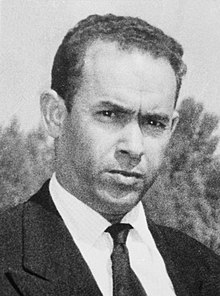
پیشبرد هژمونی پوشالی آمریکایی با ژست مبارزه با تروریسم

کد خبر: ۳۵۷۴۰۲۵
تاریخ انتشار: ۲۷ بهمن ۱۳۹۵ – ۰۸:۳۷
پژوهشگر آمریکایی مطرح کرد:
گروه بین‌الملل: آمریکا یک اژد‌های دو سر است؛ آتش‌افروز و آتش‌نشان او آتش می‌افروزد و سپس تلاش می‌کند همان آتش را خاموش کند، آمریکا حامی گروه‌های تروریست اسلام‌گرا است و از سوی دیگر با ژست مبارزه با آن‌ها تلاش می‌کند، برنامه هژمونی پوشالی خود را پیش ببرد تا بدین ترتیب افکار عمومی را نیز با خود داشته باشد.
پیشبرد هژمونی پوشالی آمریکایی با ژست مبارزه با تروریسم

«جان اندرو مورو»، استاد تمام زبان‌های خارجی در کالج «Ivy Tech Community» آمریکا، نویسنده و پژوهشگر اهل ایالت کبک کاناداست که در زمینه مطالعات اسلامی، اسپانیایی و بومیان آمریکا تخصص دارد. این استاد کانادایی ـ آمریکایی مسلمان در گفت‌وگو با خبرگزاری بین‌المللی قرآن(ایکنا) پیرامون فرمان اخیر ترامپ درباره ممنوع کردن ورود مسلمانان به آمریکا به بیان نکاتی پرداخت؛ حکمی که باعث شده تا در داخل این کشور نیز انتقادها و تظاهرات گسترده‌ای علیه ترامپ صورت بگیرد و هم‌زمان چهره آمریکا در جهان اسلام بیش از پیش خدشه‌دار شود، چراکه امروز یک میلیارد و ۶۰۰ میلیون مسلمان به‌خصوص در قاره آسیا خشمگین از این اقدام نژادپرستانه هستند و نسبت به رئیس‌جمهور جدید ایالات متحده سوء ظن دارند و بسیاری او را مسلمان‌ستیز معرفی می‌کنند. این گفت‌و‌گو در ذیل از نظر می‌گذرد:

ایکنا: حکم ضد مهاجرتی ترامپ، رئیس‌جمهور ایالات متحده مبنی بر ممنوعیت ورود اتباع هفت کشور مسلمان‌نشین به آمریکا برای جامعه این کشور که خود را مدافع حقوق بشر و دموکراسی می‌داند، چه تبعاتی خواهد داشت؟
فرمان ترامپ، حکمی ضد مهاجرت نیست، آمریکا مهاجرت قانونی را منع نمی‌کند، مانند هر کشورِ دارای حاکمیت، آمریکا نیز حق دارد مرزها و مهاجرت خود را کنترل کند، هیچ کشوری در جهان وجود ندارد که مرزهای خود را به روی هر کسی و به هر میزان باز بگذارد. وقتی ترامپ می‌گوید کشوری که مرزهایش را تحت کنترل نداشته باشد، کشور نیست، حق دارد. یک کشورِ دارای حاکمیت اجازه نمی‌دهد دیگران آن را اشغال کنند.
حکم ترامپ علیه اتباع هفت کشور است که به زعم او بیشترین تهدید را علیه آمریکا دارند. حکم ترامپ حکمی کلی نیست که همه مسلمانان را هدف قرار بدهد، به یاد داشته باشیم که مسلمانان در ۴۹ کشور، جزء اکثریت بوده و در همه کشورهای جهان نیز حضور دارند.
من از اقدامات ترامپ دفاع نمی‌کنم، با این همه نباید فریب تبلیغات رسانه‌های لیبرال را خورد که علیه او جنگ راه انداخته و رسماً با او مخالفت می‌کنند.
به خاطر حکم ترامپ نیست که آمریکا دیگر مدافع حقوق بشر و دموکراسی به حساب نمی‌آید، این موضوع جدیدی نیست. کافی است از قربانیان تاریخ امپراتوری آمریکا، از بومیان، آفریقایی‌تبارها، از زنان، یهودیان، ایرلندی‌ها، ایتالیایی‌‌ها، کانادایی‌های فرانسوی‌تبار، کاتولیک‌ها، ژاپنی‌ها، سفیدپوستان فقیر آنگلوساکسون و همه کارگران بپرسید که درباره «دموکراسی» آمریکایی و دفاع آن از «حقوق بشر» چه فکر می‌کنند.
اگر توانستید، از قربانیان امپریالیسم آمریکا در آمریکای لاتین، در جزایر آنتیل، آسیای جنوب غرب، آفریقای شمالی و خاورمیانه هم بپرسید درباره «حقوق بشر» و «دموکراسی» آمریکایی چه نظری دارند.
آمریکا جنبه‌های مثبتی دارد ولی در کنار آن تاریخی شرم‌آور پر از تنفر، قتل عام، برده‌داری، استثمار، نژادپرستی، تمایز و تبعیض، تحقیر و امپریالیسم اقتصادی و سیاسی دارد؛ متأسفانه اغلب دولت‌های آمریکا پی‌در‌پی در طول قرن‌ها اصول قوانین اساسی را نقض کرده‌اند. حقوق بشر برای همه مردان و زنان است، آمریکا به جای آنکه یک جمهوری دموکراتیک باشد به یک امپراتوری مبدل شده ولی امپراتوری‌ها با دوام نیستند؛ امپراتوری آمریکا نیز در حال زوال است امیدواریم که «عدالت و آزادی برای همه» محقق شود.
چرا ترامپ تروریست‌های واقعی مثل عربستان و قطر را در فهرست کشورهایی که اتباع آن‌ها نمی‌توانند وارد آمریکا شوند، قرار نداده است؟
فهرست ترامپ که توسط اوباما تدارک دیده شده بود، فهرستی ابلهانه است، نباید تبعیض بر اساس ملیت و مذهب وجود داشته باشد، بلکه این تبعیض باید بر ایدئولوژی استوار باشد. قوانین آمریکا مهاجرت افرادی را که عضو حزب کمونیست بوده یا معتقد به دیکتاتوری و یا مرتکب جنایات جنگی شده باشد، منع می‌کنند. به جای ممنوعیت ورود شهروندان برخی کشورهای مسلمان باید ورود وهابی‌ها، ناصبی‌ها(دشمنان اهل‌بیت) و تکفیری‌ها به آمریکا ممنوع می‌شد. این افراد برای مسلمانان و غیر مسلمانان خطر واقعی هستند.
به یاد داشته باشیم ده‌ها هزار تروریستی که در سوریه و عراق می‌جنگند، از غرب می‌آیند. آن‌ها به خواست خود به غرب رفت‌و‌آمد می‌کنند. برای رفتن آن‌ها به خاورمیانه و برای ارتکاب جنایات جنگی ممنوعیتی وجود ندارد. آن‌ها بدون کمترین مشکل به اروپا و آمریکا باز می‌گردند و کسی از آن‌ها بازخواست نمی‌کند، از آن‌ها مسئولیت نمی‌خواهد، آن‌ها را محاکمه نمی‌کند، آن‌ها را به خاطر خیانت، جنایت جنگی و کشتار محاکمه و زندانی نمی‌کند به عکس آن‌ها با آغوش باز پذیرفته می‌شوند!
حداقل در آمریکای عصر اوباما، دولت آمریکا پذیرش تروریست‌های آمریکایی را که از خارج برمی‌گشتند، در دستور کار داشت. این امر ثابت می‌کند تروریست‌ها با آن‌ها همکاری دارند، اگر ترامپ می‌خواهد با این سیاست مقابله کند این گوی و این میدان.
اگر عربستان در فهرست ترامپ قرار ندارد برای آن است که منافع شخصی و اقتصادی «رئیس‌جمهور آمریکا» در میان است. اگر من ترامپ را به عنوان رئیس‌جمهوری خود قبول ندارم، به خاطر سیاست‌هایش نیست به این دلیل است که به عنوان یک بومی و به عنوان یک آمریکایی وجود این کشور را به رسمیت نمی‌شناسم.
آمریکا به هیچ ملتی تعلق ندارد؛ آمریکا به مردمان بومی این قاره تعلق دارد. اروپایی‌ها سرزمینی را که به آن‌ها تعلق نداشت، تصاحب کرده و فروخته‌اند. ما حقوق کسانی را که حقوق ما را به رسمیت نشناسند، به رسمیت نمی‌شناسیم. ما حاضر بودیم در این قاره با دیگران شریک شویم ولی آنها ما را محروم کرده‌اند؛ در سرزمین به سرقت رفته عدالت وجود ندارد.
در مورد عربستان ما می‌دانیم که این کشور سرمنشأ تروریسم است. ۱۵ نفر از ۱۹ تروریست تکفیری که حادثه ۱۱ سپتامبر ۲۰۰۱ را رقم زدند، شهروندان سعودی بودند. می‌دانیم که عربستان میلیاردها دلار برای ترویج ایدئولوژی وحشت تکفیری خرج می‌کند و تغذیه مالی بیماران روانی به اصطلاح اسلام‌گرا را در سراسر جهان بر عهده دارد. جای تردید نیست که داعش در خدمت آمریکا، اسرائیل، عربستان سعودی، قطر و ترکیه فعالیت کرده و می‌کند، حتی اگر به نظر برسد که این کشور‌ها تغییر استراتژی داشته باشند، جالب این جاست که سه کشور آخر(عربستان، قطر و ترکیه) در فهرست ترامپ قرار ندارند. مصر که مرکز سلفی‌های افراطی به حساب می‌آید نیز از این لیست غایب است.
آمریکا یک اژد‌های دو سر است: آتش‌افروز و آتش‌نشان او آتش می‌افروزد و سپس تلاش می‌کند همان آتش را خاموش کند، آمریکا حامی گروه‌های تروریست اسلام‌گرا است از سوی دیگر با ژست مبارزه با آن‌ها تلاش می‌کند، برنامه هژمونی پوشالی خود را پیش ببرد. این کشور بیشتر در تئوری(فرضیه) با تروریسم مبارزه می‌کند تا در عمل، تا بدین ترتیب افکار عمومی را نیز با خود داشته باشد. این بازی دوگانه شیطانی به از دست رفتن جان هزاران نفر در میان آتش می‌انجامد. آن‌ها قربانی الهه ثروت می‌شوند تا پرستندگان او ثروتمند‌تر شوند.
طرح ترامپ برای متحد شدن با روس‌ها، سوری‌ها و حتی ایرانی‌ها برای نابودی داعش طرح مناسبی بود، مشکل اینجاست که ترامپ در محاصره نئو‌محافظه‌کاران و صهیونیست‌های دو آتشه است و آن‌ها طرح و برنامه‌ای کاملا متفاوت دارند.
ترامپ به این افراد نیاز دارد ولی آن‌ها نیز متقابلا نیازمند ترامپ هستند. بنابراین ترامپ در جهت‌های مختلف به این سو و آن سو کشیده می‌شود.
او میان محور مقاومت(روسیه، سوریه و ایران) و محور ظلم(اسرائیل، عربستان و قطر) حق انتخاب داشت. اگر قرار بود بین ایران و عربستان یکی را انتخاب کند او قلمرو شیطان را به ایران ترجیح می‌داد. اگر چه آمریکایی‌ها «تئوری آشفتگی» را در جهان اسلام پیاده کردند ولی به نوبه خود از آن بی‌بهره نماندند. آمریکا به جهان سوم جدیدی مبدل شد که در آن دولت به اندازه دولت‌های آفریقایی بی‌ثبات است و رئیس‌جمهور آن مثل یک دیکتاتور نظامی عرب عمل می‌کند.
اتباع هفت کشور اسلامی که در فهرست ترامپ قرار دارند، چطور می‌توانند اعتراض کنند و چطور مسلمانان آمریکا می‌توانند از مسلمانان خارجی که کشورهایشان در فهرست ترامپ قرار دارد، به دفاع برخیزند؟  
آن‌ها اعتراض کرده‌اند و صدای خود را به گوش جهانیان رسانده‌اند. باید منتظر بود و دید چه پیش خواهد آمد. دولت، زیر فشار کوتاه می‌آید باید مخالفت کرد و صدای خود را به گوش‌های شنوا رساند.
اقدامات نمادین آمریکایی‌ها مثل حلقه‌های انسانی به دور مسلمانان در حال برگزاری نماز در فرودگاه‌ها یا نصب پیام‌های صلح و همبستگی با مسلمانان روی درب مساجد تا چه حد مؤثر خواهد بود؟
چنین اقداماتی بسیار سمبلیک هستند، آن‌ها همبستگی را به نمایش می‌گذارند و حاکمیت را تضعیف می‌کنند. این اقدامات بین همه جوامع پل‌هایی را ایجاد می‌کند؛ پل‌هایی که نژادپرستان سفید به نام ملی‌گرایی سعی در نابودی آ‌ن‌ها دارند. باید یک سؤال مهم را مطرح کرد: «این میلیون‌ها نفری که در تظاهرات شرکت می‌کنند، هنگامی که داعش مسیحیان، شیعیان، صوفی‌ها و سنی‌ها را قتل عام می‌کرد، کجا بودند؟ همچنین باید پرسید آیا واقعا می‌توان روی دوستی و همبستگی لیبرال‌های افراطی و لائیک‌ها حساب کرد؟»، به نظر می‌رسد این نوع افراد در قبال همبستگی خود چیزی انتظار دارند و آن به رسمیت شناخته شدن «شیوه زندگی» آن‌ها از طرف مسلمانان است. در عین حال امکان دارد که این اختلاف‌های حاشیه‌ای در برابر مشکلات بزرگ کنار گذاشته شود.
جامعه آمریکا تا چه حد با تصمیمات ترامپ علیه مسلمانان موافق است؟
جامعه آمریکا عمیقاً دچار تشتت است. این چیزی است که «جنگ فرهنگی» خوانده می‌شود. نیمی از جمعیت شامل پروتستان‌های محافظه‌کار است، در‌حالی‌که نیم دیگر لائیک‌ ـ لیبرال هستند، نیمی از آمریکایی‌ها موافق تصمیمات ترامپ هستند در‌حالی‌که نیم دیگر مخالف‌اند؛ حقیقت در دو سو قرار ندارد، حقیقت در میانه است. مردمی که مخالف ترامپ هستند، به همان اندازه کسانی که از او حمایت می‌کنند دچار گمراهی‌اند، اما باید برای ایجاد آشتی براساس اصول اخلاقی جهانی کار کنیم. در غیر این صورت بیم تبدیل «جنگ فرهنگی» به «جنگ داخلی و تمدنی» وجود دارد و ما انسان‌های معتقد در میانه دو نیروی شر قرار گرفته‌ایم، باید دعا کنیم که امام عصر، حضرت مهدی(عج) و یارانش از جمله حضرت مسیح(ع) ظهور کنند، در غیر این صورت امیدی برای بشریت و کره خاکی وجود ندارد.
خبرنگار: پروانه صالحی

L’Amérique combat les terroristes en théorie plus qu’en pratique

9:49 – February 09, 2017
Code de l’info: 3462317
Pour le professeur américain, John Andrew Morrow, les Etats-Unis soutiennent les groupes terroristes islamistes pour avancer son agenda hégémonique en les combattant.
L’Amérique combat les terroristes en théorie plus qu’en pratique
Lors d’une interview accordée à l’Agence Internationale de Presse Coranique (IQNA), il évoque le soutien américain aux terroristes qui partent des Etats-Unis et de l’Europe, en Syrie et en Irak, soulignant l’accueil réservé par ces pays à ces terroristes en rentrant.
A ce propos il nous a dit : « On ne les interroge pas. On ne les charge pas. On ne les juge pas. On ne les condamne pas à la prison ou à la mort pour trahison, crimes de guerre et génocide. Au contraire, on les accueille avec les bras-ouverts! Aux États-Unis, sous Obama au moins, l’administration américaine encourageait la “réintégration des combattants terroristes américains qui retournent de l’étranger.” Cela démontre que les terroristes travaillent pour eux. » Ce que vous lisez, ce sont les réponses que le professeur américain a données à nos questions.
 Quelles sont les conséquences du décret anti-migratoire de Trump sur la société américaine qui se considère comme défenseur des droits de l’homme et de la démocratie?
Il ne s’agit pas d’un décret anti-migratoire. Les États-Unis permettent l’immigration légale. Comme n’importe quel pays souverain, l’Amérique a le droit de contrôler ses frontières et son immigration.  Rappelons-nous qu’il y a 16 pays musulmans qui interdisent l’entrée de juifs israéliens. Alors, ne soyons pas hypocrites. Il n’y a aucun pays au monde qui laisse ses frontières ouvertes à n’importe qui et en n’importe quelle quantité. Trump a amplement raison quand il affirme qu’un pays qui ne contrôle pas ses frontières n’est point un pays. Un pays souverain ne se laisse pas envahir.
Le décret de Trump est dirigé envers les ressortissants de sept pays qui, soi-disant, produisent le plus de terroristes « islamistes » et qui représentent, soi-disant, la plus grande menace envers les États-Unis! Ce n’est pas un décret général qui viserait tous les musulmans. Souvenons-nous que les musulmans sont majoritaires dans 49 nations et se trouvent dans presque tous les autres pays de la planète. Ils ne sont pas exclus de voyager aux États-Unis.
Je ne défends point les actions de Trump. Néanmoins, il ne faut pas se laisser duper par la propagande des médias libéraux qui lui ont déclaré la guerre et qui est devenu l’opposition officielle. Les États-Unis ont un grave problème avec l’immigration clandestine et avec le terrorisme étranger et domestique. Il faut donc agir intelligemment et non stupidement en considérant toutes les conséquences. L’aspect humanitaire doit aussi être considéré. On ne détruit pas des familles dans notre quête pour protéger des familles. On fait notre possible pour faire le plus de bien et faire le moins de tort.
Ce n’est pas à cause du décret de Trump que les États-Unis ne sont plus les défenseurs des droits de l’homme et de la démocratie : ils ne l’ont jamais été. Ce n’est rien de nouveau. Vous n’avez qu’à demander aux victimes historiques de l’Empire Américain : aux autochtones, aux Africains, aux femmes, aux juifs, aux irlandais et aux italiens, aux canadiens français, aux catholiques, aux japonais américains, aux pauvres blancs anglo-saxons, et aux ouvriers ce qu’ils pensent de la « démocratie » américaine et de sa défense des « droits de l’homme ». Et quand vous y êtes, demandez donc aux victimes de l’impérialisme américain en Amérique Latine, aux Antilles, en Asie du Sud-ouest, en Afrique du Nord, et aux Moyen-Orient ce qu’ils pensent des « droits de l’homme » et de la « démocratie » américaine.
L’Amérique a amplement de bienfaits mais elle a aussi une histoire honteuse de haine, de génocide, d’esclavage, d’exploitation, de racisme, de ségrégation, de discrimination, de misogynie et d’impérialisme économique et politique. Les principes constitutionnels sur lesquelles les États-Unis sont fondées sont exceptionnels et admirables. Hélas, la plupart des administrations américaines les ont violés sans cesse pour des siècles. Les droits de l’homme, c’est pour tous les hommes et les femmes y-compris. Au lieu d’être une république démocratique, les États-Unis sont devenus un Empire. Mais, les Empires ne durent point et l’Empire Américain est en plein déclin. Nous ne prions point pour sa destruction mais pour sa salvation avec « justice et liberté pour tous. »
Pourquoi Trump n’a pas placé les vrais terroristes comme l’Arabie Saoudite ou le Qatar sur la liste des pays dont les ressortissants sont interdits d’entrer sur le sol américain?
La liste de Trump, qui a été préparée par Obama, n’oublions-pas, est idiote. On ne devrait pas discriminer à base de nationalité ou de religion. On devrait, quand même, discriminer à base d’idéologie. Les lois américaines interdisent l’immigration de personnes qui étaient membres d’un parti communiste, qui croient au totalitarisme, ou qui ont commis des crimes de guerre. Au lieu d’interdire les citoyens de certains pays majoritairement musulmans, on devrait interdire les salafistes, wahhabites, nasibites et takfirites d’entrer sur le sol américain. Voilà la véritable menace envers musulmans et non-musulmans.
Souvenons-nous que des dizaines de milliers de terroristes qui se battent en Syrie et en Irak viennent d’Occident. Ils rentrent et sortent d’Occident à leur gré. Ils ne sont point interdits d’aller au Moyen-Orient pour commettre des crimes de guerre. Ils reviennent en Europe et aux États-Unis sans le moindre problème. On ne les interroge pas. On ne les charge pas. On ne les juge pas. On ne les condamne pas à la prison ou à la mort pour trahison, crimes de guerre et génocide. Au contraire, on les accueille avec les bras-ouverts! Aux États-Unis, sous Obama au moins, l’administration américaine encourageait la « réintégration des combattants terroristes américains qui retournent de l’étranger. » Cela démontre que les terroristes travaillent pour eux. Si Trump veut mettre fin à cette politique cinglée, bienvenu soit-il.
Si l’Arabie Saoudite n’apparaît pas sur la liste de Trump, c’est question d’intérêt personnel et économique du « Président » des États-Unis. Et si je ne reconnais pas Trump comme mon Président, ce n’est pas à cause de ses politiques, c’est par ce que, en tant qu’autochtone et en tant qu’amérindien, je refuse de reconnaître l’existence même de ce pays. L’Amérique n’appartient à aucune nation : elle appartient aux peuples originaires de ce continent. Les Européens ont volé et vendu de la terre qui ne leur appartenait point. Du point de vue des Premières Nations, les Inuits et des Métisses, nous ne reconnaissons pas les droits de ceux qui ne reconnaissent pas nos droits. Nous étions prêts à partager ce continent mais on nous l’a pris en échange pour des miettes. Il n’y a point de justice sur terre volée.
En ce qui concerne l’Arabie Saoudite, nous savons très bien que c’est la Mère de la Bête. Quinze des dix-neuf terroristes takfiristes qui ont commis les attentats du 11 septembre 2001 étaient citoyens saoudiens. Nous savons bel et bien que l’Arabie Saoudite dépense des milliards de dollars pour promouvoir l’idéologie de la terreur takfirite et qu’elle finance les psychopathes islamistes autour du monde. C’est un fait établi que Daesh travaille ou travaillait pour le compte des États-Unis, d’Israël, de l’Arabie Saoudite, du Qatar, et la Turquie, même si ce dernier pays semble avoir changé de stratégie. Curieusement, ces trois derniers pays ne figurent pas sur la liste de Trump. L’Égypte, le centre même des salafites extrémistes, est notablement absent car, pour le soi-disant Président des États-Unis, ce n’est pas bon pour les affaires.
L’Amérique est un dragon à deux têtes. L’Amérique est un pyromane et un pompier. Elle allume le feu et essaie de l’éteindre ensuite. L’Amérique soutient les groupes terroristes islamistes pour avancer son agenda hégémonique en les combattant, en théorie plus qu’en pratique, pour gagner l’opinion publique. C’est un double jeu diabolique qui coûte des centaines de milliers de vies musulmanes qui sont pris au milieu du carnage. Ils sont sacrifiés sur l’autel de Mammon pour enrichir ses adorateurs.
L’idée de Trump de s’allier avec les Russes, les Syriens et peut être même les Iraniens pour détruire Daesh était bonne. Le problème c’est que Trump est encerclé de néo-conservateurs et de sionistes acharnés qui ont un agenda complètement diffèrent. Trump a besoin d’eux mais ils ont besoin de lui aussi. Alors, Trump se voit tiré dans de nombreuses directions différentes. Il avait le choix entre l’axe de la résistance, la Russie, la Syrie et l’Iran, et l’axe de l’oppression, Israël, l’Arabie Saoudite et le Qatar. Si le choix était entre l’Iran et l’Arabie Saoudite, Trump parait avoir choisi le Royaume du Mal au lieu de la République Bien-Intentionnée. Si les Américains ont imposé la « théorie du chaos » dans le monde musulman, il semble qu’ils viennent d’être servis. Bienvenue en Amérique. Le nouveau Tiers-Monde ou le gouvernement est aussi instable qu’en Afrique Noire et le président agit comme un dictateur militaire arabe. C’est l’ultime ironie.
Comment les ressortissants des sept pays musulmans figurant sur la liste concernée par le décret peuvent manifester leur protestation? Comment les musulmans américains peuvent défendre les musulmans étrangers concernés par le décret anti-migratoire?
Ils ont protesté. Ils se sont fait entendre. Le décret de Trump a été mis en arrêt. Nous attendons voir la suite. Le pouvoir cède sous pression. Il faut donc s’organiser, manifester, se faire entendre et se faire écouter.
 Dans quelle mesure les gestes symboliques comme les chaînes humaines autour des musulmans en prière dans les aéroports sont efficaces?
De telles actions sont très symboliques. Elles démontrent énormément de solidarité. Elles affaiblissent l’autorité. Elles aident à construire des ponts entre toutes les communautés qui sont visées par l’extrême-droite, par ces suprématistes blancs qui se présentent faussement comme des nationalistes. Mais, il faut se poser une question importante : où étaient ces millions de manifestants pendant que les escadrons de la mort de Daesh exterminaient les chrétiens, les chiites, les soufies, et les sunnites traditionnelles? Il faut aussi se demander si nous pouvons véritablement compter sur l’amitié et la solidarité des GLBTT, les ultra-libéraux et des laïques. Il se peut que je me trompe, mais cela semble être un mariage de convenance qui coûtera cher. C’est-à-dire, les activistes en question vont vouloir quelque chose de retour : la reconnaissance de leur « mode-de-vie » de la part des musulmans. Il est également possible que, face aux grands problèmes, les différences secondaires soient mises de côté.
 A quel point la société américaine est favorable aux mesures prises par Trump contre les musulmans ?
La société américaine est profondément polarisée. C’est ce qui s’appelle la “guerre culturelle.” La moitié de la population consiste de protestants conservateurs tandis que l’autre moitié consiste de laïques libéraux. La moitié des américains sont favorables aux mesures prises par Trump tandis que l’autre moitié s’y oppose. En réalité, la vérité ne se trouve pas dans les extrêmes : la vérité se trouve au centre. Les gens qui opposent Trump sont aussi égarés que les gens qui le soutiennent. Nous devons donc travailler envers la réconciliation fondée sur des principes éthiques universels. Dans le cas échéant, je crains que la « guerre culturelle » devienne une « guerre civile et civilisationnelle. » Et nous, les croyants, nous nous trouverons au milieu de deux forces du mal en essayant d’identifier le moindre de mal. Mais, souvenons-nous, le moindre mal est quand même un mal. Nous prions donc pour le retour de Jésus et de l’Imam Mahdi, sans lesquels, il n’y a point d’espoir pour l’humanité et la planète qui nous donne la vie.

RENEWING THE COVENANT: THE ACHTINAME OF MUHAMMAD

RENEWING THE COVENANT: THE ACHTINAME OF MUHAMMAD

SHAFAQNA – The following key-note address was delivered by Dr. John Andrew Morrow on Sunday, February 5, 2017, at Baab ul-Ilm Mosque and Community Center in Leeds, United Kingdom, as part of a program titled “Renewing the Covenant,” organized on the occasion of Visit My Mosque Day.

 The event featured recitation of the Qur’an by Maulana Noorul Hasan, a welcome by Chairman Rasool Bhamani, the 40ththeatrical performance of The Achtiname of Muhammad by the Ridhayatullah Theatre Group, an acclaimed play based on Dr. John Andrew Morrow’s best-selling book, The Covenants of the Prophet Muhammad with the Christians of the World, which was adapted for the stage by Ali Panju.

The complementary showing of the theatrical performance was followed by a keynote address by Sheikh Arif Abdul Hussain, the founder and director of the Al Mahdi Institute in Birmingham, who focused on the universality at the heart of the spiritual traditions of the world, as well as a keynote address by Dr. John Andrew Morrow.

 Dr. John Andrew Morrow completed his PhD at the University of Toronto where he acquired expertise in Hispanic, Native, and Islamic Studies. He pursued post-graduate and studies in Arabic and has completed traditional Islamic seminary studies at the hands of a series of Sunni, Shii, and Sufi scholars.

 Dr. Morrow has spent over a decade and a half in the United States working at various universities, achieving his Professorship at Ivy Tech. He is also the Director of the Covenants Foundation, an organization dedicated to promoting Islamic unity, protecting persecuted Christians, and improving relations between Muslims and members of other faiths. The transcript of his speech is as follows:  

” A‘udhu billahi min al-Shaytan al-rajim. Bismillah al-Rahman al-Rahim. Alhamdulillahi rabb al-‘alamin. Wa salatu wa salam ‘ala  ashraf al-mursalin, Muhammad al-Amin, sayyidina wa habibina wa nabiyyina, wa ‘ala alihi, al-tayyibin wa al-tahirin, ila yawm al-din.

I take refuge in Allah from Satan, the Rejected. In the Name of Allah, the Most Compassionate, the Most Merciful. Praise be to Allah, the Lord of the Worlds. May peace and blessings be upon the best of the messengers of Allah, Muhammad, the Truthful and the Trustworthy, our master, our beloved, and our prophet, and upon his family, the good, the pure, until the Day of Judgment.

I send you greetings of peace: al-salamu ‘alaykum wa rahmatullahi wa barakatuhu and the warmest of welcomes: ahlan wa sahlan.

I would like to thank the Ridhayatullah Theatre Group for producing a precious play based on my book, The Covenants of the Prophet Muhammad with the Christians of the World, a work that has been referenced in approximately 500 articles, reviews, and interviews, over the past three years, and which has inspired an international Muslim movement, the Covenants Initiative, which is committed to protecting the People of the Book, Shiites, Sufis, traditional Sunnis, and anyone else who is persecuted by Takfiri terrorists at home and abroad.


The Covenants Initiative, which calls upon Muslims to abide by the treaties that the Prophet, peace and blessings be upon him, concluded with the People of the Book — Jews, Christians, and Zoroastrians — has been signed by hundreds of leading Muslim scholars, academics, and activists, as well as many mosques, associations, and international organizations.

The Covenants of the Prophet Muhammad with the Christians of the World inspired the Genocide Initiative which played an important part in the passing of the Fortenberry in the US House of Representatives; a resolution that charges ISIS with genocide, war crimes, and crimes against humanity.

The Covenants of the Prophet Muhammad with the Christians of the World helped inspire the Marrakesh Declaration on the rights of non-Muslim minorities in Muslim-majority states.

The Covenants of the Prophet Muhammad with the Christians of the World helped inspire the creation of an information center, at the heart of the Organization of Islamic Cooperation, which is devoted to counter-radicalization.

The Covenants of the Prophet Muhammad with the Christians of the World has been warmly received by Pope Francis, Patriarch Theophilos the Third, Patriarch Bartholomew, and the Holy Council of Fathers from St. Catherine’s Monastery at Mount Sinai.

The book in question is being provided, free of cost, to the Muslim 500; namely, to the 500 most influential Muslims in the world.

The book in question has been translated into Spanish and is slowly making its way into the hands of Roman Catholic clergy in the Hispanic world.

The book in question has been translated into Italian and is slowly making its way into the hands of Roman Catholic clergy in Italy.

The book in question has been translated into Arabic and will be provided to the 500 most influential Arabic-speaking scholars in the Muslim world. Insha’ Allah, God-willing, all of the Grand Muftis of the Sunnis will receive copies as will all of the Grand Ayatullahs of the Shiites.

I am pleased to announce that the Six Covenants of the Prophet, peace and blessings be upon him, will soon be published in English, French, Spanish, Portuguese, Italian, Dutch, Russian, Turkish, Arabic, Persian, Urdu, Tamil, and Bahasa Indonesian by Cambridge Scholars Publishing. Consequently, the Muhammadan Covenants will soon find their way into libraries around the world in the major languages of the world where they will be available, for generations to come, to students and scholars alike.

I am also pleased to announce that Islam and the People of the Book: Critical Studies on the Covenants of the Prophet will, insha’ Allah, God-willing, be published later this year in the UK. The work features over thirty studies on the treaties of the Messenger of Allah, may God shower him with countless blessings and grant us his intercession, authored by an international team of leading Muslim scholars. This is a two-volume reference work that is over one thousand pages long. May it serve as a source of guidance. Amen. Ilahi amin ya rabb al-‘alamin.

The Covenants of the Prophet Muhammad with the Christians of the World has inspired a museum exhibit titled “Muslims, Christians, and Jews: An Exhibit of Covenants and Coexistence” organized by the International Museum of Muslim Cultures, based in Jackson, Mississippi. Insha’ Allah, God-willing, this half a million-dollar exhibit will tour from museum to museum throughout the United States and abroad.

Last but not least, the Covenants of the Prophet Muhammad with the Christians of the World has also inspired a play, The Achtiname of Muhammad, which has received rave reviews, and which revives a long and rich tradition of Islamic theatre.

Believe it or not, the Western world used to turn to us, Muslims, for art, culture, literature, and science. Now, by and large, Muslims merely turn to Hollywood or Bollywood in search of entertainment. Let’s stop being imitators and start being creators and innovators. Let’s be leaders and not followers. Young Muslims! We are counting on you. Rise to the occasion. The Ummah of Muhammad needs you. You are the foundations of a New Future.

I have viewed segments of this performance on several occasions and have been both pleased and humbled. The script, the directing, the staging, the set, the music, the lighting, and the acting, are all, in my expert opinion as a literary and theatrical critic, admirable.

Let’s send a loud salawat to everyone involved in this inspiring project. Salawat ‘ala Muhammad wa ali Muhammad. May peace and blessings be upon the Prophet and his Family.

So alhamdulillah wa shukralillah, praise be to God and thanks be to God, that the Covenant of the Prophet, the Achtiname of Muhammad, is being revived during these dark days of Daesh, Boko Haram, al-Shabab, and similar psychopaths and alhamdulillah wa shukralillah, praise and thanks be to God, that the Covenant of the Prophet is being resurrected during these dark days of Donald Trump and other right-wing racists and fascists who have suddenly been rebranded as nationalists.

We live in a world of extremes and a period of profound polarization. On the one hand, we have ultra-liberal, anti-religious, globalist, modernist, secularists. On the other hand, we have radical, religious fundamentalists, nationalists, and extremists.

The political pendulum has certainly swung. The proponents of liberalism, globalization and demoralization are facing defeat and are in full retreat. The proponents of conservatism, nationalism, populism, and reactionism are making aggressive inroads.

Although many Muslims view Western politics as a choice between evils, they are as foolish to put their faith in the left as they are to put their faith in the right. It is as foolhardy to side with amoral liberals as it is to side with immoral conservatives. As Muslims, we must always stand up for the primordial ethical principles that have been passed down by all the prophets and messengers of God.

Who would have thought that we, Muslims, partisans of the Prophet and proponents of true, traditional, civilizational Islam, would find themselves as the voice of moderation amid two extremes that threaten both people and the planet that provides for them.

As disheartening as social, political, and economic developments may be, it is heartening to know that young, committed, Muslims, continue to spread beauty despite the ugliness that surrounds us.

Although the Muslim world soared to unprecedented heights from the 7th century to the early 20th century, the collapse of Islam as a political power has been devastating, pushing some people to place faith in Political Islam, Islamism, and Jihadism, with the vain aim of reconstituting the Caliphate.

As we have seen in Somalia, Nigeria, Libya, Syria, Iraq, and beyond, their naïve dream has become a nightmare. Although Muslims can, and must, strive to create societies that are rooted and guided by the principles of the Prophet, Islam is not limited to politics. Islam is built from the bottom up: not top down. As we read in the Holy Qur’an: “Allah will not change the condition of a people until they change what is in their hearts” (13:11).

The Prophet, peace and blessings be upon him, did indeed create an Islamic State, a Muslim State or to be precise, an Ummah or Confederation; however, it was not the first thing that he did. The Messenger of Allah, ‘alayhi salawatu wa salam, blessings and peace be upon him, prepared the foundations of that future state by creating a civil society.

After the triumph of the Islamic Revolution of Iran, Imam Khomeini was approached by Islamists who asked him to assume the title of Caliph and to describe his system, not as an Islamic Republic, but as a Caliphate. He refused point blank. And the Sunni Islamists withdrew their support.

Imam Khomeini had no delusions. He knew full well that the only people who were authorized to reinstitute the Caliphate or Imamate and the only people who were authorized to create the Government of God on Earth were the Prophet Jesus and Imam Muhammad al-Mahdi, may Almighty Allah hasten their reappearance.

Ya mawlana ya Sahib al-zaman

Al-ghawtha, al-ghawtha, al-ghawtha,

Adrikni, adrikni, adrikni

Al-sa‘ata, al-sa‘ata, al-sa‘ata

Al-‘ajal, al-‘ajal, al-‘ajal 

O our Master, O Master of the Time!

Help! Help!

Rescue me! Rescue me! Rescue me!

This moment! This moment! This moment!

Hasten, hasten, hasten!

Although the Muslim world was once a star-studded sky, it is only a fragment of what it once was. Fortunately, there are a few twinkling stars that remain, and one of those is the production of this play, The Achtiname of Muhammad.

For many of us, both scholars and laypeople, the Covenant of the Prophet came as a surprise, and a welcome one at that. Time and again, people ask: “Why have I never heard of this before?” Even ‘ulama’, Muslim scholars who studied for thirty years in the hawzah ‘ilmiyyah or Islamic Seminary ask this very same question. The answer is simple: neglect. It is simply not part of the curriculum that is focused, overwhelmingly, on fiqh, jurisprudence, or personal applications of religious practices as opposed to administration of society.

The Prophet Muhammad, sallalahu ‘alayhi wa alihi wa sallam, may peace and blessings be upon him and his Family, had an ambitious plan and an enlightened project for this Ummah. He wrote a constitution, the Covenant of Madinah, the first of its kind in the history of humanity: a veritable milestone. He established clear rules of governance that form the foundation of Islamic law and jurisprudence. He formulated domestic and foreign policies in the Covenants of Protection that he provided to Jews, Christians, Zoroastrians, and other communities. These are full-fledged Charters of Rights and Freedoms.

The Messenger of Allah, peace and blessings be upon him, prepared to shoot a socio-economic and political rocket into the future. Unfortunately, at the very moment he launched it, a power-hungry party pushed the projectile off-course. Although the rule of Abu Bakr, ‘Umar, and ‘Uthman was relatively close to that of the Prophet in terms of the manner in which they treated non-Muslims, it swerved, ever so slightly, from his sublime Sunnah. When Imam ‘Ali, may Allah be pleased with him, assumed his rightful role as Caliph, he made every attempt to correct the course of the rocket: however, as he himself admitted, the damage that was done by the previous rulers was permanent and the common people were not prepared to be straightened.

As the distance between the Prophet, peace and blessings be upon him, and the projectile increased, so did the divergence in its direction. Over time, the rocket moved more and more off course. At times, there were relatively righteous rulers, who tried to steer the projectile toward its ultimate target and goal. The Ottomans, for example, placed the Covenants of the Prophet at the heart of their legal system.

Ultimately, however, the Young Turks, who were ultra-nationalist secularists at the service of the Western world, decided to destroy the missile, decisively destroying the Ottoman Empire in the process and effectively ending the political power of Islam in the world. The consequences were cataclysmic. We have not ceased to suffer since.

As Sunni scholars themselves admit, righteousness left the Ummah with the end of the rightly-guided Caliphs. Shiite scholars would also agree. After Imam ‘Ali, peace be upon him, the First Imam and the Fourth Caliph, we had a succession of kingdoms, dynasties, and empires, directed by kings, monarchs, and emperors.

Since there were no truly rightful political rulers after Imam ‘Ali, may Allah bless his radiant countenance, Shiite Muslim scholars focused on all the other subjects that are taught today in Islamic seminaries. Since Islam was not truly the law of the land, the treaties and covenants of the Prophet, ‘alayhi salawatu wa salam, blessings and peace be upon him, were sidelined as irrelevant to the time and inapplicable.

Where Shiites did hold power, in Persia for example, during the Safavid dynasty, we see several Shahs recognizing, renewing, and implementing the Covenants of the Prophet. Shah ‘Abbas the Great, the Fifth Safavid Shah, who died in 1629, officially renewed the Achtiname of Muhammad. So, don’t buy this baloney that the Covenant of the Prophet is a forgery and that it is not part of Muslim Tradition.

The Achtiname of Muhammad is cited in part or in whole in over 179 sources from the 7th century to the 21st century. It has been authenticated by thousands of Islamic legal authorities, mujtahidun and muftun, over the ages. It was also identified as genuine, re-issued, and renewed by the rightly-guided Caliphs, many of the Umayyads, ‘Abbassids, as well as all of the Fatimids, the Ayyubids, the Mamluks, most of the Safavid Shahs, and all of the Ottoman Sultans.

The Covenant of the Prophet Muhammad was once common knowledge to most Muslims, most Christians, and most Jews. Ah, but the times they do a-change.

With the advent of Western colonialism and imperialism in Africa, North Africa, the Middle East, the Indian Subcontinent, and Southeast Asia, Muslims no longer ruled themselves.

As conquered people who were ruled by Europeans, the Covenants of the Prophet were of little consequence. What is more, these very imperialists destroyed the educational system in the Islamic world leading to unprecedented levels of illiteracy so much so that many Muslims lost touch with their own religious tradition.

When the imperialists were forced to leave, they left behind their lackeys: kings, sultans, despots, and military dictators who ruled in the only way they knew: the way that they had been ruled by European occupiers. The leaders of the Muslim world are the illegitimate offspring of colonial masters. The political, economic, social, and legal systems that we see in the Muslim world were all instituted by Western Europeans. That’s their legacy.

In the decades and centuries that passed, the Western world has evolved. The problem with the Muslim world is that much of it is stuck in the past: in a colonial past. Some of it has one foot in 7th century Jahiliyyah or Ignorance and another foot in 21st century Jahiliyyah or Ignorance. And yet some of it is more Westernized than the West.

“Why haven’t we heard of the Covenants of the Prophet before?” The answer is obvious: it is as plain a day. We have not heard of the Covenants of the Prophet because we have not ruled ourselves according to the method of the Prophet.

In some parts of the world, like the former Ottoman Empire, traditional Islamic rule only disappeared one hundred years ago. You have no idea how much damage was done. We are still picking up the pieces.

In other parts of the world, such as India, Muslims have not lived according to traditional Islamic rule for several centuries. No wonder there is so much ignorance when it comes to how we should rule ourselves and how we should treat the minorities in our midst.

The destruction of the traditional educational system in the Muslim world created a void: that void was filled by a new ideology: Salafism, Wahhabism, and Takfirism, spread by means of billions of Saudi petro-dollars.

We may not have billions and trillions at our disposal. But we have one thing that these enemies of God and humanity do not have: faith, truth, and constancy.

Wa al-asr

Inna al-insana lafi khusr

Ila al-ladhina amanu wa ‘amilu al-salihati

Wa tawasa bi al-haqq

Wa tawasa bi al-sabr 

By time,

Indeed, humankind is in loss

Except for those who have believed and done righteous deeds

And advised each other to truth and advised each other to patience. (103: 1-3)

Ya Rahman! Ya Rahim!

Bi haqqi Muhammad wa alihi al-tahirin! 

Salawat ‘ala al-nabi al-karim 

Wa salamu ‘alaykum wa rahmatullah ajma‘in 

By the Most Compassionate! By the Most Merciful!

By the Truth of Muhammad and his Purified Progeny

May peace and blessings be upon the most noble Prophet

And may the peace and blessings of Allah be upon you all.

By Catherine Shakdam and Dr. John Andrew Morrow

SHARE 

Facebook


Twitter


THE SOCIO-POLITICAL SIGNIFICANCE OF THE COVENANTS OF THE PROPHET MUHAMMAD


BYE BYE BARACK, O PAI DO BEBÊ DE ISIS

https://www.blogger.com/static/v1/jsbin/3032875878-ieretrofit.js
weblog mylife: BYE BYE BARACK, O PAI DO BEBÊ DE ISIS.

sexta-feira, 20 de janeiro de 2017

BYE BYE BARACK, O PAI DO BEBÊ DE ISIS.


20.01.2017
Aviso de impedir o apocalipse atingiu-me em 2010, quando fui notificado de um envio maciço de armas para, de todos os lugares, a Síria. Eu sabia então que “Merda estava indo para baixo na Síria.” Em outras palavras, eu sabia muito bem que as armas, em rota para a Síria através da Jordânia, não estavam destinados ao governo daquela nação.
Na época, eu assumi que as armas estavam sendo enviados para alguns traidores no Exército sírio e que um  golpe de Estado  estava se formando. Dentro de um ano, a operação real foi aparentemente revelada: uma insurgência estrangeira armada, treinada e apoiada contra o governo sírio.
Despachados da Jordânia, exércitos estrangeiros começaram a entrar na Síria. Enquanto alguns desses terroristas eram retirados de gangues salafitas, eles eram, em grande parte, soldados profissionalmente treinados, muitos dos quais eram mercenários.
Pegando o governo sírio e o aparelho de segurança fora de guarda, estes combatentes terroristas estrangeiros começaram a cometer atrocidades que a mídia ocidental, a serviço do Império, foi atribuída intencionalmente ao governo Assad.
O espetáculo enjoativo envolveu ataques a sunitas que foram acusados de alauitas, ataques a alauitas que foram atribuídos aos sunitas e ataques a cristãos que foram atribuídos aos muçulmanos. O objetivo era incitar a violência étnica, sectária e religiosa para que todo o país fosse consumido.
Mercenários estrangeiros, muitos dos quais nem sequer eram de origem muçulmana, torturaram, estupraram, mutilaram e mataram civis inocentes, e orgulhosamente transmitiram seus crimes através do ciberespaço através de uma rede construída anteriormente.
Durante os primeiros dias do conflito, eu assisti muitos desses vídeos e examinei o suficiente dessas imagens que eu poderia estômago. Eles trouxeram vivos flashbacks de meus dias trabalhando com comitês de solidariedade centro-americanos.
Os esquadrões da morte na América Latina tratavam a tortura, a mutilação e o massacre como formas de arte. Eles competiram entre si e tentaram superar um ao outro.
Como os demônios que haviam operado em El Salvador, Honduras, Guatemala e em outros lugares, os demônios desencadeados sobre a Síria também gostavam de criar obras-primas de sangue, sangue e tripas.
Para aqueles que não estão familiarizados com o mundo perverso de assassinos de aluguel e os homens-machado das elites mundiais, os esquadrões da morte, como os homens-azarados, sempre assinam suas obras de arte. Eu vi o cuidado e consideração que entrou na criação de vídeos e imagens espalhafatosas.
Os psicopatas estrangeiros que invadiram a Síria apresentariam antes e depois fotografias de suas vítimas; Jovens, lindas, cristãs, cheias de sorrisos e irradiando vida e esperança; Que iriam contrastar, lado a lado, com fotografias de seus restos mutilados, brutalizados e violados.
Nenhum muçulmano faria tal coisa. Na verdade, nenhum ser humano faria tal coisa. Esta foi a obra de Satanás e Satanás sempre assina sua obra.
Sabia então, como sei agora, que os chamados “combatentes da liberdade”, que faziam uma “guerra de libertação” contra um “tirano opressivo que mata o seu próprio povo”, na realidade não passavam de assassinos em massa, criminosos e Armas de aluguel.
O conflito na Síria foi criado e orquestrado por agências de inteligência estrangeiras. A política era de “caos controlado”. Manter o mundo muçulmano fervendo a fogo baixo. Neutralizar potências regionais que poderiam representar uma ameaça aos interesses estrangeiros. Como Prof. Dr. Vladimir Prav explica em ” ” caos controlado “como uma ferramenta de luta geopolítica :”
De acordo com a “teoria”, o desmantelamento dos estados-nação já existentes, culturas tradicionais e civilizações pode ser conseguido por:
Desideologização da população;
* Dumping o “lastro” dos valores já existentes, e substituí-los com o seu próprio conjunto;
* Aumento das expectativas materiais, especialmente entre a elite;
* Perda de controle sobre a economia e sua destruição final;
* Ações ilegais por movimentos supostamente espontâneos que muitas vezes têm caráter étnico ou religioso.
Uma vez implementadas, essas políticas-chave levam a “revoluções de cores”.
” Teoria do caos controlado” é baseado na reforma da consciência de massa, visões de mundo, e a esfera espiritual, submetendo os indivíduos a meios modernos de manipulação. Trata-se de uma operação psicológica global que faz parte da globalização e que destrói a cultura da solidariedade e a substitui por um culto monetário e por estereótipos social-darwinistas sobre o papel do indivíduo na sociedade. A capacidade das massas para oferecer resistência através da auto-organização é assim diminuída.
Dado os efeitos de tais tecnologias, os atores do “caos controlado” perseguem dois objetivos:
Reduzir o tamanho da população eliminando aqueles que não são de uso para os arquitetos da nova ordem mundial. As reformas neoliberais provocam uma catástrofe demográfica, reduzindo as taxas de natalidade e aumentando as taxas de mortalidade. A revolução sexual, a propaganda do hedonismo, o individualismo e o consumismo reduzem as taxas de natalidade. O social-darwinismo ea indiferença ao sofrimento de pessoas próximas privam as pessoas de sua vontade de viver e aumentar as taxas de mortalidade. O grande número de pobres e desabrigados equivale a um mecanismo de eutanásia de facto, uma vez que as pessoas nestas categorias morrem rapidamente. Embora mais pessoas sejam derrubadas para substituí-las.
O objetivo de destruir uma nação afirma que a imposição de controle sobre elas é interceptada por corporações transnacionais, sindicatos de crime, organizações e instituições supranacionais, que respondem àqueles que empregam tecnologias de caos controladas. Esta tarefa combina “poder suave” com agressão militar bárbara (Iugoslávia, Iraque e Líbia). Esse processo facilita o controle dos agressores sobre os recursos financeiros, militares e de informação globais.
O objetivo das “guerras civis” artificiais na Líbia, na Síria e no Iraque era degradar a infra-estrutura e o potencial dos países da zona através da destruição em grande escala. Tal devastação facilita o roubo em grande escala de riqueza e recursos naturais, eliminando o maior número possível de vidas humanas.
Ao contrário dos ideólogos da Revolução Industrial, que precisava de uma grande piscina de trabalho para explorar, os ideólogos do 20 th e 21 st século têm um “excedente inútil” de vidas humanas no planeta. Como tal, eles estão determinados a exterminar o maior número possível deles para garantir que eles não representam qualquer inconveniente para a elite economicamente poderosa que tratam o genocídio como simplesmente um outro instrumento de sua caixa de ferramentas.
Ao invés de buscar a reconciliação entre os principais players de poder para o benefício da humanidade, as elites globais decidiram relançar uma nova Guerra Fria ou conflito mundial, envolvendo-se em guerras por procuração, não se importando que o preço custasse centenas de milhares de seres humanos vidas.
O mundo ocidental vem se engajando em um discurso duplo desde o primeiro dia. Tanto é auto-evidente para qualquer cidadão cínico doente de ser alimentado mentiras como porcos são alimentados slop. Mentiras levam a mais mentiras e logo um é tangled em uma teia de mentiras como um nó gordiano. Logo, não se pode livrar da falsidade.
Os meios de comunicação controlados pela empresa afirmam que a oposição síria consiste em “moderados”. Simplesmente porque a Al-Qaeda e Osama Ben Laden são menos extremistas dos extremistas em comparação com ISIS e Abu Bakr al-Baghdadi não os torna moderados. Não existe tal coisa como um terrorista “moderado”. O terrorismo, por definição, é o extremismo.
Quando o apoio financeiro para o ISIS aumentou, eles encheram suas fileiras com FSA e terroristas al-Nusra. Se ISIS cair fora de favor, como parece estar acontecendo, seus lutadores simplesmente irão juntar outras forças. Caso contrário, eles vão procurar oportunidades em outros países. Para mercenários, é tudo jogar por salário.
E enquanto o mundo inteiro está de braços abertos sobre o ISIS, a atitude da administração americana tem sido indiferente. Em 27 de janeiro de 2014, o presidente Obama comparou o exército terrorista a uma “equipe de JV”. Eles claramente não eram.
Em 7 de agosto de 2014, o presidente Obama afirmou com confiança que “Nós não vamos deixá-los criar algum califado através da Síria e do Iraque” e ainda assim ele fez exatamente isso.
Em 3 de setembro de 2014, o Líder do Mundo “Livre”, afirmou que ISIS era “problema gerenciável”. Mas claramente não era.
Em 10 de setembro de 2014, o líder americano prometeu degradar e destruir o ISIS. Ele não fez nada disso.
Em 17 de dezembro de 2015, ele tranquilizou os americanos afirmando que não havia “informações específicas e confiáveis sobre um ataque à nossa pátria”. E, no entanto, fomos atacados, mais e mais.
E enquanto o governo dos EUA pode alegar que eles estão liderando uma coalizão contra o ISIS, seus ataques contra o ISIS foram mornos e muitas vezes mal direcionados.
De fato, os pilotos norte-americanos se queixaram em 28 de maio de 2015, de que suas “mãos estavam amarradas” em uma luta “frustrante” contra o ISIS. Enquanto os soldados dos EUA estavam dispostos, ansiosos e ansiosos para lutar ISIS, eles foram ordenados a ficar para baixo.
Se quisermos acreditar em relatos do Iraque e do Irã, as forças armadas americanas bombardearam as milícias iraquianas e iranianas, impedindo-as de combater o ISIS e protegendo os comboios do ISIS fornecendo-lhes cobertura aérea.
A libertação de Mosul era apenas um golpe de publicidade destinado a provar que Hillary Clinton e os democratas eram duros contra os terroristas. A operação foi anunciada meses antes do tempo permitindo que os líderes ISIS escapar.
Se os analistas de inteligência estimassem que havia 100.000 terroristas ISIS espalhados pela Síria e pelo Iraque, apenas 5.000 permaneceram em Mosul quando o exército iraquiano, apoiado pela capa aérea dos EUA, atacou. Para onde foram os outros? Eles foram dados a passagem segura para a Síria onde eles deveriam ser usados para derrubar Assad.
Até o dia 26 de outubro de 2016, apenas dois meses até o fim de sua presidência, a secretária de Defesa de Obama, Ash Carter, afirmou que uma ofensiva para retomar o al-Raqqah do ISIS começaria dentro de semanas. Absolutamente nada foi feito e as bandeiras do ISIS continuam a voar sobre a capital do seu Reino das Trevas.
Se muitos americanos achassem que a “guerra contra o ISIS” do presidente Obama era desconfiada, eles tinham motivos para fazê-lo. O ISIS foi concebido sob a sua presidência. ISIS expandiu sob sua presidência. Ele descartou o perigo que Daesh colocou e, quando finalmente forçado a enfrentar o monstro que ele promoveu, ele fez promessas vazias para neutralizá-los, sem tomar medidas tangíveis para fazê-lo.
Em vez de lutar contra os terroristas que invadiram a Síria e o Iraque, o “Príncipe da Paz” teria fornecido mais de um bilhão de dólares em armas e, ao mesmo tempo, dar luz verde à Arábia Saudita, ao Catar e à Turquia Gastando somas astronômicas para apoiá-los.
De fato, em seu discurso de despedida, o presidente cessante dirigiu-se aos americanos, alegando falsamente que “nenhuma organização terrorista estrangeira planejou e executou com êxito um ataque à nossa pátria nos últimos oito anos”. Em que planeta ele vive?
O Presidente afirmou que “levamos dezenas de milhares de terroristas – incluindo Bin Laden. A coalizão global que estamos liderando contra a ISIL tirou seus líderes e tirou cerca de metade de seu território. O ISIL será destruído, e ninguém que ameace a América jamais estará seguro. “
Se o presidente estivesse tão decidido a aniquilar o ISIS, ele teria oito anos para fazê-lo. Os russos, que falam da conversa e andam a pé, realizaram mais em algumas semanas de campanhas contra o ISIS do que os americanos fizeram em quase uma década de retórica vazia e de uma ação meio ass.
Barack Hussein Obama pediu aos americanos para “ser vigilante, mas não com medo. O ISIL tentará matar pessoas inocentes. Mas eles não podem derrotar a América a menos que trahamos nossa Constituição e nossos princípios na luta. “Em outras palavras, ISIS e seus semelhantes estão aqui para ficar.
A completa e total falta de firmeza política de Barack Obama, suas políticas fracassadas, suas falsas promessas e sua obstinada recusa em agir contribuíram diretamente para a ascensão da extrema direita nos Estados Unidos e na Europa Ocidental.
Tão desprezível como muitos de seus pontos de vista podem ser, aparentemente, Donald Trump não foi enganado pela Casa Branca ou Casa das Mentiras Brancas nem foi enganado pela falsa notícia e propaganda produzida pelas elites globalistas que estavam determinadas a empurrar o conflito na Síria Não só em uma nova guerra fria, mas potencialmente em uma guerra quente final. Em qualquer caso, devemos esperar até que ele assume a presidência para ter uma idéia de quais serão suas políticas em relação à Rússia.
Desde o momento em que assumiu o cargo, Barack Hussein Obama estava obcecado por uma coisa: o seu legado. Como ele seria visto pela história? No que se refere ao presidente em exercício, suas realizações incluem reverter a recessão, impulsionar a economia, abrir os laços com Cuba, fechar o programa de armas nucleares do Irã, tirar Osama, legalizar o casamento gay, cuidar da saúde, combater o terrorismo e acabar com a tortura , Trabalhando para fechar o Gitmo e reformando leis para proteger a privacidade e as liberdades civis. Ele até afirmou comicamente que as relações raciais melhoraram sob sua presidência.
Para colocar as coisas em perspectiva, a economia sob Obama foi estagnada, os laços com Cuba foram um cop-out, o plano de armas nucleares do Irã era inteiramente fictício, o assassinato de Osama foi teatro, a igualdade de casamento, que é visto socialmente destrutivo pelos judeus tradicionais, Cristãos e muçulmanos, e uma tentativa de minar os fundamentos éticos da sociedade, era apenas uma conspiração para reunir votos liberais, Obamacare era uma catástrofe financeira, a luta contra o terrorismo era ilusória e ineficaz, a tortura permanecia desenfreada nos estabelecimentos penitenciários, os prisioneiros potencialmente inocentes Permanecem em Gitmo, com exceção de terroristas certificados que foram liberados para se juntar a Daesh e al-Qaeda na Síria, Iraque e Iêmen, o estado de vigilância é mais forte do que nunca, e as tensões raciais estão em um ponto alto. Então, o que, Sr. Obama, é o seu verdadeiro legado? Seu legado é ISIS. E você é seu o bebê-daddy.
Se podemos agradecer a Barack Hussein Obama por criar as condições que produziram o ISIS e garantir que eles continuem vivos e bem depois que ele deixa o cargo, só podemos esperar que Donald Trump cumpra sua promessa e limpe-os da face da terra em parceria , Talvez, com a Rússia, Síria, Egito e Irã. Isto é, se os lunáticos neoconservadores, os supremacistas brancos renomeados como nacionalistas e os fascistas republicanos não ferrem as coisas. E Deus é o melhor dos conspiradores. Quanto ao Senhor das Trevas, tudo o que posso dizer é adeus e boa libertação.

Islam in the West: Past, Present, and Future

Islam in the West: Past, Present, and Future

SHAFAQNA – By Dr. John Andrew Morrow (al-Ustadh al-Duktur Ilyas Islam)

Delivered in Phoenix, Arizona, on Saturday, December 24th, 2016, at the 46st Annual Muslim Students Association – Persian-Speaking Group Conference.
In the Name of Allah, the Creator. Allah is One and Muhammad is His Messenger. Praise be to Allah, the Most Loving, and peace and blessings be upon His Prophet, Muhammad the son of ‘Abd Allah, the Truthful and the Trustworthy, and upon his Holy Household.
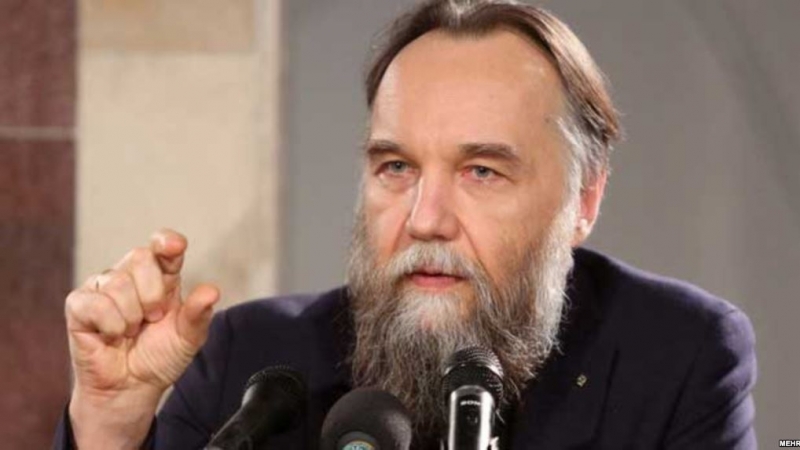
The topic for today is “Islam in the West: Past, Present, and Future.” It is long overdue. So, hallelujah, l’chaim, and takbir. If you have no past, you have no future. So, let me school you on the history of Islam and in the Western world.
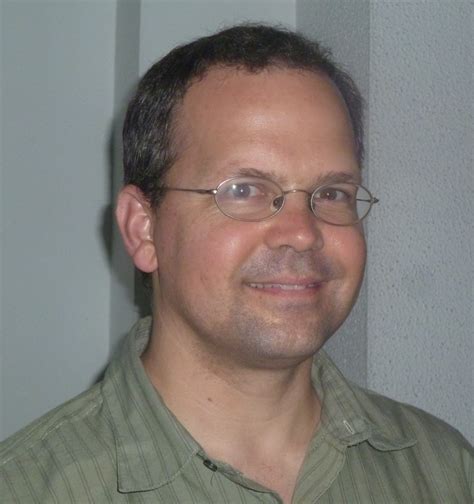
Ten to twenty percent of African slaves brought to the Americas were Muslims. Islam, however, did not survive slavery. Long before this land became Anglo-Saxon, it belonged to France and Spain. Colonization coincides with the suppression of Islam in Spain and the forced conversion of the Moriscos. As the historical record indicates, many of these conversos or converts, the Muslims who were coerced into becoming Catholics, fled to the New World where, they preserved, for as long as they could, their Islamic identity.

The first large wave of Muslim immigrants to the Western world took place in the mid 1800s and early 1900s during the gradual collapse of the Ottoman Empire. They came by the tens of thousands, primarily from what is now Syria and Lebanon. They settled in South Dakota, and North Dakota, where one of the first mosques was built in Ross in 1929. Several other waves of Muslim immigrants and refugees were to follow in the 30s, 40s, 50s, 60s, 70s, 80, 90s, and the during the new millennium. They came from Syria and Lebanon. They came from India and Pakistan. They came from Iran and Iraq. And they came from Afghanistan and other countries.

Most of these immigrants made major mistakes. The earliest Muslim immigrants were so eager to integrate that they ended up assimilating. Although some families survive, most of them disappeared without leaving a trace. They all became Christians. Others established mosques that catered to members of their racial, linguistic, ethnic or cultural background. In short, they only cared about themselves. They could not care less about the entire Muslim community or even the broader society. But there was one man who did care and who did make a major difference: and that man was W.D. Fard.

Known by over 40 different names, including Wallace Dodd Fard and Wallace Fard Muhammad, this mysterious man settled on the Pacific Westcoast during the first decade of the 20th century. A proud man, he never hid his identity: he openly and proudly professed that he was a Muslim. He lived in Oregon. He lived in California. He served time in prison. And he eventually made his way to Detroit, Michigan, in 1930, where he founded the Allah Temple of Islam, what some of you know as the Nation of Islam.

W.D. Fard was a Muslim. He was of Greco-Turkish origin. He was probably a Bektashi, an Alevi or an ‘Alawi. He appears to have been some sort of Ithna-‘Ashari with Ghulat or extremist tendencies. Detroit had a huge Lebanese Muslim community at the time. Go to Dearborn and see for yourself. It was also right next to a huge African American ghetto.

Unlike his co-religionists, who never once thought of crossing the proverbial tracks, to preach Islam to oppressed, marginalized, exploited, and segregated African Americans, W.D. Fard visited them, mixed with them, ate with them, lived among them, talked to them, taught them, educated them, guided them, and brought them into the Nation of Islam.

The Nation of Islam was not Islam as we understand it. It was a mixture of black nationalism, Christianity, Islam, and a long list of ingredients that W.D. Fard and Elijah Muhammad mixed and cooked in a pot like gumbo. So, while I am very critical of certain ideas and aspects of the Nation of Islam, I give credit where credit it due. W.D. Fard loved black people. He combined his Islam with all kinds of questionable elements; however, he believed that such teachings were necessary to build up a broken people.

Recommendation Number One

Reach out to Non-Muslims. Islam is not private property. Shiism does not belong to the Lebanese. It does not belong to Iraqis. And it certainly does not belong to Iranians. Islam is a world religion. It was sent to Allah to all people. We are all required to invite people to Islam in the best of ways possible based on our abilities. This is the Sunnah of the Prophet and the Sunnah of the Imams. They all dispatched missionaries to spread the teachings of true Islam. Appeal to all but pay special attention to the poor, the weak, and the oppressed; to the economically-disadvantaged, to African Americans, to Hispanics and to American Indians.

Recommendation Number Two

Adopt an open-mosque policy. Islam is a world religion; not a cult. Mosques need to be open to all Muslims. Show some Islamic etiquette. Show some good manners. Show some hospitality. Be friendly. Be welcoming. Greet your fellow Muslims. Make them feel at home. Consider it customer service. Mosques also need to be open to non-Muslims. Invite individuals who are curious about Islam into your mosques. Provide a row of seats at the back.

Recommendation Number Three

Adopt a women-friendly policy. As Imam Ja‘far al-Sadiq, peace be upon him, said: “Love of women is the morality of the prophets” (Kulayni, Tusi, Majlisi, Tabarsi, and Amili). He also said: “A persons’ faith does not increase unless his love for women also increases” (Kulayni and Qummi). Treat women with respect and reverence. Toss your cultural misogyny and sexism into the trash bin of history. The teachings of Islam are transmitted by women. If you want your children to lose their Islam, keep your women illiterate and ignorant. Women must always be welcome into mosques. The women’s section needs to be the same as the men’s section. Split the mosque down the middle. Do not exclude women from the mosque. And do not stuff them in a dirty closet. And for God’s sake, treat them with dignity. No more of this “Women’s section is over there!” How about: al-salaamu ‘alaykum wa rahmatullahi wa barakatuh. How are you my dear sister? How may I be of service?

Recommendation Number Four

Adopt a representative, diverse, and equitable leadership policy. Mosques are not private property. They are not dynasties. Nepotism is prohibited in Islam. Leaders need to be elected. They need to be the best of the community and the best of the community can and should include women. Not only do I want to see women leading boards or sitting as board members, I want to see diversity: African Americans, Hispanic Americans, and Caucasian Americans. Enough with monolithic mosques. Rely on Western scholars of Islam. Employ them in leadership positions.

Recommendation Number Five

Adopt an English language policy. Speak to the people in the language of the people. The language of the people is the language of the land. It will be the first language of your progeny. That is not to say that you cannot have programs in Arabic, Persian, Urdu or other languages. It does mean, however, that your main programs must all be in English or, at the very least, bilingual. As Almighty Allah says in al-Qur’an al-Karim:

We have not sent any Messenger except with the language of his people so he can make things clear to them. Allah misguides anyone He wills and guides anyone He wills. He is the Almighty, the All-Wise. (Qur’an 14:4)

The Prophet and the Imams spoke Arabic you will tell me. Yeah right. The Prophet spoke Arabic. The Prophet also spoke Persian. In fact, the Prophet, and the Imams, spoke every imaginable human language. The Prophet and the Imams trained missionaries. They sent their companions all around the world to spread the teachings of Islam. When they spoke to Arabs, they spoke in Arabic. When they spoke to Jews, they spoke in Hebrew. When they spoke to Christians, they spoke in Aramaic, Greek or Latin. When they spoke to the Persians, they spoke in Persian. When they spoke to the Berbers in North Africa, they spoke in Tamazight. Show us the same courtesy that the Prophet and the Imams showed to others.

Recommendation Number Six

Engage in interfaith and intrafaith work. Dialogue with Jews, Christians, Sunnis, and Sufis. Build bridges between believers. This is the Sunnah of the Messenger of Allah enshrined in the Covenants of the Prophet.

Recommendation Number Seven

Make the mosque appealing to children, youth, and young adults. Make Islam fun and engaging. Give them good memories. Create a positive and progressive image of religion. It is called branding. Cater to the needs of the youth. Give them a voice. Give them the opportunity to organize. Give them the opportunity to lead. Prepare them to be our future leaders. Pave the way for them.

Recommendation Number Eight

Distinguish between your culture and your religion. Keep everything that is positive from your culture of origin and adopt everything that is positive from Western culture.

Recommendation Number Nine

Learn from the experience of others. Compared to the Sunni community, which has been solidly organized for a century, the Shiite community is much younger. It still struggles with issues that were resolved decades ago by the Sunni community. Abandon the idea of replicating your religious practices as they existed in your countries of origin. Unless you adapt and evolve you are going to go extinct. Your faith will fizzle out like a wet firecracker.

Recommendation Number Ten

Stop ignoring social issues. Stop pretending that they do not exist. Get rid of this “Holier than thou” attitude. Sunni Muslims openly speak about domestic violence, sexual abuse, alcohol abuse, mental illness, fornication, adultery, and homosexuality. Most Shiites refuse to deal with reality. Muslims are not superior to non-Muslims in any of these areas. These issues are just as prevalent in the Muslim community as they are in the non-Muslim community. In some cases, they are even higher.

In the US, the domestic violence rate against women is approximately 20% (Tjaden). Although some Muslim-majority countries have comparable rates, some are higher. In Syria, for example, 25% of married women have been beaten by their husbands (Zoepf). In a study conducted by the Turkish government, 40% of women report having been the victims of domestic violence (Jansen, Uner, Kardam et al.). In some parts of Egypt, 50% of women are battered by their husbands (Kharboush et al.). In Afghanistan, 85% of women report that they have experienced domestic violence in the past while 60% state that they suffer from serial violence on the part of their spouses (Human Rights Watch). While limited in scope, a study conducted by the World Health Organization found that 15% of women from the Iranian city of Babol were physically abused by their husbands,
42.5 were sexually abused, and 81.5% were psychologically abused within the past year (Faramarzi). These statistics are in line with those from the Iranian government. In fact, a study conducted by the Ministry of Higher Education and the Interior Ministry, reveals that 66% of Iranian women suffered some sort of domestic violence during the first year of their marriage. As for Pakistan, the rate of domestic abuse ranges from 50 to 95% (Tribune, Niaz, Ministry of Women’s Development, Price, Ansar Burney Trust, Amnesty International, United Nations, Ireland, Ali and Bustamante-Gavino, Human Rights Commission of Pakistan, IRIN, etc.).

Illicit drug use in the US is approximately 10% (National Institute on Drug Abuse; National Institutes for Health). In some Muslim-majority countries, it is close to 15%. In fact, according to an article on the “Most Drug Addicted Countries in the World,” 14.32% of Iranians inhale or inject heroin. More conservative estimates place the rate of opiate addiction in Iran at 8% of the general population (Narconon). If we use this lower number, Afghans rank number one in opiate addiction in the world: the Iranians come in third place, the Azeris come in fourth, the Pakistanis come in seventh, and the Malays come in eighth (Griffiths).

Although the Qur’an, the Sunnah, and the Shariah condemn the consumption and abuse of alcoholic beverages, many Muslims imbibe such forbidden liquids. The World Health Organization reports that Tunisians, Chadians, and Emiratis consume twice as much alcohol as Germans (Mamoun). Ironically, the average Iranian consumes more alcohol than the average Russian (24.8 liters versus 22.3 liters per year) (Mamoun). As Abdelhak Mamoun reports,

As for Arab countries, according to the latest report from the World Health Organization, the ranking comes as follows: Tunisia and the United Arab Emirates come first among Arab countries in the rates of their consumption of alcohol. Sudan comes third at a rate of 24.1 liters, Lebanon comes forth at a rate of 23.9 liters and then followed by fifth, Qatar, at a rate of 22.7 liters. Bahrain is ranked sixth at a rate of 21.2 liters and Morocco is ranked seventh at a rate of 17.10, eighth is Syria at a rate of 16.3 liters, ninth is Oman at a rate of 15.5 liters, tenth is Jordan at a rate of 15.2 liters, eleventh is Algeria at a rate of 10.9 liters, and 12th is Iraq at a rate of 9.1 liters.

As much as Muslims may condemn “the decadent West,” the abortion rate in the US is comparable to that of many Muslim-majority countries. The abortion rate in the United States is 20.8 per thousand live births (UN Data). In Indonesia, it is 26 per thousand (Sundawa; Hundley) while in Kazakhstan, it is 35 per thousand (UN Data). These two Muslims countries happen to have some of the highest rates of abortion in the world.

In the US, the rate of sexual harassment is 30 to 40%. Most studies speak of 1 in 4 or 1 in 3 American women being subject to unwanted sexual advances or obscene remarks. In some Muslim-majority countries, it is much higher. In Tunisia, for example, 53.5 percent of women report being victims of psychological and physical violence, namely, being harassed by men, stalked, verbally insulted, and sexually harassed (Stop Street Harassment). As for Afghanistan, research conducted by Women and Children Legal Research Foundation reveals that 93% of women are harassed in public, 87% in workplaces, and 89% in educational institutions (Stop Street Harassment). Of all Muslim-majority countries, one has the worst reputation of all: Egypt, where over 99% of women are victims of sexual harassment (El Deeb; Tse; The Economist; Amin). And while some Muslims might argue that only “immoral” women are harassed, 72.5% of victims surveyed were wearing hijab, and some were even in full niqab (Zuberi). Such sickening behavior is normative in many Muslim-majority nations in the Maghreb and the Middle East.

Let us forget about adults for a moment and deal with Muslim youth here in the West. 51% of Muslim college students smoke tobacco (Ahmed et al., Family & Youth Institute). And I am not just talking about guys. 58.5% of male Muslim college students smoke; however, 33% of female Muslim college students smoke (Ahmed et al., Family & Youth Institute). But that is not a very big deal. It gets more serious when it comes to drinking and drugs. 49% of Muslim college students consume alcohol (Ahmed et al., Family & Youth Institute). 38% of Muslim college students use illicit drugs (Ahmed et al. Family & Youth Institute). 32% of Muslim college students smoke marijuana (Ahmed et al. Family & Youth Institute). If that does not offend Muslim sentiments, perhaps the statistics on sexual relations outside of marriage will.

54% of male Muslim college students fornicate (Ahmed et al. Family & Youth Institute). In many Muslim cultures that is encouraged. Go out, be a man: get some experience. And it is forgiven. Who do you think they are having sex with? Do you think they only sleep with non-Muslim girls? Well here is a hard-fact (no pun intended): 48% of female Muslim college students have sex out of marriage (Ahmed et al., Family & Youth Institute). And not just with Muslim guys. Many of them have sex with non-Muslims. And they get STDS. And they get pregnant. And they get aborted. But, of course, Muslim women are never forgiven. They are shunned. They are disowned.

“Oh, but the people you are talking about are bad Muslims; they are from bad families.” No, they are not: they come from all kinds of families. They come from liberal families. They come from conservative families. They come from irreligious families and they come from extremely religious families. Alcohol, drugs, fornication, and adultery impact Muslims from all walks of life. In fact, 67% of Canadian and American Muslims have had sex outside of marriage and of the remaining, 50% have considered it (FYI).

So, wake up, smell the coffee, and stop smoking opium. And I mean that literally. There are Qaris of the Qur’an who are addicted to heroin. There are hijab-wearing women who cheat on their husbands. There are “pious” Muslim men who beat their wives black and blue. And there are “religious” Muslim men, who regularly attend mosques, who sexually abuse children.

Stop living in la-la land. We are human beings. We are not infallible. If you think you are perfect and infallible, then I will offer you a free psychological assessment. We are all sinners: all of us. We cannot and must not shut sinners out of our community. What is a mosque but a place for repentant sinners? Why do we say astaghfirullah or “Forgive me Allah” all the time?

I am not going to throw a teenage girl out of a mosque because she does not wear hijab. I am going to embrace her with open arms. I am not going to turn away fornicators, adulterers, and people who struggle with substance abuse. But I am not going to leave them there either. I am not going to enable them. I will meet you were you are and help to build you up. That is the example of the Prophets and the Imams, peace and blessings be upon them all. Open your hearts and open your minds. As Almighty Allah says in the Glorious Qur’an:

O My slaves who have transgressed against themselves (by committing evil deeds and sins)! Despair not of the Mercy of Allah, verily Allah forgives all sins. Truly, He is Oft-Forgiving, Most Merciful. (39:53)

As the Messenger of Allah, peace and blessings be upon him, said:

Indeed, before Allah created the creation, He decreed for Himself, ‘Indeed My Mercy prevails over My Anger. (Al-Bukhari and Muslim)

Talk to your youth or let them talk to scholars who can relate to young people. Do not push them outside of Islam and outside of faith. As Almighty Allah said in the Holy Qur’an:

And never give up hope of Allah’s Mercy. Certainly, no one despairs of Allah’s Mercy, except the people who disbelieve. (12:87)

Recommendation Number Eleven: Be actively engaged at all levels of society. Embody the ethics and ideals of Islam. Serve the community, not just the Muslim community, not just the Shiite community, not just your sub-section of the Shiite community, serve the entire community. The Prophet was the Qur’an walking; he was no just the Qur’an talking. Had he just been the Qur’an talking, he would never have succeeded. He succeeded because he practiced what he preached. He lived Islam fully in all its dimensions. And it was the same for the Imams: they were an outpouring of good; loving, caring, kind, and compassionate. Love Allah by loving others; by loving your equals in creation; and by loving, caring, and protecting Creation; this planet, Our Mother.

If you want to build a strong community that maintains its Islamic identity, integrates well with the broader society, and can become a force for good, you will never succeed without the help, guidance, assistance, and wisdom of Western scholars of Islam. Use us before you lose us. You ignore and marginalize us to your own detriment. We need to work together: Eastern Muslims and Western Muslims, Muslims by birth and Muslims by choice, women and men, sisters and brothers; the youth, the middle-aged, and the elders for the collective good of the Muslim community, Western civilization, and the whole wide world. As the Prophet Muhammad taught, “There is no shame in religion.” It is time to put ta‘aruf, politeness, formality, and social hypocrisy aside, and speak frankly, openly, and honestly about the problems that impact us all. Otherwise, we are condemned to perpetuate the cycle of sin, darkness, and despair. I call you out into the open. I call you all to the light. I call you to confession, repentance, and atonement. I invite you to treatment, therapy, and healing. I call you to physical, psychological, and spiritual health.

Works Cited

Ahmed, Sameera, Wahiba Abu-Ras, and Cynthia L. Arfken. “Prevalence of Risk Behaviors among U.S. Muslim College Students.” Journal of Muslim Mental Health 8.1 (2014). Internet:

http://quod.lib.umich.edu/j/jmmh/10381607.0008.101?rgn=main;view=fulltext

Ahmed, Sameera, Sadiq Patel, Hanan Hashem. State of American Muslim Youth: Research & Recommendations. ISPU & The FYI, 2015. Internet: http://www.ispu.org/wp-content/uploads/2016/08/ISPU_FYI_Report_American_Muslim_Youth_Final-1.pdf

Ali, T.S., and I. Bustamante-Gavino. “Prevalence of and Reasons for Domestic Violence among Women from Low Socioeconomic Communities.” Eastern Mediterranean Health Journal, Vol. 13, No. 6, 2007; pages 1417-1421. Internet: http://applications.emro.who.int/emhj/1306/13_6_2007_1417_1426.pdf

Amnesty International. “Pakistan: Violence against Women Media Briefing.” Amnesty International.

Ansar Burney Trust. “Women’s Rights: Our Struggle to Fight for the Rights of Women.” Ansar Burney Trust. Retrieved 2006-12-29.

Amin, Shahira. “Is Egypt Doing Enough to Counter Widespread Sexual Harassment?” US News (March 8, 2016). Internet: http://www.usnews.com/news/articles/2016-03-08/is-egypt-doing-enough-to-counter-widespread-sexual-harassment

Country Ranker. “Most Drug Addicted Countries in the World.” Country Ranker. Internet:

http://www.countryranker.com/most-drug-addicted-countries-in-the-world/

Deeb, Bouthaina El-. Study on Ways and Methods to Eliminate Sexual Harassment in Egypt. New York: UN Women, 2013. Internet: Internet: http://www.dgvn.de/fileadmin/user_upload/DOKUMENTE/English_Documents/Sexual-Harassment-Study-Egypt-Final-EN.pdf

Economist, The. “Sexual Harassment in Egypt: Slapping Back.” The Economist (Nov. 21, 2015). Internet: http://www.economist.com/news/middle-east-and-africa/21678788-women-still-face-constant-harassment-more-being-done-about-it-slapping

Family & Youth Institute. “Infographics: Pre-Marital Sex Among Muslim Youth.” Family & Youth Institute. Internet: http://www.thefyi.org/fyi-infographics/

Faramarzi, M. et al. “Prevalence and Determinants of Intimate Partner Violence in Babol City, Islamic Republic of Iran.” Eastern Mediterranean Health Journal 11 Nos 5 & 6 (September 2005) (World Health Organization). Internet: http://www.emro.who.int/emhj-list/emhj-volume-11-2005/vol11-issue56.html

Griffith, Sarah. “Drug Map Reveals the Substances Your Country is Addicted to.” Daily Mail (Nov. 30, 2015). Internet: http://www.dailymail.co.uk/sciencetech/article-3333877/Drug-map-reveals-substances-country-addicted-Scotland-hooked-cocaine-Iceland-smokes-cannabis-opiates-rife-US.html

Human Rights Commission of Pakistan. State of Human Rights in 1996. Human Rights Commission of Pakistan, 1996: 30.

Human Rights Watch. Afghanistan: Ending Child Marriage and Domestic Violence. Human Rights Watch, 2013. Internet: https://www.hrw.org/sites/default/files/related_material/Afghanistan_brochure_0913_09032013.pdf

Hundley, Tom. “Islam’s Abortion Debate.” Boston Review (Nov. 6, 2014). Internet: http://bostonreview.net/world/tom-hundley-indonesia-abortion-islam

Ireland, Corydon. “Horror, by Custom.” Harvard Gazette (April 28, 2010). Internet: http://news.harvard.edu/gazette/story/2010/04/horror-by-custom/

IRIN. “Pakistan: Domestic Violence Endemic.” IRIN: A United Nations Reporting Service (2008). Internet: http://www.irinnews.org/report/77226/pakistan-domestic-violence-endemic-awareness-slowly-rising

Jansen, Uner, Kardam, et al. Domestic Violence against Women in Turkey Turkish Republic Prime Minister Directorate General Office, 2009. Internet: http://www.hips.hacettepe.edu.tr/eng/dokumanlar/2008-TDVAW_Main_Report.pdf

Kharboush, Ibrahim F., Farzaneh Roudi-Fahimi, Hanaa M. Ismail, Heba M. Mamdouh, Yasmine Y Muhammad, May M. Tawfik, Omnia G. El Sharkaway, and Hassan N. Sallam. “Spousal Violence in Egypt.” PSB (September 2010). Internet: http://www.prb.org/pdf10/spousalviolence-egypt.pdf

Mamoun, Abdelhak. “Iraq Ranks 12 in Alcohol Consumption Rates among Arab Countries.” Iraqi News (Dec. 24, 2015). Internet: http://www.iraqinews.com/arab-world-news/iraq-ranks-12-alcohol-consumption-rates-among-arab-countries/

Mashad, Seif El-. “The Moral Epidemic of Egypt: 99% of Women Are Sexually Harassed.” Egyptian Streets (March 5, 2015). Internet: http://egyptianstreets.com/2015/03/05/the-moral-epidemic-of-egypt-99-of-women-are-sexually-harassed/

McCoy, Terence. “Egypt’s Sexual Harassment Pandemic.” The Washington Post (June 18, 2014). Internet: https://www.washingtonpost.com/news/morning-mix/wp/2014/06/18/egypts-sexual-harassment-pandemic-and-the-powerlessness-of-hashtags/?utm_term=.be6825e27b8a

Ministry of Women’s Development. Battered Housewives in Pakistan. Islamabad: Ministry of Women’s Development, 1987.

Narconon. “Iran Drug Addiction.” Narconon International. Internet: http://www.narconon.org/drug-information/iran-heroin-drug-addiction.html

National Institute on Drug Abuse. “Drug Facts: Nationwide Trends.” NIH (June 2015). Internet: https://www.drugabuse.gov/publications/drugfacts/nationwide-trends

National Institutes for Health. “10 Percent of US Adults Have Drug Use Disorder at Some Point in Their Lives.” NIH (Wednesday, November 18, 2015). Internet: https://www.nih.gov/news-events/news-releases/10-percent-us-adults-have-drug-use-disorder-some-point-their-lives

Niaz, U. “Women’s Mental Health in Pakistan.” World Psychiatry 3: 60–2. PMC 1414670. PMID 16633458. Internet: https://www.ncbi.nlm.nih.gov/pmc/articles/PMC1414670/

Price, Susanna. “Pakistan’s Rising Toll of Domestic Violence.” BBC News (August 24, 2001). Internet: http://news.bbc.co.uk/2/hi/south_asia/1507330.stm

Stop Street Harassment. “Statistics – The Prevalence of Street Harassment.” Stop Street Harassment. Internet: http://www.stopstreetharassment.org/resources/statistics/statistics-academic-studies/

Sundawa, Shela Putri. “Why Indonesia Should Legalize Abortion.” The Jakarta Post (August 24, 2014). Internet: http://www.thejakartapost.com/news/2014/08/24/why-indonesia-should-legalize-abortion.html

Tjaden, Patricia; Thoennes, Nancy (November 2000). Full Report of the Prevalence, Incidence, and Consequences of Violence Against Women. National Institute of Justice, United States Department of Justice. Internet: https://www.ncjrs.gov/txtfiles1/nij/183781.txt

Tse, Jen. “Closets Full of Dreams: Inside Egypt’s Sexual-Harassment Crisis.” Time (August 4, 2015). Internet: http://time.com/3924951/egypt-sexual-harassment-womens-closets/

Tribune, The. “Four in Five Women in Pakistan Face Some Form of Domestic Abuse: Report The Tribune (Pakistan) (March 2, 2011). Internet: http://tribune.com.pk/story/125993/four-in-five-women-in-pakistan-face-some-form-of-domestic-abuse-report/

UN Data. Abortion Rate. Internet: http://data.un.org/Data.aspx?d=GenderStat&f=inID%3A12

United Nations. In-Depth Study on all Forms of Violence against Women. United Nations, General Assembly. 6 July 2006. Page 40. Retrieved 16 Nov. 2011. Internet: http://www.un.org/ga/search/view_doc.asp?symbol=A/61/122/Add.1

World Health Organization. Global Status Report on Alcohol and Health (2014). WHO. Internet: http://www.who.int/substance_abuse/publications/global_alcohol_report/en/

Zoepf, Katherine. “U.N. Finds That 25% of Married Syrian Women Have Been Beaten.” New York Times (April 11, 2006). Internet: http://www.nytimes.com/2006/04/11/world/middleeast/11syria.html

Zuberi, Hena. “Sex & the Ummah | Sexual Harassment: A Muslim Problem?” Muslim Matters (April 25, 2011). Internet: http://muslimmatters.org/2011/04/25/sexual-harrassment-a-muslim-problem/

Brothers in Faith

Brothers in Faith

December 30, 2016
This year when I exchanged Christmas and New Year greetings on Facebook, some fellow travelers were upset. “Sir, is it okay to greet Christians?” a bewildered Facebook ‘friend’ asked.

I chose to ignore him. But that was not the end of it. There were similar messages on many WhatsApp groups, warning the believers against “aping the West”. The crux of these messages was this – since Christians believe Jesus was the son of God, greeting them on Christmas would be celebrating his birth and thus accepting a calumny against God. I was taken aback by the convoluted logic.

Others questioned the exchange of New Year greetings, arguing it’s wrong to mark the beginning of the ‘Christian’ calendar and that only the commencement of the Islamic new year beginning with Muharram should be celebrated. Even if much of the world, including Muslims, for all practical purposes follows the Gregorian calendar!

But it was the argument against Christmas greetings that really got my goat. It was not only steeped in ignorance about Islam’s strong affinity with Jesus, but it also betrays tolerance – a vital part of our faith.

How many of us know that there are as many as 71 verses in the Quran praising Jesus? Muslims believe in and love Jesus, just as they believe in Abraham, Isaac, Moses, Joseph and all other prophets – in fact their belief is incomplete without the reaffirmation of all prophets who preceded the last Prophet.

Although unlike Christians, Muslims do not believe that Jesus (Isa in Arabic) was the son of God, they have a very special bond with him. According to Islamic belief, Jesus was born to Virgin Mary (Maryam) and will return to earth to clear it of all evil including Dajjal (antichrist) and restore justice before the end of the world.

Muslims believe in the virtue of Mary, an entire chapter in the Quran is devoted to her – the only chapter named after a female figure. The Quran also says that Jesus performed miracles such as giving sight to the blind and raising the dead. Moreover, since in the long line of Messengers, Prophet Muhammad (pbuh) was preceded by Jesus, the Prophet always had a special relationship with him, talking about him with great fondness.

In the early days of Islam, when the new faith and its followers faced great adversity in Arabia, the first country that the Prophet turned to for protection for his persecuted followers was Abyssinia, present day Ethiopia, ruled then by King Negus (615 CE).        He believed that as ‘people of the Book’ and fellow believers, the Abyssinians would help the Muslims. And they did do it by sheltering Muslims in the face of great odds. King Negus firmly stood with his guests, rejecting all entreaties by the Meccans to throw out the asylum seekers.

This was something the Prophet and Muslims never forgot. When Islam conquered the whole of Arabia and beyond, the Prophet in turn extended the same protection to Christians when a delegation from St Catherine’s Monastery in Egypt sought his help in 626 AD.

Located at the foot of Mount Sinai, St Catherine’s is the world’s oldest monastery. Home to a large collection of rare manuscripts, second only to the Vatican, it is a world heritage site and a treasure trove of Christian history that has remained safe for 14 centuries under Muslim protection.

In an extraordinary charter granted to St Catherine’s Monastery, the Prophet promised protection to all Christians and obligated all Muslims to observe it:

“This is a message from Muhammad ibn Abdullah as a covenant to those who adopt Christianity, near and far – we are with them. Verily I, the servants, the helpers, and my followers defend them because Christians are my citizens and by God, I hold out against anything that displeases them. No compulsion is to be on them. Neither are their judges to be removed from their jobs nor their monks from their monasteries. No one is to destroy a house of their religion, to damage it, or to carry anything from it to the Muslims’ houses. Should anyone take any of these, he would spoil God’s covenant and disobey His Prophet. Verily, they are my allies and have my secure charter against all that they hate. No one is to force them to travel or to oblige them to fight. The Muslims are to fight for them. If a female Christian is married to a Muslim, it is not to take place without her approval. She is not to be prevented from visiting her church to pray. Their churches are to be respected. They are neither to be prevented from repairing them nor [to disrespect] the sacredness of their covenants. No one [from] the nation (Muslims) is to disobey the covenant till the Last Day (end of the world).”

The extraordinary charter imposes no conditions on Christians. This is a charter of rights without any duties. Far ahead of its time, it clearly protects the right to property, freedom of faith, freedom of work and security of people.

In 1517 AD, the Ottoman emperor Sultan Selim I reaffirmed the charter but took the original letter for safekeeping in Constantinople after giving the monastery certified copies of the rare document, bearing the handprint of the Prophet.

This was not an isolated example.   The Prophet offered the same protection to the Christians of Najran in Yemen.         When a 60-member delegation of Najran Christians – 45 of them scholars and priests – arrived in Medina in 631AD to meet the Prophet, he not only hosted them and asked Muslims to pitch their tents, he invited them to pray inside Masjid Nabawi – the Prophet’s mosque, one of the three holiest mosques in the world.

As Craig Considine argues in The Huffington Post, this had been the very first example of Christian-Muslim dialogue.       Although the Christian delegation left Medina choosing to follow their own path, they left with a written assurance from the Prophet that he would protect their lives, their homes, properties and above all, their right to practice their faith. And yes, they also requested him to send someone as his representative to adjudicate in their matters.

Considine, a Christian scholar, has repeatedly argued that unlike the modern concept of tolerance, the Prophet believed in genuine pluralism and practiced it in his interaction with all non-Muslims.

Dr John Andrew Morrow, in his book The Covenants of the Prophet Muhammad with the Christians of the World  (Angelico Press, 2013) attaches a great deal of importance to the charter given to Saint Catherine’s Monastery, holding it as a model for both Muslims and Christians. I am sure the Prophet would have offered the same kind of protection to people of other religious beliefs.

Given this remarkable history, isn’t it odd that today even a harmless exchange of greetings with Christians or for that matter with any community is frowned upon?

Since when and why have we become so rigid and small-minded in our ways?  Certainly Islam and its Prophet do not sanction such intolerance. Our faith cannot be so fragile and insecure that it feels threatened every time we exchange greetings with followers of other faiths.

The writer is a Middle East
based columnist.

Email: aijaz.syed@hotmail.com

Tolerance Is a Vital Part of the Islamic Faith

Tolerance Is a Vital Part of the Islamic Faith

muslim-boys-handshake-switzerland

An important article in The News International was published today. It touches on whether Muslims should greet Christians with Merry Christmas and Happy New Year. The author of the piece, Aijaz Zaka Syed, was taken aback by the convoluted logic that Muslims are “aping the West” by sending warm greetings to Christians. Syed claims that the argument against Christian greetings is steeped in ignorance about Islam’s strong affinity with Jesus, and that it is betrays tolerance – a vital part of the Islamic faith.

Addressing Muslims, Syed writes: “How many of us know that there are as many as 71 verses in the Quran praising Jesus?… The Quran also says that Jesus performed miracles…[and] the Prophet [Muhammad] always had a special relationship with him, talking about him with great fondness.”

Syed also points to 615 CE, when Prophet Muhammad turned to Christians for protection for his persecuted followers in Abyssinia, present day Ethiopia. King Negus firmly stood with Muslims, rejecting all entreaties by the Meccans to throw out the asylum seekers. This was something that Prophet Muhammad never forgot. When Islam swept across Arabia and beyond, Muhammad extended the same protection to all Christians in his midst.

I came across Syed’s important article because it discusses my Huffington Post article on the very first example of Christian-Muslim dialogue in 631 AD, when Prophet Muhammad hosted the Christians of Najran inside the Nabawi mosque. Syed writes: “Considine, a Christian scholar, has repeatedly argued that unlike the modern concept of tolerance, the Prophet believed in genuine pluralism and practiced it in his interaction with all non-Muslims.”

In conclusion, Syed argues: “Given this remarkable history, isn’t it odd that today even a harmless exchange of greetings with Christians or for that matter with any community is frowned upon? Since when and why have we become so rigid and small-minded in our ways? Certainly Islam and its Prophet do not sanction such intolerance. Our faith cannot be so fragile and insecure that it feels threatened every time we exchange greetings with followers of other faiths.”

Something Wicked this Way Comes: The Origin and Development of Takfirism

Something Wicked this Way Comes: The Origin and Development of Takfirism

SHAFAQNA – By Dr. John Andrew Morrow – Delivered in Phoenix, Arizona, on Friday, December 23rd, 2016, at the 46st Annual Muslim Students Association – Persian-Speaking Group Conference.

In the Name of Allah, the Avenger. Allah is One is Muhammad is His Messenger. Praise be to Allah, the Creator and Sustainer of the Universe, and peace be upon his Prophet, Muhammad the son of ‘Abd Allah, and upon his purified progeny.

Takfirism begins and ends with Satanism. It begins with an act of rebellion and an act of defiance against the Creator. It begins with Any khayrun minhu or “I am better than he” (38:76), the wicked words of the wicked one, the cursed one, the one who defied the Divinity out of jealousy for humanity.

Takfirism begins and ends with Satanism. It begins with a believer, Iblis, a jinn who was raised and educated by angels, and who worshipped Allah for over five thousand years. Iblis believes in Allah. He has knowledge of certainty of Allah. How can he not? Iblis believes in the Prophets of Allah. He knows that Adam is the Prophet of Allah. He knows that Abraham is the Prophet of Allah. He knows that Moses, Jesus, and Muhammad are the Messengers of Allah. Iblis believes in the Imams of Allah. He knows full well that Allah appointed Twelve Imams after Muhammad ibn Abd Allah.

But mere belief does not make one a believer. A believer can be an unbeliever. I repeat: a believer can be an unbeliever because weak faith or the saying that “I believe in God but I do not practice any religion” is the equivalent of disbelieving despite verbally expression the contrary. Belief is acceptance that something exists. But belief is also trust, faith, and confidence in something. It requires both conviction and practice. As Almighty Allah says in al-Qur’an al-Karim:

The desert Arabs say, “We believe (amanna).” Say: “You do not as yet have true faith.” Rather say: “We have only submitted our wills to Allah (aslamna)” for not yet has true faith entered your hearts. (49:14)

So, Iblis is a believer in the sense that he acknowledges the existence of God, the Prophet, the Messengers, and the Imams; however, Iblis is an unbeliever because he does not place trust in them; does not have faith in them; does not have confidence in them; and does not submit to their command. He is a kafir or one who opposes truth. He israjim, rejected, and cursed. As Almighty Allah says in al-Qur’an al-Karim:

O you who have believed, enter into Islam completely [and perfectly] and do not follow the footsteps of Satan. Indeed, he is to you a clear enemy. (2: 208)

There is more to belief than acknowledging that something is true. You need to have confidence in it. You need to place trust in it. Belief is m‘arifah or knowledge. Iman; however, is not mere belief; it is not mere faith. Iman is an expression of amanah or trust. It is to believe in God, have faith in God, trust in God, and submit to God.

A mu’min is a person who has iman; who has faith and trust in God. A Muslim is one who submits to God. It is possible to be a mu’min, a believer in God, without being a Muslim. Likewise, it is possible to be a nominal Muslim without really being a mu’min. A kafir is not necessarily an atheist. Kufr comes from the root KFR which means to conceal and to cover up. It is the denial or rejection of something that is evident. A kafir is someone who opposes the Truth. A munafiq is not simply a hypocrite. Nifaq derives from nafaq, the tunnel or burrow of a rat: the escape route. The munafiq is one who undermines Truth. A fasiq is not simply an open sinner. The word derives from fisq which means “breaking an agreement” or “to leave or go out of.” The term fasiq is not only associated with breaking the law; it is broadly associated with kufr or concealing the truth. To understand Takfirism, we need to understand this terminology.

We need to understand that the simple profession of La ilaha ila Allah / Muhammadan Rasul Allah does not suffice to make one a real mu’min or a real Muslim. We need to understand that a person can proclaim that there is no God but Allah and Muhammad is his Messenger while being a kafir, a fasiq, and a munafiq. In Islam, one is not saved by faith alone. In Islam, salvation is determined by belief and action; faith and deeds.

The beginning of Takfiri ideology traces back to the time of the Prophet and the disrespect shown by Hurqus ibn Zuhayr, known as Dhu al-Khuwaysirah al-Tamimi al-Najdi. When the Messenger of Allah was dividing the spoils of war, he had the audacity to say: “O Messenger of Allah! Be just!” Can you imagine the audacity? Can you conceive of a more egregiously offensive insult?

The goal or ‘irfan or suluk is al-takhalluq bi asma Allah wa al-sifat; namely, to acquire the names and attributes of Allah. The Most Beautiful Names of Allah represent a 99-step plan toward spiritual perfection. The seeker strives to adopt a divine attribute. If Allah is Merciful, the seeker strives to become merciful. If Allah is the Loving, the seeker strives to become loving. If Allah is Patient, the seeker strives to become patient. If Allah is Wise, the seeker strives to become wise. In rare instances, a seeker can acquire all the attributes of Allah; thereby becoming al-insan al-kamil or a Perfect Human Being. This is what is called acquired isma’ or infallibility. The Prophets, the Messengers, the Imams, and certain ‘awliyya’ al-salihin, like al-Khidr, for example, were blessed with innate isma’ or infallibility.

The Messenger of Allah, Muhammad ibn ‘Abd Allah, was a perfect human being. He was ma‘sum, endowed with incorruptible innocence, immunity from sin, and moral infallibility. In other words, he embodied and manifested all the names and attributes of Allah. So, if Almighty Allah is al-‘Adil, the Most Just, I swear by the Throne of Majesty that Muhammad Rasul Allah was the most ‘adil and just of human beings to walk the face of the Earth.

To question the qualities of the Messenger of Allah and to doubt his character is an act of irtidad or apostasy. It is an act of kufr, nifaq, and fisq. It turns one from a friend of Allah into an enemy of Allah. When Hurqus ibn Zuhayr said “Be Just” or “Fear God, O, Messenger of Allah” it was Satan that spoke, in the same fashion he spoke when he said Ana khayrun minhu or “I am better than he.” Hurqus ibn Zuhayr was the founder of the Khawarij; the leader of the Kharijites, the group that killed Imam ‘Ali ibn Abi Talib. He was the the founder of a group that has caused fitnah and bloodshed in the Ummah of Islam for the past 1400 years. As the Messenger of Allah responded: “Woe to you! Who will be just if I am not just?” I repeat: “Woe to you! Who will be just if I am not just?” The Prophet then foretold:

There will come a time when a group of people will leave our ranks. They will recite the Qur’an with fervor and passion but its spirit will not go beyond their throats. They will kill the Muslims and spare the idol-worshippers. They will leave our ranks in the manner of an arrow when it shoots from its bow. If I live to witness their appearance, I will kill them as the people of ‘Aad were killed. (Bukhari and Muslim)

The hadith in question has been related by numerous Companions of the Prophet with slight variants. In another version, the Messenger of Allah, peace and blessings be upon him, says:

There will be division and sectarianism in my nation and a people will come with beautiful words and evil deeds…   They are the worst of the creation. Blessed are those who fight them and are killed by them. They call to the Book of Allah but they have nothing to do with it. Whoever fights them is better to Allah than them. (Abu Dawud)

This was not the only encounter the Prophet, peace and blessings be upon him, had with the Takfiris of his time. They were the same people who came to him with sores on their foreheads from prostrating to the extreme in obsessive-compulsive fashion. Some of these people refused to eat meat. Some refused to marry. And some who were married refused to have sexual relations with their wives. The Prophet told them straight out: “Whoever turns away from my Sunnah is not from me” (Bukhari and Muslim). When the Takfiris asked the Prophet how many prayers he did, they said that “it was little.” In other words, they thought that they were better than him.

The Messenger of Allah warned Muslims against extremism and extremists. He said: “Do not be extremists” (Bukhari). He said: “Beware of extremism in your religion for it is that which destroyed the nations which came before you” (Nasai and Ibn Majah). He said: “The religious extremists are destroyed” (Muslim and Abu Dawud). And he said: “There are two groups of people from my Ummah who will not receive my intercession: oppressive rulers, and religious extremists” (Tabarani).

The Messenger of Allah, peace and blessings be upon him, was confronted with extremists during his lifetime, fanatics that he himself rejected and excommunicated saying that they did not belong to his Ummah or Community. As the Prophet Muhammad, peace and blessings be upon him, said: “The Kharijites are the dogs of Hell” (Ahmad, Ibn Majah, and al-Hakim). So, when I say that Takfirism begins and ends with Satanism, I am paraphrasing the Prophet, peace and blessings be upon him. So, if you have any problems with what I am saying, you can take it up with him.

Takfirism traces back to Kharijism. However, Takfirism also traces back to Nasibism: the hatred of the Household of the Prophet, peace and blessings be upon them all. The enemies of Allah, the Prophet, and Islam adopted various approaches. Some remained openly pagan and fought him physically. Others embraced Islam outwardly but not inwardly: openly antagonizing the Prophet. And yet others embraced Islam openly only to undermine it inwardly. The realized the power of religion, figured that if you cannot beat them you might as well join them, and then started to plot and conspire to usurp power. Some of these sinister characters attempted to assassinate the Prophet in Aqabah toward the end of his life. However, as soon as the Prophet Muhammad passed away, they put their plan into action, the aim of which was to pass power into the hands of the Banu Umayyah.

Abu Bakr, ‘Umar, ‘Uthman, and ‘Ali all attempted to implement the teachings of Islam to the best of their abilities. The same, however, cannot be said of the Umayyads and the ‘Abbasids who made a mockery of God, the Prophet, and Islam, and persecuted the Family of the Prophet and their faithful followers. And while they claimed to be Muslims, many of the leaders that followed behaved like polytheistic savages and bloodthirsty pagans.

If modern-day Takfirism is rooted in Kharijism and Nasibism, it is also rooted in Salafism, known pejoratively as Wahhabism. It was the Messenger of Allah himself, peace and blessings be upon him, who foretold this modern manifestation of Takfirism. In fact, he warned his followers that the Horns of Satan would rise from the Najd (Bukhari), the very region in Arabia where the Wahhabi heresy took hold a mere two hundred years ago.

A man by the name of Muhammad ibn ‘Abd al-Wahhab surfaced in the Najd in the 18th century. His stated aim was to “purify Islam” by following the “pious predecessors.”   A literalist and fundamentalist, with no scholarly credentials of any kind, he declared that Sunnis, Shiites, and Sufis were all polytheists whose blood, property, and women were halal. As you can imagine, this is a very appealing ideology for criminals, murderers, thugs, thieves, misogynists, rapists, and all-round psychopaths. Although it would take hours to expound upon the theological errors of these evil-doers, it boils down to the following: Salafism is extremism in thought and action.

Takfirism can be compared to a three-headed dragon composed of Kharijism, Nasibism, and Salafism. What are the distinguishing features of Takfirism? The Takfiris are convinced that only they are Muslims. They believe that they belong to the only saved sect. They claim that Sunnis, Sufis, and Shiites are all infidels, polytheists, and innovators. The Takfiris insist that all rulers, except themselves, are illegitimate. The Takfiris also believe that is permissible to slaughter Muslims and innocent people: civilians, non-combatants, women, children, the elderly, the handicapped, the disabled, and even babies. As Ibn Kathir wrote in al-Bidayah wa al-Nihayah:

If the Khawarij ever gained power, they would corrupt the entire earth, Iraq, and Syria. They would not leave alone a boy or a girl or a man or a woman, for in their view the people have become so corrupt that they cannot be reformed except by mass killing.

As Wahb ibn Munabbih states in Tarikh Dimashq:

I knew the early period of Islam. By Allah, the Kharijites never had a group except that Allah caused it to split due to their evil condition. Never did one of them proclaim his opinion except that Allah caused his neck to be struck. Never did the Muslim nation unite upon a man from the Kharijites. If Allah had allowed the opinion of the Kharijites to take root, the earth would have been corrupted, the roadways would have been cut off, the Hajj pilgrimage to the sacred house of Allah would have been cut off, and the affair of Islam would have returned to ignorance until the people would seek refuge in the mountains as they had done in the time of ignorance. If there were to arise among them ten or twenty men, there would not be a man among them except that he would claim the Caliphate for himself. With each man among them would be ten thousand others, all of them fighting each other and charging each other with unbelief until even the believer would fear for himself, his religion, his life, his family, his wealth, and he would not know where to travel or with whom he should be.

The Kharijites surfaced during the time of the Prophet. They supported Abu Bakr and ‘Umar; however, they opposed ‘Uthman. They tried to assassinate both Mu‘awiyyah and ‘Amr ibn al-As despite the fact that they themselves were Takfiris. They succeeded in murdering Imam ‘Ali. They continued to revolt and rebel for centuries during Umayyad and ‘Abbasid rule. In North Africa, they waged war against the Adarisa, the Idrisids, the great-great-grandsons of Imam al-Hasan who established the first Shiite Dynasty.

Although the Kharijites and the Nawasib were two opposing groups during the early Islamic period, the Salafi groups that surfaced over the past two centuries have combined elements from both. Takfirism is a mutant monster that combines elements from Kharijism, Nasibism, and Salafism. Many of them have also spiced up their psychosis with ideas inspired from Socialism, Nazism, and Fascism. Many of their practices remain profoundly pre-Islamic and pagan.

From the time of the Prophet to the present, the Takfiris have been, wittingly or unwittingly, at the service of the enemies of Islam. Many historians believe that the revolts that took place after the passing of the Prophet were supported by the Romans or the Persians to destabilize the nascent Muslim Ummah.

We know for a fact that the British used Wahhabi terrorists to destabilize and ultimately destroy the Ottoman Empire. We know for a fact that the British, the French, and the Germans enlisted to Takfiri terrorists to support their geo-political designs during the First and Second World Wars. We know for a fact that the Americans trained, funded, armed, and supported Takfiri terrorists in Afghanistan, Chechnya, Bosnia, and Kosovo in the 1980s and 1990s as part of their proxy war against the Russians. We know for a fact that the French supported the GIA, the Armed Islamic Group, in Algeria, to discredit the democratic election of the FIS, the Front Islamique de Salut. We know for a fact that the Americans are supporting Takfiri terrorists in Central Asia to antagonize both Russia and China. We know for a fact that the Americans have supported Takfiri terrorists in Libya to overthrow Qaddafi. We know for a fact that the Americans have been training and supporting Takfiri terrorists operating in Egypt, Iraq, and Syria to destabilize or overthrow various legal and legitimate governments.

So far from defending Islam from the infidels, Takfiri terrorists have a long history of serving as the catamites of the enemies of Islam. They are not mujahidin: they are mercenaries; death squads at the service of the Empire; pawns in the geo-political plans of the one-percenters and occultist globalists; and false flags in a spiritual and civilizational conflict with cosmic consequences.

We know who these people are. We know where they come from. And we know what their ultimate destiny will be. As the Messenger of Allah, peace and blessings be upon him, said: “In the last days, there will be young people with foolish dreams” (Bukhari). This foolish dream is the Caliphate that the Takfiris seek to create; not the Khilafat Allahbut the Khilafat Shaytan. As the Messenger of Allah, peace and blessings be upon him, said:

There will emerge from the east some people from my nation who will recite the Qur’an but it will not go beyond their throats. Every time a faction of them emerges it will be cut off. 

The Prophet repeated this, over and over, and on the tenth time he said:

Every time a faction of them emerges it will be cut off until the Dajjal [the False Messiah] emerges from their remnants. (Ahmad) 

The Takfiris are not preparing the advent of Christ: they are the torchbearers of the Anti-Christ. Tell the Muslims! Tell the Christians! Tell the Jews! Tell the secular liberals! Tell the world! Takfirism begins and ends with Satanism. 

Dr. John Andrew Morrow is the author of The Covenants of the Prophet Muhammad with the Christians of the World and the Director of the Covenants Initiative, an international movement devoted to protecting persecuted Christians as well as Shiites, Sufis, traditional Sunnis, and Yazidis. His websites include www.covenantsoftheprophet.com andwww.johnandrewmorrow.com. His Twitter account is @drjamorrow. He can also be followed on his various Facebook pages: @johnandrewmorrow and @covenantsoftheprophet

Christians and Muslims Gather at the Table of Coexistence, Friendship, and Fellowship

INTERFAITH

Christians and Muslims Gather at the Table of Coexistence, Friendship, and Fellowship

“Treat others how you would like to be treated.” That is the Golden Rule.

As I have discussed in the Huffington Post, Jesus and Muhammad lived by this Rule. The legacy of Christ and the Prophet teach Christians and Muslims to overcome animosity and bigotry in favor of generosity and coexistence.

It is in this spirit that Christians and Muslims gathered recently for a celebration of Prophet Muhammad’s birthday at the Islamic Society of York Region, in the Greater Toronto Area, in Canada.

The key-note speaker of the event, Dr. John Andrew Morrow, delivered a lecture titled “The Covenants of the Prophet: A Call for Co-Existence, Friendship, and Fellowship.” Dr. Morrow, a friend of mine, is the author of the critically acclaimed book The Covenants of the Prophet Muhammad with the Christians of the World. You can read my review of his work here.

Below you can find a few excerpts from Dr. Morrow’s speech as covered by Catherine Shakdam on the Huffington Post:

“If the Prophet Muhammad was so averse to Christians, why did he send his Companions, as refugees, to Abyssinia, ‘the land of the just Christian king where no man is wronged?’ When Islam was properly explained to the Emperor al-Najashi, he famously stated that the difference between Christians and Muslims was like a line in the sand.”

“In Madinah, the Prophet continued with the same conciliatory approach. Madinah was a city divided. Half of the city of pagan. The other half was Jewish. And they had been at each other’s throats for as long as they could remember.”

“The Muslims, both those from Madinah, and those who came with the Prophet, numbered in the hundreds. Madinah was initially a Muslim-minority community.”

“Did the Prophet kill all the polytheists? Did he kill all the kuffar? Did the Prophet kill all the Jews? No; not at all. He brought them to the table, discussed with them, dialogued with them, and composed the Covenant of Madinah. It granted equal rights to all. Muslims and non-Muslims all agreed to live together and to protect each other. As the Prophet Muhammad said: ‘They are one community.’”

“Gradually, most of the non-Muslims, both pagan and Jewish, embraced Islam: freely as ‘there is no compulsion in religion.’ Some Jews, but not all, opposed the Prophet. Others continued to live in Madinah and remained loyal to him.”

If you would like to learn more about the Covenants of Prophet Muhammad, please see my peer-reviewed journal article, or check out an interview I carried out with Dr. Morrow.

Christians and Muslims Gather in Friendship and Fellowship to Celebrate the Birth of Jesus and Muhammad

Dec. 20, 2016.

A celebration of Milad al-Nabi was held at the Islamic Society of York Region, in the Greater Toronto Area, in Canada, on Saturday, December 17th, 2016.

The event commenced with the melodious recitation of the Qur’an by Shaykh Ibrahim Hussain Chishti along with a moving recitation by 12-year old sister Arya Bassim.

The speakers included Zafar Bangash, the Director of the Institute of Contemporary Islamic Thought and President of the Islamic Society of York Region, H.E. Tariq Azim Khan, the High Commissioner of Pakistan,Maulana Syed Asad Jafri from the Al-Mahdi Islamic Centre in Pickering, Rev. Joan Masterton from the Presbyterian Church in Stouffville, Rev. Elizabeth Cunningham from the United Church in Stouffville, as well as Dr. Mir Baiz Khan, the Head of the Research and Knowledge Mobilization Department at the Shi‘a Isma‘ili Tariqah and Religious Education Board for Canada.

The key-note speaker of the event, Dr. John Andrew Morrow, delivered the following lecture, titled “The Covenants of the Prophet: A Call for Co-Existence, Friendship, and Fellowship,” which was warmly received by the 400 guests in attendance:

In the Name of God, the Most Compassionate, the Most Merciful, the Creator and Sustainer of the Universe, the Judge and the Just, the Most Patient and Most Loving.

Peace be upon all the prophets and messengers of God, Adam, Abraham, Moses, Elijah, Jesus, John-the-Baptist, Muhammad, and all in between, and may God be pleased with their Companions and all the Friends of God.

For those who come in peace, who wish to live in peace, and who wish to co-exist on the base of shared beliefs, values, ethics, and principles: welcome.

Today, as you are well-aware, we gather for an auspicious occasion: we celebrate the birth of Muhammad the son of ‘Abd Allah, the Messenger of Allah, may peace and blessings be upon him, his faithful wives, committed Companions, and his purified progeny. Merry Christmas, Happy Hanukkah, and Merry Mawlid al-Nabi!

Celebrating the birth of the Messenger of Allah is not a bid‘ah or prohibited innovation: if anything, it is a sunnah; it is a recommended and rewardable act. It is an expression of love, admiration, and reverence, for a man who was sent as a mercy to all the worlds, a man with a heart of gold and a sage with a sublime character.

When the Prophet Muhammad was born, light beamed from his head, illuminating the heavens. The light spread from Arabia and filled the whole world. Every stone, clod, and tree laughed with joy, and all things in heaven and earth uttered praise to God. Sounds like a celebration to me.

It is regrettable that many Muslims have veered away from Mawlid al-Nabi due to the influence of certain ideas that have emanated out of Arabia since the late 1800s. Many Muslims have been deprived of the blessings derived from commemorating and celebrating the birth of the Messenger of Allah, peace and blessings be upon him. Likewise, many Muslims have forgotten the letters, treaties, and covenants of the Prophet Muhammad, sallalahu ‘alayhi wa alihi wa sallam, and the way he interacted with non-Muslims.

The Messenger of Allah first reached out to his people, the polytheistic Arabs. He was not well-received. While in Makkah, even before he migrated to Madinah, he reached out to the Christian community. There, in the holy precinct, he received a delegation of Christians.

Some sources say that they came from Najran. Some say that they came from Abyssinia. Some say that they were Armenian Christians from Jerusalem. And others suggest that they came from the Sinai. Their origin is immaterial.

What is uncontested is that the Prophet was engaged in interfaith community-building from the very onset of the prophetic mission and that the Prophet signed a treaty with this delegation from the People of the Book.

This singular act infuriated the Arab polytheists who accused Muhammad of dividing Arabia. Consequently, the persecution against the Prophet and his followers intensified.

If the Prophet Muhammad was so averse to Christians, why did he send his Companions, as refugees, to Abyssinia, “the land of the just Christian king where no man is wronged?” When Islam was properly explained to the Emperor al-Najashi, he famously stated that the difference between Christians and Muslims was like a line in the sand.

We are different. We are distinct. But we share many similarities and we should stand side by side as fellow monotheists, as we all follow the tradition of Abraham, Moses, and Jesus.

Eventually, the persecution of the peaceful Prophet and his peaceful, non-violent, followers become unbearable, forcing him into exile in Madinah. And who brought him there to safety: a Bedouin guide, a polytheist, a pagan, and a heathen.

Did the Messenger of Allah judge him on the base of his religious beliefs? No; not at all: he judged him, first and foremost, on his character and human qualities. He was a non-Muslim but he was trustworthy and loyal.

In Madinah, the Prophet continued with the same conciliatory approach. Madinah was a city divided. Half of the city of pagan. The other half was Jewish. And they had been at each other’s throats for as long as they could remember.

The Muslims, both those from Madinah, and those who came with the Prophet, numbered in the hundreds. Madinah was initially a Muslim-minority community.

Did the Prophet kill all the polytheists? Did he kill all the kuffar? Did the Prophet kill all the Jews? No; not at all. He brought them to the table, discussed with them, dialogued with them, and composed the Covenant of Madinah. It granted equal rights to all. Muslims and non-Muslims all agreed to live together and to protect each other. As the Prophet Muhammad said: “They are one community.”

Gradually, most of the non-Muslims, both pagan and Jewish, embraced Islam: freely as “there is no compulsion in religion.” Some Jews, but not all, opposed the Prophet. Others continued to live in Madinah and remained loyal to him.

In the second year of the hijrah, the Messenger of Allah received a delegation from St. Catherine’s Monastery at Mount Sinai in Egypt. The Prophet Muhammad granted them what is known as the ‘ahd al-nabi, ‘ahd nabawi or ashtinameh, known in English as the Covenant of the Prophet.

Although some incredulous individuals dispute or deny its authenticity, it is one of the most authentic documents in the entire body of Islamic literature. It has been authenticated by over 150 separate authorities over the past 1400 years.

The Covenant of the Prophet was respected and renewed by the Four Rightly-Guided Caliphs, most of the Umayyads, ‘Abbasids, Ayyubids, and Mamluks, along with all of the Ottoman Sultans down to the last Caliph, Sultan ‘Abdul-Hamid, who certified it as sahih and asserted, in 1904, that it was binding until the end of times. Anyone who seeks to create a Caliphate, should start by respecting the command of the last Caliph of Islam.

The Covenant of the Prophet Muhammad with the Monks of Mount Sinai is not the only document of its kind. The Messenger of Allah, peace and blessings be upon him, also granted several covenants to the various Christian and Jewish communities of Najran. A delegation of Christians came to see the Prophet in Madinah. They discussed, debated, and disagreed.

However, when it came time for the Christians to perform their prayers, the Prophet insisted that they pray in the mosque. For far too long have we had mosques that say “No non-Muslims allowed.” This is un-Islamic. It contradicts a clear Sunnah from the Prophet. This is the reason why we have invited you here today, our friends in faith, the People of the Book, both Jewish and Christian. While we are far from perfect, and have many shortcomings, we strive, to the best of our abilities, to faithfully follow the example set by the Prophet Muhammad.

The Messenger of Allah also granted Covenants of Peace and Protection to other Christian Communities; to the Assyrians, to the Armenians, to the Christians of Persia, to the Jacobites, to the Copts, and to the Syriac Orthodox Christians.

“What about us?” the sons of Abraham may ask. “Are we a bunch of schmucks?” No, not at all. As I explained, the first Covenant that the Prophet granted in Madinah was made with the Jewish citizens of the Prophet’s city-state.

Since the Prophet came into conflict with some of the Jewish tribes in Madinah, some Jews, Christians, and Muslims believe that Islam has been at war against Judaism ever since. How sad it is that people think such things.

In reality, the Prophet Muhammad continued to make peace with anyone who wanted to make peace with him. He was out to make allies. He was not out to subjugate. The Covenants of the Prophet are reciprocal. They are mutual agreements. They involve rights and responsibilities by all parties. They are a two-way street and not a one-way street with a dead-end.

The Messenger of Allah, ‘alayhi salawatu wa salaam, granted a Covenant of Peace and Protection to the Jews of Khaybar, to the Yemenite Jews, and to the Jews of Maqna. In fact, this was one of the last treaties that the Prophet concluded. It shows that he was committed to reconciliation with the Jewish community.

The Covenants of the Prophet provide religious freedom. They protect places of worship. They are blue-prints for the creation of a diverse and pluralistic community. They provide citizenship rights: civil rights, political rights, economic rights, social rights, women’s rights, minority rights, and judicial rights.

Please allow to read some passages from these precious documents so that you can get a sense of the rights and protections that the Prophet provided to the People of the Book:

“I will protect their religion and their Church wherever they are found, be it on earth or at sea, in the West or in the East, with utmost vigilance on my part, the People of my House, and the Muslims as a whole.”

That is from the Covenant of the Prophet Muhammad with the Christians of Najran.

“If a monk or pilgrim seeks protection, in mountain or valley, in a cave or in tilled fields, in the plain, in the desert, or in a church, I am behind them, defending them from every enemy; I, my helpers, all the members of my religion, and all my followers, for they [the monks and the pilgrims] are my protégés and my subjects.”

That is from the Covenant of the Prophet Muhammad with the Monks of Mount Sinai.

Speaking of women’s rights, listen to what the Prophet had to say regarding the way Muslim husbands should treat their Christian wives:

“If a Christian woman enters a Muslim household, she shall be received with kindness, and she shall be given opportunity to pray in her church; there shall be no dispute between her and a man who loves her religion. Whoever contravenes the covenant of Allah and acts to the contrary is a rebel against his covenant and his Messenger.”

Concerning the fact that there is no compulsion in religion, the Prophet said the following in the Covenant of the Prophet Muhammad with the Christians of Persia:

“No Christians shall be brought by force to confess Islam, and no disputes except over the better things shall be envisaged in with them. Muslims shall extend over the Christians everywhere the arm of mercy and kindness, protecting them from the exactions of oppressors.”

In the Covenant of the Prophet Muhammad with the Christians of the World, the Messenger of Allah described the followers of Christ in the following terms: “They are my flock.” In other words, he viewed himself as their shepherd, as their guide, guardian, and protector, as any good statesman would do.

The Prophet Muhammad commanded Muslims to protect Christians. As we read in the Covenant of the Prophet Muhammad with the Christians of Persia:

“All pious believers shall deem it their bounden duty to defend believers and to aid them wherever they may be, whether far or near, and throughout Christendom shall protect the places where they conduct worship, and those where their monks and priests dwell. Everywhere, in mountains, on the plains, in towns and in waste places, in deserts, and wherever they may be, that people shall be protected, both in their faith and in their property, both in the West and in the East, both on sea and land.”

The Messenger of Allah never commanded Muslims to destroy churches. On the contrary, he commanded his followers to protect them and repair them so that God would be praised. As we read in the Covenant of the Prophet Muhammad with the Christians of the World:

“If the Christians seek the help and assistance of the Muslims to repair their churches and their convents or to arrange matters pertaining to their affairs and religion, they, [the Muslims], must help and support them. However, they must not do so with the aim of receiving any reward. On the contrary, they should aim to restore that religion, out of faithfulness to the pact of the Messenger of Allah, by pure donation, and as a meritorious act before Allah and His Messenger.”

In the very same treaty, the Prophet affirms that: “In virtue of this pact, [Christians] have obtained inviolable rights to enjoy our protection, to be protected from any infringement of their rights, so that they will be bound to the Muslims both in good and bad fortune.”

Why was the Prophet Muhammad, peace and blessings be upon him and his purified progeny, so committed to protecting the followers of Christ? As he explains in theCovenant of the Prophet Muhammad with the Christians of Najran:

“The Christians … respected my alliance. They recognized my rights. They fulfilled the promises that they had made during our meeting. They assisted the lieutenants that I had sent to the frontiers. They earned my concern and my affection by fulfilling the obligations that I had contracted with them.”

As Muslims, we are duty-bound to protect our friends, neighbors, and allies from the People of the Book. As the Messenger of Allah proclaimed in the Covenant of the Prophet Muhammad with the Christians of Najran:

“The Muslims must not abandon the Christians, neglect them, and leave them without help and assistance since I have made this pact with them on behalf of Allah to ensure that whatever good befell Muslims it would befall them as well and that whatever harm befell Muslims would befall them as well. In virtue of this pact, they have obtained inviolable rights to enjoy our protection, to be protected from any infringement of their rights, so that they will be bound to the Muslims both in good and bad fortune.”

“If anyone is unjust and unkind to the Christians,” states the Covenant of the Prophet Muhammad with the Assyrian Christians, “he will be guilty of disobeying the Prophet of God.” Speaking of Christians, the command contained in the Covenant of the Prophet Muhammad with the Monks of Mount Sinai is clear: “The Muslims shall defend them.”

There are those that claim that the Covenants of the Prophet cannot be correct as they contradict the Qur’an which purportedly prohibits Muslims from taking unbelievers as friends. Unfortunately, this all too common misconception is based on a misreading of the revealed text which has been facilitated by inaccurate translations.

As fond as I may be of Yusuf ‘Ali’s (1872-1953) translation, I must opt for Muhammad Asad’s (1900-1992) translation as it more accurately conveys the sense of the verses in question. The verse, that is often cited, typically from Yusuf ‘Ali, reads: “Let not the believers take for friends or helpers unbelievers” (3:28). Ironically, both anti-Islamites and Takfiri terrorists mutilate and misrepresent this verse. The full verse says “Let not the believers take for friends or helpers unbelievers rather than believers” (3:28).

The word awliyya’ is the plural of wali which means friend, helper, custodian, protector, and ally, depending on the context. It derives from the root wly from which we getwilayah which means authority or guardianship and mawla which means master.

The Qur’an does not say do not take non-Muslims as isdiqa or friends in whom you trust; ashab, friends who are companions; rufaqa, friends who are company; or khalilunfriends who are intimate. The revealed text prohibits Muslims from taking kafirun, infidels, namely, polytheists as allies, protectors, and guardians; namely, as friends who have the power of authority over them. It does not say that a Muslim cannot have a non-Muslim friend.

What the Qur’an does say is that a Muslim cannot take an unbeliever as a wali in preference of — min duni — a believing Muslim. Consequently, Muhammad Asad’s translation — “Let not the believers take those who deny the truth for their allies in preference to the believers” (3:28) — more accurately captures the correct meaning of this verse.

The same message is repeated several times in the Qur’an, including: “as for those who take the deniers of the truth for their allies in preference to the believers — do they hope to be honored by them when, behold, all honor belongs to God [alone]” (4:139) and “O you who have attained to faith! Do not take the deniers of truth for your allies in preference to the believers! Do you want to place before God a manifest proof of your guilt” (4:144).

Even if critics accept that the word kuffar applies to polytheists or atheists as opposed to the People of the Book, they might point out that the Qur’an specifically forbids Muslims from befriending Jews and Christians as in the following verse:

“O you who have attained to faith! Do not take the Jews and the Christians for your allies: they are but allies to one another and whoever of you allies himself with them becomes, verily, one of them; behold, God does not guide such evildoers” (5:51).

Once again, the word employed is not “friends” in the sense that we understand it in English, but that of allies, protectors, custodians or overlords. Both anti-Muslimites and Takfiri extremists take verses out of context and interpret them as absolute injunctions even though they are elucidated in other parts of the Qur’an. Why, just slightly ahead in the same chapter, Almighty Allah qualifies the interdiction, explaining:

“O you who have attained to faith! Do not take for your friends such as mock at your faith and make a jest of it—be they from among those who have been vouchsafed revelation before your time, or [from among those] who deny the truth [of revelation as such] — but remain conscious of God, if you are [truly] believers.” (5:57)

Hence, the friends that Muslims are not allowed to take are those who make a mockery of Islam, regardless of whether they are People of the Book or those who deny revelation. The prohibition of having bad guardians is not based on race or even religion; it could even apply to one’s own parents, even if they are nominal Muslims, if they are hostile to Islamic beliefs and practices. As Almighty Allah says:

“O you who have attained to faith! Do not take your fathers and your brothers for allies if a denial of the truth is dearer to them than faith: for those of you who ally themselves with them — it is they, then who are evildoers.” (9:23)

As Allah explains in the Qur’an, Muslims cannot take the enemies of Allah, and the enemies of Muslims, as friends:

“O you who have attained to faith! Do not take My enemies — who are your enemies as well — for your friends, showing them affection even though they are bent on denying whatever truth has come unto you, [and even though] they have driven the Apostle and yourselves away, [only] because you believe in God, your Sustainer! If [it be true that] you have gone forth [from your homes] to strive in My cause, and out of a longing for My goodly acceptance, inclining towards them in secret affection: for I am fully aware of all that you may conceal as well as of all that you do openly. And any of you who does this has already strayed from the right path.” (60:1)

If a person derides your faith in God; if a person makes fun of your religion; your beliefs; your morals; and your ethics, that person is not a true friend. Consequently, Almighty Allah is simply stating an obvious fact. He also forbids Muslims from forming bonds of friendship with people who, due to their beliefs, lack thereof, or evil actions, are clearly condemned. As the Qur’an warns:

“O you who have attained to faith! Be not friends with people whom God has condemned! They [who would befriend them] are indeed bereft of all hope of a life to come—just as those deniers of truth are bereft of all hope of [ever again seeing] those who are [now] in their graves.” (60:13)

None of these verses prevent Muslims from having friends who are non-Muslims, regardless of their religion or lack thereof, so long as they are sincere and honorable in their actions. As Allah clarifies once again:

“God only forbids you to turn in friendship towards such as fight against you because of [your] faith, and drive you forth from your homelands, or aid [others] in driving you forth: and as for those [from among you] who turn towards them in friendship; it is they, they who are truly wrongdoers.” (60:9)

The imperative here is la tatawallaw (60:13) or “do not take as awliya’” people who are at war against Islam and Muslims. Nothing prevents Muslims from taking people as friends who respect their religion. The Prophet himself had friends who were Jews, Christians, and even polytheists. Their relationship, however, was based on love, loyalty, and respect. The Companions of the Prophet had non-Muslim friends as did the Caliphs of Islam. Not only that: the Prophet, the Companions, and the Caliphs had spouses who were Jewish or Christian.

Since the Qur’an permits Muslim men to marry women from the People of the Book; how could it simultaneously prohibit Muslim men from taking Jews and Christians as friends? Is not a wife the most loyal and loving of friends and companions? Regarding believers befriending non-believers, the Book of Proverbs advises that “the righteous should choose his friends carefully, for the way of the wicked leads them astray” (12:26). It advises believers to remain aloof from foolish people (12:20; 14:7), from people with bad tempers (22:24), and from the rebellious (24:21).

Much like the Qur’an, the Bible warns believers to stay away from unbelievers: “Do not be yoked together with unbelievers. For what do righteousness and wickedness have in common? Or what fellowship can light have with darkness?” (2 Corinthians 6:14). As Minou Reeves puts it plainly,

“Muhammad’s message was of friendship and unity, not contempt and war. Hatred did not feature in his plan of social and religious reform. His successors respected the freedom of conscience of their Christian and Jewish subjects. If Westerners will learn to respect Muhammad and Islam, they can hope to be respected in return.” (xii)

Since it is so important, I will say it again: “If Westerners will learn to respect Muhammad and Islam, they can hope to be respected in return.”

I bring you glad tidings that the Covenants of the Prophet with the People of the Book are true and that they represent a call for co-existence, friendship, and fellowship. Let us be bridge-builders and not bridge-breakers. Let us be peace-makers and not peace-breakers. Let us join forces as the Family of Abraham against the enemies of God and humanity. I send you greetings of peace. Salaamu ‘alaykum wa rahmatullahi wa barakatuhu. 

By Catherine Shakdam and Dr. John Andrew Morrow

DR JOHN ANDREW MORROW (LEFT)

Is extreme Islam actually Islamic? The construct behind an ideology

Is extreme Islam actually Islamic? The construct behind an ideology

SHAFAQNA – Radicalism, terrorism, Wahhabism, Salafism, takfirism … for well over a decade now those words and concepts have been thrown at the public to explain the rising terror which has gripped communities across the world, and disappeared millions to its insane dogmatism.

But what is this Terror of many names? What animates its arms, and more importantly of all, why has it claimed itself of Islam when its armies have done nothing but slain the innocent, outlaw Islam’s religious pluralism and called for a grand religious genocide?

While I will not pretend to have any monopoly on the study of Terror, this evil which is expressed by such entities as Daesh, the Taliban, al-Qaeda and its other sisters in ignominy, I will however position that Wahhabism – the dogmatic abomination Muhammad ibn Abd al-Wahhab, a follower of Ibn Taymiyyah, the heretic scholar, spoke into existence in the Hijaz in the 18th century, sits a cornerstone to this new radical powerhouse.

Terror today has dressed itself with a religious cloak, hugged wealthy powers, and coerced military complexes so that its house, its belief system and its political gravitas could be asserted, a king over nations – and by the blade rule a tyrannical injustice.

Terror we ought to realise was engineered to rise a plague over nations. Hordes of radicals did not just manifest into existence … and no I’m afraid I will have to disappoint Islam’s most fervent critics, Islam as a faith, has nothing to do with this aberration Saudi Arabia calls puritanical Islam.

Although Wahhabism has been most vocal in its recitation of the Quran, its grasp of religious texts, and the wisdom they contain is none existent. In all fairness, any parrot can learn to recite … true faith and enlightenment require both discipline and devotion – qualities Wahhabism has viewed as redundant.

Imam Ali said: “O you who carry knowledge around with you; are you only carrying it around with you ? For surely knowledge belongs to who ever knows and then acts accordingly, so that his action corresponds to his knowledge. There will be a people who will carry knowledge around with them, but it will not pass beyond their shoulders. Their inner most thoughts will contradict what they display in public, and their actions will contradict what they know.”

Islam’s traditions call for measure and compassion, knowledge and wisdom, tolerance and humanity. To become a scholar of Islam one needs to study and learn in the tradition of the Prophet Muhammad to then act in accordance with his teachings. Everything Wahhabism has stood for, spoken and enacted has been a negation of the Scriptures, a rebellion against God’ s command and a violence upon man.

Wahhabism has trained a clergy to its own furious and intolerant image so that communities would learn to live in fear, oppression and rejection of those they view as different.

Islam came not to reject but reaffirm the traditions which prophets spoke since time immemorial. Islam commanded for Justice to become the matrix upon which society is weaved around so that free will could become man’s crown.

How can Wahhabism claim such a tradition when it has proven unable to hold to its tenets? Prominent scholar Dr. John Andrew Morrow, the director of the Covenants Initiative, traces the very concept of takfirism – the legal killing of all those deemed to be in a state of apostasy, to Wahhabism.

“Abd al-Wahhab denounced all Muslims in opposition to its ascetic and reductive interpretation of the Islamic Scriptures, arguing that their deaths were not only permissible but desirable, should Islam be reclaimed pure,” Dr Morrow stressed in an interview.

The founder of Wahhabism held that no “real” Muslims should ever honour the dead, saints or angels. Such sentiments, he argued, detracted from the complete subservience one must feel toward God and only God.

“Those who would not conform should be killed, their wives and daughters violated, and their possessions confiscated,” Abd al-Wahhab advised, encapsulating in one stroke of the pen Daesh’s morbid agenda against all religious communities in the Middle East.

The list of apostates meriting death included, Christians, Jews Shiites, Sufis, Yazidis, and all other denominations in between – all those Abd al-Wahhab labelled as being inherently un-Islamic, and thus worthy of punishment.

In its absolute rejection of pluralism and religious freedom Wahhabism is denying the very principles the Prophet Muhammad inscribed in the Covenant of Medina – the Constitution of Islam. “The Ummah (community) of Muhammad peace and blessings be upon him was pluralistic … If the Covenant of Madinah is our Constitution, then the Covenants of the Prophet are our Charter of Rights and Freedoms. These foundational civilizational documents enshrine the rights to life and liberty as well as freedom of conscience, belief, and religious practice. They protect people from religious coercion. They protect all religions, religious institutions, and religious leaders. They encourage the members of the Ummah, Jews, Christians, and Muslims, along with members of other faith communities, to love and respect one another. If the Ummah created by the Prophet, peace and blessings be upon him, looks like a utopia, the current system in most Muslim-majority nations, including Saudi Arabia, looks like a dystopia,” said Dr Morrow.

For centuries Wahhabism has darkened skies and suffocated hopes for a dignified future. Raised on the word of a fanatic, men of violence have carved a path of blood and suffering into the Middle East so that the tradition of the Prophet Muhammad would be disappeared. Osman Ibn Bishr Najdi, the historian of the first Saudi state, diligently recorded how Ibn Saud, the forefather of the House of Saud, committed a massacre in Karbala in 1801 in the name of Wahhasbim. He proudly recalled: “We took Karbala and slaughtered and took its people (as slaves), then praise be to Allah, Lord of the Worlds, and we do not apologize for that and say: And to the unbelievers: the same treatment.”

In his 2001 book, “Rise and Fall of the Hashimite Kingdom of Arabia,” Joshua Teitelbaum recalls how in 1803, Ibn Saud raided the holy city of Medina before entering Mecca as a conqueror. He detailed how Islam’s holiest city surrendered under the impact of terror and panic and how in both occasions Wahhabis demolished historical monuments as well as the tombs and shrines locals held in veneration, laying waste Arabia’s religious heritage on account of bigotry.

Since, Islam’s religious heritage has been reduced to a whisper … under the influence of radicals Islam’s past, and memory have been violated, burnt down, boarded off and altogether looted. From the ruins of al-Baqee cemetery in Medina where Islam’s greatest personality lay to rest, to the mosque of the Prophet Muhammad, there is no door, and no poison Wahhabism will not break down and spread.

Wahhabism today cannot even claim itself of Sunni Islam to cling to its disappearing legitimacy … not after Sunni Islam’s most prominent authorities publicly denounced the wannabe school of thought to exist outside the realm of Islam. Wahhabism it needs to be said sits outside the realm of humanity altogether.

Beyond the insanity which is Wahhabism and its devilish declaration of faith, lies one insult which most of all need to be addressed, if not immediately redressed: al-Saud’s claim of Custodianship over Islam.

Need I remind readers that Wahhabism has labelled Shia Islam an abomination for it remained loyal in its allegiance to AhlulBayt and the Prophet’s command in Ghadeer Khumm, to look upon Imam Ali and his progeny after him as the appointed Guardians of Islam.

The legitimacy al-Saud has denied al-Muhammad, they have ambitioned to acquire for themselves … all irony is lost when we consider the rivers of blood such arrogance has created.

By Catherine Shakdam – Director of Programs for the Shafaqna Institute for Middle Eastern Studies

DE VERDRAGEN VAN MOHAMMED MET CHRISTENEN – INTERVIEW MET ANNE DIJK

DE VERDRAGEN VAN MOHAMMED MET CHRISTENEN – INTERVIEW MET ANNE DIJK

Anne Dijk is religiewetenschapper en islamoloog. Enige tijd geleden werd haar gevraagd het boek Six covenants of the Prophet Muhammad te vertalen naar het Nederlands. Dit boek bevat een selectie van convenanten, die de profeet Mohammed heeft gesloten met de christenen van zijn tijd. Het is een vervolgpublicatie van The Covenants of the Prophet Muhammad with the Christians of the World van Dr. John Andrew Morrow. De vertaling is inmiddels af en de publicatie is gepland in het voorjaar van 2017. Volgens Dijk kon zij niet anders dan ja antwoorden. Op Nieuwwij zal zij een aantal van deze convenanten van Mohammed behandelen. Vandaag een gesprek over welke inzichten Dijk als vertaler en als moslim verzamelde. En wat zou dit werk kunnen betekenen in de interreligieuze dialoog? Ze zegt daarover: “De onwetendheid, de angst en de haat die zo velen drijft in deze tijd, voelt zo enorm onrechtvaardig.”

Door: Enis Odaci

Het woord ‘convenant’ is voor veel mensen niet bekend. Kun je uitleggen waar het woord in religieus verband voor staat?
“Mee eens. Daarom heb ik in de vertaling gekozen om het woord convenant te vertalen met ‘verdrag’. De verdragen die in de bundel staan gaan over verdragen tussen verschillende religieuze groepen. In de vroege 7de eeuw was dit voor profeet Mohammed, vrede zij met hem, een manier om pacten, vredesverdragen en andere sociaal-politieke afspraken met elkaar te maken. Je moet je voorstellen dat dit een tijd en context van woestijn, stammen, en een enorm verdeeld gebied was. Het was een periode waarin niet lang geleden grote rijken in elkaar gestort waren, waaronder het Byzantijnse en Perzische rijk, en er veel onrust in de regio was. De verdragen die Mohammed aanging zorgden voor stabiliteit, vrede en een sociaal politiek systeem waarin ieders rechten gewaarborgd waren. Voor die tijd was het zeker revolutionair te noemen.”

Convenanten sluiten is iets anders dan overheersen of onderdrukken. Dat klopt dus niet met het beeld van Mohammed, die via militaire aanvallen een groot rijk kon stichten.
“Klopt. Dat de verspreiding van de islam puur en alleen via onderdrukking en dwang gebeurd zou zijn, is een misvatting. Ten eerste is dit technisch vanuit de islamitische theologie niet mogelijk, want de Koran verhaalt ons: ‘Er is geen dwang in de religie’. Daarnaast zien we dat bekering veelal eerst onder de ‘zwakkeren’ in de samenleving plaatsvond en de islam in die zin echt een bevrijdingsreligie was. Later zien we ook dat het rijk dan weliswaar ‘islamitisch’ was, omdat de Kalief of leiding wel van onder moslims was, maar inwoners hielden altijd het recht op een eigen religie en grote delen van ‘het islamitische’ rijk bestonden uit niet-moslims.

Mohammed werd zelf door de bewoners uitgenodigd om in Medina te komen wonen. Hier werd eigenlijk het eerste grote pact gesloten; het pact van Medina, ook wel de grondwet of het Verdrag van Medina genoemd. Hierin werden de joodse stammen en stammen die andere (meerdere) goden aanbidden opgenomen in de ‘oemmah’ (gemeenschap) van Medina. Hierna zien we dat de Profeet met veel stammen, maar ook met andere steden en monnik gemeenschappen dit soort pacten sloot. Er werden heel expliciet afspraken gemaakt, opgeschreven en ondertekend. In de zes verdragen kun je mooi lezen wat die afspraken zoal waren, en dat er zelfs militaire ondersteuning geboden werd, in plaats van militaire aanvallen.”

Wat raakte jou persoonlijk tijdens het lezen over de convenanten van Mohammed?
“Het meest heftige moment voor mij was toen ik bezig was met de vertaling. Ik was aan het typen en ik hoorde het nieuws dat vader Jacques Hamel in Normandië door Da’esh-sympathisanten was vermoord. Ik ervoer zo’n intens verdriet. De tekst die ik toen, precies op dat moment, aan het vertalen was, was deze: “De Profeet Mohammed citeerde: ‘Als iemand onrechtvaardig en onaardig is tegen de Christenen, zal hij schuldig zijn aan het ongehoorzamen van de Profeet van Allah. Laat hun gebedshuizen in vrede; help en steun hun leider en hun priesters wanneer zij hulp nodig hebben, of het nu in de bergen, in de woestijn, op zee of thuis is. Degene die zich hierna onrechtvaardig tegenover een (christelijke) beschermeling [dhimmi] gedraagt, verbreekt het verdrag en wijst het (daarmee) af. Ik zal zijn vijand zijn op de Dag des Oordeels naast alle Moslims.’”

Tranen vloeiden over mijn wangen. De onwetendheid, de angst en de haat die zo velen drijft in deze tijd, voelt zo enorm onrechtvaardig. Een non verhaalde dat de laatste woorden van deze moordenaar waren: “jullie vermoorden ons!” Vervolgens pleegt hij zelf een moord. Deze situatie was het extreme uiterste van wat ik aan het vertalen was. Die enorme tegenstelling tussen praktijken vandaag de dag en in de geschiedenis, en de woorden die ik hier las, raakte mij in mijn ziel.”

Welke rol kan dit boek spelen in het gesprek tussen moslims en niet-moslims?
“Deze verdragen gaan specifiek over moslims en christenen, maar kan ook gelden voor andere gemeenschappen. In deze periode was er een speciale band tussen moslims en christenen, omdat zij qua ethiek en religie dicht bij elkaar stonden. Ook was het een christen, die als een van de eersten het profeetschap van Mohammed erkende, de neef van Mohammeds vrouw, Khadija. De gedeelde geschiedenis van profeten en het erkennen van de Messias geven een speciale band. Dit boek versterkt die band omdat het op praktisch historische wijze laat zien hoe concreet dit samenleven was. Het was niet alleen accidenteel omdat men het met elkaar moest doen. Nee, het waren bewuste afspraken, vol met respect, liefde en wederzijdse acceptatie. Twee groepen die samen afspraken om in vrede en bescherming met elkaar te leven. Daar kunnen we vandaag de dag van leren.”

Wat kunnen moslims zelf leren van de convenanten van Mohammed?
“De inhoud van deze verdragen lijkt voor veel moslims geen gemeengoed te zijn. Diverse ahadith, overleveringen van de profeet, bevestigen deze verdragen, maar door minder vredelievende groepen, of door staten die deze convenanten niet in hun politiek kunnen gebruiken, worden ze maar al te graag aan de kant gezet als ‘vervalsingen’. Bewustwording over de inhoud en betrouwbaarheid van deze verdragen zal bijdragen om alle verzoenende initiatieven die er zijn te versterken en ook kan een inhoudelijk weerwoord gegeven worden aan de extreme groeperingen. Het leven van de profeet is het grootste voorbeeld voor moslims; laat deze verdragen daarom weer een voorbeeld voor ons allen zijn.”

Over Anne Dijk
Anne Dijk is religiewetenschapper, islamoloog en directeur van het FAHM-instituut. Daarnaast is zij voorzitter van Su-Shi, intra-religieuze dialoog. In de volgende edities gaat Anne op elke zondag tijdens Advent in op de authenticiteit van de verdragen en licht zij enkele inhoudelijke aspecten toe.

Enis Odaci is redacteur van Nieuwwij.nl

Six Covenants of the Prophet Muhammad to be published in several languages

Six Covenants of the Prophet Muhammad to be published in several languages


SHAFAQNA – Dr John Andrew Morrow’s Six Covenants of the Prophet Muhammad will be published as a multilingual volume, featuring the translations of the Muhammadan Covenants in English, French, Spanish, Portuguese, Italian, Dutch, Russian, Tamil, Bahasa Indonesian, Persian, Urdu, Turkish, and Arabic. The 500-page hard-cover work will soon find its way into major libraries around the world.

Speaking to Shafaqna in exclusive comments Dr Morrow noted: “God-willing, it will increase knowledge of the Covenants of the Prophet and stimulate further research internationally.”

A book of tremendous importance since it dispels allegations Islam has stood a reactionary faith, divorced from Christianity and Judaism, the Covenant Initiative as a whole has been instrumental in fostering positive interfaith relations based on such principles of brotherhood, tolerance, and respect.

Far from denying Judaism and Christianity, Islam came to reaffirm and complete God’s Message. A mercy and grace, the Quran stands a unifier – never a tool of enmity.

Interfaith Understanding

Interfaith Understanding

BY ISLAMIC HORIZONS STAFF

ISNA, WHICH INHERITED THE INTERFAITH MANTLE FROM MSA, ITS root organization, continues to develop it. Interfaith sessions are integral to all ISNA events. And Sunday at the Convention was ISNA Interfaith Banquet day.

This year, Dr. John Andrew Morrow (Ilyas ‘Abd al-‘Alim Islam), an Aboriginal Canadian and member of the Métis Nation, delivered the keynote address.

While discounting the Islamic credentials of ISIS, Morrow pointed out that the Prophet Muhammad (salla Allahu ‘alayhi wa sallam) never described his system as a State, Caliphate, Sultanate, Republic or Democracy. On the contrary, he described it as an Ummah, Motherland, Homeland, Federation or Confederation. Thus, he said, the Prophet wanted to create a Union of Free People under the precepts derived from the Qur’an that he conveyed in the Covenants he made with Jews, Christians, and Zoroastrians: freedom of movement, freedom of work, freedom of study, freedom of religion, and freedom of choice.

Dr. Morrow, who undertook the publication of the Covenant of Madinah (al-Sahifah al-Madinah), said that as a result of its publication in 2013, and the proclamation of the Marrakesh Declaration in 2016, later endorsed by the Organization for Islamic Cooperation, Muslims are becoming increasingly aware of the Covenant, Constitution or Charter of Madinah.

The Prophet proclaimed the Covenant 1400 years ago, to bring together Arabs, Jews, Christians, and pagans. In fact, the first thing he did after arriving in Madinah was to protect the rights of all citizens of his newly formed Ummah. He prepared a Constitution for his Commonwealth in consultation with all of his constituents – the first political charter in history governing the relations between Muslims and non-Muslims.

According to the Constitution of Madinah, identity is not based on race, religion, kinship, class, gender, or tribal affiliation: it is based on membership in the Ummah. It is what we today call “citizenship” said Morrow, and quoted: “To the Jew who follows us belong help and equality. He shall not be wronged nor shall his enemies be aided.”
The Covenant, he said, clearly stipulates: “God’s protection is one.”

Dr. Morrow concluded: “I believe in the Ummah of Muhammad, the
Confederation of Believers that is based on the Covenant of Madinah and the Covenants of the Prophet; an Ummah based on justice, tolerance, and diversity.”

ISLAMIC HORIZONS NOVEMBER/DECEMBER 2016 21

Religious Freedom: A Muslim Perspective

Religious Freedom: A Muslim Perspective

Delivered at the Catholic-Muslim Dialogue Conference in Indianapolis, Indiana, USA, on October 19th, 2016, which was hosted by Sacred Heart Catholic Church and the Islamic Society of North America

The position of Islam vis-à-vis religious freedom is unambiguous. The Qur’an requires Muslims to recognize all of the prophets and messengers of God: Adam, Enoch, Noah, Abraham, Lot, Ishmael, Isaac, Jacob, Hud, Joseph, Salih, Moses, Aaron, Job, David, Solomon, Elijah, Elisha, Dhu al-Kifl, Jonah, Zacharias, John the Baptist, Jesus, and Muhammad.

Muslims are required to believe in the scrolls and scriptures received by Abraham, David, Moses, and Jesus. They recognize both the Major and Minor Prophets of the Bible. Muslims are mandated to respect Judaism and Christianity. They are commanded by the Prophet Muhammad to respect rabbis, priests, and monks.

The tolerance of Islam toward other religions extends specifically to Sabianism, which is mentioned in the Qur’an, and to Zoroastrianism, which is mentioned in the Hadith and Covenants of the Prophet.

Jews and Christians, and in some cases Zoroastrians, were all placed in the category of Ahl al-Kitab, People of the Book, who were protected by the Prophet and granted special privileges. Although there were no Buddhists in Arabia, some leading Muslim scholars believe that the name Dhu al-Kifl is an allusion to the Buddha.

Although the Prophet Muhammad was persecuted by polytheists, he did not put all polytheists in the same category. Case in point, the Bedouin guide who helped the Prophet escape from Makkah to Madinah was a polytheist. The Prophet Muhammad judged people on the basis of their human qualities.

As Islam spread out of Arabia, and Muslims came into contact with Buddhists, Hindus, and members of many other religions, Islamic authorities decided to place them in the category of Ahl al-Dhimmah or Protected People. Although they were not People of the Book, they were, nonetheless, citizens of the Muslim Ummah, and entitled to all the rights and protections that such a status entails. In India, Muslim leaders even subsidized Hindu temples. The norm was protection, not destruction.

There are those who claim that he Prophet merely patronized the People of the Book. They are those who claim that he merely tolerated the People of the Book. As we know, there is a huge difference between mere tolerance, namely, putting up with someone or something, and pluralism, which signifies active engagement with diversity.

How did the Prophet put it? He describes the People of the Book as his flock. He viewed himself as their shepherd. He said that they were a part of his Community and an honor to him. He said that anyone who hurt them hurt him.

The Prophet Muhammad did not simply preach tolerance: he promoted pluralism by word and example. One day, when he was sitting, a funeral procession passed by. The Prophet immediately stood up. His companion asked: “Why are you standing up? He was a Jew.” The Prophet responded: “He was a human being with a soul.”

The Prophet’s pluralistic teachings were followed by Abu Bakr, ‘Umar, ‘Uthman, and ‘Ali, all of whom renewed the protections that the Prophet had provided to the People of the Book.

The words and actions of Imam ‘Ali, the Fourth Caliph of Islam, illustrate the Islamic ideal. In the letter he sent to his governor, Malik al-Ashtar, he wrote: “Know that people are of two kinds. They are either your brothers in faith or your equals in humanity.”

Under Imam ‘Ali, Muslims and non-Muslims were all equals. On another occasion, Imam ‘Ali made a most pertinent point that highlighted his pluralistic policies: “Know, O Muslims! Our enemy is not the Christians or the Jews. Our enemy is our own ignorance.”

In short, religion is not the problem: people are the problem: people who are ignorant, fanatical, intolerant, misguided, extreme, and ill-intentioned are the problem. Religion is inherently good. However, there are people who exploit it for evil.

One day, when Imam ‘Ali walked past a church, one of his companions commented: “I wonder how much polytheism is practiced in that church.” The Fourth Caliph retorted: “I wonder how much monotheism is practiced in that church.” It’s all a question of perspective.

Islam and Religious Freedom by Dr John Andrew Morrow – scholar of Islam

Islam and Religious Freedom by Dr John Andrew Morrow – scholar of Islam

SHAFAQNA – Delivered at the Catholic-Muslim Forum in Plainfield, Indiana, on Monday, October 17, 2016,

In the Name of God, the Most Compassionate, the Most Merciful. Praise be to God, the Creator of the Universe, and peace be upon all of His prophets and messengers, the recipients of revelation. We love them all, respect them all, and revere them all. Now then.

It is a distinct honor to be among you today in the presence of distinguished leaders and members of the Catholic and Muslim communities. I express my heart-felt thanks to the organizers from Sacred Heart Catholic Church and the Islamic Society of North America and extend my warmest welcome to all of the participants who are present here this evening. Marhabah. Ahlan wa sahlan. Consider yourselves in the company of family.

Now when I say consider yourselves in the company of family, I mean so both literally and figuratively. As human beings, as the children of Adam and Eve, we are very much one family. In fact, there is a tradition attributed to the Prophet Muhammad that states that “All creatures are the family of Allah” (Bayhaqi). Not only are we family biologically and genetically, we, as believers, as monotheists, are also family spiritually and religiously. In other words, we all belong to the same transcendental tradition.

Truth is simple. Shall I distill the quintessence of religion for you? Shall I do away with millions of books and thousands of years of scholarship, theology, philosophy and metaphysics? God is One. Anyone who believes in God is a believer. Call Him Yahweh. Call Him Elohim. Call Him Jehovah. Call Him Jesus. Call Him Brahman. Call Him Manitou. Call Him Wakan Tanka.  And even call Him Her. So long as you believe in the Creator, you are a believer. And so long as you are good, you will be saved. Faith and deeds.

Although I do not have the time to survey every spiritual tradition in the search for signs of perennial philosophical Truth, let me focus on the Western religious tradition. God, in His Infinite Wisdom and Mercy has sent prophets and messengers to guide humanity. He sent Adam, Enoch, Noah, Abraham, Moses, Jesus, and Muhammad. They taught people to believe in One God and to be good. Jews, Christians, and Muslims all belong to the same monotheistic tradition: they are very much the Family of Abraham.

Islam means submission, peace, and surrender. One who submits, is at peace, and surrenders to God in belief and action, is a Muslim or a submitter. As far as Muslims are concerned, all the prophets and messengers, from Adam to Muhammad, taught the same religion: islam or submission. I am distinguishing between Islam with a capital “I” andislam with a small “i;” between definite and indefinite. As far as Muslims are concerned, Judaism is islam, Christianity is islam, and Islam is islam. As we read in the Glorious Qur’an:

The same religion has He established for you as that which He enjoined on Noah – the which We have sent by inspiration to thee – and that which We enjoined on Abraham, Moses, and Jesus: Namely, that ye should remain steadfast in religion, and make no divisions therein: to those who worship other things than Allah, hard is the (way) to which thou callest them. Allah chooses to Himself those whom He pleases, and guides to Himself those who turn (to Him). (42:13)

Now don’t get me wrong. I am not diluting or co-mingling religions. I am not espousing religious relativism or syncretism. I am not saying that these religions are identical. I am saying that they are universal. In matters of law, Judaism, Christianity, and Islam are divided on some issues. However, in many matters of faith, they are united. While divinely-revealed religions may differ exoterically or outwardly, they resemble each other esoterically or inwardly. They are all, in my mind, bona fide religious paths, steps on the divine ladder of spiritual perfection.

The foundations of faith include tawhid or divine unity. As we read in the Glorious Qur’an: “Say he is God, One God, God the Eternal” (112:1-2). And again: “Allah. There is no god but He, the Living, the Self-subsisting, Eternal. No slumber can seize Him nor sleep. His are all things in the heavens and on earth.” (2:255). And yet again: “Verily, verily, your God is one!” (37: 4)

The foundations of faith include nubuwwah or risalah, the beliefs in the prophets and messengers of God. As we read the Glorious Qur’an:

Say: “We believe in Allah, and in what has been revealed to us and what was revealed to Abraham, Ishmael, Isaac, Jacob, and the Tribes, and in (the Books) given to Moses, Jesus, and the prophets, from their Lord: We make no distinction between one and another among them, and to Allah do we bow our will (in Islam).” (3:84)

The foundations of faith include qiyyamah, mi‘ad or akhirah, the belief in the Day of Judgment, Heaven and Hell, and Eternal Life. As we read in the Glorious Qur’an:

On that Day, people will come forward in separate groups to be shown their deeds: whoever has done an atom’s weight of good will see it, but whoever has done an atom’s weight of evil will see that (99:6-8)

The pillars of Islam are five.

Number One: Shahadah: the testimony of faith that there is no god but God and that Muhammad is the Messenger of God.

Number Two: Salat: the five daily prayers: dawn, noon, afternoon, sunset, and night.

Number Three: Zakat: the mandatory charity: 2.5% of a Muslim’s total savings and wealth above a minimum amount.

Number Four: Sawm: the fasting during the month of Ramadan. No food, drink, cigarettes or intimate relations from dawn to sunset. It teaches discipline, self-control, and empathy toward the poor, hungry, and needy. It encourages charity. It is the ultimate trial of sincerity.

And Number Five: Hajj: the pilgrimage to Makkah, to the Ka‘abah, built by Patriarch Abraham, upon the command of God, as the first monotheistic house of worship. Filled with richly symbolic rituals, the physical pilgrimage to Makkah reenacts the spiritual pilgrimage toward God.

Islam is a belief system. Islam is a devotional system. Islam is an ethical system. Islam is a spiritual system. Islam is a mystical system. Islam is a legal system. Islam is a socio-political and economic system. To be succinct, Islam is a worldview. It is faith in action. It is faith that moves mountains through sacred activism and the struggle for social justice.

Now that I have painted the fundamentals of faith and roots of religion in broad strokes, it is time to tackle the topic at hand: Islam and religious freedom. Religious freedom is a right, a hard-won right, that many people take for granted in the Western world. Regrettably, it remains out of reach for people in many parts of the world including, unfortunately, a couple of Muslim-majority nations. If any of you are familiar with my work, I am not one to sugar coat such subjects.

There was no such thing as religious freedom in ancient times. The religion of the ruler was imposed on all subjects. People were converted by decree. God forbid if you were a Jew or a Christian under Roman rule. To a large extent, there was no such thing as freedom unless you belonged to the political or economic elite. In ancient Egypt, Greece and Rome, slavery was the order of the day. And in early Modern Europe if one was not a slave, one was a serf, a virtual slave to a Lord. It was only in relatively recent history that freedom of religion moved to the forefront.

When we speak of freedom of religion in the Western world, we point to several foundational documents: The American Constitution from 1787. The Bill of Rights from 1789. The First Amendment to the American Constitution from 1791. The Universal Declaration of Human Rights from 1948. And the Canadian Charter of Rights and Freedoms from 1982. Prior to that, there were no religious rights, little rights, or limited rights. There was no such thing as comprehensive protection of religious freedom in the Western world. The few protections that existed were limited in scope and served the interest of the majority.

Something absolutely unprecedented took place in seventh-century Arabia; an event of unparalleled religious, spiritual, political, and social importance: the revelation received by the Prophet Muhammad in the Cave of Hira on the Mountain of Light on the outskirts of Makkah. The religion he would come to preach was not new and he never presented it as such. On the contrary, he asserted that he was renewing the religion of Jesus, Moses, and Abraham and this religion contained an important component: religious freedom.

The Prophet Muhammad preached the Word of God but did not impose the Word of God. He invited all to the ancient religion of Abraham. Islam was the culmination of previous prophetic messages. Hence, despite legal and theological differences, the Prophet acknowledged the Truth at the heart of Judaism and Christianity, and embraced the ahl al-kitab, the People of the Book, into his Ummah, his Community or Confederation of Believers. Islam, by nature, was inclusive and pluralistic from day one despite the claims of its enemies.

Religious freedom is rooted in the Qur’an:

Say: O ye that reject faith! I worship not that which ye worship. Nor will ye worship what which I worship. And I will not worship that which ye have been wont to worship. Nor will ye worship that which I worship. To you your Religion, and to me Mine. (109: 1-6)


This is religious freedom defined and religious freedom refined. This chapter of the Qur’an was revealed in regard to the Arab polytheists. Although Muslims shared common ground with the People of the Book, they had little in common with idolaters. Despite the chasm between monotheism and polytheism, the Prophet was still prepared to live side by side with them so long as the Muslims were guaranteed religious freedom. Most, but not all of the pagans, opted to persecute the monotheistic Muslims, raping, torturing, and murdering them unless they accepted to worship idols.

Islam’s view of the Other was altogether outstanding. As Almighty God commands: “Let there be no compulsion in religion” (2:256). It speaks for itself. It requires no commentary. Either you buy it or you deny it. You cannot compel people to convert to Islam and claim that you are following the Qur’an. Whoever does so follows a faith other than Islam or — to be more precise and provocative — is faithless. As we read in the Glorious Qur’an: “And if your Lord had enforced His will, surely, all who are on the earth would have believed together. Will you, then, force men to become believers?” (10:100)

God Himself refuses to force people into faith. Imagine, then, the utter arrogance and the sheer stupidity of those who defy the Divinity by coercing their convictions upon others. And if God Himself has granted people freedom of conscience, so has the Messenger of God. As we read in the Glorious Qur’an: “Admonish, therefore, for thou art but an admonisher; thou hast no authority to compel them. (88: 22-23). And yet again: “(O Prophet) proclaim, ‘This is the truth from your Lord, so let him who will believe, and let him who will, disbelieve.’ (18:30)

And while there are some Muslims who allege that all non-Muslims are unbelievers, such a position is not rooted in the Sunnah of the Prophet and is certainly not in concordance with the teachings of the Glorious Qur’an. As Almighty God explains:

Surely those who believe, and those who are Jews, and the Christians, and the Sabians, whoever believes in Allah and the Last day and does good, they shall have their reward from their Lord, and there is no fear for them, nor shall they grieve. (2:62)

And while the Qur’an commands jihad, sacred struggle, it was aimed, not at believers in divinely-revealed religions but at atheists, polytheists, and pagans, along with any of their allies, who persecuted monotheists and prevented them from exercising their religious freedom.

Religious freedom is rooted in the Constitution of Madinah. Compiled by the Prophet through the combined efforts of the early community in Madinah, which consisted primarily of Jews and Pagans, along with a small number of Muslims, it represents the first political charter in the history of humanity. And what is so significant about this charter of rights produced at the dawn of Islam? It enshrines freedom of religion: “The Jews… are one community with the believers… The Jews have their religion and the Muslims have theirs.”

The Constitution of Madinah decreed that the citizens of the Community were one and indivisible regardless of religion. Be they heathen, People of the Book, or Muslims, all those who were subject to the Constitution belonged to the same Ummah or Confederation. In so doing, the Prophet Muhammad created a tolerant, pluralistic, government that protected religious freedom.

Remember, in Greek or Athenian democracy, the only individuals considered to be citizens were free native adult males. Slaves, women, children, and foreigners, as well as peasants, who represented more than 50% of the population, were all excluded. In other words, more than half of the population was composed of human “objects” as opposed to human beings. The Republican Romans were no better. the plebeians or masses, could not rule, elect rulers or make use of land.

In the Ummah or Community created by the Prophet, however, every single member of society enjoyed equality before the law as all privileges of class were abolished. The rich and the poor; the noble and the laymen; the Arabs and the non-Arabs; the blacks and the whites; men, women, and children; as well as the members of various religions, were all protected.

The Prophet Muhammad created an inclusive Community of Believers which included members of all the Abrahamic faiths. The ahl al-dhimmah, both Jewish and Christian, belonged to the community of believers. This was the dawn of a new day and the birth of a new culture and civilization. What the Prophet created was unprecedented: a Free State, founded more than 1300 years before the Universal Declaration of Human Rights.

If religious freedom is rooted in the Qur’an and in the Constitution of Madinah, it is also rooted in the Covenants of the Prophet Muhammad with the Jews, Christians, and Zoroastrians. As we read in the Covenants of the Prophet with the Christians of Najran, Mount Sinai, Persia, Assyria, and the World:

It is not permitted to remove a bishop from his bishopric or a Christian from his Christianity, a monk from his monastic life or a pilgrim from his pilgrimage or a hermit monk from his tower. Nor is it permitted to destroy any part of their churches, to take parts of their buildings to construct mosques or the homes of Muslims.

The Prophet Muhammad granted covenants of protection to Jews, Christians, and Zoroastrians. He promised them freedom of conscience, freedom of belief, and freedom of religious practice. He protected their religious establishments and prohibited forced conversions. The Covenants of the Prophet have been passed down for 1400 years through Jewish, Christian, and Muslim sources. They have been authenticated by scores of scholars. They have been confirmed from the first Caliph down to the last Caliph.

But enough with the inspiration. Enough with nostalgic visions of an idealized and idealistic time. Enough with the world of words. Let us return to reality, grim reality. Religious freedom is under attack across the world. Just look at the actions of the so-called “Islamic” State or, as I like to call them, the Satanic State. They proudly flout the law, taking pride in violating every ethical, moral, and legal principle in Islam. For what purpose? To destroy the image of Islam, incite Islamophia, and advance the geopolitical plans of their patrons.

Religious freedom is under attack here at home. We have a corrupt woman running for President: Hillary Clinton. And we have a bombastic buffoon running for President: Donald Trump. So either I have just alienated the entire audience or I have united us, as believers with morals, values, ethics, and principles who can rise above these two despicable candidates in this freak election from Hell where the only option is between Satan and the goddess Kali. That’s quite an ethical conflict.

On the one hand, we have Donald Trump, a serial liar, a misogynist, a self-confessed sexual assaulter, a xenophobic racist, who regularly incites political violence and who has promised to ban all Muslims — 1.6 billion of them — from entering the United States. Trump, however, is simply the ugly face of a deep-rooted undercurrent that has existed in this country since day one. He is simply surfing the wave of centuries-old suppressed hatred. He embodies the worst of what this country has to offer.

There is an Islamophobic industry in the Western world that is funded by multinational corporations to the tune of millions of dollars per year. They seek to convince people, parties, courts, and governments that Islam is not a religion, but a perilous political ideology; thus permitting people in power to prohibit the practice of Islam, close Islamic centers, refuse to recognize Muslim marriages, ban the hijab and establish a Muslim Registry inspired by totalitarian regimes. These people openly advocate placing Muslims in detention camps.

We are dealing with people who are both dangerous and diabolical; it is due to their control of the media that most of the American people — and most American Muslims — have never heard of the several hundred Muslim projects in opposition to ISIS presently going on, both in North America and beyond it; every Catholic and every Muslim in this country, and the world, should familiarize themselves with these actions.

On the other hand, we have Hillary Clinton, a politician-for-profit who is on the payroll of every elitist globalist. She is a chameleon, constantly changing her colors, her tune, and her political and social positions to suit the plans of her Masters: those who own her. Sure, compared to Trump many people believe that she is the lesser evil but she is evil nonetheless.

If Trump might blow up the entire planet, Hillary may only blow up part of it: a Muslim part of it. However, if she continues her policy of provocation towards Russia, all bets are off: it’s boom, boom, kaboom! Bye-bye Mother Earth. In matters of religious freedom, Hillary Clinton is not much better than Donald Trump. They both represent extremes. Clinton, like Obama and others of their ultra-liberal ilk, seek to force their radical secular philosophy down the throats of believers, people who hold firmly to traditional moral, social, and ethical values.

When members of her staff recently called Catholics and Evangelicals “backward,” they knew that such attitudes were acceptable in the campaign office. And in a 2014 email exchange with her campaign manager, John Podesta — brought to us courtesy of Wikileaks — Hillary said:

The advance of ISIL through Iraq gives the U.S. Government an opportunity to change the way it deals with the chaotic security situation in North Africa and the Middle East. The most important factor in this matter is to make use of intelligence resources and Special Operations troops in an aggressive manner.

And we know that ISIL has carried out systematic genocide against the ancient Christians of the Middle East, as well as every Muslim who will not subscribe to their Satanic policies. Every Catholic and every Muslim in this country, and the world, should familiarize themselves with revelations like this.

Donald Trump believes that Hillary Clinton needs to be locked up. Many Americans agree. However, many Americans also believe that Donald Trump needs to be locked up for the sake of sanity and the sake of humanity. It’s time to hit re-set. Start the game over again. Bring back Bernie Sanders, Al Gore, or Mitt Romney. How about Collin Powell? What about Joe Biden? Even the Bush family is better. We should be picking the most virtuous, the most righteous, the most pious, the most competent, the most intelligent, and the most qualified: not the lesser of two evils.

Enough then with my cathartic rant. It has relieved a lot of pent-up stress and anger. Let me compose myself. Breathe in deeply and return to the importance of religious freedom and dialogue in today’s environment.

Religious freedom is under attack. The time for believers to unite, organize, cooperate, collaborate, and coordinate has come. Do not believe for a second that only Islam is at stake in the Culture War, the conflict between traditionalist or conservative values and so-called progressive or liberal values. The attack against any religion is an attack against every religion. I say it again so you can hear me loud and clear: the attack against any religion is an attack against every religion.

Please allow me to put it in semi-plagiarized poetic form inspired by Martin Niemöller (1892–1984) a leading Protestant pastor, and outspoken opponent of Adolf Hitler, who spent the final seven years of Nazi rule in concentration camps. Many of you will be familiar with this poem. I have simply tweaked it and applied it to current times:


First they came for the illegal aliens,

And I did not speak out,

Because I was not an illegal alien

(although Native Americans would argue otherwise)


Then they came for the refugees, the Syrians, the Iraqis, and the Somalis,

And I did not speak out,

Because I was not a refugee.


Then they came for Trade Unionists,

And I did not speak out,

Because I was not a Trade Unionist.


Then they came for the Muslims

And I did not speak out,

Because I was not a Muslim.


Then they came for us, the Christians,

And there was no one left to speak for us.


The multi-million-dollar fear factory from the Islamophobic industry wants you, Christians, to believe that we, Muslims are your enemies. Don’t allow yourselves to be duped or deceived. As God says in the Qur’an: “Hold fast, all of you together, to the Rope of God and do not be divided” (3:103)

Crimes against Muslims and Muslim mosques has reached an all-time high. In 2015, 29 mosques were attacked in this country. Hate crimes against Muslims number in the hundreds per year. In 2016, thanks to the Hate-Monger in Chief, anti-Muslim hate crimes have increased by 78%. However, crimes against Christians and Christian churches are equally alarming. Between 2007 and 2011, there was an average of 280 cases of arson against Christian churches: that’s almost one church per day. Trust me: the very same people who are burning down mosques are the very same people who are burning down churches.

The goal of the globalists is clear: turn religion against religion in order to destroy all religion and impose their New World Order. We need to unite and fight the pandemic spread of radical secularism and stand, shoulder-to-shoulder, with all believers.

The Roman Catholic Church has set the stage. As we read in Nostra Aetate, theDeclaration on the Relation of the Church to Non-Christian Religions, proclaimed by His Holiness Pope Paul VI on October 28, 1965:

The Church regards with esteem also the Muslims. They adore the one God, living and subsisting in Himself; merciful and all- powerful, the Creator of heaven and earth, who has spoken to men; they take pains to submit wholeheartedly to even His inscrutable decrees, just as Abraham, with whom the faith of Islam takes pleasure in linking itself, submitted to God. Though they do not acknowledge Jesus as God, they revere Him as a prophet. They also honor Mary, His virgin Mother; at times they even call on her with devotion. In addition, they await the day of judgment when God will render their deserts to all those who have been raised up from the dead. Finally, they value the moral life and worship God especially through prayer, almsgiving and fasting. Since in the course of centuries not a few quarrels and hostilities have arisen between Christians and Muslims, this sacred synod urges all to forget the past and to work sincerely for mutual understanding and to preserve as well as to promote together for the benefit of all mankind social justice and moral welfare, as well as peace and freedom.

Although Muslims are distinct from Christians, the Magisterium of the Roman Catholic Church acknowledges that Muslims are believers in the one God. In return, all true Muslims must acknowledge that Christians are mu’minin, believers, as opposed tomushrikin or polytheists, and as opposed to kuffar or pagan infidels. This is not an innovation in the Islamic canon. It is a return to the sources, to the origins of Islam. The Prophet himself described Jews and Christians as believers,al-mu’minin, and Muslims as believers who have submitted, namely, al-mu’minin al-muslimin.

If the Sacred Synod: “urges all to forget the past and to work sincerely for mutual understanding and to preserve as well as to promote together for the benefit of all mankind social justice and moral welfare, as well as peace and freedom,” so be it. Let bygones be bygones. This does not mean that we ignore the past. It means that we are not prisoners of the past. It means that we learn from the past, from all of our mistakes and shortcomings, and that we move forward, together, toward the future.

Despite the media blackout of Muslim voices, aimed at polarizing the population to divide and conquer, Western Muslims have been center-stage in the struggle for religious freedom. It would take me one hour to list all the interfaith efforts spearheaded by Muslims. Despite coming from Muslim-majority nations, many Muslim immigrants were deprived of religious freedom in their countries of origin. These countries have been ruled by secular strong-men and military dictators since the end of colonialism to current times.

The vast majority of Muslims do not come to the West because they hate our freedoms. Muslims come to the West because they love our freedoms. Muslims to do not come to the West to destroy our rights. They come to the West to enjoy our rights: the right to believe in God; the right to organize religious gatherings; the right to attend places of prayer; the right to believe without being perceived as a threat and persecuted. This is why Muslims come to the West.

However, only half of Muslims in the West are immigrants. The other half are African Americans, Caucasian Americans, Latino Americans, and even, people like me, Native Americans, First Nations, despite my light skin and green eyes. We did not come here looking for rights. We are from here. We fought for rights. We earned rights. We grew up with rights. And we will not stand still, cowardly and impotently, and watch our rights be eroded and eliminated slowly and strategically; and watch, with apathy, the criminalization of morality.

These are dangerous times. These are challenging times. We are endangered by the elites. We are also endangered by extreme elements from the gutter. We have so-called “Crusaders” in Kansas City who plotted to detonate car bombs around a mosque and a housing complex where a hundreds of Somali refugees live. These are people who fled terrorist militias in Somalia, seeking the American dream, only to be targeted by domestic terrorists.

In the words of one of the “patriotic” psychopaths: “The only f***ing way this country’s ever going to get turned around is it will be a bloodbath and it will be a nasty, messy motherf***er.” How eloquent. These people planned to break down doors and murder Muslims, men, women, and children. They were not even going to spare babies. This is the point we have reached?

We have intolerant psychopaths on both sides, some claiming to be Muslims and others claiming to be Christians. They are not Muslims. They are not Christians. How do I know? How can I say such things? Because in order to be a Christian, and in order to be a Muslim, you need, first and foremost, to be a human being. And these people have lost their humanity, not to mention their sanity.

When it comes to the People of the Book, I say what the Prophet Muhammad, peace and blessings be upon him said: “Whoever kills a Christian shall not smell the fragrance of Paradise though its fragrance can be smelled at a distance of forty years (of traveling)”(Bukhari and Bayhaqi). And finally: “Whoever oppresses a Christian, I will testify against him on the Day of Judgment” (Bukhari and Abu Dawud).

I leave with prayers for peace. Amen.

By Dr. John Andrew Morrow

The Oath of Ghadeer and The Ummah of Muhammad – Beyond nationalism

tumblr_mv6kadoli01s5flgxo1_1280

The Oath of Ghadeer and The Ummah of Muhammad – Beyond nationalism

HUFFINGTON POST – NOTE TO READERS: This article concludes my series (for now anyway) on political Islam, religious legitimacy and the principle of custodianship within Islam the nation-state. See part one here.

Before I begin I feel I must clarify a few points and call on you readers, to keep an open mind. It is often we read people’s thoughts and arguments from under a thick coat of prejudices – whether or not we care to admit it.

I must say that whenever I have attempted to discuss Islam, its Scriptures and its various school of thoughts, many have screamed “blue murder” reading into my work sectarianism, and self-righteousness under the misapprehension I was attempting to redact their beliefs.

My goal is only to reclaim history and redress those changes a wealthy Wahhabi clergy has rained on Islam’s many communities over the centuries. I am here to discuss those events Wahhabism has worked to disappear so that the true nature of Islam would be lost.

Finally, I am here to offer you a new perspective on Islam – one, which you likely never considered.

If we are honest with one another we need to admit that Islam still feels today very much like a foreign religion. Only this year French Prime Minister Manuel Valls declared Islam incompatible with Western values … whatever those maybe.

The argument has been that Islamic values stand in negation of Western values, and that by extension Muslims remain a fifth column to an otherwise united secular Western society. This would be looking at Islam through the lens of Wahhabism.

Islam is no more foreign than Judaism or Christianity … Abraham I recall, the father of many nations, hailed from what we call modern day Iraq – not exactly your Viking ancestor.

Faith is not bound by geography, or ethnicity. Faith unites people and communities beyond their differences in the experience of the Divine.

Today, state officials have postulated that Islam cannot exist alongside the modern concept of the nation-state, on the premise that Muslims need to live in rejection of all others to assert their identity. How many times have we heard commentators assert that Muslims ambition to live according to Sharia law – a state within the state, to forever erode at secularism?

Again, if you are referring to those sociopathic hordes draped in the banner of the Black Flag Army you might have a point … Although what they advocate is not Islamic law, rather, an aberration called Wahhabism.

The hate and disgust the West has learnt from its governments has been directed at the wrong parties and the wrong faith – or as I believe we should call it: dogma. It is Wahhabism the Western world is really reproaching NOT Islam. It is Wahhabis the West should feel anxious of, NOT Muslims.

More than any other group, Muslims have suffered a terrible fate by the hands of Wahhabism. Muslims have actually been decimated under Wahhabism. Islam tenets have been perverted, and redacted; its principles and history soiled and sullied. Research for yourself and you will see that Islam stands not the enemy but the victim.

Look beyond what you have been told to see and discover what friendships our democracies have entertained in the name of capitalism … look at the dangers greed exposes you to. Only this September Saudi Arabia’s most senior cleric called for a grand religious genocide against, Shia Muslims, Christians and Jews to assuage Wahhabism warped sense of righteousness. That word again: righteousness. A dangerous word indeed when devoid of wisdom and knowledge.

Now that I have clarify my stance allow me to delve into an aspect of Islam which has seldom been talked about: Islamic nationalism and how it relates to the Oath of Ghadeer.

What Islamic State?

Under Islam and according to the true tradition of the Prophet Muhammad Muslims ought to be organized not as a state but a community. Islam does not impose any one particular form of governance – at least not as we understand it today. On the matter Dr John Andrew Morrow noted the following: “The Prophet Muhammad never, ever, described his system as a State, a Caliphate, a Sultanate, a Republic or a Democracy. On the contrary, he described it as an Ummah, a Motherland, a Homeland, a Federation or a Confederation.”

And: “In other words, the Prophet Muhammad wanted to create a Union of Free People under the precepts that he conveyed in the Covenants that he made with Jews, Christians, and Zoroastrians; namely, under the precepts of the Quran: freedom of movement, freedom of work, freedom of study, freedom of religion, and freedom of choice. These are the very freedoms that the Prophet granted in his Covenants.”

Why is this relevant you may ask?

Well …to begin with it pretty much debunk the notion that Islam is socially, religiously and politically reactionary. It also settles this preconceived assumption the West has entertained vis a vis Islam propensity to dominate over nations through violence. Note here that I am not denying that Muslims across history committed great many and grave crimes; only that Islam neither condones nor calls for such crimes.

The Quran, you may have heard radicals claim, hold the keys to political Islam. The Quran many Wahhabis have advanced, among whom, Saudi Arabia’s very own Wahhabi mouth piece: Grand Mufti Al ash-Shaykh, serves as a constitutional matrix to political Islam.

I have to disagree … I am not alone in my disagreement. While the Quran stands as Islam holy vessel – the Word of God manifested, it remains a religious text, not a political act in itself.

Muslims were given a constitution. Not only were they given a constitution but they were given a charter of rights and freedoms in the covenants the prophet entered in with religious communities outside the realm of Islam.

According to the Constitution of Madina, identity is not based on race, religion, kinship, class, gender, or tribal affiliation: it is based on membership in the Ummah. aka community, It is what we call today citizenship.

The Constitution of Medina reads: “To the Jew who follows us belong help and equality. He shall not be wronged nor shall his enemies be aided.”

For those who claim that there is only place for Muslims in an Islamic State, I point to the political charter prepared by the Prophet Muhammad: “The Jews… are one community with the believers… The Jews have their religion and the Muslims have theirs.”

The community of Muhammad was a brotherhood of believers based on consultation: “The Jews must bear their expenses and the Muslims their expenses. Each must help the other against anyone who attacks the people of this document. They must seek mutual advice and consultation, and loyalty is a protection against treachery.”

From day one, the prophet’s system, Islam political make-up, was a confederation: it was pluralistic, multi-ethnic, multiracial, multilingual, and multi-religious. All people were included in one Ummah – Humanity in all its glory.

The Prophet Muhammad granted Covenants of Protection throughout his prophetic mission, from the early years of his calling to the last years of his life. He granted Covenants of Protection to the Christians of Abyssinia, Arabia, Mount Sinai, Egypt, Jerusalem, Mount Carmel, Syria, Assyria, Armenia, and Persia. He granted them freedom of conscience, freedom of belief, and freedom of religious practice. He protected their religious establishments and prohibited forced conversions.

As Messenger he repeated over and over again: “It is not permitted to remove a bishop from his bishopric or a Christian from his Christianity, a monk from his monastic life or a pilgrim from his pilgrimage or a hermit monk from his tower. Nor is it permitted to destroy any part of their churches, to take parts of their buildings to construct mosques or the homes of Muslims.”

For those of view in needs of factual proofs I would direct you to the work of Dr John Andrew Morrow, a scholar of tireless integrity and impeccable credentials.

As can be appreciated from these prophetic traditions, the prophet did not simply ask Muslims to tolerate the People of the Book: he commanded his followers to engage with them, dialogue with them, and love them as fellow human beings. He called upon Muslims to protect them and defend them. It is what we call pluralism, the energetic engagement with diversity; the practical and concrete application of human rights.

Back to the Oath of Ghadeer …

Succession and Custodianship

The Oath of Ghadeer which confirmed and asserted Imam Ali as Islam Custodian, Guardian, Keeper of the Word and altogether appointed authority stood beyond the political, for his station was secured by God.

Imam Ali’s appointment as successor goes beyond simple politics, beyond the temporal even. He forever remains the First Imam of Islam, the pillar upon which the Prophet leaned on to carry his prophethood. This is not to say that Ali was divine, only that his purpose was.

A man born into Islam, Ali became by the sheer strength of his faith and devotion an extension of the Word spoken, where the Prophet was the Word’s vessel and manifestation.

Still Wahhabis would have the world believe that Islam remains their birth right and property.

Islam sits far beyond their reach!

Ibn Ishaq, the prominent historian wrote in his biography of the Prophet Muhammad: “One of the first things that the Prophet did after receiving revelation was to identity his divinely appointed successor: “Which of you, then, will help me in this, and be my brother, mine executor and my successor amongst you?’ All remained silent, except for the youthful Ali who spoke up: ‘O Prophet of God, I will be thy helper in this.’ The Prophet then placed his hand on Ali’s neck and said, ‘This is my brother, mine executor and my successor amongst you. Hearken unto him and obey him.’”

This happens years before the Oath of Ghadeer … Far from being an isolated event, the Oath of Ghadeer, which should have forever sealed the institutional future of the Muslim community, had been a factual constant.

The Covenants of the Prophet Muhammad with the Christians of Najran, which dates from 7th year of the Hijrah, reads: “I commit myself to an alliance and pledge with them on behalf of Allah and I place them under the safeguard of His Prophets, His Elect, His Saints, the Muslims and the Believers, the first of them and the last of them. Such is my alliance and pact with them.”

Ali was Islam appointed heir, and legitimate Guardian. Arguing otherwise would be denying History.

But my intent here is not to assign blame or imply Machiavellianism … I am only arguing a point of historical and political significance.

With the Oath of Ghadeer Islam secured and anchored its political institutions while at the same time offering a method of governance based on divine legitimacy – the perfect union one might argue of the secular and the divine.

Now is that not an interesting concept to ponder over?

The Sunni world is realizing Wahhabism is anti-Islam: scholar

John Andrew Morrow

The Sunni world is realizing Wahhabism is anti-Islam: scholar

Saudis have engaged fraudulently presenting Wahhabism. Although many Muslims went along for the ride (and the money), many of them have started to wake up for their long slumber and have started to speak out. The words and actions recently taken by al-Azhar are a veritable slap in the face to the Wahhabi establishment in Saudi Arabia. 

Interview by Catherine Shakdam

Following Ayatollah Ali Khamenei’s Hajj address this September, we asked Dr. John Andrew Morrow to comment on those very issues the Supreme Leader highlighted and very much denounced: Wahhabism, extremism, violence, radicalism …

If we are in fact to remain united as a religious community; if we are to hold true to our declaration of faith and testify to the wholeness and unity of Islam, in that it stands an expression of the Divine, courage, knowledge and wisdom will have to be our guide.

It is when the night is most dark that help will come to those who ask.

It is when hope has left our chest that our Prophet and his blessed progeny will act a righteous guidance, for on their lips the Word has endured unbroken, untarnished – as true as it was on the first day.

Dr. John Andrew Morrow was born in Montreal, Quebec, Canada, in 1971. Raised in a multilingual family, he lived in Montreal for ten years and in the Greater Toronto Area for another twenty. The product of a Catholic education, he completed his elementary school in French, his high school in English, and his university studies in English, French, and Spanish. He embraced Islam at the age of 16 after which he adopted the name Ilyas ‘Abd al-‘Alim Islam. After completing his Honors BA, MA, and PhD at the University of Toronto, where he acquired expertise in Hispanic, Native, and Islamic Studies, he pursued post-graduate studies in Arabic in Morocco and the United States. Besides his Western education, Dr. Morrow has completed the full cycle of traditional Islamic seminary studies both independently and at the hands of a series of Sunni, Shi’i, and Sufi scholars. Not only is he a senior scholar, academic, and professor, he is also a respected ‘alim holding the titles of ustadh, duktur, hakim, and shaykh. Dr. Morrow has spent over a decade in the United States working at various universities including Park University, Northern State University, Eastern New Mexico University, the University of Virginia, and Ivy Tech where he was unanimously appointed to the rank of Full Professor. One of his most noteworthy and memorable experiences involved working as a professor of advanced Spanish, Islamic culture, and world literature for the Institute for Shipboard Education’s Semester at Sea Program. Aside from his academic duties, Dr. John Andrew Morrow (Imam Ilyas Islam) is the Director of the Covenants Foundation, an organization dedicated to disseminating traditional, civilizational, Islam; promoting Islamic unity; protecting persecuted Christians; and improving relations between Muslims and members of other faiths. He regularly travels the world to promote peace and justice.

Q: In a recent address to the public Ayatollah Ali Khameini referenced the hajj and the brutalities many Muslims have had to endure by the hands of the Saudi regime. From a religious standpoint, how can we rationalize and comprehend Saudi Arabia’ stance?

Like a drug-addict who continues to inject himself with heroin despite the damage that it does to his health, his sustenance, and his family, the stance of certain countries is often difficult to comprehend. We seek logic where there is no logic. We search for stable patterns in the most mercurial of men. Politically-speaking, the political stances taken by Saudi Arabia resemble the erratic blood-pressure of a person in the process of having a heart attack or stroke. Rather than blame Iran for every evil on earth, the Saudis have no one to blame but themselves. They are their own worst enemies. They control their own destiny. They have the wealth and the means to restructure their society. They have the way; they are just lacking the will. Unless they act, however, in a manner that is sound, and unless they bring justice, equity, equality, tolerance, mercy, compassion, and love, they will, without a doubt, come to an untimely end. It is with concern that I call the Kingdom of Saudi Arabia to ponder upon the following Qur’anic verse:

See they not how many a generation We destroyed before them, whom We had established in the earth more firmly than We have established you, and We shed on them abundant showers from the sky, and made the rivers flow beneath them. Yet we destroyed them for their sins, and created after them another generation. (6:6)

Q: Islam’s heritage as you already know remains under grave threat as radicals have called for the obliteration of shrines, holy sites and whatever tangible proofs we have of our world religious past – but what of Riyadh’s desire to restrict the universality of the hajj. Isn’t this in itself an act of destruction against Islam?

The custodians or occupiers of the two holy sites of Islam have been waging a war against sacred history for over two centuries. Despite isolated efforts to expose their crimes against Islamic culture, no collective and concerted effort has surfaced to channel the indignation and outrage of Muslims who have witnessed the systematic destruction of any and all relics related to Islam. In their so-called war against polytheism and innovation, the Saudi authorities have ransacked, destroyed, bull-dozed, and desecrated priceless archeological, historical, cultural, and religious sites and treasures. In fact, they do not even stop short of removing mountains! As Almighty Allah says in al-Qur’an al-Karim: “To respect the symbols of God is the sign of a pious heart” (22:32). O sons of Saud, have you no hearts?

Q: Islam’s very core principle is that of Justice. Justice of course implies accountability. In which case why has Saudi Arabia shunned away from its responsibilities towards pilgrims by refusing Iran’s calls to open a fact-finding mission as to identify the chain of events which led to the death of pilgrims last year?

Justice is indeed the essence of Islam. Without justice, there can be no peace. What the rulers of most Muslim nations do not comprehend is that one cannot control a population through repression. If people speak out, they suffocate them. If they speak out, they suffocate them more. So, either you suffocate the people to death or you create a deeply discontent populace that is seething to strangulate those who suffocate them. The only way to maintain power, long term, is by providing justice and with justice comes accountability: not only individual responsibility but governmental responsibility. Whether it is a corporation or a country, leaders bare ultimate responsibility and accountability. It takes a wise and humble leader to take the blame for what was done under his or her watch. It is critical, however, for individual and societal improvement. Justice also brings closure particularly when it is accompanied by compassion, mercy, and forgiveness. There is time for punishment and there is time for reconciliation.

The Kingdom of Saudi Arabia, as the hosts of the hajj, are ultimately responsible for the safety and well-being of its guests. If, by neglect, mismanagement, ineptitude or incompetence, they created conditions that led to the deaths of thousands of pilgrims, they are morally, ethically, and legally culpable. Since the victims in question were trampled and crushed to death, dismissing their demise as “the will of God” is callous. They did not die of natural causes. They died due to poor engineering and poor crowd management. If the Saudis came forward and said: “We apologize for the deaths of your loved ones. We accept responsibility for their untimely passing. We will compensate you for your losses. We will call upon a third, impartial, party, to conduct a thorough investigation. We will follow all recommendations to ensure that such a tragedy does not repeat itself. We beg the deceased, and their loves ones, for forgiveness,” then yes, by all means, we accept their apologies. It is the utter arrogance of the Saudis, their cover-up, and their refusal to accept responsibility, that is intolerable and undignified.

Q: Do you feel that there has been an attempt by Saudi Arabia to appropriate the hajj for political reasons, and that therefore the kingdom has betrayed the religious jewel it took upon itself to safeguard?

The Saudis have appropriated, not only the pilgrimage, but the entire Hijaz, and Arabia as a whole. What is more, they think that they have appropriated Islam. So, forget about them betraying the pilgrimage. That is just a single pillar. They have betrayed Islam as a whole: pillar by pillar and principle by principle. They have, for the past two centuries, engaged in false marketing on a planetary scale, fraudulently presenting Wahhabism and extremist Salafism as Sunnism. Although many Muslims went along for the ride (and the money), many of them have started to wake up for their long slumber and have started to speak out. The words and actions recently taken by al-Azhar are a veritable slap in the face to the Wahhabi establishment in Saudi Arabia. Nobody is asking the Saudis to convert to Shiism: we are simply asking them to embrace Sunnism.

Q: Islam speaks of unity and brotherhood; Islam speaks of compassion and social justice for all, regarding of one’s condition, or belief, and yet Saudi Arabia has fanned sectarianism, ethnocentrism and division among the Ummah to serve a very political agenda. Is the Islamic world being held ransom to the will of an elite?

Islam is tolerance exemplified. Islam is pluralism perfected. Islam is diversity with dignity. From day one, the Ummah of Muhammad, peace and blessings be upon him, was pluralistic. With the Covenant of Madinah, the Constitution of Islam, the Messenger of Allah, peace and blessings be upon him, created a Confederation of Believers. If the Covenant of Madinah is our Constitution, then the Covenants of the Prophet are our Charter of Rights and Freedoms. These foundational civilizational documents enshrine the rights to life and liberty as well as freedom of conscience, belief, and religious practice. They protect people from religious coercion. They protect all religions, religious institutions, and religious leaders. They encourage the members of the Ummah, Jews, Christians, and Muslims, along with members of other faith communities, to love and respect one another. If the Ummah created by the Prophet, peace and blessings be upon him, looks like a utopia, the current system in most Muslim-majority nations, including Saudi Arabia, looks like a dystopia. However, before we build a “Prophetic State,” we need to rebuild the “Human State” for, verily, “Allah will not change the condition of a people until they change what is in themselves” (13:11).

Q: In his address Ayatollah Khameini details the many great crimes the house of Saud committed against both the Muslim ummah and the world – Wahhabism today has become a source of evil and one could argue apostasy, in that it negates God’s Words by redacting His Message. Isn’t it time today to face our responsibility and act as our Imams have done in the past before treachery and tyranny?

The external and internal enemies of Islam seek to stoke a sectarian war to weaken and destroy it from within. We need to be extremely careful when making calls for excommunication. It is one thing to say that Takfiris are apostates due to the fact that they call other Muslims apostates and kill them in defiance of right. However, traditional Sunnis are not Takfiris. We do not wish to paint all Saudis with the same brush. As for the Wahhabi, Takfiri who believe that they are the only “saved sect,” and that all other Muslims are infidels whose blood is halal, then, without a doubt, such terrorists are unbelievers. The term “apostate” would not even apply to them since, in the jurisprudential sense, apostasy means leaving Islam, and most the parties in question were never Muslims to begin with. So, yes, we must repudiate the Takfiris; however, at the same time, we must strengthen the solidarity between Sunnis and Shiites for the sake of Islamic unity and integrity.

As for acting like the Imams, peace be upon them, we must tread that path very carefully for none of us are divinely inspired. Far too often, Shiites believe that they should stand up like Imam Husayn, peace be upon him, and rise up in revolt against oppressive leaders. They claim that “Every day is ‘Ashura’ and every place in Karbala’” when, in reality, the Imams, peace be upon them, said that “There is no day like ‘Ashura’.” So, while there are times when we must be activists and follow the example of Imam Husayn, peace be upon him, there are times when we must be quietists and follow the examples of the third to eleventh Imams, peace be upon them all. There are times when we must make peace treaties like Imam al-Hasan, peace be upon him, and there are times when we must use both diplomacy and military action, as in the example of Imam ‘Ali, peace be upon him. And, finally, we should never forget the Master of all Masters, Muhammad, the Messenger of Allah, peace and blessings be upon him and his progeny, who endured oppression for the first half of his mission in Makkah but who used both politics and physical force during the second half of his mission in Madinah. We must act, but always in the manner that does the most good but the least harm. Such is the Sunnah of the Prophet, may Allah bless him and his Household.

Q: Ayatollah Khameini has traditionally refrained from any unnecessary criticism towards heads of state or even individuals, and in that sense his critic of al-Saud must be understand as very serious indeed. Today the Supreme Leader has spoken as the guardian of Islam’s purest tradition by upholding the teachings of the Prophet Muhammad and his blessed House. Isn’t it true that al-Saud Royals are actually calling for Muslims to turn away from the House of God to worship their own?

Imam Khamenei has been a moderating factor both domestically and regionally. He has attempted to balance the interests of the people with the injunctions of Islam. He has also worked hard to maintain the delicate balance between reformists, principialists, pragmatists, and neo-fundamentalists. Rather than incite revolution abroad, Iran, under Ayatollah Khameini, has been largely non-interventionist. A voice of reason in the region, the Islamic Republic has long adopted a conciliatory tone toward its largely Arab, Sunni, neighbors, calling them to peace, cooperation, and collaboration, rather than conflict. Diplomatic discourse, however, has its limits and, at times, leaders are required to dispense with subtlety, implication, and innuendo, and express their legitimate grievances in clear and unambiguous terms. As for the Saudis, their behavior over the past two-hundred years speaks for itself: some of them suffer from hub al-dunya, the love of this material world, at the expense of the eternal life of the hereafter, while others are infected with the disease of extremism and fanaticism.

Q: Saudi Arabia is capitalizing on the hajj, turning this sacred pilgrimage into a tool of oppression and religious coercion. Have we not failed to heed the warnings of our prophet and Imams when they warned us against the hypocrites?

Imam Khameini stated that no Iranians performed the pilgrimage to Makkah this year due to current circumstances and security concerns. If we combine this with the fact that the Saudis have returned to the Days of Ignorance, then we are truly revisiting a scene from early Islamic history. If we are followers of the Prophet, peace and blessings be upon him, then we should follow his example. What did he do when Makkah was occupied by the enemies of Islam? He prevented his followers from performing the pilgrimage since the journey could result in the injury and death of many people. This is exactly what is happening today. We should therefore call upon all Muslims to boycott the pilgrimage to Makkah until the enemies of Islam are removed from the Hijaz.

A Scholar Whose Integrity Suffers No Challenge

“For those of you who still choose to see darkness in Islam I would invite you to read the work of a scholar whose integrity suffers no challenge: Dr John Andrew Morrow, the author of The Covenants Of The Prophet Muhammad With The Christians Of The World. There you will find answered the lies which bigotry spread to not lose its grip onto society.” Catherine Shakdam (September 8, 2016)

katie

Le point fort de l’Iran c’est sa souveraineté inébranlable

September 07, 2016
Code de l’info: 3460874
Le docteur John Andrew Morrow est écrivain et chercheur canado-américain qui s’est converti à l’islam à l’âge de 16 ans. Il a participé à une interview avec l’Agence Internationale de Presse Coranique (IQNA) consacrée à l’Iran islamique comme île de sécurité et de stabilité en Asie de l’Ouest.
Le point fort de l’Iran c’est sa souveraineté inébranlable
La république islamique d’Iran joue un rôle important dans la région et dans le monde. Quels sont à votre avis, les points forts et faibles de l’Iran ?
L’Iran est un pays fier qui a joué, et continue de jouer un rôle constructif dans la région et dans le monde. Le point fort de l’Iran c’est sa souveraineté inébranlable. L’Iran insiste à être traité comme un égal. L’Iran, vous avez pu constater, a systématiquement refusé de s’humilier et de s’agenouiller devant les forces de l’arrogance. Comme résultat, la République Islamique a gagné énormément de respect et de prestige dans le monde politique.
Depuis 1979, et en dépit d’une guerre injuste et imposée, et malgré une série de sanctions, et les pressions externes, l’Iran n’a pas cessé de se développer économiquement, financièrement, scientifiquement, culturellement, politiquement et militairement. L’Iran pense et planifie à long terme quand les cheikhs pétroliers ne pensent qu’au présent et au plaisir de ce bas monde.
L’Iran, néanmoins, est loin d’être parfaite – mais bien sûr, quelle nation pourrait réclamer un tel coup de force?
La nation perse fait face à de nombreux défis à l’échelle nationale et internationale. Les iraniens, de tous les partis et de tous les courants politiques, doivent travailler ensemble, de façon unie, sur la base des principes primordiaux établis par l’Islam universel, traditionnel, et civilisationnel, pour assurer leur succès collectif dans tous les domaines.
 L’Iran a envoyé au monde le message de la liberté et de l’indépendance et présenté l’exemple de la résistance. Dans quelle mesure, les autres pays ont suivi le modèle présenté par l’Iran ?
La révolution islamique de l’Iran a donné grand espoir aux opprimés du monde autant musulmans que non-musulmans. L’Iran a démontré qu’il était possible d’être indépendant et de ne pas dépendre ni des États-Unis ni de l’Union Soviétique. L’exemple de l’Iran a aussi prouvé que l’Islam n’était pas un obstacle du passé, que l’Islam n’était point caduc, et que l’Islam pouvait fonctionner comme une idéologie complète, non seulement sur un  plan religieux et spirituel, mais aussi comme model politique, économique, et sociale.
Si l’Iran a inspiré de nombreux mouvements musulmans ils ont tous, sans exception, échoué pour des raisons variées. C’est-à-dire, ils n’ont jamais réussi à établir un état islamique viable. Terrifiées par la menace posée par le modèle islamique iranien, les forces du mal ont décidé d’employer l’Islam pour détruire l’Islam ; c’est-à-dire, utiliser le faux Islam pour détruire le vrai Islam. Que ça soit le Groupe Islamique Armé, les Talibans, al-Qaedah, al-Nusrah, al-Shabab, Boko Haram ou ISIS, les ennemies de l’Islam ont fait tout leur possible pour ruiner l’image de l’Islam dans le monde. Pour eux, il fallait à tout prix dégouter les gens de l’Islam pour s’assurer leur soutien, et garantir un grand mouvement anti-Islamique. Il est beaucoup plus facile d’inspirer la haine, que de construire des ponts de tolérance …
Le renforcement de l’esprit de la résistance est selon l’ayatollah Khamenei un trait caractéristique de la révolution islamique. Qu’en pensez-vous ?
L’esprit de la résistance est essentiel. C’est le cœur de la révolution. C’est le centre même de la vie, et peut être même du divin. Sans esprit de résistance, on est brisé ; on n’est plus libre ; on devient un esclave. Pour la Nation Métisse, dont je suis membre, il n’y a rien de plus évident. Nous sommes les Otipemisiwak, les Gens Libres. Comme croyants et comme musulmans, il faut toujours promouvoir le bien et interdire le mal mais, comme l’Imam Ja‘far al-Sadiq, que la paix soit sur lui, a dit, avec miséricorde et avec compassion. L’esprit de la résistance c’est comme l’air : ça se respire.
Le projet de l’iranophobie lancé par l’Occident a entraîné le renforcement des terroristes et l’instabilité dans les pays de la région. A quel point ce projet a eu du succès ?
Ce projet satané a eu grand succès car son objectif même était de créer le chaos pour affaiblir le monde musulman. Grâce au complot diabolique de l’Occident laïque, la Somalie est en pleine anarchie, la Libye a sombré dans le désordre, la Syrie est en train d’être anéantie, l’Irak est en train d’être meurtri, le Nigéria est en train d’être torturé et le Yémen est en train d’être massacré. Mais les tables sont en train de se tourner car les takfiristes commencent à mordre leurs propres maîtres.
A présent, l’Iran est considéré comme une partie importante dans le combat contre les groupes terroristes. Pourquoi l’Occident cherche à présenter l’Iran comme source du terrorisme ?
Dans les années 80, le chiisme et le terrorisme était synonyme. On présentait les sunnites comme les bons musulmans pro-occidentaux et les chiites comme les mauvais musulmans anti-occidentaux. Cela faisait partie d’un plan pour démoniser l’Iran et empêcher les gens de se solidariser avec la révolution islamique. C’était de la publicité trompeuse et mensongère.
Le fait que l’on ne mentionne pas, c’est que la révolution islamique était la première révolution du 20ième siècle qui a eu lieu sans guerre de guérillas, sans guerre urbaine, et sans guerre civile. C’est la volonté de fer du peuple perse qui a fait effondrer le règne tyrannique et despotique du Chah.
Ni l’Iran ni le Hezbollah n’a jamais été impliqué dans un acte terroriste qui visait des cibles civiles. Les accusations lancées contre l’Iran sont devenues clichées. Elles sont particulièrement comiques quand elles parviennent de pays, comme les États-Unis, qui sont responsables pour la mort de millions d’êtres humains innocents. S’ils veulent trouver les vrais terroristes, ils n’ont pas besoin d’aller loin : ils n’ont qu’à se regarder dans un miroir.
Quel est le rôle des pays arabes dans le projet de l’iranophobie ?
Avec l’exception de la Syrie, qui a été solidaire avec le peuple iranien depuis la révolution de 1979, et sans compter l’Oman qui essayait de rester relativement neutre dans la région, les pays arabes ont préféré s’identifier sur la base de leur héritage culturelle et linguistique au lieu de s’identifier sur la base de leur religion. C’est comme si certains arabes vivaient encore à l’époque de l’ignorance où l’identité est de base tribale. C’est aussi ironique que  tragique quand on considère que le Prophète lui-même, que Dieu le bénisse et lui donne la paix, a créé une Oummah basée, non sur la race, la langue, la classe ou l’affiliation tribale sinon sur la croyance en Dieu et la justice sociale.
Les dirigeants saoudiens, jordaniens, égyptiens et marocains préfèrent faire la paix avec Israël, le pays qui martyrise les palestiniens, au lieu de s’allier avec l’Iran qui soutien ce pauvre peuple persécuté, marginalisé, et opprimé. Si on donne aux dirigeants arabes le choix entre les terroristes takfiristes qui sont soutenu par l’Arabie Saoudite, le Qatar et la Turquie, et les soldats syriens et les miliciens qui sont soutenu par l’Iran et l’Irak, la vaste majorité préfère prendre le côté de Daesh que de prendre le côté des chiites. Les gens sont comme des bestiaux : ils ne font que suivre leurs bergers. Hélas, comme dit le Coran, il y a des guides qui mènent au Paradis tandis qu’il y a des guides qui mènent à l’Enfer.
Quel est l’intérêt des actes anti-iraniens et anti-chiites et du projet de l’iranophobie pour l’Arabie Saoudite ?
Pour pouvoir tourner les sunnites, si souvent sympathiques envers les chiites révolutionnaires iraniens et libanais, les saoudiens, avec leurs maîtres américains et israéliens, ont préparé un plan pour séparer, une fois pour toute, les sunnites des chiites. Le terrain d’enjeux était l’Irak et la Syrie.
Le premier s’agit d’un pays détruit et déstabilisé par l’invasion américaine et une guerre lâche qui a coûté la vie a plus d’un million de musulmans innocents : presque tous des civiles, hommes, femmes, et enfants. Au lieu d’aider à bâtir un pays fort, les puissances régionales et mondiales étaient déterminées de s’assurer que l’Irak ne se relève plus jamais ; pour qu’il ne pose jamais une menace envers ses voisins, en particulier, Israël. Les américains ont armé les extrémistes sunnites au même moment qu’ils armaient les extrémistes chiites, avec le même objectif, qu’ils s’entretuent pour le bienfait des ennemies de l’Islam.
Le deuxième s’agit de la Syrie, un pays laïque, nationaliste et socialiste ; une nation multiethniques, pluraliste et tolérante envers les groupes minoritaires. La CIA a infiltré des mercenaires en Syrie par voie de la Jordanie. Ces escadrons de la mort ont commis des atrocités qui ont été blâmées sur les forces de sécurité syriennes. Ils ont massacré des sunnites et blâmé les chiites. Ils ont massacré des chiites et ont blâmé des sunnites. En bref, ils ont semé la discorde pour récolter la tuerie. Ils ont versé de l’essence sur le pays et ils ont jeté des allumettes.
Ce que nous témoignons au Moyen-Orient c’est la même chose que nous avons vue durant la première guerre mondiale. Avant cela, grande part des musulmans formait partie de l’empire Ottoman. Ils étaient unis à base de quelque chose de plus grand que la nationalité. Ils étaient unis à base de l’Islam. Ils n’étaient pas une nation, mais une Oummah, c’est-à-dire une Confédération. Ce sont les occidentaux qui ont planté les graines de la discorde. Ils ont convaincu les gens que chaque groupe ethnique méritait son propre pays. Les anglais, les français, et les allemands ont tous promis des perles de pluie aux musulmans et leur ont donné des perles de verre. Ils ont fracturé l’unité islamique pour affaiblir et détruire le monde musulman.
L’Occident, mené par les États-Unis, mène une guerre de cent ans contre l’Islam. S’il se charge de l’armement, les Saoudiens s’occupent des finances et de la propagande destinée à déclencher une guerre sectaire entre sunnites et chiites. Les gens bien informés savent très bien que ce qui se passe en Syrie n’est pas une guerre de religion. Néanmoins, c’est comme cela que le conflit est présenté.
Selon les ennemies de l’humanité, la guerre se mène entre un gouvernement chiite minoritaire contre des combattants sunnites majoritaires. On présente le gouvernement syrien comme un régime sanguinaire qui massacre ses propres citoyens tandis qu’on présente les rebelles comme des combattants modérés qui luttent pour la liberté et la démocratie.
En réalité, à l’exception du président et les membres les plus importants de son cabinet, le gouvernement Syrien est principalement sunnite. Les commandants de l’armée syrienne sont sunnites. Et la vaste majorité des soldats syriens sont sunnites. Ce sont les sunnites syriens qui mènent une guerre d’auto-défense contre des takfiristes et des mercenaires étrangers.
Le régime syrien est loin d’être parfait. Il ne s’agit pas de le défendre aveuglement. Quand même, les partisans du gouvernement sont préférables aux terroristes qui les combattent. Ils mènent une guerre conventionnelle. Les syriens, qui vivent dans des régions contrôlées par le gouvernement sont sains et saufs. Les rebelles, par contre, sont tous de souche salafiste et takfiriste. Ils terrorisent les populations sous leur contrôle. Ils exterminent les chrétiens, les chiites, les soufies, les sunnites traditionnelles, et les yézidis. Ils violent et trafiquent femmes et enfants.
L’Arabie Saoudite a peur de l’Iran. Les arabes sont terrifiés par la croissance économique, politique, et militaire de l’Iran. L’Iran est devenu une puissance régionale. Pour empêcher les irakiens de s’allier avec l’Iran, il fallait détruire l’Irak. Pour empêcher les syriens de s’allier avec l’Iran, il fallait détruire la Syrie. Les despotes saoudiens l’ont répété à maintes reprises : ils ne vont jamais tolérer l’influence iranienne dans le monde arabe : un point, c’est tout.
Impossible d’attaquer l’Iran directement, car cela signifierait leur destruction, les arabes du Golfe [Persique] se prennent à l’Iran indirectement en attaquant ses amis : l’Irak et la Syrie, et en encourageant la violence sectaire partout au monde musulman, que ça soit au Nigéria, que ça soit en Afghanistan, ou au Pakistan.
Les arabes peuvent prétendre qu’il s’agit de guerre religieuse. La réalité c’est qu’il s’agit d’une guerre raciste, politique, et matérialiste. Nous savons très bien que certains leaders arabes ne sont ni sunnites ni même musulmans. Ce sont des païens purs et durs. Ce sont des gens mauvais, malsains, et malintentionnés, qui exploitent la religion pour des objectifs politiques et économiques de la façon identique que les omeyades et les abbassides faisaient durant les premiers siècles de l’Islam.
L’histoire se répète. La haine est motivée par la peur et la crainte. Il faut semer la peur entre les sunnites pour assurer qu’ils haïssent les chiites. Nous devons redoubler nos efforts pour répandre la vérité, clarifier les malentendus, et promouvoir l’unité islamique. Il faut commencer par remplacer l’iranophobie avec l’iranophilie ou, même meilleur, avec l’islamophilie. Si seulement les musulmans mettaient les valeurs morales et éthiques en première place, ils pourraient transformer le monde entier et sauver l’humanité.
Pourquoi les politiciens américains ont fait des politiques anti-iraniennes, une partie importante de leur campagne électorale ?
Le lobby sioniste est fort puissant. Les politiciens ne convoitent pas nécessairement le vote juif car les juifs représentent seulement un pour cent de la population. En réalité, la vaste majorité des sionistes sont des sois-disons chrétiens ; des protestants d’extrême droite qui sont aussi éloigné de Jésus que Yazid est du Paradis. Menacer l’Iran est une manière de défendre Israël. Mépriser l’Iran est une façon d’exalter Israël. C’est vraiment une situation honteuse ; une véritable vergogne. Au lieu d’être patriotique et montrer leur loyauté aux États-Unis, les politiciens américains jurent fidélité à Israël. Ils s’intéressent plus au bien-être de l’état sioniste que des besoins de leur propre peuple. Ce sont des traîtres ; des vendues…
L’immense majorité des américains ignorent la réalité de l’Iran ; un pays traité en paria par les politiciens et les médias occidentaux. L’Iran est un pays de grande beauté avec une histoire longue et fascinante, une littérature riche, une cuisine savoureuse, et un peuple charmant et accueillant. J’encourage tous les occidentaux de visiter ce pays méconnu comme touristes et constater eux-mêmes que la glorieuse Perse n’est point la bête que l’on présente. Pour moi, l’Iran c’est la perle de l’Orient. Je ne peux pas envisager cette planète sans ce précieux pays. Que Dieu le garde et le protège.

نقطه قوت ایران حاکمیت تزلزل‌‌ناپذیر آن است

کد خبر: ۳۵۲۷۳۴۶
تاریخ انتشار: ۱۵ شهريور ۱۳۹۵ – ۰۹:۴۲
نویسنده کانادایی:
گروه بین‌الملل: ایران همیشه نقشی سازنده در منطقه و جهان ایفا کرده و می‌کند؛ نقطه قوت ایران، حاکمیت تزلزل‌ناپذیر آن است. این کشور همواره خواسته است رفتاری برابر با آن داشته باشند و از اظهار خواری و زانو زدن در مقابل نیروهای استکبار سرباز زده، در نتیجه اعتبار فراوانی در جهان سیاست برای خود رقم زده است.‌‌
نقطه قوت ایران حاکمیت تزلزل‌‌ناپذیر آن است

«جان اندرو مورو»، استاد دانشگاه، نویسنده و پژوهشگر اهل ایالت کبک کاناداست که در زمینه مطالعات اسلامی، اسپانیایی و بومیان آمریکا تخصص دارد. این استاد کانادایی ـ آمریکایی مسلمان در گفت‌وگو با خبرگزاری بین‌المللی قرآن(ایکنا) از ایران اسلامی به‌عنوان جزیره امنیت و ثبات در غرب آسیا یاد کرد. ادامه این گفت‌و‌گو از نظر می‌گذرد:

ایکنا: جمهوری اسلامی ایران نقش مهمی در منطقه و جهان ایفا می‌کند به نظر شما نقاط قوت و ضعف ایران کدامند؟

ایران کشوری سرافراز است و همواره نقشی سازنده در منطقه و جهان ایفا کرده و می‌کند. نقطه قوت ایران حاکمیت تزلزل‌ناپذیر آن است. ایران همواره خواسته است رفتاری برابر با آن داشته باشند و از اظهار خواری و زانو زدن در مقابل نیروهای استکبار سرباز زده و نتیجه اینکه احترام و اعتبار فراوانی در جهان سیاست برای خود رقم زده است.‌‌

از سال ۱۹۷۹ تاکنون با وجود جنگ تحمیلی نابرابر و مجازات‌ها و فشارهای خارجی ایران به توسعه اقتصادی، مالی، علمی، فرهنگی، سیاسی و نظامی ادامه داده است. ایران به بلند مدت می‌اندیشد و برای آن برنامه‌ریزی می‌کند در حالی که شیوخ نفتی فقط به حال و لذت این دنیا فکر می‌کنند.

با این همه نمی‌توان گفت ایران کامل است، یقیناً هیچ ملتی نمی‌تواند چنین ادعایی داشته باشد.

ملت ایران با مشکلات فراوانی در سطح ملی و بین‌المللی مواجه است. ایرانیان از هر حزب و جریان سیاسی باید با هم کار کنند، متحد باشند و تلاش‌های خود را بر پایه اصول اسلام و به منظور تأمین موفقیت جمعی در همه زمینه‌ها متمرکز سازند.

ایکنا: ایران پیام آزادی و استقلال را به جهان ارسال کرد و الگویی از مقاومت ارائه داده است. سایر کشورها تا چه حد از الگوی ایران تبعیت کرده‌اند؟

انقلاب اسلامی ایران امیدهای زیادی به ستمدیدگان جهان چه مسلمان و چه غیر مسلمان بخشیده است. ایران ثابت کرده که می‌توان مستقل بود و نه به آمریکا و نه به اتحاد شوروی وابسته بود.

الگوی ایران همچنین ثابت کرد که اسلام نه مانعی در گذشته بود و نه موضوعی بی‌ثمر؛ بلکه یک جهان‌بینی کامل در سطح معنوی و نیز الگویی سیاسی، اقتصادی و اجتماعی است.

ایران الهام‌بخش حرکت‌های اسلامی بود، که همگی بدون استثناء به دلایل مختلف شکست خورده‌اند، یعنی نتوانسته‌اند به عنوان یک حکومت اسلامی به منصه ظهور برسند. اصحاب شیطان که از الگوی اسلامی ایران وحشت زده شده بودند، تصمیم گرفتند اسلام را با اسلام از بین ببرند به این معنا که از اسلام دروغین برای نابود کردن اسلام راستین استفاده کنند. در این زمینه می‌توان به گروه‌های به ظاهر اسلام‌گرای مسلح از جمله طالبان، القائده، النصره، الشباب، بوکو حرام و داعش اشاره کرد. دشمنان اسلام هر آنچه در توان داشته برای تخریب چهره اسلام در جهان به کار بردند. به عقیده آن‌ها مردم باید به هر قیمتی از اسلام بیزار باشند تا از حرکت ضد اسلامی کاملا حمایت کنند؛ ایجاد تنفر بسی آسانتر است از ایجاد پل‌های ارتباط.

ایکنا: به گفته حضرت آیت‌الله‌العظمی خامنه‌ای(مدظله‌العالی) تقویت روحیه مقاومت یکی از شاخصه‌های انقلاب اسلامی است، نظر شما چیست؟

روحیه مقاومت بسیار مهم است؛ قلب انقلاب است، حتی می‌توان گفت، مرکز حیات مادی و حتی حیات معنوی است. بدون روحیه مقاومت انسان شکسته می‌شود، دیگر آزاد نیست و به بردگی کشیده می‌شود. برای مردمان دو نژادی مثل منِ مصاحبه شونده که دارای اجداد اروپایی و سرخ‌پوست است، داشتن روحیه مقاومت جزء اصول اولیه است. ما از اقوام otipemisiwak یا مردمان آزاد هستیم. به عنوان مؤمن و مسلمان باید همواره امر به معروف و نهی از منکر را ارج نهاد. هماهنگونه که امام صادق(ع) می‌فرماید «امر به معروف و نهی از منکر باید با رحمت و محبت همراه باشد». روحیه مقاومت همانند هواست که ما آن را تنفس می‌کنیم.

ایکنا: پروژه ایران‌هراسی غرب موجب تقویت تروریست‌ها و بی‌ثباتی کشورهای منطقه شده این پروژه تا چه اندازه موفقیت‌آمیز بوده است؟

هدف از این پروژه شیطانی، ایجاد بی‌ثباتی و نا امنی و تضعیف جهان اسلام است. در نتیجه توطئه شیطانی غرب لائیک، سومالی دچار هرج و مرج است، لیبی در بی‌نظمی فرو رفته، سوریه بحرانی است، عراق شاهد روزهای خونین است، نیجریه و یمن شاهد کشتار و خونریزی است، ولی اوضاع در حال تغییر است زیرا ترور، در حال خوردن اربابان خودش است.

ایکنا: در حال حاضر ایران طرف اصلی در مبارزه با گروه‌های تروریست در نظر گرفته می‌شود، چرا غرب مایل است ایران را منبع تروریسم معرفی کند؟

در دهه ۸۰ تشیع و تروریسم با هم مترادف بودند؛ سنی‌ها را به عنوان مسلمان خوب طرفدار غرب و شیعیان را مسلمانان برهنه غربی معرفی کردند. این بخشی از طرحی با هدف خدشه‌دار کردن چهره ایران و جلوگیری از اعلام همبستگی با انقلاب اسلامی بود؛ بخشی از تبلیغات گمراه کننده و دروغین.

چیزی که از آن صحبت نمی‌شود، این است که انقلاب اسلامی ایران، اولین انقلاب قرن بیستم بود که بدون جنگ چریکی، بدون جنگ شهری و به دور از جنگ داخلی واقع شده بود. انقلاب نتیجه خواست آهنین ملت ایران برای فرو ریختن حکومت استبدادی شاه بود.

نه ایران و نه حزب الله در هیچ اقدام تروریستی علیه اهداف غیر نظامی دخالت نداشته‌اند. اتهامات وارده به ایران به صورت کلیشه در آمده‌اند آنها خصوصاً وقتی از جانب کشوری مثل آمریکا باشند که مسئول مرگ میلیون‌ها انسان بی‌گناه است، مسخره به نظر می‌رسند. اگر آمریکایی‌ها می‌خواهند تروریست‌های واقعی را پیدا کنند لازم نیست راه دوری ‌بروند کافی است به آئینه نگاهی بیندازند.

ایکنا: نقش کشورهای عرب در پروژه ایران‌هراسی را چگونه ارزیابی می‌کنید؟

به استثنای سوریه که از ابتدای پیروزی انقلاب در سال ۱۹۷۹ با ملت ایران همبستگی داشته و نیز عمان که همواره تلاش کرده نسبتا در منطقه بی‌طرف بماند، بقیه کشورهای عربی ترجیح داده‌اند براساس میراث فرهنگی و زبان شناختی خود نه براساس دین شان عمل کنند. گویی برخی اعراب همچنان در عصر جاهلیت و براساس هویت قبیله‌ای زندگی می‌کنند. وقتی به این فکر کنیم که خود پیامبر(ص) امت را نه براساس نژاد، زبان، طبقه یا قبیله که براساس ایمان به خداوند و عدالت اجتماعی پا نهاد؛ به عمق فاجعه بیشتر پی می‌بریم.

رهبران سعودی، اردن، مصر و مراکش ترجیح می‌دهند با اسرائیل، رژیمی که فلسطینیان را قلع و قمع می‌کند، هم پیمان شوند ولی با ایران که از این ملت ستمدیده به حاشیه رانده شده و از مظلوم دفاع می‌کند، هم پیمان نشوند. اگر بین تروریست‌های تکفیری مورد حمایت عربستان، قطر و ترکیه و سربازان سوری و شبه نظامیان مورد حمایت ایران و عراق به رهبران عرب حق انتخاب داده شود، اکثرشان ترجیح می‌دهند در کنار داعش قرار گیرند یا در کنار شیعیان. مردم همانند چهارپایان‌اند، آن‌ها از چوپانان خود پیروی می‌کنند. متاسفانه همانطور که قرآن می‌گوید، رهبرانی هستند که به بهشت هدایت می‌کنند و رهبرانی که به سوی جهنم فرامی‌خوانند.

ایکنا: علت تمایل عربستان سعودی به اقدامات ضد ایرانی و ضد شیعه و نیز ایران‌هراسی چیست؟

سعودی‌ها و نیز اربابان آمریکایی و اسرائیلی ایشان برای همراه کردن سنی‌ها که اغلب نظر مثبتی به شیعیان انقلابی ایران و لبنان داشته‌اند طرحی را به منظور جداسازی کامل اهل سنت از شیعه تدارک دیده‌اند. صحنه عمل این طرح، سوریه و عراق است. عراق پس از تهاجم آمریکا و جنگی که موجب کشته شدن بیشمار مسلمانان بی‌گناه از زن و مرد و کودک شد به کشوری ویران و بی‌ثبات تبدیل شده است. قدرت‌های منطقه‌ای و جهان به جای آنکه به عراق کمک کنند تا به کشوری قدرتمند تبدیل شود، مصمم بودند اطمینان حاصل کنند که دیگر این کشور از جای خود بلند نمی‌شود تا دیگر تهدیدی برای همسایگان به‌ویژه اسرائیل نباشد.

آمریکایی‌ها، افراطیون سنی و در آن واحد افراطیون شیعه را تسلیم کردند تا آن‌ها همدیگر را دیوانه‌‌وار بکشند و این به نفع دشمنان اسلام بود.

سوریه، کشوری ملی‌گرا و سوسیالیست بود با ملتی چند قومی و پذیرنده اقلیت‌ها. سیا از طریق خاک اردن مزدورانی را وارد آن کرد. خوجه‌های مرگ اعمال وحشیانه‌ای را مرتکب شده و نیروهای امنیتی سوریه را مسبب آن‌ها معرفی کردند. آن‌ها سنی‌ها را قتل عام کرده و شیعیان را سرزنش نمودند به طور خلاصه تخم نفاق کاشتند تا کشتار درو کنند. آن‌ها روی کشور بنزین پاشیدند و کبریت کشیدند.

آنچه در خاورمیانه شاهدیم همان چیزی است که در جنگ جهانی اول شاهد بودیم. قبل از آن بخش اعظم مسلمانان جزء امپراطوری عثمانی بودند؛ آن‌ها بر پایه چیزی فراتر از ملیت یعنی «اسلام» با هم متحد بودند. آن‌ها یک ملت نبودند، یک امت بودند یعنی یک کنفدراسیون. غربی‌ها تخم کین کاشتند. آن‌ها را متقاعد کردند که هر قوم می‌بایست کشور خود را داشته باشد. انگلیسی‌ها، فرانسوی‌ها و آلمان‌ها قول باران مروارید به مسلمانان دادند و به جای آن مروارید‌های شیشه‌ای نصیب ایشان شد. آن‌ها اتحاد اسلامی را در هم شکستند تا جهان اسلام را تضعیف و نابود کنند؛ غرب به رهبری آمریکا وارد جنگی صد ساله علیه اسلام شده‌ است.

اگر غرب تامین کننده تسلیحات است، سعودی‌ها پول و تبلیغات را تأمین می‌کنند تا میان شیعه و سنی جنگ قومی حاکم کنند. افراد آگاه به خوبی می‌دانند آنچه در سوریه می‌گذرد جنگ دینی نیست.

دشمنان بشریت می‌گویند جنگ بین دولت شیعه اقلیت با جنگجویان سنی اکثریت جریان دارد. آن‌ها حکومت سوریه را رژیمی خونخوار که مردم خود را قتل عام می‌کند معرفی می‌کنند در حالی که شورشیان، جنگجویان میانه‌رو معرفی می‌شوند که در حال مبارزه برای آزادی و مردم سالاری‌اند!

در حقیقت به استثنای رئیس جمهور و اعضای بسیار بالای کابینه وی، سایر اعضای دولت سوریه همگی سنی مذهب‌اند. رزمندگان ارتش سوریه سنی هستند و اکثریت سربازان سوری همه سنی‌اند. همین اهل سنت هستند که در مقابل تکفیری‌ها و مزدوران خارجی می‌جنگند.

نمی‌توان گفت حکومت سوریه از هر لحاظ کامل است. نمی‌خواهیم کورکورانه از آن دفاع کنیم با این همه طرفداران دولت به تروریست‌هایی که با آن می‌جنگند ارجحیت دارند. آن‌ها در جنگی متعارف به سر می‌برند. سوری‌های ساکن در مناطق تحت کنترل دولت سالم‌اند. شورشی‌ها برعکس، از تبار سلفی‌ها و تکفیری‌ها هستند. آن‌ها مردم مناطق تحت کنترل خود را دچار وحشت کرده‌اند. آن‌ها مسیحی، شیعه، صوفی، سنی و ایزدی‌ها را می‌کشند؛ مرتکب تجاوز می‌شوند و زنان و کودکان را داد و ستد می‌کنند.

عربستان از ایران، هراس دارد. اعراب از رشد اقتصادی، سیاسی و نظامی ایران بیمناک‌اند، ایران به یک قدرت منطقه‌ای تبدیل شده برای جلوگیری از اتحاد عراقی‌ها با ایران لازم بود عراق نابود شود. برای جلوگیری از اتحاد سوری‌ها با ایران، سوریه می‌بایست نابود می‌شد. مستبدان حکم بر عربستان بارها گفته‌اند که هیچگاه نفوذ ایران را در جهان عرب بر نمی‌تابند.

امکان حمله مستقیم به ایران وجود ندارد زیرا حمله به ایران مساوی با نابودی آن‌هاست. اعراب خلیج فارس به‌طور غیر مستقیم به ایران حمله می‌کنند از طریق تهاجم به دوستان آن: عراق و سوریه و نیز با دامن زدن به خشونت‌های دینی در جهان اسلام چه در نیجریه، چه در افغانستان و چه پاکستان.

اعراب می‌توانند ادعا کنند که جنگ، جنگی مذهبی است. واقعیت این است که این جنگ، جنگی نژادپرستانه، سیاسی و مادی است. می‌دانیم که برخی رهبران عرب نه سنی و نه مسلمان‌اند. آن‌ها کاملاً مشرکند. آن‌ها انسانهایی پلید و بد طینت‌اند که از دین برای رسیدن به اهداف سیاسی و اقتصادی بهره‌برداری می‌کنند. یعنی همان روشی که بنی‌امیه و بنی‌عباس در قرون اولیه اسلام به کار می‌بردند.

تاریخ تکرار می‌شود؛ ترس و وحشت ریشه نفرت است. باید به وحشت اهل سنت دامن زد تا از شیعه متنفر باشند.

ما باید تلاش‌های خود را دو چندان کنیم تا واقعیت را منتشر کرده، سوء تفاهمات را از بین برده و اتحاد اسلامی را گسترش دهیم. باید کم کم ایران‌هراسی جای خود را به ایران‌دوستی و اسلام‌دوستی بدهد. اگر مسلمانان ارزش‌های اخلاقی و قومی را ارج می‌نهادند، می‌توانستند جهان را تغییر و بشریت را نجات دهند.

ایکنا: چرا سیاستمداران آمریکا سیاست‌های ضد ایرانی را به بخش اصلی تبلیغات انتخاباتی خود تبدیل کرده‌اند؟

لابی صهیونیست بسیار قدرتمند است. سیاستمداران، لزوماً نیازی به آرای یهودیان ندارند زیرا یهودیان فقط یک درصد جمعیت آمریکا را تشکیل می‌دهند. در حقیقت اکثر صهیونیست‌ها به اصطلاح مسیحی هستند؛ پروتستان‌های راست افراطی از مسیح به اندازه‌ای دور هستند که یزید از بهشت. تحقیر ایران شیوه‌ای برای ارج نهادن به اسرائیل است. واقعاً بسی جای شرم است. سیاستمداران آمریکا به جای وفاداری به آمریکا، وفاداری خود را به اسرائیل اعلام می‌کنند، آن‌ها بیشتر به فکر رفاه رژیم صهیونیستی هستند تا به فکر نیازهای ملت خودشان، آن‌ها همگی خائن‌اند.

اکثریت آمریکایی‌ها از واقعیت ایران بی‌خبرند. ایران کشوری بسیار زیبا با تاریخی قدیمی و سحرانگیز، ادبیاتی غنی، غذاهایی خوشمزه، مردمی خوب و میهمان نواز است. من همه غربی‌ها را به دیدار از ایران ترغیب می‌کنم. آنها باید به عنوان توریست به ایران بروند و به چشم خودشان ببینند ایران پرشکوه با آنچه معرفی می‌شود چقدر متفاوت است، به عقیده من ایران، مروارید شرق است. من نمی‌توانم کره زمین را بدون این کشور ارزشمند تصور کنم. خداوند حافظ و نگهبان آن باد.

The Covenants of the Prophet Reviewed by Mehraj ud Din in Islam and Muslim Societies: A Social Science Journal

The Covenants of the Prophet Muhammad with the Christians of the World by John Morrow. Angelico Press:2012 Mehraj ud din

Mehraj ud din, Ph.D Research Scholar, Shah-i-Hamadan Institute of Islamic Studies, University of Kashmir, SriNagar, (India) Email ID: bhat.mehraj7@gmail.com

Islam and Muslim Societies : A Social Science Journal Vol. 9, No. 1-2, (2016)

http://www.muslimsocieties.org

The very idea of human existence in every civilizational discourse emerges from its onto-epistemological premise and every institutional offshoot develops in subservience of that world view. Islam being an egalitarian system, is quintessentially based on its onto— metaphysical premise intending to establish a welfare society based on Justice. The creation of Medinan state can be simply dubbed as a beginning of culminating the idea of “welfare state” inspired from the onto-epistemological glasses of Islamic worldview. After the migration to Medina, Muhammad drafted the first legal constitution, inclusive with diverse pluralistic underpinnings for existing faith systems—Christianity and Judaism—and other religious traditions known in history as like the people of the book “mushabah bi ahl alkitab”. The book under review is a serious contribution in contextualizing the engagement of Prophet Muhammad with the Christian faith. Andrew Morrow sets out to offer concrete textual reasons, from the Prophet Mohammed himself, for an understanding of Islam that moves beyond stereotypes and reasserts the truly inclusive foundations of Islamic belief.

The book includes short introduction, three parts divided into seventeen chapters and end-matters (two appendices, bibliography and index). The author has collected, translated and contextualized Prophet Muhammad’s (peace be on him) covenants with different Christian communities of his respective time including the Monks of Mount Sinai, Christians of Persia, Christians of Najran, Armenian Christians of Jerusalem, Christians of Assyria, and the Christians of the World. Andrew argues that these letters and treaties, which proclaim and define peaceful and mutually respectful relationships with Christians, have the potential to serve as a foundational source of Islamic belief and practice, on “equal footing” with the Koran and the Sunnah of Prophet Muhammad.

This work is divided into four parts (a) context of the covenants (b) original and translated text of covenants (c) Challenges of determining the authenticity of the covenants (d) witnesses and possible mode of transmitting the covenants. Due to the immense size and content of the book, the reviewer intends to review the first section of the book comprised of seven chapters (from page 1-201) and highlight its importance for achieving the target of Dialogue and possible peace between Christian and Muslim faith.

The first section “The Prophet Muhammad and the People of the Book” is divided into seven chapters. The first chapter “The Prophet Muhammad and the People of the Book” contextualizes the early life of Prophet Muhammad and dug deep to trace the roots of his encounters with the Christians. Andrew has presented a critical analysis of the constitution of Medina and its undisputed authenticity in Eastern and western academic circles. As Robert Hoyland argues that “the authenticity of the constitution of Medina is accepted by most of the scholars and even points out that Patricia Crone, a person with little love towards Islam and Muslims, admitted to its authenticity”. (p.31) Furthering the debate, Andrew discusses the response of Judeo-Christian religions to the advent of Islam and the outright opposition of the Jews especially of Banu Qaynuqa, Banu Nadir and Banu Qurayzah. Dismantling the Orientalist Myth of expanding the Islamic rule under the banner of “peace Jihad”, Morrow invokes the inherent argumentative “beauty of Quran, Prophet’s sublime ethics and his generous and benevolent treaties, accords and covenants to those communities which willingly submitted to the Islamic state”. (p. 42) His letters to the Emperor of Abyssinia, to Heraclius, to Muqawqis (Egypt), and to the Rulers of Oman and Ghassanids shows his will to invite all the factions across the territorial boundaries to the umbrella of Islam.

In Chapter 2 “The Prophet Muhammad and the Monks of Mount Sinai”, Morrow discussed the controversial and highly disputed document “The Covenant of the Prophet Muhammad with the Monks of Mount Sinai” concluded in the second year of the Hijrah, which many Orientalists summarily disputes as spurious. Despite its importance as a major milestone in Muslim-Christian relations, the covenant of the Prophet is virtually unknown to most Muslims and has historically received greater circulation and recognition among Arabic, Latin, and English—speaking Christians. This chapter mostly focuses on the unending diverse approaches to seek the “authenticity” of this covenant as some dates it to 1517 CE. (p. 75) Andrew while arguing that most traditional Muslim “ulama” accept the covenant of the Prophet Muhammad with the monks of Mount Sinai as authentic, its content is roundly rejected by certain groups of Islamic extremists. (p.77)

In Chapter 3—“The Prophet Muhammad and the Christians of Persia”, is also one of the important documents of historical importance and equally is seen with the doubt. Andrew assumes of three possibilities 1) the Persian version is the product of a very free translation of the Arabic original; 2) the Persian version has been tampered by Shi’ite scholars; or as farfetched as it may seem, 3) the Arabic version of the Covenants of the Prophet Muhammad with the Christians of Mount Sinai is actually a translation from the original Persian. Seta B. Dadoyan argues that the covenant’s authenticity “cannot be established” but Andrew castigates it with the counter—argument that “it is not even disproved yet as well”. (p. 107)

While in Chapter 4—“The Prophet Muhammad and the Christians of Najran”, Andrew discusses the authenticity of its document as the covenant concluded between the Prophet and Christians from Sinai has received mixed reviews, with some scholars attesting to its authenticity and others considering it spurious, the “covenant of the Prophet Muhammad with the Christians of Najran has been castigated by both the Orientalist who brought it to light and by the few others who are familiar with it”. (p. 115) Arguing the growing rift between Prophet Muhammad and the Christians of the Najran culminated into a treaty in the year of 10 A.H. was written by Abd Allah ibn Bakr to negotiate a more extensive understanding to establish certain rights and obligations between Christians and Muslims.

Chapter 5—“The Prophet Muhammad and the Christians of the World”, known in Arabic as al-Ahd wa al-shurut allati sharataha Muhammad rasul Allah li ahl al-millah al-nasraniyyah, literally, the Treaty and covenant which Muhammad, the Messenger of Allah, concluded with the Christian community, the covenant of the Prophet Muhammad with the Christians of the world. Like the covenant of Mount Sinai, there are debates on the issues of its authenticity due to its resemblance in content with the covenant of Sinai and Najran. But that doesn’t make them forgeries rather show the shared common elements and conditions which were already present in the already written/signed covenants with the Christians of different communities.

Chapter 6—“he Prophet Muhammad and the Assyrian Christians” is a covenant discovered before a century about which George Malech describes as the Agreement between Prophet Muhammad and Nazarene Christians of the East. Preserving the document until Selim I (1512-1520 CE), and then the same being shifted to Istanbul in 1517 according to George Malech and William Chauncey. Paradoxically, the Surma D’Bait, sister of Marshimun Benyamin, the patriarch of the Assyrian church of the east (1887-1918 CE) denies such transfer. Tracing its roots further, Andrew quotes Wigram and argues that “this document was preserved until the middle of the 19th century, when Kurdish hatred of Christians overcame their reverence for the Prophet and the grant perished in the “Massacres of Bedr Khan Beg” in 1847 and resulted in the destruction of this ferman (document)”. (p. 188)

Chapter 7—“The Prophet Muhammad and the Armenian Christians of Jerusalem”— establishes the commitment of Muhammad for not only reaching to Greek Orthodox Christians from Mount Sinai, the Coptic Christians of Egypt, the Assyrian Christians of upper Mesopotamia, and the Christians of Persia, but to the Armenian Christians of Jerusalem. Since the Eastern Roman Empire had expressed hostility towards him, Muhammad’s strategy seems to have been to create a better zone of Greek, Assyrian, Armenian, and Persian Christian sympathizers, to extend his message and fine a common ground against its enemy. Now preserved in St. James Library in the Armenian Patriarchate of Jerusalem is actually the culmination of “Patriarch Abraham I tiresome efforts who travelled to Mecca in the 7th century to secure special privileges for the Armenian Christians from the Prophet Muhammad himself”. (p. 191)

In concluding the review of this path breaking scholarly work, I must admit the efforts of John Andrew Morrow to create a bridge out of this book between those of the Abrahamic faiths. Collecting the original manuscripts and the translations of these covenants vis-à-vis contextualizing and putting them in the test of objective historical comparative tests must be admired and applauded. Being academically objective and emotionally faithful seems to be missing the contemporary academic works which a reader or even a critical reviewer experiences at different instances of this book. This book can be used a key text in rethinking and redefining the relationship of Muslims with the Christians of the world and dismantle the “crafted hatred” between the two majoritarian faiths of contemporary world.

Countering Islamophobia – Dr John Andrew Morrow speaks up

Countering Islamophobia – Dr John Andrew Morrow speaks up

SHAFAQNA – (Delivered at the 12th Annual Muslim Congress in Dearborn, Michigan, on Saturday, August 6, 2016.

It is a blessing, a privilege, and an honor to speak at the 2016 Muslim Congress on a subject that impacts us all: Islamophobia, the dislike of Islam and Muslims; the prejudice against Islam and Muslims; and the fear and hatred against Islam and Muslims. I wish I could tell you that everyone loved us. Unfortunately, a hell of lot of people hate us.

Although we have hit rock bottom and our popularity rating is the pits, we should not despair. We should view this as an opportunity and challenge as well as a test and a trial. When you are down, the only way is up. We might be in the darkest part of the night; however, rest assured that the dawn will come and the sun will rise.

As followers of Ahl al-Bayt, ‘alayhim al-salām, I am sure you know what I mean, and who I mean, when I speak of the Sun behind the clouds. I speak of the Light of Islam, the Axis of the Universe, and the Imam of the Age. Ṣalawāt ‘alā Muḥammad wa āli Muḥammad

Rest assured that we are not alone. Allah is with us. Rasūl Allāh is with us. The A’immahare with us. And the Malā’ikah are with us. Consider these our Meccan days: a period of persecution and a period of sadness and tears. Do not despair. Do not lose faith. Almighty Allah has promised us victory in both this world and the hereafter. Verily, we will be triumphant.

During this age of intolerance and ignorance, in which Islam and Muslims are victimized and demonized in generalized fashion, we should not feel helpless and hopeless. There are many things that we can do, and that we must do, for our sake, the sake of Islam, the sake of Muslims, and the sake of humanity as a whole.

First and foremost, we must teach Muslims to truly represent Islam. One of the most effective ways of combating Islamophobia is to show non-Muslims that the things and they hate and fear about Islam and Muslims have nothing to do with Islam. As Imam ‘Ali, may peace be upon him, has said: “People are enemies of what they don’t know.”

If al-Qaedah, the Taliban, the recently rebranded al-Nusrah, Boko Haram, al-Shabab, and ISIS represent Islam, then people have every right to hate Islam. If the Salafi-Jihadis, the Wahhabis, the Khawarij, the Najdis, the Nawasib, and the Takfiris are Muslims, then people have every right to hate Muslims.

In reality, Islam and Muslims are the target of a massive campaign of negative marketing on a global scale. Efforts to distort Islam and to dehumanize Muslims date back to medieval times. These efforts intensified during colonial times.

However, nothing can be compared to the all-encompassing propaganda that has been polluting the planet for the past few decades. Billions upon billions of dollars have been spent to portray Muslims as terrorists and savages who threaten civilization as a whole.

While our resources are limited, we must fight ignorance with knowledge. We must fight misinformation with information. We must fight propaganda with facts. We must fight falsehood with truth. We must fight fake Islam with true Islam. How, then, should we proceed?

In order to combat Islamophobia, we must combat extremism and terrorism ideologically, informationally, and religiously.

On the ideological front, we have an immense challenge. There are approximately 100,000 Takfiri terrorists. 7% of self-professed Muslims support them. However, the number is significantly higher when we ask Muslims whether they share the same ideology.

The Takfiri ideology could never have spread without an immense and widespread ignorance of the depth and greatness of the Islamic social, intellectual, and spiritual tradition, an ignorance that is traceable back to the destruction of the traditional Muslim educational system under western colonialism.

Islam must get beyond the barren dialectic between the liberal modernizers who attempt to take various secular forms of social organization as models in order to “bring Islam into the 21st century” by a process of voluntary re-colonization through imitation of the west, and the blind and violent reactionaries who wish to return Islam to its so-called “original purity.”

The only alternative to this poisonous dichotomy is to re-discover the supremely just, intelligent and humane forms of social organization established by the Prophet Muhammad himself, peace and blessings be upon him and his household, in his Covenants, his Treaties, and in the Constitution of Medina.

Within these documents can be found the fertile seed of a “universal declaration of human rights” that owes nothing to the atheistic ideologies of the west, one capable of growing into a great tree providing shelter to the nations, a tree springing directly from the soil of Islam itself.

If, however, Islam fails to dedicate itself to recovering its greatness–not so much the greatness of its past but the greatness of its essence–then Daesh and its various litter-mates will occupy the burned-out heart of our religion, and Islam will be destroyed.

On the Information Front, every effort must be made to make the world’s population aware of the many actions presently undertaken by Muslims from both the governmental and the private sectors against ISIS and other Takfiris, while at the same time providing expanded opportunities for public participation in these actions. Unless the war of information is won, the war between true and false Islam for the hearts and minds of the Ummah, Islam will be destroyed.

As for the Religious Front, it cannot be limited to the ideological sphere. It should certainly include the establishment of ongoing diplomatic liaisons with the leaderships of the non-Muslim religions presently being persecuted by Daesh, for purposes of developing a common strategy to defeat them.

The central strategy and tactic on the Religious Front, however, must be to make ferventdu’as to Allah, to implore His guidance in the war against His enemies. It was not you who threw when you threw, but God threw. If we do not put Allah first, if we do not exalt His Will and His Agenda over whatever strategies and agendas we may decide upon in this gathering, then it will not matter if Islam is destroyed, because–in terms of this assembly at least–it will be dead already.

In our collective struggle against Islamopobia; in our fight against extremism and terrorism, please allow me to propose a few concrete steps that any ordinary Muslim take.

1) Spread Islam. Spread traditional, civilizational, Islam. Spread non-sectarian Islam. Spread an inclusive Islam; an Islam of diversity, tolerance, love, mercy and justice. Spread it by word and spread it by action. Put Islamic morals and ethics into practice.

2) Fight fake Islam with true Islam. Compare and contrast: present a verse from the Qur’an and then contrast it with the actions of extremists; present a hadith from the Prophet and then contrast it with the actions of extremists; thus delegitimizing the discourse of the extremists.

3) Disseminate the Constitution of Medina. Islamists claim that they wish to create an Islamic State; however, they ignore the fact that the Prophet Muhammad, peace and blessings be upon him and his household, produced the first political constitution in the history of humanity, an inclusive and pluralistic Political Charter that granted equality to all citizens regardless of religion, race, or gender. From day one, the Ummah of Islam was composed of Muslims and non-Muslims. The Prophet, his Companions, and his Holy Household, all respected the People of the Book who were friends and allies of the Muslims. They were one Ummah united on universal and primordial principles.

4) Disseminate the covenants and treaties that the Prophet Muhammad concluded with Christian, Jewish, and Zoroastrian communities. These include the Treaty of Maqnah, the Treaty of Aylah, the Treaty of Najran, the Covenant with Monks from Mount Sinai, the Covenant with the Christians of Persia, the Covenant with the Assyrian Christians, the Covenant with the Armenian Christians, the Covenant with the Coptic Christians, and the Covenant with the Parsees…

5) Disseminate the covenants that the Caliphs and Sultans concluded with non-Muslim communities. These include the Covenant of Abu Bakr, the Covenant of ‘Umar, the Covenant of ‘Ali, the Covenant of Salah al-Din, and the Covenant of Sultan Mehmet.

6) Pressure leaders in the Muslim world to protect Christian minorities from persecution. Demand that Muslims minorities around the world receive the same protections.

7) Join or organize demonstrations calling for the protection of persecuted Muslims and Christians.

8) Join or organize demonstrations calling for the protection of sacred sites and places of worship as Christian, Sunni, Shi‘ite and Sufi spaces are the preferred targets of Takfiri terrorists.

9) Denounce any government, Muslim or non-Muslim, that supports, directly or indirectly, Takfiri terrorists who persecute Christians, Sunnis, Shi‘ites, and Sufis. They include the United States, Saudi Arabia, Qatar, Turkey, and Israel.

10) Oppose foreign interference in our Islamic affairs in the Western world. Denounce religious colonialism. Mosques and Muslim organizations in the West should be concerned about the interests of Western Muslims and should not serve the strategic plans of any so-called Muslim country.

11) When people slander Islam, the Qur’an and the Prophet, point them to The Covenants of the Prophet and let Muhammad ibn Abdullah, peace and blessings be upon him and his household, speak for himself.

12) Share the Covenants of the Prophet with the People of the Book in word and in action. Build bridges of understanding between all believers.

13) Volunteer your time and skills. We need translators. We need people with expertise in business, marketing, advertising, social media… Everyone has something to offer.

14) If you cannot donate your time, donate your money. Support the Covenants Initiative or other efforts. Give sadaqah. Give zakat. Give khums.

15) Familiarize Muslims, and non-Muslims, with all the initiatives against extremism and radicalization, efforts that are deliberately unreported or underreported for political purposes. They include:

1) ISNA’s Muslim Code of Honor. Signed in September, 2007, it denounces extremism and violence, calls for Islamic unity between all believers, and prohibits takfīr or excommunication.

2) A Common Word Between Us and You. This open letter, which was jointly composed by Muslim and Christian leaders, was released in October of 2007. It calls for peace between both major world religions and encourages them to work for common ground. A Common Word has been critical in fostering interfaith dialogue.

3) Shoulder to Shoulder. Since 2010, the Islamic Society of North America has joined with 27 national faith-based interfaith organizations to address anti-Muslim sentiment in the United States.

4) The Fatwa against Terrorism and Suicide Bombing. It was issued by Dr. Muhammad Tahir al-Qadri in 2010. It states that “Terrorism is terrorism, violence is violence and it has no place in Islamic teaching and no justification can be provided for it.”

5) The Covenants of the Prophet Muhammad with the Christians of the World. This book, which was published in 2013, consists of a study of the treaties that the Messenger of Allah made with the People of the Book. It features long-forgotten documents, some of which were rediscovered in ancient monasteries and archives, and which were translated from Arabic into English.

The Covenants of the Prophet Muhammad prove that the Messenger of Allah, peace and blessings be upon him and his household, was committed to creating an inclusive, pluralistic, community of believers. The Prophet, may Allah bless him and grant him peace, explicitly stated that Muslims are required to protect religious sites and institutions; not destroy them.

As the Messenger of Allah, peace and blessings be upon him and his household, commands in his covenants: wa lā tughayyir usquf ‘an usqufiyyah, wa lā rāhib min rahbāniyyah, wa lā naṣrānī min naṣrāniyyah, wa lā rāhib  min ṣawma‘atihi, wa lā sā’iḥ min siyāḥatihi, wa lā yuhdamu bayt min buyūti kanā’isahim wa baya‘ihim, wa la yadkhulu shay’in min manāzilihim fī shay’in min al-masājid wa lā manāzil al-mu’minīn al-muslimīn, fa man fa‘ala dhalika faqad nakatha ‘ahd Allāh wa khalafa Rasūl Allāh wa khā’in dhimmat Allāh.

It is not permitted to remove a bishop from his bishopric or a Christian from his Christianity, a monk from his monastic life or a pilgrim from his pilgrimage or a hermit monk from his tower. Nor is it permitted to destroy any part of their churches, to take parts of their buildings to construct mosques or the homes of Muslims. Whoever does such a thing will have violated the covenant of Allah, disobeyed the Messenger of Allah, and deviated from His Divine Alliance.

The covenants date from the second year of the establishment of the Muslim Community in Medina to the final years of his life, demonstrating that they represented permanent policy. The documents state that they are binding upon Muslims until the End of Times and some include a stern warning: Wa man ẓalama ba‘da dhalika dhimmiyyan wa naqaḍa al-‘ahd wa rafaḍuhu kuntu khaṣmahu yawm al-qiyyamah min jami‘ al-muslimīn kāfatan /Whoever is unjust after this towards a [Christian] subject [dhimmi], breaks the covenant and rejects it, I will be his enemy on the Day of Judgment among all the Muslims.

6) The Covenants Initiative. Inspired by The Covenants of the Prophet Muhammad with the Christians of the World, Charles Upton, known also as Sidi Akram, created the Covenants Initiative, an international movement committed to protecting persecuted Jews, Christians, and Muslims.

The Covenants Initiative, which calls upon Muslims to renew their oath to the Prophet Muhammad and abide by the treaties that he concluded with the People of the Book, has been signed by several hundred leading Sunni, Shii, and Sufi scholars, academics, and activists.

7) Bin Bayyah’s fatwa. In September of 2014, Shaykh Abdallah Bin Bayyah, one of the most influential scholars in Sunni Islam, passed a lengthy fatwa condemning ISIS.

8) The letter to Baghdadi. The Letter to Baghdadi, released in September of 2014, is a meticulously detailed refutation of ISIS. It was signed by over one hundred of Islam’s leading scholars and personally directed to the leader of the pseudo-Islamic State.

9) The Amman Message. Issued in November 2014, and signed by 200 Islamic scholars from over 50 countries, this call for tolerance and unity in the Muslim world provides an inclusive definition of what it means to be Muslim and denounces the practice of takfir or excommunication.

10) The statement from the Organization of Islamic Cooperation. Released in 2014, it declares that the Islamic State has “nothing to do with Islam” and has committed crimes “that cannot be tolerated.”

11) The fatwa from al-Azhar. Issued in 2014, it states that ISIS is “a danger to Islam.”

12) The Statement from the Arab League. Released in 2014, it denounces the “crimes against humanity” carried out by ISIS.

13) The fatwa that was passed by Turkey’s top cleric, Mufti Mehmet Gormez. Issued in 2014, it states that ISIS is “hugely damaging” to Islam and Muslims.

14) The condemnations made against ISIS by CAIR. Since 2014, they have repeatedly condemned ISIS as “Un-Islamic and morally repugnant.”

15) The declaration made by the Muslim Council of Great Britain. Released in 2014, it affirms that “violence has no place in religion.”

16) The fatwa published by the Fiqh Council of the Islamic Society of North America. Issued in 2014, and signed by 126 leading Muslim scholars, it asserts that the actions of ISIS are in no way representative of what Islam actually teaches.

17) The Joint Sunni-Shiite Fatwa issued by 100 U.K. Imams. Released in 2014, it describes ISIS as an “illegitimate” and “vicious group.”

18) The statement issued by the Muslim Public Affairs Council. Published in 2014, it condemns ISIS and calls upon Muslims to “stand against extremism.”

19) The campaign by the Nahdlatul-Ulama. The NU is the largest Islamic organization in the world, representing 50 million Indonesian Muslims. In 2014, it launched a global campaign against extremism and Wahhabism.

20) The statements of Shaykh Muhammad al-Yaqubi. In an interview conducted in 2014, he asserted that “ISIS has no nationality. Its nationality is terror, savagery, and hatred.” Furthermore, he asserted that “Baghdadi is going to hell.”

In 2015, Shaykh al-Yaqubi published a lecture titled Refuting ISIS: A Rebuttal of its Religious and Ideological Foundations. In his booklet, he states that ISIS constitutes the most serious threat that Islam has ever faced. Consequently, he has provided a counter-narrative that elucidates the reality of Islam and its commitment to tolerance. In short, he demonstrates that the actions of ISIS are not representative of Islam.

21) The jihad that was declared by the Muslim Youth Group in the UK. In 2015, a group of young Muslims declared an ideological holy war against extremists and terrorists who hijack Islam, asserting, in no uncertain terms, that groups like ISIS have “no link with Islam or the Muslim community.”

22) The Historic Islamic Edict or Fatwa on Joining ISIS/ISIL that was passed by the Islamic Supreme Council of Canada in March of 2015. Signing by dozens of traditional Muslim scholars, it states, quite explicitly, that anyone who joins Daesh leaves the Ummah of Islam.

23) The condemnation against ISIS that I issued in November of 2015. The statement in question was disseminated to over one million Muslims and directly inspired numerous other edicts.

از نقش ترامپ در عادی‌سازی اسلام‌هراسی تا تأثیر لابی یهودی بر انتخابات

پژوهشگر آمریکایی تبیین کرد؛
گروه بین الملل: ترامپ در حال عادی‌سازی بیان احساسات ضد اسلامی است؛ نژاد‌پرستی اصل و اساس فرهنگ آمریکایی را تشکیل می‌دهد و حتی اگر آمریکا‌یی‌ها طی دهه‌های اخیر نسبتاً متمدن شده باشند، عدم تساهل همچنان زیر پوست این کشور باقی مانده و به لطف ترامپ این لایه‌های نفرت اکنون نمود پیدا می‌کنند.
از نقش ترامپ در عادی‌سازی اسلام‌هراسی تا لابی یهودی برای تأثیر بر انتخابات

«جان اندرو مورو»، استاد دانشگاه، نویسنده و پژوهشگر اهل ایالت کبک کاناداست که در زمینه مطالعات اسلامی، اسپانیایی و بومیان آمریکا تخصص دارد. این استاد کانادایی ـ آمریکایی مسلمان در گفت‌وگو با خبرگزاری بین‌المللی قرآن(ایکنا) درباره تبلیغات انتخاباتی «دونالد ترامپ»، نامزد جمهوری‌خواهان در انتخابات ریاست جمهوری آمریکا، که خواستار ممنوعیت ورود مسلمانان به خاک آمریکا شده است، اظهار کرد: دونالد ترامپ یک نظریه‌پرداز نیست او یک پوپولیست فرصت‌طلب است که قصد دارد از مسئله مسلمانان و اقلیت‌ها به نفع خود سود ببرد. او ایجاد وحشت می‌کند تا از ناامنی مردم بهره‌برداری کند. این بدان معنا نیست افرادی که از ترامپ حمایت می‌کنند از وضع موجود راضی هستند. سفیدپوستان محافظه‌کار و مسیحی نیمی از مردم آمریکا را تشکیل می‌دهند و در حال ناپدیدشدن هستند. سرمایه‌داران فرصت‌های شغلی را به خارج انتقال داده‌اند و انگلو آمریکن‌ها بیکار هستند.

وی افزود: در کشوری که مدعی آزادی دینی است، حکومت به زور یک لائیسیته غیر اخلاقی را تحمیل می‌کند. دولت به جای دفاع از منافع آمریکایی‌ها در خدمت هواداران جهانی‌سازی است. طرفداران ترامپ خشمگین‌اند و حق هم دارند مشکل اینجاست که ترامپ به منشأ مشکلات مردم که همانا یک نظام سرمایه‌داری وحشی است حمله نمی‌کند. به عکس بزرگترین قربانیان این نظام اقتصادی سیاسی شیطانی را که همان سیاهان، اسپانیانی‌زبانان، بومیان، مسلمانان و مهاجران هستند، هدف قرار داده است. او به جای آنکه مردم را به نیکی، تساهل، همبستگی اجتماعی و وحدت ملی فرا بخواند آنها را به عدم شکیبایی و پراکندگی دعوت می‌کند؛ اگر ترامپ ممنوعیت و ورود مسلمانان به آمریکا را پیشنهاد می‌کند به این دلیل است که پیشنهادش، آراء را به سوی او جلب می‌کند.

این استاد کانادایی ـ آمریکایی تصریح کرد: ترامپ برای آمریکایی‌های اروپائی‌الاصل حکم مسیح را دارد. او آخرین امید آن‌هاست. ولی ترامپ مسیح نیست، به عکس او ضد مسیح است، میلیاردی خودخواه و نزدیک به طرفداران جهانی شدن. او هیچگاه برای کمک به کشاورزان، کارگران، افراد به حاشیه رانده شده و محروم قدمی برنداشته است، اگر او واقعا راست می‌گوید از ثروتش برای کمک به آمریکایی‌ها استفاده کند.

نویسنده کتاب «میثاق محمد(ص) با مسیحیان» تصریح کرد: «برنی ساندرز» هم نمایانگر نارضایتی آمریکایی‌هاست. این نظام کارآیی خود را از دست داده و مردم از سیاستمداران ریاکار و دروغ‌گو خسته شده‌ا‌ند. جامعه‌شناسان مدت‌هاست از جنگ فرهنگی سخن می‌گویند. کارشناسان علم سیاست حق دارند نگران باشند. آنها خیلی خوب می‌دانند که یک جنگ فرهنگی می‌تواند به جنگ داخلی منجر شود. کشور روی انبار باروت قرار گرفته و مردم تا دندان مسلح‌ هستند، فقط یک کبریت لازم است تا آمریکا به سوریه و عراق تبدیل شود.

ترامپ و موج‌سواری بر جریان اسلام‌هراسی

این متخصص مطالعات اسلامی، اسپانیایی و بومی دانشگاه‌های آمریکا درباره هدف ترامپ از ایجاد موج اسلام‌هراسی می‌گوید: اگر ترامپ به حمایت اعراب و مسلمانان نیاز داشت خود را بهترین دوست ایشان معرفی می‌کرد. در حال حاضر تنفر زیادی از مسلمانان وجود دارد، ترامپ از اسلام‌هراسی برای مقاصد سیاسی بهره‌برداری می‌کند. در عین حال او در حال تبدیل کردن بیان احساسات ضد اسلامی به امری عادی است. نژاد‌پرستی اصل و اساس فرهنگ آمریکایی را تشکیل می‌دهد. آمریکا کشوری است که بر کشتار، نابودی مردمان بومی و بردگی سیاهان پایه‌گذاری شده؛ حتی اگر آمریکا‌یی‌ها طی دهه‌های اخیر نسبتا متمدن شده باشند، عدم تساهل همچنان زیر پوست این کشور باقی مانده و به لطف ترامپ این لایه‌های نفرت اکنون نمود پیدا می‌کنند. آنچه بخش عظیمی از آمریکایی‌ها احساس می‌کردند بدون اینکه آن  را بیان کنند حال آشکارا اظهار می‌شود. فرهنگ آمریکایی حالا گامی به عقب برداشته و به جای بهتر شدن رو به انحطاط می‌رود؛ چه در آمریکا و چه در اروپا به لحاظ فرهنگی شاهد دوره‌ای شرم‌آور هستیم؛ گویی در اروپای دهه ۳۰ و در آستانه ظهور فاشیسم حضور داریم.

اندرو مورو درباره پیشنهاد ممنوع کردن ورود مسلمانان به آمریکا می‌گوید: ترامپ انسان معتقدی نیست، او اصلا مذهبی نیست. فردی نیست که از خدا بترسد. او بی‌دینی مغرور و ماتریالیست است. پیشنهاد ممنوعت ورود مسلمانان از احساسات دینی شخصی او سرچشمه نمی‌گیرد. او حرف‌های مسیحیان صهیونیست آمریکا را تکرار می‌کند؛ مسیحیانی که ادعا می‌کنند اسلام یک ایدئولوژی سیاسی خشن و بر پایه تنفر است. اگر آن‌ها سلفیت، وهابیت و یا تکفیر را جایگزین واژه «اسلام» می‌کردند ما با آن‌ها موافق بودیم. اشتباه بزرگ و عمدی آن‌ها اینجاست که آنها اسلام را که دینی شریف است با تکفیر که آئینی شیطانی و نادرست است، یکی می‌دانند.

تکفیر برابر با شیطان‌پرستی و تکفیری ستون پنجم دشمن در جهان اسلام است

مدیر بنیاد «میثاق‌های محمد(ص)» تصریح کرد: آئین تکفیر همان آئین شیطان‌پرستی است و تکفیری‌ها همان تروریست‌های هوادار شیطان‌ هستند، اینکه گروهی شیطان را خدا و خدا را شیطان تلقی کنند؛ از خدا شیطان نمی‌سازد. آن‌ها می‌توانند «الله» را هرگونه که می‌خواهند بخوانند ما می‌دانیم که مقصود ایشان همان ابلیس است. تکفیری‌ها خوارج و همان کفاری هستند که ادعای مسلمانان بودن دارند. اسلاف ایشان توطئه کردند تا خلافت و امامت را تصاحب و اسلام را از درون نابود کنند. ما آن‌ها را از طریق رفتارشان که مغایر همه اصول، ارزش‌ها و قوانین اسلام واقعی و محمدی است، می‌شناسیم. همان کفار گذشته یا مشرکان عصر پیامبر(ص) که قربانیان را شکنجه می‌دادند، مثله می‌کردند، به آن‌ها تجاوز می‌کردند و آن‌ها را برای نیروهای شر به عنوان قربانی می‌سوزاندند.

این استاد آمریکایی که پس از اسلام آوردن نام «الیاس اسلام» را برای خود برگزیده است، با اشاره به اینکه همین تکفیر‌ی‌ها از سوی انگلیسی‌ها برای نابود کردن امپراطوری عثمانی مورد استفاده قرار گرفته‌اند، تصریح می‌کند: قدرت‌های غربی در طول جنگ‌های اول و دوم جهانی از همین تروریست‌های «اسلام‌گرا» برای اهداف ژئوپولتیک استفاده کردند. آمریکایی‌ها از همین اصول‌گرایان برای جنگ با اتحاد شوروی در افغانستان سود بردند و این‌ها همان روان‌پریشانی هستند که آمریکا، عربستان، قطر و ترکیه ایشان را در عراق و سوریه رها کرده‌اند تا جهان اسلام را تضعیف و نابود کنند.

وی افزود: طرفداران جهانی‌سازی از اسلام بیم دارند چون می‌دانند اسلام به حیات استثمارگران و ظالمان خاتمه می‌دهد، آن‌ها خیلی خوب می‌دانند که اسلام به حیات فروشندگان سلاح و مواد مخدر، زن و کودک و اندام انسان پایان می‌دهد. آنها می‌خواهند به هر قیمتی چهره اسلام را تخریب کنند و مسلمانان را انسان‌هایی شرور نشان دهند. بنابراین باید برای ارتقاء، اسلام سنتی و معنوی، اسلامی متساهل، دربرگیرنده و پلورالیست و مبلغ عدالت اجتماعی، اقتصادی و سیاسی را تبلیغ کرد. در واقع کسانی که اسلام رادیکال را تبلیغ می‌کنند همان کسانی هستند که چنین اسلامی را تولید و کنترل کرده، آن را مسلح نموده و گسترش می‌دهند. باید درباره این واقعیت نگران کننده از طریق ارائه مستندات به مردم آگاهی داد؛ تکفیری‌ها، ستون پنجم دشمن در جهان اسلام‌اند.

لابی یهودی برای تأثیر بر نتایج انتخابات

این پژوهشگر مطالعات اسلامی همچنین درباره توان مسلمانان برای مقابله با موج اسلام‌هراسی در تبلیغات انتخاباتی کاندیداها می‌گوید: مسلمانان درصد اندکی از جمعیت آمریکا را تشکیل می‌دهند. آنها نمی‌توانند نتایج انتخابات ریاست جمهوری را تغییر دهند. یهودیان به عکس تعداد اندکشان بر نتایج انتخابات تأثیر می‌گذارند، زیرا متحد و سازماندهی شده عمل می‌کنند. آنها از پول خود برای اعمال فشار بر سیاستمداران و دولت استفاده می‌کنند. مسلمانان باید از یهودیان سرمشق بگیرند. احتمال زیادی وجود دارد که یهودیان نتایج انتخابات را تغییر دهند. یهودیان آمریکا نمی‌خواهند دوباره وحشت دوران نازی‌ها را تجربه کنند. آنها یک هیتلر بالقوه را در ترامپ می‌بینند. تلاش‌های مسلمانان آمریکا مهم است. آن‌ها سازماندهی می‌شوند ولی مشکل اینجاست که این کار باید از ده‌ها و حتی یک قرن پیش انجام می‌شد.

وی با تأکید بر اینکه تلاش کنونی مسلمانان اندک و شاید دیر هنگام باشد، ادامه می‌دهد: فرهنگ علیه ماست، ما همگی مسئول شکستمان هستیم. اگر خدا به یاری ما نیاید همگی باید جزای بی‌عملی‌مان را بپردازیم. یا خود ترامپ، خودش را نابود می‌کند یا برخی دیگر او را نابود خواهند کرد. او مردی بی‌ثبات است. برخی روانشناسان ترامپ را فردی خودشیفته می‌دانند که اگر کدهای سلاح‌های هسته‌ای را در اختیار داشته باشد، معلوم نیست چه فاجعه‌ای را رقم بزند.

این استاد مسلمان درباره تأثیر انتخاب ترامپ در روابط آمریکا با اسرائیل می‌گوید: ترامپ سرشار از ضد و نقیض‌هاست. یک روز می‌گوید آنچنان ثروتمند است که نیازی به لابی اسرائیل ندارد روز بعد از اسرائیل تمجید می‌کند. واقعا ترامپ کیست؟ یک ابله یا سیاستمداری حیله‌گر؟ یک دوست و متحد هیلاری کلینتون که می‌خواهد حزب جمهوری‌خواه را نابود کند؟ الله اعلم.

وی در پایان خاطرنشان کرد: آنچه به یقین می‌توان گفت این است که او شایستگی بودن در جایگاه مرد شماره یک آمریکا را ندارد. خدا همگان را از شر او حفظ کند. در مورد هیلاری کلینتون نیز می‌توان گفت که او بهتر از ترامپ نیست. هر دو افرادی مشمئز کنند‌ه‌اند؛ اولی چون بیش از حد رک و راست است و دیگری بیش از حد دروغگو؛ انتخاب بین آن‌ها مثل انتخاب بین بد و بدتر است. آن‌ها دو سر یک جانور‌ هستند. ولی هر کدام که انتخاب شوند درباره حمایت آمریکا از اسرائیل شکی وجود ندارد.

Trump vise les plus grandes victimes d’un ordre économique et politique diabolique

10:28 – August 10, 2016
Code de l’info: 3460605
La campagne électorale bat son plein aux Etats-Unis et les candidats républicain et démocrate essaient d’utiliser toutes les cartes à leur profit. Donald Trump, candidat républicain aux présidentielles cherchent de profiter de la vague d’islamophobie pour se consacrer plus de vote. Nous avons interviewé un musulman, le docteur John Andrew Morrow, pour savoir plus sur le processus de cette campagne, la place des musulmans dans ces élections et les réels motifs des candidats.
Pourquoi Trump a fait de l’interdiction de l’émigration des musulmans aux Etats-Unis, le cheval de bataille de sa campagne électorale?
Donald Trump n’est pas un idéologue; c’est un populiste et un opportuniste. Comme tous les fascistes, il cherche un bouc émissaire : que ça soit les juifs pour les nazis, les gauchistes pour les dictateurs d’extrême droite de l’Amérique Latine ou, dans le cas de Trump, les musulmans et les minorités. L’islamophobie, la xénophobie, le racisme et le sexisme mettent le vent dans les ailes de Trump. Il cultive la peur et exploite l’insécurité des gens. Cela ne veut pas dire que les gens qui soutiennent Trump n’ont pas de plaintes légitimes : ils en ont énormément.
Les blancs conservateurs et chrétiens représentent la moitié du pays et ils sont en voie de disparition. Les capitalistes ont exporté leurs emplois à l’étranger. Les anglo-américains  chôment tandis que le pays laisse ses portes grandes ouvertes à l’immigration clandestine. Dans un pays qui prétend de protéger la liberté religieuse, l’État leur impose un laïcisme immoral à la force. Au lieu de défendre les intérêts des américains, le gouvernement est au service des globalistes. Les partisans de Trump sont furieux et ils ont raison de l’être.
Trump vise les plus grandes victimes d'un ordre économique et politique diabolique
Le problème c’est que Trump n’attaque pas la source de leurs problèmes, le système sauvage du capitalisme. Au contraire, il vise les plus grandes victimes de cet ordre économique et politique diabolique ; c’est-à-dire, les noirs, les hispaniques, les autochtones, les musulmans, et les immigrés. Au lieu de faire appel au bien, c’est-à-dire, à la tolérance, la compassion, la solidarité sociale et l’unité nationale, il fait appel au mal, à l’intolérance, l’insensibilité, l’insularité et la désunion. Si Trump propose d’interdire l’entrée des musulmans aux États-Unis, c’est parce qu’il sait très bien que cela va lui gagner des votes.
Pour les américains de souche européenne et populaire, Trump est le Messie : c’est leur dernier espoir. Mais Trump n’est pas le Christ ; au contraire, c’est un véritable anti-Christ. C’est un milliardaire hédoniste, matérialiste et égoïste. Il est plus proche des globalistes que des gens simples. Il n’a jamais fait quoi que ce soit pour aider les fermiers, les ouvriers, les marginalisés et les exploités. Il vit comme un maharaja dans l’excès et la débauche tandis qu’il prétend être un homme du peuple. S’il est vraiment sincère, qu’il commence par utiliser sa fortune obscène pour aider les américains.
La rage qui règne aux États-Unis est présente autant à la gauche qu’à la droite. Bernie Sanders, autant que Donald Trump, représente le mécontentement des américains. Leur système ne fonctionne plus ; il ne fonctionne pas. Les gens ont marre des politiciens hypocrites et menteurs qui n’ont aucune loyauté et aucune éthique et qui servent des intérêts étrangers. Au lieu de se rencontrer au milieu, les américains sont polarisés, entre droite et gauche, et entre croyants et laïques. C’est une situation extrêmement précaire et dangereuse.
Les sociologues parlent depuis longtemps de la guerre culturelle. Ceux qui étudient la science politique ont raison à craindre. Ils savent très bien que cette guerre culturelle peut se transformer en guerre civile. Le pays est saupoudré de poudre à canon et les gens sont armés jusqu’aux dents. Il ne faut que jeter une allumette et les États-Unis vont ressembler à la Syrie et à l’Iraq. D’un côté nous trouverons les miliciens protestants blancs tandis que de l’autre côté nous trouverons les blancs laïques et libéraux, les latino-américains, les africains américains, les autochtones, les juifs, les musulmans, les immigrés et toutes les autres minorités. Il s’agit d’un réel danger.
Est ce que les positions anti-islamiques de Trump visent à renforcer sa place au niveau social?
Que ça soit Francisco Franco en Espagne, Benito Mussolini en Italie ou Adolf Hitler en Allemagne, les fascistes ont prétendu être les amis, les alliés, et les défenseurs des musulmans pour pouvoir compter sur leur soutien. C’est ce qui les convenait à l’époque. Si Trump avait besoin du soutien des arabes ou des musulmans, il se présenterait comme leur meilleur ami au monde. A l’instant, la haine envers les musulmans est énorme. Trump exploite l’islamophobie pour des avantages politiques. En même temps, il aide à normaliser l’expression de sentiments anti-islamiques. Le racisme représente la fondation même de la culture américaine. Il s’agit d’un pays basé sur le génocide, l’extermination des peuples autochtones et l’esclavage des noirs. Même si les américains se sont civilisés jusqu’à un certain point depuis les dernières décennies, l’intolérance a continué à circuler sous la surface et, grâce à Trump, cette lave de haine a maintenant fait surface. Ce que grande part des américains ressentaient, mais ne disaient pas, s’exprime désormais ouvertement. La culture occidentale est en train de faire un pas arrière. Au lieu d’évoluer, elle est en train de dégénérer, tant en Amérique qu’en Europe. C’est un tournant culturel honteux et cataclysmique. C’est comme si on était en Europe dans les années trente à l’aube de la montée du fascisme.
Dans quelle mesure cette proposition (interdiction de l’émigration musulmane), est liée au terrorisme et dans quelle mesure à la religion?
Donald Trump n’est pas un croyant. Ce n’est pas un homme religieux. Ce n’est pas un homme pieux. Ce n’est pas un homme qui craint Dieu. C’est un laïque égocentrique et un matérialiste. En autres mots, sa proposition d’interdire l’émigration musulmane n’est pas motivée par des sentiments religieux personnels. Il ne fait que répéter la propagande des chrétiens sionistes américains qui prétendent que l’Islam est une idéologie politique violente et haineuse. S’ils remplaçaient le mot « Islam » par salafisme, wahhabisme, ou takfirisme, nous serions entièrement d’accord avec eux. L’erreur grossière et intentionnelle est d’associer l’Islam, une religion noble et juste, avec le takfirisme, un culte diabolique ignoble et injuste.
Il ne faut pas être gêné de le dire : le takfirisme est le satanisme. Les terroristes sont les partisans de Satan. Le fait qu’ils traitent le diable comme Dieu et Dieu comme le diable ne fait pas de Dieu le diable. Ils peuvent invoquer « Allah » comme ils veulent : nous savons très bien qu’ils invoquent Iblis. Les takfiristes, les kharijites, et les nawasib sont des païens qui prétendent être musulmans. Leurs prédécesseurs ont comploté pour saisir le pouvoir du Califat et de l’Imamat pour détruire l’Islam de l’intérieur. Nous les connaissons clairement par leur comportement qui viole toutes les normes, les valeurs, et les lois de l’Islam authentique et prophétique. Comme les païens d’antant, comme les polythéistes du temps du Prophète (psl) , ils torturent, mutilent, violent, et immolent leurs victimes en sacrifice aux forces du mal.
Ce sont ces même takfiristes qui ont été utilisé par les anglais pour détruire l’Empire Ottoman. Ce sont ces mêmes terroristes « islamistes » que les puissances occidentales ont employé pour des fins géopolitiques pendant la première et deuxième guerre mondiales. Ce sont ces mêmes fondamentalistes que les Américains ont déployés en Afghanistan pour combattre l’Union Soviétique. Ce sont ces mêmes psychopathes intégristes que les États-Unis, l’Arabie Saoudite, le Qatar et la Turquie ont déchainé en Iraq et en Syrie pour détruire et affaiblir le monde musulman pour l’empêcher de se joindre au bloc constitué par l’Iran, la Russie et la Chine.
Les globalistes sont terrifiés de l’Islam. Ils savent très bien que l’Islam mettra fin aux exploiteurs et aux oppresseurs. Ils savent très bien que l’Islam mettra fin aux trafiquants d’armes, de stupéfiants, de femmes, d’enfants, et d’organes. Ils veulent à tout prix souiller l’image de l’Islam et démoniser les musulmans. Nous devons donc redoubler nos efforts pour promouvoir l’Islam traditionnel et spirituel ; un Islam tolérant, inclusif et pluraliste qui est dévoué à la justice socio-économique et politique. En bref, les gens qui dénoncent « l’islamisme radical » sont les mêmes gens qui le fabrique, le contrôle, l’entraine, l’arme et le déploie. Il faut informer les gens au sujet de cette réalité troublante avec des faits bien fondés. Les takfiristes constituent une cinquième colonne au sein même de l’Islam. Ils sont comme des magots à l’intérieur d’un organisme. Ils sont comme des termites qui rongent la fondation même de notre foi.
Les musulmans américains ont lancé différentes campagnes contre la vague d’islamophobie suscitée par les propos de Trump, y compris “un million de vote contre Trump”. Est ce que ces mouvements peuvent changer le résultat des élections?
Non, pas du tout. Les musulmans ne représentent qu’un minuscule pourcentage de la population des États-Unis. Ils ne peuvent nullement changer les résultats des élections présidentielles. Les juifs, par contre, qui représentent le même pourcentage de la population peuvent influencer les résultats des élections, parce qu’ils sont unis et bien organisés. Parce qu’ils utilisent leur argent pour mettre pression sur les politiciens et le gouvernement. Les musulmans doivent prendre les juifs comme exemple. Il y a plus de chance que les juifs vont aider à changer les résultats des élections. Les juifs américains ne veulent pas revivre le cauchemar des nazis. Ils voient en Trump un nouvel Hitler en potence. Les efforts des musulmans américains sont importants. Ils s’organisent. Le problème c’est qu’ils auraient dû le faire il y a des décennies ou il y a un siècle. Ce que certains musulmans font maintenant est trop peu et peut-être même trop tard. La culture a tourné contre nous. Nous sommes tous responsables pour notre faillite. Si Dieu ne vient pas à notre rescousse, nous allons tous payer le prix de notre manque d’action. Ou Trump va se détruire lui-même ou il va être détruit par certain secteurs. C’est un homme instable. Au fait, certains psychologues affirment que Trump est un psychopathe narcissiste. Pouvons-nous permettre une telle personne d’avoir accès aux codes des bombes nucléaire ? Si Trump vient proche de prendre de pouvoir, je peux facilement imaginer un coup d’état militaire et des mesures de guerre pour canceller les résultats des élections.
Trump vise les plus grandes victimes d'un ordre économique et politique diabolique
Expliquez un peu la position de Trump en soutien à Israël. Il semble qu’il n’ait pris jusqu’à présent de position en soutien à Israël. Quel impact va laisser l’élection de Trump sur les relations avec Israël?
Trump, comme nous en avons l’habitude, est plein de contradictions. Un jour il se vente qu’il est si riche que les juifs du lobby israélien ne peuvent pas l’acheter. Le lendemain il chante les louages de l’État d’Israël et il flatte les sionistes. Qui est le vrai Trump ? Un imbécile et un vulgaire ? Un politicien astucieux ? Un allié et ami d’Hillary Clinton qui mène une campagne de fausse banniѐre pour détruire le parti républicain et assurer la victoire du parti démocrate ? Un mégalomane et un démagogue ? Comme ont dit en arabe, Allah ‘alam, Dieu sait mieux. Ce qui est certain c’est que Trump n’est pas digne d’être l’homme le plus puissant du monde. Que Dieu nous en garde. En ce qui concerne Clinton, Hillary n’est point meilleure que Trump. Les deux sont des gens détestables et sans scrupules. L’un pour être trop franc ; l’autre pour être trop menteuse. Choisir entre Trump et Clinton c’est comme choisir entre Sodome et Gomorrhe. Ils représentent deux têtes de la même bête. Dans ce cas-là, il semble qu’une chose est certaine : que ce soit Trump, qui est imprévisible, ou que ce soit Clinton, qui représente la continuation du statu quo, le soutien des États-Unis pour Israël est assuré.