Commentaire sur l’Alliance du Prophète Mahomet avec les moines du Mont Sinaï

Société des Missions Africaines (SMA)

Je suppose que la plupart d’entre nous réfléchissent profondément sur la situation actuelle de l’Islam dans le monde et sa position à l’égard de la violence répandue et les actes de terrorisme que le monde connaît. Il nous serait intéressant de consulter le site ci-dessous qui détaille les différentes interventions faites par des Musulmans :
https://serdargunes.wordpress.com/2014/09/22/muslimische-quellen-gegen-den-terrorismus/

C’est dans ce site que j’ai pu lire l’Alliance du prophète Mahomet avec les moines du mont Sinaï que je vais partager avec vous ci-dessous, comme commentée par le Dr John Andrew Morrow.

Mt. Sinaï, qui est également connu comme Mt. Horeb et Mt. Moïse a une hauteur de 2385 mètres. Cette montagne est située dans la péninsule du Sinaï de l’Égypte. Au pied de cette montagne, nous trouvons le monastère Grec Orthodoxe de Sainte Catherine, qui est en existence sur ce site depuis plus de 17 siècles, précédant les divisions du monde Chrétien. Cela le positionne comme le plus ancien monastère Chrétien continuellement habité. Il est répertorié comme l’un des sites du patrimoine mondial de l’UNESCO. Après le Vatican, Sainte-Catherine possède la plus grande collection de manuscrits et d’icônes Chrétiens en raison du fait qu’il n’a jamais été détruit dans toute son histoire.

L’un des manuscrits les plus importants et précieux est la copie d’un document nommé Ashtiname (mot perse signifiant « Livre de la Paix » – Pacte), donné aux moines Chrétiens par le prophète Mahomet en l’an 628 AD lorsqu’une délégation de moines l’a approché pour lui demander la protection compte tenu de l’influence croissante de l’islam en Arabie.

Ce document et son historicité reste un débat académique qui concerne aussi bien les Chrétiens et les Musulmans. Mais il est intéressant de lire les nombreux arguments et les preuves de son authenticité :

(http://www.lastprophet.info/covenant-of-the-prophet-muhammad-with-the-monks-of-mt-sinai).

Néanmoins, c’est l’esprit de cette alliance qui lui donne de l’importance dans les circonstances actuelles et non les détails. En tant que missionnaires, cela pourrait-il être un point de départ à nos initiatives de dialogue pacifique avec nos voisins Musulmans ?

Lisons le Ashtiname ci-dessous :

C’est le certificat écrit par Mohammed fils d’Abdallah, le Prophète de Dieu et Son messager à toute l’humanité, livrant à la fois des promesses et des menaces, et ayant dans sa garde le dépôt de Dieu pour Sa Création, que les hommes n’aient aucun plaidoyer après la venue des messagers. Et Dieu est puissant et sage. C’est ce qu’il a écrit au peuple de la religion Chrétienne, et à ceux qui professent la religion Chrétienne dans l’Est et l’Ouest, de près ou de loin, parlant clairement et barbare, connu et inconnu. Il l’a écrit pour eux comme une charte, et quiconque viole, modifie ou transgresse l’alliance à cet égard, aura violé l’alliance de Dieu, rompu sa promesse, ridiculisé sa religion, et obtenu sa malédiction, qu’il soit un souverain ou tout autre Musulman. Si un moine ou pèlerin se retranche dans la montagne, vallée, grotte, canton, sur le sable ou à l’église, je serai derrière eux pour les défendre de tous qui vont les envier, par moi-même, par mes compagnons, par mon peuple, par ma secte et par mes disciples, dans la mesure où ils sont mes sujets et le peuple de mon alliance. Et je les dispense des contrariétés de victuailles qui sont endurées par le peuple du Pacte en ce qu’ils doivent payer la taxe, sauf dans la mesure où ils l’offrent de leur propre gré, et il doit y avoir aucune contrainte ni force utilisées. Aucun évêque sera retiré de son diocèse, ni moine de son monastère, ni ascétique de sa cellule, ni pèlerin de son pèlerinage, ni aucun de leurs lieux d’assemblée ou églises sera démoli, et nul de la richesse de leurs églises sera utilisée pour la construction de mosquées ou des maisons des Musulmans ; et celui qui fait cela aura violé la charte de Dieu et celui de Son Prophète ; en plus, aucun impôt ni amende sera pris des moines, évêques ou ministres. Je maintiendrai leur sécurité partout où qu’ils soient, que ce soit sur terre ou sur mer, à l’est, ouest, nord ou sud. Ils doivent être en tout temps et en tous lieux sous ma protection et inscrits dans mon alliance et dans l’immunité de tout méfait. De même, les ermites dans les montagnes et les lieux bénis ne doivent pas payer l’impôt foncier, ni la dîme sur ce qu’ils sèment, ni une partie de leur part sera prise puisque celle-ci est assez juste pour leur propre bouche. Ils n’auront pas non plus l’obligation de prêter assistance au moment de la récolte, ils ne seront forcés de sortir pour le service en temps de guerre. Pas plus de douze dirhams par an seront exigés de ceux d’entre eux qui paient l’impôt foncier et des propriétaires de biens et domaines et ceux qui s’engagent dans des marchandises. Aucun d’entre eux doit être obligé de payer plus que ce qui est dû et ils ne seront pas efforcés sauf dans une bonne affaire. Ils doivent les garder sous l’aile de la miséricorde en les gardant loin de tout méfait, où qu’ils soient et où qu’ils habitent. Et si les Chrétiens habitent chez les Musulmans, ces derniers doivent les satisfaire et les permettre de prier dans leurs églises, et ne doivent pas gêner en aucune façon avec la pratique de leur religion. Et quiconque viole la Charte de Dieu et fait le contraire de celle-ci, est considéré comme un rebelle contre son alliance et contre son messager. En plus, les Musulmans doivent aider à la réparation des églises et lieux Chrétiens, qui resteront à la garde des Chrétiens à condition qu’ils maintiennent dans leur religion et qu’ils agissent selon la charte. Aucun d’entre eux ne sera contraint de porter les armes, puisque les Musulmans vont les protéger. Et personne ne violera cette charte pour tous les temps, jusqu’au Jour du Jugement et la fin du monde. (Cité. Zaydan 123-124)

P. ROBBIN KAMEMBA, SMA

ഐ.എസ് വിരുദ്ധ പ്രവാചക പാഠങ്ങള്‍

ഐ.എസ് വിരുദ്ധ പ്രവാചക പാഠങ്ങള്‍


ഇതൊന്ന് സങ്കല്‍പ്പിച്ചു നോക്കുക. ഒരു മുസ്‌ലിം നേതാവ് ഒരു ക്രിസ്ത്യന്‍ വിഭാഗത്തിന്റെ അടുത്തേക്ക് ചെന്ന് അവരെ അദ്ദേഹത്തിന്റെ രാജ്യത്തേക്ക് ക്ഷണിക്കുന്നു. ക്രിസ്ത്യാനികള്‍ സന്തോഷപൂര്‍വ്വം ക്ഷണം സ്വീകരിക്കുന്നു. അവരുടെ ആഗമനത്തോടനുബന്ധിച്ച് മുസ്‌ലിം നേതാവ് തന്റെ ജനതയെ തയ്യാറാക്കി നിര്‍ത്തുന്നു. ഇതാദ്യമായാണ് രണ്ട് സമുദായങ്ങള്‍ തമ്മില്‍ ഔദ്യോഗികമായി കണ്ടുമുട്ടുന്നത്. രാഷ്ട്രകാര്യങ്ങള്‍, രാഷ്ട്രീയം, മതം എന്നിവയാണ് ചര്‍ച്ചാ വിഷയങ്ങള്‍. ഒട്ടുമിക്ക വിഷയങ്ങളിലുമുള്ള രണ്ട് കൂട്ടരുടെയും അഭിപ്രായങ്ങളും, മതവിഷയങ്ങളിലുള്ള അവരുടെ വിയോജിപ്പുകളും അവര്‍ തുറന്ന് പ്രകടിപ്പിച്ചു. ആ സംഗമത്തെ കുറിക്കാന്‍ ഏറ്റവും അനുയോജ്യമായ ഒരു പദമുണ്ടെങ്കില്‍ അത്, ‘പരസ്പര ബഹുമാനം’ ആണ്.

ചര്‍ച്ചയുടെ അവസാനം, ‘ഞങ്ങള്‍ക്ക് പ്രാര്‍ത്ഥിക്കാന്‍ സമയമായിരിക്കുന്നു’ എന്ന് ക്രിസ്ത്യാനികള്‍ മുസ്‌ലിംകളോട് പറഞ്ഞു. ക്രിസ്ത്യാനികളുടെ മുന്നിലുണ്ടായിരുന്ന ഒരു പ്രശ്‌നമെന്തായിരുന്നുവെന്നാല്‍, സമീപത്തൊന്നും തന്നെ ഒരു ചര്‍ച്ച് ഉണ്ടായിരുന്നില്ല. അവരെ തെരുവില്‍ നിന്ന് പ്രാര്‍ത്ഥിക്കാന്‍ അനുവദിക്കാതെ മുസ്‌ലിം നേതാവ് ക്രിസ്ത്യാനികളോടായി പറഞ്ഞു, ‘നിങ്ങള്‍ ഒരു യഥാര്‍ത്ഥ ദൈവത്തെ ആരാധിക്കുന്നവരാണ്, അതുകൊണ്ട് നിങ്ങള്‍ക്ക് എന്റെ മസ്ജിദില്‍ പ്രാര്‍ത്ഥന നിര്‍വഹിക്കാം, ദയവുചെയ്ത് കടന്ന് വരൂ. നമ്മളെല്ലാം മാനവ സഹോദരങ്ങളാണ്.’ ആ ‘ഇസ്‌ലാമിക ഇടം’ പ്രാര്‍ത്ഥനക്കായി ഉപയോഗപ്പെടുത്താന്‍ ക്രിസ്ത്യാനികള്‍ സമ്മതിച്ചു. അങ്ങനെ സമാധാനത്തിന്റെയും ക്ഷേമത്തിന്റെയും പേരില്‍ ആ രണ്ട് മതസമുദായങ്ങള്‍ക്കിടയില്‍ ഒരു പാലം നിര്‍മിക്കപ്പെട്ടു.

ഒരു കെട്ടുകഥയല്ല ഈ കഥ. ഇതൊരു ചരിത്ര വസ്തുതയാണ്. പ്രവാചകന്‍ മുഹമ്മദ്(സ) ആണ് ഈ കഥയിലെ മുസ്‌ലിം നേതാവ്. ഇന്നത്തെ യമന്‍ അഥവാ അന്നത്തെ നജ്‌റാനില്‍ നിന്നുള്ളവരായിരുന്നു ആ ക്രിസ്ത്യാനികള്‍. എ.ഡി 631-ല്‍ മദീനയില്‍ വെച്ച് നടന്ന സംഭവമാണത്. മുസ്‌ലിം-ക്രിസ്ത്യന്‍ സംവാദത്തിന്റെ ആദ്യകാല ഉദാഹരണങ്ങളില്‍ ഒന്നായി കണക്കാക്കപ്പെടുന്ന ഇത്, ഇസ്‌ലാമിക ചരിത്രത്തിലെ മതബഹുസ്വരതയുടെ പ്രകടനങ്ങളില്‍ ഒന്നാണ്.

ഇനി നമുക്ക് 2016-ലെ സിറിയയിലെ ഡമസ്‌കസിലേക്ക് വരാം. ഈ നഗരമാകെ ഇരുള്‍മൂടി കിടക്കുകയാണ്. ഇതുതന്നെയാണ് മൊത്തം മിഡിലീസ്റ്റിന്റെ അവസ്ഥ. സ്വയം പ്രഖ്യാപിത ഇസ്‌ലാമിക് സ്റ്റേറ്റ് ആയുധധാരികളില്‍ നിന്ന് ജീവന് ഭീഷണിയുള്ളപ്പോള്‍ തന്നെയാണ് പാസ്റ്റര്‍ എഡ്വേര്‍ഡ് അവാബ്ദെ ചര്‍ച്ചില്‍ പ്രാര്‍ത്ഥനക്ക് നേതൃത്വം നല്‍കുന്നത്. ഇന്ന് ക്രിസ്ത്യാനികള്‍ക്ക് ജീവിക്കാന്‍ ഏറ്റവും അപകടം പിടിച്ച രാജ്യങ്ങളില്‍ അഞ്ചാം സ്ഥാനത്ത് നില്‍ക്കുന്ന ആ രാജ്യത്തു നിന്നും തന്റെ മതത്തില്‍പ്പെട്ടവരില്‍ ഭൂരിഭാഗവും രക്ഷപ്പെട്ടോടിയെങ്കിലും, പാസ്റ്റര്‍ അവാബ്ദെ തന്റെ ക്രിസ്തീയ വിശ്വാസം മുറുകെ പിടിച്ച് അവിടെ തന്നെയുണ്ട്.

തങ്ങള്‍ പിടിച്ചെടുത്ത സിറിയന്‍ ഭൂപ്രദേശങ്ങളില്‍ താമസിക്കുന്ന മതന്യൂനപക്ഷങ്ങളെ ഐ.എസ് സായുധ സംഘം നിരന്തര പീഢനങ്ങള്‍ക്ക് വിധേയരാക്കി കൊണ്ടിരിക്കുകയാണ്. മിഡിലീസ്റ്റില്‍ നിന്നും ക്രിസ്തുമതത്തെ പാടെ ഇല്ലാതാക്കുകയാണ് അവരുടെ ആത്യന്തികലക്ഷ്യം.

പക്ഷെ, ദിനംപ്രതി ഐ.എസ് മതതീവ്രവാദികള്‍ മിഡിലീസ്റ്റിലെ ദുര്‍ബലരായ ക്രിസ്തുമതവിശ്വാസികള്‍ക്കെതിരെ നടത്തികൊണ്ടിരിക്കുന്ന തട്ടിക്കൊണ്ടുപോകല്‍, കൊലപാതകങ്ങള്‍, തലയറുക്കല്‍ എന്നിവ പ്രവാചകന്‍ മുഹമ്മദ് നബി (സ)യുടെ ഇസ്‌ലാമിക രാഷ്ട്ര സങ്കല്‍പ്പത്തിന് നേര്‍വിപരീതമാണെന്ന് തുറന്ന് പറയാതെ വയ്യ.

തന്റെ കാലത്തെ ക്രിസ്തുമത വിശ്വാസികളുമായി പ്രവാചകന്‍ മുഹമ്മദ്(സ)ഉണ്ടാക്കിയിരുന്ന കരാറുകള്‍, മുസ്‌ലിം ഉമ്മത്തിനോടൊപ്പം ജീവിക്കുന്ന ക്രിസ്ത്യാനികള്‍ എല്ലാവിധത്തിലും സംരക്ഷിക്കപ്പെട്ടിരുന്നു, പരിപാലിക്കപ്പെട്ടിരുന്നു എന്ന വസ്തുതയിലേക്കാണ് വിരല്‍ചൂണ്ടുന്നത്. എ.ഡി 622-632 കാലയളവില്‍ എഴുതപ്പെട്ട പ്രസ്തുത കരാറുകള്‍. സമാധാനകാംക്ഷികളായ ക്രിസ്ത്യാനികളെ സംരക്ഷിക്കുന്നതിനുള്ളതായിരുന്നു, അല്ലാതെ അവരെ ആക്രമിക്കാനുള്ളതായിരുന്നില്ല.

ലോകത്തുടനീളമുള്ള വിവിധ ക്രിസ്ത്യന്‍ മഠങ്ങളില്‍ നിന്നും അത്തരം ധാരണാപത്രങ്ങള്‍ കണ്ടെടുക്കപ്പെട്ടിട്ടുണ്ട്. The Covenants of the Prophet Muhammad with the Christians of His Time (Angelico Press 2013)-ന്റെ രചിയതാവും, ഇസ്‌ലാമിക പണ്ഡിതനുമായ ജോണ്‍ ആന്‍ഡ്ര്യൂ മൊറോവിനാണ് പ്രസ്തുത രേഖകള്‍ വിവര്‍ത്തനം ചെയ്യാനും, ലോകത്തുടനീളം അവ എത്തിക്കാനുമുള്ള ചുമതല.

‘നജ്‌റാനിലെ ക്രിസ്ത്യാനികളുമായി പ്രവാചകന്‍ ഉണ്ടാക്കിയ കരാറില്‍’ പരിപൂര്‍ണ്ണമായ മതസ്വാതന്ത്ര്യം എന്ന വിഷയത്തില്‍ പ്രവാചകന്‍ ഊന്നല്‍ നല്‍കിയിരുന്നു. ക്രിസ്ത്യാനികളെ രണ്ടാം തരം പൗരന്‍മാരായി അദ്ദേഹം തരംതാഴ്ത്തിയിരുന്നില്ല. നേരെമറിച്ച്, ഇസ്‌ലാമിക് സ്‌റ്റേറ്റിലെ മറ്റു പൗരന്‍മാരുടെ അതേ പദവി തന്നെയാണ് അദ്ദേഹം ക്രിസ്ത്യാനികള്‍ക്ക് നല്‍കിയത്.

മുഹമ്മദ്(സ) എഴുതുന്നു: ‘എന്റെ കുതിരപ്പടയാളികള്‍, കാലാള്‍പ്പട, എന്റെ സൈന്യങ്ങള്‍, എന്റെ എല്ലാവിഭവങ്ങളും, എന്റെ മുസ്‌ലിം സഹോദരങ്ങള്‍ എന്നിവരെല്ലാം തന്നെ ക്രിസ്ത്യാനികള്‍ക്ക് സംരക്ഷണം നല്‍കും, അവരിനി എത്ര ദൂരെയാണെങ്കിലും ശരി. അവരെ സംരക്ഷിക്കുന്ന കാര്യം ഞാന്‍ സ്വയമേറ്റെടുത്തിരിക്കുന്നു. അതുപോലെ തന്നെ അവരുടെ ചര്‍ച്ചുകള്‍, ചാപ്പലുകള്‍, അവരുടെ പ്രഭാഷണങ്ങള്‍, മഠങ്ങള്‍, അവരുടെ സന്ന്യാസിമാരുടെ വാസസ്ഥലങ്ങള്‍ എന്നിവ എവിടെയായിരുന്നാലും ശരി അവയ്ക്ക് നാം സംരക്ഷണം നല്‍കും. അവരുടെ മതത്തെയും ചര്‍ച്ചിനെയും ഞാന്‍ സംരക്ഷിക്കും. എല്ലാവിധത്തിലുള്ള ഉപദ്രവങ്ങളില്‍ നിന്നും അവര്‍ക്ക് സുരക്ഷ പ്രദാനം ചെയ്യാന്‍ ഞാന്‍ സ്വയം ബാധ്യസ്ഥനാണ്. എന്നെയും അവരെയും ലക്ഷ്യമിടുന്ന എല്ലാ ശത്രുക്കളെയും എന്റെ രാഷ്ട്രവും അനുയായികളും ചേര്‍ന്ന് നേരിടുക തന്നെ ചെയ്യും.’

പ്രവാചകന്‍ മുഹമ്മദ്(സ)യുടെ നിലപാട് വളരെ വ്യക്തമാണ് – മുസ്‌ലിം ഉമ്മത്തിനിടയില്‍ ജീവിക്കുമ്പോഴും, ക്രിസ്ത്യാനികള്‍ക്ക് ക്രിസ്ത്യാനികള്‍ തന്നെയായി ജീവിക്കാനുള്ള സ്വാതന്ത്ര്യം ഉറപ്പ് വരുത്തിയിരുന്നു. ഏതൊരു ‘ഇസ്‌ലാമിക രാഷ്ട്രത്തിന്റെ’യും അവിഭാജ്യഘടകങ്ങളില്‍ ഒന്നാണത്. ഈജിപ്ത്, പേര്‍ഷ്യ, ജറൂസലേം എന്നിവിടങ്ങളില്‍ ജീവിച്ചിരുന്ന ക്രിസ്ത്യാനികളുമായി പ്രവാചകന്‍ ഉണ്ടാക്കിയ കരാറുകളില്‍ സമാനമായ ഖണ്ഡികകള്‍ കാണാവുന്നതാണ്.

കേവലം ക്രിസ്ത്യാനികളെ പിന്തുണക്കുന്നതിനെയും, അവരോട് സഹിഷ്ണുത കാണിക്കുന്നതിനെയും കുറിച്ചല്ല ‘നജ്‌റാനിലെ ക്രിസ്ത്യാനികളുമായി പ്രവാചകന്‍ ഉണ്ടാക്കിയ കരാര്‍’ പറയുന്നത്. ക്രിസ്ത്യാനികളെ എല്ലാവിധത്തിലും സംരക്ഷിക്കുകയും, പരിപാലിക്കുകയും ചെയ്യേണ്ടത് മുസ്‌ലിംകളുടെ ധാര്‍മിക ബാധ്യതയാണെന്നായിരുന്നു പ്രവാചക കല്‍പന.

പ്രവാചകന്‍ മുഹമ്മദ്(സ) കരാറുകളിലൂടെപ്രയോഗവല്‍ക്കരിച്ച മതബഹുസ്വരതയുടെ തത്വങ്ങള്‍ക്ക്, ‘ഇസ്‌ലാമിക രാഷ്ടങ്ങളിലെ’ മാത്രമല്ല, ലോകത്തുടനീളമുള്ള മുസ്‌ലിംകളും ക്രിസ്ത്യാനികളും തമ്മിലുള്ള ബന്ധത്തെ ഊട്ടിയുറപ്പിക്കാന്‍ സാധിക്കും, സാധിക്കേണ്ടതുണ്ട്.

കേലവ മതസഹിഷ്ണുതയേക്കാള്‍ ഉപരി മതബഹുസ്വരതക്ക് പ്രവാചകന്‍ മുഹമ്മദ്(സ) നല്‍കിയിരുന്ന പ്രാധാന്യമാണ് കരാറുകള്‍ വെളിപ്പെടുത്തുന്നത്. സാംസ്‌കാരികവും മതപരവുമായ വൈവിധ്യങ്ങളോട് വളരെ ഊര്‍ജ്ജ്വസ്വലമായി ഇടപഴകണമെന്ന് പ്രവാചകന്‍ മുസ്‌ലിംകളെ ഓര്‍മപ്പെടുത്തി. വൈരുദ്ധ്യങ്ങളെ മാറ്റിവെച്ച് വൈവിധ്യങ്ങളെ വാരിപ്പൂണരാന്‍ അദ്ദേഹം അണികളോട് ആഹ്വാനം ചെയ്തു. ആത്യന്തികമായി, വൈരുദ്ധ്യങ്ങളെ ആക്ഷേപിക്കുന്നതിന് പകരം, ആഘോഷിക്കാനാണ് പ്രവാചകന്‍ തന്റെ ഉമ്മത്തിനെ പ്രോത്സാഹിപ്പിച്ചിരുന്നതെന്ന് പ്രസ്തുത ധാരണാപത്രങ്ങള്‍ നമുക്ക് വ്യക്തമാക്കി തരുന്നുണ്ട്.

ആധുനിക ‘ഇസ്‌ലാമിക് സ്റ്റേറ്റുകള്‍’ ക്രിസ്ത്യാനികളോട് കാണിക്കുന്ന ക്രൂരതകളെ പ്രവാചകന്‍ മുഹമ്മദിന്റെ(സ) അധ്യാപനങ്ങളുടെ വെളിച്ചത്തില്‍ ഒരിക്കലും ന്യായീകരിക്കാന്‍ സാധിക്കില്ലെന്നാണ് തന്റെ കാലത്തെ ക്രിസ്ത്യാനികളുമായി പ്രവാചകന്‍ ഉണ്ടാക്കിയ കരാറുകള്‍ നമുക്ക് വ്യക്തമാക്കി തരുന്നത്. പ്രവാചകന്‍ മുഹമ്മദിന്റെ(സ)കാഴ്ച്ചപ്പാടുകളെ ഐ.എസ്സിന്റെ പ്രവര്‍ത്തനങ്ങളുമായി യാതൊരു വിധേനയും ബന്ധപ്പെടുത്താന്‍ കഴിയില്ല.

മിഡിലീസ്റ്റിന്റെ സാമൂഹിക ചട്ടകൂടിന്റെ ഒരുഭാഗമാണ് ക്രിസ്ത്യന്‍ പാരമ്പര്യം. ക്രിസ്ത്യാനികളോടുള്ള പ്രവാചകന്‍ മുഹമ്മദിന്റെ(സ) സമീപനം അതിന്റെ സാക്ഷ്യപത്രമാണ്. ഇസ്‌ലാമോഫോബിയ, ഇസ് ലാമിക തീവ്രവാദം എന്നീ രണ്ട് രോഗങ്ങള്‍ക്കുള്ള മരുന്നായി പ്രവാചകന്റെ ധാരണാപത്രങ്ങളെ ഉപയോഗിക്കാന്‍ സാധിക്കും. ഐ.എസ്സും, ഐ.എസ്സ് അനുകൂലികളും പ്രവാചകന്റെ ആഹ്വാനം ഗൗരവപൂര്‍വ്വം കണക്കിലെടുക്കേണ്ട സമയം അതിക്രമിച്ചിരിക്കുന്നു.

വിവ: ഇര്‍ഷാദ് കാളാചാല്‍

Que disent de l’État islamique les pactes du Prophète Mohammed avec les chrétiens ?

Que disent de l’État islamique les pactes du Prophète Mohammed avec les chrétiens ?

10 juin 2016

D’après les pactes du Prophète Mohammed, les musulmans ont le devoir de protéger les chrétiens. Il est temps pour les sympathisants de l’État islamique de prêter attention à cet appel

Imaginez : un chef musulman tend la main à un groupe de chrétiens et les invite dans son pays. Les chrétiens acceptent volontiers l’invitation, tandis que le chef musulman prépare son peuple à leur arrivée. C’est la première fois que les deux communautés se rencontrent dans une délégation officielle. Les affaires d’État, la politique et la religion sont les sujets de discussion. Les deux groupes sont d’accord sur la plupart des questions mais conviennent également d’être en désaccord sur des questions théologiques. Si une expression pouvait décrire au mieux leur rencontre, ce serait « respect mutuel ».

À la fin de leurs pourparlers, les chrétiens disent aux musulmans : « Il est temps pour nous de prier ». Le problème pour les chrétiens est qu’il n’y a pas d’église à proximité pour pratiquer leur culte. Au lieu de laisser les chrétiens prier dans les rues sales, le chef musulman dit aux chrétiens : « Vous êtes des adeptes du Dieu unique et véritable ; s’il vous plaît, venez prier dans ma mosquée. Nous sommes tous frères en humanité. » Les chrétiens conviennent d’utiliser l’« espace islamique » comme le leur. Un pont entre ces communautés religieuses est établi au nom de la paix et de la bienveillance.

Cette histoire n’est pas un conte de fées. C’est un fait historique (même si j’ai imaginé des citations pour illustrer la façon dont l’interaction pourrait s’être déroulée). Le chef musulman dans cette histoire est le Prophète Mohammed et les chrétiens sont originaires de Najran, l’actuel Yémen. L’événement en question a eu lieu à Médine, en 631. Ce moment constitue l’un des premiers exemples de dialogue islamo-chrétien, mais surtout l’un des premiers actes de pluralisme religieux dans l’histoire de l’islam.

Revenons maintenant à l’an 2016, à Damas, en Syrie. La ville, comme une grande partie du Moyen-Orient, est plongée dans les ténèbres. Le pasteur Edward Awabdeh dirige une prière dans une église malgré les menaces prononcées contre sa vie par le groupe militant autoproclamé « État islamique ». Le pasteur Awabdeh entretient la foi chrétienne, bien que beaucoup de ses coreligionnaires aient fui un pays désormais classé comme étant le cinquième pays le plus dangereux au monde pour les chrétiens.

Le groupe militant persécute régulièrement les minorités religieuses dans les vastes étendues de territoire syrien qu’il a conquises et son but ultime est de détruire toute trace de christianisme au Moyen-Orient.

Mais pour dire les choses sans ménagement, les enlèvements, meurtres, décapitations et destructions perpétrés quotidiennement par les fanatiques de l’État islamique contre les chrétiens vulnérables du Moyen-Orient entrent en contradiction directe avec la vision que le Prophète Mohammed avait d’un État islamique.

D’après les pactes du Prophète Mohammed avec les chrétiens de son époque, les chrétiens vivant au sein de l’oumma (terme arabe pour désigner la communauté islamique) étaient protégés et défendus. Ces pactes ont été rédigés entre 622 et 632 et ont été conçus pour protéger les communautés chrétiennes pacifiques, pas pour les attaquer.

Ils ont été localisés dans des monastères obscurs du monde entier et dans des livres épuisés depuis des siècles. John Andrew Morrow, islamologue et auteur de Covenants of the Prophet Muhammad with the Christians of His Time (Angelico Press, 2013), est responsable de la traduction des documents et de leur distribution à un large public. Les chercheurs comme moi se tournent désormais vers ces derniers dans l’espoir de contrer la violence généralisée contre les chrétiens au Moyen-Orient.

Dans « Le Pacte du Prophète avec les chrétiens de Najran », le prophète s’est montré catégorique sur la question de la liberté totale de religion. Il ne reléguait pas les chrétiens au statut de citoyens de seconde classe. Au contraire, le prophète les traitait comme des citoyens égaux de l’État islamique.

Mohammed a ainsi écrit ces mots : « [Je déclare] protéger par mes cavaliers, mes fantassins, mes armées, mes ressources et mes partisans musulmans, les chrétiens jusqu’aux plus éloignés […] Je m’engage à les appuyer, à prendre sous ma protection leurs personnes, leurs églises, leurs chapelles, leurs oratoires, les établissements de leurs moines et les demeures de leurs anachorètes partout où ils seront […] Je protégerai leur religion et leur Église […] [Je m’engage] à les préserver de tout mal et de tout dommage, a les exempter de toute réquisition et de toute obligation onéreuse, et à les protéger par moi-même, par mes auxiliaires, mes suivants et ma nation contre tout ennemi, qui m’en voudrait à moi, et à eux. »

Le Prophète Mohammed l’indique clairement : les chrétiens doivent être libres d’être chrétiens lorsqu’ils vivent dans l’oumma. Ceci fait partie intégrante de tout « État islamique ». Des passages similaires voire identiques figurent dans d’autres pactes du prophète avec les chrétiens qui vivaient en Égypte, en Perse et à Jérusalem.

« Le Pacte du Prophète avec les chrétiens de Najran » va au-delà du simple fait de tolérer ou de soutenir les chrétiens dans la pratique de leur religion. Mohammed a stipulé que les musulmans avaient le devoir d’aider les chrétiens et de prendre soin d’eux.

Dans un récent article examiné par des pairs publié dans la revue académique Religions, je soutiens que le principe du pluralisme religieux adopté dans les pactes par Mohammed peut et doit être utilisé pour améliorer encore les relations entre les musulmans et les chrétiens non seulement dans les « États islamiques », mais aussi dans le monde entier.

Les pactes révèlent que Mohammed préfère le pluralisme religieux à la simple idée de tolérance. Il a appelé les musulmans à participer énergiquement à la diversité à la fois culturelle et religieuse et a appelé ses fidèles à adhérer à des engagements et à des accords dépassant le clivage religieux. En fin de compte, les pactes montrent que le prophète de l’islam a encouragé les membres de l’oumma à célébrer la différence au lieu de la dénoncer. La tolérance est après tout une fondation trop mince pour une communauté faite de différence et de proximité religieuses.

Les pactes du Prophète Mohammed avec les chrétiens de son époque montrent clairement que les « États islamiques » modernes qui maltraitent les chrétiens ne peuvent être justifiés à la lumière des commandements et de la vision du Prophète Mohammed. En tenant compte du fait que le traitement des chrétiens par l’État islamique est si sévère qu’il a été qualifié de « génocide » par les États-Unis, il est difficile d’harmoniser les visions de Mohammed avec les actes de l’État islamique.

L’héritage chrétien fait partie du tissu social du Moyen-Orient et en a toujours fait partie. Le traitement des chrétiens par le Prophète Mohammed en est un témoignage. Ses pactes peuvent être considérés comme une sorte de médicament pour guérir les maladies que sont l’islamophobie et l’extrémisme islamique. Il est temps pour l’État islamique et ses sympathisants de prêter attention à cet appel.


– Craig Considine, titulaire d’un doctorat du Trinity College de Dublin, est maître de conférences au département de sociologie de l’Université Rice de Houston, au Texas (États-Unis). Ses recherches portent notamment sur les relations islamo-chrétiennes, l’islamophobie, le Prophète Mohammed et la relation entre l’islam et l’identité américaine. Son site web se trouve à l’adresse craigconsidinetcd.com. Vous pouvez le suivre sur Twitter : @CraigCons

Les opinions exprimées dans cet article n’engagent que leur auteur et ne reflètent pas nécessairement la politique éditoriale de Middle East Eye.

Photo : des pèlerins musulmans marchent à l’extérieur de la mosquée du Prophète Mohammed, dans la ville sainte de Médine (Arabie saoudite), le 13 décembre 2008 (AFP).

Traduit de l’anglais (original) par VECTranslation.

Договор Пророка Мухаммада с христианами: пусть приверженцы ИГИЛ прислушаются

Договор Пророка Мухаммада с христианами: пусть приверженцы ИГИЛ прислушаются

Договор Пророка Мухаммада (мир ему и благословение) обязывает мусульман защищать христиан: пусть приверженцы ИГИЛ прислушаются к его призыву.

Представьте. Некий мусульманский лидер связывается с группой христиан и приглашает их в свою страну. Христиане с радостью соглашаются, а мусульманский лидер тем временем подготавливает свой народ к их прибытию. Происходит первая официальная встреча делегаций двух общин. Обсуждаются вопросы государства, политики и религии. Стороны сходятся во взглядах по большинству вопросов, по теологическим вопросам есть некоторые разногласия. «Взаимное уважение» — так можно описать атмосферу этой встречи.

По окончании переговоров христиане говорят мусульманам: «А сейчас время нашей молитвы», но поблизости нет ни одной церкви. Мусульманский лидер не допускает, чтобы христиане молились прямо среди уличной пыли и говорит: «Вы верите в Единого Истинного Бога, поэтому, пожалуйста, вы можете молиться в мечети. Так как все мы, люди, братья». Христиане соглашаются совершить свое богослужение там, где поклоняются последователи ислама. Итак, во имя мира и доброй воли между двумя религиозными сообществами устанавливается мост доверия.

Это вовсе не сказочный сюжет, а исторический факт (хотя мы вставили прямую речь, предположив, каким мог бы быть их диалог). Мусульманского лидера из этой истории зовут Пророком Мухаммадом (мир ему и благословение), а делегация христиан прибыла из Наджрана, что в современном Йемене. Их встреча произошла в Медине в 631 году и была одним из первых примеров мусульманско-христианского диалога, и, что еще важнее, одним из первых в исламской истории проявлений религиозного плюрализма.

А сейчас перенесемся в Дамаск 2016 года. Этот сирийский город – как и большая часть Ближнего Востока – пребывает во мраке. Пастор Эдвард Авабдех (Edward Awabdeh) возглавляет церковную службу, несмотря на угрозы самопровозглашенного «Исламского государства». Пастор Авабдех пытается отстоять христианство, хотя многие его единоверцы бежали из страны, которая на сегодняшний день занимает пятое место среди стран мира, признанных самыми опасными для христиан.

Военная группировка ИГИЛ преследует религиозные меньшинства, проживающие на больших участках захваченной ими сирийской территории, и ее конечная цель – уничтожить все следы христианства на Ближнем Востоке.

Но, если говорить начистоту, то каждодневные похищения, убийства, обезглавливания и в целом уничтожение беззащитных христиан фанатиками ИГИЛ – все это прямо противоречит идее исламского государства, каким оно представлялось Пророку Мухаммаду (мир ему и благословение).

Пророк Мухаммад заключал с христианами договора, которые обеспечивали христианам, живущим среди мусульман, безопасность и защиту. Эти договора подписывались в период с 622 по 632 год и предназначались для того, чтобы защитить мирных христиан, а не нападать на них.

Эти соглашения веками хранились в мрачных монастырях по всему миру и в книгах, которых не видел свет. Автор книги о договорах Пророка Мухаммада (мир ему и благословение) с современниками-христианами ‘TheCovenants of the Prophet Muhammad with the Christians of His Time’ специалист по исламу Джон Эндрю Морроу (John Andrew Morrow) взялся перевести эти документы и познакомить с ними широкий круг читателей. Теперь мы обращаемся к этим документам в надежде противодействовать насилию над христианами на Ближнем Востоке.

В «Договоре Пророка с христианами Наджрана», Пророк (мир ему и благословение) подчеркивает вопрос о полной свободе вероисповедания. Он не низводит христиан до людей второго сорта, а обращается к ним как к равноправным гражданам исламского государства.

В Договоре написано:

«Настоящим объявляю, что мои войска, ресурсы и мои сторонники будут защищать христиан, как бы далеко они ни находились… Обязуюсь им помогать, беру под мою защиту их людей, церкви, часовни, молитвенные дома, монастыри с монахами и их обители, где бы они ни находились…. Буду защищать их религию и их Церковь… Обязуюсь защищать их от любого вреда и ущерба; освобождать от реквизиции имущества и любых обременительных обязательств и обеспечивать их защиту самолично, моими помощниками, последователями и моим народом от любого врага, нападающего на меня и на них».

Пророк Мухаммад (мир ему и благословение) изъясняется предельно ясно: христиане, живущие среди мусульман, должны свободно исповедовать свою религию. Это закон для любого «исламского государства». Точно такие же, если не полностью совпадающие формулировки, находим в других договоренностях, заключенных Пророком с христианами, жившими в Египте, Персии и Иерусалиме.

«Договор Пророка с христианами Наджрана» означает не просто терпимость к христианам и содействие им в исповедании веры – этим договором Посланник Аллаха (мир ему и благословение) возложил на мусульман обязанность помогать христианам и заботиться о них.

Принцип религиозного плюрализма, выраженный Мухаммадом в его охранных грамотах христианам и договорах с ними, можно и нужно применять для дальнейшего улучшения отношений между мусульманами и христианами не только в «исламских государствах», но и во всем мире.

Эти документы свидетельствуют о том, что Мухаммад (мир ему и благословение) предпочитал религиозный плюрализм простой толерантности. Он призывал мусульман энергично взаимодействовать с культурно-религиозным многообразием, призывал своих последователей соблюдать обязательства и соглашения с представителями других вероисповеданий. По большому счету можно сказать, что, судя по этим договорам, Пророк ислама призывал умму не отрицать религиозное разнообразие в обществе, а гордиться им, ибо обычной терпимости недостаточно для прочного скрепления социальной ткани.

Договора Пророка Мухаммада (мир ему и благословение) с его современниками-христианами явственно показывают, что политика притеснения христиан, существующая в современных так называемых «исламских государствах», не может быть оправдана в свете заповедей и идей Пророка Мухаммада. Учитывая, что обращение ИГИЛ с христианами настолько жестоко, что, по определению, является «геноцидом», нет никакой возможности как-то примирить действия ИГИЛ со взглядами Пророка (мир ему и благословение).

Христианство всегда было и есть неотъемлемой частью культуры, истории и социальной ткани Ближнего Востока. И это доказывает отношение к христианам Пророка Мухаммада (мир ему и благословение). Его договора с христианами можно рассматривать как лекарство от двух болезней: исламофобии и исламского экстремизма. ИГИЛ и его приверженцам пора услышать этот призыв.

What Prophet Muhammad’s covenants with Christians say about IS

What Prophet Muhammad’s covenants with Christians say about IS

Prophet Muhammad’s covenants state that Muslims are duty bound to protect Christians. It is time that IS sympathizers heeded his call

Picture this. A Muslim leader reaches out to a group of Christians and invites them to his country. The Christians happily accept the invitation, while the Muslim leader prepares his people for their arrival. This is the first time the two communities have met in an official delegation. Matters of state, politics and religion are the topics of discussion. The two groups see eye-to-eye on most issues, but also agree to disagree on theological issues. If one phrase can best describe their meeting, it is “mutual respect”.

At the end of their talks, the Christians tell the Muslims, “It is time for us to pray”. The problem for the Christians is that there is no church nearby to worship. Instead of letting the Christians pray on the dirty street, the Muslim leader tells the Christians, “You are followers of the one true God, so please come pray inside my mosque. We are all brothers in humanity.” The Christians agree to use the “Islamic space” as their own. A bridge between these religious communities is made in the name of peace and goodwill.

This story is not some fairytale. It is a historical fact (I did, however, make-up quotes based on how the interaction might have played out). The Muslim leader of the story is Prophet Muhammad and the Christians are from Najran, or modern-day Yemen. The event happened in Medina in 631 AD. This moment in time represents one of the first examples of Muslim-Christian dialogue, but more importantly, one of the first acts of religious pluralism in Islamic history.

Now fast forward to 2016 in Damascus, Syria. The city – and much of the Middle East – has plunged into darkness. Pastor Edward Awabdeh leads a prayer in a Church despite threats on his life by the self-proclaimed Islamic State (IS) militant group. Pastor Awabdeh maintains the Christian faith, although many of his religion have fled a country which is now ranked the fifth most dangerous country in the world to be a Christian.

The militant group regularly persecutes religious minorities in the large swathes of Syrian territory it has taken, and its ultimate aim is to destroy all traces of Christianity in the Middle East.

But to put it bluntly, the daily abductions, murders, beheadings and destruction perpetrated by IS fanatics on the vulnerable Christians of the Middle East directly contradict Prophet Muhammad’s vision of an Islamic state.

The covenants of the Prophet Muhammad with the Christians of his time indicate that Christians living within the ummah – Arabic for community – were protected and defended. These covenants were written between 622 and 632 AD and were designed to protect peaceful Christian communities, not attack them.

The covenants have been located in obscure monasteries around the world and books that have been out of print for centuries. Islamic scholar John Andrew Morrow, author of The Covenants of the Prophet Muhammad with the Christians of His Time (Angelico Press 2013), is responsible for translating the documents and distributing them to a wider audience. Scholars like myself are turning to them now in the hope of countering the widespread violence against Christians in the Middle East.

In “The Covenant of the Prophet with the Christians of Najran,” the prophet was emphatic on the issue of complete religious freedom. He was not relegating Christians to the status of second-class citizens. On the contrary, the prophet was treating them as equal citizens of the Islamic state.

Muhammad wrote: “I hereby declare that my horsemen, my foot-soldiers, my armies, my resources, and my Muslim partisans will protect the Christians as far away as they may be located… I commit myself to support them, to place their persons under my protection, as well as their churches, chapels, oratories, the monasteries of their monks, the residences of their anchorites wherever they are found… I will protect their religion and their Church… I commit myself to protect them from any harm or damage; to exempt them from any requisitions or any onerous obligations and to protect them myself, by means of my assistants, my followers and my nation against every enemy who targets me and them.”

Prophet Muhammad is clear – Christians should be free to be Christians while living in the ummah. This is an integral part of any “Islamic state.” Similar, if not identical passages are found in other covenants of the prophet with Christians that were living in Egypt, Persia and Jerusalem.

“The Covenant of the Prophet with the Christians of Najran” goes further than simply tolerating or supporting Christians in practicing their religion. Muhammad commanded that Muslims are duty bound to aid and care for Christians.

In a recent peer-reviewed paper that appeared in the academic journal Religions, I argue that the principle of religious pluralism espoused by Muhammad in the covenants can and should be used to further improve relations between Muslims and Christians not only in “Islamic states,” but also around the world.

The covenants reveal that Muhammad preferred religious pluralism over mere tolerance. He called on Muslims to energetically engage with diversity, both cultural and religious, and called on his followers to embrace commitments and agreements across the religious divide. Ultimately, the covenants show that the prophet of Islam encouraged members of the ummah to celebrate – instead of denounce – difference. Tolerance, after all, is too thin of a foundation for a community of religious difference and proximity.

The covenants of the Prophet Muhammad with the Christians of his time clearly show that modern-day “Islamic states” that mistreat Christians cannot be justified in light of Prophet Muhammad’s commandments and vision. Considering that IS’s treatment of Christians is so severe that it has been called “genocide” by the United States, it is difficult harmonise Muhammad’s views and the actions of IS.

Christian heritage is part of the social fabric of the Middle East and always has been. Prophet Muhammad’s treatment of Christians is a testament to that. His covenants can be viewed as a kind of medicine to cure the diseases of both Islamophobia and Islamic extremism. It is time that IS and its sympathizers heed his call.

-Craig Considine (PhD, Trinity College Dublin) is a Lecturer in the Department of Sociology at Rice University in Houston, TX. His research interests include Muslim-Christian Relations, Islamophobia, Prophet Muhammad and Islam and American identity. His website is craigconsidinetcd.com. You can follow him on Twitter @CraigCons

The views expressed in this article belong to the author and do not necessarily reflect the editorial policy of Middle East Eye.

Photo: Muslim pilgrims walk outside the Prophet Mohammed Mosque in the holy city of Medina, Saudi Arabia, on 13 December, 2008 (AFP).

– See more at: http://www.middleeasteye.net/columns/what-prophet-muhammad-s-covenants-christians-say-about-islamic-state-964206295#sthash.jrUnokYH.dpuf

Le vrai Islam est la solution à tous les problèmes

Le vrai Islam est la solution à tous les problèmes

16:20 – June 01, 2016

Les droits que nous trouvons dans les traités du Prophète (PSL) n’apparaissent en Occident qu’avec la Déclaration Universelle des Droits de l’Homme et des divers Chartes de Droits développés dans le 20ième siècle dans des sociétés démocratiques. Le Prophète (PSL) nous a donné les mêmes droits au 7ième siècle mais non sous le joug de la Laïcité sinon sous la force libératrice de la Religion car, en effet, ce sont des droits que nous recevons, non de l’Homme, mais de Dieu Lui-même.
Le docteur John Andrew Morrow est un canado-américain qui s’est converti à l’islam à l’âge de 16 ans. Il trouve l’islam une véritable épopée, composée d’éléments tragiques et cosmiques.
John Andrew Morrow qui se choisit le nom d’Ilyas Islam a étudié l’islam de diverses manières : il a appris l’Islam de manière indépendante et de la façon musulmane traditionnelle, c’est-à-dire, aux pieds de savants et de sages sunnites, chiites et soufis. Il a aussi appris l’islam à l’occidentale au sein du monde académique.
Il explique lui-même : « Quand j’étais adolescent, mon intention était d’aller étudier dans le monde musulman. Néanmoins, les ulémas m’ont expliqué que nous avions une pénurie de savants entrainés de façon occidentale. Donc, ils m’ont convaincu de compléter mes études occidentales et traditionnelles de façon simultanée. Le Séminaire Islamique n’est pas une place ; il se trouve partout où la sagesse et les sages sont présents. Au fait, ils ont insisté que les bibliothèques universitaires en Occident avaient des collections plus vastes de livres islamiques que les universités dans le monde musulman. »
Il ajoute : « J’ai donc entamé mes études occidentales et orientales concurremment. Du côté occidental, j’ai terminé une licence, une maîtrise, et un doctorat à l’Université de Toronto. Pendant mes dix ans d’études occidentales, je me suis consacré aux études hispaniques, autochtones et islamiques. Dans ce dernier champ, j’ai effectué des recherches au sujet des Morisques, de la littérature aljamiado, et de l’histoire du chiisme en Afrique du Nord et en Espagne. Si Dieu le veut, le fruit de mes enquêtes, un livre intitulé Shiism in the Maghreb and al-Andalus sera publié en 2017. Du côté oriental traditionnel, j’ai terminé le curriculum complet des séminaires islamiques. Non seulement suis-je un docteur en philosophie et un professeur titulaire de langues et de littératures, je suis aussi reconnu comme étant un ‘alim al-din, un hakim, et un shaykh. Cet équilibre me permet de coexister et d’opérer dans deux mondes différents. Le fait que les sciences religieuses m’ont été transmises de la part de savants sunnites, chiites, soufis, et d’académiques occidentaux me donne une liberté d’esprit exceptionnelle et une vision vaste et panoramique de l’Islam. »
Cet érudit musulman a surtout travaillé sur les pactes signé par le Prophète de l’islam (PSL) avec les autres communautés, travail pour lequel il a récemment obtenu le prix du meilleur service dans le domaine de la coopération interreligieuse. Ce que vous lisez ci-après ce sont des questions que nous lui avons posées sur ces pactes.
Qu’est-ce qui vous a conduit à étudier les pactes signés par le Prophète (PSL) avec les autres communautés ?
Nous pouvons bel et bien planifier mais Dieu est le meilleur de ceux qui planifient. Je n’ai jamais eu l’intention d’écrire un livre à ce sujet. Mais, évidemment, Dieu avait d’autres plans. L’origine du livre en question, The Covenants of the Prophet Muhammad  with the Christians of the World, c’est-à-dire, Les pactes du Prophète Muhammad avec les chrétiens du monde, remonte au premier cours que j’ai pris à l’université. C’était un cours au sujet de la philosophie de la religion. J’ai proposé d’écrire un essai au sujet du jihad dans l’Islam. Le professeur a accepté. J’ai étudié le sujet à fond et j’ai soumis une étude d’une trentaine de pages. Quand le professeur a retourné mon essai, j’ai été effondré : il m’avait échoué ! Étant humble et respectueux envers mes aînés, j’ai accepté la note qu’il m’avait donnée. C’est dans cet essai que j’avais cité le achtinamé ou Pacte du Prophète Muhammad avec les moines du Mont Sinaï. Au fait, c’était un des premiers documents islamiques auxquels j’avais été exposé quand j’étais adolescent. Donc, ce traité du Prophète (PSL) a toujours formé la base de ma conception de l’Islam.
Les années ont passé. J’ai terminé mes études. J’ai travaillé pour une douzaine d’années comme professeur d’université. J’ai publié toute sorte d’articles et de livres. Un jour, lorsque je fouillais à travers une boîte d’essais que j’avais composée étant étudiant j’ai tombé sur mon texte sur « Le Jihad dans l’Islam. » Je l’ai relue et j’ai constaté que l’étude n’était pas si mauvaise après tout. Je l’ai soumise pour évaluation dans une publication académique et, comble de surprise, l’essai a été approuvé ! C’est à ce moment que j’ai reconnu que mon ancien professeur de religion était incontestablement un islamophobe d’une subjectivité honteuse. Confiant que mon essai sur la lutte sacrée dans l’islam avait de la valeur, j’ai décidé de l’augmenter. Si j’avais cité une traduction anglaise du Pacte du Prophète Muhammad avec les moines du Mont Sinaï dans mon essai, maintenant j’insistais d’obtenir la version arabe. A ce moment, je n’avais aucune idée dans quelle sorte d’aventures j’allais m’embarquer.
J’ai bientôt trouvé un document qui prétendait être le pacte que le Prophète (PSL) avait fait avec les moines du monastère de Sainte Catherine au Mont Sinaï. Mais, après l’avoir bien examiné, il était évident qu’il s’agissait d’un pacte complètement différent. Au fait, c’était le ‘ahd wa al-shurut allati sharataha Muhammad Rasul Allah li ahl al-millah al-nasraniyyah, connu en Latin comme le Testamentum et Pactiones. Ce traité, qui a été publié à Paris en 1630 par Gabrielle Sionite, un prêtre maronite, avait été découvert au Levant par le Père Pacifique de Provins vers 1628 ou 1629. Ce document, qui était fameux parmi musulmans et chrétiens pendant des siècles, avait été essentiellement oublié depuis la chute de l’Empire Ottoman.
Si la majorité des savants musulmans et non-musulmans du 17ième au 20ième siècle acceptaient ce Pacte du Prophète (PSL) comme étant authentique, quelques-uns croyaient qu’il s’agissait d’une fraude commise par le Père Pacifique ; c’est-à-dire, ils accusaient le saint père de l’avoir écrit lui-même. Pour en avoir le cœur net, je me suis déterminé de retrouver l’original que le Père Pacifique avait ramené du Levant. Je savais que le Pacte du Prophète (PSL) avait passé de la main du Père Pacifique à celle de François Hotman et à celle de Gabriel Sionite. Qu’est-il arrivé au manuscrit après sa publication ? J’ai assumé qu’il s’est retrouvé dans la Bibliothèque du Roi Louis XIII. C’est alors que la crainte m’a pris. Est-ce que le document a été détruit lors de la Révolution Française ? Grâce à Dieu, ce n’était pas le cas car grande part de la collection de la Bibliothèque du Roi a été incorporée dans la Bibliothèque Nationale de France.
Lors de mes recherches, je me suis trouvé face à face avec une pile de divers documents chrétiens du 16ième siècle. J’ai lu l’index et, apparemment, il n’y avait rien de relevant dans ce tas de textes qui étaient reliés ensemble. Grâce à Dieu, je me suis mis à feuilleter le contenu. Là, à la fin du manuscrit, ce trouvait ce que je cherchais : une copie du Pacte du Prophète (PSL) que le Père Pacifique de Provins semble avoir ramené du Levant. En tout cas, la copie du document en question avait été faite en 1538. Cela démontrait nettement que le Testamentum et Pactiones n’était pas une supercherie ou une forgerie de Pacifique de Provins. Son honnêteté était intègre. La copie qu’il avait ramenée était déjà ancienne à l’époque.
J’ai continué mes recherches et j’ai trouvé un autre document semblable qui avait été découvert en Perse par le professeur Léon Arpee, un chercheur américain né en Turquie au sein d’une famille arménienne, dans les archives de la Cathédrale de la Nouvelle Jolfa et qu’il a traduit et publié en 1946. Il s’agissait d’une copie d’un pacte du Prophète (PSL) qui était certifié par le Chah Abbas et authentifié par les ulémas chiites safavides du 17ième siècle. Apparemment, le pacte en question avait fait surface durant l’époque du sixième Imam. Quand il a été présenté à l’Imam Jafar as-Sadiq, on rapporte qu’il est allé dans les archives de sa famille et qu’il est retourné avec une copie du même document qui avait été transmis par les Imams antérieurs. La redécouverte de ce document par Arpee était un grand évènement historique. Hélas, ce Pacte du Prophète Muhammad avec les chrétiens de la Perse fut complètement ignoré.
Déterminé de trouver une copie arabe du Pacte du Prophète Muhammad avec les moines du Mont Sinaï, j’ai redoublé mes efforts. Lors de mes recherches, j’ai trouvé une entente du Prophète (PSL) qui avait été publiée par le professeur George David Malech, un savant d’Urmia, en Perse, en 1910. Écrit dans un Persan archaïque, il s’agissait du Pacte du Prophète Muhammad (PSL) avec les chrétiens Assyriens. Même s’il s’agissait d’un trésor littéraire, culturel et religieux, ce pacte aussi était essentiellement oublié.
Motivé par toutes ces redécouvertes, j’ai persisté dans mes enquêtes. C’est alors que j’ai déniché le Pacte du Prophète Muhammad avec les chrétiens de Najran. Je connaissais fort bien les versions différentes de cette entente qui se trouve dans les sources historiques sunnites et chiites, mais j’ignorais que l’original de ce pacte avait été trouvé dans le Bayt al-Hikmah en 878/879 par le Moine Habib et qu’il avait été incorporé dans la Chronique de Séert au 9ième siècle. Grâce au travail de Addai Scher, un ecclésiastique et orientaliste, cette œuvre historique a été publiée en 1919. A l’exception d’un minuscule nombre de savants musulmans, ce pacte du Prophète (PSL) n’est connu que par des orientalistes occidentaux qui, pour la plupart, se consacre à le répudier. Néanmoins, la question n’est pas close. Au fait, selon certains savants, cette entente est bel et bien authentique.
Au cours de mes lectures, j’ai finalement trouvé une photo de l’achtinamé ou Pacte du Prophète Muhammad avec les moines du Mont Sinaï dans un livre. J’ai écrit à l’éditeur du livre pour voir si je pouvais obtenir une copie de l’image. On m’a suggéré de demander permission au père Justin. A ce moment, j’assumais qu’il s’agissait d’un prêtre catholique irlandais de Boston, par exemple, qui avait pris une photo du Pacte du Prophète (PSL) durant un voyage en Égypte. Je lui ai envoyé un courriel demandant : « Père Justin, pourriez-vous m’envoyer une photo de haute résolution du Pacte du Prophète ? » Il m’a répondu presque immédiatement, disant : « Bien sûr. Laissez-moi descendre en bas. » « Descendre en bas ? » Je me suis demandé. C’est à ce moment que j’ai réalisé que j’étais en train de communiquer avec le père Justin du Sinaï, l’homme même qui était en charge des archives du Monastère de Sainte Catherine. Quelques minutes plus tard, j’ai reçu une photo du Pacte du Prophète (PSL) de la meilleure qualité imaginable. Je lui ai demandé : « Père Justin. Est-ce que vous savez s’il existe d’autres copies de pactes du Prophète ? » Il m’a dit : « Oui, ils ont une copie au Monastère Simonopetra sur le Mont Athos. Mais, bonne chance. C’est presque impossible d’y accéder. Ils ne répondent même pas à nous, et nous sommes des grecques orthodoxes ! »
Les mois ont passé. J’ai terminé mes recherches. J’avais finalement des copies arabes du Pacte du Prophète Muhammad (PSL) avec les moines du Mont Sinaï. J’ai publié les résultats de mes recherches : The Covenants of the Prophet Muhammad with the Christians of the World. C’était un succès immédiat et foudroyant. Des centaines d’articles ont été publiés au sujet du livre. On m’invite à parler partout à travers le monde. Durant un discours à l’université Georgetown à Washington DC, je me suis moqué du fait que les moines du Mont Athos n’ont jamais répondu à mes questions et ne m’ont jamais donné accès à leurs archives. « Comparé au Monastère Simonopetra, » j’ai dit de façon comique, l’université de Georgetown est un collège communautaire d’admission ouverte. » Le moment même que je suis retourné à la maison dans l’état de l’Indiana, j’ai ouvert mon courriel et j’ai trouvé un message d’un moine appelé Kosmas : « Il paraît que vous cherchez quelque chose ? » il a débuté, « Nous avons non seulement une copie du Pacte du Prophète ; nous en avons deux. » Et voilà, attaché au courriel se trouvaient de nombreuses photos des documents en question.
La quête a continué et la quête continue de ce jour. J’ai déterré des pactes que le Prophète Muhammad (PSL) a conclus avec d’autres communautés juives, chrétiennes, et zoroastriennes. Un jour, j’ai reçu un courriel d’un moine syrien. Il m’a révélé que sa communauté avait, non seulement une copie d’un pacte de protection du Prophète (PSL), sinon une version originelle du 7ième siècle. Ironiquement, ce monastère, qui fut jadis protégé par le Messager de Dieu, était encerclé de terroristes takfiristes qui étaient déterminés de le détruire.
Tous ces pactes, du Prophète (PSL), des Imams (as), des Califes et des Sultans, font le sujet d’une autre œuvre, Islam and the People of the Book : Critical Studies on the Covenants of the Prophet, c’est-à-dire L’Islam et les Gens du Livre : Études critiques sur les Pactes du Prophète. Ce livre se compose de deux volumes. C’est un livre édité. J’ai écrit la moitié des chapitres. L’autre moitié est écrite par une équipe de savants musulmans de plusieurs pays différents. Si Dieu le veut, de nombreuses autres œuvres vont apparaître dans l’avenir. Il s’agit d’un nouveau domaine d’études. Nous prions que les savants musulmans seront au niveau et assumeront leur responsabilité. Les Pactes du Prophète (PSL) nous appartiennent : il faut en être digne.
Quels sont les points essentiels et dignes d’intérêt dans ces traités ?
J’ai toujours été épaté de la justice et la miséricorde du Messager de Dieu (PSL) et de son traitement des non-musulmans. Historiquement, l’intolérance était la règle. Les chefs d’état imposaient leur volonté et leurs croyances sur les populations qu’ils gouvernaient. Si l’Empereur était Chrétien, tous ses sujets devaient être chrétiens et gare à ceux qui n’appartenaient pas à la même dénomination chrétienne et gare à ceux qui adhéraient à d’autres religions, comme les juifs, par exemple. Très souvent, en matière de guerre, les vaincus étaient réduits à l’esclavage ou simplement exterminés. Ce n’était nullement le cas avec le Prophète Muhammad (PSL). Il n’a jamais imposé sa religion sur qui que ce soit. Il n’a jamais converti une seule âme à l’islam par la force. Au contraire, Muhammad (PSL) était un messager, un guide et un avertisseur. Il invitait les gens à l’islam par la parole et par l’exemple. Les principes qu’il enseignait et la société juste qu’il proposait suffisaient pour attirer les gens envers l’islam comme religion, système socio-politique, mode de vie et cosmovision spirituelle.
Les traités du Prophète (PSL) établissent, pour la première fois, la liberté de croyance et la liberté de culte. Ils protègent les sites religieux ce qui est en accord absolu avec le Coran qui parle des ermitages, des églises, et des synagogues où le nom de Dieu est beaucoup invoqué. Dans le cas où les établissements ecclésiastiques des chrétiens ont besoin d’être réparés, les musulmans sont supposés de les aider. Les accords du Prophète (PSL) interdisent de convertir les gens par la force. Dans le cas de mariage mixte, où le mari est musulman et la femme est chrétienne, l’époux doit respecter la religion de son épouse et lui permettre de pratiquer sa foi. Selon les ententes du Prophète (PSL), les musulmans ne doivent pas simplement tolérer les chrétiens, ils doivent les aimer, les respecter et les protéger. La liste des droits est impressionnante mais elle est aussi accompagnée d’obligations importantes de la part des Gens du Livre. Par exemple, ils doivent toujours rester fidèles aux musulmans et ne peuvent jamais aider leurs ennemis. Il n’est point question de protéger les croisés, les colonialistes et les impérialistes. Comme musulmans, nous devons protéger les Gens du Livre qui sont nos voisins, qui sont nos alliés, ou qui vivent sous notre règne.
Les droits que nous trouvons dans les traités du Prophète (PSL) n’apparaissent en Occident qu’avec la Déclaration Universelle des Droits de l’Homme et des divers Chartes de Droits développés dans le 20ième siècle dans des sociétés démocratiques. Le Prophète (PSL) nous a donné les mêmes droits au 7ième siècle mais non sous le joug de la Laïcité sinon sous la force libératrice de la Religion car, en effet, ce sont des droits que nous recevons, non de l’Homme, mais de Dieu Lui-même. Donc, en tant que musulmans, nous n’avons point besoin d’imiter l’Occident pour avoir nos droits, des droits qui viennent aux dépens de la Foi et des valeurs morales et étiques traditionnelles. Au contraire, nous n’avons qu’appliquer nos propres sources, d’origine divine, pour pouvoir nous épanouir pleinement. L’islam, le vrai Islam, l’Islam traditionnel et universel n’est point le problème : c’est la solution à tous les problèmes que nous confrontons comme croyants et comme êtres humains.
Quels sont les objectifs suivis par le Prophète (PSL) dans ces traités ?
Le Prophète était un homme brillant et visionnaire. Il était plus de mille ans et demi avant son temps. Le premier traité majeur du Messager de Dieu était le Pacte de Médine qu’il a composé au moment d’établir son Oumma, sa Patrie ou, meilleur dit, sa Matrie. Vous noterez bien que je n’utilise point le mot « état » ou « Nation » et je n’ajoute pas le terme « islamique » ou « musulman » car le Messager de Dieu n’a jamais utilisé tel terminologie.
Le Prophète (PSL) a non seulement rédigé la première constitution politique dans l’histoire de l’humanité, mais le gouvernement qu’il a créé était inclusif et pluraliste. A cette époque, la moitié de la population de la ville de dix à trente mille était juive tandis que l’autre moitié était païenne. Il y avait aussi des chrétiens à Médine. Les musulmans, par contre, pouvaient se compter par centaines. Même si les musulmans étaient minoritaires, la population de Médine, qui était lasse des guerres fratricides entre juifs et arabes païens, avait accepté le Prophète (PSL) comme leur dirigeant politique. Au fait, ils l’ont invité.
Le Pacte de Médine, qui s’appliquait à tous les habitants, était fondé sur l’égalité. Juifs, musulmans, chrétiens ou même païens, tous ceux qui acceptaient et suivaient le Prophète (PSL), étaient tous citoyens égaux. Pour l’époque en question, c’était un concept complètement révolutionnaire. C’était du jamais vu. C’était absolument génial. L’identité n’était plus basée sur la tribu, la famille, la race, ou même la religion, c’est-à-dire, les querelles et divisions religieuses qui existaient avant entre juifs, chrétiens, et païens. Dorénavant, l’identité serait basée sur l’appartenance à l’Oumma : une sorte de Fédération des Croyants.
Il est triste de constater que la Constitution de Médine est ignorée par la majorité des musulmans et que ce document primordial et central à l’Islam a été marginalisé par des clercs de tribunal qui étaient au service des régimes despotiques. C’est également ironique de voir des « islamistes » auto-proclamés qui prétendent se battre pour créer un « état islamique » exclusiviste et intolérant tandis qu’ils ignorent le fait que le Prophète (PSL) a produit une constitution qui était inclusive et tolérante. Il était à la tête d’une Communauté de Croyants qui était pluraliste. On ne peut pas être croyant et musulman quand on contrarie les commandements du Prophète.
L’objectif principal du Prophète (PSL) était de propager l’islam. Ceux qui acceptaient l’islam s’intégraient, comme musulmans, à l’Oumma. Ceux qui répondaient de façon hostile envers le Prophète, le menaçaient, et préparaient leurs troupes pour l’attaquer devenaient des ennemis à combattre. Par contre, ceux qui aimaient et respectaient le Prophète, l’islam, et les musulmans, mais voulaient préserver leurs religions, qu’ils soient juifs, chrétiens, zoroastriens, ou membres d’autres religions, étaient également invités à s’intégrer à la Fédération des Croyants comme citoyens de plein droit.
À Médine, le Prophète (PSL) était menacé par les païens de la Mecque qui se trouvaient au sud. Donc, il a signé un accord avec les chrétiens de Najran, les chrétiens de l’Abyssinie, et les juifs du Yémen.  Au nord, il était menacé par l’Empire Byzantin. Donc, il a conclu des pactes de protection avec les chrétiens du Sinaï, de l’Égypte, de Jérusalem, du Levant, et de la Syrie. Il a aussi fait un accord avec les juifs du nord-ouest de l’Arabie. A l’est, le Prophète était menacé par l’Empire Sassanide. Donc, il a fait des traités avec les chrétiens de la Perse.
Il faut se rappeler que les Byzantins ont convertis les juifs de leur Empire par force durant la vie du Prophète. L’Empire Byzantin était extrêmement intolérant envers les chrétiens qu’ils considéraient comment étant hétérodoxes or hérétiques. Le cas était semblable en Perse où l’Empire Sassanide opprimait la population chrétienne. Le Prophète (PSL), sage comme il était, a signé des accords avec ces populations persécutées et leurs a promis la liberté de culte et la justice sociale, économique, et politique.
Si le Prophète (PSL) avait été attaqué par les païens du Sud, les Byzantins du Nord, et les Perses de l’Ouest, l’islam aurait été anéanti. Muhammad ne formerait qu’une note dans les livres d’histoire. En réalité, les amis et alliés du Prophète  représentaient une zone tampon, c’est-à-dire, ils l’informaient des mouvements des troupes dans la région. Comme les archéologues et historiens confirment, il n’y a jamais eu de conquête islamique violente dans le Levant. C’était une transition principalement paisible. Au fait, les documents historiques nous confirment que, ville après ville, les chrétiens et les juifs offraient les clés de leurs citadelles aux musulmans, les acceptaient comme des sauveurs, et les encourageaient de les libérer des Byzantins qui les opprimaient. Nous ne pouvons pas parler d’évènements spontanés. Non, au contraire, tous ces évènements étaient calculés. Ils représentent la culmination de la stratégie du Prophète (PSL) qui est articulée dans ses Pactes.
Pensez-vous que ces traités peuvent être exploités de nos jours pour rapprocher les différentes communautés et contribuer à l’établissement de la paix et de la tolérance dans les sociétés multiculturelles voire à l’instauration de la paix entre les pays ?
Les Pactes du Prophète (PSL) ont fait partie de la politique intérieure et extérieure de l’islam pour plus de 1300 ans. Ils ont été respectés par le Prophète (PSL), les Quatre Premiers Califes, et par la grande part des dirigeants omeyades, abbassides, ayyoubides, mameloukes, safavides et ottomans. Ce ne veut pas dire que tous les califes, les sultans et les chahs ont honoré les Pacte du Prophète. Non : il faut l’admettre. Il y a eu des cas de persécution et d’intolérance et nous devons les dénoncer ouvertement, clairement et sans hésitation. Néanmoins, c’était la tolérance et non l’intolérance qui était la règle générale dans l’histoire de la civilisation musulmane que ça soit en Andalousie, en Sicile, en Afrique du Nord, au Moyen Orient, en Inde ou en Asie du Sud.
Lamentablement, certains chefs musulmans, tant politiques que religieux, se sont éloignés des Traités du Prophète (PSL) et ce sont concentrés sur le faux Pacte d’Umar, une forgerie intolérante, qui convenait plus à leur esprit oppressif. Il existe plusieurs versions de cette fraude qui contrarie le Coran et la Sunna. Néanmoins, il existe une version authentique et celle-là est en conformité avec le contenu des Pacte du Prophète et les confirme explicitement. Si certains musulmans sont devenus de plus en plus intransigeant envers les non-musulmans, ce ne pas sans raison. Les lois les plus sévères envers les non-musulmans sont le produit des Croisades et de l’invasion du Moyen Orient par les Mongoles.
Si certaines dynasties étaient moins tolérantes que d’autres, les Ottomans étaient, sans doute, les plus grands défenseurs des Pactes du Prophète (PSL). Dans le domaine domestique, ils ont fait un grand effort pour imiter le modèle du Prophète en créant une société composée de communautés de croyants, musulmans, chrétiens, et juifs, qui coexistaient harmonieusement mais qui jouissaient de grande indépendance, voire de souveraineté. Ils renouvelaient les Accords du Prophète avec les communautés chrétiennes de leur Empire régulièrement. Dans le domaine international, les Ottomans ont offert des Pactes de Protection, inspiré des Pactes du Prophète, à leurs alliés chrétiens en Europe et en Amérique.
Les Pactes du Prophète (PSL) étaient le modèle ; ils sont le modèle, et ils devraient toujours être le modèle pour les pays musulmans. Ils peuvent garantir les droits des populations non-musulmanes dans le monde musulman. Ils peuvent aussi garantir les droits des minorités musulmanes en Occident et ailleurs. Finalement, les Pactes du Prophète peuvent aussi aider à encourager la paix entre les musulmans eux-mêmes. Si le Prophète nous commandait de protéger les droits des Gens du Livre, et des êtres humains en général, comment est-ce qu’un musulman peut tuer un autre musulman pour être chiite, sunnite ou soufie ?
Quels sont les projets que vous suivez pour rapprocher les communautés musulmanes d’une part, et de l’autre part, la communauté musulmane avec les autres communautés ?
Je suis un simple chercheur. J’écris un livre, je le publie, et je débute un autre livre. C’est le rythme de ma vie. Une des premières personnes qui a lu mon manuscrit sur les Pactes du Prophète  avec les chrétiens du monde était Charles Upton, ou Sidi Akram, un écrivain musulman qui se spécialise dans le soufisme, c’est-à-dire, le tasawwuf et l’irfan, et dans la critique sociale. « Ceci n’est pas simplement un livre, » il m’a confié, « C’est la base d’un mouvement. »
Charles Upton a créé l’Initiative des Pactes (www.covenantsoftheprophet.com) qui encourage les musulmans à respecter les traités que le Prophète (PSL) a conclus avec les Gens du Livre. Cette déclaration a été signée par des centaines de savants, d’intellectuels et d’activistes musulmans. C’est une forme de renouveler son allégeance au Messager de Dieu.
Grâce à la demande de nos partenaires chrétiens, nous avons développé l’Initiative contre le Génocide (https://www.change.org/p/all-political-players-the-genocide-initiative) pour exiger que les gouvernements reconnaissent que les terroristes takfiristes de ISIS sont coupables de crimes de guerre, de crimes contre l’humanité et de génocide. Grâce à nos efforts, et aux démarches de nos frères et sœurs des Gens du Livre, la Maison a passé la Résolution de Fortenberry en Mars de 2016. Le Secrétaire d’État, John Kerry, a immédiatement fait écho à la résolution. Même si nous savons que les terroristes ne vont jamais échapper à la justice de Dieu, nous voulons faire tout le possible pour nous assurer qu’ils n’échapperont pas la justice de l’Homme (et de la Femme). Les criminels de telle souche ne méritent point de repos. Qu’on les chasse comme des criminels de guerre nazis jusqu’à la fin de leurs jours.
Inspiré par les Pactes du Prophète (PSL), j’ai émis une condamnation de Daesh en novembre de 2015 qui a atteint plus d’un million de musulmans. Le mois prochain, en décembre 2015, plus de 70,000 ulémas indiens ont passé une fatwa collective qui dénonce le groupe extrémiste en question.
Les Pactes du Prophète Muhammad (PSL) avec les chrétiens du monde a été traduit en italien, en espagnol et en arabe. Un volume, qui consiste seulement des six pactes du Prophète (PSL), et non de mon étude historique et critique, va être publié en septembre 2016 sous le titre : And the Muslims Shall Protect Them : Six Covenants of the Prophet Muhammad with the Christian Communities of His Time en anglais, français, espagnol, portugais, italien, hollandais, russe, persan et en arabe. Avec l’aide de Dieu et de quelques bons croyants bien formés, nous pourrons peut-être inclure d’autres langues. Nous voulons faire notre possible pour assurer que les Pactes du Prophète attirent autant d’attention dans d’autres langues qu’ils ont attirés dans le monde anglophone.
Durant les derniers trois ans, j’ai partagé les Pactes du Prophète (PSL) avec des diplomates et dirigeants musulmans en France, Belgique, le Royaume-Uni et les Pays-Bas. J’ai donné des présentations sur les Traités du Prophète aux Grand Muftis du monde musulmans durant une réunion organisée par le Shaykh al-Habib Ali al-Jifri à Dubaï. J’ai aussi partagé mes recherches avec des diplomates musulmans et non-musulmans ainsi qu’avec des professeurs et des intellectuels arabes. Je parle des Accords du Prophète avec les Gens du Livre dans des universités, des mosquées, et des congrès islamiques autour du monde. Nous sommes même en train de préparer une exposition sur les Pactes du Prophète pour le Musée International de Cultures Musulmanes à Jackson, Mississippi qui débutera en avril 2017 et qui, incha Allah, voyagera de musée en musée.
Mon livre sur les Pactes du Prophète  Muhammad avec les Chrétiens du Monde a reçu les bénédictions du Pape François, du Patriarche Théophile III, du Patriarche Bartholomé, et du Saint Conseil des Pères du Mont Sinaï. Des centaines de savant sunnites, chiites et soufies soutiennent les résultats de mes recherches. ISNA, l’organisation musulmane la plus grande des États-Unis et du Canada, a formellement adoptée les Pactes du Prophète (PSL). Ils m’ont même donné un prix en reconnaissance de mon livre et mes initiatives interconfessionnelles. Mais, évidemment, c’est le Prophète (PSL) qui mérite cet honneur et les louanges sont pour Dieu. Moi, je ne fais que partager la Parole.
Selon le docteur Sayyid Syeed, le Directeur National du Bureau d’Alliances Interconfessionnelles et Communautaires de la Société Islamique de l’Amérique du Nord, les Pactes du Prophète ont joué un rôle important dans la formulation de la Déclaration de Marrakech. Émise au Maroc par des centaines de leaders sunnites, chiites et soufies, la Déclaration exprime leur engagement collectif aux droits de l’Homme (et de la Femme), aux droit civils, et aux droits des minorités dans les pays musulmans. L’Organisation de la Coopération Islamique a embrassé la Déclaration de Marrakech et travaille actuellement à sa mise en œuvre dans le monde musulman.
Grâce à mon étude sur Les Pactes du Prophète Muhammad avec les chrétiens du monde, j’ai été invité à la Maison Blanche, au Congrès, et au Senat. Des pays musulmans et non-musulmans consultent avec moi dans leurs luttes idéologiques contre le takfirisme. Les Grands Muftis de la Russie m’ont lancé une invitation pour parler dans leur pays. Même l’Imam Ali Khamenei m’a invité de venir le rencontrer à Téhéran et l’Ayatollah Mohsen Araki m’a proposé de donner des conférences sur les Pactes du Prophète  dans le Séminaire Islamique de Qom. Dieu est grand et je ne suis que Son serviteur.
Ceci n’est qu’une synthèse de tout ce qui a été accomplis grâce aux Pactes du Prophète Muhammad (PSL). Et, si Dieu le veut, et Dieu me donne la force, le temps, la santé, et les moyens, ce n’est que le début. La vie est éphémère. Nous courons vers la mort. Nous serons enterrés, ressuscités, questionnés et jugés. Dieu est notre début et notre fin. Dieu est notre destin. Il faut planifier pour ce monde comme si nous allions vivre pour toujours tout en planifiant pour l’au-delà comme si nous allions mourir demain. C’est pour cela que j’invite tous les croyants à se joindre à la caravane qui mène à l’oasis éternel. Lisez les Pactes du Prophète! Étudiez les Pactes du Prophète! Partagez les Pactes du Prophète! Et mettez les Pactes du Prophète en pratique! Dieu nous a donné le plan d’une société et d’un monde juste : nous n’avons qu’à le suivre.

The Muslim Response to ISIS: Setting the Record Straight

The Muslim Response to ISIS: Setting the Record Straight

4

SHAFAQNA – (Delivered at The House of Islamic Wisdom in Dearborn Heights, Michigan, USA, on Sunday, May 1st, 2016)A‘udhu billahi min al-Shaytan al-rajim. Bismillah al-Rahman al-Rahim. Alhamdulillahi rabb al-‘alamin. Wa salatu wa salam ‘ala  ashraf al-mursalin, Muhammad al-Amin, sayyidina wa habibina wa nabiyyina, wa ‘ala alihi, al-ṭayyibin wa al-ṭahirin, ila yawm al-din.

I take refuge in Allah from Satan, the Rejected. In the Name of Allah, the Most Compassionate, the Most Merciful. Praise be to Allah, the Lord of the Worlds. May peace and blessings be upon the best of the messengers of Allah, Muhammad, the Truthful and Trustworthy, our beloved lord and prophet, and upon his family, the good, the pure, until the Day of Judgment.  

I send you greetings of peace: al-salamu ‘alaykum wa rahmatullahi wa barakatuh. May the peace and blessings of God be upon you.

Morrow Islamic House of Wisdom 6 (1)President Obama asserts that, in the war on ISIS, “Our most important partners are American Muslims.” But with no proof provided, his opponents can easily dismiss his claims. Rather than rectify misconceptions about U.S. Muslims, his lack of data reinforces it. In the absence of evidence, the President merely appears to be making excuses for Muslims, leading some to suspect his motives.

A search of mainstream media sources in the USA indicates an appalling apathy among Muslims as regards terrorism. But is this the reality? While it may be news to most Americans, Muslims have been at the forefront of an intellectual and spiritual war against ISIS, extremism, and terrorism, domestically and on a global scale.

How many people have heard of ISNA’s Muslim Code of Honor? Signed in September, 2007, it denounces extremism and violence, calls for Islamic unity between all believers, and prohibits takfir or excommunication.

How many people have heard of A Common Word Between Us and You. This open letter, which was jointly composed by Muslim and Christian leaders, was released in October of 2007. It calls for peace between both major world religions and encourages them to work for common ground. A Common Word has been critical in fostering interfaith dialogue.

How many people have heard of Shoulder to Shoulder? Since 2010, the Islamic Society of North America has joined with 27 national faith-based interfaith organizations to address anti-Muslim sentiment in the United States.

How many people have heard of the Fatwa against Terrorism and Suicide Bombing? It was issued by Dr. Muhammad Tahir al-Qadri in 2010. It states that “Terrorism is terrorism, violence is violence and it has no place in Islamic teaching and no justification can be provided for it.”

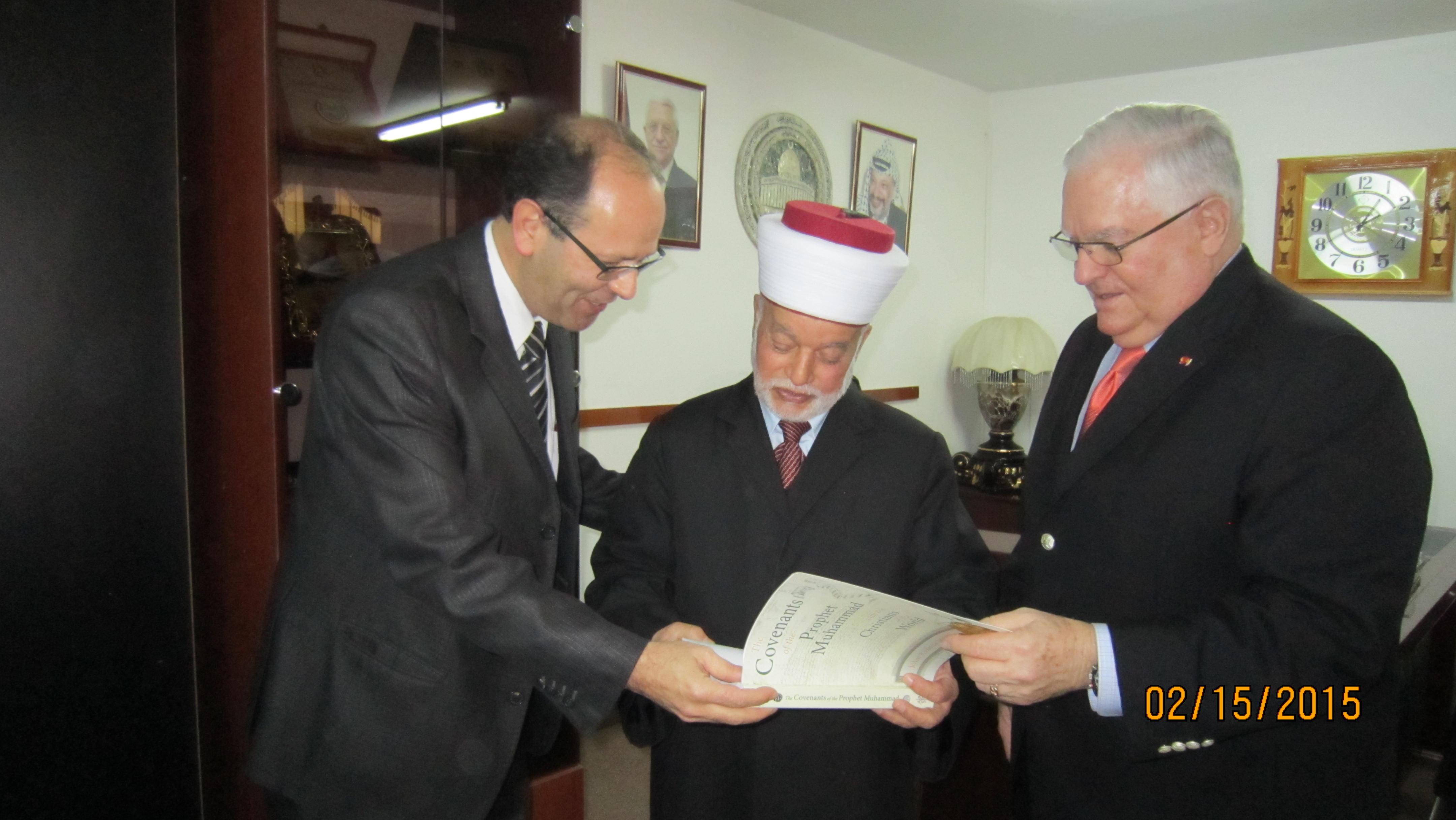
How many people have heard of The Covenants of the Prophet Muhammad with the Christians of the World? This book, which I published in 2013, consists of a study of the treaties that the Messenger of Allah made with the People of the Book. It features long-forgotten documents, some of which I rediscovered in ancient monasteries and archives and which I translated from Arabic into English

The Covenants of the Prophet Muhammad prove that he was committed to creating an inclusive, pluralistic, community of believers. The Prophet explicitly stated that Muslims are required to protect religious sites and institutions. As the Messenger of Allah commands in his covenants: “A bishop shall not be removed from his bishopric, nor a monk from his monastery, nor a hermit from his tower, nor shall a pilgrim be hindered from his pilgrimage.”

The covenants date from the second year of the establishment of the Muslim Community in Medina to the final years of his life, demonstrating that they represented permanent policy. The documents state that they are binding upon Muslims until the End of Times and some include a stern warning. “If anyone oppresses the People of the Book, I will testify against him on the Day of Judgment.”

How many people have heard of the Covenants Initiative? Inspired by The Covenants of the Prophet Muhammad with the Christians of the World, Charles Upton, known also as Sidi Akram, created the Covenants Initiative, an international movement committed to protecting persecuted Jews, Christians, and Muslims.

The Covenants Initiative, which calls upon Muslims to renew their oath to the Prophet Muhammad and abide by the treaties that he concluded with the People of the Book, has been signed by several hundred leading Sunni, Shii, and Sufi scholars, academics, and activists.

How many people have heard of Bin Bayyah’s fatwa? In September of 2014, Shaykh Abdallah Bin Bayyah, one of the most influential scholars in Sunni Islam, passed a lengthy fatwa condemning ISIS.

How many people have heard of the Letter to Baghdadi? The Letter to Baghdadi, released in September of 2014, is a meticulously detailed refutation of ISIS. It was signed by over one hundred of Islam’s leading scholars and personally directed to the leader of the pseudo-Islamic State.

How many people have heard of the Amman Message, a statement calling for tolerance and unity in the Muslim world? Issued in November 2014, and signed by 200 Islamic scholars from over 50 countries, it provides an inclusive definition of what it means to be Muslim and denounces the practice of takfir or excommunication.

How many people have heard the statement from the Organization of Islamic Cooperation? Released in 2014, it declares that the Islamic State has “nothing to do with Islam” and has committed crimes “that cannot be tolerated.”

How many people have heard of the fatwa from al-Azhar? Issued in 2014, it states that ISIS is “a danger to Islam.”

How many people have heard of the Statement from the Arab League? Released in 2014, it denounces the “crimes against humanity” carried out by ISIS.

How many people have heard of the fatwa that was passed by Turkey’s top cleric, Mufti Mehmet Gormez? Issued in 2014, it states that ISIS is “hugely damaging” to Islam and Muslims.

How many people have heard of the condemnations made against ISIS by CAIR? Since 2014, they have repeatedly condemned ISIS as “Un-Islamic and morally repugnant.”

How many people have heard of the declaration made by the Muslim Council of Great Britain? Released in 2014, it affirms that “violence has no place in religion.”

How many people have heard of the fatwa published by the Fiqh Council of the Islamic Society of North America? Issued in 2014, and signed by 126 leading Muslim scholars, it asserts that the actions of ISIS are in no way representative of what Islam actually teaches.

How many people have heard of the Joint Sunni-Shiite Fatwa issued by 100 U.K. Imams? Released in 2014, it describes ISIS as an “illegitimate” and “vicious group.”

How many people have heard of the statement issued by the Muslim Public Affairs Council? Published in 2014, it condemns ISIS and calls upon Muslim to “stand against extremism.”

How many people have heard of Nahdlatul Ulama? It is the largest Islamic organization in the world, representing 50 million Indonesian Muslims. In 2014, the NU launched a global campaign against extremism and Wahhabism.

How many people have heard of Shaykh Muhammad al-Yaqubi thoughts on ISIS? In an interview conducted in 2014, he asserted that “ISIS has no nationality. Its nationality is terror, savagery, and hatred.” Furthermore, he asserted that “Baghdadi is going to hell.”

In 2015, Shaykh al-Yaqubi published a lecture titled Refuting ISIS: A Rebuttal of its Religious and Ideological Foundations? In his booklet, he states that ISIS constitutes the most serious threat that Islam has ever faced. Consequently, he has provided a counter-narrative that elucidates the reality of Islam and its commitment to tolerance. In short, he demonstrates that the actions of ISIS are not representative of Islam.

How many people have heard of the jihad that was declared by the Muslim Youth Group in the UK? In 2015, a group of young Muslims declared an ideological holy war against extremists and terrorists who hijack Islam, asserting, in no uncertain terms, that groups like ISIS have “no link with Islam or the Muslim community.”

How many people have heard of the condemnation of ISIS that I released in November of 2015 and which was disseminated to over one million Muslims?

How many people have heard of the mass fatwa against ISIS? In December of 2015, 70,000 Muslim clerics from India signed a joint fatwa against ISIS that was subsequently endorsed by 1.5 million Muslims.

How many people have heard what Dr. Muhammad Tahir al-Qadri has to say about ISIS? In a statement he made in 2016, he stated that: “The ISIS ideology is Kufr (disbelief in Islam). It is anti-Islam; against the teachings of the prophet of Islam.”

How many people have heard of the Marrakesh Declaration? The Marrakesh Declaration was the product of a global conference that brought together hundreds of major Muslim leaders, both religious and political.

Muslims leaders from around the world, Sunnis, Shiis, and Sufis, gathered in Morocco to express their collective commitment to the cause of human, civil, religious, and minority rights in Muslim countries.

The Marrakesh Declaration reasserts the rights of non-Muslim minorities. The manifesto is rooted on the Constitution of Medina, the first political charter in the history of humanity, produced by the Prophet Muhammad in the 7th century, which recognized all the members of the Muslim Ummah and Monotheistic Movement of Believers as citizens, regardless of their religion.

“They are one community” said the Prophet Muhammad. “To the Jew…belongs help and equality. He shall not be wronged nor shall his enemies be aided.” As the Prophet said, “The Jews…are one community with the believers.” This suggests that the Prophet was not a proponent of syncretism.

Acutely aware of differences between Judaism, Christianity, and Islam, yet understanding that unity does not require uniformity, he encouraged all parties to focus on the elements of truth shared by each tradition and to concentrate on commonality.

As he stated in the Treaty of Maqnah, a covenant he concluded with the Jews of northwestern Arabia shortly before his death: “Peace be with you… You shall be safe and you have the assurance of security from God and His Messenger. Verily, the Messenger of God has forgiven you… There shall be no oppression on you or hostility against you. The Prophet of God will protect you against whatever he protects himself.”

According to Dr. Sayyid Syeed, the National Director for the Office for Interfaith & Community Alliances for the Islamic Society of North America, the Marrakesh Declaration was inspired by the Covenants of the Prophet Muhammad and the Covenants Initiative. In fact, ISNA has officially endorsed the Covenants Initiative and adopted the Covenants of the Prophet Muhammad.

While many Americans are aware that the Government of the United States has recognized ISIS as culpable of genocide, few know that Muslim activists were intimately involved at every single step that led to this decision.

As a result of the success of the Covenants Initiative, the Genocide Initiative was created in August of 2015. While the Covenants Initiative focused on interfaith community building, the Genocide Initiative had a concrete political aim, namely to accuse ISIS of genocide, war crimes, and crimes against humanity.

The Genocide Initiative, along with many similar efforts spearheaded by our Jewish and Christian partners, led to the passage of the Fortenberry Resolution in the House of Representatives in March of 2016. The resolution defined the actions of ISIS as genocide, a declaration that was immediately echoed by Secretary of State John Kerry.

While certain political sectors wish to present the war in Syria and Iraq as a Sunni/Shia conflict, the scholarly centers of both Sunnism and Shiism, are united in their condemnation of ISIS. Whether it is the University of al-Azhar in Egypt or the Hawzah ‘Ilmiyyah in Najaf and Qum, Sunni and Shii scholars have all repudiated ISIS.

At international, national, local, and community level, Muslims have vociferously denounced ISIS and disassociated themselves from their evil ideology and deeds. From Shaykh al-Habib ‘Ali al-Jifri’s efforts emanating from the United Arab Emirates to the creation of an anti-ISIS community guide by Daisy Khan of WISE Muslim Women, Muslims are actively involved in counter-radicalization.

Since most Americans rely on the media to obtain information to understand developments in the world, they expect, and are entitled to, comprehensive coverage and impartial analysis. Rather than provide the facts, and allow Americans to come to their own informed conclusions, they are fed a steady diet of one-sided, pre-digested, neatly packaged sound bites. This is not to infer that all the news in this country is propaganda; however, the imposition of strict editorial lines by certain news outlets has stifled freedom of expression and complete coverage of critical issues.

Enough! Americans want an independent news media with real content as opposed to gossip and sensationalism. They want the whole story as opposed to an oversimplified segment. They want coverage of important matters as opposed to celebrity “news.” They demand objectivity instead of subjectivity.

The media blackout of Muslim news and views does enormous damage, giving the false image that Muslims are silent supporters of so-called “Radical Islamists” who are, in reality, nothing but Wahhabi terrorists whose connection to Islam is as tenuous as the connection of the KKK to Christianity.

This media silence does not stem from Islam and Muslims. It stems from corporate and political interests, the direct result of profit-seeking having supplanted information-seeking and sharing.

Islam may or may not be our cup of tea. However, we have the right to hear Muslim voices and concerns without an endless parade of ideologically-motivated spin.

There are 1.5 billion Muslims in the world today, only 100,000 pseudo-Islamic terrorists. Islam is not at war with the West. On the contrary, ISIS is at war with Islam. Suppressing reports of Muslim opposition to ISIS aids the recruitment efforts of ISIS, playing into the hands of sworn enemies of the United States. It is nothing less than unpatriotic malingering in time of war. If we are to reclaim this great nation, we must reclaim our national media, and an important step in doing so is by reporting Muslim opposition to ISIS.

Imam Elahi and I recently returned from a trip to Washington, DC. Imam Elahi is one of the most active Muslim scholars in the field of interfaith work. We participated in a press conference at the National Press Building on the 14th of April. Every single major Sunni, Shiite, Christian, and Jewish leader was present. I spoke of The Covenants of the Prophet Muhammad with the Christians of the World and the Covenants Initiative. The ISNA Fiqh Council reissued their fatwa against ISIS. This edict was endorsed, not only by Muslim scholars, but also by Christian and Jewish leaders. Catholic cardinals, Jewish rabbis, and Greek orthodox priests all stood united, as believers and brothers, against ISIS. The room was jam-packed with interfaith leaders.

Who showed up? Only two media outlets. C-SPAN. Who on earth watches C-SPAN? And some US-funded Arabic-language Iraqi television station. Where was CNN? Where was Fox? Where was MSNBC? Where was the BBC? Where was Russia Today? Where was al-Jazeera? Where was al-Arabiyya? And where was Press TV? Nowhere to be found. Why? Because it is in the interest of the corporate elite; it is in the interest of the globalists; it is in the interest of the one-percenters to convey the image that Muslims are passive supporters of extremists and terrorists. It is a conspiracy of silence: a media blackout of Muslim opposition to ISIS.

God gave you a voice. Use it in the path of God. This is the real meaning of ‘amr bi al-ma‘ruf wa nahy an al-munkar namely, promoting good and forbidding evil. If God gave you money, use it in the path of God. Have you heard Ted Cruz? Have you heard Donald Trump? Muslims are paying a terrible price for their inability to influence culture, media, political discourse and policies.

Read The Covenants of the Prophet Muhammad with the Christians of the World and spread the word. Sign the Covenants Initiative and the Genocide Initiative. If you are a scholar of Islam, sign A Common Word, The Amman Declaration, The Letter to Baghdadi, and the various edicts against ISIS. Engage in interfaith work and intrafaith work. Build bonds between Muslims, Christians, and Jews. Build bonds between Sunnis, Shiites, and Sufis. Build bonds as human beings first and foremost.

I have some very bad news for you. I am going to die. Yes, my doctor says I am going to die. According to him, I have thirty or forty years at most. Apparently, all human beings die. We have a 100% mortality rate. Whether it is today or seventy years from now, you will pass away, be buried, be resurrected, and be judged. So, work to improve this world as if you would live forever and work for the Hereafter as if you are going to die tomorrow. Salawat ‘ala Muhammad wa ali Muhammad.

By Dr John Andrew Morrow

Shafaqna Exclusive Interview with Laurence Rossignol – French Minister for Family

1116
Laurence Rossignol

SHAFAQNA – Earlier this April French Minister Laurence Rossignol made a series of rather controversial comments when she likened women wearing the headscarf to slave embracing tyranny -using racist and defaming adjectives when referring to Muslims, Islam and foreigners in general.

While she claimed that her outburst was misconstrued, arguing that her intentions were not to belittle or insult but instead empower women to take charge of their own life, Minister Rossignol’s logic vis a vis Islam, her position vis a vis Muslim women in particular, has been symptomatic of France’s rising Islamophobic narrative.

And though France continues to hide behind its Republican values to better rationalize its ethno-centrism, and disdain of Islam – a faith state officials have labelled as foreign, and antagonistic to Western values; it has become painfully clear that the French Republic is suffering from an acute case of fascism.

Keen to understand the rationale behind Islamophobia in France Shafaqna talked to Minister Laurence Rossignol.

If tolerance should always be frowned upon, it is important to also remember that only through dialogue can we hope to foster positive change. Muslims today suffer misrepresentation and oppression, and it is up to us, as a community to work to change that.

It is only by living up to Islam’s purest tradition and tenets that we can hope to oppose, and defeat radicalism, and violence. Education and dialogue of course stand core to any such efforts.

SHAFAQNA – Minister Rossignol, your recent remarks labelling women who wear headscarves as “negroes who support slavery” caused real frustration and anger among Muslim women who wear the headscarf as a requirement of their religious beliefs.

I would like to draw your attention to the danger of such stigmatizing remarks in a society like France, which has the largest Muslim population in Europe. As far as I know, there are 6 million Muslims in your country.

MINISTER ROSSIGNOL – My comments were really taken out of context here. The point I was trying to make is that France is facing a rise in radicalism. France Muslim community has systematically refused to abide by our Republican principles: laicity, which provision that state and religion remains strictly separate. Religion in France is a private matter which should not enter the public sphere.

France has been grappling with radicalism for years and we can no longer afford to tip toe around the issue. Women should not be denied their rights”

SHAFAQNA – You keep likening the headscarf to a tool of oppression! Is it difficult to fathom that Muslim women make their own choices, and that modesty is actually a form of emancipation?

MINISTER ROSSIGNOL – Women in Islamic countries have been systematically denied their rights: Sudan, Saudi Arabia, Afghanistan … women and girls are kept out of school, and denied work opportunities. France has seen a rise on honour killing and other violence against women, all in the name of Islam. I’m not saying that all Muslims are radicals but there are issues which need addressing.

SHAFAQNA – All the examples you are citing relate to countries which have espoused Wahhabism – a radical expression of Islam, which many scholars, including Dr John Andrew Morrow, have actually accused of standing outside Islam. More importantly your government continues to entertain friendships with such countries. Don’t you think it is a little bit hypocritical for you to decry Muslims while opening yourself up to Wahhabism in exchange for lucrative contracts?

Do you deny that Riyadh has invested billions upon billions of dollars in promoting and exporting Wahhabism – the very Wahhabism you are now blaming for France’s radicalization problem. Is it true therefore that it is Wahhabism and not Islam which should warrant your wrath?

MINISTER ROSSIGNOL – I don’t see how France foreign policy has anything to do with Muslim communities in France. It is important for France to defend its values and ensure that our traditions are respected. We will not tolerate for our republican values to be challenged. France is a republic.

Local professor receives Muslim organization’s interfaith service award

By Kevin Kilbane, kkilbane@news-sentinel.com

Thursday, April 28, 2016 12:01 AM
John Andrew Morrow, a professor of foreign languages at Ivy Tech Community College Northeast in Fort Wayne and a Muslim scholar and cleric, recently was presented with the Interfaith Service Award by the Islamic Society of North America (ISNA) for his efforts to encourage interfaith dialogue and cooperation.The award was presented April 15 during the Sunni-Shiite Summit held in Washington, D.C. Sunni and Shia are the major subgroups within the Islamic faith. ISNA is the largest Muslim organization in North America.In selecting Morrow for the award, ISNA cited his writing of the 2013 book “The Covenants of the Prophet Muhammad with the Christians of the World,” which discusses six covenants that Islam’s great prophet, Muhammad, signed with Christian groups before his death in A.D. 632. Muhammad also signed similar agreements with Jewish and other groups, Morrow has said.The covenants reportedly promise the groups protection of personal rights until the end of the world if the groups agree to live under the civil government of a Muslim confederation. Morrow believes the covenants serve as a model for how Muslims and non-Muslims can live together peacefully.

Morrow, who lives in Auburn, also helped found the Covenants Initiative, which works to create awareness about Muhammad’s covenants among Muslims and non-Muslims today.In addition, Morrow also served as editor of the related 2015 book “Six Covenants of the Prophet Muhammad with the Christians of his Time: The Primary Documents.”In November 2015, Morrow also issued a fatwa, or religious ruling, condemning the Islamic State terrorist group as a “curse” and a band of mercenaries whose actions have no basis in the Islamic faith.

EXCLUSIVE – DR. JOHN ANDREW MORROW RECEIVES ISNA INTERFAITH SERVICE AWARD

April 26, 2016
489

Dr John Andrew MorrowSHAFAQNA – Dr. John Andrew Morrow, the world-renowned academic and international peace activist, was recently awarded an Interfaith Service Award by the Islamic Society of North America in recognition of his outstanding contributions to interfaith dialogue and initiatives.

The ceremony, which took place in Washington, DC, on Friday April 15th, equally honored Dr. Jim Winkler, the President and General Secretary of the National Council of Churches.

Morrow, a full professor of foreign languages and a senior scholar of Islam, rose to international prominence after the publication of The Covenants of the Prophet Muhammad with the Christians of the World in 2013 and Six Covenants of the Prophet Muhammad with the Christians of His Time in 2016.

As a result of his game-changing research, Morrow brought to light many of the treaties—some largely forgotten, some untranslated, others entirely new—that the Prophet Muhammad concluded with over a dozen Jewish, Christian, and Zoroastrian communities.

These newly-revealed covenants prove that the Prophet Muhammad was committed to creating a tolerant, inclusive, and pluralistic state, in which the rights of all citizens were protected.

As legions of scholars have confirmed, the Covenants of the Prophet are completely consistent with the Covenant of Medina, the first political constitution, which was produced by the Messenger of God after he established a government in the year 622 CE.

These Muhammadan Covenants, unknown to many contemporary Muslims, inspired Charles Upton to create the Covenants Initiative, an international movement of Muslims devoted to defending persecuted religious minorities. The Initiative was first directed to Christians, (in line with The Covenants of the Prophet Muhammad with the Christians of the World), but was later expanded to include Jews, Shiites, Sufis, traditional Sunnis, and Yezidis.

Upon the request of Christian leaders, the Covenants Initiative produced the Genocide Initiative, a political campaign aimed at accusing ISIS of genocide, war crimes, and crimes against humanity.

Working in conjunction with a large number of partners, the Genocide Initiative was instrumental in convincing the US Government to pass the Fortenberry Resolution, in March of 2016, decrying genocide against Christians and other religious minorities in Iraq and Syria.

According to Dr. Sayyid Syeed, the National Director for the Office for Interfaith & Community Alliances for the Islamic Society of North America (ISNA), the Covenants of the Prophet Muhammad helped inspire the Marrakesh Declaration.

Issued in January 2016, and signed by more than 250 Muslim religious leaders, heads of states, and scholars, the Marrakesh Declaration reiterated the rights of religious minorities in predominantly Muslim countries.

Since its publication in 2013, over 350 articles have been written about The Covenants of the Prophet Muhammad with the Christians of the World. The work is also being used by many groups to counter radicalization.

In his acceptance speech, which he delivered after the screening of a video highlighting his journey to Islam and scholarly accomplishments, Morrow redirected all accolades to Allah and the Messenger of Allah:

“I humbly accept this award in the name of Allah, to whom all praise is due, and on behalf of Muhammad ibn ‘Abd Allah, may peace and blessings be upon him, who deserves all credit and recognition. This is his work. These are his words. Although most of us only became aware of the Covenants of the Prophet over the past few years, they have a long, venerable, and well-documented history. They were well known to the Caliphs, Sultans, and Shahs of Islam until the fall of the Ottoman Empire. My role has been one of rediscovery, analysis, and advocacy. I am merely the medium. The one being honored here today is not me but the Messenger of Allah.”

Commenting upon the significance of the long-lost documents that resurfaced as a result of his scholarship, the Aboriginal Canadian/American professor made the following observations:

“The Covenants of the Prophet Muhammad, peace and blessings be upon him, represent a revolution in our understanding of Islam. They grant Muslims, and non-Muslims, all the rights offered by secular, liberal, democracies, but under the auspices of God rather than Man. More than Human Rights given by human beings, we are dealing with Divine Rights granted to humanity by the Divinity. The Covenants reveal how Islam, from within its own tradition, offers a viable socio-political and economic alternative to Secularism, Capitalism, and Modernism. Consequently, I call Muslims to the Qur’an; I call Muslims to the Sunnah; and I call Muslims to the Covenants of Rasul Allah, may God bless him and grant him peace.”

He concluded his comments by thanking everyone at ISNA for supporting his scholarship.

ISNA ORGANIZES SUNNI-SHIITE DIALOGUE IN DC – EXCLUSIVE

4

Morrow Intrafaith 2SHAFAQNA – An intrafaith leadership summit was held in Washington, DC, on April 15, 2016. Organized by the Islamic Society of North America, the gathering included Dr. Sayyid Syeed from ISNA, Dr. John Andrew Morrow from the Covenants Initiative, Sayyid Mohammad Baqir Kashmiri from IMAM, M.J. Khan from the Islamic Society of Greater Houston, and Imam Mohammad Elahi from the Islamic House of Wisdom, among various other Sunni and Shiite community leaders.

The summit, which was witnessed by prominent Jewish and Christian leaders, was scheduled to last only two hours. However, with the exception of congregational Friday prayers held in the Capitol Building, the group spent the entire day in fruitful discussion and dialogue.

Morrow Shia Sunni SummitDr. Sayyid Syeed, ISNA’s National Director for the Office for Interfaith & Community Alliances for the Islamic Society of North America, reiterated his organization’s commitment to Islamic unity. He observed that ISNA has included Shiites in top leadership positions in the past.

Syeed also stipulated that ISNA has never asked its members what kind of Muslims they were and that the organization has always been open to Sunnis and Shiites, Sushis, a comical combination of both, and those who simply identify as non-sectarian Muslims. He even joked that ISNA should now change its name to ISNA ASHARI, to acknowledge the presence of Twelver Shiites in its ranks.

The National Director for the Office for Interfaith & Community Alliances shared ISNA’s “Muslim Code of Honor” with all participants. Issued in 2007, and signed by Asma Mirza, Jamal Badawi, AbolFazl Nahidian, Parvez I. Shah, Amir Mukhtar Faezi, Muzammil H. Siddiqi Ingrid Mattson, Mostafa Al-Qazwini, Khurshid Khan, Sheikh Muhammad Nur Abdullah, Sayyid M. Syeed, and Mohamed Magid, it reads:

Preamble

Reports of sectarian tension overseas, particularly in the aftermath of the American invasion of Iraq, have prompted the Muslim American leadership to speak out against communal divisions and all sectarian violence. Such expressions of sectarianism, if unchecked, may add fuel to the fire, engulfing the Community in historical grievances that magnify theological differences and minimize the common “Pillars of Faith” on which all Muslims agree, irrespective of their schools of thought (madhhab).

 As Muslim Americans who live and struggle for a dignified existence for Islam and Muslims in a spirit of peaceful coexistence and respect for all, we believe that the practical challenges of the future supersede the ideological differences of the past.  Moreover, in recognition of our communal duty to promote goodness and peace, we remain eager to offer any help we can and to join hands with all those who wish well for the Family of Believers (Ummah) in stopping the senseless, inhumane violence in Iraq and elsewhere in the world.

 In our view, we must begin by preventing such tragic sectarianism from spilling over into our Muslim communities in the United States.  As a first step toward this goal, we agree to live in peace and respect each other in accordance with a “Muslim Code of Honor.” We remain committed to this Muslim Code of Honor not only during times of agreement and ease but, more importantly, when faced with contentious issues and in times of mutual disagreement.


Muslim Code of Honor

No group or individual shall use, spread or tolerate the rhetoric of branding others as nonbelievers (takfir) against anyone who believes in the oneness and supremacy of God, the prophethood of Muhammad ibn ‘Abd Allah, peace be upon him, as the last of God’s messengers, and in the reality of the Last Day, agreeing on the authenticity of the Holy Qur’an and facing Makkah (qibla) in daily prayers. Muslims should respect one another and the people, places and events that any Muslim group or individual holds in esteem, even when they disagree about the relative importance of such people and events. Such disagreements, moreover, should only be expressed in a respectful manner, avoiding inflammatory language and insulting verbiage.

 As to differences in the performance of worship (ibadat), we agree to respect the rules in effect and the authority of the leadership that endorses them in a particular mosque or religious institution where they are the norm.

 We agree that steps should be taken to protect the general Muslim population in America from the distribution of divisive, inflammatory or irrelevant literature, primarily from overseas, in order to maintain the integrity and protect the future of Islam in America and curb the spread of harmful and misleading propaganda.

 As a gesture of its commitment to taqrib or rapprochement between the various schools of thought and law in Islam, Dr. Sayyid mentioned that ISNA would demand that all of its mosques place a sign in a prominent place stipulating that the places of prayer in question were inclusive and welcoming of all Muslims: Sunni, Shiite, and Sufi.

Dr. Sayyid Syeed closed the summit with assurances that such Sunni-Shiite meetings will continue to be held regularly and that intrafaith dialogue should be perpetual.

By Dr John Andrew Morrow – Exclusive to Shafaqna

EXCLUSIVE – DR. JOHN ANDREW MORROW PARTICIPATES IN PRESS CONFERENCE IN WASHINGTON, DC

10

Morrow Press ConferenceSHAFAQNA – Dr. John Andrew Morrow recently returned from Washington, DC, where he participated in the Islamic Society of North America’s Annual Government and Interfaith Forum.

Morrow, a Muslim scholar, author, and activist, was the first to address at a Press Conference held at the National Press Club on April 14, 2016.

Called upon to launch the interfaith conference by Dr. Sayyid Syeed, the National Director for the Office for Interfaith & Community Alliances for the Islamic Society of North America (ISNA), Morrow commented upon the Covenants of the Prophet Muhammad and the Covenants Initiative.

Described by Catherine Shakdam as “the book of our generation,” The Covenants of the Prophet Muhammad with the Christians of the World is a scholarly study of the treaties that the Messenger of Allah concluded with the People of the Book.

Thanks to the vision of Charles Upton, the book morphed into the Covenants Initiative, an international movement of Muslims to protect persecuted Christians which later expanded to include Jews, Shiites, traditional Sunnis, and Yezidis.

The Press conference featured prominent Muslims leaders such as Azhar Azeez, the President of ISNA; Imam Mohamed Magid from the Adams Center; Dr. Muzammil Siddiqi, Chairman of the Fiqh Council of North America, and ISNA executive Fatima Salman.

Interfaith leaders who attended the event included Rev. Ron Stief, Cardinal Theodore McCarrick, Rabbi Jonah Pesner, Rev. Dr. A. Roy Medley, Rabbi Marc Schneier, Rev. Richard Cizik, and Rev. Fr. Dimitrios J. Antokas.

ISNA leaders reissued the 2005 fatwa against terrorism, reaffirmed the rights of religious minorities in Muslim-majority nations by means of the recent Marrakesh Declaration, and committed themselves to working closely with administrations to help prevent radicalization.

While the press conference was well-attended by Muslim, Christian, and Jewish leaders, only two media outlets were observed: CSPAN and a US-funded Iraqi television station. The visible absence of Fox, CNN, MSNBC, al-Arabiya, al-Jazeera, Press TV, and Russia Today, suggest that mass media has little to no interest in broadcasting Muslim efforts to oppose extremism and terrorism.

When asked if they had any questions, the few reporters who bothered to show up to the press conference simply shook their heads. As Morrow commented, “There is a conspiracy of silence when it comes to reporting on Muslim opposition to ISIS. The goal is clear: to convey the impression that Muslims are passive terrorist supporters.”

Dr. Morrow to Speak at Islamic House of Wisdom

IHW

Reminder- The Upcoming Community Dinner is fast approaching!

Please Reserve Your table/tickets ASAP!

Reply to this message or call the office (313) 359-1221! Thank You!

Keynote Speaker at IHW Community Dinner-

Dr. John Andrew Morrow

Morrow is a professor, author, and research scholar. He has authored a large number of books and articles on a wide variety of topics, including: the Prophet Muhammad, Wallace Fard Muhammad, Malcolm X, Shi’ism, Sufism, Islamism, Aljamiado literature, the history of Shi’ism in North Africa and al-Andalus, the Arabic-Islamic influence on Spanish literature, the medicine of the Prophet and the Imams, as well as Arabic sociolinguistics. He is best known for his critically acclaimed study on “The Covenants of the Prophet Muhammad with the Christians of the World.” A social critic and activist, An outspoken opponent of social, political, economic, and environmental injustice, he stands side by side with the oppressed in their struggle against oppression.

EIGHTH COVENANTS INITIATIVE REPORT

EIGHTH COVENANTS INITIATIVE REPORT

Dear Signatories of the Covenants Initiative:

There is much to report since the last full Covenants Initiative Report, and there will be a lot more after this month is over.

Interest in the Covenants of the Prophet is exploding, as any one of you will have realized who has signed up for Google Alerts on “Covenants of the Prophet” and “John Andrew Morrow”. (This is something that I invite all signatories to do, since it is becoming more difficult for me to follow all the news.) The number of Dr. Morrow’s speaking engagements and media coverage of our efforts have grown exponentially, and many major events are planned for this year. I will do my best to report on the main developments.

ENDORSEMENTS

~~ ISNA, the largest Muslim organization in North America, has officially endorsed the Covenants Initiative; an article on the Initiative appears in the March/April edition of the ISNA publication Islamic Horizons, which has a large international readership:

https://issuu.com/isnacreative/docs/ih_mar-apr_16?e=5245782/33708252

~~ It will do no harm to remind everybody that Dr. Mostafa Gameaha, media representative of Al-Azhar University—the premier traditional authority in Sunni Islam—has signed the Covenants Initiative, and our colleague Gary Krupp of Pave the Way will be delivering a copy of Dr. Morrow’s book to the head Imam of that institution.

                                                                                  THE GENOCIDE INITIATIVE

Our Genocide Initiative calling on all political players to declare the actions of ISIS genocide has been credited by Stars and Stripes, the major U.S. armed services publication, as part of the effort which led to the passage of the Fortenberry resolution in the U.S. House of Representatives that actually did make that declaration—a resolution which led to Secretary of State John Kerry’s statement to the same effect in March of this year.

THE MARRAKESH DECLARATION

Many of you will have heard of the Marrakesh Declaration (I briefly reported on it earlier) which grew out of a conference of Muslim leaders on Morocco this last January; it re-asserts the traditional rights of religious minorities within Muslim nations, basing its conclusions on the Constitution of Medina and the Covenants of the Prophet. We were told by Sayyid M. Syeed, the interfaith director of ISNA, that The Covenants of the Prophet Muhammad with the Christians of the World and the Covenants Initiative figured prominently in the conference and were among the factors that originally inspired it.

http://www.marrakeshdeclaration.org/

TRANSLATIONS OF

THE COVENANTS OF THE PROPHET MUHAMMAD

WITH THE CHRISTIANS OF THE WORLD

Dr. Morrow writes: “I would like to thank the Baydoun family from Dar al-Kutub al-‘Ilmiyyah for publishing the Arabic version of the book as well as Dr. Alain Saint-Saëns from the University Press of the South for publishing the Spanish translation.”

INDEPENDENT EFFORTS

Our movement is growing to the point where it is beginning to pass out of our hands. More and more people are making the Covenants of the Prophet their own, and this is only good. For example, Craig Considine, whose important paper “Religious Pluralism and Civic Rights in a ‘Muslim Nation’: An Analysis of Prophet Muhammad’s Covenants with Christians” I sent you not long ago, is becoming recognized as an expert in this field. He credits Dr. Morrow, but now he himself is being credited by others. His paper was reported on extensively in Britain and America, including in the Daily Mail.

~~ Taqwamedia is producing an on-line course on the Covenants of the Prophet.

~~ The International Museum of Muslim Cultures in Jackson, Mississippi, is putting together a traveling show on the Covenants of the Prophet which will tour museums in the United States. It was sheduled to open this September but may be postponed till next year to allow time to secure more funding.

~~ Ali Panju, Director of Ridhayatullah Theatre in England, tells us that their one-act play on the Prophet Muhammad at the Monastery of St. Catherine at Mt. Sinai, to which he granted a covenant of protection, has been entered in the All England One Act Play Festival, where it was very well received.

~~ The Covenants are being integrated into academic courses on Islamic law, economics, ethics….the list goes on.

                                                                       PAST EVENTS

 ~~ In October of last year, Dr. Morrow gave five talks in the New York area, at the Al-Khoei Center, the Long Island Muslim Society, and the Islamic Center of Long Island; where I introduced him. (He returned the favor when I spoke at the Nur Ashki Jerrahi Center in Manhattan.) Dr. Morrow also granted a TV interview at that time. Here are links to the interview:

https://www.youtube.com/watch?v=KglU0VQQnDw

https://www.youtube.com/watch?v=3tl4P3B1es4

https://www.youtube.com/watch?v=xDio6XBlR8Q

Further events were:

~~ A book signing at the Muslim Group Conference. Chicago. Dec. 2015.

~~ Talk entitled “The Covenants of the Holy Prophet”;  talk entitled “Can we truly know Muhammad?”,  Muslim Group Conference. Chicago. Dec. 2015. Here are the links to these:

https://www.youtube.com/watch?v=wrCrIOjtzXU

https://www.youtube.com/watch?v=WYkD541MPd8

https://www.youtube.com/watch?v=rrgmcIoTzsE

~~ Talk entitled “Islam versus ISIS,” Ivy Tech Community College in Fort Wayne, Indiana. Thursday, Nov. 19th, 2015.

~~ Talk entitled “Early Christian-Muslim Encounters: The Covenants of the Prophet Muhammad

with the Christians of the World.” International Museum of Muslim Cultures in Jackson, Mississippi, on Thursday, November 12th, 2015.

~~ The khutbah for the Friday prayer at the mosque in Jackson, Mississippi, on Friday, November 13th, 2015.

~~ On March 27 of this year, at Rutgers University, Dr. Morrow spoke denouncing Donald Trump at the conference “What should Muslims Say to Donald Trump?” The text of his talk (I wrote about half of it) appears at:

http://www.veteranstoday.com/2016/03/30/muslims2trump/ , retitled as “Muslim Leaders Ask God to Water Board Trump for Eternity”. (I would like to take this opportunity to add, however, that if God elects not to water board Trump for eternity, I will gladly abide by His decision.)

UPCOMING EVENTS

Four upcoming events, three of them this month alone, fairly eclipse the earlier ones listed above:

~~ On April 14-15, Dr. Morrow will be speaking in Washington D.C. at the Annual ISNA  Interfaith and Government Outreach Forum on Capitol Hill; as part of this event he will be addressing the press conference at the National Press Building. At this event he will have an opportunity to meet senators, congressmen and other government officials, as well as important figures in the interfaith movement. He will also be receiving an award from ISNA for his work.

~~ On April 27-29, Dr. Morrow will be speaking in St. Petersburg, Russia, at a conference entitled “Inclusiveness of Divine Grace as a Principle of Interreligious Dialogue in the XXI Century”. The conference is sponsored by the Religious Board of Muslims of the Russian Federation, St. Petersburg State University, Lomonosov Moscow State University, the Moscow Islamic Institute and the State Hermitage, as well as the Grand Mufti of Russia.

~~ He will also be speaking at the 2016 ISNA National Convention in Chicago, Sept. 2-5; his presentation is still in the planning stage.

I will report on the first two events some time in May.

BEYOND THIS

Beyond this there have been more articles in the press than I’ve been able to keep track of, including interviews with both Dr. Morrow and myself in the Iranian journalThe Age of Reflection. For a complete list see http://www.covenantsoftheprophet.com/ , under “News & Events”.

Keep us in your prayers.

Charles Upton

for Dr. John Andrew Morrow

and the Covenants Initiative

Muslim Leaders Ask God to Waterboard Trump for Eternity

Muslim leaders ask God to waterboard Trump for eternity

A "Muslim ban" would be a declaration of war - not just on Islam, but on the First Amendment - and all decent Americans would immediately have to take up arms and fight their "government" (which come to think of it might not be such a bad idea)

Introduction by Kevin Barrett, Veterans Today Editor

I’m an American Muslim: Born here in 1959, reverted to Islam in 1993.

Personally, I have mixed feelings about Donald Trump.

I admire him for repeatedly referencing 9/11 truth and making the Jeb Bush campaign collapse at free-fall speed.

I admire Trump for saying that Martin Hill was  “on our side, a Trump guy” when Hill disrupted Trump’s speech in Grand Rapids by yelling that “Israel did 9/11, it was dancing Israelis, not dancing Muslims.”

I admire the way Trump has blown up the old elite-driven Republican Party and enraged the neocons.

I applaud Trump’s support for auditing the Federal Reserve.

I love Trump’s hints that he would pursue a Charles Lindberg-style “America-first” foreign policy (which the war-criminal establishment decries as “isolationist”) by eschewing foreign commitments, refusing to take sides in foreign quarrels including the Zionist genocide of Palestine, and “making other countries pay for their own defense” which of course means withdrawing hated American occupation forces from all of our 900 military bases in more than 80 countries and letting those countries be independent for a change … while unleashing the American domestic economy and enabling the rebuilding of our infrastructure.

Heck, I’m not even that outraged by Trump’s insistence that yes, it actually IS illegal to enter the country illegally.

If I thought he was really going to “reveal who really knocked down the World Trade Center,” audit and maybe end the Fed, shut down the American Empire, and genuinely make America great again, I would support him wholeheartedly, even if he occasionally says nasty things about Muslims.

But I don’t trust him to do those things, any more than I trusted Obama to fulfill his promises of “hope and change” back in 2008, when I voted for Cynthia McKinney.

12-2-To-Grovel-or-not-to-Grovel

Trump strikes me as more of an ego-driven opportunist than principled reformer or honest patriot. His tendencies toward scapegoating minorities, enthusiastically endorsing torture, and kissing up to Zionists do not bode well.

I hope I’m wrong.

Meanwhile, most of the Muslims I know are not so ambivalent. In the article below, two leading American Muslim intellectuals and activists, John Andrew Morrow and Charles Upton, give The Donald a piece of their minds.

-KB

trump-flag

What should Muslims say to Donald Trump? A Veterans Today exclusive

By Dr. John Andrew Morrow and Charles Upton

A speech delivered at Rutgers University on  Sunday, March 27, 2016

Organized by Muslims for Peace, Inc.

9th Annual Prophet Muhammad Day Interfaith Conference

 Introduction

Since some of you attending this conference today clearly belong to the Muslim faith, I feel it is appropriate for me to compare and contrast Donald Trump, who has called on his followers to take an oath of allegiance to him personally, with the Prophet Muhammad, peace and blessings be upon him, who received the Pledge of Allegiance from his followers under the Tree at Hudaybiyyah.

I beg the believers in both the Messenger of Money and the Messenger of God to bear with me with patience and forbearance as I expound upon the radical differences between the respective ideologies and personal qualities of these two messengers.

FBI statistics show 94% of terrorist attacks in America are not attributed to Islamic extremists

Language

The Prophet Muhammad, may peace and blessings be upon him, preached to the people in the language of the people, in Classical Arabic, and presented to the people, the Qur’an, a masterpiece of eloquence, unparalleled and unsurpassed, that set the standard for Arabic grammar.

Donald Trump also speaks in the language of the people, at about the level of a fourth-grader, though he does indeed have a very good brain. When it comes to vocabulary, he has been well-advised by paleo-conservatives and closet Klansmen. He has attentively watched, read, and studied the speeches of such masters of semantic simplicity as Adolf Hilter, Benito Mussolini, and Francisco Franco. When appealing to angry, frightened people without the background or the resources to understand exactly who or what is destroying them, 20th century history has proved that radical simplifications and recognizable scapegoats are definitely the way to go.

Wealth and Wisdom

 The Prophet Muhammad, may God bless him and grant him peace, taught that “There is no greater wealth than wisdom.”

But all the wisdom in the world can’t buy you the Trump Tower—or even a cup of coffee for that matter. Donald Trump seems to believe that his billions are proof that he is a wise man, but he can only make the equation between wisdom and money by reducing wisdom to “the art of the deal,” to something that requires only insight into human greed and fear. But there’s a lot more to wisdom than that. Specifically, in terms of what it takes to be President of the United States, wisdom includes a knowledge of history, an understanding of different human cultures and psychologies, and a willingness to make hard and painful decisions tempered by enough human compassion to prevent the holder of that office from turning into a mad dog. Can anyone here imagine Donald Trump as a person capable of conducting the kind of “delicate diplomatic negotiations” that JKF did during the Cuban Missile Crisis?

Wisdom is also inseparable from human dignity because it is based on a true understanding of what a human being is. The Prophet Muhammad, his wives and his companions—unlike Donald M. Trump and some of those closest to him—were models of modesty and self-respect. The leader who has no interest in maintaining his own dignity can never respect or protect the dignity of the people he leads. Power without dignity has a fatal flaw in it; it will either crack under pressure or go to work destroying everything it sees.

Humility

The Prophet Muhammad, may God grant us his intercession, taught that “Humility increases dignity… Be humble and Allah will exalt you.” He said: “Indeed, the most beloved of you to me and the nearest of you to my position on the Day of Judgment are the best of you in nature and in humility; and the furthest of you from me are the vainglorious, that is the arrogant.” He also warned that “Most of those who go to hell are the arrogant.”

Donald Trump, however, is proud, haughty, and arrogant: qualities that are unfortunately admired by many Americans whose pride in their nation has been betrayed by the globalists, whose future has been stolen by the super-rich, whose human rights have been liquidated by the national security state, and who have been told by the regime of “political correctness” that they have no right to exist.

But the arrogance of the self-styled billionaire will never translate into the well-earned self-respect of a hard-working American husband or wife or parent. Self-respect comes from the love of family, the love of community, the love of country, the love of justice and the love of God, not the arrogance of the hate-monger or the threats of the bully.

Non-Violence and Just War

The Prophet Muhammad was persecuted for professing that God was one and that people should be good. Although he was oppressed, exiled and physically wounded by his enemies, and his followers assaulted, tortured, raped, starved, and murdered, he taught his followers to turn the other cheek. He said that: “The strong man is not the one who is the best at fighting; the strong man is the one who can control his anger.” And when the time came to fight to throw off oppression and establish justice, that battle was not to be carried on in a state of anger, or simply as a way of relieving one’s feelings, but according to the strict standards of just war.

On the other hand, Donald Trump said (and I quote): “If we’re attacked, we’ll beat the shit out of them….We have to beat the savages.” And given his often-expressed views on Blacks, Mexicans and Muslims, I think I have a pretty good idea who these “savages” are.

Civil Society

The Servant of Allah, Muhammad the son of ‘Abd Allah, immigrated to Medina, as a refugee, with many of his followers. The people of Medina, a town that was roughly half Jewish and half pagan, accepted him as their leader. Muslims, at that time, numbered in the hundreds. The non-Muslims were probably in the tens of thousands.

The first thing that the Prophet Muhammad did in Medina was prepare the Covenant of Medina, known also as the Charter or Constitution of Medina. He created an Ummah, a Motherland, or a State. Identity was no longer based on tribe or kinship. It was based on citizenship.

“They are one community” said the Prophet Muhammad. “To the Jew who follows us belong help and equality,” he wrote, “He shall not be wronged nor shall his enemies be aided.” As the Prophet said, “The Jews…are one community with the believers.” Jews, Muslims, and even polytheists, were one: so long as they were members of the Ummah.

Some scholars view Muhammad as the founder of secularism. Others, like myself, stress that he created a Confederation of Believers, a pluralistic and inclusive society under the cover of the Creator. He granted citizens all the rights and freedoms that we enjoy in Western, secular, democracies, with one fundamental difference: that these rights were bestowed, not by Man, with a capital M, but by God, with a capital G.

But Donald Trump, as he has repeatedly expressed, does not believe in civil society. He does not believe in diversity and multiculturalism. He wants to make America great again which means he wants to make America white again. But America was never “lily white” as Trump likes to believe.

There were millions of Black slaves before the Civil War, and—before the white race came—millions of Native Americans, as there are again today. But Blacks will never again be reduced to slavery, nor will Native Americans ever again submit to genocide. And we must never forget that the Prophet Muhammad accepted people of all races into his Ummah; Bilal, one of his closest companions and the first muezzin, was a freed Black slave. As the Prophet expressed so eloquently:

“All humankind is from Adam and Eve, an Arab has no superiority over a non-Arab nor a non-Arab has any superiority over an Arab; also a white has no superiority over a black nor does a black have any superiority over white except by piety and good action.”

For Donald Trump, however, there is no room for Muslims in America. According to his supremely uneducated opinion we are a source of insecurity, we have never contributed anything to the building of this country. However, maybe 10% of the Black slaves imported into North America, who built much of the economic power of the nation, were Muslims. Some sources suggest that as many as 20 to 30% were Muslims.

(We must be careful never to let Trump find this out, however, or he might decide to start exporting their descendants.)

Setting aside the pseudo-scholarly fantasies of people who believe that my people, Native American people, were actually Arab Muslims—they insult us, and themselves too, with their condescending, paternalistic, fairy tales—Muslims have helped build and shape this nation from the 1800s to the present, starting with the Syrian-Lebanese settlers and homesteaders who settled in North and South Dakota. Traveling Muslim traders were also an important presence in the newly-settled West.

There are nearly 3 million Muslims in the United States. Some sources say 5 million. Some even claim 7 million. One quarter of them are African Americans. How can less than 1% of the population pose such a threat in the eyes of the majority? They themselves are under a much greater threat from hate speech and hate crimes.

Muslims are among the most highly educated Americans. Muslims are some of the most entrepreneurial people in this country. We don’t take jobs. We create jobs. We start businesses. We have excelled in every imaginable field. Is this any reason to boycott Muslims and ban them from entering the United States?

“If you cannot guarantee that there is no terrorist among them, then none of them should be allowed entry” says Trump.

Really, now? In that case, we should ban men from entering America. Yes, ban men.

The last time I checked most rapists were men. 18% of women are sexually assaulted, at some point in their lives, by men.

Hence, following Trump logic, we should ban men. After all, how can be guaranteed that no man who immigrates to the United States will sexually assault a woman. We can’t. So, ban them all.

Freedom of Religion

The Prophet Muhammad, may God shower him with prayers and salutations, protected and defended religious liberty: “To you your religion and to me mine.” In the proverbial words of the Holy Qur’an: “Let there be no compulsion in religion.”

He granted Covenants of Protection, and Charters of Rights and Freedoms, to Jewish, Christian, and Zoroastrian communities.

He personally protected the Christians of Najran, the Monastery of St. Catherine in the Sinai, the Monastery of St. Macarius in Egypt, and the Monastery of St. George al-Humayrah in Syria. He protected the holy sites in Jerusalem and placed them under the guardianship of the Armenian Orthodox Church.

He protected the Christians of Persia. He protected the Zoroastrians.

And he protected the Jews in northeastern Arabia.

In the Covenant of the Prophet Muhammad with the Christians of Najran, the Messenger of Allah says

“I commit myself to support them, to place their persons under my protection, as well as their churches, chapels, oratories, the monasteries of their monks, the residences of their anchorites, wherever they are found.”

He also adds:

“It is not permitted to remove a bishop from his bishopric, a monk from his monastic life, or an anchorite from his vocation as a hermit.”

Donald Trump, however, is committed to closing mosques, in clear violation of the American Constitution and the Universal Charter of Human Rights, both of which grant freedom of religion.

I have no objection to closing Salafi/Wahhabi/Jihadi/Takfiri mosques, though only if sedition and conspiracy and incitement to terror can be proved against them by due process of law. Mr. Trump, however, should beware of sweeping generalizations.

According to the FBI, only 0.001% of self-professed Muslims are terrorists. They have the passive support of maybe 7% of Muslims. So for Trump to deliberately alienate and potentially radicalize the moderate Muslim majority of the United States is a policy of sheer madness—unless it is his real plan to incite civil conflict in order to build his power, at which point we are no longer in the field of madness but in the field of evil. 

Some Trump supporters have openly voiced their support for placing American Muslims in internment camps, as they did with Japanese Americans, for “reasons of national security.”

This would not be anything new to us Muslims. After all, we suffered a boycott and were placed in what was effectively a concentration camp outside of Mecca for three years where we stood steadfast alongside our beloved Prophet. These were the Years of Sorrow. We remember them, and, if Trump has his wicked way, we are soon to relive them.

Torture

The Prophet Muhammad, may God grant him prosperity in the Hereafter, prohibited torture. The Christian world kept torturing people until recent centuries. Drowning witches. Burning people at the stake. Quartering them with horses. Who am I kidding? The Western world still tortures people today. It is called “extraordinary rendition.” It is called Abu Ghraib. It is called Guantanamo Bay. It is called state and federal prison. Muhammad, however, said that: “He who tortures in this life will be tortured in the hereafter.”

Trump however, may God grant him prosperity in this life and poverty in the Hereafter, has declared:“Torture works”—an idea which has been discredited as a method of gaining reliable intelligence by many studies—though if Trump’s real goal is to destroy civil and human rights and replace them with collective terror, then he is certainly right: torture works. Speaking of torture, he callously stated that: “Waterboarding is fine with me.” Well, if that is the case, then may he be water-boarded for eternity in the next world. Amen.

God is watching, Mr. Trump. God is listening. And, if you don’t believe in God, there is something called in the International War Crimes Tribunal in The Hague. Your statements concerning torture can and will be used in a court of law in the event you are accused of committing war crimes.

Retaliatory Assassinations

The Messenger of Allah, Muhammad, the son of ‘Abdullah, may countless blessings be upon him, forbade the killing of non-combatants. Apparently ISIS terrorists missed that class—but little can be expected from a group that is home to so many drug-addicted drop-outs, mercenaries and criminals. As you have heard, over and over again, the Qur’an is clear on the subject:

“Whosoever kills a human being for other than murder or corruption on earth, it shall be as if he had killed all of humankind.”

In the instructions given by the Prophet; in the instructions given by Abu Bakr; in the instructions given by ‘Ali, Muslim soldiers were formally and categorically prohibited from killing non-combatants.

Trump, however, has come with a new Talmud, a new Gospel, and a new Qur’an… Yes, he has come with a new Halakhah, a New Canon Law, and a New Shariah: “I would intentionally kill families to defeat ISIS.” 

Retaliatory killings. A crime against humanity. A war crime.

Islamic law and international law both allow the killing of combatants. They do not, however, permit the targeting of non-combatants.

“No bearer of burdens will bear the burden of another,” says the Qur’an.

We cannot punish Trump for the fact that his father was reportedly a Klansman. If U.S. law followed Trump’s principles, which we do not, then he most certainly would be.

Trump believes in pre-emptive strikes for reasons of national security—and many Americans fear that he is making himself the potential target of a pre-emptive strike.

Trump knows damn well that he cannot deliver on 99% of his promises, which means that he is going to make some of his supporters very, very, angry when they realize he has sold them out, as he already has done at the recent AIPAC convention where he pandered to the Zionists. So we have to be extremely careful to preserve the life of this reckless and dangerous man; his assassination could have dire consequences for the whole nation.

Muslims definitely do not want Trump dead—though some of them would apparently like to see him in an institution for the mentally, morally, and ethically insane.

Oath of Allegiance

Last, but not least, the “Prophet” Trump proposes that all American Muslims should be entered into a registry. And not only that, the Messenger of Materialism proposes that all American Muslims be made to take a loyalty oath to the United States of America.

No government, no candidate for office, no non-Muslim entity or individual has the right to demand that Muslims, specifically as Muslims, perform this or that action, or adhere to this or that belief. U.S. Muslims are bound by the shari‘ah, by same the civil laws that apply to all U.S. citizens, by their conscience, and by nothing else. As Muslims, as Americans, we are all bound to the American Constitution. 

As immigrants, millions of Muslims have pledged allegiance to the United States to become citizens. Our children, on a daily basis, pledge allegiance to this country. No way, no how, are we going to be forced to pledge allegiance specifically as Muslims to prove that we are loyal to this country. We refused to be targeted in such discriminatory fashion. We refuse to be scapegoated. We reject the implication that we are not faithful Americans. We refuse to apologize for crimes that we have not committed. We refuse to be forced to prove our loyalty when we prove our loyalty already on a daily basis, living in this country, developing this country, contributing to this country, and taking up arms to defend this country. There are 5000 Muslims bearing arms for the United States. Tens of thousands of Muslims have served in the US military. Show them some respect whether or not you agree with US foreign policy.

covenants

I propose that we respond to Donald Trump’s call for a loyalty oath to the U.S. Government with a loyalty oath to of our own to our Prophet Muhammad, peace and blessings be upon him, in the form of the Covenants Initiative, where Muslims swear to obey Muhammad’s command not to rob or vandalize peaceful Christian communities or kill peaceful Christians. We agree that there are scattered ISIS supporters among U.S. Muslims and that they need to be identified—but since we do not have the resources of the FBI, our contribution to this effort is the Covenants Initiative. After all, Muslims are much more likely to tell the truth when swearing allegiance to the Prophet on the Qur’an than when pledging loyalty to the Federal Government on the Bible. Here is our oath:

We the undersigned hold ourselves bound by the spirit and the letter of the covenants of the Prophet Muhammad (peace and blessings be upon him) with the Christians of the world, in the understanding that these covenants, if accepted as genuine, have the force of law in the shari‘ahtoday and that nothing in the shari‘ah, as traditionally and correctly interpreted, has ever contradicted them. As fellow victims of the terror and godlessness, the spirit of militant secularism and false religiosity now abroad in the world, we understand your suffering as Christians through our suffering as Muslims, and gain greater insight into our own suffering through the contemplation of your suffering. May the Most Merciful of the Merciful regard the sufferings of the righteous and the innocent; may He strengthen us, in full submission to His will, to follow the spirit and the letter of the covenants of the Prophet Muhammad with the Christians of the world in all our dealings with them. In the name of Allah, Most Gracious, Most Merciful. Praise be to Allah, the Cherisher and Sustainer of the worlds.

Any Muslim who wants to sign this oath or learn more about the Covenants Initiative may go to www.covenantsoftheprophet.com. We urge all U.S. Muslims to sign, in the few remaining months before the general election, though we pass no judgment on those who do not; acts are judged by their intent, and we have no special insight into the reasons people make the choices they do. We only wish to emphasize is that the opportunity to choose has arrived.

Besides being eminently newsworthy as a bold Muslim challenge to Donald Trump, this loyalty oath to the Prophet Muhammad will have three visible effects:

1) The Covenants Initiative Oath resoundingly declares our unbending opposition, as Muslims, to ISIS and other Takfiri terrorists, but does so without committing us—as Muslims—to any specific U.S. government policy, or asking us to bow to the demands, or the threats, of any popular leader, or expecting us to surrender our freedom of religion to any government on earth. Like all other American citizens, Muslim Americans have the right to exercise individual freedom of choice as to which policies we will support, which leaders we will follow, and which candidates we will vote for.

2) The Covenants Initiative Oath opens the door to not simply to ceremonious expressions of mutual amity between Muslims and Christians, expressions with no teeth in them and little relevance to conditions on the ground, but to the possibility of real, working alliances between the religions in the face of a common enemy. This enemy has many faces: ISIS and other terrorists, who are happy to kill Muslims as well as Christians; Islamophobia; Christophobia; the slander of Christ in the media; the slander of Muhammad in the media; the burning of mosques; the burning of churches. When a mosque is burned, why can’t Christians come out in support of Muslims? When a church is burned, why can’t Muslims come out in support of Christians?

3) The Covenants Initiative Oath is the best way we can think of to respond to whatever good there may be in Donald Trump’s proposals, while uncompromisingly discrediting his unconscionable attacks on freedom of religion, his irresponsible statements that have gone a long way toward legitimizing hate crimes against Muslims in this country.

 We Muslims have all we need from our own religion and tradition to brand ISIS and the other Takfiris as the devil-worshippers they are. Instead of trying to meet some mark that secular culture sets for us—a culture that can only play the less-than-convincing role of guardian of human rights and civic virtue when matched against the worst criminals on earth—we need to recover, hopefully with the help an interested and open-minded media, our own supremely humane and civilized standard of what it is to be a human being. All we need to do then is act on it.

Muslims are coming out against ISIS all over the world. 70,000 Muslim clerics signed a mass fatwa against the “Islamic State” in India. 1.5 million Muslims have endorsed it. In Morocco, leaders and delegates from many Muslim nations have recently met to issue the Marrakesh Declaration, reaffirming the rights of non-Muslim religious minorities. In the United States, Daisy Khan of Wise Muslim Women is producing an anti-ISIS community guide for mosques, and working with Google to interrupt ISIS recruiting in cyberspace. Will Donald Trump credit any of these efforts? Is he even aware of them? Or would he rather see U.S. Muslims with no alternatives but to descend into terrified silence or drift into an equally terrified sympathy with the “Islamic State”? If he pleads ignorance of these efforts, we would be happy to educate him; the same offer goes for all the presidential candidates, Democratic, Republican or Independent.

Because if any candidate is foolish and short-sighted enough to reject the growing opposition to ISIS coming from Muslims themselves, then such a person does not deserve to be President of the United States. But if the candidates are willing to learn about our efforts and accept our help against ISIS and their ilk, who represent the worst threat to global civilization since the Nazis, the Stalinists and the Khmer Rouge, then we are more than willing to give it. But whatever decision they may make regarding us, we of the Covenants Initiative and its allies have already made our decision: ISIS must be stopped—and so must Trump. 

In Closing

The times of trials and tribulations have fallen upon us in the midst of the Great Apostasy of the Western world. During these dark days, a “prophet” has arisen, a “prophet” by the name of Donald Trump. And he is a false prophet. He is a false messiah. He will not lead the people to the Promised Land. Nay! He will lead them to death and destruction in the desert, while he retreats into his personal empire of properties and holdings and acquisitions.

Donald Trump is simply the face of a new fascist movement in the United States. In the 1960s this country was a primarily white, Anglo-Saxon, Christian nation. By 2016, a seismic shift had occurred, with minorities gradually becoming the majority and Christianity being replaced with secular liberalism. The silent majority, namely, white conservatives, who represent half of this nation, have been marginalized. They were convinced, for generations, to support country-club Republicans, people from Old Money, in the hope that wealth would trickle down. It didn’t and it will not. The wealthier they become the greedier they become.

Over the past decades, the one-percenters have seen their wealth increase exponentially while the income of white Americans has stagnated. The middle class, a status of stability, has disappeared. The so-called middle class is now no better off than the lower class. They live from paycheck to paycheck on the verge of homelessness. The Republicans, who were supposed to represent them, sold the country out to the obscenely rich, destroyed communities, and the country itself, through so-called Free Trade deals that only benefit multinational corporations. White, working-class, Americans are angry. We understand that. We need to understand that. They are angry for economic reasons and they are angry for religious reasons. This country, for good or bad, depending on how you view it, has undergone a shift in values that is staggering. The US is not the country that it used to be.

Noam Chomsky recently said this about the growing percentage of White Americans who are staring at the specter of poverty: “[they are facing] the dissolution of their lives and world…. [They] are sinking into hopelessness, despair and anger—not directed so much against the institutions that are the agents of the dissolution of their lives and world, but against those who are even more harshly victimized. Signs are familiar, and here it does evoke some memories of the rise of European Fascism.” But does Donald Trump direct their anger against the system that is impoverishing them? No. He directs their anger against their fellow victims, turning White against Black, Christian against Muslim, making sure that those whose economic security and civil rights are being stolen by the global elites can never see clearly enough to unite against them.

“I love the under-educated” says Trump. Why? Because he knows that the poorly-informed are easier to fool, nor does he show the slightest sign of wanting to better inform them. Tyranny loves to patronize ignorance because—like George Orwell said in his novel 1984—ignorance is its strength.

Donald Trump nonetheless is right about a number of things. He is right when he says that the U.S. invasion of Iraq was a disaster that destabilized the entire Middle East. He is right when he says that the U.S. was partly responsible for creating ISIS. And he is right that the U.S. immigration system needs to be overhauled to cut down on the chances of ISIS agents entering the U.S. If certain forms of immigration are now acceptable even if they are illegal, something is terribly wrong with immigration policy, since it creates an “official” underclass of persons who can be arrested at any time and who can be used to further erode the power of the unions, as well as providing a ready commodity for the human traffickers; anyone who wants to economically exploit or sexually abuse his or her servants or employees will find things much easier if there is a large pool of illegal immigrants available for these purposes.

BUT: When Trump proposes excluding every member of a particular religious group from the U.S.—Muslim in this case—he is dead wrong, unconstitutional, un-American, and playing with fire.

When Dalia Mogahed recently told MSNBC’s Chuck Todd that Muslims should not continually be challenged to condemn terrorism—especially in light of recent statements by Trump and others—she was right. No government, no president and no presidential candidate has the right to demand that Muslims—as Muslims—condemn terrorism; if the federal government or any agency thereof were to make such a demand, a demand based entirely on religious affiliation, that would be a great blow to freedom of religion in this country—and anyone who thinks that such a precedent would not be turned against other religions, probably beginning with Christianity, is politically naïve and has not been paying attention. If the U.S. government can demand that Muslims take what amounts to a loyalty oath, such as Donald Trump has proposed, it can certainly demand that Christian churches support this or that social agenda or lose their non-profit status.

But there is one group who has not only the right but the duty to denounce terrorism, and that group is—Muslims themselves. The Holy Qur’an, through many ayat; the Prophet Muhammad, peace and blessings be upon him, in many hadiths and through his covenants with the Christians and Jews of his time; and the holy shari‘ah as well, absolutely prohibit terrorist actions against any group, just as they prohibit making any sort of war against, or misappropriating the property of, peaceful Christians, peaceful Jews, and law-abiding Muslims.

Groups such as ISIS have violated every one of these laws, rulings and commands, slaughtering Muslims as heartlessly as they have killed Christians, Yezidis and members of other religions, and in doing so have put themselves outside the Muslim fold. Consequently it is the duty of Muslims not only to renounce the methods of these bands of terrorist mad dogs who have falsely appropriated and viciously soiled the name of Islam and the reputation of our Prophet Muhammad, peace and blessings be upon him, but to actively oppose them by any means necessary, doing all we can to see that they are exposed, defeated, and brought to justice—as if merely making excuses for ourselves, tremulously protesting that we are “not all terrorists”, were in any way an adequate or an honorable response.

Donald Trump or Barack Hussein Obama may accuse us or defend us, may flatter us or slander us, but to us their words mean nothing; they are dust in the wind. As Americans we are bound by the civil laws of the nation in which we live, but as Muslims, the words of presidents and presidential hopefuls can in no way bind us: our loyalty is pledged to the Prophet, to the Holy Qur’an, to Almighty and All-Just Allah, and to no-one else.

Bear witness Almighty Allah, bear witness! 

And bear witness Donald Trump and al-Masih al-Dajjal! 

I pledge my allegiance to the Prophet Muhammad.

I leave you in peace in this dawn of war.

America Finally Catches up with Wahhabism’ Genocidal Agenda

America finally catches up with Wahhabism’ genocidal agenda

By Catherine Shakdam

American Herald Tribune

March 17, 2016


Kerry Nayef 32ff4

In what can only be described as a rare moment of political clarity … that or Washington actually grew a conscience, US Secretary of State John Kerry admitted to Daesh (aka ISIL) dark genocidal agenda, validating once and for all those calls experts, academics, politicians, and religious clerics have made over the past few years.

It was Dr. Andrew Morrow, a prominent Islamic scholar, and author of The Covenants Of The Prophet Muhammad With The Christians Of The World, who, back in the summer of 2015 launched the Genocide Initiative hoping to shine a light on the reality of Wahhabism – the radicalism it has inspired, and the bloodshed it has rationalized.

Backed by religious figureheads such as Bishop Francis Kalabat of the Chaldean Catholic Church, Dr Morrow and his supporters have worked to mobilize the world’s attention; keen to raise a network of truth, tolerance, and compassion to oppose the evil which has permeated Daesh’s ideology.

If the road to recognition was a difficult one, it is clear those efforts Dr Morrow invested in denouncing Terror, and its armies have finally carried onto the political world, allowing for a few truths to be spoken, and dialogue to be restored.

For the second time in a week, the United States publicly recognized Daesh’s crimes against all religious minorities in the Middle East, thus offering victims the dignity of the truth. It is important to remember that if the Black Flag Army has in fact darkened the skies of Arabia with the miasmas of its hatred, it is the denial of Wahhabism’ perverse nature which most of all has angered victims.

From all corners of Arabia, beyond ethnicities and faiths, all manners of people have died before Daesh’s pernicious radicalism … this dogma which illegitimately claimed to be the carrier of Islam’s truest traditions.

Beyond all divides, whether east or west, north or south, communities have stood together in the fear of Wahhabism, threatened in their faith, and victimized in their flesh. It is this pain, and this injustice which so many suffered under, activists have campaigned to see recognized. Under Daesh’s blade Christians, Yezidis, and Muslims (Shiites and Sunnis) have stood as equal. All have seen their respective shrines and places of worship defiled; all have lost loved ones and precious memories of a time when faith stood a common denominator, and not a divider of men.

Branded heretics, and infidels those who cried God against Daesh have been hunted down with a ferocity reminiscent of the Crusades. A vengeful plague, Daesh armies have desecrated holy grounds across the Greater Levant, purposely working to eradicate History from men’s memory, so that only its hate would exist.

Under Daesh, under Wahhabism, all Believers have stood in the line of fire. Under this new radicalism it is all the sons of Abraham – the father of nations, who have been earmarked for annihilation. To see such injustice, cruelty, and rabid intolerance recognized will help towards the denunciation of the real evil of our times: Wahhabism – this diseased dogma which has sat behind false religious sanctity, while clamouring for bloodletting.

It is such an abject negation of the divine religious scholars wanted to see both exposed and denounced. Eventually … finally their calls were heard … not only that, their calls were answered.

Days after the House passed a nonbinding resolution by a 393-0 vote condemning ISIS atrocities as genocide, John Kerry said Thursday (March 17, 2016) that ISIS has been committing genocide against religious minorities in the Middle East.

“Daesh is genocidal by self-proclamation, by ideology and by actions,” Kerry said in a televised address, using another name for the Sunni militant group. “We must recognize what Daesh is doing to its victims. Naming these crimes is important but what is essential is to stop them.”

He went on:

“Daesh is also responsible for crimes against humanity and ethnic cleansing directed at these same groups and in some cases also against Sunni Muslims, Kurds, and other minorities.”

While words, however damning and condemning will never evaporate the ignominy so many communities were put through for they dared walk a path Wahhabism could not, in its blindness, recognize as worthy, America’s testimony to the world will go a long way by way of vindication.

At such a time when the world stands divided along ethnic and sectarian lines, reason very much needed to re-enter the fray.

And while it is likely Kerry’s announcement was made under political duress, his words will nevertheless allow for a broader conversation to be held on the ideological nature of Wahhabism – the cornerstone upon which Daesh, and its other acronyms have rested upon.

Back in February the Obama administration came under fire at a House Foreign Affairs Committee hearing when lawmakers grilled Kerry over why the State Department had not yet branded ISIS massacres of Christians a genocide. “The whole world knows Christians are being slaughtered in the Middle East,” Rep. Dana Rohrabacher, a California Republican and frequent critic of the Obama Administration, said at the hearing.

Five years after Daesh raised its odious flag, the world stands a step closer to recognize the true nature of its ideology, and finally come to terms with the fact that Wahhabism remains the very negation of Islam.

Contrary to popular belief, Islam absolutely forbids any form of persecution against religious communities. The Quran reads: “to me, my religion, to you, your religion.” The Prophet Muhammad himself wrote a series of covenants (peace treaty) with Christian communities which stipulate that no harm would, and should come to them by Muslims’ hands.

And while there is no denying that men have seldom abided to such commands, blame falls not on Islam, but those who failed to heed its calls for tolerance.

WRITER

Takfirism – Understanding the ideology of terror

Takfirism – Understanding the ideology of terror

276

SHAFAQNA – ISIL, or Daesh as we should learn to use, is in the midst of adding another chapter to its spiralling violence and ideological cleansing of the Middle East.  Both a military plague and a dogmatic cancer onto the world, Daesh militants understand of faith and religion only violence, bloodshed, repression and utmost villainy.

And though the terror outfit has anchored its legitimacy within Islam, arguing only its clerics carry the true tradition of the last Prophet of God, Daesh is but a forgery, a negation many scholars have argued, of the very principles which define the Islamic faith.

Islam’s creed while pluralist cannot be claimed by those who stand in opposition to its core principles.

Key to understanding (and combatting) Daesh is an examination of its ideological underpinning: takfirism, the foundation upon which Wahhabism was risen into existence.

The definition of Takfir goes as follow: Pronouncement that someone is an unbeliever (kafir) and no longer Muslim. Takfir is used in the modern era for sanctioning violence against leaders of Islamic states who are deemed insufficiently religious. It has become a central ideology of militant groups such as those in Egypt, which reflect the ideas of Ibn Taymiyyah and Mohammad Ibn Abdelwahhab, the forefather of Wahhabism.

The principle of Takfi has long been rejected by both Shia and Sunni scholars on account it is based on bigotry.

Takfirism is a centuries-old practice of judging someone to be an unbeliever and rendering them an apostate or hypocrite through the most dogmatic of lenses. Those thirsty for power use it to legitimize inequities and de-legitimize anyone who disagrees with their authority.

“ISIS/TAKFIRIS ARE FRIENDS OF SATAN, THE ENEMIES OF ALLAH AND HIS MESSENGER, FOREMOST IN SHIRK, HYPOCRISY AND APOSTASY AND NO MUSLIM MUST SUPPORT THEM IN ANY FORM OR FASHION”, said Dr John Andrew Morrow, a prominent Islamic scholar, and author.

In an article posted in November 2015 Dr Morrow noted: ““My Mercy prevails over My Wrath,” says Almighty Allah in a sacred saying (narrated by Bukhari, Muslim, Nasa’i and Ibn Majah). For Takfiri terrorists like IS, the so-called “Islamic” State, it is wrath that prevails over mercy. When asked to curse the polytheists, the Messenger of Allah, peace and blessings be upon him, responded that “I was sent as a mercy” (Muslim). If anything, the rapists, torturers, and mass murderers who have infiltrated Syria, Iraq, Libya, Egypt, Pakistan, Afghanistan, Somalia, Nigeria, and other parts of the world, can only be seen as a curse, the likes of which have not been seen since the Mongol invasion of Genghis Khan in the 13th century.

While Islam does indeed permit Jihad, in the form of armed struggle, to combat certain oppressive conditions, it is highly regulated by a detailed code of norms and conduct. The killing of non-combatants, civilians, women, children, imams, priests, monks, nuns, and other members of religious orders, is categorically prohibited in Islam. Torture, rape, and the trafficking of women are all crimes which merit capital punishment under Islamic law. The Prophet Muhammad, peace and blessings be upon him, forbade Muslims from sacking sacred sites and places of worship, stating that anyone who destroyed a church or a monastery would receive the curse of Almighty Allah.

IS, ISIS, ISIL or Daesh is a terrorist, mercenary, army at the service of imperial forces. They do not speak for Islam or represent Islam in any shape or form. To describe such psychopaths as Sunnis is to insult the Sunnah. To describe Da‘ish as “Islamic” is an insult to Islam. The only terms that adequately describes the ideology of these demons is Takfiri, Wahhabi, Khariji, and Nasibi, Excommunicators, Wahhabis, Separatists, and Haters of the Household of the Prophet. While they call themselves Jihadists, they pervert the term jihad or sacred struggle. While they call themselves Salafi, followers of the pious predecessors, they are an offense to the true Salaf, the righteous Companions and their Followers.

As Almighty Allah, glorified and exalted be He, warns in the Holy Qur’an, “Do not exaggerate in your religion” (4:171), a verse that can also be translated as “Do not be fanatical in your faith.” The Qur’an also warns believers to “Beware of extremism in your religion” (5:77). In short, Muslims are supposed to be “a justly balanced nation” (2:143). Although some scholars may argue that the reproach against extremism contained in the Qur’an applies only to the People of Book, the Prophet, peace and blessings be upon him, explained that it was equally applicable to Muslims. In fact, he warned his followers to “Beware of extremism in your religion for it is that which destroyed the nations which came before you” (Nasai and Ibn Majah). In another tradition, he stated that “The religious extremists are destroyed” (Muslim and Abu Dawud). The Messenger of Allah, may Allah bless him and grant him peace, also warned: “There are two groups of people from my Ummah who will not receive my intercession: oppressive rulers, and religious extremists” (Tabarani)

It should be noted, however, that Takfiri combatants are not committed Muslims. In reality, they are all mercenaries. Large numbers of them are non-Muslim soldiers of fortune and guns-for-hire, and many are drawn from the criminal class. “Allah is Beautiful and loves beauty,” says the Prophet Muhammad, may God bless him and grant him peace (Muslim). Takfiri terrorists, however, are hideously ugly. “Allah is good and only accepts that which is good,” said the Messenger of Allah, peace and blessings be upon him (Muslim). Takfiri terrorists, however, are devoid of good. Since “Allah is Just and loves justice,” and “Allah is Loving and loves love,” the true representatives of Islam are Ahl al-Hub and Ahl al-‘Adl, the People of Love and the People of Justice. As Almighty Allah warns in the Holy Qur’an: “Do not commit evil in the land for God does not love the evil-doers” (28:77)

Takfiri terrorists, such as ISIS/ISIL/IS, as well as al-Qa’edah, al-Shabab, the Taliban, al-Nusrah, Boko Haram, and other criminal organizations, do not speak for Islam or represent Islam. Not only are they not Ahl al-Sunnah (Sunnis), they are not members of the Ummah (Community) of Muhammad, peace and blessings be upon him, as a result of their own beliefs and actions. The Takfiriyyin, (those who believe that all Muslims, save themselves, are infidels), the Khawarij (those who broke away from the community in the early days of Islam, accusing both the Sunnis and the Shi‘ites of apostasy) and the Nawasib (those who hate the Household of the Prophet and their followers) are agents of the enemies of Islam.

We do not condemn the Takfiris as “infidels who may be legally killed” as they do in the case of traditional Sunnis, Shi‘ites, and Sufis. The traditional Muslim Shari’ah does not grant carte blanche to kill someone simply because he or she is an atheist, an agnostic, a Jew, a Christian, a Hindu, a Bahai or a Salafi-Jihadi. As Almighty Allah warns in the Qur’an:“Whosoever kills a human being unless it be for manslaughter or for mischief in the land, it shall be as if he had killed all of humanity” (5:32).

Although people cannot be condemned to death on the basis of their beliefs, they can be killed in combat or receive the death penalty on the basis of their actions. Consequently, any and all terrorists who have committed crimes against humanity and the Divinity should be brought to justice. And while Shimr may have murdered Imam Husayn, the grandson of the Prophet, peace and blessings be upon him, the true culprit was Yazid, his Commander in Chief, may the curse of God be upon him. Likewise, while Takfiri terrorists should be held accountable for their crimes, those who founded them, funded them, armed them, trained them, and supported them, in any form or fashion, should be exposed and face the sword of justice.

The so-called “Islamic State” should be known as the “Satanic State” as it does nothing but spread corruption on earth (Fasad fi al-Ard). Territory under the control of Takfiri terrorists is the abode of unbelief (Kufr), falsehood (Ifk), heresy (Ilhad), and immorality (Fawahish). They represent the path of error (Sirat Al-Dalala), the pulpit of discord (Minbar Al-Khilaf), the den of iniquity (‘Arin Al-Ghawayyah), and the land of criminals (Dawlat Al-Mujrimin). The Takfiris are the enemies of Allah and His Messenger (‘Adu Allah wa Rasulihi). As such, it is categorically prohibited to support them in any form or fashion. Moreover, it is the obligation of all Muslims from Ahl al-Sunnah, Ahl al-Tasawwuf, and Ahl al-Bayt (the Sunnis, the Sufis, and the Shi‘ites), to oppose the polytheism (Shirk), hypocrisy (Nifaq), apostasy (Irtidad), and schism (Shiqaq) that the Takfiris are spreading throughout the lands of Islam.

The only people authorized to establish the Government of God on Earth are the Mahdi and Jesus, the Son of Mary, peace be upon them both. As we anxiously await their rise, we must stand for peace and justice, uphold Islamic ethical values, defend human dignity, and respect and preserve human life. Do not be deceived during these times of trials and tribulations (Fitan). People, who rape, torture, mutilate and murder civilians, non-combatants, hostages and prisoners of war are not Friends of Allah (‘Auliya’ Allah). People who destroy places of worship and sacred sites, who burn churches and blow up mosques with copies of the Holy Qur’an still in them, are not Friends of Allah. People who violate the teachings of the Qur’an, the Sunnah, the Shari‘ah, and the Covenants of the Prophet Muhammad, peace and blessings be upon him, are not the Friends of Allah. If anything, they are the Friends of Satan (‘Auliya’ al-Shaytan). As Muslims, our response towards terrorists can only be one: “Fight the friends of Satan” (Qur’an 4:76); “And slay them wherever you may come upon them, and drive them away from wherever they drove you away for tumult and oppression is even worse than slaughter” (Qur’an 2:191).

In light of the non-Islamic character of the Takfiris and their role as agents of western and globalist imperialism against Islam, Muslims should find it easy to see through their absurd claim to be “defenders of Islam!””

Under the framework of takfirism, Daesh justifies an ideological cleansing of Kurds, Yazidis, Shia, Sufis, and anyone else who does not conform to its religious tyranny. Daesh is using takfirism to accomplish its goal of ridding the region of “impure” elements — like Christianity — and symbols — like the shrine of Jonah.

Takfirism turned violent in the late seventh century with the Kharijites, an early extremist group that rejected Muslims who did not accept their political and religious views. Known for their puritanism and fanaticism, this group engaged in campaigns of harassment and terror. The Kharijites’ violent extremism didn’t last long, as it was quickly dismissed as antithetical to Islam by the independent and authoritative ulema (religious leaders and scholars) of the time.

Today, takfirism has found new life within the structures of contemporary Gulf monarchies. The Gulf states used takfirism to eliminate political opponents and vulnerable populations, including religious minorities and women. They legitimized their modern takfirism by co-opting religious authority, fabricating religious texts, and spreading selective interpretations and applications of Islam by establishing schools and funding those that would teach their literal and absolutist Islamic narrative.

The diverse and principled interpretations of the Qur’an, hadith, and millions of other volumes written on theology, philosophy, and jurisprudence were eventually reduced to a whisper. The heart of the Qur’an — justice, equity, and compassion — became an inconvenient footnote because it was contrary to their agenda. Instead, the austere doctrine of takfirism was promoted as both a means to solidify power and create a duplicitous strand of anti-Western rhetoric while serving Western powers.

Now, these governments wield unanimous political and religious control. The result is an unholy alliance of clergy and state along with the disintegration of an independently authoritative ulema, consequently leading to the proliferation of groups like Daesh.

Also adding to their perceived legitimacy is the use of the term “jihadist” to classify these violent extremist groups. This misnomer serves the interest of groups like Daesh as they rely on framing themselves within fundamental Islamic concepts to recruit members. Jihad is translated as “struggle,” which can be taken to mean anything from an internal struggle against one’s desires to outright resisting oppression.

When groups like ISIL dress themselves in the pietistic robes of a righteous jihad, vulnerable and ostracized Muslims will see them as legitimate. Their violent ideology, while not grounded in Islamic jurisprudence or political thought, is effective propaganda nonetheless.

Education as always, as well as the promotion of Islam’s true tradition would go a long way in opposing the rise of terror, as without arms Takfirism cannot advance.

By Catherine Shakdam for Shafaqna

Muslims in Africa Protect Christians from Certain Death by Terrorists: Yet Trump and the GOP Want to Demonize the Entire Religion

By KJ McElrath

Dec. 22, 2015
The Ring of Fire Network
When a group of Islamic militant terrorists attacked a passenger bus in Kenya earlier this week, their objective was to find all Christians on board and murder every one of them. Those Christians were protected by their fellow passengers – who happened to be followers of Mohammed rather than Jesus.

The militant group that attacked is known as Harakat al-Shabaab al-Mujahideen, or “Al-Shabaab” for short. It translates from Arabic as “The Movement of Striving Youth,” and is essentially the East African branch of Al-Qaeda, based in Somalia. Al-Shabaab is the product of the Somali Civil War that began in 2006. Designated as a terrorist group by the U.S., the U.K., and six other nations, Al-Shabaab is at war with the Federal Government of Somalia, the peace-keeping African Union Mission in Somalia (AMISOM) – and anyone else it perceives as “enemies of Islam.”

Al-Shabaab “declared war” on Kenya after the Kenyan military marched into Somalia in October 2011 in order to stop the militants from crossing its border with Somalia. Al-Shabaab blames Kenyan civilians for voting in the government that has gone to war against them. As a result, Kenyan civilians are their primary targets. Since September 2013, there have been six attacks on unarmed civilians, including a shopping mall in Nairobi, tourist hotels, a quarry, and most recently, Garissa University College. In one bus attack, members of Al-Shabaab executed 28 non-Muslim school teachers. To date, the death toll is 327 – most of whom were gunned down because they are followers of Jesus instead of Mohammed.

Al-Shabaab’s usual practice is to separate all the Muslims from the Christians, then release the former while murdering the latter. Monday’s incident was no different. Passengers on the bus were ordered to segregate themselves according to religion.

Except that it didn’t work out that way. Instead, the Muslims aboard the bus refused to co-operate. They even provided religious clothing to the Christians in order to confuse the attackers.  One of the Muslim passengers told reporters, “The militants threatened to shoot us but we still refused and protected our brothers and sisters.” A local magistrate, Ali Roba, confirmed the story: “They refused to separate from non-Muslims and told the attacks to kill all passengers or leave.”

There has been some speculation about why the Muslims aboard the bus were willing to stand up for their Christian compatriots. According to Roba, “The locals showed a sense of patriotism and belonging to each other by insisting that the al Shabaab should kill them together or leave them alone.” Another Kenyan official said, “We are all Kenyans, we are not separated by religion…we are one people as a nation. And this is a very good message from my brothers and sisters from the Muslim community.”

There is another aspect to this story. Religious scholar Dr. John Andrew Morrow has published translations of a document dating back to the early 7th Century, written and signed by the prophet Mohammed himself. Known as the Promise to St. Catherine, it says:

As a covenant to those who adopt Christianity…we are with them. Verily, I, the servants, the helpers and my followers defend them, because Christians are my citizens, and by Allah, I hold out against anything that displeases them….No one is to destroy a house of their religion, to damage it, or to carry anything from it to the Muslims’ houses. Should anyone take any of these, he would spoil God’s covenant and disobey His Prophet…No one is to force them to travel or to oblige them to fight. The Muslims are to fight for them…Their churches are to be respected…No one of the nation [of Muslims] is to disobey the covenant till the Last Day.

That seems pretty clear. Despite all the attention given to fanatical terrorist groups like ISIS, Al-Qaeda and Al-Shabaab by a corporate media that thrives on divisiveness and fear and sowing hatred, the vast majority of the world’s 1.6 billion Muslims take their prophet’s directive seriously. Last year about this time, a group of 200 young Muslim men in Nigeria surrounded a Christian church in order to protect those within so they could conduct a Christmas service in peace. In 2013, Muslim men stood guard over a Catholic cathedral in Egypt in order to protect the building from vandalism and congregants from attacks while they celebrated Mass inside. In October of that year, Muslims in Lahore, Pakistan formed a “human chain” around a church in order to show solidarity in the wake of two suicide attacks on All Saints Church in Peshwar.

These actions, along with the courage shown by Muslims in Kenya this week, clearly demonstrate that ISIS and Al-Shabaab do not represent Islam any more than the Ku Klux Klan or the Westboro Baptist Church represent Christianity. These are the stories that need to be heard.

The battle for tolerance and acceptance will not be won by force and violent rhetoric. The outcome will be determined by quiet, courageous action on the part of those of all persuasions – Muslim, Christian, Jew, Hindu, Buddhist, Zoroastrian, Sikh, Wiccan or any other – who take their faith seriously and understand the core principle that underlies all religions: “Treat others as you yourself would be treated.”

Professor’s journey led him to Islam

December 14, 2015 1:03 AM

Professor’s journey led him to Islam

| The Journal Gazette

When John Andrew Morrow was a 13-year-old boy growing up in Montreal, the French-speaking part of Quebec, he started on a spiritual quest.

Three years later, after studying Christianity, Judaism, Buddhism, Hinduism and anything else he could find, he chose Islam.

“I like its simplicity. Islam is a belief in one god and to do good. That’s pretty much what Islam is all about. I read the whole Bible and read all kinds of lost books of the Bible and so on. I wanted to study all religions. I found religions very fascinating,” said Morrow, 44, who was raised Roman Catholic.

Six years ago, Morrow came to Fort Wayne as a language professor at Ivy Tech Community College Northeast. Mostly he teaches French and Spanish, but he offers Arabic 101 and Arabic 102 when there are enough students to fill a class.

It was a natural that he would learn Arabic, a study he began in Morocco after he finished his doctorate in Spanish-American literature from the University of Toronto. He has a master’s degree in the same subject and a bachelor’s degree in Spanish and French language and literature from the university as well.

“I love Spanish. I love the language, the culture and the civilization. I’m fascinated with Islamic Spain, the indigenous cultures. It was the one department where I could study all of those things,” Morrow said.

He has honed his talents in Arabic on his many trips to Morocco.

All of his study led him to become an imam, which simply means “leader” in the Islamic world. He has preached all over the world, most recently in Jackson, Mississippi, at the International Museum of Muslim Cultures.

“It’s a beautiful little museum strongly supported by the city of Jackson, the mayor, the local politicians and the business people. It makes perfect sense when you go to the South. They have a long history of the civil rights. This is part of the continuum,” Morrow said.

Morrow said he finds more racism and bigotry in the North, “especially in the Northeast,” he said. His travels and acceptance as an imam have led him to publish 20 books.

He is not the leader of a mosque, as some imams are, but he does give sermons.

His latest book is “The Covenants of the Prophet Muhammad with the Christians of the World,” published by Angelical Press.

He was moved to issue a “fatwa,” an edict, ruling or statement, on Nov. 19 in response to the terrorist attacks in Paris. The fatwa, condemning the Islamic State, was based on a declaration he had presented in the summer of 2014 when the Islamic State was starting to make headlines.

Morrow was on tour in Europe sponsored by the Canadian government that is “very strong with the religious freedom,” he said. Morrow spoke at embassies and mosques in Paris, Wales, the Netherlands, the United Kingdom and Belgium. He testified about the Islamic State at the House of Lords in the British Parliament, he said.

“I’m not afraid of ISIS. They should be afraid of people like me, and they should be afraid of God Almighty,” Morrow says.

“These people represent a small microscopic minority in the Muslim world. There are 1.5 billion Muslims, and yet they get an enormous amount of media attention and commit all these spectacular atrocities. It takes people like to me to speak out.”

As for the stereotype that Muslims treat women poorly, he said, there are Muslim countries that restrict women’s activities and some where women are far more active in government and in business than our own.  In Pakistan and Bangladesh, women have been elected as head of state.

In China, there are mosques for women led by female imams.

“You have to distinguish between religion and culture,” Morrow said. “Every country is different. Morocco and Tunisia are radically different from Malaysia that is radically different from the Gulf States.”

ISIS/Takfiris Are Friends of Satan, the Enemies of Allah and His Messenger, Foremost In Shirk, Hypocrisy and Apostasy and No Muslim Must Support Them in Any Form or Fashion

ISIS/Takfiris Are Friends of Satan, the Enemies of Allah and His Messenger, Foremost In Shirk, Hypocrisy and Apostasy and No Muslim Must Support Them in Any Form or Fashion


By Dr. John Andrew Morrow, New Age Islam

November 23, 2015

“My Mercy prevails over My Wrath,” says Almighty Allah in a sacred saying (narrated by Bukhari, Muslim, Nasa’i and Ibn Majah). For Takfiri terrorists like IS, the so-called “Islamic” State, it is wrath that prevails over mercy. When asked to curse the polytheists, the Messenger of Allah, peace and blessings be upon him, responded that “I was sent as a mercy” (Muslim). If anything, the rapists, torturers, and mass murderers who have infiltrated Syria, Iraq, Libya, Egypt, Pakistan, Afghanistan, Somalia, Nigeria, and other parts of the world, can only be seen as a curse, the likes of which have not been seen since the Mongol invasion of Genghis Khan in the 13th century.

While Islam does indeed permit Jihad, in the form of armed struggle, to combat certain oppressive conditions, it is highly regulated by a detailed code of norms and conduct. The killing of non-combatants, civilians, women, children, imams, priests, monks, nuns, and other members of religious orders, is categorically prohibited in Islam. Torture, rape, and the trafficking of women are all crimes which merit capital punishment under Islamic law. The Prophet Muhammad, peace and blessings be upon him, forbade Muslims from sacking sacred sites and places of worship, stating that anyone who destroyed a church or a monastery would receive the curse of Almighty Allah.

IS, ISIS, ISIL or Daesh is a terrorist, mercenary, army at the service of imperial forces. They do not speak for Islam or represent Islam in any shape or form. To describe such psychopaths as Sunnis is to insult the Sunnah. To describe Da‘ish as “Islamic” is an insult to Islam. The only terms that adequately describes the ideology of these demons is Takfiri, Wahhabi, Khariji, and Nasibi, Excommunicators, Wahhabis, Separatists, and Haters of the Household of the Prophet. While they call themselves Jihadists, they pervert the term jihad or sacred struggle. While they call themselves Salafi, followers of the pious predecessors, they are an offense to the true Salaf, the righteous Companions and their Followers.

As Almighty Allah, glorified and exalted be He, warns in the Holy Qur’an, “Do not exaggerate in your religion” (4:171), a verse that can also be translated as “Do not be fanatical in your faith.” The Qur’an also warns believers to “Beware of extremism in your religion” (5:77). In short, Muslims are supposed to be “a justly balanced nation” (2:143). Although some scholars may argue that the reproach against extremism contained in the Qur’an applies only to the People of Book, the Prophet, peace and blessings be upon him, explained that it was equally applicable to Muslims. In fact, he warned his followers to “Beware of extremism in your religion for it is that which destroyed the nations which came before you” (Nasai and Ibn Majah). In another tradition, he stated that “The religious extremists are destroyed” (Muslim and Abu Dawud). The Messenger of Allah, may Allah bless him and grant him peace, also warned: “There are two groups of people from my Ummah who will not receive my intercession: oppressive rulers, and religious extremists” (Tabarani)

It should be noted, however, that Takfiri combatants are not committed Muslims. In reality, they are all mercenaries. Large numbers of them are non-Muslim soldiers of fortune and guns-for-hire, and many are drawn from the criminal class. “Allah is Beautiful and loves beauty,” says the Prophet Muhammad, may God bless him and grant him peace (Muslim). Takfiri terrorists, however, are hideously ugly. “Allah is good and only accepts that which is good,” said the Messenger of Allah, peace and blessings be upon him (Muslim). Takfiri terrorists, however, are devoid of good. Since “Allah is Just and loves justice,” and “Allah is Loving and loves love,” the true representatives of Islam are Ahl al-Hub and Ahl al-‘Adl, the People of Love and the People of Justice. As Almighty Allah warns in the Holy Qur’an: “Do not commit evil in the land for God does not love the evil-doers” (28:77)

Takfiri terrorists, such as ISIS/ISIL/IS, as well as al-Qa’edah, al-Shabab, the Taliban, al-Nusrah, Boko Haram, and other criminal organizations, do not speak for Islam or represent Islam. Not only are they not Ahl al-Sunnah (Sunnis), they are not members of the Ummah (Community) of Muhammad, peace and blessings be upon him, as a result of their own beliefs and actions. The Takfiriyyin, (those who believe that all Muslims, save themselves, are infidels), the Khawarij (those who broke away from the community in the early days of Islam, accusing both the Sunnis and the Shi‘ites of apostasy) and the Nawasib (those who hate the Household of the Prophet and their followers) are agents of the enemies of Islam.

We do not condemn the Takfiris as “infidels who may be legally killed” as they do in the case of traditional Sunnis, Shi‘ites, and Sufis. The traditional Muslim Shari’ah does not grant carte blanche to kill someone simply because he or she is an atheist, an agnostic, a Jew, a Christian, a Hindu, a Bahai or a Salafi-Jihadi. As Almighty Allah warns in the Qur’an: “Whosoever kills a human being unless it be for manslaughter or for mischief in the land, it shall be as if he had killed all of humanity” (5:32).

Although people cannot be condemned to death on the basis of their beliefs, they can be killed in combat or receive the death penalty on the basis of their actions. Consequently, any and all terrorists who have committed crimes against humanity and the Divinity should be brought to justice. And while Shimr may have murdered Imam Husayn, the grandson of the Prophet, peace and blessings be upon him, the true culprit was Yazid, his Commander in Chief, may the curse of God be upon him. Likewise, while Takfiri terrorists should be held accountable for their crimes, those who founded them, funded them, armed them, trained them, and supported them, in any form or fashion, should be exposed and face the sword of justice.

The so-called “Islamic State” should be known as the “Satanic State” as it does nothing but spread corruption on earth (Fasad fi al-Ard). Territory under the control of Takfiri terrorists is the abode of unbelief (Kufr), falsehood (Ifk), heresy (Ilhad), and immorality (Fawahish). They represent the path of error (Sirat Al-Dalala), the pulpit of discord (Minbar Al-Khilaf), the den of iniquity (‘Arin Al-Ghawayyah), and the land of criminals (Dawlat Al-Mujrimin). The Takfiris are the enemies of Allah and His Messenger (‘Adu Allah wa Rasulihi). As such, it is categorically prohibited to support them in any form or fashion. Moreover, it is the obligation of all Muslims from Ahl al-Sunnah, Ahl al-Tasawwuf, and Ahl al-Bayt (the Sunnis, the Sufis, and the Shi‘ites), to oppose the polytheism (Shirk), hypocrisy (Nifaq), apostasy (Irtidad), and schism (Shiqaq) that the Takfiris are spreading throughout the lands of Islam.

The only people authorized to establish the Government of God on Earth are the Mahdi and Jesus, the Son of Mary, peace be upon them both. As we anxiously await their rise, we must stand for peace and justice, uphold Islamic ethical values, defend human dignity, and respect and preserve human life. Do not be deceived during these times of trials and tribulations (Fitan). People, who rape, torture, mutilate and murder civilians, non-combatants, hostages and prisoners of war are not Friends of Allah (‘Auliya’ Allah). People who destroy places of worship and sacred sites, who burn churches and blow up mosques with copies of the Holy Qur’an still in them, are not Friends of Allah. People who violate the teachings of the Qur’an, the Sunnah, the Shari‘ah, and the Covenants of the Prophet Muhammad, peace and blessings be upon him, are not the Friends of Allah. If anything, they are the Friends of Satan (‘Auliya’ al-Shaytan). As Muslims, our response towards terrorists can only be one: “Fight the friends of Satan” (Qur’an 4:76); “And slay them wherever you may come upon them, and drive them away from wherever they drove you away for tumult and oppression is even worse than slaughter” (Qur’an 2:191).

In light of the non-Islamic character of the Takfiris and their role as agents of western and globalist imperialism against Islam, Muslims should find it easy to see through their absurd claim to be “defenders of Islam!”

John Andrew Morrrow (Imam Ilyas Islam) is a native North American, born into a Christian family and a revert to Islam. He represents a rare combination of Western and traditional religious education – PhD from University of Toronto majoring Hispanic, Native, and Islamic Studies, and full cycle of traditional Islamic seminary studies attaining the titles of ustadh, duktur, hakim, and shaykh. Dr. Morrow has spent over a decade in the United States working at various universities including Park University, Northern State University, Eastern New Mexico University, the University of Virginia, and Ivy Tech where he was unanimously appointed to the rank of Full Professor. Aside from his academic duties, Dr. John Andrew Morrow (Imam Ilyas Islam) is the Director of the Covenants of the Prophet Foundation, an organization dedicated to disseminating traditional, civilizational, Islam; promoting Islamic unity; protecting persecuted Christians; and improving relations between Muslims and members of other faiths. He regularly travels the world to promote peace and justice

URL: http://www.newageislam.com/islamic-ideology/dr-john-andrew-morrow,-new-age-islam/isis-takfiris-are-friends-of-satan,-the-enemies-of-allah-and-his-messenger,-foremost-in-shirk,-hypocrisy-and-apostasy-and-no-muslim-must-support-them-in-any-form-or-fashion/d/105376

Early Christian-Muslim Encounters: The Covenants of the Prophet Muhammad with the Christians of the World

“Early Christian-Muslim Encounters: The Covenants of the Prophet Muhammad with the Christians of the World”

257

SHAFAQNA – The following is the transcript of a lecture Dr John Andrew Morrow, a prominent cleric and acclaimed author, delivered at the International Museum of Muslim Cultures in Jackson, Mississippi, on Thursday, November 12th, 2015.

A‘udhu billāhi min al-Shayṭān al-rajīm.
Bismillāh al-Rahmān al-Rahīm. 
Alḥamdulillāhi Rabb al-alamīn

Ṣalawātu wa salām ‘alā Muḥammad al-Amīn ashraf al-mursalīn wa khātim al-nabiyyīn.

Ladies and Gentlemen, Sisters and brothers, Supporters and skeptics, Friends and foes

Or should I say

Foes whom we hope to make friends; people who are misinformed due to erroneous information that is spread incessantly by a multitude of means. Welcome.

I thank you all for attending this lecture on “Early Christian Muslim Encounters: The Covenants of the Prophet Muhammad with the Christians of the World.”

And I thank Sidi Emad al-Turk, and everyone at the International Museum of Muslim Cultures here in Jackson, Mississippi, for making this presentation possible.

Tonight I take you on a journey.

I take you from the present to the past to show you that the horrors of the present are not rooted in the past, and that the past can serve as a model for creating a more positive present.

This is not to say that there have not been past horrors. Wrongdoings have been committed by the followers of all major religions. However, these mistakes from the past should serve as lessons for the present. We should not be condemned to repeat the mistakes of the past. We should take steps to ensure they never occur again.

I invite you, I urge you, and I implore you to put aside your preconceived notions for a time; set aside your prejudices for a moment; and cast aside your value judgments for the duration of this presentation.

I admit: this is no easy task. We are very much the product of our environment, upbringing, and culture. We have been bombarded with certain beliefs, some true and some false. We need, to try, at the very least, to clear the clutter from our minds and our hearts in order to be receptive to truth.

As difficult as it may be, as a scholar, I have been trained to do it. To assume ignorance. To clean the table. To purge the mind. To commence with a blank slate. Let us all take a deep breath and begin…

A child is born in Mecca in the sixth century. His childhood is filled with miraculous signs. Priests, monks, and mystics predict that he will be a great prophet. Twice orphaned, his life is endangered by unbelievers. Monks approach his mother, and later his uncle, offering to take him into their protective custody; to guard and protect him in the safety of their isolated monasteries. Guarded by angels, he is kept safe. He works as a shepherd, contemplation the beauty of God’s creation. He joins the caravans of his uncle and travels throughout all of Arabia and the Middle East, reaching what is now modern day Egypt, Palestine, Syria, Iraq, Turkey, and Armenia… and, according to some sources, as far as North Africa and Spain, as well as Abyssinia.

According to ancient accounts, he supplied the monks from the Monastery of St. Catherine’s at Mount Sinai where he discussed matters of theology and philosophy with the monks; where he visited to sacred sites associated with the prophets of the Old Testament; and where he used to mediate in the cave of Moses, on the top of Mount Sinai, emulating his prophetic predecessor.

One day, while resting in front of the monastery, an eagle appeared, and circled around the young Muhammad, much like that cloud that had followed him on his journeys to Syria, where he was recognized as a prophet by Bahira the Monk and Nestor the Monk.

The Abbot from St. Catherine’s Monastery perceived the sign. He foretold that Muhammad would become a mighty leader. He invited him into the monastery; treated him with utmost hospitality; and asked him to grant the monastery a patent of protection, a covenant, writ, a letter of protection… Muhammad, in all humility, said that he was not in a position to do so… after all, he was but a poor orphan…

Nonetheless, the Abbot was adamant. He brought a piece of parchment, papyrus or paper, along with a bowl of ink. Muhammad dipped his hand in the ink and stamped the paper symbolizing his promise of protection.

The years pass and Muhammad receives revelation. He is persecuted for a decade. Finally, he established a State in Medina. Shortly after his arrival in Medina, he creates the Constitution of Medina; it was a social contract between the State and the citizens of that State. It established, first and foremost, equality between all parties: Jews, Muslims, and pagans, regardless of race, gender, or religion. It provided for the protection of all parties, including women and the poor. It eradicated racism, social superiority, and gender privilege. It created a multilingual, multicultural, multiethnic, multireligious, and multiracial society: a tolerant, cosmopolitan, society; an island of social, economic, and political justice in an ocean of racism, sexism, elitism, hedonism, violence, oppression and exploitation.

Word of Muhammad’s success, and the creation of a new social system spreads throughout Arabia and beyond.

Christians, Jews, and Zoroastrians, all of whom were oppressed by the Byzantine and Persian Empires are exposed to an entirely new idea: freedom of religion, participative democracy, and justice for all.

In the second year of hijrah, the monks from St. Catherine’s monastery send a delegation to Medina and remind him of his promise. It was then and there, in his mosque in Medina, in the presence of his companions, that he dictated to Ali a set of rights and privileges that he was granting, not only to the monks from Mount Sinai, but to all the Christians of the World who would be his friends and allies. The document, known in Turkish and Persian as the ashtiname or in Arabic as the ‘ahd nabawi, would remain on display in the Monastery of St. Catherine’s until 1517 when Sultan Selim had the original placed in the Treasury of the Ottoman Empire for safe-keeping, granting the monks certified copies and translations of the original.

Attacked by the pagans from southern Arabia, the Prophet makes peace with the Christians of southern Arabia. Betrayed by a few Jewish tribes surrounding Medina, he makes peace with the Jews of southern Arabia and the Jews of northern Arabia.

Persecuted by the Byzantine Empire, many Christian denominations were branded as heterodox and heretical. The Prophet Muhammad reached out to them, promising them freedom of faith and protection. Soon, Muhammad had created a buffer of allies, consisting of Jewish and Christian communities, to the south and the north, effectively protecting him from his pagan Arab enemies from the south, and the two superpowers of the time, the Byzantine and Persian Empires.

Fortunately, the Prophet had friends; friends he had made during decades of leading caravans throughout the Middle East. Known as al-Amin, or the Trustworthy One, his reputation for righteousness extended far beyond Arabia.

His friends, both Jewish and Christians, serves as his eyes and ears throughout Arabia and on the hinterlands of the Byzantine and Persian empires. They notified him of any troop movements.

During the final four years of his life, Muhammad corresponded with Jewish, Christian, and Zoroastrian leaders. He received a regular stream of delegations from around the Middle East. He granted covenants of protection to old friends and allies and made new supporters in the process.

The Prophet, peace and blessings be upon him, also reached out to the Byzantine and Persian Empires, offering them treaties of peace and alliance. Not only did they arrogantly refuse his advances; they deployed their troops to attack the Muslims.

How different the world we be today had the European Christians made peace with the Prophet. There would have been no Crusades. There would have been no Colonialism. There would have been no Imperialism. Christians, Muslims, and Jews, could have co-existed, as fellow monotheists, as the Family of Abraham.

By the time the Prophet Muhammad, peace and blessings be upon him, passed away, he had granted covenants of protection to Greek Orthodox Christians, to Syriac Orthodox Christians, to Assyrian Christians, to Armenian Christians, to Coptic Christians, to the Christians of Persia and the Christians of the World. He also granted covenants of protection to the Jews of the Hijaz, to the Jews of the Yemen, and to the Jews of northern Arabia. What is more, he granted covenants of protection to several Zoroastrian communities.
The Covenants of the Prophet, may God bless him and grant him peace, were once widely known in the Christian, Jewish, and Muslim world. During the time of the Prophet, and the early Caliphs, the Ummah or Motherland, included all monotheists. It was only later, when relations between the various communities started to break down, that the People of the Book were excluded from the Community of Believers.  They were still protected communities; however, they no longer fit into the new, increasingly narrow, definition of Islam. Why did relations break down? I blame Muslims. But I also blame Christians and Jews. I blame them all. Some Muslims violated the Covenants of the Prophet. There can be no doubt. At the same time, some Jews and Christians also violated the Covenants of the Prophet. There can be no doubt.  This was not, however, the will of the Prophet Muhammad, peace and blessings be upon him, who was intent on creating a monotheistic movement that embraced all people of faith under the cover of Islam.

Although the protections granted by the Covenants of the Prophet were respected by most Muslim dynasties, the spirit of solidarity and unity envisioned by the Prophet was lost. After the Ottoman Empire collapsed, approximately one hundred years ago, the Covenants of the Prophet fell into oblivion. They no longer formed a part of the collective consciousness of Muslims. The Christians of the Middle East, however, never forgot them, nor did a small segment of Muslim scholars.

Covenants of the Prophet can be found at the Monastery of St. Catherine in the Sinai; at the Monastery of St. George in Syria; at the Monastery of Simonopetra in Greece; in the archives of the King of France; and in the national archives in Germany. Covenants of the Prophet were found in Istanbul, Seert, Mardin, and Aghtamar in Turkey as well as in New Julfa, in Isfahan, in Persia. Covenants of the Prophet have also been found as far away as Surat, in India. There was a time when most churches, monasteries, and synagogues displayed Covenants of the Prophet, charters of rights and freedom that were granted to them by Muslim Caliphs and Sultans. There are those who argue that the Covenants of the Prophet are forgeries produced by Christians, for self-protection, or by Muslims, in order to improve the image of Islam. These arguments have been thoroughly and systematically refuted.

The Covenants of the Prophet Muhammad, may God grant him peace and blessings, have been transmitted through solid chains of historical transmission from the early days of Islam to the present. They are mentioned, in part or in whole, in Muslim and Christian sources from the early years of Islam to the present. The language and terminology they employ is ancient and comparable to that found in the earliest authenticated Islamic source, the Constitution of Medina. While some critics have alleged that the Covenants of the Prophet are spurious, the overwhelming majority of scholars and academics, both Christian and Muslim, have asserted that they are genuine. In short, there is scholarly consensus concerning their reliability.

I therefore invite you to read the booklet titled Six Covenants of the Prophet Muhammad with the Christians of His Time which is available in English, French, Spanish, Portuguese, Italian, and Arabic, and which will soon be printed in Dutch, Persian, Turkish, Russian, and Azeri, among other languages.

If you wish an in-depth scholarly study of the Muhammadan Covenants, then I urge you to read The Covenants of the Prophet Muhammad with the Christians of the World in English, Spanish, Italian or Arabic.

If, after this 450 page work, you still have questions, you will certainly find the answers in Critical Studies on the Covenants of the Prophet, a thousand page academic work, featuring twelve studies by yours truly and twelve studies by leading specialists from around the world.

I would also invite you to visit the International Museum of Muslim Cultures which will be hosting an exhibit on the Covenants of the Prophet commencing in September of 2016.

The Covenants of the Prophet Muhammad are radical and revolutionary in the best sense of these terms. They grant freedom of religion. They grant freedom of religious practice. They provide for protection of churches, monasteries, synagogues, and temples. They prohibit compulsion in religion. They forbid forced conversions. In the event a Jewish or Christian woman marries a Muslim man, out of her free will, the Covenants command that the husband to respect his wife’s religion, to allow her to attend services at the church or synagogue; and to obey the rules of her religion. Religious rights and women’s rights: this is truly unprecedented.  The Muhammadan Covenants outlaw excessive taxation. They free monks and priests from military service. They oblige Muslims leaders to provide for the material well-being of monks and clerics. They instruct Muslims to help maintain and repair churches and monasteries. They also compel Muslims to defend theAhl al-Kitab, the People of the Book, from their enemies.

Reading the Covenants of the Prophet is comparable to reading the Universal Declaration of Human Rights, the Charter of Rights of Freedom or the Bill of Rights, only that the Muhammadan Covenants were written 1400 years ago. This is something truly remarkable.

Many have wondered why the Islamic World declined, degenerated and eventually collapsed. The causes were many; however, one of the major causes was the fact that both Muslims and the People of the Book violated, neglected and ignored the Muhammadan Covenants, a social, spiritual, political, and economic contract that ensured congenial relations, respect, equality, justice, safety, diversity, and prosperity.

Muslims have many shortcomings. Christians have many shortcomings. Jews have many shortcomings.

While we are all guilty of wronging each other, can we agree to keep God out of the picture?

Can we agree to put Moses, Jesus, and Muhammad out of the picture?

Can we agree not to blame Judaism, Christianity or Islam for all of our sins?

Although we cannot, will not, and should not agree on everything:

Can we agree that God is One?

Can we agree that God is good and that God is Just?

Can we, as Jews, Christians, and Muslims, agree to follow in the footsteps of Abraham: namely, to believe in God and to do good?

Can we agree on the Golden Rule?

Do not do unto others what you would not have them do unto you?

If Moses, peace be upon him, were to see the slaughter of civilians in Palestine, he would not be pleased.

If Jesus, peace be upon him, saw millions of human beings murdered in his name, he would not be pleased.

So, rest assured, if Muhammad, peace be upon him, saw the horrors being committed by al-Qaedah, the Taliban, al-Nusrah, and ISIS, he would not be pleased.

The Prophet Muhammad, peace and blessings be upon him, prophesized that “The time will come when the only thing that remains of Islam is its name and the only thing that remains of the Qur’an is its writing” (Mishkat).

I regret to inform you:

That day has come. In fact, it came a long, long time ago…

Were Muhammad, the Messenger of God, may God bless him and grant him peace, to return to Earth today, and were he to witness the crimes and atrocities being perpetrated in his name, he would, without a shadow of a doubt, disown, reject, repudiate, and excommunicate all parties that falsely profess to follow in his footsteps.

It is like day and night and night and day.

We are taking polar opposites.

Right versus wrong.

Good versus evil.

As Nu‘aym b. Hammad records in hisKitab al-Fitan (The Book of Tribulations):

“It is related on the authority of ‘Ali (may Allah ennoble his countenance): “When you see the black flags, remain where you are and do not move your hands or your feet (namely, “Stay put and don’t get involved in the fighting”). Thereafter there shall appear a feeble folk to whom no concern is given. Their hearts will be like fragments of iron. They are the representatives of the State (Ashāb al-Dawlah). They will fulfill neither covenant nor agreement. They will invite to the truth, though they are not from its people. Their names will be agnomens [namely, Abu So-and-so], and their ascriptions will be to villages. Their hair will be long like that of women. [They shall remain so] till they differ among themselves, and then Allah will bring forth the truth from whomever He wills.”

As one can imagine, supporters of ISIS say this hadith is weak and that there is a defect in its chain. The fact of the matter is that Imam ‘Ali foretold the rise of ISIS 1400 years ago. If the content is correct; if the prophecy comes true; then the tradition is clearly genuine.

ISIS flies black flags.

They are a feeble people who do nothing but follow their whims and vices.

ISIS terrorists have hearts of iron; namely, their hearts are hard; they have no compassion or mercy.

The name of ISIS in Arabic is al-Dawlah, the State: Dawlat ul-Islam; Dawlat ul-Islam, they keep crying.

Imam ‘Ali, may God be pleased with him, identified these devils by name.

ISIS claims to call to truth but they are not from the People of Truth; namely, they are not Muslims; they are Khawarij; they have broken away from Islam; they are the infidels that they accuse others of being.

Their names will be agnomens; in other words, Abu So-and-So, the Father of So-and-So. And so, we find that all of their terrorist mercenaries use such names: Abu Bakr al-Baghdadi and Abu ‘Umar al-Shishani.

Their hair will be long like that of women. That speaks for itself and has no bearing whatsoever on my current hairstyle.

How will this ISIS crisis end?

“[They shall remain so] till they differ among themselves, and then Allah will bring forth the truth from whomever He wills.”

In other words, they will turn against each other, like the rabid dogs that they are. In fact, that have been at it for some time.

These Takfiri/Wahhabi terrorists spend more time killing each other than fighting the Syrian army.

Do not despair: ISIS will be annihilated and the Truth of God will prevail.

The problem is that many of these terrorist mercenaries, who number in the tens of thousands, will return home; here, to the Western world.

If ISIS is defeated militarily in Syria and Iraq, it merely means victory in a battle. The war, however, will continue.

While we must confront Wahhabi terrorists militarily, we must also wage war against them intellectually.

We are not dealing with a war between Islam and the West.

We are dealing with a war between real Islam and fake Islam, between the followers of Muhammad ibn ‘Abd Allah, the Messenger of God, who lived 1400 years ago, and Muhammad ibn ‘Abd al-Wahhab, the creator of a death cult called Salafism and Wahhabism, that was spawned a mere two hundred years ago.

It is our obligation, as Muslims, to spearhead the war against Wahhabism.

We need to identity the origin of this ideology.

We need to identity the parties that fund the propagation of this ideology.

We need to identity the parties that use these pit-bulls for geo-political purposes.

And we need to hold all of them accountable at the International Court of Justice in The Hague.

Let there be no rest for the wicked!

Let us hunt-down every murderous mercenary, every rapist of Yazidi girls, every crucifier of Christians, and every destroyer of churches, monasteries and mosques.

You will not escape the justice of God!

If you combat so-called Radical Islam with anti-Islam, you simply reinforce the narrative of the radicals. You add fuel to the fire. You justify their ideology. You push people into their camp.

We are faced with two forms of Islam; true, traditional Islam, as espoused by Ahl al-Sunnah, Ahl al-Tasawwuf and Ahl al-Bayt; by traditional Sunnis, traditional Sufis, and traditional Shiites, and a fraudulent form of Islam known as Salafism, Wahhabism, Jihadism, and Takfirism.

If you are given an option between an Islam that is just, peaceful, compassionate, caring, and liberating, and an Islam that is unjust, heartless, merciless, brutal, despotic and psychotic, should you not side with the former?

Islam is not going away.

There are over 1.5 billion Muslims in the world today.

93% of Muslims are peaceful, law-abiding citizens

7% sympathize with extremists

Yet only 0.001% of them are actual terrorists

In your opposition to that 0.001%, do not alienate the 93%.

Do not help radicalize and mobilize that 7%.

Work with us; not against us.

Let us make common cause.

Let us call Muslims back to the Qur’an and the Sunnah

Let us call Muslims back to true, traditional, civilizational Islam

Let us call Muslims back to the Covenants of the Prophet, peace and blessings be upon him

Let us unite as Muslims, Christians, and Jews

Let us come together as the Family of Abraham

Let us see one another as brothers and sisters, children of Adam, and fellow human beings.

I commend efforts on the part of the Catholic Church to promote “Interreligious Dialogue.”

However, for this movement to have any real impact, Christian religious leaders need to acknowledge the importance of the Covenants of the Prophet Muhammad with the Christians of the World so that we can put in place similar policies and practices. Otherwise, efforts on the part of the Catholic Church, and other Christian denominations, will amount to nothing more than “good intentions.”

The Covenants of the Prophet Muhammad represent a bridge between Christianity and Islam; between Judaism and Islam; between Islam and other world religions.

They can ensure the protection of non-Muslims in the Muslim world. They can also help ensure the protection of Muslim minorities in both East and West.

The government of Myanmar needs lessons on how to treat its indigenous Muslim minority.

In light of all the rabid anti-Muslim and anti-Islamic sentiments being openly expressed in this country, not only on the part of ignorant hatemongers but on the part of people who wish to govern these United States, it is evident that many Americans can learn something from the pluralistic and tolerant spirit of the Covenants of the Prophet.

Adolf Hitler came to power on a racist, anti-Jewish, platform. That did not turn out so well for Jewish people or for the world as a whole.

We have politicians in this country who, instead of appealing to what is the best in people, appeal to what is the worst in people: rallying people around hatred, racism, and sexism.

Our politicians should be the best of us; not the worst of us.

Are these presidential candidates the best that this country has to offer?

One is a buffoon and a bigot while the other is a brain surgeon without a brain when it comes to socio-political and economic maters. And finally, we have a

chameleon who assumes the colors of her corporate sponsors.

If these people are the cream of the crop; the candidates we have to choose from, then there is little hope for this country.

We are headed to hell in a hurry.

Reclaim this country.

Reclaim the foundations on which it was based: freedom, justice, and liberty.

Our Founding Fathers were tolerant, open-minded, intellectuals.

Many of them were not only bilingual; they were trilingual and multilingual.

What is more, they respected Islam; they respected the Qur’an; and they had good relations with the Muslim world.

The Kingdom of Morocco was the first nation to recognize the United States as an independent nation.

The United States signed a Covenant with the Ottoman Empire; a treaty that was modeled on the Covenant of the Prophet with the Christians.

We were once a constructive force in the world but, for far too long, we have become a destructive force.

The United States is no longer a democracy. It is a Corpora-tocracy; and oligarchy at the service of the one-percenters.

Money does not make you masters.

Might does not make right: morals and ethics do.

I appeal to what is the best in people: love, kindness, justice, tolerance, compassionate.

I call people to the Golden Rule: do unto your brother or sister as you would have them do unto you.

I call people to the center, to the middle ground, and to moderation.

Extremism produces more extremism.

Only moderation can serve as a moderating factor.

Do not fan the flames of hatred, bigotry, stereotypes, and discrimination.

Those who incite hatred are inciting violence.

You cannot demonize a community and then claim that your hands are clean when people put your words into action.

You are fully and completely justified to hate terrorists.

You are not fully and completely justified to hate all Muslims.

You will find nobody who hates terrorists more than Muslims.

Why?

Muslims are the most killed people on the planet.

Muslims are the single greatest victims of terrorism.

You should side with the Muslim majority against the terrorist minority.

Current conditions are untenable.

Christians, Shi‘ites, Sufis, and traditional Sunnis are being systematically exterminated in Syria and Iraq.

If we fail to act, then the oldest Christian communities in the world, the Christians of the East, will be wiped off the face of the Earth as will the Shi‘ites, Sufis, and traditional Sunnis.

We need to fight fake Islam with true Islam.

We need to combat terrorists with the Qur’an, the Sunnah, and the Covenants of the Prophet.

The Prophet Muhammad was at the forefront of a monotheistic movement of believers composed of Muslims, Jews, and Christians.

Let us reconstitute that alliance and join forces against our common enemies for verily the enemy of one religion is the enemy of all religions.

Believers of the world unite!

I leave with prayers of peace.

Peace be with you.

Salaamu ‘alaykum

Shalom aleichum

Paris Attacks and the real cost of supporting fascism as a weapon of mass political destabilization

Paris Attacks and the real cost of supporting fascism as a weapon of mass political destabilization

Paris Attacks 8c4c5

France woke up this Saturday morning to the sounds of sirens and fear. Once more terror came to strike at the heart of the French capital, the covert weapon of an ideology which strives on violence, bloodletting and persecution.

As France’s death toll is mounting, as millions around the world look on to the devastation a deranged band of criminals left in their tracks, angry fingers, blinded fingers are being raised against Islam, the appointed enemy of a generation – the designated target of a neo-colonial system which is bent on playing sectarian hatred to serve its hegemonic agenda.

Let me make myself abundantly clear: Islam will never be found in the actions of those whose lips and hearts are filled my hatred and intolerance. For all those who continue to see in ISIS the reflection of Islam’s tenets I say you have been sold a lie.

Islam speaks not of bloodletting and wars. Islam is a call to compassion, reason and social justice. Islam stands for the weak and the innocent, Islam remains a mercy and a light for those who chose to see.

Islam cannot be found in the heresy which was born in the arid and unforgiving sands of Nejd (Saudi Arabia). Islam should never be associated to the deviation of a pseud-scholar, and let’s face it, madman – Muhammad ibn Abdul Wahhab, who brandished theofascism in the Hejaz several centuries ago so that his ambitions could be served.

Wahhabism is not rooted in Islam – worse still its philosophy and entire system of thought is based on ignorance, violence and repression, the very negation of Islam, the very antithesis of the prophets of Islam’s message.

When God raised the status of women to such heights that He put heavens at their feet, Wahhabis turned women into tradable commodities devoid of any real human value. When mercy and forgiveness are found in every pages of the Qur’an, injuncting men and women to rise above passion in favor of reason so that their souls could taste light and not darkness, Wahhabis have preached death, rape and plunder.

Islam cannot be found in those verses Wahhabis recite and those hadiths their lips continue to utter, for they have redacted, modified and misinterpreted the Words which were sent forth.

I would refer you to the words of one of Islam’s most brilliant scholars, a man whose life work has been spent in the service of the truth – not for his own gain but towards the restoration of Islam’s voice, Dr John Andrew Morrow, the author of The Covenants Of The Prophet Muhammad With The Christians Of The World.

In his forthcoming book, Restoring The Balance Dr Morrow writes:

“Islam, it should be recalled, is a religion of moderation. Muslims should be neither extremely lax nor extremely strict in their observances. As we read in the Holy Qur’an, “Allah burdens not a person beyond his scope” (2:286); “[Allah] has not laid upon you in religion any hardship” (22: 78); and “Allah does not want to place you in difficulty” (5: 6). As Almighty Allah warns in the Holy Qur’an, “Do not exaggerate in your religion” (4:171), a verse that can also be translated as “Do not be fanatical in your faith.” The Qur’an also warns believers to “Beware of extremism in your religion” (5:77). In short, Muslims are supposed to be “a justly balanced nation” (2:143).

Although some scholars may argue that the reproach against extremism contained in the Qur’an applies to the People of Book, the Prophet explained that it was equally applicable to Muslims. In fact, he warned his followers to “Beware of extremism in your religion for it is that which destroyed the nations which came before you” (Nasai and Ibn Majah). In another tradition, he stated that “The religious extremists [mutanatti‘un] are destroyed” (Muslim). And again, “Let it be known, the religious extremists [mutanatti‘un] are destroyed” (Abu Dawud). The Messenger of Allah also warned: “There are two groups of people from my Ummah who will not receive my intercession: oppressive rulers, and religious extremists” (Tabarani).”

Extremism and radicalism, whatever their forms and purposes,are by definition anti-Islamic as they negate God’s commands to mankind – that Islam is a religion of the middle, and that piety and Grace are found by subduing passion and excess.

Paris attack was commandeered and carried out by the enemies of Islam and Islam can never be found in those murderous cries radicals insist on screaming as they kill and plunder, sowing destruction as they go at the heart of every man, woman and child.

Imam Ali, the son in law of the Prophet Muhammad and first Imam of Islam warned, “Two types of people will be destroyed because of me: the extremist and the enemy.” He stated that “The best stance towards me belongs to those who choose a moderate way.” Imam Muhammad al-Baqir professed that “There are two categories of my Ummah which do not benefit from Islam: the extremists and those who believe in predestination.” As Imam Ja‘far al-Sadiq warned, “Beware of the exaggerators lest they deviate your children.” He stated that “The smallest thing that diverts a believer from his faith is sitting next to an extremist, listening to him, and confirming his words.” As Imam ‘Ali al-Rida said, “We, the Household of Muhammad, are the middle nation. The extremists cannot reach us, and the laggard cannot keep up with us.”

Wahhabism is a cancer onto the world. But if we have any hope of eradicating it, we need to call it by its name. Wahhabism is the Voldemort of our story, the evil which we all refuse to name for it would imply facing our own guilt in the propping and abating of terror.

Theofacism rose because we collectively did nothing to stop it. Worse, theofascism returned because many of our leaders plotted to use its arms to covertly rise new empires under the cover of democracy.

As France cries, and as with mourn with her I would urge you to remember what evil brought about such destruction and heartache.

Muslims more than most have suffered under the banner of terror and so Muslims more than most can identify with heart-wrenching pain of losing loved ones to Wahhabism. From Syria to Yemen, tears have run free, and blood colored the earth red.

When you look at terror do not see Islam but see Wahhabism, the very ideology western powers insist on rubbing shoulders with when they bow to Riyadh’s will.

An estimated 120 were killed this Friday – a tragedy which millions around the world have already denounced as an abject act of terror.

And indeed it is. But again any loss of life to violence is a tragedy and an injustice against humanity as a whole.

France does not hold any monopoly on grief, especially when millions continue to live under the vengeful boots of those so-called “moderates” Western capitals so eagerly fund and arm in the name of democracy-building and peacemaking.

And if fault indeed needs to be asserted, I’m afraid fault lies with those powers which continue to stand by terror’s side so that their armies could rise new empires to serve their leaders.

In an interview with Democracy Now, US General Wesley Clark shun an interesting light on those dealings Western powers have entertained in their conquest of the Middle East.

Recalling a conversation he had with US officials at Pentagon, Gen. Clark noted:”I said, “Are we still going to war with Iraq?” And he said, “Oh, it’s worse than that.” He reached over on his desk. He picked up a piece of paper. And he said, “I just got this down from upstairs” — meaning the Secretary of Defense’s office — “today.” And he said, “This is a memo that describes how we’re going to take out seven countries in five years, starting with Iraq, and then Syria, Lebanon, Libya, Somalia, Sudan and, finishing off, Iran.” I said, “Is it classified?” He said, “Yes, sir.” I said, “Well, don’t show it to me.” And I saw him a year or so ago, and I said, “You remember that?” He said, “Sir, I didn’t show you that memo! I didn’t show it to you!””

When it comes to terror and Western agendas, nothing I’m afraid is as it seems.And so caution and maybe wisdom would require for all of us to pause and REALLY look at the picture and which parties such attacks really serve.

French President Francois Hollande’s declaration of war against terror needs to be directed at Riyadh where Wahhabis stand the masters of an ideology of bloodletting – leave Islam out of it I say.

And if indeed you wish to stop terror I would suggest that Western powers join the ranks of the Resistance, those factions which in Syria, Iraq, Yemen and Bahrain have already risen against the black flag, denouncing the horrors of Wahhabism.

Paris Attacks and the real cost of supporting fascism as a weapon of mass political destabilization

Paris Attacks and the real cost of supporting fascism as a weapon of mass political destabilization

Paris Attacks 8c4c5

France woke up this Saturday morning to the sounds of sirens and fear. Once more terror came to strike at the heart of the French capital, the covert weapon of an ideology which strives on violence, bloodletting and persecution.

As France’s death toll is mounting, as millions around the world look on to the devastation a deranged band of criminals left in their tracks, angry fingers, blinded fingers are being raised against Islam, the appointed enemy of a generation – the designated target of a neo-colonial system which is bent on playing sectarian hatred to serve its hegemonic agenda.

Let me make myself abundantly clear: Islam will never be found in the actions of those whose lips and hearts are filled my hatred and intolerance. For all those who continue to see in ISIS the reflection of Islam’s tenets I say you have been sold a lie.

Islam speaks not of bloodletting and wars. Islam is a call to compassion, reason and social justice. Islam stands for the weak and the innocent, Islam remains a mercy and a light for those who chose to see.

Islam cannot be found in the heresy which was born in the arid and unforgiving sands of Nejd (Saudi Arabia). Islam should never be associated to the deviation of a pseud-scholar, and let’s face it, madman – Muhammad ibn Abdul Wahhab, who brandished theofascism in the Hejaz several centuries ago so that his ambitions could be served.

Wahhabism is not rooted in Islam – worse still its philosophy and entire system of thought is based on ignorance, violence and repression, the very negation of Islam, the very antithesis of the prophets of Islam’s message.

When God raised the status of women to such heights that He put heavens at their feet, Wahhabis turned women into tradable commodities devoid of any real human value. When mercy and forgiveness are found in every pages of the Qur’an, injuncting men and women to rise above passion in favor of reason so that their souls could taste light and not darkness, Wahhabis have preached death, rape and plunder.

Islam cannot be found in those verses Wahhabis recite and those hadiths their lips continue to utter, for they have redacted, modified and misinterpreted the Words which were sent forth.

I would refer you to the words of one of Islam’s most brilliant scholars, a man whose life work has been spent in the service of the truth – not for his own gain but towards the restoration of Islam’s voice, Dr John Andrew Morrow, the author of The Covenants Of The Prophet Muhammad With The Christians Of The World.

In his forthcoming book, Restoring The Balance Dr Morrow writes:

“Islam, it should be recalled, is a religion of moderation. Muslims should be neither extremely lax nor extremely strict in their observances. As we read in the Holy Qur’an, “Allah burdens not a person beyond his scope” (2:286); “[Allah] has not laid upon you in religion any hardship” (22: 78); and “Allah does not want to place you in difficulty” (5: 6). As Almighty Allah warns in the Holy Qur’an, “Do not exaggerate in your religion” (4:171), a verse that can also be translated as “Do not be fanatical in your faith.” The Qur’an also warns believers to “Beware of extremism in your religion” (5:77). In short, Muslims are supposed to be “a justly balanced nation” (2:143).

Although some scholars may argue that the reproach against extremism contained in the Qur’an applies to the People of Book, the Prophet explained that it was equally applicable to Muslims. In fact, he warned his followers to “Beware of extremism in your religion for it is that which destroyed the nations which came before you” (Nasai and Ibn Majah). In another tradition, he stated that “The religious extremists [mutanatti‘un] are destroyed” (Muslim). And again, “Let it be known, the religious extremists [mutanatti‘un] are destroyed” (Abu Dawud). The Messenger of Allah also warned: “There are two groups of people from my Ummah who will not receive my intercession: oppressive rulers, and religious extremists” (Tabarani).”

Extremism and radicalism, whatever their forms and purposes,are by definition anti-Islamic as they negate God’s commands to mankind – that Islam is a religion of the middle, and that piety and Grace are found by subduing passion and excess.

Paris attack was commandeered and carried out by the enemies of Islam and Islam can never be found in those murderous cries radicals insist on screaming as they kill and plunder, sowing destruction as they go at the heart of every man, woman and child.

Imam Ali, the son in law of the Prophet Muhammad and first Imam of Islam warned, “Two types of people will be destroyed because of me: the extremist and the enemy.” He stated that “The best stance towards me belongs to those who choose a moderate way.” Imam Muhammad al-Baqir professed that “There are two categories of my Ummah which do not benefit from Islam: the extremists and those who believe in predestination.” As Imam Ja‘far al-Sadiq warned, “Beware of the exaggerators lest they deviate your children.” He stated that “The smallest thing that diverts a believer from his faith is sitting next to an extremist, listening to him, and confirming his words.” As Imam ‘Ali al-Rida said, “We, the Household of Muhammad, are the middle nation. The extremists cannot reach us, and the laggard cannot keep up with us.”

Wahhabism is a cancer onto the world. But if we have any hope of eradicating it, we need to call it by its name. Wahhabism is the Voldemort of our story, the evil which we all refuse to name for it would imply facing our own guilt in the propping and abating of terror.

Theofacism rose because we collectively did nothing to stop it. Worse, theofascism returned because many of our leaders plotted to use its arms to covertly rise new empires under the cover of democracy.

As France cries, and as with mourn with her I would urge you to remember what evil brought about such destruction and heartache.

Muslims more than most have suffered under the banner of terror and so Muslims more than most can identify with heart-wrenching pain of losing loved ones to Wahhabism. From Syria to Yemen, tears have run free, and blood colored the earth red.

When you look at terror do not see Islam but see Wahhabism, the very ideology western powers insist on rubbing shoulders with when they bow to Riyadh’s will.

An estimated 120 were killed this Friday – a tragedy which millions around the world have already denounced as an abject act of terror.

And indeed it is. But again any loss of life to violence is a tragedy and an injustice against humanity as a whole.

France does not hold any monopoly on grief, especially when millions continue to live under the vengeful boots of those so-called “moderates” Western capitals so eagerly fund and arm in the name of democracy-building and peacemaking.

And if fault indeed needs to be asserted, I’m afraid fault lies with those powers which continue to stand by terror’s side so that their armies could rise new empires to serve their leaders.

In an interview with Democracy Now, US General Wesley Clark shun an interesting light on those dealings Western powers have entertained in their conquest of the Middle East.

Recalling a conversation he had with US officials at Pentagon, Gen. Clark noted:”I said, “Are we still going to war with Iraq?” And he said, “Oh, it’s worse than that.” He reached over on his desk. He picked up a piece of paper. And he said, “I just got this down from upstairs” — meaning the Secretary of Defense’s office — “today.” And he said, “This is a memo that describes how we’re going to take out seven countries in five years, starting with Iraq, and then Syria, Lebanon, Libya, Somalia, Sudan and, finishing off, Iran.” I said, “Is it classified?” He said, “Yes, sir.” I said, “Well, don’t show it to me.” And I saw him a year or so ago, and I said, “You remember that?” He said, “Sir, I didn’t show you that memo! I didn’t show it to you!””

When it comes to terror and Western agendas, nothing I’m afraid is as it seems.And so caution and maybe wisdom would require for all of us to pause and REALLY look at the picture and which parties such attacks really serve.

French President Francois Hollande’s declaration of war against terror needs to be directed at Riyadh where Wahhabis stand the masters of an ideology of bloodletting – leave Islam out of it I say.

And if indeed you wish to stop terror I would suggest that Western powers join the ranks of the Resistance, those factions which in Syria, Iraq, Yemen and Bahrain have already risen against the black flag, denouncing the horrors of Wahhabism.

Wahhabism is the enemy lurking in the shadows not Islam

Wahhabism is the enemy lurking in the shadows not Islam

By Catherine Shakdam

Late on Friday the French capital was hit by a series of terror attacks. As a result France declared a state of emergency, its security services scrambling to understand how their country and their people became murderous radicals’ target.

Late on Friday the French capital was hit by a series of terror attacks. As a result France declared a state of emergency, its security services scrambling to understand how their country and their people became murderous radicals’ target.

An estimated 120 were killed this Friday – a tragedy which millions around the world are already mourning.

And so they should, any loss of life to violence is a tragedy and an injustice against humanity as a whole.

But as anger will certainly rise in people’s heart let us remember to direct such ire towards those who are indeed guilty.Let’s not allow racism, bigotry and intolerance dictate our actions.

If ISIS came to claim responsibility for Paris attack, the crimes of this one terror organization should not fall on Islam and its people.

Radicals might call themselves Muslims it does not make it so. Radicals might call themselves righteous, it does not make it so.

Those Wahhabi hordes, those men who espoused the violence, deviant and fascist ideology of Wahhabism positioned themselves outside the realm of Islam when they purposely rejected its tenets of peace, compassion and moderation for bloodletting.

In his forthcoming book Restoring The Balance, Dr John Andrew Morrow, a prominent scholar of Islam writes: “Islam, it should be recalled, is a religion of moderation. Muslims should be neither extremely lax nor extremely strict in their observances. As we read in the Holy Qur’an, “Allah burdens not a person beyond his scope” (2:286); “[Allah] has not laid upon you in religion any hardship” (22: 78); and “Allah does not want to place you in difficulty” (5: 6). As Almighty Allah warns in the Holy Qur’an, “Do not exaggerate in your religion” (4:171), a verse that can also be translated as “Do not be fanatical in your faith.” The Qur’an also warns believers to “Beware of extremism in your religion” (5:77). In short, Muslims are supposed to be “a justly balanced nation” (2:143).

Although some scholars may argue that the reproach against extremism contained in the Qur’an applies to the People of Book, the Prophet explained that it was equally applicable to Muslims. In fact, he warned his followers to “Beware of extremism in your religion for it is that which destroyed the nations which came before you” (Nasai and Ibn Majah). In another tradition, he stated that “The religious extremists [mutanatti‘un] are destroyed” (Muslim). And again, “Let it be known, the religious extremists [mutanatti‘un] are destroyed” (Abu Dawud). The Messenger of Allah also warned: “There are two groups of people from my Ummah who will not receive my intercession: oppressive rulers, and religious extremists” (Tabarani).”

Extremism and radicalism, whatever their forms and purposes are by definition anti-Islamic as they negate God’s commands to mankind, that Islam is the religion of the middle – that piety and Grace are found by subduing passion and excess.

Paris attack was commandeered and carried out by the enemies of Islam and Islam can never be found in those murderous cries radicals insist on screaming as they kill and plunder, sowing destruction as they go, striking fear at the heart of every man, woman and child.

If Almighty Allah and the Prophet denounced all forms of religious extremism, so did the Twelve Imams. As Imam ‘Ali warned, “Two types of people will be destroyed because of me: the extremist and the enemy.” He stated that “The best stance towards me belongs to those who choose a moderate way.” Imam Muhammad al-Baqir professed that “There are two categories of my Ummah which do not benefit from Islam: the extremists and those who believe in predestination.” As Imam Ja‘far al-Sadiq warned, “Beware of the exaggerators lest they deviate your children.” He stated that “The smallest thing that diverts a believer from his faith is sitting next to an extremist, listening to him, and confirming his words.” As Imam ‘Ali al-Rida said, “We, the Household of Muhammad, are the middle nation. The extremists cannot reach us, and the laggard cannot keep up with us.”

Wahhabism is a cancer onto the world which needs to be eradicated. Muslims more than most have suffered under its banner. And so when you look at terror do not see Islam but see Wahhabism, the very ideology western powers insist on rubbing shoulders with when they bow to Riyadh’s will.

Islam, real Islam, the Islam which our prophets and our Imams so bravely and brilliantly taught to their communities is not the faith now practiced in Riyadh.

Wahhabism is the enemy lurking in the shadows not Islam

Nov 12, 2015: Dr John Andrew Morrow: Early Christian-Muslim Encounters Speech in Jackson #Mississippi

Nov 12, 2015: Dr John Andrew Morrow: Early Christian-Muslim Encounters Speech in Jackson #Mississippi

Thursday November 12, 2015 from 6:00 PM to 8:00 PM

Please Join our guest speaker, Dr. John Andrew Morrow, a prominent scholar of Islam, on a journey back to the seventh century, when Islam surged out of Arabia and came into contact with Christian, Jewish, and Zoroastrian communities in the Middle East. Gain unprecedented insight into the Prophet Muhammad’s perspective on pluralism and diversity.
 
International Museum of Muslim Cultures

Mississippi Arts center
201 East Pascagoula Street
Second Floor
Jackson, MS 39201

More information & registration HERE

Under the Government of the Prophet Muhammad

By Craig Considine

Nov. 5, 2015

SHAFAQNA – The example of the Prophet Muhammad(s) and the Qur’an are the basis upon which Islamic practices stand. Craig Considine reflects on the pluralistic nature of the Prophet’s State in Medina, illustrated by his covenants with people of other faiths.

It is no secret that Christians are being persecuted in the ‘Muslim world’. According to the World Watch List for 2015, nine out of the top ten countries where Christians suffer ‘extreme persecution’ have populations that are at least 50% Muslim. Much of the discrimination happens in the Middle East, where ancient Christian communities are abandoning their homeland to avoid the wrath of the ‘Islamic State’. To say that Christian- Muslim relations are deteriorating is an understatement. It is time for us to discuss an important question: what can Muslims do to ensure that religious freedom, not religious bigotry, reigns supreme in their societies? My answer to the question is a simple one: return to the Prophet Muhammad’s vision of an ‘Islamic state’, one that is merciful, compassionate, and respectful of all citizens, regardless of religious backgrounds. Not only was the Prophet a proponent of justice, but he ensured that all people in the ummah had equal rights under ‘Islamic rule’. Let us examine several of Muhammad’s covenants with Christians as a way to show how Christians and Muslims can live harmoniously in an ‘Islamic State’. Muhammad’s covenants with the Christians of the world are unknown to many Muslims and non-Muslims worldwide. To shed light upon them, I turn to the research of Islamic scholar Professor John Andrew Morrow. Two of Professor Morrow’s recent books The Covenants of the Prophet Muhammad with the Christians of the World (Angelico Press, 2013) and Six Covenants of the Prophet Muhammad with the Christians of his Time: The Primary Documents (Covenants Press, 2015) offer groundbreaking insight into long forgotten documents outlining Muhammad’s love and reverence for Christians. Scholars of Islam have referred to ‘The Covenants’ as a third foundational source for Islam in addition to the Qur’an and hadith literature. Charles Upton, who wrote the foreword to The Primary Documents, summarised the covenants as follows: …[‘The Covenants’] uniformly command Muslims not to attack peaceful Christian communities, rob them, stop churches from being repaired, tear down churches to build mosques, prevent their Christian wives from going to church and taking spiritual direction from Christian priests and elders, etc.

Not only was the Prophet a proponent of justice, but he ensured that all people in the ummah had equal rights under ‘Islamic rule’. Let us examine several of Muhammad’s
covenants with Christians as a way to show how Christians and Muslims can live harmoniously in an ‘Islamic State’.

So-called ‘Islamic groups’ such as the Islamic State of Syria and Iraq (ISIS) have blatantly disregarded Muhammad’s commandments. By murdering Christians because of their faith and by destroying churches in Syria and Iraq, members of ISIS have disobeyed the very Prophet they claim to revere. Members of ISIS have forgotten how Muhammad referred to Christians as ahl al-kitab, ‘People of the Book’, and even allowed Christians to use his mosque in order to pray. As ‘The Covenants’ demonstrate, the Prophet did not simply call on Muslims to honour Christian leaders and their places of worship, but he demanded that they be considered revered members of a political and geographical ‘confederacy’ in which Jews, Christians and Muslims were all equal members of an ‘Islamic state’. ‘The Covenants’ also make it clear that Muhammad would have fought for Christians if their communities were under threat. In his covenant with the Christian monks of Mount Sinai in Egypt, the Prophet of Islam guaranteed protection for Christians in ‘East and West, near or far, Arabs or non- Arabs, known or unknown’, meaning that he intended to protect Christians of all backgrounds who lived anywhere in the world. He added: ‘I am behind [Christians], defending them from every enemy… There shall be no compulsion or constraint against them [in any matter]’. Muhammad’s words demonstrate that he did not simply ‘tolerate’ the beliefs and practices of Christian monks at Mount Sinai; he had compassion for them by defending their beliefs and practices and offering assistance in building and maintaining churches. By giving the monks complete religious freedom, the Prophet echoed the pivotal Quranic passage: ‘let there be no compulsion in religion’ (2:256). The Prophet Muhammad’s covenants called for Muslims to protect Christians during times of peace as well as strife. In the covenant with the Christians of Persia, Muhammad states that ‘Christians shall not be asked to fight for Muslims against the enemies of faith’. He added that Muslims are not to tyrannise Christians by forcing Christian women to marry Muslim men. The Prophet of Islam envisioned all women in his ‘Islamic State’ having equal rights to that of Muslim women and men. According to the covenant with the Christians of Persia, Christian women who married Muslim men were able to retain their faith and practice their religion without any form of discrimination.

The Prophet Muhammad’s pluralistic vision could not be more timely considering the persecution of Christians in Muslim-majority countries. It is also worth pointing out that Christians in countries like the US, where Islamophobia is running rampant, would also be wise to follow Muhammad’s pluralistic ethos in relation to their Muslim neighbours.

Muhammad’s benevolence is a far cry from the actions of ISIS, who condemn Christians to death and turn Christian women into ‘sex slaves’. The Prophet Muhammad was not simply calling on Muslims to ‘contemplate’ his covenants; rather he made it obligatory for all Muslims to stand by them. In the covenant he made with the Christians of Najran, the Prophet ordered Muslims to protect, respect, defend, conserve, and live up to their agreement of respecting Christian monks and churches, or else they run the risk of opposing his vision and disobeying God. As he stated in the covenant with the monks of Mount Sinai, Muslims who break his treaties ‘[break] the Covenant of God’ and ‘[make] a mockery’ of Islam. Those Muslims who promote the persecution of Christians in any form whatsoever are ‘Muslim’ in name only. The Prophet Muhammad’s pluralistic vision could not be more timely considering the persecution of Christians in Muslim-majority countries. It is also worth pointing out that Christians in countries like the U.S., where Islamophobia is running rampant, would also be wise to follow Muhammad’s pluralistic ethos in relation to their Muslim neighbours. The covenants of the Prophet Muhammad with the Christians of his time teach Christians as much about justice, compassion, and peace as they teach Muslims about the same values. The Prophet’s universalist message was not simply for Muslims, but for all of mankind. Let Christians and Muslims never forget it.

Dr. Craig Considine is a Catholic American of Irish and Italian descent. As a sociologist, he focuses on Christian-Muslim relations, interfaith studies, and identity. He holds a Ph.D. in Sociology from Trinity College Dublin.

THE COVENANTS OF THE PROPHET MUHAMMAD COME TO NEW YORK CITY

THE COVENANTS OF THE PROPHET MUHAMMAD COME TO NEW YORK CITY:
LISTEN TO DR. JOHN ANDREW MORROW (AL-USTADH AL-DUKTUR ILYAS ISLAM) LECTURE ABOUT THE MUHAMMADAN COVENANTS AND OTHER RELATED TOPICS
Date: Thursday, October 22, 2015.
Title: A 17th Century Spanish Maqtal al-Husayn
By: Dr. John Andrew Morrow (al-Ustadh al-Duktur Ilyas Islam)
Time: 7:00-9:00 pm
Place: Al-Khoei Center, Van Wyck Expy, Queens, NY 11435
Date: Friday, October 23, 2015.
Title: Khutbah (Friday Sermon): The State of our Ummah
By: Dr. John Andrew Morrow (al-Ustadh al-Duktur Ilyas Islam)
Time: Session 1: 1:00 pm / Session 2: 2:00 pm
Place: Islamic Center of Long Island, 835 Brush Hollow Rd, Westbury, NY 11590
Date: Friday, October 23, 2015.
Title: Evening Book Discussion: The Covenants of the Prophet Muhammad (SAW) (20 minute talk followed by 40 minutes of Q&A)
By: Dr. John Andrew Morrow (al-Ustadh al-Duktur Ilyas Islam)
Time: 7:00 pm to 8:00 pm
Place: Islamic Center of Long Island, 835 Brush Hollow Rd, Westbury, NY 11590
Date: Saturday, October 24, 2015.
Title: The Covenants of the Prophet Muhammad (pbuh) with the Christians of the World
(1 hour and 15 minutes followed by 30 minutes Q&A)
By: Dr. John Andrew Morrow (al-Ustadh al-Duktur Ilyas Islam)
Time: 3:00 pm to 5:00 pm
Place: Long Island Muslim Society, East Meadow, Nassau County, NY 11554
Date: Saturday, October 24, 2015.
Title: Day and Night on the Sufi Path: A Talk by Charles Upton Introduced by Dr. John Andrew Morrow (al-Ustadh al-Duktur Ilyas Islam)
Time: 7:00 pm to 9:00 pm
Place: Dergah al-Farah; Nur Ashki Jerrahi Community, 245 West Broadway, NY, 10013
Located in Tribeca, Manhattan, near the Holland Tunnel. Take the A,C,E subway train to Canal Street, or the 1 subway train to Franklin Street.
Date: Sunday, October 25, 2015.
Title: Islam vs. ISIS: What would the Prophet Muhammad Do? Launch of the Interfaith Institute
By: Dr. John Andrew Morrow (al-Ustadh al-Duktur Ilyas Islam)
Time: 3:00-6:00 pm
Place: Islamic Center of Long Island, 835 Brush Hollow Rd, Westbury, NY 11590
Date: Sunday, October 25, 2015
Title: The Covenants of the Prophet Muhammad (pbuh) with the Christians of the World
Time: 8:00 pm to 9:00 pm (after ‘Isha prayers)
Place: Masjid Darul Quran, 1514 E 3rd Ave, Bay Shore, NY 11706

Book Review: “The Covenants of the Prophet Muhammad with the Christians of the World” by John Andrew Morrow

Book Review: “The Covenants of the Prophet Muhammad with the Christians of the World” by John Andrew Morrow

By Thomas Walsh

Dialogue & Alliance: Journal of the International Religious Foundation, Inc. 29, no. 2, (2015): 107-108

This volume, The Covenants of the Prophet Muhammad with the Christians of the World, contains a vast amount of very significant historical information related to the life of Muhammad, early Islam and its relations with the existing Christian communities in the Near East. In particular, the volume contains many primary sources in Arabic and Persian, including corrected versions in modern Arabic typescript. Together they offer an opportunity for re-thinking Muslim-Christian relations at a time when those relations are strained and threaten to create widespread instability in strategic points around the world. On the other hand, if Muslim and Christian relations improve, based on dialogue, education and trust-building initiatives, the possibilities for peace around the world are strengthened immeasurably. A volume such as this, which speaks to models of cooperation and mutual respect, can help to undermine extremist or politicized interpretations of sacred scripture that stand in the way of reconciliation and cooperation.

In his foreword to the volume, Charles Upton states that the “two foundational sources of the Islamic tradition have always been the Holy Qur’an – the direct Word of Allah as revealed to his Prophet Muhammad, peace and blessing be upon him – and the prophetic hadith literature, the record of the sayings of Muhammad as remembered by his wives, his close companions and other who had been in his presence and heard his words.” Upton goes on to suggest the “Covenants” may provide a third foundational source for Islam, “one that is entirely consonant with the first two.” (p. xi)

The “Covenants” are not widely known, even among scholars, and even less among ordinary believers. This publication, therefore, provides an important resource for innovative reflection on the history of Islam and the practices of the Prophet, and provides the basis for a more advanced Islamic theology of religions or a more advanced theology of interreligious relations and especially Muslim-Christian relations.

In addition, Morrow suggests that a new kind of harmony can emerge among Jews, Christians and Muslims that will go a long way toward establishing safeguards against the caustic effects of modernity that undermine moral values and traditions that have endured for centuries, and which promote a secularist worldview that is empty of spiritual content.

This volume is recommended for any serious student of Islam, interfaith relations, and the relationships between religion and peace.

EXCLUSIVE – Dr Morrow’s Genocide Initiative against Wahhabism is gaining traction in the US – Congressman is pushing for political recognition

Wednesday, 23 September 2015 12:29                      

SHAFAQNA – Dr John Morrow and his team’s efforts have dramatically changed America’s political landscape now that a Congressman has petitioned the House of Congress, hoping to see recognize ISIS’ crimes as acts of genocide against Islam, Christianity and all religious minorities.

Earlier this September US Congressman, Jeff Fortenberry, a Republican introduced Resolution 75 to Congress on September 9, 2015 ahead of the Pope’s scheduled visit to the Washington.

The resolution reads as follow:

• the atrocities committed against Christians and other ethnic and religious minorities targeted specifically for religious reasons are crimes against humanity and genocide;

•each of the Contracting Parties to the United Nations Convention on the Prevention and Punishment of the Crime of Genocide and other international agreements forbidding war crimes and crimes against humanity, particularly the governments of countries and their nationals who are in any way supporting these crimes, are reminded of their legal obligations under the Convention and these international agreements;

•the United Nations (U.N.) and the Secretary-General are called upon to assert leadership by calling the atrocities war crimes, crimes against humanity, and genocide;

•the member states of the U.N., with an appeal to the Arab States that wish to uphold religious freedom and justice, should collaborate on measures to prevent further war crimes, crimes against humanity, and genocide, and collaborate on the establishment of tribunals to punish those responsible for the ongoing crimes;

•the governments of the Kurdistan Region of Iraq, the Hashemite Kingdom of Jordan, the Lebanese Republic, and other countries are commended for having undertaken to shelter and protect those fleeing extremist violence; and

•those who force the migration of religious communities from their ancestral homelands, including specifically the Nineveh Plain and Mount Sinjar, should be prosecuted in accordance with the laws of the place where their crimes were committed and under applicable international criminal statutes and conventions.

Dr Morrow’s determination to expose Wahhabi-inspired radicalism has been welcomed by rights groups across the globe. Gregory Stanton of Genocide Watch recently said he was delighted of the progress the Genocide Initiative made on the ground in terms of raising awareness against ISIS.

Genocide Watch has been working with Chaldean Christians on precisely the same issue as the Genocide Initiative (headed by Dr Morrow) : having the actions of ISIS officially declared “genocide”.

Following is that Gregory Stanton from Genocide Watch, had to say on ISIS’ crimes:

“Members of the International Association of Genocide Scholars, representing the world’s largest organization of experts on genocide, have called upon the United States Congress to declare that the crimes committed by the Islamic State of Iraq and Syria (ISIS) also known as Daesh, constitute genocide in violation of the International Convention on the Prevention and Punishment of the Crime of Genocide. Genocide is the intentional destruction, in whole or in part, of a national, ethnical, racial, or religious group, as such. ISIS is committing genocide against religious groups that do not conform to ISIS’s totalitarian definition of ‘true Islam.’ ISIS’s mass murders of Chaldean, Assyrian, Melkite Greek, and Coptic Christians, Yazidis, Shia Muslims, Sunni Kurds and other religious groups meet even the strictest definition of genocide. ISIS’s policy of mass rape is also genocidal. The gendered pattern of persecution pursued by ISIS against groups it considers to be infidels conforms to historical patterns of genocide, particularly the mass killing of men and teenage boys accompanied by the rape and enslavement of women and teenage girls and the kidnapping of children. ISIS government in areas it has occupied includes beheadings of captives and people considered apostates, destruction of religious centers such as churches and monasteries, and pillage of ancient cultural sites that do not conform to the regime’s religious orthodoxy—acts typical of genocidal regimes. ISIS rules by totalitarian terror. ISIS leaders, many of them from Saddam Hussein’s sadistic regime, have read Stalin’s writings on how to use terror to rule populations through fear. That is why ISIS beheads its captives, and then posts videos of the beheadings on the internet. ISIS must be defeated militarily to destroy the illusion of invincibility its terrorism has created. It is incredible that American airstrikes have left Raqqa and dozens of ISIS training camps standing. Are American and NATO Air Forces incompetent? ISIS must also be defeated ideologically. This is a spiritual war, very similar to the Cold War against Communism. Muslim nations must reclaim Islam from the satanic preaching of ISIS. The imaginary ISIS caliphate is like the Khmer Rouge attempt to recreate the imaginary 11th century Angkor Empire. What difference would it make to call the crimes of ISIS “genocide?” Studies by genocide scholars have shown that calling genocide by its proper name, rather than using euphemisms like “ethnic cleansing” or weaker terms like “crimes against humanity,” increases the probability of forceful action to end the crimes by over four times. The most relevant case was Kosovo, where US War Crimes Ambassador Scheffer’s determination that the crimes were genocidal massacres led nearly directly to the bombing of Belgrade and a rapid end of the conflict. One way to undermine the ideological attraction of ISIS is indictment of ISIS leaders by the International Criminal Court (ICC.) Because Syria and Iraq are not state-parties to the ICC, only the UN Security Council can refer ISIS to the ICC. Russia and China might not block such referral since they have radical Muslims of their own to deal with. The UN Security Council should refer ISIS to the ICC for investigation and prosecution. The Arab League, Turkey, NATO, and national police forces should act swiftly and firmly to arrest ISIS leaders. ISIS must be stopped and brought to justice.”
By Catherine Shakdam for Shafaqna

New Petition Proclaims ISIS Is Guilty of Genocide

New Petition Proclaims ISIS Is Guilty of Genocide

By Craig Considine

Huffington Post -9/21/2015

ISIS is winning. I say that with the utmost regret, but it is true. Bullets have not stopped it, nor have bombs or ground troops. States around the world have denounced ISIS’s radicalism from afar, but words are meaningless without any action. At a time when ISIS enslaves people, a new movement is determined to stop their cruelty once and for all.

The Genocide Initiative has launched a petition on change.org that calls on political powers to unite and proclaim the crimes being committed by ISIS as acts of religious, cultural, and ethnic genocide. While political entities such as the United Nations have proclaimed ISIS’s activities as “crimes against humanity,” few organizations or institutions have labeled the group’s actions for what they truly are: genocide.

Started by Islamic scholar Dr. John Andrew Morrow, poet Charles Upton, and Bishop Francis Kalabat of the Eastern Rite church, the Genocide Initiative is a coordinated interfaith effort to urge nations and human rights groups to stand up for Christians, Yazidis, Kurds, Sufis, and other religious groups facing genocide because of ISIS. The Initiative’s petition demands that local, regional, and international powers act to neutralize ISIS by cutting off their legs from under them. The plan is to systematically dismantle their networks, whether ideological, financial, political, or religious. Only a multi-faceted and comprehensive method of action will prevent ISIS from gaining more ground in the Middle East.

The Genocide Initiative is inspired by Dr. Morrow’s book The Covenants of the Prophet Muhammad with the Christians of the World. Muhammad’s treaties with Christians state that Muslims are not to attack peaceful Christian communities, but defend them “until the End of the World.” Morrow’s book directly appealed to all Muslims to condemn the violence against Christians in the name of Prophet Muhammad himself.

Morrow and his colleagues challenge international organizations, human rights groups, intelligence agencies, national security agencies, law enforcement agencies and military forces “to coordinate their efforts to locate, arrest, indict, try, and convict any and all parties responsible for supporting ISIS.” By signing the petition, these groups and organizations put pressure on elected officials and other representatives to stand against the evil of Takfirism — the latest heretical perversion of Islam. People of all religious backgrounds, as well as no religious backgrounds, must tackle Takfirism.

Christians and Muslims have signed the petition to fight the darkness of radicalism with solidarity and unshakable resolve. Once the petition has enough signatures, the Genocide Initiative will present the petition to world leaders, U.S. governors, human rights organizations and others to lobby for the request to categorize ISIS’s actions as genocide.

It is imperative that world leaders declare the actions of ISIS as genocide. Joining the Genocide Initiative and signing the petition is taking one step closer to ensuring that groups in the Middle East have a place to call home in the future.

Dr Morrow’s address at the ISNA conference – Exclusive

meettheauthor2

Wednesday, 09 September 2015 09:47

SHAFAQNA – Prominent author and Islamic scholar shared with Shafaqna the transcript of the speech he delivered at the ISNA on September 5th, 2015.

MUHAMMAD’S LEGACY:

THE COVENANTS OF THE PROPHET MUHAMMAD WITH THE CHRISTIANS OF THE WORLD

Delivered by Dr. John Andrew Morrow at the 2015 ISNA Convention in Chicago, Illinois, on Saturday, September 5th, 2015

A‘udhu billāhi min al-Shayṭān al-rajīm. Bismillāh al-Raḥmān al-Raḥīm. Alḥamdulillāhi Rabb al-‘alamīn. Wa ṣalātu wa salām ‘alā ashraf al-mursalīn: nabiyyinā Muḥammad al-Amīn wa ‘alā ālihi wa sahbihi ajma‘īn. Amā ba‘d.

The Covenants of the Prophet Muḥammad with Christians of the World is the story of a journey. It is very much the story of a quest: a search for the Scrolls of Hope; a voyage of discovery and rediscovery which provides unparalleled insight into primordial Islam and the living legacy of the Messenger of Allah, ṣallahu ‘alayhi wa sallam.

Alḥamdu wa shukralillāh I was exposed to the Ashtīnāmeh, the Covenant of the Prophet Muḥammad with the Monks of Mount Sinai immediately upon embracing Islam, nearly thirty years ago, and professing the sweetest and most spiritually sublime words I have ever uttered, the shahadah of lā ilaha illā Allāh / Muḥammadan Rasūl Allāh.

Consequently, along with the Qur’ān and the Constitution of Medina, the Ashtīnāmeh represents the fundamental foundation of Islam.

Is Islam a religion of violence? Is Islam a religion of brutality? Is Islam a religion of misogyny, pedophilia, sexual slavery, and ritualized rape? Is Islam a religion of terror? Is Islam a religion of destruction and chaos? Is Islam a cult of death, dismemberment, torture, mutilation, and mass murder? Is Islam the manifestation of injustice, oppression, despotism, and tyranny? Some will say: yes; by God Almighty; yes it is!

But I say no; we say no; the Prophet says no; the Qur’ān says no; the Sunnah says no; the Sharī‘ah says no and Allah,subḥānahu wa ta‘ālā says: no, absolutely not; never! Islam is a religion of justice. Islam is a religion of peace. Islam is a religion of tolerance. Islam is a religion of compassion. And those who argue otherwise are ignorant, misguided, or ill-intentioned. Summūn, bukmūn, ‘umyūn, fa-hum lā yarji‘ūn: Deaf, dumb, and blind, they will not return to the path. (2:18)

This is not to say that we are pacifists. This is not to say that we always turn the other cheek. This is not to say that we follow in the footsteps of Mahatma Gandhi. This is not to say that we are non-violent in the mode of Martin Luther King, Junior. This is not to say that there is no jihad in Islam. Let me be absolutely and categorically clear: the Prophet Muḥammad, peace and blessings be upon him said: “I smile and I fight.”

The Prophet Muḥammad, peace and blessings be upon him, came with the sword; but it was the sword of justice. It was the sword of self-defense. It was the sword of the oppressed drawn against the oppressor. It was never the first option; it was always the last option; the last recourse.

The Messenger of Allah, ṣallahu ‘alayhi wa ālihi wa sallam, always preferred conciliation over conflict. He always preferred a diplomatic solution over a military solution. And when there was war, there were rules of war; rules of just war which governed military conflict; the treatment of non-combatants; the treatment of women; the treatment of crops, orchards, and gardens; and the treatment of churches, monasteries, and synagogues…all of which are being blatantly and shamelessly violated by those who have deviated from the teachings of Allah, subḥānahu wa ta‘ālāand the Messenger of Allah, ‘alayhi ṣalawātu wa sallam…

The Covenants of the Prophet Muḥammad with the Christians of the World take us, not only to the early days of Islam, but the days before the rise of Islam, when Muḥammad, a caravan leader, used to travel the Middle East, extensively, making journeys throughout Arabia, to the Yemen, to the Sinai, to Egypt, to Palestine, to Syria, to Iraq and Persia, and perhaps as far as Abyssinia and Armenia… This is well documented in the works of early Muslim and non-Muslim historians.

We all know, from our books of ḥadīth and sīrah, from our books of prophetic traditions and history, that Muḥammad, before he received revelation, was known as al-Amīn, the Trustworthy, throughout the Ḥijāz. However, few of us are aware that his reputation extended far beyond the reaches of Arabia where he was known, respected, and loved by Christian patriarchs, abbots, bishops, priests, and monks.

One such Christian, who was the friend of Muḥammad, was the abbot of St. Catherine’s Monastery in the Sinai. One day, when Muḥammad, who was still a young man, was resting in front of the monastery, an eagle appeared. This eagle, which circled mysterious around the young man, intrigued the abbot. He knew that the Angel Gabriel could take the form of an eagle. This is confirmed in our books of ḥadīth.

The abbot concluded that this was a sign that Muḥammad would grow up to be a wise and powerful leader. Consequently, he invited him into the monastery, treated him with the utmost hospitality, and asked him for a letter of protection.

Muḥammad, who had no power or wealth, asked: “How can I protect the monastery when I am but a poor orphan?” The abbot, just like Baḥīrā the Monk in Syria, foretold that Muḥammad would become a mighty leader. “How can I grant you a letter of protection if I cannot write?” asked Muḥammad. “Just give us your word,” said the Abbot. He then gave him a parchment and a bowl of ink. Muḥammad soaked his hand in the ink, and stamped the paper with his palm print, and said: “My word is my bond.”

The years passed and word reached the monastery that Muḥammad had received revelation, that he had been persecuted for a decade, and that he had finally had established an Islamic State, the real one, the true one, and not that fake, bogus, corrupted, and perverted aberration now rearing its hideous head in Syria and Iraq.

We take refuge in Allah from those who present as Islam what is fake Islam. We take refuge in Allah from those who spread hatred, violence, and fanaticism. We take refuge in Allah from those who commit atrocities in the name of Allah, Islam, the Qur’ān, and the Sunnah.

Let it be known as it has been shown, that the war criminals in questions are not part of Ahl al-Sunnah wa al-Jama‘at. On the contrary, they have broken from the Jama‘at, turned against the Jama‘at, they have made takfīr of the Jama‘at, and everyone else for that matter; they have corrupted the Qur’ān, soiled the Sunnah, and spit on the Sharī‘ah.

Let me regain my composure and return to raḥmat al-‘alamīn, Muḥammad Rasūl Allāh wa Ḥabīb Allāh, the man who was sent as a mercy, and not a terror, to all the worlds.

The monks organized a delegation and headed off to Medina. There, they met the Messenger of Allah, ṣalawāt Allah ‘alayh, and reminded him of the promise of protection that he had made. He said: “I remember my promise, and I fully intend to fulfil it.” He then dictated a charter of rights and freedoms to his cousin ‘Alī ibn Abī Ṭālib; had it witnessed by his companions; and bid the monks farewell. The charter was placed in the monastery. It remained there until 1517 when it was taken to the Treasury in Istanbul by Sultan Selim who granted the monks a notarized copy.

The Ashtīnāmeh is not the only Covenant of the Prophet. The first covenant of the Prophet was the Constitution of Medina which granted protection to all the inhabitants of the Ummah, including Muslims, Jews, and even polytheists. Yes, the Prophet protected the mushkrikīn who were allied with the Muslims. When the Messenger of Allah, peace and blessings be upon him arrived in Medina, the Muslims only numbered in the hundreds; half the town was pagan and half the town was Jewish. However, he was embraced by all parties as a peace maker and conciliator.

Nabbiyinā wa ḥabībinā wa ‘azīzinā, Muḥammad al-Musṭafā, ṣalla Allāhu ‘alayhi wa ālihi wa sallam, granted covenants of protection to the Christians of Najran, to the Jews of Aylah and Maqnah, to the Assyrian Christians, to the Armenian Christians, to the Christians of Persia, and to the Christians of the World.

These Muḥammadan Covenants, which were found in ancient churches, monasteries, and mosques around the Middle East, are so similar in content, style, language, and witnesses, that they can only conceivably have been authored by the same man: Muḥammad, the Messenger of Allah, ṣalawāt Allāh ‘alayh.

The Covenants of the Prophet, peace and blessings be upon him, grant the People of the Book, Jews and Christians, freedom of belief and freedom of religious practice. They protect places of worship: churches, monasteries, and synagogues. Not only must Muslim protect these religious sites, they must help maintain them. The Covenants of the Prophet prohibit conversion by force or any compulsion in matters of religion. While the Covenants permit Muslim men to marry Christian women–marry them, not rape them–they forbid Muslim men from coercing their Christian wives to embrace Islam.

Islam, for those who have forgotten, is spread through the word; it is spread by the intellect; it is spread by reasoning; and, most importantly: it is spread by example.

The Muḥammadan Covenants also command Muslims to protect the Christians of the East until the end of times. We are not talking about the Crusaders. We are not talking about colonialists. We are not talking about imperialists. We are talking about the indigenous Christian communities of the East, who were friends and allies of the Prophet Muḥammad, and who have lived with us, as neighbors, for more than 1400 years. This was always understood by true Muslims. During the Crusades, the Europeans were describes as salībīs or Crusaders while the Christians of the Middle East were described as masīhīs and “our Christian brothers.”

True traditional Muslims always distinguished between true traditional Christians who are our neighbors, friends, and allies, and fake Christians who were our enemies. The Christians of the East were treated as Ahl al-Kitāb while the European invaders were treated, rightfully so, as kuffār al-ḥarbī, infidels at war against Islam.

While many Muslims are unfamiliar with the Covenants of the Prophet, ‘alayhi ṣalawātu wa sallam, they are well documented, and have been transmitted consecutively by both Muslims and Christians over the past 1400 years. In fact, they were renewed by the four rightly-guided Caliphs, raḍī Allāhu ‘anhum, may Allah be pleased with them, and most of the Umayyads, the ‘Abassids, the Mamluks, the Ayyubids and the Safavids, all the way down to the last of the Ottoman Caliphs, a mere hundred years ago.

It is our duty as Muslims to familiarize ourselves with the Sunnah of our beloved Prophet, ‘alayhi ṣalawātu wa sallam. This includes not only Ḥadīth, but also Tarīkh or history as well as the Wathā’iq; namely, the letters, treaties, and covenants of the cream of humanity, the peak of spirituality, the perfect human being, and the proof of Allah for all creation: Muḥammad ibn ‘Abd Allāh, the Prophet and Messenger of Allāh, may countless blessings be showered upon him and may Almighty Allah grant us his company in the ākhirah or the Hereafter.

I invite you to join me on this journey of discovery and rediscovery.

Let’s us revive the Covenants of the Prophet Muḥammad, ṣallahu ‘alayhi wa sallam, and show the world the true teachings of Islam; a religion of justice; a religion of compassion; and a religion of love for God and all of humanity.

I send you my most sincere salaams.

Al-salāmu ‘alaykum wa raḥmatullāhi wa barakātu.

Petition Against Wahhabi-Inspired Radicalism – The fight against terror becomes cross-sectarian

Petition Against Wahhabi-Inspired Radicalism – The fight against terror becomes cross-sectarian

Petition Against Wahhabi-Inspired Radicalism - The fight against terror becomes cross-sectarian

SHAFAQNA –

This September, Dr John Andrew Morrow, a prominent Islamic scholar, author and speaker launched a brand new project against terror and radicalism by way of a petition entitled: The Genocide Initiative.

Behind and in support of the petitions, dozens of intellectuals have already answered  – all determined to throw their name and their weight to an effort which should be global.

A universal call to action against Wahhabi-inspired radicalism the Genocide Initiative is at heart an injunction for peace and religious tolerance – in keeping with the spirit of Islam

Below is the text of the petition:

We, the undersigned, call upon all political powers: beyond all questions of political affiliation, and in the true spirit of human solidarity and decency, to categorize the crimes being committed by ISIS and other Takfiri terrorists against Christians, Twelver Shiites, Ismailis, Alawis, Sufis, traditional Sunnis, and others, as acts of religious, cultural, and ethnic genocide.

Before ISIS, all religious denominations stand in the line of fire. Christians and Muslims know only too well the bitterness and despair of a life spent under the ominous flag of Takfirism—a heretical perversion of Islam, also known as Wahhabism, which reared its hideous head a mere two centuries ago.  Evil has a new face and it is Takfirism! Doing nothing while millions of lives are at risk is tantamount to murder. We owe it to our children to carry on this fight so as to prevent the shadow of our shameful inaction from falling on future generations.

Before the threat of Wahhabi-inspired radicalism the world can no longer afford to stand on the sidelines—the enemy needs to be engaged on all fronts: ideologically through the denunciation of its nefarious dogma, religiously through the coming together of people of all faiths, politically, militarily, financially … everything conceivable must be done and no effort should be spared.

We demand that local, regional, and international powers act decisively to neutralize ISIS and other Takfiri terrorists by cutting off their legs from under them—systematically dismantling their networks, whether financial, political or religious.

While we remain committed to peace, local populations have the right to defend themselves; and we have a duty of care towards them. Therefore, concerted efforts, in keeping with international and territorial sovereignty, should be made to combat this evil by all means necessary.

We urge political and economic powers to freeze all bank accounts of ISIS and other Takfiri terrorists; to seize their assets; and to prosecute any and all who provide material support to genocidalist war criminals.

We further urge these powers to do all they can to determine how the black market trade in oil, drugs, arms, art treasures and enslaved human beings that ISIS and other Takfiri groups rely upon to fund their efforts can be interrupted and brought to a halt, and how anyone involved in any aspect of this trade, as either seller or buyer, can be prosecuted under existing laws.

We challenge all international organizations, human rights groups, intelligence agencies, national security agencies, law enforcement agencies, and military forces to coordinate their efforts to locate, arrest, indict, try, and convict any and all parties responsible for supporting ISIS and other Takfiri terrorists in any form or fashion, including, but not limited to, financial, military, strategic, political or ideological assistance. We call upon members of the legal profession to determine how the perpetrators of these crimes can be indicted under existing laws, including but not limited to those against criminal conspiracy, hate speech, and providing aid to the enemy in time of war.

Finally, we demand that any and all parties who have supported ISIS and other Takfiri groups, in any form or fashion, be labeled as war criminals guilty of genocide.

The petition can be signed here.

Textos de Algunos Pactos Celebrados por el Profeta Muhammad (Bpd) con Distintos Cristianos del Mundo

Tolerancia en el Islam

Textos de Algunos Pactos Celebrados por el Profeta Muhammad (Bpd) con Distintos Cristianos del Mundo


  • News Code : 707556
  • Source : ABNA

BriefTEHERÁN. (ABNA) – A continuación algunos de los célebres pactos con diferentes comunidades cristianas celebrados por el Profeta Muhammad (Bpd): ☼ Pacto del Profeta Muhammad con los Monjes del Monte Sinaí (I)
☼ Pacto del Profeta Muhammad con los Monjes del Monte Sinaí (II)
☼ Pacto del Profeta Muhammad con los Monjes del Monte Sinaí (III)
☼ Pacto del Profeta Muhammad con los Monjes del Monte Sinaí (IV)
☼ Pacto del Profeta Muhammad con los Monjes del Monte Sinaí (VI)
☼ Pacto del Profeta Muhammad con los Cristianos de Persia
☼ Pacto del Profeta Muhammad con los Cristianos de Najran
☼ Pacto del Profeta Muhammad con los Cristianos del Mundo (1630) (II)
☼ Pacto del Profeta Muhammad con los Cristianos del Mundo (1630) (III)
☼ Pacto del Profeta Muhammad con los Cristianos del Mundo (1538) (IV)
☼ Pacto del Profeta Muhammad con los Cristianos Asirios

Capítulo 8

Texto del Pacto del Profeta Muhammad con los Monjes del Monte Sinaí (I)

[Por el Profeta Muhammad]

[Traducción citada por Pococke (1809) “Capítulo XIV: La Patente de Mahomet, la cual él concedió a los monjes del Monte Sinaí; y a los cristianos en general”, pp. 389-391; citado por Davenport pp. 147-151]

[Traducción del inglés al castellano por Héctor Manzolillo – 2014]

Puesto que Dios es Grande y gobierna, de Él provienen todos los profetas y de ellos no existe ningún registro de injusticia contra Dios, Quien suministra los dones que se dan a los hombres, Muhammad hijo de ‘Abd Allah, el Mensajero de Allah y cuidadoso guardián de todo el mundo, ha escrito el presente instrumento para todos los que están en su pueblo, de su propia religión, como una promesa segura y positiva que se cumplirá con el Pueblo Cristiano y con las relaciones de los nazarenos sea noble o de a pie, honorable o de otra condición, que dice así:

I. Cualquiera de mi pueblo que se atreva a romper mi promesa y juramento, contenido en el presente acuerdo, destruye la promesa de Dios, actúa contrariamente a lo que juró y será alguien que se  opone a la fe, (Dios no lo permita), por lo que se convierte en digno de la maldición, sea el propio rey, un pobre o cualquier otro.

II. Cada vez que los monjes en sus viajes se instalen sobre cualquier montaña, colina, pueblo u otro lugar habitable, (se encuentren) en el mar, o en los desiertos o en cualquier convento, iglesia o casa de oración, yo estaré en medio de ellos, como protector y cuidador de ellos, de sus bienes y efectos, con mi alma, ayuda y amparo, junto con todo mi pueblo; porque ellos son parte del mismo y eso es un honor para mí.

III. Por otra parte, ordeno a todos los funcionarios no requerir de ellos ningún impuesto de capitación o cualquier otro tributo, porque no están forzados u obligados a nada de este tipo.

IV. Nadie se atreverá a cambiar sus jueces o gobernadores, quienes permanecerán en sus puestos, sin ser alejados.

V. Nadie debe molestarles cuando viajen por la ruta.

VI. Cualesquiera sean las iglesias que posean, nadie les privará de las mismas.

VII. Cualquiera que fuese a revocar alguno de estos mis decretos, que sepa positivamente que anula la orden de Dios.

VIII. Por otra parte, ninguno de sus jueces, gobernadores, monjes, servidores, discípulos o cualquier otro que dependa de ellos, pagará algún impuesto de capitación, o será molestado por eso, porque yo soy su protector, en cualquier lado que estén, ya sea en tierra o en mar, en el Este o en el Oeste, en el Norte o en el Sur; porque ellos y todo lo que les pertenece, están incluidos en esta mi patente y juramento garantido.

IX. Y a aquellos que viven tranquilos y solitarios en las montañas, no se les sacará impuesto alguno de capitación ni diezmos de sus ingresos. Tampoco ningún musulmán tomará parte de lo que ellos tienen porque trabajan solo para mantenerse.

X. Cada vez que el cultivo de la tierra sea abundante en su debido tiempo, los habitantes estarán obligados a dar del mismo cierta medida de cada bushel. (Nota del traductor al castellano. Bushel es tanto una medida de tierra como un determinado volumen de grano).

XI. En tiempo de guerra ninguno de ellos será sacado de su morada, a nadie se le obligará a ir a las guerras ni se le requerirá algún impuesto de capitación.

En estos once puntos se encuentra lo que se refiere a los monjes. Los siete que siguen se aplican a todos los cristianos.

XII. Los cristianos que son habitantes y con sus riquezas y el tráfico (comercial) son capaces de pagar el impuesto de capitación, pagarán no más de doce dracmas.

XIII. Con excepción de eso (es decir, de lo mencionado en el punto anterior), no se les exigirá nada, según la orden expresa de Dios, que dice: “no molesten a los que veneran los libros que Dios envió, sino más bien, denles de manera amable de sus cosas buenas, y platiquen con ellos y no permitan que nadie los moleste”.

XIV. Si una mujer cristiana fuese a casarse con un hombre musulmán, el musulmán no violará la inclinación (religiosa) de su esposa con el objeto de mantenerla (alejada) de su iglesia, rezos y la práctica de su religión.

XV. Ninguna persona impedirá que reparen sus iglesias.

XVI. Cualquiera que actúe contrariamente a lo que dispenso o dé crédito a lo que sea opuesto a ello, se convierte, en verdad, en un negador de Dios y de su apóstol divino, porque les concedí esta protección según esta promesa.

XVII. Nadie deberá portar armas contra ellos. Por el contrario, los musulmanes deben combatir por ellos.

XVIII. Y por medio de esto que ordeno, nadie de mi pueblo osará actuar o hacer algo en contra de esta mi promesa, hasta el fin del mundo.

Testigos,

Ali, el hijo de Abu Thaleb, Homar; el hijo de Hattavi; Ziphir, el hijo de Abuan; Saith, el hijo de Maat; Thavitt, el hijo de Nesis; Amphachin, el hijo de Hassan; Muathem, el hijo de Kasvi: Azur, el hijo de Jassin; Abombaker, el hijo de Ambi Kaphe; Ottoman, el hijo de Gafas; Ambtelack, el hijo de Messutt; Phazer, el hijo de Abbas; Talat, el hijo de Amptolack
Saat, el hijo de Abbatt; Kasmer, el hijo de Abid; Ambtullack, el hijo de Omar,

Este  presente (texto) fue escrito por el líder, el sucesor, ‘Ali hijo de Abu Talib; el Profeta lo selló con la mano en la Mezquita del Profeta (para quien sea la paz) en el segundo año de la Hégira, el tercer día del mes de Muharram.

ͼͼͼͼͼͼͼͼͼͼ◊◊◊◊◊ͽͽͽͽͽͽͽͽͽͽ

Texto del Pacto del Profeta Muhammad con los Monjes del Monte Sinaí (II)

[Por el Profeta Muhammad]

[Traducción inglesa de Arundale (1837) de la traducción francesa de M. Mauchin citada en su Illustrations of Jerusalem and Mount Sinai, pp. 28-29]

[Traducción del inglés al castellano por Héctor Manzolillo – 2014]

En el Nombre de Dios, Misericordioso y Compasivo

Mohammed-ebn-Abdallah, da este Edicto para todo el mundo en general. Anuncia y proclama que es el confidente de Dios y encargado de la custodia de todo lo creado. Y para que nadie, bajo pretexto de ignorancia, pueda errar, he escrito esta carta en forma de una ordenanza,  para mi pueblo y para todos aquellos que son cristianos; del Este y del Oeste, cercanos y alejados; para todos aquellos que son elocuentes y no elocuentes, los sabios y los ignorantes. Quienes no sigan lo relacionado (con este Edicto) y no ejecuten lo que ordeno, actuarán en contra de la voluntad de Dios y merecerán ser maldecidos, quienquiera que sea, sultán o un musulmán de a pie.

Si un padre (sacerdote) o un ermitaño se retira a alguna montaña, gruta, llanura, desierto, ciudad, pueblo o iglesia, yo estaré detrás de él como su protector contra todos los enemigos, yo mismo en persona, mis fuerzas y mis sujetos, aunque estos sacerdotes sean desconocidos para mí. Evitaré todo tipo de daño. Ninguna contribución debe tomarse de ellos, a menos que la hagan voluntariamente. No está permitido cambiar a un obispo de su obispado, a un sacerdote de su puesto ni a un ermitaño de su ermita. Ninguno de los objetos de sus iglesias deben entrar en la construcción de las mezquitas; ni en la morada de los musulmanes. Aquellos que no cumplan con esto, actuarán en contra de la ley de Dios y su Profeta.

Está prohibido sacar contribuciones a los sacerdotes, a los obispos y a los devotos. Conservaré sus prerrogativas por todas partes; dondequiera que estén, por tierra y por mar, en el Este y en el Oeste, en el Sur y en el Norte. Gozarán mis privilegios frente a todo lo desagradable. Quienes de ellos siembren y planten en las montañas y áreas dispersas, no pagarán diezmos o contribuciones, ni siquiera de manera voluntaria, cuando (el producto) esté destinado a la alimentación. Si quieren granos, cada casa deberá asistirlos con una medida y no serán obligados a servir en las guerras o a pagar impuestos. Quienes (de ellos) posean bienes o mercancías, no darán más de doce dracmas de plata cada año. Ninguno (de ellos) debe ser molestado. Está prohibido entrar en discusión con ellos por cuestiones menores. Hay que dejar de lado todo lo desagradable y extender el ala de la compasión.

Si una mujer cristiana va a ir a la casa de un musulmán, debe ser bien tratada y se le permitirá  cumplir con su rezo en una iglesia, sin cuestionarle nada a ella o a su religión. Quien actúe de manera contraria, será  considerado rebelde contra Dios y su Profeta.

Los cristianos serán asistidos para que preserven sus iglesias y sus casas. Quienes los asistan para ayudarles a mantener su propia religión, no estarán obligados a usar armas. Pero el musulmán las portará por ellos y no desobedecerá esta ordenanza hasta el fin del mundo.

Quienes testifican la verdad de este Edicto, librado por Mohammed-ebn-Abdallah, enviado de Dios para todos los cristianos, y avalan lo acordado, son Ali-ebn-Taleb, Aboubek-rebu-Aby-Kohafey, Omar ebn-el-Khattal, Otman-ebn-Assan, Abou-el-Daida, Abou-Horeyrah, Abdallah-Abou-Massaoud, Abbat-ebn-Abdel-Motbb, Fodeyl-ebn-Abbas, Zobeir-ebn-Aouan, Talhat-ebn-Obeydallah, Saad-ebn-Maoz, Saad-ebn-Obadey, Thabet-ebn-Keys, MonKayetmeth, Hachem-ebn-Ommyeh, Hareth-ebn-Thabet, Abdallah-ebn Amrou, Ebn-el-Ass, Amer-ebn-Yassin, Moazzam-ebn-Kerachy, Abdel-Azim-ebn-Hassan.

Este Edicto fue escrito por la mano de Aby-Taleb, el 3 de  Moharran, el segundo año de la Hégira y de J.C. el 1° de agosto de 622. Está firmado por el Profeta. Feliz el que lo confirma.

ͼͼͼͼͼͼͼͼͼͼ◊◊◊◊◊ͽͽͽͽͽͽͽͽͽͽ

Texto del Pacto del Profeta Muhammad con los Monjes del Monte Sinaí (III)

[Por el Profeta Muhammad]

[Traducción inglesa de la traducción francesa de M. Mauchin citada en Pilgrimage to Jerusalem and Mount Sinai, pp. 246-247, del Barón Marie-Joseph de Géramb (1840)]

[Traducción del inglés al castellano por Héctor Manzolillo – 2014]

En el nombre de Dios, clemente y misericordioso

Mohamed ebn Abdallah ha emitido este edicto para todo el mundo en general. Proclama que él es el amigo de Dios y que él está encargado del cuidado de todas sus criaturas. A fin de que nadie pueda alegar ignorancia, he escrito este comunicado en forma de una ordenanza, para mi pueblo y para todos aquellos que están en la cristiandad, en el Este o en el Oeste, cerca y distante; para todos los que son elocuentes y no elocuentes, conocidos y desconocidos. Quien no siga lo que aquí se dicta y no haga lo que ordeno, actuará contra la voluntad de Dios y merecerá ser maldecido, sea quien sea, sultán o cualquier otro musulmán.

Si un sacerdote o un ermitaño se retira a una montaña, caverna, llanura, desierto, ciudad, pueblo o iglesia, yo estaré detrás de él como su protector de todos los enemigos, yo mismo en persona, mis fuerzas y mis súbditos. Como los sacerdotes son mis rayas (ciudadanos cristianos), yo evitaré que se les haga cualquier tipo de daño. Sólo se les aceptarán contribuciones voluntarias y no estarán obligados a pagar nada. Ahora no es legal expulsar al obispo de su obispado, al sacerdote de su religión, al ermitaño de su ermita: nada que pertenezca a sus iglesias será usado en la construcción de mezquitas como así tampoco en la construcción de las viviendas de musulmanes. El que no se ajuste a esto viola la ley de Dios y de su Profeta.

Está prohibido imponer contribuciones a los sacerdotes, obispos y religiosos. Yo mantendré sus privilegios, cualesquiera sean, en tierra o en el mar, en el Este o en el Oeste, en el Sur o en el Norte: gozarán de mis prerrogativas y mi protección contra todas las cosas desagradables. Quienes vayan a sembrar o plantar en las montañas y en lugares difíciles, no deberán pagar diezmos o dar contribuciones, ni siquiera de manera voluntaria, cuando el producto esté destinado a su subsistencia. Si les faltasen granos, cada casa los asistirá con una medida y (los cristianos) no estarán obligados a marchar a la guerra o a pagar impuestos.

(Los cristianos) que posean propiedad inmueble o mercancía, darán no más de doce dracmas de plata por año. Ninguno será molestado. Tampoco se entrará en conflicto con aquellos que siguen los preceptos del Evangelio, sino que se tendrá un comportamiento afable con ellos, evitando todas las cosas desagradables.

Cuando una mujer cristiana se una a los musulmanes, estos la tratarán bien y le permitirán orar en una iglesia, sin poner ningún obstáculo entre ella y su religión. El que haga lo contrario será considerado rebelde contra Dios y su Profeta.

Los cristianos serán ayudados a preservar sus iglesias y sus casas, lo que les ayudará a preservar su religión: ellos no estarán obligados a portar armas, pero los musulmanes deberán portar armas por ellos y no desobedecerán esta ordenanza hasta el fin del mundo.

Quienes atestiguan la verdad del presente edicto ―el cual es emitido (a favor de) todos los cristianos y es el complemento de lo que se les ha concedido― son:

Aly ebn Taleb, Aboubekr Aly Kohafey, Omar ebn el-Khattab, Otman ebn Hassan, Abou el- Darda, Abou Horeyrah, Abdallah Abou Massaoud, Abbas ebn Abdel Motteb, Fodeyl ebn Abbas, Zobeir ebn Aouan, Talhat ebn Obeydallah, Saad ebn Maoz, Saad ebn Obadey, Thabet ebn Kays Mou Khayetmeth, Hachem ebn Omyeh, Hareth ebn Thabet, Abdallah ebn Amrou, Ebn el Ass, Amer ebn Yassin, Meazzam ebn Kerachy, Adel Azim eben Hassan.

Este decreto fue escrito por la mano de Aly ebn Taleb, el 3 de Mohanam, en el segundo año de la Hégira, y de Jesucristo, el 1° de agosto de 622: está firmado por el Profeta. Feliz el que lo cumpla y ¡ ay de aquel que no obre conforme a su contenido!

ͼͼͼͼͼͼͼͼͼͼ◊◊◊◊◊ͽͽͽͽͽͽͽͽͽͽ

Texto del Pacto del Profeta Muhammad con los Monjes del Monte Sinaí (IV)

[Por el Profeta Muhammad]

[Traducción citada por Skrobucha en Sinai (1966): 58.
Con permiso de Oxford Universtiy Press]

[Traducción del inglés al castellano por Héctor Manzolillo – 2014]

A quien le pueda interesar, esta carta está dirigida (al conjunto de los seres humanos) por Muhammad, hijo de Abdullah, quien proclama y amonesta a los hombres para que tomen conocimiento de las promesas de Dios a su creación, a fin de que no puedan plantear ningún reclamo o derecho contra Dios o contra el Profeta, porque Dios es todopoderoso y omnisciente. Se escribe a la gente de esta fe y para la protección de todos los que en el mundo profesan la religión cristiana, en Oriente y en Occidente, cerca y lejos, sean árabes o no, desconocidos o conocidos. Si cualquier persona en adelante viola la protección proclamada por la presente o la contraviene o transgrede las obligaciones impuestas por medio de ella, renuncia a la protección de Dios, rompe su pacto, deshonra su religión y merece ser maldecido, ya sea un sultán o cualquiera de los fieles del Islam.

Si un monje o peregrino busca protección, en la montaña o en el valle, en una cueva o en campos de cultivos, en la llanura, en el desierto, o en una iglesia, en tales casos yo estoy con él y lo defenderé de quien sea su enemigo junto con mis ayudantes, todos los hombres de mi fe y todos mis seguidores, porque estas personas son mis súbditos y mis protegidos. Quiero protegerlos (para que nadie) les interfiera el suministro de víveres, que ellos se los han procurado por sí mismos, y también (para que nadie les exija) el pago de impuestos por encima de lo que ellos mismos aprueban. En ninguna de estas cuestiones se utilizará la compulsión o la restricción contra ellos.

Un obispo no será removido de su obispado, ni un monje de su monasterio, ni un ermitaño de su torre, ni se dificultará a un peregrino su peregrinación. Además, no será destruida ninguna iglesia o capilla, ni lo que es propiedad de las iglesias será usado para edificar mezquitas o casas para los musulmanes. Cualquiera que atente contra esta norma pierde la protección de Dios y se insubordina a su Mensajero.

A los monjes, obispos o ermitaños no se les impondrá impuesto de capitación porque deseo ampliar la protección a ellos, dondequiera que se encuentren, en el Este o en el Oeste, en el Norte o en el Sur, dado que están bajo mi protección, dentro de mi pacto y al amparo de mi seguridad contra todo atropello. Quienes van a la soledad en las montañas o a los lugares santos, también estarán exentos del impuesto de capitación y de pagar diezmo u otro derecho. Lo mismo vale para quienes cultivan para su uso particular. Y serán asistidos en la cosecha de granos liberándolos del impuesto de un qadaq por cada ardabb en lo que corresponda a su uso personal.

No serán obligados a servir en la guerra, o a pagar el impuesto de capitación. Incluso aquellos para los cuales existe la obligación de pagar el impuesto a la tierra o poseen propiedad agraria o ganancias por actividades comerciales, no tendrán que pagar más de diez dirhams por cabeza al año. A nadie se impondrá un impuesto injusto y con esta Gente del Libro no debe promoverse ningún conflicto, a menos que sea respecto de lo que es para bien. Queremos llevarlos bajo el ala de la misericordia, y la aflicción se mantendrá alejada de ellos, dondequiera que estén y donde sea que se asienten.

Si una mujer cristiana entra a una familia musulmana, será  recibida con amabilidad y se le permitirá orar en su iglesia. No habrá ninguna disputa entre ella y un hombre que ama su religión. Quien contraviniere la protección de Dios e hiciese lo contrario, será un rebelde contra su pacto y su Mensajero. Esas personas serán asistidas en la mejora de sus iglesias y casas religiosas. Así serán ayudados en su fe y a mantener su lealtad. Ninguno de ellos será obligado a portar armas, pero los musulmanes deberán defenderlos y no se infringirá esta promesa de protección hasta que llegue la hora y amanezca por última vez en el mundo.

Como testigos de esta carta de protección, escrita por Muhammad, hijo de ‘Abdullah, el Mensajero de Dios, y como garantía para el cumplimiento de todo lo que se prescribe en el presente documento, las siguientes personas ponen (estampan) sus manos:

Ali, el hijo de Abu Thaleb; Homar, el hijo de Hattavi; Ziphir, el hijo de Abuan; Saith, el hijo de Maat; Thavitt, el hijo de Nesis;Amphachin, el hijo Hassan; Muathem, el hijo de Kasvi; Azur, el hijo de Jassin; Abombaker, el hijo de Ambi Kaphe; Ottoman, el hijo de Gafas; Ambtelack, el hijo de Messutt; Phazer, el hijo de Abbas; Talat, el hijo de Amptolack
Saat, el hijo de Abbatt; Kasmer, el hijo de Abid; Ambtullack, el hijo de Omar.

Esta promesa de protección fue escrita con su propia mano por Ali bin Abu Talib en la Mezquita del Profeta el tercero de Muharram en el año 2 de la Hégira del Profeta…

Sean alabados todos los que acatan su contenido y maldecidos todos los que no lo respetan.

ͼͼͼͼͼͼͼͼͼͼ◊◊◊◊◊ͽͽͽͽͽͽͽͽͽͽ

Texto del Pacto del Profeta Muhammad con los Monjes del Monte Sinaí (VI)

[Por el Profeta Muhammad]

[Traducido por John Andrew Morrow en 2013]

[Traducción del inglés al castellano por Héctor Manzolillo – 2014]

En el Nombre de Allah, el Más Compasivo, el Más Misericordioso

(Copia del manuscrito del pacto [‘ahd] escrito por Muhammad el hijo de ‘Abd Allah, quiera la paz y las bendiciones de Allah ser sobre él, para todos los cristianos).

Este pacto [kitabun] fue escrito por Muhammad el hijo de ‘Abd Allah, el portador de buenas noticias y amonestador [bashiran wa nadhiran], encargado de proteger la creación de Allah [wadi‘at Allah fi khalqihi], con el objeto que ninguna persona pueda reclamar [hujjah] algo  a Allah después del advenimiento de Sus Mensajeros [rusul]  porque Allah es Todopoderoso, Sabio.

Fue escrito para los miembros de su religión [ahl al-millatihi] y para todos los que profesan la religión cristiana en el Este y en el Oeste, cerca y lejos, sean árabes o no [‘ajami], conocidos o desconocidos, como un pacto de protección.

Si alguien rompe el pacto [‘ahd]  aquí proclamado, o contraviene o transgrede sus órdenes, rompe el pacto de Allah, rompe su vínculo, se burla de su religión y merece la maldición, sea sultán o cualquiera de los musulmanes creyentes.

Si un monje o un peregrino busca protección, en la montaña o en el valle, en una cueva o en campo labrado, en la llanura, en el desierto o en la iglesia, yo estoy atrás de él, defendiéndolo de todo enemigo. Yo y mis ayudantes [awani], todos los miembros de mi religión [ahl al-millati] y todos mis seguidores [atbai], porque ellos (los monjes y los peregrinos) son mis protegidos [raiyyati] y mis súbditos [ahl al-dhimmati].

Yo los protejo de las interferencias a sus provisiones y del pago de impuestos, salvo que ellos renuncien voluntariamente. No habrá compulsión o coacción contra ellos en ninguno de estos asuntos.

El obispo no será removido de su obispado, ni el monje de su monasterio, ni el ermitaño de su torre [sawma‘], ni se obstaculizará al peregrino su peregrinaje. Además, no se destruirá ninguna de sus iglesias [bayt min buyut kanaisihim], ni se usará el dinero [mal] de sus iglesias para construir mezquitas o casas para los musulmanes. Cualquiera que haga algo de eso viola el pacto de Allah [ahd Allah] y está en disidencia con el Mensajero de Allah.

Los monjes [ruhban], los obispos [asaqifah] o los adoradores no serán cargados con impuesto de capitación [jizyah], ni estipendios [gharamah] porque yo los protejo, donde sea que se encuentren, en tierra o en el mar, en el Este o en el Oeste, en el Norte o en el Sur. Están bajo mi protección, incluidos en mi pacto [mithaqi] y a mi amparo [amani], contra todo daño [makruh].

Aquellos que están aislados en las montañas o en sitios sagrados también serán eximidos de capitación [jizyah], tributo a la tierra [kharaj] (Nota del traductor al castellano: el kharaj se trataba de un impuesto específico evaluado según la cosecha en pie), diezmo [‘ushr] u obligación sobre lo que producen para su uso. Serán asistidos para levantar su siembra de uso personal por medio de la entrega gratuita de un qadah (Nota del traductor al castellano: unidad de volumen de unos 32 litros) por cada ardabb (= 6 waiba = 24 rub’a). (Nota del traductor al castellano: el ardabb es una unidad de volumen equivalente a  unos 168 litros).

No estarán obligados a servir en la guerra o a pagar capitación [jizyah]. Tampoco pagarán nada aquellos a los que alcance la obligación del tributo a la tierra [kharaj], posean tierras o se dediquen a la actividad comercial. Solamente tendrán que pagar doce dirhams por año.

Sobre nadie se impondrá un impuesto injusto y no habrá ningún tipo de disputa con la Gente del Libro, a menos que sea por lo que es bueno [Corán, 5:48]. Deseamos protegerlos bajo el ala de nuestra misericordia y se mantendrán lejos de ellos los inconvenientes del disgusto, donde sea que estén, donde sea que se asienten.

Si una mujer cristiana entra a la casa de un musulmán, deberá ser recibida de manera amable y se le facilitará ir a rezar a su iglesia. No habrá ninguna discusión entre ella y el hombre que aprecia la religión de ella. Quien sea que contravenga el pacto de Allah [‘ahd Allah] y actúe oponiéndose al mismo, será un rebelde frente al pacto [mithaqahu] y con su Mensajero.

Esta gente (es decir, los cristianos) serán asistidos en el mantenimiento de sus edificaciones relacionadas con su fe [hurmati bay‘ihim]  y sus moradas [mawadi‘]. En consecuencia, se les ayudará en su fe y a mantenerse apegados a la misma.

Ninguno de ellos será compelido a portar armas pero los musulmanes los defenderán y nunca incumplirán esta promesa de protección hasta que llegue la hora y el fin del mundo.

Este pacto para todos los cristianos fue escrito por Muhammad hijo de Abdullah, el Mensajero de Allah, quieran ser la paz y las bendiciones de Allah sobre él.

Como garantes del cumplimiento de todo lo que aquí se prescribe, las personas que siguen firman con sus manos (estampan sus manos).

Los nombres de los testigos:

‘Ali ibn Abi Talib, Abu Bakr ibn Abi Quhafah, ‘Umar ibn al-Khattab, ‘Uthman ibn ‘Affan, Abu al-Darda’, Abi Hurayrah, ‘Abd Allah ibn Ma‘sud, ‘Abbas ibn ‘Abd al-Muttalib, Harith ibn Thabit, ‘Abd al-‘Azim ibn Hasan, Fudayl ibn ‘Abbas, al-Zubayr ibn al-‘Awwam, Talha ibn ‘Abd Allah, Sa‘d ibn Mu‘adh, Sa‘d ibn ‘Ubadah, Thabit ibn Nafis, Zayd ibn Thabit, Bu Hanifah ibn ‘Ubayyah, Hashim ibn ‘Ubayyah, Mu‘azzam ibn Qurashi, ‘Abd Allah ibn, ‘Amr ibn al-‘Ass, ‘Amir ibn Yasin.

Este pacto [ahd] fue escrito por la mano de ‘Ali ibn Abi Talib en la Mezquita del Profeta, quiera la paz y las bendiciones de Allah ser sobre él, el 3 de Muharram en el segundo año de la Hégira del Profeta.

Una copia de este pacto se depositó en el tesoro [khizanah] del Sultán. Fue firmado con el sello del Profeta, la paz sea sobre él. Fue escrito en un trozo de cuero de Ta’if.

Bendecido sea el que acata su contenido. Bendecido sea porque él forma parte de esos que pueden esperar el perdón de Allah.

Esta copia, que es copia del original, está sellada con la firma del noble Sultán [sharif al-Sultani]. Esta reproducción fue copiada de la copia que fue copiada de la copia escrita de puño y letra por el Líder de los creyentes, ‘Ali ibn Abi Talib, quiera Dios bendecir su talante.

Decreto del noble Sultán [sharif al-Sultani], que está aún en efecto, con la ayuda de Allah, dado a la comunidad de monjes que habitan la Montaña de Tur-Sina’i, porque la copia, que fue copiada de la copia escrita por el Líder de los creyentes, se perdió, con el objeto que su documento sea un respaldo de los decretos reales del Sultán, los cuales se evidencian por medio de los registros en manos de la comunidad en cuestión.

Esta es una reproducción del original [‘asl] sin adaptación [fadl wa wasl].

Escrita por el más débil de los siervos,
al-Bari Nuh ibn Ahmad al-Ansari.
El juez de Egipto, el Resguardado [mahrusah], les ha perdonado.

Sellada con el sello redondo y certificado.
Nuh Ahmad ibn al-Ansari
[firma]

Modelado sobre un sello cuyo original [mahar] está firmado con esta firma.

Escrita por el pobre [faqir], Muhammad al-Qadi, del Antiguo Egipto. ¡Pueda él ser perdonado!
ͼͼͼͼͼͼͼͼͼͼ◊◊◊◊◊ͽͽͽͽͽͽͽͽͽͽ

Texto del Pacto del Profeta Muhammad con los Cristianos de Persia

[Por el Profeta Muhammad]

[Citado en Arpee, 1946, pp. 335-360]

[Traducción del inglés al castellano por Héctor Manzolillo – 2014]

¡Por la voluntad de Dios! ¡En el nombre de Dios Misericordioso!

Sea este Escrito conocido para todos, por su escritura y estilo, un Contrato firme, un Tratado que debe ser obedecido por todos los pueblos cristianos, habiten a lo largo del mundo hacia el oriente de Arabia y Persia o entre los límites de estos, estén en contacto cercano o lejano con los creyentes, tengan un conocimiento mutuo o no con los creyentes. Este Pacto y Contrato es merecedor de obediencia e incumbe a todos los musulmanes observar sus disposiciones. Quienquiera estime un deber obedecer las palabras de este Pacto, su fe es perfecta, como la de los hombres que hacen el bien, como el que será juzgado meritorio de un premio. Pero esos quienes intencionadamente perviertan las palabras de este Pacto, lo anulen o lo repudien, o desobedezcan los mandatos de este Contrato, persistiendo en ir en contra del mismo, serán considerados anuladores del Pacto o Contrato de Dios. Quienquiera que también desprecie de manera irreverente este Escrito, será merecedor de castigo, sea rey o una persona de a pie, sea creyente piadoso (es decir, musulmán) o sólo un creyente (es decir, cristiano).

Ahora comienzo las palabras de este Pacto, de acuerdo con la indicación que Dios me concedió como autenticación. Yo hago obligatoriamente vinculante este Contrato, de un modo nunca obligado por ningún profeta del pasado y de una forma que ningún ángel de pie ante Dios ha encontrado fácil ordenar. Por lo tanto, las palabras de este Pacto, las que estoy por formular, deben ser obedecidas por todos los que son de mi pueblo.

Todos los creyentes piadosos considerarán un servicio obligatorio defender a los creyentes y ayudar a cualquiera de ellos, estén cerca o lejos, y a lo largo de toda la cristiandad protegerán los lugares donde cumplen con sus ritos y los lugares donde habitan sus monjes y sacerdotes. En cualquier parte, en las montañas, en las llanuras, en las ciudades, en los sitios desolados, en los desiertos y dondequiera que sea, esa gente (es decir, los cristianos) será protegida, en su fe y en su propiedad, en el Este y en el Oeste, en la tierra o en el mar.

Mientras me respeten, los musulmanes considerarán a esa gente bajo nuestra protección. En cualquier caso que alguna desgracia o inconveniente les alcance, los musulmanes están obligados a ayudarlos y cuidarlos, porque son gente de mi Nación, que la respetan y a la que también ayudan.

Por lo tanto, me corresponde atender a su bienestar, protegerlos y ayudarlos frente a toda oposición y desgracia, eliminando todo lo que sea un medio para que se les robe. Al cobrarles los impuestos, no se les puede pedir más de lo que puedan pagar, arreglando de mutuo acuerdo la cuestión, sin violencia ni coerción. No se interferirá en sus actividades de construcción; sus sacerdotes no serán molestados en el cumplimiento de sus tareas; no serán acosados debido a su fe o sus costumbres y se les permitirá rezar como deseen en sus propios lugares de adoración según sus propios ritos. Sus iglesias no serán desmanteladas o destruidas ni confiscadas sus casas y mansiones para convertirlas en mezquitas o en residencias para musulmanes sin su consentimiento. Quienquiera que sea que no proceda de la manera prescrita y contraríe mi mandato, será considerado despreciador de este Contrato y opositor a la palabra de Dios y de su Profeta.

No se les sacará por impuesto a la tierra un monto que exceda los cuatro dinares o una sábana de lino, que será para beneficio de los musulmanes y mantenida como un depósito sagrado para uso público. Tampoco se les exigirá ninguna otra cosa (a modo de impuesto) que lo que prescribimos aquí. Sean mercaderes y ricos o vivan a campo abierto, sean pescadores de perlas en el mar o propietarios de minas de piedras preciosas, de oro o de plata, posean o no otras propiedades valiosas, no deberán pagar más de doce dirhams.

A quienes no sean de fe cristiana y no ejecuten su culto según el rito cristiano, se les exigirá cuatro dirhams. Pero a quienes sean obedientes y cumplan su palabra, no se les demandará más que los doce dirhams antes mencionados, a condición que habiten donde reside su gente. A quienes viajen, no moren permanentemente en un lugar y se trasladen de un lugar a otro constantemente, no se les cobrará impuesto a la tierra, excepto en el caso que alguien herede la propiedad sobre la cual el Imam tenga un derecho, circunstancia en la que se le exigirá el impuesto legal (correspondiente). No obstante, no se ejercerá ningún tipo de violencia o exacción ilegal sobre el contribuyente, más allá de su capacidad de pago. No serán objeto de la avaricia (de otros) sus mansiones, su producción y sus frutos.

A los cristianos no se les pedirá que combatan por los musulmanes contra los enemigos de la Fe. Tampoco los musulmanes en guerra con otras naciones extranjeras o metidos en medio de masacres, forzarán a los cristianos a hacer causa común en contra del enemigo. Pero si el enemigo atacase a los cristianos, los musulmanes (están obligados) a empeñarse plenamente contra el mismo, con sus caballos, sus espadas y sus lanzas. Procediendo así, cumplimentarán una acción plausible.

Ningún cristiano será forzado a confesarse islámico y no se discutirá con ellos, excepto que sea por cosas que se consideren muy buenas para ellos. Los musulmanes extenderán su misericordia y amabilidad sobre los cristianos en todas partes, protegiéndolos del pillaje de los opresores. Si algún cristiano de manera inadvertida ofende, los musulmanes deberán considerar su deber asistirlo, acompañarlo a los estrados judiciales, de modo que no se le pueda exigir más de lo que Dios prescribe y se pueda restaurar la paz entre las partes en disputa de acuerdo con las Escrituras.

Si observan todas las condiciones mencionadas y pagan la capitación, ningún cristiano será tiranizado u oprimido por mi pueblo. Tampoco ninguno de ellos tiranizará a los musulmanes o los oprimirá, desde ahora hasta el momento que Dios ordene (es decir, el fin del mundo). Los musulmanes no tomarán por la fuerza a las mujeres y doncellas cristianas, sino sólo con el consentimiento de sus señores, excepto en el caso que sean libres de elegir unirse con los musulmanes y casarse con ellos, ya sea de manera permanente o temporaria. Cuando pueda ser así, se respetará la libre determinación de las mujeres, (es decir,) serán libres de casarse con quienes quieran y amen. Y si una mujer cristiana fuese a casarse con un musulmán, se le permitirá continuar con su fe cristiana, ir a las iglesias cristianas sin impedimento y vivir como le agrade según su propia fe y leyes. No se le obstaculizará para nada la comunicación con sus consejeros espirituales ni se la forzará a hacer algo contra su voluntad o a abandonar su fe y leyes. Se considerará que el que repudia las palabras de este Contrato repudia a Dios y a los ojos del Profeta será culpable de anular las palabras del Pacto del Profeta de Dios. A una persona así se la ubicará entre los pecadores frente a Dios.

Los cristianos deben ser ayudados a reparar sus iglesias, capillas y monasterios. Si en interés del pueblo musulmán benevolente y de su fe, los musulmanes pidiesen ayuda a los cristianos, estos no la negarán, como expresión de buena voluntad o amistad. Teniendo presente que los cristianos son súbditos nuestros, buscaron nuestra protección y se refugiaron en nosotros, consideramos leal ayudarlos y socorrerlos de todas las formas legítimas. Si a alguno de ellos se lo pone de negociador de la paz entre los musulmanes y los infieles, nadie se opondrá y si fuese de utilidad a nuestra causa, se aceptará su servicio. Y a quien lo desestime o le falte el respeto, se lo contará entre los ruines, culpable ante el Profeta de Dios y enemigo de su palabra revelada.

Asimismo, aquí sigue un Tratado de Mohammed, el Gran Profeta de Dios (¡quiera la bendición de Dios ser sobre él y su posteridad!), con el pueblo  cristiano. (Es) un Tratado que Su Majestad, después de decidir las palabras precedentes, ordenó y estableció con los cristianos respecto de su fe y leyes, compuesto por unas pocas disposiciones que pasaban a ser de cumplimiento obligatorio para ellos. Las palabras anteriores en nada se oponen a las que siguen sino que armonizan en todo.

Una de las órdenes es esta: ellos no ayudarán para nada a los infieles, sea de manera abierta o subrepticia, ni recibirán en sus casas a los enemigos de los musulmanes, para evitar que aprovechando alguna oportunidad los ataquen. No permitirán que hombres enemigos se detengan en sus casas o iglesias, no darán asilo a tropas enemigas, no las ayudarán con lanzas, flechas, espadas, caballos ni ninguna otra cosa.

No actuarán como guías del enemigo ni les mostrarán cómo emboscar (a los musulmanes). No confiarán o entregarán sus propiedades al enemigo para mantenerse a salvo. No mantendrán  comunicación con ellos, no los ayudarán por medio de las palabras o acciones y no les permitirán refugiarse, excepto, solamente, bajo coacción.

En caso de que un musulmán pase por la casa de un cristiano puede ser hospedado allí tres días y tres noches, pues más que eso es innecesario. Los cristianos protegerán a los musulmanes del abuso y de la opresión de los tiranos.

En el caso que sea necesario ocultar a un musulmán en sus casas o mansiones, deberán darle un lugar donde descansar, lo cuidarán, no lo abandonarán  ni lo dejarán sin alimento en tanto permanezca oculto. Las mujeres y los niños de los musulmanes no serán traicionados ni expuestos al enemigo y los cristianos no se apartarán de estas órdenes.

Y si algún cristiano procede en contra de este Tratado o lo ignora, se considerará que lo anula. Una persona así repugna a Dios y el Profeta le hará llegar su justa retribución.

Por lo cual consideramos a todos los cristianos comprometidos a observar las palabras de este Tratado hasta cuando Dios disponga otra cosa.

En testimonio de lo cual se adjunta la Firma que en presencia del Clérigo y de los Señores de la Nación, el Santo, el Gran Profeta, Mohammed, puso, confirmando el Tratado precedente.

¡Dios Omnipotente y Señor de Todo!

En cumplimiento de la Orden del Gran Profeta de Dios, Mohammed, el Elegido del Señor (¡quiera la bendición de Dios ser sobre él y su posteridad!), este Tratado fue redactado el lunes siguiente a los primeros cuatro meses del Cuarto Año de la Hégira.

ͼͼͼͼͼͼͼͼͼͼ◊◊◊◊◊ͽͽͽͽͽͽͽͽͽͽ

Texto del Pacto del Profeta Muhammad con los Cristianos de Najran

[Por el Profeta Muhammad]

[Traducido por John Andrew Morrow en 2013]

[Traducción del inglés al castellano por Héctor Manzolillo – 2014]

[Exordium]

En el Nombre de Allah, el Más Compasivo, el Más Misericordioso.

Un pacto de protección concedido por Allah y Su Mensajero a la Gente del Libro, los cristianos, quienes pertenecen a la religión de Najran o a cualquier otro grupo cristiano.

Ha sido escrito por Muhammad, el Mensajero de Allah para toda la humanidad, en carácter de garantía de protección por parte de Allah y Su Mensajero y resulta vinculante para todos los musulmanes que vendrán después de él, quienes tendrán que ser conscientes del mismo, reconocer su autenticidad, creer en él y resguardarlo.

Todos los hombres tienen prohibido, aunque sean gobernadores u otras autoridades, revocarlo o no cumplirlo.

Los creyentes no deben cargar (a los cristianos) con otras condiciones que las incluidas en este documento.

Quien lo preserve, lo respete y acate sus dictados, habrá cumplido con sus obligaciones y adherirá al pacto del Mensajero de Allah.

Pero quien lo viole, se oponga o lo modifique, acarreará el delito sobre su cabeza porque habrá traicionado el Pacto de Allah, estropeado su fe, resistido Su Autoridad y contravenido la voluntad de Su Mensajero. De ese modo, será un impostor a los ojos de Allah. Porque la protección es obligatoria en la religión de Allah y el pacto la confirmó. El que no respete este pacto habrá violado sus obligaciones sagradas. Y quien viola sus obligaciones sagradas es un incrédulo y será rechazado por Allah y por todos los creyentes sinceros.

La razón por la que los cristianos fueron encontrados merecedores de este pacto de protección de Allah, de Su Mensajero y de los creyentes, es que se trata de un derecho que ellos han ganado y se establece en su favor por medio de los hombres de esta Religión, lo cual obliga a cada musulmán a respetarlo, defenderlo, conservarlo, protegerlo a perpetuidad y vivir en conformidad con el mismo.

En verdad, quienes siguieron las religiones antiguas y los Libros antiguos, expresaron hostilidad hacia Allah y Su Mensajero y los aborrecieron negando la misión del Profeta, que Allah, el Más Elevado, ha proclamado con toda claridad en Su Libro. Esto demuestra la perversidad de sus pechos, la ruindad de sus intenciones y la dureza de sus corazones. Prepararon por sí mismos la pesada carga del crimen al que apuntaban mientras ocultaban lo que Allah quería imponer sobre ellos por medio de proclamarlo en vez de esconderlo y testificarlo en vez de negarlo.

Esta gente se opuso a la obligación que les fue impuesta, no la observaron como debían hacerlo, no siguieron el sendero marcado con toda claridad y sólo coincidieron en exhibir su hostilidad hacia Allah y Su Mensajero, en atacarlos y en persuadir a la gente por medio de imposturas y argumentos falsos que Allah no podía haber enviado (al Mensajero) para proclamar, predicar y convocar a Allah, con Su Permiso, para ser una lámpara de luz y prometer el Paraíso a quienes le obedeciesen y advertir con el fuego a quienes lo desobedeciesen.

Excedieron los límites de la oposición al incitar a otros a hacer lo que ellos mismos nunca se hubiesen atrevido a llevar a cabo: negar su revelación, rechazar su misión y buscar, a través de la malicia, hacerlo rendirse ante el peligro latente.

Apuntaron al Profeta de Allah y decidieron matarlo. Reforzaron el Partido de los Politeístas de la tribu de Quraish y de otras con el objeto de combatirlo, discutir su doctrina, forzarlo a retroceder y contradecirlo.

Por esa razón, merecen ser privados de la Alianza de Allah y de Su Protección. Es bien conocido su comportamiento durante los días de Hunayn, las batallas contra los Bani Qaynuqah, la tribu de Qurayzah  y Nadir. Sus líderes prestaron apoyo a los habitantes de  Meca, los enemigos de Allah, contra el Mensajero de Allah, y los respaldaron por medio de tropas y armas contra el Profeta, por odio a los creyentes.

Los cristianos, por el contrario, rechazaron promover la guerra contra Allah y Su Mensajero, en tanto que su declaración de cariño  por los seguidores de esta fe y su afecto eran sinceros.

Entre otras palabras de alabanza que Allah ha derramado sobre ellos en Su Libro y Sus Revelaciones, después de convencerse de la dureza de corazón de los judíos, están las de reconocimiento de su inclinación y afecto hacia los creyentes: Seguro que encontrarás, dice El, que los que muestran una enemistad más acérrima hacia los que creen  son los judíos y los politeístas. Y sin duda hallarás que los que muestran más afecto hacia los creyentes son aquellos que dicen: “Somos cristianos”. La razón de ello es porque entre ellos hay ermitaños y monjes que no son arrogantes. Cuando oyen lo que se le ha hecho descender al mensajero, ves sus ojos bañados en lágrimas porque conocen parte de su verdad. Y dicen: “¡Señor nuestro! Creemos en lo que ha bajado escrito y testimoniamos (la verdad). ¿Por qué no íbamos a creer en Dios y en la verdad que nos ha llegado? Y deseamos fervientemente que nuestro Señor nos haga entrar en compañía de los rectos” (Corán, 5:82-84).

De hecho, algunos cristianos dignos de confianza y que conocían la religión divina, nos ayudaron a proclamar esta religión y procedieron a ayudar a Allah y a Su Mensajero, predicando a los hombres según Su Voluntad y ayudándole a cumplir su misión.

El Sayyid ‘Absiso, Ibn Hijrah, Ibrahim, el monje, e ‘Isa, el Obispo, vinieron a verme, acompañados de cuarenta jinetes de Najran junto con otros que, como ellos, profesan la religión cristiana en las tierras de Arabia así como en tierras extranjeras. Yo les informé de mi misión y les pedí que ayuden a reforzarla, a proclamarla y asistirla.

Y puesto que la causa de Allah les parecía evidente, no volvieron sobre sus pasos ni volvieron sus espaldas. Por el contrario, se nos acercaron, permanecieron firmes, fueron condescendientes, nos asistieron, nos aceptaron, hicieron promesas generosas, nos dieron buenos consejos y nos aseguraron por medio de juramentos y pactos que apoyarían la verdad que traje y que repelerían a quienes la rechazasen o la contradijesen.

Después de reunirse con sus correligionarios, no rompieron su alianza ni cambiaron su opinión. Por el contrario, respetaron lo que me habían prometido cuando se fueron y me causó una gran alegría enterarme que evidenciaron su devoción, se unieron para emprender la guerra contra los judíos, llegaron a un entendimiento con la Gente de la Vocación para dar a conocer la causa de Allah, la respaldaron, defendieron a sus apóstoles y pusieron las cosas en su lugar, de modo que quedó en evidencia la mentira a la que se atenían los judíos con el objeto de negar y obstaculizar mi misión y mi palabra. Los cristianos buscaron apuntalar mi acción y la guerra librada contra aquellos que odiaban mi doctrina y querían refutarla, modificarla, repudiarla, cambiarla y revertirla.

Todos los jefes árabes, todos los líderes musulmanes y toda la Gente de la Vocación, de todo el mundo, me enviaron cartas en las que me expresaban el cariño de los cristianos hacia mi causa, su celo para rechazar las incursiones a lo largo de las fronteras fortificadas de sus regiones, su determinación de observar el tratado que les había ofrecido y formalizaron cuando se reunieron conmigo. En verdad, los obispos y los monjes demostraron una lealtad inquebrantable en la adhesión a mi causa y una (gran) dedicación personal para confirmar y apoyar la difusión de mi misión.

Quiero que mi misión sea expandida. Les pido que se unan para apoyar esta meta contra aquellos que niegan y rechazan aspectos de mi doctrina y querrían destruirla y arruinarla. Y que esto lo hagan desaprobándolos y desmantelando (sus planes).

Actuaron según mis instrucciones y desbarataron (sus planes). Trabajaron duro hasta hacerles confesar la verdad con sumisión, para que respondieran al llamado de Dios, por las buenas o por las malas, con lo que hicieron posible que fueran llevados al (Islam) en carácter de pueblo conquistado. Los cristianos cumplían de esa manera con lo acordado entre ellos y yo, para no fracasar en lo que se habían comprometido cuando nos reunimos, cosa que hicieron con ahínco, en apoyo de mi causa y de su difusión. En su disposición y fidelidad fueron distintos de los judíos, de los qurayshitas y de los otros politeístas. No demostraron ningún deseo de beneficios mundanos, los cuales eran anhelados por los judíos a través de la usura, la búsqueda de dinero y la venta de la ley de Dios por un precio miserable. ¡Ay de aquellos que trabajan por ese tipo de ganancia! ¡Ay de aquellos por lo que escriben! ¡Ay de aquellos por lo que ganan por esos medios!

Los judíos y los politeístas de Quraysh, junto con otros, merecen ser tratados como los enemigos de Allah y de Su Mensajero debido a sus planes traicioneros, su enemistad, los complots urdidos (en mi contra) y la guerra feroz e intermitente que atizaron en apoyo de mis enemigos. Así se convirtieron en los enemigos de Allah, de Su Mensajero y de los buenos creyentes.

Los cristianos, sin embargo, se comportaron de una manera muy distinta. Respetaron mi alianza. Reconocieron mis derechos. Cumplieron las promesas hechas durante nuestra reunión. Asistieron a mis lugartenientes que había enviado a las fronteras. Se ganaron mi preocupación y mi afecto por el cumplimiento de las obligaciones que había acordado con ellos libremente, en nombre de todos los musulmanes expandidos por el Este y el Oeste. Se ganaron mi protección durante mi vida y después de mi muerte, cuando Allah la determine. Siempre y cuando el Islam se expanda y mi verdadera misión y fe crezcan, este pacto será obligatorio para todos los creyentes y musulmanes, mientras el agua llene el fondo del océano, la lluvia caiga desde el cielo, la tierra produzca plantas, las estrellas brillen en el firmamento y el amanecer despunte para el viajero. A nadie se le permite romper este tratado, alterarlo, añadirle algo, eliminarlo. Cualquiera de esas cosas atentan contra mi pacto y las supresiones debilitan mi protección.

Este pacto, que yo deseo otorgar, me compromete. Cualquiera de mi ummah que, después de mí, rompa este Pacto de Allah, Glorificado y Exaltado sea, la Prueba de Allah se levantará contra él y Allah es suficiente como Testigo.

Lo que me impulsa a actuar de esta manera es que tres personas (de Seyyid Ghassani) me pidieron un documento que sirviese de salvoconducto, un tratado que reconociese la fidelidad a sus promesas hacia los musulmanes, tratado que concluí voluntariamente con ellos.

Quise que los detalles de la alianza sean ratificados por los ojos de quien va por mi camino en todas las regiones árabes, que yo y los de mi vocación no nos sintamos responsables por esos que se denominan cristianos y siguen a cualquiera de las distintas denominaciones cristianas (es decir, el Profeta deja en claro que no se mete para nada en las disputas intercristianas) y que este tratado sea inviolable, solemne y obligatorio para todos los musulmanes y creyentes.

Por lo tanto, llamé a los líderes de los musulmanes y a mis principales Compañeros. Y colocándome como garante de la demanda de los cristianos, preparé este documento, que los musulmanes, detenten o no el poder, están obligados a conservar de generación en generación.

(Así debe ser) para llevar a cabo mis órdenes con el objeto de cumplir con la obligación de lealtad y respeto hacia aquellos que solicitaron este pacto de mí y para ser fiel a las obligaciones que he acordado, de modo que no se les reproche haberme desobedecido.

También la gente debe abstenerse de lastimarlos y acatar el pacto que hice con ellos para que puedan entrar por las puertas de la fidelidad conmigo y contribuir al bien que he hecho para aquellos que lo han ganado por haber apoyado mi misión y enfurecido a los negadores y a los escépticos.

Para que no haya prueba o argumentos de parte de quienes son objeto de este pacto (es decir, los cristianos) frente a los partidarios del Islam, en caso de que estos últimos (es decir, los musulmanes) actúen de manera contraria a este documento por falta de reconocer los derechos que han ganado y que merecen obtener (los cristianos).

Por último, este pacto les recuerda [a los creyentes] que sean benévolos, fomenta la buena voluntad, ordena la caridad, desalienta el mal y marca el sendero de la sinceridad y el camino que conduce a la justicia, Allah mediante.

[Texto del Pacto]

En el Nombre de Allah, el Más Compasivo, el Más Misericordioso

Este documento ha sido proporcionado por Muhammad ibn ‘Abd  Allah ‘ibn Abd al-Muttalib, el Mensajero de Allah para toda la humanidad, quien fue enviado a predicar y advertir y a quien se le ha confiado el Fideicomiso de Allah entre Sus Criaturas de modo que los seres humanos no tuviesen ningún pretexto ante Allah, Poderoso y Sabio, luego (de la venida de) sus mensajeros y (su) manifestación.

Para Sayyid Ibn Harith ibn Ka’b, sus correligionarios y todos aquellos que profesan la religión cristiana, estén al Este o al Oeste, en regiones cercanas o distantes, sean árabes o extranjeros, conocidos o desconocidos.

Este documento constituye un contrato autorizado, un auténtico certificado establecido sobre la base del acuerdo y de la justicia, así como un pacto inviolable.

Quien se rige por este edicto, demuestra su apego al Islam, será digno de lo mejor que el Islam tiene para ofrecer. Por el contrario, cualquier hombre que lo destruya, rompa el pacto que contiene, lo altere o desobedezca mis mandamientos, habrá violado el pacto de Dios, infringido su alianza y desdeñado su tratado. Merece Su maldición, sea una autoridad soberana o cualquier otro.

Me comprometo a una alianza con ellos en nombre de Allah y los pongo bajo la salvaguardia de Sus Profetas, Su Elegido, Sus Santos, los musulmanes y los creyentes, el primero de ellos y el último de ellos. Tal es mi alianza y pacto con ellos.

Proclamo, una vez más, las obligaciones que Allah impuso obedecer a los Hijos de Israel: seguir Su Ley y respetar Su Alianza Divina. Por la presente declaro que mis jinetes, mis soldados de a pie, mis ejércitos, mis recursos y mis partidarios musulmanes protegerán a los cristianos por más lejos que se encuentren, habiten las tierras que bordean mi estado  o habiten otras regiones, cerca o lejos, en tiempos de paz como en tiempos de guerra.

Me comprometo a apoyarlos, a colocar sus personas bajo mi protección, como así también sus iglesias, capillas, oratorios, los monasterios de los monjes, las residencias de los anacoretas donde sea que se encuentren, en las montañas o en los valles, en las cuevas o en regiones habitadas, en las llanuras o en el desierto.

Voy a proteger su religión y su Iglesia dondequiera que se encuentren, en la tierra o en el mar, en el Oeste o en el Este, con la mayor vigilancia por mi parte, por parte de la Gente de mi Casa y de los musulmanes como un todo.

Los pongo bajo mi protección, hago un pacto con ellos, me comprometo a protegerlos de cualquier daño o perjuicio, a eximirlos de cualquier pedido u obligación onerosa y ampararlos, yo, mis asistentes, mis seguidores y mi nación, contra todos los enemigos que se dirijan contra ellos y en mi contra.

Por tener autoridad sobre ellos debo gobernarlos, protegerlos de los daños y garantizar que no les ocurra nada que no me ocurra a mí y a mis Compañeros quienes, junto a mí, defienden la causa del Islam.

Prohíbo que los conquistadores de la fe gobiernen sobre ellos durante sus invasiones o les obliguen a pagar impuestos, a menos que lo consientan voluntariamente. Un  cristiano jamás debería ser sometido a la tiranía o la opresión en esto.

No se permite remover a un obispo de su obispado, a un monje de su vida monástica o a un anacoreta de su vocación de ermitaño. Tampoco está permitido destruir cualquier parte de sus iglesias, tomar parte de sus edificios para construir mezquitas o casas de musulmanes. Quien haga tal cosa, habrá violado el Pacto de Dios, desobedecido a Su Mensajero y se habrá separado de la Alianza Divina.

No se permite imponer capitación o cualquier tipo de impuesto sobre los monjes, los obispos o cualquiera de aquellos que, por su devoción, usen ropa de lana o vivan solos en las montañas o en otras regiones deshabitadas.

Todos los demás cristianos que no sean clérigos, monjes o ermitaños, deberán pagar un máximo de cuatro dirhams por año. O proporcionarán un conjunto de materiales en bruto o un Turbante bordado de Yemen. Esto es para ayudar a los musulmanes y para contribuir al crecimiento de la Hacienda Pública. Si se tratase de ropa difícil de conseguir, deberán proveer algo equivalente en precio, si están de acuerdo, voluntariamente.

La capitación de los cristianos que tengan ingresos; que posean tierras; que se dediquen significativamente al comercio por tierra o por mar; que sean ricos y exploten minas de piedras preciosas, no deberá superar, en conjunto, doce dirhams por año, mientras sean habitantes y residentes de estos países.

A los viajeros que no sean residentes del país o cuya residencia se desconozca, no se les podrá exigir nada de lo antes señalado.

El impuesto a la tierra y la capitación se aplicarán solamente a los propietarios de tierras y a los ocupantes de propiedades  heredadas sobre las que tiene derecho el gobernante. Pagarán como lo hacen otros, sin que la carga exceda injustamente su capacidad de desembolso. En cuanto a la fuerza laboral que los dueños utilizan para cultivar esas tierras, hacerlas fértiles y cosechar, no debe gravarse excesivamente. Que paguen de la misma manera que se impuso a otros contribuyentes.

Los hombres que pertenecen a nuestra alianza no estarán obligados a ir a la guerra con los musulmanes para combatir a sus enemigos, atacarlos y capturarlos. En efecto, los miembros de la alianza no participarán en la guerra. Es precisamente para que no estén obligados a eso, que se les concede este pacto, a la vez que se les asegura la ayuda y protección por parte de los musulmanes. Ningún cristiano puede ser obligado a ayudar al equipamiento de un musulmán, sea con dinero, armas o caballos, en el caso de una guerra en la cual los creyentes ataquen a sus enemigos, a menos que lo provea por propia voluntad. Quien lo haga y contribuya de manera espontánea, será objeto de alabanza, gratitud y recompensa. Y se mantendrá presente su ayuda.

A ningún cristiano se lo forzará a convertirse en musulmán: No discutáis con aquellos a los que se otorgó el Libro (es decir, el Evangelio) salvo de la mejor manera… (Corán, 29:46). Se los debe cubrir con el ala de la misericordia. (Debemos) repeler cualquier daño que fuese a afectarles donde sea que se encuentren, en cualquier país que estén.

Si un cristiano cometiese un crimen o un delito, los musulmanes deben proporcionarles ayuda, defensa y protección. Deben perdonar sus ofensas y animar a su víctima a reconciliarse con él, instándole a perdonarlo o a recibir a cambio una compensación.

A partir de este pacto que hice con ellos en nombre de Allah para asegurar que el bien que logren los musulmanes también lo logren ellos y que lo malo que toque a los musulmanes también toque a ellos (es decir, que compartan por igual los momentos de alegría y de tristeza), los musulmanes no deben abandonar a los cristianos, descuidarlos, dejarlos sin ayuda y asistencia. En virtud de este pacto, han obtenido derechos inviolables para disfrutar de nuestra protección, ser defendidos contra cualquier violación de sus derechos, por lo que quedan ligados a los musulmanes en la buena y mala fortuna.

Los cristianos no deben ser sometidos a abusos que les hagan sufrir por medio de matrimonios que no desean. Los musulmanes no deben tomar a niñas cristianas en matrimonio contra la voluntad de sus padres ni deben oprimir a sus familias en caso de que rechazaran sus ofertas de compromiso y matrimonio. Los matrimonios no deben tener lugar sin su deseo y acuerdo y sin su consentimiento y aprobación.

Si un musulmán toma a una mujer cristiana como esposa, debe respetar sus creencias cristianas. Ella tendrá libertad de escuchar a sus superiores [a sus clérigos] y seguir el camino de su religión en tanto lo desee. Quien, a pesar de esta orden, obliga a su esposa a actuar contrariando su religión en cualquier aspecto, habrá roto la alianza de Allah y entrará en rebelión abierta contra el pacto de Su Mensajero. Y Allah lo contará entre los impostores.

Si los cristianos se acercan a los musulmanes en búsqueda de ayuda y asistencia para reparar sus iglesias y conventos o para arreglar cuestiones relativas a sus asuntos y su religión, deben ayudarlos y respaldarlos. Sin embargo, no lo deben hacer con el objeto de recibir alguna recompensa. Por el contrario, lo deberían hacer para restaurar esa religión, como ejemplo de fidelidad al pacto del Mensajero de Allah, solo como ofrenda y como un acto meritorio ante Allah y Su Mensajero.

En materia de combate entre ellos y sus enemigos, los musulmanes no emplearán a ningún cristiano como mensajero, explorador, guía o espía o para cualquier otra tarea de la guerra. Quien les obligue a alguna de esas cosas, atentará contra los derechos de Allah, será un rebelde contra Su Mensajero y será expulsado de Su Alianza. Nada le está permitido al musulmán [con respecto a los cristianos] fuera de obedecer estos edictos que Muhammad ibn ‘Abd Allah, el Mensajero de Allah, ha aprobado a favor de la religión de los cristianos.

Este pacto también pone condiciones [a los cristianos] y demando que prometan cumplirlas y satisfacerlas como ordena su religión. (Entre esas demandas), además de otras cosas, está que  ninguno de ellos puede actuar contra un  musulmán como explorador o espía, de manera abierta o encubierta, a favor de un enemigo en combate. Ninguno de ellos albergará a los enemigos de los musulmanes en sus hogares, desde los cuales podrían esperar el momento para lanzar un ataque. Nunca se permitirá a estos enemigos [de los musulmanes] detenerse en sus regiones, sea en sus aldeas, en sus oratorios, o en cualquier otro lugar perteneciente a sus correligionarios. En la guerra no deberán aportar ayuda alguna a los enemigos de los musulmanes dándoles armas, caballos, hombres o cualquier otra cosa, ni deberán tratarlos bien. Deben acoger durante tres días y tres noches a cualquier musulmán que se detenga entre ellos, con sus animales. Deben ofrecerle, dondequiera que se encuentren y dondequiera que vayan, la misma comida con la que viven ellos mismos. Sin embargo, no están obligados a soportar otras cargas onerosas o molestas.

Si un musulmán necesita esconderse en uno de sus hogares u oratorios, deben concederle hospitalidad, guiarlo, ayudarlo y proporcionarle alimento durante todo el tiempo que esté entre ellos, haciendo todo lo posible para mantenerlo oculto y para impedir que lo encuentre el enemigo, (además de) proveer a todas sus necesidades.

Quien sea que contravenga o altere lo decretado en este edicto, será arrojado fuera de la alianza entre Allah y Su Mensajero.

Acaten todos los tratados y alianzas acordados con los monjes, a lo que me obligo, y todo otro compromiso que cada profeta ha hecho con su nación, para asegurarles la salvaguardia, la protección fiel, (de modo que) les sirva de garantía.

Este documento no debe ser violado o alterado hasta la hora de la Resurrección, Allah mediante.

Este documento, (dictado) por Muhammad ibn ‘Abd Allah, que contiene el pacto que concluyó con los cristianos y que incluye las condiciones impuestas sobre estos, tiene el testimonio de:

‘Atiq ibn Abi Quhafa, ‘Umar ibn al-Khattab, ‘Uthman ibn ‘Affan, ‘Ali ibn Abi Talib, Abu Dharr, Abu al-Darda, Abu Hurayrah, ‘Abd Allah ibn Mas‘ud, al-‘Abbas ibn ‘Abd al-Muttalib, al-Fadl ibn al-‘Abbas, al-Zubayr ibn al-‘Awwam, Talha ibn ‘Ubayd Allah, Sa‘d ibn Mu‘adh, Sa‘d ibn ‘Ubada, Thumama ibn Qays, Zayd ibn Thabit y su hijo ‘Abd Allah, Hurqus ibn Zuhayr, Zayd ibn Arqam, Usamah ibn Zayd, ‘Umar ibn Mazh’un Ammar, Mus’ah ibn al-Zubayr ibn Jubayr, Abu al-Ghalia, ‘Abd Allah ibn ‘Amr ibn al-‘As, Abu Hudhayfa, Ka‘b ibn Malik, Hasan ibn Thabit Ja‘far ibn Abi Talib.

[Escrito por Mu‘awiyyah ibn Abi Sufyan]

ͼͼͼͼͼͼͼͼͼͼ◊◊◊◊◊ͽͽͽͽͽͽͽͽͽͽ

Texto del Pacto del Profeta Muhammad con los Cristianos del Mundo (1630) (II)

[Por el Profeta Muhammad]

[Traducción citada por Edward A. Van Dyck en 1881]

[Traducción del inglés al castellano por Héctor Manzolillo – 2014]

Mahommed, Mensajero de Dios, enviado a enseñar a los hombres y exponerles su misión Divina, ha escrito lo siguiente, a saber: Que el asunto de la religión cristiana, emanada de Dios, puede permanecer libre en todas las partes del Este y del Oeste, entre quienes son [naturales] del país y entre quienes son los vecinos; entre los que son desconocidos y entre quienes no. Yo dejo a todo este pueblo la presente escritura como un tratado inviolable y como una norma perfecta para todas las diferencias y controversias que aparezcan más adelante y como una ley justiciera, cuya observación ha sido impuesta de manera estricta. Por tanto, todos los hombres que profesen la fe de los musulmanes y rechacen cumplir estas cosas, y violen o rompan este acuerdo, como lo hacen los incrédulos, y transgredan las cosas que aquí ordeno, rompen el Pacto de Dios, se oponen a Su Voluntad y desprecian su testimonio, sea rey, príncipe u otro incrédulo. Por medio de este acuerdo, por el cual yo mismo me rijo, con las oraciones de los cristianos, en mi nombre y en el nombre de mis seguidores, entramos con ellos en el pacto de Dios y en la paz de los profetas, de los apóstoles elegidos, de los santos fieles y de los bendecidos de tiempos pasados y de los tiempos por venir. Por medio de este mi pacto, que quiero sea ejecutado tan religiosamente como (lo hace) un Profeta enviado de Dios o un ángel que se aproxima a la Divina Majestad, (el cual) es exacto y regular en la obediencia que se debe a Su ley y mandamientos, me comprometo a proteger a sus magistrados en mis provincias con mi pie y caballo, con mis auxiliares y con los creyentes que me siguen. Me comprometo también a defenderlos contra sus enemigos, estén ellos  lejos o cerca, a protegerlos en tiempo de paz y en tiempo de guerra, a mantener sus iglesias, sus templos, sus oratorios, sus conventos y los lugares a los que hacen peregrinaciones, donde sea que se encuentren, en las montañas o en los valles, en cavernas o en casas, en los campos o en los desiertos, o en cualquier otro tipo de construcción, y también a preservar su religión y sus mercancías en cualquier lugar, ya sea en tierra o en el mar, al Este o al Oeste, de la misma manera que yo preservo mi cetro y a los fieles creyentes que son mi gente. También prometo tomarlos bajo mi protección y darles garantía contra toda violencia y vejación que se les quisiese cometer y a repeler a los enemigos que deseasen dañarlos, a ellos y a mí y resistir firmemente, en persona y por medio de mis servidores y por medio de los que son mi pueblo y  mi nación. Porque,  mientras que yo esté puesto sobre ellos (es decir, mientras sea su gobernante), debo hacerlo y es mi obligación defenderlos y darles garantía frente a toda adversidad e impedir que caigan sobre ellos los daños que no caigan primero sobre los que trabajan conmigo en esto.

Me comprometo también a eximirlos de todas las cargas que los confederados están obligados a llevar, sea en el préstamo de plata o en las importaciones, de modo que pagarán lo que quieran, sin que les afecte daño o castigo alguno por proceder de esa manera. Sus obispos no serán sacados de sus diócesis, ningún cristiano será obligado a renunciar a su fe ni ningún trabajador a su profesión, a ningún peregrino se le dificultará la peregrinación, a ningún monje se lo molestará en su celda ni sus templos serán derribados o convertidos en mezquitas. Quien rompa el presente Pacto de Dios, se opone a Su Mensaje y hace nulo el Testimonio Divino.  A los monjes u obispos no se les impondrá ningún impuesto, a menos que lo quieran aportar voluntariamente. El impuesto se exigirá de los comerciantes ricos, de los pescadores de perlas y de los mineros que buscan piedras preciosas, oro y plata. También se demandará el impuesto a otros cristianos ricos con domicilio y establecidos en lugares fijos, pero no a los viajeros o a los que no tienen albergue fijo; estos no estarán sujetos a ningún impuesto ni a las contribuciones ordinarias si carecen de bienes, de mercancías o patrimonios tangibles. Quien debe pagar al gobernante según la ley pagará igual que los otros contribuyentes y no más. No se le exigirá al contribuyente algo que esté más allá de su fuerza y capacidad. Del mismo modo, quien ya paga impuestos por sus tierras, sus casas y sus ingresos, no será sobrecargado ni oprimido con otros impuestos. Los confederados no estarán obligados en ningún caso a ir a la guerra junto con los musulmanes contra sus enemigos, ya sea para combatir o para descubrir sus ejércitos (es decir, para actuar como espías), porque los aliados no son para emplearlos en expediciones militares. Este tratado ha sido hecho con ellos sólo para aliviarlos y evitar que sean aplastados.

Aún más, los musulmanes los cuidarán, protegerán y defenderán. Por lo tanto, no estarán obligados a ir a luchar y oponerse al enemigo ni proveer caballos o armas, a menos que lo hagan por propia decisión. Y quienes provean lo que sea de ese tipo de cosas, serán compensados y se les agradecerá debidamente. Ningún musulmán atormentará a los cristianos ni disputará con ellos, a menos que lo haga de manera civilizada. Los tratará amablemente y se abstendrá de ejercer cualquier tipo de violencia. Si sucede que algún cristiano comete un delito o erra de alguna manera, el musulmán está obligado a ayudarle, interceder por él, convertirse en su fiador y resolver el asunto. Incluso puede redimir su vida y no lo abandonará o privará de socorro debido al pacto piadoso que se hizo con ellos y porque deberían disfrutar de lo que disfrutan los musulmanes y sufrir lo que ellos sufren. Asimismo, que los musulmanes disfruten con lo que disfrutan los cristianos y sufran con lo que ellos sufren. En conformidad a este tratado, que se hace sobre la base de las justas súplicas de los cristianos y en conformidad con la diligencia necesaria para su cumplimiento efectivo, ustedes (es decir, los musulmanes) están obligados a respaldarlos y protegerlos de toda calamidad y recurrir a todos los posibles buenos oficios, de modo que todos los musulmanes compartan con ellos la buena y la mala fortuna. Además, se tendrá un particular cuidado de que no haya ninguna violencia en materia de matrimonio. Esto quiere decir que no se obligará a los padres y a las madres a dar a sus hijas en matrimonio a musulmanes y que no serán molestados en lo más mínimo por negarse a dar a sus hijos o hijas en matrimonio, porque ese es un acto absolutamente voluntario que se debe hacer con un buen corazón y alegría. Si sucede que una mujer cristiana se une por propia voluntad a un musulmán, este dejará a la libre decisión de ella, sin ningún tipo de obstáculo, obedecer a su padre espiritual (o sacerdote) y ser instruida en la doctrina de su fe. Por lo tanto, el musulmán la dejará tranquila y no la atormentará de ninguna forma, como con amenazas de divorcio o presionándola para que renuncie  a su religión. Si él procede de otra manera, rechaza el pacto de Dios, se rebela contra el tratado hecho por su apóstol y se convierte en uno de los mentirosos. Si los cristianos desean reparar sus iglesias, sus monasterios u otros lugares donde realizan servicios divinos y necesitan de la ayuda y la liberalidad de los musulmanes, estos están obligados a contribuir en toda su capacidad y concederles lo que necesiten gratuitamente, como un gesto de buena voluntad hacia su religión, es decir, sin el propósito de sacar algún tipo de ventaja, en obediencia al tratado hecho por el apóstol de Dios y la obligación que tienen de ponerlo en práctica y cumplirlo. No deberán oprimir a ninguno de ellos, que viven entre los musulmanes. De ninguna manera alentarán el odio hacia (los cristianos) o los obligarán a llevar cartas o servir como guías y no ejercerán sobre ellos violencia alguna, porque el que se acostumbra a este tipo de tiranía es un opresor, un enemigo del apóstol de Dios y un rebelde contra sus órdenes.

He aquí lo que se ha establecido entre Mahommed, el apóstol de Dios, y los cristianos: Las condiciones a las que yo los constriño en conciencia es que ningún cristiano debe acoger a un soldado enemigo de los musulmanes, recibirlo en su casa, sea de manera abierta o encubierta. No darán refugio a ningún enemigo de los musulmanes y no lo tendrán en sus casas, iglesias o conventos. De ninguna manera proveerán de hombres, armas o caballos al campo del enemigo de manera solapada y no tendrán ninguna conexión o relación con el enemigo, sino que se retirarán  a lugares seguros en búsqueda de su propia preservación y defensa de su religión. Proveerán a cada musulmán y a su bestia (animal) lo necesario para la subsistencia durante tres días, de manera apropiada y con distintos tipos de productos. También harán lo más posible por defender (a los musulmanes) si son atacados y los protegerán de accidentes desgraciados. Por esta razón, si algún musulmán quiere esconderse en cualquiera de sus casas, lo ocultarán con buena voluntad y lo liberarán del peligro en el que está sin descubrirlo ante su enemigo. Quienes de los cristianos violen alguna de estas condiciones, cualquiera sea, y hagan lo contrario, serán privados de las ventajas contenidas en el pacto de Dios y de Su Apóstol y no merecerán gozar de los privilegios concedidos a los obispos, a otros monjes y a los creyentes de lo que está contenido en el Corán.

Por tanto, reclamo a mi pueblo, en nombre de Dios y por medio de su profeta, mantener fielmente todas estas cosas y cumplimentarlas en cualquier parte de la tierra que sea. El mensajero de Dios les recompensará siempre que las observen sin violarlas hasta el día del juicio y hasta la disolución del mundo.

Los testigos de las presentes condiciones acordadas con Mahommed, el apóstol de Dios, son:

Abu Bakr es-Suddik; Omar Ibn-el-Khattab; Othman Ibn ‘ Affan; ‘Ali Ibn Abi Talib y varios otros. El escriba que lo escribió a mano fue Mu’awiyyah ibn Abi Sufyan, el soldado del apóstol de Dios, el último día del cuarto mes lunar, el cuarto año de la huida a Medina.

Quiera Dios recompensar a esos que son  testigos de esta escritura. Las Alabanzas sean para el Dios de todas las criaturas.

ͼͼͼͼͼͼͼͼͼͼ◊◊◊◊◊ͽͽͽͽͽͽͽͽͽͽ

Texto del Pacto del Profeta Muhammad con los Cristianos del Mundo (III)
[Por el Profeta Muhammad] [1630]
Traducción citada por John Andrew Morrow en 2013
Traducción del inglés al castellano por Héctor Manzolillo – 2014
[En el Nombre de Allah, el Más Compasivo, el Más Misericordioso]

Fue escrito para todas las personas [al-nas kaffah] por Muhammad, el Mensajero de Allah ─portador de buenas noticias y amonestador [bashiran wa nadhiran]─, quien está dotado con la protección de Allah [wadi’at Allah] en verdad y como una prueba [hujjah] de Allah para la religión cristiana [din al-nasraniyyah] en las tierras del Este y del Oeste, para sus árabes y no árabes [fasihiha wa’ajamiha], cerca o lejos, conocidos o desconocidos.

Este documento [kitaban], que ha sido preparado para ellos, constituye un pacto fidedigno [‘ahdan mariyyan], un certificado bien conocido [sijlan manshuran] y un testamento [wasiyyah] de él, que debe ser respetado y que los protegerá.

Quien sostiene el Islam, se rige por él. Quien de entre los no musulmanes infringe el pacto contenido en este testamento,  lo transgrede [Khalafahu] y contradice lo que yo ordené, viola el Pacto de Allah [‘ahd Allah], niega el Juramento de Allah [mithaq Allah] y desprecia Su Protección [dhimmah], sea un sultán o cualquier otra persona entre los creyentes y los musulmanes.

Yo me comprometo a conceder alianzas [‘uhud] y garantías [mawathiq] a esos que las requieran de mí y de todos mis familiares [ahli] de entre los musulmanes, a darles el Pacto de Allah [‘ahd Allah] y Su Juramento [mithaq] y los coloco bajo la salvaguardia de Sus Profetas, Sus Mensajeros, Sus Elegidos, Sus Santos, de entre los musulmanes y los creyentes, entre el primero y el último de ellos. Y mi protección [dhimmati] y mi acuerdo [mithaq], es el pacto más sólido que Allah ha dado a un profeta enviado o a un ángel [o soberano] llevado cerca, [es decir], el derecho a demandar obediencia, a generar obligaciones [farida] y el respeto del Pacto de Allah [‘ahd Allah].

(Yo me comprometo) a proteger a sus jueces en mis fronteras fortificadas [fi thughuri] con mis hombres y caballos, mis ayudantes y mis seguidores, de entre los creyentes, de cada región entre las regiones del enemigo, esté lejos o cerca, de manera pacífica o por medio de la guerra. Concederé seguridad a sus iglesias, a  sus lugares de peregrinación [siyahah] dondequiera que estén o sean hallados, ya sea en las montañas o en los valles, en las cuevas o en las regiones habitadas, en la llanura o en el desierto o en edificaciones. Y yo protegeré su religión y su propiedad donde quiera que estén y donde sea que se encuentren, en tierra o en el mar, en el Este o en el Oeste, del mismo modo que me protejo yo, a mis sucesores [khatimi] y a la Gente de mi Comunidad [ahl al-millati] entre los creyentes y los musulmanes.

Los coloco bajo mi protección de cualquier daño o perjuicio [makruh]; los eximo de cualquier condición u obligación onerosa. Estoy detrás de ellos protegiéndolos por medio de mis seguidores, mis ayudantes y los miembros de mi comunidad religiosa [ahl al-millati].

Debido a que tengo autoridad sobre ellos, debo gobernarlos, salvaguardándolos de todo menoscabo y asegurando que no les suceda ningún maltrato que no me suceda a mí y a mis Compañeros, quienes, junto conmigo, protegerán esta noble orden.

Yo impediré que la gente del pacto [ahl al-‘ahd] tenga problemas con el préstamo [‘ariyah] y el tributo por la tierra [kharaj],  excepto que consientan darlo. No deben ser obligados a ello.

No se permite sacar a un obispo de su obispado o a un cristiano de su cristiandad, a un monje de su vida monástica o a un peregrino de su peregrinación o a un ermitaño de su torre. Tampoco está permitido destruir cualquier parte de sus iglesias, tomar partes de sus edificios para construir mezquitas o las casas de los musulmanes. Quien haga alguna de esas cosas habrá violado el pacto de Allah, desobedecido a su Mensajero y traicionado la Alianza Divina.

No está permitido imponer capitación [jizyah] o cualquier tipo de impuesto sobre los monjes u obispos, aunque se aceptará si lo dan voluntariamente.

La capitación [jizyah], entre los cristianos, sobre los dueños de grandes empresas; sobre los buzos y quienes explotan minas de piedras preciosas, oro y plata; sobre los ricos y poderosos, no puede superar los doce dirhams por año, en tanto sean habitantes o residentes de estos países y no sean viajeros.

El viajero, o el residente cuyo lugar [de origen] sea desconocido, no está obligado a pagar el tributo de la tierra [kharaj] o el impuesto de capitación [jizyah], a menos que haya heredado la tierra sobre la cual el gobernante [sultán] tenga un derecho monetario. Debe pagar el dinero [mal] como otros, sin que esa carga exceda injustamente sus posibilidades [o capacidad] de desembolso.

En cuanto a la fuerza laboral que los dueños usan para cultivar esas tierras, hacerlas fértiles y cosecharlas, no debe gravarse excesivamente. Que paguen de la misma manera que se impuso a otros contribuyentes similares.

Los libres no musulmanes [ahl al-dhimmah] que gozan de la protección de los musulmanes  no serán obligados a ir a la guerra con los musulmanes para combatir a sus enemigos, atacarlos y capturarlos. Los libres no musulmanes [ahl al-dhimmah] no participarán en la guerra junto con los musulmanes. Precisamente, por medio de este pacto que se les concedió están exentos de ello, a la vez que se les asegura protección por parte de los musulmanes. No serán obligados a salir a pelear con los musulmanes y enfrentarse con los enemigos ni a dar sus caballos y sus armas, a menos que contribuyan a la causa libremente. Quien lo haga será reconocido por su acción.

No se forzará a ningún cristiano a hacerse musulmán: No discutáis con la Gente del Libro sino con buenos modales (Corán, 29:46). Se los debe cubrir con el ala de la misericordia. Rechacen cualquier daño que podría alcanzarles, dondequiera que se encuentren, en cualquier país en que estén.

Si un cristiano comete un crimen o un delito, los musulmanes deben proporcionarle ayuda, defensa y protección. Deben perdonar su delito y fomentar la reconciliación con la víctima, animando a esta que le perdone o que reciba compensación a cambio.

Los musulmanes no deben abandonar a los cristianos y dejarlos sin ayuda y asistencia puesto que yo he hecho este pacto con ellos en nombre de Allah para asegurar  que todo lo bueno que cayese sobre los musulmanes también caiga sobre ellos y que cualquier daño que sobreviniese a los musulmanes lo compartiesen también ellos. En virtud de este pacto, han obtenido derechos inviolables para disfrutar de nuestra protección, para ser amparados contra cualquier violación de sus derechos, de modo que estarán ligados a los musulmanes en la buena y en la mala fortuna.

Las cristianas no deben ser sometidas a sufrir el maltrato de ser obligadas a contraer matrimonios que ellas no desean. Los musulmanes no deben tomar a jóvenes cristianas en matrimonio en contra de la voluntad de sus padres, ni deben oprimir a  sus familias cuando rechazan sus ofertas de compromiso y matrimonio. Esos matrimonios no deberían tener lugar sin su acuerdo y deseo y sin la aprobación y consentimiento (de los padres).

Si un musulmán toma a una mujer cristiana como esposa, debe respetar sus creencias cristianas. El musulmán le dará libertad para que escuche a sus superiores [clérigos] según lo desee; para que siga el camino de su propia religión y él no podrá forzarla a dejarlo. Quien, a pesar de esta orden, obliga a su esposa a actuar en oposición a su religión en cualquier aspecto, habrá roto la alianza de Allah, estará en abierta rebelión contra el pacto de Su Mensajero y Allah lo contará entre los impostores.

Si los cristianos buscan la ayuda y asistencia de los musulmanes para reparar sus iglesias y conventos o para planificar cuestiones relativas a sus asuntos y a la religión, ellos [los musulmanes] deben ayudarlos y apoyarlos. Sin embargo, no deben hacerlo con el objetivo de recibir alguna recompensa. Por el contrario, deben procurar restablecer su religión, por fidelidad al pacto del Mensajero de Allah, por el simple deseo de ayudar y por considerar que es un acto meritorio ante Allah y Su Mensajero.

En los asuntos de la guerra entre ellos y sus enemigos, los musulmanes no emplearán a ningún cristiano como mensajero, explorador, guía o espía ni para ninguna otra tarea bélica. Quien obligue a uno de ellos a hacer tal cosa, es un opresor [zalim], un rebelde contra el Mensajero de Allah y se apartó de su testamento [wasiyyah].

Estas son las condiciones que Muhammad, el Mensajero de Allah, ha impuesto sobre la comunidad cristiana [ahl al-millah al-nasraniyyah] con respecto a su religión y su comunidad [dhimmah]: Deben aferrarse a este pacto [‘ahd] y respetar lo acordado.

Entre otras cosas, ninguno de ellos puede actuar como explorador; como espía, de manera cubierta o encubierta, en contra de un musulmán por cuenta de un enemigo bélico. Ningún (cristiano) albergará a los enemigos de los musulmanes en su hogar, desde el cual podrían esperar la oportunidad para lanzar un ataque. (Los cristianos) nunca deben permitir que esos enemigos [de los musulmanes] hagan un alto  en sus regiones, estén en sus aldeas, en sus oratorios o en cualquier otro lugar perteneciente a otros cristianos. No deben proporcionar ningún tipo de ayuda a los enemigos de los musulmanes en guerra, por medio de proveerles armas, caballos, hombres o cualquier otra cosa, incluido el saludo. Deben acoger durante tres días y tres noches a cualquier musulmán y a sus animales que hagan un alto entre ellos. Deben ofrecerles, donde sea que se encuentren y donde sea que vayan, la misma comida con la que viven ellos. Pero no deben ser obligados a soportar otro tipo de cargas onerosas o molestas.

Si un musulmán necesita esconderse en uno de sus hogares u oratorios, deben brindarle hospitalidad, darle ayuda y proveerle alimento durante todo el tiempo que esté entre ellos, haciendo todo lo posible para mantenerlo oculto y evitar que el enemigo lo encuentre, en tanto cubren todas sus necesidades.

Quien infrinja o altere las ordenanzas de este decreto será echado de la alianza entre Allah y Su Mensajero.

Quieran todos acatar los tratados y alianzas contraídos con los reyes, los monjes [ruhban] y los cristianos [nasara] de la Gente del Libro, a los que yo me obligo, así como a cualquier otro compromiso que cada profeta haya establecido con su pueblo, para asegurarles la salvaguardia y protección fiel y que sea una garantía.

Esto no debe ser violado o alterado hasta la hora [de la Resurrección] y el fin del mundo [dunya].

De este documento [kitaban], que fue escrito por Muhammad, el Mensajero de Allah, para los cristianos que le habían escrito solicitándole este pacto, son testigos:

Abu Bakr al-Siddiq; Omar ibn al-Jattab; ‘Uzman ibn ‘Affan; ‘Ali ibn Abi Talib; Mu’awiyyah ibn Abi Sufyan; Abu al-Darda’; Abu Dharr; Abu Hurayrah; ‘Abd Allah ibn Mas’ud; ‘Abd Allah ibn al-‘Abbas; Hamzah ibn ‘Abd al-Muttalib; Fadl; Zayd ibn Thabit; ‘Abd Allah ibn Zayd; Harfus ibn Zayd; al-Zubayr ibn al-‘Awwam; Sa’d ibn Mu’adh; Thabit ibn Qays; Usamah ibn Zayd; ‘Uthman ibn Mat’un; ‘Abd Allah ibn ‘Amr al-‘As; Abu Rabi’ah; Hassan ibn Thabit; Ja’far ibn Abi Talib; Ibn al-‘Abbas; Talhah ibn ‘Abd Allah; Sa’d ibn ‘Ubadah; Zayd ibn Arqam; Sahl ibn Bayda’; Da’ud ibn Jubair; Abu al-‘Aliyyah; Abu Ahrifah; Ibn ‘Usayr; Hashim ibn ‘Asiyyah; ‘Umar ibn Yamin; Ka’b ibn Malik; Ka’b  ibn Ka’b.
¡Quiera Allah estar complacido con todos ellos!

Escrito por Mu’awiyyah ibn Abi Sufyan y dictado por el Mensajero de Allah en el segundo día del mes de Rabi’ Ashar durante el cuarto año de la Hégira en Medina.

Allah basta como Testigo del contenido de este documento [kitaban].

¡Alabado sea Allah, el Señor de los Mundos!

ͼͼͼͼͼͼͼͼͼͼ◊◊◊◊◊ͽͽͽͽͽͽͽͽͽͽ

Texto del Pacto del Profeta Muhammad con los Cristianos del Mundo (1538) (IV)

[Por el Profeta Muhammad]

[Traducido por John Andrew Morrow en 2013]

[Traducido del inglés al castellano por Héctor Manzolillo – 2014]

En el Nombre de Allah, el Creador [al-Khaliq], el Viviente [al-Hayy], el Que Habla [al-Natiq], el Uno que Permanece después de la Aniquilación de la Creación [al-Baqi ba’d fana’ al-khaliq].

Esta es una copia [nushad] del pacto [‘ahd], el cual fue escrito por Muhammad ibn ‘Abd Allah ibn ‘Abd al-Muttalib para todos los cristianos [nasara].

Copia [nushad] del Pacto [kitab al-‘ahd]

Muhammad ibn ‘Abd Allah ibn ‘Abd al-Muttalib, el Mensajero de Allah, quiera ser la paz y las bendiciones de Allah sobre él y su familia [alihi], ordenó escribir este pacto de Allah [‘ahd Allah] con todos los cristianos y todos los monjes, para protegerlos y defenderlos, porque ellos son de la confianza de Allah de entre Sus Creaciones [wadi’at Allah fi khalqihi] y con el objeto que el pacto sea una prueba [hujjah] frente a ellos y que no haya ningún reclamo frente a Allah después del Mensajero. (Muhammad) hizo de esto una protección [dhimmah] para él y una protección para ellos con la autoridad de Allah, porque Allah es Todopoderoso [‘Aziz] y Omnisapiente [Hakim]. Fue escrito por el León [asad] y la gente de Su Vocación [ahl al-millati] para todos los que profesan la religión cristiana [da’wat al-nasraniyyah] en las tierras del Este y del  Oeste, cerca y lejos, sean árabes o no árabes [‘ajami], conocidos o desconocidos, como un pacto [‘ahd] de él, justicia y tradición a ser preservada.

Quien lo observe sostiene su Islam y es digno de su religión [din]. Quien lo viole [nakata] y ponga en peligro el pacto [‘ahd] ordenado por el Mensajero de Allah; quien lo modifique y transgreda lo que ha sido ordenado, rechaza el Pacto de Allah [‘ahd Allah], niega el Juramento de Allah [mithaq Allah], desdeña su religión y merece Sus Maldiciones, sea un sultán o cualquier otro de entre los creyentes [mu’minin] y los musulmanes.

Empecé comprometiéndome con el pacto y concedí alianzas [‘uhud] y garantías [mawathiq]  en mi nombre y en el de toda la comunidad musulmana [millati min al-muslimin] a quienes lo solicitaron. Les di el Pacto de Allah [‘ahd Allah] y Su Compromiso [mithaq] y los coloqué bajo la salvaguardia de Sus Profetas, Sus Elegidos [asfiya], Sus Amigos [awliyya’] de entre todos los creyentes [mu’minin] y los musulmanes a lo largo del tiempo. Mi protección [dhimmati] y mi seguridad [mithaqi] representan el acuerdo más sólido que Allah, el Exaltadísimo, ha dado a un profeta enviado para demandar obediencia, determinar obligaciones [farida] y honrar el pacto [‘ahd].

El Pacto de Allah [‘ahd Allah] consiste en que yo protegeré su tierra [‘ard], sus monasterios [al-diyar], con mi poder [qudrah], mis caballos, mis hombres, mis armas [silahi], mi fuerza [quwwati] y mis seguidores musulmanes [atba’i] en cualquier región, muy lejos o cerca, y ampararé sus emprendimientos comerciales. Concederé seguridad a ellos, a sus iglesias, a sus negocios, a sus casas de culto [buyut salawatihim], a los lugares de sus monjes, de sus peregrinos, donde sea que se encuentren, en montañas o valles, en cuevas o regiones habitadas, en los llanos o en el desierto. Yo protegeré su dhimmah, su fe [millah] y su religión [din], donde sea que se encuentren, en el Este o en el Oeste, en mar o en tierra, del mismo modo que me protejo yo y protejo mi entorno [khasati] y a la gente de mi comunidad [ahl al-millati] entre los musulmanes.

Quedan en todo momento bajo mi protección [dhimmah], mi garantía [mithaq] y mi seguridad [aman]. Los defiendo de cualquier daño, perjuicio [makruh] o represalia [tabi’a]. Estoy detrás de ellos, protegiéndolos de todo enemigo o de cualquiera que desee lesionarlos [muhdi]. Me sacrifico por ellos por medio de mis ayudantes [a’wani], mis seguidores [atba’i] y la gente de mi comunidad [ahl al-millah], porque son mi rebaño [ra’iyyah] y personas bajo mi protección [ahl al-dhimmati]. Extiendo [amudu] mi autoridad [sultati], mi atención [ri’ayyah] y mi protección sobre ellos frente a todo mal [makruh], de modo que no les alcance. No les afectará ningún peligro a menos que el mismo peligro afecte a mis Compañeros [ashabi], quienes [están allí] para protegerles y promover el Islam [nusrat].

Me encargo de eliminar todo perjuicio proveniente de los impuestos y préstamos sobre las provisiones producidas por la Gente del Pacto [ahl al-‘ahd], excepto que ellos mismos den algo voluntariamente. No deberían ser apremiados o tratados injustamente en esta cuestión.

No se permite remover a un obispo de su obispado, a un monje de su vida monástica, a un cristiano de su cristiandad, a un asceta [zahid] de su torre o a un peregrino de su peregrinaje. Tampoco está permitido destruir cualquier parte de sus iglesias o empresas comerciales o tomar partes de sus edificios para construir mezquitas o los hogares de los creyentes musulmanes [mu’minin al-muslimin]. Quien haga tal cosa habrá violado el pacto de Allah [‘ahd Allah], desobedecido [khalafa] a Su Mensajero y se habrá desviado [hadha] de su Alianza Divina.

No se permite imponer capitación [jizyah] o cualquier tipo de tributo a la tierra [kharaj] sobre los monjes, obispos y los creyentes devotos, a quienes se los distingue por la ropa de lana [al-suf] y existencia solitaria en las montañas o en otras regiones apartadas de la presencia humana.

La capitación [jizyah] se aplicará a los cristianos que no sean clérigos [man la yattabad] ─con excepción del monje y el peregrino─ en la cantidad de cuatro dirhams por año o un manto barato [tawb]. Los musulmanes ayudarán, por medio de los ahorros del Tesoro [bayt al-mal], a quien no disponga de comida o del dinero con el que comprar el alimento. Los musulmanes ayudarán a quienes tengan dificultad en obtener alimentos, siempre y cuando lo acepten voluntariamente.

El tributo de la tierra [jizyah al-kharaj] sobre los grandes negocios por tierra o  por mar, aplicable a los que bucean en búsqueda de perlas u obtienen en las minas piedras preciosas, oro y plata, así como sobre los que siendo ricos profesan la fe cristiana, no excederá los doce dirhams [fiddah] al año, en tanto sean habitantes y residentes en estos países.

Nada parecido se puede exigir a los viajeros o caminantes o a aquellos de los que se desconoce su país de residencia. El impuesto a la tierra con capitación sólo es válido para quienes posean tierras y para aquellos con propiedades sobre las que el gobernante tiene derecho. Van a satisfacer los impuestos del mismo modo que otros, sin que el gravamen exceda injustamente sus posibilidades de pago. En cuanto a la fuerza laboral que usan los dueños para cultivar esas tierras,  hacerlas fértiles y cosecharlas, no se la debe gravar excesivamente. Que tributen como lo hacen otros en casos similares.

Las personas bajo nuestra protección [ahl al-dhimmah] no serán obligadas a ir a la guerra con los musulmanes para combatir a los enemigos de estos y atacarlos. En realidad, la gente bajo nuestra protección [ahl al-dhimmah] no debe involucrarse en la guerra. Este pacto se hizo, precisamente, para eximirla de dicha obligación y para asegurarle también la ayuda y la protección de los musulmanes. No serán forzados a proveer equipo a ningún musulmán, sean armas o caballos, en caso de guerra en la que los musulmanes atacan a sus enemigos, a menos que contribuyan a la causa por decisión propia. Y la devolución de lo que los musulmanes hayan tomado prestado estará garantizada por el Tesoro [del Estado] [bayt  al-mal]. Si ellos mueren o sufren daños, el Tesoro [del Estado] [bayt al-mal] proveerá la compensación monetaria.

Nadie que practica la religión cristiana será forzado a entrar al Islam. Y, No discutáis con la Gente del Libro sino con buenos modales (Corán, 29:46). Deben ser cubiertos por el ala de misericordia y debe repelerse cualquier perjuicio que podría alcanzarles, donde sea que se encuentren y donde sea que estén.

Si un cristiano comete un crimen o un delito, los musulmanes deben secundarlo en lo que haga a su defensa y protección, así como pagar por él las sanciones que correspondan. Deberían alentar la reconciliación con la víctima, para ayudarlo o salvarlo.

Los musulmanes no deben abandonarlo o dejarlo sin amparo y asistencia, porque yo les he dado un pacto de Allah que es vinculante para los musulmanes.

En virtud de este pacto (los cristianos) han obtenido prerrogativas inviolables para disfrutar de nuestra protección y estar a resguardo de cualquier violación de sus derechos. No se debe rechazarlos, ignorarlos o impugnarlos, pues así estarán unidos a los musulmanes en la buena y mala fortuna.

No se debe hacer sufrir a las jóvenes cristianas mediante el maltrato con matrimonios que ellas no desean. Los musulmanes no deben casarse con niñas cristianas en contra de la voluntad de sus padres ni deben oprimir a sus familias en el caso que rechacen sus ofertas de compromiso y matrimonio. Tales matrimonios no tendrán lugar sin su deseo y acuerdo (de las jóvenes) y sin su consentimiento y aprobación (de las familias).

Si un musulmán toma a una mujer cristiana como esposa, debe respetar sus creencias cristianas. Ella tendrá la libertad de escuchar a sus superiores [clérigos] como lo desee y seguir el camino de su propia religión. Quien, a pesar de esta orden, obligue a su esposa [cristiana] a actuar de manera distinta a lo que ordena su religión, habrá roto la alianza de Allah, roto la promesa [mithaq] de Su Mensajero y lo contaremos entre los mentirosos [kadhibin].

Si los cristianos buscan la ayuda y asistencia de los musulmanes para reparar sus iglesias y sus conventos o arreglar cuestiones relativas a sus asuntos y a la religión, [los musulmanes] deben ayudarlos y respaldarlos. Pero no deben hacerlo con el objetivo de recibir algún premio o gratificación. Por el contrario, deberían hacerlo para restaurar esa religión, por fidelidad al pacto del Mensajero de Allah, por el simple deseo de ayudar y por considerar que es un acto meritorio ante Allah y Su Mensajero.

En materia de guerra, los musulmanes no emplearán a ningún cristiano como mensajero, explorador, guía, para exhibición de poder, o para cualquier otra tarea bélica. Quienquiera obligue a uno de ellos a hacer tal cosa, será injusto [zaliman] con Allah, desobediente [‘asiyan] a Su Mensajero y será expulsado [mutakhalliyan] de su religión. Un musulmán no tiene permitido nada [con respecto a los cristianos] más que obedecer estos edictos que Muhammad ibn ‘Abd Allah, el Mensajero de Allah, ha librado a favor de la religión de los cristianos.

También estoy poniendo condiciones [a los cristianos] y exijo que prometan cumplirlas y satisfacerlas como ordena su religión. Entre otras cosas, ninguno de ellos puede actuar en el papel de explorador o espía, de manera abierta o encubierta, por cuenta de un guerrero enemigo y en contra de un musulmán. Ninguno de ellos albergará a los enemigos de los musulmanes en sus casas, en las que podrían esperar el momento para lanzar un ataque. No permitirán que estos enemigos [de los musulmanes] hagan un alto en sus regiones, ya sea en sus aldeas, en sus oratorios, o en cualquier otro lugar perteneciente a sus correligionarios. No deben proporcionar ningún apoyo a los enemigos de los musulmanes en guerra, por medio de darles armas, caballos, hombres o pedir (a los musulmanes) cosas innecesarias. (Los cristianos) no deben ser molestados y deberían ser respetados en tanto se mantengan en su religión y cumplan con el pacto. Deben conceder a los musulmanes tres días y tres noches cuando estos hacen un alto entre ellos. Deben ofrecerles, dondequiera que se encuentren y dondequiera que vayan, la misma comida con la que viven ellos. Pero no están obligados a soportar otras cargas molestas u onerosas.

Si un musulmán necesita esconderse en uno de sus hogares u oratorios, deben concederle hospitalidad, darle ayuda y proporcionarle su alimento durante todo el tiempo que esté entre ellos, haciendo todo lo posible para mantenerlo oculto y evitar que el enemigo lo encuentre, junto con la atención de  todas sus necesidades.

Quien infrinja o altere las ordenanzas de este decreto, será echado de la alianza entre Allah y Su Mensajero.

Quieran todos acatar los tratados y alianzas que yo he contraído con los  monjes, dondequiera que se encuentren.

El Mensajero de Allah, que la paz y las bendiciones de Allah sean con él, debe respetar lo que él ha concedido, en base a su autoridad y la de  todos los musulmanes, proteger (a los cristianos) y ser misericordioso con ellos hasta el final, hasta que llegue la Hora [de la Resurrección] y el mundo se acabe.

Quien después de esto sea injusto con un súbdito [dhimmi] (cristiano), rompa y rechace el pacto, me tendrá como enemigo el Día del Juicio entre todos los musulmanes.

Como testigos de este pacto [kitab] ─que fue escrito por Muhammad ibn ‘Abd Allah, el Mensajero de Allah, que la paz y las bendiciones de Allah sean con él, para todos los cristianos [jami’] a quienes él puso condiciones─ hay treinta personas:

Abu Bakr al-Siddiq; Omar ibn al-Khattab; ‘Uthman ibn ‘Affan; ‘Ali ibn Abi Talib; Abu Dharr; Abu al-Darda’; Abu Hurayrah; ‘Abd Allah ibn Mas‘ud; al-‘Abbas ibn ‘Abd al-Malik; Fadl ibn al-‘Abbas al-Zahri; Talhah ibn ‘Abd Allah; Sa‘d ibn Mu‘adh; Sa‘d ibn Ubadah; Thabit ibn Qays; Yazid ibn Talit; ‘Abd Allah ibn Yazid; Farsus ibn Qasim ibn Badr ibn Ibrahim; Amir ibn Zarib [Imam ibn Yazid?]; Sahl ibn Tamim; ‘Abd al-‘Azim.

[escritura diferente]:
‘Abd al-‘Azim ibn Husayn; ‘Abd Allah ibn ‘Amr ibn al-‘As; ‘Amr ibn Yasir; Mu‘azzam ibn Musa; Hassan ibn Thabit; Abu Hanifah; ‘Ubayd ibn Mansur; Hashim ibn ‘Abd Allah; Abu al-‘Azir; Hisham ibn ‘Abd al-Muttalib

‘Ali ibn Abi Talib, que Allah esté complacido con él, escribió este pacto. Y el manuscrito [sijl] fue escrito en un pedazo de cuero [jild] que no era pequeño. Permaneció bajo el dominio del sultán y estaba sellado por el Profeta, la paz y las bendiciones sean sobre él. Alabado sea Allah.

Este libro bendito [kitab al-mubarak] se completó el día santo, lunes, en el último mes, Ba’una, el Bendecido, en el año de nuestros Maestros los Mártires, los Puros, los Bienaventurados, los Satisfechos [abrar]. Quiera Allah concedernos su intercesión y que su intercesión esté con nosotros. ¡Amén!

Esto corresponde al 27 del sagrado [haram]  mes de Muharram del año 945 de la emigración árabe. ¡Quiera Allah darle un buen fin! ¡Amén!

Este libro bendito [kitab al-mubarak] pertenece a la  gran alma [al-mubajjal], el maestro [al-mawla], el líder [al-ra’is], el anciano [al-sheij], el erudito [al-‘alim], Sum’an, el hijo de [najl], la fuente de la grandeza [al-mu’azzam] Fadl Allah, quiera Allah que su alma descanse en paz [nayaha Allah nafsahu], conocido como [al-ma’ruf] al-Barallusi.

El que escribió estas palabras es el humilde [miskin], lleno de faltas y pecados [khataya wa al-dunub], (y) pide a los hermanos que lean estas palabras [lit. letras], hablen de ellas en sus oraciones [salawat] y el Mesías [masih] les recompensará ciento sesenta y tres veces.

[El escritor de estas palabras es el humilde [miskin], lleno de faltas y pecados [khataya wa al-dunub]. Michel: los hermanos que lean estas palabras [lit. letras] deben mencionarlas en sus oraciones [salawat] y el Mesías [masih] los recompensará ciento sesenta y tres veces⌡. (Nota del traductor: esta es una lectura alternativa).

ͼͼͼͼͼͼͼͼͼͼ◊◊◊◊◊ͽͽͽͽͽͽͽͽͽͽ

Texto del Pacto del Profeta Muhammad con los Cristianos Asirios

[Por el Profeta Muhammad]

[Traducción citada por Malech en 1910, pp. 228-230]

[Traducción del inglés al castellano por Héctor Manzolillo – 2014]

Dios me ha dicho en una visión qué hacer, y yo confirmo Su Orden dando mi promesa solemne de mantener este acuerdo.

Digo a los seguidores del Islam: lleven a cabo mi orden, protejan y ayuden al pueblo nazareno en este país nuestro, en sus propias tierras.

Dejen en paz sus lugares de culto; ayuden y asistan a su jefe y a sus sacerdotes cuando necesiten ayuda, estén en las montañas, en el desierto, en el mar o en su casa.

Dejen en paz todas sus posesiones, se trate de viviendas u otras propiedades, no destruyan nada de sus pertenencias. Los seguidores del Islam no dañarán ni molestarán a ninguno de esta nación, porque los nazarenos son mis súbditos, me pagan tributo y ayudarán a los musulmanes.

No se recogerá de ellos ningún otro tributo más que el acordado, sus iglesias quedarán como están, sus sacerdotes podrán enseñar y adorar a su manera, los cristianos tienen plena libertad de culto en sus iglesias y hogares.

Ninguna de sus iglesias será derribada o convertida en mezquita, excepto que se lo haga con  el consentimiento y libre decisión de los nazarenos. Si alguien desobedece esta orden, la ira de Allah y Su Profeta serán sobre él.

El tributo pagado por los nazarenos se utilizará para promover la enseñanza del Islam y se depositará en la Tesorería de bayt al-mal. El hombre común deberá pagar un dinar, pero los comerciantes y las personas dueñas de minas de oro y plata y que sean ricas, pagarán doce dinares. Pero a los extranjeros y a las personas sin vivienda ni otras propiedades raíces, no se les cobrará impuestos. Si un hombre hereda la propiedad, pagará una suma que será depositada en la Tesorería de bayt al-mal.

Los cristianos no están obligados a hacer la guerra a los enemigos del Islam, pero si un enemigo ataca a los cristianos, los mahometanos no negarán su ayuda sino que les darán caballos y armas si los necesitan y los protegerán de los males de afuera y mantendrán la paz con ellos. Los cristianos no están obligados a hacerse musulmanes, hasta que la voluntad de Dios los haga creyentes.

Los mahometanos no obligarán a las mujeres cristianas a aceptar el Islam, pero si ellas desean adoptarlo, los mahometanos serán amables con ellas.

Si una mujer cristiana se casa con un mahometano y no quiere abrazar el Islam, tiene la libertad de practicar su culto en su propia iglesia, según su propia creencia y su esposo no debe tratarla mal a causa de su religión.

Si alguien desobedece esta orden, desobedece a Dios y a su profeta y será culpable de un gran delito.

Si los nazarenos desean construir una iglesia, sus vecinos mahometanos deben ayudarlos. Se procederá así porque los cristianos nos han obedecido y han venido a nosotros suplicando paz y misericordia.

Si entre los cristianos hay un gran hombre y erudito, los mahometanos deben honrarlo y no envidiar su grandeza.

Si alguien es injusto y cruel con los cristianos, será culpable de desobedecer al Profeta de Dios.

Los cristianos no deberán albergar a un enemigo del Islam o darle caballo, arma o cualquier otro tipo de ayuda.

Si un mahometano necesita (ayuda), el cristiano lo recibirá y dará refugio de sus enemigos durante tres días y noches.

Los cristianos, además, protegerán a las mujeres y a los niños mahometanos y no los entregarán ni los expondrán al enemigo.

Si los nazarenos no cumplen con estas condiciones, perderán su derecho a la protección y el acuerdo será nulo e inválido.

Este documento quedará en manos del jefe cristiano y cabeza de su iglesia para su custodia.

Firmas

Abubakr Zadik, Omar Ben Chetab, Moavijah Ibn Abi Sofijan, Abu Darda, Abuzar, Abubra, Abdula, Ibn Masud, Abdula Ibn Abas, Hamza Ibn Almulabb, Fazl Ibn Abas, Zaibar Ibn Aqam, Tilha Ibn Abdullah, Saad Ben Maaz, Saad Ibn Ebadah, Sabeh Ibn Kebis, Jazid Ibn Sabib, Abdullah Ben Jazid, Suhail Ibn Mifah, Othman Ibn Mazum, David Ibn Gijah, Abu Alalijah, Abdullah Ibn Omar Alqazi, Abu Harifah, Ibn Azir, Ibn Rabiah, Ebar Ibn Jaamir, Hashim Ibn Azijah, Hasan Ibn Zabid, Kab Ibn Kab, Ibn Malech, Jafar Ibn Abu Talib.

[Abu Bakr Siddiq, ‘Umar ibn Khattab, ‘Uthman ibn ‘Affan, ‘Ali ibn Abi Talib, la paz sea sobre él, Mu‘awiyyah ibn Abi Sufyan, Abu Darda’, Abu Dharr, Abu Barah, ‘Abd Allah ibn Mas‘ud, ‘Abd Allah ibn ‘Abbas, Hamzah ibn al-Muttalib, Fadl ibn ‘Abbas, Zubayr ‘Awwam, Talhah ibn ‘Abd Allah, Sa‘d ibn Mu‘adh, Sa‘d ibn ‘Ubadah, Thabit ibn Qays, Yazid ibn Thabit, ‘Abd Allah ibn Yazid, Sahl ibn Sufya [or Sifa], ‘Uthman ibn Mat‘un, Dawud ibn Jibah, Abu al-‘Aliyyah, ‘Abd Allah ibn ‘Amr ibn al-Qadi, Abu Hudayfah, Ibn ‘Asir, Bin Rabi‘ah, ‘Ammar ibn Yasir, Hashim ibn ‘Asiyyah, Hassan ibn Thabit, Ka‘b ibn Ka‘b, Ka‘b ibn Malik, Ja‘far ibn Abi Talib]

¡La paz de Dios sea sobre todos ellos!

Este acuerdo está escrito por Moavijah Ben Sofian, conforme a los dictados de Muhammad (Bpd), el Mensajero de Dios, en el 4º año de la Hégira en la ciudad de Medina.

Textos de Algunos Pactos Celebrados por el Profeta Muhammad (Bpd) con Distintos Cristianos del Mundo

Tolerancia en el Islam

Textos de Algunos Pactos Celebrados por el Profeta Muhammad (Bpd) con Distintos Cristianos del Mundo

  • News Code : 707556
  • Source : ABNA
Brief

TEHERÁN. (ABNA) – A continuación algunos de los célebres pactos con diferentes comunidades cristianas celebrados por el Profeta Muhammad (Bpd): ☼ Pacto del Profeta Muhammad con los Monjes del Monte Sinai (I)
☼ Pacto del Profeta Muhammad con los Monjes del Monte Sinaí (II)
☼ Pacto del Profeta Muhammad con los Monjes del Monte Sinaí (III)
☼ Pacto del Profeta Muhammad con los Monjes del Monte Sinaí (IV)
☼ Pacto del Profeta Muhammad con los Monjes del Monte Sinaí (VI)
☼ Pacto del Profeta Muhammad con los Cristianos de Persia
☼ Pacto del Profeta Muhammad con los Cristianos de Najran
☼ Pacto del Profeta Muhammad con los Cristianos del Mundo (1630) (II)
☼ Pacto del Profeta Muhammad con los Cristianos del Mundo (1630) (III)
☼ Pacto del Profeta Muhammad con los Cristianos del Mundo (1538) (IV)
☼ Pacto del Profeta Muhammad con los Cristianos Asirios

Capítulo 8

Texto del Pacto del Profeta Muhammad con los Monjes del Monte Sinaí (I)

[Por el Profeta Muhammad]

[Traducción citada por Pococke (1809) “Capítulo XIV: La Patente de Mahomet, la cual él concedió a los monjes del Monte Sinaí; y a los cristianos en general”, pp. 389-391; citado por Davenport pp. 147-151]

[Traducción del inglés al castellano por Héctor Manzolillo – 2014]

Puesto que Dios es Grande y gobierna, de Él provienen todos los profetas y de ellos no existe ningún registro de injusticia contra Dios, Quien suministra los dones que se dan a los hombres, Muhammad hijo de ‘Abd Allah, el Mensajero de Allah y cuidadoso guardián de todo el mundo, ha escrito el presente instrumento para todos los que están en su pueblo, de su propia religión, como una promesa segura y positiva que se cumplirá con el Pueblo Cristiano y con las relaciones de los nazarenos sea noble o de a pie, honorable o de otra condición, que dice así:

I. Cualquiera de mi pueblo que se atreva a romper mi promesa y juramento, contenido en el presente acuerdo, destruye la promesa de Dios, actúa contrariamente a lo que juró y será alguien que se  opone a la fe, (Dios no lo permita), por lo que se convierte en digno de la maldición, sea el propio rey, un pobre o cualquier otro.

II. Cada vez que los monjes en sus viajes se instalen sobre cualquier montaña, colina, pueblo u otro lugar habitable, (se encuentren) en el mar, o en los desiertos o en cualquier convento, iglesia o casa de oración, yo estaré en medio de ellos, como protector y cuidador de ellos, de sus bienes y efectos, con mi alma, ayuda y amparo, junto con todo mi pueblo; porque ellos son parte del mismo y eso es un honor para mí.

III. Por otra parte, ordeno a todos los funcionarios no requerir de ellos ningún impuesto de capitación o cualquier otro tributo, porque no están forzados u obligados a nada de este tipo.

IV. Nadie se atreverá a cambiar sus jueces o gobernadores, quienes permanecerán en sus puestos, sin ser alejados.

V. Nadie debe molestarles cuando viajen por la ruta.

VI. Cualesquiera sean las iglesias que posean, nadie les privará de las mismas.

VII. Cualquiera que fuese a revocar alguno de estos mis decretos, que sepa positivamente que anula la orden de Dios.

VIII. Por otra parte, ninguno de sus jueces, gobernadores, monjes, servidores, discípulos o cualquier otro que dependa de ellos, pagará algún impuesto de capitación, o será molestado por eso, porque yo soy su protector, en cualquier lado que estén, ya sea en tierra o en mar, en el Este o en el Oeste, en el Norte o en el Sur; porque ellos y todo lo que les pertenece, están incluidos en esta mi patente y juramento garantido.

IX. Y a aquellos que viven tranquilos y solitarios en las montañas, no se les sacará impuesto alguno de capitación ni diezmos de sus ingresos. Tampoco ningún musulmán tomará parte de lo que ellos tienen porque trabajan solo para mantenerse.

X. Cada vez que el cultivo de la tierra sea abundante en su debido tiempo, los habitantes estarán obligados a dar del mismo cierta medida de cada bushel. (Nota del traductor al castellano. Bushel es tanto una medida de tierra como un determinado volumen de grano).

XI. En tiempo de guerra ninguno de ellos será sacado de su morada, a nadie se le obligará a ir a las guerras ni se le requerirá algún impuesto de capitación.

En estos once puntos se encuentra lo que se refiere a los monjes. Los siete que siguen se aplican a todos los cristianos.

XII. Los cristianos que son habitantes y con sus riquezas y el tráfico (comercial) son capaces de pagar el impuesto de capitación, pagarán no más de doce dracmas.

XIII. Con excepción de eso (es decir, de lo mencionado en el punto anterior), no se les exigirá nada, según la orden expresa de Dios, que dice: “no molesten a los que veneran los libros que Dios envió, sino más bien, denles de manera amable de sus cosas buenas, y platiquen con ellos y no permitan que nadie los moleste”.

XIV. Si una mujer cristiana fuese a casarse con un hombre musulmán, el musulmán no violará la inclinación (religiosa) de su esposa con el objeto de mantenerla (alejada) de su iglesia, rezos y la práctica de su religión.

XV. Ninguna persona impedirá que reparen sus iglesias.

XVI. Cualquiera que actúe contrariamente a lo que dispenso o dé crédito a lo que sea opuesto a ello, se convierte, en verdad, en un negador de Dios y de su apóstol divino, porque les concedí esta protección según esta promesa.

XVII. Nadie deberá portar armas contra ellos. Por el contrario, los musulmanes deben combatir por ellos.

XVIII. Y por medio de esto que ordeno, nadie de mi pueblo osará actuar o hacer algo en contra de esta mi promesa, hasta el fin del mundo.

Testigos,

Ali, el hijo de Abu Thaleb, Homar; el hijo de Hattavi; Ziphir, el hijo de Abuan; Saith, el hijo de Maat; Thavitt, el hijo de Nesis; Amphachin, el hijo de Hassan; Muathem, el hijo de Kasvi: Azur, el hijo de Jassin; Abombaker, el hijo de Ambi Kaphe; Ottoman, el hijo de Gafas; Ambtelack, el hijo de Messutt; Phazer, el hijo de Abbas; Talat, el hijo de Amptolack
Saat, el hijo de Abbatt; Kasmer, el hijo de Abid; Ambtullack, el hijo de Omar,

Este  presente (texto) fue escrito por el líder, el sucesor, ‘Ali hijo de Abu Talib; el Profeta lo selló con la mano en la Mezquita del Profeta (para quien sea la paz) en el segundo año de la Hégira, el tercer día del mes de Muharram.

ͼͼͼͼͼͼͼͼͼͼ◊◊◊◊◊ͽͽͽͽͽͽͽͽͽͽ

Texto del Pacto del Profeta Muhammad con los Monjes del Monte Sinaí (II)

[Por el Profeta Muhammad]

[Traducción inglesa de Arundale (1837) de la traducción francesa de M. Mauchin citada en su Illustrations of Jerusalem and Mount Sinai, pp. 28-29]

[Traducción del inglés al castellano por Héctor Manzolillo – 2014]

En el Nombre de Dios, Misericordioso y Compasivo

Mohammed-ebn-Abdallah, da este Edicto para todo el mundo en general. Anuncia y proclama que es el confidente de Dios y encargado de la custodia de todo lo creado. Y para que nadie, bajo pretexto de ignorancia, pueda errar, he escrito esta carta en forma de una ordenanza,  para mi pueblo y para todos aquellos que son cristianos; del Este y del Oeste, cercanos y alejados; para todos aquellos que son elocuentes y no elocuentes, los sabios y los ignorantes. Quienes no sigan lo relacionado (con este Edicto) y no ejecuten lo que ordeno, actuarán en contra de la voluntad de Dios y merecerán ser maldecidos, quienquiera que sea, sultán o un musulmán de a pie.

Si un padre (sacerdote) o un ermitaño se retira a alguna montaña, gruta, llanura, desierto, ciudad, pueblo o iglesia, yo estaré detrás de él como su protector contra todos los enemigos, yo mismo en persona, mis fuerzas y mis sujetos, aunque estos sacerdotes sean desconocidos para mí. Evitaré todo tipo de daño. Ninguna contribución debe tomarse de ellos, a menos que la hagan voluntariamente. No está permitido cambiar a un obispo de su obispado, a un sacerdote de su puesto ni a un ermitaño de su ermita. Ninguno de los objetos de sus iglesias deben entrar en la construcción de las mezquitas; ni en la morada de los musulmanes. Aquellos que no cumplan con esto, actuarán en contra de la ley de Dios y su Profeta.

Está prohibido sacar contribuciones a los sacerdotes, a los obispos y a los devotos. Conservaré sus prerrogativas por todas partes; dondequiera que estén, por tierra y por mar, en el Este y en el Oeste, en el Sur y en el Norte. Gozarán mis privilegios frente a todo lo desagradable. Quienes de ellos siembren y planten en las montañas y áreas dispersas, no pagarán diezmos o contribuciones, ni siquiera de manera voluntaria, cuando (el producto) esté destinado a la alimentación. Si quieren granos, cada casa deberá asistirlos con una medida y no serán obligados a servir en las guerras o a pagar impuestos. Quienes (de ellos) posean bienes o mercancías, no darán más de doce dracmas de plata cada año. Ninguno (de ellos) debe ser molestado. Está prohibido entrar en discusión con ellos por cuestiones menores. Hay que dejar de lado todo lo desagradable y extender el ala de la compasión.

Si una mujer cristiana va a ir a la casa de un musulmán, debe ser bien tratada y se le permitirá  cumplir con su rezo en una iglesia, sin cuestionarle nada a ella o a su religión. Quien actúe de manera contraria, será  considerado rebelde contra Dios y su Profeta.

Los cristianos serán asistidos para que preserven sus iglesias y sus casas. Quienes los asistan para ayudarles a mantener su propia religión, no estarán obligados a usar armas. Pero el musulmán las portará por ellos y no desobedecerá esta ordenanza hasta el fin del mundo.

Quienes testifican la verdad de este Edicto, librado por Mohammed-ebn-Abdallah, enviado de Dios para todos los cristianos, y avalan lo acordado, son Ali-ebn-Taleb, Aboubek-rebu-Aby-Kohafey, Omar ebn-el-Khattal, Otman-ebn-Assan, Abou-el-Daida, Abou-Horeyrah, Abdallah-Abou-Massaoud, Abbat-ebn-Abdel-Motbb, Fodeyl-ebn-Abbas, Zobeir-ebn-Aouan, Talhat-ebn-Obeydallah, Saad-ebn-Maoz, Saad-ebn-Obadey, Thabet-ebn-Keys, MonKayetmeth, Hachem-ebn-Ommyeh, Hareth-ebn-Thabet, Abdallah-ebn Amrou, Ebn-el-Ass, Amer-ebn-Yassin, Moazzam-ebn-Kerachy, Abdel-Azim-ebn-Hassan.

Este Edicto fue escrito por la mano de Aby-Taleb, el 3 de  Moharran, el segundo año de la Hégira y de J.C. el 1° de agosto de 622. Está firmado por el Profeta. Feliz el que lo confirma.

ͼͼͼͼͼͼͼͼͼͼ◊◊◊◊◊ͽͽͽͽͽͽͽͽͽͽ

Texto del Pacto del Profeta Muhammad con los Monjes del Monte Sinaí (III)

[Por el Profeta Muhammad]

[Traducción inglesa de la traducción francesa de M. Mauchin citada en Pilgrimage to Jerusalem and Mount Sinai, pp. 246-247, del Barón Marie-Joseph de Géramb (1840)]

[Traducción del inglés al castellano por Héctor Manzolillo – 2014]

En el nombre de Dios, clemente y misericordioso

Mohamed ebn Abdallah ha emitido este edicto para todo el mundo en general. Proclama que él es el amigo de Dios y que él está encargado del cuidado de todas sus criaturas. A fin de que nadie pueda alegar ignorancia, he escrito este comunicado en forma de una ordenanza, para mi pueblo y para todos aquellos que están en la cristiandad, en el Este o en el Oeste, cerca y distante; para todos los que son elocuentes y no elocuentes, conocidos y desconocidos. Quien no siga lo que aquí se dicta y no haga lo que ordeno, actuará contra la voluntad de Dios y merecerá ser maldecido, sea quien sea, sultán o cualquier otro musulmán.

Si un sacerdote o un ermitaño se retira a una montaña, caverna, llanura, desierto, ciudad, pueblo o iglesia, yo estaré detrás de él como su protector de todos los enemigos, yo mismo en persona, mis fuerzas y mis súbditos. Como los sacerdotes son mis rayas (ciudadanos cristianos), yo evitaré que se les haga cualquier tipo de daño. Sólo se les aceptarán contribuciones voluntarias y no estarán obligados a pagar nada. Ahora no es legal expulsar al obispo de su obispado, al sacerdote de su religión, al ermitaño de su ermita: nada que pertenezca a sus iglesias será usado en la construcción de mezquitas como así tampoco en la construcción de las viviendas de musulmanes. El que no se ajuste a esto viola la ley de Dios y de su Profeta.

Está prohibido imponer contribuciones a los sacerdotes, obispos y religiosos. Yo mantendré sus privilegios, cualesquiera sean, en tierra o en el mar, en el Este o en el Oeste, en el Sur o en el Norte: gozarán de mis prerrogativas y mi protección contra todas las cosas desagradables. Quienes vayan a sembrar o plantar en las montañas y en lugares difíciles, no deberán pagar diezmos o dar contribuciones, ni siquiera de manera voluntaria, cuando el producto esté destinado a su subsistencia. Si les faltasen granos, cada casa los asistirá con una medida y (los cristianos) no estarán obligados a marchar a la guerra o a pagar impuestos.

(Los cristianos) que posean propiedad inmueble o mercancía, darán no más de doce dracmas de plata por año. Ninguno será molestado. Tampoco se entrará en conflicto con aquellos que siguen los preceptos del Evangelio, sino que se tendrá un comportamiento afable con ellos, evitando todas las cosas desagradables.

Cuando una mujer cristiana se una a los musulmanes, estos la tratarán bien y le permitirán orar en una iglesia, sin poner ningún obstáculo entre ella y su religión. El que haga lo contrario será considerado rebelde contra Dios y su Profeta.

Los cristianos serán ayudados a preservar sus iglesias y sus casas, lo que les ayudará a preservar su religión: ellos no estarán obligados a portar armas, pero los musulmanes deberán portar armas por ellos y no desobedecerán esta ordenanza hasta el fin del mundo.

Quienes atestiguan la verdad del presente edicto ―el cual es emitido (a favor de) todos los cristianos y es el complemento de lo que se les ha concedido― son:

Aly ebn Taleb, Aboubekr Aly Kohafey, Omar ebn el-Khattab, Otman ebn Hassan, Abou el- Darda, Abou Horeyrah, Abdallah Abou Massaoud, Abbas ebn Abdel Motteb, Fodeyl ebn Abbas, Zobeir ebn Aouan, Talhat ebn Obeydallah, Saad ebn Maoz, Saad ebn Obadey, Thabet ebn Kays Mou Khayetmeth, Hachem ebn Omyeh, Hareth ebn Thabet, Abdallah ebn Amrou, Ebn el Ass, Amer ebn Yassin, Meazzam ebn Kerachy, Adel Azim eben Hassan.

Este decreto fue escrito por la mano de Aly ebn Taleb, el 3 de Mohanam, en el segundo año de la Hégira, y de Jesucristo, el 1° de agosto de 622: está firmado por el Profeta. Feliz el que lo cumpla y ¡ ay de aquel que no obre conforme a su contenido!

ͼͼͼͼͼͼͼͼͼͼ◊◊◊◊◊ͽͽͽͽͽͽͽͽͽͽ

Texto del Pacto del Profeta Muhammad con los Monjes del Monte Sinaí (IV)

[Por el Profeta Muhammad]

[Traducción citada por Skrobucha en Sinai (1966): 58.
Con permiso de Oxford Universtiy Press]

[Traducción del inglés al castellano por Héctor Manzolillo – 2014]

A quien le pueda interesar, esta carta está dirigida (al conjunto de los seres humanos) por Muhammad, hijo de Abdullah, quien proclama y amonesta a los hombres para que tomen conocimiento de las promesas de Dios a su creación, a fin de que no puedan plantear ningún reclamo o derecho contra Dios o contra el Profeta, porque Dios es todopoderoso y omnisciente. Se escribe a la gente de esta fe y para la protección de todos los que en el mundo profesan la religión cristiana, en Oriente y en Occidente, cerca y lejos, sean árabes o no, desconocidos o conocidos. Si cualquier persona en adelante viola la protección proclamada por la presente o la contraviene o transgrede las obligaciones impuestas por medio de ella, renuncia a la protección de Dios, rompe su pacto, deshonra su religión y merece ser maldecido, ya sea un sultán o cualquiera de los fieles del Islam.

Si un monje o peregrino busca protección, en la montaña o en el valle, en una cueva o en campos de cultivos, en la llanura, en el desierto, o en una iglesia, en tales casos yo estoy con él y lo defenderé de quien sea su enemigo junto con mis ayudantes, todos los hombres de mi fe y todos mis seguidores, porque estas personas son mis súbditos y mis protegidos. Quiero protegerlos (para que nadie) les interfiera el suministro de víveres, que ellos se los han procurado por sí mismos, y también (para que nadie les exija) el pago de impuestos por encima de lo que ellos mismos aprueban. En ninguna de estas cuestiones se utilizará la compulsión o la restricción contra ellos.

Un obispo no será removido de su obispado, ni un monje de su monasterio, ni un ermitaño de su torre, ni se dificultará a un peregrino su peregrinación. Además, no será destruida ninguna iglesia o capilla, ni lo que es propiedad de las iglesias será usado para edificar mezquitas o casas para los musulmanes. Cualquiera que atente contra esta norma pierde la protección de Dios y se insubordina a su Mensajero.

A los monjes, obispos o ermitaños no se les impondrá impuesto de capitación porque deseo ampliar la protección a ellos, dondequiera que se encuentren, en el Este o en el Oeste, en el Norte o en el Sur, dado que están bajo mi protección, dentro de mi pacto y al amparo de mi seguridad contra todo atropello. Quienes van a la soledad en las montañas o a los lugares santos, también estarán exentos del impuesto de capitación y de pagar diezmo u otro derecho. Lo mismo vale para quienes cultivan para su uso particular. Y serán asistidos en la cosecha de granos liberándolos del impuesto de un qadaq por cada ardabb en lo que corresponda a su uso personal.

No serán obligados a servir en la guerra, o a pagar el impuesto de capitación. Incluso aquellos para los cuales existe la obligación de pagar el impuesto a la tierra o poseen propiedad agraria o ganancias por actividades comerciales, no tendrán que pagar más de diez dirhams por cabeza al año. A nadie se impondrá un impuesto injusto y con esta Gente del Libro no debe promoverse ningún conflicto, a menos que sea respecto de lo que es para bien. Queremos llevarlos bajo el ala de la misericordia, y la aflicción se mantendrá alejada de ellos, dondequiera que estén y donde sea que se asienten.

Si una mujer cristiana entra a una familia musulmana, será  recibida con amabilidad y se le permitirá orar en su iglesia. No habrá ninguna disputa entre ella y un hombre que ama su religión. Quien contraviniere la protección de Dios e hiciese lo contrario, será un rebelde contra su pacto y su Mensajero. Esas personas serán asistidas en la mejora de sus iglesias y casas religiosas. Así serán ayudados en su fe y a mantener su lealtad. Ninguno de ellos será obligado a portar armas, pero los musulmanes deberán defenderlos y no se infringirá esta promesa de protección hasta que llegue la hora y amanezca por última vez en el mundo.

Como testigos de esta carta de protección, escrita por Muhammad, hijo de ‘Abdullah, el Mensajero de Dios, y como garantía para el cumplimiento de todo lo que se prescribe en el presente documento, las siguientes personas ponen (estampan) sus manos:

Ali, el hijo de Abu Thaleb; Homar, el hijo de Hattavi; Ziphir, el hijo de Abuan; Saith, el hijo de Maat; Thavitt, el hijo de Nesis;Amphachin, el hijo Hassan; Muathem, el hijo de Kasvi; Azur, el hijo de Jassin; Abombaker, el hijo de Ambi Kaphe; Ottoman, el hijo de Gafas; Ambtelack, el hijo de Messutt; Phazer, el hijo de Abbas; Talat, el hijo de Amptolack
Saat, el hijo de Abbatt; Kasmer, el hijo de Abid; Ambtullack, el hijo de Omar.

Esta promesa de protección fue escrita con su propia mano por Ali bin Abu Talib en la Mezquita del Profeta el tercero de Muharram en el año 2 de la Hégira del Profeta…

Sean alabados todos los que acatan su contenido y maldecidos todos los que no lo respetan.

ͼͼͼͼͼͼͼͼͼͼ◊◊◊◊◊ͽͽͽͽͽͽͽͽͽͽ

Texto del Pacto del Profeta Muhammad con los Monjes del Monte Sinaí (VI)

[Por el Profeta Muhammad]

[Traducido por John Andrew Morrow en 2013]

[Traducción del inglés al castellano por Héctor Manzolillo – 2014]

En el Nombre de Allah, el Más Compasivo, el Más Misericordioso

(Copia del manuscrito del pacto [‘ahd] escrito por Muhammad el hijo de ‘Abd Allah, quiera la paz y las bendiciones de Allah ser sobre él, para todos los cristianos).

Este pacto [kitabun] fue escrito por Muhammad el hijo de ‘Abd Allah, el portador de buenas noticias y amonestador [bashiran wa nadhiran], encargado de proteger la creación de Allah [wadi‘at Allah fi khalqihi], con el objeto que ninguna persona pueda reclamar [hujjah] algo  a Allah después del advenimiento de Sus Mensajeros [rusul]  porque Allah es Todopoderoso, Sabio.

Fue escrito para los miembros de su religión [ahl al-millatihi] y para todos los que profesan la religión cristiana en el Este y en el Oeste, cerca y lejos, sean árabes o no [‘ajami], conocidos o desconocidos, como un pacto de protección.

Si alguien rompe el pacto [‘ahd]  aquí proclamado, o contraviene o transgrede sus órdenes, rompe el pacto de Allah, rompe su vínculo, se burla de su religión y merece la maldición, sea sultán o cualquiera de los musulmanes creyentes.

Si un monje o un peregrino busca protección, en la montaña o en el valle, en una cueva o en campo labrado, en la llanura, en el desierto o en la iglesia, yo estoy atrás de él, defendiéndolo de todo enemigo. Yo y mis ayudantes [awani], todos los miembros de mi religión [ahl al-millati] y todos mis seguidores [atbai], porque ellos (los monjes y los peregrinos) son mis protegidos [raiyyati] y mis súbditos [ahl al-dhimmati].

Yo los protejo de las interferencias a sus provisiones y del pago de impuestos, salvo que ellos renuncien voluntariamente. No habrá compulsión o coacción contra ellos en ninguno de estos asuntos.

El obispo no será removido de su obispado, ni el monje de su monasterio, ni el ermitaño de su torre [sawma‘], ni se obstaculizará al peregrino su peregrinaje. Además, no se destruirá ninguna de sus iglesias [bayt min buyut kanaisihim], ni se usará el dinero [mal] de sus iglesias para construir mezquitas o casas para los musulmanes. Cualquiera que haga algo de eso viola el pacto de Allah [ahd Allah] y está en disidencia con el Mensajero de Allah.

Los monjes [ruhban], los obispos [asaqifah] o los adoradores no serán cargados con impuesto de capitación [jizyah], ni estipendios [gharamah] porque yo los protejo, donde sea que se encuentren, en tierra o en el mar, en el Este o en el Oeste, en el Norte o en el Sur. Están bajo mi protección, incluidos en mi pacto [mithaqi] y a mi amparo [amani], contra todo daño [makruh].

Aquellos que están aislados en las montañas o en sitios sagrados también serán eximidos de capitación [jizyah], tributo a la tierra [kharaj] (Nota del traductor al castellano: el kharaj se trataba de un impuesto específico evaluado según la cosecha en pie), diezmo [‘ushr] u obligación sobre lo que producen para su uso. Serán asistidos para levantar su siembra de uso personal por medio de la entrega gratuita de un qadah (Nota del traductor al castellano: unidad de volumen de unos 32 litros) por cada ardabb (= 6 waiba = 24 rub’a). (Nota del traductor al castellano: el ardabb es una unidad de volumen equivalente a  unos 168 litros).

No estarán obligados a servir en la guerra o a pagar capitación [jizyah]. Tampoco pagarán nada aquellos a los que alcance la obligación del tributo a la tierra [kharaj], posean tierras o se dediquen a la actividad comercial. Solamente tendrán que pagar doce dirhams por año.

Sobre nadie se impondrá un impuesto injusto y no habrá ningún tipo de disputa con la Gente del Libro, a menos que sea por lo que es bueno [Corán, 5:48]. Deseamos protegerlos bajo el ala de nuestra misericordia y se mantendrán lejos de ellos los inconvenientes del disgusto, donde sea que estén, donde sea que se asienten.

Si una mujer cristiana entra a la casa de un musulmán, deberá ser recibida de manera amable y se le facilitará ir a rezar a su iglesia. No habrá ninguna discusión entre ella y el hombre que aprecia la religión de ella. Quien sea que contravenga el pacto de Allah [‘ahd Allah] y actúe oponiéndose al mismo, será un rebelde frente al pacto [mithaqahu] y con su Mensajero.

Esta gente (es decir, los cristianos) serán asistidos en el mantenimiento de sus edificaciones relacionadas con su fe [hurmati bay‘ihim]  y sus moradas [mawadi‘]. En consecuencia, se les ayudará en su fe y a mantenerse apegados a la misma.

Ninguno de ellos será compelido a portar armas pero los musulmanes los defenderán y nunca incumplirán esta promesa de protección hasta que llegue la hora y el fin del mundo.

Este pacto para todos los cristianos fue escrito por Muhammad hijo de Abdullah, el Mensajero de Allah, quieran ser la paz y las bendiciones de Allah sobre él.

Como garantes del cumplimiento de todo lo que aquí se prescribe, las personas que siguen firman con sus manos (estampan sus manos).

Los nombres de los testigos:

‘Ali ibn Abi Talib, Abu Bakr ibn Abi Quhafah, ‘Umar ibn al-Khattab, ‘Uthman ibn ‘Affan, Abu al-Darda’, Abi Hurayrah, ‘Abd Allah ibn Ma‘sud, ‘Abbas ibn ‘Abd al-Muttalib, Harith ibn Thabit, ‘Abd al-‘Azim ibn Hasan, Fudayl ibn ‘Abbas, al-Zubayr ibn al-‘Awwam, Talha ibn ‘Abd Allah, Sa‘d ibn Mu‘adh, Sa‘d ibn ‘Ubadah, Thabit ibn Nafis, Zayd ibn Thabit, Bu Hanifah ibn ‘Ubayyah, Hashim ibn ‘Ubayyah, Mu‘azzam ibn Qurashi, ‘Abd Allah ibn, ‘Amr ibn al-‘Ass, ‘Amir ibn Yasin.

Este pacto [ahd] fue escrito por la mano de ‘Ali ibn Abi Talib en la Mezquita del Profeta, quiera la paz y las bendiciones de Allah ser sobre él, el 3 de Muharram en el segundo año de la Hégira del Profeta.

Una copia de este pacto se depositó en el tesoro [khizanah] del Sultán. Fue firmado con el sello del Profeta, la paz sea sobre él. Fue escrito en un trozo de cuero de Ta’if.

Bendecido sea el que acata su contenido. Bendecido sea porque él forma parte de esos que pueden esperar el perdón de Allah.

Esta copia, que es copia del original, está sellada con la firma del noble Sultán [sharif al-Sultani]. Esta reproducción fue copiada de la copia que fue copiada de la copia escrita de puño y letra por el Líder de los creyentes, ‘Ali ibn Abi Talib, quiera Dios bendecir su talante.

Decreto del noble Sultán [sharif al-Sultani], que está aún en efecto, con la ayuda de Allah, dado a la comunidad de monjes que habitan la Montaña de Tur-Sina’i, porque la copia, que fue copiada de la copia escrita por el Líder de los creyentes, se perdió, con el objeto que su documento sea un respaldo de los decretos reales del Sultán, los cuales se evidencian por medio de los registros en manos de la comunidad en cuestión.

Esta es una reproducción del original [‘asl] sin adaptación [fadl wa wasl].

Escrita por el más débil de los siervos,
al-Bari Nuh ibn Ahmad al-Ansari.
El juez de Egipto, el Resguardado [mahrusah], les ha perdonado.

Sellada con el sello redondo y certificado.
Nuh Ahmad ibn al-Ansari
[firma]

Modelado sobre un sello cuyo original [mahar] está firmado con esta firma.

Escrita por el pobre [faqir], Muhammad al-Qadi, del Antiguo Egipto. ¡Pueda él ser perdonado!

ͼͼͼͼͼͼͼͼͼͼ◊◊◊◊◊ͽͽͽͽͽͽͽͽͽͽ

Texto del Pacto del Profeta Muhammad con los Cristianos de Persia

[Por el Profeta Muhammad]

[Citado en Arpee, 1946, pp. 335-360]

[Traducción del inglés al castellano por Héctor Manzolillo – 2014]

¡Por la voluntad de Dios! ¡En el nombre de Dios Misericordioso!

Sea este Escrito conocido para todos, por su escritura y estilo, un Contrato firme, un Tratado que debe ser obedecido por todos los pueblos cristianos, habiten a lo largo del mundo hacia el oriente de Arabia y Persia o entre los límites de estos, estén en contacto cercano o lejano con los creyentes, tengan un conocimiento mutuo o no con los creyentes. Este Pacto y Contrato es merecedor de obediencia e incumbe a todos los musulmanes observar sus disposiciones. Quienquiera estime un deber obedecer las palabras de este Pacto, su fe es perfecta, como la de los hombres que hacen el bien, como el que será juzgado meritorio de un premio. Pero esos quienes intencionadamente perviertan las palabras de este Pacto, lo anulen o lo repudien, o desobedezcan los mandatos de este Contrato, persistiendo en ir en contra del mismo, serán considerados anuladores del Pacto o Contrato de Dios. Quienquiera que también desprecie de manera irreverente este Escrito, será merecedor de castigo, sea rey o una persona de a pie, sea creyente piadoso (es decir, musulmán) o sólo un creyente (es decir, cristiano).

Ahora comienzo las palabras de este Pacto, de acuerdo con la indicación que Dios me concedió como autenticación. Yo hago obligatoriamente vinculante este Contrato, de un modo nunca obligado por ningún profeta del pasado y de una forma que ningún ángel de pie ante Dios ha encontrado fácil ordenar. Por lo tanto, las palabras de este Pacto, las que estoy por formular, deben ser obedecidas por todos los que son de mi pueblo.

Todos los creyentes piadosos considerarán un servicio obligatorio defender a los creyentes y ayudar a cualquiera de ellos, estén cerca o lejos, y a lo largo de toda la cristiandad protegerán los lugares donde cumplen con sus ritos y los lugares donde habitan sus monjes y sacerdotes. En cualquier parte, en las montañas, en las llanuras, en las ciudades, en los sitios desolados, en los desiertos y dondequiera que sea, esa gente (es decir, los cristianos) será protegida, en su fe y en su propiedad, en el Este y en el Oeste, en la tierra o en el mar.

Mientras me respeten, los musulmanes considerarán a esa gente bajo nuestra protección. En cualquier caso que alguna desgracia o inconveniente les alcance, los musulmanes están obligados a ayudarlos y cuidarlos, porque son gente de mi Nación, que la respetan y a la que también ayudan.

Por lo tanto, me corresponde atender a su bienestar, protegerlos y ayudarlos frente a toda oposición y desgracia, eliminando todo lo que sea un medio para que se les robe. Al cobrarles los impuestos, no se les puede pedir más de lo que puedan pagar, arreglando de mutuo acuerdo la cuestión, sin violencia ni coerción. No se interferirá en sus actividades de construcción; sus sacerdotes no serán molestados en el cumplimiento de sus tareas; no serán acosados debido a su fe o sus costumbres y se les permitirá rezar como deseen en sus propios lugares de adoración según sus propios ritos. Sus iglesias no serán desmanteladas o destruidas ni confiscadas sus casas y mansiones para convertirlas en mezquitas o en residencias para musulmanes sin su consentimiento. Quienquiera que sea que no proceda de la manera prescrita y contraríe mi mandato, será considerado despreciador de este Contrato y opositor a la palabra de Dios y de su Profeta.

No se les sacará por impuesto a la tierra un monto que exceda los cuatro dinares o una sábana de lino, que será para beneficio de los musulmanes y mantenida como un depósito sagrado para uso público. Tampoco se les exigirá ninguna otra cosa (a modo de impuesto) que lo que prescribimos aquí. Sean mercaderes y ricos o vivan a campo abierto, sean pescadores de perlas en el mar o propietarios de minas de piedras preciosas, de oro o de plata, posean o no otras propiedades valiosas, no deberán pagar más de doce dirhams.

A quienes no sean de fe cristiana y no ejecuten su culto según el rito cristiano, se les exigirá cuatro dirhams. Pero a quienes sean obedientes y cumplan su palabra, no se les demandará más que los doce dirhams antes mencionados, a condición que habiten donde reside su gente. A quienes viajen, no moren permanentemente en un lugar y se trasladen de un lugar a otro constantemente, no se les cobrará impuesto a la tierra, excepto en el caso que alguien herede la propiedad sobre la cual el Imam tenga un derecho, circunstancia en la que se le exigirá el impuesto legal (correspondiente). No obstante, no se ejercerá ningún tipo de violencia o exacción ilegal sobre el contribuyente, más allá de su capacidad de pago. No serán objeto de la avaricia (de otros) sus mansiones, su producción y sus frutos.

A los cristianos no se les pedirá que combatan por los musulmanes contra los enemigos de la Fe. Tampoco los musulmanes en guerra con otras naciones extranjeras o metidos en medio de masacres, forzarán a los cristianos a hacer causa común en contra del enemigo. Pero si el enemigo atacase a los cristianos, los musulmanes (están obligados) a empeñarse plenamente contra el mismo, con sus caballos, sus espadas y sus lanzas. Procediendo así, cumplimentarán una acción plausible.

Ningún cristiano será forzado a confesarse islámico y no se discutirá con ellos, excepto que sea por cosas que se consideren muy buenas para ellos. Los musulmanes extenderán su misericordia y amabilidad sobre los cristianos en todas partes, protegiéndolos del pillaje de los opresores. Si algún cristiano de manera inadvertida ofende, los musulmanes deberán considerar su deber asistirlo, acompañarlo a los estrados judiciales, de modo que no se le pueda exigir más de lo que Dios prescribe y se pueda restaurar la paz entre las partes en disputa de acuerdo con las Escrituras.

Si observan todas las condiciones mencionadas y pagan la capitación, ningún cristiano será tiranizado u oprimido por mi pueblo. Tampoco ninguno de ellos tiranizará a los musulmanes o los oprimirá, desde ahora hasta el momento que Dios ordene (es decir, el fin del mundo). Los musulmanes no tomarán por la fuerza a las mujeres y doncellas cristianas, sino sólo con el consentimiento de sus señores, excepto en el caso que sean libres de elegir unirse con los musulmanes y casarse con ellos, ya sea de manera permanente o temporaria. Cuando pueda ser así, se respetará la libre determinación de las mujeres, (es decir,) serán libres de casarse con quienes quieran y amen. Y si una mujer cristiana fuese a casarse con un musulmán, se le permitirá continuar con su fe cristiana, ir a las iglesias cristianas sin impedimento y vivir como le agrade según su propia fe y leyes. No se le obstaculizará para nada la comunicación con sus consejeros espirituales ni se la forzará a hacer algo contra su voluntad o a abandonar su fe y leyes. Se considerará que el que repudia las palabras de este Contrato repudia a Dios y a los ojos del Profeta será culpable de anular las palabras del Pacto del Profeta de Dios. A una persona así se la ubicará entre los pecadores frente a Dios.

Los cristianos deben ser ayudados a reparar sus iglesias, capillas y monasterios. Si en interés del pueblo musulmán benevolente y de su fe, los musulmanes pidiesen ayuda a los cristianos, estos no la negarán, como expresión de buena voluntad o amistad. Teniendo presente que los cristianos son súbditos nuestros, buscaron nuestra protección y se refugiaron en nosotros, consideramos leal ayudarlos y socorrerlos de todas las formas legítimas. Si a alguno de ellos se lo pone de negociador de la paz entre los musulmanes y los infieles, nadie se opondrá y si fuese de utilidad a nuestra causa, se aceptará su servicio. Y a quien lo desestime o le falte el respeto, se lo contará entre los ruines, culpable ante el Profeta de Dios y enemigo de su palabra revelada.

Asimismo, aquí sigue un Tratado de Mohammed, el Gran Profeta de Dios (¡quiera la bendición de Dios ser sobre él y su posteridad!), con el pueblo  cristiano. (Es) un Tratado que Su Majestad, después de decidir las palabras precedentes, ordenó y estableció con los cristianos respecto de su fe y leyes, compuesto por unas pocas disposiciones que pasaban a ser de cumplimiento obligatorio para ellos. Las palabras anteriores en nada se oponen a las que siguen sino que armonizan en todo.

Una de las órdenes es esta: ellos no ayudarán para nada a los infieles, sea de manera abierta o subrepticia, ni recibirán en sus casas a los enemigos de los musulmanes, para evitar que aprovechando alguna oportunidad los ataquen. No permitirán que hombres enemigos se detengan en sus casas o iglesias, no darán asilo a tropas enemigas, no las ayudarán con lanzas, flechas, espadas, caballos ni ninguna otra cosa.

No actuarán como guías del enemigo ni les mostrarán cómo emboscar (a los musulmanes). No confiarán o entregarán sus propiedades al enemigo para mantenerse a salvo. No mantendrán  comunicación con ellos, no los ayudarán por medio de las palabras o acciones y no les permitirán refugiarse, excepto, solamente, bajo coacción.

En caso de que un musulmán pase por la casa de un cristiano puede ser hospedado allí tres días y tres noches, pues más que eso es innecesario. Los cristianos protegerán a los musulmanes del abuso y de la opresión de los tiranos.

En el caso que sea necesario ocultar a un musulmán en sus casas o mansiones, deberán darle un lugar donde descansar, lo cuidarán, no lo abandonarán  ni lo dejarán sin alimento en tanto permanezca oculto. Las mujeres y los niños de los musulmanes no serán traicionados ni expuestos al enemigo y los cristianos no se apartarán de estas órdenes.

Y si algún cristiano procede en contra de este Tratado o lo ignora, se considerará que lo anula. Una persona así repugna a Dios y el Profeta le hará llegar su justa retribución.

Por lo cual consideramos a todos los cristianos comprometidos a observar las palabras de este Tratado hasta cuando Dios disponga otra cosa.

En testimonio de lo cual se adjunta la Firma que en presencia del Clérigo y de los Señores de la Nación, el Santo, el Gran Profeta, Mohammed, puso, confirmando el Tratado precedente.

¡Dios Omnipotente y Señor de Todo!

En cumplimiento de la Orden del Gran Profeta de Dios, Mohammed, el Elegido del Señor (¡quiera la bendición de Dios ser sobre él y su posteridad!), este Tratado fue redactado el lunes siguiente a los primeros cuatro meses del Cuarto Año de la Hégira.

ͼͼͼͼͼͼͼͼͼͼ◊◊◊◊◊ͽͽͽͽͽͽͽͽͽͽ

Texto del Pacto del Profeta Muhammad con los Cristianos de Najran

[Por el Profeta Muhammad]

[Traducido por John Andrew Morrow en 2013]

[Traducción del inglés al castellano por Héctor Manzolillo – 2014]

[Exordium]

En el Nombre de Allah, el Más Compasivo, el Más Misericordioso.

Un pacto de protección concedido por Allah y Su Mensajero a la Gente del Libro, los cristianos, quienes pertenecen a la religión de Najran o a cualquier otro grupo cristiano.

Ha sido escrito por Muhammad, el Mensajero de Allah para toda la humanidad, en carácter de garantía de protección por parte de Allah y Su Mensajero y resulta vinculante para todos los musulmanes que vendrán después de él, quienes tendrán que ser conscientes del mismo, reconocer su autenticidad, creer en él y resguardarlo.

Todos los hombres tienen prohibido, aunque sean gobernadores u otras autoridades, revocarlo o no cumplirlo.

Los creyentes no deben cargar (a los cristianos) con otras condiciones que las incluidas en este documento.

Quien lo preserve, lo respete y acate sus dictados, habrá cumplido con sus obligaciones y adherirá al pacto del Mensajero de Allah.

Pero quien lo viole, se oponga o lo modifique, acarreará el delito sobre su cabeza porque habrá traicionado el Pacto de Allah, estropeado su fe, resistido Su Autoridad y contravenido la voluntad de Su Mensajero. De ese modo, será un impostor a los ojos de Allah. Porque la protección es obligatoria en la religión de Allah y el pacto la confirmó. El que no respete este pacto habrá violado sus obligaciones sagradas. Y quien viola sus obligaciones sagradas es un incrédulo y será rechazado por Allah y por todos los creyentes sinceros.

La razón por la que los cristianos fueron encontrados merecedores de este pacto de protección de Allah, de Su Mensajero y de los creyentes, es que se trata de un derecho que ellos han ganado y se establece en su favor por medio de los hombres de esta Religión, lo cual obliga a cada musulmán a respetarlo, defenderlo, conservarlo, protegerlo a perpetuidad y vivir en conformidad con el mismo.

En verdad, quienes siguieron las religiones antiguas y los Libros antiguos, expresaron hostilidad hacia Allah y Su Mensajero y los aborrecieron negando la misión del Profeta, que Allah, el Más Elevado, ha proclamado con toda claridad en Su Libro. Esto demuestra la perversidad de sus pechos, la ruindad de sus intenciones y la dureza de sus corazones. Prepararon por sí mismos la pesada carga del crimen al que apuntaban mientras ocultaban lo que Allah quería imponer sobre ellos por medio de proclamarlo en vez de esconderlo y testificarlo en vez de negarlo.

Esta gente se opuso a la obligación que les fue impuesta, no la observaron como debían hacerlo, no siguieron el sendero marcado con toda claridad y sólo coincidieron en exhibir su hostilidad hacia Allah y Su Mensajero, en atacarlos y en persuadir a la gente por medio de imposturas y argumentos falsos que Allah no podía haber enviado (al Mensajero) para proclamar, predicar y convocar a Allah, con Su Permiso, para ser una lámpara de luz y prometer el Paraíso a quienes le obedeciesen y advertir con el fuego a quienes lo desobedeciesen.

Excedieron los límites de la oposición al incitar a otros a hacer lo que ellos mismos nunca se hubiesen atrevido a llevar a cabo: negar su revelación, rechazar su misión y buscar, a través de la malicia, hacerlo rendirse ante el peligro latente.

Apuntaron al Profeta de Allah y decidieron matarlo. Reforzaron el Partido de los Politeístas de la tribu de Quraish y de otras con el objeto de combatirlo, discutir su doctrina, forzarlo a retroceder y contradecirlo.

Por esa razón, merecen ser privados de la Alianza de Allah y de Su Protección. Es bien conocido su comportamiento durante los días de Hunayn, las batallas contra los Bani Qaynuqah, la tribu de Qurayzah  y Nadir. Sus líderes prestaron apoyo a los habitantes de  Meca, los enemigos de Allah, contra el Mensajero de Allah, y los respaldaron por medio de tropas y armas contra el Profeta, por odio a los creyentes.

Los cristianos, por el contrario, rechazaron promover la guerra contra Allah y Su Mensajero, en tanto que su declaración de cariño  por los seguidores de esta fe y su afecto eran sinceros.

Entre otras palabras de alabanza que Allah ha derramado sobre ellos en Su Libro y Sus Revelaciones, después de convencerse de la dureza de corazón de los judíos, están las de reconocimiento de su inclinación y afecto hacia los creyentes: Seguro que encontrarás, dice El, que los que muestran una enemistad más acérrima hacia los que creen  son los judíos y los politeístas. Y sin duda hallarás que los que muestran más afecto hacia los creyentes son aquellos que dicen: “Somos cristianos”. La razón de ello es porque entre ellos hay ermitaños y monjes que no son arrogantes. Cuando oyen lo que se le ha hecho descender al mensajero, ves sus ojos bañados en lágrimas porque conocen parte de su verdad. Y dicen: “¡Señor nuestro! Creemos en lo que ha bajado escrito y testimoniamos (la verdad). ¿Por qué no íbamos a creer en Dios y en la verdad que nos ha llegado? Y deseamos fervientemente que nuestro Señor nos haga entrar en compañía de los rectos” (Corán, 5:82-84).

De hecho, algunos cristianos dignos de confianza y que conocían la religión divina, nos ayudaron a proclamar esta religión y procedieron a ayudar a Allah y a Su Mensajero, predicando a los hombres según Su Voluntad y ayudándole a cumplir su misión.

El Sayyid ‘Absiso, Ibn Hijrah, Ibrahim, el monje, e ‘Isa, el Obispo, vinieron a verme, acompañados de cuarenta jinetes de Najran junto con otros que, como ellos, profesan la religión cristiana en las tierras de Arabia así como en tierras extranjeras. Yo les informé de mi misión y les pedí que ayuden a reforzarla, a proclamarla y asistirla.

Y puesto que la causa de Allah les parecía evidente, no volvieron sobre sus pasos ni volvieron sus espaldas. Por el contrario, se nos acercaron, permanecieron firmes, fueron condescendientes, nos asistieron, nos aceptaron, hicieron promesas generosas, nos dieron buenos consejos y nos aseguraron por medio de juramentos y pactos que apoyarían la verdad que traje y que repelerían a quienes la rechazasen o la contradijesen.

Después de reunirse con sus correligionarios, no rompieron su alianza ni cambiaron su opinión. Por el contrario, respetaron lo que me habían prometido cuando se fueron y me causó una gran alegría enterarme que evidenciaron su devoción, se unieron para emprender la guerra contra los judíos, llegaron a un entendimiento con la Gente de la Vocación para dar a conocer la causa de Allah, la respaldaron, defendieron a sus apóstoles y pusieron las cosas en su lugar, de modo que quedó en evidencia la mentira a la que se atenían los judíos con el objeto de negar y obstaculizar mi misión y mi palabra. Los cristianos buscaron apuntalar mi acción y la guerra librada contra aquellos que odiaban mi doctrina y querían refutarla, modificarla, repudiarla, cambiarla y revertirla.

Todos los jefes árabes, todos los líderes musulmanes y toda la Gente de la Vocación, de todo el mundo, me enviaron cartas en las que me expresaban el cariño de los cristianos hacia mi causa, su celo para rechazar las incursiones a lo largo de las fronteras fortificadas de sus regiones, su determinación de observar el tratado que les había ofrecido y formalizaron cuando se reunieron conmigo. En verdad, los obispos y los monjes demostraron una lealtad inquebrantable en la adhesión a mi causa y una (gran) dedicación personal para confirmar y apoyar la difusión de mi misión.

Quiero que mi misión sea expandida. Les pido que se unan para apoyar esta meta contra aquellos que niegan y rechazan aspectos de mi doctrina y querrían destruirla y arruinarla. Y que esto lo hagan desaprobándolos y desmantelando (sus planes).

Actuaron según mis instrucciones y desbarataron (sus planes). Trabajaron duro hasta hacerles confesar la verdad con sumisión, para que respondieran al llamado de Dios, por las buenas o por las malas, con lo que hicieron posible que fueran llevados al (Islam) en carácter de pueblo conquistado. Los cristianos cumplían de esa manera con lo acordado entre ellos y yo, para no fracasar en lo que se habían comprometido cuando nos reunimos, cosa que hicieron con ahínco, en apoyo de mi causa y de su difusión. En su disposición y fidelidad fueron distintos de los judíos, de los qurayshitas y de los otros politeístas. No demostraron ningún deseo de beneficios mundanos, los cuales eran anhelados por los judíos a través de la usura, la búsqueda de dinero y la venta de la ley de Dios por un precio miserable. ¡Ay de aquellos que trabajan por ese tipo de ganancia! ¡Ay de aquellos por lo que escriben! ¡Ay de aquellos por lo que ganan por esos medios!

Los judíos y los politeístas de Quraysh, junto con otros, merecen ser tratados como los enemigos de Allah y de Su Mensajero debido a sus planes traicioneros, su enemistad, los complots urdidos (en mi contra) y la guerra feroz e intermitente que atizaron en apoyo de mis enemigos. Así se convirtieron en los enemigos de Allah, de Su Mensajero y de los buenos creyentes.

Los cristianos, sin embargo, se comportaron de una manera muy distinta. Respetaron mi alianza. Reconocieron mis derechos. Cumplieron las promesas hechas durante nuestra reunión. Asistieron a mis lugartenientes que había enviado a las fronteras. Se ganaron mi preocupación y mi afecto por el cumplimiento de las obligaciones que había acordado con ellos libremente, en nombre de todos los musulmanes expandidos por el Este y el Oeste. Se ganaron mi protección durante mi vida y después de mi muerte, cuando Allah la determine. Siempre y cuando el Islam se expanda y mi verdadera misión y fe crezcan, este pacto será obligatorio para todos los creyentes y musulmanes, mientras el agua llene el fondo del océano, la lluvia caiga desde el cielo, la tierra produzca plantas, las estrellas brillen en el firmamento y el amanecer despunte para el viajero. A nadie se le permite romper este tratado, alterarlo, añadirle algo, eliminarlo. Cualquiera de esas cosas atentan contra mi pacto y las supresiones debilitan mi protección.

Este pacto, que yo deseo otorgar, me compromete. Cualquiera de mi ummah que, después de mí, rompa este Pacto de Allah, Glorificado y Exaltado sea, la Prueba de Allah se levantará contra él y Allah es suficiente como Testigo.

Lo que me impulsa a actuar de esta manera es que tres personas (de Seyyid Ghassani) me pidieron un documento que sirviese de salvoconducto, un tratado que reconociese la fidelidad a sus promesas hacia los musulmanes, tratado que concluí voluntariamente con ellos.

Quise que los detalles de la alianza sean ratificados por los ojos de quien va por mi camino en todas las regiones árabes, que yo y los de mi vocación no nos sintamos responsables por esos que se denominan cristianos y siguen a cualquiera de las distintas denominaciones cristianas (es decir, el Profeta deja en claro que no se mete para nada en las disputas intercristianas) y que este tratado sea inviolable, solemne y obligatorio para todos los musulmanes y creyentes.

Por lo tanto, llamé a los líderes de los musulmanes y a mis principales Compañeros. Y colocándome como garante de la demanda de los cristianos, preparé este documento, que los musulmanes, detenten o no el poder, están obligados a conservar de generación en generación.

(Así debe ser) para llevar a cabo mis órdenes con el objeto de cumplir con la obligación de lealtad y respeto hacia aquellos que solicitaron este pacto de mí y para ser fiel a las obligaciones que he acordado, de modo que no se les reproche haberme desobedecido.

También la gente debe abstenerse de lastimarlos y acatar el pacto que hice con ellos para que puedan entrar por las puertas de la fidelidad conmigo y contribuir al bien que he hecho para aquellos que lo han ganado por haber apoyado mi misión y enfurecido a los negadores y a los escépticos.

Para que no haya prueba o argumentos de parte de quienes son objeto de este pacto (es decir, los cristianos) frente a los partidarios del Islam, en caso de que estos últimos (es decir, los musulmanes) actúen de manera contraria a este documento por falta de reconocer los derechos que han ganado y que merecen obtener (los cristianos).

Por último, este pacto les recuerda [a los creyentes] que sean benévolos, fomenta la buena voluntad, ordena la caridad, desalienta el mal y marca el sendero de la sinceridad y el camino que conduce a la justicia, Allah mediante.

[Texto del Pacto]

En el Nombre de Allah, el Más Compasivo, el Más Misericordioso

Este documento ha sido proporcionado por Muhammad ibn ‘Abd  Allah ‘ibn Abd al-Muttalib, el Mensajero de Allah para toda la humanidad, quien fue enviado a predicar y advertir y a quien se le ha confiado el Fideicomiso de Allah entre Sus Criaturas de modo que los seres humanos no tuviesen ningún pretexto ante Allah, Poderoso y Sabio, luego (de la venida de) sus mensajeros y (su) manifestación.

Para Sayyid Ibn Harith ibn Ka’b, sus correligionarios y todos aquellos que profesan la religión cristiana, estén al Este o al Oeste, en regiones cercanas o distantes, sean árabes o extranjeros, conocidos o desconocidos.

Este documento constituye un contrato autorizado, un auténtico certificado establecido sobre la base del acuerdo y de la justicia, así como un pacto inviolable.

Quien se rige por este edicto, demuestra su apego al Islam, será digno de lo mejor que el Islam tiene para ofrecer. Por el contrario, cualquier hombre que lo destruya, rompa el pacto que contiene, lo altere o desobedezca mis mandamientos, habrá violado el pacto de Dios, infringido su alianza y desdeñado su tratado. Merece Su maldición, sea una autoridad soberana o cualquier otro.

Me comprometo a una alianza con ellos en nombre de Allah y los pongo bajo la salvaguardia de Sus Profetas, Su Elegido, Sus Santos, los musulmanes y los creyentes, el primero de ellos y el último de ellos. Tal es mi alianza y pacto con ellos.

Proclamo, una vez más, las obligaciones que Allah impuso obedecer a los Hijos de Israel: seguir Su Ley y respetar Su Alianza Divina. Por la presente declaro que mis jinetes, mis soldados de a pie, mis ejércitos, mis recursos y mis partidarios musulmanes protegerán a los cristianos por más lejos que se encuentren, habiten las tierras que bordean mi estado  o habiten otras regiones, cerca o lejos, en tiempos de paz como en tiempos de guerra.

Me comprometo a apoyarlos, a colocar sus personas bajo mi protección, como así también sus iglesias, capillas, oratorios, los monasterios de los monjes, las residencias de los anacoretas donde sea que se encuentren, en las montañas o en los valles, en las cuevas o en regiones habitadas, en las llanuras o en el desierto.

Voy a proteger su religión y su Iglesia dondequiera que se encuentren, en la tierra o en el mar, en el Oeste o en el Este, con la mayor vigilancia por mi parte, por parte de la Gente de mi Casa y de los musulmanes como un todo.

Los pongo bajo mi protección, hago un pacto con ellos, me comprometo a protegerlos de cualquier daño o perjuicio, a eximirlos de cualquier pedido u obligación onerosa y ampararlos, yo, mis asistentes, mis seguidores y mi nación, contra todos los enemigos que se dirijan contra ellos y en mi contra.

Por tener autoridad sobre ellos debo gobernarlos, protegerlos de los daños y garantizar que no les ocurra nada que no me ocurra a mí y a mis Compañeros quienes, junto a mí, defienden la causa del Islam.

Prohíbo que los conquistadores de la fe gobiernen sobre ellos durante sus invasiones o les obliguen a pagar impuestos, a menos que lo consientan voluntariamente. Un  cristiano jamás debería ser sometido a la tiranía o la opresión en esto.

No se permite remover a un obispo de su obispado, a un monje de su vida monástica o a un anacoreta de su vocación de ermitaño. Tampoco está permitido destruir cualquier parte de sus iglesias, tomar parte de sus edificios para construir mezquitas o casas de musulmanes. Quien haga tal cosa, habrá violado el Pacto de Dios, desobedecido a Su Mensajero y se habrá separado de la Alianza Divina.

No se permite imponer capitación o cualquier tipo de impuesto sobre los monjes, los obispos o cualquiera de aquellos que, por su devoción, usen ropa de lana o vivan solos en las montañas o en otras regiones deshabitadas.

Todos los demás cristianos que no sean clérigos, monjes o ermitaños, deberán pagar un máximo de cuatro dirhams por año. O proporcionarán un conjunto de materiales en bruto o un Turbante bordado de Yemen. Esto es para ayudar a los musulmanes y para contribuir al crecimiento de la Hacienda Pública. Si se tratase de ropa difícil de conseguir, deberán proveer algo equivalente en precio, si están de acuerdo, voluntariamente.

La capitación de los cristianos que tengan ingresos; que posean tierras; que se dediquen significativamente al comercio por tierra o por mar; que sean ricos y exploten minas de piedras preciosas, no deberá superar, en conjunto, doce dirhams por año, mientras sean habitantes y residentes de estos países.

A los viajeros que no sean residentes del país o cuya residencia se desconozca, no se les podrá exigir nada de lo antes señalado.

El impuesto a la tierra y la capitación se aplicarán solamente a los propietarios de tierras y a los ocupantes de propiedades  heredadas sobre las que tiene derecho el gobernante. Pagarán como lo hacen otros, sin que la carga exceda injustamente su capacidad de desembolso. En cuanto a la fuerza laboral que los dueños utilizan para cultivar esas tierras, hacerlas fértiles y cosechar, no debe gravarse excesivamente. Que paguen de la misma manera que se impuso a otros contribuyentes.

Los hombres que pertenecen a nuestra alianza no estarán obligados a ir a la guerra con los musulmanes para combatir a sus enemigos, atacarlos y capturarlos. En efecto, los miembros de la alianza no participarán en la guerra. Es precisamente para que no estén obligados a eso, que se les concede este pacto, a la vez que se les asegura la ayuda y protección por parte de los musulmanes. Ningún cristiano puede ser obligado a ayudar al equipamiento de un musulmán, sea con dinero, armas o caballos, en el caso de una guerra en la cual los creyentes ataquen a sus enemigos, a menos que lo provea por propia voluntad. Quien lo haga y contribuya de manera espontánea, será objeto de alabanza, gratitud y recompensa. Y se mantendrá presente su ayuda.

A ningún cristiano se lo forzará a convertirse en musulmán: No discutáis con aquellos a los que se otorgó el Libro (es decir, el Evangelio) salvo de la mejor manera… (Corán, 29:46). Se los debe cubrir con el ala de la misericordia. (Debemos) repeler cualquier daño que fuese a afectarles donde sea que se encuentren, en cualquier país que estén.

Si un cristiano cometiese un crimen o un delito, los musulmanes deben proporcionarles ayuda, defensa y protección. Deben perdonar sus ofensas y animar a su víctima a reconciliarse con él, instándole a perdonarlo o a recibir a cambio una compensación.

A partir de este pacto que hice con ellos en nombre de Allah para asegurar que el bien que logren los musulmanes también lo logren ellos y que lo malo que toque a los musulmanes también toque a ellos (es decir, que compartan por igual los momentos de alegría y de tristeza), los musulmanes no deben abandonar a los cristianos, descuidarlos, dejarlos sin ayuda y asistencia. En virtud de este pacto, han obtenido derechos inviolables para disfrutar de nuestra protección, ser defendidos contra cualquier violación de sus derechos, por lo que quedan ligados a los musulmanes en la buena y mala fortuna.

Los cristianos no deben ser sometidos a abusos que les hagan sufrir por medio de matrimonios que no desean. Los musulmanes no deben tomar a niñas cristianas en matrimonio contra la voluntad de sus padres ni deben oprimir a sus familias en caso de que rechazaran sus ofertas de compromiso y matrimonio. Los matrimonios no deben tener lugar sin su deseo y acuerdo y sin su consentimiento y aprobación.

Si un musulmán toma a una mujer cristiana como esposa, debe respetar sus creencias cristianas. Ella tendrá libertad de escuchar a sus superiores [a sus clérigos] y seguir el camino de su religión en tanto lo desee. Quien, a pesar de esta orden, obliga a su esposa a actuar contrariando su religión en cualquier aspecto, habrá roto la alianza de Allah y entrará en rebelión abierta contra el pacto de Su Mensajero. Y Allah lo contará entre los impostores.

Si los cristianos se acercan a los musulmanes en búsqueda de ayuda y asistencia para reparar sus iglesias y conventos o para arreglar cuestiones relativas a sus asuntos y su religión, deben ayudarlos y respaldarlos. Sin embargo, no lo deben hacer con el objeto de recibir alguna recompensa. Por el contrario, lo deberían hacer para restaurar esa religión, como ejemplo de fidelidad al pacto del Mensajero de Allah, solo como ofrenda y como un acto meritorio ante Allah y Su Mensajero.

En materia de combate entre ellos y sus enemigos, los musulmanes no emplearán a ningún cristiano como mensajero, explorador, guía o espía o para cualquier otra tarea de la guerra. Quien les obligue a alguna de esas cosas, atentará contra los derechos de Allah, será un rebelde contra Su Mensajero y será expulsado de Su Alianza. Nada le está permitido al musulmán [con respecto a los cristianos] fuera de obedecer estos edictos que Muhammad ibn ‘Abd Allah, el Mensajero de Allah, ha aprobado a favor de la religión de los cristianos.

Este pacto también pone condiciones [a los cristianos] y demando que prometan cumplirlas y satisfacerlas como ordena su religión. (Entre esas demandas), además de otras cosas, está que  ninguno de ellos puede actuar contra un  musulmán como explorador o espía, de manera abierta o encubierta, a favor de un enemigo en combate. Ninguno de ellos albergará a los enemigos de los musulmanes en sus hogares, desde los cuales podrían esperar el momento para lanzar un ataque. Nunca se permitirá a estos enemigos [de los musulmanes] detenerse en sus regiones, sea en sus aldeas, en sus oratorios, o en cualquier otro lugar perteneciente a sus correligionarios. En la guerra no deberán aportar ayuda alguna a los enemigos de los musulmanes dándoles armas, caballos, hombres o cualquier otra cosa, ni deberán tratarlos bien. Deben acoger durante tres días y tres noches a cualquier musulmán que se detenga entre ellos, con sus animales. Deben ofrecerle, dondequiera que se encuentren y dondequiera que vayan, la misma comida con la que viven ellos mismos. Sin embargo, no están obligados a soportar otras cargas onerosas o molestas.

Si un musulmán necesita esconderse en uno de sus hogares u oratorios, deben concederle hospitalidad, guiarlo, ayudarlo y proporcionarle alimento durante todo el tiempo que esté entre ellos, haciendo todo lo posible para mantenerlo oculto y para impedir que lo encuentre el enemigo, (además de) proveer a todas sus necesidades.

Quien sea que contravenga o altere lo decretado en este edicto, será arrojado fuera de la alianza entre Allah y Su Mensajero.

Acaten todos los tratados y alianzas acordados con los monjes, a lo que me obligo, y todo otro compromiso que cada profeta ha hecho con su nación, para asegurarles la salvaguardia, la protección fiel, (de modo que) les sirva de garantía.

Este documento no debe ser violado o alterado hasta la hora de la Resurrección, Allah mediante.

Este documento, (dictado) por Muhammad ibn ‘Abd Allah, que contiene el pacto que concluyó con los cristianos y que incluye las condiciones impuestas sobre estos, tiene el testimonio de:

‘Atiq ibn Abi Quhafa, ‘Umar ibn al-Khattab, ‘Uthman ibn ‘Affan, ‘Ali ibn Abi Talib, Abu Dharr, Abu al-Darda, Abu Hurayrah, ‘Abd Allah ibn Mas‘ud, al-‘Abbas ibn ‘Abd al-Muttalib, al-Fadl ibn al-‘Abbas, al-Zubayr ibn al-‘Awwam, Talha ibn ‘Ubayd Allah, Sa‘d ibn Mu‘adh, Sa‘d ibn ‘Ubada, Thumama ibn Qays, Zayd ibn Thabit y su hijo ‘Abd Allah, Hurqus ibn Zuhayr, Zayd ibn Arqam, Usamah ibn Zayd, ‘Umar ibn Mazh’un Ammar, Mus’ah ibn al-Zubayr ibn Jubayr, Abu al-Ghalia, ‘Abd Allah ibn ‘Amr ibn al-‘As, Abu Hudhayfa, Ka‘b ibn Malik, Hasan ibn Thabit Ja‘far ibn Abi Talib.

[Escrito por Mu‘awiyyah ibn Abi Sufyan]

ͼͼͼͼͼͼͼͼͼͼ◊◊◊◊◊ͽͽͽͽͽͽͽͽͽͽ

Texto del Pacto del Profeta Muhammad con los Cristianos del Mundo (1630) (II)

[Por el Profeta Muhammad]

[Traducción citada por Edward A. Van Dyck en 1881]

[Traducción del inglés al castellano por Héctor Manzolillo – 2014]

Mahommed, Mensajero de Dios, enviado a enseñar a los hombres y exponerles su misión Divina, ha escrito lo siguiente, a saber: Que el asunto de la religión cristiana, emanada de Dios, puede permanecer libre en todas las partes del Este y del Oeste, entre quienes son [naturales] del país y entre quienes son los vecinos; entre los que son desconocidos y entre quienes no. Yo dejo a todo este pueblo la presente escritura como un tratado inviolable y como una norma perfecta para todas las diferencias y controversias que aparezcan más adelante y como una ley justiciera, cuya observación ha sido impuesta de manera estricta. Por tanto, todos los hombres que profesen la fe de los musulmanes y rechacen cumplir estas cosas, y violen o rompan este acuerdo, como lo hacen los incrédulos, y transgredan las cosas que aquí ordeno, rompen el Pacto de Dios, se oponen a Su Voluntad y desprecian su testimonio, sea rey, príncipe u otro incrédulo. Por medio de este acuerdo, por el cual yo mismo me rijo, con las oraciones de los cristianos, en mi nombre y en el nombre de mis seguidores, entramos con ellos en el pacto de Dios y en la paz de los profetas, de los apóstoles elegidos, de los santos fieles y de los bendecidos de tiempos pasados y de los tiempos por venir. Por medio de este mi pacto, que quiero sea ejecutado tan religiosamente como (lo hace) un Profeta enviado de Dios o un ángel que se aproxima a la Divina Majestad, (el cual) es exacto y regular en la obediencia que se debe a Su ley y mandamientos, me comprometo a proteger a sus magistrados en mis provincias con mi pie y caballo, con mis auxiliares y con los creyentes que me siguen. Me comprometo también a defenderlos contra sus enemigos, estén ellos  lejos o cerca, a protegerlos en tiempo de paz y en tiempo de guerra, a mantener sus iglesias, sus templos, sus oratorios, sus conventos y los lugares a los que hacen peregrinaciones, donde sea que se encuentren, en las montañas o en los valles, en cavernas o en casas, en los campos o en los desiertos, o en cualquier otro tipo de construcción, y también a preservar su religión y sus mercancías en cualquier lugar, ya sea en tierra o en el mar, al Este o al Oeste, de la misma manera que yo preservo mi cetro y a los fieles creyentes que son mi gente. También prometo tomarlos bajo mi protección y darles garantía contra toda violencia y vejación que se les quisiese cometer y a repeler a los enemigos que deseasen dañarlos, a ellos y a mí y resistir firmemente, en persona y por medio de mis servidores y por medio de los que son mi pueblo y  mi nación. Porque,  mientras que yo esté puesto sobre ellos (es decir, mientras sea su gobernante), debo hacerlo y es mi obligación defenderlos y darles garantía frente a toda adversidad e impedir que caigan sobre ellos los daños que no caigan primero sobre los que trabajan conmigo en esto.

Me comprometo también a eximirlos de todas las cargas que los confederados están obligados a llevar, sea en el préstamo de plata o en las importaciones, de modo que pagarán lo que quieran, sin que les afecte daño o castigo alguno por proceder de esa manera. Sus obispos no serán sacados de sus diócesis, ningún cristiano será obligado a renunciar a su fe ni ningún trabajador a su profesión, a ningún peregrino se le dificultará la peregrinación, a ningún monje se lo molestará en su celda ni sus templos serán derribados o convertidos en mezquitas. Quien rompa el presente Pacto de Dios, se opone a Su Mensaje y hace nulo el Testimonio Divino.  A los monjes u obispos no se les impondrá ningún impuesto, a menos que lo quieran aportar voluntariamente. El impuesto se exigirá de los comerciantes ricos, de los pescadores de perlas y de los mineros que buscan piedras preciosas, oro y plata. También se demandará el impuesto a otros cristianos ricos con domicilio y establecidos en lugares fijos, pero no a los viajeros o a los que no tienen albergue fijo; estos no estarán sujetos a ningún impuesto ni a las contribuciones ordinarias si carecen de bienes, de mercancías o patrimonios tangibles. Quien debe pagar al gobernante según la ley pagará igual que los otros contribuyentes y no más. No se le exigirá al contribuyente algo que esté más allá de su fuerza y capacidad. Del mismo modo, quien ya paga impuestos por sus tierras, sus casas y sus ingresos, no será sobrecargado ni oprimido con otros impuestos. Los confederados no estarán obligados en ningún caso a ir a la guerra junto con los musulmanes contra sus enemigos, ya sea para combatir o para descubrir sus ejércitos (es decir, para actuar como espías), porque los aliados no son para emplearlos en expediciones militares. Este tratado ha sido hecho con ellos sólo para aliviarlos y evitar que sean aplastados.

Aún más, los musulmanes los cuidarán, protegerán y defenderán. Por lo tanto, no estarán obligados a ir a luchar y oponerse al enemigo ni proveer caballos o armas, a menos que lo hagan por propia decisión. Y quienes provean lo que sea de ese tipo de cosas, serán compensados y se les agradecerá debidamente. Ningún musulmán atormentará a los cristianos ni disputará con ellos, a menos que lo haga de manera civilizada. Los tratará amablemente y se abstendrá de ejercer cualquier tipo de violencia. Si sucede que algún cristiano comete un delito o erra de alguna manera, el musulmán está obligado a ayudarle, interceder por él, convertirse en su fiador y resolver el asunto. Incluso puede redimir su vida y no lo abandonará o privará de socorro debido al pacto piadoso que se hizo con ellos y porque deberían disfrutar de lo que disfrutan los musulmanes y sufrir lo que ellos sufren. Asimismo, que los musulmanes disfruten con lo que disfrutan los cristianos y sufran con lo que ellos sufren. En conformidad a este tratado, que se hace sobre la base de las justas súplicas de los cristianos y en conformidad con la diligencia necesaria para su cumplimiento efectivo, ustedes (es decir, los musulmanes) están obligados a respaldarlos y protegerlos de toda calamidad y recurrir a todos los posibles buenos oficios, de modo que todos los musulmanes compartan con ellos la buena y la mala fortuna. Además, se tendrá un particular cuidado de que no haya ninguna violencia en materia de matrimonio. Esto quiere decir que no se obligará a los padres y a las madres a dar a sus hijas en matrimonio a musulmanes y que no serán molestados en lo más mínimo por negarse a dar a sus hijos o hijas en matrimonio, porque ese es un acto absolutamente voluntario que se debe hacer con un buen corazón y alegría. Si sucede que una mujer cristiana se une por propia voluntad a un musulmán, este dejará a la libre decisión de ella, sin ningún tipo de obstáculo, obedecer a su padre espiritual (o sacerdote) y ser instruida en la doctrina de su fe. Por lo tanto, el musulmán la dejará tranquila y no la atormentará de ninguna forma, como con amenazas de divorcio o presionándola para que renuncie  a su religión. Si él procede de otra manera, rechaza el pacto de Dios, se rebela contra el tratado hecho por su apóstol y se convierte en uno de los mentirosos. Si los cristianos desean reparar sus iglesias, sus monasterios u otros lugares donde realizan servicios divinos y necesitan de la ayuda y la liberalidad de los musulmanes, estos están obligados a contribuir en toda su capacidad y concederles lo que necesiten gratuitamente, como un gesto de buena voluntad hacia su religión, es decir, sin el propósito de sacar algún tipo de ventaja, en obediencia al tratado hecho por el apóstol de Dios y la obligación que tienen de ponerlo en práctica y cumplirlo. No deberán oprimir a ninguno de ellos, que viven entre los musulmanes. De ninguna manera alentarán el odio hacia (los cristianos) o los obligarán a llevar cartas o servir como guías y no ejercerán sobre ellos violencia alguna, porque el que se acostumbra a este tipo de tiranía es un opresor, un enemigo del apóstol de Dios y un rebelde contra sus órdenes.

He aquí lo que se ha establecido entre Mahommed, el apóstol de Dios, y los cristianos: Las condiciones a las que yo los constriño en conciencia es que ningún cristiano debe acoger a un soldado enemigo de los musulmanes, recibirlo en su casa, sea de manera abierta o encubierta. No darán refugio a ningún enemigo de los musulmanes y no lo tendrán en sus casas, iglesias o conventos. De ninguna manera proveerán de hombres, armas o caballos al campo del enemigo de manera solapada y no tendrán ninguna conexión o relación con el enemigo, sino que se retirarán  a lugares seguros en búsqueda de su propia preservación y defensa de su religión. Proveerán a cada musulmán y a su bestia (animal) lo necesario para la subsistencia durante tres días, de manera apropiada y con distintos tipos de productos. También harán lo más posible por defender (a los musulmanes) si son atacados y los protegerán de accidentes desgraciados. Por esta razón, si algún musulmán quiere esconderse en cualquiera de sus casas, lo ocultarán con buena voluntad y lo liberarán del peligro en el que está sin descubrirlo ante su enemigo. Quienes de los cristianos violen alguna de estas condiciones, cualquiera sea, y hagan lo contrario, serán privados de las ventajas contenidas en el pacto de Dios y de Su Apóstol y no merecerán gozar de los privilegios concedidos a los obispos, a otros monjes y a los creyentes de lo que está contenido en el Corán.

Por tanto, reclamo a mi pueblo, en nombre de Dios y por medio de su profeta, mantener fielmente todas estas cosas y cumplimentarlas en cualquier parte de la tierra que sea. El mensajero de Dios les recompensará siempre que las observen sin violarlas hasta el día del juicio y hasta la disolución del mundo.

Los testigos de las presentes condiciones acordadas con Mahommed, el apóstol de Dios, son:

Abu Bakr es-Suddik; Omar Ibn-el-Khattab; Othman Ibn ‘ Affan; ‘Ali Ibn Abi Talib y varios otros. El escriba que lo escribió a mano fue Mu’awiyyah ibn Abi Sufyan, el soldado del apóstol de Dios, el último día del cuarto mes lunar, el cuarto año de la huida a Medina.

Quiera Dios recompensar a esos que son  testigos de esta escritura. Las Alabanzas sean para el Dios de todas las criaturas.

ͼͼͼͼͼͼͼͼͼͼ◊◊◊◊◊ͽͽͽͽͽͽͽͽͽͽ

Texto del Pacto del Profeta Muhammad con los Cristianos del Mundo (III)
[Por el Profeta Muhammad] [1630]
Traducción citada por John Andrew Morrow en 2013
Traducción del inglés al castellano por Héctor Manzolillo – 2014
[En el Nombre de Allah, el Más Compasivo, el Más Misericordioso]

Fue escrito para todas las personas [al-nas kaffah] por Muhammad, el Mensajero de Allah ─portador de buenas noticias y amonestador [bashiran wa nadhiran]─, quien está dotado con la protección de Allah [wadi’at Allah] en verdad y como una prueba [hujjah] de Allah para la religión cristiana [din al-nasraniyyah] en las tierras del Este y del Oeste, para sus árabes y no árabes [fasihiha wa’ajamiha], cerca o lejos, conocidos o desconocidos.

Este documento [kitaban], que ha sido preparado para ellos, constituye un pacto fidedigno [‘ahdan mariyyan], un certificado bien conocido [sijlan manshuran] y un testamento [wasiyyah] de él, que debe ser respetado y que los protegerá.

Quien sostiene el Islam, se rige por él. Quien de entre los no musulmanes infringe el pacto contenido en este testamento,  lo transgrede [Khalafahu] y contradice lo que yo ordené, viola el Pacto de Allah [‘ahd Allah], niega el Juramento de Allah [mithaq Allah] y desprecia Su Protección [dhimmah], sea un sultán o cualquier otra persona entre los creyentes y los musulmanes.

Yo me comprometo a conceder alianzas [‘uhud] y garantías [mawathiq] a esos que las requieran de mí y de todos mis familiares [ahli] de entre los musulmanes, a darles el Pacto de Allah [‘ahd Allah] y Su Juramento [mithaq] y los coloco bajo la salvaguardia de Sus Profetas, Sus Mensajeros, Sus Elegidos, Sus Santos, de entre los musulmanes y los creyentes, entre el primero y el último de ellos. Y mi protección [dhimmati] y mi acuerdo [mithaq], es el pacto más sólido que Allah ha dado a un profeta enviado o a un ángel [o soberano] llevado cerca, [es decir], el derecho a demandar obediencia, a generar obligaciones [farida] y el respeto del Pacto de Allah [‘ahd Allah].

(Yo me comprometo) a proteger a sus jueces en mis fronteras fortificadas [fi thughuri] con mis hombres y caballos, mis ayudantes y mis seguidores, de entre los creyentes, de cada región entre las regiones del enemigo, esté lejos o cerca, de manera pacífica o por medio de la guerra. Concederé seguridad a sus iglesias, a  sus lugares de peregrinación [siyahah] dondequiera que estén o sean hallados, ya sea en las montañas o en los valles, en las cuevas o en las regiones habitadas, en la llanura o en el desierto o en edificaciones. Y yo protegeré su religión y su propiedad donde quiera que estén y donde sea que se encuentren, en tierra o en el mar, en el Este o en el Oeste, del mismo modo que me protejo yo, a mis sucesores [khatimi] y a la Gente de mi Comunidad [ahl al-millati] entre los creyentes y los musulmanes.

Los coloco bajo mi protección de cualquier daño o perjuicio [makruh]; los eximo de cualquier condición u obligación onerosa. Estoy detrás de ellos protegiéndolos por medio de mis seguidores, mis ayudantes y los miembros de mi comunidad religiosa [ahl al-millati].

Debido a que tengo autoridad sobre ellos, debo gobernarlos, salvaguardándolos de todo menoscabo y asegurando que no les suceda ningún maltrato que no me suceda a mí y a mis Compañeros, quienes, junto conmigo, protegerán esta noble orden.

Yo impediré que la gente del pacto [ahl al-‘ahd] tenga problemas con el préstamo [‘ariyah] y el tributo por la tierra [kharaj],  excepto que consientan darlo. No deben ser obligados a ello.

No se permite sacar a un obispo de su obispado o a un cristiano de su cristiandad, a un monje de su vida monástica o a un peregrino de su peregrinación o a un ermitaño de su torre. Tampoco está permitido destruir cualquier parte de sus iglesias, tomar partes de sus edificios para construir mezquitas o las casas de los musulmanes. Quien haga alguna de esas cosas habrá violado el pacto de Allah, desobedecido a su Mensajero y traicionado la Alianza Divina.

No está permitido imponer capitación [jizyah] o cualquier tipo de impuesto sobre los monjes u obispos, aunque se aceptará si lo dan voluntariamente.

La capitación [jizyah], entre los cristianos, sobre los dueños de grandes empresas; sobre los buzos y quienes explotan minas de piedras preciosas, oro y plata; sobre los ricos y poderosos, no puede superar los doce dirhams por año, en tanto sean habitantes o residentes de estos países y no sean viajeros.

El viajero, o el residente cuyo lugar [de origen] sea desconocido, no está obligado a pagar el tributo de la tierra [kharaj] o el impuesto de capitación [jizyah], a menos que haya heredado la tierra sobre la cual el gobernante [sultán] tenga un derecho monetario. Debe pagar el dinero [mal] como otros, sin que esa carga exceda injustamente sus posibilidades [o capacidad] de desembolso.

En cuanto a la fuerza laboral que los dueños usan para cultivar esas tierras, hacerlas fértiles y cosecharlas, no debe gravarse excesivamente. Que paguen de la misma manera que se impuso a otros contribuyentes similares.

Los libres no musulmanes [ahl al-dhimmah] que gozan de la protección de los musulmanes  no serán obligados a ir a la guerra con los musulmanes para combatir a sus enemigos, atacarlos y capturarlos. Los libres no musulmanes [ahl al-dhimmah] no participarán en la guerra junto con los musulmanes. Precisamente, por medio de este pacto que se les concedió están exentos de ello, a la vez que se les asegura protección por parte de los musulmanes. No serán obligados a salir a pelear con los musulmanes y enfrentarse con los enemigos ni a dar sus caballos y sus armas, a menos que contribuyan a la causa libremente. Quien lo haga será reconocido por su acción.

No se forzará a ningún cristiano a hacerse musulmán: No discutáis con la Gente del Libro sino con buenos modales (Corán, 29:46). Se los debe cubrir con el ala de la misericordia. Rechacen cualquier daño que podría alcanzarles, dondequiera que se encuentren, en cualquier país en que estén.

Si un cristiano comete un crimen o un delito, los musulmanes deben proporcionarle ayuda, defensa y protección. Deben perdonar su delito y fomentar la reconciliación con la víctima, animando a esta que le perdone o que reciba compensación a cambio.

Los musulmanes no deben abandonar a los cristianos y dejarlos sin ayuda y asistencia puesto que yo he hecho este pacto con ellos en nombre de Allah para asegurar  que todo lo bueno que cayese sobre los musulmanes también caiga sobre ellos y que cualquier daño que sobreviniese a los musulmanes lo compartiesen también ellos. En virtud de este pacto, han obtenido derechos inviolables para disfrutar de nuestra protección, para ser amparados contra cualquier violación de sus derechos, de modo que estarán ligados a los musulmanes en la buena y en la mala fortuna.

Las cristianas no deben ser sometidas a sufrir el maltrato de ser obligadas a contraer matrimonios que ellas no desean. Los musulmanes no deben tomar a jóvenes cristianas en matrimonio en contra de la voluntad de sus padres, ni deben oprimir a  sus familias cuando rechazan sus ofertas de compromiso y matrimonio. Esos matrimonios no deberían tener lugar sin su acuerdo y deseo y sin la aprobación y consentimiento (de los padres).

Si un musulmán toma a una mujer cristiana como esposa, debe respetar sus creencias cristianas. El musulmán le dará libertad para que escuche a sus superiores [clérigos] según lo desee; para que siga el camino de su propia religión y él no podrá forzarla a dejarlo. Quien, a pesar de esta orden, obliga a su esposa a actuar en oposición a su religión en cualquier aspecto, habrá roto la alianza de Allah, estará en abierta rebelión contra el pacto de Su Mensajero y Allah lo contará entre los impostores.

Si los cristianos buscan la ayuda y asistencia de los musulmanes para reparar sus iglesias y conventos o para planificar cuestiones relativas a sus asuntos y a la religión, ellos [los musulmanes] deben ayudarlos y apoyarlos. Sin embargo, no deben hacerlo con el objetivo de recibir alguna recompensa. Por el contrario, deben procurar restablecer su religión, por fidelidad al pacto del Mensajero de Allah, por el simple deseo de ayudar y por considerar que es un acto meritorio ante Allah y Su Mensajero.

En los asuntos de la guerra entre ellos y sus enemigos, los musulmanes no emplearán a ningún cristiano como mensajero, explorador, guía o espía ni para ninguna otra tarea bélica. Quien obligue a uno de ellos a hacer tal cosa, es un opresor [zalim], un rebelde contra el Mensajero de Allah y se apartó de su testamento [wasiyyah].

Estas son las condiciones que Muhammad, el Mensajero de Allah, ha impuesto sobre la comunidad cristiana [ahl al-millah al-nasraniyyah] con respecto a su religión y su comunidad [dhimmah]: Deben aferrarse a este pacto [‘ahd] y respetar lo acordado.

Entre otras cosas, ninguno de ellos puede actuar como explorador; como espía, de manera cubierta o encubierta, en contra de un musulmán por cuenta de un enemigo bélico. Ningún (cristiano) albergará a los enemigos de los musulmanes en su hogar, desde el cual podrían esperar la oportunidad para lanzar un ataque. (Los cristianos) nunca deben permitir que esos enemigos [de los musulmanes] hagan un alto  en sus regiones, estén en sus aldeas, en sus oratorios o en cualquier otro lugar perteneciente a otros cristianos. No deben proporcionar ningún tipo de ayuda a los enemigos de los musulmanes en guerra, por medio de proveerles armas, caballos, hombres o cualquier otra cosa, incluido el saludo. Deben acoger durante tres días y tres noches a cualquier musulmán y a sus animales que hagan un alto entre ellos. Deben ofrecerles, donde sea que se encuentren y donde sea que vayan, la misma comida con la que viven ellos. Pero no deben ser obligados a soportar otro tipo de cargas onerosas o molestas.

Si un musulmán necesita esconderse en uno de sus hogares u oratorios, deben brindarle hospitalidad, darle ayuda y proveerle alimento durante todo el tiempo que esté entre ellos, haciendo todo lo posible para mantenerlo oculto y evitar que el enemigo lo encuentre, en tanto cubren todas sus necesidades.

Quien infrinja o altere las ordenanzas de este decreto será echado de la alianza entre Allah y Su Mensajero.

Quieran todos acatar los tratados y alianzas contraídos con los reyes, los monjes [ruhban] y los cristianos [nasara] de la Gente del Libro, a los que yo me obligo, así como a cualquier otro compromiso que cada profeta haya establecido con su pueblo, para asegurarles la salvaguardia y protección fiel y que sea una garantía.

Esto no debe ser violado o alterado hasta la hora [de la Resurrección] y el fin del mundo [dunya].

De este documento [kitaban], que fue escrito por Muhammad, el Mensajero de Allah, para los cristianos que le habían escrito solicitándole este pacto, son testigos:

Abu Bakr al-Siddiq; Omar ibn al-Jattab; ‘Uzman ibn ‘Affan; ‘Ali ibn Abi Talib; Mu’awiyyah ibn Abi Sufyan; Abu al-Darda’; Abu Dharr; Abu Hurayrah; ‘Abd Allah ibn Mas’ud; ‘Abd Allah ibn al-‘Abbas; Hamzah ibn ‘Abd al-Muttalib; Fadl; Zayd ibn Thabit; ‘Abd Allah ibn Zayd; Harfus ibn Zayd; al-Zubayr ibn al-‘Awwam; Sa’d ibn Mu’adh; Thabit ibn Qays; Usamah ibn Zayd; ‘Uthman ibn Mat’un; ‘Abd Allah ibn ‘Amr al-‘As; Abu Rabi’ah; Hassan ibn Thabit; Ja’far ibn Abi Talib; Ibn al-‘Abbas; Talhah ibn ‘Abd Allah; Sa’d ibn ‘Ubadah; Zayd ibn Arqam; Sahl ibn Bayda’; Da’ud ibn Jubair; Abu al-‘Aliyyah; Abu Ahrifah; Ibn ‘Usayr; Hashim ibn ‘Asiyyah; ‘Umar ibn Yamin; Ka’b ibn Malik; Ka’b  ibn Ka’b.
¡Quiera Allah estar complacido con todos ellos!

Escrito por Mu’awiyyah ibn Abi Sufyan y dictado por el Mensajero de Allah en el segundo día del mes de Rabi’ Ashar durante el cuarto año de la Hégira en Medina.

Allah basta como Testigo del contenido de este documento [kitaban].

¡Alabado sea Allah, el Señor de los Mundos!

ͼͼͼͼͼͼͼͼͼͼ◊◊◊◊◊ͽͽͽͽͽͽͽͽͽͽ

Texto del Pacto del Profeta Muhammad con los Cristianos del Mundo (1538) (IV)

[Por el Profeta Muhammad]

[Traducido por John Andrew Morrow en 2013]

[Traducido del inglés al castellano por Héctor Manzolillo – 2014]

En el Nombre de Allah, el Creador [al-Khaliq], el Viviente [al-Hayy], el Que Habla [al-Natiq], el Uno que Permanece después de la Aniquilación de la Creación [al-Baqi ba’d fana’ al-khaliq].

Esta es una copia [nushad] del pacto [‘ahd], el cual fue escrito por Muhammad ibn ‘Abd Allah ibn ‘Abd al-Muttalib para todos los cristianos [nasara].

Copia [nushad] del Pacto [kitab al-‘ahd]

Muhammad ibn ‘Abd Allah ibn ‘Abd al-Muttalib, el Mensajero de Allah, quiera ser la paz y las bendiciones de Allah sobre él y su familia [alihi], ordenó escribir este pacto de Allah [‘ahd Allah] con todos los cristianos y todos los monjes, para protegerlos y defenderlos, porque ellos son de la confianza de Allah de entre Sus Creaciones [wadi’at Allah fi khalqihi] y con el objeto que el pacto sea una prueba [hujjah] frente a ellos y que no haya ningún reclamo frente a Allah después del Mensajero. (Muhammad) hizo de esto una protección [dhimmah] para él y una protección para ellos con la autoridad de Allah, porque Allah es Todopoderoso [‘Aziz] y Omnisapiente [Hakim]. Fue escrito por el León [asad] y la gente de Su Vocación [ahl al-millati] para todos los que profesan la religión cristiana [da’wat al-nasraniyyah] en las tierras del Este y del  Oeste, cerca y lejos, sean árabes o no árabes [‘ajami], conocidos o desconocidos, como un pacto [‘ahd] de él, justicia y tradición a ser preservada.

Quien lo observe sostiene su Islam y es digno de su religión [din]. Quien lo viole [nakata] y ponga en peligro el pacto [‘ahd] ordenado por el Mensajero de Allah; quien lo modifique y transgreda lo que ha sido ordenado, rechaza el Pacto de Allah [‘ahd Allah], niega el Juramento de Allah [mithaq Allah], desdeña su religión y merece Sus Maldiciones, sea un sultán o cualquier otro de entre los creyentes [mu’minin] y los musulmanes.

Empecé comprometiéndome con el pacto y concedí alianzas [‘uhud] y garantías [mawathiq]  en mi nombre y en el de toda la comunidad musulmana [millati min al-muslimin] a quienes lo solicitaron. Les di el Pacto de Allah [‘ahd Allah] y Su Compromiso [mithaq] y los coloqué bajo la salvaguardia de Sus Profetas, Sus Elegidos [asfiya], Sus Amigos [awliyya’] de entre todos los creyentes [mu’minin] y los musulmanes a lo largo del tiempo. Mi protección [dhimmati] y mi seguridad [mithaqi] representan el acuerdo más sólido que Allah, el Exaltadísimo, ha dado a un profeta enviado para demandar obediencia, determinar obligaciones [farida] y honrar el pacto [‘ahd].

El Pacto de Allah [‘ahd Allah] consiste en que yo protegeré su tierra [‘ard], sus monasterios [al-diyar], con mi poder [qudrah], mis caballos, mis hombres, mis armas [silahi], mi fuerza [quwwati] y mis seguidores musulmanes [atba’i] en cualquier región, muy lejos o cerca, y ampararé sus emprendimientos comerciales. Concederé seguridad a ellos, a sus iglesias, a sus negocios, a sus casas de culto [buyut salawatihim], a los lugares de sus monjes, de sus peregrinos, donde sea que se encuentren, en montañas o valles, en cuevas o regiones habitadas, en los llanos o en el desierto. Yo protegeré su dhimmah, su fe [millah] y su religión [din], donde sea que se encuentren, en el Este o en el Oeste, en mar o en tierra, del mismo modo que me protejo yo y protejo mi entorno [khasati] y a la gente de mi comunidad [ahl al-millati] entre los musulmanes.

Quedan en todo momento bajo mi protección [dhimmah], mi garantía [mithaq] y mi seguridad [aman]. Los defiendo de cualquier daño, perjuicio [makruh] o represalia [tabi’a]. Estoy detrás de ellos, protegiéndolos de todo enemigo o de cualquiera que desee lesionarlos [muhdi]. Me sacrifico por ellos por medio de mis ayudantes [a’wani], mis seguidores [atba’i] y la gente de mi comunidad [ahl al-millah], porque son mi rebaño [ra’iyyah] y personas bajo mi protección [ahl al-dhimmati]. Extiendo [amudu] mi autoridad [sultati], mi atención [ri’ayyah] y mi protección sobre ellos frente a todo mal [makruh], de modo que no les alcance. No les afectará ningún peligro a menos que el mismo peligro afecte a mis Compañeros [ashabi], quienes [están allí] para protegerles y promover el Islam [nusrat].

Me encargo de eliminar todo perjuicio proveniente de los impuestos y préstamos sobre las provisiones producidas por la Gente del Pacto [ahl al-‘ahd], excepto que ellos mismos den algo voluntariamente. No deberían ser apremiados o tratados injustamente en esta cuestión.

No se permite remover a un obispo de su obispado, a un monje de su vida monástica, a un cristiano de su cristiandad, a un asceta [zahid] de su torre o a un peregrino de su peregrinaje. Tampoco está permitido destruir cualquier parte de sus iglesias o empresas comerciales o tomar partes de sus edificios para construir mezquitas o los hogares de los creyentes musulmanes [mu’minin al-muslimin]. Quien haga tal cosa habrá violado el pacto de Allah [‘ahd Allah], desobedecido [khalafa] a Su Mensajero y se habrá desviado [hadha] de su Alianza Divina.

No se permite imponer capitación [jizyah] o cualquier tipo de tributo a la tierra [kharaj] sobre los monjes, obispos y los creyentes devotos, a quienes se los distingue por la ropa de lana [al-suf] y existencia solitaria en las montañas o en otras regiones apartadas de la presencia humana.

La capitación [jizyah] se aplicará a los cristianos que no sean clérigos [man la yattabad] ─con excepción del monje y el peregrino─ en la cantidad de cuatro dirhams por año o un manto barato [tawb]. Los musulmanes ayudarán, por medio de los ahorros del Tesoro [bayt al-mal], a quien no disponga de comida o del dinero con el que comprar el alimento. Los musulmanes ayudarán a quienes tengan dificultad en obtener alimentos, siempre y cuando lo acepten voluntariamente.

El tributo de la tierra [jizyah al-kharaj] sobre los grandes negocios por tierra o  por mar, aplicable a los que bucean en búsqueda de perlas u obtienen en las minas piedras preciosas, oro y plata, así como sobre los que siendo ricos profesan la fe cristiana, no excederá los doce dirhams [fiddah] al año, en tanto sean habitantes y residentes en estos países.

Nada parecido se puede exigir a los viajeros o caminantes o a aquellos de los que se desconoce su país de residencia. El impuesto a la tierra con capitación sólo es válido para quienes posean tierras y para aquellos con propiedades sobre las que el gobernante tiene derecho. Van a satisfacer los impuestos del mismo modo que otros, sin que el gravamen exceda injustamente sus posibilidades de pago. En cuanto a la fuerza laboral que usan los dueños para cultivar esas tierras,  hacerlas fértiles y cosecharlas, no se la debe gravar excesivamente. Que tributen como lo hacen otros en casos similares.

Las personas bajo nuestra protección [ahl al-dhimmah] no serán obligadas a ir a la guerra con los musulmanes para combatir a los enemigos de estos y atacarlos. En realidad, la gente bajo nuestra protección [ahl al-dhimmah] no debe involucrarse en la guerra. Este pacto se hizo, precisamente, para eximirla de dicha obligación y para asegurarle también la ayuda y la protección de los musulmanes. No serán forzados a proveer equipo a ningún musulmán, sean armas o caballos, en caso de guerra en la que los musulmanes atacan a sus enemigos, a menos que contribuyan a la causa por decisión propia. Y la devolución de lo que los musulmanes hayan tomado prestado estará garantizada por el Tesoro [del Estado] [bayt  al-mal]. Si ellos mueren o sufren daños, el Tesoro [del Estado] [bayt al-mal] proveerá la compensación monetaria.

Nadie que practica la religión cristiana será forzado a entrar al Islam. Y, No discutáis con la Gente del Libro sino con buenos modales (Corán, 29:46). Deben ser cubiertos por el ala de misericordia y debe repelerse cualquier perjuicio que podría alcanzarles, donde sea que se encuentren y donde sea que estén.

Si un cristiano comete un crimen o un delito, los musulmanes deben secundarlo en lo que haga a su defensa y protección, así como pagar por él las sanciones que correspondan. Deberían alentar la reconciliación con la víctima, para ayudarlo o salvarlo.

Los musulmanes no deben abandonarlo o dejarlo sin amparo y asistencia, porque yo les he dado un pacto de Allah que es vinculante para los musulmanes.

En virtud de este pacto (los cristianos) han obtenido prerrogativas inviolables para disfrutar de nuestra protección y estar a resguardo de cualquier violación de sus derechos. No se debe rechazarlos, ignorarlos o impugnarlos, pues así estarán unidos a los musulmanes en la buena y mala fortuna.

No se debe hacer sufrir a las jóvenes cristianas mediante el maltrato con matrimonios que ellas no desean. Los musulmanes no deben casarse con niñas cristianas en contra de la voluntad de sus padres ni deben oprimir a sus familias en el caso que rechacen sus ofertas de compromiso y matrimonio. Tales matrimonios no tendrán lugar sin su deseo y acuerdo (de las jóvenes) y sin su consentimiento y aprobación (de las familias).

Si un musulmán toma a una mujer cristiana como esposa, debe respetar sus creencias cristianas. Ella tendrá la libertad de escuchar a sus superiores [clérigos] como lo desee y seguir el camino de su propia religión. Quien, a pesar de esta orden, obligue a su esposa [cristiana] a actuar de manera distinta a lo que ordena su religión, habrá roto la alianza de Allah, roto la promesa [mithaq] de Su Mensajero y lo contaremos entre los mentirosos [kadhibin].

Si los cristianos buscan la ayuda y asistencia de los musulmanes para reparar sus iglesias y sus conventos o arreglar cuestiones relativas a sus asuntos y a la religión, [los musulmanes] deben ayudarlos y respaldarlos. Pero no deben hacerlo con el objetivo de recibir algún premio o gratificación. Por el contrario, deberían hacerlo para restaurar esa religión, por fidelidad al pacto del Mensajero de Allah, por el simple deseo de ayudar y por considerar que es un acto meritorio ante Allah y Su Mensajero.

En materia de guerra, los musulmanes no emplearán a ningún cristiano como mensajero, explorador, guía, para exhibición de poder, o para cualquier otra tarea bélica. Quienquiera obligue a uno de ellos a hacer tal cosa, será injusto [zaliman] con Allah, desobediente [‘asiyan] a Su Mensajero y será expulsado [mutakhalliyan] de su religión. Un musulmán no tiene permitido nada [con respecto a los cristianos] más que obedecer estos edictos que Muhammad ibn ‘Abd Allah, el Mensajero de Allah, ha librado a favor de la religión de los cristianos.

También estoy poniendo condiciones [a los cristianos] y exijo que prometan cumplirlas y satisfacerlas como ordena su religión. Entre otras cosas, ninguno de ellos puede actuar en el papel de explorador o espía, de manera abierta o encubierta, por cuenta de un guerrero enemigo y en contra de un musulmán. Ninguno de ellos albergará a los enemigos de los musulmanes en sus casas, en las que podrían esperar el momento para lanzar un ataque. No permitirán que estos enemigos [de los musulmanes] hagan un alto en sus regiones, ya sea en sus aldeas, en sus oratorios, o en cualquier otro lugar perteneciente a sus correligionarios. No deben proporcionar ningún apoyo a los enemigos de los musulmanes en guerra, por medio de darles armas, caballos, hombres o pedir (a los musulmanes) cosas innecesarias. (Los cristianos) no deben ser molestados y deberían ser respetados en tanto se mantengan en su religión y cumplan con el pacto. Deben conceder a los musulmanes tres días y tres noches cuando estos hacen un alto entre ellos. Deben ofrecerles, dondequiera que se encuentren y dondequiera que vayan, la misma comida con la que viven ellos. Pero no están obligados a soportar otras cargas molestas u onerosas.

Si un musulmán necesita esconderse en uno de sus hogares u oratorios, deben concederle hospitalidad, darle ayuda y proporcionarle su alimento durante todo el tiempo que esté entre ellos, haciendo todo lo posible para mantenerlo oculto y evitar que el enemigo lo encuentre, junto con la atención de  todas sus necesidades.

Quien infrinja o altere las ordenanzas de este decreto, será echado de la alianza entre Allah y Su Mensajero.

Quieran todos acatar los tratados y alianzas que yo he contraído con los  monjes, dondequiera que se encuentren.

El Mensajero de Allah, que la paz y las bendiciones de Allah sean con él, debe respetar lo que él ha concedido, en base a su autoridad y la de  todos los musulmanes, proteger (a los cristianos) y ser misericordioso con ellos hasta el final, hasta que llegue la Hora [de la Resurrección] y el mundo se acabe.

Quien después de esto sea injusto con un súbdito [dhimmi] (cristiano), rompa y rechace el pacto, me tendrá como enemigo el Día del Juicio entre todos los musulmanes.

Como testigos de este pacto [kitab] ─que fue escrito por Muhammad ibn ‘Abd Allah, el Mensajero de Allah, que la paz y las bendiciones de Allah sean con él, para todos los cristianos [jami’] a quienes él puso condiciones─ hay treinta personas:

Abu Bakr al-Siddiq; Omar ibn al-Khattab; ‘Uthman ibn ‘Affan; ‘Ali ibn Abi Talib; Abu Dharr; Abu al-Darda’; Abu Hurayrah; ‘Abd Allah ibn Mas‘ud; al-‘Abbas ibn ‘Abd al-Malik; Fadl ibn al-‘Abbas al-Zahri; Talhah ibn ‘Abd Allah; Sa‘d ibn Mu‘adh; Sa‘d ibn Ubadah; Thabit ibn Qays; Yazid ibn Talit; ‘Abd Allah ibn Yazid; Farsus ibn Qasim ibn Badr ibn Ibrahim; Amir ibn Zarib [Imam ibn Yazid?]; Sahl ibn Tamim; ‘Abd al-‘Azim.

[escritura diferente]:
‘Abd al-‘Azim ibn Husayn; ‘Abd Allah ibn ‘Amr ibn al-‘As; ‘Amr ibn Yasir; Mu‘azzam ibn Musa; Hassan ibn Thabit; Abu Hanifah; ‘Ubayd ibn Mansur; Hashim ibn ‘Abd Allah; Abu al-‘Azir; Hisham ibn ‘Abd al-Muttalib

‘Ali ibn Abi Talib, que Allah esté complacido con él, escribió este pacto. Y el manuscrito [sijl] fue escrito en un pedazo de cuero [jild] que no era pequeño. Permaneció bajo el dominio del sultán y estaba sellado por el Profeta, la paz y las bendiciones sean sobre él. Alabado sea Allah.

Este libro bendito [kitab al-mubarak] se completó el día santo, lunes, en el último mes, Ba’una, el Bendecido, en el año de nuestros Maestros los Mártires, los Puros, los Bienaventurados, los Satisfechos [abrar]. Quiera Allah concedernos su intercesión y que su intercesión esté con nosotros. ¡Amén!

Esto corresponde al 27 del sagrado [haram]  mes de Muharram del año 945 de la emigración árabe. ¡Quiera Allah darle un buen fin! ¡Amén!

Este libro bendito [kitab al-mubarak] pertenece a la  gran alma [al-mubajjal], el maestro [al-mawla], el líder [al-ra’is], el anciano [al-sheij], el erudito [al-‘alim], Sum’an, el hijo de [najl], la fuente de la grandeza [al-mu’azzam] Fadl Allah, quiera Allah que su alma descanse en paz [nayaha Allah nafsahu], conocido como [al-ma’ruf] al-Barallusi.

El que escribió estas palabras es el humilde [miskin], lleno de faltas y pecados [khataya wa al-dunub], (y) pide a los hermanos que lean estas palabras [lit. letras], hablen de ellas en sus oraciones [salawat] y el Mesías [masih] les recompensará ciento sesenta y tres veces.

⌠El escritor de estas palabras es el humilde [miskin], lleno de faltas y pecados [khataya wa al-dunub]. Michel: los hermanos que lean estas palabras [lit. letras] deben mencionarlas en sus oraciones [salawat] y el Mesías [masih] los recompensará ciento sesenta y tres veces⌡. (Nota del traductor: esta es una lectura alternativa).

ͼͼͼͼͼͼͼͼͼͼ◊◊◊◊◊ͽͽͽͽͽͽͽͽͽͽ

Texto del Pacto del Profeta Muhammad con los Cristianos Asirios

[Por el Profeta Muhammad]

[Traducción citada por Malech en 1910, pp. 228-230]

[Traducción del inglés al castellano por Héctor Manzolillo – 2014]

Dios me ha dicho en una visión qué hacer, y yo confirmo Su Orden dando mi promesa solemne de mantener este acuerdo.

Digo a los seguidores del Islam: lleven a cabo mi orden, protejan y ayuden al pueblo nazareno en este país nuestro, en sus propias tierras.

Dejen en paz sus lugares de culto; ayuden y asistan a su jefe y a sus sacerdotes cuando necesiten ayuda, estén en las montañas, en el desierto, en el mar o en su casa.

Dejen en paz todas sus posesiones, se trate de viviendas u otras propiedades, no destruyan nada de sus pertenencias. Los seguidores del Islam no dañarán ni molestarán a ninguno de esta nación, porque los nazarenos son mis súbditos, me pagan tributo y ayudarán a los musulmanes.

No se recogerá de ellos ningún otro tributo más que el acordado, sus iglesias quedarán como están, sus sacerdotes podrán enseñar y adorar a su manera, los cristianos tienen plena libertad de culto en sus iglesias y hogares.

Ninguna de sus iglesias será derribada o convertida en mezquita, excepto que se lo haga con  el consentimiento y libre decisión de los nazarenos. Si alguien desobedece esta orden, la ira de Allah y Su Profeta serán sobre él.

El tributo pagado por los nazarenos se utilizará para promover la enseñanza del Islam y se depositará en la Tesorería de bayt al-mal. El hombre común deberá pagar un dinar, pero los comerciantes y las personas dueñas de minas de oro y plata y que sean ricas, pagarán doce dinares. Pero a los extranjeros y a las personas sin vivienda ni otras propiedades raíces, no se les cobrará impuestos. Si un hombre hereda la propiedad, pagará una suma que será depositada en la Tesorería de bayt al-mal.

Los cristianos no están obligados a hacer la guerra a los enemigos del Islam, pero si un enemigo ataca a los cristianos, los mahometanos no negarán su ayuda sino que les darán caballos y armas si los necesitan y los protegerán de los males de afuera y mantendrán la paz con ellos. Los cristianos no están obligados a hacerse musulmanes, hasta que la voluntad de Dios los haga creyentes.

Los mahometanos no obligarán a las mujeres cristianas a aceptar el Islam, pero si ellas desean adoptarlo, los mahometanos serán amables con ellas.

Si una mujer cristiana se casa con un mahometano y no quiere abrazar el Islam, tiene la libertad de practicar su culto en su propia iglesia, según su propia creencia y su esposo no debe tratarla mal a causa de su religión.

Si alguien desobedece esta orden, desobedece a Dios y a su profeta y será culpable de un gran delito.

Si los nazarenos desean construir una iglesia, sus vecinos mahometanos deben ayudarlos. Se procederá así porque los cristianos nos han obedecido y han venido a nosotros suplicando paz y misericordia.

Si entre los cristianos hay un gran hombre y erudito, los mahometanos deben honrarlo y no envidiar su grandeza.

Si alguien es injusto y cruel con los cristianos, será culpable de desobedecer al Profeta de Dios.

Los cristianos no deberán albergar a un enemigo del Islam o darle caballo, arma o cualquier otro tipo de ayuda.

Si un mahometano necesita (ayuda), el cristiano lo recibirá y dará refugio de sus enemigos durante tres días y noches.

Los cristianos, además, protegerán a las mujeres y a los niños mahometanos y no los entregarán ni los expondrán al enemigo.

Si los nazarenos no cumplen con estas condiciones, perderán su derecho a la protección y el acuerdo será nulo e inválido.

Este documento quedará en manos del jefe cristiano y cabeza de su iglesia para su custodia.

Firmas

Abubakr Zadik, Omar Ben Chetab, Moavijah Ibn Abi Sofijan, Abu Darda, Abuzar, Abubra, Abdula, Ibn Masud, Abdula Ibn Abas, Hamza Ibn Almulabb, Fazl Ibn Abas, Zaibar Ibn Aqam, Tilha Ibn Abdullah, Saad Ben Maaz, Saad Ibn Ebadah, Sabeh Ibn Kebis, Jazid Ibn Sabib, Abdullah Ben Jazid, Suhail Ibn Mifah, Othman Ibn Mazum, David Ibn Gijah, Abu Alalijah, Abdullah Ibn Omar Alqazi, Abu Harifah, Ibn Azir, Ibn Rabiah, Ebar Ibn Jaamir, Hashim Ibn Azijah, Hasan Ibn Zabid, Kab Ibn Kab, Ibn Malech, Jafar Ibn Abu Talib.

[Abu Bakr Siddiq, ‘Umar ibn Khattab, ‘Uthman ibn ‘Affan, ‘Ali ibn Abi Talib, la paz sea sobre él, Mu‘awiyyah ibn Abi Sufyan, Abu Darda’, Abu Dharr, Abu Barah, ‘Abd Allah ibn Mas‘ud, ‘Abd Allah ibn ‘Abbas, Hamzah ibn al-Muttalib, Fadl ibn ‘Abbas, Zubayr ‘Awwam, Talhah ibn ‘Abd Allah, Sa‘d ibn Mu‘adh, Sa‘d ibn ‘Ubadah, Thabit ibn Qays, Yazid ibn Thabit, ‘Abd Allah ibn Yazid, Sahl ibn Sufya [or Sifa], ‘Uthman ibn Mat‘un, Dawud ibn Jibah, Abu al-‘Aliyyah, ‘Abd Allah ibn ‘Amr ibn al-Qadi, Abu Hudayfah, Ibn ‘Asir, Bin Rabi‘ah, ‘Ammar ibn Yasir, Hashim ibn ‘Asiyyah, Hassan ibn Thabit, Ka‘b ibn Ka‘b, Ka‘b ibn Malik, Ja‘far ibn Abi Talib]

¡La paz de Dios sea sobre todos ellos!

Este acuerdo está escrito por Moavijah Ben Sofian, conforme a los dictados de Muhammad (Bpd), el Mensajero de Dios, en el 4º año de la Hégira en la ciudad de Medina.

NUEVO LIBRO REVELA: MUHAMMAD ORDENÓ A LOS MUSULMANES DEFENDER A LOS CRISTIANOS

NUEVO LIBRO REVELA: MUHAMMAD ORDENÓ A LOS MUSULMANES DEFENDER A LOS CRISTIANOS

Revista Cultural Biblioteca Islamica

Agosto de 2015

Dra. Bridget Blomfield: “El Dr. Morrow presenta hallazgos importantes y excepcionales”.

Este libro –“Los Pactos del Profeta Muhammad con los Cristianos del Mundo” del Dr. John Andrew Morrow [Angelico prensa/Sophia Perennis, 2013]– podría cambiar el curso de las relaciones entre cristianos y musulmanes. Como resultado de la investigación de fuentes soterradas en monasterios, en antiguos archivos y en colecciones particulares, el autor revela los tratados del Profeta con los cristianos: los mismos afirman de manera constante que los musulmanes no deben atacar a las comunidades cristianas pacificas sino defenderlas “hasta el fin del mundo”.
Este libro no pudo ser más oportuno, pues actualmente los cristianos están siendo perseguidos en Siria y en otros lugares por extremistas que se presentan como musulmanes mientras reciben ayuda de Estados Unidos (“New York Times”, 10 de septiembre de 2013, http://www.nytimes.com/…/assault-on-christian-town-)
Según el autor, si los documentos sacados a la luz en este libro fuesen conocidos (masivamente) por los estadounidenses y los musulmanes del mundo, en vez de un “choque de civilizaciones” –realmente un choque de barbarismos– se reconocería que las religiones enfrentan a un enemigo común dedicado a destruirlas. Respetados eruditos y autoridades de todo el mundo musulmán ya han tomado nota de este trabajo innovador. (Ver los respaldos en http://www.youtube.com/watch?v=-zxE_U1PjA8
Desde los ataques del 9/11 y el atentado en la maratón de Boston, los musulmanes informados y conscientes han estado gritando “¡no somos terroristas!” y buscando la manera efectiva de oponerse a los extremistas en el nombre de la Sharía tradicional. (Ver: http://www.patheos.com/…/John-Andrew-Morrow-Covenants-Proph…) Este libro confirma las normas de la verdadera jurisprudencia islámica –no su perversión extremista– en lo que hace a la relación con los no musulmanes basándose en documentos recién redescubiertos que registran las palabras reales de Muhammad. También contiene la Iniciativa de los Pactos, donde los musulmanes pueden firmar una declaración por medio de la cual se acepta que estos pactos de Muhammad mantienen plenamente su legalidad. (Para ver los Pactos y la Iniciativa de los Pactos haga clic en http://www.covenantsoftheprophet.com). Esta Iniciativa, que ya ha sido firmada por personas de los más variados estamentos, permite a los musulmanes solidarizarse con los cristianos pacíficos que ahora son atacados por terroristas pervertidos que dicen actuar en nombre del Islam en Medio Oriente Medio, África y otras partes del mundo.
El libro “Los Pactos del Profeta Muhammad con los Cristianos del Mundo” contiene mucho material difícil de conseguir: facsímiles de fuentes primarias en árabe y persa; versiones corregidas transcriptas en árabe moderno y las traducciones alternativas. Los eruditos ahora tienen todo lo necesario para el estudio de esos pactos del Profeta en profundidad. Este libro seguramente abrirá un nuevo campo de acción en los estudios islámicos, los movimientos contra la guerra y las relaciones interreligiosas.
“Esta narrativa tiene el poder de unir a las comunidades musulmanas y cristianas. Un trabajo de erudición publicado oportunamente y con un contenido esencial en el fomento del respeto mutuo y la libertad religiosa”. Presidente de “Iniciativa de Córdoba”, IMAM FEISAL ABDUL RAUF.
“En su contribución indispensable al estudio de las religiones abrahámicas, John Andrew Morrow narra la historia de cómo el Profeta Muhammad se valió de sus experiencias en el desierto en lo que hace a hospitalidad y protección parra unir a musulmanes y cristianos”. JOSEPH HOBBS, Universidad de Missouri.
“Estas cartas del Profeta Muhammad a las comunidades cristianas pueden servir para inspirar a los musulmanes y a los cristianos sobre nuestra competencia para vivir juntos como pueblo de Dios, como amigos, como vecinos y como custodios del mismo pequeño planeta.” OMID SAFI, Universidad de Carolina del Norte.
“Los pactos son un genuino llamado a reconsiderar la relación entre las tres religiones abrahámicas reveladas: el cristianismo, el judaísmo y el Islam”. AMAR SELLAM, Universidad Mohamed I.
“Este libro documenta lo que posiblemente es la tercera fuente fundamental del Islam: los tratados y pactos entre las personas de fe Abrahámica”. BRIDGET BLOMFIELD, Universidad de Nebraska.
“Uno de los más importantes proyectos de las últimas décadas referido a las relaciones de musulmanes y cristianos”. MARKWITH ZACHARY, Licenciado de Theological Union.
JOHN ANDREW MORROW ha sido administrador y miembro de claustro en numerosos colegios y universidades. Sus libros incluyen “Arabic, Islamic, And The Allan Lexicon: How Language Shapes our Conception of God” (Edwin Mellen, 2006), “Religion and Revolution: Spiritual and Political Islam in Ernesto Cardenal” (Cambridge Scholars Publishing, 2012), e “Islamic Images and Ideas: Essays on Sacred Symbolism” (McFarland, 2013).
El sello “ANGELICO PRESS/SOPHIA PERENNIS” combina los recursos de prensa de Angelico –comprometida en la conservación de los elementos esenciales de la tradición católica en tanto se promueve el entendimiento mutuo entre los pueblos de las religiones abrahámicas– con los de Sophia Perennis, editorial que durante casi dos décadas ha estado a la vanguardia de la publicación de obras que exhiben las bases comunes de todas las religiones del mundo.

– See more at: http://www.redislam.net/2015/08/nuevo-libro-revela-muhammad-ordeno-los.html#sthash.yGMGcGdI.dpuf

Professor: “ISIS is committing genocide.”

By Sara Wagner, August 21, 2015

Dr. John Andrew Morrow teaches foreign language at Ivy Tech. He’s also the director of the Genocide Initiative, a worldwide effort to help put a stop to ISIS.

“We know they’re committing genocide, and we believe that world leaders should do something about it. They should act. Unfortunately, so far, there hasn’t been a clear will to do so,” Dr. Morrow said. “If we could use our network in order to pressure governments, world leaders, politicians, human rights organizations to declare the atrocities being committed by ISIS and similar groups as acts of genocide, as crimes against humanity. When you do so, that would be a great accomplishment in and of itself. It would trigger a series of consequences- politically, economically, and so on. It would ensure that eventually justice would be served.”

The Genocide Initiative is the product of a book Dr. Morrow wrote back in 2013 called “The Covenants of Prophet Mohammed with the Christian World.” Dr. Morrow said the book is essentially a collection of long lost letters that the Mohammed sent to Christian leaders of his time. Dr. Morrow said the book was initially aimed at the Muslim community to show Christians that they support them during this time of persecution. From there, Dr. Morrow asked Christian leaders how else they could help, and thus, the Genocide Initiative was born.

The group is sponsoring a petition that anyone can sign to show their opposition to ISIS.

“This is open to everyone, people of faith and people without faith, just human beings as a whole. After we have a significant amount of signatures, we would start sending this out to different political leaders throughout the world to put some pressure on these people to act,” Dr. Morrow said. “People need to realize that they can do something, and it can be something very simple.”

Dr. Morrow thinks the actions of ISIS are worse than past genocides in history.

“Perhaps quantitatively, it is not the same as what happened in Europe or in Germany, but qualitatively, it is exactly the same thing. They make no secret about it. They film their atrocities. When they drown people, when they burn people alive, crucify people, they’re very proud of it,” Dr. Morrow said. “Pretty much anyone who disagrees with their ideology, with their mode of thinking, is someone whose blood, in their eyes, is legitimate to shed. They are committing genocide. There is no question about it. When you try to exterminate a specific group, a religious group, an ethnic group, this is genocide.”

He believes doing nothing is simply not an option.

“I have many roles in life. I’m a father, I’m a professor, I’m an academic, and apparently now, I’m an activist. All of it ties together. It just boils down to that I’m a human being who cares for other human beings. We’re talking about human life here. Human life is sacred. If you don’t believe that life is sacred, then I don’t think you deserve to live. I think we should all unite as human beings in order to save human lives,” Dr. Morrow said.

The group hopes to get at least 100,000 signatures. It plans to upload the petition to www.change.org sometime next week. Below is a copy of the petition:
THE GENOCIDE INITIATIVE

We, the undersigned, call upon all political powers: beyond all questions of political affiliation, and in the true spirit of human solidarity and decency, to categorize the crimes being committed by ISIS and other Takfiri terrorists against Christians, Twelver Shiites, Ismailis, Alawis, Sufis, traditional Sunnis, and others, as acts of religious, cultural, and ethnic genocide.

Before ISIS, all religious denominations stand in the line of fire. Christians and Muslims know only too well the bitterness and despair of a life spent under the ominous flag of Takfirism—a heretical perversion of Islam, also known as Wahhabism, which reared its hideous head a mere two centuries ago.  Evil has a new face and it is Takfirism! Doing nothing while millions of lives are at risk is tantamount to murder. We owe it to our children to carry on this fight so as to prevent the shadow of our shameful inaction from falling on future generations.

Before the threat of Wahhabi-inspired radicalism the world can no longer afford to stand on the sidelines—the enemy needs to be engaged on all fronts: ideologically through the denunciation of its nefarious dogma, religiously through the coming together of people of all faiths, politically, militarily, financially … everything conceivable must be done and no effort should be spared.

We demand that local, regional, and international powers act decisively to neutralize ISIS and other Takfiri terrorists by cutting off their legs from under them—systematically dismantling their networks, whether financial, political or religious.

While we remain committed to peace, local populations have the right to defend themselves; and we have a duty of care towards them. Therefore, concerted efforts, in keeping with international and territorial sovereignty, should be made to combat this evil by all means necessary.

We urge political and economic powers to freeze all bank accounts of ISIS and other Takfiri terrorists; to seize their assets; and to prosecute any and all who provide material support to genocidalist war criminals.

We further urge these powers to do all they can to determine how the black market trade in oil, drugs, arms, art treasures and enslaved human beings that ISIS and other Takfiri groups rely upon to fund their efforts can be interrupted and brought to a halt, and how anyone involved in any aspect of this trade, as either seller or buyer, can be prosecuted under existing laws.

We challenge all international organizations, human rights groups, intelligence agencies, national security agencies, law enforcement agencies, and military forces to coordinate their efforts to locate, arrest, indict, try, and convict any and all parties responsible for supporting ISIS and other Takfiri terrorists in any form or fashion, including, but not limited to, financial, military, strategic, political or ideological assistance. We call upon members of the legal profession to determine how the perpetrators of these crimes can be indicted under existing laws, including but not limited to those against criminal conspiracy, hate speech, and providing aid to the enemy in time of war.

Finally, we demand that any and all parties who have supported ISIS and other Takfiri groups, in any form or fashion, be labeled as war criminals guilty of genocide.

“ISIS’ crimes are act of religious, cultural, and ethnic genocide,” says prominent Muslim scholar

Wed. August 19, 2015

SHAFAQNA – Following the publication of his book: “Covenants of the Prophet Muhammad with the Christians of the World,” Dr. John Andrew Morrow, a well-known Muslim scholar, author and speaker decided to turn words into actions.

Rather than denounce radicalism from afar, Dr. Morrow decided to expand on the already thriving Covenant Initiative by calling on all world actors to rise against the black flag of ISIS by declaring its actions acts of genocide.

“We, call upon all political powers: beyond all affiliations, and  in the true spirit of human solidarity and decency, to categorize the crimes being committed by ISIS and other Takfiri terrorists against Christians, Twelver Shiites, Ismailis, Alawis, Sufis, and traditional Sunnis, as acts of religious, cultural, and ethnic genocide,” Dr. Morrow urged.

The petition, which was initially inspired by Bishop Francis Kalabat, calls for solidarity in between all Abrahamic faiths.

At such a time when ISIS has spread across all four corners of the world, funded and propped up by those powers which seek to defile the religious to better enslave and oppress, Dr. Morrow has said to be determined to stand a vigil.

“Since ISIS does not sleep, neither will I,” said the scholar.

In true Islamic tradition Dr. Morrow is urging Muslims to honor their faith by shining a light against the evil of radicalism and Wahhabi absolutism.

In the words of Imam Hassan, from whom we learn peace: “Befriend people in the same manner you would like them to befriend you.”

Fort Wayne Professor Seeks Genocide Declaration for ISIS Violence

Fort Wayne Professor Seeks Genocide Declaration for ISIS Violence

Created by dwright on 8/18/2015 8:57:43 AM

FORT WAYNE, Ind. (WOWO): A Fort Wayne professor is making an effort to have the violence of ISIS officially recognized as genocide.

John Morrow teaches foreign languages at Ivy Tech Community College and says he can’t stand still in the face of evil and injustice. He tells the News-Sentinel he’s part of an effort called the Genocide Initiative, which urges nations and human rights groups to admit ISIS’ murder of Christians and others in the Middle East is genocide.

Morrow says if the movement is successful, it’ll inspire nations to feel morally obligated to stop the terror group, including taking action against countries friendly to ISIS and what it stands for.

Ivy Tech professor part of effort to have ISIS violence recognized as genocide

Ivy Tech professor part of effort to have ISIS violence recognized as genocide

Local professor John Andrew Morrow doesn’t want to be in the position where, in the future, his children ask what he did to stop the violence of terrorist group ISIS, and he had to answer, “Nothing.”

So Morrow joined with others in what they call the Genocide Initiative — an effort to urge nations and human rights groups to recognize as genocide the killing by ISIS of Christians, Shia Muslims, and members of various tribal and ethnic groups.

“I for one cannot stand still in the face of evil, in the face of injustice,” said Morrow, a professor of foreign languages at Ivy Tech Community College-Northeast.

Morrow, who lives in Auburn, already had been promoting peace in the Middle East through his book “The Covenants of the Prophet Muhammad with the Christians of the World,” which was published in November 2013.

Through an effort they call the Covenants Initiative, he and poet Charles Upton of Lexington, Ky., are trying to make world leaders and Muslims aware of six covenants Islam’s great prophet, Muhammad, signed with Christian groups before his death in A.D. 632. Muhammad signed similar agreements with Jewish and other groups, Morrow has said.

The covenants reportedly promise the groups protection until the end of the world if the groups agree to live under the civil government of a Muslim confederation.

But while Upton worked on organizing a joint Christian-Muslim march against ISIS, a bishop from the Chaldean Catholic Church recommended they start an effort to have ISIS’ actions declared genocide, Morrow said. The Chaldean Catholic Church is affiliated with the Roman Catholic Church and mainly ministers to people in the Middle East.

The Genocide Initiative also applies to other groups, such as the Free Syrian Army, which are described as moderates but which also want to force people of other faiths or backgrounds to leave the area or to kill them, Morrow said.

If the actions of ISIS and the other groups are recognized as genocide, countries such as the United States would have a moral obligation to stop the killing, he said.

“After the Holocaust, people said, ‘Never again,'” he said. “Then Bosnia happened. Rwanda happened. ‘Never again.’ And we are sitting here watching genocide.”

Stopping ISIS’ brutality can come either through direct military intervention or through various countries arming the persecuted groups so they can defend themselves, Morrow said. He described Shia Muslims, Kurds, Yazidis and Christians as “sitting ducks.”

Halting the genocide also can involve taking action against countries that created, trained, armed and now pay fighters for ISIS and other groups, Morrow said. In addition, Morrow believes outside countries should freeze ISIS’ financial assets and seize its bank accounts.

The Genocide Initiative’s attorneys are working now to draw up a petition calling for ISIS’ actions to be recognized as genocide, Morrow said. The petition likely will be posted in the near future on the website Change.org, www.change.org, so people can sign it. The website describes itself as “The World’s Platform for Change.”

When they have enough signatures, Morrow said they will begin presenting the petition to world leaders, U.S. governors, human rights organizations and others to lobby for them to take action.

“We are a movement promoting peace,” he said. “But we also realize you can’t sit around holding hands, singing ‘Kumbaya’ and ‘We Shall Overcome’ while ISIS surrounds your village.”

kkilbane@news-sentinel.com

The Saudi spin doctors: On the spread of radicalism and the institutionalization of sectarianism

The Saudi spin doctors: On the spread of radicalism and the institutionalization of sectarianism

Catherine Shakdam
Catherine Shakdam is a political analyst, writer and commentator for the Middle East with a special focus on radical movements and Yemen. Her writings have been published in world-renowned publications such as Foreign Policy Journal, Mintpress News, the Guardian, Your Middle East, Middle East Monitor, Middle East Eye, Open Democracy, Eurasia Review and many more. A regular pundit on RT, she has also contributed her analyses to Etejah TV, IRIB radio, Press TV and NewsMax TV. Director of Programs at the Shafaqna Institute for Middle Eastern Studies and consultant for Anderson Consulting, her research and work on Yemen were used by the UN Security Council in relation to Yemen looted funds in 2015.
People are pictured through a damaged window of a house, near the site of Thursday's car bomb attack in Yemen's capital Sanaa August 14, 2015 © Mohamed al-Sayaghi

In this narrative, Islam and all Muslims within it, once again sit the eternal enemy, the designated scapegoats of Western neo-imperialism – their real crimes are merely to have dared claim monopoly over their resources, political future and sovereignty.

Only this month, Western capitals, Washington in the lead, have painstakingly rationalized both their cooperation with Turkey and their military escalation in Syria, and one might say against Syria, arguing the war on terror and national security strategy.

Interestingly no Western officials made mention of the fact that Ankara, the great ally against terror, has actually been instrumental in the rise of radicalism in the region, as it has allowed for funds, militants and weapons to reach ISIS.

In November 2014, Ben Norton wrote in Counterpunch: “In one of the most contemptible of recent political developments, we now know that the great secular, democratic nation of Turkey is directly aiding ISIS fascists in order to crush the secular, left-wing Kurdish resistance.”

Even more compelling were German Deputy Speaker of the Bundestag and Green Party MP Claudia Roth’s comments to Rudaw in late 2014 when she declared: “Erdogan’s dealings with the ISIS are unacceptable. I could not believe that Turkey harbors an ISIS militant camp in Istanbul.”

But here is where this radical algorithm becomes downright conspiratorial – while bombs are raining from the skies and as imperialists are working hard to redraw borders and play political patronage in the Middle East, the very ideology which allowed for ISIS to be born has been left to metastasize globally.

If few remain under the illusion that ISIS armies simply manifested into existence, all mighty and military hardened, what of the ideology which has sustained its flow of militants? Without the arms to carry it, ISIS as a movement, could never have fuelled its radical war machine. Radicalism was made and spread before it could be raised as a military power.

When ISIS stated it seeks to carve the world into its image, its leaders were quite likely deadly serious, as serious as a virus actually, since their sick and twisted interpretation of Islam can be compared to a disease of the mind, a religious devolution the world would benefit from getting rid of.

Today, ISIS’s ideology has infiltrated the global religious narrative, playing on prejudices and racial bias to draw a wedge in between communities and eventually bring about the reinvention of a faith – Islam, to the image of its fanatic clerics.

From London Wahhabi-inspired clerics calling for Shia mosques to be burnt to the ground, to the Yemen government’s latent religious profiling, Saudi Arabia’s Wahhabi radicalism is churning and spitting hatred – actively landscaping Islam into a violent, radical and reactionary religious dogma.

© Paul Hackett

Before this treat everyone is keeping quiet!

For all politicians’ political posing against terror, how many have actually proposed to tackle radicalism at the source by preventing sectarianism to take hold? Why have we not attempted to cut the financial tap, beginning with the millions of dollars the Riyadh Wahhabi establishment has poured into not just the Middle East, but the West, Africa and Asia?

In July 2013, the European Parliament identified Wahhabism as the main source of global terrorism and yet nothing has been done on the ground to stop the terror-making factory. And I am not talking about profiling people or calling on British teachers to spy on their students for signs of radicalization as PM David Cameron suggested – those measures are infringement on civil liberties. What about political and financial sanctions against the fountainhead of terror? What about holding Riyadh responsible for the tens of thousands of death its clerics helped bring about?

How many times will the world say: “Never again”, before putting words into actions?

Western capitals have already proven more than capable of rolling out sanctions against “its enemies”, why the sudden shyness with Saudi Arabia?

At which point does doing nothing translates into guilt and condoning? Or is it that Wahhabi radicalism serves a covert agenda – a means to an end?

Surely the world does not need another Libya, Syria or Iraq to be reminded of the threat ISIS poses to all people: whether Muslims, Christians, Jews, Buddhists, or any other religion. Arguably, Muslims have suffered most of all under the blade of ISIS, and this alone proves the irrationality of this movement which claims itself to be of Islam. What ISIS really professes is religious eugenics: a grand cleansing of Islam’s pluralism.

By allowing terror’s ideology to further establish itself as Islam’s main school of thought under the financial impetus of Saudi petrodollars, world leaders are essentially standing by the institutionalization of terror.

If Wahhabism is all that Muslims continue to hear, ISIS will continue to have its terror militants. As long as Saudi Arabia’s fanatic clergy remains immune, the world will continue to bite its own tail, unable to oppose this ever-growing radical tide.

As Dr. John Andrew Morrow, an Islamic scholar and author of ‘The Covenants of the Prophet Muhammad with the Christians of the World’ said, “only by addressing the core root of terror, as expressed by Wahhabism, can we hope to truly free humanity from this religious abomination. Wahhabism is a plague on all religious denominations, most of all Islam, since it has perverted its teachings and massacred its people.”

Why is it that Saudi Arabia has escaped all criticism when it is sitting at the epicenter of terror?

It was Voltaire who said: “To learn who rules over you, simply find out who you are not allowed to criticize.”

The statements, views and opinions expressed in this column are solely those of the author and do not necessarily represent those of RT.

Christians, Muslims Heed Interfaith Call To Fight ISIS With Muhammad’s Peaceful Message

Christians, Muslims Heed Interfaith Call To Fight ISIS With Muhammad’s Peaceful Message

“It is time for all faiths to come together and say in one voice: ‘Not in our name!’” Dr. John Andrew Morrow, one of the forces behind a new interfaith movement to stand in peaceful opposition to ISIS and extremist groups like it, tells MintPress.

Jordan MosqueLONDON — A country in the throes of war, America has been battling an ever elusive enemy: radicalism. A force with many names and many masks, this threat appears to have compounded into the self-proclaimed Islamic State of Iraq and Syria, arguably the world’s fiercest and most immediate enemy.

Because of a self-professed affiliation with Islam, ISIS and other violent fundamentalist groups like it have left Muslims around the world to constantly defend themselves and justify their faith against the fury of fundamentalism. Often attacked and accused of harboring “genocidal” sentiments toward Christians and Jews, Muslims have suffered many humiliations because of the folly of a psychotic minority.

Yet one Islamic scholar has vowed not to allow his faith to be slandered or exploited to hateful ends. Dr. John Andrew Morrow, a Canadian-born cleric, researcher and author, is building a movement to oppose terror at its root and inspire an interfaith network strong enough to weather the storm of intolerance.

“Rather than argue theology with blood-thirsty savages, we thought instead to lead by example. In Islam we had a tradition that was cultivated for over a thousand years called futuwwa, or chivalry. Muslims used to compete with each other in nobility. As Imam Ali said: ‘Be a friend of the oppressed and an enemy of the oppressors,’” Morrow told MintPress News.

With America’s military superpower securing just a few victories against ISIS, Morrow and others sympathetic to his cause have decided to step in and offer a different approach to this war of faiths.

“ISIS is more than just a threat to world powers and world nations, ISIS is the very negation of civilization. It seeks to destroy to better subjugate. This group’s sole purpose has been to annihilate a region’s historical, religious, ethnic and social heritage to impose its dogma over the ruins of a people’s soul,” Rabbi Meir Hirsch from the Neturei Karta, a Jewish organization that denounces Zionism as antithetical to Judaism, told MintPress.

Tens of thousands of Yezidis fell under ISIS fire last year in Iraq, pinned by its militants in the most abject conditions. This centuries-old religious community, rooted in the ancient land of Mesopotamia, faces complete annihilation. Recalling the horror of ISIS’ brutal campaign against Iraq’s Yezidis, a report in the Huffington Post early this month reads:

“One year ago this week, the self-proclaimed Islamic State in the Levant — otherwise known as ISIS — perpetrated a genocide against the Yazidi in Sinjar. Tens of thousands of men, women and children fled to Mount Sinjar, where they were trapped for days. Hundreds were massacred by ISIS, and dozens of lives were taken by starvation and dehydration. A U.N. report noted other gross human rights abuses, forced conversions and the abduction of women and girls.”

An estimated 500,000 Yezidis now risk death under the rule of ISIS’ self-proclaimed leader, Abu Bakr al-Baghdadi.

The Yezidis are not unique in being marked for death by ISIS. The militant organization targets Christians, Alawites, Shiite Muslims and Sufis, as well. Even Sunni Muslims have been persecuted, although ISIS claims itself from this creed.

The Islam of ISIS is rooted in Wahhabism, a harsh interpretation of the Scriptures which advocates for the annihilation of all dissenting voices.

President Barack Obama held a lecture at American University on Aug. 5, where he discussed alternatives to war and military intervention in general, aiming to instead achieve peace through diplomacy.  And though Obama was alluding to Iran and the recently inked Iran nuclear agreement, Morrow, American poet and metaphysician Charles Upton, and Detroit-based Bishop Francis Kalabat of the Eastern Rite uniate churches, among others, also recognize the wisdom in not giving in to military impulses to bring about peace.

They choose to look toward mutual support and religious solidarity to oppose the creeping advances of radicalism, opting to defeat terror ideology with religious inclusion and tolerance rather than bombs and threats. While such interfaith efforts have mainly revolved around a Christian-Muslim collaboration, Morrow is hoping Jewish organizations and other religious denominations will also answer his calls.

Dr. John Morrow and the Covenant Foundation

In October 2013, Dr. John Andrew Morrow published “The Covenants of the Prophet Muhammad and the Christians of the World.” Meant as both a testament and a witness to Islam’s commitment to interfaith solidarity, Morrow’s book has resonated with both Muslims and Christians.

charter of privelges to Christians

In denunciation of the dogma of Wahhabi-inspired radicals, Morrow’s book seeks to confirm and reaffirm the rulings of the true Islamic law, or Shariah, on the treatment of non-Muslims based on newly re-discovered documents that record the Prophet Muhammad’s actual words.

The book features a trove of historical documents, each highlighting Islam’s commitment to peace and interfaith harmony. “Born not in war but in respect,” Morrow told MintPress, “Islam was never meant as weapon of war against other nations and other faiths — only as guidance for those who wished to accept its truth.”

As word spread and as more gathered around Morrow’s work, all sensing the opportunity behind such a powerful and universal message of peace, the Covenants Initiative was born.

Inspired by Morrow and organized by Charles Upton, an American intellectual and author, a movement began to take form, centered in the belief that there’s a better way to fight terror than endless war.

Morrow described the outreach behind the book, as well as the response it’s enjoyed so far:

“‘The Covenants of the Prophet Muhammad with the Christians of the World’ has been endorsed by leading Western academics as well as leading Sunni, Shiite and Sufi scholars. Our efforts have received the blessings of Al Habib Ali Al Jifri, the pope, and several Christian patriarchs. We have presented copies of the Covenants of the Prophet to all major Christian leaders in the Muslim world and abroad in an attempt to defend the dignity of the Prophet, improve Christian-Muslim relations, and, perhaps, save some human lives in the process.”

Beyond a simple intellectual exercise, Morrow wants to encourage others, regardless of their religious denomination within Islam, to come forth and honor the teachings of the Quran and the Sunnah (tradition) of the Prophet Muhammad by standing for the oppressed.

“In short, we refuse to stand still while atrocities are being committed in the name of Allah, the Prophet, Islam, the Quran, the Sunnah, and the Shariah,” Morrow stressed. “To do this we need all hands on deck: Christians, Jews, Muslims … all.”

The Genocide Initiative

Intent on enacting Islam’s covenant with Christianity and all Abrahamic faiths, Dr. Morrow and Charles Upton reached out to clerics, researchers and men of the cloth, hoping to build a powerful network against religious extremism and intolerance.

Morrow’s book and website both contain The Covenants Initiative, a declaration Muslims can sign, acknowledging their acceptance of the treaties of Muhammad as legally binding for Muslims today. The initiative, which has already been signed by over 20,000 people from all walks of life, offers Muslims a way to stand in solidarity with peaceful Christians, who are also under attack by corrupt and misguided terrorists who falsely claim to act in the name of Islam in the Middle East, Africa, and other parts of the world.

covenants of Christian world

In the light of reports that world powers have covertly financed terror to use as a weapon of mass destruction to promote a neo-colonialist agenda, Morrow’s efforts could help introduce new dynamics and dispel the misconception that ISIS and groups like it are pushing Islamic ambitions.

On July 29, Bishop Francis Kalabat suggested the launch of the “Genocide Initiative” in partnership with the Covenants Initiative — Muslims and Christians united against those who have declared war on God himself by defiling His Message.

Bishop Kalabat writes in a letter addressed to Morrow and Upton:

“I believe that the Muslim community has a great role to play in this initiative but I am not a great believer in demonstrations.  The Pope himself has made many pleads to stop the atrocities committed by ISIS/ISIL/IS and I know that the USCCB continues to play a vital role.

I do have an initiative that can bring greater focus on a common act that we can all work towards, and that is getting to proclaim the acts of ISIS/ISIL/IS to be genocide, not just in the media, not just in the wordings of some of our politicians, but by the US Congress and by the United Nations.  But entities have proclaimed their acts as “crimes against humanity” but never proclaimed them for what they truly are; genocide.  This must be a coordinated effort that can be done on a local level with our elected leaders and the religious leaders playing a role.  Greater awareness can then be brought to these persecuted Christians and maybe a greater response from the world leaders.

Let’s begin the Genocide Initiative and ask God’s blessings in doing so.”

Morrow answered the Catholic leader’s letter with a resounding yes.

Political ramifications

Bishop Kalabat’s offer to call on world leaders to recognize ISIS’ crimes as genocide have far-reaching political ramifications. So much so that it could potentially change official narratives on terror and open new, unexpected avenues toward solving this modern plague.

Mainstream American and Western media and officials have long held onto one basic position on terror: Muslims and Islam are to blame for the atrocities committed in the name of the faith.

The fact that Muslims themselves have been and continue to be the primary victims and targets of ISIS and its brothers in arms — al-Qaida, the Taliban and Boko Haram — has been largely ignored by the media.

“Rather than fathom that Muslims are not the enemy, for Muslims neither speak nor recognize the radical language of ISIS, the Western establishment has chosen to criminalize Islam and label its people under suspected terrorists ad nauseam,” said Dr. Morrow.

He added:

“This is what we hope to change with the Genocide Initiative. We want to make that first step where the world would recognize and hear the cries of all of our martyrs, whether Christians, Shiites,  Sunnis, Yezidis, Alawites … We cannot tolerate for men such as al-Baghdadi to speak the Quran and associate with Islam when everything his group stands for is a negation of the Islamic faith.”

The Genocide Initiative came just as America shifted, even if ever so slightly, its policy toward Iran, a potential critical partner against ISIS.

Iran has been Washington’s designated nemesis since the onset of the Iranian Islamic Revolution of 1979, when the Iranian people came together to reject the despotic rule of the U.S.- installed dictator the Shah to reclaim their political self-determination.

Although the Iran nuclear agreement had been described as “tentative” it nevertheless stands witness to Tehran and Washington’s desire to forge a new path and establish new relationships, if not friendships.

Long before any deal was actually reached, Iran proved its worth in fighting ISIS in Iraq when it committed its military power to stop the advances of ISIS militias.

“Iran has entered the fight to retake a major Iraqi oil refinery from Islamic State militants, contributing small numbers of troops – some operating artillery and other heavy weapons – in support of advancing Iraqi ground forces,” the Guardian reported, citing a U.S. defense official, in May.

The Genocide Initiative could be yet another cornerstone to this rapprochement of nations, people and faiths against terror.

As Morrow pointed out, religious communities simply cannot afford to look on while Muslims and Christians alike are murdered and brutalized en masse, their sons and daughters enslaved and humiliated, their books defiled and their shrines broken, their faith mocked and their prophets insulted.

“It is time for all faiths to come together and say in one voice: ‘Not in our name!’”

Dr. John Morrow Speaks at the World Muslim Congress

August 13, 2015

SHAFAQNA – On August 8, 2015, Dr John Morrow, an Islamic scholar and author of “The Covenants of the Prophet Muhammad with the Christians of the World” delivered an inspried speech at the World Muslim Congress in the US.
Held under “Making true Islam acceptable” Dr Morrow offered his views and observations to the distinguished panel and attendees.

Following is a transcript of his speech:

“A ‘udhu billāhi min al-Shayṭān al-rajīm. Bismillāh al-Rahmān al-Rahīm. Alhamdulillāhi Rabb al-‘alamīn. Wa salātu wa salām ‘alā ashraf al-mursalīn: nabiyyinā Muḥammad al-Amīn wa ‘alā Alihi al-Ṭahirīn wa al-mas‘umīn. Wa ba‘d.

It is truly and unquestionably a great blessing to participate in the 2015 Muslim Congress and an unparalleled opportunity to address the timeless topic of making true Islam accessible.

I commenced my Islamic Studies in the early 1980s. I started attending mosques in the Greater Toronto Area in the mid-1980s. I was very active in various communities in the 1990s. I moved to the States in 2001 and had contact with Muslim communities in Missouri, South Dakota, North Dakota, Minnesota, New Mexico, Texas, and Indiana for over a decade. I have also had the opportunity to travel and study throughout the Muslim world in places such as Morocco, Ghana, South Africa, Mauritius, India, Malaysia, Vietnam, China and Japan. I have worked with heritage Muslims and Muslim reverts from all walks of life, particularly Latinos and the people of African ancestry who inhabit the Americas.

Over the past three decades I have seen a great deal of good. I have also seen a great deal of bad. I have spoken about my experiences. I have written about them. I can be brutal in my honesty. I am frank and forthcoming. I could easily write an entire book on the horrors I have endured. However, it is not my will or intent to subject you to a litany of complaints for, despite all of our shortcomings as Muslim communities, an enormous amount of progress has been made. Although many issues remain unresolved and many improvements remain to be made, I am tremendously proud at what Muslims have accomplished in the Western world over the past thirty years. I applaud you. But rather than praise you, let us praise Allah by sending our blessings on our beloved Prophet and his Holy Household. SALAWAT.

How, then, do we make True Islam accessible? Accessible to whom? To non-Muslims or to Muslims? True Islam becomes accessible to Muslims to the degree that we study it and practice it, by reading the Qur’an, the whole Qur’an, and pondering its many meanings. True Islam becomes accessible to Muslims through the study and application of the traditional sources of Islam.

As for making true Islam accessible to non-Muslims, this can only be done by example. Those who follow the examples of the Prophet Muhammad, his Companions, the Imams from Ahl al-Bayt, and of modern Western figures like Malcolm X, in the areas of decent behavior, community service and active defense of the oppressed, Muslim or otherwise, will manifest the light of Allah to all who encounter them, on the day when the sun shall rise in the west.

If only we, as Muslims, embodied Islam, everything would fall into place. The Prophet, peace and blessings be upon him, did not simply preach, teach, and punish people. Nobody would have followed him. The Messenger of Allah, sallahu ‘alayhi wa ‘alihi wa sallam, practiced what he preached. He was the embodiment of ethics. He was the manifestation of morality. He was the pinnacle of justice. He was a perfect human being. He was the Qur’an walking and the Qur’an talking.

What do New Muslims need? What do Muslim converts and reverts need?

They need a community. They need a support system. I am not sure that many heritage Muslims comprehend this. I am not sure many heritage Muslims understand this. However, many, if not most New Muslims lose their families. They are rejected by their families. They lose their parents. They lose their siblings. They lose their relatives. They lose their spouses. And they even lose their children. This is not exceptional. This is normative. It may be a temporary situation. It may last years. It may last decades. In some cases, it may even last a lifetime. The Sunnis have understood this. I know many communities that provide a buddy system, a social support network, to help New Muslims. All I can say is Alhamdulillah.

More than anything, non-Muslims and New Muslims need Islam, true Islam, traditional Islam, and not the doctrines of this diabolical death cult known as Salafism, Wahhabism, and Takfirism. As a scholar who was trained by Ahl al-Sunnah, Ahl Allah, and Ahl al-Bayt, I have a very broad definition of what constitutes Orthodox Islam or Mainstream Islam. It is high time for traditional Sunnis, and by that, I mean Sunnis who follow the Sunnah, as opposed to the Umayyads; Sunnis who love, respect, and venerate Ahl al-Bayt; Sufis, and by that, I mean the true partisans of tasawwuf or ‘irfan, who balance the shari‘ah and the on the way to the haqiqah; and the Shi‘ites, to join forces to promote traditional civilizational Islam to counter the propaganda that is being disseminated all over the world by the Salafis and Wahhabis.

Evidently, there are many other things that are needed: 1) preachers should preach in the language of the land: you alienate people when speak exclusively in foreign languages; 2) we need high quality, authentic, Islamic literature, translated professionally and idiomatically; 3) we need a stronger presence in academia, in the media, in the arts, in all aspects of culture. But most importantly, we need to be engaged socially and politically.

This is not the time for taqiyyah. You don’t stick your head in the stand when heads are being chopped off. You don’t keep a “low profile” when your people are being persecuted. You can’t be pacifists in the face of genocidalists. As Almighty Allah, subhanahu wa ta‘ala says in al-Qur’an al-Karim: “O ye who believe! Stand out firmly for justice” (4:135).

If you don’t care for black people? Why should they care for you? If you don’t care for First Nations, Inuit, and Métis? Why should they care for you? If you don’t care for the Christians of the East? Why should they care for you?

Alhamdulillah, we are on the same page. Everyone on this panel is involved, in some form or fashion, in interfaith work. We work with various Muslim groups. We work with Christians. We work with Jewish people. Ya‘ni: we work with fellow human beings: the sons and daughters of Adam, ‘alayhi al-salaam. Never, ever, forget it: humanity comes first. You cannot respect Allah if you don’t respect His Creation. If you don’t believe that life is sacred, you don’t deserve to live. You have denied your own existence and the Source of Existence.

Please allow me to conclude with a few comments regarding the efforts in which I am involved. As most of you know, I am the author of The Covenants of the Prophet Muhammad with the Christians of the World. The book spawned the Covenants Initiative, conceived by Charles Upton, a movement by Muslims, for Muslims, which calls upon all Muslims to abide by the teachings of the Qur’an, the Sunnah, the Shari‘ah, and the Covenants in their dealings with non-Muslims. This movement was well received. The book was endorsed by leading Muslim academics, along with leading Sunni, Shi‘i, and Sufi scholars.

Alhamdu wa shukralillah, I presented, and successfully defended, the Covenants of the Prophet Muhammad in the Middle East in the presence of Muftis from around the Muslim world. By the grace of God, we received the blessings of Pope Francis, the Holy Fathers from Mount Sinai, Patriarch Bartholomew and Patriarch Theophilos the Third.

In Islam we had a tradition that was cultivated for over a thousand years called futuwwah or chivalry. Muslims used to compete with each other in nobility. Charles Upton, a Sufi scholar known as Sidi Akram, approached Christian leaders on behalf of the Covenants Initiative, asking, in all humility: “We are Muslims. How can we help?” The response was instantaneous. Bishop Francis Kalabat from the Chaldean Catholic Church responded and asked if the Covenants Initiative could promote a Genocide Initiative; namely, to pressure world leaders to describe the crimes being committed by ISIS, and others of their evil ilk, as acts of Religious Genocide.

We acted immediately. The Genocide Initiative was picked up by Muslim and Christian media outlets around the world. Insha’ Allah, I will be at the Islamic Center of Long Island on Friday, October 23rd, where I will be leading Friday prayers. On the Sunday, I will be speaking at the launch of their Interfaith Institute. Insha’ Allah, I will be speaking at other venues as well.

In the months to come, the Pave the Way Foundation will be organizing a press release and book signing at a major venue in New York City to promote the Covenants of The Prophet Muhammad with the Christians of the World, the Covenants Initiative, and the Genocide Initiative.Insha’ Allah, I will be accompanied by other Muslims scholars, along with Christian and Jewish leaders.

As Imam ‘Ali, peace be upon him, said: “Be a friend of the oppressed and an enemy of the oppressors.” We take Allah as our witness that we did not stand still in the face of genocide. We take Allah as our witness that we stood by the oppressed of the earth and by the oppressed of the earth we mean the Christians of the East, the Yazidis, the Ithna-Asharis, the ‘Alawis, the Isma‘ilis, the Sufis, and the traditional Sunnis: in short, anyone and everyone who opposes ISIS and the wickedness for which it stands.

This is how da‘wah is done. This is how we make true Islam accessible.

SALAWAT”

The Covenant Initiative inspired a play in Britain

August 13, 2015

SHAFAQNA – Following much media attention Dr John Morrow’s groundbreaking work and efforts to dispel misconceptions and prejudices against Islam has inspired a group of British Muslims to develop his book “The Covenants of the Prophet Muhammad with the Christians of the World” into a play.

The play is directed by Ali Panju and was put on by the Ridhayatullah Theatre Company based in the United Kingdom.

The director described the play in the following terms:

“The Covenant of Prophet Muhammad with the Christians of Mount Sinai was a document scribed by Imam Ali A.S. and sealed by the handprint of Muhammad pbuh. It accorded Christians of the world certain rights that they should not be denied under Muslim rule. The covenant exists to present day at the Monastery of St. Catherine in Southern Sinai, Egypt and offers stark contrast to the treatment of Christians and Muslims under the current unjust Islamic State rule.
This 20 min playlet highlights the miracle of the eagle and the sealing of the covenant. It will educate Christians, Muslims and those without faith about the generosity of Muhammad (PBUH).”

The play premiered on Sunday 9th August.

Research on the authenticity of the covenant has been carried out by Dr. John Morrow and documented here: http://www.covenantsoftheprophet.com/

The Covenants of the Prophet Muhammad with the Christians of the World by Dr. John Andrew Morrow is constructed around covenants that the Prophet concluded with various Christian communities of his time, which Prof. Morrow has discovered in obscure monasteries, collections, and book out of print for centuries, in some cases newly translating them into English, as well as providing cogent arguments for their validity. They uniformly state that Muslims are not to attack peaceful Christian communities, rob them, stop churches from being repaired, tear down churches to build mosques, prevent their Christian wives from going to church and taking spiritual direction from Christian priests and elders, etc. On the contrary, the Prophet commands Muslims to actively protect these communities “until the End of the World”.

With the publication of The Covenants of the Prophet Muhammad with the Christians of the World we may in fact be witnessing—unexpectedly, miraculously, at this extremely late date—the emergence of a third foundational source for Islam in addition to Qur’an and hadith: the application of western methods of textual and historical research to the documents composed by the Prophet himself during his lifetime. These documents—letters, covenants, treaties etc.—though known to a few scholars for many centuries, have been largely neglected by both traditional Muslim and modern western scholarship, and are virtually unknown to the mass of believers. One of the most valuable contributions of this work is that it represents a comprehensive treasury of rare, ancient, Islamic sources, many of which have been quite difficult to obtain. Rather than spend their time scouring European and Middle Eastern archives, scholars will now have all the sources they need to conduct further studies on the Covenants and advance our knowledge in this fascinating field. Not only has Dr. Morrow included the original primary sources in Arabic and Persian, he has provided corrected versions of most of these in modern Arabic typescript, along with a wide variety of translations for the purpose of comparative analysis. Consequently, the Covenant of the Prophet Muhammad with the Christians of the World represents a necessary and foundational resource and source of reference for all subsequent studies. And now that we are witness to widespread Islamicist violence against Christians in places like Syria and Egypt—often perpetrated by groups fighting as proxies for the United States and Israel—It is nothing short of providential that The Covenants of the Prophet Muhammad with the Christians of the World should see the light of day at this precise historical moment.

The Covenants of the Prophet Muhammad with the Christians of the World

By Bill Cleland

Islamicity August 8, 2015

At a time when the name of Islam is being besmirched by extremists all over the planet, it is refreshing to come back to what the Islamic way of life is really about. Indeed the best antidote to both Muslim extremism and Christian-Zionist Islamophobia is the actual teachings of Islam.

Even the most anti-rational extremist must be given food for thought in the very plain statement in the Holy Quran:

To those against whom war is made, permission is given (to fight) because they are wronged and truly Allah is Most powerful for their aid.
(They are) those who have been expelled from their homes in defiance of right (for no cause) except that they say “Our Lord is Allah”. Did not Allah check one set of people by means of another there would surely have been pulled down monasteries churches synagogues and mosques in which the name of Allah is commemorated in abundant measure. Allah will certainly aid those who aid His (cause); for truly Allah is Full of Strength, Exalted in Might (Able to enforce His Will)

Surah 22 Hajj Ayat 39-40

It has become unfortunately commonplace to read in the venomous tracts of the Islamophobes that Islam teaches Muslims to exterminate non-Muslims and that they must engage in “jihad” (a term they use for religious war) against them. Again the Holy Quran is clear:

Allah forbids you not with regard to those who fight you not for (your) Faith not drive you out of your homes, from dealing kindly and justly with them; for Allah loves those who are just.

Allah only forbids you with regard to those who fight you for (your) Faith and drive you out of your homes and support( others) in driving you out, from turning to them (for friendship and protection). It is such as turn to them (in these circumstances) that do wrong.
Surah 60 Mumtahana Ayat 8-9

This verse makes it a Muslim’s duty to treat peacefully coexisting persons with equity (qist) and birr. The term birr and its derivatives are the same expressions used in the Qur’an and Hadith to refer to one’s relationship with his or her parents. Such a relationship is more than kindness, since it includes also love and respect. Many English translations of the Qur’an have translated this Qur’anic term as kindness, a translation that falls short of the richer meaning of the original Arabic term. …The term qist has been translated as “justice.” Justice, however, is closest to another Arabic word `adl. This word, however, refers to giving the other his or her rights, no less and no more. Other scholars argue that the Qur’anic term qist means “going beyond justice by giving more than what is due to others.” (Jamal Badawi, PhD April 5 2005
http://islamonline.net/english/Contemporary/2005/04/Article01.shtml)

The recently published “The Covenants of the Prophet Muhammad with the Christians of the World” begins with a reference to these mostly neglected “literary monuments in the history of Islam.” The author comments:

“Considering that the continued conflict between Christians and Muslims across the world has been artificially ignited by the forces of imperialism, especially in Africa, the Middle East and Asia, the content of these priceless historical documents can shed light on the early history of Islam. Via this information we are witness to the primordial relationship between Muslims and People of the Book. Thus, these covenants can serve as a source of inspiration for the establishment of insuperable harmony between the three Abrahamic religions: Judaism, Christianity and Islam.” 

Extremist of both the Muslim and Islamophobic non-Muslim varieties try to ignore, or even deny, the Covenants of the Prophet Muhammad (PBUH) but all accept the authenticity of the Constitution of Medina. There is no doubt that in this there was a clear paragraph:
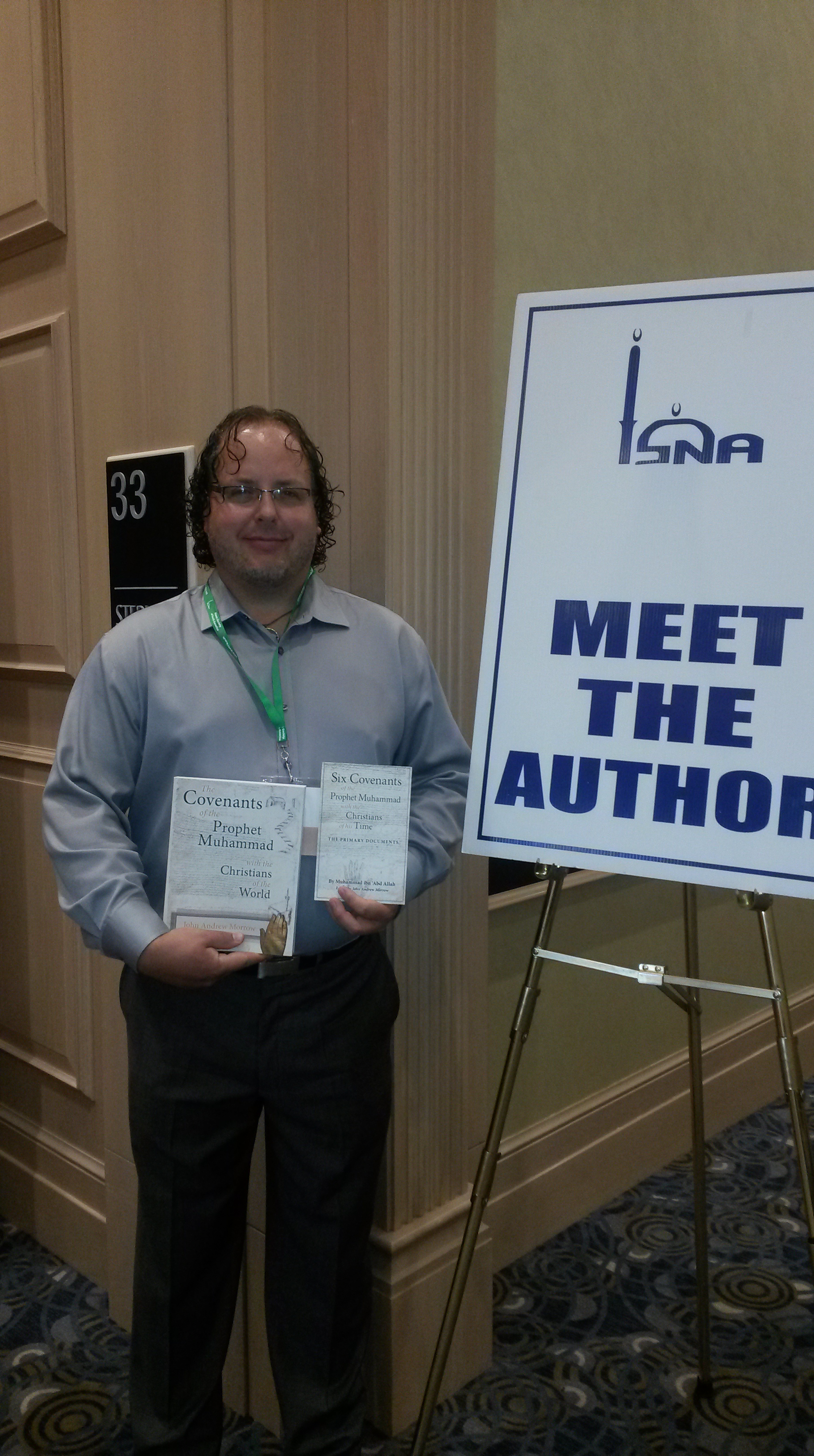
“6.2 The Jews of Banu ‘Awf are one community with the believers, the Jews have their religion and the Muslims have theirs, their freedmen and their persons except those who behave unjustly and sinfully, for they hurt but themselves and their families. The same applies to the Jews of the Banu al-Najjar, Banur al-Harith, Banu Sa’ida, Banu Jusham, Banu al-‘Aws, Banu THa’laba, and the Jafna, a clan of the Tha’laba and the Banu al-Shutayba. Loyalty is a protection against treachery.”

The second paragraph of the Covenant of the Prophet Muhammad with the Assyrian Christians states: “To the followers of Islam I say: Carry out my command, protect and help the Nazarenes nation in this country of ours in their own land.”

The significance of these words is that the Prophet Muhammad (PBUH) recognized the Nazarenes (Christians) as a people and a nation existing with the confines of the Islamic Ummah. As the author comments: “Rather than try to homogenize the Islamic world, making it all Arabic-speaking Muslims, the Prophet recognized that there were nations and peoples within the Muslim ummah. Such a concept never materialized in the West until the end of the twentieth century when countries like Canada finally recognized that Quebec was a nation within the country of Canada….Whether they were Jews or Christians, and later Hindus and Buddhists, these communities represented a kind of United Nations under Islamic rule.”

The author asks (p.185) “If Muslims are prohibited from belittling the People of the Book and destroying their property, what are we to make then, of so-called Islamists who insult and abuse them and destroy, not only their material belongings, but their lives as well?”

His answer is no revelation. Many thinkers have come to the very same conclusion about such people: “They are in most instances, conscious or unconscious agents of the enemies, not only of Islam, but of religion as a whole. If the imperialists used Islamic extremists for their own ends during the colonialist period, spreading Salafism and concocting Arab nationalism in order to undermine the Ottoman Empire, it would be nave to believe that neo-imperialists of the 20th and 21st century are not doing the same. While most of their rank and file are unaware of the reality, many if not most of the world’s militant Muslim movements were created and remain under the control of US, British, French and Israeli secret services.”

=======

Book Review: Morrow. John Andrew. The Covenants of the Prophet Muhammad with the Christians of the World
Angelico press/Sophia Perennis. USA. 2013

Iniciativa contra el Genocidio: “Cuando el Islam y la Cristiandad se Unen contra el Radicalismo”

Iniciativa contra el Genocidio: “Cuando el Islam y la Cristiandad se Unen contra el Radicalismo”

ABNA 6 de agosto de 2015

Por: Catherine Shakdam

Según la Agencia de Noticias de Ahlul Bait (P) (ABNA) – Un mal en el mundo –los efluvios perniciosos del DAESH– ha oscurecido los cielos de Arabia y amenaza con fagocitarse regiones y continentes en su abrazo ateo y mortal. Frente al DAESH, ninguna comunidad puede solicitar refugio, ninguna fe queda a salvo y ningún hombre, mujer o niño tiene esperanza de sobrevivir.

En estos momentos, se debate sobre el terror en las plazas públicas y su metodología es estudiada y diseccionada: los expertos y líderes mundiales se embarullan buscando una explicación de lo absurdo con el objeto de encontrar una forma de combatir un movimiento arraigado en el odio y la sangre, en tanto los hombres salen de la sombra para reivindicar a Dios y a la Religión.

Eso ha comenzado con un hombre y un mensaje universal de paz.

En octubre de 2013, el Dr. John Andrew Morrow publicó un libro, “Los Pactos del Profeta Muhammad con los Cristianos del Mundo” Tiene el carácter de documento y exhibe el testimonio de compromiso del Islam con la solidaridad interreligiosa. Seguramente por eso encontró un profundo eco entre musulmanes y cristianos.

La obra es un puente entre las comunidades y un recordatorio de los sagrados juramentos manifestados hace mucho tiempo [LINK =https://covenantsoftheprophet.wordpress.com/] la iniciativa de pactos [/LINK], que nació bajo el impulso de hombres como el Dr. Morrow y Charles Upton. Se trata de una luz brillante frente a la oscuridad del radicalismo, de un escudo contra el mal de la guerra.

Mientras crece el movimiento alrededor de “Iniciativa fundamentada en los Pactos”, empieza a tomar cuerpo un proyecto que, aparentemente, uniría a todos los creyentes frente a los takfiristas.

Hoy día, bajo el impulso de “Iniciativa fundamentada en los Pactos” y gracias a la valentía de numerosos musulmanes y cristianos, está naciendo un movimiento que combatirá lo nocivo con lo más adecuado, que responderá a la violencia con la solidaridad y una determinación inquebrantable.

Hoy los musulmanes y los cristianos han dicho que están dispuestos a batir al DAESH donde se encuentre y a denunciar sus actos por lo que son: genocidio religioso.

El 29 de julio, el obispo Francis Kalabat de Iglesias Unidas del rito Oriental [LINK = https://en.wikipedia.org/wiki/Eastern_Catholic_Churches%5D sugirió que la “Iniciativa contra el Genocidio” sea lanzada con la ayuda “Iniciativa fundamentada en los Pactos”: musulmanes y cristianos unidos contra quienes han declarado la guerra a Dios al profanar o enlodar Su Mensaje.

Dice el obispo Kalabat en una carta dirigida al Dr. Morrow y a Charles Cupton: “Creo que la comunidad musulmana tiene un gran papel que desempeñar en esta iniciativa, pero no soy un gran creyente en las manifestaciones. El Papa ha suplicado mucho para detener las atrocidades cometidas por DAESH y yo sé que la Conferencia Episcopal [LINK =http://www.usccb.org/] continúa desempeñando un papel vital.

Tengo una iniciativa que puede aplicarse mejor a un trabajo en común: proclamar no sólo por los medios de comunicación, no sólo por medio de algunos de nuestros políticos, sino a través del Congreso y de las Naciones Unidas que los actos de DAESH son genocidio. Algunas entidades han denunciado sus actos como crímenes de “lesa humanidad” pero nunca los denunciaron por lo que verdaderamente son: genocidio. Este debe ser un esfuerzo coordinado que se realizaría a nivel local con nuestros candidatos electos, cumpliendo un papel en ello los líderes religiosos. Se puede lograr concientizar más sobre los cristianos perseguidos y tal vez se obtenga una mayor respuesta de los líderes mundiales.

Vamos a comenzar la “Iniciativa contra el Genocidio” y pedir que Dios nos bendiga en la empresa.

Donde el DAESH intentó destruir las comunidades religiosas usando (las diferencias) entre etnias y religiones como arma, debería encontrar unidos y resistiendo a los musulmanes shiitas, yazidíes, sufíes, alawitas y sunitas ortodoxos, a los cristianos y a todos aquellos que se comprometieron frente a Dios al efecto.

Mientras que el DAESH solo ofrece inquietud, la “Iniciativa” ofrecerá seguridad. Mientras el DAESH ofrece dogmatismo, la “Iniciativa” ofrecerá compasión. No debe aceptarse más que el ISIS se reivindique islámico, que hable de Islam.

Todos sabrán como bajo el DAESH los musulmanes e innumerables cristianos han sido asesinados y maltratados, sus hijos e hijas esclavizados y humillados, sus libros profanados sus santuarios rotos, su fe burlada y sus profetas insultados.

Es hora de que el mundo a escuche el lamento de los oprimidos y el nombre de los que los oprimen: el DAESH.

El DAESH carece de religion.

The Genocide Initiative – When Islam and Christianity come together against radicalism

Wed. July 29, 2015

By Catherine Shakdam for Shafaqna

SHAFAQNA EXCLUSIVE -Terror has a face and it moves under the ominous black flag of ISIS. Under each of its denomination, whatever the language and whichever the angle, terror today, has found a powerful vessel in the ideology carried by Wahhabism – the fountainhead of radicalism and religious extremism.

An evil onto the world, ISIS miasms have darkened the skies of Arabia, threatening to engulf regions and continents in their deadly and godless embrace. Before ISIS, no communities can claim shelter, no faith stands immune and no man, woman or child can hope to survive.

At such a time when terror is being debated in the public squares, its ideology dissected and its methodology studied; as experts and world leaders have scrambled to make sense of the nonsensical and thus find means to combat a movement rooted in hatred and blood, men of faith have stepped out of the shadow to reclaim God and reclaim Religion.

It all started with one man and a universal message of peace.

In October 2013, Dr John Andrew Morrow published a book, “The Covenants of the Prophet Muhammad and the Christians of the World.” Meant as both a testament and a witness to Islam’s commitment to interfaith solidarity, Dr Morrow’s book found a deep echo among Muslims and Christians.

A bridge in between communities and a reminder of sacred oaths spoken long ago, The Covenants Initiative was born under the impetus of men such as Dr Morrow and Charles Upton, a light shone forth against the darkness of radicalism, a shield against the evil of war.

As words quickly spread and as more gathered around the Covenants Initiative, a plan began to form – one which would see men of all faiths come come together against takfirism.

Today, under the impetus of the Covenants Initiative and thanks to the courage of countless Muslims and Christians, a movement is being born – one which will fight evil with what is better, one which will answer violence with solidarity and unshakable resolve.

Today Muslims and Christians have said to be ready to break ISIS where it stands and denounce its deeds for what they are: religious genocide.

On July 29, Bishop Francis Kalabat of the Eastern Rite uniate churches suggested the “Genocide Initiative” be launched with the help of the Covenants Initiative – Muslims and Christians united against those who have declared war on God himself by defiling His Message.

Bishop Kalabat writes in a letter addressed to Dr Morrow and Charles Cupton, “I believe that the Muslim community has a great role to play in this initiative but I am not a great believer in demonstrations.  The Pope himself has made many pleads to stop the atrocities committed by ISIS/ISIL/IS and I know that the USCCB continues to play a vital role.

I do have an initiative that can bring greater focus on a common act that we can all work towards, and that is getting to proclaim the acts of ISIS/ISIL/IS to be genocide, not just in the media, not just in the wordings of some of our politicians, but by the US Congress and by the United Nations.  But entities have proclaimed their acts as “crimes against humanity” but never proclaimed them for what they truly are; genocide.  This must be a coordinated effort that can be done on a local level with our elected leaders and the religious leaders playing a role.  Greater awareness can then be brought to these persecuted Christians and maybe a greater response from the world leaders.

Let’s begin the Genocide Initiative and ask God’s blessings in doing so.”

Where ISIS sought to destroy religious communities, wielding ethnicities and faiths as one would do weapons, Shia Muslims, Yazidis, Sufis, Alawis, traditional Sunnis, Christians and all those who pledged themselves to God will rise, resist and unite.

When ISIS offers no hope, the Initiative will offer safety, when ISIS professes dogmatism, the Initiative will offer compassion – but no more will ISIS claim itself of Islam, no longer will the world believe its armies speak for the people of Islam.

For all will know how under ISIS’ blades Muslims, like countless Christians, have been murdered and brutalized, their sons and daughters enslaved and humiliated, their books defiled and their shrines broken, their faith mocked and their prophets insulted.

And so it is time for the world to hear the cries of the oppressed and name the fear which shackle them – ISIS.

ISIS knows no religion and speaks no faith.

http://en.shafaqna.com/topnews/item/48544-the-genocide-initiative-when-islam-and-christianity-come-together-against-radicalism.html

DR. JOHN ANDREW MORROW DEFENDS THE DIGNITY OF THE PROPHET, ISLAM, AND MUSLIMS ON THE CATS ROUNDTABLE HOSTED BY JOHN CATSIMATIDIS

DR JOHN ANDREW MORROW DEFENDS THE DIGNITY OF THE PROPHET, ISLAM, AND MUSLIMS, WHILE TEARING UP THE TAKFIRIS ON THE CATS ROUNDTABLE HOSTED BY JOHN CATSIMATIDIS

THE 10 MINUTE INTERVIEW WILL BE BROADCAST ON SUNDAY, AUGUST 2ND, ON AM 970 THE ANSWER.

Airs Sundays EST, taping during week prior

8:30AM New York guests
9:00-10am National guests

John Catsimatidis radio, “Cats’ Roundtable”
970AM WNYM radio dial New York

Stream: http://am970theanswer.com

Past programs link: https://soundcloud.com/catsroundtable

Podcasts can be heard at http://am970theanswer.com/pages/podcast

– See more at: http://am970theanswer.com/Shows/L3521#sthash.elj104Ih.dpuf

BISHOP FRANCIS WRITES TO THE COVENANTS OF THE PROPHET FOUNDATION REGARDING THE COVENANTS INITIATIVE; CALLS FOR A GENOCIDE INITIATIVE

My dear brothers, 

I first of all would like to thank all efforts that are being done to eradicate injustice, and wish to utter the words “blessed are the peace makers”.  I believe that the Muslim community has a great role to play in this initiative but I am not a great believer in demonstrations.  The Pope himself has made many pleads to stop the atrocities committed by ISIS/ISIL/IS and I know that the USCCB continues to play a vital role. 

I do have an initiative that can bring greater focus on a common act that we can all work towards, and that is getting to proclaim the acts of ISIS/ISIL/IS to be genocide, not just in the media, not just in the wordings of some of our politicians, but by the US Congress and by the United Nations.  But entities have proclaimed their acts as “crimes against humanity” but never proclaimed them for what they truly are; genocide.  This must be a coordinated effort that can be done on a local level with our elected leaders and the religious leaders playing a role.  Greater awareness can then be brought to these persecuted Christians and maybe a greater response from the world leaders. 

Let’s begin the Genocide Initiative and ask God’s blessings in doing so. 

+Francis

New Book Reveals Muhammad Ordered Muslims to Defend Christians

New Book Reveals: Muhammad Ordered Muslims to Defend Christians

Live World News
Posted July 5, 2015 by admin in Society

This book—The Covenants of the Prophet Muhammad with the Christians of the World by Dr. John Andrew Morrow [Angelico Press/Sophia Perennis, 2013]—could change the course of Christian/Muslim relations. As a result of researching sources from obscure monasteries, ancient archives, and private collections, the author uncovered the Prophet’s treaties with Christians; they uniformly state that Muslims are not to attack peaceful Christian communities, but defend them “until the End of the World.”

Now that Christians are being persecuted in Syria and elsewhere by extremists who present themselves as Muslims while receiving aid from the U.S. (New York Times, September 10, 2013, http://www.nytimes.com/2013/09/11/world/middleeast/assault-on-christian-town-complicates-crisis-in-syria.html), this book could not be more timely. According to the author, if the documents brought to light in this book were known to the American people, and to Muslims around the world, the “clash of civilizations”—really a clash of barbarisms—might give way to a recognition that the religions face a common enemy dedicated to destroying them both. Already respected scholars and authorities from all over the Muslim world have taken notice of this ground-breaking work. (View endorsements at http://www.youtube.com/watch?v=-zxE_U1PjA8)

Ever since the 9/11 attacks and the Boston Marathon bombing, informed and conscientious Muslims have been shouting out: “we are not all terrorists!”, and searching for a way to effectively counter the extremists in the name of the traditional shari’ah. (See overview: http://www.patheos.com/Books/Book-Club/John-Andrew-Morrow-Covenants-Prophet-Muhammad.html) This book confirms the rulings of the true shari’ah—not its extremist perversion—on the treatment of non-Muslims based on newly-rediscovered documents that record Muhammad’s actual words; it also contains The Covenants Initiative where Muslims can sign a declaration accepting these treaties of Muhammad as legally binding on them today. (To view the Covenants Initiative, and the covenants themselves, click on http://www.covenantsoftheprophet.com) This Initiative, which has already been signed by people from all walks of life, gives Muslims a way to stand in solidarity with peaceful Christians now under attack by corrupt and misguided terrorists who claim to act in the name of Islam in the Mid-East, Africa and other parts of the world.

The Covenants of the Prophet Muhammad with the Christians of the World contains much difficult-to-obtain material: facsimiles of primary sources in Arabic and Persian; corrected versions in modern Arabic typescript; and alternate translations. Scholars now have all they need to study the covenants of the Prophet in depth. This book will almost certainly open a new field of action in Islamic studies, the antiwar movement, and interfaith relations.

“This narrative has the power to unite Muslim and Christian communities. A work of scholarship, its release is timely, and its content critical in fostering mutual respect and religious freedom.”—IMAM FEISAL ABDUL RAUF, Chairman, Cordoba Initiative

“In his indispensable contribution to the study of the Abrahamic faiths, John Andrew Morrow tells the story of how the Prophet Muhammad used his desert experiences of hospitality and protection to bring Muslims and Christians together.”—JOSEPH HOBBS, University of Missouri

“These letters from the Prophet Muhammad to Christian communities can serve to inspire both Muslims and Christians about our ability to live together as God’s people, as friends, as neighbors, and as custodians of the same small planet.”—OMID SAFI, University of North Carolina

“Covenants is a genuine call for reconsidering the relationship among the three revealed Abrahamic faiths of Christianity, Judaism and Islam.”—AMAR SELLAM, Mohamed I University

“This book documents what is possibly the third foundational source of Islam: the Prophet’s treaties and covenants among people of the Abrahamic faiths.”—BRIDGET BLOMFIELD, University of Nebraska

“One of the most important projects related to Muslim-Christian relations in recent decades.”

—ZACHARY MARKWITH, Graduate Theological Union

JOHN ANDREW MORROW has served as a faculty member and administrator at numerous colleges and universities; his books include Arabic, Islam, and the Allah Lexicon: How Language Shapes our Conception of God (Edwin Mellen, 2006), Religion and Revolution: Spiritual and Political Islam in Ernesto Cardenal (Cambridge Scholars Publishing, 2012), and Islamic Images and Ideas: Essays on Sacred Symbolism (McFarland, 2013).

The imprint ANGELICO PRESS/SOPHIA PERENNIS combines the resources of Angelico Press, committed to conserving the essentials of Catholic Tradition while also promoting mutual understanding among peoples of the Abrahamic faiths, with those of Sophia Perennis, which for nearly two decades has been in the forefront of publishing works illustrating the common bases of all the world’s religions.

Contact the publisher at 706 Pasadena Drive/ Lexington, KY 40503-2121 // (859) 278-3444(859) 278-3444

“Los pactos del Profeta Muhammad con los cristianos del mundo” de John Andrew Morrow

Revista Cultural Biblioteca Islamica, Revista 60
3 de julio de 2015
El destacado académico, islamólogo e hispanista John Andrew Morrow, presentó su libro “Los pactos del profeta Muhammad con los cristianos del mundo”, en el cual hace un exhaustivo análisis sobre los pactos históricos del profeta del Islam con los cristianos del mundo, algunas de las más importantes organizaciones y personalidades del Mundo Islámico avalaron la utilidad de la investigación de Morrow, declarando a diferentes medios su apoyo a la obra. Por ejemplo El shaykh Habib ‘Ali Zayn al-Abidin al-Jifri que preside la Fundación Tabah declaró que el profeta se sentiría muy feliz con la publicación del libro, asimismo el sheikh Nahyan ibn Mubarak Nahyan, Ministro de la juventud, cultura y desarrollo comunitario de los Emiratos Árabes Unidos, se manifestó en favor del libro, declarando que: “Los pactos del Profeta Muhammad con los cristianos del mundo”: “su libro merece estar en cada escuela y biblioteca de Occidente”.
El autor también señaló que:
“Los pactos del Profeta Muhammad –la paz y las bendiciones sean con él– fueron renovados regularmente por los gobernantes musulmanes a lo largo de casi catorce siglos y ahora estamos llamando a los dirigentes musulmanes, tanto políticos como religiosos, a seguir los pasos de sus predecesores”.
Y luego comentó:
“la renovación de los pactos del Profeta y las protecciones que conceden, enviarán un fuerte mensaje a musulmanes y cristianos: distinguirán el Islam tradicional del Islam político radical, protegerán la imagen e integridad del Mensajero de Allah y ayudarán a mejorar las relaciones interreligiosas”.
En definitiva este es un libro que merece la pena leer, de él se pueden beneficiar tanto musulmanes como no musulmanes por igual, a continuación compartimos con los lectores un fragmento del texto:
Texto del Pacto del Profeta Muhammad con los Monjes del Monte Sinaí (I)
 [Por el Profeta Muhammad]
 [Traducción citada por Pococke (1809) “Capítulo XIV: La Patente de Mahomet, la cual él concedió a los monjes del Monte Sinaí; y a los cristianos en general”, pp. 389-391; citado por Davenport pp. 147-151]
 [Traducción del inglés al castellano por Héctor Manzolillo – 2014]
 Puesto que Dios es Grande y gobierna, de Él provienen todos los profetas y de ellos no existe ningún registro de injusticia contra Dios, Quien suministra los dones que se dan a los hombres, Muhammad hijo de ‘Abd Allah, el Mensajero de Allah y cuidadoso guardián de todo el mundo, ha escrito el presente instrumento para todos los que están en su pueblo, de su propia religión, como una promesa segura y positiva que se cumplirá con el Pueblo Cristiano y con las relaciones de los nazarenos sea noble o de a pie, honorable o de otra condición, que dice así:
I. Cualquiera de mi pueblo que se atreva a romper mi promesa y juramento, contenido en el presente acuerdo, destruye la promesa de Dios, actúa contrariamente a lo que juró y será alguien que se  opone a la fe, (Dios no lo permita), por lo que se convierte en digno de la maldición, sea el propio rey, un pobre o cualquier otro.
II. Cada vez que los monjes en sus viajes se instalen sobre cualquier montaña, colina, pueblo u otro lugar habitable, (se encuentren) en el mar, o en los desiertos o en cualquier convento, iglesia o casa de oración, yo estaré en medio de ellos, como protector y cuidador de ellos, de sus bienes y efectos, con mi alma, ayuda y amparo, junto con todo mi pueblo; porque ellos son parte del mismo y eso es un honor para mí.
III. Por otra parte, ordeno a todos los funcionarios no requerir de ellos ningún impuesto de capitación o cualquier otro tributo, porque no están forzados u obligados a nada de este tipo.
IV. Nadie se atreverá a cambiar sus jueces o gobernadores, quienes permanecerán en sus puestos, sin ser alejados.
V. Nadie debe molestarles cuando viajen por la ruta.
VI. Cualesquiera sean las iglesias que posean, nadie les privará de las mismas.
VII. Cualquiera que fuese a revocar alguno de estos mis decretos, que sepa positivamente que anula la orden de Dios.
VIII. Por otra parte, ninguno de sus jueces, gobernadores, monjes, servidores, discípulos o cualquier otro que dependa de ellos, pagará algún impuesto de capitación, o será molestado por eso, porque yo soy su protector, en cualquier lado que estén, ya sea en tierra o en mar, en el Este o en el Oeste, en el Norte o en el Sur; porque ellos y todo lo que les pertenece, están incluidos en esta mi patente y juramento garantido.
IX. Y a aquellos que viven tranquilos y solitarios en las montañas, no se les sacará impuesto alguno de capitación ni diezmos de sus ingresos. Tampoco ningún musulmán tomará parte de lo que ellos tienen porque trabajan solo para mantenerse.
X. Cada vez que el cultivo de la tierra sea abundante en su debido tiempo, los habitantes estarán obligados a dar del mismo cierta medida de cada bushel. (Nota del traductor al castellano. Bushel es tanto una medida de tierra como un determinado volumen de grano).
XI. En tiempo de guerra ninguno de ellos será sacado de su morada, a nadie se le obligará a ir a las guerras ni se le requerirá algún impuesto de capitación.
En estos once puntos se encuentra lo que se refiere a los monjes. Los siete que siguen se aplican a todos los cristianos.
XII. Los cristianos que son habitantes y con sus riquezas y el tráfico (comercial) son capaces de pagar el impuesto de capitación, pagarán no más de doce dracmas.
XIII. Con excepción de eso (es decir, de lo mencionado en el punto anterior), no se les exigirá nada, según la orden expresa de Dios, que dice: “no molesten a los que veneran los libros que Dios envió, sino más bien, denles de manera amable de sus cosas buenas, y platiquen con ellos y no permitan que nadie los moleste”.
XIV. Si una mujer cristiana fuese a casarse con un hombre musulmán, el musulmán no violará la inclinación (religiosa) de su esposa con el objeto de mantenerla (alejada) de su iglesia, rezos y la práctica de su religión.
XV. Ninguna persona impedirá que reparen sus iglesias.
XVI. Cualquiera que actúe contrariamente a lo que dispenso o dé crédito a lo que sea opuesto a ello, se convierte, en verdad, en un negador de Dios y de su apóstol divino, porque les concedí esta protección según esta promesa.
XVII. Nadie deberá portar armas contra ellos. Por el contrario, los musulmanes deben combatir por ellos.
XVIII. Y por medio de esto que ordeno, nadie de mi pueblo osará actuar o hacer algo en contra de esta mi promesa, hasta el fin del mundo.
Testigos,
Ali, el hijo de Abu Thaleb, Homar; el hijo de Hattavi; Ziphir, el hijo de Abuan; Saith, el hijo de Maat; Thavitt, el hijo de Nesis; Amphachin, el hijo de Hassan; Muathem, el hijo de Kasvi: Azur, el hijo de Jassin; Abombaker, el hijo de Ambi Kaphe; Ottoman, el hijo de Gafas; Ambtelack, el hijo de Messutt; Phazer, el hijo de Abbas; Talat, el hijo de Amptolack
Saat, el hijo de Abbatt; Kasmer, el hijo de Abid; Ambtullack, el hijo de Omar,
Este  presente (texto) fue escrito por el líder, el sucesor, ‘Ali hijo de Abu Talib; el Profeta lo selló con la mano en la Mezquita del Profeta (para quien sea la paz) en el segundo año de la Hégira, el tercer día del mes de Muharram.
Shafaqna/RevistaBiblioteca Islámica/www.covenantsoftheprophet.com

– See more at: http://www.redislam.net/2015/06/los-pactos-del-profeta-muhammad-con-los.html#sthash.0nfeehHq.dpuf

http://www.redislam.net/2015/06/los-pactos-del-profeta-muhammad-con-los.html

BOOK REVIEW: Prophet’s covenant with the Christians of the world

BOOK REVIEW: Prophet’s covenant with the Christians of the world

19th Jun 2015

The Covenants of the Prophet Muhammad with the Christians of the World. By John Andrew Morrow. Tacoma. WA: Angelico Press. Pp 442. 2013. PB. £13.95

Dr John Andrew Morrow is currently a Professor of Foreign Languages at Ivy Tech Community College, Indiana, US. A Canadian by birth, Muslim by faith and an academic by profession, he specialises in Islamic studies, Spanish language and history, and world literature. He is an author and editor of several titles including Arabic, Islam, and the Allah Lexicon: How Language Shapes our Conception of God (2006) and Encyclopaedia of Islamic Herbal Medicine (2011).

The book under review is a timely and impressive contribution not only from a scholarly point of view but also for its relevance today. Indeed, this book goes a lot further by providing the textual basis for the ‘Case for Islamo-Christian Civilization’ as the academic and historian Richard Bulliet had argued back in 2004.

Consisting of a short introduction, three parts divided into seventeen chapters and endmatters (two appendices, bibliography and index), in this book, the author has collected, translated and contextualised Prophet Muhammad’s (peace be on him) covenants with many Christian communities of the time including the Monks of Mount Sinai, Christians of Persia, Christians of Najran, Armenian Christians of Jerusalem, Christians of Assyria, and the Christians of the World. The purpose of these agreements was to remove suspicion and strengthen trust and mutual understanding and co-existence between Christians and Muslims. These Prophetic covenants were clearly inspired by the following Divine command: “…and you are sure to find that the closest in affection towards the believers [Muslims] are those who say, ‘We are Christians’…”. (Qur’an, Chapter 5, Verse 82)

According to the author, the ‘covenants concluded by Prophet Muhammad (570-632 CE) with the Christians…are some of the most important, yet notably neglected, literary monuments in the history of Islam. Considering that the continued conflict between Christians and Muslims across the world has been artificially ignited by the forces of imperialism, especially in Africa, the Middle East, and Asia, the content of these priceless historical documents can shed light on the early history of Islam…these covenants can serve as a source of inspiration for the establishment of insuperable harmony between the three Abrahamic religions: Judaism, Christianity and Islam.’ (p1)

Part one of the book consists of seven chapters, each dealing with a separate covenant of the Prophet except the first chapter where the author seeks to contextualise his discussion and analysis by exploring the Prophet’s encounter and subsequent relations with the People of the Book (Ahl al-Kitab). A critical yet impartial assessment of his interaction with the People of the Book shows that ‘…Prophet Muhammad was a man of peace…now, it may seem paradoxical and disingenuous to present the Prophet as a person of peace knowing full well that he declared battle and waged war. Yet, in reality, there is no contradiction at all. Rather, there is complete and total coherence. It is not the same to operate on the basis of social interest as it is to act on the basis of individual interests. The interest of the group takes precedence over the interest of the individual.’ (p43)

In other words, the author argues that if an individual wishes to turn the other cheek, that is his own choice but when the safety and security of the whole nation is at stake, the collective or common good of everyone must be the main consideration. Seeking peace and loving peace, and promoting cordial relations between all people is most desirable and noble, but surely this cannot be achieved by accepting and tolerating blatant injustice and oppression at home and abroad. To his credit, the Prophet wrestled with such issues and in so doing he became the standard-bearer of social justice and harmony in the world. This clearly did not please everyone and those with vested interests, both then and now, have continued to vent their hate and anger at the venerable Prophet. This perhaps explains why he is one of the most vilified religious personalities today especially in the West.

After contextualising his discussion, the author then analyses the Prophet’s covenants with the Christian communities by introducing each document, critically assessing their authenticity, followed by commentary on the text of the documents before summarising his research and findings. Although the issue of authenticity of the documents are important and there is much scope to discuss and debate this further, the author is equally right to point out that the contents and spirit of all the covenants are fully in accord with the historic Constitution of Madinah (Sahifa al-Madinah) issued by the Prophet which clearly stipulated the rights and obligations of all the people of that City-State, including that of the People of the Book, and the historicity of that document has been established.

Part two of the book consists of the texts and their translation for the benefit of the English-speaking world. The reproduction and translation of the Prophet’s covenants with Christians is significant because they not only remind but also command Muslims to protect and defend peaceful, law-abiding Christians, and not to attack them.

The author deserves to be commended for publishing all the documents into one volume, and in so doing making them accessible to other researchers and writers.
In part three of the book the author critically analyses the ‘challenges’ presented by the covenants including examining their sources, authorities, transmission, context, followed by conclusions and even suggestions for future scholarship on this topic.

Appendix 1 lists the names of witnesses to the covenants and Appendix 2 contains a diagram of possible modes of transmission of the covenants, followed by a list of beautiful illustrations – only if they were in colour – and an extensive bibliography for those interested in pursuing further research in this area. This book is an important and much-needed contribution and the author’s commitment and dedication to his task is highly commendable.

Muhammad Khan, author of The Muslim 100 (2008) and The Muslim Heritage of Bengal (2013)

Author of Muhammad’s Covenants Talks To OnIslam

By Catherine Shakdam

OnIslam Correspondent

May 30, 2015

LONDON – Amid increasing anti-Islam sentiments in the West, Dr. John Andrew Morrow, a Western academic and senior scholar of Islam, released his new book, The Covenants of the Prophet Muhammad with the Christians of the World, to spread hope of creating better understanding and relations between Christians and Muslims worldwide.

The book examines several of the covenants between the Prophet Muhammad and groups of Christians that he is said to have encountered in his lifetime. These groups include the Christians in Sinai and the Christians of Persia. Morrow also includes the Prophet Muhammad’s document with the People of the Book, in the Constitution of Medina.

Dr. Morrow is a Canadian scholar who reverted to Islam over thirty years ago and adopted the name Ilyas ‘Abd al-‘Alim Islam.

OnIslam.net is honored to run this interview with Dr. Morrow on his works and contributions to the interfaith work worldwide.

ONISLAM – You recently wrote The Covenants of the Prophet Muhammad with the Christians of the World. Your book was actually hailed by many Islamic scholars and clerics. Imam Feisal Abdul Rauf, Chairman of the Cordoba Initiative for example said, “This narrative has the power to unite Muslim and Christian communities. A work of scholarship, its release is timely, and its content critical in fostering mutual respect and religious freedom.” Can you please tell OnIslam readers of your book, and the motivations behind it?

Dr John Morrow – The Covenants of the Prophet Muhammad with the Christians of the World chronicles the life of the Messenger of Allah while paying particular attention to his ties, connections, and relations with members of other faiths, with a special emphasis on the followers of Christ. The book provides, for the first time and in a single source, six covenants of the Prophet Muhammad with Christian communities of his time. Some of these, such as the treaty of Najran and the charter with the monks of Mount Sinai, are familiar to many informed Muslims. Others, such as the covenants made with the Christians of Assyria, Persia, and the World, will be novel to most of them and welcomed by many of them. As for the motivation behind this work, and all of my work, it is both scholarly and spiritual. I am not fond of intellectual activity that is detached from human reality. Scholars should serve the best interests of society.

ONISLAM – Your book actually touches upon a universal and very contemporary issue: sectarian hatred. The Covenants is very much a reaffirmation that Islam is a faith of tolerance, compassion and solidarity. What would like to see happen now in terms of inter-faith and intra-faith dialogue?

Dr JOHN MORROW – God is one and humanity is one. We are humans first and foremost. Our primary concern should be our survival as a species. As Almighty Allah says in the Holy Qur’an: “O humankind! Lo! We have created you male and female, and have made you nations and tribes that ye may know one another. Lo! The noblest of you, in the sight of Allah, is the best in conduct. Lo! Allah is Knower, Aware” (49:13). The verb in question, yataʿarafu, does not merely mean “to know” or “to get acquainted.” It means, among other things, to acquire knowledge of one another to such an extent that there is mutual understanding and friendship. It equally expresses that neither party would boast to one another or believe that one is superior to the other since nobility is based on piety and goodness. The purpose of li-ta‘arafu is to break down religious, cultural, racial, ethnic, linguistic, national, and economic barriers to understanding so as to foster peace, good-will, understanding, acceptance, and co-existence. Good transcends everything. What I would like to see happen now is a move from inter-faith and intra-faith dialogue to inter-faith and intra-faith action. When I see Muslims making human chains around churches and synagogues in order to protect them from violent hate-mongers, I see the Covenants of the Prophet being put into practice. When I see Christians and Jews doing the same for Muslims, surrounding mosques to protect them from attack and arson, I see the outcome desired by the Messenger of Allah: unity and solidarity among monotheistic believers. Muslims are meant to be peace-makers and not peace-breakers. They are to stand for justice in the face of injustice. They are to stand with right in the face of wrong.

ONISLAM – You recently went on a bit of a tour of the Middle East. You were interviewed by Sky News Arabia, al-Arabiya News, and featured in The National. Al Khaleej Times also published a report on The Covenants Initiative. How were your efforts received in the Middle East? 

Dr JOHN MORROW – The Covenants of the Prophet were well-received in the Middle East. Muslim and non-Muslim diplomats, along with Muslim intellectuals and religious scholars were all receptive to the content of the Muhammadan covenants. The principles espoused by the Covenants of the Prophet are not subject to dispute. The few concerns that were raised revolved around scholarly matters. Diplomats described the Covenants as fantastic documents with great potential that were worthy of implementation. Academics, jurists, scholars of traditions, and theologians described them as valuable tools that present the true vision of Islam. They were all open to engaging these texts in a scholarly fashion and were invited to contribute their findings in a forthcoming book titled Critical Studies on the Covenants of the Prophet, which is under contract with Angelico Press and Sophia Perennis.

The public lecture, which was held on March 10th, packed quite a punch as it portrayed Islam, not as the problem, but as the solution to the Muslim crisis. If the enemies of Islam are using pseudo-Islam to undermine true Islam, the solution is not secularism or any foreign models. We fight fake Islam with true Islam. We honor the name of God and defend the dignity of His Messenger, Muhammad ibn ‘Abd Allah, peace and blessings be upon him. This was clearly comprehended by Mufti Ahmad al-Kubaisy and Shaykh Habib ‘Ali al-Jifri who concluded the event with two powerful addresses. Eyes were opened, minds were enlightened, and souls were inspired. The Covenants of the Prophet can truly touch hearts. They can help mend the divisions between Sunnis, Shi‘ites, and Sufis. They can help mend the divisions between Muslims, Christians and Jews. And they can even help all humanity unite under universal rights and freedoms granted, not by Man, but by God Almighty.

ONISLAM – Going back to your research and your book, can you share with us some of your findings? Any specific anecdote or meeting that stuck with you? 

Dr JOHN MORROW – The thing that marked me the most in all of my research was the mercy that radiated from the Covenants of the Prophet. We talk a lot about “tolerance,” namely, “tolerating” people; in other words, “putting up with them.” This is literally what it means. Etymologically, it referred to tolerating pain. Even in the modern sense, the word means to allow the existence of something, without necessarily liking it, without interference. It means to endure or accept something unpleasant or disliked. The Prophet did not speak of tolerance in this sense; he spoke of respect and he spoke of love. He described his Christian subjects in the same fashion he described his Muslim subjects: “They are my flock.” He did not simply endure Christians. He said that “They are a part of my Ummah and an honor to me.” He did not ask Muslim men who were married to Christian women to merely put up with their Christianity. He stated that if they loved their Christians wives they would also love their Christian faith. Some Muslims become livid when they hear these words. The Covenants of the Prophet take tolerance to an entire new level. However, as the Messenger of Allah expressed himself, loving and respecting Christians and Christianity does not mean endorsing all of their beliefs in practice. It was meant to cultivate understanding. It was meant to foster good social relations. It was meant to encourage brotherhood and sisterhood. It was meant to keep Christians loyal to their alliance with Muslims.

Although some of these Covenants date to the final years of the Prophet’s life, they are all confirmed by, and in conformity with, the foundational document of the Ummah, the Constitution of Medina, which was made with Muslims, Jews, and some of their polytheistic allies, and which states unequivocally that “They are one Ummah,” namely, that they are one people, one nation, and equal citizens under the Islamic State, something that stands in stark contrast with the Pseudo-Islamic State. As the Prophet warned, “Whoever is unjust to a non-Muslim subject, I will be his enemy on the Day of Judgment” (Bukhari). Since any enemy of the Prophet is also an enemy of God, the wrath of Almighty Allah is upon those who have persecuted, tortured, and massacred, not only non-Muslims, but Muslims as well. They will be punished in this life and the life-hereafter. They cannot escape the divine decree. Consequently, we call them to repentance and atonement and warn them of the consequences of continuing on the path to eternal perdition.

ONISLAM – As a scholar and a teacher, what do you make of radical jihadism? Many experts have argued that terror radicals have put themselves outside Islam by preaching hatred and violence. Where do you stand on the matter? 

Dr JOHN MORROW – Islam is a religion of moderation. Muslims should be neither extremely lax nor extremely strict in their observances. As we read in the Holy Qur’an, “Allah burdens not a person beyond his scope” (2:286); “[Allah] has not laid upon you in religion any hardship” (22: 78); and “Allah does not want to place you in difficulty” (5: 6). As Almighty Allah warns in the Holy Qur’an, “Do not exaggerate in your religion” (4:171), a verse that can also be translated as “Do not be fanatical in your faith.” The Qur’an also warms believers to “Beware of extremism in your religion” (5:77). In short, Muslims are supposed to be “a justly balanced nation” (2:143).

Although some scholars may argue that the reproach against extremism contained in the Qur’an applies to the People of Book, the Prophet explained that it was equally applicable to Muslims. In fact, he warned his followers to “Beware of extremism in your religion for it is that which destroyed the nations which came before you” (Nasai and Ibn Majah). In another tradition, he stated that “The religious extremists [mutanatti‘un] are destroyed” (Muslim and Abu Dawud). The Messenger of Allah also warned: “There are two groups of people from my Ummah who will not receive my intercession: oppressive rulers, and religious extremists” (Tabarani).

As the embodiment of the Qur’an, the Prophet Muhammad was a moderate man. When faced with two equally acceptable alternatives, he always opted for the one which was more straightforward. As the Messenger of Allah explained, “The religion is indeed easy, and no one contends with the religion except that it will overwhelm him” (Bukhari). He also warned, “Do not cause the worship of your Lord to become hateful to you” (Bayhaqi).

The Prophet also taught that moderation is the order of the day in all aspects of religious practice. After teaching a Bedouin how to perform the ritual ablution, the Prophet warned him, “This is the ablution. He who does more than this has done wrong, transgressed the limit, and oppressed himself” (Tirmidhi, Nasa’i, Ibn Majah, Abu Dawud). Furthermore, the Prophet clearly condemned the deviant interpretations of Islam made by religious extremists. As he explained, “Religious knowledge is protected from every deviated direction: the distortion of the extremists flees from it, as does the false assumptions of the infidels, and the misinterpretation of the ignorant” (Bayhaqi). The Prophet also warned against unjustly accusing Muslims of infidelity. “If a Muslim calls another Muslim a kafir…then he himself is a kafir” (Abu Dawud). And yet again, “No man accuses another man of being…a kafir but it reflects back on him” (Bukhari). As traditional scholars of Islam have always insisted, people cannot be accused of being infidels unless the openly profess their infidelity. In Islam, ignorance is an excuse. In Islam, only Allah knows what is hidden in human hearts and concealed in human souls. God and God alone judges faith.

The Qur’an is clear. The Sunnah is clear. The shari‘ah is clear. And the Covenants are clear. Islam is moderate and justly-balanced. It is the pivot, the axis, and the center. It is neither right nor is it left. It is neither black nor white but green: the middle color of the spectrum. It represents the middle-ground. Consequently, the problem is not with Islam, which condemns extremism and fanaticism: the problem lies in deviant and distorted interpretations.As Shaykh Habib ‘Ali al-Jifri told me in March of 2015, “We must make a clear distinction between Muslims and Islamists.” I cannot agree with him more. Islamists, Jihadists, and Takfirists have broken with the Ummah. They claim that the Ummah consists of apostates, heretics, and polytheists. They, a microscopic 0.001% of the population of the Muslim world, insist that they are the only saved sect while 99.9% of mainstream Muslims are infidels. There is no need for any of us to excommunicate these extremists as they themselves have expelled themselves from the Ummah of Islam through their beliefs, words, and atrocious actions. In supreme irony, they spend most of their time excommunicating and killing one another. The Prophet warned us of these people in his lifetime and foretold that they would rise again in the future during the trials and tribulations. Let us distinguish darkness from light.

ONISLAM – Do you believe Muslims share in the burden of guilt when it comes to radicalization? Western powers have often hinted that Muslims do to some extent – collective guilt. 

Dr JOHN MORROW – It is unacceptable to accuse an entire population. We are not responsible for actions that we did not commit. We are not accountable for beliefs we do not hold. To blame 1.5 billion Muslims for the actions of some 100,000 terrorists is like blaming all Americans for the crimes committed by their special-forces and secret services during all of their dirty wars; it is like blaming all Brazilians for the destruction of the rain-forest; it is like blaming all Africans for Ebola or AIDS; it is like blaming all blacks for crime or all whites for racism, segregation, and apartheid; it is like blaming all Americans for all the gun crimes committed in their country; it is like blaming all men for sexism; and all Jews for the war crimes committed by the Israeli army. Takfiri terrorists do not speak for Islam. Takfiri terrorists do not represent Islam. They are to Islam what the Ku Klux Klan is to Christianity. They are to Islam what the Nazis are to Germany and what the Fascists are to Italy and Spain. They are to Islam what Stalin, Mao, and Pol Pot are to Communism.

Takfiri terrorists are a diseased parasitic organism that has attached itself to the body of Islam and that must be removed with a saline solution. They are like an infected sore that needs to be disinfected. They are like a gangrenous toe that needs to be amputated. The traditional scholars of Islam, who represent the status quo, cannot be attributed culpability, neither can the majority of mainstream Muslims who simply wish to live and let live. There are those, however, who very much deserve to be blamed and merit the malediction of God and all of humankind. They are those who spread a radical, fanatical, intolerant, hateful, and viciously violent ideology that they falsely packaged and marketed as Islam, thus duping and deceiving both cultural Muslims and converts while soiling the image of our faith in the eyes of non-Muslims. And they are those who used these terrorists to advance their geo-political plans and globalist hegemonic designs. Ironically, the very people who seek to stigmatize all Muslims, notorious Western imperialists and nefarious neo-cons, have been, and remain to this day, the greatest covert, and often overt, supporters of the “radical Islamists” that they are so fond of denouncing. This is not to say that Muslims are free from any blame. They are responsible for allowing this ideological infection to spread unfettered in Muslim mosques in East and West. While most responsible Muslim leaders have denounced pseudo-Islamic terrorists, some have remained silent, and therefore complicit. There are others, as well, who may have rejected terrorism but who, so far, have refused to reject the ideology that is at the root of such extremism. So let the blame fall on the blameworthy; not on the community as a collective whole.

Despite what professional propagandists wish the masses to believe, Muslims are not all terrorists. According to “Odds of Dying in a Terrorist Attack,” people are 13 times more likely to die in a railway accident than from a terrorist attack; 12,571 times more likely to die from cancer than from a terrorist attack; six times more likely to die from hot weather than from a terrorist attack; eight times more likely to die from accidental electrocution than from a terrorist attack; 11,000 times more likely to die in an airplane accident than from a terrorist plot involving an airplane; 87 times more likely to drown than die in a terrorist attack; 404 times more likely to die in a fall than from a terrorist attack; 17,600 times more likely to die from heart disease than from a terrorist attack; 1048 times more likely to die from a car accident than from a terrorist attack; 12 times more likely to die from accidental suffocation in bed than from a terrorist attack; nine times more likely to choke to death on their own vomit than die in a terrorist attack; and eight times more likely to be killed by a police officer than by a terrorist. Although terrorism continues to dominate television, the airways, and the written press, it only accounts for a tiny proportion of the world’s violence.

ONISLAM Going back to your work, you mentioned your ambition to set up The Covenants Foundation. Can you tell us more? 

Dr JOHN MORROW – Thanks to the vision of Charles Upton, the Covenants Initiative came into being. From the end of 2013 to early 2015, we have shared the Covenants of the Prophet with tens of thousands of people all over the planet. If they, in turn, shared the Covenants with ten other people, the word has potentially reached hundreds of thousands. Considering that al-Arabiya and Sky News have millions of viewers at any given time, the Covenants of the Prophet have reached the ears and eyes of millions upon millions of Muslims and non-Muslims. Clearly, the Covenants of the Prophet Muhammad have moved from being merely a book to a worldwide movement of concerned human beings. In order to consolidate these gains, we must now move from being the Covenants Initiative to become something more concrete, the Covenants Foundation, which will dedicate itself to disseminating traditional Islam, promoting Islamic unity, improving interfaith relations, and defending human dignity through scholarship, engagement, and activism.

ONISLAM – How would you explain Islam to non-Muslims? 

Dr JOHN MORROW – The Qur’an was in Muhammad and Muhammad was in the Qur’an. In other words, the Prophet was the embodiment of the Divine Word and the very manifestation of Islam. The best way to share Islam is not simply preaching by words but teaching by action. How would I explain Islam, in words, to non-Muslims? Islam is simplicity: believe in the Divinity and act accordingly. We believe in God. We believe that God is Just. We believe in God’s prophets and messengers, from Adam to Muhammad, including Abraham, Moses, and Jesus. We believe in the Day of Judgment. And we believe in the life hereafter. The consequences of these beliefs include: prayer, fasting, and pilgrimage to Mecca, as well as charity, struggling for justice, promoting the good and forbidding the wrong. Islam is a religion of morals and ethics. It is a religion of mercy, compassion, and justice. Any action that appears immoral, unethical, unjust, intolerant, not to mention criminal, sadistic, and diabolical, should not, and cannot be associated with God, the Prophet, and the true teachings of Islam. Truth stands clear from falsehood.

Author of Muhammad’s Covenants Talks To OnIslam

By Catherine Shakdam

OnIslam Correspondent

May 30, 2015

LONDON – Amid increasing anti-Islam sentiments in the West, Dr. John Andrew Morrow, a Western academic and senior scholar of Islam, released his new book, The Covenants of the Prophet Muhammad with the Christians of the World, to spread hope of creating better understanding and relations between Christians and Muslims worldwide.

The book examines several of the covenants between the Prophet Muhammad and groups of Christians that he is said to have encountered in his lifetime. These groups include the Christians in Sinai and the Christians of Persia. Morrow also includes the Prophet Muhammad’s document with the People of the Book, in the Constitution of Medina.

Dr. Morrow is a Canadian scholar who reverted to Islam over thirty years ago and adopted the name Ilyas ‘Abd al-‘Alim Islam.

OnIslam.net is honored to run this interview with Dr. Morrow on his works and contributions to the interfaith work worldwide.

ONISLAM – You recently wrote The Covenants of the Prophet Muhammad with the Christians of the World. Your book was actually hailed by many Islamic scholars and clerics. Imam Feisal Abdul Rauf, Chairman of the Cordoba Initiative for example said, “This narrative has the power to unite Muslim and Christian communities. A work of scholarship, its release is timely, and its content critical in fostering mutual respect and religious freedom.” Can you please tell OnIslam readers of your book, and the motivations behind it?

Dr John Morrow – The Covenants of the Prophet Muhammad with the Christians of the World chronicles the life of the Messenger of Allah while paying particular attention to his ties, connections, and relations with members of other faiths, with a special emphasis on the followers of Christ. The book provides, for the first time and in a single source, six covenants of the Prophet Muhammad with Christian communities of his time. Some of these, such as the treaty of Najran and the charter with the monks of Mount Sinai, are familiar to many informed Muslims. Others, such as the covenants made with the Christians of Assyria, Persia, and the World, will be novel to most of them and welcomed by many of them. As for the motivation behind this work, and all of my work, it is both scholarly and spiritual. I am not fond of intellectual activity that is detached from human reality. Scholars should serve the best interests of society.

ONISLAM – Your book actually touches upon a universal and very contemporary issue: sectarian hatred. The Covenants is very much a reaffirmation that Islam is a faith of tolerance, compassion and solidarity. What would like to see happen now in terms of inter-faith and intra-faith dialogue?

Dr JOHN MORROW – God is one and humanity is one. We are humans first and foremost. Our primary concern should be our survival as a species. As Almighty Allah says in the Holy Qur’an: “O humankind! Lo! We have created you male and female, and have made you nations and tribes that ye may know one another. Lo! The noblest of you, in the sight of Allah, is the best in conduct. Lo! Allah is Knower, Aware” (49:13). The verb in question, yataʿarafu, does not merely mean “to know” or “to get acquainted.” It means, among other things, to acquire knowledge of one another to such an extent that there is mutual understanding and friendship. It equally expresses that neither party would boast to one another or believe that one is superior to the other since nobility is based on piety and goodness. The purpose of li-ta‘arafu is to break down religious, cultural, racial, ethnic, linguistic, national, and economic barriers to understanding so as to foster peace, good-will, understanding, acceptance, and co-existence. Good transcends everything. What I would like to see happen now is a move from inter-faith and intra-faith dialogue to inter-faith and intra-faith action. When I see Muslims making human chains around churches and synagogues in order to protect them from violent hate-mongers, I see the Covenants of the Prophet being put into practice. When I see Christians and Jews doing the same for Muslims, surrounding mosques to protect them from attack and arson, I see the outcome desired by the Messenger of Allah: unity and solidarity among monotheistic believers. Muslims are meant to be peace-makers and not peace-breakers. They are to stand for justice in the face of injustice. They are to stand with right in the face of wrong.

ONISLAM – You recently went on a bit of a tour of the Middle East. You were interviewed by Sky News Arabia, al-Arabiya News, and featured in The National. Al Khaleej Times also published a report on The Covenants Initiative. How were your efforts received in the Middle East? 

Dr JOHN MORROW – The Covenants of the Prophet were well-received in the Middle East. Muslim and non-Muslim diplomats, along with Muslim intellectuals and religious scholars were all receptive to the content of the Muhammadan covenants. The principles espoused by the Covenants of the Prophet are not subject to dispute. The few concerns that were raised revolved around scholarly matters. Diplomats described the Covenants as fantastic documents with great potential that were worthy of implementation. Academics, jurists, scholars of traditions, and theologians described them as valuable tools that present the true vision of Islam. They were all open to engaging these texts in a scholarly fashion and were invited to contribute their findings in a forthcoming book titled Critical Studies on the Covenants of the Prophet, which is under contract with Angelico Press and Sophia Perennis.

The public lecture, which was held on March 10th, packed quite a punch as it portrayed Islam, not as the problem, but as the solution to the Muslim crisis. If the enemies of Islam are using pseudo-Islam to undermine true Islam, the solution is not secularism or any foreign models. We fight fake Islam with true Islam. We honor the name of God and defend the dignity of His Messenger, Muhammad ibn ‘Abd Allah, peace and blessings be upon him. This was clearly comprehended by Mufti Ahmad al-Kubaisy and Shaykh Habib ‘Ali al-Jifri who concluded the event with two powerful addresses. Eyes were opened, minds were enlightened, and souls were inspired. The Covenants of the Prophet can truly touch hearts. They can help mend the divisions between Sunnis, Shi‘ites, and Sufis. They can help mend the divisions between Muslims, Christians and Jews. And they can even help all humanity unite under universal rights and freedoms granted, not by Man, but by God Almighty.

ONISLAM – Going back to your research and your book, can you share with us some of your findings? Any specific anecdote or meeting that stuck with you? 

Dr JOHN MORROW – The thing that marked me the most in all of my research was the mercy that radiated from the Covenants of the Prophet. We talk a lot about “tolerance,” namely, “tolerating” people; in other words, “putting up with them.” This is literally what it means. Etymologically, it referred to tolerating pain. Even in the modern sense, the word means to allow the existence of something, without necessarily liking it, without interference. It means to endure or accept something unpleasant or disliked. The Prophet did not speak of tolerance in this sense; he spoke of respect and he spoke of love. He described his Christian subjects in the same fashion he described his Muslim subjects: “They are my flock.” He did not simply endure Christians. He said that “They are a part of my Ummah and an honor to me.” He did not ask Muslim men who were married to Christian women to merely put up with their Christianity. He stated that if they loved their Christians wives they would also love their Christian faith. Some Muslims become livid when they hear these words. The Covenants of the Prophet take tolerance to an entire new level. However, as the Messenger of Allah expressed himself, loving and respecting Christians and Christianity does not mean endorsing all of their beliefs in practice. It was meant to cultivate understanding. It was meant to foster good social relations. It was meant to encourage brotherhood and sisterhood. It was meant to keep Christians loyal to their alliance with Muslims.

Although some of these Covenants date to the final years of the Prophet’s life, they are all confirmed by, and in conformity with, the foundational document of the Ummah, the Constitution of Medina, which was made with Muslims, Jews, and some of their polytheistic allies, and which states unequivocally that “They are one Ummah,” namely, that they are one people, one nation, and equal citizens under the Islamic State, something that stands in stark contrast with the Pseudo-Islamic State. As the Prophet warned, “Whoever is unjust to a non-Muslim subject, I will be his enemy on the Day of Judgment” (Bukhari). Since any enemy of the Prophet is also an enemy of God, the wrath of Almighty Allah is upon those who have persecuted, tortured, and massacred, not only non-Muslims, but Muslims as well. They will be punished in this life and the life-hereafter. They cannot escape the divine decree. Consequently, we call them to repentance and atonement and warn them of the consequences of continuing on the path to eternal perdition.

ONISLAM – As a scholar and a teacher, what do you make of radical jihadism? Many experts have argued that terror radicals have put themselves outside Islam by preaching hatred and violence. Where do you stand on the matter? 

Dr JOHN MORROW – Islam is a religion of moderation. Muslims should be neither extremely lax nor extremely strict in their observances. As we read in the Holy Qur’an, “Allah burdens not a person beyond his scope” (2:286); “[Allah] has not laid upon you in religion any hardship” (22: 78); and “Allah does not want to place you in difficulty” (5: 6). As Almighty Allah warns in the Holy Qur’an, “Do not exaggerate in your religion” (4:171), a verse that can also be translated as “Do not be fanatical in your faith.” The Qur’an also warms believers to “Beware of extremism in your religion” (5:77). In short, Muslims are supposed to be “a justly balanced nation” (2:143).

Although some scholars may argue that the reproach against extremism contained in the Qur’an applies to the People of Book, the Prophet explained that it was equally applicable to Muslims. In fact, he warned his followers to “Beware of extremism in your religion for it is that which destroyed the nations which came before you” (Nasai and Ibn Majah). In another tradition, he stated that “The religious extremists [mutanatti‘un] are destroyed” (Muslim and Abu Dawud). The Messenger of Allah also warned: “There are two groups of people from my Ummah who will not receive my intercession: oppressive rulers, and religious extremists” (Tabarani).

As the embodiment of the Qur’an, the Prophet Muhammad was a moderate man. When faced with two equally acceptable alternatives, he always opted for the one which was more straightforward. As the Messenger of Allah explained, “The religion is indeed easy, and no one contends with the religion except that it will overwhelm him” (Bukhari). He also warned, “Do not cause the worship of your Lord to become hateful to you” (Bayhaqi).

The Prophet also taught that moderation is the order of the day in all aspects of religious practice. After teaching a Bedouin how to perform the ritual ablution, the Prophet warned him, “This is the ablution. He who does more than this has done wrong, transgressed the limit, and oppressed himself” (Tirmidhi, Nasa’i, Ibn Majah, Abu Dawud). Furthermore, the Prophet clearly condemned the deviant interpretations of Islam made by religious extremists. As he explained, “Religious knowledge is protected from every deviated direction: the distortion of the extremists flees from it, as does the false assumptions of the infidels, and the misinterpretation of the ignorant” (Bayhaqi). The Prophet also warned against unjustly accusing Muslims of infidelity. “If a Muslim calls another Muslim a kafir…then he himself is a kafir” (Abu Dawud). And yet again, “No man accuses another man of being…a kafir but it reflects back on him” (Bukhari). As traditional scholars of Islam have always insisted, people cannot be accused of being infidels unless the openly profess their infidelity. In Islam, ignorance is an excuse. In Islam, only Allah knows what is hidden in human hearts and concealed in human souls. God and God alone judges faith.

The Qur’an is clear. The Sunnah is clear. The shari‘ah is clear. And the Covenants are clear. Islam is moderate and justly-balanced. It is the pivot, the axis, and the center. It is neither right nor is it left. It is neither black nor white but green: the middle color of the spectrum. It represents the middle-ground. Consequently, the problem is not with Islam, which condemns extremism and fanaticism: the problem lies in deviant and distorted interpretations.As Shaykh Habib ‘Ali al-Jifri told me in March of 2015, “We must make a clear distinction between Muslims and Islamists.” I cannot agree with him more. Islamists, Jihadists, and Takfirists have broken with the Ummah. They claim that the Ummah consists of apostates, heretics, and polytheists. They, a microscopic 0.001% of the population of the Muslim world, insist that they are the only saved sect while 99.9% of mainstream Muslims are infidels. There is no need for any of us to excommunicate these extremists as they themselves have expelled themselves from the Ummah of Islam through their beliefs, words, and atrocious actions. In supreme irony, they spend most of their time excommunicating and killing one another. The Prophet warned us of these people in his lifetime and foretold that they would rise again in the future during the trials and tribulations. Let us distinguish darkness from light.

ONISLAM – Do you believe Muslims share in the burden of guilt when it comes to radicalization? Western powers have often hinted that Muslims do to some extent – collective guilt. 

Dr JOHN MORROW – It is unacceptable to accuse an entire population. We are not responsible for actions that we did not commit. We are not accountable for beliefs we do not hold. To blame 1.5 billion Muslims for the actions of some 100,000 terrorists is like blaming all Americans for the crimes committed by their special-forces and secret services during all of their dirty wars; it is like blaming all Brazilians for the destruction of the rain-forest; it is like blaming all Africans for Ebola or AIDS; it is like blaming all blacks for crime or all whites for racism, segregation, and apartheid; it is like blaming all Americans for all the gun crimes committed in their country; it is like blaming all men for sexism; and all Jews for the war crimes committed by the Israeli army. Takfiri terrorists do not speak for Islam. Takfiri terrorists do not represent Islam. They are to Islam what the Ku Klux Klan is to Christianity. They are to Islam what the Nazis are to Germany and what the Fascists are to Italy and Spain. They are to Islam what Stalin, Mao, and Pol Pot are to Communism.

Takfiri terrorists are a diseased parasitic organism that has attached itself to the body of Islam and that must be removed with a saline solution. They are like an infected sore that needs to be disinfected. They are like a gangrenous toe that needs to be amputated. The traditional scholars of Islam, who represent the status quo, cannot be attributed culpability, neither can the majority of mainstream Muslims who simply wish to live and let live. There are those, however, who very much deserve to be blamed and merit the malediction of God and all of humankind. They are those who spread a radical, fanatical, intolerant, hateful, and viciously violent ideology that they falsely packaged and marketed as Islam, thus duping and deceiving both cultural Muslims and converts while soiling the image of our faith in the eyes of non-Muslims. And they are those who used these terrorists to advance their geo-political plans and globalist hegemonic designs. Ironically, the very people who seek to stigmatize all Muslims, notorious Western imperialists and nefarious neo-cons, have been, and remain to this day, the greatest covert, and often overt, supporters of the “radical Islamists” that they are so fond of denouncing. This is not to say that Muslims are free from any blame. They are responsible for allowing this ideological infection to spread unfettered in Muslim mosques in East and West. While most responsible Muslim leaders have denounced pseudo-Islamic terrorists, some have remained silent, and therefore complicit. There are others, as well, who may have rejected terrorism but who, so far, have refused to reject the ideology that is at the root of such extremism. So let the blame fall on the blameworthy; not on the community as a collective whole.

Despite what professional propagandists wish the masses to believe, Muslims are not all terrorists. According to “Odds of Dying in a Terrorist Attack,” people are 13 times more likely to die in a railway accident than from a terrorist attack; 12,571 times more likely to die from cancer than from a terrorist attack; six times more likely to die from hot weather than from a terrorist attack; eight times more likely to die from accidental electrocution than from a terrorist attack; 11,000 times more likely to die in an airplane accident than from a terrorist plot involving an airplane; 87 times more likely to drown than die in a terrorist attack; 404 times more likely to die in a fall than from a terrorist attack; 17,600 times more likely to die from heart disease than from a terrorist attack; 1048 times more likely to die from a car accident than from a terrorist attack; 12 times more likely to die from accidental suffocation in bed than from a terrorist attack; nine times more likely to choke to death on their own vomit than die in a terrorist attack; and eight times more likely to be killed by a police officer than by a terrorist. Although terrorism continues to dominate television, the airways, and the written press, it only accounts for a tiny proportion of the world’s violence.

ONISLAM Going back to your work, you mentioned your ambition to set up The Covenants Foundation. Can you tell us more? 

Dr JOHN MORROW – Thanks to the vision of Charles Upton, the Covenants Initiative came into being. From the end of 2013 to early 2015, we have shared the Covenants of the Prophet with tens of thousands of people all over the planet. If they, in turn, shared the Covenants with ten other people, the word has potentially reached hundreds of thousands. Considering that al-Arabiya and Sky News have millions of viewers at any given time, the Covenants of the Prophet have reached the ears and eyes of millions upon millions of Muslims and non-Muslims. Clearly, the Covenants of the Prophet Muhammad have moved from being merely a book to a worldwide movement of concerned human beings. In order to consolidate these gains, we must now move from being the Covenants Initiative to become something more concrete, the Covenants Foundation, which will dedicate itself to disseminating traditional Islam, promoting Islamic unity, improving interfaith relations, and defending human dignity through scholarship, engagement, and activism.

ONISLAM – How would you explain Islam to non-Muslims? 

Dr JOHN MORROW – The Qur’an was in Muhammad and Muhammad was in the Qur’an. In other words, the Prophet was the embodiment of the Divine Word and the very manifestation of Islam. The best way to share Islam is not simply preaching by words but teaching by action. How would I explain Islam, in words, to non-Muslims? Islam is simplicity: believe in the Divinity and act accordingly. We believe in God. We believe that God is Just. We believe in God’s prophets and messengers, from Adam to Muhammad, including Abraham, Moses, and Jesus. We believe in the Day of Judgment. And we believe in the life hereafter. The consequences of these beliefs include: prayer, fasting, and pilgrimage to Mecca, as well as charity, struggling for justice, promoting the good and forbidding the wrong. Islam is a religion of morals and ethics. It is a religion of mercy, compassion, and justice. Any action that appears immoral, unethical, unjust, intolerant, not to mention criminal, sadistic, and diabolical, should not, and cannot be associated with God, the Prophet, and the true teachings of Islam. Truth stands clear from falsehood.

Tolerance and Coexistence in the 21st Century

Published on May 10, 2015

The Tabah Foundation in cooperation with the Canadian Embassy in the UAE, and under the auspices of His Excellency Sheikh Nahyan bin Mubarak Al Nahyan Minister of Culture, Youth and Community Development, organized a nighttime symposium replete with a diverse multitude of attendees on Tuesday March 10th, 2015 at the InterContinental Hotel Abu Dhabi’s Auditorium. The event’s keynote speaker was Dr. John Andrew Morrow—a Canadian scholar who lectures at Ivy Tech Community College, USA—joined by prominent guests including Sheikh Ahmad Al Kubaisi, Sheikh Ahmad Abdul Aziz Al Haddad, Canadian Ambassador in Abu Dhabi Arif Lalani, and Chairman of the Tabah Foundation Habib Ali Al Jifri, alongside a select elite of diplomats and social dignitaries.

http://www.tabahfoundation.org/en/new…

في أمسية حافلة بحضور متنوع الفئات وافر العدد، وبرعاية كريمة من معالي الشيخ نهيان بن مبارك آل نهيان وزير الثقافة والشباب وتنمية المجتمع، نظمتها مؤسسة طابة للأبحاث والاستشارات بالتعاون مع سفارة كندا في دولة الإمارات العربية المتحدة، حيث استضافت د. جون مورو وهو باحث كندي يعمل محاضرًا في جامعة آيفي تك بأمريكا وهو رئيس منظمة المعاهدات، باعتباره المتحدث الرئيس في الأمسية التي عقدت مساء الثلاثاء العاشر من شهر مارس في مسرح فندق انتركونتيننتال أبوظبي. وكان من أبرز الحضور فضيلة الشيخ د. أحمد الكبيسي و فضيلة الشيخ د. أحمد عبد العزيز الحداد و سعادة عارف لالاني سفير كندا في أبوظبي ورئيس مجلس إدارة مؤسسة طابة الحبيب علي زين العابدين الجفري وعدد من الدبلوماسيين والأعيان في المجتمع.

افتتحت الأمسية بجولة في معرض ضمّ عددًا من صور الوثائق والمخطوطات التي وجدها د. جون مورو في بحثه. وقد تحدث ضيف الأمسية د. جون مورو في كلمته عن معاهدات الرسول عليه الصلاة والسلام مع أهل الكتاب منذ صدر الإسلام وذكر أنّها ظلت مرعية في عهد الخلافة الراشدة، ثمّ الأموية فالعباسية، وكذلك من جاء بعدهم من الدول انتهاء بالخلافة العثمانية، مشيرا إلى أن تلك المعاهدات مثلما وجد عدد منها في المصادر الإسلامية فإنه قد وجد أعداد أخرى منها في مصادر مسيحية بالعربية ومترجمة إلى لغات كاللاتينية والإغريقية والآشورية والفارسية. وأشار د. جون مورو أيضًا في كلمته إلى أن معاهدات النبي صلى الله عليه وسلم مع نصارى نجران وفارس والنصارى الآشوريين والأرثوذكس وأقباط مصر ونصارى الحبشة تؤكد جميعها قيم التسامح والمساواة والتعايش السلمي بين الجميع في خطوة متقدمة لحقبة زمنية لا تقبل التعدد.

ثم عقب رئيس مجلس إدارة مؤسسة طابة الحبيب علي الجفري على كلمة مورو ومما جاء فيها: إننا اليوم أمام منعطف تاريخي غير مسبوق في تاريخ المسلمين حيث إن هناك من ينسب ما يحدث من الجرائم والتصرفات الشاذة إلى كتاب الله وسنه النبي صلي الله عليه وسلم، وهذا أمر محرم ولا يجوز، و لا يوجد ما يسمى بالإسلام المعتدل لأنه ليس هناك إسلام متطرف، بل هناك مسلمون معتدلون ومسلمون متطرفون، ثم تحدث فضيلة الشيخ أحمد الكبيسي وسعادة عارف لالاني سفير كندا في الإمارات العربية المتحدة. هذا وقد تفاعل مع الحدث مغردون عبر شبكات التواصل الاجتماعي في موقع تويتر من خلال وسم الفعالية “هاشتاغ” #المعاهدات_النبوية للمتحدثين باللغة العربية وهاشتاغ #CovenantsUAE باللغة الإنجليزية.

THE SIXTH COVENANTS INITIATIVE REPORT

THE SIXTH COVENANTS INITIATIVE REPORT

Dear Signatories of the Covenants Initiative,

Asaalamu alaikum.

Dr. Morrow’s mission to Abu Dhabi was a resounding success; most of this report will be made up of news about the trip and its aftermath. But there are a number of other events of note that I would like to mention first:

1} In December of 2014, three copies of The Covenants of the Prophet Muhammad with the Christians of the World were sent to Fr. Jonah Paffhausen, Metropolitan Emeritus of the Orthodox Church in America, who promised to share them with his contacts in Russia, notably Kyrill, Patriarch of Moscow.

2} In January of this year Gary Krupp of Pave the Way extended an invitation for Dr. Morrow and myself to meet with a “civilian think-tank” at the Pentagon, apparently to give our input for the Anti-Terror Summit that took place in February. Independently, yet in unison, we let this opportunity slide, not wishing to become too identified with U.S. military efforts. Nonetheless Gary was able to provide us with contacts with the officer in charge of all U.S. military chaplaincies, Commander Brian Weigelt, as well as with a Muslim chaplain in the U.S. army, Khalid Shabazz. Both were sent copies of Six Covenants of the Prophet Muhammad with the Christians of His Time [see 4} below], which we presented as a tool to help prevent the spread of Islamic extremist ideology in the military; both Cmdr. Weigelt and Chaplain Shabazz expressed their admiration for the book.

3} In February, The Covenants of the Prophet Muhammad with the Christians of the World was delivered to the Grand Mufti of Jerusalem by Gary Krupp.

4} Also in February the abridged version of Dr. Morrow’s book with just the text of the covenants and a short introduction, entitled Six Covenants of the Prophet Muhammad with the Christians of His Time, was published by Angelico/Sophia Perennis (under the Covenants Press imprint). It comes to 76 pages and sells for $8.95 U.S. Every mosque in the English-speaking world should have it. (It’s available through http://www.amazon.com and http://www.amazon.co.uk ). We hope you will propose to any mosque or Islamic group that you may be familiar or connected with that they should purchase at least one copy (they may query me for information on bulk discounts). It has already been translated into English, French, Spanish, Italian, and Portuguese, and we just received an offer to translate the book into Russian.

5} We were recently contacted by a representative of the Baha’is, who would like to provide a copy of Six Covenants of the Prophet Muhammad with the Christians of His Time to all high-ranking dignitaries of the Baha’i religion.

6} On March 19, on the advice of Gary Krupp, I sent the following letter to Cardinal Tauran, the main “interfaith” cardinal at the Vatican:

Your Eminence:

Greetings of peace. I represent the Covenants Initiative, a growing global movement of Muslims to defend persecuted Christians; we are basically a non-aligned organization, beholden to neither Iran nor Saudi Arabia nor to any other Muslim organization, movement or national state. Our initiative is based on a book by Dr. John Andrew Morrow, The Covenants of the Prophet Muhammad with the Christians of the World, which I believe you have seen; we have communicated with you in the past through Shaykh Yahya Pallavicini and (I believe) Gary Krupp of Pave the Way. Dr. Morrow has pioneered the re-discovery and authentication of these documents, which uniformly command Muslims not to attack peaceful Christians, damage their buildings, or even prevent their Christian wives from attending church, but rather to defend them “until the coming of the Hour”. Gary Krupp suggested that I write to you on behalf of the Muslims of North America to explore the possibility of a meeting between us and Pope Francis when he visits the United States. Dr. Faroque Khan of the Islamic Center of Long Island is confident that a delegation of major Muslim leaders from North America—he is in touch with most of them, including the leaders of the Islamic Society of North America—would be willing to publicly endorse the Covenants of the Prophet at a meeting with Pope Francis this September; I am also reasonably confident that they would be willing to alter their schedules to conform with that of His Holiness. Dr. Khan is equally sure they would gladly support the Pope’s call for “a global mobilization of conscience to defend persecuted Christians”. A highly-publicized meeting like this would make the covenants of our Prophet with the Christians of the world known the world over, and further His Holiness’ “mobilization of conscience” like nothing else I can imagine.

There are three entities who would potentially be involved in any negotiations to set up a meeting between the Pope and North American Muslims: the Vatican, North American Muslim leaders, and the Covenants Initiative; we need to be as clear as possible on what each would stand to gain from such a meeting. The Vatican could take it as an opportunity to put out a credible and persuasive global call to all Muslims of good will to defend persecuted Christians in the Mid-East and elsewhere. The Muslim leaders of North America could certainly use it to enhance the image of Islam in the west. And the Covenants Initiative could significantly increase the sales of Dr. Morrow’s books on the covenants, with the ultimate goal of returning Islam to its traditional practice, based on the actual written (or possibly dictated) words of the Prophet Muhammad, of treating peaceful religious minorities within its dominions with justice and respect. Muhammad’s gracious attitude toward for the Peoples of the Book, as expressed in the covenants, also provides clear guidance as to how Muslims should relate to the other Abrahamic faiths in any context, not just in their role as religious minorities within Dar al-Islam. It is Dr. Morrow’s contention that the covenants of the Prophet Muhammad constitute a de facto Universal Declaration of Human Rights, one that has the potential of being enthusiastically embraced by the Muslim intelligentsia—and the masses as well—because it is not based on secular western models but arises directly from the Islamic revelation itself. If it again becomes the law of man, it will be because it was first the Law of God.

However, the question of the basic intentions of the three groups who would be involved in these negotiations also needs to be addressed. At this point we are more certain of our own intentions, and those of the Roman Catholic Church, than we are of the intentions of every North American Muslim leader. Some are entirely sincere; they have abundantly proved this to us. But there are others of whom we are less certain. One thing that all of us should do our best to avoid is for a meeting between the Pope and Muslim leaders to become nothing more than a public relations event. At this point there is hardly a prominent western Muslim who does not “renounce terrorism”. Many of them are in earnest, but for some, such declarations are merely a smoke-screen. The Holy Father has every right to challenge Muslim leaders to back up their conciliatory words with concrete actions in defense of Christians. The Covenants Initiative also wishes to challenge these leaders, partly by appealing to the Muslim masses directly, not only through their established representatives, doing so on the basis of Dr. Morrow’s quite dramatic re-discovery of the Covenants of the Prophet. We do not wish to embarrass the Muslim leaders of North America, but rather challenge and inspire them, since we hope to work side-by-side with them if at all possible. But words must be backed up with deeds. Therefore we ask you: what concrete actions can Muslims take to demonstrate to His Holiness that our intent to defend persecuted Christians, as our Prophet has commanded us, is sincere, that it is not simply one more public relations ploy? We hope you will seriously consider this question, and get back to us….

In our opinion, a clear and public response by Pope Francis to the continued and expanding efforts of the Covenants Initiative and its allies, in the form of a meeting with North American Muslim leaders, has the potential of being of real and substantive help to the martyred Christians of Iraq and Syria. We feel that it is a rare opportunity that should not be missed.

Attached find a copy of a letter to us from Archbishop Carlo Maria Viganó, Apostolic Nuncio to the United States, to whom we have also sent a copy of the present letter.

7} Dr. Morrow is challenging Muslim leaders to formally adopt the Covenants of the Prophet as law. In line with this challenge I recently contacted Amnesty International to see if anyone could let me know what resources they might have in the Middle East to track whether a given Islamic government that claims to be implementing by the Covenants is in fact abiding by them. (Research in that direction continues.)

8} At some time in the near future I will be meeting with the new Catholic Bishop of Lexington, John Stowe, to discuss the Covenants Initiative and the possibility of a joint Christian/Muslim demonstration against ISIS – one which would also call for a thorough investigation into their origin and their sources of arms and funding.

9} We are now officially a non-profit corporation in the U.S.: THE COVENANTS OF THE PROPHET FOUNDATION.

REPORT ON DR. MORROW’S TRIP TO ABU DHABI

Tabah Foundation Tour

Dr. John Andrew Morrow was in Abu Dhabi from March 7th, 2015 to March 14th, on invitation of the Tabah Foundation and Shaykh Habib ‘Ali al-Jifri. He gave closed-door, invitation-only, presentations about the Covenants of the Prophet to Western diplomats, Arab academics and intellectuals, Muslim diplomats, and high-ranking Muslim religious scholars. He had private meetings with diplomats and counter-terrorism experts. Along with Habib ‘Ali, he met with Shaykh Nahyan, the Crown Prince of the UAE, and gave him a copy of a prophetic covenant.  Morrow gave a public lecture to a crowd of two hundred. He was interviewed twice by al-Arabiya and once by Sky News. He was also interviewed by several journalists who subsequently published articles on the public lecture. Before departing to the US, Dr. Morrow granted a framed Covenant of the Prophet to Shaykh Habib ‘Ali al-Jifri.

Endorsement by Shaykh Habib ‘Ali al-Jifri

Shaykh Habib ‘Ali al-Jifri, one of the most influential scholars of Islam in the world, publicly endorsed the Covenants of the Prophet on numerous occasions and provided strong arguments to support their authenticity. This is the single most important expression of support we have received from Muslim scholars to date. The significance of Habib ‘Ali’s blessing is beyond measure. Significantly, al-Habib ‘Ali has become a spokesman for the Covenants of the Prophet. In fact, he will be speaking about the Muhammad Covenants in Manchester on April 1st.

Endorsements by Other Scholars of Islam

Some of the highest ranking scholars from Ahl al-Sunnah wa al-Tasawwuf were presented with the Covenants of the Prophet. The content of the Covenants of the Prophet was not a subject of dispute. Some concerns were raised concerning modes of authentication. Many of them readily endorsed them in no uncertain terms.

Endorsements by Muslim Intellectuals and Professors

Muslim academics, intellectuals, and professors were given a presentation on the Covenants of the Prophet. Although some shared concerns of an academic nature, the majority of them were convinced that the content was sound and the documents were historically sound.

Endorsements by Muslim Diplomats

Muslim diplomats from Jordan, Guinea-Bissau, Yemen, Lebanon, and Afghanistan were introduced to the rights and freedoms granted by the Covenants of the Prophet. Not only was their response favorable, it was enthusiastic. They viewed the Covenants of the Prophet as veritable models of human rights rooted in the Islamic tradition with modern-day applications.

Endorsements by Western Diplomats

Diplomats from the United States, Canada, and the European Union were presented the Covenants of the Prophet Muhammad as a Charter of Rights and Freedoms or a Bill of Rights provided by the Prophet over 1400 years ago. As the Canadian representative stated, “This is fantastic stuff.” In private meetings, the Canadian Ambassador, Arif Lalani, expressed how ecstatic he was about Dr. Morrow’s presentation on the Covenants of the Prophet. In a subsequent meeting, Canadian diplomats hoped that the Covenants of the Prophet could help bring together, not only Muslims and Christians, but also Muslims and Muslims, namely, Sunnis and Shi‘ites.

Media Attention

Dr. Morrow appeared in four English-language newspaper articles in the UAE; one immediately preceding his arrival; and the three other ones after he delivered his public lecture. He was interviewed by al-‘Arabiyyah on Tuesday, March 10th, immediately after his public lecture; on Wednesday, March 11th, by Sky TV, and, finally, on Friday, March 13th, by al-‘Arabiyyah in their studio in Dubai. Several offers for interviews were received both during and immediately after Dr. Morrow’s trip to Abu Dhabi; including one from Abu Dhabi and another from the UK. These interviews should be forthcoming.

Web Traffic

Despite the fact that Dr. Morrow did not plug any of our websites, http://www.johnandrewmorrow.com received 325 visitors during course of visit while http://www.covenantsoftheprophet.com received 404 for a total of 729 unique visits in one week. An increase of activity, likes, and comments were also noted on our various Facebook pages, including John Andrew Morrow, Dr. John Andrew Morrow / Imam Ilyas Islam, and Covenants of the Prophet Muhammad. Significant spikes have been seen as newspapers articles about Morrow’s Tabah Foundation tour have appeared in the media.

Critical Studies on the Covenants of the Prophet

Shaykh Habib ‘Ali al-Jifri has offered to contribute an article to Critical Studies on the Covenants of the Prophet, the follow-up volume to The Covenants of the Prophet Muhammad with the Christians of the World. Invitations to participate were extended to leading scholars of Ahl al-Sunnah wa al-Tasawwuf along with academics from around the Muslim world.

Publication Offers

Both the Tabah Foundation, along with two publishers from the UAE, offered to help publish the Arabic version of The Covenants of the Prophet Muhammad with the Christians of the World as well as Six Covenants of the Prophet with the Christians of His Time.

Translation Offers

The Tabah Foundation expresses interest in having the book and the booklet translated and published in Urdu considering the importance of this language in the Indian subcontinent and throughout many parts of the world. A professional translator from Brazil also contacted Dr. Morrow during the course of his tour to offer to translate The Covenants of the Prophet Muhammad with the Christians of the World into Portuguese, at no cost, for the benefit of Portuguese speaking Muslims and Christians in Latin America and Europe.

Event Invitations

The Islamic Center of Long Island and the al-Khoei Center in New York, have invited Dr. Morrow and Charles Upton to speak about the Covenants of the Prophet. Zachary Markwith and Ustadh ‘Ali Ataei are also working on inviting Dr. Morrow to lecture about the Covenants of the Prophet at Zaytuna and GTU. A panel at the next ISNA Convention in the USA also appears to be a distinct possibility. The Tabah Foundation also stresses that this was only the first appearance of Dr. Morrow in the UAE and that there would be many more in the future.

Research Plans

Shaykh Habib ‘Ali al-Jifri proposed to Dr. Morrow that they travel together to the Monastery of St. Catherine at Mount Sinai together and that they conduct research together at the Topkapi Museum in Istanbul, Turkey. The Tabah Foundation also committed to assist Dr. Morrow in acquiring other Covenants of the Prophet.

ARTICLES ABOUT DR. MORROW’S TRIP TO ABU DHABI AND RELATED DEVELOPMENTS

A PROFESSOR ON A PEACE MISSION

Canadian researcher Dr. John Andrew Morrow recently returned from a week-long mission to the Middle East to promote his critically acclaimed book on The Covenants of the Prophet Muhammad with the Christians of the World.

His trip was in response to an invitation by Shaykh Habib ‘Ali al-Jifri of the Tabah Foundation, a non-profit organization that offers suggestions and recommendations to opinion makers to help them assume a wiser and more socially-beneficial approach. Its purpose was to familiarize diplomats, politicians, policy-makers, and religious scholars with the Covenants of the Prophet and to present them as a pluralistic model of co-existence, tolerance, and compassion, one based not on western models but on fundamental Islamic principles.

While known to Muslim scholars from the dawn of Islam to the present, and respected by most Islamic rulers for nearly 1400 years, the Covenants of the Prophet have been generally forgotten, neglected, and ignored since the collapse of the Ottoman Empire.

While in Abu Dhabi, Morrow presented the Covenants of the Prophet to Western diplomats from Canada, the United States, Austria, and the European Union; to Eastern diplomats from Guinea-Bissau, Lebanon, Afghanistan, Tunisia, and Yemen; to Arab intellectuals working in the United Arab Emirates; as well as to high-ranking Muslim scholars from the region and around the world.

Besides these closed sessions, Morrow–who happens to be both a full professor and a senior scholar of Islam–delivered a public lecture at the Intercontinental Hotel in Abu Dhabi to a crowd of two-hundred people. Titled “Tolerance and Coexistence in the 21st Century,” the event was under the patronage of His Highness Sheikh Nahyan ibn Mubarak Nahyan, the Minister of Youth, Culture, and Community Development, and was concluded by two powerful speeches by Shaykh Habib ‘Ali al-Jifri along with Mufti Ahmed al-Kobaisi.

With the rise of radical fringe groups like the pseudo-Islamic State, many critics have pointed to Islam as the source of the problem and have called for an Islamic Reformation. As Morrow expressed in his lecture, “To say that Islam needs to be reformed is to say that Islam is deformed.” The fact that some extremists violate the teachings of Islam, he explained, does not change the essence of Islam. For him, “The source is not the problem. The source is the solution. As such, we must return to Islam and revive Islam.”

Besides three television interviews on al-‘Arabiyyah and Sky News, and coverage in several newspapers, Dr. John Andrew Morrow was also invited to meet with the Crown Prince at his palace. “Your book,” stated Sheikh Nahyan, “deserves to be in every school and library in the West.” Clearly, the Covenants of the Prophet Muhammad with the Christians of the World has moved from being a mere book to become a major Muslim movement.

SENIOR MUSLIM SCHOLARS EXPRESS SUPPORT FOR THE COVENANTS OF THE PROPHET

On Thursday, March 12th, 2015, a closed door meeting took place at the Tabah Foundation in Abu Dhabi during which Dr. John Andrew Morrow, a full professor and senior scholar of Islam, presented The Covenants of the Prophet Muhammad with the Christians of the World to a group of high-ranking Muslim religious authorities from around the Muslim world.

While many analysts anticipated that the Covenants of the Prophet would be met with antagonism, the response to the presentation titled “The Covenants of the Prophet Muhammad with the Christians of the World: From Authenticity to Applicability” was overwhelmingly positive.

Although questions concerning the authenticity of some of the documents arose, and some academic issues were addressed, the consensus of the scholars in attendance was that the Covenants of the Prophet were consistent with the teachings of Islam as understood by Ahl al-Sunnah wa al-Tasawwuf.

“I do not need any evidence to support these documents,” said a Syrian mufti, “as they agree with the spirit of Islam.” “I have no doubt that the Covenants of the Prophet are authentic,” stated a scholar from Afghanistan, “There is not a thing that I heard that was not genuine.”

While some scholars saw the Covenants of the Prophet on the basis of their areas of specialization, Shaykh Habib ‘Ali al-Jifri saw the broader perspective stressing their implications and potential applications.

“This was just the first in what we hope will be a long list of meetings with Muslim scholars,” mentioned Morrow, “Alhamdulillah, we have started off on a positive note; erudite, diligent, yet humble and open-minded, the ‘ulama’ committed themselves to continue to the study the Covenants of the Prophet and to join me on this journey of rediscovery. Consequently, they are looking forward to the Arabic translation of the Covenants of the Prophet Muhammad with the Christians of the World so they can engage it intellectually and scholastically from the Islamic tradition.”

The results of this scholarly voyage, explains Morrow, which is rooted in dialogue and debate, will appear in a collaborative volume titled Critical Studies on the Covenants of the Prophet which will feature contributions from Muslim scholars from far and wide.

A PRINCE OF THE UNITED ARAB EMIRATES ENDORSES THE COVENANTS OF THE PROPHET

His Highness Sheikh Nahyan ibn Mubarak Nahyan, the Minister of Youth, Culture, and Community Development of the United Arab Emirates has officially endorsed the Covenants of the Prophet Muhammad.

As the Prince explained to Dr. John Andrew Morrow, the author of The Covenants of the Prophet Muhammad with the Christians of World: “Your book deserves to be in every school and library in the West.”

Dr. Morrow, a Western academic and senior scholar of Islam, was in the United Arab Emirates on the invitation of the Tabah Foundation in order to share his research with Muslim scholars and intellectuals, as well as diplomats from both East and West.

Accompanied by Shaykh Habib ‘Ali al-Jifri, one of the most influential Muslim scholars in the world, Dr. John Andrew Morrow was introduced to His Highness during his weekly majlis or audience which is held in a circular gazebo-type structure on the grounds of his palace.

“I hope and pray that you will help disseminate the Covenants of the Prophet,” said Morrow, after he presented Sheikh Nahyan with a copy of a prophetic covenant as a gift. His Highness held his hand, looked him in the eye, nodded his head, and said: “Insha’ Allah” [God-willing].

The significance of the event was not lost on Morrow: “The United Arab Emirates has the distinct privilege of being the first Muslim nation to recognize the significance of the Covenants of the Prophet as a model of moderation.”

“The Covenants of the Prophet Muhammad, peace and blessings be upon him, were regularly renewed by Muslim rulers over the course of nearly fourteen centuries,” added the Canadian academic, “we are now calling upon Muslim leaders, both political and religious, to follow in the footsteps of their predecessors.”

As Morrow explained, “Renewing the Covenants of the Prophet, and the protections they grant, will send a strong message to both Muslims and Christians: it will distinguish traditional Islam from radical political Islam, defend the image and integrity of the Messenger of Allah, and help improve interfaith relations.”

HABIB ‘ALI AL-JIFRI EXPRESSES SUPPORT FOR THE COVENANTS OF THE PROPHET

Shaykh Habib ‘Ali Zayn al-‘Abidin al-Jifri, the founder of the Tabah Foundation, a research institute based in Abu Dhabi, U.A.E., publicly endorsed the Covenants of the Prophet at various venues during the first two weeks of March.

The renowned scholar and spiritual guide with roots in the Hadhramaut region of Yemen met with Dr. John Andrew Morrow at the Reviving the Islamic Spirit Convention in Toronto in December of 2013 where he received a copy of The Covenants of the Prophet Muhammad with the Christians of the World.

As Habib ‘Ali al-Jifri explained, “We had initially wanted to invite Dr. John in 2014; however, for a variety of reasons, it never came to be. With the rise of ISIS and the degradation of the situation in the reason, he could not have come at a better time.”

More than any other Muslim scholar, Habib ‘Ali al-Jifri perceived the potential of the Covenants of the Prophet as a rallying call for traditional, mainstream, Islam in opposition to Takfiri terrorists and secular liberal reformists.

Despite his busy schedule, Habib ‘Ali either introduced Morrow or provided concluding remarks to several of his speeches, lectures, and presentations, providing compelling arguments in favor of the Covenants of the Prophet and their relevance to Muslims today.

“The Prophet, peace and blessings be upon him, is saddened by all the crimes being committed in his name,” confided the Yemenite Shaykh to the Canadian professor after he delivered his public lecture on Tuesday, March 10; “today, by the will of God, we have made his happy.”

“ISLAM IS NOT THE PROBLEM,” PROCLAIMS CANADIAN SCHOLAR, “IT IS THE SOLUTION”

Dr. John Andrew Morrow, a Canadian scholar who converted to Islam over thirty years ago, has come to the defense of Islam at a time when many people, in East and West, seek to equate it with extremism and terrorism.

As Dr. Morrow, a Full Professor of Foreign Languages and senior scholar of Islam, explained during his public lecture at the Intercontinental Hotel in Abu Dhabi on March 10th of 2015, Islam is not the problem: its essence and original message is enough to allow Muslims to restore the true spirit of their faith.

Far from being persecuted, Morrow explained, minorities lived and flourished under Muslim rule. The Ottomans, among others, honored and respected their Christian communities by granting to them copies of the Covenants of the Prophet.

For Morrow, “Muslims have everything within their own religion to provide the solutions to the problems they face today.”

ARTICLES, INTERVIEWS ETC. FROM AROUND THE WORLD ABOUT THE COVENANTS AND RELATED ISSUES THAT APPEARED IN 2014 AND IN 2015 THROUGH MARCH (google them)

Malek, Caline. “Lecture in Abu Dhabi stresses awareness about true Islam.” The National (March 15, 2015).
Al-Arabiyyah. “Interview with Dr. John Andrew Morrow.” Al-Arabiyyah (Friday, March 13th, 2015).
Radan, Silvia. “Islam is not against other religions, says scholar.” Khaleej Times (March 12, 2015).
Morrow, John Andrew. “How has a religion of beauty been presented as ugly by ISIL?” The National (March 8, 2015).
Bremer, Jörg. “Imam beim Papst Mit „Schutzbriefe des Propheten“ gegen islamische Terroristen.” Frankfurter Allgemeine Politik (March 5, 2015).
Shakdam, Catherine. “Is There Room For Islam In Democracy, Freedom Of Speech, And Secularism?” Mint Press (March 3, 2015).
“Islamic official given Auburn man’s book.” KPC News (March 1, 2015).
Shakdam, Catherine. “Charles Upton to Shafaqna: A Journey towards Truth.” Shafaqna (Feb. 28, 2015).
Morrow, John Andrew. “L’historicité de l’alliance Mount Sinai.” Muslim Village (February 22, 2015).
Morrow, John Andrew. “La historicidad de la Alianza Monte Sinai.” Muslim Village (February 22, 2015).
“Is ISIL really ‘Sunni’? Not at all.” Global Truth (Feb. 25, 2015).
“Local professor’s book presented to major Muslim scholar.” News-Sentinel (Wednesday, February 25, 2015).
Morrow, John Andrew. “The Historicity of the Mount Sinai Covenant.” Muslim Village (Feb. 22, 2015).
Morrow, John Andrew. “The Historicity of the Mount Sinai Covenant.” Arab World News (Feb. 21, 2015).
“Grand Mufti of Jerusalem Granted a copy of the Covenants of the Prophet Mohammed (PBUH).” Shafaqna (Feb. 20, 2015).
“Jerusalem Grand Mufti Receives Covenants.” Last Prophet (Feb. 20, 2015).
Considine, Craig. “The 8 Most Important Interfait Monuments in the World.” Craig Considine (Feb. 2, 2015).
Dyer, Saimma. “The Covenants of the Prophet Muhammad with the Christians of the World.” Rumi’s Circle (January 30, 2015).
Pallavicini, Yahya. “Chrétiens et musulmans participent à la civilisation des héritiers des prophètes .” Saphir News (29 janvier 2015).
“The Covenant of the Prophet Muhammad with the Monks of Mount Sinai:
Issues of Historicity, Authenticity and Reliability.” Lastprophet.info (January 28, 2015).
Dr. John Andrew Morrow to SHAFAQNA: An insight into Prophet Muhammad’s life (PBUH). Shafaqna (January 25, 2015).
“The Covenants of the Prophet Muhammad.” Lastprophet.info (January 20, 2015).
“Da li je IDIŠ zaista ”sunitski’”. Bosnian Radio (2014).
“Benarkah ISIL Penganut Islam”Sunni” ? Sama Sekali Tidak Benar.” Digit Indonesia (Dec. 15, 2014)
Tang, Joy. “Pave the Way Foundation places spotlight on controversial covenants said to be by Prophet Muhammad .” Suroorasia (Dec. 4, 2014).
“Little Known Covenants of Prophet Muhammad Made Known through Pave The Way Foundation’s International Advertising Campaign.” PN Newswire (Dec. 3, 2014).
“The Covenant of the Prophet Muhammad with the Christians of Najran.” Medhajnews (November 18, 2014).
Kilbane, Kevin. “Local Professor, Covenants Initiative Hope to Bring Peace to Middle East.” Shafaqna (November 17, 2014).
Kilbane, Kevin. Local professor, Covenants Initiative hope to bring peace to Middle East. The News-Sentinel (Wednesday, November 12, 2014)
—.”Ivy Tech Professor Shares Words of Prophet.” Times Union (Wednesday, November 12, 2014).
—.”Ivy Tech Professor Shares Words of Prophet.” Chron (Wednesday, November 12, 2014).
—. “Ivy Tech Professor Shares Words of Prophet.” WLFI (Wednesday, November 12, 2014).
—. “Ivy Tech Professor Shares Words of Prophet. Elkart Truth (Wednesday, November 12, 2014).
—. “Ivy Tech Professor Shares Words of Prophet.” San Francisco Gate (Wednesday, November 12, 2014).
—. “Ivy Tech Professor Shares Words of Prophet.” My Informs (Wednesday, November 12, 2014).
—. “Ivy Tech Professor Shares Words of Prophet.” News Nom (Wednesday, November 12, 2014).
—. “Ivy Tech Professor Shares Words of Prophet.” The Republic (Wednesday, November 12, 2014).
—. “Ivy Tech Professor Shares Words of Prophet.” Giridon Digest (Wednesday, November 12, 2014).
—. “Ivy Tech Professor Shares Words of Prophet.” Network of News (Wednesday, November 12, 2014).
—. “Ivy Tech Professor Shares Words of Prophet.” Newstral (Wednesday, November 12, 2014).
—. “Ivy Tech Professor Shares Words of Prophet.” Professores (Wednesday, November 12, 2014).
—. “Ivy Tech Professor Shares Words of Prophet.” Crown of King Nothing (Wednesday, November 12, 2014).
Karim, Kaleef K. “Debunking the Myth that the Qur’an Endorses Violence.” Do Not Say Trinity (November 9, 2014).
“Gary Krupp: Jewish Founder of Pave the Way Foundation on Pope Pius XII. The Splendor of the Church (November 6, 2014).
“Pope Given Local Author’s Book.” Journal Gazette (October 18, 2014).
“Pope Francis Receives the Covenants of the Prophet.” Shafaqna (October 18, 2014).
“Auburn Man’s Book Presented to Pope.” KPC News (October 18, 2014).
“Dr. John Morrow vs. ISIS.” Truth Jihad Radio (October 17, 2014).
Aness. “Review: The Covenants of the Prophet Muhammad with the Christians of the World by Dr. John Andrew Morrow.” Goodreads (October 14, 2014).
ISIL – Ισλαμικό Κράτος του Ιράκ και του Λεβάντε. Kordatos (September 2014).
Peters, Bosco. “Muslims and Christians.” Liturgy: Worship that Works / Spirituality that Connects (August 19, 2014).
Lighting Strikes Here. “An Open Letter to the ISIS from Prophet Muhammad.” Above Top Secret (August 12, 2014).
Akbar, Zahid Ali. “Why ISIS Should Not be Described as ‘Sunni’ by Press and Media.” Zaakbaruk (August 11, 2014)
Sultan, Sohaib N. “ISIS Is Ignoring Islam’s Teachings on Yazidis and Christians.” Time (August 8, 2014).
VIMUN: Vienna International Model United Nations. Preparation Paper/Study Guide: Security Council (SC): The Situation in Iraq and its Implications for International Security. (August 3-7, 2014).
Cleland, Bilal. “Book Review: The Covenants of the Prophet Muhammad with the Christians of the World.” Australian Muslim Times (01 August 2014).
Morrow, John Andrew. “The Covenants of the Prophet Muhammad: A Revolutionary Revelation.” Angelico Press Blog (July 28, 2014).
“The Covenants of the Prophet Muhammad with the Christians of the World by Dr. John Andrew Morrow.” Green Light: The Non-Tech Side of Ivy Tech (July 25, 2014).
Barrett, Kevin Barrett. “Discussion with Dr. John Andrew Morrow on Ramadan, Laylat al-Qadr, International Quds Day, Gaza and ISIS.” Truth Jihad Radio Show. No Lies Radio. Friday, 25 July, 2014.
Morrow, John Andrew with Kevin Barrett, Veterans Today Editor. “ISIS Exposed at House of Lords.” 21 July, 2014. Veterans Today.
Castleton, Barbara. “John Andrew Morrow, The Covenants of the Prophet Muhammad with the Christians of the World, Angelico Press – Sophia Perennis, ABD 2013. ISBN: 978-1-59731-465-7.” Tarih İncelemeleri Dergisi XXIX / 1, 2014, 355-356
Konflikt im Irak ist kein Glaubenskrieg [Conflict in Iraq is not a Religious War]. Klaagmuur TV (June of 2014). in a story titled “Conflict in Iraq is not a Religious War.”

Amid all this activity and expansion, one thing keeps presenting itself to me: that we need to research the following two questions, and gather all the available information relating to them:

1} What are the origins of ISIL?

2} How are they presently being armed and funded?

Dr. Morrow has been posting many articles relating to these issues on his Facebook page. I urge all signatories of the Covenants Initiative to scour the internet for pertinent information and raise these questions to religious leaders, political leaders, and the media. Any links to relevant articles, videos etc. can be sent to me.

Sincerely,

Charles Upton

for Dr. John Andrew Morrow

and the Covenants Initiative

The Covenants of the Prophet Muhammad with the Christians of the World Reviewed in Ilahiyat

SÜLEYMAN DEMİREL ÜNİVERSİTESİ

İLAHİYAT FAKÜLTESİ

DERGİSİ

Review of the Faculty of Divinity

University of Süleyman Demirel

H a k e m l i D e r g I

(Refereed Journal)

Yıl (Year): 2014/2 Sayı (Number): 33

1.PEYGAMBER’İN BAZI HIRİSTİYAN TOPLULUKLARA VERDİĞİ KABUL EDİLEN AHİDNAMELERLE İLGİLİ İNGİLİZCE BİR KİTAP

İsmail Hakkı GÖKSOY*

* Prof. Dr., Süleyman Demirel Üniversitesi İlahiyat Fakültesi İslam Tarihi Öğretim Üyesi.

Hz. Peygamber’in Hicaz bölgesi ve çevresinde yaşayan ehli kitaptan Yahudi ve Hıristiyan topluluklarla çeşitli temaslar kurduğu, onlarla bazı antlaşmalar yaptığı ve onlara emannameler verdiği bilinen gerçeklerdendir. Medine’deki Yahudi kabilelerle yapılan Medine Sözleşmesi, Necran Hıristiyanlarının temsilcileri ile Medine’de yapılan görüşme ve onlara verilen emanname, Tebük Seferi sırasında yarımadanın kuzeyindeki bazı Hıristiyan topluluklarla imzalanan cizye antlaşmaları bunlara örnek gösterilebilinir. Ancak, bunların dışında Hz. Peygamber’in Arap Yarımadası’nın çevresindeki diğer bazı Hıristiyan toplumlara da emannameler verdiği ve onlarla ahidnameler imzaladığı hususu pek fazla bilinmemektedir.

İşte bu konuların izini süren Amerikalı araştırmacı John Andrew Morrow, çalışmalarını The Covenants of the Prophet Muhammad with the Christians of the World (Angelico Press – Sophia Perennis, ABD 2013, ISBN: 978-1-59731-465-7) adlı hacimli bir eserde kitaplaştırmıştır. Dört kısımdan (part) ve 17 bölümden (chapter) meydana gelen bu kitap, büyük boy ebatta olup, indeks ve ekler dahil olmak üzere toplam 463 (XXII+441) sayfadır. Kitabın takdimini (forward) yapan Charles Upton, yazar hakkında “inanç bağlamında Peygamber Muhammed’in yazılı belgelerini, Batı ilminin katı kurallarını kullanarak bizlere büyük bir hizmet yapmıştır” diyerek kitabı sunar. Takdimini “İbrahimi dinler arasında yeni bir ittifakın oluşmasına bir fırsat” olabileceği beklentisini vurgulayarak bitirir (s.XI-XIII). Kitap, sadece akademik çevrelere yönelik bir kitap olarak düşünülmüş değildir. Aynı zamanda eğitimli okuyucu kitlesi de dikkate alınarak hazırlanmıştır. Dolayısıyla, kitapta İngilizce’de Tanrı anlamına gelen “God” kelimesi yerine Müslümanların kullanmayı tercih ettikleri “Allah” kelimesi ve “Apostle” kelimesi yerine “Messenger” kelimesi kullanılmıştır. Bu açıdan kitap Müslümanların tasvip ettiği bir dil ve üslupta yazılmıştır denebilir.

Kitabın birinci kısmının birinci bölümü “The Prophet Muhammad and the People of the Book” başlığını taşımakta olup, toplam 64 sayfadır. Bu bölümde, esas itibariyle Hz. Peygamber’in ehl-i kitap ile ilgili ilişkileri ele alınmıştır. Hz. Peygamber’in Sina Dağı, Necran, Mezopatamya, İran, Filistin, Mısır ve Ermenistan’daki Hıristiyan toplumlara verdiği kabul edilen ahidnamelerin aynı zamanda üç İbrahimi dinin, yani Yahudilik, Hıristiyanlık ve İslamiyet arasında bir uyumun ve hoşgörü ortamının kurulmasına ilham kaynağı olarak hizmet etmesi beklenmektedir (s.1). Bu bölümde önce “The Prophet’s Early Life and Encounters with Christians” alt başlığı altında Hz. Peygamber’in doğumu, çocukluk ve gençlik yılları ele alınırken, gençlik yıllarında Hıristiyan papaz ve rahiplerle karşılaşması işlenmektedir. Özellikle amcası Ebu Talip ile birlikte Suriye taraflarına yaptığı kervan ticareti ve Busra’daki Rahip Bahira ile karşılaşması ve bunlarla ilgili rivayetlerin yanı sıra bu konulardaki Müslüman ve batılı ilim çevrelerinin konuyla ilgili değerlendirmelerinden alıntılar verilir. Hz. Peygamber’in Hz. Hatice ile evlenmeden önce onun kölesi Meysere ile birlikte Suriye’ye yaptığı kervan ticareti ve diğer şehirlere, özellikle Basra, Bahreyn, Yemen ve Sina Yarımadası’na yaptığı ticaret maksatlı seyahatlerine dikkat çekilir. Hz. Peygamber’in 15-25 yaş arasındaki gençlik dönemi ile evlendikten sonraki 25-40 yaşları arasındaki döneminin İslam kaynaklarında tam olarak zikredilmediğini, dolayısıyla bu dönemlerde onun Hicaz bölgesi dışında olabileceği ihtimali üzerinde durulur. Hatta onun Sina Dağı’ndaki rahiplerle görüşmüş ve bir süre burada kalmış olabileceği ihtimali iddia edilmiştir. Sina Dağı’ndaki Aziz Katarina Manastırı’nda Hz. Muhammed’in bir süre ikamet ettiği ve çobanlık yaptığına dair anlatımın, tamamen Sina Dağı rahiplerinin bir uydurması olamayacağı görüşünü ileri sürmüştür (s.12). Çeşitli yazarlar tarafından 16. Yüzyıl ve daha sonraki dönemlerdeki anlatımlara dayanarak verilen bu ve benzeri bilgilere göre, Hz. Muhammed Sina Dağı rahibini daha sonar vergiden muaf tutmuş ve ona bazı haklar tanıyan bir belgeyi (ahidnameyi) parmak iziyle mühürleyip vermiş ve bu belge manastırda uzun yıllar muhafaza edilmiştir. Osmanlı Sultanı I. Selim, 1517 yılında Mısır’ı Osmanlı toprağına kattığı zaman bu belgeyi 400 altına satın alıp İstanbul’a götürmüş ve Osmanlı Türkçesi’nde yazılmış bir kopyası da manastırda kalmıştır (s.9-12).

Yazar Kuran’da Sina Dağı’ndan bahseden Tin suresinin birinci ve ikinci ayetlerinde geçen “And olsun incire ve zeytine [Filistin’deki İncir Dağı’na ve Zeytin Dağı’na]; Ve Sina Dağı’na” ibarelerini aktararak; yine Duha Suresindeki “Rabbin seni bir yetim çocuk olarak bulmadı mı? Ve sana bir sığınak vermedi mi? O seni dolaşan biri olarak bulmadı mı? Ve sana doğru yolu göstermedi mi?” şeklindeki 6. ve 7. ayetlerini delil göstererek Hz. Muhammed’in evlenmeden önce gençliğinde Arabistan’ın bozkırlarında dolaştığını ve sonra Sina Dağı’ndaki manastırda yaşayan bir rahipler topluluğu tarafından korunmuş olabileceğini, yetiştirildikten sonra da Mekke’ye geri gönderilip orada Hz. Hatice ile evlendiğini ifade eder. Hz. Muhammed’in Sina Dağı hakkındaki bilgisini sadece vahiy kanalıyla değil, aynı zamanda kişisel tecrübe ile de elde ettiğini belirtir (s.14-15).

Akabinde Sina Dağı’nda Fatımiler döneminde inşa edildiği tahmin edilen bir caminin yapılışı ve bu cami ve külliyenin çeşitli dönemlerde geçirdiği safhalarla ilgili bilgiler aktarılır. Hz. Muhammed’in sözde ahidnamesinin de camide muhafaza edildiği bildirilir. Buradaki Aziz Katarina Manastırı’nın külliyesi içinde hem kilise hem de cami bulunması önemli bir hoşgörü örneğidir (s.20). Hz. Peygamberin 25 yaşında iken Sina Dağı’nda bulunduğuna ve peygamberlik verildikten sonra miraca yükselişi sırasında da (621 yılında) yine Kudüs’ten sonra Sina Dağı’na gittiğini ileri süren anlatımların olduğuna dikkat çekilir. Üç dinde, yani Yahudilik, Hıristiyanlık ve İslamiyet’te Sina Dağı önemini korumuş ve burayla ilgili halk arasında çeşitli rivayetlerin ortaya çıkması söz konusu olmuştur. Hatta Hz. Peygamber’in 613 yılında Yahudilerle Makna Anlaşması imzaladığı ve bu imza sırasında bu bölgeye de uğramış olabileceğine dair çeşitli iddialar ileri sürülmüştür (s.22). Hıristiyan kaynaklar Sina Dağı’ndaki manastırın 4. Yüzyılda yapıldığını söylerler. Memluklu ve Osmanlı dönemlerinde de buraya uğrayan Avrupalı Hıristiyan gözlemciler burası hakkında gözlemlerine dayalı anlatımlar aktarmışlar ve hac yolları üzerinde bulunmasından dolayı Müslüman hacı adayları tarafından da ziyaret edildiğini vurgulamışlardır (s.27). Devamında Hz. Peygamberin 610 yılında ilk vahyi alması üzerine eşi Hz. Hatice’nin Hanif inancına mensup amcasının oğlu Varaka b. Nevfel’e götürmesi ile ilgili anlatımlar verilir. Yazar, kısaca isra ve miraç olayını açıkladıktan sonra Hz. Muhammed’in önce Hz. İbrahim’in ülkesi Suriye’ye, ardından Hz. İsa’nın ülkesi Filistin’e ve sonra da Hz. Musa’nın ülkesi Sina Dağı’na gittiğini kaydeder. Aslında Hz. Peygamber’in peygamberlik öncesi dönemde katıldığı kervan ticareti vasıtasıyla bu yerleri gayet iyi bildiği bilinmekle birlikte, ticari seyahatlerinin etrafında oluşan sözlü anlatımların çoğu tarihi gerçeklikten ziyade iddialardan ibarettir.

Kitapta daha sonra “The Constitution of Madina (Medine Anayasası)” alt başlığı altında Hz. Peygamberin hicretten sonra Yesrib’de (Medine) yaşayan Yahudi kabileleri ile imzaladığı Medine Sözleşmesi’nden bahsedilir. Sözleşmede şehirdeki üç büyük kabile adının zikredilmemesine dikkat çeker ve sözleşmenin tarihi hakkındaki bazı değerlendirmeleri aktarır ve sözleşmenin İngilizce çevirisini verir (s.23-31). Sözleşmeyi antik Yunan demokrasi tecrübesi ve Roma Cumhuriyet dönemi gelenekleriyle mukayese edildiğinde bile ileri sayılabilecek bir demokratik tecrübe olduğunu, her toplumsal üyeye hukuk karşısında eşitlik tanındığını ve çoğulcu bir toplumsal yapı öngörüldüğünü belirtir. Hz. Peygamber’in vefatından sonra ehl-i kitabın Müslümanlar tarafından “küffar” olarak adlandırılmaya başlandığını, halbuki Hz. Peygamber döneminde onlar için “ehl-i zimmet” tabiri kullanıldığını ve hiç “kafirler” olarak bakılmadığını vurgular (s.33). Medine’de Hz. Peygamber tarafından yeni kurulan düzende siyasi tabiliğin kabileye veya akrabalık bağı oluşturan kan bağına değil tamamen kamusal sözleşmeye, yani hukuka bağlılığın esas olduğunu ve bu düzende gayrimüslimlere de temel haklar tanınarak ümmetin bir parçası yapıldığını ifade eder. Hz. Peygamber’in İbranice, Süryanice ve Arapça’da yazılmış 62 tane mektup gönderdiğini ve bunlardan 29 tanesinin metninin sonraki kaynaklar vasıtasıyla mevcut olduğunu vurgular. Buradan hareketle Hz. Peygamber’in Sina Dağı rahiplerine, Necran Hıristiyanlarına, Asuri Hıristiyanlara, İran Hıristiyanlarına ve Kudüs’teki Ermeni Hıristiyanlara da ahidnameler göndermiş olabileceği ihtimalini belirtir (s.34).

“The Judo-Christian Response to the Advent of Islam” alt başlığı altında da, Yahudi ve Hıristiyan kabilelerin kendi dinlerini ve geleneklerini serbestçe yaşayabildiklerine vurgu yaptıktan sonra, Hz. Peygamber döneminde Müslüman olan Yahudi ve Hıristiyan asıllı bazı sahabelerden bahsedilir. İlk olarak Medine’de bir Yahudi efendinin kölesi ve Hıristiyan inancında olan Selman-ı Farisî’nin Müslüman oluşu ve yine Yahudi asıllı Abdullah b. Sellam’ın, Taif Seferi sonrasında Hıristiyan köle Addas’ın ve bir grup Necranlı Hıristiyanın, Medineli Yahudilerden Muharrik’in İslamiyet’e giriş hikayelerinden örnekler verilir (s.35-39). Akabinde yer alan “The Jewish Opposition: The Case of Banu Kaynuqa, Banu Nadir and Banu Qurayza” alt başlığı altında ise, Medine’de bulunan üç büyük Yahudi kabilesinin Hz. Peygamber’e muhalefeti ele alınır. Bu kabilelerin onun davetine olumsuz bakmaları ve Hz. Peygamber ile yaptıkları sözleşmeyi bozmaları üzerine farklı zamanlarda şehirden sürülmeleri ve Hayber’in fethinden sonra da oradaki Yahudiler ile yapılan ortaklık anlaşmalarından bahsedilir (s.39-42). Daha sonra Hz. Peygamber’in müşriklere karşı yürüttüğü mücadeleye ve İslamiyet’i özellikle müşrik Arap kabileler arasında tebliğ etmesine değinen yazar (s.42-43), Hz. Peygamber’in iç ve dış politikası üzerinde durmaktadır. Hicaz’ın çevresinde ve Arap Yarımadası’ndaki kabile reislerine, Habeşistan Necaşisi’ne, Bizans İmparatoru Herakliyus’a, Mısır ve İskenderiyye Hükümdarı Mukavkıs’a, İran Kisrası Hüsrev’e, Gassani Emiri Münzir b. Haris’e, Bahreyn Emiri Münzir b. Sava’ya, Umman Emiri’ne gönderdiği mektuplar ve Akabe, Makna ve Ezruh’daki Hıristiyan ve Yahudi toplulukları ile yaptığı anlaşmalardan bahseder. Ayrıca, Hz. Peygamberin Necran Hıristiyanları ile Medine’de görüşmesini ve onlarla yaptığı anlaşma metni ile Yemen’deki Himyeri reisine gönderdiği mektupların içeriğini ve metinlerini verir (s.45-55). Hz. Peygamberin “emperyalist” bir idareci olmadığını kaydeden yazar, onun komşu devletleri siyasi hakimiyeti altına almak gibi bir düşüncesinin olmadığını vurgular. Onun esas görevi ve hedefinin İslam dinini yaymak olduğuna vurgu yapan yazar, Hz. Muhammed’in çevredeki birçok krallık ve kabile yönetimlerini İslam’a kazanarak Arap Yarımadası’nda “Birleşik İslam Devletleri” gibi bir siyasi yapıyı veya “İslam birliği” oluşturmayı hedeflediğini belirtir (s.58). Müslüman idarelerin tarih boyunca yönetimleri altında bulunan gayrimüslimlere her zaman gerekli korumayı sağladıklarını ve onlara karşı hoşgörülü olduklarını, hatta aynı korumayı ve hoşgörüyü İslam içinde mevcut olan bazı mezhep ve dini gruplara bile göstermediklerini vurgular (s.62).

Kitabın 35 sayfa tutarındaki ikinci bölümü (s.63-98) “The Prophet Muhammad and the Monks of Mount Sinai” başlığını taşımakta olup, Hz. Peygamber’in Sina Dağı rahiplerine verdiği belirtilen ahidnamenin otantik, yani sahih olup olmadığı tartışmasıyla başlamaktadır. Hicretin ikinci senesine tarihlenen bu ahidname, Yavuz Sultan Selim’in 1517 yılında Mısır’ı fethinden sonra orijinalini İstanbul’a götürdüğü, bir kopyasının ise Sina’daki manastırda kaldığı ifade edilir. Ancak, Arapça ve Osmanlı Türkçesi’ndeki en eski nüshaları 1683 tarihine dayanmaktadır. Bu nüshalar ile 1737 tarihli başka bir Arapça nüshası da günümüze kadar ulaşmıştır (s.65). Bu ahidnamenin kendisi miladi 7 Temmuz 623 tarihinde Hz. Peygamber tarafından Medine’de Mescid-i Nebevi’de dikte ettirildiği ve bizzat Ali b. Ebi Talip tarafından yazıldığı ileri sürülür (s.76). Yazar, çoğu muhafazakar İslam aliminin bu ahidnameyi sahih kabul ettiklerini, fakat bazılarının ve özellikle Selefi çizgide yer alanların bu ahidnamenin bugün mevcut hadis koleksiyonlarında bir referansının olmadığını ve sened zincirinin bulunmadığını ileri sürerek uydurma olduğunu ileri sürdüklerinin kaydeder (s.76-77). Ayrıca, ahidname belgesinin tarihlendirilmesi, yazımı, yazıldığı yer ve şahitleri ile Hz. Peygamber’in Sina Dağı’na gidip gitmediği hususundaki Müslüman ve Hıristiyan araştırmacı ve yazarların görüş ve değerlendirmelerini aktarır. “Commentary on the Contest of the Covenant” adındaki alt başlıkta da söz konusu bu ahidnamenin muhtevası üzerinde durulur (s.89-98). Yazar, bazılarının aksine Hz. Muhammed’in peygamberlik öncesi dönemde bir tacir olarak Arabistan Yarımadası ve çevresine yaptığı seyahatleri, Busra ve Necran gibi bazı yerlerdeki Hıristiyan rahipler ve toplumlarla teması dikkate alındığında, ve ayrıca Sina Dağı’ndaki Hıristiyan toplumun ve onların liderlerinin ve hatta sonraki dönemlerde Müslüman yöneticilerin ve alimlerin böyle bir ahidnamenin gerçekliğini kabul etmelerini önemli deliller olarak göstererek bu ahidnamenin gerçek olabileceğini savunur (s.98). Ancak ahidnamenin üslubu ve muhtevası Hz. Peygamberin başka Hıristiyan topluluklarla yaptığı antlaşmaların içeriği ile aynı doğrultuda olmakla birlikte klasik siyer ve İslam tarihi kaynaklarında Hz. Peygamberin gençliğinde ve peygamberlik döneminde Sina Dağı’na geldiğine dair veya oradan gelen Sina heyetine Medine’de bir emanname verdiğine dair herhangi bir kayıt bulunmamaktadır. Onun gençliğinde Sina Dağı’ndaki manastıra uğradığına ve bulunduğuna dair bilgiler tamamen buradaki Hıristiyan toplumun sözlü nakillerine dayanmaktadır.

Üçüncü bölüm “The Prophet Muhammad and the Christians of Persia” başlığı altında da Hz. Peygamberin İran Hıristiyanlarıyla, yani İran’da yaşayan Ermeni Hıristiyanlarla yaptığı kabul edilen ahidnameyi ele almaktadır. İran’ın İsfahan şehrindeki Yeni Culfa Ermeni Patrikliğinin elinde olduğu söylenen ahidnamenin 17. Yüzyıldan kalma sadece Farsça bir nüshası bulunmaktadır. Önce ahidnamenin sahihliği meselesi üzerinde durulduktan sonra ahidnamenin Hz. Peygamber’e kadar atfedilmesi üzerindeki tartışmalar ile muhtevası özetlenmiştir. Hicri dördüncü yıla (miladi 626) tarihlenen bu ahidnamenin içeriğine ve üslubuna bakıldığı zaman, İran Şii ortamında yazıldığı, fakat genel olarak ahidname geleneği çerçevesinde olduğu anlaşılmaktadır. 13. Yüzyılda bazı Ermeni raporlarında, Hz. Peygamber’in Ermenilere ahidname verdiğini söyleyen bilgilere rastlanmaktadır ve dolayısıyla bu ahidnamenin de içeriği kısmen bu tür anlatımlara dayanmaktadır. Ayrıca, İran Şahı Abbas’ın 17. Yüzyılda Ermeni Hıristiyanlara verdiği bir ahidname niteliği taşıdığını da gözden uzak tutmamak gerekir (s.99-108).

Dördüncü bölüm “The Prophet Muhammad and the Christians of Najran” başlığı altında Hz. Peygamberin Necran Hıristiyanları ile olan ilişkilerine tahsis edilmiştir. Ahidnamenin sahihliği, hicri dokuzuncu yılda (miladi 631) Necran Hıristiyanları ile yapılan anlaşmanın metni, ahidnamenin içeriği üzerine çeşitli yorumları ve değerlendirmeleri ele almaktadır (s.109-138). Muhtevası üzerinde bazı anlatım farklılıkları olmakla birlikte, Hz. Peygamber’in Necran Hıristiyanlarının temsilcileri ile Medine’de görüşmesi ve onlarla mübahele yapması Kuran’da (Ali İmran, 61) yer almasının yanı sıra ayrıca Hz. Peygamber’in onlara verdiği emanname ve gönderdiği mektuplar, klasik İslam tarihi kaynaklarında açıkça kaydedilmiştir. (Konuyla ilgili bkz., Muhammed Hamidullah, Vesâikü’s-siyasiyye: Hz. Peygamber Döneminin Siyasi ve İdari Belgeleri, Çev: Vecdi Akyüz, Kitapevi Yayınları, İstanbul 1997, s.193-209)

Beşinci bölüm ise, “The Prophet Muhammed and the Christians of the World” başlığını taşımaktadır. G. Sionita’nın Arapça’daki el-Ahd ve’ş-Şurût adlı eserinde bulunan belge ilk İslami kaynaklarda bulunmaz ve sadece 17. Yüzyıl başlarında Osmanlı ülkesinde ve Avrupa’da yeni yazılan nüshalarına ve tercümelerine rastlanmaktadır. Tüm Hıristiyanlara hitap ettiği için yazar tarafından “Christians of the World (Dünya Hıristiyanları)” ahidnamesi olarak adlandırılmıştır. Aslında bu Arapça ahidname Osmanlı ülkesindeki tüm Hıristiyanların korunmasını sağlamak maksadıyla hazırlanmış bir belge niteliği taşımaktadır. Ayrıca bu ahidname ile ilgili olarak sonraki yüzyıllarda yapılan bazı çalışmalar ve değerlendirmeler aktarılır, akabinde de ahidnamenin muhtevası üzerine yorum yapılır. 1538 tarihli ahidname ile 1650 tarihli ahidname metni arasında kelime ve ifade değişiklikleri gibi bazı ufak farklılıklara da dikkat çekilir. Mesela, ilkinin yazarı Ali b. Ebi Talip iken, ikincisininki Muaviye b. Ebu Süfyan olarak verilmiştir (s.139-176). Benzeri hakları ve sorumlulukları ihtiva eden bu ahidname de, cümle yapısı, kullanılan kelimeler, üslup ve muhteva bakımından diğerlerine benzemesine rağmen, ilk dönem İslam tarihi kaynaklarındaki bilgilerle örtüşmezler. Hicri dördüncü (miladi 630) yıla tarihlenen ahidnamenin şahitlerinin bir kısmının ve hatta yazarının Mekke’nin fethinden (630) önce henüz Müslüman olmadığını bildiğimiz Muaviye b. Ebu Sufyan’ın olması, ahidnamenin gerçekliğine gölge düşürmektedir.

Altıncı bölüm “The Prophet Muhammad and Assyrian Christians” başlığını taşıyan ve Yukarı Mezopotamya bölgesinde yaşayan Asuri Hıristiyanlar ile ilgilidir. Osmanlı Sultanı I. Selim dönemine kadar söz konusu ahidnamenin aslının kiliselerinde korunduğu ifade edilmekle birlikte, sadece 1910 tarihli Farsça bir nüshası günümüze kadar ulaşmıştır. Dolayısıyla bu bölümde de önce söz konusu ahidnamenin sahihliği ile ilgili tartışmalar ele alındıktan sonra muhtevası üzerine değerlendirmeler yapılmıştır. Bu ahidname de Sina Dağı’ndaki Aziz Katarina Manastırı’na verildiği belirtilen ahidnamenin içeriği ile büyük bir benzerlik arz eder. Ahidnamenin yazarı Muaviye b. Ebu Sufyan, yeri ve tarihi de sırasıyla Medine ve hicri dördüncü yıl olarak belirtilir (s.177-190).

Yedinci bölüm “The Prophet Muhammad and the Armenian Christians of Jerusalem” adıyla Hz. Peygamberin Kudüs’teki Ermeni Hıristiyanlara verdiği kabul edilen ahidname ile ilgilidir. Kudüs’teki Ermeni Patrikliğine bağlı Aziz James Kütüphanesi’nde muhafaza edilen ahidnamenin ipek bir kumaş üzerine yapıştırılmış bir kağıt tomarının içinde bulunmaktadır. Yazar ahidnamenin tarihini tam olarak belirtmemesine rağmen, Ermeni din adamlarının ahidnamenin bizzat Ermeni Patriği I. Abraham’ın (patrikliği 638-669) 626 yılında Medine’ye giderek Hz. Peygamber’den aldığını ileri sürmektedirler. Ancak, siyer ve hadis gibi klasik İslam kaynaklarında bunun bir referansının bulunmaması, ahidnamenin sahihliğini tartışmalı kılmaktadır. Bu ahidnamenin ardından Hz. Ömer’in ve Hz. Ali’nin Kudüs’teki Ermeni Hıristiyan toplumuna verdikleri belirtilen fermanların İngilizce metinleri ve değerlendirmeleri ile Eyyubi Sultanı Selahaddin’in verdiği ahidnamenin muhtevasının bir değerlendirmesi takip etmektedir (s.191-202).

Kitabın ikinci kısmı (part two) ise, söz konusu edilen mevcut ahidnamelerin çeşitli dillerdeki metinlerine (texts) tahsis edilmiştir. Bu kısımda önce, sekizinci bölümde Hz. Peygamberin Sina Dağı rahipleri ile yaptığı söylenen ahidnamenin çeşitli dönemlerdeki Arapça ve 1638 tarihli Osmanlıca metinleri ve bunların İngilizce çevirileri verilmektedir (s.205-222). Dokuzuncu bölümde İran Hıristiyanları (s.223-226), onuncu bölüm dünya Hıristiyanları ile ilgili Arapça metinleri ve İngilizce çevirileri yer almaktadır (s.227-253). Ardından 1538 ve 1630 tarihli dünya Hıristiyanları ile yapıldığı söylenen ahidnamenin Arapça metinleri bulunmaktadır (s.255-291). Onbirinci bölümde ise, Necran Hıristiyanları ile ilgili ahidnamenin Arapça ve yazar tarafından yeniden yapılan İngilizce çevirisi vardır (s.293-311). Onikinci bölümde Asuri Hıristiyanları ile yapılan 1910 tarihli ahidnamenin Farsça metni ve İngilizce çevirisi yer almaktadır (s.313-320).

Onüçüncü bölümde “Examining the Authorities” başlığı altında ahidnamelerde şahitler olarak isimleri geçen sahabe adları ve onların kimlikleri ele alınmıştır. Genellikle şahid olarak ismi geçenler Hz. Ebu Bekir, Hz. Ömer, Hz. Osman ve Hz. Ali, Selman-ı Farisi, Ebu Zer Gıfarî ve Ebu Hureyre gibi tanınmış sahabeler olmakla birlikte hicri dördüncü yılda yazıldığı belirtilen birkaç ahidnamede de henüz Müslüman olmayan Muaviye b. Ebu Sufyan’ın adı geçmektedir. Ayrıca, tanınmış sahabeler arasında yer almayan veya isimleri yanlış olarak yazılan bazı şahitler de bulunmaktadır. Hadislerde uygulanan senet zinciri ahidnamelerde yoktur. Söz konusu ahidnamelerin orijinal nüshalarının klasik Arapça’da yazılmış oldukları kabul edilse bile, çeşitli zamanlardaki aktarım ve yazım aşamalarında yazıcılar tarafından uygun görülmeyen kelimelerin veya şahitliklerin değiştirildiği anlaşılmaktadır (s.323-330).

Ondördüncü bölüm “Tracking the Transmissions” başlığını taşımakta olup, bir buçuk sayfa uzunluğundadır. Kısaca bu bölümde yazar ahidnamelerdeki sözlü aktarımın izini sürmeye çalışmaktadır. Metinlerin tek bir ahidnamenin farklı versiyonları mı yoksa her birisinin özgün olarak ve farklı yollarla mı geldiği konusunu tartışmaktadır. Yazar burada tek bir kopyadan, yani Necran Hıristiyanlarına verilen ve tarihi gerçekliği kabul edilen ahidnameden üretilmesinden ziyade her bir ahidnamenin farklı ve eşsiz olarak geldiği görüşünü tercih etmektedir (s.331-332).

Onbeşinci bölüm ise “The Covenants in Context” başlığını taşımaktadır. Bu bölüm esas itibariyle Hz. Peygamber döneminden itibaren çeşitli İslami devirlerde, yani Raşid Halifeler ve sonraki İslam hanedanlıklarında Müslüman idarecilerin yönetimleri altındaki gayrimüslim topluluklara karşı tavırları ve hoşgörülü uygulamaları örneklerle ele alınmaktadır. Hz. Ömer’in Kudüs başta olmak üzere çeşitli yerlerdeki gayrimüslim topluluklara verdiği ahidnamelerden örnekler verilir. Bu bölümde özellikle Endülüs’teki Müslüman idareciler dönemindeki hoşgörülü politika ile sonrasındaki Katolik Hıristiyanların Müslümanlara karşı izlediği baskıcı ve korkunç politikalar ile Müslümanlara uygulanan asimilasyon ve işkence uygulamaları, Osmanlı döneminde gayrimüslim topluluklara karşı uygulanan hoşgörülü uygulamalara dikkat çekilmektedir. Yazar Müslüman–Hıristiyan ilişkileri açısından İslam beldelerindeki Müslüman yönetimler altında yaşayan gayrimüslim toplulukların durumlarını ve bunun tarihsel sürecini somut örneklerle güzel ve doğru bir yaklaşımla mukayeseli olarak açıklamıştır (s.333-351).

Onaltıncı bölüm “General Conclusions” başlığı altında Yahudiler, Hıristiyanlar ve Müslümanların günümüzde kendi kutsal kitaplarındaki hoşgörü ve birlikte yaşama geleneklerinden uzaklaştıklarını ve geçmişteki hoşgörülü tecrübenin tekrar gün yüzüne çıkartılmasının zamanı geldiğini vurgular. Ahidnamelerin sahihliği meselesinin her zaman tartışmaya açık olduğunu, ancak muhteva analizi yapıldığında Hz. Peygamber’in uygulamaları ve İslamiyet’in gerçek öğretileri ile tam bir uyum içinde bulunduğunu belirtir. Şahitler listesine gelince, bazıları belirtilen tarihlerde henüz Müslüman olmamış iken, diğer bazıları hali hazırda vefat etmiş sahabelerdendir. Hatta bazılarının isimlerine biyografi kitaplarında sahabe olarak rastlanmamaktadır. Yazım ve üslup bakımından yetersiz olduğu ileri sürülse de, bunların söz konusu belgelerin yeniden yazımdan kaynaklandığını kabul etmektedir. Ancak, burada hemen şunu belirtmek gerekir ki, Hz. Peygamber tarafından verildiği söylenen ahidnameler, üslup ve yazım bakımından sonraki dönemlerdeki yazım geleneklerine daha fazla benzemektedir. Bununla birlikte ahidnamelerin muhtevaları genel itibariyle bilinen geleneklere aykırı olmayan hakları ve sorumlulukları ihtiva eden, Kuran’ın ilke ve prensiplerine uygun, Hz. Peygamberin, Raşid halifelerin ve sonraki Müslüman idarecilerin uygulamalarıyla örtüşmektedir. Hz. Peygamberin Necran Hıristiyanları ile Medine’de yaptığı antlaşmayla ilgili bilgiler ilk İslam kaynaklarında bulunmasına rağmen, diğerleriyle ilgili anlatımlar yer almamaktadırlar. Dolayısıyla, diğer ahidnameler tamamen Hıristiyan toplulukların kendi kiliseleri ve arşivleri kanalıyla sonraki dönemlere ulaşmışlardır. Yazar, kitabının bu bölümünü Ebu Davud’ın Süneninde geçen Hz. Peygamber’in gayrimüslimlere hiçbir surette zulüm yapmamayı öngören bir hadisi ile tamamlar: “Kim gayrimüslim tebaaya zulmederse, kıyamet gününde karşısında beni bulur.” (s.353-363).

Onyedinci bölümde “Suggestions for Future Scholarship” başlığı altında yazar bu çalışmayı bir “başlangıç” ve bir “deneme” (essay) olarak değerlendirmektedir (s.365). Yazar, Hz. Peygamberin çeşitli bölgelerdeki Hıristiyan toplumlarla yaptığı ahidnamelerin gerçek olduğuna inanmaktadır. Bununla birlikte o, belgelerin bazı problemler içerdiğini de kabul eder. Özellikle şahitliklerle ilgili birçok problemin olduğuna inanır. Mesela, Sina Dağı ahidname nüshalarının bazılarında 16, bazılarında ise 22 şahit bulunmaktadır. Sayı aynı olanlarda bile şahitlerin isimleri farklıdır. Yazar bu konuda birçok müphem durumun olduğunu ve daha ileri seviye araştırmaların yapılması gerektiğini vurgular (s.365-373). Ayrıca, yazar çeşitli bölümlerde yaptığı güncel değerlendirmelerde özellikle Selefi, Vehhabi ve Tekfur gruplarının İslam din anlayışlarını Hz. Peygamberin Hıristiyanlara gösterdiği saygıdan oldukça uzak olduklarını vurgular. Bu grupların varlığını İslam dünyasında, özellikle Suriye, Mısır ve Lübnan gibi Arap ülkelerinde yaşayan Hıristiyan topluluklar için büyük bir tehlike ve fanatizmin kaynağı olarak görmektedir (Mesela, bkz. s.201).

Çalışmanın dördüncü kısmı (Part IV) ise, söz konusu ahidnamelerde adı geçen şahitlerin isim listeleri ve bunların durumları, Sina Dağı’ndaki Aziz Katarina Manastırı ile Busra şehrindeki Rahip Bahira Manastırı’nın çeşitli zamanlarda çekilmiş fotoğrafları, Hz. Peygamberin komşu hükümdar ve kabile reislerine gönderdiği davet mektuplarının mevcut fotokopileri gibi çeşitli ekleri ihtiva etmektedir (s.377-411). İndeks ve bibliyografya bölümleri ile çalışma son bulmaktadır.

Sonuç olarak araştırmacı J. A. Morrow tarafından kaleme alınan kitap, Hz. Peygamber’in Arap Yarımadası çevresindeki çeşitli Hıristiyan topluluklara verdiği kabul edilen ahidnamelerle ilgili derli toplu, konuyla ilgili geçmiş tartışmaları da ihtiva eden ve muhtevalı bir çalışma niteliğindedir. Hz. Peygamber’in ve sonraki Müslüman yönetimlerin İslam beldelerinde yaşayan Hıristiyan toplumlarına karşı tutumlarının ve izledikleri politikaların Batı kamuoyunda doğru bir şekilde bilinmesine ve anlaşılmasına katkı yapacağı açıktır. Hıristiyan-Müslüman diyalogu bağlamında uzun bir süreç sonunda hazırlanan ve büyük bir emek mahsulü olan eser, bu açıdan kayda değer bir çalışmadır.

The Covenants of the Prophet Muhammad with the Christians of the World Reviewed in AJISS

The Covenants of the Prophet Muhammad with the Christians of the World

John Andrew Morrow

Tacoma, WA: Angelico Press and Sophia Perennis, 2013. 442 pages.

AJISS 32.2 (2015): 117-119

With painstaking effort and much dedication invested in this groundbreaking work, John Andrew Morrow will surely manage to attract the attention of Islamic studies students and specialists. Not only is the topic novel, but surely the approach and method are new as well. Indeed, The Covenants of the Prophet Muhammad with the Christians of the World is a genuine call for reconsidering the relationship among the three revealed Abrahamic faiths, which is often viewed by some quarters with vested interests through the foggy lenses of suspicion and animosity, if not of utter aggressive hostility, especially these days. The author’s arguments stem from various perspectives ranging from Islamic jurisprudence to political science, economics, sociology, ethics, and leadership studies. He defends the covenants written to various groups of Christians, be they living inside the Arabian Peninsula (e.g., Najran), the monks of the Sinai Peninsula, Persia, or the world at large, as being genuine documents emanating from Prophet Muhammad himself, who assumed the responsibility of protecting these groups and pledged that his followers would do so until the last day: “This must not be violated or altered until the hour [of the Resurrection] and the end of the world” (p. 236).

Despite the volume’s relative length, its main substance is to be found in Part I, which contextualizes the genesis of these covenants. Its seven chapters (pp.1-202) deal with the Messenger’s early life: his travels, marriage, and relations with the Jews of Madinah, who disappointed him by choosing to rally the Qurayshi idolaters against him. Focal light is shed on his contacts with Christians before and after the revelation, as well as on the covenants as a pledge of protection and coexistence. In chapters 2-7, the author deals systematically with the issue of the covenants’ texts and authenticity by striving to refute the arguments made by skeptics. Part II (chapters 8-12) presents the texts with their various versions (both in their Arabic original, whenever available) or as they evolved through time in translation. Part III, a brief section that deals with the challenges specified by the author in terms of authority issues, the question of transmissions, the contextualization of the covenants, ends by suggesting topics for future research. Part IV includes a set of appendices that cover “Witnesses to the Covenants,” “Possible Modes of Transmission,” and a useful set of illustrations.

Despite being a Muslim, of which he makes no secret, Morrow insists on following a meticulously sustained stand of an academic investigator, one who presents both the pros and cons of the case as well as the Islamic and non-Islamic views. Considerable space is allotted especially to western views, such as those emanating from such skeptical authors of the likes of Patricia Crone and Michael Cook (1977), Leon Arpee (1946), and others (pp. 31, 102-103, respectively, inter alia). He airs various aspects of this argument in question before providing his own view on the subject. A substantial part of the volume is devoted to defending the authenticity as well as the genuine existence of the Prophet’s covenants, despite what might have occurred to their texts in terms of additions or deletions during the course of their long existence. Never tiring of producing evidence to refute rebuttals and counterarguments, including those coming from systematic negators, Morrow presents here an admirable case of a persuasive arguer.

Perhaps for the sake of exhaustiveness regarding the case he proposes to make, a great deal of space is allocated to the Shi‘a perspective – beside the Sunni one – in his attempt to elucidate aspects of the covenants (see the author’s frequent reference to Muhammad Baqir Majlisi [2010], Reza Shah-Kazemi [2005], and Muhammad Husayn Tabatabai [1977], among others. This opens a window on a scholarship that may sound esoteric to some or even “unorthodox” to others. However, despite what may be said about this specific matter, the volume, in my modest opinion, has only gained in richness, depth, and breadth by this approach. If anything, the volume is an extended hand toward all monotheists to find a common ground of understanding, to look for what unites them rather than for what creates discord among them. It is a call for a more peaceful and harmonious coexistence among believers, and certainly a call for non-Muslims (and some Muslim zealots and bigots, for that matter) to reconsider their stereotyped, narrow-minded, and parochial views of Islam.

And if only for this reason, the work is timely, relevant, and much needed, especially these days, in a world that is being shaken by the horrendous acts of some self-proclaimed owners of “religious truth.” Suffice it to remind such people of the Qur’an’s clear message: “Had your Lord pleased, all the people of the earth would have believed in Him, one and all. Would you then force people to have faith?” (10: 99).

This is indeed the essence of the message that permeates this book, which presents Islam as a religion of peace, universal humane moral values, and accepting others in their diversity and difference. After all, one may wonder philosophy- wise, what might be the purpose of a religion if it fails to unite the disunited and put together in harmony what is plural, divergent, and even conflictual? This is certainly the message that the author wishes to transmit. If his call reaches the minds before the hearts of the targeted readership (if only a section of it) and makes them rethink their positions, then it will have achieved its expected goal.

Amar Sellam

Mohammed the First University, Oujda, Morocco

The Covenants of the Prophet Muhammad with the Christians of the World Reviewed in JSIS

Journal of Shi‘a Islamic Studies Winter 2015 ∙ Vol. VIII ∙ No. 1

Book Notes

The Covenants of the Prophet Muhammad with the Christians of the World

by John Andrew Morrow, 2013. Tacoma, Washington: Angelico Press & Sophia Perennis, xx + 442 pp., $21.95. isbn: 978-1-59731-465-7.

If I should choose an adjective to define this book, it would be ‘precious’. There are many reasons to support such a statement: academically, it brings together for the first time six Covenants concluded by the Prophet Muhammad with distinct Christian communities, all of which were translated directly from the original Arabic; historically, it throws light on the early relationship between Muslims and the People of the Book and, religiously, it invites people to rediscover the respect and tolerance that each monotheistic faith owes to the others.

The extraordinary work of the author – who retraced, perused, and compared numerous documents to try to recompose the history of each Covenant drawing on Sunni, Shia, and Christian sources – is commendable. Since some of these treaties were never published before and others were known only to very restricted circles of scholars, this book represents a unique chance to get acquainted with the letter of the message of the Prophet Muhammad with regard to Christians.

Many early edicts, letters, and covenants issued by the Prophet provided protection to the People of the Book, and they agree with the Constitution of Medina that declares that all are equal before God. The provisions they contain are directed not only to the native Muslim ummah, but to the entire Christian Nation.

Reading the Covenants, one notices that some main principles were always confirmed, for instance: it is not permitted to remove a Christian from his Christianity, a bishop from his bishopric, or a monk from his monastic life; nor is it permitted to destroy their churches or their businesses or to take their buildings to construct mosques or houses for believing Muslims; the capitation (jizyah) will be applied to those Christians who are not clerics; if a Muslim takes a Christian wife, he must respect her Christian beliefs and will give her freedom to follow her own religion. The standards set by these treaties appear not only advanced for the time of the Prophet, they remain advanced in our own age.

Unfortunately, the pact of harmony and understanding which once existed between Christians and Muslims seems to be disregarded today. In order to follow the spirit and letter of the Covenant of the Prophet Muhammad with the Christians of the World, the Covenants Initiative has been launched, asking Muslims to adhere to such an initiative by signing a declaration aiming at reviving the original relationship between believers in the One God.

A n n a Ma r i a Ma r t e l l i

Italian Institute for Africa and the Orient, Rome, Italy

Does The Islam Have To Carry The Weight of ISIS’s Guilt?

Does The Islam Have To Carry The Weight of ISIS’s Guilt?

By Vandita

April 21, 2015

The entire world’s 1.6 billion Muslims have been forced to carry the weight of ISIS’ guilt. An entire faith is being held responsible for the atrocities committed by a terrorist group that comprises less than 1 percent of the religious population. The world seems threatened by Islam, which is [allegedly] ‘inherently opposed to the Western core values of democracy, freedom of expression, and secularism’. But is the phobia valid?

Dr. John Andrew Morrow, a Canadian scholar and director of the Covenants Foundation, explained how such a premise is not only false but profoundly biased and xenophobic. True Islam is not a threat to humanity; on the contrary, it represents its very salvation. Islam is not opposed to democracy, secularism, and freedom of speech in the true sense of these terms. Islam has historically supported both direct and indirect modes of political participation,” Morrow told MintPress.

“If Islam is portrayed as a mortal enemy to Western civilization and values it is because it poses a formidable obstacle to imperialistic hegemonic interests. Democracy, freedom of expression, and secularism are merely masks worn by the one-percenters (1%), the global elite that seeks to enslave all of humanity as it simultaneously destroys the planet in its greed for resources, wealth, and absolute power. Having succeeded in destroying, subjugating, and co-opting all remnants of resistance, only Islam stands in their path. This explains why the globalists are engaged in a concerted campaign to use false ‘Islam’ to destroy true Islam,” he added.

But then why has terrorism become synonymous with Islam? Is Islam at war with the world or the world is at war with Islam?

Thousands of Muslims have perished at the hands of ISIS militants in both Iraq and Syria, while tens of thousands have been forced to flee their homes and communities to escape the violence of this black flag army.

“Muslims more than any other community have a stake in this war against terror, as terror is directed at them. Do we blame cancer on healthy cells? No, of course not, because that would be illogical. By labelling an entire segment of the world population are we not following the same irrational logic as those radicals? Islam is not the problem, radicals are. Islam teachings are not the problem, radicals’ interpretation of religious texts is,” Prince Abdul Ali Seraj of Afghanistan told MintPress.

When President George Bush declared war on Islamic radicalism in 2001, the Western world painted Islam as antithetical to democracy and secularism. Post 9/11, Muslims as a religious group and Islam as a faith were branded anti-Western; this belief was reinforced post the Charlie Hebdo shooting. 9/11 came as an attack on democracy, the attack on Charlie Hebdo editors was understood as a declaration of war on the freedom of expression.

The KKK and Hitler used Christianity while ISIS uses Islam. Though the KKK rose to dizzying heights with millions of members, much more than ISIS and al-Qaida combined, Americans were never forced to take ownership or even responsibility for the actions of a minority within their faith.

Why doesn’t anyone realise that the elite in America and the broader Western world may have created a Muslim boogeyman to reduce the world to their own predetermined sets of values?

Today, the Western world is filled with half truths, blurred facts and a wrong interpretation of Islam One which is barely politically correct, yet still objectively false.

A Must Read: “Six Covenants of the Prophet Muhammad with the Christians of His Time: The Primary Documents”

Six Covenants of the Prophet Muhammad with the Christians of His Time: The Primary Documents

John Andrew Morrow​’s book The Covenants of the Prophet Muhammad with the Christians of the World is truly one of my favorite books ever. It has inspired me in ways that I never thought that a book could. It’s one of those reads.

Six Covenants of the Prophet Muhammad with the Christians of His Time: The Primary Documents is also a must read for anyone that is studying Islam and the life of Prophet Muhammad. Here’s a description:

It is a blessing, a warning, and a sign that these Six Covenants of the Prophet Muhammad with the Christians of His Time have resurfaced at this particular moment in history. Renewed by caliphs and sultans, supported by scores of fatwas, and accepted as law for nearly 1400 years, these documents were common knowledge to educated Muslims and Christians until the collapse of the Ottoman Empire, after which they virtually disappeared from collective consciousness. Their rediscovery will certainly open a new field in both Islamic Studies and interfaith relations. As the written words of the Prophet Muhammad himself, peace and blessings be upon him, and a central part of the Sunnah, they should sit side by side with the Qur’an in both mosque and home. If Muslims are ever to recover the reality of Islam and undergo a collective awakening, these covenants of hope will play a major part in that restoration. Those wishing to familiarize themselves with Dr. Morrow’s exhaustive arguments supporting the authenticity of these Covenants should refer to The Covenants of the Prophet Muhammad with the Christians of the World (Angelico, 2013).

Dr. Morrow has done unprecedented research on the message of peace that Prophet Muhammad left for Muslims as well as non-Muslims. Morrow’s research will surely be recognized by the best scholars for many years to come.

May God bless and protect John on his journey of sharing this knowledge with the world.

Ivy Tech professor speaks in Middle East about his book on Islam

News-Sentinel staff reports

Tuesday, March 31, 2015 – 12:01 am
Ivy Tech Community College-Northeast professor John Andrew Morrow recently returned from a weeklong trip to the Middle East to share information with Muslim and other leaders about his book “The Covenants of the Prophet Muhammad with the Christians of the World.”

Morrow, a professor of foreign languages at Ivy Tech and a scholar of Islam, traveled to Abu Dhabi in mid-March at the invitation of a leader of the Tabah Foundation, a nonprofit organization that “offers suggestions and recommendations to opinion makers to help them assume a wiser and more socially-beneficial approach,” a news release said.

Morrow’s goal was to make diplomats, politicians, policy makers and religious scholars aware of the covenants made by Muhammad and how they can serve as a model for peaceful co-existence based on fundamental Islamic principles, the news release said.

The six covenants covered in Morrow’s book involve those Muhammad signed with Christian groups before his death in A.D. 632 and before Islam spread across the Middle East. Muhammad signed similar agreements with Jewish and other groups, Morrow has said previously. The covenants were to last until the end of the world.

In return for agreeing to live under the civil government of a Muslim confederation, the covenants reportedly guaranteed Christians their personal rights, property and freedom of religion, Morrow said previously. While known to Muslim scholars and many Muslim rulers, the covenants have been forgotten or ignored by many other Muslims and non-Muslims since the fall of the Ottoman Empire in early 1920s, Morrow has said.

News Sentinel. “Ivy Tech professor speaks in Middle East about his book on Islam.” News Sentinel (March 31, 2015).

How has a religion of beauty been presented as ugly by ISIL?

How has a religion of beauty been presented as ugly by ISIL?

With the exception of some misguided souls, no Muslim can identify with any of these mercenary movements that pretend to be fighting for Islam and the Caliphate. As their ideas and actions show, these death cults are the antithesis of Islam and its diametric opposite. In fact, they relish the fact that they violate Islamic legal, moral and ethical norms, and take pride in attributing their actions to the Muslim faith, thereby soiling the image of Islam, and inciting a backlash against believers on a global scale. How, then, has a religion of beauty been rendered so ugly?

For those who may have forgotten, the Prophet Mohammed, the Messenger of Allah was a gentle, caring and tender man with a message of love. His soul was pure and spotless, shinning with spirituality. His primary approach to spreading Islam was preaching and setting an inspiring example. When attacked, he defended himself, but was also just and equitable. If he ever waged war, it was to liberate, not subjugate, and to bring justice instead of injustice. The Prophet’s mercy prevailed over his wrath.

If God has given us the Quran, He has also given us the Sunnah, the example set by the Prophet in his words and actions. Although ignored by the majority of Muslims, one of the most important aspects of the Sunnah consists of the letters, treaties and covenants between the Prophet and communities in and around Arabia. It is in these sources that the vision of the Prophet Mohammed is most clearly and meticulously articulated. How does one spread Islam? How does one treat non-Muslims? Every aspect of the Prophet’s domestic and foreign policy is to be found in the covenants he concluded with the Christians of the Sinai, Egypt, Najran, the Levant, Assyria, Armenia, Persia and the world. These documents stipulate the rights and obligations of both Muslims and non-Muslims, enshrining freedom of belief, religious practice, property, life, honour, and dignity.

The Covenants of the Prophet Mohammed were respected by the rightly-guided Caliphs as well as many of the empires and dynasties that ruled the Islamic world thereafter. Renewed on a regular basis for nearly 1,400 years, the Covenants of the Prophet formed the basis of interfaith relations in Islam. As a result of the conditions of social justice, stability and fraternity that they created, the Covenants of the Prophet played a major role in the rise, spread and success of Islamic civilisation.

The Covenants consist of official documents recording the words of the Prophet as issued during his lifetime. They possess authority equal to canonical traditions and since they confirm, as opposed to contradict, the Quran and the Sunnah, they can serve as a source of legal guidance and inspiration while showing the true spirit of Islam.

The Covenants of the Prophet shed an enormous amount of light on the biography of the Prophet and early Islamic history. They demonstrate convincingly that the Muslim model is one of tolerance and peaceful coexistence.

The written words of the Prophet Mohammed are a central part of his message. They should sit side by side with the Quran in both mosque and home. If Muslims are to renew their understandings of Islam and undergo a collective awakening, these covenants of hope will play a major part in that restoration.

It is in this spirit that I come to Abu Dhabi to present the Covenants of the Prophet Mohammed with the Christians of the world. The disease of extremism is a sickness that plagues the modern world. More than ever, Muslims need to become reacquainted with the Covenants as they consist of the best antidote to repel this disease which is becoming pandemic in our world.

Dr John Andrew Morrow will present a lecture on Tolerance and Coexistence in the 21st Century: The Covenants of the Prophet Mohammed with the Christians of the World at the auditorium in the InterContinental Hotel, Abu Dhabi, on Tuesday at 7pm

http://www.thenational.ae/opinion/comment/how-has-a-religion-of-beauty-been-presented-as-ugly-by-isil

The Covenants of the Prophet Muhammad: The Antidote to Extremism

abudhabi

The Covenants of the Prophet Muhammad: The Antidote to Extremism

Dr. John Andrew Morrow

The Muslim world is currently experiencing unprecedented persecution at the hands of fringe, extremist, ideologically-driven, groups. Whether it is Boko Haram in Nigeria, al-Shabaab in Somalia, al-Qaedah in North Africa and Arabia, the Taliban in Afghanistan and Pakistan, and ISIS in Syria and Iraq, mainstream Muslims, from all the major and minor schools of law and spiritual paths in Islam, are being targeted by violent militants who view them as infidels and apostates whose blood can legally be shed. Although these terrorists also target non-Muslims, the overwhelming majority of their victims are traditional Sunnis, Sufis, and Shi‘ites, all of whom profess that there is no God but Allah and that Muhammad is the Messenger of Allah, believe in the foundations of Islam, observe the branches of the religion, and therefore are Muslims.

With the exception of some misguided souls, no Muslim can identify with any of these mercenary movements that pretend to be fighting for Islam and the Caliphate. As their ideas and actions make manifest, these death cults are the antithesis of Islam and its diametric opposite. In fact, they relish the fact that they violate Islamic legal, moral, and ethical norms and take pride in attributing their actions to the Muslim faith, thereby soiling the image of Islam, inciting a backlash against believers on a global scale, and justifying foreign intervention in the Islamic world. How, then, has a religion of beauty been rendered so ugly?

For those who may have forgotten, Muhammad, the Messenger of Allah, may peace and blessings be upon him, was a gentle, caring, and tender man with a message of love. The most beautiful of all beings, his soul was pure, clean, and spotless, shinning with spirituality. His primary approach to spreading Islam was preaching and setting an inspiring example. When attacked, he defended himself, but was also just and equitable. If he ever waged war, it was to liberate, not subjugate, and to bring justice instead of injustice. Like Allah, the Prophet’s mercy prevailed over his wrath.

If God has given us the Qur’an, He has also given us the Sunnah, contained in the Hadith and Sirah; in books of tradition as well as history and biography. Although ignored by the majority of Muslims, one of the most important aspects of the Sunnah consists of the letters, treaties, and covenants between the Messenger of Allah and communities in and around Arabia. It is in these sources that the vision of the Prophet Muhammad is the most clearly and meticulously articulated. How does one spread Islam? How does one treat non-Muslims? Every aspect of the Prophet’s domestic and foreign policy is to be found in the covenants he concluded with the Christians of the Sinai, Egypt, Najran, the Levant, Assyria, Armenia, Persia, and the World. These documents stipulate the rights and obligations of both Muslims and non-Muslims, enshrining freedom of belief, religious practice, property, life, honor, and dignity.

The Covenants of the Prophet Muhammad were respected by the rightly-guided Caliphs as well as most of the Umayyads, the ‘Abassids, the Ayyubids, the Mamluks, the Safavids, and the Ottomans. Renewed on a regular basis for nearly 1400 years, the Covenants of the Prophet formed the basis of interfaith relations in Islam. As a result of the conditions of social justice, stability, and fraternity that they created, the Covenants of the Prophet played a major role in the rise, spread, and success of Islamic civilization. Since nothing but Allah lasts forever, it was willed that Islam would gradually come to fade as a World Power. The reasons for this decline are complex; however, a major reason for the decay and downfall of Islamic Power was the failure to follow the true, traditional, understanding of the Qur’an and the Sunnah, including casting aside a major part of the latter, namely, the Covenants of the Prophet Muhammad, peace and blessings be upon him.

The Covenants consist of official documents recording the words of the Messenger of Allah issued during his lifetime. Not only do they possess authority equal to canonical traditions, they surpass them in established authenticity since they derive from chains of written evidence stretching back to the first days of Islam when the Prophet was still issuing treaties, letters and edicts. And given that Muhammad identified certain of these documents as having been inspired and commanded by Allah himself, their authority is comparable to that of the Qur’an and the sacred sayings. Since they confirm, as opposed to contradict, the Qur’an and the Sunnah, they can serve as a source of legal guidance and inspiration while showing the true spirit of Islam.

If they were once commonly known to most educated Muslims and Christians, the Covenants of the Prophet were eventually forgotten, hidden, and deliberately destroyed, during the dark days of colonialism and imperialism. When Muslims finally regained their independence, they followed not Islamic Tradition, but Western political models. Ideologues of all ilks attempted to come up with an Islamic political model from Islamic States to Caliphates. While some have fared better than others, none can be called a success, and most have failed miserably. Invariably, the nominally Muslim models they imposed were often worse than the Western models that they replaced.

Although the Qur’an is our compass, the Sunnah is our map. They need to go hand and hand. While many ideologues inspired themselves by both, they forgot the most fundamental part of the Sunnah: the Covenants of the Prophet in which the Messenger of Allah himself provides all of the foundational principles that are to govern Muslims both regionally and internationally. Not only do the Covenants of the Prophet prove the historicity of the Messenger of Allah, they shed an enormous amount of light on the biography of the Prophet, peace and blessings be upon him, and early Islamic history. They demonstrate convincingly that early Islam was inclusive as opposed to exclusive and intended to unite all believers in a monotheistic community; a confederation of Muslims, Christians, and Jews, which was open to other faith groups as well. The Muslim model is therefore one of tolerance and peaceful co-existence.

It is therefore a blessing, a warning, and a sign that the Covenants of the Prophet Muhammad have resurfaced at this particular moment in history. It seems that Allah, in His Infinite Wisdom, had delayed the dissemination of these previous manuscripts until the moment in which they were most desperately needed by Muslims. As the written words of the Prophet Muhammad himself, peace and blessings be upon him, and a central part of the Sunnah, they should sit side by side with the Qur’an in both mosque and home. If Muslims are ever to recover the reality of Islam and undergo a collective awakening, these covenants of hope will play a major part in that restoration.

While many proponents of Political Islam are well-intentioned, others, of course, are not. Although they are aware that there is a disease affecting the Muslim world, they have misdiagnosed it. Not only have they misdiagnosed it, they have applied a cure that is worse than the disease. The sickness that they see in others is the sickness that they have in their own soul: the disease of extremism. More than ever, Muslims need to become reacquainted with the Covenants of the Prophet as they consist of the best antidote to repel the plague is becoming pandemic in our beloved Ummah.

It is in this spirit that I come to Abu Dhabi to present the Covenants of the Prophet Muhammad with the Christians of the world. The disease of extremism is a sickness that plagues the modern world. More than ever, Muslims need to become reacquainted with the Covenants as they consist of the best antidote to repel this disease which is becoming pandemic in our world.

Dr. John Morrow will present a lecture on Tolerance and Coexistence in the 21st Century: The Covenants of the Prophet Muhammad with the Christians of the World at the auditorium in the Intercontinental Hotel in Abu Dhabi, on Tuesday, March 10th, 2015, at 7pm.

L’historicité de l’alliance Mount Sinai

L’historicité de l’alliance Mount Sinai

par le Dr John Andrew Morrow
Source: lastprophet.info

Filed under: RECOMMANDÉ,Islam |

800px-Saint_Catherine_Sinai

By: Dr John Andrew Morrow

Source: lastprophet.info

MV Note de la rédaction: Nous rappelons aux lecteurs que ce document et son historicité est un débat académique qui concerne à la fois les musulmans et non-musulmans. Ce est dans le domaine de la connaissance générale et la spiritualité peut-être général. Il ne est pas un Fiqh (Droit) ou Aqida (Doctrine) question. L’esprit du document est ce qui fait qu’il est important aujourd’hui et non les détails. Ce est un esprit de respect et de tolérance pour les gens du Livre qui est en accord du Coran et de la Sunna. Les musulmans sont autorisés à accepter ou de rejeter ce document et les lieux, les personnes et les réclamations qui lui sont associés aussi longtemps que pas de fondements de la religion sont compromises. Par conséquent gardons nos discussions à ce sujet civile et modérée.

Le Pacte du prophète Mahomet avec les moines du mont Sinaï est attribué au Muhammad ibn ‘Abd Allah, le Messager d’Allah. Le document a été écrit de la main de l’Imam Ali au cours de la quatrième année de l’Hégire qui nous placer approximativement autour 625 CE. En supposant que la possibilité que cette rencontre était une attribution plus tard, il est concevable que le document a été délivré, ou re-publié, au cours de l’Année de délégations, qui ont eu lieu à peu près au 630 CE. Non seulement les moines du monastère de Sainte-Catherine confirmé de façon constante son authenticité depuis les premiers jours de l’Islam, les Arabes ont donc Jabaliyyah du Sinaï. Bien que la tradition islamique a été transmise presque exclusivement par les musulmans, ce est l’un des rares cas dans lesquels une Sunnah et un Hadith ont été transmis consécutivement par les musulmans et les chrétiens.

Selon les documents historiques, les libertés accordées par le Prophète pour les moines du mont Sinaï, avec d’autres communautés, ont été honorés par Abou Bakr, Omar, Othman et Ali, ainsi que les Omeyyades, Abbassides et les ‘ . LePacte du prophète Mahomet avec les moines du mont Sinaï est ensuite attesté par Muhammad ibn Saad al-Baghdadi (784-845), l’historien musulman précoce et scribe de al-Waqidi (748-822 CE), l’un des premiers historiens de l’Islam et biographe du Prophète, dans un document appelé Traité de Saint Catherine qui est cité dans son Tabaqator Livre des principales catégories. Se il est plus court que les copies existantes de la fameuse Charte des droits, protections et privilèges, il contient toutes les principales dispositions, presque mot pour mot.

Si Ibn Saad a simplement fourni un résumé des principaux points, Isma’il Ibn Kathir (1301-1373), le savant de hadith, commentateur coranique, juriste et historien, décrit le document en détail méticuleux et minute, tous les paraphrasant article unique. Parlant de la période juste après la Traité de Hudaybiyyah, Il raconte ce qui suit dans son Qisas al-Anbiya or Histoires des prophètes:

Ce est à cette époque [après le traité de Hudaybiyyah] que le Prophète accordée aux moines du monastère de Sainte-Catherine, près du mont Sinaï, sa charte libérale par lequel ils garantis pour les chrétiens __gVirt_NP_NNS_NNPS<__ privilèges et immunités nobles et généreux. Il se est engagé et a enjoint ses disciples, pour protéger les chrétiens, pour défendre leurs églises et les résidences de leurs prêtres et de les préserver de toutes les blessures. Ils ne ont pas à être injustement taxés; aucun évêque devait être chassé de son diocèse; ni chrétien devait être forcée de rejeter sa religion; aucun moine devait être expulsé de son monastère; pas de pèlerin devait être empêché de son pèlerinage; ni les églises chrétiennes ont été d’être tiré vers le bas pour le bien de la construction de mosquées ou des maisons pour les musulmans. Femmes chrétiennes mariées à des musulmans étaient de jouir de leur propre religion et ne pas être soumis à la contrainte ou une gêne d’aucune sorte. Si les chrétiens devraient avoir besoin d’une assistance pour la réparation de leurs églises ou des monastères, ou tout autre mater relatives à leur religion, les musulmans étaient pour les aider. Ce ne devait pas être considérée comme soutenant leur religion, mais simplement comme les rendant l’assistance dans des circonstances spéciales. Si les musulmans se engager dans des hostilités avec les chrétiens de l’extérieur, aucun résident chrétienne parmi les musulmans doit être traitée avec mépris à cause de sa croyance. Le Prophète a déclaré que tout musulman violer une clause de la charte doit être considérée comme un transgresseur des commandements d’Allah, un violateur de son alliance et de négligence de sa foi. (Np)

Outre des œuvres historiques, firmans des autorités politiques contiennent des références directes à la Ashtiname. La première de ces ont été émis par les Fatimides (r. 901-1171), et comprennent des décrets datant de 965, 1109, 1110, 1134, 1135, 1154 et 1156 CE. Affaire au point, le calife fatimide al-Hafiz ordonna à ses gouverneurs de respecter le Pacte Sinaï en 1134 CE. À l’époque, le document aurait été vieux de plusieurs siècles. Les Ayyoubides (r. 1174-1249) a renouvelé l’alliance avec les moines du Sinaï en 1195, 1199, 1201 / 02 et 1210 / 11 CE. Tant le fatimide et Ayyoubides émis décrets médiévales avec les moines du mont Sinaï qui se référaient à la sijillat al-nabawiyyah ou “prophétiques” décrets (voir décret 1169 fatimide et le décret 1505 mamelouk).

Les Mamelouks (1250-1517) a confirmé à plusieurs reprises dans 1259, 1260, 1272, 1268 / 69, 1280 et 1516 CE. Les Ottomans, qui introduit le Ashtiname au Trésor royal pour garder sûr dans 1517, à condition que les moines avec une copie certifiée qui a servi comme source de copies depuis, approuvant son authenticité soit chaque année, tous les deux ans ou tous les deux ans à partir de 1519 à 1818 / 19 . En accord avec l’esprit de la Pacte du Prophète, Le sultan d’Egypte a fait un traité avec l’Ordre de Saint Jean de Jérusalem en l’an 1403 CE.

Avant 1517, le décret prophétique d’origine a été conservé au monastère de Sainte-Catherine; Ce est ce document source primaire qui a été renouvelé par les Fatimides, Ayyubides et les Mamelouks. Non seulement le Pacte du prophète reconnu et respecté par l’establishment politique et religieux, il a été vérifiée de façon indépendante sur une base régulière par les cinq écoles de jurisprudence islamique. Le monastère de Sainte-Catherine possède fatwas près 2,000 de ismaélienne, Maliki, Shafi’i, Hanafi, Hanbali et savants de 975 à 1888 CE reconnaissant à la fois implicitement et explicitement les droits qu’ils ont reçus du Messager d’Allah.

Le Ashtiname était largement attestée, mentionné, cité, et entièrement traduit par de nombreux pèlerins occidentaux, des écrivains de voyage, des religieux et des chercheurs de l’16th siècle à nos jours. Jean Thenaud, le gardien du couvent des Cordeliers d’Angoulême, mentionné le Ashtiname dans sa Voyage d’outremer (Égypte, Mont Sinay, Palestine) qui décrit son pèlerinage au monastère 1512 Sainte-Catherine. Ce démystifie les revendications des critiques qui prétendent que le Pacte du Prophète a été produite par les moines du Sinaï comme une mesure préventive pour les protéger contre les conquérants ottomans. Si le Ashtiname était au Mount Sinai à 1512, alors cela prouve qu’il existait avant la conquête ottomane de 1517. Comme Affagart noté lors de son voyage 1533 à sainte Catherine, les moines ont refusé de se séparer de l’Alliance du Prophète (191). Des copies de la Pacte du Prophète, Datant dès 1517 à l’19esiècle, servira également de preuve de la transmission en continu et précis de son contenu, sans parler de la 1517 firman Selim la première qui confirme qu’il a pris le Pacte, a présenté à un comité de chercheurs qui trouvent qu’il est digne de foi, et l’a remplacé par une copie certifiée conforme. L’événement est également confirmée par Ioannis Tsernotas, alias Tsernotabey, un soldat grec de la cavalerie chrétienne spahis de l’armée ottomane, qui a participé à la campagne en Egypte avec 2,500 chrétiens. Un conseiller de confiance pour Selim I, il a été témoin des événements qui ont eu lieu lors de la conquête.

Même se il est presque tombé dans l’oubli, une œuvre de Feridun Ahmed Bey (d. 1583 CE), connu sous le nom Majmû’a munsha’at al-Salatin a été publié dans le 16th siècle et republiée dans le 19th siècle, à savoir, dans 1857 / 58. Il se compose d’une collection de lettres de et vers le Prophète, les califes et les sultans, ainsi que des lettres de et vers les souverains de l’Europe, ainsi que les traités qu’ils ont signés, tous compilés par le chef de la Chancellerie ottoman. L’individu en question était un prédicateur influent qui a servi Sokollu Mehmed (1565-1579) qui l’a nommé Secrétaire au 1570 et la chancelière dans 1573. Atai (d. 1635) rapporte qu’il a été formé dans le ménage du trésorier, ‘Abd Allah Çelebi. Après Sultan Selim II (1566-1574) est arrivé au pouvoir, Sokullu Mehmed tombé en disgrâce, et Feridun Bey a été rejetée en 1576. Après l’assassinat de l’ancien, Feridun Bey a été rappelé à Istanbul, marié dans la famille royale dans 1582 et a été reconduit dans ses fonctions le chancelier. Selon Virginia H. Aksan,

Le Münseat a été présenté par Feridun Bey à Murad III quand il est monté sur le trône en 1574 … Selon Ahmed Resmi, Feridun Bey a recueilli les registres et les décrets et les mettre dans le bon ordre, alors qu’il était Reisülküttab, Puis a ajouté les lettres et autres documents d’anciens dirigeants ottomans parce qu’il a été inspiré par un rêve de les présenter. (6)

Célèbre pour ses ouvrages historiques, Feridun Bey Munsha’at al-Salatin est tout simplement inestimable. Plus important encore, et plus révélateur, il contient une copie de la Pacte du prophète Mahomet avec les moines du mont Sinaï tirée du Trésor du Topkapi. Comme une dynastie se succèdent, les reliques du Prophète, les Compagnons et les califes précédents et sultans ont été héritées par leurs successeurs, ce qui explique, en toute logique, pourquoi presque tous les objets et manuscrits les plus anciens retrouvés dans la collection de la sultan ottoman. Certains ont été perdus. Certains ont été volés. Et certains étaient égarés. Toutefois, le Musée de Topkapi reste un riche dépôt d’artefacts qui confirment l’historicité des comptes islamiques. Les musulmans ont le droit de douter de présumées lettres du Prophète transmis par les autorités chrétiennes. Cependant, un tel scepticisme ne peut se étendre aux archives des califes et sultans. Leahdname peut en effet être traqué par les voies officielles musulmans sur l’autorité d’un homme décrit comme «un grave et personne distinguée, en qui figuraient toutes les qualités morales” (cité. Aksan 6). L’original arabe cité par Feridun Bey est identique aux dizaines et des dizaines de copies du Pacte du Prophète trouvé à Saint Catherine, Simonopetras, et ailleurs. Rendu en anglais par DS Margoliouth, il lit:

Ce est le certificat écrit par Mohammed fils d’Abdallah, le Prophète de Dieu et Son messager à toute l’humanité, offrant deux promesses et de menaces, et ayant dans sa gardant le dépôt de Dieu pour Sa Création, que les hommes aient aucun plaidoyer après la venue des messagers. Et Dieu est puissant et sage. Ce est ce qu’il a écrit au peuple de la religion chrétienne, et à ceux qui professent la religion chrétienne dans l’Est et l’Ouest, près ou de loin, parlant clairement et barbare, connus et inconnus. Il l’a écrit pour eux comme une charte, et quiconque viole, modifie ou transgresse l’alliance ce qui y est, aura violé l’alliance de Dieu, rompu sa promesse, ridiculisé sa religion, et a obtenu sa malédiction, qu’il soit un souverain ou tout autre musulman. Si un moine ou pèlerin se retrancher dans la montagne, vallée, grotte, le canton, le niveau, le sable ou à l’église, je serai derrière eux les défendre de tout qui doit leur envier, par moi-même, mes compagnons, mon peuple, mon secte, et mon disciples, dans la mesure où ils sont mes sujets et les gens de mon alliance. Et je les exempter des dépit de victuailles qui est endurées par le peuple du Pacte en ce qu’ils doivent payer la taxe, sauf la mesure où ils se de leur libre arbitre offrir, et il doit y avoir aucune contrainte, ni active occupée . Aucun évêque ne est d’être retiré de son diocèse, ni moine de son monkdom, ni ascétique de sa cellule, ni pèlerin de son pèlerinage, ne est aucun de leurs assemblage lieux ou églises à être tiré vers le bas, et nul ne la richesse de leurs églises être utilisés pour la construction de mosquées ou des maisons pour les musulmans; et celui qui fait cela doit avoir violé la charte de Dieu et de la charte de Son Prophète; il n’y en aura pris des moines, évêques, ministres ou tout sondage fiscales ou fines. Je maintiens leur sécurité partout où qu’ils soient, que ce soit sur terre ou sur mer, à l’est, ouest, nord ou sud. Ils doivent en tout temps et en tous lieux sous ma protection et dans mon alliance et de l’immunité de tout méfait. De même, les ermites dans les montagnes et les lieux bénis ne doivent pas avoir à payer l’impôt foncier, ni la dîme sur ce qu’ils sèment, nidoit être pris une partie de leur part puisque ce est juste assez pour leur propre bouche, ni avoir de prêter assistance au moment de la récolte, ils ne seront forcés de sortir sur le service en temps de guerre, ne doit plus être exigé d’entre eux qui paient l’impôt foncier et les propriétaires de biens et domaines et ceux qui se engagent dans des marchandises de douze dirhems tout à fait une fois par an. Aucun d’entre eux doit être faite à payer plus que ce qui est dû, ils ne seront pas lutté avec, sauf entraiter aimablement. Ils doivent les garder sous l’aile de la miséricorde en les gardant hors dépit de tous les méfaits, où qu’ils soient et où qu’ils habitent. Et si les chrétiens habitent chez les musulmans, les musulmans doivent les satisfaire, et souffrent eux de prier dans leurs églises, et ne doivent pas gêner en aucune façon avec la pratique de leur religion. Et quiconque viole la Charte de Dieu, et fait le contraire de celui-ci, est compté un rebelle contre son alliance et contre Son messager; en outre, les musulmans doivent aider à la réparation des églises et lieux chrétiens, qui resteront dans le maintien des chrétiens à la condition qu’ils respectent dans leur religion et d’agir selon la charte. Aucun d’entre eux ne peut être contraint de porter les armes, pour les musulmans doivent les protéger. Et il n’y aura personne violer cette charte pour tous les temps, jusqu’à le Jour du Jugement et de la fin du monde. (Cité. Zaydan 123-124)

La tradition des voyages de Mahomet au Sinaï et l’histoire et le contexte de la composition de la Ashtinameest également détaillé dans Balthasar de Monconys ‘ Le voyage en Egypte, 1646-1647, dans laquelle il affirme avoir vu le contenu du Prophète firman gravée dans la pierre (92). Une autre preuve à l’appui de l’authenticité de laAshtiname provient d’ Epitome tes hierokosmikes Historias [La quintessence de l’histoire sacrée mondiale] Qui était l’une des premières œuvres d’un moine du Sinaï pour être publiées. Le travail a été écrit par Nektarios (1605-1680), un moine de Saint-Catherine, connue diversement comme Nektarios la Crète et Nektarios de Jérusalem, sur la base des travaux historiques arabes qui étaient disponibles au monastère à l’époque, dont beaucoup ont maintenant été perdu. Ce travail, écrit en 1660, et publié à Venise en 1677, confirme le contact du Prophète avec les moines du Sinaï sur la base de sources arabes début. Originaire de Crète, il est devenu archevêque du Sinaï, et finalement Patriarche de Jérusalem. Écrit en grec simple, le Résumé donne un aperçu de l’histoire du Sinaï et le monastère de Sainte-Catherine de l’époque de Moïse à la conquête de l’Egypte. Les deux dernières sections traitent de l’histoire de l’Égypte et sa conquête par le sultan Selim dans 1517. Le travail confirme que les moines du mont Sinaï “avaient obtenu un acte de coexistence (ahtiname) du Prophète Mahomet lui-même” (Joyeux 288).

Dans 1697, M.LM.DC publié une courte défense de la Pacte du Prophète (Morrow 75). Cela a été suivi par Eusèbe Renaudot qui a écrit que le document était incontestable (Morrow 153). Même Johann Lorenz von Mosheim (1693-1755 CE), dont l’attitude envers la Ashtiname ne était pas favorable, a admis que: «[il] est … certains, que les mahométans reconnaissent à l’unanimité qu’il soit authentique” (1765; 330).

Ce Selim je ai ramené le Pacte du Prophète du monastère de Sainte-Catherine est pas une fiction: ce est un fait historique soutenu par un document officiel du sultan lui-même qui date de la même année. Parmi les nombreuses copies survivants de la Ashtiname, Il ya certains dès 1517 et d’autres aussi tard que 1858 CE. Ils sont tous identiques dans le contenu. Ils confirment que le Pacte du Prophète a été transmise pure du début 16th siècle à 21st siècle. Il n’y a aucune raison de supposer que la transmission se est produite contraire de la 7esiècle à 16th siècle. En fait, le fait que le monastère de Sainte-Catherine a été protégé par le Prophète a une trace écrite qui date de l’époque fatimide dans le 10th siècle à la fin de l’époque ottomane dans le 20th siècle. Année après année, depuis plus d’un millénaire, l’alliance du Sinaï a été confirmée.

Bien que le achtiname or Pacte du prophète Mahomet avec les moines du mont Sinaï était connu pour instruits lecteurs français, il a été popularisé parmi les anglophones par Richard Pococke (1704-1765), prélat anglais et anthropologue, dans son Description de l’Est (1743) qui dispose d’une traduction approximative du texte avec un compte de ses origines. L’invasion française de l’Égypte à la fin 18th siècle a apporté encore plus les dirigeants français, linguistes, et orientalistes en contact direct avec le Pacte du prophète Mahomet avec les moines du mont Sinaï. Sur Novembre 10, 1798, le Courrier d’Egypte rapporté que:

Brumaire 17 (Novembre 7th), Le général Bonaparte accordé une audience à vingt-quatre deputees des tribus arabes qui vivaient dans le pays du Mont Sinaï et al-Tur … La caravane a été accompagné par un moine du mont Sinaï qui agit comme son interprète … (2)

Samedi, Décembre 29, 1798, un compte rendu détaillé de la réunion entre la délégation du mont Sinaï et les nouveaux dirigeants français paru dans le Courrier de l’Égypte. On y lit:

Le moine du monastère grec du Mont Sinaï qui a accompagné la caravane des Arabes d’Al-Tur (voir le numéro d’émission 16) a été confiée par les moines de son monastère avec la tâche de demander la protection du commandant en chef et de lui demander pour confirmer les privilèges accordés à leur monastère par les différents dirigeants musulmans de l’époque de Mahomet à celle du Sultan au pouvoir. Il a présenté à cette occasion certains des décrets qui attestent les concessions qui ont été faites pour eux.

Le premier d’entre eux était une copie de celui qui ‘Ali, qui était le quatrième des califes, a écrit de sa propre main sur l’ordre de Mahomet. Elle contient des dispositions qui sont favorables aux moines de Saint Catherine et conclut de la façon suivante:

“‘Ali ibn Abu Talib a écrit cette alliance avec sa propre main dans la mosquée du Prophète, sur lui la bénédiction et la paix, le troisième jour du mois de Muharram de la deuxième année de l’Hégire (année 623 du calendrier chrétien ».

L’authenticité de ce firman pourrait être remis en question pour la deuxième année de l’Hégire de Muhammad le succès était loin d’être prédit. Il avait à peine obtenu succès contre une poignée de Qoraïchites. Il est difficile de croire que les moines de Sainte-Catherine a renoncé à la protection d’Héraclius, leur empereur, à un stade précoce, en faveur de celle du Prophète qui probablement encore apparu que certains zélotes fauteur de troubles obscure.

Quand il a conquis l’Egypte, Selim La première a eu la main sur le document original et possédait une copie livré qu’il a signé et à laquelle il a ajouté les mots suivants: «cette alliance, à laquelle le Prophète avait mis son sceau, a été déposé dans le Trésor du sultan; il est écrit sur un morceau de cuir de Taëf; Béni soit celui qui respecte ses préceptes! “

Les autres firmans partagées par le moine du Mont Sinaï ont été donnés à son monastère par le sultan régnant, Selim III, dans l’année de l’Hégire 1214 (1789), par le sultan Ahmet Ier dans l’année 1126 (1714) de l’Hégire; et par le conquérant de l’Egypte, Selim Ier, au cours de l’année de l’Hégire 923 (1517).

Après les formules standard, nous lisons dans ce firman: “Ce est notre désir, et en conformité avec le précepte divin,« faire le bien en proportion des primes que vous avez reçus du Tout-Puissant, «prendre une douche sur eux les avantages de notre puissante protection. Parmi ceux qui méritent d’être traités le plus favorable en notre nom sont situés les moines dans le monastère du Sinaï, cette montagne vénérable où Dieu a parlé à notre seigneur Moïse, sur lui la paix. “

Après avoir examiné les diverses faveurs accordées aux moines de Saint Catherine, par le Prophète lui-même, le premier califes, et plusieurs sultans, Selim confirme leurs privilèges et ordonne expressément les magistrats de la ville de Tur, à qui il se adresse à son firman, de se abstenir d’exiger toute contribution des moines. Il garantit à ce dernier la jouissance de leur maison, leurs jardins et leurs enclos qui leur sont attachés. Il interdit également les Arabes à entrer dans le monastère, d’imposer des taxes d’aucune sorte, pas même une drachme, de demander la moindre de cadeaux, de camper sur leur territoire, sauf se ils sont simple passage dans lequel la loi de l’hospitalité, qui a été pratiqué depuis la nuit des temps, se appliquerait, et il leur interdit également de troubler ceux qui visitent leur monastère.

«Nous accordons ces diverses faveurs aux moines du mont Sinaï,” déclare Selim, “conformément aux honorables concessions qui ont été faites à eux par notre Prophète et ses successeurs, en tenant compte des commandes qui ont été accordés à eux par les sultans et , à la lumière du fait que ce sont nos sujets, qu’ils suivaient une loi divinement révélé, et ce qu’ils soient fidèlement liés à notre empire. »(Courrier de l’Égypte 23, Le 9 nivôse, VII Année de la République)

Le public entre Napoléon et la délégation du mont Sinaï est documenté plus en détail par un témoin contemporain, Jean-Joseph Marcel (1776-1854), un orientaliste de la Société Asiatique, qui a travaillé en tant qu’administrateur dans le célèbre expédition française en Egypte, et qui se trouvait être amis et voisins avec Cheikh Muhammad al-Mahdi, le secrétaire au Divan ottoman. En Les dix soirées malheureuses, Marcel nous donne l’information à l’intérieur ce qui suit:

Sur le 17th brumaire 7 année (Novembre 7, 1798), qui correspond à la 28th de Jamadi al-Uwwal de l’année 1213 de l’Hégire), une caravane de tribus arabes qui habitent le territoire de al-Tur, est arrivé au Caire: il était composé d’environ cinq cents hommes et un nombre égal de chameaux. Ils se sont arrêtés à environ dix minutes à pied du Caire et installé un camp près de Fort Dupuy. De là, ils envoient vingt-quatre députés au commandant en chef pour annoncer leur arrivée et demander la permission de vendre leurs marchandises dans la ville. Selon la coutume orientale, ils ont apporté des cadeaux; leur offre est composée de raisins, poires, pommes et autres fruits de leurs terres … Les députés ont été accompagnés à l’audience par un moine célèbre du monastère de Sainte-Catherine qui a été établi au cours des premiers siècles du christianisme sur le Mont Sinaï.

Ce moine a été confiée par les moines de son monastère pour demander la protection du commandant en chef et de demander la confirmation des privilèges qui avaient été accordées au monastère par les différents dirigeants musulmans de l’époque de Muhammad jusqu’à ce que du sultan actuellement au pouvoir à Constantinople. Il a présenté à cette occasion certains des décrets qui attestent les concessions qui ont été faites pour eux.

Le premier est celui qui ‘Ali, le fils-frère du Prophète de l’islamisme, a écrit de sa propre main sur l’ordre de Mahomet lui-même. Elle contient des dispositions qui sont favorables au monastère, et se termine de la façon suivante: “‘Ali ibn Abi Talib a écrit cette alliance avec sa propre main sur l’ordre du Prophète, sur qui sera la paix et les bénédictions de Dieu, le troisième jour du mois de Muharram dans la seconde année de l’Hégire “.

Cette date correspond au jeudi Juillet 7th, De la 623 année du calendrier chrétien. Si ce décret est réel et authentique, car il semble être, et que le risque érudite semble croire que ce était, ce est le document le plus précieux qui existe depuis le début des années de l’islamisme. “(162-164)

L’autorité invoquée ci-dessus, Jean-Michel Venture de Paradis (1739-1799), était chef interprète de Napoléon des langues orientales. Traducteur, interprète, professeur d’arabe et le turc, et membre de l’Institut d’Égypte, il était un homme réputé pour son érudition. Il était l’un des nombreux chercheurs français qui ont cru que le Pacte du Prophète était une transcription fidèle de l’originale 7th document de siècle. Jean-Joseph Marcel était lui-même un savant à compter avec. Un savant qui a été membre de la Commission des Sciences et des Arts, un corps d’experts techniques 167, qui a accompagné la campagne 1798 de Napoléon en Egypte, il était un linguiste doué qui fait d’importantes contributions à déchiffrer la pierre de Rosette. Nommé directeur de l’Imperial Press en 1803, il avait la prière du Seigneur traduit dans cent cinquante langues en présence du Pape. Comme l’éditeur d’un dictionnaire arabe-français en 1830, son expertise en arabe est incontestée. Ses contributions à la République française ont été si impressionnants qu’il a été fait chevalier de la Légion d’Honneur. En sa qualité de linguiste et arabisant, Marcel a conclu que la Pacte du prophète Mahomet avec les moines du mont Sinaï semble être authentique. Ce ne était pas seulement sa conclusion: ce était le consensus de la Commission des Sciences de Napoléon et des Arts. Ce était à la suite de cette évaluation scientifique que Napoléon a reconnu les revendications des moines de Sainte-Catherine.

Comme le rapporte J. Gordon Melton Confessions à travers Heure: 5,000 ans d’histoire religieuse, Napoléon placé monastère de Sainte-Catherine sous sa protection et la reconnaissance de son statut traditionnel et privilèges (1367) accordée. Le décret stipule:

COMMANDE
Le Caire, 19th Décembre [1798]
Bonaparte, général en chef, voulant favoriser le couvent du mont Sinaï
1st. Afin de transmettre aux futures courses les traditions de notre conquête;
2nd. Par respect pour Moïse et la nation juive, dont la cosmologie retrace les premiers âges;
3rd. Parce que le couvent du Mont Sinaï est habité par bien éduqués et polis hommes, vivant dans le milieu de la barbarie du désert;
Commandes, & c, & c. (239)

Non seulement Napoléon ne accorder des privilèges religieux et commerciaux aux moines, et offrent une protection contre les Bédouins, il a signé son nom sur la Ashtiname à côté de celle de Muhammad (239; Lockhart 124). En d’autres termes, Napoléon lui-même ratifié le Pacte du prophète Mahomet avec les moines du mont Sinaï.

Une traduction complète de la Pacte du Prophète avec les moines du mont Sinaï paru dans Histoire de l’Égypte sous le gouvernement de Mohammed-Aly, ous Récit des événements majeurs Politiques et militaires Qui Ont eu lieu DEPUIS Le départ des Français JUSQU’EN 1823 par Félix Mengin. Il a présenté la pièce que factuel et décrit comme extraordinaire (277-280). Par 1835, mot de la Pacte du Prophète avait atteint le [national] Geographic Society qui se sont réunis pour en discuter. Dans son “Actes de Sociétés,” Le nouveau magazine mensuel et littéraire Journal Déclaré ce qui suit:

Le couvent sur la montagne a été fondée par Justinien qui a doté l’ensemble de la péninsule du Sinaï. Lorsque Mahomet se répandait sa religion avec le feu et l’épée sur l’Orient, il est dit avoir épargné ce couvent dans la gratitude pour un approvisionnement opportun de l’eau et des provisions; et, comme les moines affirment, leur a donné un firman, écrit par Ali, qui a confirmé à l’ordre de leur subvention de Justinien de la péninsule. Ne étant pas en mesure d’écrire, Mahomet répandre l’encre sur sa main, et le mit sur le papier que sa signature. Le firman a été envoyé à Constantinople, où le sultan Selim recueilli toutes les reliques du prophète; et les moines ont reçu un autre dans le même sens, qui, disent-ils, est maintenant au Caire. (257-258)

Dans son 1844 Voyage au Mont Sinaï, Louis de Tesson décrit à venir face à face avec le Pacte du Prophète:

On nous a montré la firman de Mahomet qui a été accordée, non seulement pour les moines du Sinaï, mais à tous les chrétiens. Pendant longtemps, le monastère de la Transfiguration était la maison de l’original écrit en caractères coufiques sur la peau de gazelle et couvert avec la signature du Prophète; à savoir, le législateur ignorants des Arabes placé l’impression trempé dans l’encre sur elle sa main, la main même qui ne savent pas comment tenir un stylo. Dans 1517, le précieux document a été justifiée comme une relique sacrée par Selim la Première et déposé dans le trésor de sa place; les moines ont reçu une copie sur un parchemin, certifié par le sultan lui-même, qu’ils conservent avec soin; il leur sert de sauvegarde lors de leurs voyages. (168-169)

Après l’ Munsha’at al-Salatin a été réédité à Istanbul en 1848, le Pacte du prophète Mahomet avec les moines du mont Sinaï commencé à circuler dans les cercles diplomatiques, et les traductions de son origine arabe ont commencé à apparaître dans diverses sources européennes. Dans 1888 / 1889, Philippe Gelat cité en français dans son Répertoire de la législation et de l’administration L’égyptiennes (105-106). Pourtant, une autre traduction en surface dans 1907 Des patriarcats: les patriarcats Dans l’Empire ottoman et specialement en Egypte par Sésostris Sidarouss et a également été traitée comme historiquement son (506-508). Dans 1858, primé poète Henry Jour, publié Sinaï; un poème, Qui se réfère à la présence du Prophète sur le mont Sinaï:

Haute sur le Rocher souverain, le couvent se cabre encore sa forme colossale, et les gardes le site Où sainte Catherine, ange-flottait, dort. Voir! de ses tours la norme de la Croix donne au vent ses plis Blazoned, bien que loin Les cymbales sonnent solennelles l’heure de la prière! Hard de communion étrange! le sanctuaire étincelant du Prophète du Yémen se élève, la grotte de lui qui est venu Boy-pèlerin ici, et dont le cœur simple Recked pas de venir la ruse, ou Héra Delusive. (19)

Dans une note au poème, nous lisons que:

La mosquée de Mahomet se élève près de l’église. La tradition rapporte que Mahomet, tout en encore chamelier en Arabie, errait au grand couvent, alors âgée pas un siècle. “Comme il se reposa,” si l’histoire a été avec de légères variations racontées d’âge en âge », comme il se coucha avec ses chameaux sur le mont Menejia, un aigle a été vu pour déployer ses ailes sur la tête, et les moines, frappé par cette augure de sa grandeur future, le reçut dans leur couvent, et il en retour, incapable d’écrire, estampillée à l’encre sur sa main la signature d’un contrat de protection, établie sur la peau de gazelle, et déposé dans les archives du le couvent. (19, noter 21)

Dans 1861, le révérend Joseph Wolff a publié un compte rendu de ses voyages qui a confirmé que les moines de Saint Catherine ont montré la main et firman de Muhammad après quoi il a accordé la protection du monastère (488). Dans 1887, Samuel Sullivan Cox, qui a servi en tant que diplomate en Turquie, fournit une description positive des voyages de l’Mahomet au Sinaï et une évaluation honnête de la teneur du Pacte du Prophète. Dans ses mots:

Mahomet était un conducteur de chameaux. En suivant cette vocation, il fait la connaissance d’un moine du monastère de Sainte-Catherine sur le mont Sinaï. Le moine, dit-on, annoncé à Mahomet la grande éminence à laquelle il aurait atteindre. En conséquence de la révélation, il a demandé, à l’avance, pour le indulgence de Mahomet en faveur de la communauté chrétienne et de certains privilèges pour le monastère de Sainte-Catherine sur le mont Sinaï. Mahomet a donné les promesses.

Selon la tradition turque, Mahomet, agissant sous l’inspiration sacrée, abandonné son métier de chamelier. Il se retira dans une auberge isolée. Là, il a passé son temps dans la prière, la méditation religieuse et le jeûne. Ce est en ainsi engagé qu’un ange lui apparut une nuit, et livré à lui le Coran. Mahomet, à son tour, a communiqué ses préceptes à ses disciples, qu’il appelait Houlifaï. Ces adeptes, dans un temps très court, gonflé en nombre à un point tel qu’ils ont bientôt constitué une armée puissante et bien disciplinée, si ce ne est bien organisé,. A la tête de cette armée Mahomet a commencé son expédition religieux, proclamant la foi nouvelle. Ce composé une croyance en un seul Dieu, et Mahomet comme prophète et émissaire de ce Dieu.

Au cours de ses conquêtes et mars triomphale à travers l’Arabie et la Syrie, Mahomet est venu au mont Sinaï; là, il a de nouveau rencontré son vieil ami le moine du monastère de Sainte-Catherine. Ayant rappelé Mahomet de son ancienne promesse, le moine obtenu de lui un «actinamen,” ou acte officiel. Ce conféré le monastère en question les privilèges promis, et sur les chrétiens en général le libre exercice de leur religion. Le actinamen a été dicté par Mahomet lui-même. Elle a été prise par un de ses disciples, Ali Amboudalip. Comme Mahomet ne pouvait pas écrire, il a fait sa marque sur le document. Il plongea sa main dans l’encre et l’abattit sur le papier, laissant celui-ci l’impression de ses cinq doigts. Cet incident est commémoré dans la “toughra” ou enseigne Imperial, qui peut être vu sur tout document officiel turc et Coin jusqu’à nos jours …

Le document a été conservé au monastère de Sainte-Catherine à Mount Sinaï jusqu’à AD 1517. Puis le sultan Selim I, a pris dans son propre possession comme une relique sacrée. Il a donné en échange pour elle une copie authentifiée, certifiée par lui-même. Ce est encore préservée. Elle porte le titre suivant:

“Ce document a été écrit par Mahomet, fils d’Abdallah, et émissaire de Dieu, le Guardian et conservateur de l’Univers, à l’ensemble de sa nation et de religion, d’être une subvention vrai et sacré pour la race des chrétiens et de la offrande du Nazerites. “est-ce pas de la fontaine et l’origine des« capitulations »et la tolérance envers les chrétiens et d’autres sectes?” (210-212)

Si la dernière copie officielle de la Pacte du Prophète a été publié à la fin du 19th siècle, il a commencé à circuler parmi les savants pendant le même temps. En fait, à la fin du 19th siècle, Naufal Effendi Naufal a publié une traduction turque du texte arabe. Syed Ameer Ali (1849-1928), le juriste musulman distingué, peut être le premier chercheur à exposer sur le Pacte du prophète Mahomet avec les moines du mont Sinaï dans la langue anglaise. Il a fourni une paraphrase détaillée de son contenu dans 1819 dans son admirable livre intitulé L’Esprit de l’Islam:

Ce est à cette époque que le Prophète accordée aux moines du monastère de Sainte-Catherine, près du mont Sinaï, et à tous les chrétiens, une charte qui a été justement désigné comme l’un des monuments les plus nobles de la tolérance éclairée que l’histoire de la monde peut produire. Ce document remarquable, qui a été fidèlement préservé par les annalistes de l’Islam, affiche une largeur de vue merveilleuse et la libéralité de la conception. Par elle, le Prophète fixé aux privilèges et immunités chrétiens dont ils ne possèdent même sous souverains de leur propre croyance; et a déclaré que tout Musulman violer et abuser de ce qu’on y ordonné, doit être considéré comme un violateur du testament de Dieu, un transgresseur de ses commandements, et un plus léger de sa foi. Il se est engagé, et enjoint à ses disciples, pour protéger les chrétiens, pour défendre leurs églises, les résidences de leurs prêtres, et de les préserver de toutes les blessures. Ils ne ont pas été injustement taxés; aucun évêque devait être chassé de son évêché; aucun chrétien ne devait être forcé de rejeter sa religion; aucun moine devait être expulsé de son monastère; pas de pèlerin était en détention de son pèlerinage. Ne ont été les églises chrétiennes d’être tiré vers le bas pour le bien de la construction de mosquées ou des maisons pour les musulmans. Femmes chrétiennes mariées à des musulmans étaient de jouir de leur propre religion, et ne pas être soumis à la contrainte ou une gêne d’aucune sorte sur ce compte. Si les chrétiens devraient avoir besoin d’une assistance pour la réparation de leurs églises ou des monastères, ou toute autre question relative à leur religion, les musulmans étaient pour les aider. Ce ne devait pas être considéré comme prenant part à leur religion, mais simplement comme les rendant une assistance dans leur besoin, et se conformer aux ordonnances du Prophète qui ont été faites en leur faveur par l’autorité de Dieu et à Son messager. Si les musulmans se engager dans des hostilités avec les chrétiens de l’extérieur, aucun résident chrétienne parmi les musulmans doit être traitée avec mépris à cause de sa croyance. Tout musulman donc traiter un chrétien doit être comptabilisée récalcitrante au Prophète. (79)

Il ya quelques choses qui frappent le lecteur érudit: 1) qu’il place l’alliance du Sinaï après le conflit de Mahomet avec les Juifs, à savoir, dans et autour du traité de Hudaybiyyah, ce qui est cohérent avec le compte d’Ibn Kathir; et, 2), le plus important de tout, il affirme que «[t] de son document remarquable … a été fidèlement conservés par les annalistes de l’Islam” (79).

En quelques années, de la publication de L’Esprit de l’Islam, Le Pacte du Prophète avec les moines du mont Sinaïparu en français (et probablement en arabe) dans L’Union Islamique / al-Ittihad al-Islami dans 1898 CE. L’article, qui comprend le texte intégral de la Ashtiname, A été ramassé Bessarione, Un journal italien d’études orientales, ainsi que Échos d’Orient, Une publication française. L’article de Échos d’Orient, Intitulé “Décret de Mahomet Relatif aux Chrétiens,” fournit simplement un résumé condescendant de la pièce originale qui a paru dans L’Union Islamique. Il mentionne que le décret original du Prophète était encore en existence et a été stocké dans la bibliothèque du sultan (170). Elle indique que l’existence de la Ashtiname avait été mentionné à quelques reprises dans l’Ouest, mais que son contenu ne avait jamais été précédemment révélée (170). Ce est manifestement erronée que de nombreux écrivains de voyage de l’Europe avaient écrit à ce sujet et fourni des traductions de celui-ci. Curieusement, l’article affirme que l’alliance “avait été publié en Orient par deux historiens arabes” (170).

Peu de temps après la Ashtiname a été partagé avec l’arabe, l’italien, et les lecteurs français, Anton F. Haddad a parole de l’Alliance du Prophète vers les Amériques où il a publié une traduction en anglais basé sur la traduction en turc dans 1902. Même se il a subi un processus de double traduction, le contenu a été transmis avec précision. Abdullah al-Mamun al-Suhrawardy (1870-1935), l’Organisation islamique érudit, avocat, et universitaire, a également mentionné la Ashtiname dans sa conférence de 1904 sur “l’Islam et la tolérance” qui a été publié dans le Revue trimestrielle de l’Asie dans 1905. Dans ce document, il a mentionné que: “On nous dit que sur l’année de l’Hégire 6, le Prophète accordée aux moines du monastère de Sainte-Catherine, près du mont Sinaï, et à tous les chrétiens, une charte qui a été désigné comme l’un des monuments les plus nobles de la tolérance éclairée que l’histoire du monde peut produire “(156). Un commentaire plutôt détaillée du Ashtiname ou “Charte du Prophète» est apparu dans de Jorge Zaydan Histoire de la civilisation islamique paru en anglais dans 1907. On y lit:

Il ya des copies à jour d’un contrat censé avoir été faite par le Prophète avec les chrétiens et leurs moines, appelé la «Charte du Prophète», qui se accordent à teneur même si elles varient dans la formulation. Cette Charte est censé avoir été écrit par la main de ‘Ali, et déposé dans la mosquée du Prophète de l’année 2 AH Différentes copies ont été faites et transférés dans divers monastères. L’un d’eux a été gardé dans le monastère du mont Sinaï, où le sultan Selim le Conquérant retiré à Constantinople au début du XVIe siècle de notre ère, après avoir exposé à une assemblée des avocats, par qui il a été traduit en turc. Une copie de la Turquie a ensuite été déposée dans le monastère du mont Sinaï, avec des chartes confirmant les moines dans les droits qui leur sont garantis par la Charte du Prophète …. (124-125)

Arabes, en particulier les Egyptiens, appris sur les Ashtiname dans 1916 après Shuqayr publié une copie du Pacte en arabe dans son livre sur l’histoire du Sinaï. Dans 1918, Bernard Moritz, a publié le Ashtiname en arabe et en allemand, exposant ainsi les universitaires allemands et autrichiens au sujet. Le Pacte du prophète Mahomet avec les moines du mont Sinaï a été mentionné dans la première Encyclopédie de l’Islam qui semblait entre 1913 et 1936.

Le Pacte du prophète Mahomet avec les moines du mont Sinaï est également considérée comme une réalité historique par Muhammad Marmaduke Pickthall (1875-1936 CE), qui a écrit que «[i] nnumerable monastères, avec une richesse de trésor dont la valeur a été calculée à pas moins d’une centaine de million de livres sterling, dont jouissent le bénéfice de la Charte du Saint Prophète aux moines du Sinaï et ont été religieusement respecté par les musulmans »(cité. Zahoor 5). Dans 1946, Joaquim Pedro Oliveira Martins lié la tradition que «Muhammad était un de ces nomades qui ont servi comme un garçon de chameau pour les frères et qui, par reconnaissance ordonné que le monastère du Sinaï toujours être respectée” (99). Muhammad Hamidullah a également partagé la version arabe de l’alliance dans al-Watha’iq dans 1956.

Les opinions positives du Pacte du Prophète ont été fournis par Albert Champdor en 1963. Akram Zahoor et Z. Haq étaient résolument favorables à 1990 tout Nikolaos Tomadakis, Konstantinos A. Manafis et Demetrios Digbassanis étaient très objectif 1990. Dans son travail de 1995, Joseph J. Hobbs a adopté une approche très scientifique, présentant tous les différents points de vue. Brucy Merry et J. Gordon Melton présentés en termes factuels dans 2005. Quant à Reza Shah-Kazemi, sa croyance dans le Ashtiname est venu clairement dans 2005.

Considérant que le Prophète, le Coran, la Charia, la Sunna, et les musulmans dans leur ensemble ont fait l’objet d’attaques croissantes au début du XXIe siècle, un fort contingent de chercheurs ont sortira à l’appui de laPacte du Prophète avec les moines du mont Sinaï dans une tentative de contrer ce récit. Ils comprennent: David Dakake (2009 CE), Muqtedar Khan (2009 CE), Zia Shah (2011 CE), Ahmed Shams (2011 CE), Raj Bhala (2011 CE), Hedieh Mirahmadi (2011 CE), Helen C. Evans ( 2012 CE), le Père Justin du Sinaï (2012 CE), Pave the Way Foundation (2012 EC), Radical Middle Way (2013 CE), Dr Fouad Nahdi (2014 CE), et la Fondation Tabah (2015 CE), qui décrit les Pactes comme “authentique, légitime et irréfutable.”

Au cours des dernières années, de nombreux auteurs et chercheurs sont sortis pour confirmer la Pacte du Prophète avec les moines du mont Sinaï. Dans son Huit ans errant dans les hautes montagnes de la péninsule du Sinaï, Ahmed Shams mentionné que:

Depuis la conquête arabe, le monastère était sous la protection des musulmans. Garanties de protection ont été donnés au monastère le long de sa longue histoire à travers des centaines de fiduciaires, en commençant par celui du Prophète Mohamed des musulmans dans le 7th siècle … Certains historiens ont leurs propres doutes sur le fiduciaire du Prophète Mohamed. Quoi qu’il en soit, ces doutes ne changera pas le fait que tous les rois, sultans musulmans et les présidents respectés les fiduciaires. Il fait partie des valeurs islamiques pour protéger les édifices religieux chrétiens et juifs. (15-16)

Il est également reconnu par les signataires suivants à l’Initiative Pactes Feisal Abdul Rauf:, Kathryn Qahira Santana, Marina (Nouria) BOUTEILLIER, Yousef Casewit, Farah Kimball, Zachary Markwith, Charles Daines, Adam Deen, Alan Godlas, Kabir Helminski, Jeremy Henzell -Thomas, Irving Karchmar, Qaisra Ehsan Khan, John Parks, Saqib Safdar, Yusuf AH Salaam, Reza Shah-Kazemi, Kamal Southall, Hector Manzolillo, Aida Shahlar Gassimova, Omid Safi, Hisham M. Ramadan, Bridget Blomfield, Said Mentak, Mohamed Elkouche, Muhammad Reza-Fakhr-Rohani, Amar Sellam, Charles Upton, Rachida Bejja, Saimma Dyer, Daniel Dyer, Nigel Jackson, Cyrus Ali Zargar, Mahdi Tourage, Faysal Burhan, Safeer Siddiqui, Yasser Chaudhary, Arshad Sharif, James Parker, Baha ‘Uddin Peter Hughes, Hesham A. Hassaballa, soufi John Ishvaradas Abdallah, Khadija Fitzwilli Hall, Walid Radwan, Arnold Yasin Mol, Kevin Barrett, Alim Ali, musulman Muhammad Arshad, Nebil Nuradin, Asif Merchant, Mike Mohamed Ghouse, Muqtedar Khan, Muhammed Haron, Wazir Bax, Bibi Ruqaiyah Baksh, Fazeel Mohamed Férouz, Muhammad Yunus, Abdul Rehman Malik-, Osman Saffah, Osman Qureshi, Andrzej Ahmed Saramowicz, Latifa Chentouf, Jayde Russell, Humera Khan, Noor-Malika Chishti, Munawar A. Anees, président, Abdallah Schleifer, Shereen Williams, Bouchra Belgaid, Maged Agour, Sam Amico, Tevfirk Aydoner, Daniel Abdal-Hayy Moore, Roger Abdul-Wahhab Boase, Rashid Patch, Salim Warda, Ryan Brizendine, Oliver S. Muhammad, Natalia Andujar, Shabbir Agha Abbas, avec d’autres chercheurs et les étudiants de l’Islam.

Conclusions

En termes de chaînes de transmission, le ‘Ahd, ahdname or Ashtiname accordée aux moines du mont Sinaï semble être le plus fort de tous les Pactes du Prophète. Il a été transmis par les musulmans et non-musulmans pendant près d’un millénaire et demi. Du point de vue scientifique, il atteint le plus haut degré de certitude que nous pouvons nous attendre d’un document datant du 7th siècle. Il faudrait une combinaison dangereuse de l’ignorance et de l’arrogance pour tout chercheur de rejeter ce document comme un faux face à son illustre lignée de transmission. Non seulement est sa chaîne de narration solide, si ce est son contenu, qui est en accord avec le Coran et la Sunna de confiance. Alors que certains pourraient faire valoir que le Pacte au monastère de Sainte-Catherine était un acte exceptionnel limité à un endroit et les gens en particulier et applicable seulement pour un temps spécifique, le Prophète lui-même précisé que ses dispositions se appliquent à tous les chrétiens pacifiques, qui étaient amis et alliés les musulmans, pour tous les temps à venir. Qui plus est, l’authenticité de l’Alliance du Sinaï peut augmenter la crédibilité des autres covenants survivants, dont la validité et de la chaîne de la transmission peut ne pas être aussi bien documentées et donc douté. Où les plantes prospèrent et notre sens visuel ne voit rien, mais vert, nous savons qu’il doit y avoir de l’eau. Le Pacte du prophète Mahomet avec les moines du mont Sinaï ne est pas simplement appuyée par un ressort, comme une oasis; la verdure, il produit se rapproche de la jungle tropicale, alimenté par des sources, des rivières, des lacs, et une abondance de pluie. Le achtiname a été une source de vie pour les chrétiens et les musulmans depuis plus d’un millénaire et demi. Que cette alliance de l’espoir de continuer à graines de l’eau de la paix jusqu’à la fin des temps!

Ouvrages cités

Affargart, Greffin. Relation de terre sainte. Paris: V. Lecoffre, 1902.
Aksan, Virginia H. Un Statesman ottomane dans Guerre et Paix: Ahmed Resmi Effendi, 1700-1783. Leiden: Brill, 1995.
Ali, Syed Ameer. L’Esprit de l’Islam: La Vie et enseignements de Mahomet. Calcutta: SK Lahiri & Co., 1902.
Atiya, Aziz S. Une histoire du christianisme oriental. Millwood, NJ: Kraus Reprint, 1980.
Baladhuri, Ahmad ibn Yahya, Les origines de l’État islamique. Vol. 2. Trans. Philip Hitti Khuri. New York: Columbia University Press, 1916.
Courrier de l’Égypte. Caire: Imprimerie Nationale, 1798.
Jour, Henry. Sinaï; un poème. Burton-on-Trent: WB Darley, 1857.
Gelat, Philippe. Répertoire de la législation et de l’administration L’égyptiennes. Np: Alexandrie, 1888-1889.
Ibn Kathir al-Dimashqi. Imad al-Dîn Abû al-Fida Ismā’īl. Histoires des prophètes. Trans.
Muḥammad Mustapha Geme’ah. Riyad: Darussalam, 1999.
LHD “Décret de Mahomet Relatif aux Chrétiens.” Échos d’Orient. Tome 1, N. 6, 1898: 170-171.
Lockhart, John Gibson. L’Histoire de Napoléon Bonaparte. Vol. 1. New York: Harper & Brothers, 1835.
Merry, Bruce, éd. Encyclopédie de la littérature grecque moderne. Westport, Connecticut .: Greenwood Publishing Group, 2004.
Marcel, Jean-Joseph. Les dix soirées malheureuses: Contes d’Abd-errahmann. Paris: Jules Renouard, 1829.
Melton, J. Gordon. Confessions à travers Heure: 5,000 ans d’histoire religieuse. Santa Barbara, CA: ABC-CLIO, 2014.
Mirahmadi, Hedieh. “La Voie du Milieu.” Les enfants d’Abraham: la liberté et la tolérance à l’ère de conflit religieux. Kelly James Clark, éd. New Haven: Yale University Press, 2012. 218-237
Monconys, Baltashar de. Le voyage en Égypte, 1646-1647. Le Caire: Institut français d’archéologie orientale du Caire, 1973.
Mosheim, Johann Lorenz. Une Histoire ecclésiastique, de la naissance du Christ au début du XVIIIe siècle. Volume 1. Londres: T. Tegg et Fils, 1838.
-. Une Histoire ecclésiastique, ancienne et moderne, de la naissance du Christ, au début du siècle Le Présent. Trans. Archibald Maclaine. Vol. 1. Londres: Millar, 1765.
Nahdi, Fuad. «Chrétiens et musulmans ont coexisté paisiblement devant et doit le faire à nouveau.” The Guardian(Novembre 18, 2014). Internet: http://www.theguardian.com/ commentisfree / croyance / 2014 / novembre / 18 / chrétiens-musulmans-co-existé général-synodaux-religions-alliés
Napoléon I. Une sélection des lettres et des dépêches de Napoléon Ier. Vol. 1. London: Chapman and Hall, Ltd., 1883.
New Monthly Magazine and Literary Journal. “Actes des sociétés.” New Monthly Magazine and Literary Journal. Londres: Henry Colburn and Company, 1835.
Oliveira Martins, Joaquim Pedro. Los Hijos de Don Juan: Principes, guerreros, y navegantes, Fundadores de un Imperio. Buenos Aires: Editorial Atalaya, 1946.
Pococke, Richard. “A Description de l’Est et d’autres pays.” Une collection générale des Voyages meilleurs et les plus intéressants et Voyages dans toutes les parties du monde: dont beaucoup sont maintenant Première traduit en anglais. Ed. John Pinkerton. London: Longman, 1809. 389-391.
Renaudot, Eusèbe. Alexandrinorum Jacobitarum Historia, un D. Marco usque ad finem saeculi XIII. Cum catalogo Sequentium patriarcharum & collectaneis historicis Ad Ultima tempora spectanibus. Inseruntur multa Ad Res ecclesiasticas Jacobitarum patriarchatus Antiocheni, Aethiopiae, Nubiae & Armeniae pertinentia. Accedit quintessence historiae muhamedanae annonce illustrandas res Ægypticas. Parisiis, F. Fournier, 1713.
Shams, Ahmed. Huit ans errant dans les hautes montagnes de la péninsule du Sinaï: un conte des cartes Deux. Sinaï, en Égypte: Lulu.com, 2011.
Sidarouss, Sésostris. Des patriarcats: les patriarcats Dans l’Empire ottoman et specialement en Égypte. Paris: Rousseau, 1907.
Stern, SM Fatimides décrets: les documents originaux de la chancellerie fāṭimide. London: Faber and Faber, [1964].
Suhrawardy, Abdullah al-Mamun al. “La tolérance dans l’Islam: La Charte du Prophète Muhammad aux chrétiens, et que du calife Ali aux Parsis“. La revue trimestrielle asiatique 19 37-38 (Janvier-Avril, 1905): 152-161.
Thenaud, Jean. Le voyage d’outremer. Ed. Ch. Schefer. Paris: Leroux, 1884.
Wolff, Joseph. Voyages et aventures du révérend Joseph Wolff. Londres: Saunders, Otley, et Co., 1861.
Zaydan, Jurji. Omeyyades et Abbassides: Être la quatrième partie de l’histoire de Jorge Zaydan de la civilisation islamique. Trans. DS Margoliouth. Leyden: EJ Brill; London: Luzac & Co., 1907.
Zahoor, Akram. Histoire musulmane: 570-1950 CE. Gaithersburg, MD: AZP, 2000.

http://fr.muslimvillage.com/2015/02/22/63264/historicity-mount-sinai-covenant/

Islamic official given Auburn man’s book

Islamic official given Auburn man’s book

Pave the Way Foundation founder and President Gary L. Krupp gave a copy of “The Covenants of the Prophet Muhammad with the Christians of the World” by Dr. John Andrew Morrow of Auburn to Muhammad Ahmad Hussein, the Grand Mufti of Jerusalem, on Feb. 15.

PHOTO CONTRIBUTED

March 1, 2015

JERUSALEM — A copy of an Auburn, Indiana, author’s book on the relationship between Islam and other faiths was presented Feb. 15 to an Islamic official in the Middle East, according to a press release.

Pave the Way Foundation founder and President Gary L. Krupp granted a copy of “The Covenants of the Prophet Muhammad with the Christians of the World” by Dr. John Andrew Morrow of Auburn to Muhammad Ahmad Hussein, the Grand Mufti of Jerusalem.

The Grand Mufti of Jerusalem is the Sunni Muslim cleric in charge of Jerusalem’s Islamic holy places, including the Al-Aqsa Mosque, one of the highest ranking officials in Sunni Islam.

Hussein issued a strong press release condemning the murders of the Egyptian Christians and the atrocious assassination of the Jordanian pilot. He visited the great synagogue in Jerusalem with Krupp and a group of rabbis to personally deliver his condolences for the Jews killed in France. He also visited the Jordanian and Egyptian embassies to personally deliver his condolences.

In a gesture of solidarity, Hussein provided Krupp with some books to present Morrow.

A copy of “The Covenants of the Prophet Muhammad with the Christians of the World” was presented to Pope Francis last year.

Morrow, along with Charles Upton, is at the head of the Covenants Initiative, a movement committed to disseminating traditional Islam, defending the oppressed of the Earth, including persecuted Christians, Sufis, Shiites and Sunnis, and improving interfaith relations.

The Pave the Way Foundation is a nonsectarian organization dedicated to achieving peace by closing the gap in tolerance, education and the practical relations between religions, through cultural, technological and intellectual exchanges.

http://www.kpcnews.com/features/religion/kpcnews/article_2014bff9-29dd-5ef4-b82a-815ed0354e04.html?mode=jqm

La historicidad de la Alianza Monte Sinaí

La historicidad de la Alianza Monte Sinaí

por el Dr. John Andrew Morrow

Fuente: lastprophet.info

Nota del Editor MV: Recordamos a los lectores que este documento y su historicidad es una discusión académica que afecta tanto a los musulmanes y no musulmanes. Es en el ámbito de la cultura general y la espiritualidad quizás general. No es un Fiqh (Ley) o Aqida (Doctrina) importa. El espíritu del documento es lo que hace que sea importante en la actualidad, y no los detalles. Es un espíritu de respeto y tolerancia para la Gente del Libro que está de acuerdo el Corán y la Sunna. Los musulmanes se les permite aceptar o rechazar este documento y los lugares, las personas, y reclamos asociados a ella así que mientras no se vean comprometidos los fundamentos de la Religión. Así que hagamos nuestras discusiones sobre lo civil y moderado.

El Convenio del profeta Mahoma con los monjes del Monte Sinaí se atribuye al Muhammad ibn ‘Abd Allah, el Mensajero de Allah. El documento fue escrito de puño y letra del Imam ‘Ali durante el cuarto año de la Hégira que nos colocaría aproximadamente alrededor 625 CE. Suponiendo que la posibilidad de que tales citas era una atribución más tarde, es concebible que el documento fue emitido, o re-emitida, durante el Año de las Delegaciones, que tuvo lugar aproximadamente en 630 CE. No sólo tienen los monjes del monasterio de Santa Catalina mantenido sistemáticamente su autenticidad desde los primeros días del Islam, por lo que tienen los árabes Jabaliyyah del Sinaí. Aunque la tradición islámica se ha transmitido casi exclusivamente por musulmanes, este es uno de los raros casos en los que un Sunnah y un Hadiz han sido transmitidos consecutivamente por los musulmanes y los cristianos.

Según los registros históricos, las libertades otorgadas por el Profeta a los monjes del Monte Sinaí, junto con otras comunidades, fueron honrados por Abu Bakr, ‘Umar, Uzman, y’ Ali, así como los Omeyas, y los ‘abasíes . LaConvenio del profeta Mahoma con los monjes del Monte Sinaí está próximo atestiguado por Muhammad ibn Saad al-Baghdadi (784-845), el antiguo historiador musulmán y escriba de al-Waqidi (748 822-CE), uno de los primeros historiadores del Islam y biógrafo del Profeta, en una documento llamado Tratado de Santa Catalina que es citado en su Tabaqator Libro de las principales clases. Si bien es más corto que las copias existentes de la famosa carta de derechos, protecciones y privilegios, que contiene todas las principales disposiciones, casi palabra por palabra.

Si Ibn Sad se limitó a presentar un resumen de los puntos más importantes, Ismail Ibn Kathir (1301-1373), el erudito hadiz, comentarista coránico, jurista e historiador, describe el documento en detalle meticuloso y minutos, parafraseando a cada Artículo único. Hablando del período inmediatamente después de la Tratado de Hudaybiyyah, Relata lo siguiente en su Qisas al-anbiya ‘ or Historias de los Profetas:

Fue en este tiempo [después del Tratado de Hudaybiyyah] que el Profeta concedió a los monjes del Monasterio de Santa Catalina, cerca del Monte Sinaí, su carta liberal por el que aseguró para los cristianos privilegios e inmunidades nobles y generosos. Se comprometió a sí mismo y ordenó a sus seguidores, para proteger a los cristianos, para defender sus iglesias y las residencias de sus sacerdotes y para protegerlos de todas las lesiones. No debían ser injustamente gravados; ningún obispo iba a ser expulsado de su diócesis; ni cristiano debía ser obligado a rechazar su religión; sin monje debía ser expulsado de su monasterio; ningún peregrino debía ser detenido de su peregrinación; ni se las iglesias cristianas a ser derribados por el bien de la construcción de mezquitas o casas para los musulmanes. Mujeres cristianas casadas con musulmanes fueron a disfrutar de su propia religión y a no ser sometido a la coacción o la molestia de ningún tipo. Si los cristianos deben estar en necesidad de asistencia para la reparación de sus iglesias o monasterios, o cualquier otro mater propios de su religión, los musulmanes eran para ayudarles. Esto no debía considerarse el apoyo a su religión como, pero simplemente como ellos la prestación de asistencia en circunstancias especiales. En caso de que los musulmanes se dedican a las hostilidades con los cristianos fuera, ningún residente cristiana entre los musulmanes debe ser tratado con desprecio a causa de su credo. El Profeta declaró que cualquier musulmán que viole alguna cláusula de la carta debe ser considerado como un transgresor de los mandamientos de Alá, un violador de su pacto y negligente de su fe. (Np)

Aparte de las obras históricas, Firmanes de las autoridades políticas contienen referencias directas a la ashtiname. El primero de ellos se emitieron por los fatimíes (r. 901-1171), e incluyen decretos que datan de 965, 1109, 1110, 1134, 1135, 1154, 1156 y CE. El caso en cuestión, el califa fatimí al-Hafiz ordenó a sus gobernadores a respetar el Pacto del Sinaí en 1134 CE. En ese momento, el documento se dice que ha habido varios siglos de antigüedad. Los Ayyubids (r. 1174-1249) renovó la alianza con los monjes del Sinaí en 1195, 1199, 1201 / 02 y 1210 / 11 CE. Tanto el fatimí y Ayyubids emitieron decretos medievales con los monjes del Monte Sinaí que hacían referencia a la sijillat al-Nabawiyyah o “proféticos decretos” (ver decreto 1169 1505 fatimí y mameluco decreto).

Los mamelucos (1250-1517) confirmó que en varias ocasiones en 1259, 1260, 1272, 1268 / 69, 1280 1516 y CE. Los otomanos, que trajeron la ashtiname a la Real Hacienda para su custodia en 1517, siempre que los monjes con una copia certificada que ha servido como fuente de copias desde que, avalando su autenticidad sea cada año, cada dos años, o cada pocos años a partir de 1519 a 1818 / 19 . En consonancia con el espíritu de la Pacto del Profeta, El sultán de Egipto hizo un tratado con la Orden de San Juan de Jerusalén en el año 1403 CE.

Antes de 1517, el decreto profético original se almacena en el Monasterio de Santa Catalina; fue este documento primario de origen que fue renovado por los fatimíes, la Ayyubids y los mamelucos. No sólo fue el Pacto del profeta reconocido y respetado por la clase política y religiosa, se ha verificado de manera independiente de forma regular por las cinco escuelas de jurisprudencia islámica. El Monasterio de Santa Catalina posee fatwas casi 2,000 de Isma’ili, Maliki, Shafi, Hanafi y académicos Hanbali de 975 1888 CE a ambos reconociendo implícitamente y explícitamente los derechos que recibieron de el Mensajero de Allah.

El ashtiname fue ampliamente atestiguado, mencionado, citado, y totalmente traducido por muchos peregrinos occidentales, redactores de viajes, clérigos y académicos de la 16th siglo hasta la actualidad. Jean Thenaud, el guardián del Convento de los Franciscanos de Angoulême, mencionó la ashtiname en su Voyage d’outremer (Égypte, Mont Sinay, Palestina) que describe su peregrinación 1512 al Monasterio de Santa Catalina. Esto echa por tierra las afirmaciones de los críticos que alegan que el Pacto del Profeta fue producido por los monjes del Sinaí como una medida preventiva para protegerlos de los conquistadores otomanos. Si el ashtiname fue en el Monte Sinaí en 1512, entonces eso prueba que existía antes de la conquista otomana de 1517. Como señaló Affagart durante su viaje 1533 a Santa Catalina, los monjes se negaron a separarse de la Alianza del Profeta (191). Las copias de la Pacto del Profeta, Que data ya en 1517 al 19ªsiglo, también servirá como prueba de transmisión continua y precisa de su contenido, por no mencionar el 1517 firmán de Selim la Primera que confirma que él tomó el Pacto, lo presentó a un comité de sabios que se ha encontrado que sea digno de confianza, y lo reemplazó con una copia certificada. El evento también es confirmado por Ioannis Tsernotas, alias Tsernotabey, un soldado griego de la caballería cristiana Spahis del ejército otomano, que participó en la campaña de Egipto con los cristianos 2,500. Un asesor de confianza de Selim I, que fue testigo de los acontecimientos que tuvieron lugar durante la conquista.

A pesar de que casi ha caído en el olvido, una obra de Feridun Ahmed Bey (d. 1583 CE), conocido como Majmu’a munsha’at al-Salatin se publicó en el 16th siglo y reeditado en el 19th siglo, a saber, en 1857 / 58. Se compone de una colección de cartas de y para el Profeta, los califas y sultanes, así como cartas de y para los soberanos de Europa, junto con los tratados que firmaron, todo elaborado por el jefe de la Cancillería otomano. El individuo en cuestión era un predicador influyente que sirvió Sokollu Mehmed (1565-1579) que lo nombró Secretario de 1570 y la canciller en 1573. Atai (d. 1635) relata que fue entrenado en la casa del tesorero, ‘Abd Allah Çelebi. Después sultán Selim II (1566-1574) llegó al poder, Sokullu Mehmed cayó en desgracia, y Feridun Bey fue despedido en 1576. Después del asesinato de la ex, Feridun Bey fue llamado a Estambul, casado en la familia real en 1582 y fue nombrado de nuevo Canciller. Según Virginia H. Aksan,

El Münseat fue presentado por Feridun Bey a Murad III cuando ascendió al trono en 1574 … Según Ahmed Resmi, Feridun Bey recogió los registros y los decretos y las puso en orden mientras se encontraba Reisülküttab, Y luego añadió las cartas y otros documentos de los antiguos gobernantes otomanos porque él fue inspirado por un sueño para presentarlos. (6)

Famoso por sus obras históricas, Feridun Bey Munsha’at al-Salatin es simplemente no tiene precio. Lo más importante, y lo más revelador, que contiene una copia de la Convenio del profeta Mahoma con los monjes del Monte Sinaí extraída de la Tesorería de Topkapi. Como una dinastía siguió a otro, las reliquias del Profeta, los Compañeros, y los califas anteriores y sultanes fueron heredados por sus sucesores, lo que explica, en buena lógica, la razón por la práctica totalidad de los objetos más antiguos y manuscritos terminaron en la colección de la sultán otomano. Algunos se perdieron. Algunos fueron robados. Y algunos estaban fuera de lugar. Sin embargo, el Museo de Topkapi sigue siendo un rico depósito de artefactos que confirman la historicidad de cuentas islámicas. Musulmanes tienen derecho a dudar de supuestas cartas del Profeta transmitidas por las autoridades cristianas. Sin embargo, este escepticismo no puede extenderse a los archivos de los califas y sultanes. Laahdname de hecho puede ser rastreado a través de los canales oficiales musulmanes en la autoridad de un hombre descrito como “una grave y distinguida persona, en quien estaban contenidas todas las cualidades morales” (citado. Aksan 6). El original árabe citado por Feridun Bey es idéntica a las decenas y decenas de copias de la Pacto del Profeta que se encuentra en Santa Catalina, Simonopetras, y en otros lugares. Rendido en Inglés por DS Margoliouth, se lee:

Este es el certificado escrito por Mahoma, hijo de ‘Abdallah, el Profeta de Dios y su mensajero a toda la humanidad, la entrega de promesas y amenazas, y que tiene bajo su custodia el depósito de Dios para su creación, para que los hombres no tuvieran argumento después la llegada de los mensajeros. Y Dios es poderoso y sabio. Esto lo escribió a la gente de la religión cristiana, y para los que profesan la religión cristiana en Oriente y Occidente, cerca y lejos, de habla clara y bárbara, conocidos y desconocidos. Lo escribió para ellos como una carta, y todo aquel que viole, altere o transgrede el pacto que está en la misma, se han violado el pacto de Dios, roto su promesa, ridiculizó su religión, y se ganó su maldición, ya sea un soberano o cualquier otro musulmán. Si algún monje o peregrino atrincherarse en la montaña, valle, cueva, el municipio, el nivel, la arena o la iglesia, voy a estar detrás de ellos les defendiendo desde cualquier que tendrá envidia de ellos, por mí mismo, mis ayudantes, mi gente, mi secta, y mi seguidores, en tanto que son mis temas y la gente de mi pacto. Y me exime de la vejación en vituallas que se padece el pueblo de la Alianza en la que tienen que pagar el impuesto, salvo la medida en que ellos mismos de su libre albedrío ofrecerlo, y no hay que ser ninguna obligación ni fuerza empleada . Ningún Obispo está para ser removido de su diócesis, ni monje de su monkdom, ni ascética de su celda, ni peregrino de su peregrinación, ni es cualquiera de sus lugares de ensamblaje o iglesias que ser derribado: no, ninguno de la riqueza de sus iglesias pueden emplear para la construcción de mezquitas o casas para los musulmanes; y el que hiciere esto, se han violado los estatutos de Dios y la carta de Su Profeta; ni habrá tomado de monjes, obispos o ministros de cualquier encuesta de impuestos o finos. Voy a mantener su seguridad dondequiera que estén, ya sea en tierra o en el mar, al este, oeste, norte o sur. Deberán en todo momento y en todo lugar bajo mi protección y dentro de mi pacto y la inmunidad de toda maldad. Asimismo, los ermitaños en las montañas y lugares benditos no tendrán que pagar impuesto sobre la tierra, ni diezmo de lo que ellos siembran, nise procederá a una parte de ellos al ver que sólo es suficiente para sus propias bocas, ni se tienen que prestar asistencia en tiempo de cosecha, ni estarán obligados a salir en el servicio en tiempo de guerra, ni más ser exigido de ellos que pagar el impuesto sobre la tierra y los propietarios de los bienes y propiedades y los que se dedican a la mercancía de doce dirhams por completo una vez al año. Ninguno de ellos estará obligada a pagar más de lo debido, ni se puede luchado con salvamento enamablemente tratar. Deberán protegerlos bajo el ala de la misericordia, manteniendo fuera de ellos la aflicción de toda maldad dondequiera que sean y dondequiera que habiten. Y si los cristianos habitan entre los musulmanes, los musulmanes se satisfacerlas, y sufrir a orar en sus iglesias, y no podrá interferir en modo alguno con la práctica de su religión. Y el que viola la Carta de Dios, y hace lo contrario de la misma, se contará un rebelde contra el pacto y en contra de Su Apóstol; además, los musulmanes serán ayudar en la reparación de las iglesias y lugares cristianos, que permanecerán en el mantenimiento de los cristianos a condición de que cumplan en su religión y actuar de acuerdo con la Carta. Ninguno de ellos podrá ser obligado a tomar las armas, para los musulmanes serán protegerlos. Y no habrá quien viola esta carta para todos los tiempos, hasta el día del juicio y el fin del mundo. (Citado. Zaydan 123-124)

La tradición de los viajes de Mahoma en el Sinaí y la historia y los antecedentes de la composición de la ashtinameTambién se detalla en Baltasar de Monconys ‘ Le voyage en Egypte, 1646-1647, en la que afirma haber visto el contenido del Profeta firmán grabado en piedra (92). Otra prueba en apoyo de la autenticidad de laashtiname proviene Epítome tes hierokosmikes historias [El epítome de la Sagrada Historia del Mundo] Que fue una de las primeras obras de un monje del Sinaí para ser publicados. La obra fue escrita por Nektarios (1605-1680), un monje de Santa Catalina, conocido indistintamente como Nektarios el cretense y Nektarios de Jerusalén, sobre la base de las obras históricas árabes que estaban disponibles en el monasterio en el momento, muchos de los cuales tienen ahora ha perdido. Esta obra, escrita en 1660, y publicado en Venecia en 1677, confirma el contacto del Profeta con los monjes del Sinaí, sobre la base de fuentes árabes tempranas. Originario de Creta, se convirtió en arzobispo de la península del Sinaí, y, finalmente, Patriarca de Jerusalén. Escrito en griego sencillo, el Epítome ofrece una visión general de la historia de la península del Sinaí y el Monasterio de Santa Catalina desde los tiempos de Moisés a la conquista de Egipto. Las dos últimas secciones tratan de la historia de Egipto y su conquista por el sultán Selim en 1517. El trabajo confirma que los monjes del Monte Sinaí “habían asegurado un acto de convivencia (ahtiname) desde el propio Profeta Muhammad” (Feliz 288).

En 1697, M.LM.DC publicó una breve defensa de la Pacto del Profeta (Morrow 75). Esto fue seguido por Eusèbe Renaudot quien escribió que el documento estaba fuera de discusión (Morrow 153). Incluso Johann Lorenz von Mosheim (1693 1755-CE), cuya actitud hacia la ashtiname no era favorable, admitió que: “[que] es … cierto, que los mahometanos reconocen por unanimidad que sea genuina” (1765, 330).

Eso Selim me traje el Pacto del Profeta del Monasterio de Santa Catalina no es ficción: es un hecho histórico respaldada por un documento oficial del propio sultán, que data del mismo año. De los numerosos ejemplares supervivientes de la ashtiname, Hay algunos tan pronto como 1517 y otros todavía en 1858 CE. Todos ellos son idénticos en contenido. Confirman que el Pacto del Profeta fue transmitida sin adulterar de principios 16th siglo a la 21st siglo. No hay ninguna razón para suponer que la transmisión ocurrió lo contrario de la 7ªsiglo a la 16th siglo. De hecho, el hecho de que el monasterio de Santa Catalina había sido protegido por el Profeta tiene un rastro de papel que data de la época fatimí en el 10th siglo hasta el final de los tiempos otomanos en el 20th siglo. Año tras año, durante más de un milenio, se confirmó la alianza del Sinaí.

Aunque el achtiname or Convenio del profeta Mahoma con los monjes del Monte Sinaí era conocido por los lectores franceses cultos, se popularizó entre los hablantes de inglés por Richard Pococke (1704-1765), un prelado Inglés y antropólogo, en su Descripción del Este (1743) que cuenta con una traducción aproximada del texto junto con una cuenta de sus orígenes. La invasión francesa de Egipto a finales del 18th siglo trajo aún más líderes franceses, lingüistas, y orientalistas en contacto directo con el Convenio del profeta Mahoma con los monjes del Monte Sinaí. En noviembre 10, 1798, la Courier d’Egypte reportado que:

Brumario 17 (noviembre 7th), El general Bonaparte concedió una audiencia a veinticuatro deputees de las tribus árabes que vivían en la tierra de monte Sinaí y al-Tur … La caravana fue acompañado por un monje del monte Sinaí, que actúa como su intérprete … (2)

El Sábado, diciembre 29, 1798, un informe detallado de la reunión entre la delegación del Monte Sinaí y los nuevos gobernantes franceses apareció en el Courier de l’Egypte. Dice lo siguiente:

El monje del monasterio griego del monte Sinaí que acompañó a la caravana de los árabes de al-Tur (ver número de emisión 16) fue confiado por los monjes de su monasterio con la tarea de pedir la protección del Comandante en Jefe y de preguntarle para confirmar los privilegios concedidos a su monasterio de diferentes gobernantes musulmanes de la época de Muhammad a la del sultán reinante. Él presentó en esa ocasión algunos de los decretos que dan fe de las concesiones que se hicieron a ellos.

El primero de ellos era una copia de la que ‘Ali, que era el cuarto de los califas, escribió con su propia mano sobre el orden de Mahoma. Contiene disposiciones que son favorables a los monjes de Santa Catalina y concluye de la siguiente manera:

“‘Ali Ibn Abu Talib escribió este pacto con su propia mano en la mezquita del Profeta, sobre él sea la paz y las bendiciones, en el tercer día del mes de Muharram del segundo año de la hégira (año 623 del calendario cristiano “.

La autenticidad de este firmán podría ponerse en cuestión ya que durante el segundo año de la Hégira el éxito de Muhammad estaba lejos de ser anunciada. Apenas había obtenido el éxito contra un puñado de Qurayshis. Es difícil creer que los monjes de Santa Catalina ha renunciado a la protección de Heraclio, su emperador, en una etapa tan temprana, a favor de la del Profeta que probablemente todavía apareció como alguna oscura fanático problemas de decisiones.

Cuando conquistó Egipto, Selim el primer lugar se apoderó del documento original y tenía una copia entregada que firmó y a lo que añadió las siguientes palabras: “este pacto, el cual el Profeta había puesto su sello, se ha depositado en el Tesoro del sultán; está escrito en un pedazo de cuero de Taif; bendito sea el que permanece por sus dictados! “

Los otros Firmanes compartidos por el monje del monte Sinaí se les dio a su monasterio por el sultán reinante, Selim III, en el año de la hégira 1214 (1789), por el sultán Ahmet I en el año 1126 (1714) de la hégira; y por el conquistador de Egipto, Selim I, durante el año de la hégira 923 (1517).

Después de que las fórmulas estándar, leemos en esta firman: “Es nuestro deseo, y de acuerdo con el precepto divino, ‘hacer el bien en proporción a las bondades que ha recibido desde el Todopoderoso,” derramar sobre ellos los beneficios de nuestra poderosa protección. Entre los que merecen ser tratados más favorablemente en nuestro nombre son los monjes situados en el monasterio del Sinaí, ese venerable montaña donde Dios habló a nuestro señor Moisés, en quien es la paz. “

Después de revisar los diversos favores concedidos a los monjes de Santa Catalina, por el Profeta mismo, los primeros califas, y varios sultanes, Selim confirma sus privilegios y ordena expresamente a los magistrados de la ciudad de Tur, a la que se dirige a su firman, para que se abstengan de exigir cualquier contribución de los monjes. Se garantiza a este último el disfrute de su hogar, sus jardines y sus corrales que están unidos a ellos. También prohíbe a los árabes a entrar en el monasterio, para imponer impuestos de ningún tipo, ni siquiera una dracma, para pedir la más mínima de regalos, al campamento en su territorio, a menos que sean meramente de paso en el que la ley de la hospitalidad, que se ha practicado desde los albores del tiempo, se aplicaría, y él también les prohíbe molestar los que visitan su monasterio.

“Otorgamos estos diversos favores a los monjes del Monte Sinaí”, afirma Selim, “de acuerdo a las concesiones honorables que se hicieron para ellos por nuestro Profeta y sus sucesores, en consideración de los comandos que fueron otorgados a ellos por los sultanes y , a la luz del hecho de que son nuestros temas, que seguían una ley revelada por Dios, y que están fielmente unidos a nuestro imperio. “(Courier de l’Egypte 23, 9 Le nivoso, VII Année de la République)

La audiencia entre Napoleón y la delegación del Monte Sinaí se documenta con más detalle por un testigo de la época, Jean-Joseph Marcel (1776-1854), un orientalista de la Sociedad Asiática, que trabajó como administrador en la famosa expedición francesa a Egipto, y que pasó a ser amigos y vecinos con Shaykh Muhammad al-Mahdi, el secretario del Divan otomano. En Les dix soirées malheureuses, Marcel nos proporciona la siguiente información en el interior:

En la 17th de Brumario de la 7 años (noviembre de 7, 1798), que corresponde a la 28th de Jamadi al-Uwwal del año 1213 de la hégira), una caravana de tribus árabes que habitan en el territorio de al-Tur, llegó a El Cairo: se compone de aproximadamente quinientos hombres y un número igual de camellos. Se detuvieron a unos diez minutos andando de El Cairo y acamparon alrededor de Fort Dupuy. A partir de ahí, envían veinticuatro diputados al Comandante en Jefe para anunciar su llegada y solicitar permiso para vender su mercancía en la ciudad. Según la costumbre oriental, trajeron regalos; su ofrenda fue pasas, peras, manzanas y otras frutas de sus tierras … Los diputados fueron acompañados a la audiencia por un famoso monje del monasterio de Santa Catalina que se estableció durante los primeros siglos del cristianismo en el monte Sinaí.

Este monje fue confiada por los monjes de su monasterio para pedir la protección del Comandante en Jefe y solicitar la confirmación de los privilegios que se habían concedido al monasterio por diferentes gobernantes musulmanes de la época de Mahoma hasta la del Sultán actualmente gobernante en Constantinopla. Él presentó en esa ocasión algunos de los decretos que dan fe de las concesiones que se hicieron a ellos.

La primera es la de que ‘Ali, el hijo-en-ley del profeta del islamismo, escribió con su propia mano en el orden del propio Mahoma. Contiene disposiciones que son favorables para el monasterio, y termina de la siguiente manera: “‘Ali ibn Abi Talib escribió este pacto con su propia mano sobre la orden del Profeta, sobre quien será la paz y las bendiciones de Dios, en la tercera día del mes de Muharram en el segundo año de la Hégira “.

Esta fecha corresponde a Jueves, julio 7th, De la 623 años del calendario cristiano. Si este decreto es real y auténtica, ya que parece ser, y que el Venture erudita parece creer que era, es el documento más valioso que existe desde los primeros años del islamismo. “(162-164)

La autoridad invocada anteriormente, Jean Michel de Venture de Paradis (1739-1799), fue jefe intérprete de Napoleón de Lenguas Orientales. Traductor, intérprete, profesor de árabe y turco, y miembro del Instituto de Egipto, que era un hombre famoso por su erudición. Él era uno de los muchos eruditos franceses que creían que el Pacto del Profeta era una transcripción fiel de la original de 7th documento del siglo. Jean-Joseph Marcel era él mismo un erudito a tener en cuenta. Un sabio quien se desempeñó como miembro de la Comisión de Ciencias y de las Artes, un cuerpo de expertos técnicos 167, que acompañaron la campaña 1798 de Napoleón en Egipto, era un lingüista talentoso que hizo importantes contribuciones a descifrar la Piedra de Rosetta. Nombrado director del Imperial Press en 1803, tenía el Padrenuestro traducido a ciento cincuenta lenguas en presencia del Papa. A medida que el editor de un diccionario francés-árabe en 1830, su experiencia en árabe es incuestionable. Sus contribuciones a la República Francesa fueron tan impresionantes que fue nombrado Caballero de la Legión de Honor. En su calidad de lingüista y arabista, Marcel llegó a la conclusión de que el Convenio del profeta Mahoma con los monjes del Monte Sinaí parece ser auténtico. Esto no era sólo su conclusión: era el consenso de la Comisión de Ciencias de Napoleón et des Arts. Fue como resultado de esta evaluación académica que Napoleón reconoció las pretensiones de los monjes de Santa Catalina.

Como informa J. Gordon Melton en Religiones a través del tiempo: 5,000 años de historia religiosa, Napoleón colocó monasterio de Santa Catalina bajo su protección y le otorgó el reconocimiento de su estatus y privilegios tradicionales (1367). El Decreto establece:

ORDEN
El Cairo, 19th diciembre [1798]
Bonaparte, el general en jefe, con el deseo de favorecer el convento del Monte Sinaí
1st. Con el fin de transmitir a las futuras carreras las tradiciones de nuestra conquista;
2nd. A través del respeto por Moisés y el pueblo judío, cuya cosmología desanda las edades más tempranas;
3rd. Debido a que el convento de Monte Sinaí está habitada por una buena educación y pulidos hombres, que viven en medio de la barbarie del desierto;
Órdenes, & c, & c. (239)

No sólo Napoleón conceder privilegios religiosos y comerciales a los monjes, y una garantía de protección contra los beduinos, firmó su nombre en la ashtiname junto con la de Muhammad (239; Lockhart 124). En otras palabras, el propio Napoleón ratificó el Pacto del Profeta Muhammad con los monjes del Monte Sinaí.

Una traducción completa de la Pacto del Profeta con los monjes del Monte Sinaí aparecido en Histoire de l’Egypte sous le gouvernement de Mohammed-Aly, ou Récit des politiques et militaires événements qui ont eu lieu depuis le départ des Français jusqu’en 1823 por Félix Mengin. Presentó la pieza como un hecho y lo describió como extraordinaria (277-280). Por 1835, palabra del Pacto del Profeta había llegado a la [Nacional] Geographic Society que se reunieron para hablar de ello. En su “Memorias de Sociedades” La nueva revista mensual y Literario Diario Informó lo siguiente:

El convento en el monte fue fundada por Justiniano quien la dotó de toda la península de Sinaí. Cuando Mahoma estaba extendiendo su religión a sangre y fuego sobre el Oriente, que se dice que ha ahorrado este convento en agradecimiento por un suministro oportuno de agua y provisiones; y, como los monjes afirman, les dio un firman, escrito por Ali, que confirmó a fin de otorgar a sus de Justiniano de la península. No ser capaz de escribir, Mahoma extendió la tinta sobre su mano, y lo puso sobre el papel como su firma. El firmán fue enviado a Constantinopla, donde el sultán Selim recogió todas las reliquias del profeta; y los monjes recibieron otro en el mismo sentido, que, dicen, se encuentra ahora en El Cairo. (257-258)

En su 1844 Voyage au Mont Sinaí, Louis de Tesson describe encontrarse cara a cara con el Pacto del Profeta:

Nos mostraron la firmán de Mahoma que se concedió, no sólo a los monjes del Sinaí, sino para todos los cristianos. Durante mucho tiempo, el Monasterio de la Transfiguración fue el hogar de la original escrita en caracteres cúficos en la piel de una gacela y cubierto con la firma del Profeta; a saber, los ignorantes legislador de los árabes coloca la huella de su mano empapada en tinta sobre ella, la misma mano que no sabía cómo sostener un lápiz. En 1517, el precioso documento fue reivindicado como una reliquia sagrada por Selim el Primero y depositó en el tesoro de su lugar; los monjes recibieron una copia en un pergamino, certificada por el propio sultán, que preservan con cuidado; que les sirve de salvaguardia durante sus viajes. (168-169)

Después de que el Munsha’at al-Salatin fue republicado en Estambul en 1848, la Convenio del profeta Mahoma con los monjes del Monte Sinaí comenzaron a circular en los círculos diplomáticos, y las traducciones de su original árabe comenzaron a aparecer en diversas fuentes europeas. En 1888 / 1889, Philippe Gelat citó en francés en su Répertoire de la législation et de l’égyptiennes administración (105-106). Sin embargo, otra traducción apareció en 1907 en Des patriarcats: les patriarcats dans l’Imperio otomano et spécialement en Egypte por Sesostris Sidarouss y también fue tratada como históricamente sonido (506-508). En 1858, galardonado poeta Henry Day, publicado Sinaí; un poema, Que se refiere a la presencia del Profeta en el monte Sinaí:

En lo alto de la Roca soberana, el Convento todavía asoma su forma colosal, y los guardias del lugar donde, flotaba ángel-santa Catalina, duerme. Ver! desde sus torres de la norma de la Cruz da al viento sus pliegues Blazoned, mientras que ahora, los platillos solemnes suenan la hora de la oración! Duro por, comunión extraño! el santuario resplandeciente del profeta del Yemen se eleva, el que vino Boy-peregrino acá, y cuyo corazón sencillo Recked no de engaño que viene, o Hera de grot Delusive. (19)

En una nota al poema, leemos que:

La mezquita de Mahoma se eleva cerca de la Iglesia. La tradición relata que Mahoma, mientras todavía un camellero en Arabia, vagó a la gran convento, entonces no es un siglo de antigüedad. “Mientras descansaba,” por lo que la historia tiene con ligeras variaciones sido contadas de generación en generación “, como él se acostó con sus camellos en el monte Menejia, un águila fue visto desplegar sus alas sobre la cabeza, y los monjes, golpeado por este augurio de su futura grandeza, le recibió en su convento, y él, a cambio, no puede escribir, estampada con tinta en la mano de la firma de un contrato de protección, establecido sobre la piel de una gacela, y depositado en los archivos de el convento. (19, 21 nota)

En 1861, el reverendo Joseph Wolff publicó un relato de sus viajes que confirmó que los monjes St. Catherine mostraron la mano y firmán de Mahoma después de que haya concedido la protección al monasterio (488). En 1887, Samuel Sullivan Cox, quien se desempeñó como diplomático en Turquía, proporciona una descripción positiva de los viajes de la Mahoma al Sinaí y una evaluación honesta de los contenidos del Pacto del Profeta. En sus palabras:

Mahoma era un conductor de camellos. Al seguir esta vocación que él conoció a un monje del Monasterio de Santa Catalina en el Monte Sinaí. El monje, se dice, anunciada a Mahoma el gran eminencia a la que habría de alcanzar. Como consecuencia de la revelación, le preguntó, por adelantado, por indulgencia de Mahoma en favor de la comunidad cristiana y ciertos privilegios para el monasterio de Santa Catalina en el Monte Sinaí. Mahoma dio las promesas.

Según la tradición turca, Mahoma, actuando bajo una inspiración sagrada, abandonó su oficio de camellero. Se retiró a una posada apartada. Allí pasó su tiempo a la oración, la meditación y el ayuno religioso. Fue mientras tanto, comprometido que un ángel se le apareció una noche, y le entregó el Corán. Mahoma, a su vez, comunicó sus preceptos a sus discípulos, a quienes llamó Houlifaï. Estos seguidores, en un tiempo muy corto, se hincharon en número hasta tal punto que pronto constituían un ejército potente y bien disciplinados, si no organizada correctamente,. A la cabeza de este ejército de Mahoma comenzó en su expedición religiosa, la proclamación de la nueva fe. Esta compuesto por una creencia en un solo Dios, y en Mahoma como profeta y enviado de Dios.

En el curso de sus conquistas y marcha triunfal a través de Arabia y Siria, Mahoma llegó al Monte Sinaí; allí de nuevo se encontró con su viejo amigo el monje del monasterio de Santa Catalina. Después de haber recordado a Mahoma de su antigua promesa, el monje obtenido de él una “actinamen”, o acto oficial. Esto confirió el monasterio en cuestión los privilegios prometidos, y sobre los cristianos en general el libre ejercicio de su religión. El actinamen fue dictada por el propio Mahoma. Fue tomada por uno de sus seguidores, Ali Amboudalip. Como Mahoma no podía escribir, hizo su marca en el documento. Metió la mano en la tinta y la dejó caer sobre el papel, dejando en ella la impresión de sus cinco dedos. Este incidente se conmemora en el “toughra” o bandera imperial, que se puede ver en cada documento oficial turco y acuñar hasta el día de hoy …

El documento se mantuvo en el monasterio de Santa Catalina en el Monte Sinaí hasta el año 1517. Entonces el sultán Selim I, se le metió en su posesión como una reliquia sagrada. Dio a cambio de que una copia autenticada, certificado por sí mismo. Esto todavía se conserva. Lleva el título siguiente:

“Este documento ha sido escrito por Mahoma, hijo de Abdullah, y Emisario de Dios, el Guardian y preservador del Universo, a todos los de su nación y la religión, para ser una subvención verdadero y sagrado para la raza de los cristianos y la ofrenda del Nazerites. “¿No es esta la fuente y el origen de las” Capitulaciones “y la tolerancia hacia los cristianos y otras sectas?” (210-212)

Si la última copia oficial de la Pacto del Profeta se publicó a finales del 19th siglo, comenzó a circular entre los estudiosos durante el mismo tiempo. De hecho, en el último 19th siglo, Naufal Effendi Naufal publicó una traducción al turco del texto árabe. Syed Ameer Ali (1849-1928), el jurista musulmán distinguido, puede ser el primer estudioso en exponer sobre la Convenio del profeta Mahoma con los monjes del Monte Sinaí en el idioma Inglés. Proporcionó una paráfrasis detallado de su contenido en 1819 en su admirable libro titulado El Espíritu del Islam:

Fue por entonces cuando el Profeta concedió a los monjes del monasterio de Santa Catalina, cerca del monte Sinaí, y para todos los cristianos, una Carta que ha sido designado con justicia como uno de los monumentos más nobles de la tolerancia iluminada que la historia de la mundo puede producir. Este notable documento, que ha sido fielmente preservada por los analistas del Islam, muestra una maravillosa amplitud de miras y la liberalidad de la concepción. Por eso el Profeta asegurado a los privilegios e inmunidades que los cristianos no poseen aún bajo soberanos de su propio credo; y declaró que cualquier musulmán violar y abusar de lo ordenado en la misma, debe ser considerado como violador del testamento de Dios, un transgresor de sus mandamientos, y una más leve de su fe. Se comprometió a sí mismo, y ordenó a sus seguidores, para proteger a los cristianos, para defender sus iglesias, las residencias de sus sacerdotes, y para protegerlos de todas las lesiones. No fueron ser injustamente gravados; ningún obispo iba a ser expulsado de su obispado; ningún cristiano debía ser obligado a rechazar su religión; sin monje debía ser expulsado de su monasterio; ningún peregrino iba a ser detenido en su peregrinación. Tampoco fueron las iglesias cristianas a ser derribados por el bien de la construcción de mezquitas o casas para los musulmanes. Mujeres cristianas casadas con musulmanes fueron a disfrutar de su propia religión, ya no ser sometido a la coacción o la molestia de ningún tipo sobre esa cuenta. Si los cristianos deben estar en necesidad de asistencia para la reparación de sus iglesias o monasterios, o cualquier otra cuestión relacionada con su religión, los musulmanes eran para ayudarles. Esto no debía ser considerado como tomar parte en su religión, sino como meramente ellos prestar su ayuda de su necesidad, y cumpliendo con las ordenanzas del Profeta que se hicieron en su favor por la autoridad de Dios y Su Enviado. En caso de que los musulmanes se dedican a las hostilidades con los cristianos fuera, ningún residente cristiana entre los musulmanes debe ser tratado con desprecio a causa de su credo. Cualquier musulmán así que el tratamiento de un cristiano debe contabilizarse recalcitrante al Profeta. (79)

Hay algunas cosas que golpean al lector erudito: 1) que coloca el Pacto del Sinaí después de un conflicto de Mahoma con los Judios, a saber, en los alrededores del Tratado de Hudaybiyyah, lo cual es consistente con el relato de Ibn Kathir; y, 2), lo más importante de todo, afirma que “[e] sta notable documento … ha sido fielmente preservada por los analistas del Islam” (79).

A los pocos años de la publicación de El Espíritu del Islam, La Pacto del Profeta con los monjes del Monte Sinaíaparecido en francés (y, presumiblemente, en árabe) en L’Union Islamique / al-Ittihad al-Islami en 1898 CE. El artículo, que incluye el texto completo de la ashtiname, Fue recogido Bessarione, Una revista italiana de Estudios Orientales, así como Echos d’Orient, Una publicación francesa. El artículo de Echos d’Orient, Titulado “Décret de Mahoma aux relatif Chrétiens,” simplemente proporciona un resumen condescendiente de la pieza original que apareció en L’Union Islamique. Se menciona que el decreto original del Profeta todavía estaba en existencia y se almacena en la biblioteca del sultán (170). Se afirma que la existencia de la ashtiname se había mencionado un par de veces en el Oeste, pero que su contenido no se había revelado previamente (170). Esto es claramente incorrecto, ya que muchos escritores de viajes de Europa habían escrito sobre él y siempre sus traducciones. Curiosamente, el artículo afirma que el pacto “se había publicado en el Oriente por dos historiadores árabes” (170).

Poco después de la ashtiname fue compartido con el árabe, italiano, y los lectores franceses, Anton F. Haddad trajo la noticia de la Alianza del Profeta a las Américas donde publicó una traducción al Inglés basado en la traducción al turco en 1902. A pesar de que fue sometido a un proceso de doble traducción, el contenido se transmite con precisión. Abdullah al-Mamun al-Suhrawardy (1870-1935), la Organización Islámica erudito, abogado y académico, también mencionó la ashtiname en su conferencia 1904 sobre “Islam y Tolerancia” que fue publicado en el Asiatic Quarterly Review en 1905. En ella, mencionó que: “Se nos dice que hacia el año 6 del Hegirah, el Profeta concedió a los monjes del monasterio de Santa Catalina, cerca del monte Sinaí, y para todos los cristianos, una carta que ha sido designado como uno de los monumentos más nobles de la tolerancia iluminada que la historia del mundo puede producir “(156). Un comentario más detallado de la ashtiname o “Carta del Profeta” apareció en Jirji Zaidan de Historia de la civilización islámica que apareció en Inglés en 1907. Dice así:

Hay copias actuales de un contrato supone que ha sido hecha por el Profeta con los cristianos y sus monjes, llamado la ‘Carta del Profeta’, que está de acuerdo en significado aunque varían en redacción. Se supone que esta Carta que ha sido escrito por la mano de ‘Ali, y depositado en la Mezquita del Profeta en el año 2 AH diferentes copias fueron hechas y trasladados a varios monasterios. Uno de ellos fue custodiado en el monasterio del Monte Sinaí, donde el sultán Selim el Conquistador se lo quitó a Constantinopla a principios del siglo XVI, después de haber expuesto a una asamblea de los abogados, por el cual fue traducido al turco. A continuación, una copia de Turquía fue depositado en el monasterio del Monte Sinaí, con cartas de confirmación de los monjes en los derechos que les garantiza la Carta del Profeta …. (124-125)

Árabes, especialmente los egipcios, se enteraron de la ashtiname en 1916 después Shuqayr publicado una copia del Pacto en árabe en su libro sobre la historia de la península del Sinaí. En 1918, Bernard Moritz, publicado el ashtiname en árabe y alemán, exponiendo así a los académicos alemanes y austriacos con el tema. La Convenio del profeta Mahoma con los monjes del Monte Sinaí se mencionó en la primera Enciclopedia del Islam que apareció entre 1913 y 1936.

El Convenio del profeta Mahoma con los monjes del Monte Sinaí también se trata como una realidad histórica por Muhammad Marmaduke Pickthall (1875 1936-CE), que escribió que “[e] nnumerable monasterios, con una riqueza de tesoros de los cuales el valor se ha calculado en no menos de cien millones de libras, disfrutado el beneficio de la Carta del Santo Profeta a los monjes del Sinaí y se respetaban religiosamente por los musulmanes “(citado. Zahoor 5). En 1946, Joaquim Pedro Oliveira Martins relaciona la tradición que “Muhammad fue uno de esos nómadas que sirvieron como un niño de camello para los frailes y que, por gratitud ordenó que el monasterio de Sinaí siempre ser respetada” (99). Muhammad Hamidullah también compartió la versión árabe de la alianza en al-Watha’iq en 1956.

Las opiniones positivas del Pacto del Profeta fueron proporcionados por Albert Champdor en 1963. Akram Zahoor y Z. Haq fueron incondicionalmente apoyo en 1990 mientras Nikolaos Tomadakis, Konstantinos A. Manafis, y Demetrios Digbassanis eran muy objetivo en 1990. En su obra 1995, Joseph J. Hobbs adoptó un enfoque muy erudita, la presentación de los diversos puntos de vista. Brucy Merry y J. Gordon Melton presentan en términos fácticos en 2005. En cuanto a Reza Shah-Kazemi, su creencia en la ashtiname llegó claramente en 2005.

Teniendo en cuenta que el Profeta, el Corán, la Sharia, la Sunnah, y los musulmanes en general han sido objeto de crecientes ataques a principios del siglo XXI, un fuerte contingente de académicos han salido en apoyo de laPacto del Profeta con los monjes del Monte Sinaí en un intento de contrarrestar esta narrativa. Ellos son: David Dakake (2009 CE), Muqtedar Khan (2009 CE), Zia Shah (2011 CE), Ahmed Shams (2011 CE), Raj Bhala (2011 CE), Hedieh Mirahmadi (2011 CE), Helen C. Evans ( 2012 CE), el padre de Justin de Sinaí (2012 CE), Pave the Way Foundation (2012 CE), el radical Camino Medio (2013 CE), el Dr. Fuad Nahdi (2014 CE), y la Fundación Tabah (2015 CE), que describe los Pactos como “auténtico, legítimo e irrefutable”.

En los últimos años muchos autores y estudiosos han venido a confirmar la Pacto del Profeta con los monjes del Monte Sinaí. En su Ocho años vagando en las altas montañas de la península del Sinaí, Ahmed Shams mencionó que:

Desde la conquista árabe, el monasterio estaba bajo la protección de los musulmanes. Garantías de protección se les dio al monasterio a lo largo de su larga historia a través de cientos de síndicos, empezando por el de profeta Mohamed, de los musulmanes en el 7th siglo … Algunos historiadores tienen sus propias dudas sobre el fiduciario del profeta Mohamed. De todos modos, esas dudas no va a cambiar el hecho de que todos los reyes musulmanes, sultanes y presidentes respetan los fideicomisarios. Es parte de los valores islámicos para proteger los edificios religiosos de los cristianos y los Judios. (15-16)

Igualmente se reconoce por los siguientes signatarios de la Iniciativa Convenios: Feisal Abdul Rauf, Kathryn Qahira Santana, Marina (Nouria) Bouteillier, Yousef Casewit, Farah Kimball, Zachary Markwith, Charles Daines, Adam Deen, Alan Godlas, Kabir Helminski, Jeremy Henzell -Thomas, Irving Karchmar, Qaisra Ehsan Khan, John Parks, Saqib Safdar, Yusuf AH Salaam, Reza Shah-Kazemi, Kamal Southall, Héctor Manzolillo, Aida Shahlar Gasimova, Omid Safi, Hisham M. Ramadán, Bridget Blomfield, Said Mentak, Mohamed Elkouche, Muhammad Reza Fajr-Rohani, Amar Sellam, Charles Upton, Rachida Bejja, Saimma Dyer, Daniel Dyer, Nigel Jackson, Cyrus Ali Zargar, Mahdi Tourage, Faysal Burhan, Safeer Siddiqui, Yasser Chaudhary, Arshad Sharif, James Parker, Baha ‘Uddin Peter Hughes, Hesham A. Hassaballa, Sufi John Ishvaradas Abdallah, Khadija Fitzwilli Hall, Walid Radwan, Arnold Yasin Mol, Kevin Barrett, Alim Ali, musulmán Muhammad Arshad, Nebil Nuradin, Asif Mercante, Mike Mohamed Ghouse, Muqtedar Khan, Muhammed Haron, Wazir Bax, Bibi Ruqaiyah Baksh, Fazeel Mohamed Ferouz, Muhammad Yunus, Abdul-Rehman Malik, Osman Saffah, Osman Qureshi, Andrzej Ahmed Saramowicz, Latifa Chentouf, Jayde Russell, Humera Khan, Noor-Malika Chishti, Munawar Anees A., Presidente, Abdallah Schleifer, Shereen Williams, Bouchra Belgaid, MAGED Agour, Sam Amico, Tevfirk Aydoner, Daniel Abdal-Hayy Moore, Roger Abdul-Wahhab Boase, Rashid Patch, Salim Warda, Ryan Brizendine, Oliver S. Muhammad, Natalia Andújar, Shabbir Agha Abbas, junto con otros investigadores y estudiantes del Islam.

Conclusiones

En términos de cadenas de transmisión, la ‘Ahd, ahdname or ashtiname concedida a los monjes del Monte Sinaí parece ser el más fuerte de todos los pactos del Profeta. Se ha transmitido por los musulmanes y no musulmanes por igual durante casi un milenio y medio. Desde un punto de vista académico, que alcanza el más alto grado de certeza de que podemos esperar de un documento que data del 7th siglo. Se necesitaría una peligrosa combinación de ignorancia y arrogancia para cualquier estudioso de despedir a este documento como una falsificación cuando se enfrentan a su ilustre linaje de transmisión. No sólo es su cadena de narración sólida, por lo que es su contenido, que está totalmente de acuerdo con el Corán y la Sunnah confiable. Mientras que algunos pueden argumentar que el Pacto al Monasterio de Santa Catalina fue un acto excepcional limitada a un lugar y la gente particular y aplicable sólo por un tiempo específico, el Profeta mismo estipulaba que sus disposiciones aplican a todos los cristianos pacíficos, que eran amigos y aliados de los musulmanes, para los que vienen de todos los tiempos. Lo que es más, la autenticidad de la Alianza del Sinaí puede aumentar la credibilidad de otros pactos supervivientes, cuya validez y de la cadena de transmisión no puede ser tan bien documentado y, por tanto, en duda. Cuando las plantas prosperan y nuestro sentido de la vista no ve nada, pero verde, sabemos que debe haber agua. La Convenio del profeta Mahoma con los monjes del Monte Sinaí no está simplemente apoyada por un resorte, como un oasis; la vegetación que produce se acerca más a una selva tropical, alimentada por fuentes, ríos, lagos, y una gran cantidad de lluvia. La achtiname ha sido una fuente de vida para los cristianos y musulmanes durante más de un milenio y medio. Que este pacto de esperanza seguirá semillas en agua de paz hasta el fin del mundo!

Trabajos Citados

Affargart, Greffin. Relación de terre sainte. París: V. Lecoffre, 1902.
Aksan, Virginia H. Un estadista otomano en la Primera Guerra y Paz: Ahmed Resmi Effendi, 1700 1783-. Leiden: Brill, 1995.
Ali Syed Ameer. El Espíritu del Islam: La vida y enseñanzas de Mahoma. Calcuta: SK Lahiri & Co., 1902.
Atiya, Aziz S. Una historia de la cristiandad oriental. Millwood, Nueva Jersey: Kraus Reimpresión, 1980.
Baladhuri, Ahmad ibn Yahya, Los orígenes del Estado Islámico. Vol. 2. Trans. Philip Hitti Khuri. Nueva York: Columbia University Press, 1916.
Courier de l’Egypte. Caire: Imprimerie Nationale, 1798.
Día, Henry. Sinaí; un poema. Burton-on-Trent: WB Darley, 1857.
Gelat, Philippe. Répertoire de la législation et de l’égyptiennes administración. Np: Alexandrie, 1888-1889.
Ibn Kathir al-Dimashqi. Imad al-Din Abu al-Fida Ismā’īl. Historias de los Profetas. Trans.
Muhammad Mustafá Geme’ah. Riad: Darussalam, 1999.
LHD “Décret de Mahoma relatif aux Chrétiens.” Echos d’Orient. Tomé 1, N. 6, 1898: 170-171.
Lockhart, John Gibson. La Historia de Napoleón Bonaparte. Vol. 1. Nueva York: Harper & Brothers, 1835.
Feliz, Bruce, ed. Enciclopedia de la Literatura griega moderna. Westport, Conn .: Greenwood Publishing Group, 2004.
Marcel, Jean-Joseph. Les dix soirées malheureuses: Contes d’Abd-errahmann. París: Jules Renouard, 1829.
Melton, J. Gordon. Religiones a través del tiempo: 5,000 años de historia religiosa. Santa Barbara, CA: ABC-CLIO, 2014.
Mirahmadi, Hedieh. “El Camino Medio”. Hijos de Abraham: la libertad y la tolerancia en una época de conflictos religiosos. Kelly James Clark, ed. New Haven: Yale University Press, 2012. 218 237-
Monconys, Baltashar de. Le voyage en Égypte, 1646 1647-. Le Caire: Institut français d’Arqueología Oriental du Caire, 1973.
Mosheim, Johann Lorenz. Una Historia eclesiástica, desde el nacimiento de Cristo a los principios del siglo XVIII. 1 Volumen. Londres: T. Tegg e Hijo, 1838.
-. Una Historia Eclesiástica, antiguos y modernos, desde el nacimiento de Cristo, hasta el comienzo del presente siglo. Trans. Archibald MacLaine. Vol. 1. Londres: Millar, 1765.
Nahdi, Fuad. “Cristianos y musulmanes han coexistieron pacíficamente Antes y debe hacerlo de nuevo.” The Guardian(Noviembre de 18, 2014). Internet: http://www.theguardian.com/ commentisfree / creencias / 2014 / nov / 18 / cristianos-musulmanes-co-existido general-sinodales religiones-aliados
Napoleón I. Una selección de las Cartas y Despachos de la Primera Napoleón. Vol. 1. London: Chapman y Hall, Ltd., 1883.
Nueva Revista Mensual y Literario Diario. “Memorias de Sociedades”. Nueva Revista Mensual y Literario Diario. Londres: Henry Colburn y Compañía, 1835.
Oliveira Martins, Joaquim Pedro. Los hijos de Don Juan: Príncipes, guerreros, y navegantes, Fundadores de la ONU Imperio. Buenos Aires: Editorial Atalaya, 1946.
Pococke, Richard. “A Descripción del Este y algunos otros países.” Una Colección General de las Voyages and Travels mejores y más interesantes de todas las partes del mundo: muchos de los cuales están ahora Primera traducido al Inglés. Ed. John Pinkerton. Londres: Longman, 1809. 389-391.
Renaudot, Eusèbe. Historia patriarcharum Alexandrinorum Jacobitarum, una D. Marco usque ad finem saeculi XIII. Cum catalogo sequentium patriarcharum y collectaneis historicis ad ultima tempora spectanibus. Inseruntur multa ad res ecclesiasticas Jacobitarum patriarchatus Antiocheni, Aethiopiae, Nubiae y Armeniae pertinentia. Accedit epítome historiae muhamedanae ad illustrandas res Ægypticas. Parisiis, F. Fournier, 1713.
Shams, Ahmed. Ocho años vagando en las altas montañas de la península del Sinaí: Un cuento de los dos mapas. Sinaí, Egipto: Lulu.com, 2011.
Sidarouss, Sesostris. Des patriarcats: les patriarcats dans l’Imperio otomano et spécialement en Egypte. París: Rousseau, 1907.
Stern, SM Fatimíes Decretos: Los documentos originales de la Cancillería fatimí. Londres: Faber and Faber, [1964].
Suhrawardy, Abdullah al-Mamun al-. “Tolerancia en el Islam: La Carta del Profeta Muhammad a los cristianos, y la del califa Ali a los parsis“. El Asiatic Quarterly Review 19 37-38 (enero-abril, 1905): 152-161.
Thenaud, Jean. Le voyage d’outremer. Ed. Ch. Schefer. París: Leroux, 1884.
Wolff, Joseph. Viajes y aventuras del reverendo Joseph Wolff. Londres: Saunders, Otley, y Co., 1861.
Zaydan, Jurji. Omeyas y Abasíes: Ser la Cuarta Parte de la Historia de la Civilización Islámica de Jirji Zaidan. Trans. DS Margoliouth. Leiden: EJ Brill; Londres: Luzac & Co., 1907.
Zahoor, Akram. Historia musulmana: 570 1950-CE. Gaithersburg, MD: AZP, 2000.

http://es.muslimvillage.com/2015/02/22/63264/historicity-mount-sinai-covenant/

The Grand Mufti is Denouncing the Murder of the 21 Egyptian Copts

Mufti-PR

Al-Quds (Jerusalem): His Eminence Sheikh Muhammad Hussein—the Grand Mufti of Jerusalem and Palestine/the preacher of the blessed Al-Aqsa Mosque—is denouncing the murder of the 21 Egyptian Copts in Libya. His Eminence said: this criminal assault is incompatible with religion and the noble moral values; it is but a form of spreading corruption in the land and the spirit of conflict and division between members of the Arab peoples. It aims at unsettling security and stability in the Arab and Muslim World and realizing suspicious goals of parties lying in wait for the Ummah along with its security and values. His Eminence describes the group which carried out this criminal act as astray, without values and morals that divine religions call for. Then, he added: Islam forbids any act that threatens the lives of safe and peaceful people, clarifying that the human soul is protected and honored and that Islam is the religion of tolerance, peace, justice, and love. His Eminence expressed his trust that the Arab peoples will overcome this crisis with wisdom and perseverance to make those who target them with evil, chaos, and sectarian strife miss their opportunity to realize such a criminal incident. He finally presented his warm condolences to the Arab Republic of Egypt, its president, government and people, especially the Coptic community on this momentous calamity. (Translated by Dr. Said Mentak, University Mohammed I)

Local professor’s book presented to major Muslim scholar

Local professor’s book presented to major Muslim scholar

News-Sentinel staff reports

Wednesday, February 25, 2015 – 12:01 am
A book on Muslim-Christian relations written by Ivy Tech Community College-Northeast professor John Andrew Morrow recently was presented to the Muhammad Ahmad Hussein, the Grand Mufti of Jerusalem and a high-ranking scholar in Sunni Islam.

Morrow’s “The Covenants of the Prophet Muhammad with the Christians of the World” recently was presented to Hussein by Gary L. Krupp, an American of Jewish faith and the founder and president of Pave the Way Foundation, a news release said. The non-sectarian organization works to encourage world peace by “closing the gap in tolerance, education and practical relations between religions through cultural, technological and intellectual exchanges,” it says on the group’s website, www.ptwf.org.

Hussein, who has been accused of encouraging anti-Israel action in the past, accompanied Krupp and several rabbis to the Great Synagogue in Jerusalem to offer his condolences for the terrorist attack in early January that killed four Jews at a market in Paris, the news release said. Hussein also issued a statement condemning Islamic State-affiliated terrorists’ recent murder of Egyptian Coptic Christians in Libya and the burning alive of a captured Jordanian military pilot.

Hussein also gave Krupp some books to give to Morrow, a co-founder of the Covenants Initiative. The initiative seeks to make world leaders and Muslims aware of six covenants that Islam’s great prophet, Muhammad, signed with Christian groups before his death in A.D. 632 and before Islam spread across the Middle East and world.

Muhammad signed similar agreements with Jewish and other groups, Morrow, a foreign languages professor at Ivy Tech, said in a previous News-Sentinel story.

In return for agreeing to live under the civil government of a Muslim confederation, the covenants with Christians guaranteed they would retain their rights, property and freedom of religion, Morrow said previously. The documents also said the groups’ clergy, churches and religious sites should be protected.

Muhammad guaranteed this protection until the end of the world, Morrow said.

http://www.news-sentinel.com/apps/pbcs.dll/article?AID=/20150225/NEWS/150229830/1005

GRAND MUFTI OF JERUSALEM GRANTED A COPY OF THE COVENANTS OF THE PROPHET MUHAMMAD (SAW)

GRAND MUFTI OF JERUSALEM GRANTED A COPY OF THE COVENANTS OF THE PROPHET MUHAMMAD (SAW)

Feb. 20, 2015

mufti.mufti2.

Gary L. Krupp, Founder and President of Pave the Way Foundation, a non-sectarian organization dedicated to achieving peace by closing the gap in tolerance, education and the practical relations between religions, through cultural, technological and intellectual exchanges, recently granted a copy of “The Covenants of the Prophet Muhammad with the Christians of the World” by Dr. John Andrew Morrow to Muhammad Ahmad Hussein, the Grand Mufti of Jerusalem.

The Mufti issued a strong press release condemning the murders of the Egyptian Christians and the atrocious assassination of the Jordanian pilot. He visited the great synagogue in Jerusalem with Gary L. Krupp and a group of rabbis to personally deliver his condolences for the Jews killed in France. He also visited the Jordanian and Egyptian embassies to personally deliver his condolences. In a gesture of solidarity, the Grand Mufti provided Gary L. Krupp with some books destined to Dr. John Andrew Morrow who, along with Charles Upton, is at the head of the Covenants Initiative, a movement committed to disseminating traditional Islam, defending the oppressed of the Earth, including persecuted Christians, Sufis, Shiites, and Sunnis, and improving interfaith relations.

The Covenant of the Prophet Muhammad with the Monks of Mount Sinai:

The Covenant of the Prophet Muhammad with the Monks of Mount Sinai:
Issues of Historicity, Authenticity and Reliability

Dr. John Andrew Morrow

27/01/2015

The Covenant of the Prophet Muhammad with the Monks of Mount Sinai is attributed to the Muhammad ibn ‘Abd Allah, the Messenger of Allah. The document was written in the handwriting of Imam ‘Ali during the fourth year of the Hijrah which would place us approximately around 625 CE. Assuming the possibility that such dating was a later attribution, it is conceivable that the document was issued, or re-issued, during the Year of Delegations, which took place approximately in 630 CE. Not only have the monks from St. Catherine’s Monastery consistently upheld its authenticity since the early days of Islam, so have the Jabaliyyah Arabs of the Sinai. Although Islamic Tradition has been passed down almost exclusively by Muslims, this is one of the rare cases in which a Sunnah and a Hadith have been transmitted consecutively by both Muslims and Christians.

According to the historical record, the freedoms granted by the Prophet to the monks of Mount Sinai, along with other communities, were honored by Abu Bakr, ‘Umar, ‘Uthman, and ‘Ali, as well as the Umayyads, and the ‘Abassids. The Covenant of the Prophet Muhammad with the Monks of Mount Sinai is next attested by Muhammad ibn Sa‘d al-Baghdadi (784-845), the early Muslim historian and scribe of al-Waqidi (748-822 CE), one of the earliest historians of Islam and biographer of the Prophet, in a document called the Treaty of Saint Catherine which is cited in his Ṭabaqat or Book of Major Classes. While it is shorter than the existing copies of the famous charter of rights, protections, and privileges, it contains all of the major provisions, virtually word for word.

If Ibn Sa‘d simply provided a summary of the major points, Isma‘il ibn Kathir (1301–1373), the hadith scholar, Qur’anic commentator, jurist, and historian, describes the document in meticulous and minute detail, paraphrasing every single article. Speaking of the period right after the Treaty of Hudaybiyyah, he relates the following in his Qisas al-anbiya’ or Stories of the Prophets:

It was about this time [after the Treaty of Hudaybiyyah] that the Prophet granted to the monks of the Monastery of St. Catherine, near Mount Sinai, his liberal charter by which they secured for the Christians noble and generous privileges and immunities. He undertook himself and enjoined his followers, to protect the Christians, to defend their churches and the residences of their priests and to guard them from all injuries. They were not to be unfairly taxed; no bishop was to be driven out of his diocese; nor Christian was to be forced to reject his religion; no monk was to be expelled from his Monastery; no pilgrim was to be stopped from his pilgrimage; nor were the Christian churches to be pulled down for the sake of building mosques or houses for the Muslims. Christian women married to Muslims were to enjoy their own religion and not to be subjected to compulsion or annoyance of any kind. If the Christians should stand in need of assistance for the repair of their churches or monasteries, or any other mater pertaining to their religion, the Muslims were to assist them. This was not to be considered as supporting their religion, but as simply rendering them assistance in special circumstances. Should the Muslims be engaged in hostilities with outside Christians, no Christian resident among the Muslims should be treated with contempt on account of his creed. The Prophet declared that any Muslim violating any clause of the charter should be regarded as a transgressor of Allah’s commandments, a violator of His testament and neglectful of His faith. (np)

Apart from historical works, firmans of political authorities contain direct references to the ashtiname. The earliest of these were issued by the Fatimids (r. 901-1171), and include decrees dating from 965, 1109, 1110, 1134, 1135, 1154, and 1156 CE. Case in point, the Fatimid Caliph al-Hafiz commanded his governors to respect the Sinai Covenant in 1134 CE. At the time, the document is said to have been several centuries old. The Ayyubids (r. 1174-1249) renewed the Covenant with the Sinai Monks in 1195, 1199, 1201/02, and 1210/11 CE. Both the Fatimid and Ayyubids issued medieval decrees with the monks of Mount Sinai that referred to the sijillat al-nabawiyyah or “Prophetic Decrees” (see 1169 Fatimid decree and 1505 Mamluk decree).

The Mamluks (1250-1517) confirmed it repeatedly in 1259, 1260, 1272, 1268/69, 1280 and 1516 CE. The Ottomans, who brought the ashtiname to the Royal Treasury for safe keeping in 1517, provided the monks with a certified copy which has served as the source of copies ever since, endorsing its authenticity either every year, every couple of years, or every few years from 1519 to 1818/19. In keeping with the spirit of the Covenant of the Prophet, the Sultan of Egypt made a treaty with the Order of St. John of Jerusalem in the year 1403 CE.

Prior to 1517, the original prophetic decree was stored at the Monastery of St. Catherine; it was this primary source document that was renewed by the Fatimids, the Ayyubids, and the Mamluks. Not only was the Covenant of the Prophet recognized and respected by the political and religious establishment, it was independently verified on a regular basis by the five schools of Islamic jurisprudence. The Monastery of St. Catherine’s possesses nearly 2,000 fatwas from Isma‘ili, Maliki, Shafi‘i, Hanafi, and Hanbali scholars from 975 to 1888 CE both implicitly and explicitly acknowledging the rights that they received from the Messenger of Allah.

The ashtiname was widely attested, mentioned, cited, and fully translated by many Western pilgrims, travel writers, clerics, and scholars from the 16th century to the present. Jean Thenaud, the guardian of the Convent of the Cordeliers of Angoulême, mentioned the ashtiname in his Voyage d’outremer (Égypte, Mont Sinay, Palestine) which describes his 1512 pilgrimage to St. Catherine’s Monastery. This debunks the claims of critics who allege that the Covenant of the Prophet was produced by the Sinai monks as a pre-emptive measure to protect them from the Ottoman conquerors. If the ashtiname was at Mount Sinai in 1512, then that proves that it existed prior to the Ottoman conquest of 1517. As Affagart noted during his 1533 trip to St. Catherine, the monks refused to separate themselves from the Covenant of the Prophet (191). Copies of the Covenant of the Prophet, dating as early as 1517 to the 19th century, also serve as proof of continuous and accurate transmission of its content, not to mention the 1517 firman of Selim the First which confirms that he took the Covenant, presented it to a committee of scholars who found it to be trustworthy, and replaced it with a certified copy. The event is also confirmed by Ioannis Tsernotas, alias Tsernotabey, a Greek soldier of the Christian Spahis cavalry of the Ottoman army, who participated in the campaign in Egypt with 2,500 Christians. A trusted advisor to Selim I, he was a witness to events that took place during the conquest.

Although it has almost fallen into oblivion, a work by Feridun Ahmed Bey (d. 1583 CE), known as Majmu‘a munsha‘at al-salatin was published in the 16th century and republished in the 19th century, namely, in 1857/58. It consist of a collection of letters to and from the Prophet, the Caliphs, and the Sultans, as well as letters to and from the sovereigns of Europe, along with the treaties they signed, all compiled by the head of the Ottoman Chancellery. The individual in question was an influential preacher who served Sokollu Mehmed (1565-1579) who appointed him Secretary in 1570 and Chancellor in 1573. Atai (d. 1635) relates that he was trained in the household of the treasurer, ‘Abd Allah Çelebi. After Sultan Selim II (1566-1574) came to power, Sokullu Mehmed fell from favor, and Feridun Bey was dismissed in 1576. After the assassination of the former, Feridun Bey was recalled to Istanbul, married into the royal family in 1582 and was reappointed Chancellor. According to Virginia H. Aksan,

The Münseat was presented by Feridun Bey to Murad III when he ascended to the throne in 1574… According to Ahmed Resmi, Feridun Bey collected the registers and decrees and put them in good order while he was Reisülküttab, and then added the letters and other documents of former Ottoman rulers because he was inspired by a dream to present them. (6)

Famous for his historical works, Feridun Bey’s Munsha‘at al-salatin is simply priceless. Most importantly, and most revealingly, it contains a copy of the Covenant of the Prophet Muhammad with the Monks of Mount Sinai drawn from the Treasury of Topkapi. As one dynasty followed another, the relics of the Prophet, the Companions, and the previous Caliphs and Sultans were inherited by their successors, which explains, quite logically, why virtually all of the most ancient objects and manuscripts ended up in the collection of the Ottoman Sultan. Some were lost. Some were stolen. And some were misplaced. However, the Museum of Topkapi remains a rich repository of artifacts that confirm the historicity of Islamic accounts. Muslims are entitled to doubt purported letters of the Prophet passed down by Christian authorities. However, such skepticism cannot extend to the archives of the Caliphs and Sultans. The ahdname can indeed be tracked down through official Muslim channels on the authority of a man described as “a grave and distinguished individual, in whom were contained all the moral qualities” (qtd. Aksan 6). The Arabic original cited by Feridun Bey is identical to the dozens and dozens of copies of the Covenant of the Prophet found at Saint Catherine, Simonopetras, and elsewhere. Rendered into English by D.S. Margoliouth, it reads:

This is the certificate written by Mohammed son of ‘Abdallah, the Prophet of God, and His messenger unto all mankind, delivering both promises and threats, and having in his keeping the deposit of God unto His Creation, that men might have no plea after the coming of the Messengers. And God is mighty and wise. This he wrote unto the people of the Christian religion, and to such as profess the Christian religion in the East and West, near and far, clear-speaking and barbarous, known and unknown. He wrote it for them as a charter, and whosoever violates, alters, or transgresses the covenant that is therein, shall have violated the covenant of God, broken His promise, ridiculed his religion, and earned His curse, whether he be a sovereign or any other Moslem. If any monk or pilgrim entrench himself in mountain, valley, cave, township, level, sand or church, I shall be behind them defending them from any that shall envy them, by myself, my helpers, my people, my sect, and my followers, inasmuch as they are my subjects and the people of my covenant. And I exempt them from the vexation in victuals which is endured by the people of the Covenant in that they have to pay the tax, save so far as they themselves of their free will offer it, and there is to be no compulsion nor force employed. No Bishop is to be removed from his diocese, nor monk from his monkdom, nor ascetic from his cell, nor pilgrim from his pilgrimage, neither is any of their assembling-places or churches to be pulled down, neither shall any of the wealth of their churches be employed for the building of mosques or houses for the Moslems; and whoever doeth this shall have violated the charter of God and the charter of His Prophet; neither shall there be taken from monks, bishops, or ministers any poll-tax or fine. I shall maintain their security wheresoever they be, whether on land or sea, east, west, north, or south. They shall at all times and in all places be under my protection and within my covenant and immunity from all mischief. Likewise the hermits in the mountains and blessed places shall not have to pay land-tax nor tithe on that which they sow, nor shall a portion be taken from them seeing that it is only enough for their own mouths, nor shall they have to render assistance at harvest-time, nor shall they be forced to go out on service in time of war, neither shall more be demanded of them that pay the land-tax and the owners of property and estates and those that engage in merchandise than twelve dirhems altogether once a year. None of them shall be made to pay more than is due, neither shall they be striven with save in kindly dealing. They shall guard them under the wing of mercy by keeping off them the vexation of all mischief wherever they be and wherever they dwell. And if Christians dwell among Moslems, the Moslems shall satisfy them, and suffer them to pray in their churches, and shall not interfere in any way with the practice of their religion. And whoso violates the charter of God, and does the contrary thereof, shall be counted a rebel against His covenant and against His Apostle; further, the Moslems shall aid in repairing the Christian churches and places, which shall remain in keeping of the Christians on condition that they abide in their religion and act according to the charter. None of them shall be compelled to bear arms, for the Moslems shall protect them. And none shall violate this charter for all time, even unto the Day of Judgment and the end of the world. (qtd. Zaydan 123-124)

The tradition of Muhammad’s travels to the Sinai and the history and background of the composition of the ashtiname is also detailed in Balthasar de Monconys’ Le voyage en Egypte, 1646-1647, in which he claims to have seen the content of the Prophet’s firman engraved in stone (92). Further evidence in support of the authenticity of the ashtiname comes from Epitome tes hierokosmikes historias [The Epitome of Sacred World History] which was one of the first works of a Sinai monk to be published. The work was written by Nektarios (1605-1680), a monk from St. Catherine’s, known variously as Nektarios the Cretan and Nektarios of Jerusalem, based on the Arabic historical works that were available at the monastery at the time, many of which have now been lost. This work, written in 1660, and published in Venice in 1677, confirms the Prophet’s contact with the Sinai monks on the basis of early Arabic sources. Originally from Crete, he became archbishop of the Sinai, and eventually Patriarch of Jerusalem. Written in simple Greek, the Epitome provides an overview of the history of the Sinai and St. Catherine’s Monastery from the times of Moses to the conquest of Egypt. The final two sections deal with the history of Egypt and its conquest by Sultan Selim in 1517. The work confirms that the monks from Mount Sinai “had secured a deed of coexistence (ahtiname) from the Prophet Muhammad himself” (Merry 288).

That Selim I brought back the Covenant of the Prophet from St. Catherine’s Monastery is not fiction: it is historical fact backed up by an official document from the Sultan himself which dates from the same year. Of the numerous surviving copies of the ashtiname, there are some as early as 1517 and others as late as 1858 CE. They are all identical in content.

In 1697, M.LM.D.C. published a short defense of the Covenant of the Prophet (Morrow 75). This was followed by Eusèbe Renaudot who wrote that the document was beyond dispute (Morrow 153). Even Johann Lorenz von Mosheim (1693-1755 CE), whose attitude towards the ashtiname was not favorable, admitted that: “[it] is …certain, that the Mahometans unanimously acknowledge it to be genuine” (1765; 330).

That Selim I brought back the Covenant of the Prophet from St. Catherine’s Monastery is not fiction: it is historical fact backed up by an official document from the Sultan himself which dates from the same year. Of the numerous surviving copies of the ashtiname, there are some as early as 1517 and others as late as 1858 CE. They are all identical in content. They confirm that the Covenant of the Prophet was passed down unadulterated from the early 16th century to the 21st century. There is no reason to assume that the transmission occurred otherwise from the 7th century to the 16th century. In fact, the fact that St. Catherine’s Monastery had been protected by the Prophet has a paper trail that dates from Fatimid times in the 10th century to the end of the Ottoman times in the 20th century. Year after year, for over a millennium, the Sinai covenant was confirmed.

In fact, the fact that St. Catherine’s Monastery had been protected by the Prophet has a paper trail that dates from Fatimid times in the 10th century to the end of the Ottoman times in the 20th century. Year after year, for over a millennium, the Sinai covenant was confirmed.

Although the achtiname or Covenant of the Prophet Muhammad with the Monks of Mount Sinai was known to educated French readers, it was popularized among English speakers by Richard Pococke (1704-1765), an English prelate and anthropologist, in his Description of the East (1743) which features a rough translation of the text along with an account of its origins. The French invasion of Egypt in the late 18th century brought even more French leaders, linguists, and Orientalists in direct contact with the Covenant of the Prophet Muhammad with the Monks of Mount Sinai. On November 10, 1798, the Courier d’Egypte reported that:

Brumaire 17 (November 7th), General Bonaparte granted an audience to twenty-four deputees from the Arab tribes that lived in the land of Mount Sinai and al-Tur… The caravan was accompanied by a monk from Mount Sinai who acts as its interpreter… (2)

On Saturday, December 29, 1798, a detailed account of the meeting between the delegation from Mount Sinai and the new French rulers appeared in the Courier de l’Égypte. It reads:

The monk from the Greek monastery of Mount Sinai who accompanied the caravan of Arabs from al-Tur (see issue number 16) was entrusted by the monks of his monastery with the task of asking for the protection of the Commander in Chief and to ask him to confirm the privileges granted to their monastery by different Muslim rulers from the time of Muhammad to that of the ruling Sultan. He presented on that occasion some of the decrees that attest to the concessions that were made to them.

The first of them was a copy of the one that ‘Ali, who was the fourth of the Caliphs, wrote with his own hand upon the order of Muhammad. It contains provisions that are favorable to the monks of Saint Catherine and concludes in the following fashion:

“‘Ali ibn Abu Talib wrote this covenant with his own hand in the mosque of the Prophet, upon whom be blessings and peace, on the third day of the month of Muharram of the second year of the hijrah (year 623 of the Christian calendar.”

The authenticity of this firman could be called into question for during the second year of the Hijrah the success of Muhammad was far from being foretold. He had barely obtained success against a handful of Qurayshis. It is difficult to believe that the monks from Saint Catherine has renounced the protection of Heraclius, their emperor, at such an early stage, in favor of that of the Prophet who probably still appeared as some obscure trouble-making zealot.

When he conquered Egypt, Selim the First took hold of the original document and had a copy delivered that he signed and to which he added the following words: “this covenant, to which the Prophet had placed his seal, has been deposited in the Treasury of the Sultan; it is written on a piece of leather from Ta’if; blessed be he who abides by its dictates!”

The other firmans shared by the monk from Mount Sinai were given to his monastery by the reigning sultan, Selim III, in the year 1214 of the hijrah (1789), by Sultan Ahmet I in the year 1126 (1714) of the hijrah; and by the conqueror of Egypt, Selim I, during the year 923 of the hijrah (1517).

After the standard formulas, we read in this firman: “It is our desire, and in accordance with the divine precept, ‘do good in proportion to the bounties that you have received from the All-Powerful,’ to shower upon them the benefits of our powerful protection. Among those who deserve to be treated the most favorably on our behalf are the monks located in the monastery of the Sinai, that venerable mountain where God spoke to our lord Moses, upon whom be peace.”

After reviewing the various favors granted to the monks from Saint Catherine, by the Prophet himself, the first Caliphs, and several sultans, Selim confirms their privileges and expressly orders the magistrates from the city of Tur, to whom he addresses his firman, to refrain from demanding any contribution from the monks. He guarantees to the latter the enjoyment of their home, their gardens, and their corrals which are attached to them. He also forbids the Arabs to enter into the monastery, to impose taxes of any sort, not even one drachm, to ask even the slightest of gifts, to camp on their territory, unless they are merely passing through in which the law of hospitality, which was been practiced since the dawn of time, would apply, and he also forbids them from troubling those who visit their monastery.

“We grant these various favors to the monks of Mount Sinai,” states Selim, “in accordance to the honorable concessions that were made to them by our Prophet and his successors, in consideration of the commands that were granted to them by the sultans and, in light of the fact that they are our subjects, that they followed a divinely-revealed law, and that they are faithfully bound to our empire.” (Courier de l’Égypte 23, Le 9 Nivose, VII Année de la République)

The audience between Napoleon and the delegation from Mount Sinai is documented in further detail by a contemporary witness, Jean-Joseph Marcel (1776-1854), an Orientalist from the Société Asiatique, who worked as an administrator in the famous French expedition to Egypt, and who happened to be friends and neighbors with Shaykh Muhammad al-Mahdi, the secretary to the Ottoman Divan. In Les dix soirées malheureuses, Marcel provides us with the following inside information:

On the 17th of Brumaire of the year 7 (November 7, 1798), which corresponds to the 28th of Jamadi al-Uwwal of the year 1213 of the hijrah), a caravan of Arab tribes who inhabit the territory of al-Tur, arrived in Cairo: it was made up of approximately five hundred men and an equal number of camels. They stopped at approximately ten minutes walk from Cairo and set up camp around Fort Dupuy. From there, they send twenty four deputies to the Commander in Chief to announce their arrival and to ask permission to sell their merchandise in the city. According to Oriental custom, they brought gifts; their offering consisted of raisins, pears, apples, and other fruits from their land… The deputies were accompanied to the audience by a famous monk from Saint Catherine’s monastery which was established during the early centuries of Christianity on Mount Sinai.

This monk was entrusted by the monks of his monastery to ask for the protection of the Commander in Chief and to request the confirmation of the privileges that had been granted to the monastery by different Muslim rulers from the time of Muhammad until that of the Sultan currently ruling in Constantinople. He presented on that occasion some of the decrees that attest to the concessions that were made to them.

The first is the one that ‘Ali, the son-in-law of the Prophet of Islamism, wrote with his own hand upon the order of Muhammad himself. It contains provisions that are favorable to the monastery, and finishes in the following fashion: “‘Ali ibn Abi Talib wrote this covenant with his own hand upon the order of the Prophet, upon who be the peace and blessings of God, on the third day of the month of Muharram in the second year of the Hijrah.”

This date corresponds to Thursday, July 7th, of the year 623 of the Christian calendar. If this decree is real and authentic, as it appears to be, and which the erudite Venture seems to believe that it was, it is the most precious document that exists from the early years of Islamism.” (162-164)

The authority invoked above, Jean Michel de Venture de Paradis (1739-1799), was Napoleon’s chief interpreter of Oriental Languages. Translator, interpreter, professor of Arabic and Turkish, and member of the Egyptian Institute, he was a man renowned for his erudition. He was one of many French scholars who believed that the Covenant of the Prophet was a faithful transcription of the original 7th century document. Jean-Joseph Marcel was himself a scholar to be reckoned with. A savant who served as a member of the Commission des Sciences et des Arts, a corps of 167 technical experts, who accompanied Napoleon’s 1798 campaign in Egypt, he was a gifted linguist who made important contributions to deciphering the Rosetta Stone. Appointed director of the Imperial Press in 1803, he had the Lord’s Prayer translated into one hundred and fifty languages in the presence of the Pope. As the publisher of an Arabic-French dictionary in 1830, his expertise in Arabic is unquestioned. His contributions to the French Republic were so impressive that he was made Chevalier of the Legion of Honor. In his capacity as linguist and Arabist, Marcel concluded that the Covenant of the Prophet Muhammad with the Monks of Mount Sinai appears to be authentic. This was not only his conclusion: it was the consensus of Napoleon’s Commission des Sciences et des Arts. It was as a result of this scholarly assessment that Napoleon recognized the claims of the monks from Saint Catherine.

In his capacity as linguist and Arabist, Marcel concluded that the Covenant of the Prophet Muhammad with the Monks of Mount Sinai appears to be authentic. This was not only his conclusion: it was the consensus of Napoleon’s Commission des Sciences et des Arts. It was as a result of this scholarly assessment that Napoleon recognized the claims of the monks from Saint Catherine.

As J. Gordon Melton reports in Faiths across Time: 5,000 Years of Religious History, Napoleon placed St. Catherine’s Monastery under his protection and granted recognition of its traditional status and privileges (1367). The decree reads:

ORDER
Cairo, 19th December [1798]
Bonaparte, General-in-chief, wishing to favor the convent of Mount Sinai
1st. In order to transmit to future races the traditions of our conquest;
2nd. Through respect for Moses and the Jewish nation, whose cosmology retraces the earliest ages;
3rd. Because the convent of Mount Sinai is inhabited by well-educated and polished men, living in the midst of the barbarity of the desert;
Orders, &c, &c. (239)

Not only did Napoleon grant religious and commercial privileges to the monks, and afford protection against the Bedouins, he signed his name on the ashtiname alongside that of Muhammad (239; Lockhart 124). In other words, Napoleon himself ratified the Covenant of the Prophet Muhammad with the Monks of Mount Sinai.

A full translation of the Covenant of the Prophet with the Monks of Mount Sinai appeared in Histoire de l’Égypte sous le gouvernement de Mohammed-Aly, ou Récit des événements politiques et militaires qui ont eu lieu depuis le départ des Français jusqu’en 1823 by Félix Mengin. He presented the piece as factual and described it as extraordinary (277-280). By 1835, word of the Covenant of the Prophet had reached the [National] Geographic Society who gathered to discuss it. In its “Proceedings of Societies,” The New Monthly Magazine and Literary Journal reported the following:

The convent on the mount was founded by Justinian who endowed it with the whole peninsula of Sinai. When Mahomet was spreading his religion with fire and sword over the East, he is said to have spared this convent in gratitude for an opportune supply of water and provisions; and, as the monks assert, gave them a firman, written by Ali, which confirmed to their order Justinian’s grant of the peninsula. Not being able to write, Mahomet spread ink over his hand, and laid it on the paper as his signature. The firman was sent to Constantinople, where Sultan Selim collected all the relics of the prophet; and the monks received another to the same effect, which, they say, is now at Cairo. (257-258)

In his 1844 Voyage au Mont Sinaï, Louis de Tesson describes coming face to face with the Covenant of the Prophet:

We were shown the firman of Muhammad that was granted, not only to the monks of Sinai, but to all Christians. For a long time, the Monastery of the Transfiguration was the home to the original written in Kufic characters on the hide of a gazelle and covered with the signature of the Prophet; namely, the ignorant law-giver of the Arabs placed the print of his hand soaked in ink on it, the very hand that did not know how to hold a pen. In 1517, the precious document was vindicated as a sacred relic by Selim the First and deposited in the treasury of his place; the monks received a copy on a parchment, certified by the sultan himself, which they preserve with care; it serves them as a safeguard during their travels. (168-169)

After the Munsha‘at al-salatin was republished in Istanbul in 1848, the Covenant of the Prophet Muhammad with the Monks of Mount Sinai started to circulate in diplomatic circles, and translations of its original Arabic commenced to appear in various European sources. In 1888/1889, Philippe Gelat cited it in French in his Répertoire de la législation et de l’administration égyptiennes (105-106). Yet another translation surfaced in 1907 in Des patriarcats: les patriarcats dans l’Empire ottoman et spécialement en Égypte by Sésostris Sidarouss and was also treated as historically sound (506-508). In 1858, award-winning poet Henry Day, published Sinai; a Poem, which refers to the presence of the Prophet at Mount Sinai:

High on the sovereign Rock, the Convent still
Rears its colossal form, and guards the site
Where sainted Catherine, angel-wafted, sleeps.
See! from its towers the standard of the Cross
Gives to the wind its blazoned folds, while far
The solemn cymbals sound the hour of prayer!
Hard by, communion strange! the glittering shrine
Of Yemen’s Prophet rises, he who came
Boy-pilgrim hither, and whose simple heart
Recked not of coming guile, or Hera’s grot
Delusive. (19)

In a note to the poem, we read that:

The mosque of Mahomet rises close by the Church. Tradition relates that Mahomet, whilst yet a camel-driver in Arabia, wandered to the great convent, then not a century old. “As he rested,” so the story has with slight variations been told from age to age, “as he rested with his camels on Mount Menejia, an eagle was seen to spread its wings over his head, and the monks, struck by this augury of his future greatness, received him into their convent, and he in return, unable to write, stamped with ink on his hand the signature to a contract of protection, drawn up on the skin of a gazelle, and deposited in the archives of the convent. (19, note 21)

In 1861, the Reverend Joseph Wolff published an account of his travels which confirmed that the monks St. Catherine showed the hand and firman of Muhammad after which he granted protection to the monastery (488). In 1887, Samuel Sullivan Cox, who served as a diplomat in Turkey, provides a positive description of the Muhammad’s travels to the Sinai and an honest assessment of the content of the Covenant of the Prophet. In his words:

Mahomet was a driver of camels. While following this avocation he made the acquaintance of a monk from the Monastery of St. Catherine on Mount Sinai. The monk, it is said, foretold to Mahomet the great eminence to which he would attain. In consequence of the revelation, he asked, in advance, for Mahomet’s indulgency in favor of the Christian community and certain privileges for the monastery of St. Catherine on Mount Sinai. Mahomet gave the promises.

According to Turkish tradition, Mahomet, acting under a sacred inspiration, abandoned his trade of camel-driver. He retired to a secluded hostelry. There he spent his time in prayer, religious meditation and fasting. It was while thus engaged that an angel appeared to him one night, and delivered to him the Koran. Mahomet, in his turn, communicated its precepts to his disciples, whom he called Houlifaï. These followers, in a very short time, swelled in numbers to such an extent that they soon constituted a powerful and well-disciplined, if not properly organized, army. At the head of this army Mahomet started on his religious expedition, proclaiming the new faith. This comprised a belief in one God, and in Mahomet as the prophet and emissary of that God.

In the course of his conquests and triumphal march through Arabia and Syria, Mahomet came to Mount Sinai; there he again met his old friend the monk of the monastery of St. Catherine. Having reminded Mahomet of his former promise, the monk obtained from him an “actinamen,” or official act. This conferred upon the monastery in question the promised privileges, and upon the Christians in general the free exercise of their religion. The actinamen was dictated by Mahomet himself. It was taken down by one of his followers, Ali Amboudalip. As Mahomet could not write, he made his mark on the document. He dipped his hand in the ink and brought it down on the paper, leaving thereon the impression of his five fingers. This incident is commemorated in the “toughra” or Imperial ensign, which may be seen on every Turkish official document and coin up to the present day…

The document was kept at St. Catherine’s monastery in Mount Sinai until A.D. 1517. Then the Sultan, Selim I, took it into his own possession as a sacred relic. He gave in exchange for it an authenticated copy, certified by himself. This is still preserved. It bears the following heading:

“This paper has been written by Mahomet, the son of Abdullah, and Emissary of God, the Guardian and Preserver of the Universe, to all of his nation and religion, to be a true and sacred grant for the race of the Christians and the offering of the Nazerites.” Is not this the fountain and origin of the “Capitulations” and toleration toward the Christian and other sects?” (210-212)

If the latest official copy of the Covenant of the Prophet was issued in the late 19th century, it started to circulate among scholars during the same time. In fact, in the late 19th century, Naufal Effendi Naufal published a Turkish translation of the Arabic text. Syed Ameer Ali (1849–1928), the distinguished Muslim jurist, may be the first scholar to expound upon the Covenant of the Prophet Muhammad with the Monks of Mount Sinai in the English language. He provided a detailed paraphrase of its content in 1819 in his admirable book titled The Spirit of Islam:

It was about this time that the Prophet granted to the monks of the monastery of St. Catherine, near Mount Sinai, and to all Christians, a Charter which has been justly designated as one of the noblest monuments of enlightened tolerance that the history of the world can produce. This remarkable document, which has been faithfully preserved by the annalists of Islam, displays a marvelous breadth of view and liberality of conception. By it the Prophet secured to the Christians privileges and immunities which they did not possess even under sovereigns of their own creed; and declared that any Moslem violating and abusing what was therein ordered, should be regarded as a violator of God’s testament, a transgressor of His commandments, and a slighter of His faith. He undertook himself, and enjoined on his followers, to protect the Christians, to defend their churches, the residences of their priests, and to guard them from all injuries. They were not be unfairly taxed; no bishop was to be driven out of his bishopric; no Christian was to be forced to reject his religion; no monk was to be expelled from his monastery; no pilgrim was to be detained from his pilgrimage. Nor were the Christian churches to be pulled down for the sake of building mosques or houses for the Moslems. Christian women married to Moslems were to enjoy their own religion, and not to be subjected to compulsion or annoyance of any kind on that account. If Christians should stand in need of assistance for the repair of their churches or monasteries, or any other matter pertaining to their religion, the Moslems were to assist them. This was not to be considered as taking part in their religion, but as merely rendering them assistance in their need, and complying with the ordinances of the Prophet which were made in their favor by the authority of God and His Apostle. Should the Moslems be engaged in hostilities with outside Christians, no Christian resident among the Moslems should be treated with contempt on account of his creed. Any Moslem so treating a Christian should be accounted recalcitrant to the Prophet. (79)

There are a few things that strike the erudite reader: 1) he places the Sinai Covenant after Muhammad’s conflict with the Jews, namely, in and around the Treaty of Hudaybiyyah, which is consistent with the account of Ibn Kathir; and, 2), most important of all, he affirms that “[t]his remarkable document…has been faithfully preserved by the annalists of Islam” (79).

Within a few years of the publication of The Spirit of Islam, the Covenant of the Prophet with the Monks of Mount Sinai appeared in French (and presumably in Arabic) in L’Union Islamique / al-Ittihad al-Islami in 1898 CE. The article, which includes the full text of the ashtiname, was picked up Bessarione, an Italian journal of Oriental Studies, as well as Échos d’Orient, a French publication. The article from Échos d’Orient, titled “Décret de Mahomet relatif aux Chrétiens,” simply provides a condescending summary of the original piece that appeared in L’Union Islamique. It mentions that the original decree of the Prophet was still in existence and was stored in the Sultan’s library (170). It states that the existence of the ashtiname had been mentioned a few times in the West but that its content had never been previously disclosed (170). This is clearly incorrect as many travel writers from Europe had written about it and provided translations of it. Intriguingly, the article states that the covenant “had been published in the Orient by two Arab historians” (170).

Shortly after the ashtiname was shared with Arabic, Italian, and French readers, Anton F. Haddad brought word of the Covenant of the Prophet to the Americas where he published an English translation based on the Turkish translation in 1902. Although it underwent a process of double translation, the content was accurately conveyed. Abdullah al-Mamun al-Suhrawardy (1870-1935), the Islamic scholar, barrister, and academic, also mentioned the ashtiname in his 1904 lecture on “Islam and Toleration” that was published in the Asiatic Quarterly Review in 1905. In it, he mentioned that: “We are told that about the year 6 of the Hegirah, the Prophet granted to the monks of the monastery of St. Catherine, near Mount Sinai, and to all Christians, a charter which has been designated as one of the noblest monuments of enlightened tolerance that the history of the world can produce” (156). A rather detailed commentary of the ashtiname or “Prophet’s Charter” appeared in Jurji Zaydan’s History of Islamic Civilization which appeared in English in 1907. It reads:

There are current copies of a contract supposed to have been made by the Prophet with the Christians and their monks, called the ‘Prophet’s Charter,’ which agree in purport though they vary in wording. This Charter is supposed to have been written by the hand of ‘Ali, and deposited in the Prophet’s Mosque in the year 2 A.H. Different copies were made and transferred to various monasteries. One of these was guarded in the Monastery of Mt. Sinai, whence Sultan Selim the Conqueror removed it to Constantinople at the beginning of the sixteenth century A.D., after having exhibited it to an assembly of lawyers, by whom it was translated into Turkish. A Turkish copy was then deposited in the Monastery of Mt. Sinai, with charters confirming the monks in the rights guaranteed them by the Prophet’s Charter…. (124-125)

Arabs, especially Egyptians, learned about the ashtiname in 1916 after Shuqayr published a copy of the Covenant in Arabic in his book on the history of the Sinai. In 1918, Bernard Moritz, published the ashtiname in Arabic and German, thus exposing German and Austrian academics to the topic. The Covenant of the Prophet Muhammad with the Monks of Mount Sinai was mentioned in the first Encyclopedia of Islam which appeared between 1913 and 1936.

The Covenant of the Prophet Muhammad with the Monks of Mount Sinai is also treated as a historical reality by Muhammad Marmaduke Pickthall (1875-1936 CE), who wrote that “[i]nnumerable monasteries, with a wealth of treasure of which the worth has been calculated at not less than a hundred million sterling, enjoyed the benefit of the Holy Prophet’s Charter to the monks of Sinai and were religiously respected by the Muslims” (qtd. Zahoor 5). In 1946, Joaquim Pedro Oliveira Martins related the tradition that “Muhammad was one of those nomads who served as a camel boy for the friars and who, out of gratitude ordered that the monastery of Sinai always be respected” (99). Muhammad Hamidullah also shared the Arabic version of the covenant in al-Watha’iq in 1956.

Positive views of the Covenant of the Prophet were provided by Albert Champdor in 1963. Akram Zahoor and Z. Haq were staunchly supportive in 1990 while Nikolaos Tomadakis, Konstantinos A. Manafis, and Demetrios Digbassanis were very objective in 1990. In his 1995 work, Joseph J. Hobbs adopted a very scholarly approach, presenting all the various points of view. Brucy Merry and J. Gordon Melton presented it in factual terms in 2005. As for Reza Shah-Kazemi, his belief in the ashtiname came through clearly in 2005.

Considering that the Prophet, the Qur’an, the Shari‘ah, the Sunnah, and Muslims as a whole have come under increasing attack in the early twenty-first century, a strong contingent of scholars have come forth in support of the Covenant of the Prophet with the Monks of Mount Sinai in an attempt to counter this narrative. They include: David Dakake (2009 CE), Muqtedar Khan (2009 CE), Zia Shah (2011 CE), Ahmed Shams (2011 CE), Raj Bhala (2011 CE), Hedieh Mirahmadi (2011 CE), Helen C. Evans (2012 CE), Father Justin of Sinai (2012 CE), Pave the Way Foundation (2012 CE), the Radical Middle Way (2013 CE), Dr. Fuad Nahdi (2014 CE), and the Tabah Foundation (2015 CE) which described the Covenants as “authentic, legitimate, and irrefutable.”

In recent years many authors and scholars have come forth to confirm the Covenant of the Prophet with the Monks of Mount Sinai. In his Eight Years Wandering in the High Mountains of the Sinai Peninsula, Ahmed Shams mentioned that:

Since the Arab conquest, the monastery was under the protection of the Muslims. Guarantees of protection were given to the monastery along its extended history through hundreds of trustees, starting with the one of Prophet Mohamed of the Muslims in the 7th century… Some historians have their own doubts about the trustee of Prophet Mohamed. Anyway, those doubts will not change the fact that all the Muslim kings, sultans and presidents respected the trustees. It is part of the Islamic values to protect the religious buildings of Christians and Jews. (15-16)

It is equally recognized by the following signatories to the Covenants Initiative: Feisal Abdul Rauf, Kathryn Qahira Santana, Marina (Nouria) Bouteillier, Yousef Casewit, Farah Kimball, Zachary Markwith, Charles Daines, Adam Deen, Alan Godlas, Kabir Helminski, Jeremy Henzell-Thomas, Irving Karchmar, Qaisra Ehsan Khan, John Parks, Saqib Safdar, Yusuf A.H. Salaam, Reza Shah-Kazemi, Kamal Southall, Hector Manzolillo, Aida Shahlar Gasimova, Omid Safi, Hisham M. Ramadan, Bridget Blomfield, Said Mentak, Mohamed Elkouche, Muhammad-Reza Fakhr-Rohani, Amar Sellam, Charles Upton, Rachida Bejja, Saimma Dyer, Daniel Dyer, Nigel Jackson, Cyrus Ali Zargar, Mahdi Tourage, Faysal Burhan, Safeer Siddiqui, Yasser Chaudhary, Arshad Sharif, James Parker, Baha’uddin Peter Hughes, Hesham A. Hassaballa, Sufi John Ishvaradas Abdallah, Khadija Fitzwilli Hall, Walid Radwan, Arnold Yasin Mol, Kevin Barrett, Alim Ali, Muslim Muhammad Arshad, Nebil Nuradin, Asif Merchant, Mike Mohamed Ghouse, Muqtedar Khan, Muhammed Haron, Wazir Bax, Bibi Ruqaiyah Baksh, Fazeel Mohamed Ferouz, Muhammad Yunus, Abdul-Rehman Malik, Osman Saffah, Osman Qureshi, Andrzej Ahmed Saramowicz, Latifa Chentouf, Jayde Russell, Humera Khan, Noor-Malika Chishti, Munawar A. Anees, President, Abdallah Schleifer, Shereen Williams, Bouchra Belgaid, Maged Agour, Sam Amico, Tevfirk Aydoner, Daniel Abdal-Hayy Moore, Roger Abdul-Wahhab Boase, Rashid Patch, Salim Warda, Ryan Brizendine, Oliver S. Muhammad, Natalia Andujar, Shabbir Agha Abbas, along with other scholars and students of Islam.

Not only is its chain of narration solid, so is its content, which is in complete agreement with the Qur’an and trustworthy Sunnah. While some may argue that the Covenant to St. Catherine’s Monastery was an exceptional act limited to a particular place and people and applicable only for a specific time, the Prophet himself stipulated that its provisions applied to all peaceful Christians, who were friends and allies of the Muslims, for all time to come.

Conclusions

In terms of chains of transmission, the ‘ahd, ahdname or ashtiname granted to the monks of Mount Sinai seems to be the strongest of all of the Covenants of the Prophet. It has been passed down by Muslims and non-Muslims alike for nearly a millennium and a half. From a scholarly standpoint, it reaches the highest degree of certainty that we can expect from a document dating back from the 7th century. It would take a dangerous combination of ignorance and arrogance for any scholar to dismiss this document as a forgery when faced with its illustrious lineage of transmission. Not only is its chain of narration solid, so is its content, which is in complete agreement with the Qur’an and trustworthy Sunnah. While some may argue that the Covenant to St. Catherine’s Monastery was an exceptional act limited to a particular place and people and applicable only for a specific time, the Prophet himself stipulated that its provisions applied to all peaceful Christians, who were friends and allies of the Muslims, for all time to come. What is more, the authenticity of the Sinai Covenant can increase the credence of other surviving covenants, whose validity and chain of transmission may not be as well documented and therefore doubted. Where plants prosper and our visual sense sees nothing but green, we know that there must be water. The Covenant of the Prophet Muhammad with the Monks of Mount Sinai is not simply supported by a spring, like an oasis; the greenery it produces comes closer to a tropical jungle, fed by sources, rivers, lakes, and an abundance of rain. The achtiname has been a source of life for Christians and Muslims for over a millennium and a half. May this covenant of hope continue to water seeds of peace until the end of time!


Works Cited

Affargart, Greffin. Relation de terre sainte. Paris: V. Lecoffre, 1902.
Aksan, Virginia H. An Ottoman Statesman in War and Peace: Ahmed Resmi Effendi, 1700-1783. Leiden: Brill, 1995.
Ali, Syed Ameer. The Spirit of Islam: The Life and Teachings of Mohammed. Calcutta: S.K. Lahiri & Co., 1902.
Atiya, Aziz S. A History of Eastern Christianity. Millwood, NJ: Kraus Reprint, 1980.
Balādhurī, Aḥmad ibn Yaḥyá, The Origins of the Islamic State. Vol. 2. Trans. Philip Khuri Hitti. New York: Columbia University Press, 1916.
Courier de l’Égypte. Caire: Imprimerie Nationale, 1798.
Day, Henry. Sinai; a Poem. Burton-on-Trent: W.B. Darley, 1857.
Gelat, Philippe. Répertoire de la législation et de l’administration égyptiennes. Np: Alexandrie, 1888-1889.
Ibn Kathīr al-Dimashqī.  Imad al-Dīn Abū al-Fida Ismā‘īl. Stories of the Prophets. Trans.
Muḥammad Mustapha Geme’ah. Riyadh: Darussalam, 1999.
L.H.D. “Décret de Mahomet relatif aux Chrétiens.” Échos d’Orient. Tome 1, N. 6, 1898: 170-171.
Lockhart, John Gibson. The History of Napoleon Buonaparte. Vol. 1. New York: Harper & Brothers, 1835.
Merry, Bruce, ed. Encyclopedia of Modern Greek Literature. Westport, Conn.: Greenwood Publishing Group, 2004.
Marcel, Jean-Joseph. Les dix soirées malheureuses: Contes d’Abd-errahmann. Paris: Jules Renouard, 1829.
Melton, J. Gordon. Faiths across Time: 5,000 Years of Religious History. Santa Barbara, CA: ABC-CLIO, 2014.
Mirahmadi, Hedieh. “The Middle Way.” Abraham’s Children: Liberty and Tolerance in an Age of Religious Conflict. Kelly James Clark, ed. New Haven: Yale University Press, 2012. 218-237
Monconys, Baltashar de. Le voyage en Égypte, 1646-1647. Le Caire: Institut français d’archéologie orientale du Caire, 1973.
Mosheim, Johann Lorenz. An Ecclesiastical History, from the Birth of Christ to the Beginning of the Eighteenth Century. Volume 1. London: T. Tegg and Son, 1838.
—. An Ecclesiastical History, Ancient And Modern, From The Birth Of Christ, To The Beginning Of The Present Century. Trans. Archibald Maclaine. Vol. 1. London: Millar, 1765.
Nahdi, Fuad. “Christians and Muslims Have Co-Existed Peacefully Before and Must Do So Again.” The Guardian (November 18, 2014). Internet: http://www.theguardian.com/ commentisfree/belief/2014/nov/18/christians-muslims-co-existed-general-synod-religions-allies
Napoleon I. A Selection from the Letters and Despatches of the First Napoleon. Vol. 1. London: Chapman and Hall, Ltd., 1883.
New Monthly Magazine and Literary Journal. “Proceedings of Societies.” New Monthly Magazine and Literary Journal. London: Henry Colburn and Company, 1835.
Oliveira Martins, Joaquim Pedro. Los hijos de Don Juan: príncipes, guerreros, y navegantes, fundadores de un Imperio. Buenos Aires: Editorial Atalaya, 1946.
Pococke, Richard. “A Description of the East and Some other Countries.” A General Collection of the Best and Most Interesting Voyages and Travels in All Parts of the World: Many of which are Now First Translated Into English. Ed. John Pinkerton. London: Longman, 1809. 389-391.
Renaudot, Eusèbe. Historia patriarcharum Alexandrinorum Jacobitarum, a D. Marco usque ad finem saeculi XIII. Cum catalogo sequentium patriarcharum & collectaneis historicis ad ultima tempora spectanibus. Inseruntur multa ad res ecclesiasticas Jacobitarum patriarchatus Antiocheni, Aethiopiae, Nubiae & Armeniae pertinentia. Accedit epitome historiae muhamedanae ad illustrandas res Ægypticas. Parisiis, F. Fournier, 1713.
Shams, Ahmed. Eight Years Wandering in the High Mountains of Sinai Peninsula: a Tale of Two Maps. Sinai, Egypt: Lulu.com, 2011.
Sidarouss, Sésostris. Des patriarcats: les patriarcats dans l’Empire ottoman et spécialement en Égypte. Paris: Rousseau, 1907.
Stern, S.M. Fatimid Decrees: Original Documents from the Fāṭimid Chancery. London: Faber and Faber, [1964].
Suhrawardy, Abdullah al-Māmūn al-. “Toleration in Islam: The Charter of the Prophet Muḥammad to the Christians, and that of the Caliph Ali to the Parsees.” The Asiatic Quarterly Review 19 37-38 (January-April, 1905): 152-161.
Thenaud, Jean. Le voyage d’outremer. Ed. Ch. Schefer. Paris: Leroux, 1884.
Wolff, Joseph. Travels and Adventures of the Rev. Joseph Wolff. London: Saunders, Otley, and Co., 1861.
Zaydan, Jurji. Umayyads and ‘Abbasids: Being the Fourth Part of Jurji Zaydan’s History of Islamic Civilization. Trans. D.S. Margoliouth. Leyden: E.J. Brill; London: Luzac & Co., 1907.
Zahoor, Akram. Muslim History: 570-1950 C.E. Gaithersburg, MD: AZP, 2000.


Dr. John Andrew Morrow is a Full Professor at Ivy Tech. In addition to receiving his PhD from the University of Toronto, he has completed the full cycle of traditional Islamic seminary studies both independently and at the hands of a series of Sunni, Shi’i and Sufi scholars. He has published a number of articles and several books, including The Encyclopedia of Islamic Herbal Medicine, Islamic Images and Ideas: Essays on Sacred Symbolism, and The Covenants of the Prophet Muhammad with the Christians of the World. Aside from his academic duties, Dr. John Andrew Morrow (Imam Ilyas Islam) is the Director of the Covenants Foundation, an organization dedicated to disseminating traditional, civilizational, Islam; promoting Islamic unity; protecting persecuted Christians; and improving relations between Muslims and members of other faiths. He regularly travels the world to promote peace and justice. For more information about Dr. Morrow and his work, visit johnandrewmorrow.com.

Dr. John Andrew Morrow to SHAFAQNA: An insight into Prophet Muhammad’s life (PBUH)

Dr. John Andrew Morrow to SHAFAQNA: An insight into Prophet Muhammad’s life (PBUH)

Dr. John Andrew Morrow to SHAFAQNA: An insight into Prophet Muhammad's life  (PBUH) 

SHAFAQNA- Dr. John Andrew Morrow was born in Montreal, Quebec, Canada, in 1971. Raised in a multilingual family, he lived in Montreal for ten years and in the Greater Toronto Area for another twenty. The product of a Catholic education, he completed his elementary school in French, his high school in English, and his university studies in English, French, and Spanish. He embraced Islam at the age of 16 after which he adopted the name Ilyas ‘Abd al-‘Alim Islam. After completing his Honors BA, MA, and PhD at the University of Toronto, where he acquired expertise in Hispanic, Native, and Islamic Studies, he pursued post-graduate studies in Arabic in Morocco and the United States. Besides his Western education, Dr. Morrow has completed the full cycle of traditional Islamic seminary studies both independently and at the hands of a series of Sunni, Shia and Sufi scholars.

Not only is he a senior scholar, academic, and professor, he is also a respected ‘alim holding the titles of ustadh, duktur, hakim, and shaykh. Dr. Morrow has spent over a decade in the United States working at various universities including Park University, Northern State University, Eastern New Mexico University, the University of Virginia, and Ivy Tech where he was unanimously appointed to the rank of Full Professor. One of his most noteworthy and memorable experiences involved working as a professor of advanced Spanish, Islamic culture, and world literature for the Institute for Shipboard Education’s Semester at Sea Program.

Aside from his academic duties, Dr. John Andrew Morrow (Imam Ilyas Islam) is the Director of the Covenants Foundation, an organization dedicated to disseminating traditional, civilizational, Islam; promoting Islamic unity; protecting persecuted Christians; and improving relations between Muslims and members of other faiths. He regularly travels the world to promote peace and justice.

Dr. John Andrew Morrow recently published “The Covenants of the Prophet Muhammad with the Christians of the World,” a compilation of religious manuscripts and other sacred documents ratified by the Prophet of Islam (PBUH) which so far have seldom been studied or even made known to the public.

At such a time when interfaith relations have yielded, bent and cracked under the weight of sectarianism and religious radicalism, Dr. Morrow brought light to one of Islam’s most valued treasure – tolerance. More than just a book, “The Covenants of the Prophet Muhammad with the Christian World,” is a testament to Islam’s wisdom and the love it professes.

Shafaqna had the pleasure to sit with Dr. John Andrew Morrow and benefit from his invaluable insight.

SHAFAQNA – Dr. Morrow before we actually begin discussing your research and your book I’d like you to shed some light on your journey toward Islam, or should I say back to Islam.

For as far back as I can recall, I remember being immersed in the radiance of divine love. Not only did I believe in God, I felt God flowing through my every atom and I saw God in all things. I never had any doubt that Allah was everywhere and permeated all of existence. My mother, who would lead me in prayer at my beside every night, made my faith blossom. I was baptized, attended church regularly, and was confirmed. It was only after I had embraced Islam at the age of 16 that I officially changed from the church to the mosque. Unlike many others, I was fortunate enough to have been raised with faith and a strong set of moral values for which I have God, the Church, and my parents to thank. This is not to say that I was sinless: it simply means that I knew right from wrong and did not operate in an ethical vacuum. Thanks to this moral monotheistic worldview, I was able to avoid committing any mortal sins.

I have met many in the West who claim that they were infidels before they became Muslims. That is not my case. Consequently, I view my transition from the Catholic faith to Islam as progression, moving from one step to another on the path of spiritual perfection. It is not a break with the prophetic tradition of Jesus, Moses, and Abraham, but its continuation and natural culmination. It is not a move from unbelief to belief as in the case of atheists, or from polytheism to monotheism in the case of polytheists, but from one message to a more elevated message. Call it clarification and rectification. I had many influences on my journey, including the Bible and other sacred scriptures, along with activists and inspirational leaders like Malcolm X. It would take a book to summarize my journey to Islam and within Islam. I have touched upon my experiences in many articles; however, a more detailed treatment might be in order at some point in the future. It all depends on the desire of the Divinity.

SHAFAQNA – Do you feel a personal and spiritual obligation toward Islam?

I do indeed: intensively and personally. It is what drives me, nourishes me, and motivates me. Consider it a higher calling; an obligation; and a debt to be repaid. No matter how hard I work, no matter how much I research, write, and publish, it is never enough. I am never satisfied. As soon as a project is complete, I immediately launch another one and often manage half a dozen major research endeavors at a time. What can I say? “Surely my prayer, my sacrifice, my life, and my death are (all) for Allah, the Lord of the worlds” (6:162).

SHAFAQNA – What inspired you to delve into the life of Prophet Muhammad in such a manner? It feels as if you are looking to connect with the man behind the prophet.

I love, respect, and admire the Prophet Muhammad, peace and blessings be upon him and his progeny. When he is insulted, I am offended. This does not mean that I am going to kill anyone or blow something up. I strive to be among those who “restrain their rage” (3:134). I feel a deep, personal, connection to the Messenger of Allah. I attempt, to the best of my ability, considering the context in which we currently live, to be his devoted disciple.

Your question is quite intuitive. For many, the history of Muhammad started with the word: “Read!” (96:1) and the little that was known of his previous life was of little import. I, however, as intrigued by the man behind the prophet; namely, his life prior to the proclamation of prophecy. For many, this issue is trivial, irrelevant, and immaterial. However, to me, it explains many matters: we may know the “how” and the “what” but in many cases we lack knowledge of the “why.”

The Covenants of the Prophet Muhammad with the Christians of the World paints a much fuller picture of Muhammad’s birth, infancy, childhood, adolescence, and manhood until the miracle on Mount Hira. Previously, all we had were incomplete sketches. This is not to say that the information was unavailable. It was simply suppressed by early Muslim historians for polemical and dogmatic reasons and, surely, for political ones as well. They feared the implications of the information. They believed it weakened the foundations of Islam. Resultantly, they attempted to purge the Prophet of his pre-prophetic past, alleged that he knew nothing of Judaism, Christianity or other religions; feigned that he had only traveled twice out of Arabia; asserted that he was illiterate; and attempted to blot out anyone or anything that could have influenced him ideologically.

If Muhammad was well-travelled, well-cultured, and well-informed, does this make him less of a prophet? Not in my estimation. In the contrary, it makes him more of a man and more of a prophet and messenger. As much as the Ummayads encouraged this image, Muhammad was not an ignorant and insignificant man. He was the height of humanity and the Proof of Allah for all creation. Shame on those so-called Muslims who claim that he was inconsequential, that he was simply an ordinary, even flawed, man, who received a revelation that anyone else could have been given. On the contrary, he was the cause of creation, a pre-Adamic prophet, and a perfect human being who was connected to Allah throughout his life; both guarded and protected. Muhammad’s attempts to open up to the Divinity did not commence at Mount Hira: they formed a fundamental part of the first forty years of his life.

SHAFAQNA – It could not have been easy to conduct such extensive work. We are talking intellectual archeology here! Can you tell us about your research? Where your travels took you and the type of reactions you got from fellow scholars around the world?

Intellectual archeology is indeed an excellent description of the type of work in which I have been engaged. It was as a result of my research on Aljamiado-Morisco literature that I realized to what extent we Muslims had lost our legacy. I learned that there were hundreds of manuscripts, written in Spanish, but in the Arabic alphabet, which contained works that had not survived in Arabic and other languages. I have spent decades studying these lost sources and will be sharing my findings in a work titled Shi‘ism in the Maghrib and al-Andalus in the near future. From my early days of Islamic studies, I realized that there was a huge gap, spanning centuries, in which sources were missing. I was always convinced that copies of these ancient books must exist somewhere. Although he lived in the 1600s, one thousand years after the passing of the Prophet, blessed be he and his progeny, ‘Allamah Majlisi was determined to salvage as many ancient sources as possible. The result is the encyclopedic work known as Bihar al-anwar. I have attempted, in my own modest way, to replicate his example. The discovery of lost covenants and letters of the Prophet in the 1600s, 1700s, 1800s, and 1900s inspired me as did the locating of the most ancient copies of the Qur’an in the 20thcentury. I have been traveling the world and exploring archives for decades with a very precise mission: to recover, protect, preserve, and disseminate what rightfully belongs to Islam. I have found treasure troves worth more than all the gold in the world. They would take the rest of my life to study and share. In order to accomplish this ambitious task, the Covenants Foundation needs help and funding. Consequently, I call upon philanthropists to provide an endowment to make these plans a reality. I am an independent academic with limited resources. If you are impressed by The Covenants of the Prophet Muhammad with the Christians of the World and my other works, and you wish more revelations to see the light, then I cannot do it without proper funding. I call upon believers to contribute to this cause with their zakat, khums, and sadaqah, in the path of Almighty Allah.

SHAFAQNA – In your own words who is the Prophet of Islam (PBUH) I’m using the present here as I believe his legacy to be forever alive.

Muhammad was the first and last; the first prophet to be created, and the last prophet to be sent. He is the beloved of Allah and the hope of humanity. May Almighty Allah shower him will blessings ad aeternum, grant us his intercession of the Day of Judgment, and his company in the Hereafter. Not only does his legacy live on, he lives in, in the company of the Creator, watching over his followers, praying for them, and inspiring them by the will of Almighty Allah. He lives on in the Qur’an, the authentic Sunnah, and the Covenants he concluded. He is reflected in all the goodness that radiates from the Muslim Ummah.

SHAFAQNA – What is the biggest misconception Christians hold against Islam?

As an academic, I am expected to avoid generalizations. Hence, I cannot speak of Christians as a collective whole. They are not a monolithic mass. Catholics are very different from Protestants. Eastern Christians are different from Western Christians. There are differences from denomination to denomination. An Assyrian Christian is not like an Armenian Christian. A Southern Baptist is not like a Unitarian Christian. While many Muslims equate the West with Christianity, the West has ceased to be Christian for centuries. If 40% of Americans attend mass once per week, only 10% of UK citizens, 7.5% of Australian citizens, and 5% of French citizens go to church. Quite often, these statistics are propped up by immigrants from more traditional countries where Christianity is not comatose. Church attendance, however, varies greatly from country to country in the Americas. Take a good hard look at the social positions emanating from the West, which are being codified into law, treated as human and civil rights, and which are being exported abroad as part of foreign policy. Listen to 99.9% of Western music Watch 99.9% of Western movies. Survey some statistics. The West has long ceased being Christian. Although nearly half the population in the United States identifies as conservative Christians, they are only conservative politically and economically; they are certainly not conservative sexually or show any restraint militarily. They practice corporate, imperial, Christianity, which serves the selfish interests of the elite 1%.  They are on the side of Imperial Rome as opposed to the side of Christ.

As Muslims, we object when the mass media scapegoats 1.5 billion Muslims. Consequently, we must avoid doing the same when we speak of our Christian brethren. As a fan of your work, I know that you are well-aware of these distinctions; however, I want this point to be clear to all of your readers. When Charles Upton, Hector Manzolillo, and I, commenced the Covenants Initiative in 2013, we shared the Covenants of the Prophet, peace and blessings be upon him and his household, with all the Christians of the world. Patriarchs, pontiffs, abbots, and archbishops from the Greek Orthodox, Eastern Orthodox, Syriac Orthodox, Assyrian, and Catholic Churches have all expressed their gratitude at our efforts to protect persecuted Christians in the Middle East and beyond. If Western Christians are stunned and surprised when they come across the Covenants of the Prophet for the first time, some to the point of unbelief, Eastern Christians are almost universally familiar with them. While virtually all Muslims have forgotten about them, the Eastern Christians have maintained the Covenants of the Prophet as part and parcel of their collective consciousness. In fact, Eastern Christians take a particular pride in the fact that they were specifically protected by the Prophet Muhammad, may the peace and blessings of Almighty Allah be upon him. As one Antiochian priest told me, I was preaching to the choir: “The Middle Eastern Christians know this already. It’s only the Christians in the West who don’t!” To be quite honest, some Eastern Christians believe that they are closer to the Prophet Muhammad that many Muslims are. They know what Islam stands for but they do not see it in the actions of some misguided and self-professed Muslims.

Although they are not free of prejudice and stereotypes, many Christians of the East understand the reality of Islam. How can they not? They have lived under Muslim domination for 1400 years. While there were some exceptions, they know full well that cordial relations were the rule. The fact that there are millions of Christians still living in predominantly Muslim countries provides positive proof that Islam protected them. The Christians of the East know full well that the “Islamic State” is really the “Anti-Islamic State.” They know full well that Salafis, Wahhabis, and Takfiris are not followers of the Prophet Muhammad, their guardian and protector, the man who described them as his flock, and who viewed himself as their shepherd. The problem resides with Western Christians.

To answer your question: what is the biggest misconception Christians hold against Islam? I would respond: the belief in the inherent injustice of the Prophet Muhammad; that the man was a fraud, a fake, a pedophile, a rapist, a mass murderer, and terrorist. It soils me to even repeat these atrocious lies and I seek refuge from Allah and turn to him in repentance for sharing them. Many Western Christians, who claim to follow Christianity, a religion of love, and who profess to follow Christ, are actually filled with hatred and are far from Christ-like. They have been duped and deceived by those who demonize the Prophet in an attempt to undermine Islam. They are oblivious to the fact that those who seek to destroy Islam also seek to destroy all revealed religions.

Ask most of these so-called Christians what they know about Islam and seek shelter from the venomous flood of vitriol that is forthcoming. All they know is what they have been told. They parrot what they have heard. They regurgitate what was fed to them. They live in an echo chamber of hate-fueled lies. Right-wing radio, right-wing television, right-wing printed media… In many cases, the left is silent; however, increasingly, the left has been promoting the same hostile attitude towards Muslims. The animosity against Islam comes down like torrent of toxic sludge, drenching all who are exposed to it, and rendering them radioactive, contaminating anyone who comes in their contact. As Almighty Allah warns: “If you follow most of those on earth, they will mislead you from the way of Allah. They follow nothing but conjecture: they do nothing but lie” (6:116).

To these people I say: Open your mind. Flush the toilet of your brain. Disinfect your heart. Purge and purify your soul. Seek knowledge of Islam from its own genuine sources. Do not be like donkeys being chased over a cliff. Learn about Islam, true Islam; original Islam. Read a reliable biography of the Prophet. Consult traditional Islamic sources on spirituality. Examine works on Islamic history, culture, and civilization. Most importantly, read a good translation of the Qur’an with an unbiased mind and peruse the Covenants of the Prophet Muhammad with the Christians of the World which, as far as I am concerned, represents the quintessence of Islam.

While what I say is true, it does not mean that I am unaware of the harsh reality faced by Muslims in many parts of the world. We can talk about “how to spread true Islam” in under-developed or, shall we say, over-exploited countries, until we are blue in the face. It is hard to talk to someone about religion when he is hungry. First, you have to feed him, help him overcome his misery and then, and only then, are you well-positioned to rectify their religious views. Otherwise, everything we say is mere rhetoric that is disconnected from reality. If we want peace, we must spread prosperity.

SHAFAQNA – Radicals are persecuting religious minorities across the Middle East while claiming to hold God’s truth. How can we learn from your book? What do you want readers to take away from your book?

First of all, let us not describe these people as “radicals,” “extremists,” “fundamentalists” or similar terms. Let us call them what they really are: terrorists, murderers, and mercenaries at the service of evil. The crimes being committed by Takfiri terrorists in the name of Allah, Muhammad, and Islam are comparable in cruelty to those committed by the Nazis during the Second World War. Although their names vary, from ISIS to al-Nusrah, and from the Taliban and Boko Haram, those who are familiar with Islamic history know precisely who these people are. They are a combination of khawarij and nawasib. They do not represent the Islam of the Prophet but the Anti-Islam of the Ummayads. They are the misbegotten spawn of Yazid and al-Hajjaj. May Almighty Allah curse them in this life and in the Hereafter! They are not reviving Islam nor are they returning to it. They are resurrecting pre-Islamic paganism and heathenism. Their Prophet is the Anti-Christ and their god is Satan. You will know them by the fruits they bear. Muslims are good and sweet like the fruit of Paradise. These Anti-Muslims are as bitter as the Tree of Zaqqum. Good begets good and evil begets evil. They profess to be an Islamic State when their actions clearly manifest that they are a Satanic State. What can people learn from my book? They can learn about Islam.

Judging from the tens of thousands of mentally and spiritually-disturbed men and women who have joined the ranks of these mass murderers, rapists, torturers, mutilators, pimps and pedophiles, there is no shortage of cultural Muslims and converts who cannot tell the difference between God and the Devil. I know as much as any individual with active brain waves that the terrorists operating in Syria, Iraq, Afghanistan, Pakistan, Nigeria, and beyond, are mostly mercenaries. They are there for the money. Were the funds to dry up, so would their ranks. There are other brainwashed zombies who believe that they are fighting for Islam when it is blindingly clear that they are pawns in a geopolitical destabilizing campaign. Far from being freedom fighters, these drop-outs, losers, criminals, ex-cons, fornicators, drug addicts, alcoholic, murderers and sexual predators—who “found Islam” at some point and “want to take revenge on the West”—are actually playing a major part in false flag operations aimed at destroying the image of Islam.

The British, the Germans, and the French have a long, well-documented, history of using “Muslim” extremists to advance their imperial agendas, turning Arabs against Turks, Turks against Armenians, Kurds against the Assyrians, Jews against Muslims, and Muslims against Muslims. Now, the capitalist imperialists of the age are actively engaged in perpetrating genocide against Shi‘ites, Christians, Sufis, and the few Sunnis who have not succumbed to the scourge of Salafism and Wahhabism. Extremists, fanatics, and sexist psychopaths have no place in any civilized society. Their violent, intolerant, rhetoric would never be tolerated in many Muslim and non-Muslim countries: Morocco, Syria, Iran, Russia, China, and elsewhere.

Many of these pseudo-Muslim monsters who are terrorizing the world are the product of the West; the product of European ghettoes; the children of immigrants who were expelled from the bowels of Capitalism. Many of these maniacs were born, raised, educated, and radicalized in the West under the watchful eye of Western intelligence services. They raise vicious pit-bulls, rottweilers, presa canarios, and Boer bulls, unleash them on innocent Muslims and Christians, and then blame the victims when some of these dogs turn against them and maul them. As Muslims, we must never apologize for the attacks committed by the canines of our enemies. We cry for the victims, but we blame the owners of the attack dogs. We do not accept the blame for what we did not do.

The Covenants of the Prophet Muhammad with the Christians of the World does not deal with most of these issues directly but the book should be read with this background in mind. What do I want readers to take away from my book? I want them to realize, accept, and recognize that God is good, that the Prophet is good, that Islam is good, and that all real Muslims are genuinely good. My book presents the Prophet Muhammad for what he really was: the best of examples, a divine blessing, and a mercy from God. Muslims will read, almost certainly for the first time, the words of Muhammad himself. They will learn about his vision of society and his benevolent and loving attitude towards the People of the Book. They will also see how the provisions contained in the Covenants of the Prophet were implemented by most Muslim leaders over the course of history. Most importantly, these precious documents provide a blue-print for establishing the true Islamic State, the Ummah or the Commonwealth of Islam.

SHAFAQNA – Now, why have scholars ignored the manuscripts you put together? Omission or spiritual falsification?

Since the demise of Islam as a world power one hundred years ago, and the gradual decline of Islamic civilization and culture over the course of the previous centuries, Muslim scholars have succumbed to collective amnesia or submission to the ruling elites who caused Islam to decay. There was a time when scholars were few but knowledge was great. We live in a time when there are many scholars but very little knowledge. This is not to say that there are not some great scholars in the Muslim world. It is simply an admission that we resemble the faint glow of a firefly compared to the light of the moon. The Muslim world is marred by tradition, in the worst sense of the word. It struggles against advances and innovation.

Although scholarship is supposed to be open; it is closed. Muslim scholars treat interpretations made one thousand year ago as sacrosanct and have canonized sources, thereby preventing further academic advances. They teach the Kitab of Sibawayh, the foundational work on Arabic grammar, as if it were the Qur’an or the Bible, as if no new advances have and can be made in the field of linguistics. They treat Islam as if it were fossilized or frozen. The curriculum in most religious institutions remained rigid for centuries. No improvements were made. Pedagogical methods were petrified. Students were not trained to think independently; merely to regurgitate, word for word, the opinions of others.

If Muslims students and scholars received a broad intellectual formation during the Golden Age of Islam, subject matters in more modern times were reduced to the rudimentary. While significant progress has been made in Shi‘ite seminaries over the past few decades, so-called Sunni institutions, directly or indirectly dependent on Saudi Arabia, solely teach Salafism and Wahhabism. Their approach is reductionist, literalist, essentialist, and fundamentalist, as well as absolutist, extremist, intolerant, and exclusionist. If anyone wonders where all these terrorists came from, simply follow the termites back to their mounds.

Unless one understands the catastrophic collapse of the traditional Islamic education model, one will never understand why Muslim scholars have ignored the manuscripts that I have uncovered, recovered, and brought into the light. Most major universities in the non-Muslim world have larger collections of Arabic and Islamic books than the best Islamic universities and seminaries in the Muslim world. One scholar, who spent three decades studying in a major center of Islamic studies in the Muslim world, wondered: “Why is it that our teachers have never taught us about the Covenants of the Prophet?” The answer may sound insolent but the truth is often a slap in the face. They never spoke about them because they themselves have never heard of them. Their predecessors, however, from the time of the Prophet, peace and blessings be upon him, until the early twentieth century, were fully aware of these documents and their significance. What accounts for the break in transmission? It was Western interference in the Muslim World and the fragmentation of the Muslim Ummah.

The scholars at this critical juncture in Islamic history must make a choice: to reconnect with their tradition or to continue down a path that is a proven failure. So far, the Covenants of the Prophet have reached over one hundred thousand people. Tens of thousands have read them. Hundreds of scholars support them. They tend to be independent scholars who belong to Ahl al-Sunnah wa al-Tasawwuf and Ahl al-Bayt. Tellingly, the vast majority of mainstream Sunni scholars, who work at the service of a certain state that occupies most of Arabia, refuse to recognize the significance of the Covenants of the Prophet because their masters, who control their sustenance, have not commanded them to do so. I have met with Imams of major mosques who support the Covenants in secret but are not in a position to endorse them publicly.

It is not as if this state, named after a single family, as opposed to its people, has not expressed interest in the Covenants. In fact, they were the first to do so, an invitation of patronage I declined, despite promises of fame and fortune, since their obvious goal was to co-opt the Covenants of the Prophet for public relation purposes while simultaneously spreading their religion of hatred, intolerance, and terror around the globe. Other influential players in the Muslim world also extended a hand, in return for absolute allegiance, something that I grant only the Universal Pivot and Axis of the Age.

Is the ignorance of the Covenants due to omission? Yes, both unintentional and intentional. Is ignorance of the Covenants the result of attempts to suppress the true socio-political and spiritual teachings of the Prophet? The facts speak for themselves.

SHAFAQNA – Muslims everywhere are in pain. Fear, mistrust and disunity have plagued the Islamic Ummah. Have we lost our way?

There is no doubt that “human beings are in loss, except such as have faith, and do righteous deeds, and (join together) in the mutual teaching of Truth, and of Patience and Constancy” (103:2-3). As Almighty Allah states in a famous sacred saying: “All of you are astray except for those I have guided.” Consequently, we continually implore Allah to “Guide us on the straight path” (1:6). People cannot change unless they first recognize that they have a problem. Muslims need to stop pontificating about thegreatness of Islam in the past and face the failure of Islam in the present. Islam is merely the mirror reflection of Muslims. As followers of the Islamic faith, what we do, be it good or be it bad, reflects on our faith. Our action or inaction is projected back upon the Prophet, peace and blessings be upon him. As believers, our aim should be to make him proud; not to make him embarrassed and ashamed. I have no doubt that the Prophet, in all his mercy and compassion, would not hesitate to disown a whole host of so-called Muslims who have stained his name with their sickening sins. The Rope of Allah (3:103) is dangling; but who is holding on to it? The straight path is there; but who is walking it? Many Muslims, by the mere fact that they are Muslims, are on the straight path: the problem is that many of them are walking backwards on it.

Muslims are a spectrum. They come in all shades. Some are righteous and some are wicked. Some follow Imams who lead to Heaven, while others follow Imams who lead to Hell (28:41). The overwhelming majority of Muslims are apathetic. They are on the path of Islam but they are paralyzed by ignorance. I am not bashing Muslims collectively nor am I making sweeping overgeneralizations. I say it like it is. There is a great deal of good among Muslims. Islam has truly left a legacy. However, pre-Islamic and un-Islamic influences have also left their mark. We do not need an Islamic Reformation or Deformation. We do not need to return to the primitive past of pious or impious predecessors through a misreading and misinterpretation of the primary sources of Islam invented two centuries ago. We have no need for a Caliphate of the Corrupt. We need an Imamate of the Just.

The Muslim Ummah needs to undergo a Collective Awakening. If Islam is to be re-established, it will be bottom-up, not top down, from the depth of our soul as opposed to through the scopes of machine guns and mortars. The war we must wage is within ourselves. We will never succeed in Islamizing any society until we have Islamized our own lower selves. We may not be perfect, but at least we can be good, and strive for goodness. Faith, hope, and perseverance form the foundation of our spiritual and socio-political arsenal.

By Catherine Shakdam

The Covenants of the Prophet Muhammad on Lastprophet.info

The Covenants of the Prophet Muhammad

From the Editor

20.01.2015, TuesdayLastprophet.info / Interviews

Can you tell us about your own path to Islam and what role the Prophet Muhammad (pbuh) played in this journey?

The story of which you speak is the story of my life and would take a lifetime to recount. Even a biography could only catch a glimpse of the path I have walked. My story commences upon Creation and the call that all souls received to acknowledge Divine Unity. It continued throughout my life and the awe of Allah that I always sensed in my soul. While my Maker made me a Muslim, my parents made me a Catholic Christian, and blessed be they for doing so for I could easily have been raised as an animist, a polytheist, an agnostic, a secular-liberal relativist or even an atheist. The path was not perfect but I was indeed well advanced on the path, having been raised as a monotheist who recognized, loved, and followed Adam, Abraham, Moses, and Jesus, along with all the other prophets and messengers who came in between. My mother, may God bless her soul, would come to my room, every night, and lead me in prayer, ever since I was an infant. She taught me how to supplicate. She said that one should never go to sleep without having recited the “Our Father,” without asking for God’s mercy and forgiveness, and without praying for ourselves and others. For reasons I cannot comprehend, my mother came to lose faith, a fact that brings tears to my eyes, for she was the very person who cared for my faith, watered it, cultivated it, and helped it to grow and blossom. By the time I was thirteen years of age, I had read the Old and New Testament, the Apocrypha, and the “Lost Books” of the Bible, including Gnostic gospels of all kinds. I came to comprehend that while these scriptures contained a great deal of truth, they did not contain absolute truth; namely, scrolls had been lost, some had been reconstructed, and other had been tampered with. Consequently, I had some misgivings scripturally while, at the same time, I had some objections dogmatically. I could easily accept Jesus as the Spirit of God, the Manifestation of God, the Epiphany of God, and the Son of God, in a purely spiritual sense which conveys the most sublime of status, however, I could not, and would not, attribute divinity to Him. A being that was born and died cannot be eternal. I never, at any point in my life, accepted that Jesus was God, much less that the Holy Spirit was God. To me, God was, and will always be, the Being identified as the Father; namely, the Creator and Sustainer of the Worlds. I did not actively seek out Islam; it was Islam that sought me out. I simply responded to the call. I was never an unbeliever; I was always a believer, namely, I believed in the divine message that had reached me. Likewise, I cannot thank God enough for drawing me closer to His Light. In fact, were the water in the oceans to be turned to ink, my pen would run dry writing words of praise.

When I read the Qur’an, and learned about Muhammad and his message, I perceived the finality of divine communication. I had found answers to all the questions that I had. The role that the Prophet Muhammad, peace and blessings of Almighty God be upon him, played in this process was that of a Messenger, a Proclaimer and Warner. If I were able to bless Muhammad incessantly, day and night, for the rest of my life, I could never sufficiently express my gratitude for having conveyed the Qur’an and expounded upon its meaning through his words and actions.

You are of mixed Amerindian ancestry and you have done a lot of work with Native American (First Nation) peoples. Can you tell me what these communities know about Islam and how they perceive the Prophet Muhammad (pbuh)?

I am pleased that you speak of peoples as opposed to people. While we share some similarities, the Aboriginal inhabitants of the Americas are divided into distinct tribes and nations, speaking a multitude of different languages, and adhering to multifarious worldviews. The stereotype of idol-worshipping, human-sacrificing, polytheistic Indians is slanderous when applied to indigenous people as a whole. I make no apologies for the Aztecs, the Mayas, and other Native people who engaged in such atrocities. However, to paint us all with the same brush is unjust and unfair. Some indigenous groups were polytheists, some were atheists, and others were monotheists. My ancestors, the Indians of the Eastern Woodlands, believed in Manitou, the Great Spirit. The Iroquois also believed in the Great Spirit, whom they called Hawenneyu. To clarify, some also believed in spirits or invisible agents, but Muslims also believe in Angels and Jinn. Our God, the Creator, was very much one, and such was the case with the Lakota who worshipped Wakan-Takan, the Great Mystery. Nezahualcóyotl, the leader of the Acolhua, is also described as a proto-monotheist. The Kogui or Kágaba Indians of the Sierra Nevada practice a primordial form of monotheism. In many ways, they have maintained the ancestral religion of Adam. Many indigenous people believe in a single God, or rather, Goddess, who is manifest in all of Creation. Since they come primarily from patriarchal cultures, many Muslims are taken aback when Indians refer to God as “She.” However, this is perfectly consistent with a deeper understanding of Islam which distinguishes between the Masculine and Feminine Attributes of God and is completely compatible with the root of the name Rahman. Like all other tribes and nations, we received prophets, messengers, and holy men who taught us about the Creator and how to live our lives in balance. As the Prophet Muhammad taught, all human beings were created with a monotheistic nature.

Like all other tribes and nations, we received prophets, messengers, and holy men who taught us about the Creator and how to live our lives in balance. As the Prophet Muhammad taught, all human beings were created with a monotheistic nature.

This includes my people, the First Nations, Métis, and Inuit, the majority of whom, by force or by choice, eventually embraced the Christian faith which, in some cases, namely those of polytheists, was a positive development theologically, although a catastrophe socially and culturally since so much wickedness came along with it. As for whether indigenous peoples know about Islam, most of them know nothing about Islam, the historical religion, but most of them known a great deal about islam, the perennial state of submission to the One God that predates it. In fact, many indigenous people are closer to the Creator in belief and practice than most Muslims. If an average Muslim would tell a true Indian to embrace Islam, the Indian would tell him to embrace Islam first. If a Muslim Gnostic and an Indian mystic would meet, they would immediately recognize that they walk the same inner path although its outer manifestation would vary. As for ordinary Amerindians, most of them just want to be left alone. Catholicism was forced upon them. Then, a plague of Protestant missionaries afflicted them. Now, they face the onslaught of secular immorality. If they could, many would prefer to shut the Western (and Eastern) world out. Many Indians sympathize with Muslims since they understand suffering and oppression. Hence, there is much solidarity for oppressed, persecuted, and occupied people. However, we are not blind to the faults of Muslims. I can assure you that most Indians do not view most Muslims as worthy of emulation. Muslims would first have to embody Islam if they want to have any credibility in the face of indigenous people. For there to be any possibility of success, the focus should be on Islam and when I speak of Islam, I speak of mainstream Islam, the followers of Ahl al-Sunnah, Ahl al-Tasawwuf, and Ahl al-Bayt.

How does your book, The Covenants of the Prophet Muhammad with the Christians of the World, enrich our understanding of the Prophet?

Muhammad ibn ‘Abd Allah was sent as a guide. The guidance he was given is found in the Qur’an and the Sunnah. Unfortunately, most Muslims are unfamiliar with the content of the Qur’an. Consequently, many of them can easily be led astray by misguided militants who corrupt the true sense of the Scripture for paltry political and material gain in this lower life. Besides a few select sayings, the majority of Muslims has no sense of the Sunnah and lack the skills required to distinguish what is acceptable from what is unacceptable. Once again, those with soiled souls can manipulate meaning through disingenuous interpretation and turn something as beautiful as Islam into something as hideously ugly as Takfirism. Muslims are the people of ‘Iqra yet many are illiterate when it comes to true Islam. Muslims are the people of “Seek knowledge,” yet they dwell in the darkness of ignorance. In many ways, the Muslim world is in a state of modern Jahiliyyah. The Covenants of the Prophet Muhammad with the Christians of the World provides a perspicacious profile of the life of Muhammad, may the peace and blessings of Almighty Allah be upon him. It provides a meticulous overview of major events in Islamic history. It stresses normative socio-political relations and distinguishes them from aberrations. It brings to light and highlights the letters, treaties, charters, and covenants of protection that the Prophet Muhammad granted to the non-Muslim communities of his time. It shows us how the Messenger of Allah, may Allah bless him and grant him peace, interacted with peaceful polytheists, Jews, Christians, and Zoroastrians. It presents him as a man of peace and justice at a time when his honorable name is being slandered incessantly through the words of non-Muslims and the actions of pseudo-Muslim extremists and terrorists. We all need to reacquaint ourselves with Muhammad, the Messenger of Allah, and the Covenants of the Prophet Muhammad helps us to do this.

The Covenants of the Prophet Muhammad with the Christians of the World provides a perspicacious profile of the life of Muhammad, may the peace and blessings of Almighty Allah be upon him…  It shows us how the Messenger of Allah, may Allah bless him and grant him peace, interacted with peaceful polytheists, Jews, Christians, and Zoroastrians. It presents him as a man of peace and justice at a time when his honorable name is being slandered incessantly through the words of non-Muslims and the actions of pseudo-Muslim extremists and terrorists.

Why do you think some of the documents you write about in The Covenants have been largely neglected by Muslim and Western scholarship?

Few of us realize the void in which we found ourselves after the fall of the Ottoman Empire. The Caliphate, the chain that connected us back to the Prophet, was broken. The hierarchy of Muslim scholars was destroyed. In many ways, we became disconnected with our own Islamic Tradition. When I commenced to call people to the Covenants of the Prophet, 99.9% of Muslims had never heard of them before. This includes most Muslim clerics. Only a minute number of them had heard about them vaguely and had the sense that they were disputed. One shaykh, who had spent thirty years in the Islamic seminary, asked in astonishment: “Why is it that our teachers never taught us about these covenants?” The sad fact is that most of the high-ranking authorities of Islam have never studied them themselves. Likewise, knowledge of the Covenants of the Prophet is virtually absent among contemporary Europeans. If we flash back one hundred years, virtually every single educated Muslim would have known about the Covenants of the Prophet. They were treated as common fact. In the same fashion, essentially every European intellectual was familiar with them. The reality is that the Covenants of the Prophet Muhammad formed the basis of relations between Muslims and non-Muslims for over 1400 years. They regulated relations between Muslims, Jews, and polytheists in Medina, through the form of a Constitution. The Prophet entered into covenants with Christian communities in Arabia, in the Sinai, in Upper Egypt, in Abyssinia, in Jerusalem, in the Levant, in Persia, and even in Armenia. These Covenants of the Prophet were used as models by Abu Bakr, ‘Umar, ‘Uthman, and ‘Ali. Although righteousness left after the four rightly-guided Caliphs, and there were instances of despotic leaders among the dynasties that followed, most of the Umayyads, the ‘Abbasids, the Mamluks, the Ayyubids, and the Safavids adhered to the principles contained in the Covenants of the Prophet, renewed them, and respected them in their dealings with non-Muslims. The Covenants of the Prophet Muhammad were perfected in their implementation and reached their pinnacle under the Ottoman Empire.

The Prophet entered into covenants with Christian communities in Arabia, in the Sinai, in Upper Egypt, in Abyssinia, in Jerusalem, in the Levant, in Persia, and even in Armenia. These Covenants of the Prophet were used as models by Abu Bakr, ‘Umar, ‘Uthman, and ‘Ali. Although righteousness left after the four rightly-guided Caliphs, and there were instances of despotic leaders among the dynasties that followed, most of the Umayyads, the ‘Abbasids, the Mamluks, the Ayyubids, and the Safavids adhered to the principles contained in the Covenants of the Prophet, renewed them, and respected them in their dealings with non-Muslims. The Covenants of the Prophet Muhammad were perfected in their implementation and reached their pinnacle under the Ottoman Empire.

While there were a few ethically-challenged Sultans, most of them followed Islam faithfully. Even when some of the rulers had shortcomings, some of them serious, they were still bound to the law: they were not above it. The Ottoman Sultans provided copies of prophetic covenants to churches and monasteries throughout their vast empire. These were all posted in prominent places in religious establishments as proof of official state protection of the Christian community. The Ottomans actually gave copies of prophetic covenants to monks to use as passports thus allowing them to travel, unfettered, throughout the empire to preach to other Christians and collect religious tithes. The claim that these covenants were forged by Christians is preposterous. They were issued, produced, and distributed by the Ottoman Empire itself. They were all sealed by the Sultan and the leading religious authorities of the time. So, how is it that the Covenants of the Prophet went from common knowledge to oblivion? The answer is clear: the demise of Islam as a political power in the world. Muslims, Christians, Jews, and members of other faiths or no faith, all lived in general harmony in a traditional Islamic system. This system, which in its Ottoman manifestation worked eminently well for nearly one thousand years, collapsed as a result of Western interference. In their famished and ravenous attempt to divide the Muslim world among themselves, European imperialists started to plant the seed of discord among Kurdish, Assyrian, Armenian, Jewish, and Arab minorities, presenting the West as a model of freedom, justice, and equality, and the Ottoman Empire as a sick, dying, entity, that practiced discrimination. Both the British and the Germans used Islam as a rallying cry in order to turn Muslims against Muslims, and Muslims against Christians, while–at the same time–planting nationalist, secessionist, and separatist ideas in the heads of Christian ethnic minorities. The Ottoman Empire, like the Ummah of Islam, was based on the sovereignty of God; not the supremacy of Man. All members of the Ummah, regardless of religion, had rights, the first of which was the right to exist. The results of Western meddling were catastrophic. The Arabs, always a tribal people, had been convinced by British spies that they deserved their own nations. The Kurds were promised a homeland as were the Assyrian Christians. The Jews were enticed to abandon Islam and Muslims, their long-time friend, allies, and protectors, in favor of European Christians. In turn, the Armenians were encouraged to annex themselves to Europe, thus depriving the Ottoman Empire of vast territory. The millet system of the Ottomans, which was directly derived from the Covenants of the Prophet, could not resist outside meddling. The fundamental flaw in the Covenant-Based Commonwealth was its tolerance and compassion for minorities, groups that could be manipulated by outside forces and used to destabilize the entire system. The Ottoman Empire collapsed, the Caliphate was abolished, Turkey became a secular republic, and nationalism of all kinds shattered the entire system. The rights promised by the West never materialized. Equality, fraternity, and liberty never manifested themselves. Radical nationalism, hatred, and racism razed the remains of the Ottoman Empire to the ground leaving nothing but conflict and discord in its wake. Muslims are blamed for the horrors that ensued when the destruction of the Ottoman Empire was orchestrated by the West. Excesses and atrocities were committed on all sides. Minorities, protected carefully by the authorities for nearly a millennium, turned treacherously against their guardians. The Turks, who were now secular nationalists as opposed to Muslim traditionalists, simply could not contain the chaos. This is our legacy and explains the loss of the Covenants.

The Covenants of the Prophet Muhammad with the Christians of the World is a book that wants to do more than just present disinterested academic research. What was your higher purpose in writing the book and how is this connected to your understanding of being a Muslim?

I am a man of the people and stand with the people. Unlike some academics, I am not an elitist. I believe that scholars are obliged to share their knowledge with the masses in one form or another. Knowledge is not private property. It is public property. Were I to keep it to myself, it would be a great theft. Scholarship is like the Bayt al-Mal: it belongs to the people and not to the rulers. I am not interested in pointless research. All investigation should serve a Higher Purpose. Although they are called “masters,” scholars are supposed to be “servants.”

All investigation should serve a Higher Purpose. Although they are called “masters,” scholars are supposed to be “servants.” I view academic work as an act of ‘ibadah or worship and a desperate attempt to save my soul.

I view academic work as an act of ‘ibadah or worship and a desperate attempt to save my soul. Consequently, I am never quenched; I am never satisfied; it is never enough. All praise is due to Allah and my praise is in my publications.

Have you been surprised by any of the reactions to The Covenants of the Prophet Muhammad with the Christians of the World?

I have been both surprised and not surprised. I am always pleasantly surprised when ordinary Muslims see the truth for what it is and embrace it wholeheartedly. Reason can be a veil and some intellectuals get blinded by doubt. However, when addressing average Muslims, good Muslims, with pure hearts, all I have to do is read a Covenant of the Prophet to them. You can see light emanating from their faces and tears come to their eyes. They know that they are hearing the truth. They know for certainty that these teachings and provisions are the product of divine inspiration regardless of how they may have reached us. They have no interest in minute scholarly speculation and the hermeneutics of suspicion. They operate on a universal Muslim principle: if it agrees with the Qur’an, and the authenticated Sunnah, it is in accordance to Islam. I am also pleasantly surprised that so many leading Muslim scholars, academics, intellectuals, and professionals have come forth in support of the Covenants of the Prophet. This is not something that I expected. I also found it quite encouraging that so many diplomats, politicians, and policy-makers, both Muslim and non-Muslim, have expressed such a keen interest in these Covenants, viewing them as legal precedents with modern-day applications.

I am always pleasantly surprised when ordinary Muslims see the truth for what it is and embrace it wholeheartedly. Reason can be a veil and some intellectuals get blinded by doubt. However, when addressing average Muslims, good Muslims, with pure hearts, all I have to do is read a Covenant of the Prophet to them. You can see light emanating from their faces and tears come to their eyes. They know that they are hearing the truth.

I have not, however, been surprised one iota by the resounding silence coming from certain sectors. Most Muslim leaders in Canada and the United States turned a deaf ear to the Covenants of the Prophet. Virtually every single mosque in Canada and the United States received word of the Covenants of the Prophet and was asked to sign the Covenants Initiative. Only a few took the initiative to do so. Considering the atrocious image of Islam in the mass media, one would have expected them to take advantage of such an opportunity and make such an important gesture. We never asked them to sign a decree saying that the Covenants of the Prophet are indisputably authentic; we simply asked them to confirm that they agree with the principles they contain. They refused to act. If there are those who wish to remain silent, there are also those who would like to silence us in one fashion or another. As one can imagine, the Covenants of the Prophet pose an “inconvenient truth” to pseudo-Islamist psychopaths. I am equally unsurprised that many factions have attempted to usurp the Covenants of the Prophet for their own ends. They may plot as they please, but Allah is the Best of Planners.

On the face of it, the covenants you deal with in your book were drawn up to protect Christians living in Muslim lands. However, today in Western countries some have noted a steady rise in Islamophobia and acts of discrimination targeting Muslims. How can The Covenants help Muslims living in predominantly Christian countries?

Not only do the Covenants of the Prophet have practical applications in the Muslim world, they also can serve as a model in the former Christian world, namely, the secular West. We believe in the Covenants. We believe in freedom of religion. We believe in protecting religious establishment. We believe in tolerance and compassion. The rights that we demand to be given to non-Muslims in Muslim lands we demand to receive in return in Western lands. In fact, that is exactly how it worked in the past. The Ottomans and the French entered into the Franco-Ottoman Alliance in 1536 which granted Christians special rights in the Muslim lands and Muslims special rights in Christian lands. The French King provided mosques to Muslims in France and the Turks provided churches to the Christians in the Ottoman Empire. The French and the Ottoman Caliphate were friends and allies until 1798 when the French, turned secular imperialists, invaded Egypt. So, when we see that some Europeans prohibit the Muslim headscarf, oppose halal meat, oblige Muslim girls to wear bathing suits in front of boys and men, and slander and defame the Prophet, we have the right and the obligation to object to the imposition of ideas and practices that violate the spirit of monotheistic religions. We protected your religious rights in the past. We ask that you protect our rights us in the present as we would protect your rights.

So, when we see that some Europeans prohibit the Muslim headscarf, oppose halal meat, oblige Muslim girls to wear bathing suits in front of boys and men, and slander and defame the Prophet, we have the right and the obligation to object to the imposition of ideas and practices that violate the spirit of monotheistic religions.

One of the best ways to correct misperceptions about Islam is by learning about the Prophet Muhammad. Many people of different faiths and even no faith at all who have studied the Prophet’s life have come to admire him and his achievements. However, the force of prejudice is strong and some might not see past the fact that he is the founder of a world religion and one so often associated with violence and oppression in the media. What is the best approach to presenting the Prophet Muhammad (pbuh) to the world?

One of the important benefits of disseminating the Covenants of the Prophet is to show to non-Muslims what Islam really teaches. Who speaks for Islam? Is it ISIS? Is it al-Nusrah? Is it the Taliban? No. The Prophet speaks for Islam and there is no better way than to spread his message than by showcasing his own words. This is one way we can attempt to counter the dominant anti-Islamic narrative coming from certain sectors in the Western world. However, words must also be accompanied by actions. We must strive, to the best of our ability, to emulate the practical acts of solidarity, the ethics, values, and morals of the Messenger of Allah; may the peace and blessings of Allah be upon him.

We need to express the same solidarity that Muhammad showed. The Prophet also commanded us to maintain and repair the religious buildings of the Christians. As he explained, this does not mean that we endorse all of their beliefs: it is meant to open their hearts and to keep them friendly towards Islam and Muslims. Mow the lawn of a monastery. Help paint a Christian church. Shower them with love; not with bullets and bombs. The day may come when they will save the Muslims.

When ISIS was putting the Arabic letter ‘nun’ on Christian homes in Iraq, as a precursor to stealing their property, looting their possessions, raping, enslaving, and selling their women, and exterminating their men, Muslims should have manifested in front of churches in the West, as a show of strong solidarity with Christian believers for, by failing to do so, due to ignorance, laziness, carelessness, stupidity, cowardliness, fear or worldly interest, they justify the views of those who hold Islam and Muslims in contempt. We need to express the same solidarity that Muhammad showed. The Prophet also commanded us to maintain and repair the religious buildings of the Christians. As he explained, this does not mean that we endorse all of their beliefs: it is meant to open their hearts and to keep them friendly towards Islam and Muslims. Mow the lawn of a monastery. Help paint a Christian church. Shower them with love; not with bullets and bombs. The day may come when they will save the Muslims.

Some Westerners might be surprised to learn that Christian communities still exist today in places such as Iraq and Syria. However, since the time of the Prophet, different religious groups have lived side by side in relative peace across Muslim lands. Even critics of Islam applauded this aspect of it. Starting in the last century, the situation has begun to deteriorate, and we have seen increasing sectarian conflict. Has something fundamentally changed—ideologies, economics, political structures—that make it more difficult to enact coexistence today?

Prior to responding, please allow me to make one point: the Covenants work. They are tried, tested, and true. They are the blue-print for creating the Commonwealth of Islam, a rich mosaic of human beings, composed of various creeds, all united under the sovereignty of God and abiding by a universal code of ethics and morals. The Covenants worked until Western imperialists sprinkled the Ottoman Empire with gunpowder and started to toss matches. If the various ethnic and religious groups of the Ottoman Empire all blew themselves to pieces, who is ultimately to blame? I say, it is those who kindled the fire and doused it with gasoline. Apparently, Western imperialists have learned nothing from the lesson of the past or, perhaps, they learned the lessons perfectly well, and learned that what they did in the past was perfectly efficient. Are Western nations attempting, once again, to bring democracy, liberty, and equality back to the Muslim world as they did over a century ago? Or are they doing the same thing over again: turn Sunnis against Shi‘ites, Kurds against Arabs, Assyrians against Arabs, and Muslims against Christians? Just as Western powers used radical pseudo-Islamists to wage wars for them in centuries past, they continue to do the same thing to this day. With this said, it becomes absolutely clear that there have been profound changes that impede, to a large extent, efforts to recreate conditions of co-existence in present times since those who are materially powerful have come to control almost the entire Muslim world ideologically, economically, and politically. Co-existence can only be achieved if Muslims return to the straight path from which they have strayed. The solution to Muslim problems is not a Western one. The solution to Muslim problems is a Muslim one and that solution is to be found in the Covenants of the Prophet.

It is said European civilizations have had a hard time accepting difference. The Wars of Religion, the Inquisition, and the legacies of nationalism and imperialism are just a few historical examples. As someone who is Native American, you must be keenly aware of this. Yet today, Europe and America are perceived as beacons of tolerance and diversity, whereas Muslim-majority countries are often viewed as embodying just the opposite. How do you explain this?

In order to understand this issue better, I need to digress. World powers, particularly the Western ones, have always been able to bait and switch. Allow me to give you a clear example of the manner in which we must act. Today, in Venezuela, there is an economic war against Chavism. As a result, the country suffers from shortages of toilet paper, potatoes, meat, oil, and sugar. However, as everyone knows, there is no real shortage of such goods. Rather, large firms, who serve the interests of Western powers, have created these artificial shortages in order to soil the image of the government, in order to claim that it is a bad government, and in order to denigrate it. What a coincidence! They did the very same thing to Salvador Allende in Chile in the 1970s, to Perón in 1950, and to other independent leaders as well. Since the current “enemy” of the West is Islam, the same strategy is being used; however, this time, it is not by hoarding commodities to create artificial shortages but by creating groups of mercenaries who do the exact opposite of what the Qur’an teaches in order to get people to hate Islam. There is no limit to the hypocrisy and manipulation of the powers that be. It is in the nature of empires to have others cast stones while they feign to be “good people” who seek peace and harmony. Imperialists always present themselves as “good” while painting everyone else as “bad.”

Returning to your question, I tell such people: “You hypocrite, first take the log out of your own eye, and then you will see clearly to take the speck out of your brother’s eye.” Secular liberals, Christian Dominionists, and neo-Nazis assault Muslims with accusations of oppression, conquest, and genocide. Such people are ignorant of history. They may believe they have the “truth” but they certainly do not have the facts. Their interpretation of Islam is the very same as the one espoused by Takfiri terrorists. Consequently, these Western critics of Islam are much closer to pseudo-Muslim mass murderers than they are to mainstream Muslims who follow the true, tolerant, Islamic Tradition, and reject extremist misinterpretations of the Qur’an and Sunnah. The Muslim-majority countries that exist today were created by the West. They operate according to Western models. They were built upon the ruins of the Ummah of Islam. If Westerners see things they do not like in the Muslim world, they are merely seeing reflections of themselves. They turned Muslims into nationalists and then complain about the inevitable consequences of such a racist ideology. Muslims were organized as Muslims by the Prophet Muhammad. They were not organized on basis of nation or race and they viewed non-Muslims as an integral and protected part of their community. When Muslims started to identify themselves on the basis of race, language, ethnicity, sect, and school of law, they effectively returned to the Days of Ignorance.

Muslims were organized as Muslims by the Prophet Muhammad. They were not organized on basis of nation or race and they viewed non-Muslims as an integral and protected part of their community. When Muslims started to identify themselves on the basis of race, language, ethnicity, sect, and school of law, they effectively returned to the Days of Ignorance.

As much as I criticize Europe and the Americas, there is much to be praised in the West. In many ways, they are more Muslim than many Muslims. In terms of infrastructure, social and health services, law and justice, and transparency, they rate higher on the Islamicity index than any Muslim-majority nation. They fall short in some areas of morality, both sexually, and militarily; however, Muslims also have some major ethical flaws, including corruption, oppression, exploitation, and sexism. I am not anti-West any more than I an anti-Muslim. As a Muslim, I aim to Muslimize West, East, North and South. I want to bring Europe and the Americas closer to Islam in the same way I want to bring the Muslim world back to Islam.

Can you tell us about some of your future projects?

By the grace of God, I am currently completing several major projects. The first involves a multilingual edition of Forty Sacred Sayings, a literary masterpiece and eloquent exposé of Islamic ethics that is famous in Sufi and Shi‘ite circles but needs to be rediscovered by many Sunnis. Besides the original Arabic, it includes English, French, and Spanish translations along with a commentary by Sidi Akram, also known as Charles Upton, a Sufi faqir.

The second is the first biography ever completed on the enigmatic Wallace Fard Muhammad, the mystery man who founded the Nation of Islam in Detroit in July of 1930 and who vanished several years later. Scholars and lay-people have been puzzled by this mystic from the East who taught intriguing and unusual doctrines to poor African Americans in Paradise Valley. As a result of fervent prayer, the identity of W.D. Fard was revealed to me in a vision, this vision lead me to a quest, and that quest resulted in the discovery of documents that identify the origin of a  man who, for good or bad, can be counted as the most important figure in the history of Islam in the United States. Without W.D. Fard, there would not have been Elijah Muhammad. Without Elijah Muhammad, there would not have been Malcolm X. And without Malcolm X there would not be millions of African, Latino, and Caucasian American Muslims.

The third project traces back to research I conducted while completing my doctoral dissertation at the University of Toronto. Initially, my thesis was going to deal with Aljamiado-Morisco literature. Unfortunately, my early mentor, Dr. Ottmar Hegyi, retired. Since there were no other experts in that field in the department, I was required to change my topic. All of my research, however, had been completed. I continued to work on this project for a decade and a half, completing a history of Islam in North Africa and al-Andalus and an in-depth study of Aljamiado literature. Project number four is titled Restoring the Balance: Using the Qur’an and Sunnah to Refute Modern Distortions of Islam. An anthology of articles on a wide variety of timely topics, the work is the follow up to Islamic Insights: Writings and Reviews which appeared in 2010. As of early 2015, projects one through five were all in pre-publication process. Consequently, they should all be released at some point in 2015 or 2016.

By far the most important project I am involved with revolves around the Covenants of the Prophet Muhammad. Thanks to the hard work of my colleagues around the world, The Covenants of the Prophet Muhammad with the Christians of the World has been translated into Arabic, Spanish, and Italian. This required an enormous amount of energy, time, dedication, devotion, and generosity on the part of Dr. Mohamed Elkouche, Dr. Ammar Sellam, Dr. Anna Maria Martelli, Dr. Said Mentak, and Abu Dharr Manzolillo. We are also preparing to publish Six Covenants of the Prophet Muhammad with the Christians of His Time, a short, 50-page booklet, featuring only the covenants of the Messenger of Allah, and excluding the critical academic analysis, in Arabic, Persian, English, French, Spanish, Italian, Portuguese, Dutch, and Polish, along with any other languages we can muster up. The goal is to distribute these Six Covenants of the Prophet around the world in the hope that they can become the basis for peaceful relations between Muslims, Christians, and other communities.

The goal is to distribute these Six Covenants of the Prophet around the world in the hope that they can become the basis for peaceful relations between Muslims, Christians, and other communities.

As a result of the critical acclaim received by The Covenants of the Prophet Muhammad with the Christians of the World, my colleagues and I are currently completing a follow-up volume titled Critical Studies on the Covenants of the Prophet that should be published within the next couple of years. Besides studies by specialists in various fields, the work is also set to include over fifty copies of prophetic covenants that I uncovered in monasteries in Egypt, Syria, and Greece, and which have never been previously published. For reasons I cannot fathom, I have been called upon to convey the Covenants of the Prophet to the world at this current crossroads in Islamic history. The mission is both daunting and humbling and cannot be achieved without the support of scholars and supporters from all sides. Consequently, we call upon supporters and sympathizers to assist us in any and all ways according to their individual capacity. I invite readers to read The Covenants of the Prophet Muhammad with the Christians of the World, available for purchase here, to visit our website, www.covenantsoftheprophet.com, to sign the Covenants Initiative, to view our videos on our YouTube Channel, and to share knowledge of these priceless and praiseworthy covenants to anyone and everyone. As far as I am concerned, a copy of the Covenants of the Prophet should sit side by side with the Qur’an in every mosque and Muslim home.


Dr. John Andrew Morrow is a Full Professor at Ivy Tech University. In addition to receiving his PhD from the University of Toronto, he has completed the full cycle of traditional Islamic seminary studies both independently and at the hands of a series of Sunni, Shi’i and Sufi scholars. He has published a number of articles and several books, including The Encyclopedia of Islamic Herbal Medicine, Islamic Images and Ideas: Essays on Sacred Symbolism, and The Covenants of the Prophet Muhammad with the Christians of the World. Aside from his academic duties, Dr. John Andrew Morrow (Imam Ilyas Islam) is the Director of the Covenants Foundation, an organization dedicated to disseminating traditional, civilizational, Islam; promoting Islamic unity; protecting persecuted Christians; and improving relations between Muslims and members of other faiths. He regularly travels the world to promote peace and justice. For more information about Dr. Morrow and his work, visit johnandrewmorrow.com.

Seeking Scholars and Translators

The Covenants Foundation is seeking scholars or professional translators to peer-review the 450 page Italian translation of “The Covenants of the Prophet Muhammad with the Christians of the World.” We are also looking for qualified individuals to review the French and Portuguese translations of “Six Covenants of the Prophet with the Christians of His Time” which is approximately 50 pages. We are also expecting to receive Greek, Persian, Polish, and Dutch translations shortly and will need them to have them reviewed as well. Finally, we are always looking for academic volunteers to translate the full book or the short booklet into every language imaginable. So far, “The Covenants of the Prophet Muhammad with the Christians of the World” is available in Arabic, English, Spanish, and Italian. The shorter booklet, “Six Covenants of the Prophet with the Christians of His Time” is available in English, French, Spanish, and Portuguese. As soon as our colleagues complete their task, the booklet will also be available in Persian, Polish, and Dutch. We would love to see this booklet available in Urdu, Turkish, Malaysian, Indonesian, and German, along with some African languages. If you are interested in helping us, fi-sabil-li-llah, kindly contact Dr. John Andrew Morrow at drjamorrow3333@hotmail.com

“ISIS”, “CALIFATO ISLAMICO”, “EI”, “AL QAEDA”, ETC: ¿CUÁLES SON SUS RAÍCES?

Por: Rosinda Etchegoyen (h.)
Mucho se habla de los grupos terroristas del título considerándoselos “musulmanes”. Más aún, desde distintas posiciones son presentados como “la esencia del Islam”: consideraciones hechas por personas con una definida mala intención o poco informadas que no ven más allá de la superficie de las cosas.
Otros han hecho análisis más profundos, más documentados y llegaron a conclusiones o planteos enjundiosos. Entre ellos se encuentran analistas muy conocidos, como Noam Chomsky, James Petras, distintos colaboradores de Global Research, T. Meyssan, etc. Así y todo, por lo que sé, ninguno ha determinado quién o quiénes son los progenitores ideológicos de esos aparatos terroristas.

Entiendo que para buscar la raíz ideológico-política de los mismos, hay que excavar en donde se originan: es decir, en la historia del Islam. Y con esto no quiero decir, como lo hace más de un islamófobo, que el terrorismo, la violación, el secuestro, el robo, etc, sean cosas consustanciales al Islam, que el Islam en sí mismo sea la raíz del mal.
Hay investigadores que tratan y explicitan lo que se presenta más notorio, identificando rápidamente a sus promotores: EEUU, Unión Europea, Turquía, Jordania, Israel, monarquías árabes.
Si analizamos las manifestaciones más violentas en la historia contemporánea, veremos que los denominados “extremistas” por los imperios –los pueblos sojuzgados, esclavizados y superexplotados– por lo general no cometieron el tipo de atrocidades de ISIS, al Qaeda y otros. Pero los imperialistas occidentales sí encomendaban ese tipo de “trabajo” a personas disfrazadas de “extremistas”. El ejemplo más notable es el “Jemer Rouge” en Camboya (en cuatro años –1975 a 1979– asesinaron alrededor de dos millones y medio de personas, reduciendo la población total en un tercio), a quien los imperialistas occidentales le encargaron esa tarea, la cual hicieron disfrazados de “maoístas”. Ahora encomiendan ese tipo de tarea al ISIS, CI, al Qaeda, etc, bajo la bandera o disfraz del Islam. En otras palabras, recurrieron y recurren a operaciones de bandera falsa, con las variaciones del caso [Se denominan operaciones de Bandera Falsa aquellos atentados o sucesos provocados por, normalmente, operaciones clandestinas y secretas de los propios gobiernos que los sufren, y achacados a terceros para poder crear así excusas y situaciones que permitan ofrecer la solución que aquellos auto-atacados deseaban imponer. Ejemplos de atentados de bandera falsa son (y para demostrar esto cada vez hay más documentación y más datos fiables) el atentado del 11 de Septiembre en las Torres Gemelas, el del metro y bus de Londres, el 11 – M en Madrid, los de Mumbai en la India, las bombas en las embajadas americanas en África hace unos años, etc, etc].  Para saber entonces si lo que hacen ahora estos terroristas es por “encargo” o no, exploremos el acontecer a partir de distintos interrogantes.
PRIMERA CUESTION. ¿Por qué estos grupos cometen actos tan repudiables en nombre del Islam, sabiendo que ello implica ganarse la gran antipatía y repudio de la gente? Además, ¿son los primeros en la época moderna que actúan así? En cuanto a la primera pregunta, la más mínima lógica dice que con acciones de ese tipo lo único que se logra es el rechazo de prácticamente todo el mundo. Por lo tanto, está claro que no lo hacen para caer “simpáticos” sino todo lo contrario. Pero la antipatía no recae sobre los perpetradores individuales de los atentados sino que conduce a repudiar el Islam ¡Bingo! Este es uno de los principales motivos por el que se cometen las atrocidades, independientemente de la conciencia que tengan o no de ello quienes las ejecutan. En lo que hace a la segunda pregunta, la respuesta es no. Me explico. En el origen del actual terrorismo “islámico” están los británicos, al momento de impulsar el salafismo para destruir lo que quedaba del Imperio Otomano, a principios del siglo XX. Es decir, los británicos crearon grupos terroristas, como ISIS y otros, para que ataquen y exterminen a los otomanos. Pero entonces, los alemanes, opuesto a los ingleses, se dieron a la tarea de crear otras organizaciones terroristas entre los musulmanes del lado otomano para que ataquen a los ingleses y exterminen en la zona a todos aquellos que no sean alemanes. Es decir, siempre fueron los imperialistas del momento los que usando a las masas ignorantes de su religión promovieron el terrorismo, del cual luego se muestran “espantados” o lo catalogan de “horrible”.

SEGUNDA CUESTION. ¿Son musulmanes los que cometen esos actos? En verdad, son tan musulmanes como cristianos eran los que llevaron adelante las Cruzadas. Son tan musulmanes como cristianos eran los yanquis genocidas en Vietnam o los que tiraron las bombas atómicas sobre Japón. Son tan musulmanes como cristianas eran las milicias de la “Falange Libanesa” que, entre otras cosas, cometieron el genocidio de Sabra y Chatila. Son tan musulmanes como cristianos eran los capellanes militares que “impulsaban” a la lucha en uno y otro lado a los soldados occidentales en nombre de “Dios y la libertad”, pero en realidad para beneficio del capitalismo salvaje: en China, en Africa, en Vietnam cuando los franceses, en Vietnam cuando los yanquis, en Laos, en distintos puntos de Hispanoamérica. ¡Bingo! Por aquí pasa la cosa. Verdaderos degenerados y simuladores, que no tienen nada de cristianos ni de musulmanes, han usado y usan a millones de ingenuos-ignorantes de su religión para sus fines absolutamente materialistas.

TERCERA CUESTION. ¿A quiénes defienden o favorecen con sus actos terroristas los del ISIS, al Qaeda, etc. y por qué? Hoy día, por medio de decenas de análisis, ya no queda ninguna duda que todos esos grupos terroristas están reclutados, formados, armados, entrenados y llevados a la acción criminal por el Gran Eje del Mal actual, es decir, EEUU-Unión Europea. Los demás gobiernos que apoyan a los terroristas no podrían hacerlo sin el consentimiento y provisión de armamentos por parte del Eje del Mal actual. O sea, esos grupos terroristas están fabricados para defender y favorecer a quienes los nutren y organizan. De ahí que jamás vemos que consideren “enemigos” a las monarquías de la península arábiga, a Israel, a Jordania, a Europa, a Turquía, a los EEUU, más allá de palabras o acciones esporádicas contra algunos de ellos. En cuanto al porqué, la respuesta es tan vieja como la historia de la humanidad. Ya Atila arrojaba sal sobre las tierras conquistadas para que los pueblos de esas zonas nunca más se recuperaran y permanecieran en inferioridad de condiciones, de modo que se los pudiera tener siempre sometidos. ¡Bingo! Los actuales grupos terroristas “islámicos” fueron creados por el Eje del Mal actual con el objeto de destruir la infraestructura de las regiones sobre las que los hacen actuar, como una forma de apoderarse de sus bienes materiales o desestabilizarlos y mantenerlos siempre en inferioridad de condiciones. Es lo que vemos en los sucesos de Libia, Siria, Irak, Chechenia (para afectar a Rusia), Sin Kiang (para afectar a China). Y no solo buscan destruir la infraestructura sino también el tejido social, de manera que la educación, la sanidad, la provisión normal de todo tipo de insumos y la estructura orgánica del país en cuestión sean hechas añicos, porque eso aporta más al sometimiento del agredido. Es lo que hizo Francia con España al invadirla en época de Napoleón. Por ejemplo, el gobierno sirio ya advirtió que el terrorismo llevado adelante por el ISIS y otras bandas criminales, por encargo de EEUU-Unión Europea, hizo retroceder al país unos 25 años.

CUARTA CUESTION. ¿Cómo es posible que los terroristas “musulmanes” recluten tanta gente? Según estimaciones, la cantidad de asesinos con que cuentan van de 30 mil a 300 mil, entre los que están en actividad, entrenando y reclutándose en distintas partes del mundo. Aunque la población musulmana mundial es de unos mil quinientos millones de habitantes, la cantidad de terroristas no es pequeña. Y ello tiene distintas explicaciones. T. Meyssan hace un análisis en la materia y explica los métodos psicológicos que utilizan diferentes instituciones al efecto y con los cuales consiguen someter a sus mandatos a la gente que captan. Asimismo, es evidente que los organizadores del terrorismo consiguen arrimar bastantes brazos armados con la misma metodología usada por los ejércitos privados norteamericanos, europeos o latinoamericanos, es decir, organizaciones militares mercenarias para cumplir tareas de las que los países que los usan no quieren responsabilizarse. Es interesante tener en cuenta cuáles son algunos de los principales ejércitos privados y en dónde actuaron y actúan:

a) “Academi” (anteriormente conocida bajo los nombres Xe Services LLC, Blackwater USA y Blackwater Worldwide, comprada luego por Monsanto, según http://blog.susanaromeroweb.com/?p=10119) con miles de hombres en Afganistán, Irak, etc. En algunos lugares luego se les prohibió la entrada;
b) “G4S” con más de 620 mil hombres, lo que lo constituye en la banda privada más grande del mundo, con cabecera ahora en Gran Bretaña;
c) “Defion Internacional” con sede en Perú y oficinas en el mundo árabe. Estos se dedicaron también a entrenar al personal de otra compañía militar privada llamada “Triple Canopy” y enviaron unos 3 mil “combatientes” a la guerra de Irak;
d) etc., etc.
Según “Russia Today”, en el primer decenio de este siglo el mercado de ejércitos privados pasó a mover más de cien mil millones de dólares. ¡Bingo! Este es uno de los principales motivos de la cantidad de terroristas captados. Es decir, el ISIS y sus iguales son mercenarios. Si menciono los ejércitos privados es para que quede muy claro y patente quienes promovieron la materialización de ISIS, al Qaeda y demás grupos terroristas: sus patrones, los que los contratan y les pagan. Como corolario de este punto cuarto hay algo que se presenta de manera destacable: ¿de dónde salen los cientos de millones de dólares-euros para semejante movida en la zona del Medio Oriente? Distintos análisis (por ejemplo, “Global Research”) lo han mencionado una y otra vez: de las monarquías árabes del golfo o península arábiga, en una cantidad que alcanzaría los dos mil millones de dólares anuales.

QUINTA CUESTION. ¿Cuál es la matriz ideológico-política de esos grupos terroristas que dicen adherir al Islam y se autoproclaman “musulmanes”?. Esto es lo que, según mi entender, aún no ha sido abordado con la profundidad que se merece. Y entiendo que solo esclareciendo esto podremos determinar con exactitud las raíces de esas estructuras. Dicho en otras palabras, si realmente responden o no a la matriz islámica.  Para ello me basaré en un estudio cuyo punto de partida lo ubicamos en el momento en que miembros de la comunidad árabe asesinan al jefe del gobierno islámico de entonces, que era Ali ibn Abu Talib (600-661C).

Luego del asesinato de Ali, se evidenció que la mayoría de las principales figuras árabes y sus seguidores se habían proclamado musulmanes casi exclusivamente para mantener sus posesiones materiales y dominio tribal. Seguramente esos hipócritas pensaron que “muerto el perro se acababa la rabia” y entonces, ya de manera desembozada, se ocuparon de imponer nuevamente sus ideas y costumbres, que eran las que los habían llevado a enfrentar el Islam e incluso intentar matar al Profeta Muhammad. De parte de la población de a pie hubo una resistencia pasiva, pues sabían de antemano lo que sería volver a épocas anteriores. Pero esa resistencia fue aplastada por dos medios principales: a) la fuerza bruta criminal y despiadada; b) la deformación de una y mil maneras del Islam y las enseñanzas del Profeta Muhammad. Cito: «La gente (de Arabia) no estuvo de acuerdo en dar el juramento de obediencia a (un nuevo tirano). Entonces (el jefe de los hipócritas) la amenazó diciéndole: “Juro por Dios que si alguien pronuncia aquí, aunque más no sea, una palabra en mi contra, SERÁ DECAPITADA antes que pronuncie la segunda palabra…”. Destinó dos observadores para cada persona en Arabia y dijo al jefe de la policía: “Debería separarse la cabeza del cuerpo de cualquiera de estas personas que abra los labios para refutar o afirmar (cualquier cosa)”» (“La Voz de la Justicia Humana”, G. Jordac). Y eso fue lo que pasó. Miles de creyentes sinceros fueron asesinados.

Los viejos amos que habían retomado el poder, modificaron las esencias y prácticas principales desarrolladas con el gobierno de Ali. Entre otras cosas, se apoderaron del tesoro público para distribuirlo entre ellos y sus socios y destruyeron el sistema de justicia. Un pequeño grupo de la población se volvió extremadamente rico y la gran mayoría quedó en la pobreza extrema, como antes.  Aunque el Corán pulverizó los criterios de superioridad de unos sobre otros por razones de grupos, clanes, tribus, etc., después del asesinato de Ali los Omeyas reclamaron su superioridad sobre los demás (como ahora lo hacen ISIS, CI, al Qaeda, etc). El racismo y la discriminación, eliminados por el Corán, fueron nuevamente levantados como estandartes por parte de los Omeyas. El Profeta Muhammad ya había advertido que sus seguidores encontrarían la destrucción en manos de los árabes hipócritas, pues veía que estos solo participaban del Islam para salvaguardar su supremacía y autoridad, en tanto que por otra parte capitulaban y exhibían su falsedad.

Mientras que los seguidores de Ali eran virtuosos y nobles, ejemplos de piedad y de pureza, los Omeyas (es decir, los antecesores de los que luego organizarían el ISIS, CI, al Qaeda, etc.) eran exactamente lo opuesto. Los actos aborrecibles que cometían (robo, saqueo, matanzas, injusticias de todo tipo, violaciones, decapitaciones, etc) eran cosas producto de sus creencias, conceptos y prácticas ancestrales, antiislámicas. Los Omeyas abrazaron el Islam solo de manera hipócrita con el único objetivo de mantener su riqueza y poder. Jamás tuvieron en cuenta ni les importó que el Islam entrañase una profundidad espiritual de un nivel sublime, con objetivos y propuestas extraordinarias por su humanismo, pues lo que a ellos les interesaba se ubicaba en el estrecho marco de la vanagloria, lo mundanal y lujurioso. Jamás vieron el Islam como una revelación de Dios sino, solamente, como una gran empresa para la obtención del poder político-económico. Y cuando llegó el momento en que retomaron al manejo de su sociedad, asesinatos y depravación de por medio, decidieron regresar, en lo institucional, a la época anterior, es decir, a la monarquía corrupta y corruptora. De esa manera contrariaron, de la “a” a la “z”, todas las enseñanzas coránicas.

Con la monarquía ya instalada, los Omeyas volvieron a aplicar todos los criterios denunciados por el Islam a través del Profeta Muhammad y sus seguidores. El cambio fue catastrófico. La gente pasó a ser tratada mil veces peor que los animales y los amigos del poder pasaron a cometer todo tipo de ilícitos: parcialidades, violaciones y saqueos, con un trasfondo de lujuria, libertinaje e infamias desenfrenadas. Se restableció, de hecho, la esclavitud y el trabajo forzado. Y las pocas veces que se mostraban “compasivos” era solamente como táctica para el logro de mayor poder. La verdadera naturaleza de los Omeyas de aquella época –y de ISIS, CI, al Qaeda, etc. de hoy día–, se nutre en la impudicia. Un ejemplo de ello lo tenemos en las órdenes y criterios de sus gobernantes a los jefes de su tropas enviados a atacar pueblos sin ninguna razón honesta. Cito uno de esos criterios al mandar a uno de los suyos a asolar pueblos de Irak: «Estos ataques horrorizarán al pueblo de Irak, al punto que los que nos apoyan de entre ellos se sentirán felices. Invita a la gente a que nos siga y a los que no estén de acuerdo pásalos a espada. Desvalija toda aldea a la que arribes. Arrebata todos los bienes que puedas con tus propias manos. El saqueo de los bienes es como el asesinato, incluso más desgarrador». (“La Voz de la Justicia Humana”, G. Jordac). El autor señala muy bien, en este sentido, respecto a los jefes Omeyas: «La duplicidad e hipocresía que (practicaban) era 100% maquiavélica. El asesinato, el saqueo y el terrorismo constituían la guía básica de su accionar, lo que condimentaban con amenazas y promesas atractivas. También formaba parte de sus “artes políticas” matar a personas buenas e inocentes, tener en estima a maleantes y vagabundos, mantener una propaganda mentirosa y buscar el apoyo de personas crueles y sin (buen) carácter» (“La Voz de la Justicia Humana”, G. Jordac). ¡Todo parecido con el ISIS, CI, al Qaeda, etc., NO ES CASUALIDAD: los actuales grupos terroristas son la descendencia directa ideológico-política de los Omeyas asesinos de Ali y sus seguidores, son la descendencia del antiislam!

Para entender mejor esto veamos los criterios y consignas de Ali y sus seguidores y los de sus oponentes Omeyas.

«Las divisas de Ali eran: “No engañaré a nadie ni con nadie cometeré un acto innoble o indecoroso”. “Quiere para otros lo que quieres para ti”. “No quieras para otros lo que no quieres para ti”. “No oprimas a otros ya que no te gustaría que otros te opriman a ti”. “Aunque veas el maltrato ejercido por tu hermano, deberías ser lo suficientemente competente para hacerle el bien a él”» (“La Voz de la Justicia Humana”, G. Jordac).

Los Omeyas, en cambio, decían: «“El ejército de Dios está en la miel”. Por “miel” daban a entender ese producto envenenado del que se valían normalmente para deshacerse de los enemigos con el objeto de que el camino de su liderazgo quedara libre de obstáculos. Por supuesto, consideraban “enemigo” a toda persona buena y piadosa que se interpusiese en el logro de los objetivos ruines y viles que perseguían. Eliminaban a cualquiera que pudiera convertirse en un obstáculo para alcanzar lo que deseaban, aunque fuese virtuoso y compasivo» (“La Voz de la Justicia Humana”, G. Jordac). Y, por supuesto, digo yo, por “Dios” daban a entender “Satanás”.

Con el paso del tiempo aumentaron las calamidades y la gente fue obligada a poner a disposición de los gobernantes tanto sus recursos económicos como sus vidas. La humillación, la opresión, el maltrato y el asesinato era moneda corriente, ensañándose con los no musulmanes, ¡igual que ISIS, CI, al Qaeda, etc! Se robaban todas las riquezas de las zonas ocupadas, de la misma manera que hoy día el CI roba el petróleo de Siria e Irak. Los Omeyas tiraron abajo el sistema de justicia construido por Ali siguiendo las normas de Dios y lo reemplazaron por otro en el que pasaron a reinar la arbitrariedad, la prepotencia, el acomodo, la malicia, el robo institucionalizado, las violaciones de todo tipo, etc. ¡Y como si fuese poco, decían que todo eso lo hacían en nombre de Dios! Exactamente como lo hace el ISIS, el CI y sus iguales hoy día.

Mientras que la actitud de Ali y sus seguidores siempre fue la de combatir la injusticia y la opresión, los Omeyas, por el contrario, siempre favorecieron a las personas crueles y ruines, a las que instigaban a que siguiesen cometiendo todo tipo de delitos. Es cierto que si bien los primeros tenían el atributo de la magnanimidad, firmes en sus conceptos y resueltos al momento de promoverlos, eran pocos en número. El otro bando, es decir, el de los Omeyas, por el contrario, era muy numeroso, reunía todo tipo de lacra social antirreligiosa e inhumana y se apoyaba en gente ignorante, pasiva o miedosa. Si esto no se dice claramente, nunca se va a poder entender qué es lo que pasó y pasa con el Islam. Esa gente representaba la mayoría del llamado mundo musulmán de entonces, aunque de musulmana tenía solo el nombre si es que por musulmana o islámica damos a entender a los seguidores del Profeta Muhammad. Los líderes Omeyas tenían la particularidad de poseer la criminalidad como parte de su ser, de la misma manera que ocurre con los terroristas actuales: personas más despiadadas y crueles que cualquier animal feroz, no dudaban ni por un instante en despedazar los cuerpos de vivos y muertos, asesinar niños arrebatados de los brazos de sus madres y atormentar a mujeres indefensas. En sus expediciones (tipo OTAN en Libia o tipo ISIS, CI y otros en Siria e Irak) sembraban la muerte por donde pasaban. Uno de esos expedicionarios de los años 600 C. llamado Busr, llegó a la ciudad de Najran (Yemen) y habló a la gente así: “¡Oh cristianos! ¡Oh hermanos de los monos! Si se me informa de cualquier acto vuestro que me disguste, les daré tal trato que vuestra raza desparecerá, los campos serán destruidos y las casas quedarán desoladas” (“La Voz de la Justicia Humana”, G. Jordac).

Comparemos esas palabras del genocida omeya que decía actuar de acuerdo al Islam, con lo que era el verdadero Islam, es decir, el traído por el Profeta Muhammad. Para esa comparación, veamos el pacto que hace el Profeta del Islam, precisamente, con los cristianos de Najran, pueblo al que el omeya prometió barrer del mapa, pasándose por los pies el pacto que el Profeta Muhammad había acordado con dicha comunidad seguidora de Jesús.

Texto del Pacto del Profeta Muhammad con los Cristianos de Najran
[Por el Profeta Muhammad][Traducido por John Andrew Morrow en 2013]

[Traducción del inglés al castellano por Héctor Manzolillo – 2014]

[Exordium]

En el Nombre de Allah, el Más Compasivo, el Más Misericordioso.

Un pacto de protección concedido por Allah y Su Mensajero a la Gente del Libro, los cristianos, quienes pertenecen a la religión de Najran o a cualquier otro grupo cristiano.

Ha sido escrito por Muhammad, el Mensajero de Allah para toda la humanidad, en carácter de garantía de protección por parte de Allah y Su Mensajero y resulta vinculante para todos los musulmanes que vendrán después de él, quienes tendrán que ser conscientes del mismo, reconocer su autenticidad, creer en él y resguardarlo.

Todos los hombres tienen prohibido, aunque sean gobernadores u otras autoridades, revocarlo o no cumplirlo.

Los creyentes no deben cargar (a los cristianos) con otras condiciones que las incluidas en este documento.

Quien lo preserve, lo respete y acate sus dictados, habrá cumplido con sus obligaciones y adherirá al pacto del Mensajero de Allah.

Pero quien lo viole, se oponga o lo modifique, acarreará el delito sobre su cabeza porque habrá traicionado el Pacto de Allah, estropeado su fe, resistido Su Autoridad y contravenido la voluntad de Su Mensajero. De ese modo, será un impostor a los ojos de Allah. Porque la protección es obligatoria en la religión de Allah y el pacto la confirmó. El que no respete este pacto habrá violado sus obligaciones sagradas. Y quien viola sus obligaciones sagradas es un incrédulo y será rechazado por Allah y por todos los creyentes sinceros.

La razón por la que los cristianos fueron encontrados merecedores de este pacto de protección de Allah, de Su Mensajero y de los creyentes, es que se trata de un derecho que ellos han ganado y se establece en su favor por medio de los hombres de esta Religión, lo cual obliga a cada musulmán a respetarlo, defenderlo, conservarlo, protegerlo a perpetuidad y vivir en conformidad con el mismo.

En verdad, quienes siguieron las religiones antiguas y los Libros antiguos, expresaron hostilidad hacia Allah y Su Mensajero y los aborrecieron negando la misión del Profeta, que Allah, el Más Elevado, ha proclamado con toda claridad en Su Libro. Esto demuestra la perversidad de sus pechos, la ruindad de sus intenciones y la dureza de sus corazones. Prepararon por sí mismos la pesada carga del crimen al que apuntaban mientras ocultaban lo que Allah quería imponer sobre ellos por medio de proclamarlo en vez de esconderlo y testificarlo en vez de negarlo.

Esta gente se opuso a la obligación que les fue impuesta, no la observaron como debían hacerlo, no siguieron el sendero marcado con toda claridad y sólo coincidieron en exhibir su hostilidad hacia Allah y Su Mensajero, en atacarlos y en persuadir a la gente por medio de imposturas y argumentos falsos que Allah no podía haber enviado (al Mensajero) para proclamar, predicar y convocar a Allah, con Su Permiso, para ser una lámpara de luz y prometer el Paraíso a quienes le obedeciesen y advertir con el fuego a quienes lo desobedeciesen.

Excedieron los límites de la oposición al incitar a otros a hacer lo que ellos mismos nunca se hubiesen atrevido a llevar a cabo: negar su revelación, rechazar su misión y buscar, a través de la malicia, hacerlo rendirse ante el peligro latente.

Apuntaron al Profeta de Allah y decidieron matarlo. Reforzaron el Partido de los Politeístas de la tribu de Quraish y de otras con el objeto de combatirlo, discutir su doctrina, forzarlo a retroceder y contradecirlo.

Por esa razón, merecen ser privados de la Alianza de Allah y de Su Protección. Es bien conocido su comportamiento durante los días de Hunayn, las batallas contra los Bani Qaynuqah, la tribu de Qurayzah y Nadir. Sus líderes prestaron apoyo a los habitantes de Meca, los enemigos de Allah, contra el Mensajero de Allah, y los respaldaron por medio de tropas y armas contra el Profeta, por odio a los creyentes.

Los cristianos, por el contrario, rechazaron promover la guerra contra Allah y Su Mensajero, en tanto que su declaración de cariño por los seguidores de esta fe y su afecto eran sinceros.

Entre otras palabras de alabanza que Allah ha derramado sobre ellos en Su Libro y Sus Revelaciones….., Y sin duda hallarás que los que muestran más afecto hacia los creyentes son aquellos que dicen: “Somos cristianos”. La razón de ello es porque entre ellos hay ermitaños y monjes que no son arrogantes. Cuando oyen lo que se le ha hecho descender al mensajero, ves sus ojos bañados en lágrimas porque conocen parte de su verdad. Y dicen: “¡Señor nuestro! Creemos en lo que ha bajado escrito y testimoniamos (la verdad). ¿Por qué no íbamos a creer en Dios y en la verdad que nos ha llegado? Y deseamos fervientemente que nuestro Señor nos haga entrar en compañía de los rectos” (Corán, 5:82-84).

De hecho, algunos cristianos dignos de confianza y que conocían la religión divina, nos ayudaron a proclamar esta religión y procedieron a ayudar a Allah y a Su Mensajero, predicando a los hombres según Su Voluntad y ayudándole a cumplir su misión.

El Sayyid ‘Absiso, Ibn Hijrah, Ibrahim, el monje, e ‘Isa, el Obispo, vinieron a verme, acompañados de cuarenta jinetes de Najran junto con otros que, como ellos, profesan la religión cristiana en las tierras de Arabia así como en tierras extranjeras. Yo les informé de mi misión y les pedí que ayuden a reforzarla, a proclamarla y asistirla.

Y puesto que la causa de Allah les parecía evidente, no volvieron sobre sus pasos ni volvieron sus espaldas. Por el contrario, se nos acercaron, permanecieron firmes, fueron condescendientes, nos asistieron, nos aceptaron, hicieron promesas generosas, nos dieron buenos consejos y nos aseguraron por medio de juramentos y pactos que apoyarían la verdad que traje y que repelerían a quienes la rechazasen o la contradijesen.

Después de reunirse con sus correligionarios, no rompieron su alianza ni cambiaron su opinión….

Todos los jefes árabes, todos los líderes musulmanes y toda la Gente de la Vocación, de todo el mundo, me enviaron cartas en las que me expresaban el cariño de los cristianos hacia mi causa, su celo para rechazar las incursiones a lo largo de las fronteras fortificadas de sus regiones, su determinación de observar el tratado que les había ofrecido y formalizaron cuando se reunieron conmigo. En verdad, los obispos y los monjes demostraron una lealtad inquebrantable en la adhesión a mi causa y una (gran) dedicación personal para confirmar y apoyar la difusión de mi misión.
….….….….….….….….….….

Los cristianos… respetaron mi alianza. Reconocieron mis derechos. Cumplieron las promesas hechas durante nuestra reunión. Asistieron a mis lugartenientes que había enviado a las fronteras. Se ganaron mi preocupación y mi afecto por el cumplimiento de las obligaciones que había acordado con ellos libremente, en nombre de todos los musulmanes expandidos por el Este y el Oeste. Se ganaron mi protección durante mi vida y después de mi muerte, cuando Allah la determine. Siempre y cuando el Islam se expanda y mi verdadera misión y fe crezcan, este pacto será obligatorio para todos los creyentes y musulmanes, mientras el agua llene el fondo del océano, la lluvia caiga desde el cielo, la tierra produzca plantas, las estrellas brillen en el firmamento y el amanecer despunte para el viajero. A nadie se le permite romper este tratado, alterarlo, añadirle algo, eliminarlo. Cualquiera de esas cosas atentan contra mi pacto y las supresiones debilitan mi protección.

Este pacto, que yo deseo otorgar, me compromete. Cualquiera de mi ummah que, después de mí, rompa este Pacto de Allah, Glorificado y Exaltado sea, la Prueba de Allah se levantará contra él y Allah es suficiente como Testigo.

Lo que me impulsa a actuar de esta manera es que tres personas (de Seyyid Ghassani) me pidieron un documento que sirviese de salvoconducto, un tratado que reconociese la fidelidad a sus promesas hacia los musulmanes, tratado que concluí voluntariamente con ellos.

Quise que los detalles de la alianza sean ratificados por los ojos de quien va por mi camino en todas las regiones árabes, que yo y los de mi vocación no nos sintamos responsables por esos que se denominan cristianos y siguen a cualquiera de las distintas denominaciones cristianas (es decir, el Profeta deja en claro que no se mete para nada en las disputas intercristianas) y que este tratado sea inviolable, solemne y obligatorio para todos los musulmanes y creyentes.

Por lo tanto, llamé a los líderes de los musulmanes y a mis principales Compañeros. Y colocándome como garante de la demanda de los cristianos, preparé este documento, que los musulmanes, detenten o no el poder, están obligados a conservar de generación en generación.

(Así debe ser) para llevar a cabo mis órdenes con el objeto de cumplir con la obligación de lealtad y respeto hacia aquellos que solicitaron este pacto de mí y para ser fiel a las obligaciones que he acordado, de modo que no se les reproche haberme desobedecido.

También la gente debe abstenerse de lastimarlos y acatar el pacto que hice con ellos para que puedan entrar por las puertas de la fidelidad conmigo y contribuir al bien que he hecho para aquellos que lo han ganado por haber apoyado mi misión y enfurecido a los negadores y a los escépticos.

Para que no haya prueba o argumentos de parte de quienes son objeto de este pacto (es decir, los cristianos) frente a los partidarios del Islam, en caso de que estos últimos (es decir, los musulmanes) actúen de manera contraria a este documento por falta de reconocer los derechos que han ganado y que merecen obtener (los cristianos).

Por último, este pacto les recuerda [a los creyentes] que sean benévolos, fomenta la buena voluntad, ordena la caridad, desalienta el mal y marca el sendero de la sinceridad y el camino que conduce a la justicia, Allah mediante.

[Texto del Pacto]

En el Nombre de Allah, el Más Compasivo, el Más Misericordioso

Este documento ha sido proporcionado por Muhammad ibn ‘Abd Allah ‘ibn Abd al-Muttalib, el Mensajero de Allah para toda la humanidad, quien fue enviado a predicar y advertir y a quien se le ha confiado el Fideicomiso de Allah entre Sus Criaturas de modo que los seres humanos no tuviesen ningún pretexto ante Allah, Poderoso y Sabio, luego (de la venida de) sus mensajeros y (su) manifestación.

Para Sayyid Ibn Harith ibn Ka’b, sus correligionarios y todos aquellos que profesan la religión cristiana, estén al Este o al Oeste, en regiones cercanas o distantes, sean árabes o extranjeros, conocidos o desconocidos.

Este documento constituye un contrato autorizado, un auténtico certificado establecido sobre la base del acuerdo y de la justicia, así como un pacto inviolable.

Quien se rige por este edicto, demuestra su apego al Islam, será digno de lo mejor que el Islam tiene para ofrecer. Por el contrario, cualquier hombre que lo destruya, rompa el pacto que contiene, lo altere o desobedezca mis mandamientos, habrá violado el pacto de Dios, infringido su alianza y desdeñado su tratado. Merece Su maldición, sea una autoridad soberana o cualquier otro.

Me comprometo a una alianza con ellos en nombre de Allah y los pongo bajo la salvaguardia de Sus Profetas, Su Elegido, Sus Santos, los musulmanes y los creyentes, el primero de ellos y el último de ellos. Tal es mi alianza y pacto con ellos.

Proclamo, una vez más, las obligaciones que Allah impuso obedecer a los Hijos de Israel: seguir Su Ley y respetar Su Alianza Divina. Por la presente declaro que mis jinetes, mis soldados de a pie, mis ejércitos, mis recursos y mis partidarios musulmanes protegerán a los cristianos por más lejos que se encuentren, habiten las tierras que bordean mi estado o habiten otras regiones, cerca o lejos, en tiempos de paz como en tiempos de guerra.

Me comprometo a apoyarlos, a colocar sus personas bajo mi protección, como así también sus iglesias, capillas, oratorios, los monasterios de los monjes, las residencias de los anacoretas donde sea que se encuentren, en las montañas o en los valles, en las cuevas o en regiones habitadas, en las llanuras o en el desierto.

Voy a proteger su religión y su Iglesia dondequiera que se encuentren, en la tierra o en el mar, en el Oeste o en el Este, con la mayor vigilancia por mi parte, por parte de la Gente de mi Casa y de los musulmanes como un todo.

Los pongo bajo mi protección, hago un pacto con ellos, me comprometo a protegerlos de cualquier daño o perjuicio, a eximirlos de cualquier pedido u obligación onerosa y ampararlos, yo, mis asistentes, mis seguidores y mi nación, contra todos los enemigos que se dirijan contra ellos y en mi contra.

Por tener autoridad sobre ellos debo gobernarlos, protegerlos de los daños y garantizar que no les ocurra nada que no me ocurra a mí y a mis Compañeros quienes, junto a mí, defienden la causa del Islam.

Prohíbo que los conquistadores de la fe gobiernen sobre ellos durante sus invasiones o les obliguen a pagar impuestos, a menos que lo consientan voluntariamente. Un cristiano jamás debería ser sometido a la tiranía o la opresión en esto.

No se permite remover a un obispo de su obispado, a un monje de su vida monástica o a un anacoreta de su vocación de ermitaño. Tampoco está permitido destruir cualquier parte de sus iglesias, tomar parte de sus edificios para construir mezquitas o casas de musulmanes. Quien haga tal cosa, habrá violado el Pacto de Dios, desobedecido a Su Mensajero y se habrá separado de la Alianza Divina.

No se permite imponer capitación o cualquier tipo de impuesto sobre los monjes, los obispos o cualquiera de aquellos que, por su devoción, usen ropa de lana o vivan solos en las montañas o en otras regiones deshabitadas.

Todos los demás cristianos que no sean clérigos, monjes o ermitaños, deberán pagar un máximo de cuatro dirhams por año. O proporcionarán un conjunto de materiales en bruto o un Turbante bordado de Yemen. Esto es para ayudar a los musulmanes y para contribuir al crecimiento de la Hacienda Pública. Si se tratase de ropa difícil de conseguir, deberán proveer algo equivalente en precio, si están de acuerdo, voluntariamente.

La capitación de los cristianos que tengan ingresos; que posean tierras; que se dediquen significativamente al comercio por tierra o por mar; que sean ricos y exploten minas de piedras preciosas, no deberá superar, en conjunto, doce dirhams por año, mientras sean habitantes y residentes de estos países.

A los viajeros que no sean residentes del país o cuya residencia se desconozca, no se les podrá exigir nada de lo antes señalado.

El impuesto a la tierra y la capitación se aplicarán solamente a los propietarios de tierras y a los ocupantes de propiedades heredadas sobre las que tiene derecho el gobernante. Pagarán como lo hacen otros, sin que la carga exceda injustamente su capacidad de desembolso. En cuanto a la fuerza laboral que los dueños utilizan para cultivar esas tierras, hacerlas fértiles y cosechar, no debe gravarse excesivamente. Que paguen de la misma manera que se impuso a otros contribuyentes.

Los hombres que pertenecen a nuestra alianza no estarán obligados a ir a la guerra con los musulmanes para combatir a sus enemigos, atacarlos y capturarlos. En efecto, los miembros de la alianza no participarán en la guerra. Es precisamente para que no estén obligados a eso, que se les concede este pacto, a la vez que se les asegura la ayuda y protección por parte de los musulmanes. Ningún cristiano puede ser obligado a ayudar al equipamiento de un musulmán, sea con dinero, armas o caballos, en el caso de una guerra en la cual los creyentes ataquen a sus enemigos, a menos que lo provea por propia voluntad. Quien lo haga y contribuya de manera espontánea, será objeto de alabanza, gratitud y recompensa. Y se mantendrá presente su ayuda.

A ningún cristiano se lo forzará a convertirse en musulmán: No discutáis con aquellos a los que se otorgó el Libro (es decir, el Evangelio) salvo de la mejor manera… (Corán, 29:46). Se los debe cubrir con el ala de la misericordia. (Debemos) repeler cualquier daño que fuese a afectarles donde sea que se encuentren, en cualquier país que estén.

Si un cristiano cometiese un crimen o un delito, los musulmanes deben proporcionarles ayuda, defensa y protección. Deben perdonar sus ofensas y animar a su víctima a reconciliarse con él, instándole a perdonarlo o a recibir a cambio una compensación.

A partir de este pacto que hice con ellos en nombre de Allah para asegurar que el bien que logren los musulmanes también lo logren ellos y que lo malo que toque a los musulmanes también toque a ellos (es decir, que compartan por igual los momentos de alegría y de tristeza), los musulmanes no deben abandonar a los cristianos, descuidarlos, dejarlos sin ayuda y asistencia. En virtud de este pacto, han obtenido derechos inviolables para disfrutar de nuestra protección, ser defendidos contra cualquier violación de sus derechos, por lo que quedan ligados a los musulmanes en la buena y mala fortuna.

Los cristianos no deben ser sometidos a abusos que les hagan sufrir por medio de matrimonios que no desean. Los musulmanes no deben tomar a niñas cristianas en matrimonio contra la voluntad de sus padres ni deben oprimir a sus familias en caso de que rechazaran sus ofertas de compromiso y matrimonio. Los matrimonios no deben tener lugar sin su deseo y acuerdo y sin su consentimiento y aprobación.

Si un musulmán toma a una mujer cristiana como esposa, debe respetar sus creencias cristianas. Ella tendrá libertad de escuchar a sus superiores [a sus clérigos] y seguir el camino de su religión en tanto lo desee. Quien, a pesar de esta orden, obliga a su esposa a actuar contrariando su religión en cualquier aspecto, habrá roto la alianza de Allah y entrará en rebelión abierta contra el pacto de Su Mensajero. Y Allah lo contará entre los impostores.

Si los cristianos se acercan a los musulmanes en búsqueda de ayuda y asistencia para reparar sus iglesias y conventos o para arreglar cuestiones relativas a sus asuntos y su religión, deben ayudarlos y respaldarlos. Sin embargo, no lo deben hacer con el objeto de recibir alguna recompensa. Por el contrario, lo deberían hacer para restaurar esa religión, como ejemplo de fidelidad al pacto del Mensajero de Allah, solo como ofrenda y como un acto meritorio ante Allah y Su Mensajero.

En materia de combate entre ellos y sus enemigos, los musulmanes no emplearán a ningún cristiano como mensajero, explorador, guía o espía o para cualquier otra tarea de la guerra. Quien les obligue a alguna de esas cosas, atentará contra los derechos de Allah, será un rebelde contra Su Mensajero y será expulsado de Su Alianza. Nada le está permitido al musulmán [con respecto a los cristianos] fuera de obedecer estos edictos que Muhammad ibn ‘Abd Allah, el Mensajero de Allah, ha aprobado a favor de la religión de los cristianos.

Este pacto también pone condiciones [a los cristianos] y demando que prometan cumplirlas y satisfacerlas como ordena su religión. (Entre esas demandas), además de otras cosas, está que ninguno de ellos puede actuar contra un musulmán como explorador o espía, de manera abierta o encubierta, a favor de un enemigo en combate. Ninguno de ellos albergará a los enemigos de los musulmanes en sus hogares, desde los cuales podrían esperar el momento para lanzar un ataque. Nunca se permitirá a estos enemigos [de los musulmanes] detenerse en sus regiones, sea en sus aldeas, en sus oratorios, o en cualquier otro lugar perteneciente a sus correligionarios. En la guerra no deberán aportar ayuda alguna a los enemigos de los musulmanes dándoles armas, caballos, hombres o cualquier otra cosa, ni deberán tratarlos bien. Deben acoger durante tres días y tres noches a cualquier musulmán que se detenga entre ellos, con sus animales. Deben ofrecerle, dondequiera que se encuentren y dondequiera que vayan, la misma comida con la que viven ellos mismos. Sin embargo, no están obligados a soportar otras cargas onerosas o molestas.

Si un musulmán necesita esconderse en uno de sus hogares u oratorios, deben concederle hospitalidad, guiarlo, ayudarlo y proporcionarle alimento durante todo el tiempo que esté entre ellos, haciendo todo lo posible para mantenerlo oculto y para impedir que lo encuentre el enemigo, (además de) proveer a todas sus necesidades.

Quien sea que contravenga o altere lo decretado en este edicto, será arrojado fuera de la alianza entre Allah y Su Mensajero.

Acaten todos los tratados y alianzas acordados con los monjes, a lo que me obligo, y todo otro compromiso que cada profeta ha hecho con su nación, para asegurarles la salvaguardia, la protección fiel, (de modo que) les sirva de garantía.

Este documento no debe ser violado o alterado hasta la hora de la Resurrección, Allah mediante.

Este documento, (dictado) por Muhammad ibn ‘Abd Allah, que contiene el pacto que concluyó con los cristianos y que incluye las condiciones impuestas sobre estos, tiene el testimonio de:

‘Atiq ibn Abi Quhafa, ‘Umar ibn al-Khattab, ‘Uthman ibn ‘Affan, ‘Ali ibn Abi Talib, Abu Dharr, Abu al-Darda, Abu Hurayrah, ‘Abd Allah ibn Mas‘ud, al-‘Abbas ibn ‘Abd al-Muttalib, al-Fadl ibn al-‘Abbas, al-Zubayr ibn al-‘Awwam, Talha ibn ‘Ubayd Allah, Sa‘d ibn Mu‘adh, Sa‘d ibn ‘Ubada, Thumama ibn Qays, Zayd ibn Thabit y su hijo ‘Abd Allah, Hurqus ibn Zuhayr, Zayd ibn Arqam, Usamah ibn Zayd, ‘Umar ibn Mazh’un Ammar, Mus’ah ibn al-Zubayr ibn Jubayr, Abu al-Ghalia, ‘Abd Allah ibn ‘Amr ibn al-‘As, Abu Hudhayfa, Ka‘b ibn Malik, Hasan ibn Thabit Ja‘far ibn Abi Talib.

[Escrito por Mu‘awiyyah ibn Abi Sufyan]


Tomado de : http://www.covenantsoftheprophet.com/
Vuelvo a citar aquí algunos párrafos de este pacto, acuerdo o documento con los cristianos de Najran, para subrayar de qué manera los Omeyas de los 600 C. y sus seguidores políticos-ideológicos actuales (ISIS, CI, al Qaeda, etc.) se oponían y oponen a lo determinado y propuesto por el Profeta Muhammad y por el Corán:
Este pacto “resulta vinculante para todos los musulmanes que vendrán después de él (es decir, de Muhammad), quienes tendrán que ser conscientes del mismo, reconocer su autenticidad, creer en él y resguardarlo”. Esto ya fue traicionado por los Omeyas, por los wahhabis o salafistas y por los terroristas actuales.Todos los hombres tienen prohibido, aunque sean gobernadores u otras autoridades, revocarlo o no cumplirlo”. Esto ya fue traicionado por los Omeyas, por los wahhabis o salafistas y por los terroristas actuales.

“La razón por la que los cristianos fueron encontrados merecedores de este pacto de protección de Allah, de Su Mensajero y de los creyentes, es que se trata de un derecho que ellos han ganado y se establece en su favor por medio de los hombres de esta Religión, lo cual obliga a cada musulmán a respetarlo, defenderlo, conservarlo, protegerlo a perpetuidad y vivir en conformidad con el mismo”. Esto ya fue traicionado por los Omeyas, por los wahhabis o salafistas y por los terroristas actuales.

Los cristianos, “Se ganaron mi protección durante mi vida y después de mi muerte”. “Este pacto, que yo deseo otorgar, me compromete. Cualquiera de mi ummah que, después de mí, rompa este Pacto de Allah, Glorificado y Exaltado sea, la Prueba de Allah se levantará contra él y Allah es suficiente como Testigo”. Esto ya fue traicionado por los Omeyas, por los wahhabis o salafistas y por los terroristas actuales.

Ese asesino llamado Busr pasó luego por otras ciudades y fue masacrando a miles de ciudadanos pacíficos. Los historiadores dicen que exterminó a más de 300 mil personas, sin incluir a las que quemó vivas, práctica que también desarrollan los seguidores del llamado Califato “Islamico”.


¿Se enteraron de los desastres y crímenes que cometió el CI hace poco en Mosul (Irak), con la quema de once iglesias y monasterios, la ocupación de cerca de otros veinte y su uso como bases de operación o prisiones y la voladura parcial del convento Sagrado Corazón? Pues bien, allá por los años 600 C. los progenitores y maestros de estos terroristas, es decir, los Omeyas, hacían exactamente lo mismo o cosas peores, contrariando absolutamente lo dictaminado por el Profeta Muhammad. Un Omeya llamado Ziad llegó a la ciudad de Basora (Irak), mató a unos y reprimió a otros por la simple sospecha, sin prueba de nada. Amputaba manos y pies con un golpe de espada, ahorcaba, encarcelaba, saqueaba los recursos bien habidos de la población, los quemaba vivos –exactamente como hizo unas semanas atrás el CI con una pareja de hindúes– y los humillaba de todas las maneras posibles. Esa bestia humana llamada Ziad pronunció un discurso y dijo: «Juro por Dios (¡se imaginan semejante satanás jurando por Dios!) que arrestaré al amo como embargo preventivo por su empleado, a la persona disponible por la que ha huido, al obediente en lugar del desobediente (¡premiaba a los malos y castigaba a los buenos!), al saludable en lugar del inválido, hasta que cada uno de ustedes diga al otro, “Oh fulano, huye porque mengano ha sido asesinado”… destruiré Basora y demoleré las casas. Presten atención. Ninguno de ustedes saldrá de las viviendas durante la noche. El que lo haga será decapitado”» (“La Voz de la Justicia Humana”, G. Jordac). Luego se dedicó a buscar a los seguidores de Ali, a los que cortaba pies y manos o dejaba ciegos o los colgaba de las datileras, al punto que allí no quedó ningún firme defensor de Ali vivo.

Y de tal padre tal hijo, llamado Ubaidullah. Cometió las mismas atrocidades de su padre e incluso fue más allá. Cuenta un relator de aquella época: “Expuso el peor tipo de crueldad y perversidad el día que martirizó a Husein, el hijo de Ali. Incluso después del martirio, la desvergüenza, la ruindad y la bajeza del hijo de Ziad no conocieron límites” (“La Voz de la Justicia Humana”, G. Jordac).

El grado de perversidad de los Omeyas de aquella época era casi infinito. Uno de ellos escribe a su jefe: “Como (usted) había ordenado, saqueamos Medina durante tres días. Agradezco a Dios que me curó de mis angustias cuando maté a los antiguos opositores” (“La Voz de la Justicia Humana”, G. Jordac). Y uno de los máximos degenerados, un tal Hajjah, dijo: “De lo que más he gozado es del derramamiento de sangre y de realizar esas cosas que nadie tuvo el coraje de hacerlas ahora ni antes” (“La Voz de la Justicia Humana”, G. Jordac). Estos criminales que en su desfachatez juraban por Dios, preferían a los ateos y a los politeístas antes que a los creyentes en Dios Uno: a los primeros premiaban con grandes regalos e importantes puestos, en tanto que a los firmes en el monoteísmo los masacraba. El rencor que albergaba Hajjah contra los convencidos de la verdad del Corán era tal, que asesinaba a cualquiera que llevase el nombre de Ali o el de alguno de sus familiares, pues estos eran los más firmes sostenedores del Libro revelado por el Profeta Muhammad. Sin más motivo que ese rencor, asesinó a unas 120 mil personas y encarceló a unos 50 mil hombres y 30 mil mujeres. El gobernante de turno de los Omeyas pidió a sus hijos antes de morir: “Honren a Hajjah porque el holló los púlpitos, destruyó ciudades y sometió a los enemigos por amor a ustedes” (“La Voz de la Justicia Humana”, G. Jordac), por lo que ese criminal de lesa humanidad fue mantenido como gobernador de una amplia zona.

Todo lo dicho bajo el subtítulo QUINTA CUESTION exhibe de manera profunda cuáles son las raíces de estos grupos y, casi automáticamente, da respuesta a la CUARTA CUESTION –cómo es posible que recluten tanta gente– de una manera plena y explica, con toda claridad, lo más medular de la TERCERA CUESTION, es decir, quiénes son favorecidos por su accionar. Además, deja esclarecido de manera terminante el interrogante de la SEGUNDA CUESTION –acerca de la profesión de fe de estos grupos– y determina con toda la contundencia del caso la respuesta a la PRIMERA CUESTION, o sea, porqué actúan en nombre del Islam.
Creo que con lo expuesto se fundamenta sólidamente cuáles son las raíces ideológico-políticas de los actuales terroristas, algo que entiendo no se ha hecho hasta el momento en los estudios en la materia.

Por último, podemos resumir esa larga y cruenta historia de tareas antiislámicas realizadas por gente formalmente “musulmana” –que el capitalismo salvaje aprovechó espectacularmente–, señalando a los actores principales entre los enemigos del Profeta Muhammad desde un inicio hasta la actualidad:

1) Quienes combatieron e intentaron asesinar al Profeta Muhammad al principio de su misión con Abu Sufyan a la cabeza;
2) El hijo de Abu Sufyan, Muawiyyah, quien da origen a la dinastía Omeya.
3) Los wahhabis o salafistas asociados con la casa Saud, quienes con la ayuda de los británicos establecieron la llamada “Arabia Saudita”. Ese invento reunió lo peor de los Omeyas con lo peor de los piratas, explotadores, saqueadores, esclavistas, verdugos e imperialistas ingleses.
4) Todos los grupos terroristas actuales, entre los que se cuentan Talibanes, ISIS, CI, Estado Islámico, Al Nusra, Al Qaeda, Jorasán, Boko Haram (Jama’atu Ahlis Sunna Lidda’awati wal-Jihad), Al Shabaab, Jemah Islamiyah, Emiratos del Cáucaso, Lashkar -e- Tayyiba, Abu Sayyaf, Jaish -e- Mohammaed, etc.

Este es el hilo negro que enhebra los distintos y consecutivos elementos disfrazados de musulmanes que constituyen el eje antiislámico en la historia del Islam. Los hechos nos muestran con claridad cuál es la naturaleza de los seguidores de los Omeyas –una inmensa multitud de mangoneados últimamente, de una u otra forma, por los salafistas– y cual la de la pequeña cantidad de seguidores de Ali.

Por último, una pregunta clave para que quede marcada, de manera indeleble, la esencia ideoloógico-política de los terroristas de los que nos ocupamos: ¿puede alguien mencionar entre todos esos grupos asesinos a uno que no sea seguidor de los omeyas-wahabbis-salafistas-sauditas?
-o-o-o-o-o-o-o-o-o-o-o-o-o-o-o-

Fifth Covenants Initiative Report

Dear Signatories of the Covenants Initiative:

As salaamu alaikum.

We have two things of interest to report, as well as a possibility you might want to consider.

1) A publicity campaign was generously organized for us by Gary Krupp of the Pave the Way Foundation, featuring an ad which ran for 9 days in the digital version of the New York Times, with a readership of 43 million world-wide, plus a press release by Pave the Way and an op ed piece article by Mr. Krupp. The ad recorded over 100,000 visits.

2) The photograph posted previously, taken in September of this year, shows Shaykh Yahya Pallavicini, Italian Ambassador of the Covenants Initiative presenting a copy of The Covenants of the Prophet Muhammad with the Christians of the World to His Holiness, Pope Francis. Shaykh Pallavicini reports that Francis was “very touched by my words of solidarity for the Christians in the Middle East”, and that the Pope extended his blessings in view of the important role played by Western Muslims in today’s troubled world.

3) The following is part of an article that appeared in The Catholic Herald:

Pope Francis condemned the “absurd violence” being used against Christians

Pope Francis condemned the “absurd violence” being used against Christians in several countries and called on people of good will everywhere to take up the cause of religious freedom.

At the end of his general audience on November 12, Pope Francis asked the estimated 15,000 people in St Peter’s Square to join him in reciting the Lord’s Prayer for Christians facing persecution.

“With great trepidation, I am following the dramatic incidents of Christians in several parts of the world being persecuted and killed because of their religious beliefs,” the Pope said. “I must express my deep spiritual closeness to the Christian communities so harshly struck by an absurd violence that does not show signs of stopping.”

Calling on political leaders on the national and international level, as well as on “all people of good will,” Pope Francis urged a global “mobilisation of consciences” to protect persecuted Christians. “They have a right to find security and peace in their own countries while freely professing their faith.”

At this point we find ourselves in contact with the Vatican through at least two reliable channels. We do not necessarily endorse every aspect of the overtures made by His Holiness, Pope Francis, to the Muslims of the world, nor are we in any position to criticize them; only time will reveal the ultimate effects of his recent statements and actions. There is no question, however, that now is a time when new avenues of communication are opening up. Therefore we would like to take this opportunity to ask you two questions:

1)  Would you be willing to sound out His Holiness as to any concrete ways, outside of verbal expressions of support, in which Muslims of good faith could aid him in his campaign to protect persecuted Christians?

2)  Is there any further message you would be like us to relay to His Holiness on any subject, including any ways in which you feel he might use his influence to protect persecuted Muslims anywhere in the world?

If you respond to one or both of these questions in the affirmative, we will consult with our contacts to determine whether they are willing to relay messages from you to Pope Francis. If they do express this willingness (though we obviously cannot speak for them at this point), we will pass on your words to His Holiness as soon as we receive them.

Sincerely,

Charles Upton
for Dr. John Andrew Morrow
and the Covenants Initiative

PRESS RELEASE

Little Known Covenants of Prophet Muhammad Made Known through International Advertising Campaign

Covenants ordering followers to protect Jews and Christians provide effective tool to true Muslims opposing the illegal use of their religion to justify violence.

New York, April xx, 2014- Pave the Way Foundation (PTWF) has initiated an international advertising campaign to give an effective tool to true Muslims who oppose the illegal use of their religion to justify the violence occurring worldwide.

The original covenants, some of which were signed with the palm-print of the Prophet Muhammad, and others signed with the wax seal of his ring, order his followers to protect the peaceful people of the book (Jews and Christians), their synagogues, churches and holy shrines until the end of days.

Through  PTWF director John Catsimatidis, PTWF has initiated and funded an international advertising campaign to call attention to little-known Covenants of Protection. The online ads provide images of these covenants and are linked to more information on the foundations website, http://www.ptwf.org, where images and translated text from the covenants can be found.

According to Imam Ilyas ‘Abd al-‘Alim Islam (Dr. John Andrew Morrow), these covenants, which have been further sustained through the centuries by multiple Islamic rulers, carry the same legal authority as the Holy Q’uran. Imam Islam also stated that those who have committed acts of violence against innocent people have insulted the Prophet Muhammad (PBUH) and insulted Islam and should be punished for these violations.

“Imam Ilyas ‘Abd al-‘Alim Islam is a respected Islamic scholar and recently published a book of his research into the over 20 Covenants of the Prophet Muhammad with the Jews and Christians of the World,” said Elliot Hershberg, Chairman of PTWF. “Imam Islam also started the Covenants Initiative, where hundreds of important Islamic leaders have signed on to indicate the validity and importance of these documents. These covenants give peace-loving Muslims a tool to combat those who have hijacked their religion by committing acts of violence against innocent Jews, Christians and Muslims around the world in the name of Islam.”

Gary Krupp, President of PTWF, stated, “We have found that knowledge of these covenants can make a difference in addressing important issues. In 2012, on behalf of 300 million Orthodox Christians, PTWF requested that the Turkish government reopen the Halki Seminary in Istanbul, closed since 1971. In partnership with international Muslim leaders, we sent a letter containing information about the existence of these covenants to Prime Minister Erdogan of Turkey. As a direct result of this effort, Dr. Mehmet Gormez, the highest Islamic authority in Turkey, visited Ecumenical Patriarch Bartholomew of Constantinople on July 5, 2012, embracing him and stating that in the name of Islam the seminary should be opened.”
About Pave the Way Foundation

PTWF is a nonsectarian public foundation working to identify and resolve obstacles between religions through cultural, educational and technological gestures. Our mission is to ultimately remove the use of religion as a tool to justify private agendas.

Local professor, Covenants Initiative hope to bring peace to Middle East

By Kevin Kilbane of The News-Sentinel

Wednesday, November 12, 2014 – 8:28 am

You wouldn’t expect a book by a professor at Ivy Tech Community College-Northeast to be placed in the hands of Pope Francis, U.S. Secretary of State John Kerry, and Muslim and other scholars around the world.

But that is the case with “The Covenants of the Prophet Muhammad with the Christians of the World,” by Professor John Andrew Morrow, who hopes the book will help end persecution of Christians and others in the Middle East.

“We are with the oppressed and the persecuted, and we are against the oppressors and persecutors,” said Morrow, 43, a professor of foreign languages.

By “we” he means the Covenants Initiative, an effort he started with poet Charles Upton of Lexington, Ky., to make world leaders and Muslims aware of six covenants Islam’s great prophet, Muhammad, signed with Christian groups before his death in 632 AD and before Islam expanded across the Middle East and beyond. Muhammad signed similar agreements with Jewish and other groups, Morrow said.

In return for agreeing to live under the civil government of a Muslim confederation, the covenants with Christians guaranteed they would retain their rights, property and freedom of religion, Morrow said. The documents also said the groups’ clergy, churches and religious sites should be protected.

Muhammad guaranteed this protection until the end of the world, said Morrow, a Montreal, Canada, native who now lives in Auburn and has been teaching at Ivy Tech-Northeast for five years.

“I believe these covenants are critically important,” Morrow said. “They serve as a model,” showing how Muslims and Christians lived together in peace for more than 1,000 years.

That peace broke down after first France and then England chose to ignore them beginning about the late 1700s during those nations’ quests to create colonial empires, Morrow said. Many people now don’t know the covenants exist.

“The terms of the covenant(s) agree with the teachings of Islam,” Nuhu Abdulai, a scholar at the Fort Wayne Islamic community’s Universal Education Foundation, said in an email. “However, the attribution of the covenants as mentioned in the post or the book to the Prophet cannot be verified. I did not come across it in our reliable sources.”

Muhammad lived peacefully with Christians and Jews and … “he had peaceful agreements with them, some of which are mentioned in the authentic books of history,” Abdulai said. Islam’s holy book, the Quran, also contains many references encouraging Muslims to “deal justly and kindly” with people of different religions and to protect those who don’t know God, or Allah, so they can hear his word, Abdulai said.

Morrow, who said the covenants have been authenticated “by scores of scholars,” first learned of them about 1990 while writing a paper on jihad, or Muslim holy war, in college. He started his book in fall 2012, and it was published last November.

The 466-page book since has been translated into Arabic, Spanish and Italian, Morrow said. A Muslim scholar affiliated with the Covenants Initiative gave a copy to Pope Francis in September.

The six covenants now are being translated into 12 languages for distribution as e-books around the world, Morrow said. E-book translations in a few languages now are available for free at the Covenants Initiative website, www.covenantsoftheprophet.com.

Morrow hopes knowledge of Muhammad’s covenants will inspire true Muslims to stand up to and throw out extremists, such as the Islamic State and rebel groups fighting in Syria.

When they take over an area, Islamic State and rebel groups fighting against Syrian leader Bashar al-Assad — including rebels backed by the United States — have ordered Christians to convert to Islam or die, Morrow said. The extremist groups also have killed clergy and destroyed churches and monasteries.

Such actions “are an insult to the Prophet’s name” and go against the Quran, which prohibits indiscriminate killing and killing noncombatants, Morrow said.

To spread awareness of the covenants, Morrow has spoken at universities, before a committee at the House of Lords in London and at Canadian embassies in Paris, Belgium and London. He’s willing to speak before any group not hostile to what he has to say.

Morrow hopes in some way to help save lives and bring about peace.

“I’m not the type of person who can sit still in the face of injustice,” he said.

http://www.news-sentinel.com/apps/pbcs.dll/article?AID=/20141112/NEWS/141119929

GARY KRUPP ON THE COVENANTS OF THE PROPHET

ZENIT: How was that experience for you, to be not only knighted but then raised in rank by Pope Benedict?

Krupp: It was incredible because we adamantly never expected that to happen. We had a private lunch with then Cardinal Bertone at the Paul VI residence, in the rooftop garden there…When he [Benedict] raised me in rank, it was fantastic because what that does…These honors are more important for people of other faiths because they find it so unusual. I get their attention and enable us to initiate our projects. In 2006 I was invested into the Anglican order of St. John of Jerusalem. So that’s very, very rare as well. So the idea is that these wonderful honors do have a serious obligation.  Our ultimate goal is to remove or lessen the use of God’s holy name for private agendas. That’s what we do. That’s how all this got started

The Muslims especially find it absolutely fascinating, which has given us the ability to help the Greek Orthodox Church. We eliminated the Muslim objection to open the Halki Seminary in Turkey. Through the Covenants of Protection ordered by the Prophet Muhammad.

Currently, we especially see this through what are called the Covenants of Protection ordered by the Prophet Muhammad in 628 AD to protect the people of the book (Jews and Christians) their churches, synagogues and holy shrines until the end of days.  We have images of the original covenants on our Web sites (www.ptwf.org). Since our friends in media do not seem to think this is religious news, Pave the Way is about to pay for an international advertising campaign in the international New York Times. Only a handful of Muslim scholars know of these covenants, which carry the same legal authority as the Quran.  We’re dealing with Islamic Extremism against Christians which, according to the covenants, are insulting the prophet Muhammad and insulting Islam. This has all been researched by Dr. John Andrew Morrow, such as Imam Ilyas Islam. There have been hundreds of Islamic scholars and leaders who have signed on to this.

Pope given local author’s book

Shaykh Yahya Pallavicini, Italian ambassador of the Covenants Initiative, an international movement of Muslims to defend persecuted Christians based in Fort Wayne, presented a copy of “The Covenants of the Prophet Muhammad with the Christians of the World” to Pope Francis. The book was written by Dr. John Andrew Morrow, a professor at Ivy Tech ­Community College-Northeast in Fort Wayne. (Journal Gazette, Fort Wayne, Indiana, October 18, 2014)

Review of “The Covenants of the Prophet Muhammad with the Christians of the World”

By Anees (from Goodreads.com)

This timely book is invaluable at the present time. I think it’s important for both Muslims and Christians to read this work, both given the rising Islamophobia, as well as ugly, heart-breaking events occurring in Iraq and Syria as we speak. This book will re-enforce or in many, reveal the strong ties between Muslims and Christians that needs to be rekindled for the betterment of society in this country, which is suffering.

Even with the natural doubts that come into play with studying old documents and their authenticity, the basic teachings of Islam that are talked about at length in this book will itself go a long way in education the masses and maybe those who were not aware of this aspect of Islam.

While this is a laborious read, I think for those who are truly interested in improving relations between these two faiths and using it as a tool to do their own work within their communities, it is well-worth the read.

I myself, have made a small effort to participate in interfaith events in my community and have found it rewarding. Also, I’ve been able to make a connection with a Christian and change her opinion for the better regarding our beliefs in the light of both overall issues as well as current events regarding persecution of Christians in Iraq, for example, which is addressed in detail in this book.

As a Muslim, it was especially sad to read this book and watch the news in the last few weeks with the ugliness of ISIS rearing it’s head in Iraq and Syria, I realized even further how far from the message of Islam and it’s treatment of minorities was the complete anti-thesis to what the Prophet Muhammad (peace be upon him) professed during his life and the legacy he left with these covenants.

This book and others in the field that will hopefully follow it, are a great initial steps in strengthening the common ground between Christians and Muslims and as well as helping Muslims to recall that their faith calls them hold Christians and their faith in high value, which should prevail over the lost souls that are seemingly driving the narrative and thus misguiding Muslim youth who think such acts are permissible, when in fact they are not, as clearly outlined in the covenants, not to mention the Qur’an and Sunnah.

POPE FRANCIS RECEIVES THE COVENANTS OF THE PROPHET MUHAMMAD

Imam Yahya Pallavicini, Italian Ambassador for the Covenants Initiative, personally delivered a copy of Dr. John Andrew Morrow’s ground-breaking book, The Covenants of the Prophet Muhammad with the Christians of the World to Pope Francis. His Holiness was very moved by Shaykh Pallavicini’s words of solidarity for the Christians in the Middle East and gave him his blessings for the important role we have as Western Muslims. PopeFrancis

Fourth Covenants Initiative Report

Dear Signatories of the Covenants Initiative,

Eid mubarak.

Much has happened since my last report. This one comes in 3 parts: news items relating to our efforts; the text of an e-mail to the Islamic Society of North America on the relevance if the Covenants Initiative in this time of ISIL and renewed western intervention in the Middle East; and 8 questions for the signatories relating to the possibility of grassroots alliances between Muslims and Christians for the purpose of direct action.

I: NEWS

~~ I may have neglected report that we have received letters of support from Bartholomew, the Ecumenical Patriarch of the Greek Orthodox Church, and Theophilus III, Patriarch of Jerusalem. And Archbishop Vigano, Apostolic Legate from the Vatican to the United States, has sent us a letter promising to forward a message from us to Pope Francis. (The text of these documents is available on request.)

~~ The Covenants of the Prophet Muhammad with the Christians of the World has been translated into Spanish, Italian, and Arabic. (Spanish is complete; Italian and Arabic are almost done.)

~~ An abridged version with just the text of the covenants and a short introduction, Six Covenants of the Prophet with the Christians of His Time has been translated into English, French, Spanish, Italian, Portuguese, Greek, Persian, and Dutch. Most are finished or near completion.

~~ Dr. Morrow’s European tour in June, co-sponsored by Radical Middle Way and the Canadian government, can be considered a triumph. He spoke in Paris before ministers of the French government, in Brussels before officials of the European Union, and in London before the House of Lords. In the UK he also spoke at Oxford and Cambridge, to interfaith groups, and even to Scotland Yard.

~~ Out of this tour grew a plan for a TV documentary on Dr. Morrow’s work with the Covenants of the Prophet, tentatively involving Nazim Baksh, Anisa Mehdi, Salim Warda and Hoda al-Soudani.

~~ Ossama Elkaffash of Alexandria, Egypt, has forwarded a message from us to His Holiness Pope Tawadros, Pope of the Coptic Church.

~~ We succeeded in making contact with The Carter Center, headed by past U.S. President Jimmy Carter; they requested a copy of the book.

~~ The Islamic Society of North America also requested and was sent a copy.

~~ In August Dr. Morrow spoke to the Muslim Congress in Dallas, before the major Shi’a scholars of North America, the UK and Iran, and received an overwhelming response. Many had never before heard of the Covenants of the Prophet. Subsequently he received a phone call from Shaykh Shamshad, who informed him that the Shi’ite scholars had come to the conclusion that the Covenants of the Prophet Muhammad were guarded by Allah so that they could be rediscovered at the critical moment in Islamic history: now.

~~ Fr. Justin of St. Catherine’s Monastery in the Sinai e-mailed Dr. Morrow with the following message: “The Holy Council of the Fathers here at Saint Catherine’s Monastery….expressed sympathy for your work.”

~~ We are told by Shaykh Habib ‘Ali al-Jifri that the Sufis of Yemen are behind us, and have also received support from Sayyid Yousif al-Khoei from the Khoei Foundation in London; Shaykh Shabbiri, Shaykh Mohammed Baig and Shaykh Shamshad Haider from the Muslim Congress; Shaykh Ali ibn Abi Talib from California; and Shaykh Rasul from Washington, D.C.

~~ Sohaib Sultan, Muslim chaplain of Princeton University, authored an article mentioning Dr. Morrow and his book, which appeared on the TIME Magazine website:

http://time.com/3093732/isis-iraq-yazidis-and-christians

~~ The Covenants of the Prophet were mentioned (though with reference to neither Dr. Morrow nor the Covenants Initiative) in an article on Alex Jones’ Infowars website, on the Fox TV network, and also by the activist/hacker group Anonymous.

~~ The Shi’a of Britain presented the Covenants to a convocation of Catholic bishops.

~~ A copy of the book was sent to Prince Charles in response to his letter of support to the Chaldean Christians.

~~ A SIGNIFICANT EVENT was the In Defense of Christians Summit that took place in September in Washington, D.C. It was apparently conceived as an opportunity for American Neo-Conservatives, in this era of ISIL, to co-opt the Eastern Orthodox Christians, many of whose patriarchs were present. Senator Ted Cruz (R.-Texas) made a speech in which he said “Christians have no better friend in the world today than the State of Israel”. He was booed off stage, and retorted by saying: “if you won’t support Israel, then we won’t support you.” We learned of the event only the day before it began; nonetheless Gary Krupp of Pave the Way was able to circulate a message from us to some of the participants, which read in part: “We, the Muslims of the Covenants Initiative movement, place ourselves at your service and at the service of Christians, Jews and Muslims everywhere who are subject to terrorist attack. We have no power to protect those whose lives are in jeopardy but the written words of our Prophet, which any true Muslim must, and will, obey gladly; they are yours if you think you can use them.” Immediately before the event Gary told us: “So far I have responses from the Vatican Secretary of State, Pontifical Council for Interreligious Dialogue, The Apostolic Nuncio to the United States. I will soon hear back from the Latin Patriarch of Jerusalem.”

~~ Dr. Morrow was asked to provide a statement to be read at the Welsh Senedd. He has received a tentative invitation to speak to the Australian Parliament, and also at a projected pan-Islamic conference which will hopefully take place in Mecca.

~~ Last but certainly not least, the well-established and well-connected organization Pave the Way, who have been trying for years to more widely disseminate knowledge of the Covenants of the Prophet, is planning an international publicity campaign for Dr. Morrow, the book, and the Covenants Initiative, including media interviews and speaking engagements at mosques. Members of Pave the Way have provided persons in the U.S. State Department with copies of the book, and have passed messages from us through channels to John Kerry and Barack Obama.

A message to us from Gary Krupp contained the following: “In case you are wondering why we are working so hard on this, we simply want to end the illegal use of God’s Holy Name.  Because you are of like mind we want your book to be a best seller.”

II: E-MAIL TO ISNA

Dear Edgar Hopida,

Asalaamu alaikum.

I would like to propose that ISNA publicly adopt and sponsor the Covenants Initiative, which appears near the front of your copy of The Covenants of the Prophet Muhammad with the Christians of the World by Dr. John Andrew Morrow. How could we turn this into a formal proposal to ISNA/US?

As we see it, this would be a perfect way for you to:

1) Help deflect the inevitable anti-Muslim backlash to the ISIL development, and
2) Give the Muslim leadership in the US a way to come out strongly against ISIS without necessarily favoring total global intervention, or Obama’s specific plan for such intervention. This is a dilemma we’re all caught in right now: How can there be a peace movement against military intervention when it’s clear that ISIS must be destroyed? But how can the world destroy ISIL without destroying the Mid-east in the process?

Adopting the Covenants Initiative would neatly allow ISNA to come out against ISIL in entirely Muslim terms, based on the actual written words of our Prophet, not simply by dancing to the tune of the U.S. or other western or regional governments, whatever it might be, thereby losing our independence and becoming what Dr. Morrow likes to call “the Uncle Tom ‘ulama.” The Initiative commits its signatories to no political position, only to the proposition that our Prophet has commanded us not to rob or attack or kill peaceful Christians.

Sincerely,

Charles Upton

III: EIGHT QUESTIONS RELATING TO FORMING ALLIANCES WITH CHRISTIANS FOR THE PURPOSE OF DIRECT ACTION

1)       If you, as a Muslim, or your Muslim group, were approached by a Christian group and invited to participate in a demonstration against ISIL, how would you feel?

2)       Would you worry that you might be seen as the enemy by some Christians, that your sincerity might be questioned even if you expressed your sympathy and solidarity?

3)       Would you feel pressured to participate based on a fear that if you declined, you would be seen as supporting ISIL by default?

4)       Would you fear that other Muslims, though they might oppose ISIL, would see you as giving too much precedence to the Christians and ignoring the suffering of Muslims in so many parts of the world?

5)       Would you be afraid of reprisals from ISIL or their sympathizers?

6)       What other difficulties do you foresee in the attempt to create a Muslim/Christian united front against ISIL?

7)       What positive opportunities do you think that such a united front could and should take advantage of?

8)       To your knowledge, what Christian/Muslim actions against ISIL have already occurred that might not have been well reported in all parts of the world?

Your answers will be extremely useful in any future attempt to create a grassroots Christian/Muslim united front against ISIL, one that would also work to expose the covert actions of any outside nation, Muslim or western, or any other entity, in support of ISIL and other Takfiri terrorists. And they will be of immediate use in helping the author of this report in his approach to Muslims and Christians in his home town of Lexington, Kentucky, USA, to explore the advisability of some local direct action.

Sincerely,

Charles Upton (Sidi Akram)

for Dr. John Andrew Morrow

and the Covenants Initiative

cupton@qx.net

Video of Dr. Morrow Speaking at the Burnley & Pendle Faith Centre in the UK

“The Covenants of the Prophet Muhammad to the Christians of the World” by Dr John Andrew Morrow at the Burnley & Pendle Faith Centre

Hosted by RT Rev’d Geoff Pearson

Special thanks to Ustadh Fuad Nahdi and Sidi Abdul-Rehman Malik for making this possible.
Thanks to Dr. Reverend Anderson Jeremiah for helping to launch Christian-Muslim Encounters.
Thanks as well to Brother Ali Amla for being such a fine host.
Please watch and share: http://youtu.be/HkVQfTX8qy8


The Carter Center Comments on the Covenants

“The Covenants [is] indeed a very relevant publication… With ISIS and other groups in Syria and Iraq justifying their heinous crimes in the name of Islam, The Covenants is a powerful reminder that these groups have nothing to do with Islam.”

Hrair Balian

Director, Conflict Resolution Program

The Carter Center

Atlanta GA 30307 USA

The Covenants of the Prophet in Time Magazine

ISIS Is Ignoring Islam’s Teachings on Yazidis and Christians

Here’s what the Prophet and the Quran really say about how to treat the two faith groups

@SohaibNSultan Aug. 8, 2014

The news coming out of Iraq is really devastating. The violent extremist group known as the Islamic State of Iraq and Greater Syria (ISIS) continues to take over major parts of Iraq, brutally killing and oppressing any and all who come in their way. The worst of ISIS has been unleashed on Shi‘ite Muslims, Christians and the Yazidis with hundreds of thousands killed and forced to flee.

“Now, there is a kind of man whose views on the life of this world may please thee greatly, and [the more so as] he cites God as witness to what is in his heart and is, moreover, exceedingly skillful in argument. But whenever he prevails, he goes about the earth spreading corruption and destroying property and progeny [even though] God does not like corruption. And whenever he is told, ‘Be conscious of God,’ his false pride drives him into [even greater] sin …” (2:204–2:206).

So, I join the chorus of Muslims worldwide, Sunnis and Shi‘ites, who oppose al-Baghdadi and ISIS as a whole. The killing and oppression of innocent people and the destruction of land and property is completely antithetical to Islam’s normative teachings. It’s as pure and as simple as that.

Ironically, when the Quran allows (and, sometimes, even encourages) Muslims to engage in just fighting and resistance, it is in order to deter those who wage wars without just cause and those who engage in religious persecution — exact crimes that the ISIS is engaging in Iraq today:

“Permission [to fight] is given to those against whom war is being wrongfully waged … those who have been driven from their homelands against all right for no other reason than their saying, ‘Our Sustainer is God!’ For, if God had not enabled people to defend themselves against one another, monasteries and churches and synagogues and mosques — in which God’s name is abundantly extolled would surely have been destroyed …” (22:39–22:40)

The Yazidis are an ancient community that have been in Iraq for centuries. Historically the Yazidis follow Zoroastrianism and other ancient Mesopotamian religions. Throughout recent history the Yazidis have been oppressed and their religion largely misunderstood as Satan worship (which it is not). The violence and suffering that ISIS has inflicted upon the Yazidis is heart wrenching. There is, arguably, one reference to the ancient religion of the Yazidis (referred to as Magians) in the Quran in which it simply says, “Verily, as for those who have attained to faith [in this divine writ], and those who follow the Jewish faith, and the Sabians, and the Christians, and the Magians [on the one hand,] and those who are bent on ascribing divinity to aught but God, [on the other,] verily, God will decide between them on Resurrection Day: for, behold, God is witness unto everything” (22:17). ISIS would do well to, truly, let God decide rather than act as tyrannical judges and lords over the Yazidis and others.

ISIS is also reportedly seeking to expel Christians from their homeland of Iraq where Christians have lived since almost the beginning of their history. Christians in Iraq are considered to be one of the oldest continuous surviving Christian communities in the world. Christians in Iraq have survived, and at times even thrived, alongside Muslims over the past 1,400 years. ISIS insistence that Christians either “convert, leave or die” defies the Quranic command: “Let there be no compulsion in religion” (2:256).

ISIS has also given Christians another option if they want to remain in Iraq: to pay jizya. Jizya is a tax that Muslim empires imposed upon non-Muslim constituents in return for military exemption, protection against persecution and considerable religious freedoms. Most Muslim countries today no longer impose jizya on non-Muslims. The change in political order, rise of nation states and assumptions of citizenship today render certain medieval systems incongruent with modern realities and sensibilities. The Quran makes a reference to the jizya system (9:29), but its application is vague and it can very well be argued that such an imposition was only intended to manage troublesome and treacherous religious minorities. This is all to say that ISIS has no basis whatsoever to force Christians in Iraq to pay the jizya let alone the fact that they cannot even be considered a legitimate government by any stretch of the imagination and, therefore, cannot rightfully impose any taxes on anyone.

The strongest argument against ISIS persecution of Christians is the fact that such actions are in direct violation of the Prophet Muhammad’s own treaties with Christians in which he guarantees the protection of religious freedom and other rights:

“This is a message from Muhammad ibn Abdullah, as a covenant to those who adopt Christianity, near and far, we are with them. Verily I, the servants, the helpers, and my followers defend them, because Christians are my citizens; and by Allah! I hold out against anything that displeases them.

No compulsion is to be on them. Neither are their judges to be removed from their jobs nor their monks from their monasteries.

No one is to destroy a house of their religion, to damage it, or to carry anything from it to the Muslims’ houses. Should anyone take any of these, he would spoil God’s covenant and disobey His Prophet. Verily, they are my allies and have my secure charter against all that they hate.

No one is to force them to travel or to oblige them to fight. The Muslims are to fight for them. If a female Christian is married to a Muslim, it is not to take place without her approval. She is not to be prevented from visiting her church to pray.

Their churches are to be respected. They are neither to be prevented from repairing them nor the sacredness of their covenants. No one of the nation (Muslims) is to disobey the covenant till the Last Day (end of the world).”

(The original letter is now in the Topkapi Museum in Istanbul.)

This and many similar covenants between the Prophet Muhammad and Christian communities are well documented and translated by John Andrew Morrow in his book, The Covenants of the Prophet Muhammad With the Christians of the World. These covenants are a determining proof, among other proofs, that what ISIS is engaged in right now in Iraq is completely unlawful (haram) and violates Islamic teachings in every way.

To ISIS or anyone who sympathizes with them, know that Islam believes in a God of mercy, a scripture of mercy and a Prophet sent as a mercy to all the worlds. It is time to abandon persecution and violence, murder and mayhem. The enemy you seek to fight is within you. The pursuit of power is the problem. The pursuit of peace and social justice is what God really calls us to. Put down your arms. And raise your hands to the sky seeking God’s forgiveness for unconscionable sins.

Sultan is the Muslim chaplain at Princeton University and directs the university’s Muslim Life Program in the Office of Religious Life. He is the author of The Koran for Dummies and The Qur’an and Sayings of the Prophet Muhammad: Selections Annotated and Explained.

http://time.com/3093732/isis-iraq-yazidis-and-Christians/

The Covenants Initiative: A Call for Peace and a Token of Hope

THE COVENANTS INITIATIVE: A CALL FOR PEACE AND A TOKEN OF HOPE

Editor’s Note: The Covenants of the Prophet Muhammad with the Christians of the World was a departure from what we usually publish at Angelico Press, but we thought it of vital importance in pointing to a new way for Christians to understand the ethos of early Islam, and for Muslims to conceive of Christian/Muslim relations, based on covenants established by the founder of Islam. 

The following is from the author, John Andrew Morrow, addressed primarily to his fellow Muslims, and thus it employs direct language appropriate for such. We realize that not all Angelico readers will agree with all of John’s statements, but we offer this in the hope of making more people aware of the persecution of Christians around the world, encouraging the condemnation of these acts, and furthering peaceful Muslim/Christian relations.

Dr. Morrow and Sayyid Yousif al-Khoei, grandson of Grand Ayatullah Abu al-Qasim al-Khoei, at Oxford University

By Dr. John Andrew Morrow

As the Middle East, North Africa, Western Africa, and other parts of the world continue their descent into Dante’s Inferno, spiraling down a whirlpool of hatred, violence, and intolerance, no true Muslim can remain mute. As Ginetta Sagan once said, “Silence in the face of injustice is complicity with the oppressor.”

This is particularly the case when those who are perpetrating atrocities against Christians profess to follow the Prophet Muhammad, a merciful and compassionate man who commanded all Muslims to protect peaceful Christians “until the Hour comes and the world ends.” As Muslims, all acts of terrorism, oppression, and injustice, committed in the name of the Messenger of Allah are profoundly injurious irrespective of whether the guilty parties are merely misguided Muslims, infidel heretics, or agents of foreign intelligence services.

Following the example of the Prophet Muhammad, who taught us that “The best jihad is the word of justice in front of an oppressive ruler” (related on the authority of Abu Dawud, Tirmidhi, and Ibn Majah), we have commenced what is called “The Covenants Initiative,” a movement which calls upon all Muslims to abide by the covenants that the Messenger of Allah concluded with the friendly Christian communities of his time and which he stated were binding until the Day of Judgment.

“How can this possibly help,” some will ask. “How can it possibly hurt” is the most adequate response. As we read in the Holy Qur’an: “Indeed, Allah will not change the condition of a people until they change what is in themselves” (13:11). Consequently, we must adopt a bottom-up approach and create an ambitious grass-roots movement aimed at inculcating a correct comprehension of Islam, particularly with regards to relations to minorities and members of other religions.

As the Covenants of the Prophet Muhammad make abundantly clear, tolerance, mercy, respect, forgiveness, compassion, and love are at the heart of the Islamic message. As Almighty Allah states in the Holy Qur’an, Muhammad was sent as a mercy to the world (21:107). However, when one glances at the Muslim world today, one gets the impression that some Muslims were sent as a scourge to the world. It is true, and must never be forgotten, that the vast majority of Muslims are peaceful, law-abiding citizens, with sound morals and ethics. This does not exclude the fact that a minority of Muslims have been seduced, deluded, and brainwashed into becoming modern-day Kharijites, brutal, psychotic fanatics, who were excommunicated from the body of Islam by the Messenger of Allah himself.

These pseudo-Sunni Takfiri terrorists profess to practice the jihad of the sword, while violating all of its rules, when the Prophet taught us that the greatest jihad was that of spiritual struggle and social activism as well as scholarship and science. They claim to be Muslim, from the Arabic root SLM which means submission and peace, when they are not at peace with anyone. In reality, the Takfiris follow the religion of hatred and violence when traditional Muslims follow the religion, not of strict pacifism, but of love, peace, and justice. When forced to fight, in war of self-defense, they always adhere to Islamic norms of conduct and never engage in wars of aggression for, as the Holy Qur’an expresses, “Allah loves not the corrupters” (28:77) and “Allah loves not the aggressors” (2:190).

It is to defend the dignity and integrity of the Prophet Muhammad, peace and blessings be upon him, that we promote the Covenants Initiative, a simple statement with potentially revolutionary consequences. Our goal is to educate, enlighten, and inspire. Our aim is to galvanize Muslims around the Qur’an and the Covenants of the Prophet, primordial pacts of protection which are truly a condensation of the authentic Sunnah. There are those who wish to exploit Islam for purposes of unjust war and there are people like us who faithfully follow Islam in the struggle to establish peace.

“Blessed be the peace makers” (Matthew 5:9) said Jesus, the Messiah, son of Mary, and, as the Covenants of the Prophet Muhammad make manifest, the Messenger of Allah was the greatest of peace makers, a man with a mission to apply both spiritual and material power to bring peace and harmony to the planet as a whole. And Allah guides whom He wills (2:272).

Dr. Morrow to Speak in Dallas, Texas

Dr. John Andrew Morrow (al-Ustadh al-Duktur al-Hakim al-Shaykh Ilyas ‘Abd al-‘Alim Islam) has been invited to speak at the 10th Annual Muslim Congress that will be held in Dallas, Texas, at the Hyatt Regency DFW International Airport from August 8th to August 10th, 2014. The topic for this year’s congress is Islamic Heritage under Attack by the Khawarij and Takfiris. Professor Morrow will speak about the attack on Islamic heritage in light of the Covenants of the Prophet Muhammad. For more on this congress, click here.

Book Review in Australian Muslim Times

Book Review: “The covenants of the Prophet Muhammad with the Christians of the world”

01 Aug, 2014 by

Australian Muslim Times

At a time when the name of Islam is being besmirched by extremists all over the planet, it is refreshing to come back to what the Islamic way of life is really about. Indeed the best antidote to both Muslim extremism and Christian-Zionist Islamophobia is the actual teachings of Islam.

Even the most anti-rational extremist must be given food for thought in the very plain statement in the Holy Quran:

To those against whom war is made, permission is given (to fight) because they are wronged and truly Allah is Most powerful for their aid.

(They are) those who have been expelled from their homes in defiance of right (for no cause) except that they say “Our Lord is Allah”. Did not Allah check one set of people by means of another there would surely have been pulled down monasteries churches synagogues and mosques in which the name of Allah is commemorated in abundant measure. Allah will certainly aid those who aid His (cause); for truly Allah is Full of Strength, Exalted in Might (Able to enforce His Will).                             

(Quran 22: 39-40)

It has become unfortunately commonplace to read in the venomous tracts of the Islamophobes that Islam teaches Muslims to exterminate non-Muslims and that they must engage in “jihad” (a term they use for religious war) against them. Again the Holy Quran is clear:

Allah forbids you not with regard to those who fight you not for (your) Faith not drive you out of your homes, from dealing kindly and justly with them; for Allah loves those who are just.

Allah only forbids you with regard to those who fight you for (your) Faith and drive you out of your homes and support( others) in driving you out, from turning to them (for friendship and protection). It is such as turn to them (in these circumstances) that do wrong.     

(Quran 60: 8-9)

This verse makes it a Muslim’s duty to treat peacefully coexisting persons with equity (qist) and birr. The term birr and its derivatives are the same expressions used in the Qur’an and Hadith to refer to one’s relationship with his or her parents. Such a relationship is more than kindness, since it includes also love and respect. Many English translations of the Qur’an have translated this Qur’anic term as kindness, a translation that falls short of the richer meaning of the original Arabic term. To ameliorate this problem, the bracketed statement (also love and respect) was added above. The term qist has been translated as “justice.” Justice, however, is closest to another Arabic word `adl. This word, however, refers to giving the other his or her rights, no less and no more. Other scholars argue that the Qur’anic term qist means “going beyond justice by giving more than what is due to others.”   (Jamal Badawi, PhD April 5 2005

http://islamonline.net/english/Contemporary/2005/04/Article01.shtml)

The recently published “The Covenants of the Prophet Muhammad with the Christians of the World” begins with a reference to these mostly neglected “literary monuments in the history of Islam.”   The author comments:

”Considering that the continued conflict between Christians and Muslims across the world has been artificially ignited by the forces of imperialism, especially in Africa, the Middle East and Asia, the content of these priceless historical documents can shed light on the early history of Islam. Via this information we are witness to the primordial relationship between Muslims and People of the Book. Thus, these covenants can serve as a source of inspiration for the establishment of insuperable harmony between the three Abrahamic religions: Judaism, Christianity and Islam.”

Extremist of both the Muslim and Islamophobic non-Muslim varieties try to ignore, or even deny, the Covenants of the Prophet Muhammad (S) but all accept the authenticity of the Constitution of Medina. There is no doubt that in this there was a clear paragraph:

“6.2 The Jews of Banu ‘Awf are one community with the believers, the Jews have their religion and the Muslims have theirs, their freedmen and their persons except those who behave unjustly and sinfully, for they hurt but themselves and their families. The same applies to the Jews of the Banu al-Najjar, Banur al-Harith, Banu Sa’ida, Banu Jusham, Banu al-‘Aws, Banu THa’laba, and the Jafna, a clan of the Tha’laba and the Banu al-Shutayba. Loyalty is a protection against treachery.”

The second paragraph of the Covenant of the Prophet Muhammad (S ) with the Assyrian Christians states: “To the followers of Islam I say: Carry out my command, protect and help the Nazarenes nation in this country of ours in their own land.”

The significance of these words is that the Prophet Muhammad (S recognized the Nazarenes (Christians) as a people and a nation existing with the confines of the Islamic Ummah. As the author comments: “Rather than try to homogenize the Islamic world, making it all Arabic-speaking Muslims, the Prophet recognized that there were nations and peoples within the Muslim ummah. Such a concept never materialized in the West until the end of the twentieth century when countries like Canada finally recognized that Quebec was a nation within the country of Canada….Whether they were Jews or Christians, and later Hindus and Buddhists, these communities represented a kind of United Nations under Islamic rule.”

The author asks (p.185) “If Muslims are prohibited from belittling the People of the Book and destroying their property, what are we to make then, of so-called Islamists who insult and abuse them and destroy, not only their material belongings, but their lives as well?”

His answer is no revelation. Many thinkers have come to the very same conclusion about such people: “They are in most instances, conscious or unconscious agents of the enemies, not only of Islam, but of religion as a whole. If the imperialists used Islamic extremists for their own ends during the colonialist period, spreading Salafism and concocting Arab nationalism in order to undermine the Ottoman Empire, it would be naïve to believe that neo-imperialists of the 20th and 21st century are not doing the same. While most of their rank and file are unaware of the reality, many if not most of the world’s militant Muslim movements were created and remain under the control of US, British, French and Israeli secret services.”

Morrow. John Andrew. The Covenants of the Prophet Muhammad with Christians of the World.

Angelico press/Sophia Perennis. USA. 2013

http://www.amust.com.au/2014/08/book-review-the-covenants-of-the-prophet-muhammad-with-the

Scrolls of Hope: The Quest for the Covenants of the Prophet Muhammad

A documentary, tentatively titled, “Scrolls of Hope: The Quest for the Covenants of the Prophet Muhammad,” is currently in its early stages of development thanks to the support of half a dozen fine film-makers from around the world. Award-winning producers are on board. We have a fine crew of cameramen. Please donate generously towards this urgently important project. We are always on the look-out for funding. Philanthropists: this is a cause worth financing. You may contact drjamorrow3333@hotmail.com for more information. You may also make donations via Paypal.

The Covenants of the Prophet Muhammad: A Revolutionary Revelation

Dr. John Morrow stands by the Covenants of the Prophet

The Covenants of the Prophet Muhammad will come as a revelation to most Jews, Christians, and Muslims. This is no coincidence. In fact, the Messenger of Allah makes it explicitly clear that the covenants in question were not the product of his own human initiative, not the outcome of divine inspiration, but rather the actual consequence of divine revelation.

The Covenants of the Prophet Muhammad, which I have brought to light in this period of darkness, constitutes an entirely new genre in the Islamic canon. While they do not form part of the Qur’an, the divinely-dictated book granted to Muhammad ibn ‘Abd Allah by means of the Angel Gabriel, they go beyond the narrow sense of sunnah or hadith as they are not simply orally-transmitted sayings or accounts of actions. The Covenants of the Prophet are actually unique in that they are primary sources, in this case copies of original documents which were dictated, signed and sealed by Muhammad, the Messenger of Allah, himself, and written down, and witnessed, by his Companions and the scribes of revelation.

According to Islamic scholarship, the Prophet received various forms of revelation: 1) the Qur’an, which was memorized and compiled during his lifetime; 2) sacred sayings or ahadith qudisiyyah, which represents revelations not included in the Qur’an. These typically commence with “the Messenger of Allah said that Allah said.” To these two categories, it appears, we would have to include a third form of revelation: the Covenants of the Prophet Muhammad which were revealed to him in the form of visions and revelations.

If this is truly the case, then the Covenants of the Prophet Muhammad cannot be dismissed as inauthentic aberrations due to the fact that they do not fit into existing categories. If anything, they break the existing moulds. If they are indeed authentic, in word and spirit, then they would come second only to the Qur’an in importance. The implications, of course, are astounding as the Covenants of the Prophet Muhammad require a radical re-envisioning of the Ummah or Muslim Community.

Traditional Sunni, Shi‘ite, and Sufi scholars have generally agreed that the Prophet did not provide for a specific model for an Islamic State. Many models have been proposed. Many models have been tried. All of them have fundamentally failed. If we are to believe the Covenants of the Prophet, Muhammad never attempted to establish an exclusively Muslim State. On the contrary, he strove to create an Ummah or Community, a type of federation of tribes and nations from a multitude of different backgrounds and belief-systems, all operating under the protective banner of Islam.

The brilliance of this design can only have been the product of a mastermind, Muhammad, the Messenger of Allah, and not half a dozen different forgers from distinct Christian denominations, operating in different languages, and working in disparate geographic reasons. It is simply implausible that six different falsifiers could have conceived such a sophisticated societal model.

In fact, when confronted with the Covenants and the Constitution of Medina, some scholars have suggested that the Prophet was the founder father of secularism. They come to this conclusion because the Ummah he created was multi-ethnic, lingual, racial, and creedal, with equal protections provided to all. The difference, of course, was that the Ummah was not the product of the division between Church and State: the Ummah was a divinely-inspired socio-economic and political system which was ordained by the Creator of the Universe.

If this was indeed the plan of the Prophet Muhammad, peace and blessings be upon him, Muslims have seriously veered away from this magnanimous model over the course of the past 1400 years. If the Messenger of Allah were to return to the world today, he would find the systems operating in the Muslim world to be completely and totally unrecognizable, including the so-called Islamist models. Allah was, indeed, the Best of Planners (8:30), and Muslims were, indeed, the worst of heirs and executors.

Learn more about Dr. John Andrew Morrow’s work with the Covenants Initiative and receive news and updates at the Covenants of the Prophet Muhammad Facebook page.

Posted on on the Angelico Press Blog

DR. MORROW ON TRUTH JIHAD RADIO

Dr. John Andrew Morrow was interviewed for a full hour by Dr. Kevin Barrett on “Truth Jihad Radio.”  He discussed Ramadan, Laylat al-Qadr, International Quds Day, Gaza, the persecution of Christians in the Middle East, ISIS, and the Covenants of the Prophet Muhammad with the Christians of the World. The segment was broadcast live on Friday, July 25th from 7:00-8:00 pm. It was re-broadcast on Saturday, July 26 from 11 to 12:45 pm Eastern on http://NoLiesRadio.org … It is now archived in the following place: http://noliesradio.org/archives/category/archived-shows/kevin-barrett-show

ISIS EXPOSED AT HOUSE OF LORDS


ISIS exposed at House of Lords

By John Andrew Morrow with Kevin Barrett, Veterans Today Editor


Dr. Morrow is bringing the ancient Covenants of the Prophet to the world - at a propitious moment


Dr. John Andrew Morrow is the author/editor/translator of The Covenants of the Prophet Muhammad with the Christians of the World. Based on some of the oldest manuscripts in the history of Islam, this book shows that the Prophet Muhammad (peace upon him) made agreements with various Christian communities that are binding on all Muslims till the end of time. These agreements require Muslims to protect and defend Christians. Today, some self-styled Muslim extremists and obscurantists are persecuting Middle Eastern Christians. This must stop!

According to credible reports, ISIS has killed hundreds if not thousands of Christians in Syria, and is now in Iraq ethnically cleansing Mosul of its ancient Christian community. Yet the US and its allies are not just standing by – they are the ones who created, trained, and funded ISIS and unleashed it on the people of the region!

On Tuesday, June 24th, 2014, Dr. John Andrew Morrow, author of The Covenants of the Prophet Muhammad with the Christians of the World, delivered the following declaration at the House of Lords in the United Kingdom:

I am here to express my solidarity with the people of Iraq.

The Muslim world suffers from a crisis of leadership. The traditional religious and political infrastructure was dismantled by Western colonialists and imperialists as well as internal decay.

A void was created and that void has been filled by those who offer the loudest voice and the biggest bank accounts.

The situation in Syria and Iraq is the product of poor foreign policy.

Western powers have a history of sometimes supporting terrorists abroad and then they expect us to contain them domestically.

Who created ISIS? Who supported ISIS? Who funded, armed, trained, and advised ISIS?

You cannot mobilize 100,000 foreign-backed fighters and mercenaries in Syria and Iraq without the complicity of the surrounding countries and without the support of regional powers.

History is our greatest teacher.

Experience should inform our decisions.

Present decisions impact our future.

Supporting the Mujahidin, in the way we did, gave us al-Qaeda.

Supporting the Syrian rebels, the way we have, gave us al-Nusra and DAISH, this so-called “Islamic” State of Iraq and the Levant.

In their attempt to remove little devils, they replaced them with greater devils.

It’s sad to say, but Libya had more stability under Qaddafi.

It’s sad to say, but Egypt had more order under Mubarak.

It’s sad to say, but Syria was more stable under Assad.

What can we do? What can be done?

1) For starters, pressure Western powers to stop supporting groups, directly or indirectly, that persecute Christians, Shi’ites, Sunnis, and anyone else who opposes them.

2) Help put a halt to religious colonialism. Take steps to prevent outside interference in our religious affairs in the West. Stop the spread of Takfiri-Jihadi preachers and propaganda.

3) Support the dissemination of traditional Islam and by traditional civilizational Islam, I include the Sunnis, the Shi’ites, and the Sufis.

4) Help reconnect Muslims to their spiritual tradition: the Qur’an, the Sunnah, the true Shari’ah, and, most critically, the Covenants of the Prophet Muhammad with the Christians of the World.

The Covenants of the Prophet provide an authentic model for Muslims to follow with real implications. They can’t solve the ISIS crisis. They can, however, help undermine the theological and political foundation of so-called “Islamic” extremism. They can also help galvanize Muslims around foundational primary sources which came straight from the Prophet.

The real army of Islam is not ISIS.

The real army of Islam are those who oppose them while abiding by the Islamic rules governing combat.

Who speaks for Islam?

It certainly isn’t ISIS and other terrorists who slaughter, unarmed men, women, and children; who crucify Christians and who cannibalize corpses.

Who speaks for Islam?

THE PROPHET SPEAKS FOR ISLAM!

And those who terrorize Muslims and Christians have broken the Covenant of the Prophet, made a mockery of Islam, and merit the malediction of Allah.

Short URL: http://www.veteranstoday.com/?p=312153

HOW CAN YOU HELP THE COVENANTS INITIATIVE?

1) If you are a Muslim, sign the Covenants Initiative on www.covenantsoftheprophet.com . If you are not a Muslim, encourage your Muslim friends and colleagues to sign it.

2) Friend “John Andrew Morrow” on Facebook.com

3) Like “Covenants of the Prophet” on Facebook.com

4) Like “Pactos trascendentales” on Facebook.com

5) Follow “John Andrew Morrow” on Twitter.com

6) Link to “John Andrew Morrow” on LinkedIn.com

7) Review The Covenants of the Prophet Muhammad on Amazon.com and Goodreads.com

8) Spread the word! Tell people of all religions about The Covenants of the Prophet Muhammad.

9) Buy copies of The Covenants of the Prophet Muhammad for yourself and others. Distribute for the sake of the greater good.

10) Ask your local public and university libraries to include The Covenants of the Prophet Muhammad in their collections. You can suggest purchases in person at your library or submit the title on their website. You can even email or speak with the acquisitions librarian.

11) Ask newspapers, journals, and magazines to review The Covenants of the Prophet Muhammad.

12) Ask the media to cover The Covenants of the Prophet Muhammad with the Christians of the World in their content.

13) Ask the Discovery Channel, National Geographic, the History Channel, al-Jazeera or any other television chain to produce a documentary on The Covenants of the Prophet Muhammad.

14) Ask radio and television stations to interview Dr. John Andrew Morrow on the subject of The Covenants of the Prophet Muhammad and their implications and applications.

15) Inform your faith leaders and politicians about The Covenants of the Prophet Muhammad. Give them copies of the book for the sake of the Divinity and humanity.

16) Ask your local book club to read and discuss The Covenants of the Prophet Muhammad.

17) Ask professors of religious studies to include The Covenants of the Prophet Muhammad in their curriculum.

18) Recommend that all Muslims respect The Covenants of the Prophet Muhammad with the Christians of the World.

19) Pressure leaders in the Muslim world to protect Christian minorities from persecution. Demand that Muslims minorities around the world receive the same protections.

20) Join or organize demonstrations calling for the protection of persecuted Muslims and Christians.

21) Join or organize demonstrations calling for the protection of sacred sites and places of worship as Christian, Sunni, Shi‘ite and Sufi spaces are the preferred targets of Takfiri terrorists.

22) Go to Change.org and sign the petition to save St. Catherine’s Monastery at Mount Sinai:

http://www.change.org/en-GB/petitions/egyptian-government-save-saint-catherine-s-monastery-on-mount-sinai-egypt

23) Promote traditional Islam, which includes Sunnism, Shi‘ism, and Sufism, and encourage Islamic unity.

24) Help Christians and Muslims build bridges of understanding.

25) Denounce any government, Muslim or non-Muslim, who supports, directly or indirectly, Takfiri terrorists who persecute Christians, Sunnis, Shi‘ites, and Sufis. They include the United States, Saudi Arabia, Qatar, Turkey, Jordan, and Israel.

26) Oppose foreign interference in our Islamic affairs in the Western world. Denounce religious colonialism. Mosques and Muslim organizations in the West should be concerned about the interests of Western Muslims and should not serve the strategic plans of any so-called Muslim country.

27) When people slander Islam, the Qur’an and the Prophet, point them to The Covenants of the Prophet and let Muhammad ibn Abdullah speak for himself.

28) Invite Dr. John Andrew Morrow to lecture on The Covenants of the Prophet Muhammad at your local church, mosque, synagogue, faith center, community center, library or university. Encourage others to do so as well.

29) We are always looking for people to translate the complete version of The Covenants of the Prophet Muhammad with the Christians of the World as well as Six Covenants of the Prophet with the Christians of His Time, the 50-page condensed version. The 500-page book has been translated into Arabic, Italian, and Spanish. It is currently being translated into Polish as well. The 50-page book has been translated into Arabic, Italian, Spanish, French, Greek, Portuguese, and Persian. We would like both the book and the booklet to be available in as many languages as possible.

30) Donate! We need funds to promote the Covenants of the Prophet. Create an endowment. Fund our foundation. Give sadaqah. Give zakat. Give khums. Tithe. Give charity.

31) Follow The Covenants of the Prophet Muhammad your words and actions! Put the true teachings of the Prophet (SAW) into practice.

32) If you are a Muslim, pick one church in your area (Eastern Orthodox, Catholic, or any Christian church) to inform – in person and by appointment – about The Covenants Initiative and The Covenants of the Prophet Muhammad with the Christians of the World. Be prepared to be met with both gratitude and distrust, and be ready to accept either one.

33) See if you can find at least two other Muslims (or one, if that’s all you can come up with) to meet with you to discuss these WAYS TO HELP and share ideas. Meet at least once, and continue to meet if you all feel it is right. You could also provide us with your contact information if you haven’t already, but only if you are moved to do so.

34) Offer your prayers that Allah guide us all to know and follow His Will.

Review of The Covenants Published in Turkish Journal

Tarih İncelemeleri Dergisi

XXIX / 1, 2014, 355-356

John Andrew Morrow, The Covenants of the Prophet Muhammad with the Christians of the World, Angelico Press – Sophia Perennis, ABD 2013. ISBN: 978-1-59731-465-7

Until I was given the manuscript of this text for review, the possibility that the Prophet Muhammad (pbuh) devised various treaties and sets of covenants, called al-ahad wa al-shurut, to honor the autonomy and beliefs of Christian communities of his time had never occurred to me. Western culture tends to treat the three major religions as if they were separate and distinct, not to mention oppositional. Yet, the works of current scholars, Dr. John Andrew Morrow and Dr. Reza Aslan among them, provide ample evidence of the enmeshing and relatedness of these one god beliefs and of the importance of looking at events and individuals through a lens that locates them “in their time and place.”

Intense and lengthy research into hundreds of religious, governmental, and scholarly sources, revealed a fact unknown, not just to Christians, but to Muslims as well. The author speculates that political pressures contributed to the denial or nullification of these agreements, yet neither of those factors succeeded in burying their existence. After reading through the book and taking these historical realities into account, the first question about the covenants is “Why not?” rather than “Why?” Though the details of his biography differ, many agree that the Prophet Muhammad had dealings with Christians back into his early teen years, to a time in 582 AD, when, traveling with one of his uncle’s caravan’s, he was invited to sup with priests from a monastery in Syria. The abbot of the monastery had just that day looked out onto the travel route below the building’s seat on a hillside, and, seeing a single cloud hover directly over a particular young man’s head, had a premonition. He asked that all those traveling with the caravan join him for dinner, and during the meal he learned the name and history of that boy. The abbot, Bahira by name, knew that Muhammad would become a person of power and distinction. While this account is well known, a similar incident took place in the Sinai where the abbot of the Monastery of St. Catherine actually requested, and was granted, a pledge of perpetual protection which the Prophet signed with his handprint.

Later, as much traveled businessman, Muhammad became familiar with all the leading philosophies and religions of his day. Himself a relatively open-minded believer in one god, he had little quarrel with others of that kind, whether they were Arab hunafa’, Christians or Jews. The onset of his divine mission did not alter the Prophet’s benign view of Christians. While evolving as the leader and divine messenger of Allah in the first years after Muhammad took his followers to Medina, he did not forget that broader view of the world gained from early travels. When the Christian people of Najran approached him, asking to be a part of his Ummah (community) but declining to adopt Islam, the Prophet granted the request. He wrote and delivered to the Najranis a covenant called The Covenant of the Prophet with the Christians of Najran. In this and many other similar texts, Muhammad (pbuh) did not demand conversion but rather asked for solidarity. They were the documents of a diplomat as well as a religious designate.

No one can deny that, like Christians, Muhammad (pbuh) led his early Muslims into war. Personally a peaceful man and one who was a constant and generous arbiter for continuously quarreling factions, Muhammad took his role as Messenger of Allah seriously, and would defend his Ummah to the last breath. Yet, battle was rarely engaged solely on the basis of religion. Says the author, “the Prophet was at peace with those who were at peace with him. However, anyone who expressed hostility towards him or who exhibited belligerent or combative behaviors would be subject to conquest.”

This book reveals, from one historical kernel of fact to the next, how Muhammad came to build both an ever-expanding reach over the spiritual lives of the people, and a network of allies and neighbors who bore him no animosity. Most important in these pages are the covenants themselves, the promise of coexistence and tolerance that was given out of respect for people’s differences and the need to honor each person’s humanity. Dr. Morrow has done with this book as Martin Luther King Jr. did with his “Letter from the Birmingham Jail,” called people to account for straying from what they are purported to stand for. He is saying, “Here are the covenants. Read them! Honor them, and honor the intent of the Prophet.”

Barbara Castleton

Seattle Central Community College, Seattle, ABD:

Barbara.Castleton@seattlecolleges.edu

Click to access TIDXXIX-1-2014-15.pdf

Letter from His All-Holiness Ecumenical Patriarch Bartholomew

THE ECUMENICAL PATRIARCHATE

HOLY AND SACRED SYNOD

THE CHIEF SECRETARIAT

Phanar, July 3, 2014

Mr. Charles Upton

Dr. John Andrew Morrow

Covenants Initiative

E-mail: cupton@qx.net

Dear Mr. Upton,

His All-Holiness our Ecumenical Patriarch Bartholomew has directed me to communicate with you.

His All-Holiness would like to thank you for sending him a copy of The Covenants of the Prophet Muhammad with the Christians of the World. It is his fervent prayer that there will be greater safety for all Christians as well as greater security for their churches and sacred sites, which, as you well know, are regrettably missing in many places in our world. This is especially the case in the Middle East, where the number of Christians is radically and rapidly diminishing.

Thanking you once again and congratulating you on this important publication, I convey to you the greetings of His All-Holiness, and remain

Sincerely yours,

[signature]

Archimandrite Bartholomew Samaras

Chief Secretary

Sadrazam Ali Pasa Cad. No: 35 Fatih 34220 Istanbul Turkey

Statement to the House of Lords

On Tuesday, June 24th, 2014, Dr. John Andrew Morrow delivered the following declaration at the House of Lords in the United Kingdom:

The Muslim world suffers from a crisis of leadership. The traditional religious and political infrastructure was dismantled by Western colonialists and imperialists as well as internal decay.

A void was created and that void has been filled by those who offer the loudest voice and the biggest bank accounts.

The situation in Syria and Iraq is the product of poor foreign policy.

Western powers have a history of sometimes supporting terrorists abroad and then they expect us to contain them domestically.

Who created ISIS? Who supported ISIS? Who funded, armed, trained, and advised ISIS?

You cannot mobilize 100,000 foreign fighters and mercenaries in Syria and Iraq without the complicity of the surrounding countries and without the support of regional powers.

History is our greatest teacher.

Experience should inform our decisions.

Present decisions impact our future.

Supporting the Mujahidin, in the way we did, gave us al-Qaeda.

Supporting the Syrian rebels, the way we have, gave us al-Nusra and DAISH, this so-called “Islamic” State of Iraq and the Levant.

In their attempt to remove little devils, they replaced them with greater devils.

It’s sad to say, but Libya had more stability under Qaddafi.

It’s sad to say, but Egypt had more order under Mubarak.

It’s sad to say, but Syria was more stable under Assad.

What can we do? What can be done?

1) For starters, pressure Western powers to stop supporting groups, directly or indirectly, that persecute Christians, Shi’ites, Sunnis, and anyone else who opposes them.

2) Help put a halt to religious colonialism. Take steps to prevent outside interference in our religious affairs in the West. Stop the spread of Takfiri-Jihadi preachers and propaganda.

3) Support the dissemination of traditional Islam and by traditional civilizational Islam, I include the Sunnis, the Shi’ites, and the Sufis.

4) Help reconnect Muslims to their spiritual tradition: the Qur’an, the Sunnah, the true Shari’ah, and, most critically, the Covenants of the Prophet Muhammad with the Christians of the World.

The Covenants of the Prophet provide an authentic model for Muslims to follow with real implications. They can’t solve the ISIS crisis. They can, however, help undermine the theological and political foundation of so-called “Islamic” extremism. They can also help galvanize Muslims around foundational primary sources which came straight from the Prophet.

The real army of Islam is not ISIS.

The real army of Islam are those who oppose them while abiding by the Islamic rules governing combat.

Who speaks for Islam?

It certainly isn’t ISIS and other terrorists who slaughter, unarmed men, women, and children; who crucify Christians and who cannibalize corpses.

Who speaks for Islam?

THE PROPHET SPEAKS FOR ISLAM!

And those who terrorize Muslims and Christians have broken the Covenant of the Prophet, made a mockery of Islam, and merit the malediction of Allah.

The Covenants Tour (June 17 to June 27, 2014)

THE COVENANTS TOUR: THE NETHERLANDS (JUNE 17 TO JUNE 18, 2014)

TUESDAY, JUNE 17, 2014, EVENING

A DIALOGUE WITH DR. JOHN ANDREW MORROW ON DIVERSITY IN CANADA AND THE NETHERLANDS, RELIGIOUS FREEDOM, AND THE COVENANTS INITIATIVE

THE HAGUE, THE NETHERLANDS 


WEDNESDAY, JUNE 18, 2014

Forthcoming…


More events are confirmed. Please check for updates.


THE COVENANTS TOUR: FRANCE (JUNE 19, 2014)

JEUDI 19 JUIN 2014

12h/14h: Diner avec la presse (Dr. John Andrew Morrow et 3 ou 4 journalistes s’intéressant aux questions de religion dans la société).

Lieu: France-Amériques, Paris, France

15h/17h: Présentation aux parties prenantes françaises sur les questions de l’Islam et des relations entre religions.

“Le Coran et les relations entre Islam et Chrétienté: un message de tolérance pour le monde contemporain” par Dr. John Andrew Morrow.

Lieu: Centre Culturel Canadien: 5 rue de Constantine, Paris, France, 7ieme (Métro Invalides).

18h/20h: Présentation aux clubs professionnels Affaires internationales, Affaires publiques et Femmes et Société des Anciens Sciences Po.

“Le Coran et les relations entre Islam et Chrétienté: un message de tolérance pour le monde contemporain” par Dr. John Andrew Morrow.

Lieu: Centre Culturel Canadien: 5 rue de Constantine, Paris, France, 7ieme (Metro Invalides).


THE COVENANTS TOUR: BELGIUM

FRIDAY JUNE 20TH, 2014, FROM 10:30 TO 11:50

THE COVENANTS OF THE PROPHET AND THE CANADIAN MULTICULTURAL MODEL

CANADIAN EMBASSY


THE COVENANTS TOUR: UNITED KINGDOM (JUNE 20 TO JUNE 27, 2014)

A REVOLUTIONARY APPROACH TO RELIGIOUS FREEDOM: THE PROPHET MUHAMMAD’S COVENANTS WITH THE CHRISTIANS OF THE WORLD

From 20 June to 27 June, Radical Middle Way will be hosting the author of the ground-breaking book The Covenants of the Prophet Muhammad with the Christians of the World, Canadian scholar Dr John Andrew Morrow.

Dr. Morrow will be visiting Cardiff, London, Cambridge, Oxford and Burnley as part of his first major visit to the United Kingdom.

The book explores the covenants that the Prophet concluded with various Christian communities of his time, which Professor Morrow has discovered in obscure monasteries, collections, and books out of print for centuries. They uniformly state that Muslims are not to attack peaceful Christian communities, rob them, stop churches from being repaired and tear down churches to build mosques.

Meticulously researched and thorough in its scope, Morrow traces a new history of tolerance and diversity that is at the very beginning of and tied to the very essence of the Prophet’s call. It is an audacious, bold, counter-intuitive and challenging work.

In the meantime check out Dr Morrow addressing Georgetown University’s Alwaleed Center for Muslim Christian Understanding: http://vimeo.com/88478224

http://www.theosthinktank.co.uk/comment/2014/06/23/the-prophet-muhammads-covenants-with-the-christians-of-the-world


FRIDAY, JUNE 20, 2014, FROM 7:00 PM TO 9:00 PM

MY JOURNEY TO THE COVENANTS: AN EVENING WITH DR. JOHN ANDREW MORROW

WELSH MUSLIM CULTURAL ASSOCIATION

ISLAMIC RELIEF, WALES, HEAD OFFICE

UNITED KINGDOM

Roundtable dinner hosted by Welsh Muslim converts support group. Dr. Morrow will be speaking about his journey into Islam along with his rediscovery of the Covenants of the Prophet (SAW). It will be an evening of sharing and conversation. The lecture will capture Dr. Morrow’s story, including his Native North American heritage and travels in the Muslim world. He will address issues which passionate him and expound upon why is work on the Covenants is so important to him.


SATURDAY, JUNE 21, 2014, FROM 12:00 TO 3:00 PM

“RADICAL APPROACH TO DA’WAH: THE PROPHET MUHAMMAD’S COVENANTS WITH CHRISTIANS AND WHAT THEY MEAN TO US TODAY”

BY DR. JOHN ANDREW MORROW

CARDIFF, UNITED KINGDOM

This is a workshop programme for Muslim activists and community workers. It is an opportunity to really explain the Covenants, their importance, and their authenticity. There will be a focus on the texts and what they mean practically for us. There will also be an opportunity to think if about any specific work or projects can arise out of the Covenants Initiative.


logo

SATURDAY, JUNE 21, 2014, FROM 7:00 PM TO 8:30 PM (BST)

THE COVENANTS OF THE PROPHET MUHAMMAD (S) WITH CHRISTIANS: ANCIENT TRADITIONS, CONTEMPORARY RESONANCE (WALES BOOK LAUNCH)

BY DR. JOHN ANDREW MORROW

CYAN (Welsh Muslim Activists Network) and the University Chaplaincy Services

ATRIUM, UNIVERSITY OF SOUTH WALES, CARDIFF CAMPUS

ADAM ST.

UNITED KINGDOM,  CF24 2FN  

CYAN, along with our UK partners Radical Middle Way (RMW), and the Chaplaincy at University of South Wales, are pleased to announce that Cardiff will be hosting Dr John A. Morrow, the author of a ground-breaking work on the ‘Covenants of the Prophet Muhammad with the Christians of the World’.
Join us in what promises to be a thought-provoking evening.
The talk and presentation entitled Covenants of the Prophet Muhammad with Christians: Ancient Traditions, Contemporary Resonance’ will be taking place in the Atrium, University of South Wales, Adam Street, Cardiff CF24 2FN on Saturday 21st June 2014, 7pm-8:30pm.
 
Please note that this is a FREE event.
We are grateful to the Canadian High Commission whose support has enabled this visit to happen.
Global events continue to conspire to drive wedges between Christian and Muslim faith communities. Individual acts of terror and the instability of large parts of the world creating a climate of fear for religious minorities, such as the threat to minority Christian populations in the Middle East, are motivating Muslims here in the West to redouble our efforts for peace.
We hope to build on existing positive relationships in Wales and hope that events designed to bring about greater understanding between our faiths will lead to genuine friendships and result in firm alliances across faith boundaries to oppose the oppression of religious minorities and stand together for justice and religious freedom.

MONDAY, JUNE 23, 2014, FROM 10:45 TO 12:30

LAUNCH OF THE COMMISSION ON RELIGION AND BELIEF IN BRITISH PUBLIC LIFE’S PUBLIC CONSULTATION DOCUMENT

HOST: WOOLF INSTITUTE

VENUE: HOUSE OF LORDS, COMMITTEE ROO 41 (CROMWELL GREEN ENTRANCE)

UNITED KINGDOM

EVENT LINK: http://www.woolf.cam.ac.uk/practice/commission-on-religion-and-belief.asp


MONDAY, JUNE 23, 2014 FROM 15:00 TO 17:00

AFTERNOON TEA AND DISCUSSION AT THE HOUSE OF LORDS

HOST: BARONESS POLA UDDIN OF BETHNAL GREEN AND DR. FUAD NADHI (RADICAL MIDDLE WAY)

CANADIAN HIGH COMMISSION

UNITED KINGDOM


MONDAY, JUNE 23, 2014, FROM 18:00 TO 20:00 (BST)

AN EVENING WITH DR. JOHN ANDREW MORROW IN CONVERSATION WITH NICK SPENCER, RESEARCH DIRECTOR AT THEOS

HOST: CANADIAN HIGH COMMISSION TO THE UK, THEOS, AND RADICAL MIDDLE WAY

41 GROSVENOR STREET

LONDON, UNITED KINGDOM, W1K 411

An evening with Dr. John Andrew Morrow in conversation with Nick Spencer, Research Director at Theos. Dr. Morrow will dicsuss “The Prophet Muhammad’s Covenants with the Christians of the World”, moderated by Abdul-Rehman Malik from the Radical Middle Way.

Canadian academic Dr. John Andrew Morrow has published a collection of ancient covenants between the Prophet Muhammad, the early Muslim community and Christians that guarantee respect, freedom of religion and the right to religious institutions. Morrow’s research has led to “The Covenants Initiative” a global campaign asking Muslim religious leaders to declare their agreement with the principles contained within the covenants. Morrow is the author of “The Covenants of the Prophet Muhammad with the Christians of the World”, “Islamic Images and Ideas: Essays on Sacred Symbolism”, and “Religion and Revolution: Spiritual and Political Islam in Ernesto Cardenal”.

Nick Spencer, Research Director for Theos is the author of several Theos reports and a number of books, including Darwin and God, Freedom and Order: History, Politics and the English Bible and most recently Atheists: The Origin of the Species. He is Visiting Research Fellow at the Faiths and Civil Society Unit, Goldsmiths, University of London.

Journalist and educator, Abdul-Rehman Malik is Programmes Manager for the Radical Middle Way, an organisation that gives young Muslims the inspiration and tools to enable positive social change, promote social justice and combat exclusion and violence.

For more information and to book your place please visit the eventbrite page.

See more at: http://www.theosthinktank.co.uk/comment/2014/06/23/the-prophet-muhammads-covenants-with-the-christians-of-the-world#sthash.38q4Gvjn.dpuf

Order tickets via Eventbrite: http://www.eventbrite.co.uk/e/the-covenants-of-the-prophet-muhammad-with-christians-by-dr-john-morrow-tickets-11734531299?aff=efbevent


TUESDAY, JUNE 24, 2014, FROM 10:00 TO 13:00

A REVOLUTIONARY APPROACH TO RELIGIOUS FREEDOM: THE PROPHET MUHAMMAD’S COVENANT WITH THE CHRISTIANS OF THE WORLD

A ROUNDTABLE FOR MUSLIM RELIGIOUS LEADERS

VENUE: ICCUK/LONDON CENTRAL MOSQUE

HOSTS: SHAUKAT WARRAICH (FAITH ASSOCIATES), DR. AHMED DUBYAN (DIRECTOR, ICCUK), AND FUAD NAHDI (RADICAL MIDDLE WAY)

PARTNERS: RMW, FAITH ASSOCIATES, ISLAMIC CULTURAL CENTRE, UK/LONDON CENTRAL MOSQUE (REGENT’S PARK MOSQUE)

UNITED KINGDOM


TUESDAY, JUNE 24, 2014, FROM 15:00 TO 17:00

WOOLRICH ONE YEAR ON: INTERFAITH RESPONSES

A ROUNDTABLE HOSTED BY THE BISHOP OF WOOLRICH, REV. DR. MICHAEL IPGRAVE AND REV. NADIM NASSAR

VENUE: AWARENESS FOUNDATION, LODGE HOUSE, 69 BEAUFORT STREET, LONDON, SW3 5AH

UNITED KINGDOM


WEDNESDAY, JUNE 25, 2014, FROM 10:00-13:00

A NEW AGENDA FOR RELIGIOUS FREEDOM: EXPLORING THE PROPHET MUHAMMAD’S COVENANTS WITH THE CHRISTIANS OF THE WORLD–A CHRISTIAN-MUSLIM DIALOGUE

VENUE: AWARENESS FOUNDATION, LODGE HOUSE, 69 BEAUFORT STREET, LONDON, SW3 5AH

PARTNERS: AWARENESS FOUNDATION, CHRISTIAN MUSLIM FORUM, RMW WITH THE SUPPORT OF LAMBETH PALACE

Event link: https://www.eventbrite.co.uk/e/a-new-agenda-for-religious-freedom-a-christian-muslim-roundtable-tickets-11925137407


WEDNESDAY, JUNE 25, 2014, 16:00

TEA WITH PROFESSOR TIMOTHY WINTER, SHEIKH ZAYED CHAIR OF ISLAMIC STUDIES, FACULTY OF DIVINITY, CAMBRIDGE UNIVERSITY, AND DEAN, CAMBRIDGE MUSLIM COLLEGE

FACULTY OF DIVINITY, CAMBRIDGE UNIVERSITY


WEDNESDAY, JUNE 25, FROM 18:00-18:30

A PROPHETIC AGENDA FOR RELIGIOUS FREEDOM

CAMBRIDGE MUSLIM COLLEGE


WEDNESDAY, JUNE 25, AT 20:00

EXPLORING THE PROPHET MUHAMMAD’S COVENANTS WITH THE CHRISTIANS OF THE WORLD

VENUE: CAMBRIDGE MUSLIM COLLEGE, 14 ST. PAUL’S ROAD, CAMBRIDGE, CB1 2EZ

HOST: DR. ATIF IMTIAZ, ACADEMIC DIRECTOR


WEDNESDAY, JUNE 25 FROM 20:30-22:30

DINNER HOSTED BY THE CAMBRIDGE MUSLIM COMMUNITY

HOST: MUJADAD ZAMAN, PHD CANDIDATE, FACULTY OF EDUCATION


THURSDAY, JUNE 26, FROM 9:00 TO 12:30

VERSIONS OF SECULARISM–COMPARATIVE AND INTERNATIONAL LEGAL AND FOREIGN POLICY PERSPECTIVES ON INTERNATIONAL RELIGIOUS FREEDOM

VENUE: ST. HUGH’S COLLEGE, UNIVERSITY OF OXFORD

EVENT LINK: http://www.oxfordjournals.org/our_journals/ojlr/ojlr%20summer%20academy%20programme.pdf

PARTNER: CENTRE FOR CHRISTIANITY AND CULTURE, REGENT PARKS’S COLLEGE, OXFORD UNIVERSITY

HOST: PETER PETKOFF


21 JUNE

THURSDAY, JUNE 26, 2014, FROM 18:30 TO 21:30 (BST)

THE COVENANTS OF THE PROPHET MUHAMMAD WITH CHRISTIANS by Dr. John Morrow

GLOBAL VILLAGE

BURNLEY & PENDLE FAITH CENTRE

BURNLEY, UK, BB10 1JD

Christian Muslim Encounters are excited to announce a lecture by Dr John M0rrow on “The Covenants of the Prophet Muhammad with the Christian world”

This event is being organised by Global Village in partnership with Lancaster University, Radical Middle Way and the Burnley & Pendle Faith Centre.

Rt. Rev’d Geoff Pearson, Bishop of Lancaster will respond and moderate the lecture.

This project is supported by the Lancaster University FASS – Enterprise Centre.

This is the only event Dr Marrow will be speaking at in the North of the country, please do not miss this great opportunity. There will be an opportunity to purchase the book during the evening and to have your book signed.

Dr John Andrew Morrow’s work on the covenants made by the Prophet Muhammad and the early community with Christian communities over whom they eventually held authority is audacious, bold, counter-intuitive and challenging.

Meticulously researched and thorough in its scope, Morrow traces a new history of tolerance and diversity that is at the very beginning of and tied to the very essence of the Prophet’s call. It will challenge Muslims, Christians and others alike. It will also beg some difficult questions:

  • Why has this tradition not been better explored, discussed and noted?
  • Why are many Muslims ignorant about it?
  • Is it a tradition that’s disputed? Something akin to heterodox or fabricated text?
  • What does it mean for us today? What impact does rediscovering the Covenants have? How does it change Muslim-Christian discourse?

Dr Morrow’s work is profiled at: www.covenantsoftheprophet.com

Bio of Dr John Andrew Morrow

John Andrew Morrow was born in Montreal, Canada, in 1971. He received his doctorate from the University of Toronto where he acquired expertise in Hispanic, Native, and Islamic Studies. He has served as a faculty member and administrator at numerous colleges and universities, the most notable of which was the University of Virginia’s Semester at Sea program for which he taught Spanish, English, and Religious Studies while circumnavigating the globe. Dr. Morrow had authored and edited a wide body of books in various fields. In the area of Islamic Studies, his works include: Arabic, Islam, and the Allah Lexicon: How Language Shapes our Conception of God (Edwin Mellen, 2006), the Encyclopedia of Islamic Herbal Medicine (McFarland, 2011), Religion and Revolution: Spiritual and Political Islam in Ernesto Cardenal (Cambridge Scholars Publishing, 2012), Islamic Insights: Writings and Reviews (Ansariyan, 2012) and Islamic Images and Ideas: Essays on Sacred Symbolism (McFarland, 2013), among many others. Dr Morrow is also a member of the Metis aboriginal community.

Overview: The Covenants of Prophet Muhammad to Christians The Covenants of the Prophet Muhammad with the Christians of the World by Dr. John Andrew Morrow is constructed around covenants that the Prophet concluded with various Christian communities of his time, which Prof. Morrow has discovered in obscure monasteries, collections, and book out of print for centuries, in some cases newly translating them into English, as well as providing cogent arguments for their validity. They uniformly state that Muslims are not to attack peaceful Christian communities, rob them, stop churches from being repaired, tear down churches to build mosques, prevent their Christian wives from going to church and taking spiritual direction from Christian priests and elders, etc. On the contrary, the Prophet commands Muslims to actively protect these communities “until the End of the World”.

Do you have questions about The Covenants of the Prophet Muhammad with Christians by Dr John Morrow? Contact Global Village

FRIDAY, JUNE 27, 2014

Forthcoming…


Keep coming back to this page. Many more engagements are confirmed and others are forthcoming. Insha’ Allah, this itinerary will be updated as information arrives. Please note that some events are not open to the public.