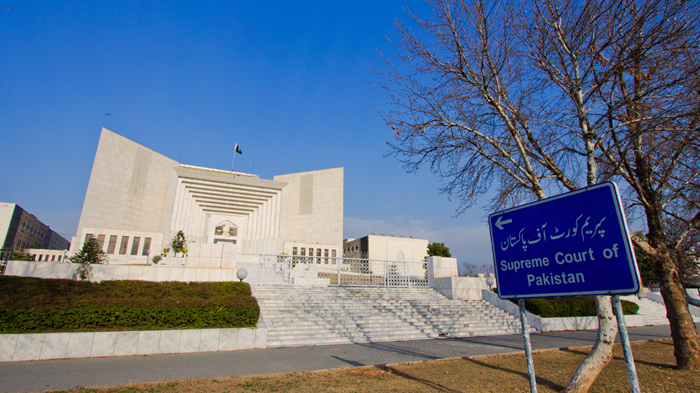
Open Letter to Jayson Casper

Jayson

December 26, 2018

Dear Jayson Casper,

Greetings. I am associated with the Covenants Initiative, whose director, Dr. John Andrew Morrow, was mentioned in the decision of the Supreme Court of Pakistan to acquit Asia Bibi on charges of blasphemy. Below are emails I just sent to two commentators mentioned in your article “Covenantal Theology: Can Muhammad’s Ancient Promise Inspire Muslim-Christian Peace Today?” in Christianity Today, Rev. Mark Durie and Mustafa Aykol. In addition to the arguments presented in these communications, I would like to take slight issue with your use of the term “covenantal theology” to apply to the Covenants of the prophet Muhammad. The covenants of Abraham, Moses and Jesus were “binding agreements” made between representatives of a particular faith community—either already in existence or yet to be formed—and God himself, whereas Muhammad’s covenants, to be strictly accurate, were treaties between two different faith communities. They were nonetheless related “covenantal theology” by the fact that the Prophet Muhammad, peace and blessings be upon him, declared that they were inspired (though not actually dictated, as was the Qur‘an) directly by Allah.

Here are our responses to Mustafa Akyol and Rev. Mark Durie:

Dear Rev. Durie:

I am a colleague of Dr. John Andrew Morrow, author of The Covenants of the Prophet Muhammad with the Christians of the World; I helped edit the book and wrote a foreword to it. Having just read “Covenantal Theology: Can Muhammad’s Ancient Promise Inspire Muslim-Christian Peace Today?”, I would like to respond to three of your assertions:

1) “I don’t know of any serious scholar who believes [these texts] are genuine.”

RESPONSE: We can send you a list of such scholars if you wish.

2) “Why would a community of monks receive a promise of religious freedom for Christian women who marry Muslims?”

RESPONSE: Many monasteries on the outskirts of the Byzantine Empire, near to Arab lands, represented the sole leadership of various Christian communities; this is why stipulations of the Covenants that applied to lay Christians were addressed to monks, and why they took it upon themselves to agree to them in the name of their wider flock.

3) “Muhammad had no contact with the tribes of Sinai when the covenant with St. Catherine’s monastery was supposedly composed.”

RESPONSE: According to both the records of St. Catherine’s and the oral tradition of the Sinai Bedouins, before Muhammad’s prophethood descended upon him with the Holy Qur’an, he was a caravan leader who supplied (among many other stops on his route) the Monastery of St. Catherine’s.

If you would like a concise compendium of the provenance of the Prophetic Covenants, including specific arguments against the notion that they were forgeries by Christians (except for a couple of doubtful texts), email me and I’ll send you the file.

Sincerely,
Charles Upton
for Dr. John Andrew Morrow
and the Covenants Initiative

Dear Cato Institute:

Greetings. This is a message for Mustafa Akyol, in response to his comments in the article “Covenantal Theology: Can Muhammad’s Ancient Promise Inspire Muslim-Christian Peace Today?” that just appeared in Christianity Today:

“In response to your objection to the legitimacy of these documents based on the fact that most Muslims have never heard of them, our response is: Before the fall of the Ottoman Empire many Muslims knew about them, including virtually the entire ‘ulama, as well as many western scholars, since they formed the basis of official Ottoman policy toward religious minorities, and were renewed periodically by the Ottoman sultans. If they have been largely forgotten until recently, this may be due to the fact that, after the dissolution of the Empire, they were viewed as no more than the irrelevant and dated documents of a defunct bureaucracy. In response to your other objection, that their authenticity has been disputed by some scholars, we offer the attached file, “The Provenance of the Prophet’s Covenants,” which is Chapter 11 of Dr. John Andrew Morrow’s work titled Islam and the People of the Book: Critical Studies on the Covenants of the Prophet. This document contains the essence of our arguments for the likely authenticity of (most) of the Prophetic Covenants; it answers in specific detail all the scholarly objections that we were aware of when the book was published (2013).”

I have also attached “The Provenance of the Prophet’s Covenants” for your perusal.

Sincerely,
Charles Upton
for Dr. John Andrew Morrow
and the Covenants Initiative

Open Letter to Robert Spencer

Robert Spencer.jpg

December 26, 2018

Dear Robert Spencer:

I am the partner of Dr. John Andrew Morrow in the Covenants Initiative, our campaign to bring back from historical obscurity the Covenants of the Prophet Muhammad. In response to your article on Jihad Watch, “Christianity Today touts ancient forged document as basis for ‘Muslim-Christian peace today’,” about the acquittal of the Christian women Asia Bibi by the Pakistani Supreme Court on charges of blasphemy, and the role of the Covenants in this, I need to ask: Are you a competent scholar of these documents? Do you reject them based on a thorough study of the arguments for and against their legitimacy? Are you aware of our detailed and exhaustive arguments for the likely validity of (most) of the Prophetic Covenants that appear in Dr. Morrow’s book The Covenants of the Prophet Muhammad with the Christians of the World (Angelico, 2013), as well as in the three-volume anthology Islam and the People of the Book (Cambridge Scholars, 2017)? In these books we have specifically confronted and refuted most of the arguments brought by various scholars against the Covenants’ validity; if you have good reason to believe the Covenants are forged, it should be easy for you to refute our arguments, one by one. As for your other objections, there have certainly been Muslim leaders who have ignored the commands and example of the Prophet Muhammad by oppressing other religions, just as there have been Christians—the judges, torturers and executioners of the Inquisition, for example—whom “Judge not lest ye be judged” and “Whatever ye do unto the least of these, my brethren, ye do unto me” have not restrained from evil. Taking many centuries of history into account, no community of believers is free of major collective sin. Jesus Christ told his disciples “A new commandment I give to you, that you love one another” (John 13:34)—and Allah, in the Qur‘an, said of Muhammad, “And We have not sent you, except as a mercy to [all] the worlds” (Q:21:106-107). These passages demonstrate that anyone who hates unjustly in the name of a particular God-given religion has misrepresented and slandered that religion—just as the Inquisition slandered the religion of Christ—just as ISIS and their like have slandered the religion of Muhammad, peace and blessings be upon him.

But what is most disturbing about your response to the article in Christianity Today on the acquittal of Asia Bibi, is—that you don’t seem happy about it. Is it because she is Catholic rather than Orthodox that you show no sympathy for her? The defense of the life this woman, by pious Muslims, in obedience to the command of our Prophet—some of whom lost their lives in the process—was a stern and holy act of love, totally in line with both her tradition and ours. In the words of the Noble Qur‘an, “Whoever saves the life of one human being, it is as if he had saved the lives of all humankind” (Q. 5:32). It appears, however, that when you encounter such an act of true love, the first thing it does is bring out all the hate in you. Is your hatred for Islam stronger than your love for your fellow Christians? When Muslims defend a Christian woman, do you react with anger because this violates your image of Islam? If so, it is only one short step to secretly rejoicing when ISIS massacres Christians because their crimes confirm that image! We are not in a popularity contest, Mr. Spencer. The struggle is not to make Muslims or Christians look good, but to make sure that they are good. That’s why we have been in the thick of the ideological fight against ISIS since 2013, and why we submitted a paper to the Trump administration entitled “War on Five Fronts: A Comprehensive Plan to Defeat ISIS.” When you call into question the motives of Muslims who risk their lives to defend Christians, and claim this defense is based on a false notion of Islam, it’s as if part of you actually wants all Muslims to be terrorists—and anyone who wants all Muslims to be terrorists is not working against terrorism in the name of Islam, but rather for it. If you impugn the actions of Muslims who defend Christians, are you truly a friend to your fellow believers? Or are you really their enemy?

Here is a link to 43 contemporary stories of Muslims defending Christians from attack by ISIS and other groups; feel free to look them over, then let me know what you think:

https://covenantsoftheprophet.org/2018/10/15/muslims-defending-christians-around-the-world/

Sincerely,
Charles Upton
for Dr. John Andrew Morrow
and the Covenants Initiative

Towards building a pluralistic society in Iraq

Towards building a pluralistic society in Iraq

Caption: Dr John Andrew Morrow from the Covenants Initiative and ‘Allamah Sayyid Salih al-Hakeem from the Kalima Center for Dialogue and Cooperation.

By Dr John Andrew Morrow

AMUST (28 Dec, 2018)

I spent the last week of November in Iraq traveling between Najaf, Karbala, and Baghdad and presented my paper titled “The Sacred Duty of Protecting Sacred Sites” at a conference in Karbala on Iraq’s heritage and antiquities that featured scholars from 22 different countries.

I demonstrated that the Qur’an, the Sunnah, the Sirah, and the letters, treaties, and covenants of the Prophet Muhammad (s) are testimonies to the tolerance of Islam and its commitment to protect the lives and property of both Muslims and non-Muslims.

I proved that, in Islam, the protection of people and their property is inseparable and that they always go hand in hand.

I also established that the rights to life, liberty, and property, predate John Locke, the Founding Fathers, the Declaration of Independence, the Bill of Rights, and the Universal Declaration of Human Rights, as they were proclaimed by the Prophet Muhammad (s) in the seventh century, in accord with divine decree.

Based on the foundational, primary sources of the Muslim faith, I concluded that respecting, maintaining, preserving, and protecting sacred and world heritage sites was a sacred duty.
In Najaf, I was granted an audience with the Grand Ayatullah Sayyid Saeed al-Hakeem, one of the four Sources of Emulation in Iraq, and the second most senior Shiite scholar after Grand Ayatullah ‘Ali al-Sistani.

I presented him a copy of “Uhud al-Nabi li-Masihiyyi al-‘alam,” the Arabic translation of “The Covenants of the Prophet Muhammad (s) with the Christians of the World,” describing it as a weapon against the Takfiris.

The Grand Ayatullah and his senior staff were pleased to learn that my scholarship followed in the path of Dr Muhammad Hamidullah, the editor of “al-Watha’iq” or “The Treaties” and Ayatullah Ahmadi Minyanji, the editor of “Makatib al-Rasul” or “The Writings of the Messenger.”

‘Allamah Sayyid Salih al-Hakim, the nephew of the Grand Ayatullah, assured me that he would provide copies of “Uhud al-Nabi” or “The Covenants of the Prophet” to the three other Sources of Emulation, Grand Ayatullah ‘Ali al-Sistani, Grand Ayatullah Bashir al-Najafi, and Grand Ayatullah Ishaq al-Fayyaz, along with all the other senior scholars in the Seminary.

In Baghdad, I attended a marvellous inter-religious conference on the status of women in Iraq which brought together leaders from every faith community in the country, including Sabians, Mandeans, Zoroastrians, Yezidis, Christians, Sunnis, and Shiites.

It was remarkable: none of this lovey-dovey, wishy-washy, watered-down, New Age nonsense that we witness in the Western world were world religions are relativized to the point that they become meaningless.

The leaders who gathered in Baghdad were staunch believers, some with harsh words of criticism for one another, but who were determined and committed to build community ties for the betterment of the country and who were adamant about the need to co-exist as fellow citizens.

This was real interfaith work that mattered. What was taking place at that conference was worth more than one hundred Parliaments of the World’s Religions. It was meaningful. It was actionable. It was life and death.

Iraq is not a place where people who disagree with you write a bad review or unfriend you on Facebook. This is a place where your critics or opponents will kill you point blank; hence, the car inspections, the pat-downs, the bomb-sniffing dogs, and the soldiers armed with machine guns. Interfaith work entails no risk in the Western world.

In Iraq, it means placing your life on the line.

The interest in the Covenants of the Prophet was palpable. The thirst and hunger were real. The need was of the hour. This was one of the most religiously, ethnically, and linguistically diverse nations in the world: destroyed by the West by design, by the very proponents of pluralism.
Without meaningful action, we would be looking at the end of diversity in Iraq and the creation of homogenous statelets for Arab Shiites, Arab Sunnis, and Sufi Kurds, while the Yezidis, Sabians, Mandeans, and Zoroastrians are condemned to extinction.

I came to Iraq bearing the Covenants of the Prophet but I found that they were already there in the hearts of the Iraqi people who are committed to pluralism and co-existence in the most difficult and dangerous of circumstances.

Interfaith Conference on the Status of Women in Iraq


Covenantal Theology: Can Muhammad’s Ancient Promise Inspire Muslim-Christian Peace Today? To acquit Asia Bibi of blasphemy, Pakistan’s Supreme Court relied on supposed seventh-century treaty by Islam’s prophet.

Covenantal Theology: Can Muhammad’s Ancient Promise Inspire Muslim-Christian Peace Today?

Covenantal Theology: Can Muhammad’s Ancient Promise Inspire Muslim-Christian Peace Today?

To acquit Asia Bibi of blasphemy, Pakistan’s Supreme Court relied on supposed seventh-century treaty by Islam’s prophet.

Jayson Casper December 21, 2018

Image: Aliraza Khatri Photography / Getty Images

Current Issue
December 2018
Subscribe

Christians esteem the biblical progression of covenants—Abrahamic, Mosaic, Davidic—finalized by Jesus as he ushered in the New.

But for the sake of religious freedom in the Muslim world, should they embrace a further covenant: Muhammadian?

Modern scholarship suggests the Muslim Prophet’s Christian covenants could offer contemporary guidance; they already influenced a favorable verdict in the case of Christian Asia Bibi in Pakistan.

After eight long years on death row, Bibi was acquitted of blasphemy by the Muslim nation’s Supreme Court in late October. The Christian mother of five had been sentenced for uttering contempt for Muhammad, the prophet of Islam, while attempting to drink water from a well.

The three-judge panel ruled that contradictions in accuser testimony and Bibi’s forced confession by a local cleric rendered the charges invalid.But in the official court document, one justice went as far as to partially base his judgement on how Bibi’s accusers violated an ancient covenant of Muhammad to the Christian monks of Mount Sinai—“eternal and universal … not limited to [them] alone.”

“Blasphemy is a serious offense,” wrote judge Asif Khosa, “but the insult of the appellant’s religion … was also not short of being blasphemous.”

He referenced a 2013 book by John Morrow, a Canadian convert to Islam. The Covenants of the Prophet Muhammad with the Christians of the World is an academic study of six treaties commanding the kind treatment of Christians, reportedly dated to the seventh century.

Each similar in scope, they command Muslims not to attack peaceful Christian communities, to aid in the construction and repair of churches, and even to allow self-regulation of tax payments.

It is “nothing short of providential,” Morrow wrote, that they have been “rediscovered” at a time of widespread Islamist violence against the Christians of the Middle East.

“For Muslims, it means a wake-up call, an awareness that they have deviated from the Islamic tradition,” Morrow told Patheos, the religion and spirituality website.

“[It] requires that Muslims not only tolerate Christians, but love them as their brothers and sisters.”

This resonates with Mustafa Akyol, Turkish author of Islam Without Extremes: A Muslim Case for Liberty.

“The Supreme Court of Pakistan must be congratulated,” he said. “Both for saving Asia Bibi from execution, as well as taking great pains to explain why this was the right Islamic thing to do.”

But the senior fellow at the Cato Institute also gave two serious challenges for the treaties in Covenants. Some experts dispute their authenticity; and most Muslims are unaware of them.

“Yet to me, these covenants look convincing, at least in their general spirit,” said Akyol, “because they resonate with ecumenical themes already in the Qur’an.”

Islam’s holy book calls Christians the closest of all people to Muslims, with a direct call for the protection of synagogues, churches, and monasteries.

Professor Mustafa Abu Sway of Al-Aqsa Mosque and Al-Quds University in Jerusalem said Muhammad made agreements with many Christian communities. He celebrates especially how the prophet received delegates from Najran (near the border with Yemen), hosting them in his mosque.

Covenants claims to rediscover the full text. Evaluation of any ancient manuscript involves the textual criticism principle that the shorter are likely the most authentic, said Abu Sway; however, he found Morrow’s findings to be genuine in spirit to others from Muslim history. The Pact of Omar is a well-known example, signed with the patriarch of Jerusalem in 638.

It is cited today as a mark of coexistence by the current Greek Orthodox patriarch of Jerusalem, who also offered appreciation to Morrow.

“As our Middle East region passes through its contemporary plight, we commend your efforts to foster peace and reconciliation,” wrote Theophilos III in his official book endorsement. “We offer you wishes for success in sharing your positive message.”
Should other Christians do the same?

If Akyol raised two issues, Wilson Chowdhry of the British-Pakistani Christian Association raises a third: It may not make much difference.

Ever since the Bibi verdict, Pakistan has been awash in protests by extremist Muslims demanding her death—and that of the judges who acquitted her. Many local Christians—who make up less than two percent of a population of more than 200 million—refuse to speak to the media for fear of retribution, reported CNN.
Bibi remains in protective custody as asylum requests are considered.

“With the current situation in Pakistan,” said Chowdhry, “they may say they follow these agreements, but it will have little bearing on the human rights of Christians.”

For example, he cites how the Movement for Solidarity and Peace has calculated that up to 700 Christian girls have been kidnapped and forced into Islamic marriage every year.

In the ruling acquitting Bibi, chief justice Mian Nisar wrote that 62 people have been murdered following blasphemy accusations, before their cases could even come to court.
But from Jordan, even a famed fundamentalist has questioned the Pakistan case.

Bibi’s argument with her accusers started when they refused to drink water from a Christian hand. This is against the practice of Muhammad who freely ate with Jews, said Abu Muhammad al-Maqdisi in Amman, who according to a report by West Point’s Combating Terrorism Center is the leading Salafi-Jihadi theoretician in the world.

Christians are free to state their differences in doctrine, said Maqdisi, who has interceded privately for several taken captive by Syrian rebel groups out of what he calls his love for Muhammad.

“But if there is a lack of respect, then the case is different,” he said. “Not every sentence is execution. Some only entail punishment.”

And despite acquitting Bibi, the Supreme Court verdict also upheld the duty of the state to prevent blasphemy and confirmed that capital punishment is consistent with Islam.

For Chowdhry, who linked positively to the covenant with Sinai monks while offering greetings on Muhammad’s birthday, this demonstrates the problem.

“Paul appealed to Caesar, so there is a benefit in knowing what your rights are wherever you may live,” he said.

“But in an effort to secure an ostensibly safer environment, the religious freedoms of Christians are still clearly being governed by Islamic traditions.”

And for some Western experts, Covenants is shoddy scholarship of traditions invented to begin with.

The book is “pious propaganda,” said Mark Durie, an Anglican pastor from Australia with a doctorate in Qur’anic theology. “I don’t know of any serious scholar who believes [these texts] are genuine.”

He believes they were produced by Christian communities angling for better treatment by Muslims.

For example, Muhammad had no contact with the tribes of Sinai when the covenant with St. Catherine’s monastery was supposedly composed. The stipulations better reflect concerns from later Egyptian history when Christians were persecuted and prevented from repairing churches.

Another curious note from the alleged recovered covenants: Why would a community of monks receive a promise of religious freedom for Christian women who marry Muslims?

“It is the survival strategy of a victim to praise the abuser and become an apologist for his better side,” said Durie. “There is no true freedom in making up stories about Muhammad; only proof of bondage.”

Authentic or not, Mitri Raheb, former president of the Synod of the Evangelical Lutheran Church in Jordan and the Holy Land, said the covenants reflect how certain Muslims in certain contexts did treat Christians positively.

“But many Christians and Muslims today, including myself, strive for a society based on equal citizenship—and nothing less than that,” he said, critical also of recent legal developments in Israel.

But this form of citizenship might not be the objective of Morrow, who has poured his life into Covenants and its 400-plus pages, researching and documenting ancient texts to strengthen Muslim-Christian relations.

He longs for an alliance against secularism, and aches for oppressed Christians. But at the same time, Morrow praises the ideals of Islamic governance and the example of Hezbollah and the Ayatollah Khomeini.

Should the church nevertheless come alongside him, and help spread awareness of Islamic interpretations that encourage tolerance, educating Christian and Muslim alike?
Chowdhry has other priorities.

“As Christians, we do not need to encourage this worldview,” he said, focusing instead on love toward God, neighbor, and enemy.

“The persecuted church needs help from their brothers and sisters in Christ more than they need to normalize the traditions of another faith.”

But what if these traditions can free a wrongfully convicted believer, and quiet the crowds calling for her blood?

Akyol said the solution is internal.

“The antidote to such bigotry, among whose victims Asia Bibi is only one, must come from Islam itself,” he said.

“The Supreme Court of Pakistan just showed us an example.”

Additional reporting by Philip Madanat, an evangelical researcher in Jordan.

Prophet Muhammad (pbuh&hp) and Religious Liberty: Building a Truly Free, Equitable, and Just Society

I.M.A.M. (December 20, 2018)

In democratic societies like the United States and Canada, where religious freedom is one of many protected liberties and people from all levels of society are constitutionally free to express their beliefs, it is essential to consider the viewpoint of each faith tradition towards the adherents of other religions. Indeed, history is pockmarked with religious intolerance and societal structures that prevented individuals from having the choice to practice their faith. Even within a free society like the one we live in today, secularism and individual freedom do not necessarily guarantee a harmonious milieu. Currently, one can see that advocacy for religious freedom includes not just those who practice a minority faith, but also those who do not ascribe to a religion and even the followers of the majority religion who claim that they are being judged because of their devotion to their faith. As a result, religious liberty must represent a philosophy that starts with freedom and tolerance, and then builds the foundations of a compassionate society through dialogue and outreach.

As such, to understand the Islamic perspective on this matter, past injustices, narrow mindedness, and oppression by various despotic regimes notwithstanding, a person only needs to examine the implementation of religious liberty in the city of Medina during the life of Prophet Muhammad (pbuh&hp).

The Muslim society in which Prophet Muhammad (pbuh&hp) established the fundamental code of Islam was similarly diverse; not only was it comprised of people of various religions, but numerous tribes and social groups as well. In fact, it is that narrated “when Muhammad arrived in Medina, its inhabitants were a mixed lot. They consisted of the Muslims united by the mission of the Messenger of God, the polytheists who worshiped idols, and the Jews who were the armored people of the forts and the allies of the tribes of Aws and Khazraj.”1 Reflecting on the diversity of Medina and the different religious backgrounds of its residents, one can ask how Prophet Muhammad (pbuh&hp) fostered cooperation and cohesion. Did Prophet Muhammad (pbuh&hp) give any religious rights to Christians, Jews, and the followers of other religions? Were they free to practice their religion? In other words, does Islam impose belief upon humanity or is religious conviction a personal choice left to each human being? Furthermore, religious freedom, along with every other freedom (e.g., living in safety, owning property), must pertain to each human being and their value. To reflect on these questions, here we examine some examples of how the Prophet (pbuh&hp) treated followers of other religions.

There are many well-documented instances of Prophet Muhammad’s dealing with people of other religions. The Hilf al-fuḍul agreement, 2 his dealing with the king of Abyssinia (Ethiopia), the case of the Christians of Najran,3 the Constitution of Medina, and the numerous covenants with Christians of Arabia are among the many examples which historians have highlighted. These examples portray how the Prophet (pbuh&hp) treated non-Muslims in both Mecca and Medina, during times of war and peace and when struggling for freedom or while in power. In what follows we touch upon three of these instances: the Hilf al-fuḍul agreement, the Constitution of Medina, and one of the many covenants with the Christians of Arabia.

The Hilf al-fuḍul agreement

According to al-Baghdadi’s account of the Hilf al-fudul agreement, before the Prophet (pbuh&hp) received his mission, he signed, along with some other youth, an “Accord of Chivalry” (futuwwat) to respect the rights of other people who came to Mecca for trade. They agreed that “we will support the victim whether respectable or inferior in status, belongs to us or others.”4 Ibn Hisham and Ibn Athir have commented in the following manner on this agreement: “They pledged to stand with any victim at Mecca or from outside and against all those victimizing [others] unless they were convicted to make amend.”

The importance of this document becomes clear when considered in the context of the social norms in seventh century Hijaz, where rights and liberties were determined by blood ties and tribalism with very little provision made for or accommodation afforded to the outsider.

The Constitution of Medina

After the Hilf al-fudul agreement, the Constitution of Medina is the oldest piece of evidence that presents the Prophet’s legacy regarding people of other faiths. The documents were drafted after the Prophet’s migration to Yathrib (Medina al-Nabi) in 622 and is considered authentic by both Muslim scholars and historians of Western academia.5 The following are two short articles taken from the 30 articles that this document contains, showing examples of its progressive and inclusive approach to governance:

The Jews who follow us as clients are entitled to support and are granted equal rights; they shall not suffer any injustice, and no one will be aided against them.

The Jews of the clan of Awf are a community (umma) with the faithful covenanters, the Jews having their religion ([deen]) and the Muslims their religion, their clients, and their persons, except for any wrongdoer or traitor who brings perdition upon himself and his household. It is likewise the same as the Jews of the clan of Awf with the Jews of the clans of Najjar, Harith, Saida, Jusham, and the Aws.

Prophet’s covenants with Christians of Arabia

In addition to the Constitution of Medina, Prophet Muhammad (pbuh&hp) explained the rights of Christians under Islamic rule in several covenants. Dr. John Morrow has translated some of these covenants.6 In a covenant with the Christians of Mount Sinai, Prophet Muhammad (pbuh&hp) begins by saying, “This covenant [kitab] was written by Muhammad, the son of Abdullah.” It continues with many detailed articles that are beyond the scope of this discussion, yet three of the most significant include:

If a monk or pilgrim seeks protection, in mountain or valley, in a cave or in tilled fields, in the plain, in the desert, or in a church, I am behind them, defending them from every enemy; I, my helpers [awani], all the members of my religion [ahl millati], and all my followers [atbai].

A bishop shall not be removed from his bishopric, nor a monk from his monastery, nor a hermit from his tower [sawma], nor shall a pilgrim be hindered from his pilgrimage.

Moreover, no building from among their churches [bayt min buyut kanaisihim] shall be destroyed, nor shall the money [mal] from their churches be used for the building of mosques or houses for the Muslims. Whoever does such a thing violates God’s covenant [ahd Allah] and dissents from the Messenger of God.

None of them shall be compelled to bear arms, but the Muslims shall defend them, and they shall never break this promise of protection until the hour comes and the world ends.

It is interesting that the mentioned documents show a consistency in the Prophet’s attitude toward religious liberty throughout his life. He presented the same level of tolerance in all circumstances, before and after his prophethood and while Muslims were a minority or a majority. He signed the Hilf al-fudul agreement before starting his mission as a prophet, showed the same level of tolerance in dealing with the king of Abyssinia (Ethiopia) while Muslims were a minority, and continued the same attitude when he signed the covenant with the Christians and Jews when Muslims were the majority in Arabia.

Other covenants that the Prophet (pbuh&hp) signed with the Christians and Jews of his time contain similar protections but unfortunately have rarely been studied and written about. The underrepresentation of these precious letters and treaties, both in the Muslim world and in the West, has probably been one of the causes of the misrepresentation of the Prophet’s character and Islam in general. Our efforts, as his followers in advocating for and representing these documents to the public, are necessary both to restore the true character of our beloved Prophet (pbuh&hp) as the “Prophet of Mercy” and to build a truly free, equitable, and just society—a society that he invited people to and fought for.

1. Saeid Amir Arjomand, “The Constitution of Medina: A Sociolegal Interpretation of Muhammad’s Acts of Foundation of the ‘Umma,’” Cambridge University Press, International Journal of Middle East Studies, vol. 41, no. 4 (November 2009), 555- 575.
2. Muhammad b. Habib al-Baghdadi, Kitab al-munammaq fi akhbar Quraysh , ed. Khurshid Ahmad Faruq, Beirut: Alam al-Kutub, 1985.
3. Ref. Dr. Muhammad Yasin Mazhar Siddiqi, “The Prophet Muhammad: A Role Model for Muslim Minorities.”
4. Muhammad b. Habib al-Baghdadi, Kitab al-munammaq fi akhbar Quraysh, ed. Khurshid Ahmad Faruq, Beirut: Alam al-Kutub, 1985.
5. Saeid Amir Arjomand, “The Constitution of Medina: A Sociolegal Interpretation of Muhammad’s Acts of Foundation of the ‘Umma.’” Cambridge University Press, International Journal of Middle East Studies, vol. 41, no. 4 (November 2009), 555- 575.
6. Morrow, J.A., The Covenants of the Prophet Muhammad with the Christians of the World, Sophia Perennis, 2013.

La Corte Suprema de Pakistán invoca al Pacto del Profeta: El caso de Asia Bibi

Por Dr. John Andrew Morrow
REVISTA DIGITAL BIBLIOTECA ISLAMICA
(17 de noviembre de 2018)
Asia Noreen Bibi es una mujer cristiana pakistaní analfabeta y madre de cinco hijos que ha estado en el centro de la controversia durante casi una década. Mientras recogían bayas, un grupo de mujeres musulmanas se negó a compartir el agua con ella alegando que era religiosamente impura. Si bien en el pasado algunos juristas chiítas duodecimanos sostuvieron que todos los no musulmanes eran “najis” o religiosamente impuros, quizás como consecuencia de antiguas creencias del zoroastrismo, las autoridades religiosas contemporáneas aducen normalmente que el Pueblo del Libro ―judíos y cristianos― son “tahir” o religiosamente puros. Algunos incluso afirman que todos los seres humanos son intrínsecamente puros. Sin embargo, en el Islam sunnita, que es la manifestación mayoritaria del Islam en Pakistán, la noción de que los no musulmanes son inmundos simplemente no existe. Y si aparece resulta, simplemente, un residuo del hinduismo que ve a los no hindúes como impuros. Se trata de una continuación del sistema de castas politeístas y del concepto de intocabilidad.
Después de que las mujeres musulmanas hicieran declaraciones despectivas sobre el cristianismo y exigieran que Asia Bibi se convirtiera al Islam, la mujer católica defendió sus derechos y dignidad como ser humano, afirmando: “Creo en mi religión y en Jesucristo, que murió en la cruz por los pecados de la humanidad. ¿Qué hizo tu profeta Mahoma para salvar a la humanidad? ¿Y por qué debería ser yo quien se convierta en vez de ti?” Como se puede apreciar, no hay ningún pecado en lo que dijo. Según la ley islámica, tal como la interpretan los otomanos y otras autoridades dominantes y moderadas, los no musulmanes tienen derecho a expresar sus creencias religiosas con plena libertad. Tales declaraciones de fe, aunque contradigan las enseñanzas del Islam, no incurren en la categoría de calumnia, difamación, herejía o blasfemia. Según la shariah tradicional, que tanto los islamófobos como los takfiristas tergiversan rutinariamente, esas manifestaciones entran en el ámbito de la libertad de expresión religiosa.
Poco después de la discusión generada, una turba se reunió alrededor de la casa de Asia Bibi, golpeando a ella y a los miembros de su familia. Las mujeres involucradas informaron a un oficial de policía local que la mujer católica había afirmado que el Corán era falso, que el Profeta Muhammad se casó con Khadijah solo por su dinero y que estaba lleno de gusanos antes de morir. Asia Bibi negó a voz en cuello la veracidad de esas afirmaciones. Puesto que ella rechazó las acusaciones, un imám local llamado Qari Muhammad Salim alegó, cinco días después del hecho, sin pruebas ni acceso al acusado, que Asia Bibi le confesó su crimen de blasfemia y le ofreció sus disculpas.
Acusada de blasfemia en 2009 ―en virtud del artículo 295 C del Código Penal de Pakistán― y encarcelada sin cargos formales, fue finalmente juzgada y condenada a morir ahorcada en 2010. Su caso se transformó desde entonces en un tema central por los extremistas musulmanes, quienes exigen airadamente el cumplimiento de la pena en una manifestación perversa de su supuesta lealtad al Islam. Los extremistas cristianos islamófobos la ven como una víctima de la ley islámica. Y los liberales seculares como una víctima de abusos fundamentales de los derechos humanos. Para colmo, y para añadir un insulto a las injurias, las condiciones en las que se mantuvo retenida a Asia Bibi eran deplorables según cualquier norma civilizada.
Desde el punto de vista de la jurisprudencia islámica, el caso en cuestión nunca debería haber llegado a los tribunales. Se basa enteramente en rumores: fulana dijo que ella dijo; fulano dijo que ella dijo. No puede compararse con el caso de Salman Rushdie u otros que dedicaron tiempo y esfuerzo a producir obras de literatura, erudición o arte, con la intención deliberada de calumniar al Profeta Muhammad y ofender el sentimiento musulmán. En el caso en cuestión, las mujeres acusadoras habrían deliberado y tramado detalladamente las acusaciones que presentarían. A pesar de ser premeditada, la descripción exagerada que dieron las mujeres musulmanas de los acontecimientos estuvo llena de contradicciones e inconsistencias. Aparentemente la presentación de cargos falsos se motivaría en la intolerancia religiosa, cuestiones de clase, estatus económico, disputas familiares y venganzas personales. En tanto que los acusadores masculinos, que ni siquiera fueron testigos de los hechos, se dejarían llevar por sentimientos misóginos. Todo el episodio recuerda al Capítulo Yusuf o José del Corán, que exclama: “¡Es una astucia propia de vosotras! ¡Es enorme vuestra astucia!” (12:28).
En los casos de rumores, el enfoque del Corán es claro, es decir, es el de mubahalah, la invocación mutua de las maldiciones (3:61). Ambas partes deben jurar que dicen la verdad e invocar la maldición de Dios sobre sí mismas si están mintiendo. El juez entonces se lava las manos del caso y pone el juicio en las manos de Dios. El mentiroso será condenado en el Más Allá. Incluso si suponemos que Asia Bibi habló mal del Profeta, algo que la mayoría de los cristianos que viven en naciones de mayoría musulmana ven como suicida ya que es tan ofensivo para los sentimientos religiosos, todo lo que correspondía era una disculpa. A pesar de las falsas tradiciones que afirman lo contrario, el Profeta Muhammad siempre puso la otra mejilla cuando se trataba de insultos dirigidos a su persona. De hecho, cuando se le pidió que maldijera a los politeístas que le hicieron la guerra, se negó rotundamente, diciendo, según Muslim: “No he sido enviado para maldecir a la gente, sino como una misericordia para toda la humanidad,” haciéndose eco de las palabras de Dios Todopoderoso en el Corán Glorioso: “Nosotros no te hemos enviado sino como misericordia para todo el mundo” (21:107). Mientras que los musulmanes defienden la justicia, también deben moderar su justicia con la misericordia. Necesitamos perdonar para ser perdonados.
Sin embargo, una parte de la población pakistaní mostró poca simpatía hacia una mujer pobre, analfabeta y campesina de la provincia de Punjab. En una encuesta, más de diez millones de pakistaníes declararon que estaban personalmente dispuestos a condenarla a muerte. ¡Qué vergüenza para el Islam y qué mancha para el Profeta de la Paz! Maulana Yousaf Qureshi, un clérigo musulmán, que ciertamente no sigue al Profeta de la Misericordia, ofreció una recompensa de medio millón de rupias a cualquiera que la asesinara, mostrando un total desprecio por la ley y el orden. Los políticos influidos por la moral y la gente de conciencia que acudieron en defensa de Asia Bibi y se opusieron a su ejecución, fueron condenados a morir. Salmaan Tasser ―gobernador del Punjab― y el Ministro de Asuntos de las Minorías ―Shahbaz Bhatti― fueron asesinados por los renegados religiosos, azotes del país. Incluso el abogado de Asia Bibi, Sail-ul-Mulook, se vio obligado a huir del país como resultado de amenazas cuando, en la ley islámica, se supone que los abogados están protegidos de tales represalias. De hecho, los Pactos del Profeta establecen claramente que a los no musulmanes se les debe proporcionar una representación legal adecuada.
Como dice el Mensajero de Dios en “El Pacto del Profeta Muhammad con los cristianos de Najran,” contenido en la “Crónica de Seert,” así como en “Los Pactos del Profeta Muhammad con los cristianos del mundo,” otorgados a los cristianos de Egipto y del Levante: “Si un cristiano comete un crimen o un delito, los musulmanes deben proporcionarle ayuda, defensa y protección. Deben perdonar su delito y animar a su víctima a reconciliarse con él, urgiéndole a que lo perdone o a que reciba una compensación a cambio.” Lo mismo se estipula en “El Pacto del Profeta Muhammad con los cristianos de Persia:” “Si se descubre que algún cristiano ha delinquido inadvertidamente, los musulmanes considerarán su deber asistirlo, acompañándolo a los tribunales, para que no se le exija más de lo que Dios prescribe, y se restablezca la paz entre las partes en disputa según las Escrituras”.
Diversos medios de comunicación al servicio de las corporaciones aprovecharon la repugnante situación para presentar a los pakistaníes como salvajes. Pero esa es una acusación repudiable ya que la gran mayoría de la población odia profundamente a los takfiritas, wahhabitas, deobandis y barelvis. Son alimañas introducidas en el país por los británicos, Arabia Saudita y los Estados Unidos. Los pakistaníes son sunnitas y chiítas, los hijos de Allamah Muhammad Iqbal, entre los que se encuentran científicos, eruditos y santos. Las rabiosas ratas religiosas no representan a Pakistán ni al Islam.
El veredicto de 56 páginas de octubre de 2018 de la Corte Suprema de Pakistán, escrito por CJP Nisar, con un juicio concurrente escrito por Asif Saeed Khan Khosa, fue un alivio para muchos mientras exasperaba a las bandas de bárbaros que están empeñados en destruir la imagen del Islam en el mundo. El desconsuelo se produjo cuando el gobierno pakistaní decretó la prohibición de que Asia Bibi saliera del país hasta que se revisara el veredicto. Lo que parecía una debilidad por parte de Imran Khan parece haber sido una estratagema política destinada a apaciguar momentáneamente a los caníbales religiosos para dar a Asia Bibi el tiempo y la oportunidad de huir del país. La verdadera cobardía no vino de Pakistán, sino del Reino Unido, que se negó a considerar su solicitud de asilo alegando que podría causar disturbios religiosos en la nación, lo que demuestra que hay bastantes locos misóginos en las Islas Británicas.
Para los islamófobos del Centro Estadounidense para el Derecho y la Justicia y otras organizaciones cristiano-sionistas, Asia Bibi fue víctima de la ley islámica y ejemplo de los cristianos perseguidos en el mundo musulmán. Tales chiflados ignoran convenientemente que las leyes de blasfemia en Pakistán fueron introducidas, no por los pakistaníes, sino por los británicos, y no por los musulmanes, sino por los llamados cristianos. Los británicos, que creían en la ley y el orden, se vieron obligados a aprobar leyes de blasfemia para limitar las acciones de los provocadores misioneros cristianos que deliberadamente insultarían al profeta Muhammad con el fin de causar disturbios, desestabilizando así el país. Dichas leyes de blasfemia, heredadas por los pakistaníes de los británicos estaban destinadas a prevenir la violencia. Con las mismas se pretendía prevenir que personas como Salman Rushdie y otros publicasen cosas que denigrasen al Profeta Muhammad. No obstante, resultaron contraproducentes. Se suponía que iban a prevenir disturbios religiosos pero en realidad los motivaron. Se utilizan para perseguir a las minorías religiosas, como cristianos, chiítas y ahmadíes y para alimentar el fuego de quienes se sienten libres de acosar, amenazar, intimidar y atacar a cualquier persona, acusándoles falsamente de blasfemia.
La llamada cura al conflicto religioso ha demostrado ser cancerígena. Después de todo, ¿cómo pueden considerarse saludables las leyes contra la blasfemia cuando están en clara contradicción con la ley islámica? Como el mismo Abu Hanifah ha dictaminado, “Si un dhimmi (no musulmán protegido bajo el estado) insulta al Santo Profeta, no será asesinado como castigo. Un no musulmán no es asesinado por su kufr (infidelidad) o por su shirk (politeísmo). Kufr y Shirk son pecados mayores que insultar al Profeta.” Aunque algunos juristas creen que la gente puede ser condenada a muerte por blasfemia, rara vez extienden tal castigo a las mujeres. Y quienes lo hacen, dan a las culpables la oportunidad de arrepentirse pidiendo perdón. Al aplicar el Islam, el Profeta Muhammad nos ha enseñado a inclinarnos hacia la compasión y a adoptar el enfoque más moderado: “Haz las cosas más fáciles, no hagas las cosas más difíciles, difunde las buenas nuevas, y no odies” (Bukhari).
Como lo demuestra la evidencia presentada por la Jueza Khosa, si alguien debe ser castigado en el caso de Asia Bibi son sus acusadores, quienes “no tuuvieron ningún respeto por la verdad,” quienes inventaron la afirmación de que ella blasfemó a Muhammad en público y quienes violaron el Pacto del Profeta, el cual se mantiene plenamente vigente. Aunque Asia Bibi insistió en su inocencia, lo cual es suficiente según la ley islámica para liberarla, en los corazones de los lunáticos religiosos no existe piedad. Aunque el Papa Benedicto y el Papa Francisco pidieron clemencia, no hubo misericordia en los corazones de los neandertales religiosos. Aunque 600.000 personas de más de cien países pidieron la liberación de Asia Bibi, no hubo misericordia en los corazones de los primates bípedos. Gritan: “cuélguenla, cuélguenla.” Exigen: “Decapítenla, decapítenla.” Son personas cuyos corazones están llenos de odio y venganza. El Mensajero de Dios advirtió: “Quien no tenga misericordia de la gente no recibirá misericordia de Dios” (Muslim y Haythami).
Por mucho que los cristiano-sionistas aleguen que Asia Bibi fue una víctima del Islam, fue el Islam quien la salvó, ya que el fallo de la Corte Suprema de Pakistán se basó en gran medida tanto en el Corán como en los Hadices. De hecho, prestó mucha atención al Ashtiname, es decir, al “Pacto del Profeta Mahoma con los Monjes del Monte Sinaí” y citó “Los Pactos del Profeta Mahoma con los Cristianos del Mundo,” los cuales rescaté casi del olvido. Esos Pactos sirvieron de evidencia que Asia Bibi estaba protegida por los privilegios del Mensajero de Dios. Como escribió Arnold Yasin Moll, del Instituto Fahm de los Países Bajos, en relación con el caso Asia Bibi: “la erudición salva vidas.” Para el Dr. Craig Considine de la Universidad de Rice, “esto es notable.” En cuanto a mí, no me atribuyo ningún mérito. Fue el Mensajero de Dios ―paz y bendiciones sobre él― quien salvó a Asia Bibi de una muerte segura. Los que protestan contra la decisión del Tribunal Supremo de Pakistán lo hacen contra el propio Profeta Muhammad. Que Dios se apiade de sus almas. O, si los juzgamos de acuerdo a como ellos juzgan a otros, que Dios los condene a todos al infierno.
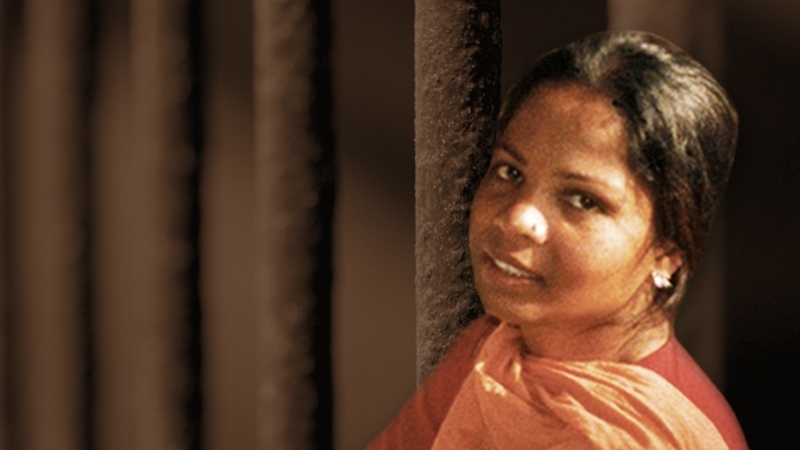
Imagen: VICE News
* John Andrew Morrow es hispanista e islamólogo, colaborador frecuente de la Revista Biblioteca Islámica.

Los Pactos del Profeta Presentados al Gran Ayatolá Sayyid Sa’id al-Hakim

Por Taraneh Tabatabai

Revista Digital Biblioteca Islamica (9 de diciembre de 2018)

El Dr. John Andrew Morrow, erudito y líder musulmán canadiense/estadounidense también conocido como al-Ustadh al-Duktur Ilyas Islam, se reunió el 26 de noviembre de 2018 con el Gran Ayatolá Muhammad Sa’id al-Hakim ―uno de los cuatro Grandes Ayatolás de Irak― en la ciudad santa de Najaf al-Ashraf.

Sayyid Salih al-Hakim, sobrino de la Autoridad Religiosa, hizo las presentaciones iniciales. Después el Gran Ayatolá realizó con un pequeño grupo de colaboradores íntimos, académicos y estudiantes avanzados una oración comunitaria.

El Dr. Morrow expresó con gran admiración: “Nunca, en mis sueños más descabellados, podría haber imaginado que rezaría las oraciones del mediodía y de la tarde detrás del Gran Ayatolá Sayyid Sa’id al-Hakim. Esas oraciones fueron, con mucho, las más llenas de bendiciones que ójamás he experimentado. Una oración detrás del Gran Ayatolá es como un millón detrás de un líder justo común.”

Después de completarse los rezos, el Gran Ayatolá invitó al Dr. Morrow a sentarse a su lado. Lo hizo de manera humilde y le estrechó la mano al Sa’id de un modo muy cordial. La conversación que tuvo lugar fue inusualmente larga, ya que las reuniones con los Grandes Ayatolás son por lo general breves. A veces se limitan a un simple saludo y bendición, o, a lo sumo, a la respuesta de una sola pregunta o a darse algún consejo.

El Gran Ayatolá al-Hakim estaba ansioso por conocer cómo llegó al Islam el Dr. Morrow. Se enteró de que era de ascendencia franco-canadiense y de los pueblos originarios de la región y que había abrazado el Islam hacía más de treinta años ―a la edad de dieciséis años― después de leer, entre otras obras, una traducción al inglés del Corán. Manifestó el Gran Ayatolá:

“Tenemos personas en este país que nacieron en familias musulmanas y se criaron como musulmanes. Sin embargo, no hay nada de musulmán en ellos. Tú, sin embargo, viniste al Islam sin haber conocido nunca a un musulmán. Aprendiste el Islam por el libro. Dios abrió tu corazón al Islam.”

El Dr. Morrow explicó al Gran Ayatolá que abrazó el Islam antes de la llegada de un gran número de musulmanes a Canadá y que los primeros supuestos musulmanes con los que se encontró eran en realidad salafitas-wahhabitas-takfiristas. Sin embargo, debido a la gracia de Dios, se encontró con los seguidores de Ahl al-Bayt a los dos años de haber dado su testimonio de fe.

El Gran Ayatolá al-Hakim se alegró de saber que el Dr. Morrow formaba parte de su comunidad académica. El Dr. Morrow explicó: “Fui alumno de Sayyid Muhammad Zaki al-Baqri y este fue alumno de Sayyid Salih al-Hakim. Aprendí el Islam de Sayyid Muhammad Zaki al-Baqri, Sayyid Muhammad Rizvi, el Dr. Liyakat ‘Ali Takim, junto con muchos otros shaykhs, doctores, profesores e incluso orientalistas.”

El Gran Ayatolá al-Hakim manifestó: “Entiendo el Islam. Sin embargo, no entiendo el pensamiento y la sociedad occidental. Pero usted entiende tanto el Islam como el pensamiento y la sociedad occidentales. Por lo tanto, usted está mejor equipado para difundir y defender el Islam en Occidente.”

Dijo El Dr. Morrow, en tanto entregaba una copia de Los Pactos del Profeta Muhammad con los Cristianos del Mundo al Gran Ayatolá al-Hakim: “Deseo ofrecerle un regalo.” Y para poner un marco de referencia expresó:

“Un gran erudito sunita llamado Dr. Muhammad Hamidullah, reunió todas las cartas, tratados y pactos del Profeta Muhammad ―que la paz y las bendiciones sean con él y su familia― en una obra titulada al-Watha’iq. Otro gran erudito shiíta llamado Ayatolá Ahmadi Miyanji, amplió la colección para incluir cartas, tratados y pactos encontrados en fuentes shiítas junto con su comentario. El trabajo, como saben, es Makatib al-Rasul.

El título del libro fue repetido al unísono por varios eruditos de alto nivel mientras agitaban la cabeza en señal de reconocimiento y sonreían. Añadió el Dr. Morrow “Este libro, The Covenants of the Prophet Muhammad with the Christians of the World,” continúa la investigación del Ayatolá Ahmadi Miyanji. Es un arma contra los takfiristas.” El Gran Ayatolá procedió a darle al Dr. Morrow una larga lista de consejos y oraciones para el éxito.

Cuando Sayyid Salih al-Hakim le preguntó al Dr. Morrow sobre su impresión del Gran Ayatolá al-Hakim, el Dr. Morrow lo describió como un wali salih, un amigo justo de Dios, amable, humilde, gentil, inteligente, sabio, de mente abierta, culto y piadoso. Y agregó: “El Ayatolá irradiaba luz. Podía ver literalmente los rayos que salían de sus ojos. Estaba rodeado de un aura de santidad. Emanaba santidad.”

Casi una semana después, el día de su partida y de su regreso a Occidente, se informó al Dr. Morrow que el Gran Ayatolá le había enviado sus mejores saludos. Al regresar a casa dijo el Dr. Morrow: “Aunque deje atrás al Ayatolá, lo llevaré en mi corazón.”

Aasia… and the Prophet’s Covenant: Pakistani High Court disarms all Islamophobic Naysayers

By Dr. John Andrew Morrow

Crescent International (Rabi’ al-Awwal 23, 1440 / December 2018)

Aasia Noreen Bibi is an illiterate Pakistani Christian woman and mother of five children who has been at the center of controversy for nearly a decade. While out picking berries, a group of Muslim women refused to share water with her on the grounds that she was ritually and religiously impure. While some Twelver Shi‘i jurists in the past held the view that all non-Muslims were najis or religiously unclean, a possible residue from Zoroastrianism, contemporary religious authorities generally hold that the People of the Book, Jews and Christians, are tahir or religiously pure. Some even assert that all human beings are inherently pure.

In Sunni Islam, which is the majority manifestation of Islam in Pakistan, the notion that non-Muslims are unclean simply does not exist. It appears very much to be a residue of Hinduism that views non-Hindus as unclean. It is a continuation of the polytheistic caste system and the concept of untouchability.

After the Muslim women made derogatory statements about Christianity, and demanded that Aasia Bibi convert to Islam, the Catholic woman defended her rights and dignity as a human being, stating, “I believe in my religion and in Jesus Christ, who died on the cross for the sins of mankind. What did your prophet ever do to save mankind? And why should it be me that converts instead of you?”

This much she admits, and there is no sin in what she said. According to Islamic law, as interpreted by the Ottomans and other mainstream and moderate authorities, non-Muslims are entitled to express their religious beliefs with full freedom. Such statements of faith, even if they contradict the teachings of Islam, do not meet the standard of slander, libel, defamation, heresy, or blasphemy. According to the traditional Shari‘ah, which is routinely misrepresented by both Islamophobes and takfiris, they fall within the realm of freedom of religious expression.

Shortly after the argument that ensued, a mob gathered at Aasia Bibi’s home, beating her and members of her family. The women involved told a local police officer that the Catholic woman had asserted that the Qur’an was fake, that the Prophet Muhammad (pbuh) only married Khadijah for her money, and that he was filled with worms before he died. Aasia Bibi vociferously denied the veracity of these claims. Since she refused to confess, a local so-called imam, Qari Muhammad Salim, alleged, five days after the fact, without evidence or access to the accused, that Aasia Bibi confessed to him about her crime of blasphemy and offered her apology.

Accused of blasphemy in 2009, under Section 295C of the Pakistan Penal Code, and incarcerated without formal charges, she was eventually judged and sentenced to death by hanging in 2010. Since then, she has been transformed into a central issue by Muslim extremists, who angrily demand that she be hanged, in a perverse manifestation of their supposed loyalty to Islam, by Islamophobic Christian extremists, who view her as a victim of Shari‘ah law, and by secular liberals, who see her as a victim of fundamental human rights abuse. Adding insult to injury, the conditions in which Aasia Bibi was kept were deplorable according to any civilized standards.

From the point of view of Islamic jurisprudence, the case in question should never even have gone to court. It relies entirely on hearsay from people with little credibility: she said that she said and he said that she said. It cannot be compared to the case of Salman Rushdie, or others for example, who devoted time and effort to produce works of literature, scholarship or art, with the deliberate intent of slandering the Prophet Muhammad (pbuh) and offending Muslim sentiment. In the case in question, the women accusers reportedly deliberated prior to filing a complaint, plotting in detail the allegations that they would advance. Despite premeditation, their exaggerated and inflated account of the events was filled with contradictions and inconsistencies. In laying arguably false charges, the female accusers appear to have been motivated by matters of religious intolerance, social and economic class, an ongoing family feud, a desire to “settle old scores,” while the male accusers, who never even witnessed the events, were also driven by misogynistic sentiments. The entire episode recalls Surah Yusuf from the Qur’an, which exclaims, “Behold! It is a snare of you women! Truly, mighty is your snare!” (12:28).

In cases of hearsay, the approach of the Qur’an is clear, namely, it is that of mubahalah, the mutual invocation of curses (3:61). Both parties are to swear that they speak the truth and invoke the curse of God upon themselves if they are lying. The judge then washes his hands of the case and places judgement in the hands of God. The liar will be condemned in the Hereafter. Even if we assume that Aasia Bibi spoke ill of the Prophet (pbuh), something that most Christians living in Muslim majority countries view as suicidal since it is so offensive to religious sentiments, all that was in order was an apology. Despite false traditions that claim to the contrary, the Prophet Muhammad (pbuh) always turned the other cheek when it came to insults directed at his person. In fact, when asked to curse the mushriks who waged war against him, he adamantly refused, saying, “I have not been sent to curse people but as a mercy to all humankind” (Sahih Muslim), echoing the words of Almighty Allah in the glorious Qur’an, “And We have not sent you except as a mercy to humankind” (21:107). While Muslims stand for justice, they should also temper their justice with mercy. We need to forgive in order to be forgiven.

A portion of the Pakistani populace, however, showed little sympathy towards a poor, uneducated, peasant woman from a remote village in Punjab province. In a survey, over 10 million Pakistanis stated that they were personally willing to put her to death. What an embarrassment to Islam and a stain upon the Prophet of Peace (pbuh).

Maulana Yousaf Qureshi, a so-called Muslim cleric, who certainly does not follow the Prophet of Mercy (pbuh), offered a half-a-million-rupee bounty to anyone who would kill her, showing complete and total disregard for law and order. Morally upright politicians, and people of conscience, who came to Aasia Bibi’s defense, and opposed her death sentence, were themselves targeted for death.
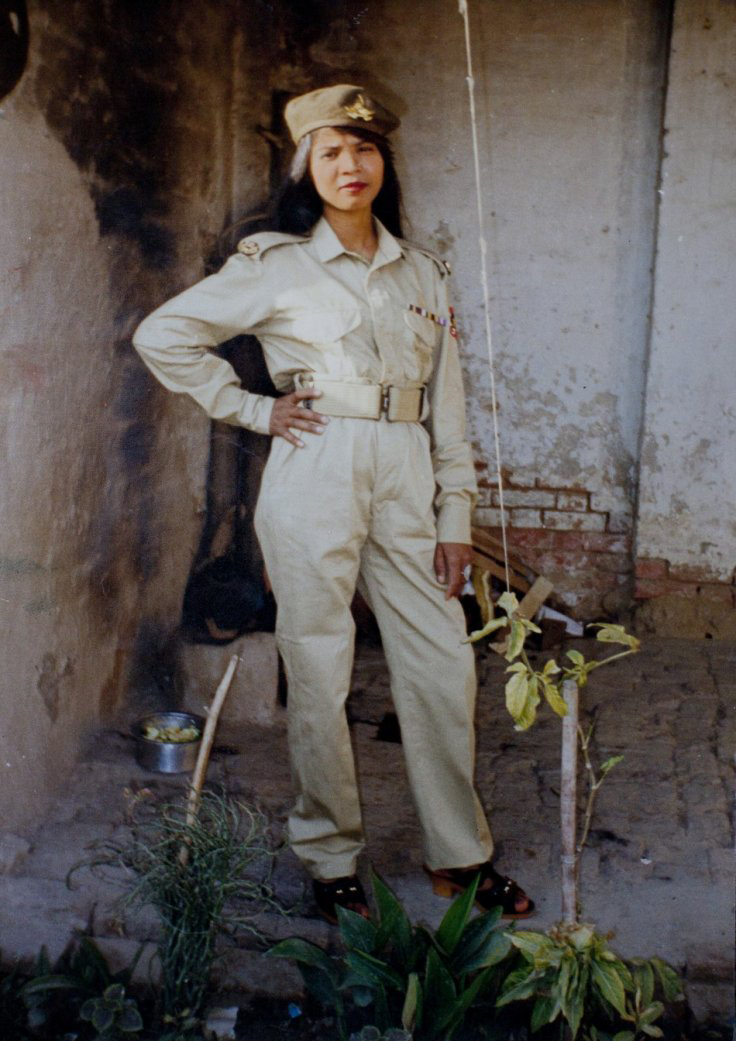
Aasia Bibi in an undated photograph distributed by her family. Before this incident took place, she apparently spent some time in one of the service corps of the Pakistani military, as her uniform indicates. Inflamed by demagoguery inside and outside the country, the case was finally settled by judges of conscience who delivered a just verdict while facing down death threats.

Salman Taseer, the governor of Punjab, and Minority Affairs Minister Shahbaz Bhatti, were both murdered by religious renegades who are the scourge of the country. Even Aasia Bibi’s lawyer, Saiful-Mulook, was forced to flee the country as a result of threats when, in Islamic law, attorneys are supposed to be protected from such reprisals. In fact, the Covenants of the Prophet state clearly that non-Muslims must be provided with proper legal representation.

As the Messenger of Allah (pbuh) states in the Covenant of the Prophet Muhammad with the Christians of Najran, as contained in the Chronicle of Sirah, as well as the Covenants of the Prophet Muhammad with the Christians of the World, granted to the Christians of Egypt and the Levant,

If a Christian were to commit a crime or an offense, Muslims must provide him with help, defense, and protection. They should pardon his offense and encourage his victim to reconcile with him, urging him to pardon him or to receive compensation in return.
He stipulated the same in the Covenant of the Prophet Muhammad with the Christians of Persia, namely,

If any Christian shall be found inadvertently offending, Muslims shall deem it their duty to assist him, accompanying him to the law-courts, so that not more may be exacted of him than is prescribed by God, and peace may be restored between the parties to the dispute according to the Scripture.

Much of the corporate mass media has taken advantage of the sickening situation to paint a portrait of Pakistanis as savages, a scandalous accusation since the vast majority of the population hates takfiris, Wahhabis, Deobandis, and Barelvis with a passion. They are vermin that were introduced into the country by the British, Saudi Arabia, and the United States. The people of Pakistan are Sunnis and Shi‘is, the sons of ‘Allamah Muhammad Iqbal, among whom are scientists, scholars, and saints.

The 56-page October 2018 verdict of the Supreme Court of Pakistan, authored by the Chief Justice of Pakistan, Saqib Nisar, with a concurrent judgement authored by Asif Saeed Khan Khosa, came as a relief to many while infuriating the bands of barbarians who are hell-bent on destroying the image of Islam in the world. Consternation was caused when the Pakistani government decreed that Aasia Bibi was banned from leaving the country until the verdict was reviewed. What appeared as weakness on the part of Prime Minister Imran Khan’s government seems to have been a political ruse aimed at momentarily neutralizing the religious cannibals in order to arrange for Aasia Bibi’s departure from the country. The true cowardice did not come from Pakistan, but from the United Kingdom, which refused to consider her asylum application on grounds that it could cause religious unrest in the country, showing that there are just as many misogynistic madmen in the British Isles (Canada and Italy have offered to take her in).
For Islamophobes from the American Center for Law and Justice and other Christian-Zionist organizations, Aasia Bibi was the victim of Islamic law. She was the poster child for persecuted Christians in the Muslim world. They conveniently ignore that blasphemy laws in Pakistan were introduced, not by Pakistanis, but by the British, and not by Muslims, but by so-called Christians.

The British, who believed in law and order, were compelled to pass blasphemy laws to curtail the actions of Christian missionary provocateurs who would deliberately insult the Prophet Muhammad (pbuh) in order to cause riots, thereby, destabilizing the country. These blasphemy laws, which were inherited by Pakistanis from the British, and meant to prevent violence by tying the hands of people like Salman Rushdie and those who want to publish insulting cartoons of the Prophet Muhammad (pbuh), have backfired. They were supposed to prevent religious riots. In reality, they are causing them. They are used to persecute religious minorities, such as Christians, Shi‘is, and others, and fuel the fires of vigilantes who feel free to harass, threaten, intimidate, and attack anyone they oppose on concocted claims of blasphemy.

In commenting on the verdict, Pakistani Chief Justice Mian Saqib Nisar delivered a speech on 11-1-2018 in which he showed immense love and respect toward the Prophet (pbuh), saying that he is ready to sacrifice his life for him, “…but no one can be punished without proof” and that love for the Prophet “does not mean punishing a person on the basis of doubt.” He further added that the judgement was started in the name of Allah (swt) and the Qur’an was referred to throughout the proceedings.

The so-called cure to religious conflict has been shown to be carcinogenic. After all, how can blasphemy laws be considered healthy when they are in clear contradiction of Islamic law? As Abu Hanifah himself has ruled,

If a dhimmi [protected non-Muslim under the state] insults the holy Prophet, he will not be killed as punishment. A non-Muslim is not killed for his kufr [denial of Allah’s authority/divinity] or shirk [the transferance of authority and dominion to a temporal rival of Allah]. Kufr and shirk are bigger sins than insulting the Prophet.

Although some jurists believe that people can be put to death for blasphemy, they rarely extend such punishment to women, and those who do so, give the guilty parties the opportunity to repent in return for pardon. In applying Islam, the Prophet Muhammad (pbuh) has taught us to lean toward compassion and adopt the most moderate approach, “Make things easier, do not make things more difficult, spread the glad tidings, and do not hate” (Sahih Bukhari).

As the evidence presented by Justice Khosa makes clear, if anyone should be punished in the case of Aasia Bibi it is her accusers who violated the Covenant of the Prophet, which remains valid today — those who “had no regard for truth,” and who concocted the claim that she blasphemed Muhammad (pbuh) in public. Although Aasia Bibi insisted that she was innocent, which was enough, according to Islamic law, to free her, no mercy was to be found in the hearts of the religious lunatics. Although Pope Benedict and Pope Francis called for clemency, no mercy was to be found in the hearts of religious Neanderthals. Although 600,000 people from over 100 countries asked that Aasia Bibi be freed, no mercy was to be found in the hearts of the Barmanous. They have shown themselves less human than the bipedal humanoid primates that allegedly inhabit the mountainous region of western Pakistan.

“Hang her, hang her,” they cry. “Behead her, behead her,” they demand. These are people whose hearts are filled with hatred and vengeance. As the Messenger of Allah (pbuh) warned, “Whoever is not merciful to people will not receive the mercy from Allah” (Muslim and Haythami).

As much as the Islamophobes allege that Aasia Bibi was a victim of Islam, it was Islam that saved her as the ruling from the Supreme Court of Pakistan drew heavily from both the Qur’an and the Hadith. In fact, it devoted great detail to the Ashtiname, namely, the Covenant of the Prophet Muhammad with the Monks of Mount Sinai, and cited The Covenants of the Prophet Muhammad with the Christians of the World, which I authored, as evidence that Aasia Bibi was covered by the protections and privileges of the Messenger of Allah (pbuh). As Arnold Yasin Moll, from the Fahm Institute in the Netherlands, wrote regarding the Aasia Bibi Case, “scholarship saves lives.”

For Dr. Craig Considine from Rice University, “this is remarkable.” As for myself, I take no credit. It was the Messenger of Allah (pbuh) who saved Aasia Bibi from certain death. Those who are protesting the decision of the Supreme Court of Pakistan are protesting the Prophet Muhammad (pbuh) himself. May God have mercy on their souls. Or, if we judge them according to how they judge others, may God damn them all to hell.


Parliament of World’s Religions Call for Understanding

Parliament of World’s Religions calls for understanding

By Dr. John Andrew Morrow

AMUST (November 22, 2018)

The seventh Parliament of the World’s Religions, the oldest, largest, most diverse and inclusive global interfaith event, was held in Toronto, Ontario, Canada, between 1 November and 7 November, 2018.

The conference, which was themed, “The Promise of Inclusion, the Power of Love: Pursuing Global Understanding, Reconciliation, and Change,” was attended by over 10,000 people of faith and conscience from 80 different nations, and featured over 500 programs and events.

One particular panel, titled “An Offering of the Covenants of the Prophet Muhammad in the 21st Century,” featured Charles Upton, the Muslim American scholar, activist, and intellectual, who issued the following appeal to Christians and Muslims:

Islamophobia is on the rise. The Council for American-Islamic relations recorded a 17 percent increase in incidents of anti-Muslim bias in the US in 2017 over 2016, much of it undoubtedly due to the climate of fear created by the Trump administration.
This was accompanied by a 15 percent increase in hate crimes targeting U.S. Muslims, including children, youth, and families, over the same period. As for 2018, CAIR’s quarterly report indicates that anti-Muslim bias incidents and hate crimes in the second quarter were up 83 and 21 percent respectively over the first quarter of this year. Internationally as well, the persecution of Muslims is increasing, as witness the attacks against the Rohingya Muslims in Myanmar, as well as the massacre of Muslims by Christian militias in the Central African Republic.

For an individual or group in dire need to ask for help from another is humbling; it wounds our pride, even our legitimate pride. Those willing to risk the wounds of battle may still be reluctant to receive this wound, no matter how necessary it may finally prove to be—especially if we are of the unfortunate opinion that our pride is all we have. Those who know Allah, however, know that as pride weakens, faith and courage grow stronger—and also that to move beyond our pride is not to abandon that pride, but simply to transfer it to a greater and more worthy Object. As a Sufi poet once wrote: “Everyone is proud of someone, and we are proud of God!

To ask for help is go into debt, which means that only those who are willing to recognize that debt, and who also have faith that full repayment can be made, will risk incurring it. Our faith that all debts will ultimately be satisfied comes from the Quranic verse Allah is the Rich, and ye are the poor. Our Patron is generous and possessed of vast resources, and if our very existence, even to the actual number of our breaths, are a free gift from Him, then He will certainly pay all our lesser debts—if, that is, we are willing to recognize our intrinsic poverty and our nothingness without Him.

Christians of good will, we need your help; we need it badly, and we need it now. There are many ways of protesting Islamophobia, but it is our considered opinion that the single most powerful witness in defense of Muslims is a firm commitment by both Christians and Muslims to spread the word of the heroic defense of persecuted Christians by Muslims in Iraq, in Syria, and elsewhere in the world, and of the rediscovery of the Covenants of the Prophet Muhammad, in the spirit though not always in the knowledge of which, such actions are taken. We request—we implore—we challenge every Christian of good will to make these documents and these actions known to everyone, from the local anti-Muslim agitator all the way up to the heads of his or her state and every state, the authorities of his or her religion, and the members of his or her faith community. As for our fellow Muslims, we invite you to sign the Covenants Initiative at www.covenantsoftheprophet.com